Semiconductor Cleanroom Standards: Key Updates to Watch in 2026
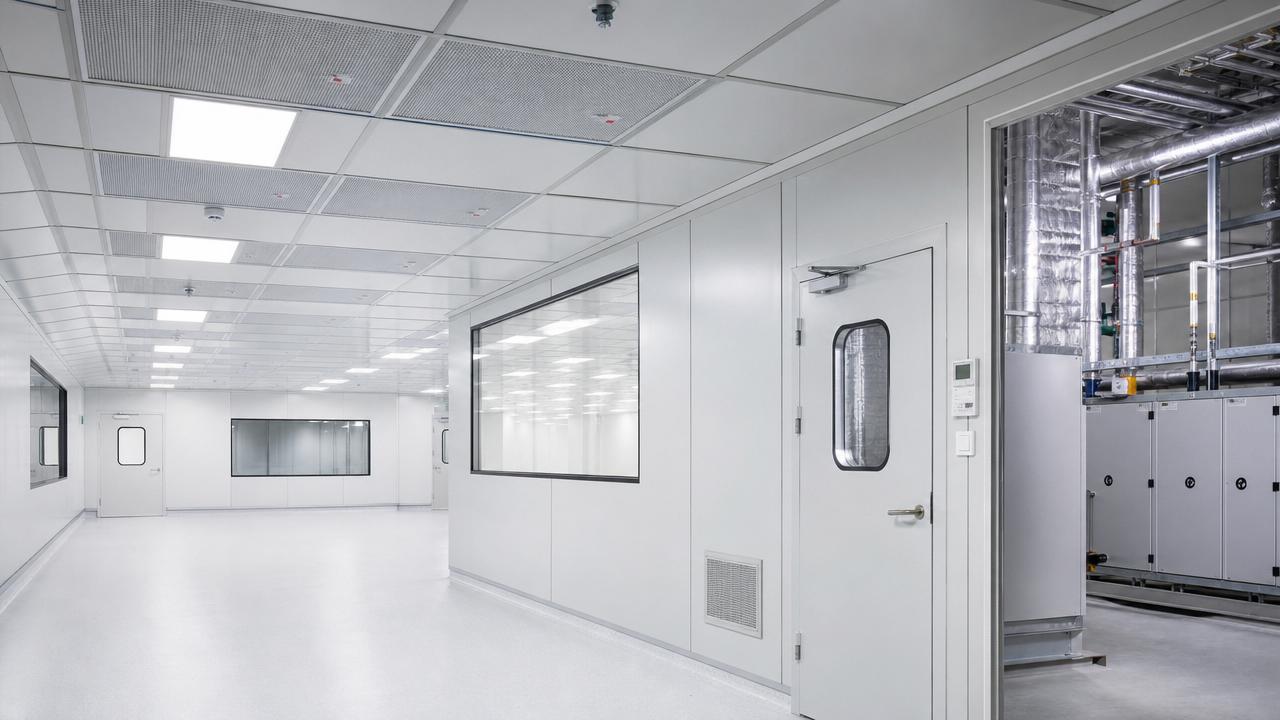
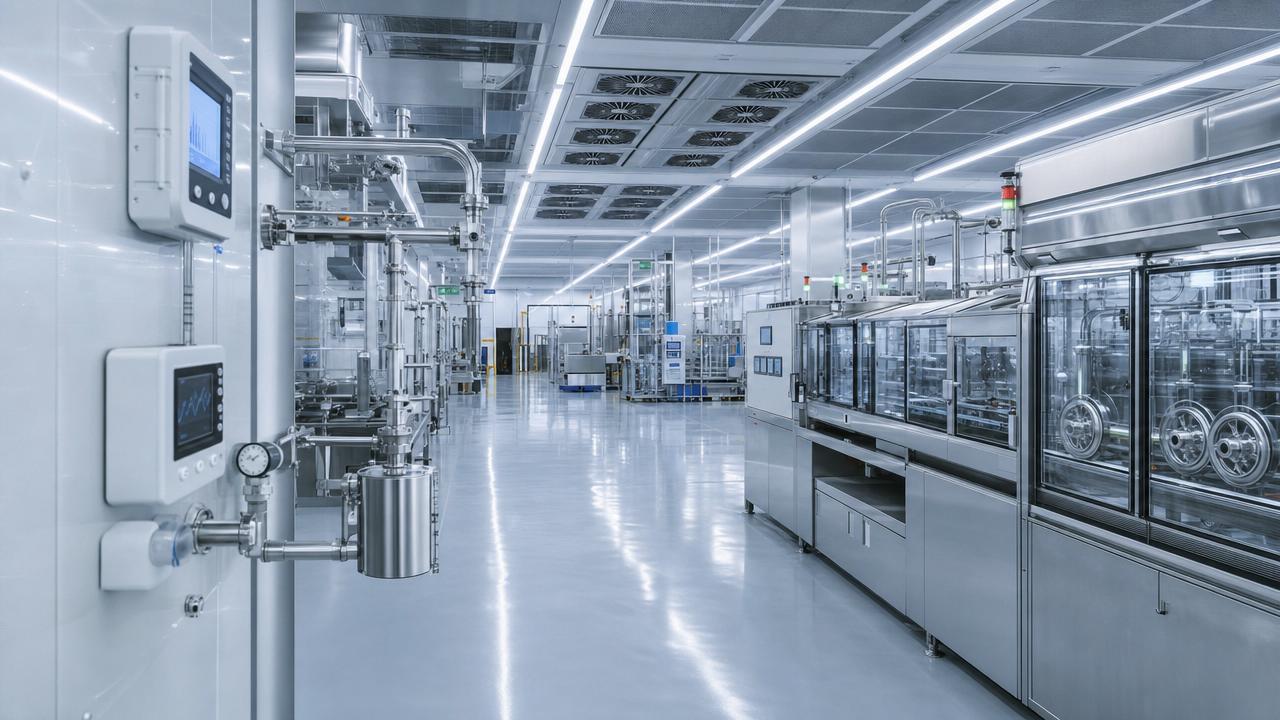
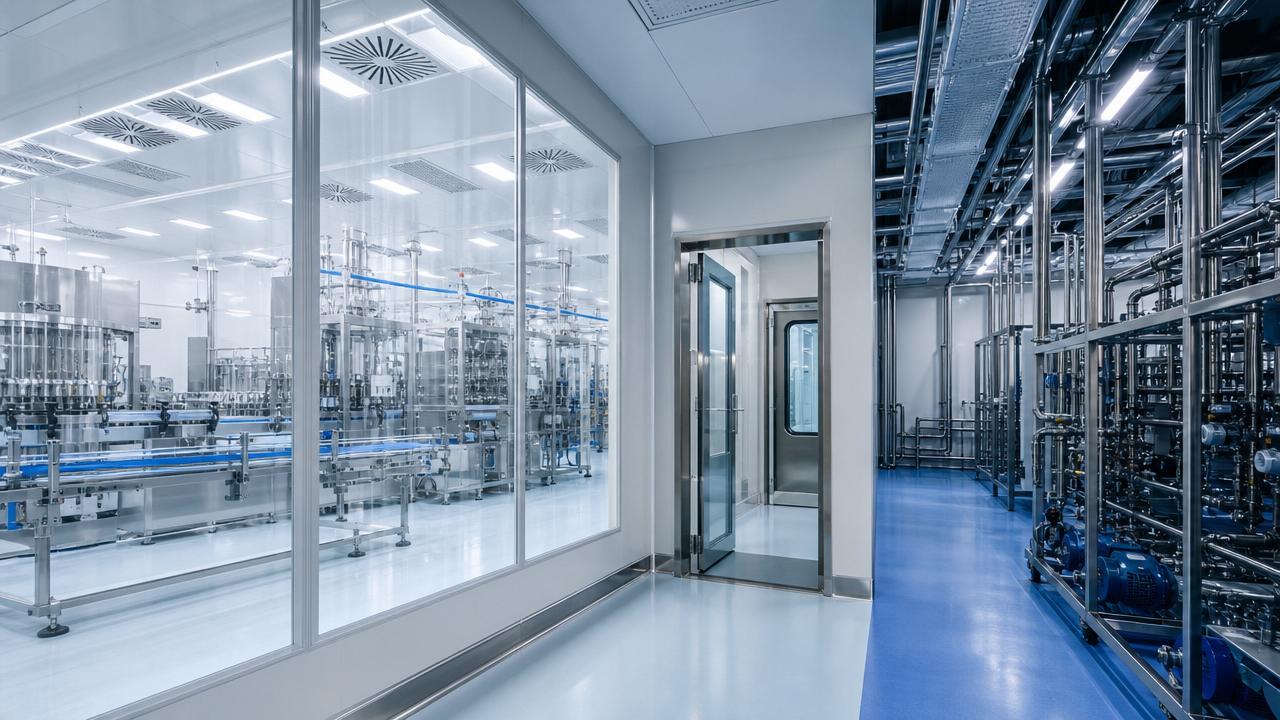
As chip geometries shrink and contamination tolerances tighten, Semiconductor Cleanroom standards are moving from facility detail to strategic control point.
By 2026, updates in airflow stability, particle control, thermal precision, data logging, and compliance traceability will shape yield resilience and capital efficiency.
For advanced fabs and supporting industrial environments, the direction is clear: Semiconductor Cleanroom standards will become more integrated, digital, and performance-verified.
Why 2026 Marks a Turning Point for Semiconductor Cleanroom standards
The next wave of Semiconductor Cleanroom standards is not driven by one regulation alone.
It is driven by smaller process nodes, tighter EUV contamination budgets, higher energy scrutiny, and stronger demands for auditable environmental performance.
Legacy cleanroom assumptions focused heavily on particle counts.
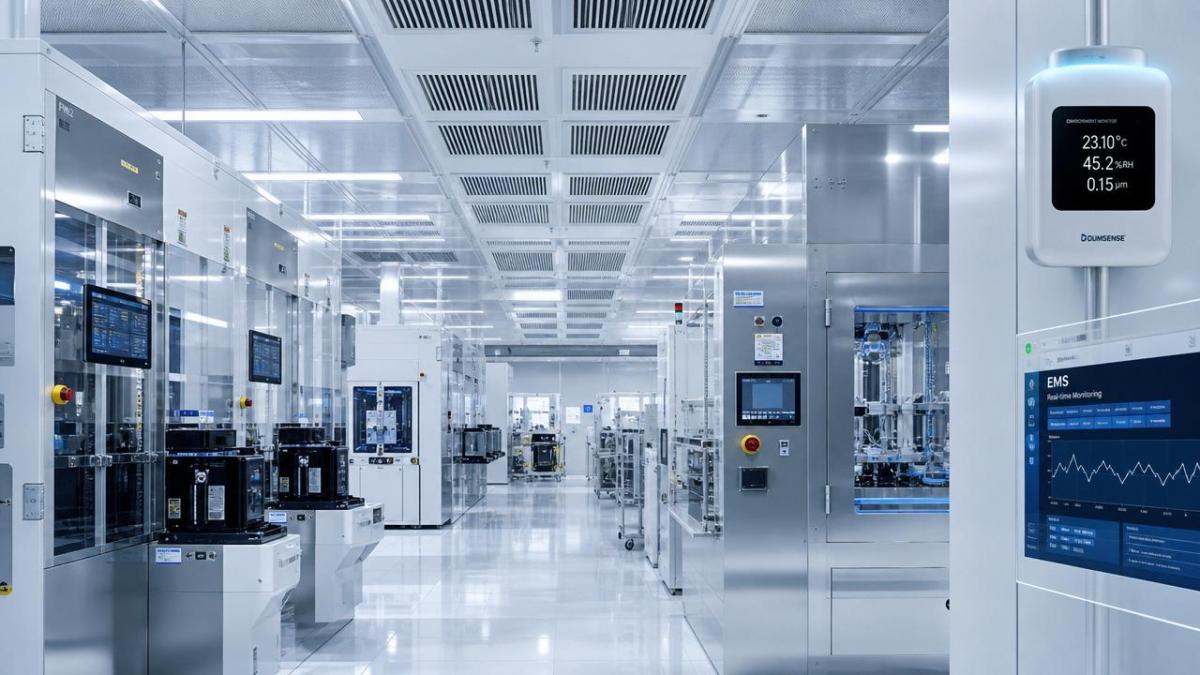
Emerging Semiconductor Cleanroom standards now expand attention to molecular contamination, thermal drift, pressure stability, recovery time, and digital evidence quality.
This shift matters across the broader industrial landscape.
Semiconductor facilities influence suppliers in filtration, HVAC, process fluids, monitoring systems, and ESG reporting infrastructure.
The Strongest Trend Signals Already Visible Today
Several signals suggest that Semiconductor Cleanroom standards in 2026 will become stricter in execution, not only in written specifications.
- More fabs are validating airflow uniformity continuously, not only during qualification windows.
- Thermal control targets are tightening around high-value lithography and metrology zones.
- AMC control is gaining board-level attention due to defect sensitivity and tool downtime risk.
- Digital twins are entering environmental control strategies for predictive stability management.
- Audit readiness now depends on data integrity, timestamp quality, and exception traceability.
These signals show that Semiconductor Cleanroom standards are evolving toward measurable operational proof.
Passing a certification event will matter less than sustaining verified control during production volatility.
What Is Pushing the 2026 Updates
The following drivers explain why Semiconductor Cleanroom standards are changing so quickly.
Together, these forces are redefining Semiconductor Cleanroom standards as a dynamic control framework.
Static design compliance alone will no longer satisfy performance expectations.
The Technical Areas Most Likely to Tighten
Airflow and recovery performance
Semiconductor Cleanroom standards are expected to focus more on airflow consistency at point-of-use conditions.
This includes directional stability, localized turbulence control, and faster recovery after door events or maintenance interventions.
Temperature and humidity precision
Thermal control is becoming a process enabler, not just a comfort or utility function.
In high-value zones, Semiconductor Cleanroom standards may increasingly align with ultra-tight tolerance strategies and micro-zoned control architectures.
AMC and chemical cleanliness
Molecular contamination is drawing more attention because not every defect is visible through particle counting alone.
Chemical filtration selection, source isolation, and materials compatibility will likely appear more prominently in Semiconductor Cleanroom standards discussions.
Monitoring, alarms, and evidence quality
Sensor coverage alone is not enough.
Future Semiconductor Cleanroom standards will likely reward systems that link alarms, root-cause data, trend history, and corrective actions in one auditable chain.
How the Changes Will Affect Operations and Capital Decisions
The impact of Semiconductor Cleanroom standards in 2026 will extend far beyond certification teams.
Facility design, retrofit planning, utility load modeling, maintenance strategy, and digital infrastructure choices will all be affected.
- HVAC systems may require finer variable control and lower drift under partial-load conditions.
- FFU strategies may shift toward smarter balancing and continuous verification logic.
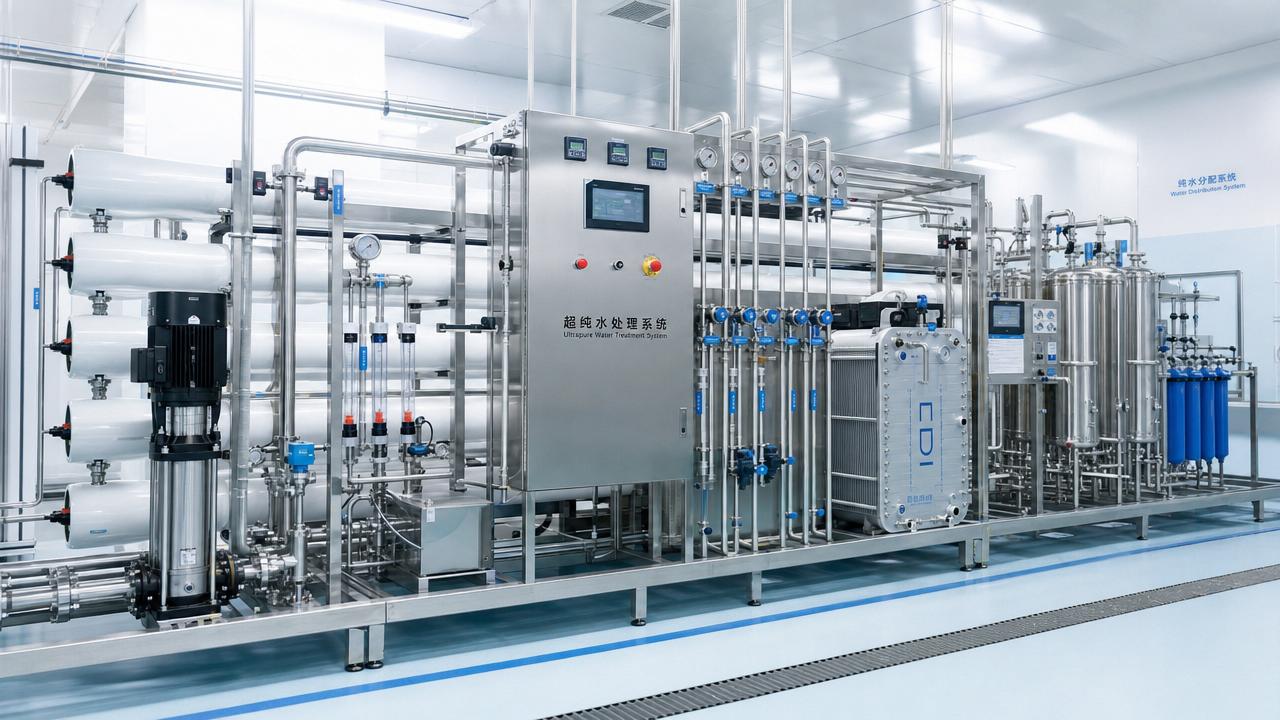
- UPW and process fluid areas may face stronger contamination interface reviews.
- BMS and EMS platforms may need cleaner integration with compliance records.
- Retrofits may prioritize risk-ranked zones instead of full-facility replacement.
This is why Semiconductor Cleanroom standards matter across the combined industrial environment-control value chain.
Mechanical performance, software reliability, and regulatory defensibility are now tightly connected.
What Deserves Immediate Attention Before 2026
Preparation should begin with practical checkpoints, not broad assumptions.
- Map current cleanroom performance against ISO 14644, SEMI expectations, and internal process sensitivity.
- Identify zones where thermal stability has tighter business value than general room averages.
- Review AMC monitoring gaps and filtration media life-cycle assumptions.
- Audit data retention, timestamp consistency, and alarm acknowledgment workflows.
- Stress-test recovery performance after upset events, shutdowns, or service access.
- Measure energy consequences of higher cleanliness targets before locking retrofit budgets.
These steps help translate Semiconductor Cleanroom standards into quantified operational priorities.
A Practical Response Framework for 2026 Readiness
This approach fits the direction of Semiconductor Cleanroom standards while supporting broader industrial sustainability and resilience goals.
The Strategic Outlook: Stricter Proof, Smarter Control, Broader Integration
Looking toward 2026, Semiconductor Cleanroom standards will likely favor facilities that can prove control continuously.
The leading edge will combine contamination control, precision HVAC, process utility integrity, and digital observability into one operating model.
That is also where organizations such as G-ICE create value.
Benchmarking cleanroom systems, thermal platforms, UPW environments, biosafety-adjacent engineering, and digital monitoring against ISO, ASHRAE, and SEMI can reduce blind spots before requirements tighten.
The next step is practical.
Review current Semiconductor Cleanroom standards alignment, rank the highest-risk zones, and build a 2026 roadmap for airflow, thermal precision, AMC control, and compliance data quality.
Early action will protect yield, shorten audits, and improve long-term infrastructure decisions.
Get weekly intelligence in your inbox.
No noise. No sponsored content. Pure intelligence.
![]() May 23, 2026Thermodynamic Hardware Specs That Affect UptimeHigh-Performance Thermodynamic Hardware specifications shape uptime long before alarms appear. Learn which specs reduce drift, downtime, contamination, and compliance risk.
May 23, 2026Thermodynamic Hardware Specs That Affect UptimeHigh-Performance Thermodynamic Hardware specifications shape uptime long before alarms appear. Learn which specs reduce drift, downtime, contamination, and compliance risk.![]() May 23, 2026High-Tech Industrial Complex Requirements ExplainedHigh-Tech Industrial Complex requirements explained clearly—learn how cleanrooms, precision HVAC, water purity, biosafety, and smart monitoring drive compliance, yield, and reliable performance.
May 23, 2026High-Tech Industrial Complex Requirements ExplainedHigh-Tech Industrial Complex requirements explained clearly—learn how cleanrooms, precision HVAC, water purity, biosafety, and smart monitoring drive compliance, yield, and reliable performance. May 23, 2026Cleanroom Architecture Design for Retrofit ProjectsCleanroom Architecture design for retrofit projects: learn how to upgrade aging facilities with better airflow, compliance, and cost control while minimizing downtime.
 May 23, 2026Sub-Micron Contamination Control in 2026 ProductionSub-Micron Contamination control in 2026 production: learn how cleanroom, HVAC, fluids, and monitoring strategies protect quality, safety, compliance, and yield—explore practical solutions.
![]() May 23, 2026Industrial Climate Control Solutions for Stable YieldIndustrial Climate Control solutions help stabilize yield, reduce contamination risk, and improve compliance across fabs, pharma, and labs. Learn how to build resilient, high-performance environments.
May 23, 2026Industrial Climate Control Solutions for Stable YieldIndustrial Climate Control solutions help stabilize yield, reduce contamination risk, and improve compliance across fabs, pharma, and labs. Learn how to build resilient, high-performance environments.![]() May 23, 2026Precision Temperature Control: Spec ChecklistPrecision Temperature Control manufacturer spec checklist: compare stability, uniformity, response time, compliance, integration, and lifecycle performance to choose with confidence.
May 23, 2026Precision Temperature Control: Spec ChecklistPrecision Temperature Control manufacturer spec checklist: compare stability, uniformity, response time, compliance, integration, and lifecycle performance to choose with confidence.![]() May 23, 2026Biosafety Containment Supplier Selection GuideBiosafety Containment supplier selection starts with risk, not price. Learn how to compare compliance, engineering, lifecycle cost, and service support to choose with confidence.
May 23, 2026Biosafety Containment Supplier Selection GuideBiosafety Containment supplier selection starts with risk, not price. Learn how to compare compliance, engineering, lifecycle cost, and service support to choose with confidence. May 23, 2026Choosing Ultra-Pure Water Treatment EquipmentUltra-Pure Water Treatment equipment selection starts with the right checklist. Compare quality, compliance, lifecycle cost, and reliability to choose a system that protects uptime and product performance.
 May 23, 2026Pharmaceutical Cleanroom Design Mistakes to AvoidPharmaceutical Cleanroom design mistakes can drive compliance risks, energy waste, and costly rework. Discover the key pitfalls to avoid for safer, smarter, audit-ready facilities.
 May 23, 2026ISO Class 1 Cleanroom Price: 2026 Cost DriversISO Class 1 Cleanroom price in 2026 depends on airflow, HVAC precision, compliance, and lifecycle energy costs. Discover the key cost drivers before you budget or buy.
![]() May 23, 20262026 Global Trade & Investment Summit: Dual Certification for Clean TechClean tech dual certification (ISO 14067 + ISO/IEC 23053) is now mandatory for the Global Green Clean Technology Recommended Directory—key for Singapore & Korea procurement. Act now.
May 23, 20262026 Global Trade & Investment Summit: Dual Certification for Clean TechClean tech dual certification (ISO 14067 + ISO/IEC 23053) is now mandatory for the Global Green Clean Technology Recommended Directory—key for Singapore & Korea procurement. Act now.![]() May 23, 2026German Brand & Design Council Opens Shanghai Office, Launches Sino-German Mutual Recognition for Clean Tech UI StandardsGerman Brand & Design Council launches Sino-German UI mutual recognition for clean tech—key for lab automation, IIoT air monitoring & digital twin interfaces.
May 23, 2026German Brand & Design Council Opens Shanghai Office, Launches Sino-German Mutual Recognition for Clean Tech UI StandardsGerman Brand & Design Council launches Sino-German UI mutual recognition for clean tech—key for lab automation, IIoT air monitoring & digital twin interfaces.![]() May 23, 2026US-China Trade Talks Ease Non-Tariff Barriers for UPW Equipment ExportsUPW equipment exporters gain faster U.S. market access: US-China trade talks ease non-tariff barriers, cutting customs clearance to 5 days—act now.
May 23, 2026US-China Trade Talks Ease Non-Tariff Barriers for UPW Equipment ExportsUPW equipment exporters gain faster U.S. market access: US-China trade talks ease non-tariff barriers, cutting customs clearance to 5 days—act now.![]() May 23, 2026UK-GCC Trade Pact Cuts Cleanroom Certification BarriersUK-GCC Trade Pact cuts cleanroom certification barriers: UL 1995 & IEC 60335 now accepted in Saudi Arabia—faster SABER Green Channel access, 40% cost savings.
May 23, 2026UK-GCC Trade Pact Cuts Cleanroom Certification BarriersUK-GCC Trade Pact cuts cleanroom certification barriers: UL 1995 & IEC 60335 now accepted in Saudi Arabia—faster SABER Green Channel access, 40% cost savings.![]() May 23, 2026Canton Fair Phase III Ends: Lab Automation Export Up 37%Lab automation export up 37% at Canton Fair Phase III — surge driven by Middle East demand for cleanroom systems, biosafety compliance & real-time AMC monitoring.
May 23, 2026Canton Fair Phase III Ends: Lab Automation Export Up 37%Lab automation export up 37% at Canton Fair Phase III — surge driven by Middle East demand for cleanroom systems, biosafety compliance & real-time AMC monitoring.![]() May 23, 2026G7 Paris Meeting Focuses on Critical Minerals: ESG Traceability Rules Loom for Rare-Earth Permanent Magnet Motor ExportsCritical minerals ESG traceability is here: G7’s Paris meeting signals new rules for rare-earth permanent magnet motor exports — act now to prepare.
May 23, 2026G7 Paris Meeting Focuses on Critical Minerals: ESG Traceability Rules Loom for Rare-Earth Permanent Magnet Motor ExportsCritical minerals ESG traceability is here: G7’s Paris meeting signals new rules for rare-earth permanent magnet motor exports — act now to prepare.![]() May 23, 2026China CCPIT Releases Beijing Initiative: AI-Powered Digital Twin for Clean SystemsAI-powered Digital Twin Lab now mandatory for clean HVAC & UPW systems under CCPIT’s Beijing Initiative—verify compliance before ECTPA H2 2026 tenders.
May 23, 2026China CCPIT Releases Beijing Initiative: AI-Powered Digital Twin for Clean SystemsAI-powered Digital Twin Lab now mandatory for clean HVAC & UPW systems under CCPIT’s Beijing Initiative—verify compliance before ECTPA H2 2026 tenders.![]() May 23, 2026Fruit Attraction 2026 Booth Bookings Exceed 90%Fruit Attraction 2026 booth bookings exceed 90% — a key signal for Maglev chillers, ZLD cooling & UPW coolant adoption in fresh produce cold chains.
May 23, 2026Fruit Attraction 2026 Booth Bookings Exceed 90%Fruit Attraction 2026 booth bookings exceed 90% — a key signal for Maglev chillers, ZLD cooling & UPW coolant adoption in fresh produce cold chains.![]() May 23, 2026Hospitalar 2026 Concludes: Lecan Digital Chronic Disease Platform Gains CE + ANVISA Dual CertificationLecan Digital Chronic Disease Platform achieves CE IVDR + ANVISA dual certification at Hospitalar 2026 — a strategic milestone for remote diagnostics in Latin America.
May 23, 2026Hospitalar 2026 Concludes: Lecan Digital Chronic Disease Platform Gains CE + ANVISA Dual CertificationLecan Digital Chronic Disease Platform achieves CE IVDR + ANVISA dual certification at Hospitalar 2026 — a strategic milestone for remote diagnostics in Latin America.![]() May 23, 2026Vitafoods Europe 2026 Closes: PLH Presents MRI-Validated Herbal OA Solution, Clean-Grade Bio-Manufacturing Gains AttentionVitafoods Europe 2026 spotlight: PLH’s MRI-validated herbal OA solution & clean-grade bio-manufacturing—key for EU OEMs, extract suppliers & compliance teams.
May 23, 2026Vitafoods Europe 2026 Closes: PLH Presents MRI-Validated Herbal OA Solution, Clean-Grade Bio-Manufacturing Gains AttentionVitafoods Europe 2026 spotlight: PLH’s MRI-validated herbal OA solution & clean-grade bio-manufacturing—key for EU OEMs, extract suppliers & compliance teams. May 22, 2026Semiconductor Cleanroom Construction: Cost Drivers Often Missed EarlySemiconductor Cleanroom construction costs are often underestimated early. Discover hidden cost drivers, compliance risks, and smart planning insights to protect budget and yield.
 May 22, 2026Pharmaceutical Cleanroom Validation: Steps That Reduce ReworkPharmaceutical Cleanroom validation steps that cut rework, speed approvals, and improve GMP readiness. Learn practical actions for smoother handovers and reliable startup performance.
 May 22, 2026SEMI Standards Certification: Faster Paths to Supplier QualificationSEMI Standards certification helps accelerate supplier qualification with a practical checklist for cleaner audits, stronger compliance, and faster approvals across cleanroom, HVAC, UPW, and monitoring projects.
 May 22, 2026ESG Compliance Reporting: What Impacts Approval in 2026ESG Compliance reporting in 2026 demands traceable data, stronger governance, and clear financial relevance. Discover the approval checklist industrial teams need to reduce risk and win trust.
 May 22, 2026Environmental Integrity Policies and the New Carbon Audit BurdenEnvironmental Integrity policies are reshaping carbon audits, valuation, and compliance risk. Discover how evaluators can identify hidden weaknesses, audit readiness, and resilient operators.
 May 22, 2026Semiconductor Cleanroom Standards That Shape Yield StabilitySemiconductor Cleanroom standards drive yield stability through particle control, airflow, pressure, and thermal precision. Learn what impacts fab performance most and how to reduce defects.
 May 22, 2026ASHRAE Standards Guidelines: Common Compliance Gaps to WatchASHRAE Standards guidelines: discover the most common compliance gaps in critical facilities, plus practical audit, retrofit, and monitoring strategies to reduce risk and improve control.