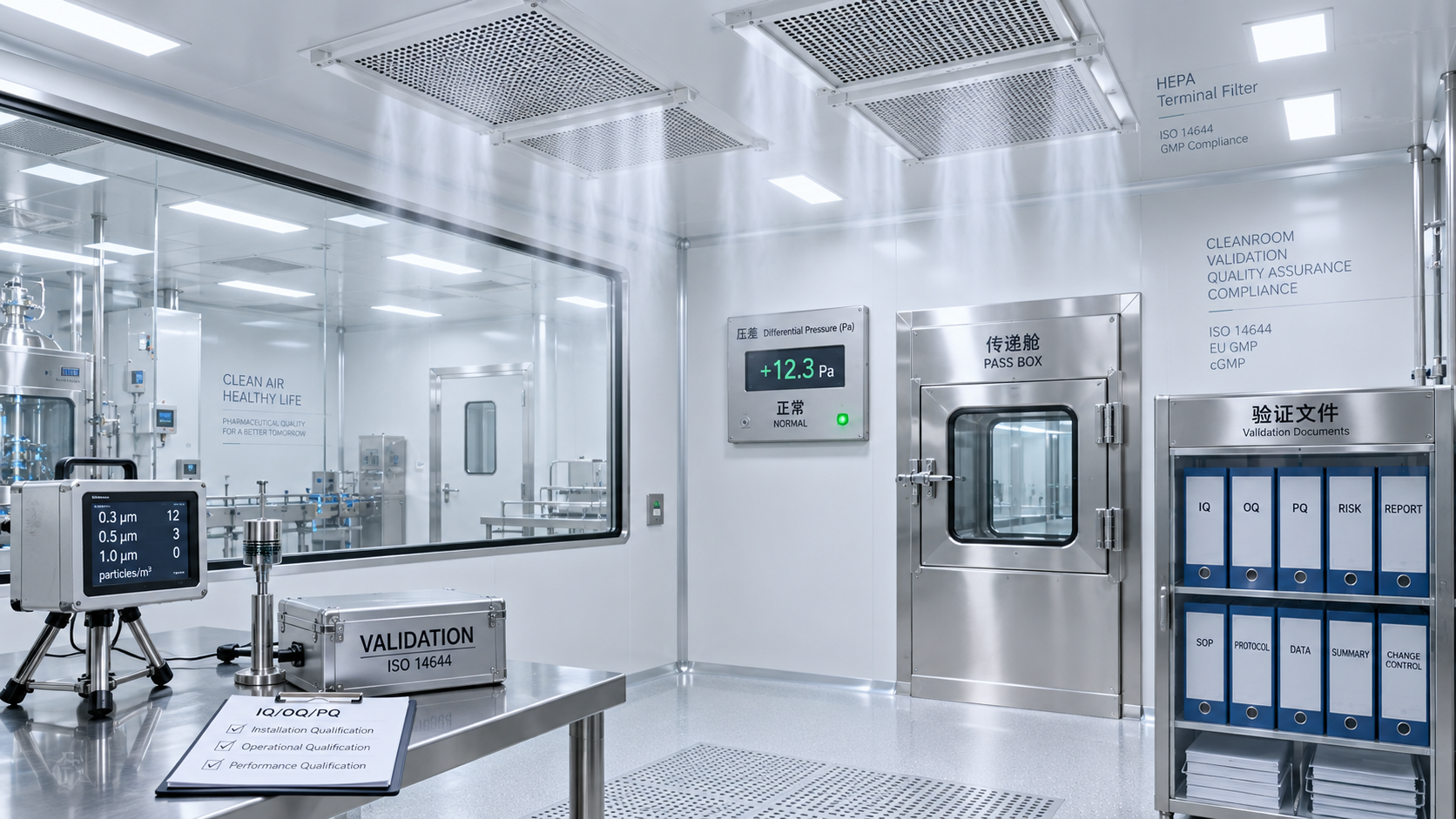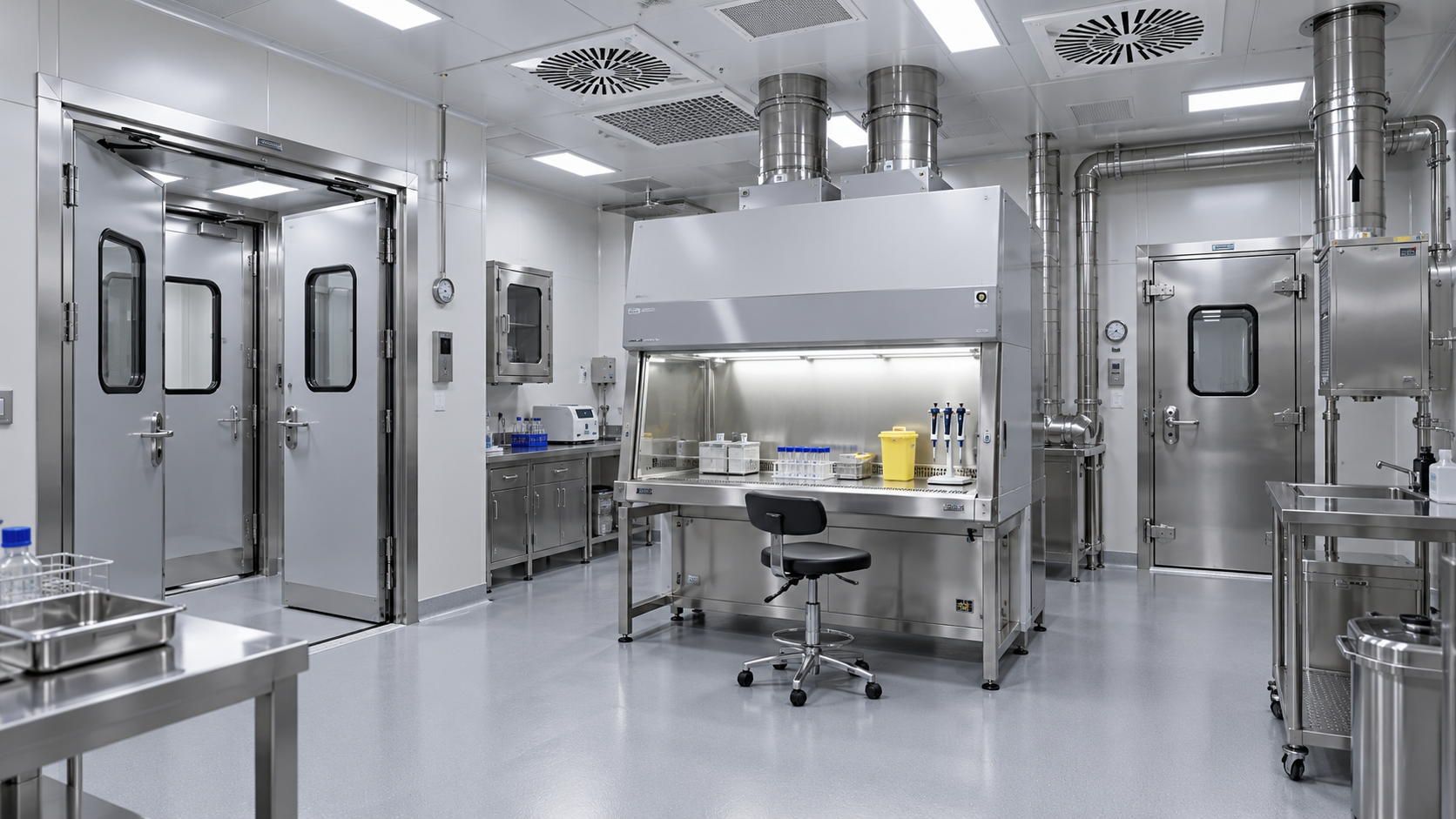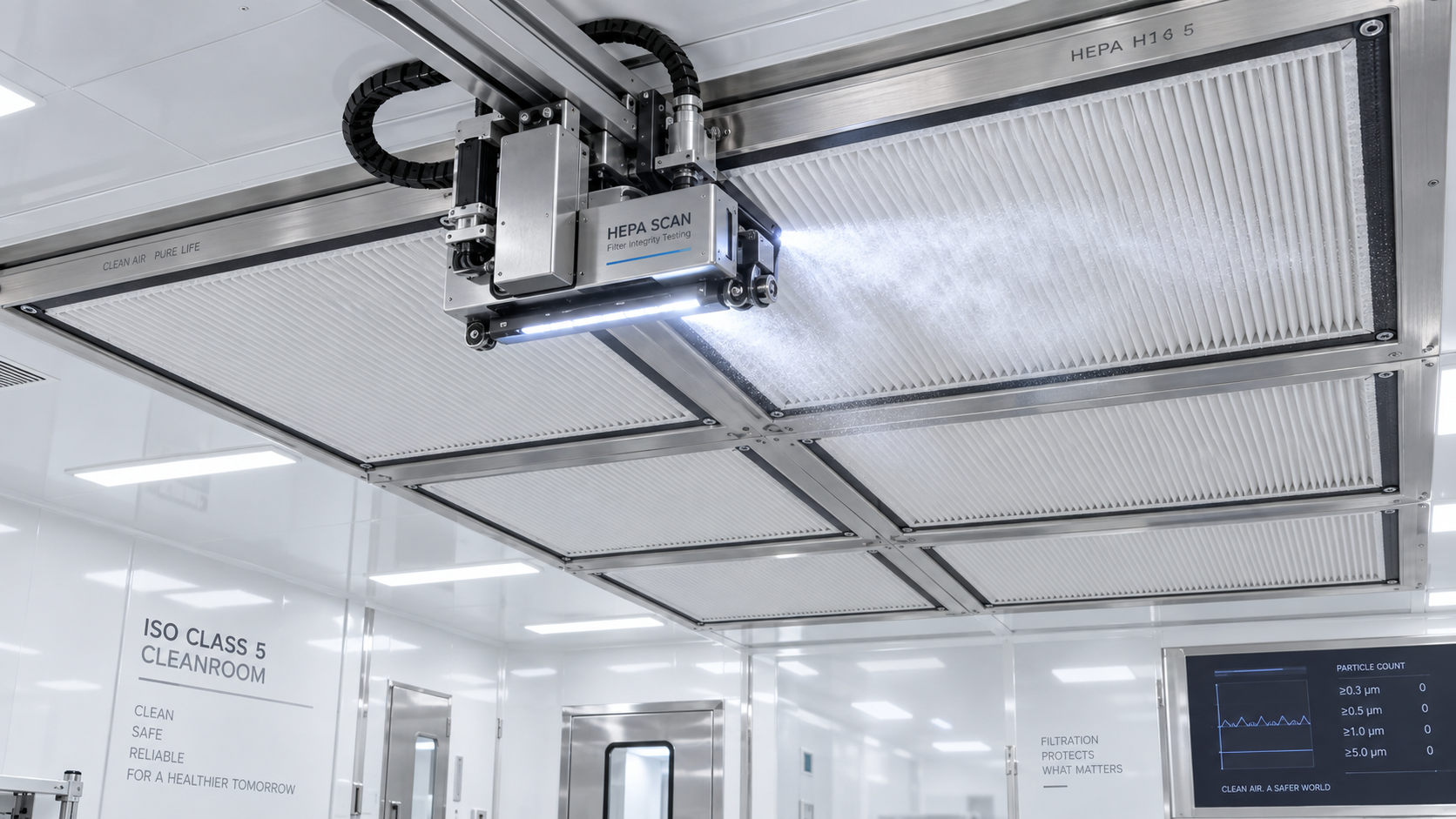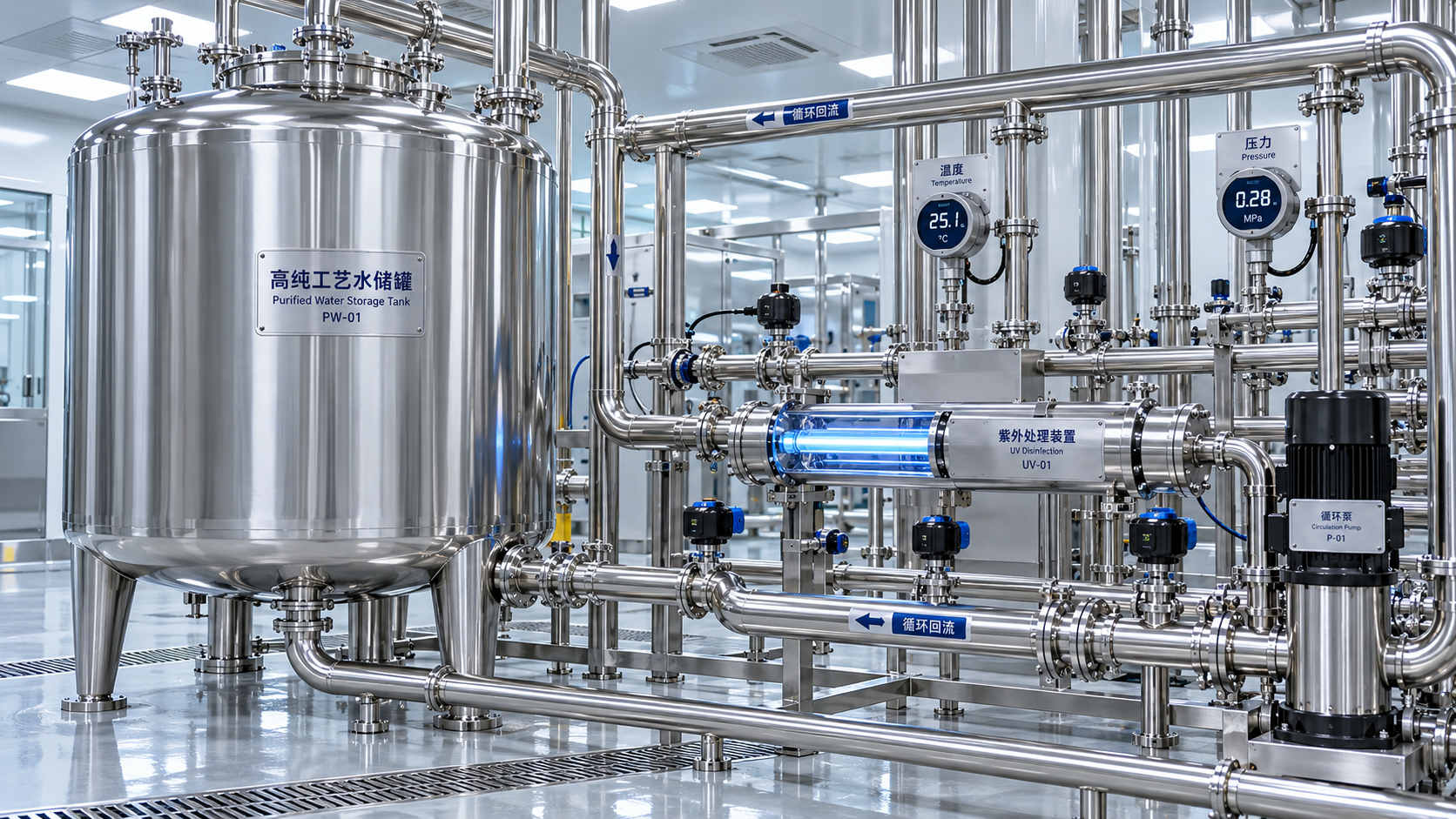
Pharmaceutical Cleanroom Validation: Steps That Reduce Rework
Pharmaceutical Cleanroom validation is where project timelines, compliance, and operational risk meet. For project managers and engineering leads, a structured validation approach can prevent costly rework, reduce commissioning delays, and strengthen audit readiness from day one. This article outlines the key steps that help pharmaceutical facilities achieve cleaner handovers, faster approvals, and more reliable performance.
In pharmaceutical projects, validation does not begin when construction ends. It starts much earlier, often during concept design, specification review, and equipment selection. When validation activities are deferred to the final handover stage, teams typically face avoidable failures in airflow balance, pressure cascade, recovery testing, environmental monitoring integration, and document traceability.
For project leaders managing clean manufacturing environments, the practical objective of Pharmaceutical Cleanroom validation is simple: reduce rework while protecting GMP compliance, startup schedules, and long-term operating stability. The most effective programs align design, commissioning, qualification, and operational readiness into one controlled path rather than four disconnected workstreams.
Why validation rework happens in pharmaceutical cleanroom projects
Rework usually comes from gaps between user requirements, engineering execution, and qualification evidence. In many projects, 3 to 5 core documents are developed by different teams: URS, design specifications, commissioning protocols, SOP drafts, and qualification plans. If these are not cross-checked early, the same room may pass installation review but fail performance testing.
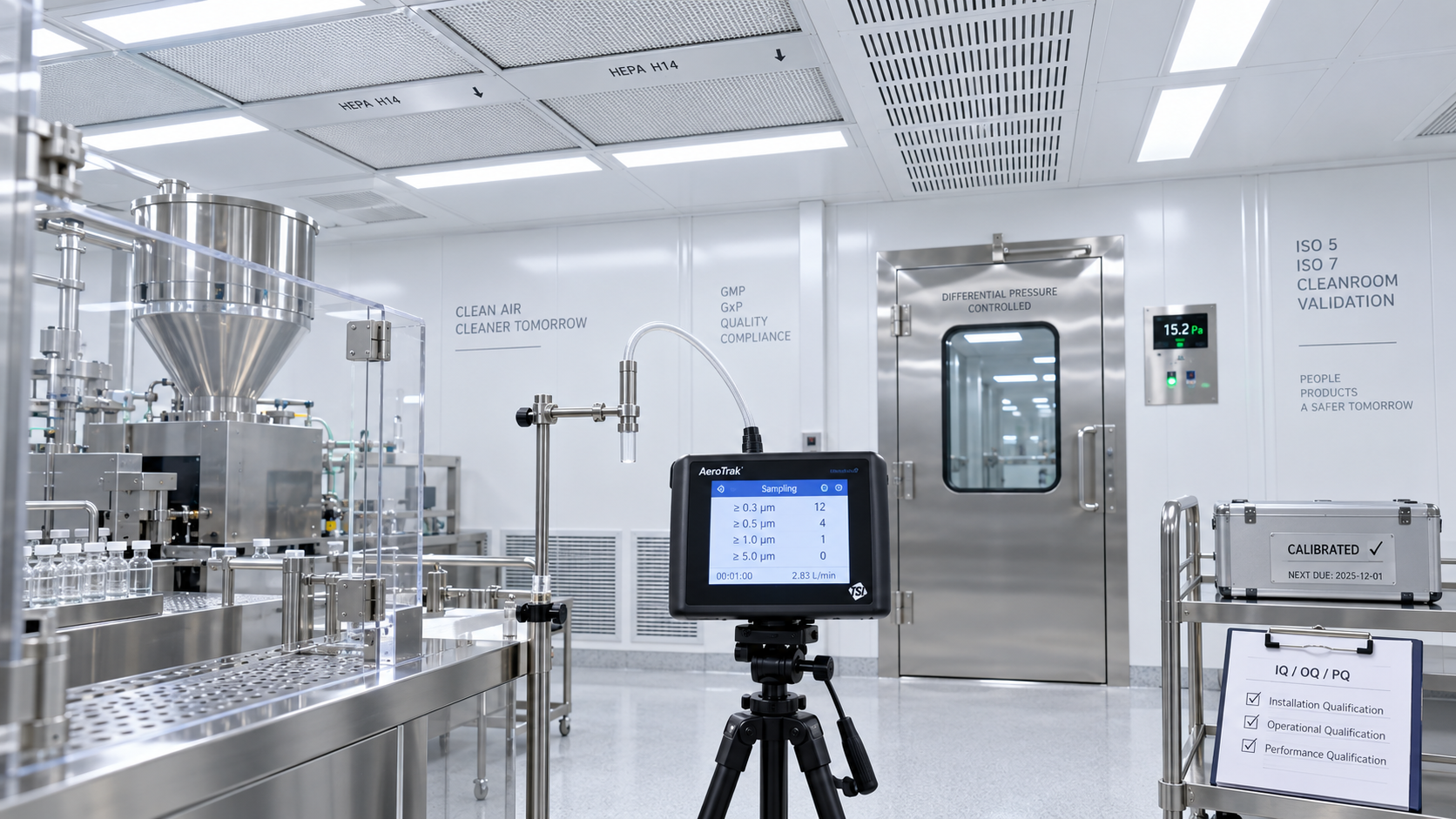
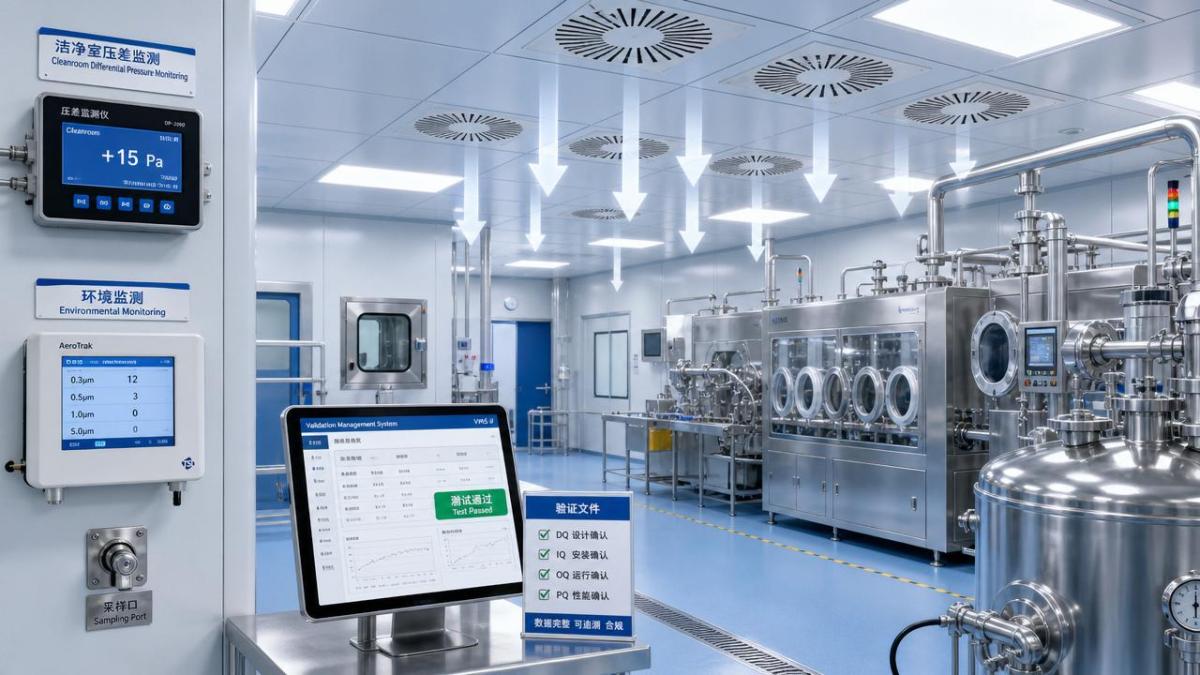
A typical pharmaceutical facility may have 20 to 100 controlled spaces, each with distinct classification, pressure setpoints, temperature bands, and process-specific occupancy patterns. Even a small mismatch, such as specifying 20 Pa pressure differential in design but testing against 15 Pa in qualification, can trigger retesting, deviation review, and schedule slip.
Common sources of delay and nonconformance
Project managers often see the same failure patterns repeat across facilities, especially where HVAC, cleanroom architecture, process equipment, automation, and compliance documentation are managed in silos. The issue is rarely one major defect. More often, it is the accumulation of 10 to 20 small disconnects that force repeated verification cycles.
- Late freeze of room classifications and pressure cascade logic
- Unclear acceptance criteria for air changes, recovery time, and particle limits
- Poor alignment between commissioning checklists and IQ/OQ protocols
- Instrument calibration gaps for temperature, humidity, and differential pressure sensors
- Missing traceability from installed asset tags to qualification documents
- Changes to doors, pass boxes, or equipment layouts after airflow balancing
In high-control environments, small physical modifications can have broad validation consequences. Moving a return grille, changing a HEPA terminal arrangement, or adding one heat-emitting skid may alter airflow patterns enough to require partial recommissioning. That is why Pharmaceutical Cleanroom validation must be treated as an integrated project control activity, not only a regulatory milestone.
The table below highlights common rework triggers and the project-stage controls that reduce them before final qualification begins.
The key point is that most validation failures are not random. They are traceable to missing coordination gates. A project team that closes these gaps 4 to 8 weeks before formal qualification can usually reduce repeat testing, punch-list growth, and approval friction.
A step-by-step Pharmaceutical Cleanroom validation framework that reduces rework
A practical framework should connect project delivery milestones to validation evidence. For pharmaceutical facilities, that means translating design intent into measurable acceptance criteria, documented test plans, and operational controls. The strongest approach typically follows 7 linked steps, with ownership assigned before site execution starts.
Step 1: Define the user requirements with validation in mind
The URS should describe room class, pressure relationships, viable and nonviable monitoring expectations, temperature and RH bands, occupancy assumptions, and process adjacencies. For many sterile or controlled oral solid dose areas, temperature targets may fall in the 18 to 24 degrees Celsius range, while humidity may require 40% to 60% RH or tighter for moisture-sensitive products.
Validation rework often begins here when performance criteria remain qualitative. Terms like “stable environment” or “adequate airflow” are not enough. Project managers should insist on defined thresholds, such as differential pressure bands, recovery expectations, and alarm responses within a specific time window, often 5 to 15 seconds for critical monitoring points.
Step 2: Build a traceable design basis
Once requirements are approved, design documents should translate them into room-by-room logic. This includes air change strategy, terminal filter arrangement, return air paths, pressure cascade, and monitoring architecture. For Pharmaceutical Cleanroom validation, every critical requirement should trace into at least one design output and one future test method.
A trace matrix is one of the lowest-cost, highest-value project tools. It can be maintained in a spreadsheet or controlled digital platform and should cover at least 4 columns: requirement, design reference, commissioning check, and qualification evidence. This single tool often prevents disputes between EPC teams, commissioning agents, and QA reviewers.
Step 3: Qualify suppliers and review submittals against critical parameters
Submittal review is not just a procurement function. It is a validation risk screen. HEPA housings, FFUs, duct leakage classes, pressure instruments, trend log intervals, and control sequences all affect cleanroom performance. If one vendor delivers compliant hardware but incompatible control points, the result may be a 2-week delay during integrated testing.
Organizations like G-ICE support benchmarking across cleanroom systems, precision HVAC, water treatment, biosafety infrastructure, and smart environmental monitoring. For project owners, this multidisciplinary perspective matters because Pharmaceutical Cleanroom validation depends on system interfaces, not on isolated components alone.
Critical submittal review items
- Filter efficiency grade, integrity test access, and replacement accessibility
- Sensor range, calibration method, and BMS integration compatibility
- Control sequence response during door opening, setback, and alarm events
- Material compatibility with cleaning agents and pharmaceutical operations
- Documentation package completeness for FAT, SAT, manuals, and certificates
Step 4: Align commissioning with IQ and OQ before field execution
One of the fastest ways to reduce rework is to stop treating commissioning and qualification as separate universes. Airflow visualization, filter integrity, pressure stability, temperature mapping, and alarm verification may appear in both workstreams. If protocols are not aligned, the site repeats similar tests with different forms, witnesses, and acceptance language.
A coordinated strategy can reduce duplicate execution by 15% to 30% in many projects, especially where HVAC and environmental monitoring systems are complex. The exact percentage varies by scope, but the principle is consistent: data generated once should be usable more than once if it is collected under controlled, preapproved conditions.
The following table shows how typical project stages can be mapped to cleaner handover outcomes in Pharmaceutical Cleanroom validation.
The takeaway is that validation succeeds when documents, systems, and responsibilities are synchronized. Projects fail when evidence is assembled after the fact. For engineering leaders, this table can serve as a planning baseline during the final 60 to 90 days before qualification.
Step 5: Execute prequalification reviews before formal testing starts
Before IQ or OQ begins, conduct a focused readiness review. This should verify calibration status, as-built drawings, control narratives, balancing reports, cleaning completion, training records, and document version control. In many facilities, a 1-day prequalification walkdown prevents 1 to 3 weeks of fragmented retesting later.
This review is especially important in projects with multiple contractors. Mechanical completion does not guarantee validation readiness. A room can be visually complete while still lacking tagged dampers, trendable pressure points, final sealant cure time, or approved SOPs for environmental monitoring response.
Step 6: Control change management during startup
Late changes are a major driver of validation rework. Startup teams often request control tuning, equipment relocation, or revised operator flows once real use begins. Some changes are necessary, but each one should be assessed for impact on cleanroom classification, airflow, pressure control, monitoring, cleaning validation, and documented acceptance criteria.
A structured change process should define at least 3 categories: minor no-impact, moderate review-needed, and major retest-required. Without this triage, teams either overreact and delay startup unnecessarily or underreact and create compliance exposure that surfaces during internal QA review or external inspection.
Step 7: Build operational monitoring into the validation closeout
Pharmaceutical Cleanroom validation does not end at protocol approval. Sustainable performance depends on trend review, alarm management, recalibration intervals, and routine requalification planning. Differential pressure drift of just a few Pascals over time may signal filter loading, door seal degradation, or control loop instability before a formal failure occurs.
Facilities with digital monitoring and better point visibility can detect issues earlier and reduce unplanned interventions. This is where advanced environmental monitoring and digital twin approaches bring value: they help project teams hand over not just compliant rooms, but rooms that remain stable under actual operating conditions.
What project managers should prioritize during execution
For project managers and engineering leads, the challenge is not understanding that validation matters. The challenge is deciding where to focus limited time during design reviews, procurement, site coordination, and startup pressure. The highest-value priorities are usually those that prevent cascading delays across multiple rooms or systems.
Five execution priorities with strong return on effort
- Freeze room data sheets before major equipment release
- Use one controlled matrix for classifications, pressures, and temperature bands
- Link BMS tags, alarm points, and trend intervals to qualification needs
- Schedule readiness walkdowns 2 to 3 weeks before formal testing
- Assign one owner for validation document coordination across all contractors
These actions are simple but powerful because they improve both technical consistency and document control. In many projects, the biggest losses do not come from major redesign. They come from waiting for signatures, chasing revised forms, clarifying room names, or repeating measurements because the original dataset cannot be approved.
Where multidisciplinary expertise adds value
Pharmaceutical cleanrooms rely on more than wall panels and filters. They depend on thermal stability, air movement, process utilities, biosafety boundaries where applicable, and monitoring logic that survives real operating use. A benchmark-oriented technical partner such as G-ICE is relevant because it evaluates systems against recognized frameworks like ISO 14644 and related environmental control expectations rather than treating equipment in isolation.
For global organizations, that cross-functional view supports better decisions during expansion, retrofit, and regional standardization. It is particularly useful when projects combine high-performance HVAC, contamination control, monitoring integration, and strict handover documentation requirements across several stakeholders.
Practical closeout guidance for faster approvals and cleaner handovers
A cleaner handover depends on discipline in the final phase. By the last 30 days before qualification closeout, the project team should be working from a short, visible list of unresolved issues with owners and due dates. Any item affecting classified space performance, data integrity, alarm functionality, or SOP readiness should be escalated immediately.
The strongest Pharmaceutical Cleanroom validation programs share three traits. First, they define measurable requirements early. Second, they connect commissioning and qualification evidence. Third, they treat operational monitoring as part of the handover, not an afterthought. This approach reduces rework, supports audit readiness, and helps facilities reach steady-state operation with fewer surprises.
If your team is planning a new pharmaceutical facility, retrofit, or controlled environment upgrade, a structured validation roadmap can save weeks of delay and prevent recurring documentation gaps. To explore a more tailored cleanroom, HVAC, monitoring, or contamination-control strategy, contact us to discuss your project, request a customized solution, or learn more about practical pathways to faster and more reliable validation.
Get weekly intelligence in your inbox.
No noise. No sponsored content. Pure intelligence.
 Oct 21, 2026How often is cleanroom certification required under ISO 14644-2?Cleanroom Certification is generally recommended annually under ISO 14644-2. Learn when risk-based extensions apply and which changes trigger earlier testing to plan with confidence.
 Oct 21, 2026FASEB Comments on NIH Draft Policy for Research Involving BiohazardsFASEB comments on NIH’s draft biohazard research policy call for risk-based biosafety oversight. Explore potential implications for laboratories, suppliers, and compliance teams.
 Oct 20, 2026How to disinfect ultrasound machines without damaging surfacesLearn how to disinfect ultrasoundmachines without surface damage. Explore compatible products, wet contact times, and probe care to protect patients and equipment.
 Oct 20, 2026Ultrapure Water in Semiconductor Manufacturing: Reuse and Quality Control InsightsExplore ultrapure water reuse in semiconductor manufacturing, key UPW quality benchmarks and analytical insights to help evaluate suppliers and protect process purity.
 Oct 19, 2026How cooling affects warpage in injection-molded consumer electronics housingsOptimize plastic injection molding for consumer electronics with cooling strategies to reduce housing warpage and improve assembly fit. Discover practical checks for stable, efficient production.
 Oct 18, 2026Can air leaks prevent a dehumidifier from holding its target dew point?Why can't our dehumidifier maintain the target dew point? Discover how air leaks increase moisture loads, spot hidden faults, and find practical fixes to restore reliable dew-point control.
 Oct 17, 2026How semiconductor process water treatment removes trace organicsSee how semiconductor process water treatment removes trace organics with RO, UV oxidation, and polishing. Learn how TOC monitoring helps verify purity and pinpoint contamination.
 Oct 16, 2026How to choose ultra pure water piping materials to limit leachingChoose ultra pure water piping with confidence. Compare PVDF, PFA, and stainless steel, assess leaching risks, and learn how to qualify your system for reliable purity.
 Oct 15, 2026How to size a skid-mounted deionized water system for peak demandCompare deionized water systems skid configurations for peak demand. Learn how to balance production, storage, and pump capacity to prevent shortages and avoid costly oversizing.
 Oct 14, 2026When is collaborative laboratory robotics suitable for sample sorting?Explore when collaborative laboratory robotics suits sample sorting. Discover key checks for safety, traceability, container compatibility, and throughput before choosing your solution.
 Oct 13, 2026How sandwich panel joints affect airtightness in cleanroom systemsCleanroom Systems sandwich panels need reliable joints for airtightness. Discover how gaskets, sealants, and testing help reduce leakage and protect cleanroom pressure control.
 Oct 12, 2026How to verify USP compliance for ultra pure water systemsUltra Pure Water Systems USP compliance: learn how to verify water quality, sampling, sanitization, trends, and validation controls at every point of use.
 Oct 11, 2026How tight temperature control prevents cleanroom process driftCleanroom process temperature control systems prevent costly drift by stabilizing critical conditions, improving repeatability, and protecting sensitive production workflows.
 Oct 10, 2026When does organic contaminant removal require TOC treatment?Organic contaminant removal requires TOC treatment when dissolved organics threaten product quality, equipment reliability, or process control. Learn how to assess risks and choose the right solution.
 Oct 08, 2026What affects lead times for sheet metal bending services in Canada?Sheet metal bending services Canada: discover how material supply, tooling, tolerances, finishing, documentation, and freight affect lead times for reliable project delivery.
 Oct 07, 2026How HVAC design for semiconductor fabs prevents airborne contaminationHVAC design for semiconductor fabs prevents airborne contamination through advanced filtration, pressure cascades, airflow control, and real-time monitoring. Explore key strategies for cleaner, more reliable wafer production.
 Oct 06, 2026How photovoltaic modules waterproof technology prevents moisture damagephotovoltaic modules waterproof technology prevents moisture damage with durable seals, drainage, and junction-box protection. Explore practical selection and testing insights.
 Oct 05, 2026How ISO 14644 Europe requirements affect cleanroom qualificationISO 14644 Europe requirements shape cleanroom qualification, from particle classification and recovery testing to monitoring, GMP alignment, and change control.
 Oct 04, 2026How to assess a pharmaceutical cleanroom solutions supplier’s ISO capabilityPharmaceutical Cleanroom Solutions supplier assessment guide: evaluate ISO 14644 capability, validation evidence, airflow design, documentation, and long-term GMP readiness.
 Oct 03, 2026What EU standards govern the design of BSL-3 laboratories in Europe?BSL-3 laboratories Europe: explore EU directives, EN standards, HVAC containment, commissioning, and practical design strategies for compliant, resilient high-containment facilities.
 Oct 02, 2026How EN 1822 defines HEPA filtration efficiency for cleanroomsHEPA filtration EN 1822 explained: learn how MPPS testing, local leakage limits, and filter classes support reliable cleanroom decisions.
 Oct 01, 2026How pharmaceutical process water systems control microbial riskProcess water systems pharmaceutical teams rely on can control microbial risk through hygienic design, monitoring, and validated sanitization. Explore practical compliance strategies.
 Sep 30, 2026When does a negative pressure laboratory need BSL-3 containment?Negative pressure laboratory or BSL-3? Discover the risk factors, engineering controls, and containment requirements needed for safe, compliant laboratory planning.
 Sep 29, 2026How to evaluate a TOC-zero water treatment supplier for UPW systemsChoose a TOC-zero water treatment supplier with confidence. Compare UPW performance, monitoring, validation, materials, service capability, and lifecycle cost.
 Sep 28, 2026What drives sustainable cooling cost in high-precision facilities?Sustainable cooling cost in high-precision facilities depends on thermal stability, energy, water, controls, and resilience. Explore smarter lifecycle strategies.
 Sep 27, 2026How to compare freight forwarding services for time-critical shipmentsCompare freight forwarding services for time-critical shipments with practical insights on routing, customs, visibility, specialized handling, and contingency planning.
 Sep 26, 2026How environmental integrity in laboratories supports reliable test resultsEnvironmental Integrity in laboratories safeguards samples, instruments, and staff. Discover practical controls for contamination, monitoring, and reliable test results.