High-Tech Industrial Complex Requirements Explained
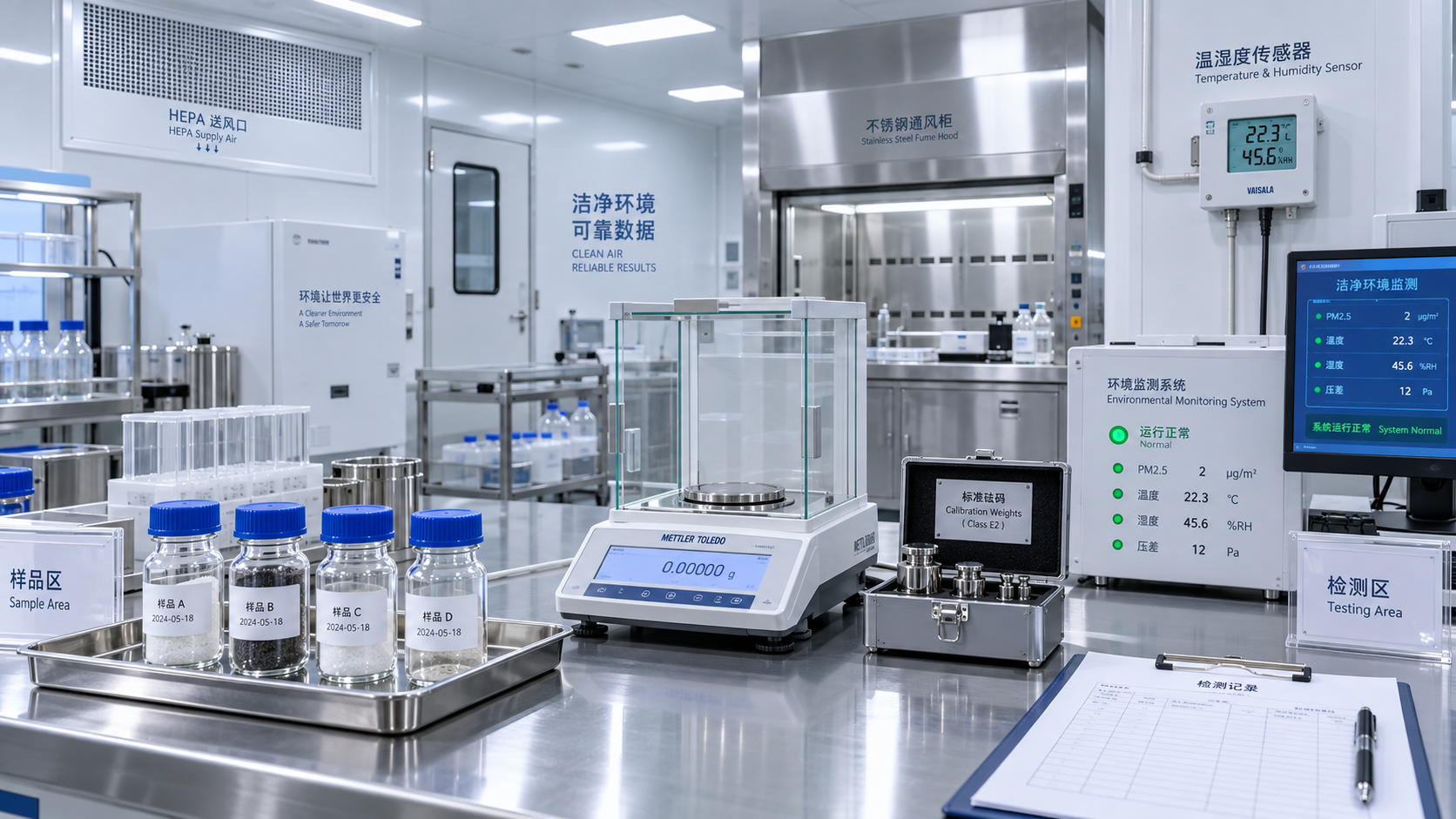
Understanding High-Tech Industrial Complex requirements is essential for organizations operating where precision, contamination control, thermal stability, and regulatory compliance define success. This guide outlines the core environmental, engineering, and operational standards shaping advanced facilities, helping researchers and decision-makers evaluate how cleanroom systems, HVAC, water treatment, biosafety, and digital monitoring work together in high-performance industrial environments.
For most researchers, the key question is simple: what does a high-tech industrial complex actually require to perform reliably, pass audits, and protect production yield?
The short answer is that these facilities depend on tightly integrated environmental systems, not standalone equipment. Air cleanliness, temperature control, water purity, containment strategy, and real-time monitoring must work as one.
That is why High-Tech Industrial Complex requirements are best understood as a framework of performance thresholds, engineering coordination, and compliance discipline rather than a checklist of isolated products.
What do High-Tech Industrial Complex requirements usually include?
At a practical level, High-Tech Industrial Complex requirements cover the physical environment, utility reliability, contamination control strategy, process support systems, and documentation needed for regulatory and operational assurance.
These requirements are especially important in semiconductor plants, pharmaceutical production sites, advanced battery facilities, biotech laboratories, precision optics manufacturing, and quantum technology environments.
In such settings, even minor environmental instability can reduce yield, compromise safety, interrupt validation, or create hidden operating costs that are difficult to correct after commissioning.
For information-driven readers, the most useful way to assess a facility is to ask whether it can consistently maintain design conditions during real operating loads, not just under ideal test conditions.
Why are environmental control standards so critical?
Environmental control is the backbone of advanced industrial performance because sensitive processes are often affected by particles, humidity drift, thermal fluctuation, vibration, and airborne molecular contamination.
In semiconductor manufacturing, microscopic contamination may damage wafers or reduce output consistency. In pharmaceutical settings, environmental instability can threaten sterility, batch compliance, and product release timelines.
That is why facility requirements are not only about comfort or general building efficiency. They are directly tied to product quality, equipment uptime, process repeatability, and market competitiveness.
Readers researching this topic usually want to know which standards matter most. In many projects, the answer includes ISO 14644 for cleanrooms, ASHRAE guidance, SEMI references, and sector-specific biosafety or GMP requirements.
How should cleanroom performance be evaluated?
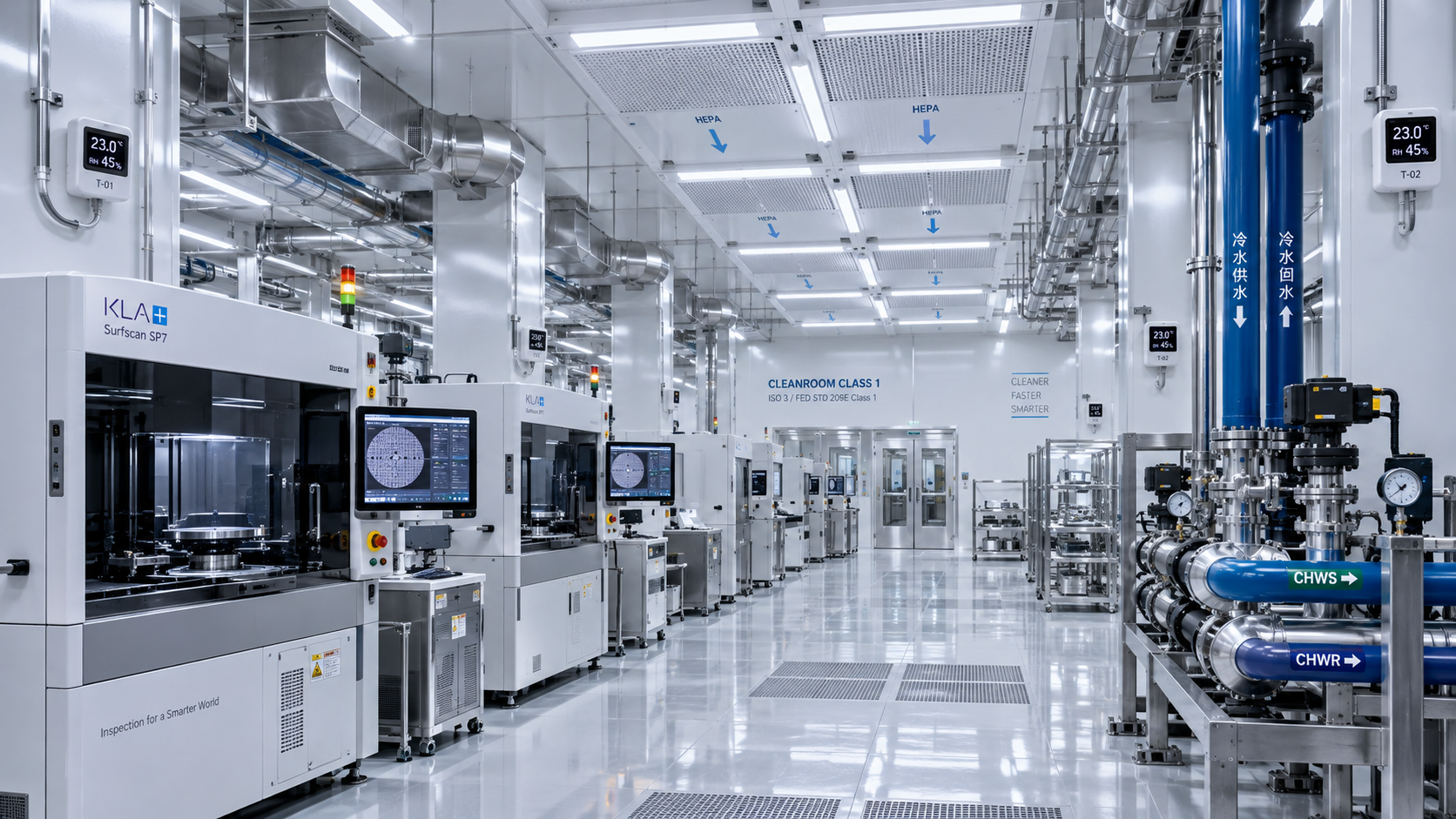
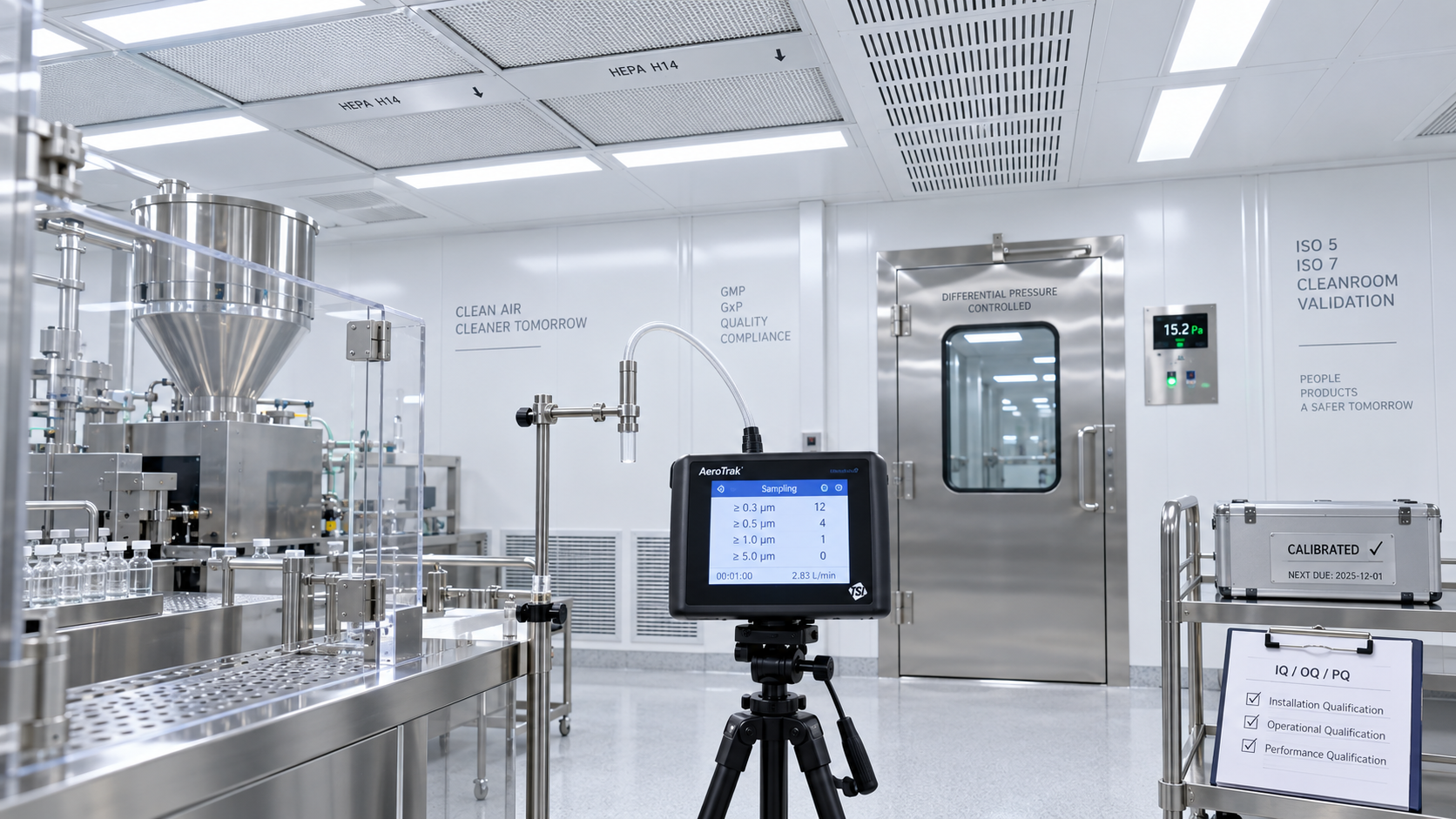
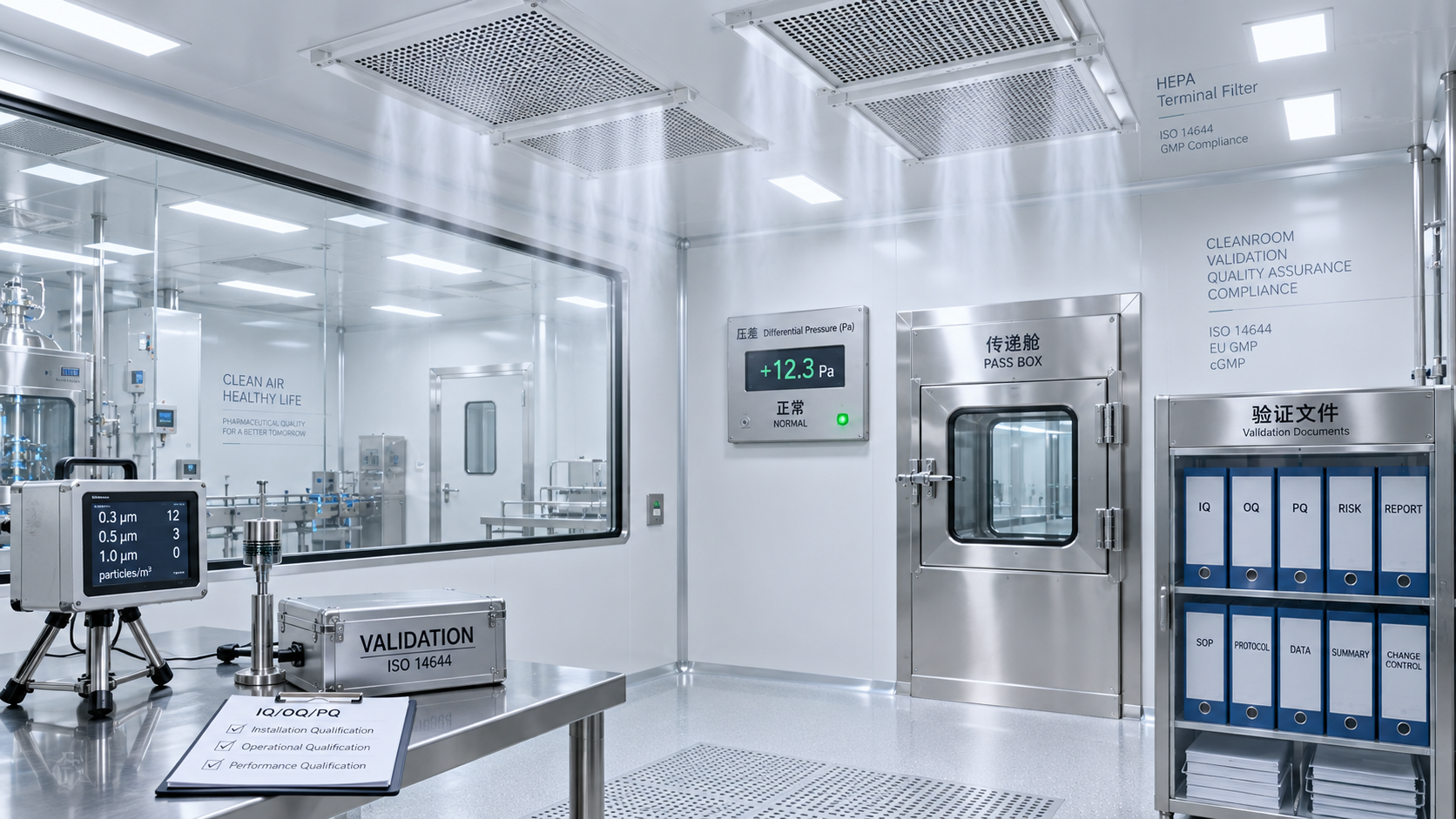
Cleanroom design is often the first area people associate with a high-tech complex, but useful evaluation goes beyond the room classification number alone.
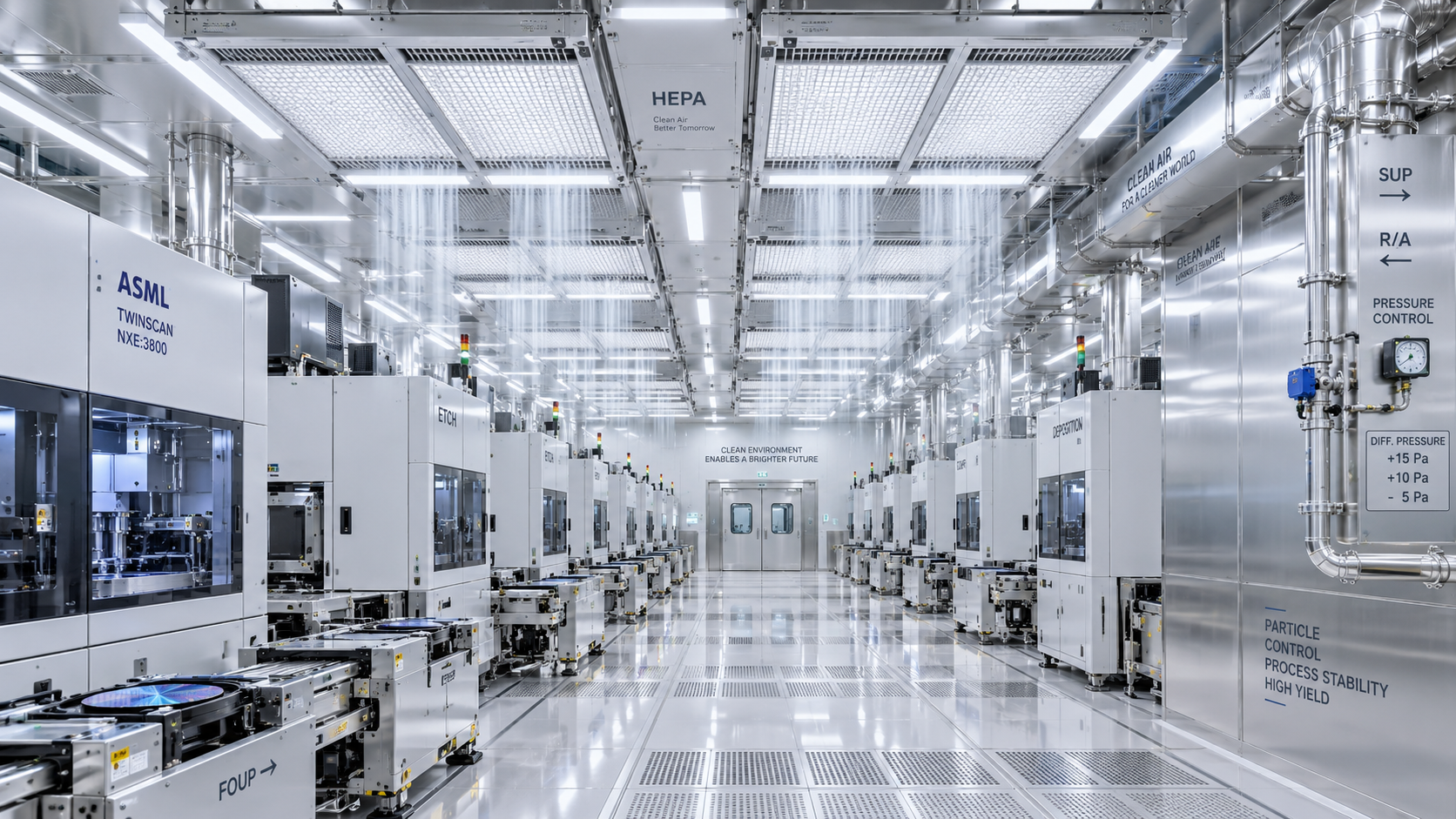
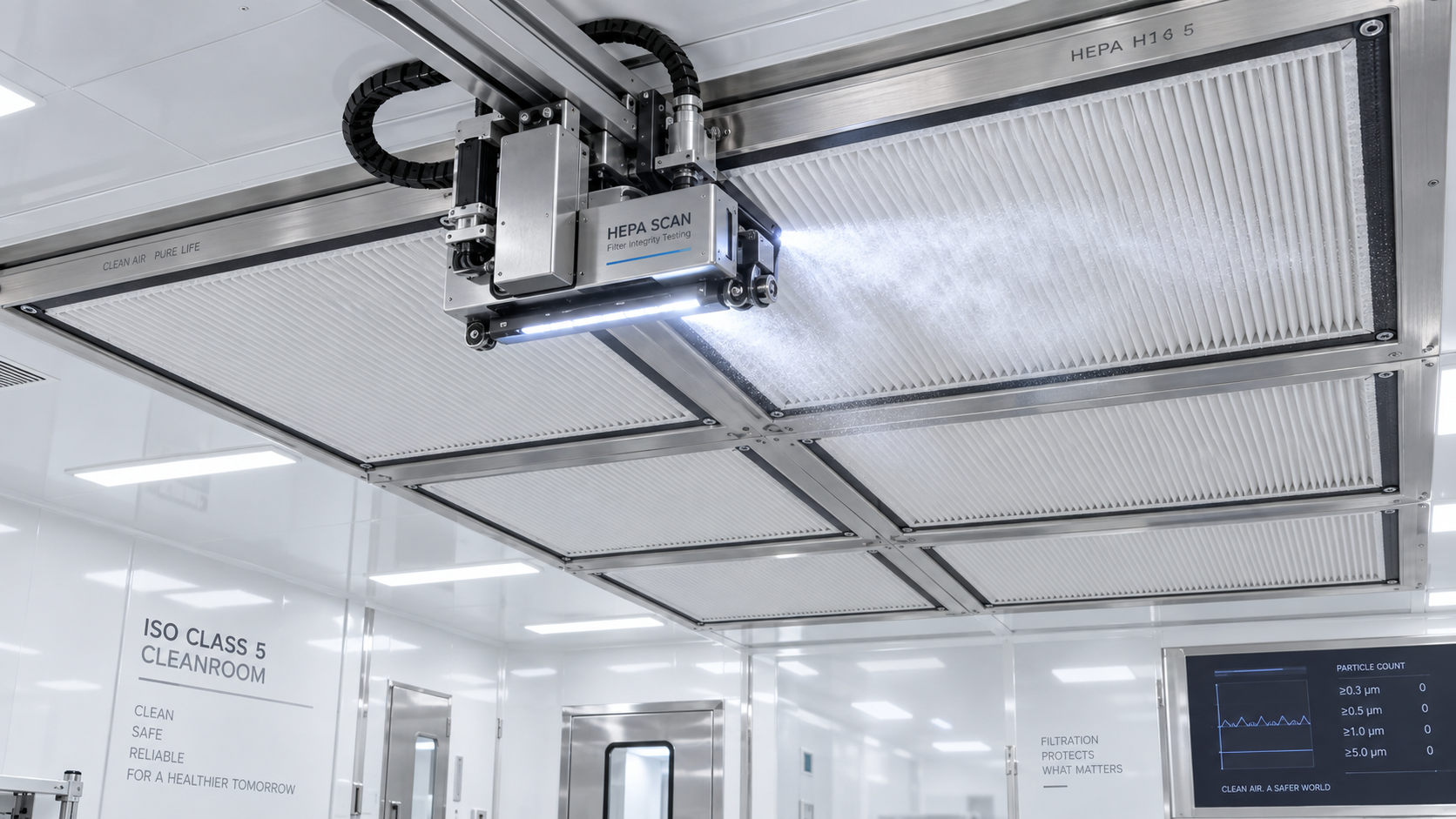
A strong cleanroom strategy considers airflow pattern, pressure cascade, filtration efficiency, recovery time, occupancy impact, maintenance access, and how process tools affect local contamination behavior.
For example, ISO Class 1 to ISO Class 8 environments may all be called cleanrooms, yet their engineering requirements differ significantly depending on particle sensitivity and process criticality.
Decision-makers should also examine whether fan filter units, return air paths, air change rates, and zoning logic are matched to actual process risk rather than copied from a generic template.
A well-designed cleanroom supports stable production while avoiding unnecessary energy use. Overdesign may appear safer at first, but it can increase lifecycle cost without delivering proportional performance benefits.
What role does precision HVAC play in advanced facilities?
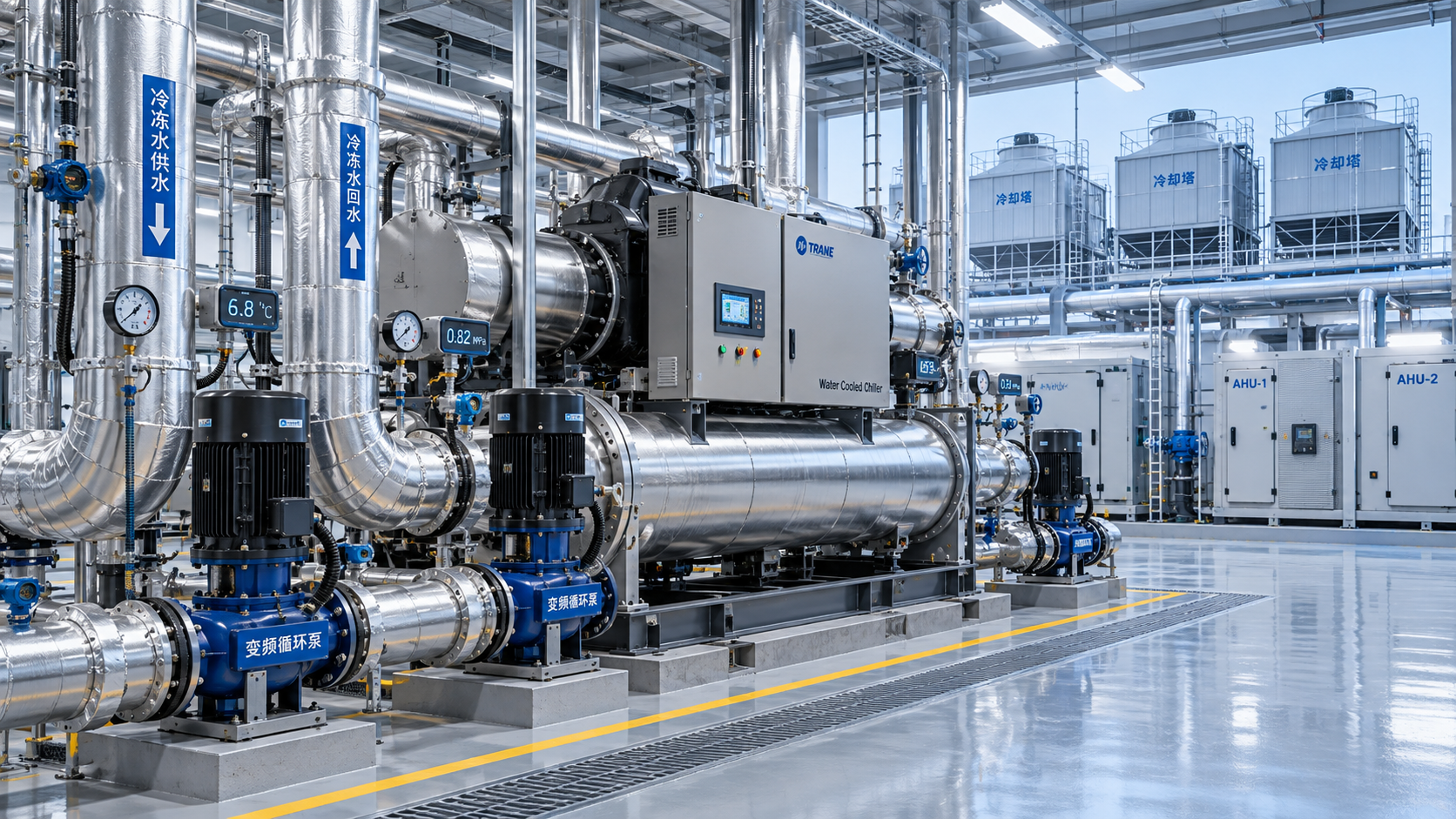
Precision HVAC is central to High-Tech Industrial Complex requirements because it controls the thermal and humidity conditions that sensitive production environments depend on every hour.
In advanced facilities, the target is often far stricter than normal commercial buildings. Some spaces require temperature stability within extremely narrow bands and humidity control aligned with process chemistry or material behavior.
Researchers should look beyond installed tonnage or equipment brand names. More important questions involve redundancy, load response, zoning accuracy, filtration stages, control logic, and maintainability during live operations.
High-performance systems may include magnetic-levitation chillers, precision air handling units, low-leakage duct design, terminal airflow control, and continuous balancing through smart building automation platforms.
The real value of precision HVAC lies in its ability to hold conditions during fluctuating production loads, seasonal weather changes, equipment heat gain, and partial maintenance scenarios.
Why does ultra-pure water and process fluid quality matter?
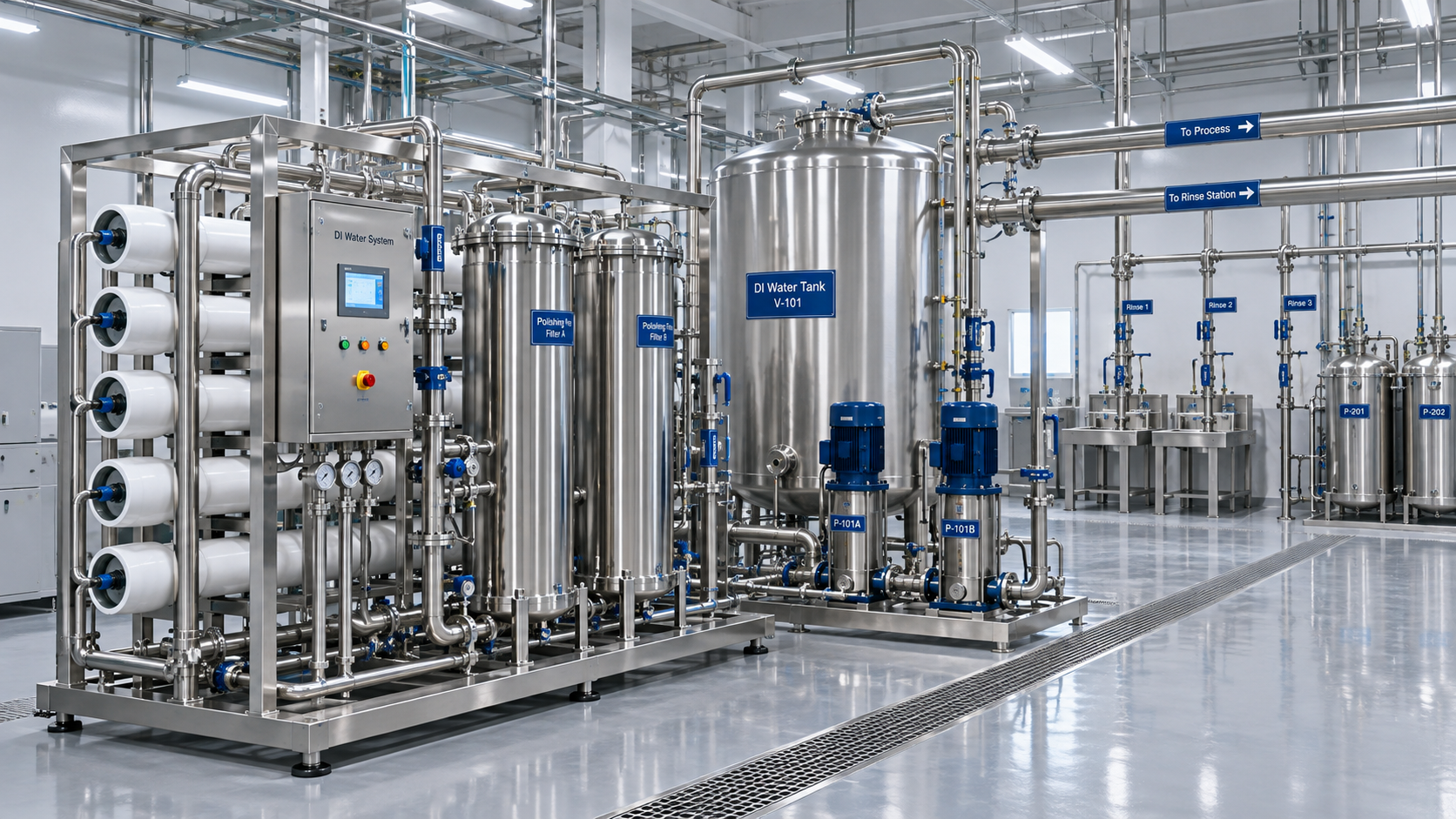
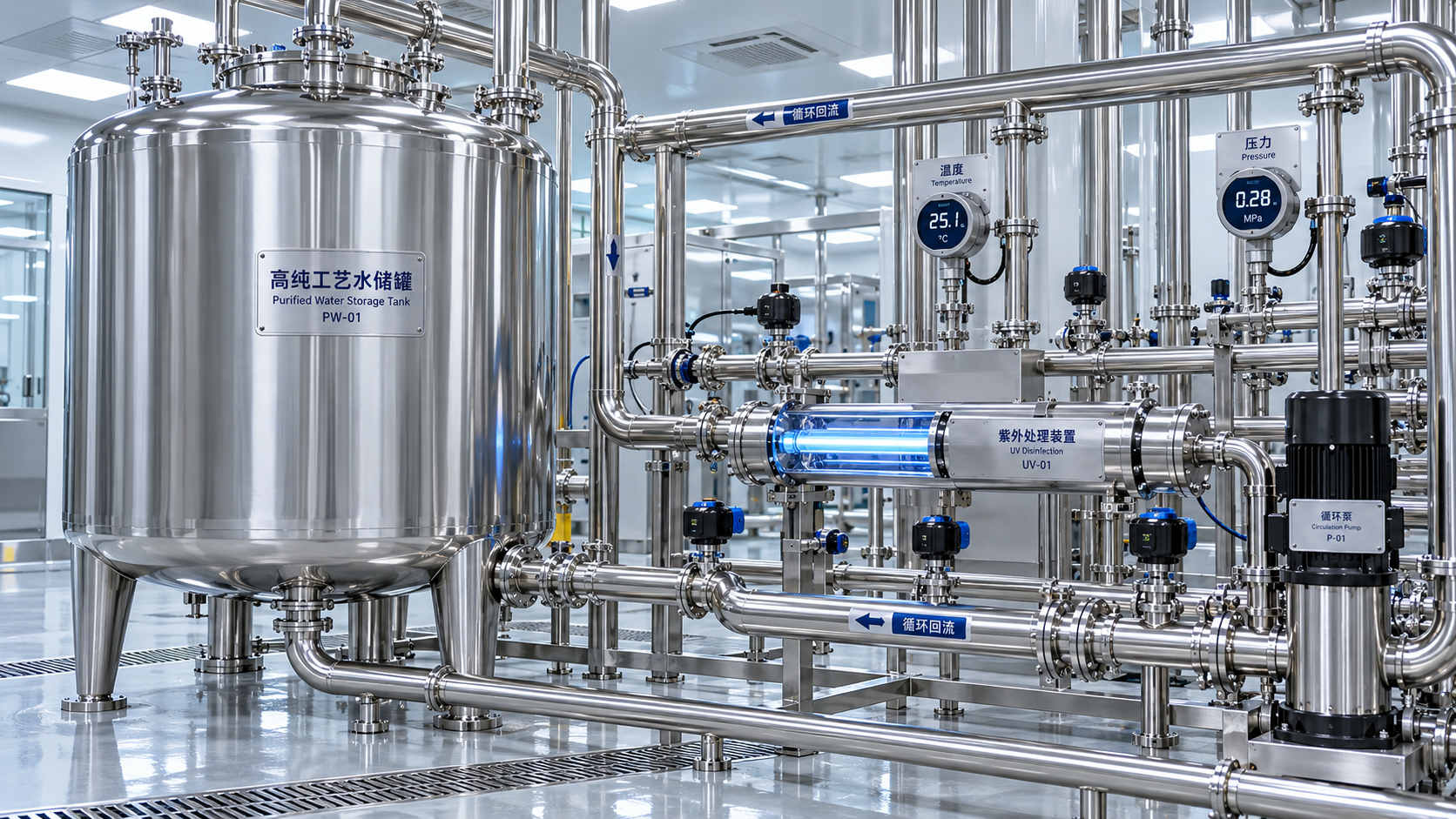
Many information seekers underestimate water systems when reviewing facility requirements, yet ultra-pure water and process fluid control are mission-critical in multiple high-tech sectors.
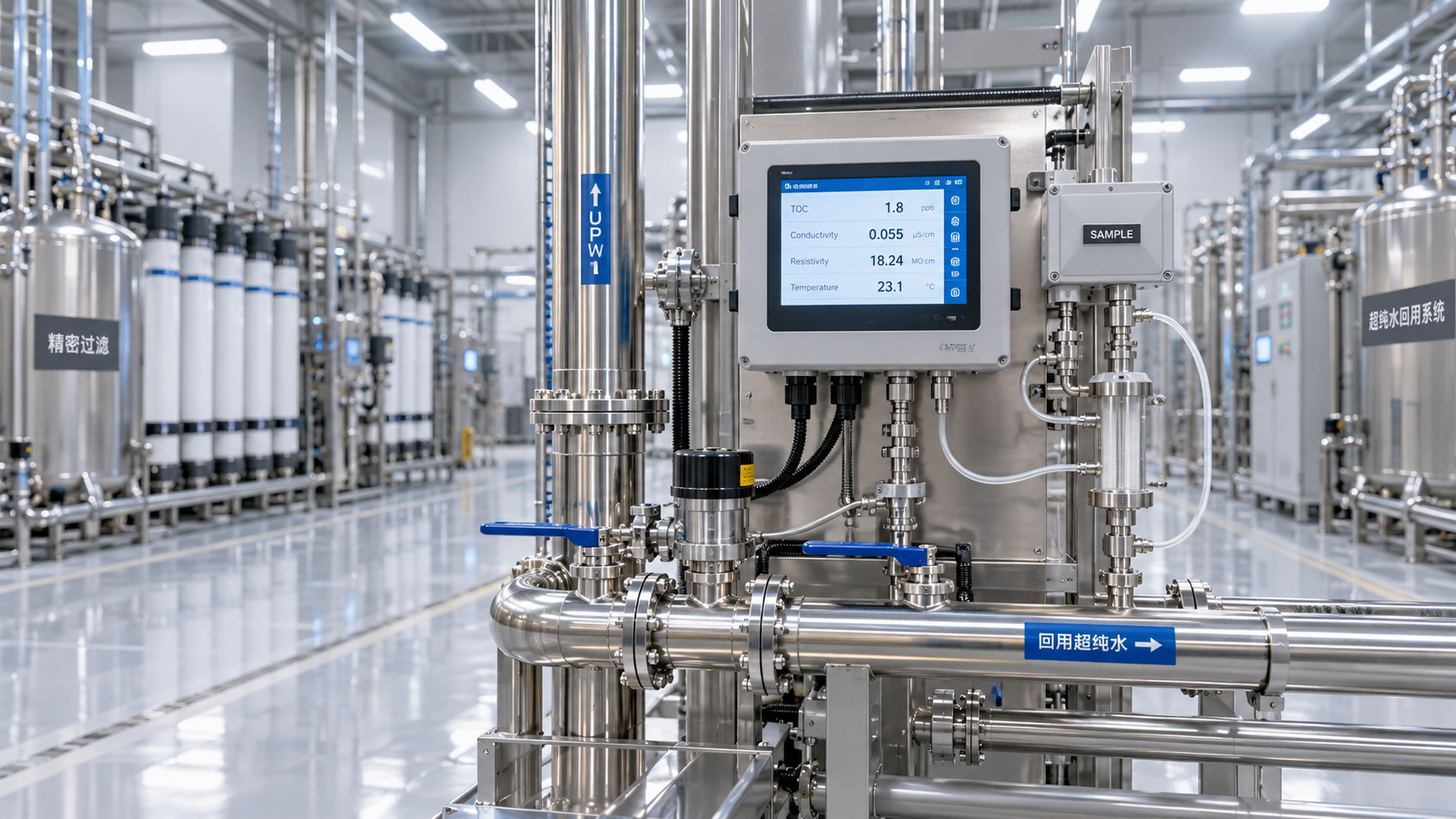
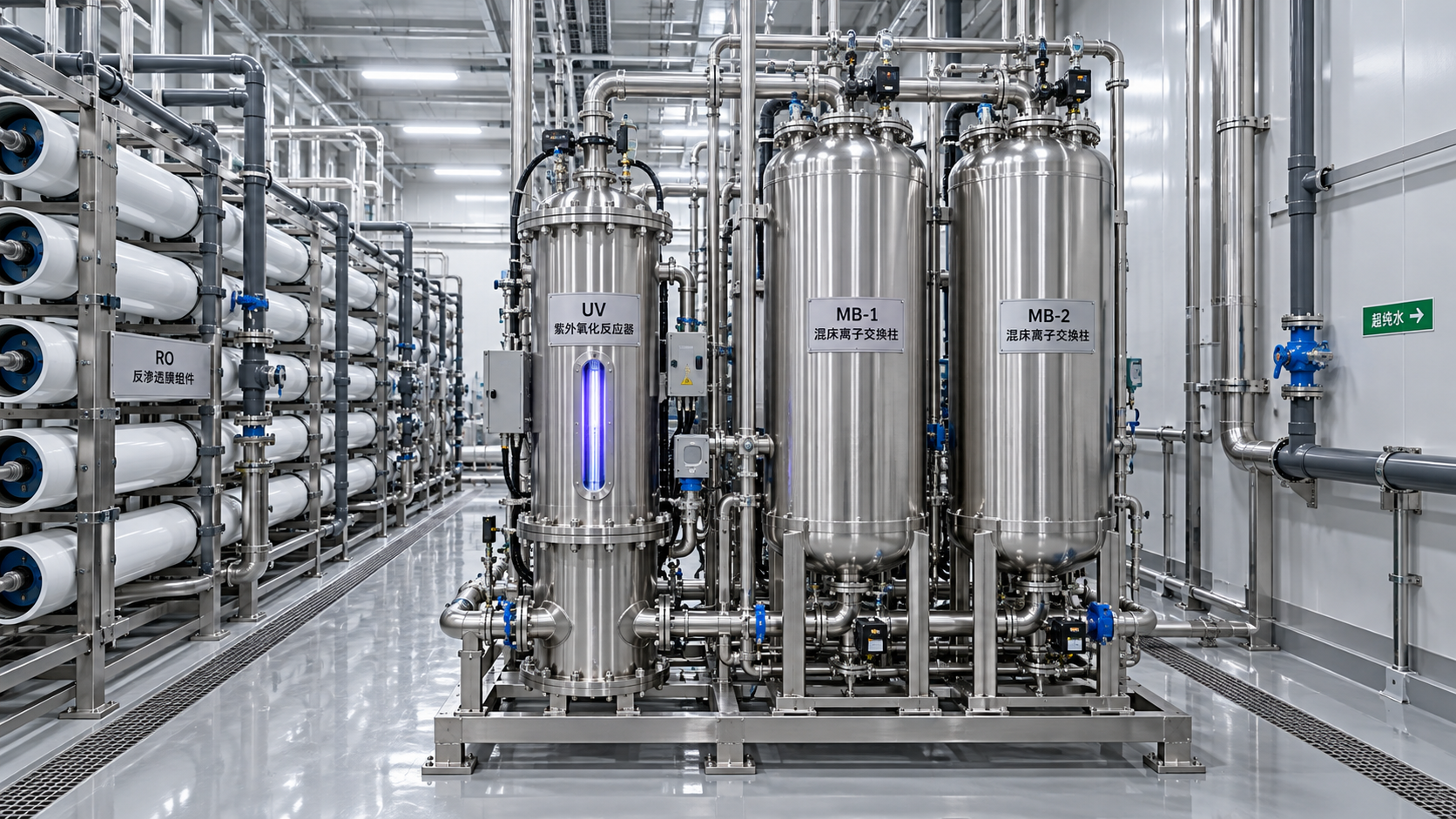
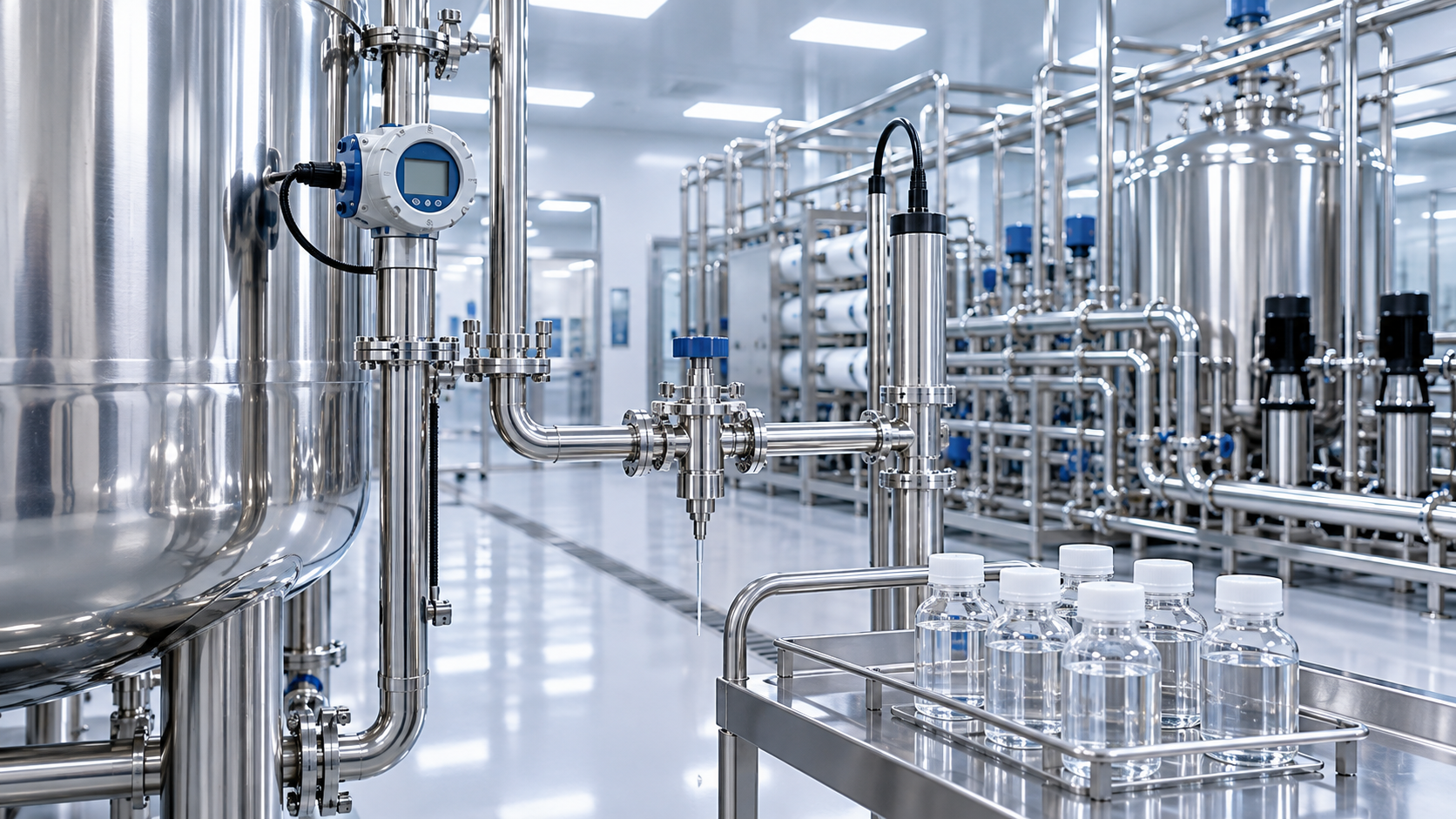
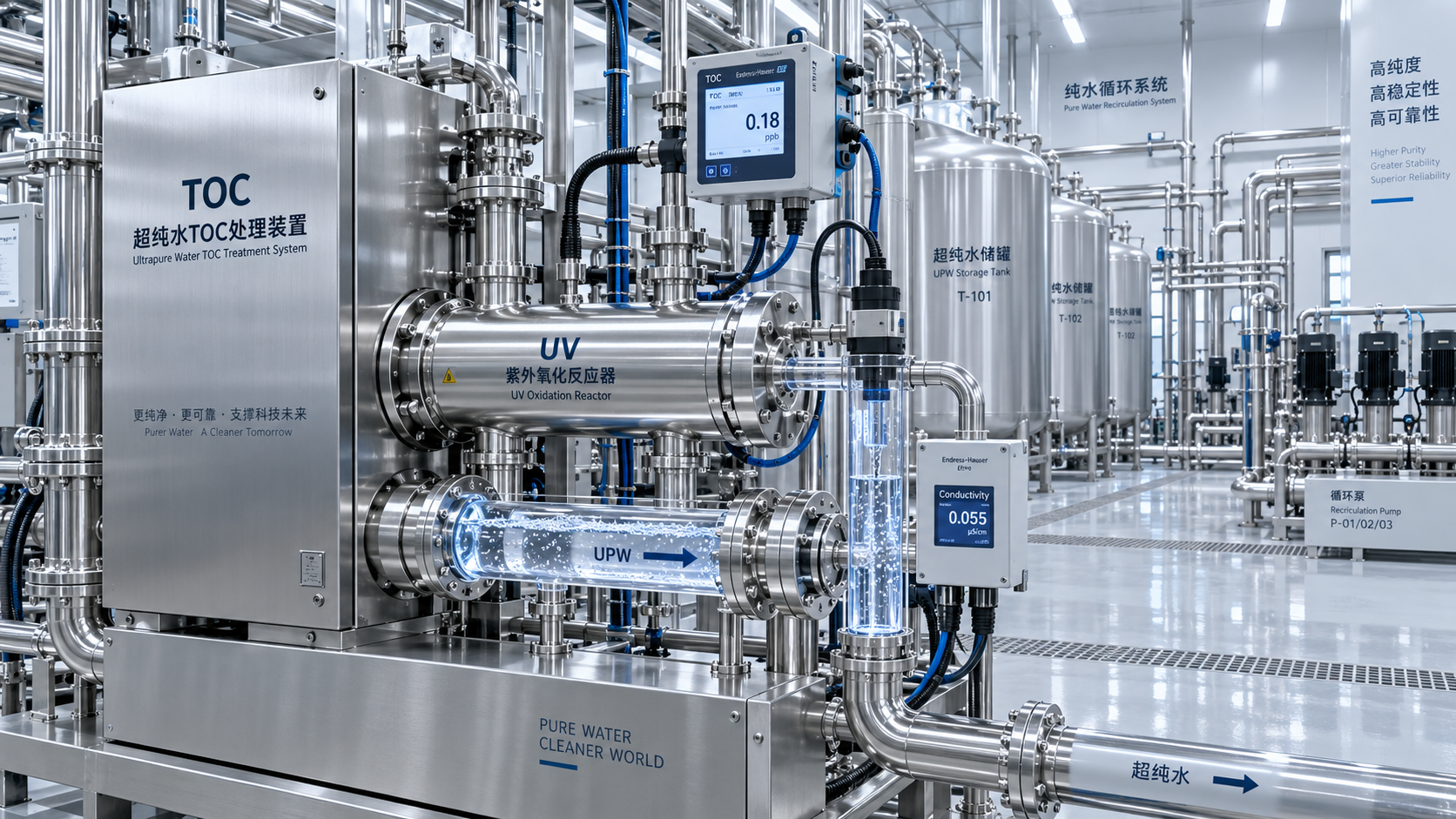
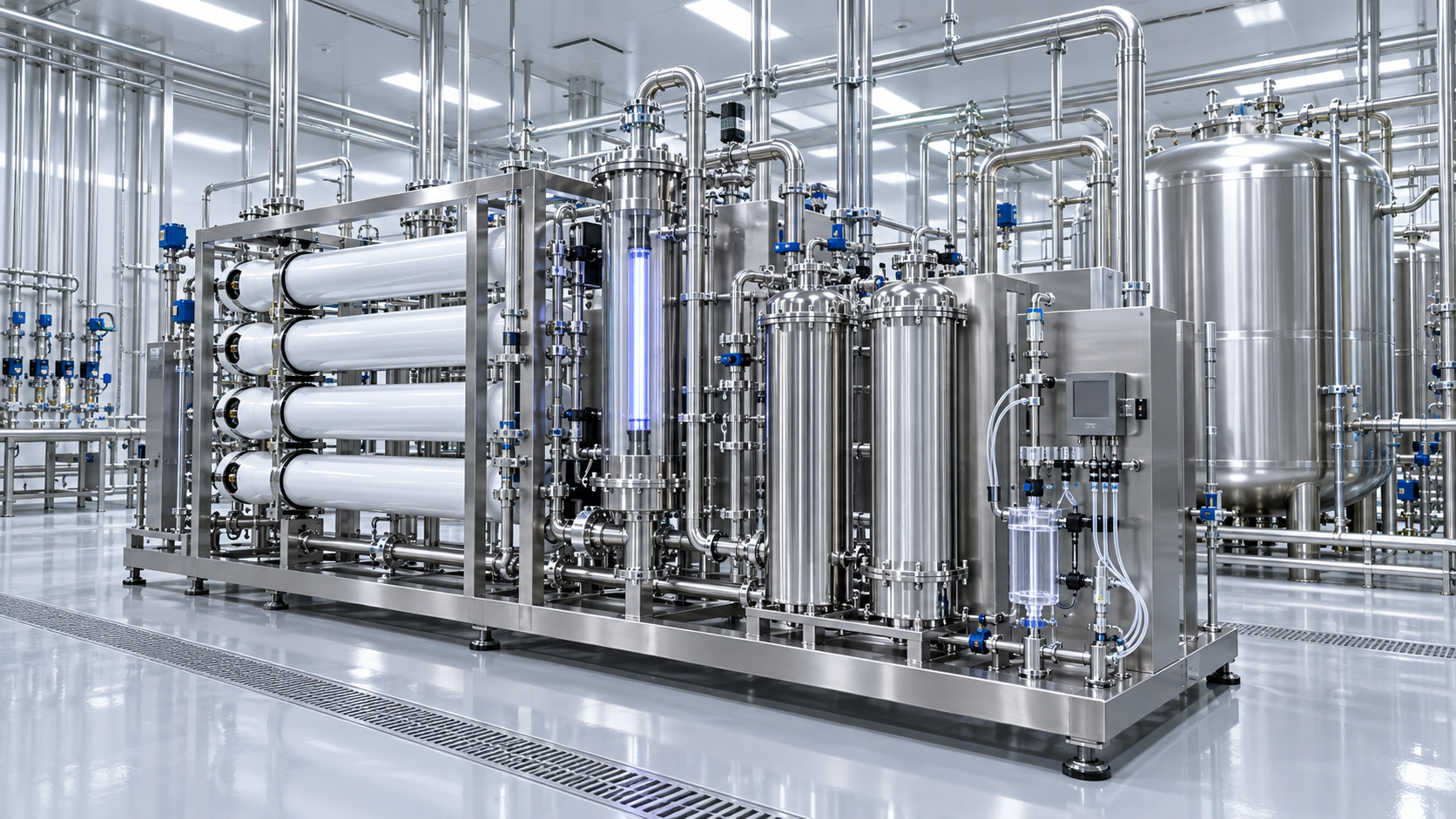
Semiconductor fabrication, pharmaceutical production, specialty chemicals, and research laboratories may require water with tightly controlled resistivity, TOC, microbial content, dissolved gases, and trace metals.
When these parameters drift, the consequences can include process defects, cleaning failure, equipment scaling, product contamination, and expensive troubleshooting across multiple departments.
A proper evaluation should include source water variability, treatment train architecture, storage and distribution design, sanitization method, monitoring points, and the facility's ability to maintain quality at point of use.
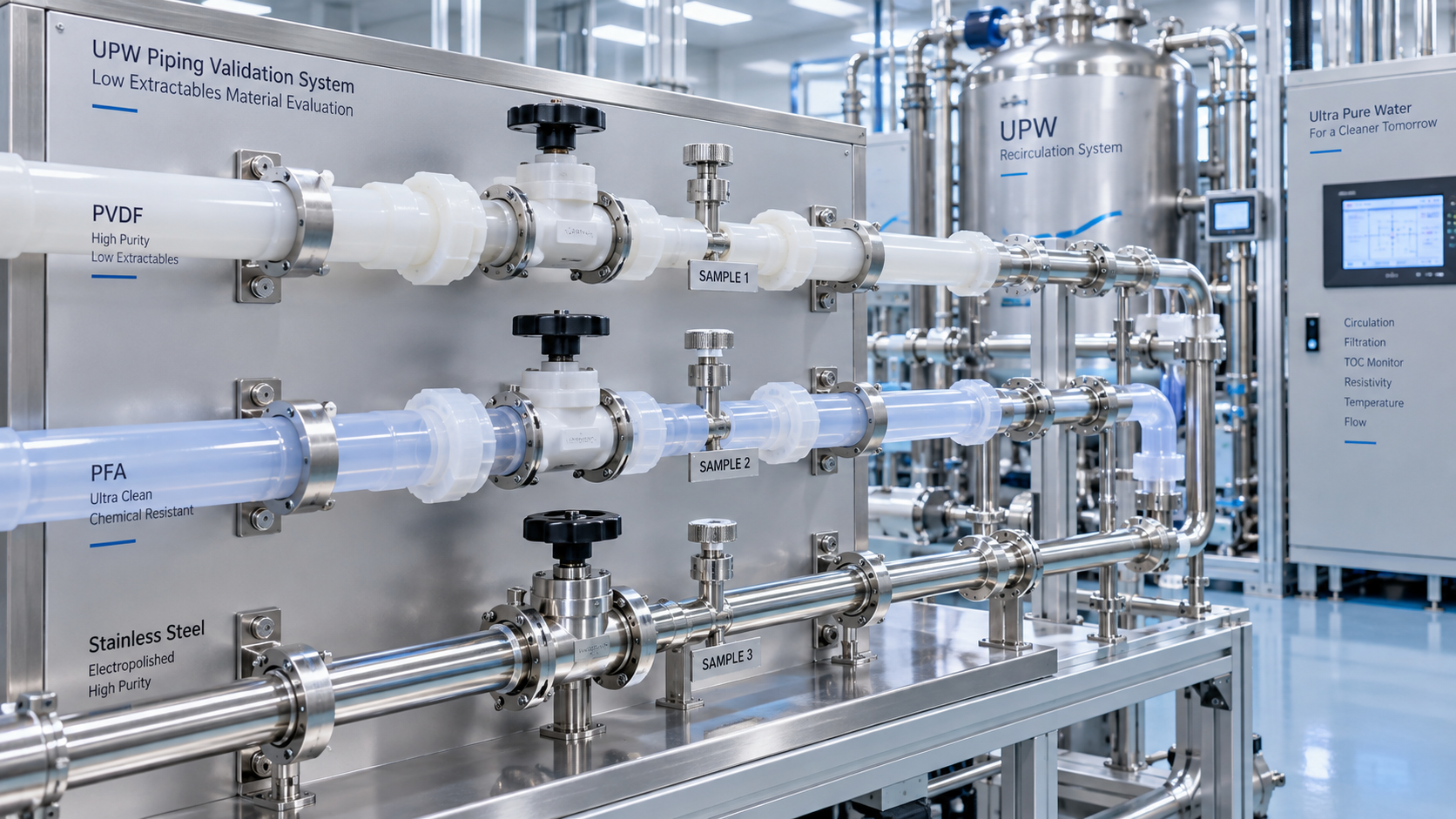
In other words, water performance is not defined only by the treatment skid. It depends on the entire loop, the materials of construction, operational discipline, and validation approach.
How do biosafety and containment requirements change the facility model?
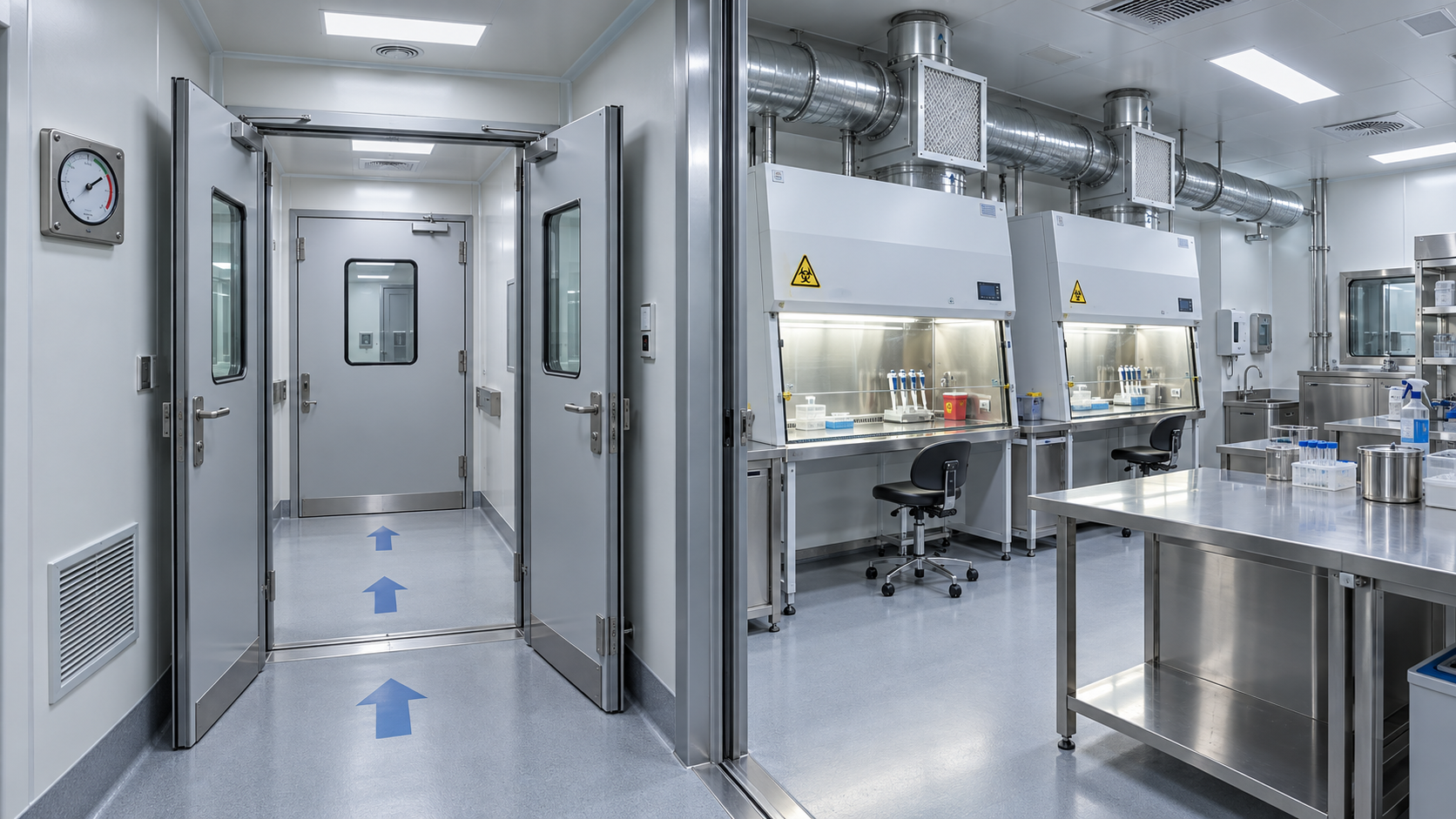
Biosafety adds another layer to High-Tech Industrial Complex requirements because the facility must protect both the process and the surrounding people and environment.
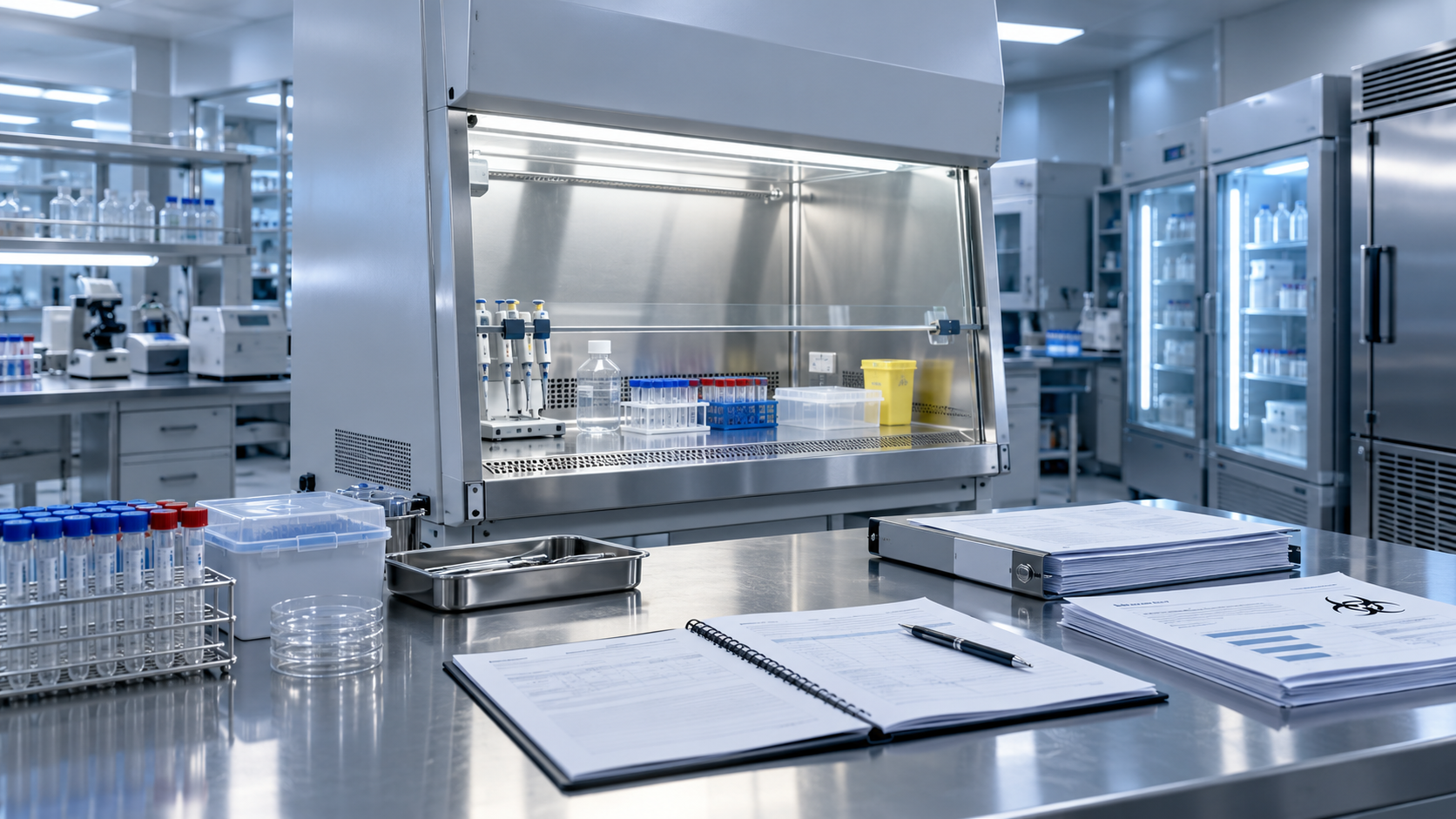
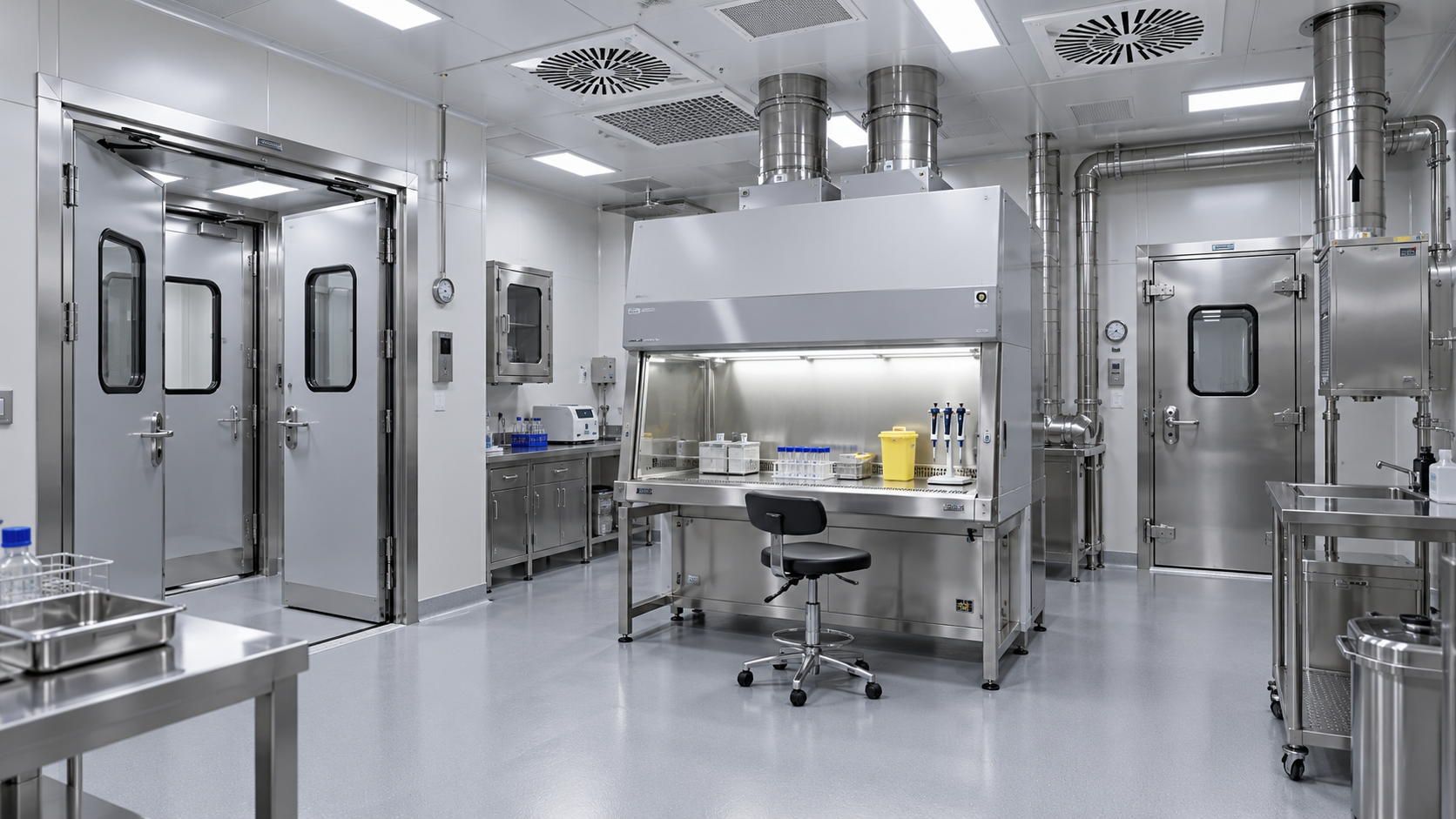
In high-risk laboratories, pharmaceutical research spaces, and specialized bio-manufacturing environments, containment depends on directional airflow, pressure integrity, access control, decontamination methods, and emergency response design.
Unlike standard cleanrooms, biosafety spaces are not focused only on keeping contaminants out. They may also need to prevent hazardous agents from escaping into adjacent zones.
This changes engineering priorities. Exhaust treatment, room sealing, pass-through design, personnel flow, waste management, and fail-safe controls become essential to compliance and operational credibility.
For readers comparing facility types, this distinction is important: not every clean environment is a containment environment, and confusing the two can lead to major design and compliance errors.
How important are monitoring, automation, and digital twins?
Modern facilities increasingly rely on smart environmental monitoring because manual checks cannot provide the speed, traceability, or predictive insight needed in mission-critical operations.
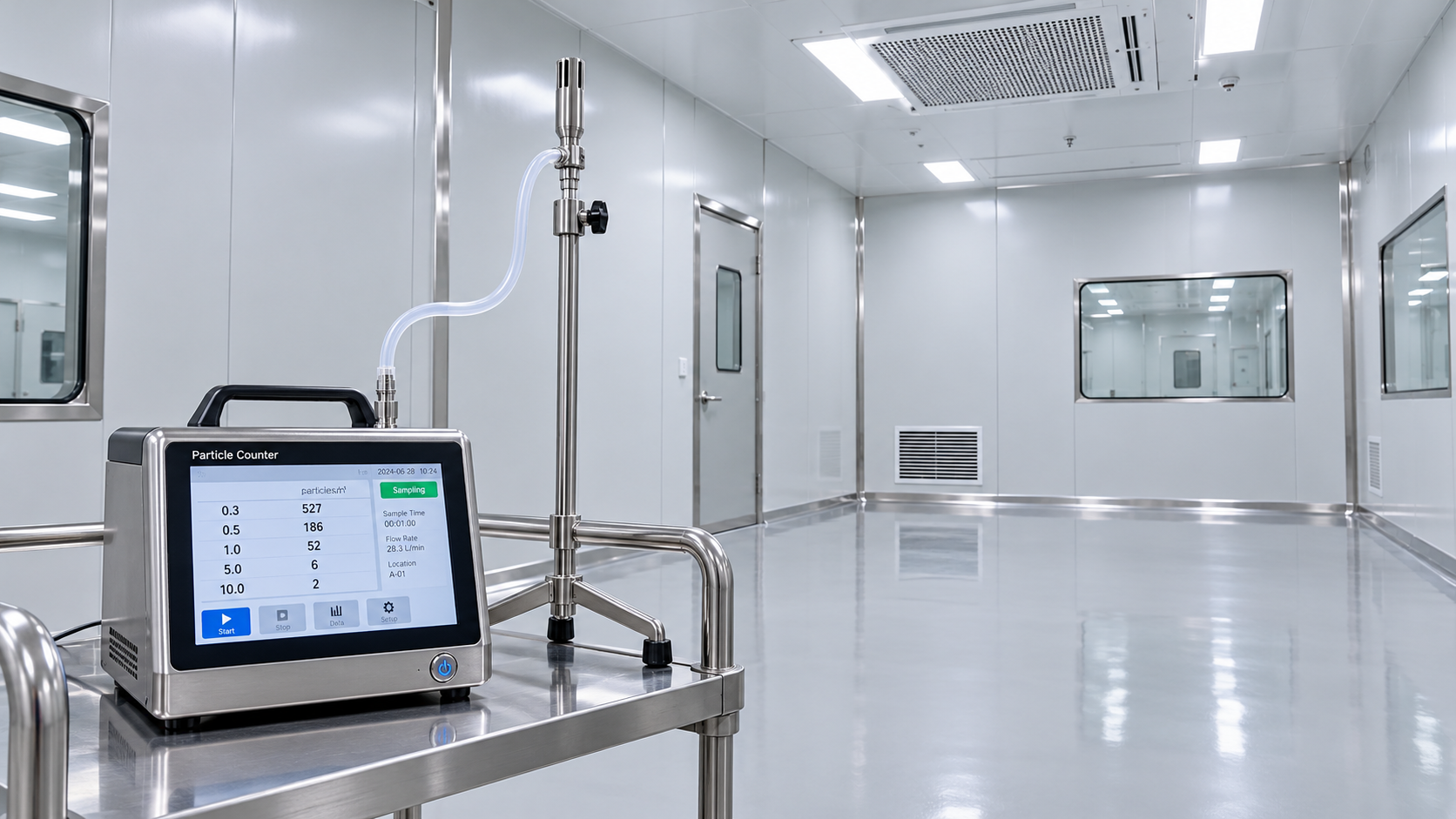
Continuous monitoring systems track particles, pressure, temperature, humidity, airflow, water quality, and equipment status. These data streams help teams identify drift before it becomes a quality event or downtime incident.
Digital twin control goes further by connecting live operating data with performance models, allowing teams to optimize setpoints, energy use, preventive maintenance, and change management decisions.
For researchers, this area matters because the best-performing facilities are not simply built well. They are managed through high-visibility data environments that support rapid diagnosis and documented control.
From an ESG and risk perspective, digital monitoring also improves accountability by creating auditable records of environmental performance, alarms, response actions, and system trends over time.
What should decision-makers look for when comparing solutions or partners?
When evaluating vendors, consultants, or benchmark references, readers should focus on measurable capability rather than broad technical claims.
Useful questions include whether the proposed systems align with relevant standards, whether performance can be validated under operating conditions, and whether maintenance can occur without disrupting critical production zones.
It is also wise to assess integration maturity. A facility may include excellent individual systems but still underperform if cleanroom controls, HVAC logic, water treatment, and monitoring platforms are poorly coordinated.
Lifecycle thinking is another key filter. High-tech facilities should be judged not only by capital expenditure, but by energy intensity, serviceability, spare strategy, upgrade flexibility, and compliance resilience.
For information researchers rather than immediate buyers, the most valuable insight is this: successful facilities are usually engineered as ecosystems, where performance depends on how subsystems interact over time.
Common misunderstandings about High-Tech Industrial Complex requirements
One common misunderstanding is that a higher specification always means a better outcome. In reality, the right specification is the one that matches process risk, compliance demand, and operational economics.
Another misconception is that certification or classification alone proves long-term performance. A room may pass an initial test yet still struggle under real occupancy, maintenance events, or changing production conditions.
Some teams also assume environmental infrastructure can be finalized late in the project. In practice, these systems must be coordinated early with process design, architecture, utility routing, and workflow planning.
Finally, many organizations treat monitoring as an add-on. In advanced environments, monitoring is part of the control architecture and should be considered a core requirement from the beginning.
How to build a clearer evaluation framework
If your goal is to understand High-Tech Industrial Complex requirements, start with process sensitivity. Ask what level of contamination, thermal drift, water impurity, or exposure risk the operation can actually tolerate.
Next, map that sensitivity to standards, engineering systems, and operational controls. This helps distinguish between essential performance needs and expensive features that may add limited practical value.
Then review the facility as an integrated platform. Air, water, containment, utilities, automation, and compliance documentation should reinforce one another rather than compete for space or control authority.
Finally, evaluate whether the design supports stable operation over time. Reliability, calibration, access, alarm management, and maintenance planning are often what determine whether theoretical performance becomes real performance.
Conclusion
High-Tech Industrial Complex requirements are fundamentally about controlled performance in environments where failure has technical, financial, and regulatory consequences.
For researchers and decision-makers, the most important takeaway is that success depends on system integration. Cleanrooms, precision HVAC, ultra-pure water, biosafety measures, and digital monitoring must operate as a coordinated whole.
When these elements are aligned with process risk and international standards, advanced facilities can achieve better yield protection, stronger compliance, lower operational uncertainty, and more resilient long-term performance.
That is the clearest way to interpret High-Tech Industrial Complex requirements: not as isolated specifications, but as the operating foundation of modern high-performance industry.
Get weekly intelligence in your inbox.
No noise. No sponsored content. Pure intelligence.
 Oct 21, 2026How often is cleanroom certification required under ISO 14644-2?Cleanroom Certification is generally recommended annually under ISO 14644-2. Learn when risk-based extensions apply and which changes trigger earlier testing to plan with confidence.
 Oct 21, 2026FASEB Comments on NIH Draft Policy for Research Involving BiohazardsFASEB comments on NIH’s draft biohazard research policy call for risk-based biosafety oversight. Explore potential implications for laboratories, suppliers, and compliance teams.
 Oct 20, 2026How to disinfect ultrasound machines without damaging surfacesLearn how to disinfect ultrasoundmachines without surface damage. Explore compatible products, wet contact times, and probe care to protect patients and equipment.
 Oct 20, 2026Ultrapure Water in Semiconductor Manufacturing: Reuse and Quality Control InsightsExplore ultrapure water reuse in semiconductor manufacturing, key UPW quality benchmarks and analytical insights to help evaluate suppliers and protect process purity.
 Oct 19, 2026How cooling affects warpage in injection-molded consumer electronics housingsOptimize plastic injection molding for consumer electronics with cooling strategies to reduce housing warpage and improve assembly fit. Discover practical checks for stable, efficient production.
 Oct 18, 2026Can air leaks prevent a dehumidifier from holding its target dew point?Why can't our dehumidifier maintain the target dew point? Discover how air leaks increase moisture loads, spot hidden faults, and find practical fixes to restore reliable dew-point control.
 Oct 17, 2026How semiconductor process water treatment removes trace organicsSee how semiconductor process water treatment removes trace organics with RO, UV oxidation, and polishing. Learn how TOC monitoring helps verify purity and pinpoint contamination.
 Oct 16, 2026How to choose ultra pure water piping materials to limit leachingChoose ultra pure water piping with confidence. Compare PVDF, PFA, and stainless steel, assess leaching risks, and learn how to qualify your system for reliable purity.
 Oct 15, 2026How to size a skid-mounted deionized water system for peak demandCompare deionized water systems skid configurations for peak demand. Learn how to balance production, storage, and pump capacity to prevent shortages and avoid costly oversizing.
 Oct 14, 2026When is collaborative laboratory robotics suitable for sample sorting?Explore when collaborative laboratory robotics suits sample sorting. Discover key checks for safety, traceability, container compatibility, and throughput before choosing your solution.
 Oct 13, 2026How sandwich panel joints affect airtightness in cleanroom systemsCleanroom Systems sandwich panels need reliable joints for airtightness. Discover how gaskets, sealants, and testing help reduce leakage and protect cleanroom pressure control.
 Oct 12, 2026How to verify USP compliance for ultra pure water systemsUltra Pure Water Systems USP compliance: learn how to verify water quality, sampling, sanitization, trends, and validation controls at every point of use.
 Oct 11, 2026How tight temperature control prevents cleanroom process driftCleanroom process temperature control systems prevent costly drift by stabilizing critical conditions, improving repeatability, and protecting sensitive production workflows.
 Oct 10, 2026When does organic contaminant removal require TOC treatment?Organic contaminant removal requires TOC treatment when dissolved organics threaten product quality, equipment reliability, or process control. Learn how to assess risks and choose the right solution.
 Oct 08, 2026What affects lead times for sheet metal bending services in Canada?Sheet metal bending services Canada: discover how material supply, tooling, tolerances, finishing, documentation, and freight affect lead times for reliable project delivery.
 Oct 07, 2026How HVAC design for semiconductor fabs prevents airborne contaminationHVAC design for semiconductor fabs prevents airborne contamination through advanced filtration, pressure cascades, airflow control, and real-time monitoring. Explore key strategies for cleaner, more reliable wafer production.
 Oct 06, 2026How photovoltaic modules waterproof technology prevents moisture damagephotovoltaic modules waterproof technology prevents moisture damage with durable seals, drainage, and junction-box protection. Explore practical selection and testing insights.
 Oct 05, 2026How ISO 14644 Europe requirements affect cleanroom qualificationISO 14644 Europe requirements shape cleanroom qualification, from particle classification and recovery testing to monitoring, GMP alignment, and change control.
 Oct 04, 2026How to assess a pharmaceutical cleanroom solutions supplier’s ISO capabilityPharmaceutical Cleanroom Solutions supplier assessment guide: evaluate ISO 14644 capability, validation evidence, airflow design, documentation, and long-term GMP readiness.
 Oct 03, 2026What EU standards govern the design of BSL-3 laboratories in Europe?BSL-3 laboratories Europe: explore EU directives, EN standards, HVAC containment, commissioning, and practical design strategies for compliant, resilient high-containment facilities.
 Oct 02, 2026How EN 1822 defines HEPA filtration efficiency for cleanroomsHEPA filtration EN 1822 explained: learn how MPPS testing, local leakage limits, and filter classes support reliable cleanroom decisions.
 Oct 01, 2026How pharmaceutical process water systems control microbial riskProcess water systems pharmaceutical teams rely on can control microbial risk through hygienic design, monitoring, and validated sanitization. Explore practical compliance strategies.
 Sep 30, 2026When does a negative pressure laboratory need BSL-3 containment?Negative pressure laboratory or BSL-3? Discover the risk factors, engineering controls, and containment requirements needed for safe, compliant laboratory planning.
 Sep 29, 2026How to evaluate a TOC-zero water treatment supplier for UPW systemsChoose a TOC-zero water treatment supplier with confidence. Compare UPW performance, monitoring, validation, materials, service capability, and lifecycle cost.
 Sep 28, 2026What drives sustainable cooling cost in high-precision facilities?Sustainable cooling cost in high-precision facilities depends on thermal stability, energy, water, controls, and resilience. Explore smarter lifecycle strategies.
 Sep 27, 2026How to compare freight forwarding services for time-critical shipmentsCompare freight forwarding services for time-critical shipments with practical insights on routing, customs, visibility, specialized handling, and contingency planning.
 Sep 26, 2026How environmental integrity in laboratories supports reliable test resultsEnvironmental Integrity in laboratories safeguards samples, instruments, and staff. Discover practical controls for contamination, monitoring, and reliable test results.