Sub-Micron Contamination Control in 2026 Production
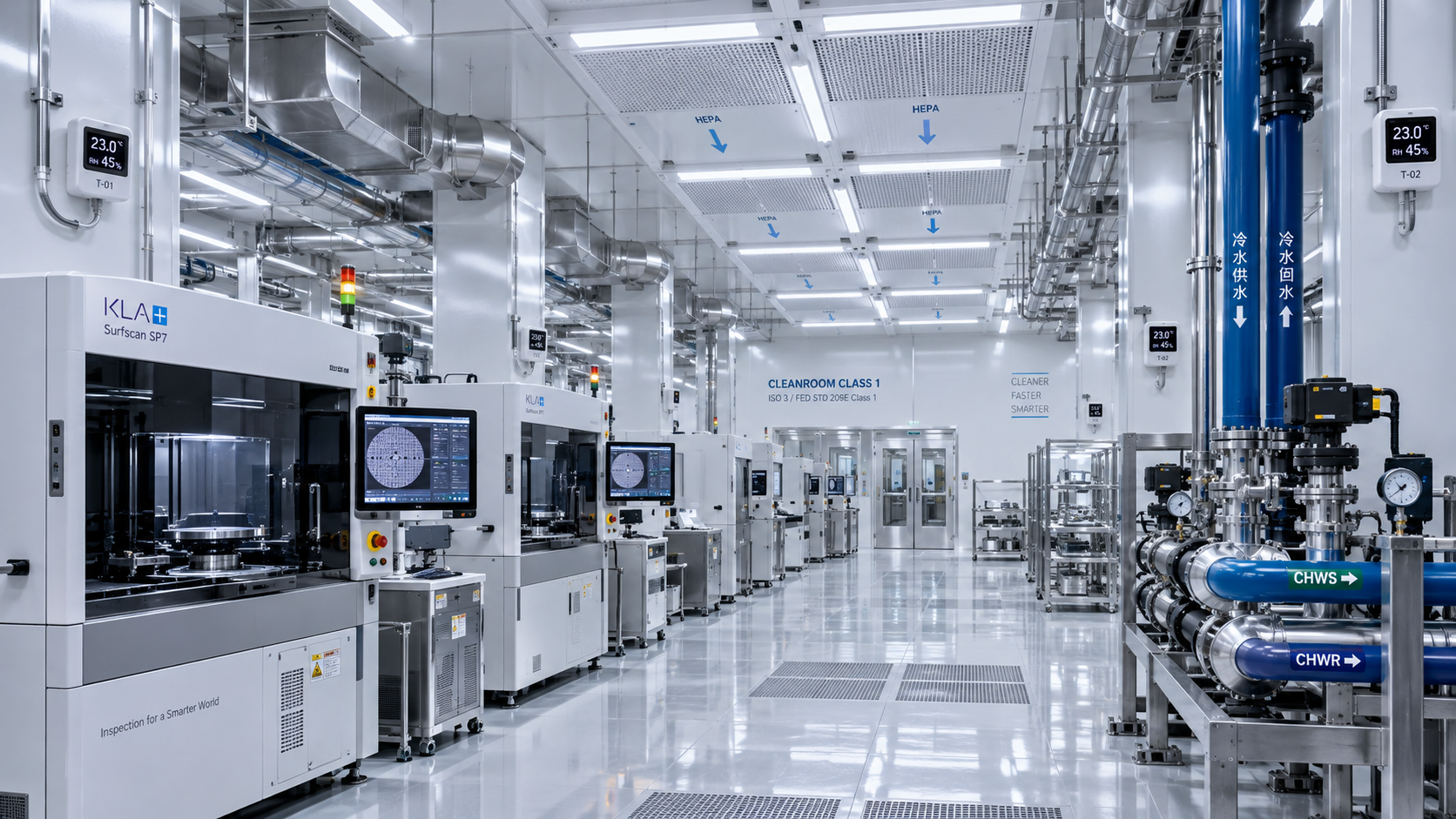
In 2026 production environments, Sub-Micron Contamination control is no longer a technical upgrade but a core requirement for quality assurance and safety management. As process tolerances tighten across advanced manufacturing, cleanroom performance, thermal stability, and compliance readiness must work together to reduce invisible risks, protect yield, and support consistent operational control.
Why does Sub-Micron Contamination control now shape quality and safety decisions?
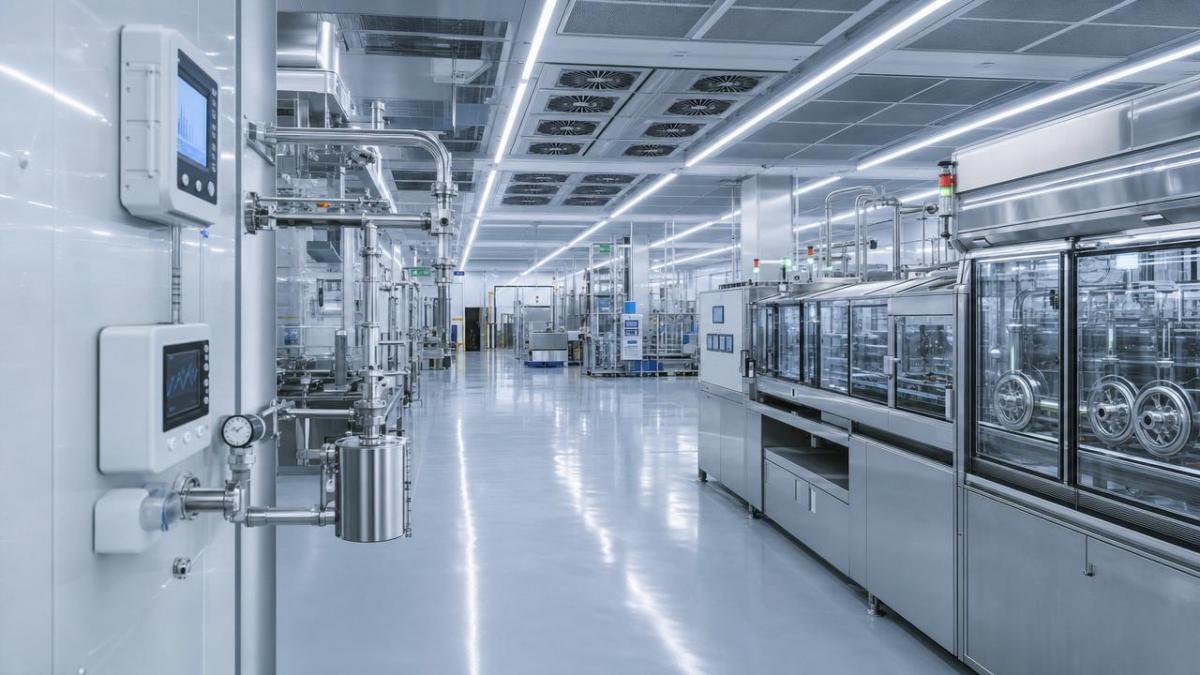
For quality managers and safety officers, the challenge is no longer limited to visible dust or basic housekeeping. The more serious risk comes from airborne particles, thermal drift, process fluid impurities, and uncontrolled personnel movement that can disrupt critical production at scales below one micron.
This is why Sub-Micron Contamination control has moved from a facility topic to an operational governance issue. In semiconductor, pharmaceutical, precision electronics, advanced materials, and high-containment laboratories, microscopic contamination can trigger batch rejection, calibration instability, product recalls, or audit findings.
The pressure is even greater in mixed industrial groups where different production lines share utility systems, staff access paths, or maintenance teams. A contamination event in one zone can cascade into neighboring controlled areas if zoning, airflow balance, and monitoring logic are not engineered together.
- Quality teams need traceable environmental data to explain deviation events and defend release decisions.
- Safety managers must ensure that contamination control does not conflict with biosafety, chemical handling, or emergency ventilation requirements.
- Procurement teams need practical benchmarks because low initial equipment cost often creates higher validation, maintenance, and nonconformance costs later.
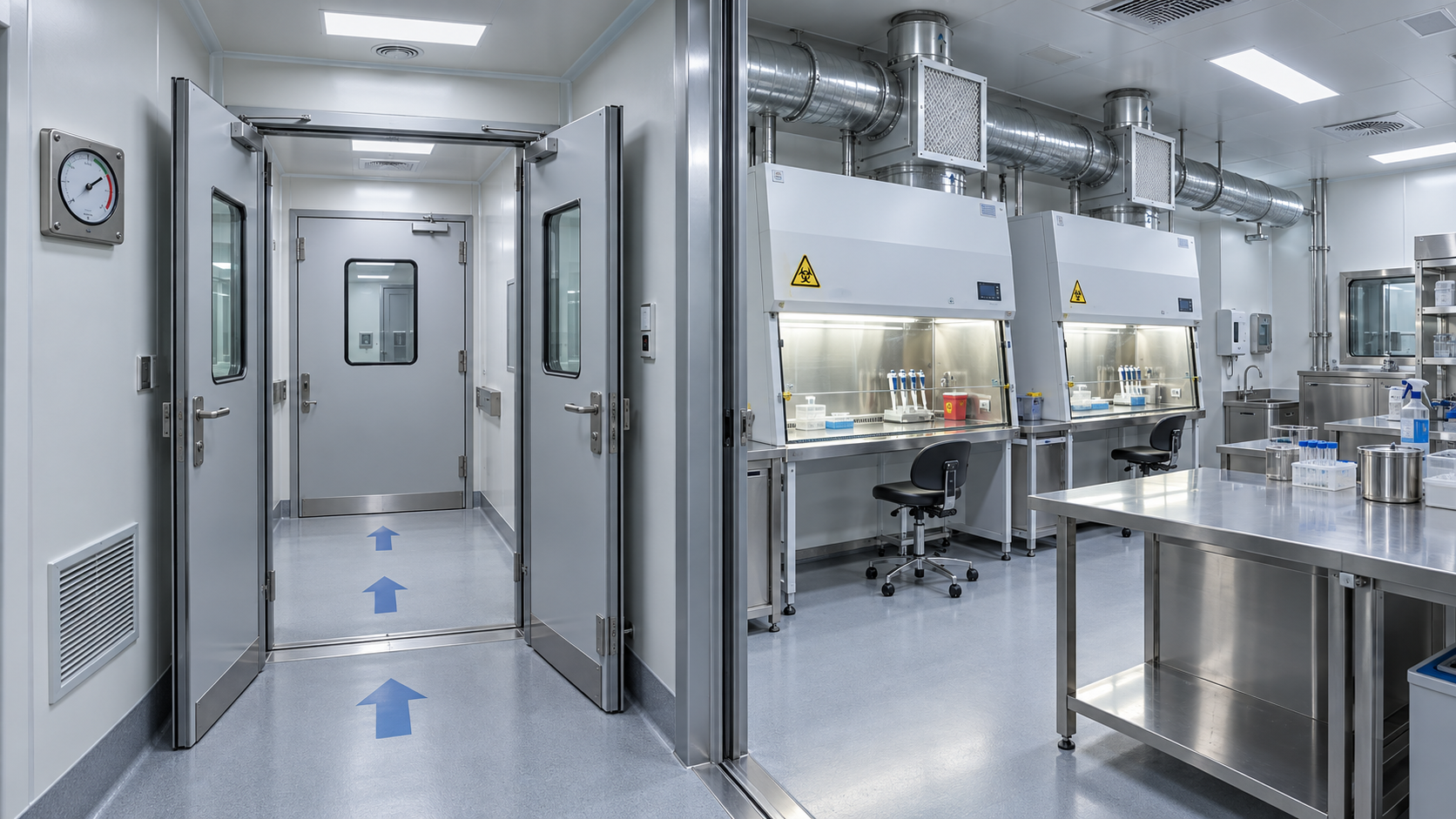
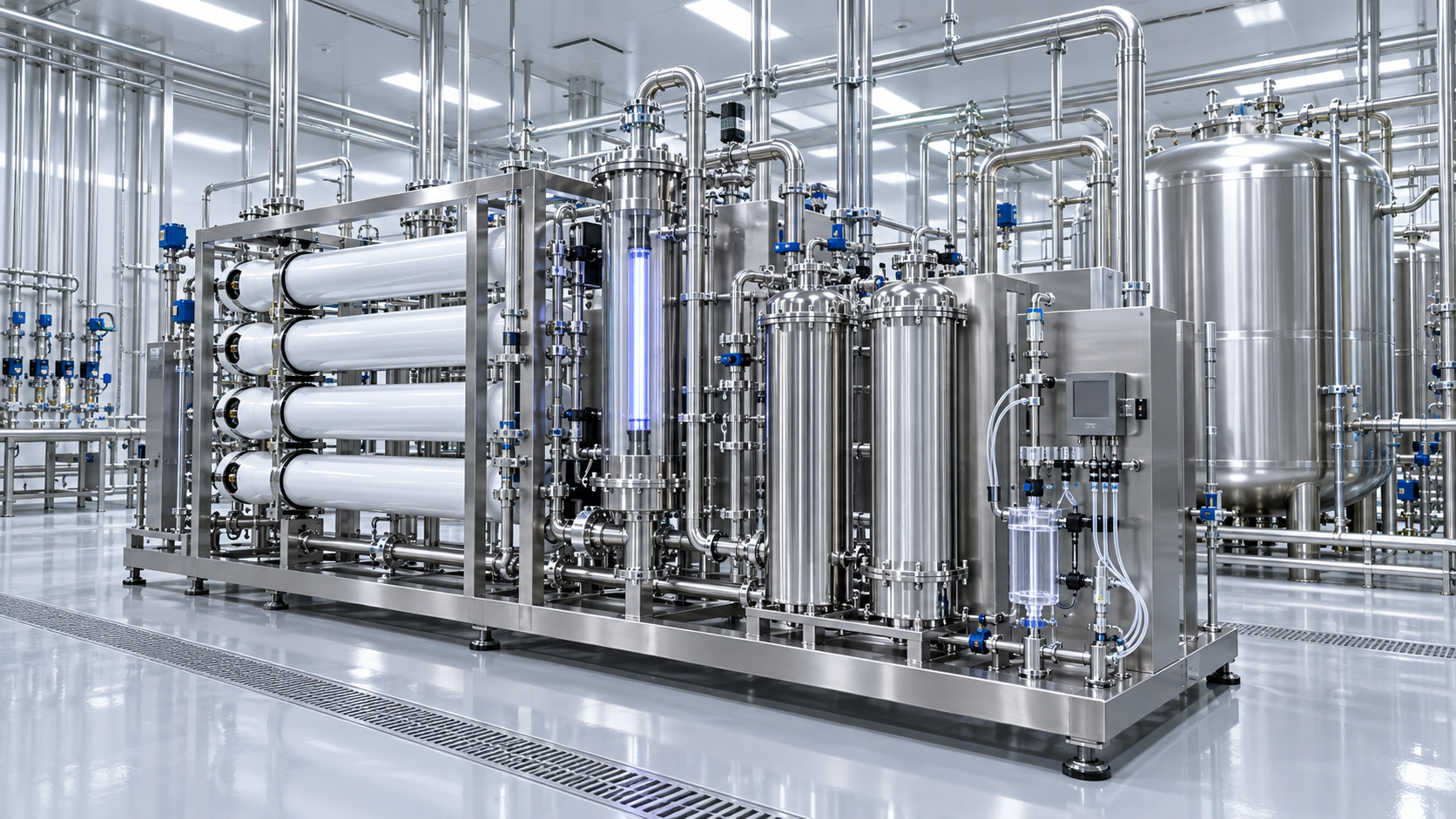
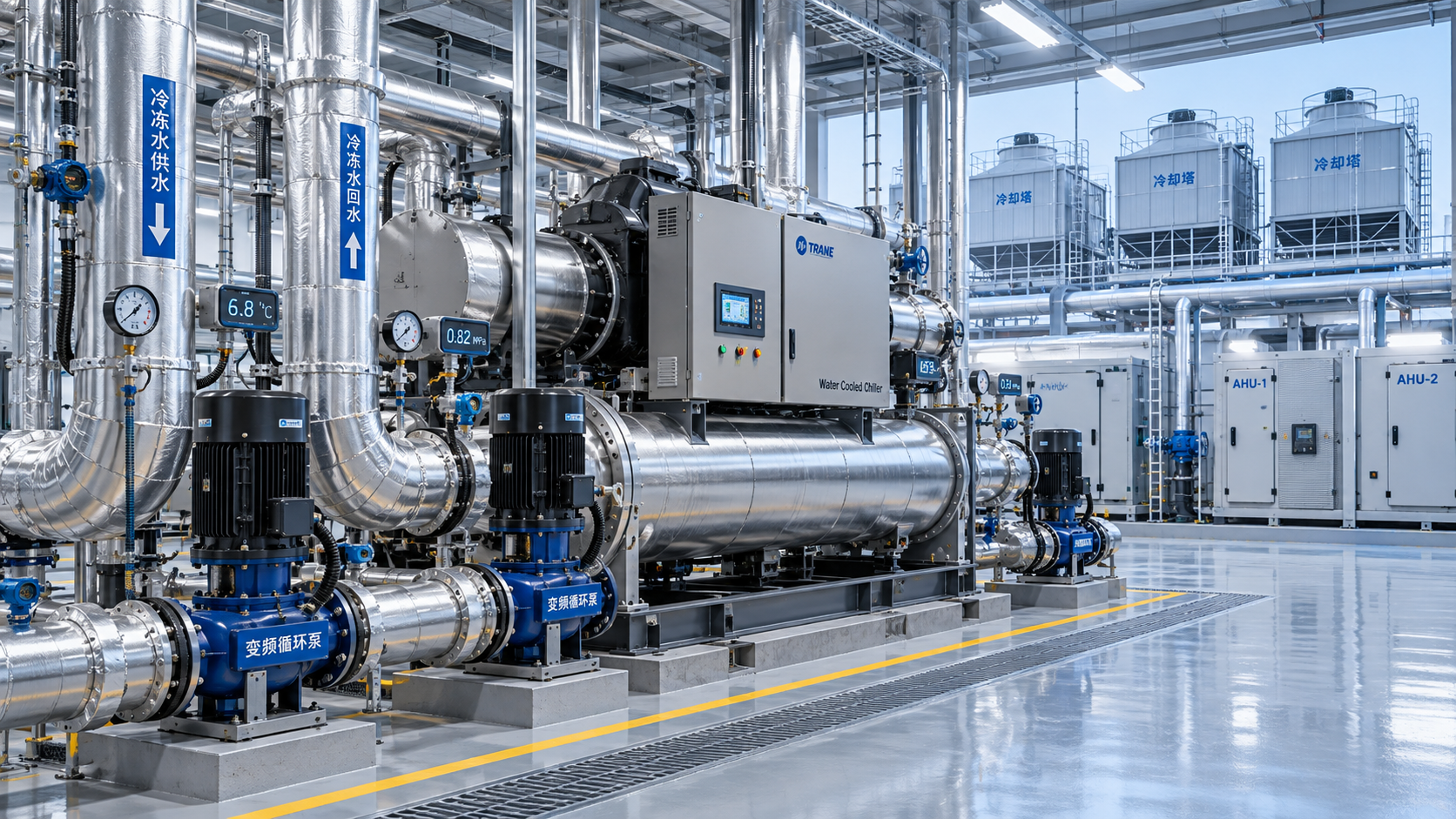
G-ICE is relevant in this context because contamination cannot be solved by filters alone. Its multidisciplinary framework links cleanroom systems, precision HVAC, UPW and process fluids, biosafety containment, and digital monitoring into one decision model aligned with ISO 14644, ASHRAE, and SEMI expectations.
Which contamination sources are most often underestimated in 2026 production?
Many facilities still focus on end-of-line particle counts while missing upstream contamination drivers. That approach is risky because sub-micron events often begin as system interactions rather than isolated failures. A stable production outcome depends on controlling multiple hidden variables at the same time.
High-impact sources that deserve priority review
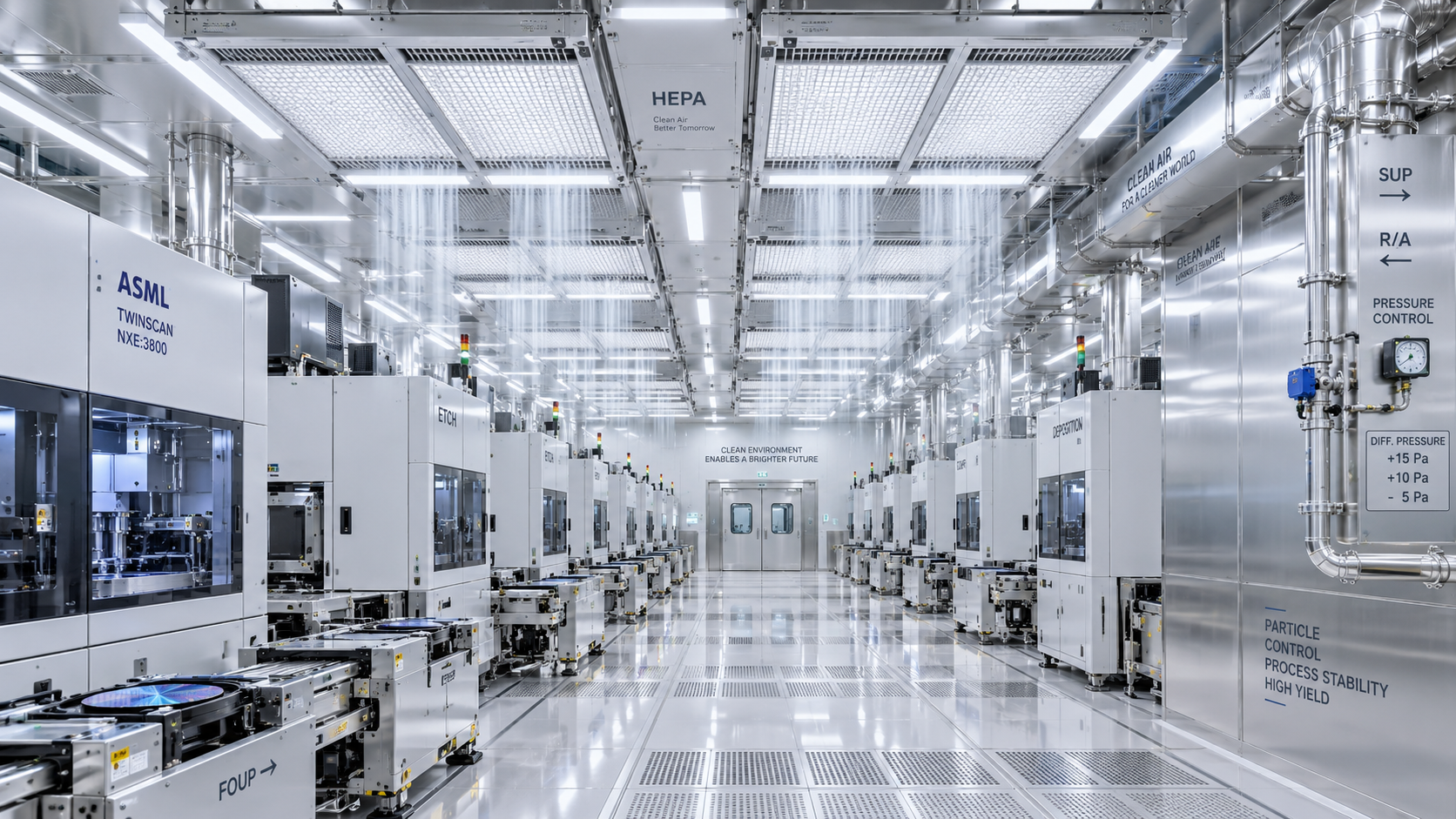
- Air handling instability, including filter loading, pressure imbalance, leakage paths, and poorly tuned air change rates.
- Thermal fluctuation, especially in precision processes where a deviation of even small fractions of a degree can alter airflow behavior and equipment alignment.
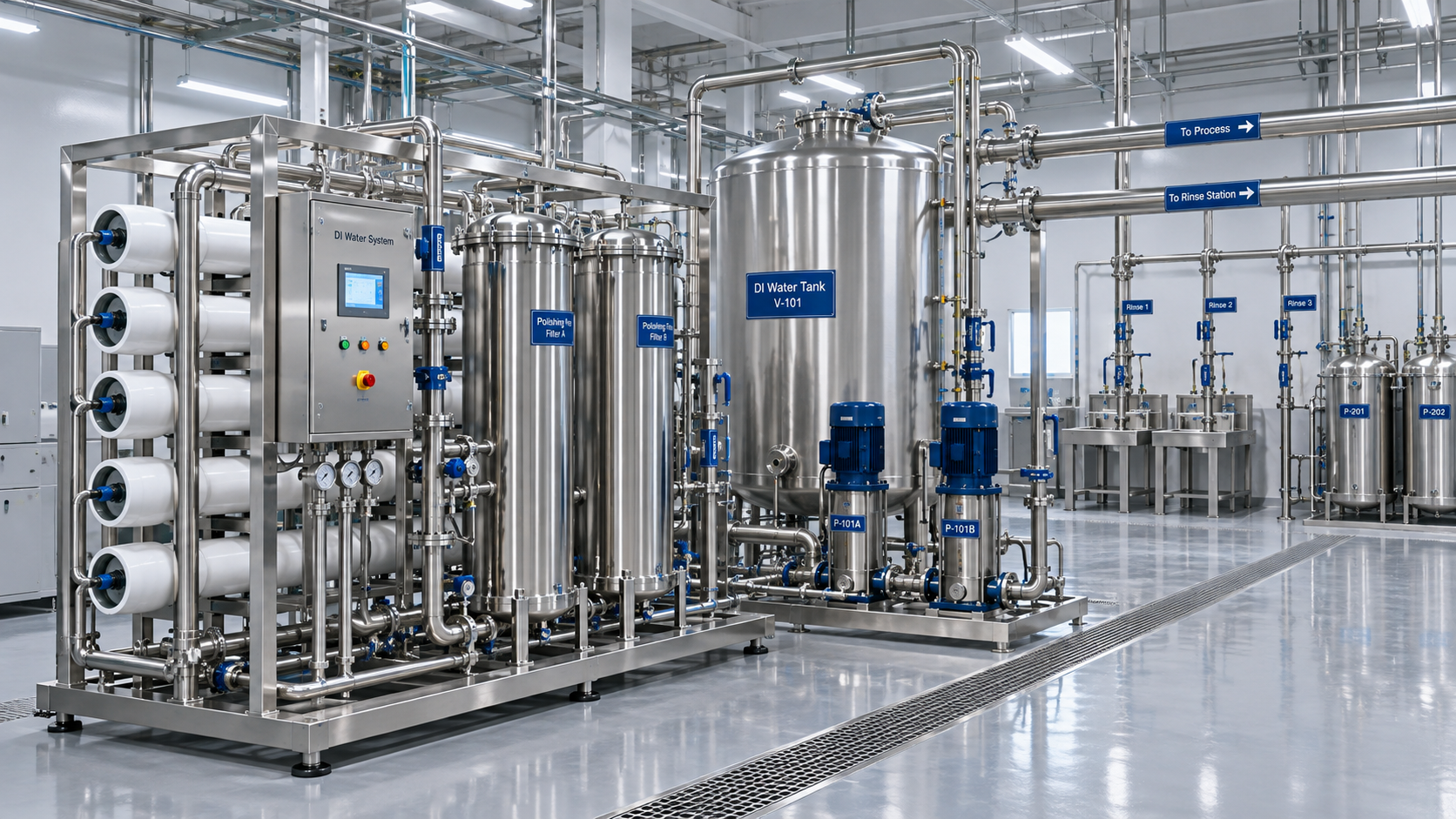
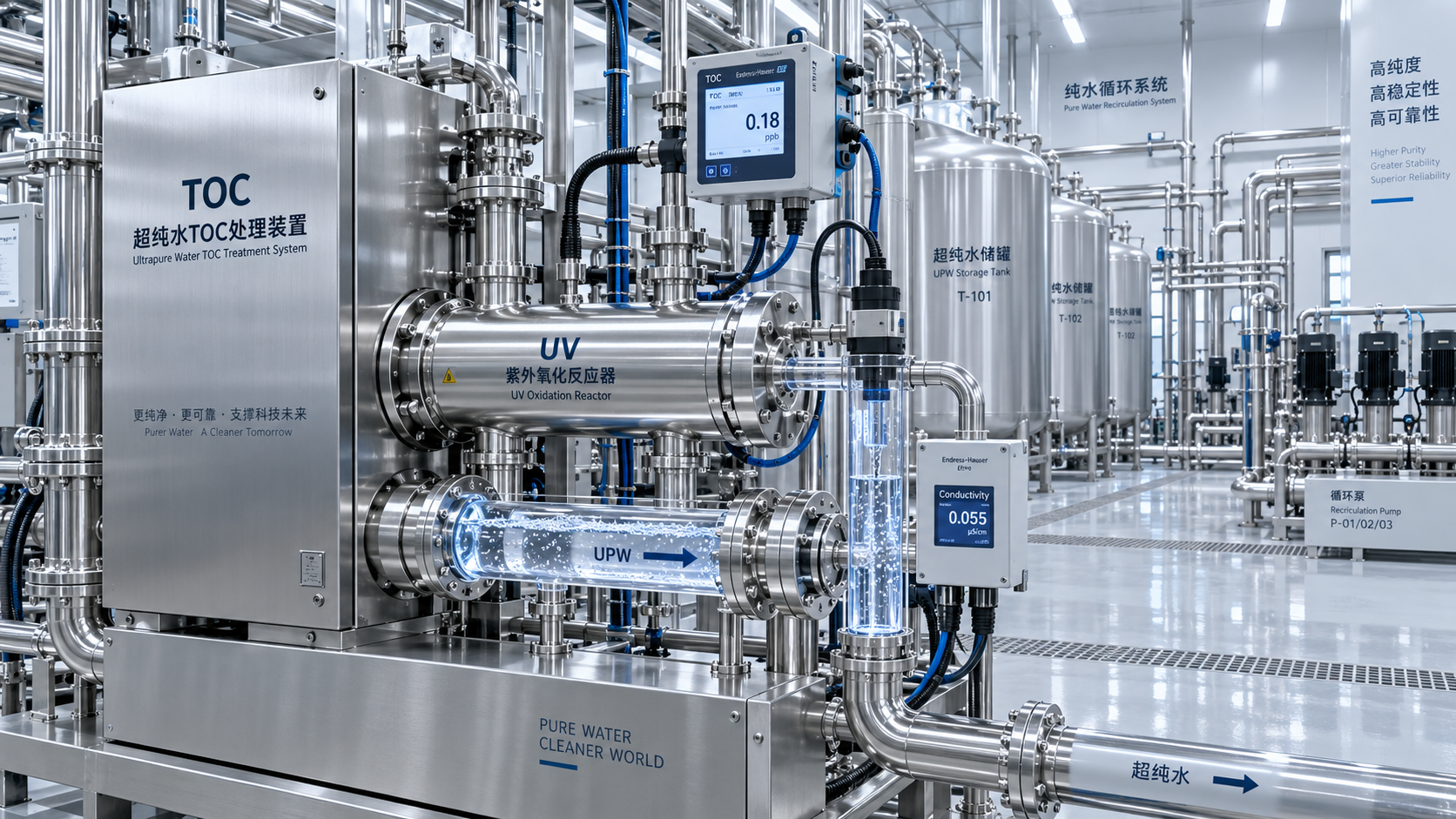
- Utilities contamination, such as process water organics, dissolved gases, piping shed, and residues from maintenance interventions.
- People and material transfer, including gowning errors, packaging fibers, trolley wheels, and door opening frequency.
- Inadequate monitoring architecture, where sensors exist but are not mapped to critical control points or alarm logic.
Sub-Micron Contamination control therefore requires root-cause thinking. When a facility only reacts to particle alarms, it treats symptoms. When it maps contamination to airflow, temperature, water quality, occupancy, and maintenance patterns, it starts to control the process rather than just the room.
How should quality and safety teams evaluate critical control points?
The table below helps translate Sub-Micron Contamination control into a cross-functional review framework. It is especially useful when multiple departments need a common basis for CAPEX approval, validation planning, and operational risk ranking.
A useful insight from this matrix is that contamination control becomes stronger when teams verify interactions, not just single devices. G-ICE supports this systems view by benchmarking hardware and environmental logic together rather than separating equipment procurement from compliance performance.
What technical performance indicators matter most for Sub-Micron Contamination control?
Quality teams often receive vendor data that is technically correct but operationally incomplete. For procurement and validation, the real question is not whether a component performs in isolation, but whether the total environment stays within acceptable control limits during production, cleaning, changeover, and maintenance.
Priority indicators to compare
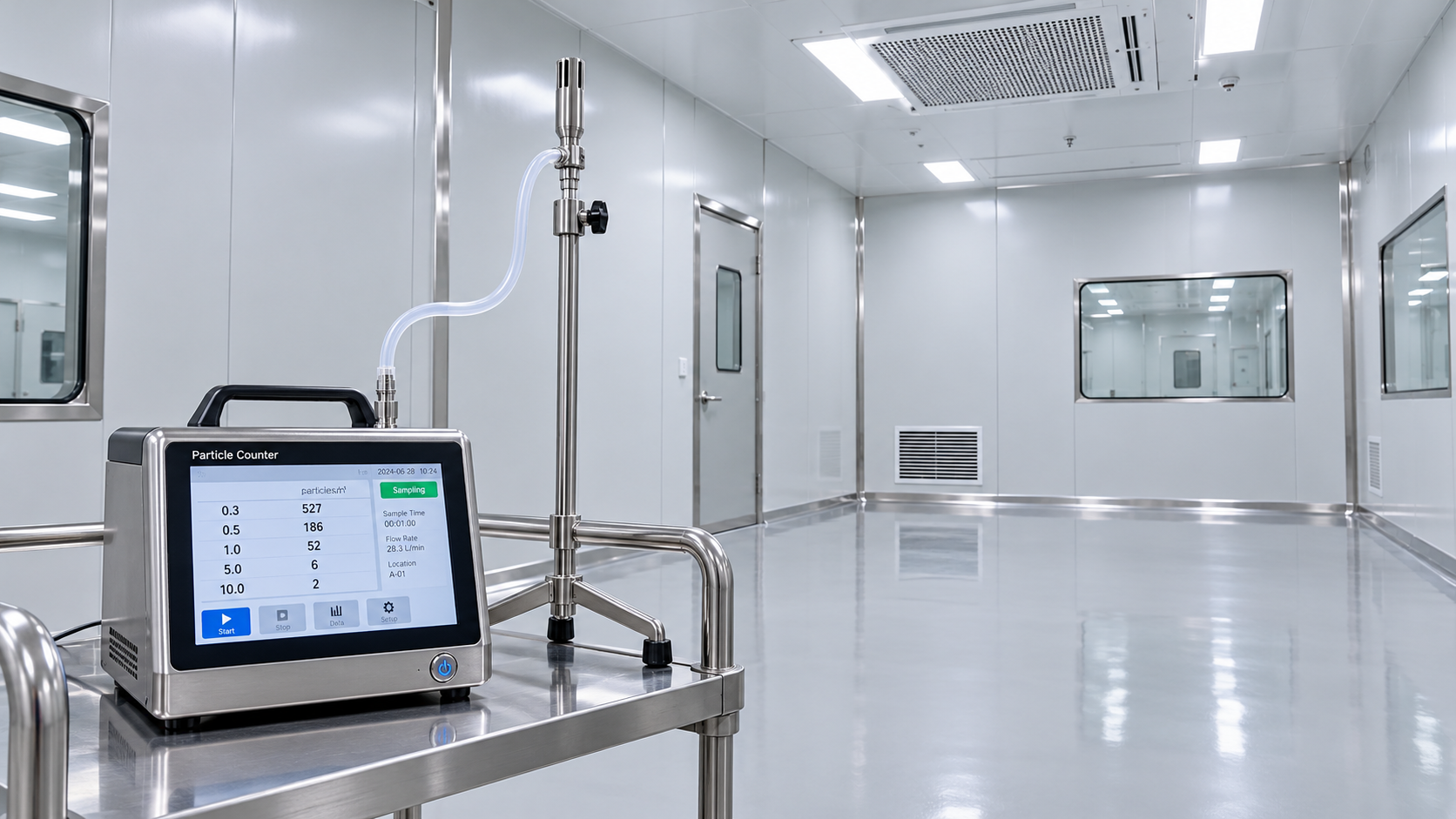
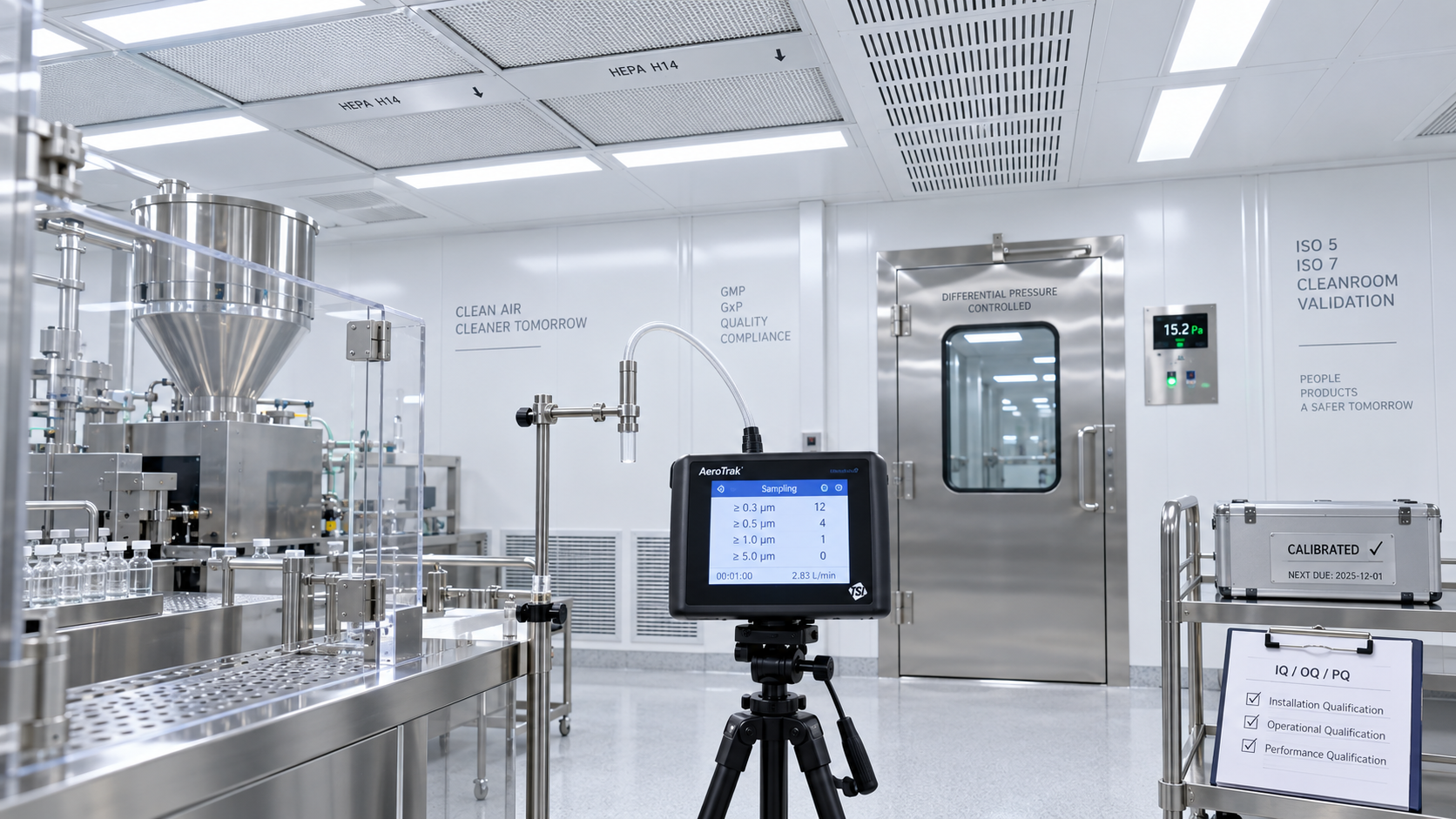
- Particle concentration by zone and by activity state, not only at rest conditions.
- Temperature stability and recovery speed after door events, process heat release, or occupancy spikes.
- Pressure cascade reliability across production, support, and waste-handling areas.
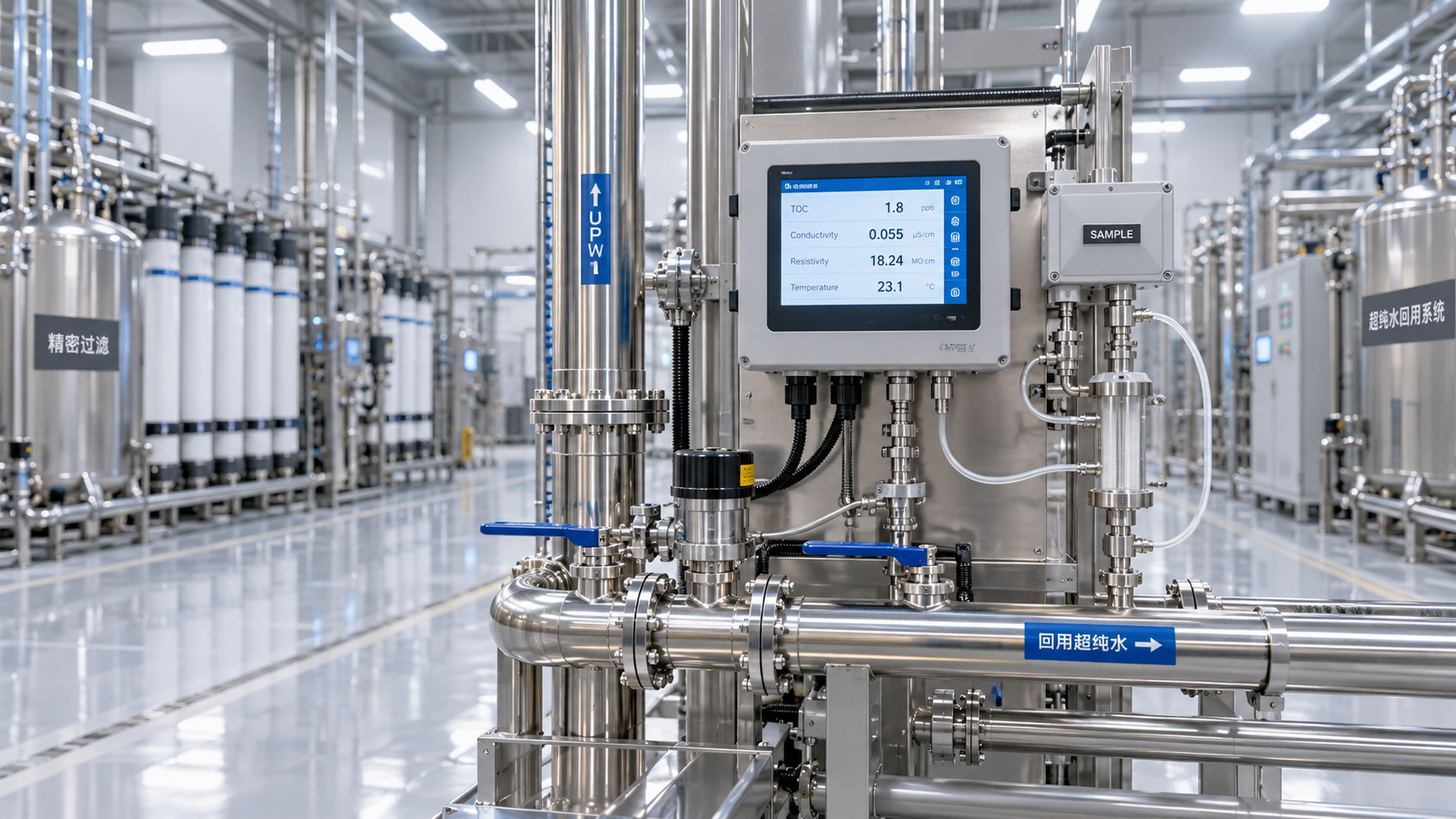
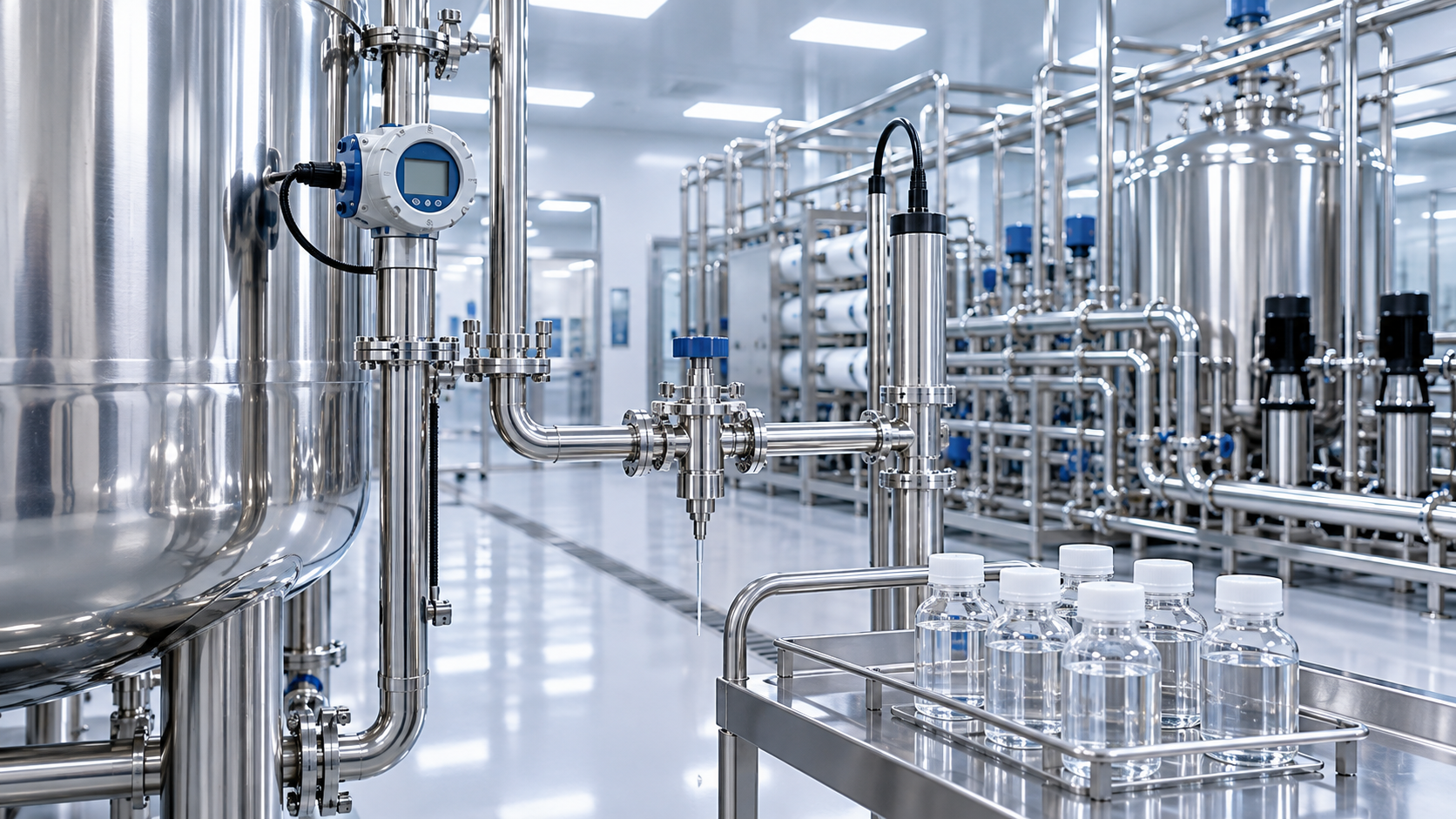
- Water and fluid purity trends, especially for resistivity, TOC, dissolved oxygen, and particulates where relevant.
- Alarm response integration, including whether monitoring data reaches quality review and corrective action workflows.
In advanced sectors, Sub-Micron Contamination control often fails because facilities chase a nominal room classification while ignoring dynamic performance. A room that meets a target during commissioning but loses stability during shift change or tool maintenance is not truly under control.
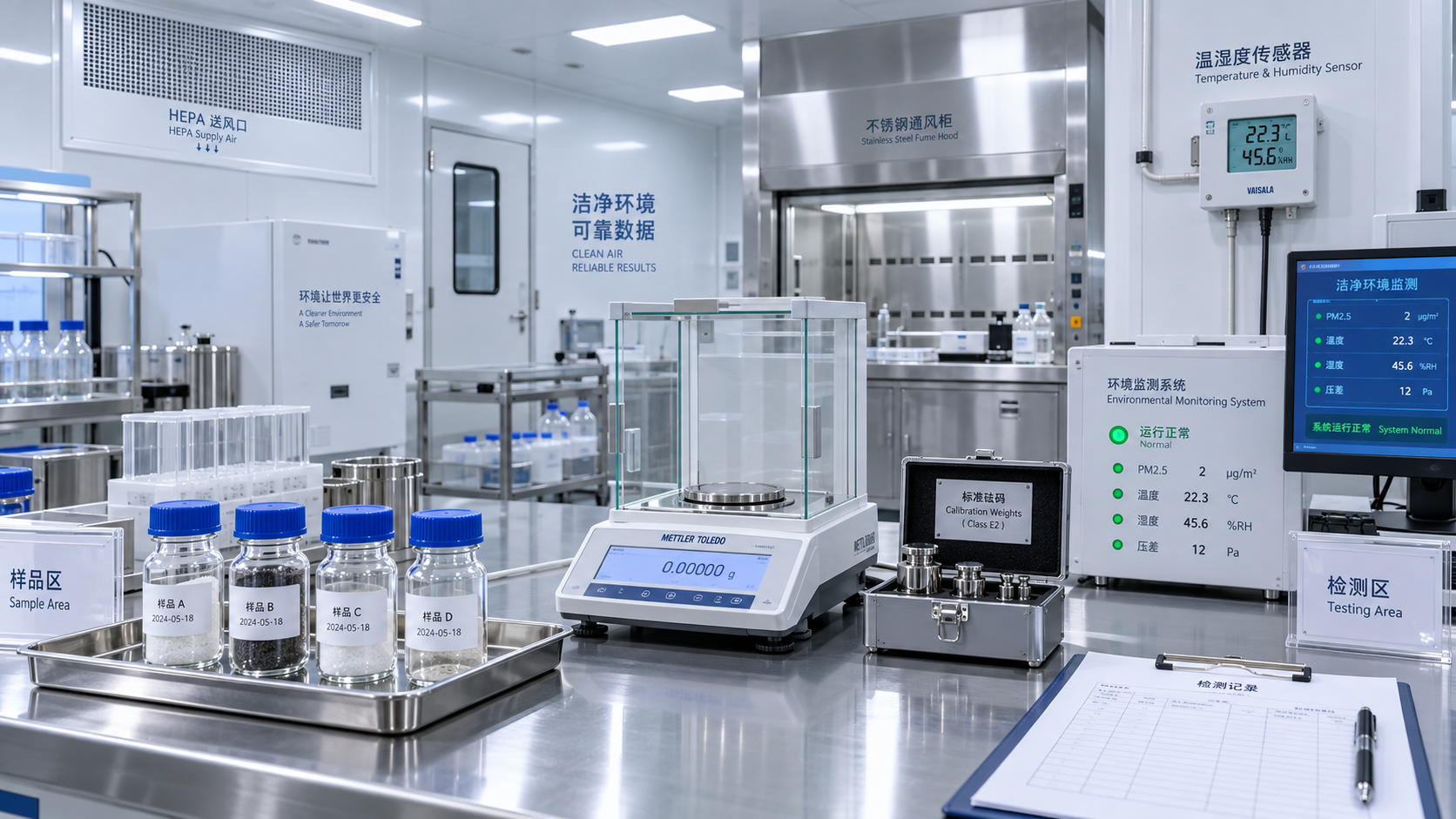
This is where G-ICE’s digital twin and environmental monitoring perspective becomes practical. Instead of waiting for excursions, teams can correlate particle levels, thermal behavior, occupancy, and utility conditions to identify weak points before yield or safety events escalate.
How to compare solution paths before procurement?
When selecting a Sub-Micron Contamination control strategy, buyers usually compare modular upgrades with integrated redesign. The right choice depends on contamination severity, regulatory pressure, shutdown tolerance, and how tightly process quality depends on environmental precision.
The main lesson is that procurement should match the contamination mechanism, not the most visible symptom. G-ICE’s value lies in comparing these pathways across cleanroom, HVAC, UPW, containment, and monitoring benchmarks so buyers can avoid fragmented investments.
What should a procurement and implementation checklist include?
For quality and safety professionals, purchasing decisions are easier when the review process is documented. A checklist reduces vendor ambiguity, shortens internal approval cycles, and improves alignment between engineering, EHS, validation, and operations.
Practical checklist before approval
- Define the contamination target by process step, not only by room label. Some tools or filling points need tighter protection than surrounding areas.
- Request performance data under operating conditions, including occupancy, equipment heat load, cleaning cycles, and maintenance access events.
- Check compatibility with existing standards and internal protocols, especially ISO 14644 zoning, ASHRAE-related HVAC expectations, and relevant SEMI practices.
- Confirm sensor locations, alarm thresholds, and data retention responsibilities before installation begins.
- Review consumables, spare parts, and service access needs because maintenance itself can become a contamination source.
- Ask for a phased implementation plan if shutdown windows are short or if production continuity is critical.
Sub-Micron Contamination control should also be evaluated through total risk cost. A lower-cost package may appear attractive, but if it increases requalification effort, utility instability, or investigation workload, the actual financial impact may be higher over the first two years.
How do standards and compliance shape decision-making?
Compliance is not just a certification issue. It affects layout choices, sampling logic, documentation burden, and how quickly a facility can respond to customer audits or regulatory review. For many organizations, the ability to demonstrate environmental control is now as important as achieving it.
Key compliance perspectives
- ISO 14644 supports classification and control principles for clean environments, but implementation quality depends on zoning, airflow design, and monitoring discipline.
- ASHRAE guidance is relevant when thermal management and ventilation performance directly influence contamination stability.
- SEMI-related expectations matter where semiconductor or adjacent precision manufacturing needs stronger process-environment linkage.
- In biosafety or pharmaceutical contexts, contamination control must also align with containment logic, cleaning validation, and documented deviation handling.
G-ICE is useful for multinational facilities because it benchmarks performance against these frameworks without treating them as isolated checklists. That helps quality and safety teams build systems that are both auditable and operationally resilient.
Common mistakes and FAQ about Sub-Micron Contamination control
Is a higher cleanroom class alone enough to solve contamination problems?
No. A stricter room class may reduce baseline particle levels, but it does not automatically solve thermal instability, utility contamination, poor transfer design, or operator-driven particle generation. Sub-Micron Contamination control works only when room classification is matched with process behavior and operational discipline.
What should buyers focus on when budgets are limited?
Start with the highest-value failure points: critical airflow zones, thermal stability near sensitive tools, and monitoring around release-impacting processes. A phased plan often works better than a broad but shallow upgrade. Prioritize interventions that reduce deviation frequency and improve traceability.
How long does implementation usually take?
Timing depends on retrofit depth, shutdown constraints, and validation requirements. Localized monitoring or filtration changes may move faster than integrated HVAC, utility, and containment upgrades. The key is to define engineering scope, FAT or SAT expectations, and requalification needs before ordering.
Why do some facilities still fail audits after investing in new equipment?
Because auditors often find gaps between hardware capability and documented control. Typical issues include weak alarm handling, incomplete maintenance records, undefined sampling rationale, and poor linkage between environmental excursions and quality investigations.
Can digital monitoring really improve Sub-Micron Contamination control?
Yes, if it is designed around decision-making rather than raw data collection. Useful systems connect particles, temperature, pressure, utilities, and occupancy trends to actionable alerts. They help teams identify drift early and support faster root-cause analysis after deviations.
Why choose us for contamination control planning and benchmarking?
G-ICE supports quality and safety leaders who need more than equipment quotations. Our strength is the ability to connect Advanced Cleanroom Systems, Precision Industrial HVAC, UPW and Process Fluid Treatment, Biosafety Containment, and Smart Environmental Monitoring into one practical framework for Sub-Micron Contamination control.
If you are reviewing a new build, retrofit, audit response, or production upgrade for 2026, you can contact us to discuss parameter confirmation, contamination risk mapping, product and system selection, delivery window planning, customized solution scope, compliance expectations, sample support where applicable, and quotation alignment across multiple technical packages.
This is especially valuable when your team must balance yield protection, operator safety, documentation readiness, and budget discipline at the same time. A structured consultation can help clarify which subsystem should be upgraded first, which data points must be monitored, and which standards should drive your implementation roadmap.
Get weekly intelligence in your inbox.
No noise. No sponsored content. Pure intelligence.
 Oct 21, 2026How often is cleanroom certification required under ISO 14644-2?Cleanroom Certification is generally recommended annually under ISO 14644-2. Learn when risk-based extensions apply and which changes trigger earlier testing to plan with confidence.
 Oct 21, 2026FASEB Comments on NIH Draft Policy for Research Involving BiohazardsFASEB comments on NIH’s draft biohazard research policy call for risk-based biosafety oversight. Explore potential implications for laboratories, suppliers, and compliance teams.
 Oct 20, 2026How to disinfect ultrasound machines without damaging surfacesLearn how to disinfect ultrasoundmachines without surface damage. Explore compatible products, wet contact times, and probe care to protect patients and equipment.
 Oct 20, 2026Ultrapure Water in Semiconductor Manufacturing: Reuse and Quality Control InsightsExplore ultrapure water reuse in semiconductor manufacturing, key UPW quality benchmarks and analytical insights to help evaluate suppliers and protect process purity.
 Oct 19, 2026How cooling affects warpage in injection-molded consumer electronics housingsOptimize plastic injection molding for consumer electronics with cooling strategies to reduce housing warpage and improve assembly fit. Discover practical checks for stable, efficient production.
 Oct 18, 2026Can air leaks prevent a dehumidifier from holding its target dew point?Why can't our dehumidifier maintain the target dew point? Discover how air leaks increase moisture loads, spot hidden faults, and find practical fixes to restore reliable dew-point control.
 Oct 17, 2026How semiconductor process water treatment removes trace organicsSee how semiconductor process water treatment removes trace organics with RO, UV oxidation, and polishing. Learn how TOC monitoring helps verify purity and pinpoint contamination.
 Oct 16, 2026How to choose ultra pure water piping materials to limit leachingChoose ultra pure water piping with confidence. Compare PVDF, PFA, and stainless steel, assess leaching risks, and learn how to qualify your system for reliable purity.
 Oct 15, 2026How to size a skid-mounted deionized water system for peak demandCompare deionized water systems skid configurations for peak demand. Learn how to balance production, storage, and pump capacity to prevent shortages and avoid costly oversizing.
 Oct 14, 2026When is collaborative laboratory robotics suitable for sample sorting?Explore when collaborative laboratory robotics suits sample sorting. Discover key checks for safety, traceability, container compatibility, and throughput before choosing your solution.
 Oct 13, 2026How sandwich panel joints affect airtightness in cleanroom systemsCleanroom Systems sandwich panels need reliable joints for airtightness. Discover how gaskets, sealants, and testing help reduce leakage and protect cleanroom pressure control.
 Oct 12, 2026How to verify USP compliance for ultra pure water systemsUltra Pure Water Systems USP compliance: learn how to verify water quality, sampling, sanitization, trends, and validation controls at every point of use.
 Oct 11, 2026How tight temperature control prevents cleanroom process driftCleanroom process temperature control systems prevent costly drift by stabilizing critical conditions, improving repeatability, and protecting sensitive production workflows.
 Oct 10, 2026When does organic contaminant removal require TOC treatment?Organic contaminant removal requires TOC treatment when dissolved organics threaten product quality, equipment reliability, or process control. Learn how to assess risks and choose the right solution.
 Oct 08, 2026What affects lead times for sheet metal bending services in Canada?Sheet metal bending services Canada: discover how material supply, tooling, tolerances, finishing, documentation, and freight affect lead times for reliable project delivery.
 Oct 07, 2026How HVAC design for semiconductor fabs prevents airborne contaminationHVAC design for semiconductor fabs prevents airborne contamination through advanced filtration, pressure cascades, airflow control, and real-time monitoring. Explore key strategies for cleaner, more reliable wafer production.
 Oct 06, 2026How photovoltaic modules waterproof technology prevents moisture damagephotovoltaic modules waterproof technology prevents moisture damage with durable seals, drainage, and junction-box protection. Explore practical selection and testing insights.
 Oct 05, 2026How ISO 14644 Europe requirements affect cleanroom qualificationISO 14644 Europe requirements shape cleanroom qualification, from particle classification and recovery testing to monitoring, GMP alignment, and change control.
 Oct 04, 2026How to assess a pharmaceutical cleanroom solutions supplier’s ISO capabilityPharmaceutical Cleanroom Solutions supplier assessment guide: evaluate ISO 14644 capability, validation evidence, airflow design, documentation, and long-term GMP readiness.
 Oct 03, 2026What EU standards govern the design of BSL-3 laboratories in Europe?BSL-3 laboratories Europe: explore EU directives, EN standards, HVAC containment, commissioning, and practical design strategies for compliant, resilient high-containment facilities.
 Oct 02, 2026How EN 1822 defines HEPA filtration efficiency for cleanroomsHEPA filtration EN 1822 explained: learn how MPPS testing, local leakage limits, and filter classes support reliable cleanroom decisions.
 Oct 01, 2026How pharmaceutical process water systems control microbial riskProcess water systems pharmaceutical teams rely on can control microbial risk through hygienic design, monitoring, and validated sanitization. Explore practical compliance strategies.
 Sep 30, 2026When does a negative pressure laboratory need BSL-3 containment?Negative pressure laboratory or BSL-3? Discover the risk factors, engineering controls, and containment requirements needed for safe, compliant laboratory planning.
 Sep 29, 2026How to evaluate a TOC-zero water treatment supplier for UPW systemsChoose a TOC-zero water treatment supplier with confidence. Compare UPW performance, monitoring, validation, materials, service capability, and lifecycle cost.
 Sep 28, 2026What drives sustainable cooling cost in high-precision facilities?Sustainable cooling cost in high-precision facilities depends on thermal stability, energy, water, controls, and resilience. Explore smarter lifecycle strategies.
 Sep 27, 2026How to compare freight forwarding services for time-critical shipmentsCompare freight forwarding services for time-critical shipments with practical insights on routing, customs, visibility, specialized handling, and contingency planning.
 Sep 26, 2026How environmental integrity in laboratories supports reliable test resultsEnvironmental Integrity in laboratories safeguards samples, instruments, and staff. Discover practical controls for contamination, monitoring, and reliable test results.