Industrial Climate Control Solutions for Stable Yield
For stable yield, production assets are only part of the equation. Environmental precision often decides whether output remains consistent, compliant, and profitable.
Industrial Climate Control solutions create the controlled conditions required for temperature-sensitive, particle-sensitive, and moisture-sensitive processes across modern industrial environments.
From semiconductor fabs to pharmaceutical suites and advanced laboratories, the right control strategy reduces process drift, limits contamination, and protects uptime.
This article examines where Industrial Climate Control solutions matter most, how scenario requirements differ, and what actions improve long-term operational resilience.
When stable yield depends on environmental control, not just equipment
Not every facility needs the same environmental architecture. Process criticality, regulatory exposure, contamination tolerance, and thermal sensitivity all change the control target.
Industrial Climate Control solutions become essential when small environmental deviations create large production losses, quality escapes, or compliance failures.
In high-performance sectors, common triggers include micro-particle contamination, humidity swings, thermal instability, pressure imbalance, and inadequate airflow zoning.
These issues rarely appear as isolated HVAC problems. They usually surface as yield variation, batch rejection, calibration drift, operator discomfort, or rising energy intensity.
Key signs that a site needs stronger climate-control strategy
- Frequent process deviations during seasonal weather changes
- Uneven product quality between lines, rooms, or shifts
- Growing cleanroom, biosafety, or validation requirements
- High utility costs without matching stability improvements
- Limited visibility into environmental trends and alarms
Semiconductor and electronics scenarios demand extreme thermal and particle stability
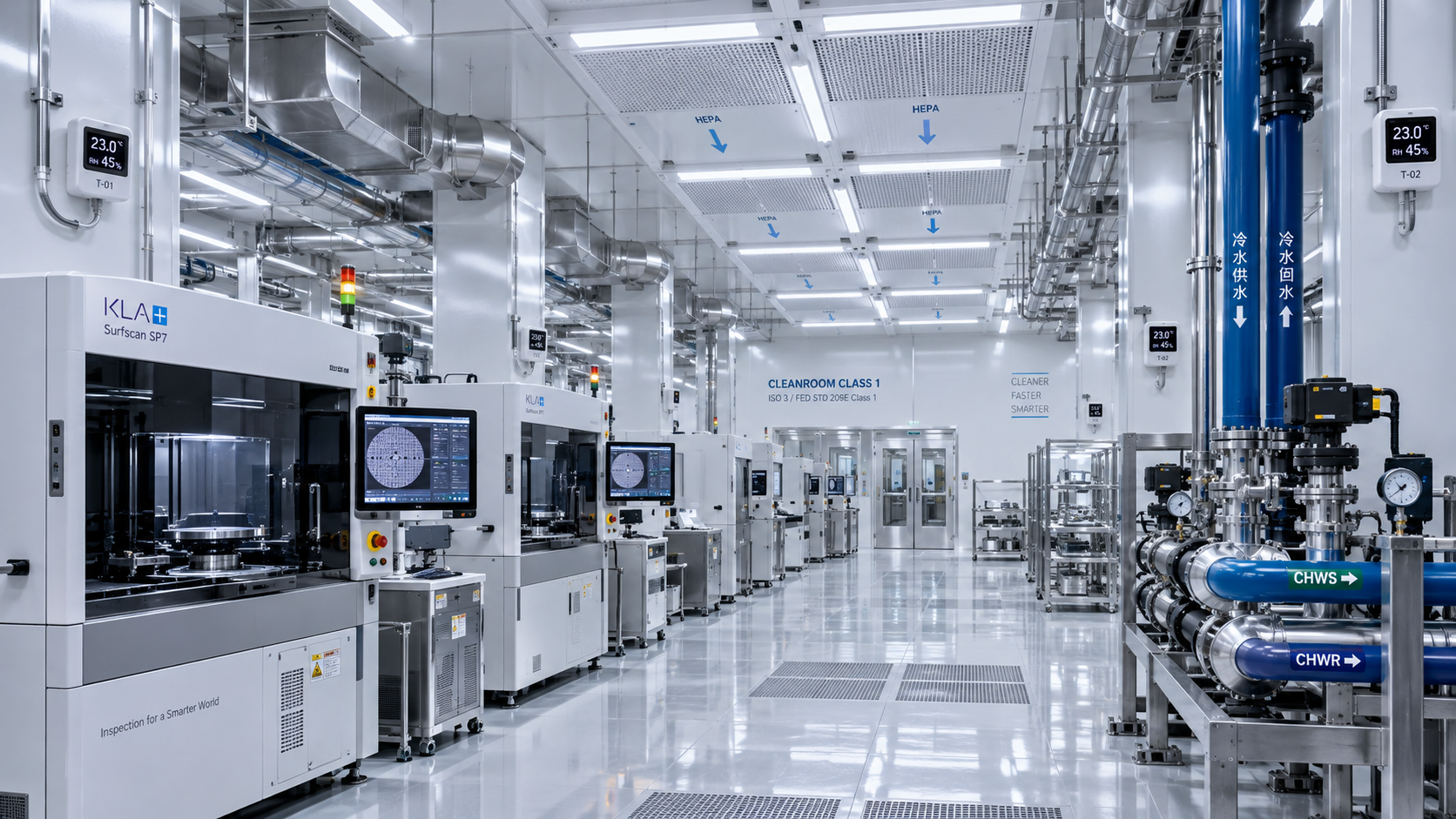
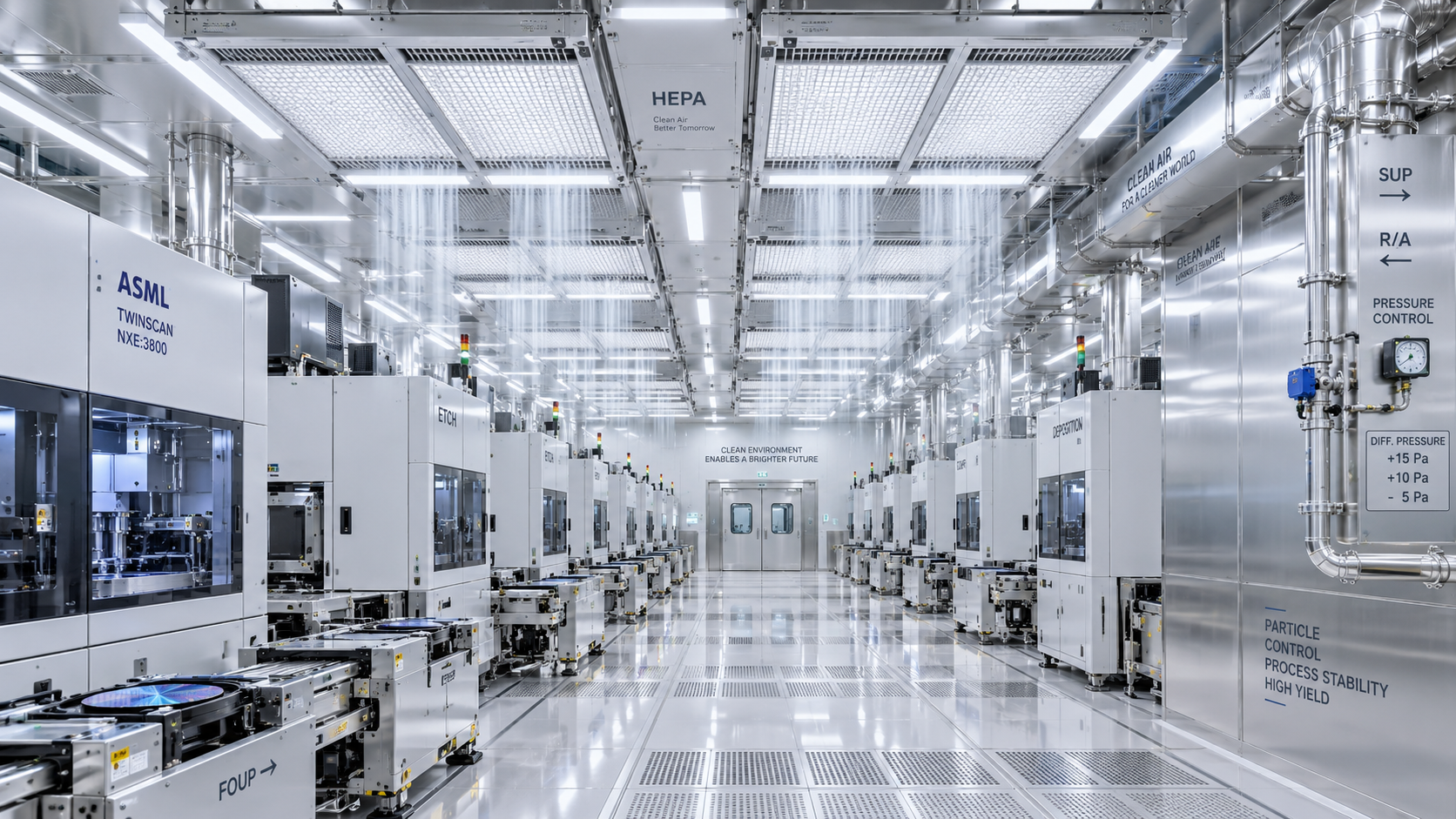
Semiconductor and electronics production is one of the clearest use cases for Industrial Climate Control solutions. Tiny fluctuations can undermine lithography, coating, bonding, and inspection accuracy.
Here, climate control must work as a process utility. It is not only about comfort or air exchange. It is about maintaining narrow tolerances across every critical zone.
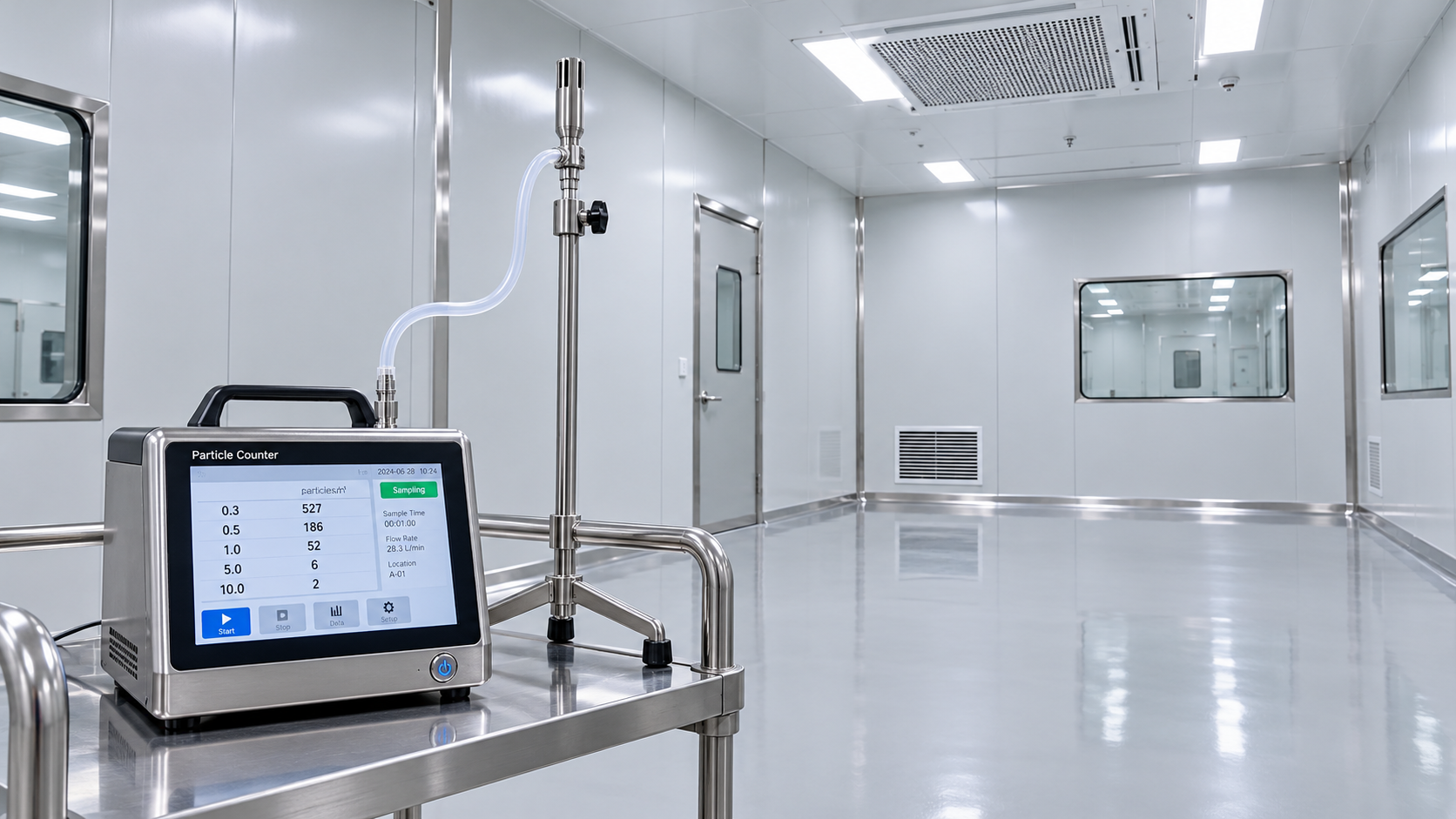
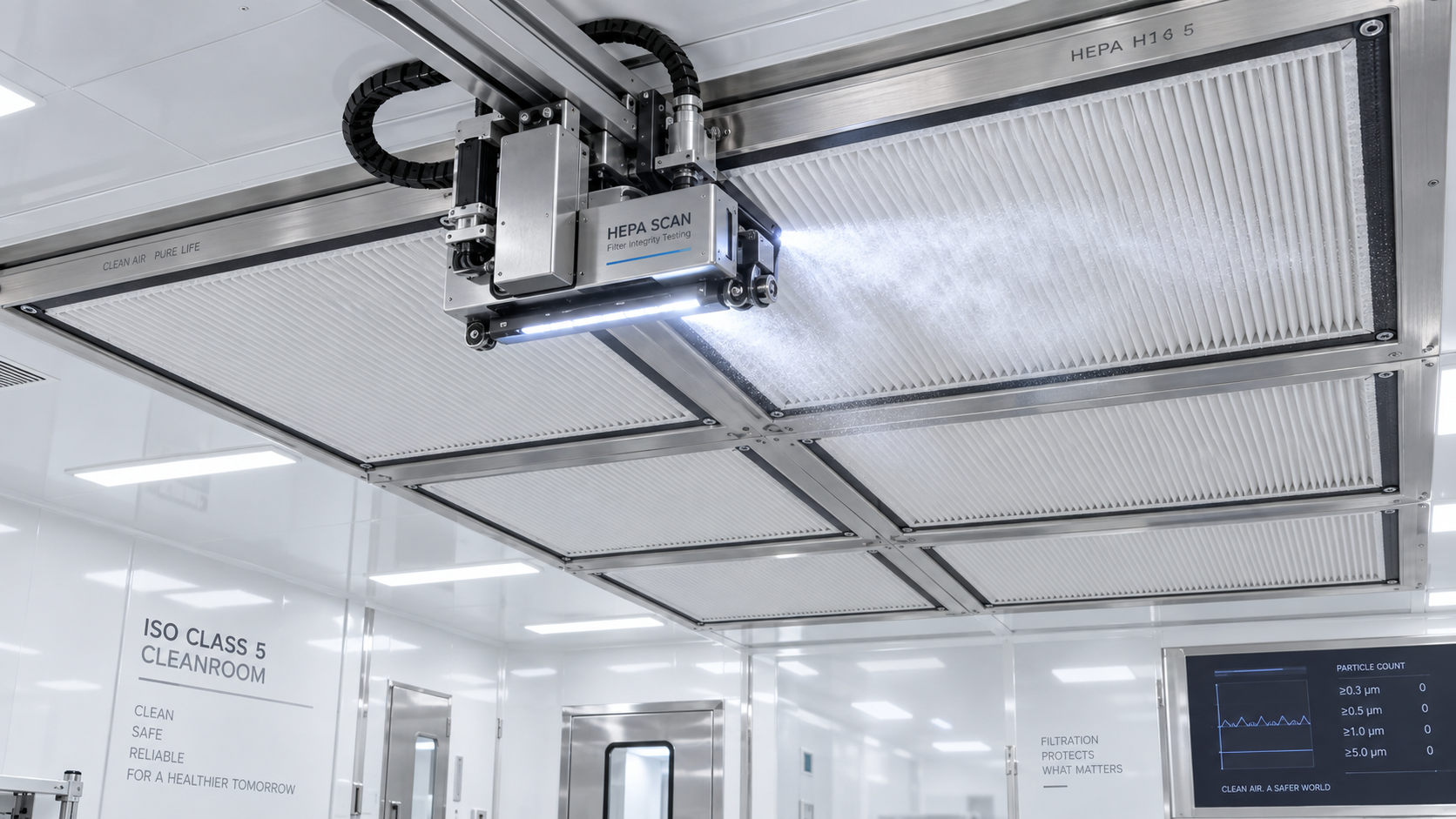
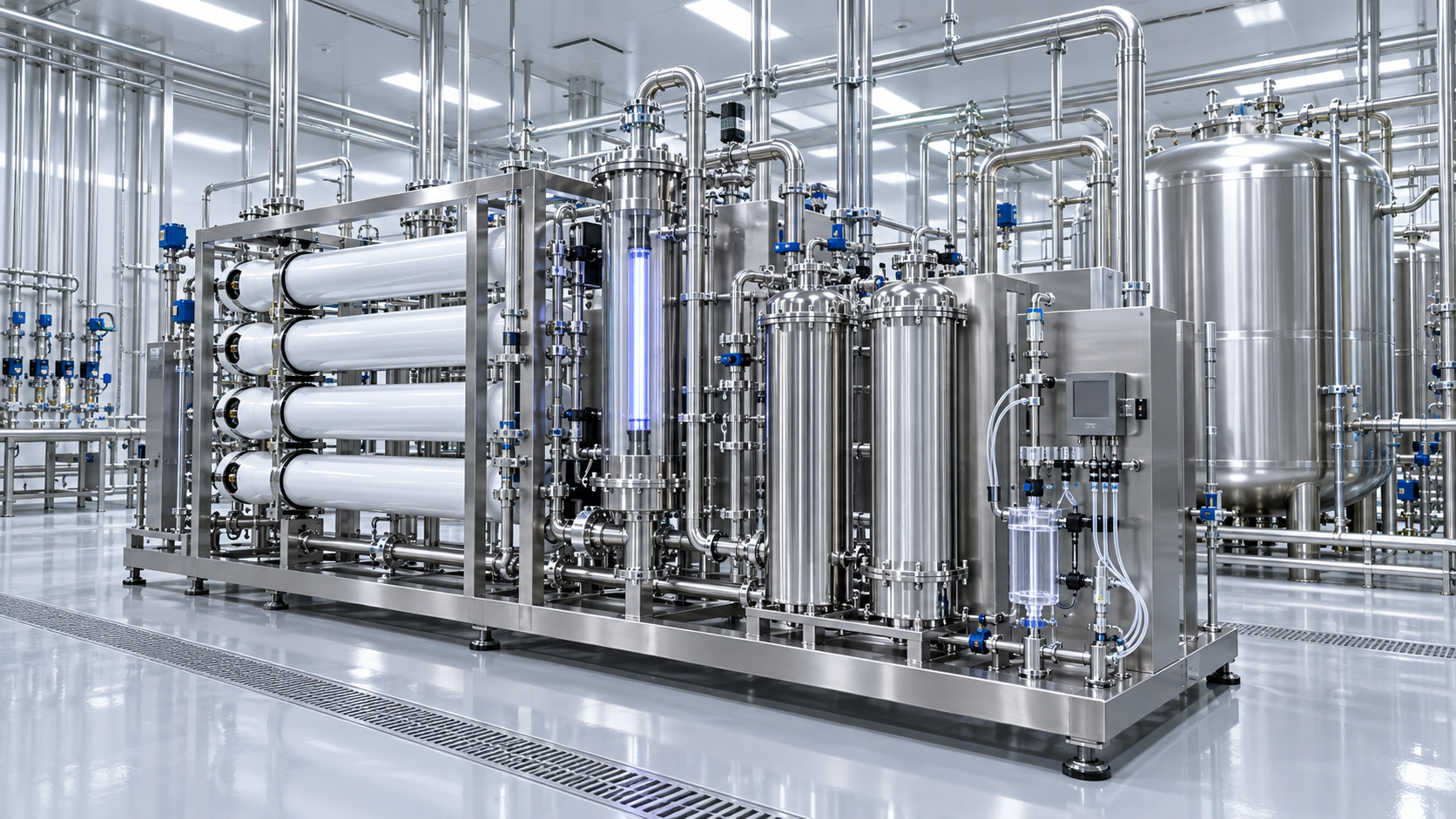
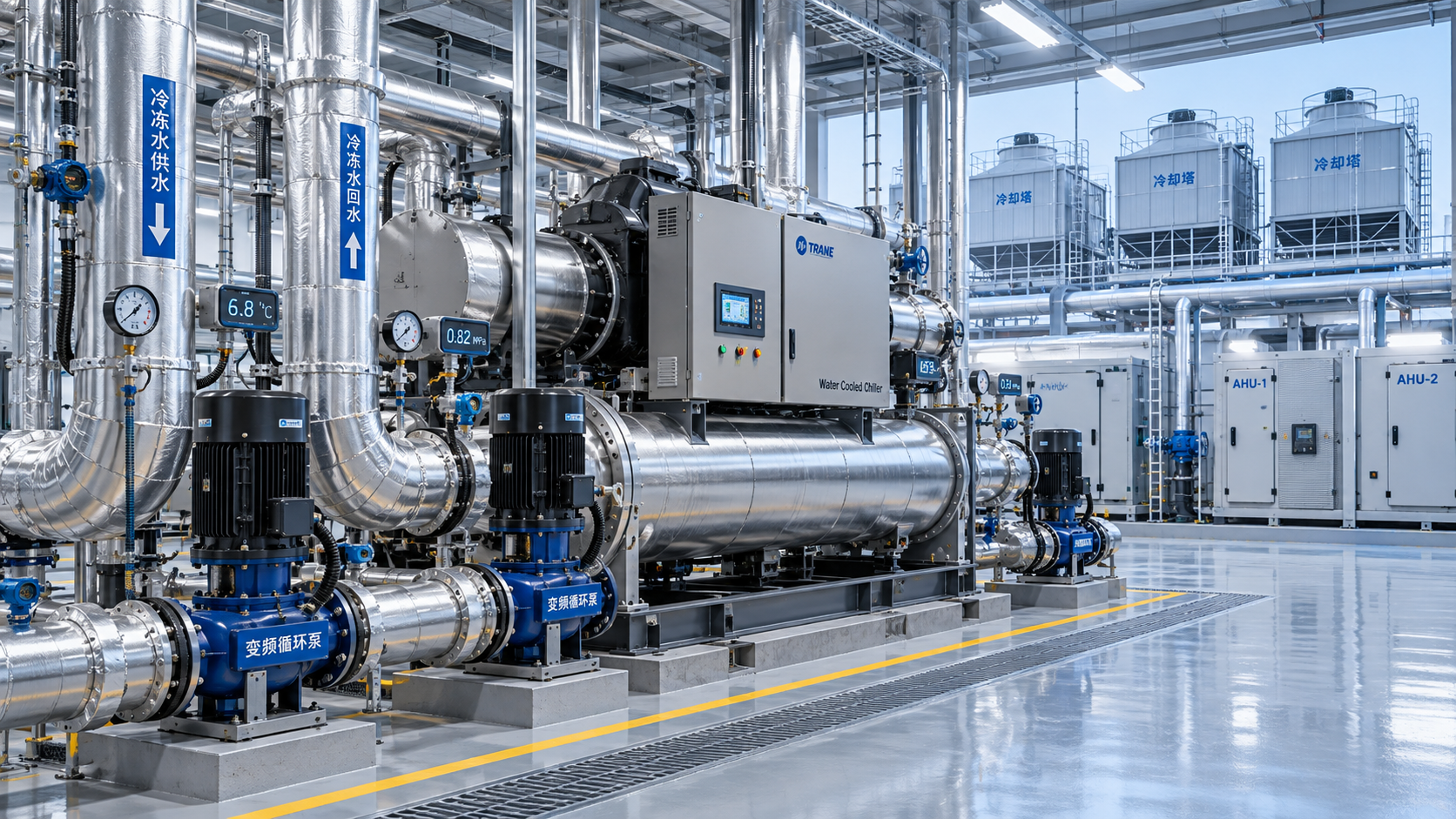
Effective designs often combine precision HVAC, ISO-class cleanroom airflow, differential pressure management, and tightly tuned chilled-water systems.
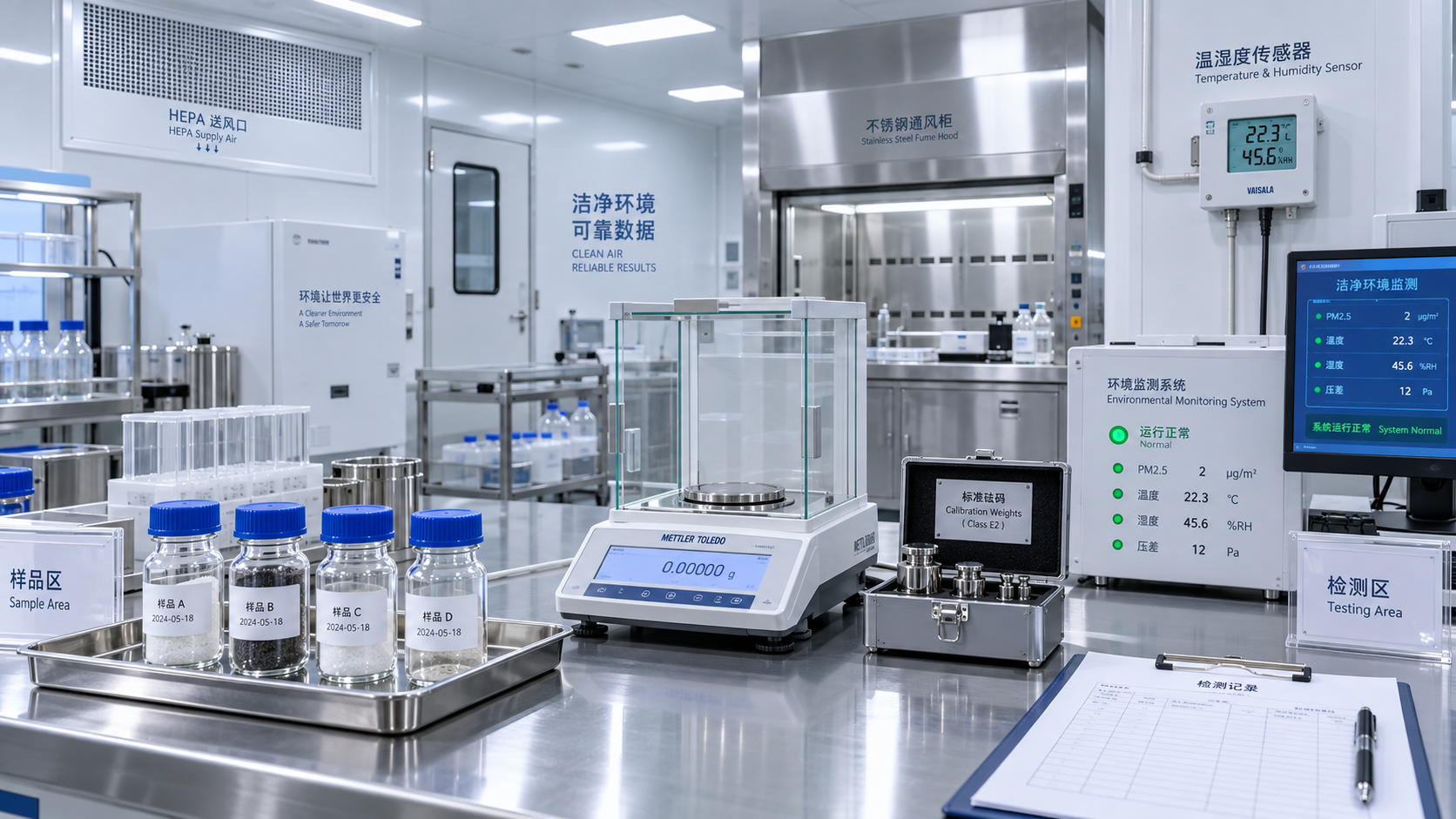
Digital monitoring is equally important. Without continuous visibility, hidden drift can develop long before defects appear on wafers, boards, or sensitive assemblies.
Core judgment points in electronics environments
- Temperature stability requirements near process tools
- Particle generation from people, materials, and airflow turbulence
- Static-sensitive humidity ranges for sensitive components
- Recovery speed after door openings or maintenance events
Pharmaceutical and life-science scenarios prioritize compliance and containment
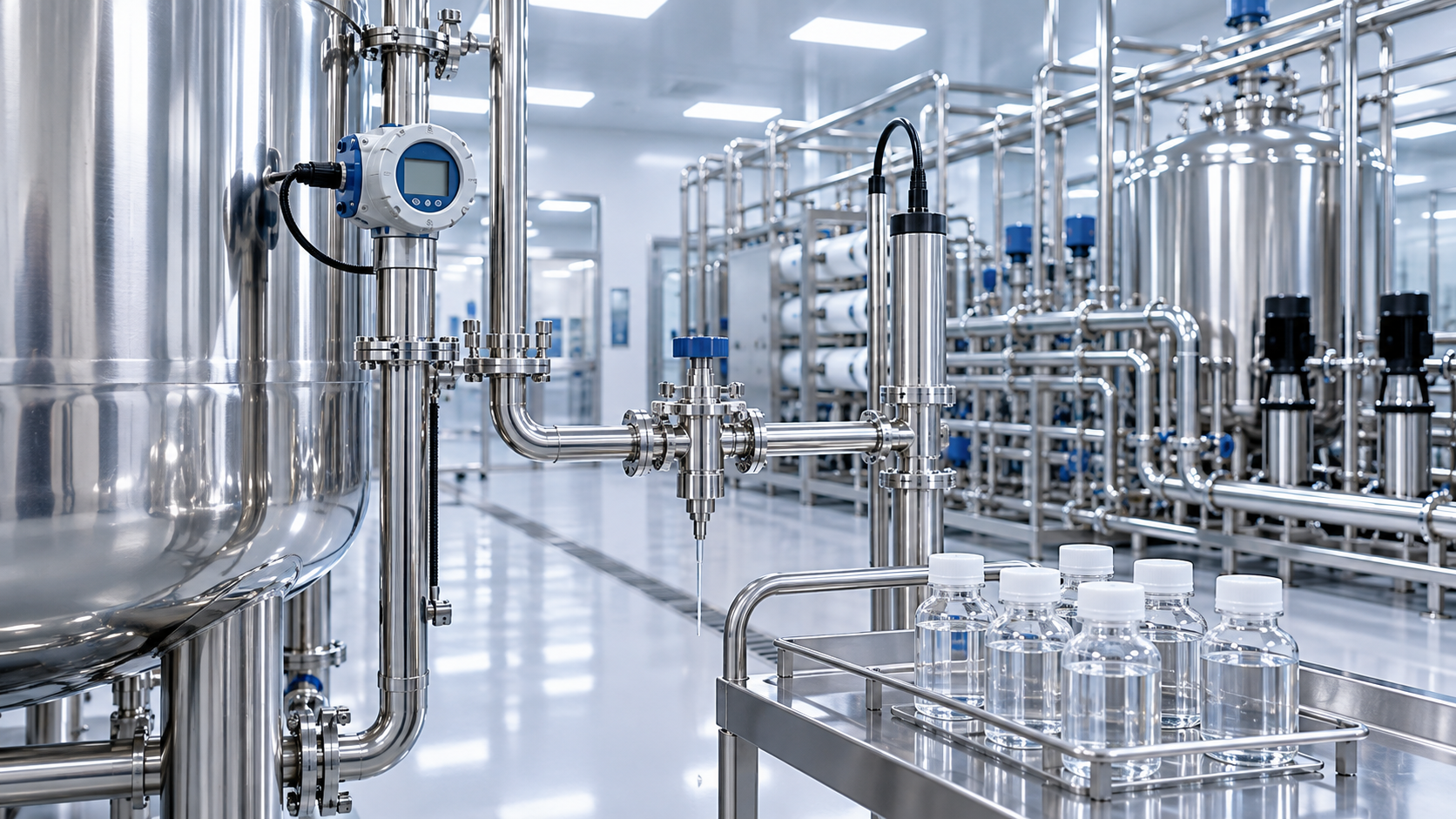
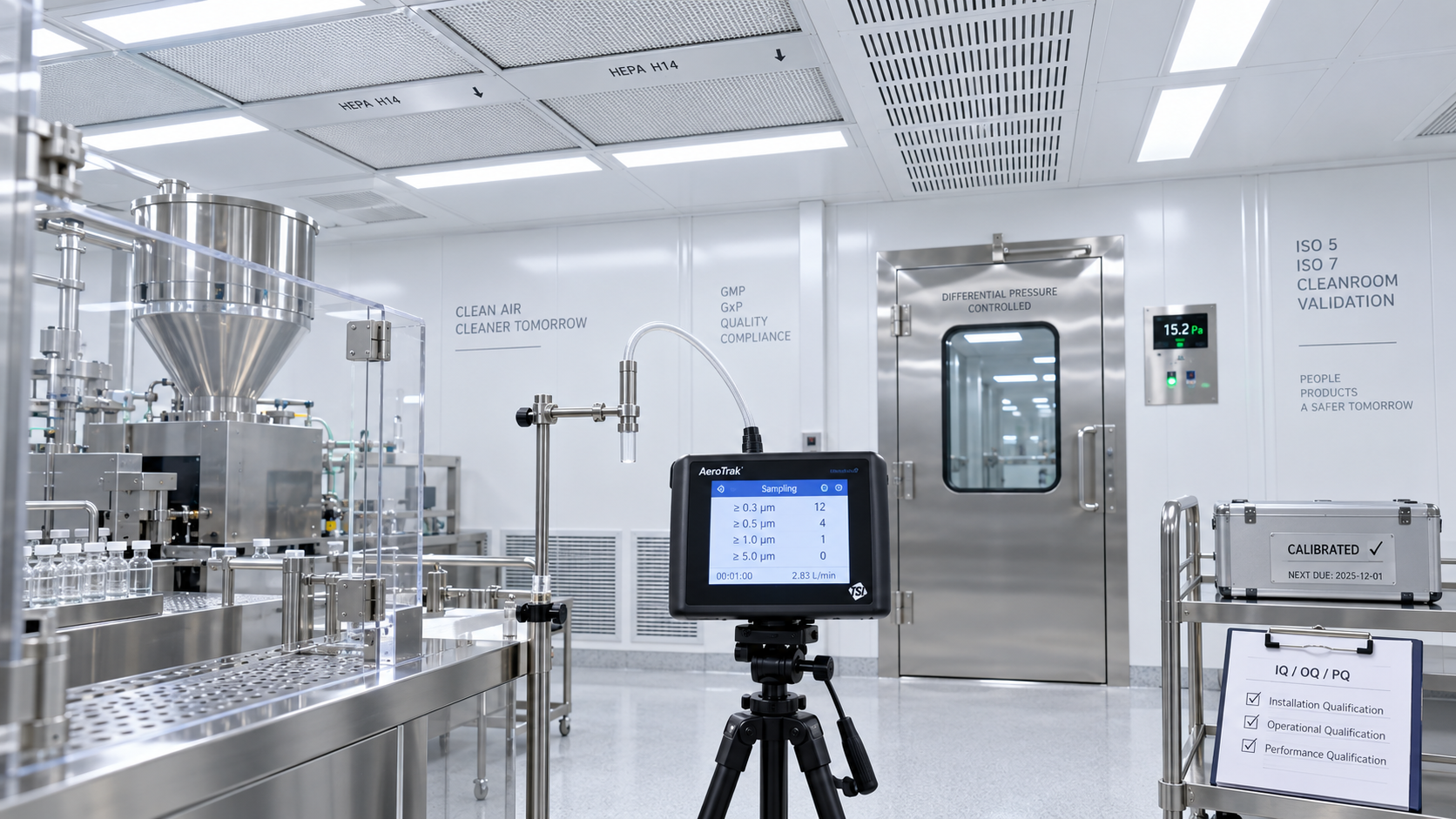
Pharmaceutical production requires Industrial Climate Control solutions that align with product quality, sterility assurance, and validated environmental performance.
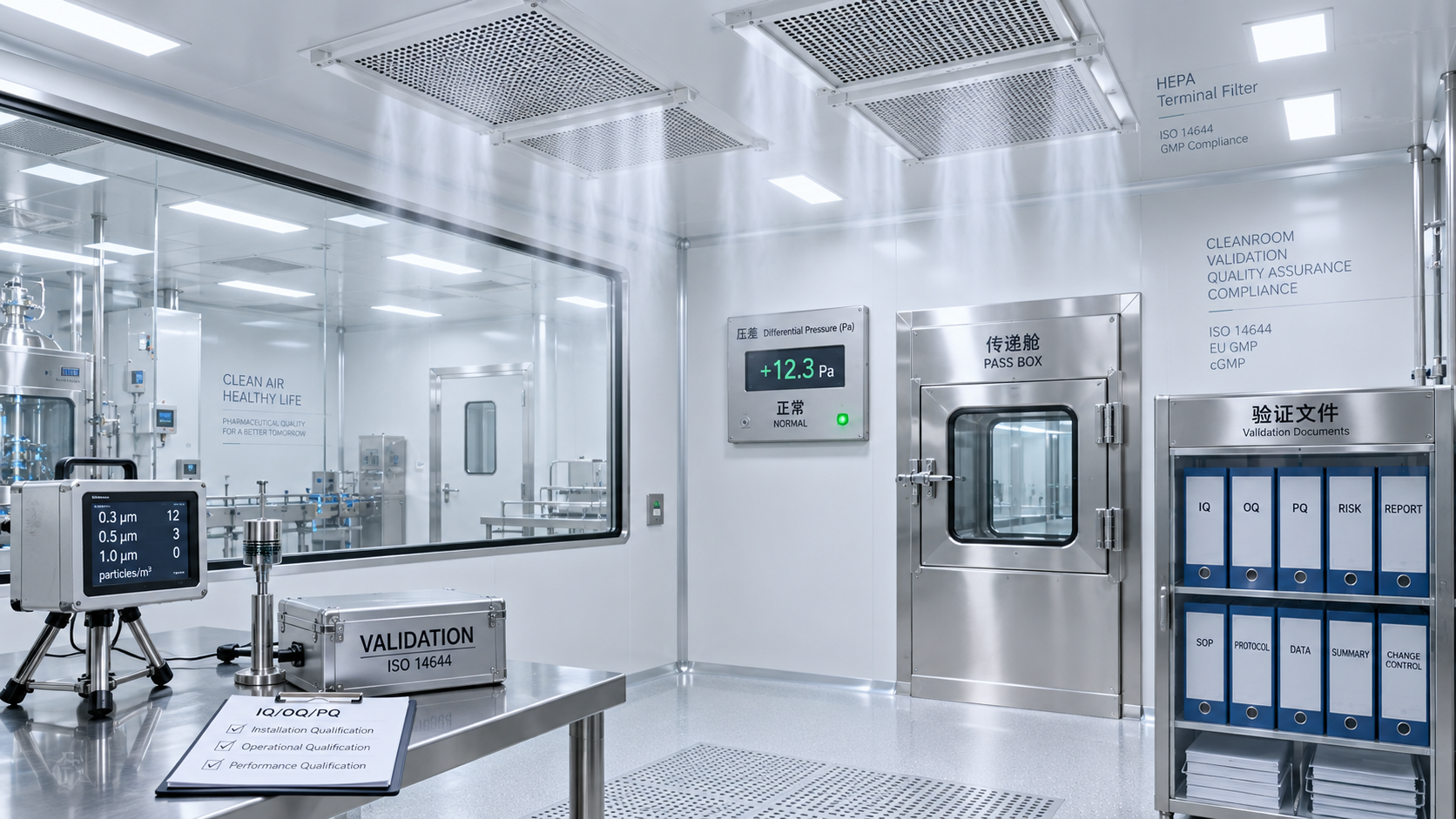
Unlike some industrial sites, these environments must prove control, not simply achieve it. Documentation, traceability, and alarm response become part of the system value.
Critical spaces may include cleanrooms, aseptic filling areas, raw-material rooms, packaging suites, and cold-chain support zones. Each area has a different control logic.
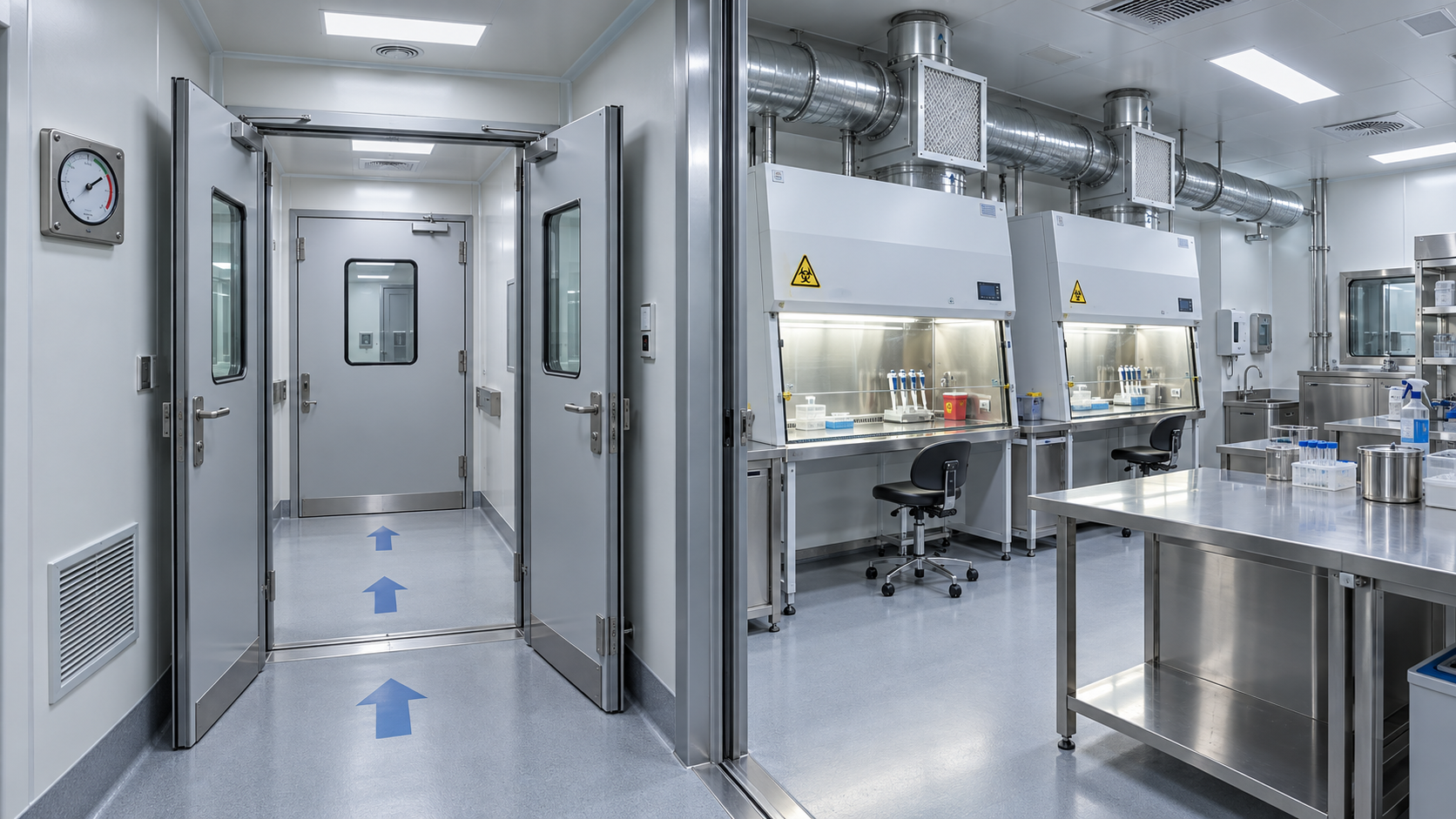
Pressure cascades, filtration integrity, humidity management, and validated temperature mapping are common design priorities in these regulated scenarios.
Where misalignment often occurs
A frequent mistake is using one generalized HVAC standard across all rooms. In practice, sterile, non-sterile, quarantine, and support areas need different environmental strategies.
Another risk is underestimating maintenance impact. Filter loading, sensor drift, and unverified balancing can gradually erode validated performance.
Laboratories, biosafety spaces, and advanced research need risk-based control
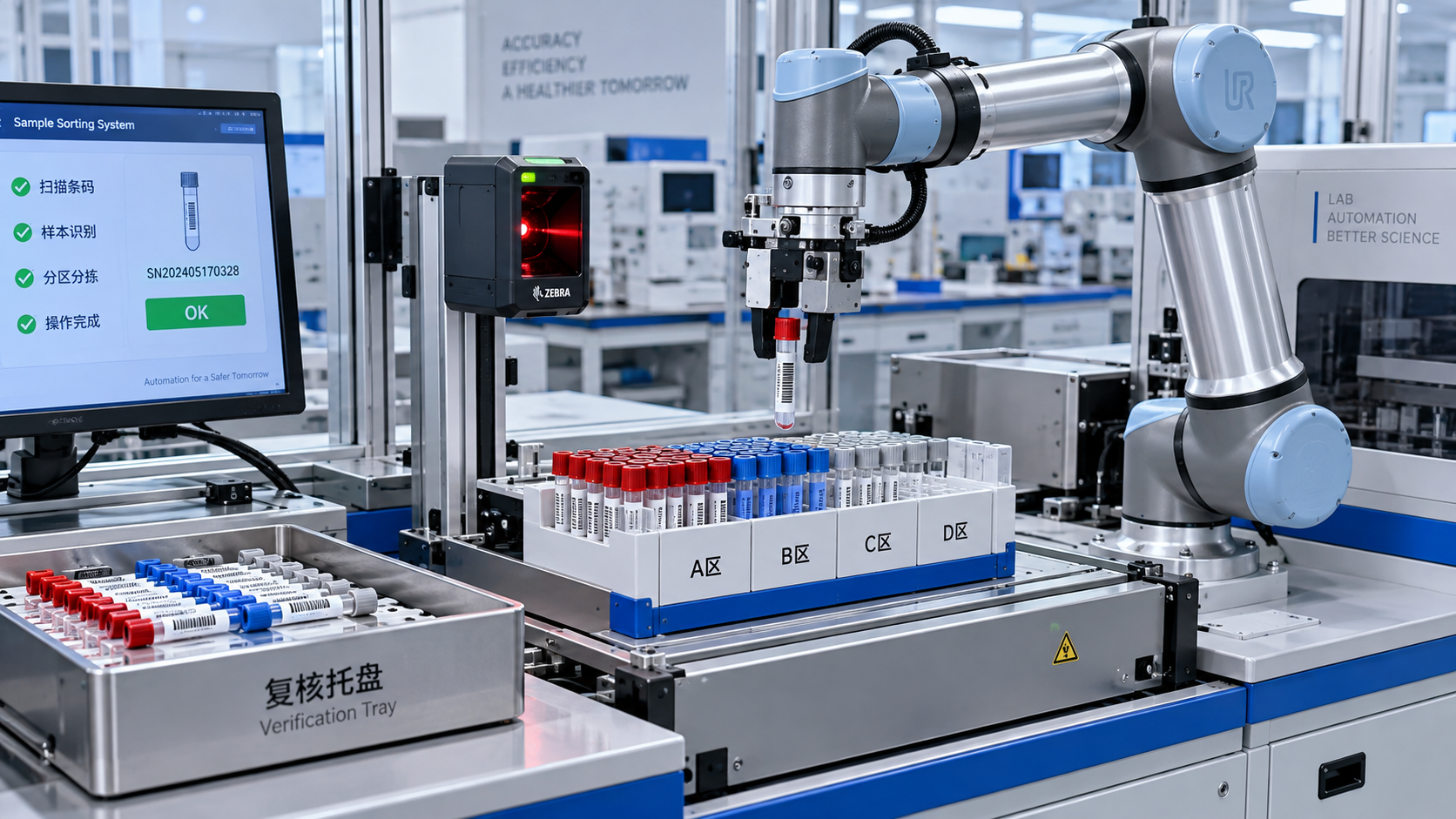
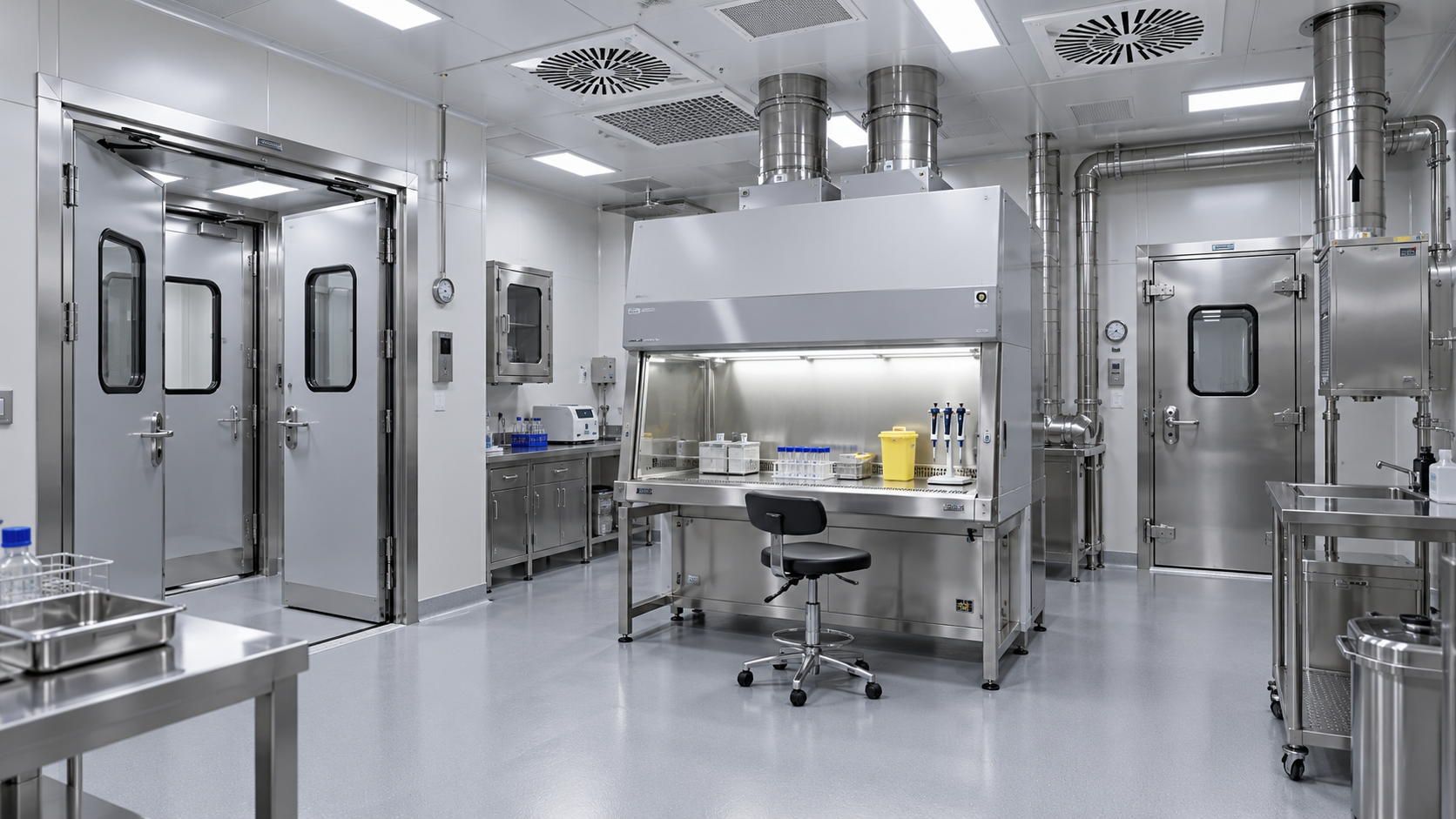
Research settings present a different scenario. Here, Industrial Climate Control solutions must support both experimental integrity and human safety.
Biosafety labs require directional airflow, containment assurance, and reliable redundancy. Precision labs may focus more on thermal uniformity, vibration awareness, and pollutant control.
Because usage patterns can change rapidly, flexibility matters. Controls should adapt to occupancy, equipment heat loads, and process-specific risk zones without destabilizing the whole environment.
This is where smart monitoring, room-level alarming, and digital twin logic offer measurable value. They turn static infrastructure into responsive operational support.
Different scenarios require different Industrial Climate Control solutions
The table below highlights how environmental priorities shift across major industrial applications.
How to match climate-control strategy to facility conditions
Selecting Industrial Climate Control solutions should begin with process mapping, not equipment catalog browsing. The process defines the environment, and the environment defines the system.
A structured assessment usually produces better outcomes than isolated equipment replacement.
Recommended adaptation steps
- Identify critical rooms, tools, and process checkpoints.
- Define allowable ranges for temperature, humidity, pressure, and particles.
- Review current failure patterns, alarms, and seasonal instability.
- Compare site performance with ISO 14644, ASHRAE, SEMI, or internal standards.
- Prioritize upgrades with the highest yield, compliance, or energy impact.
In many facilities, the best results come from integrated measures. These may include cleanroom upgrades, precision chillers, airflow rebalancing, and environmental analytics.
G-ICE aligned strategies are especially useful when facilities must coordinate thermodynamic performance with strict regulatory or benchmarking frameworks.
Common scenario mistakes that weaken stable yield
Many sites invest in capacity while ignoring control quality. More cooling or more airflow does not guarantee better environmental stability.
Another mistake is treating monitoring as a secondary layer. Without trustworthy sensing, even advanced Industrial Climate Control solutions can operate blind.
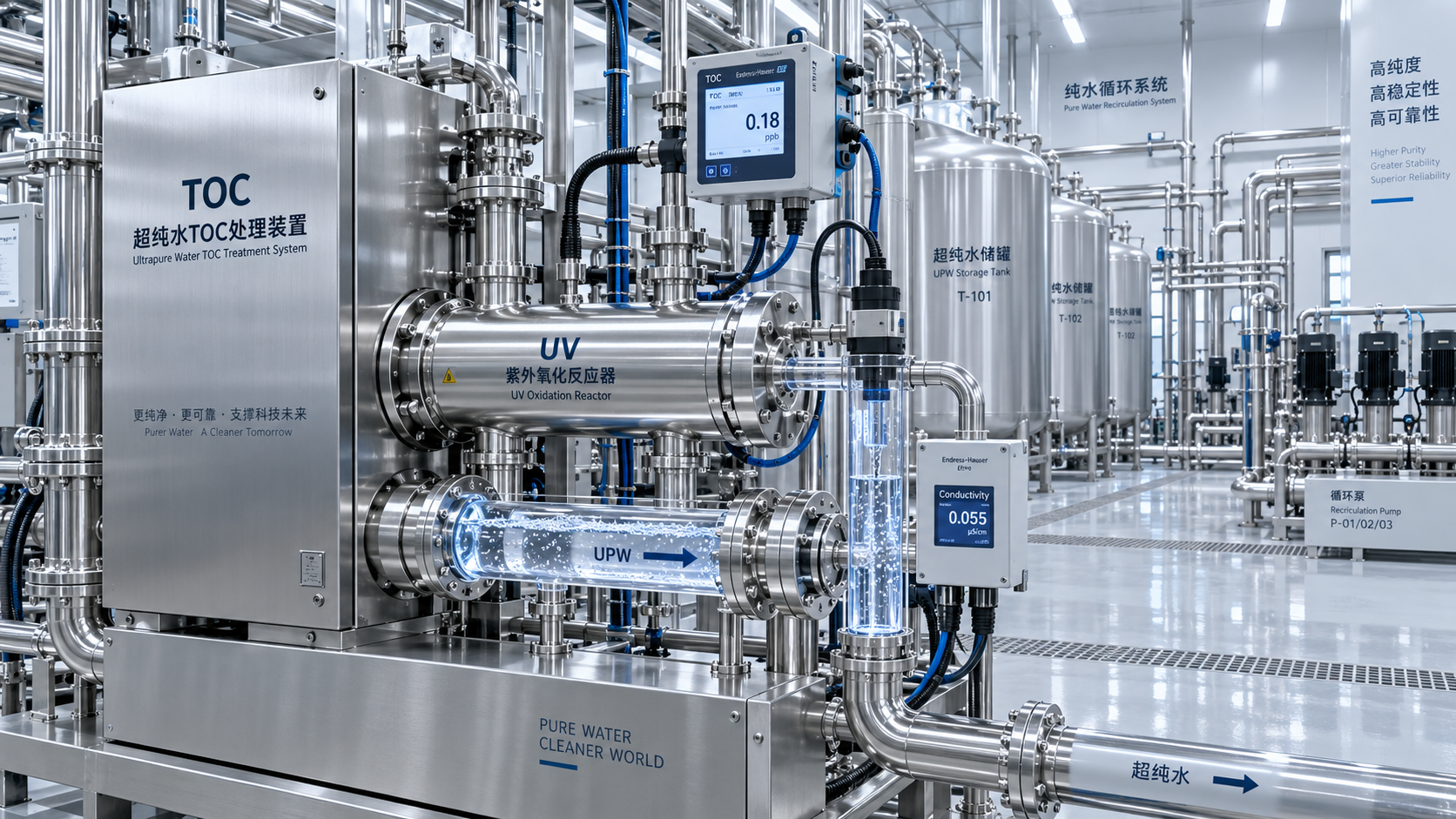
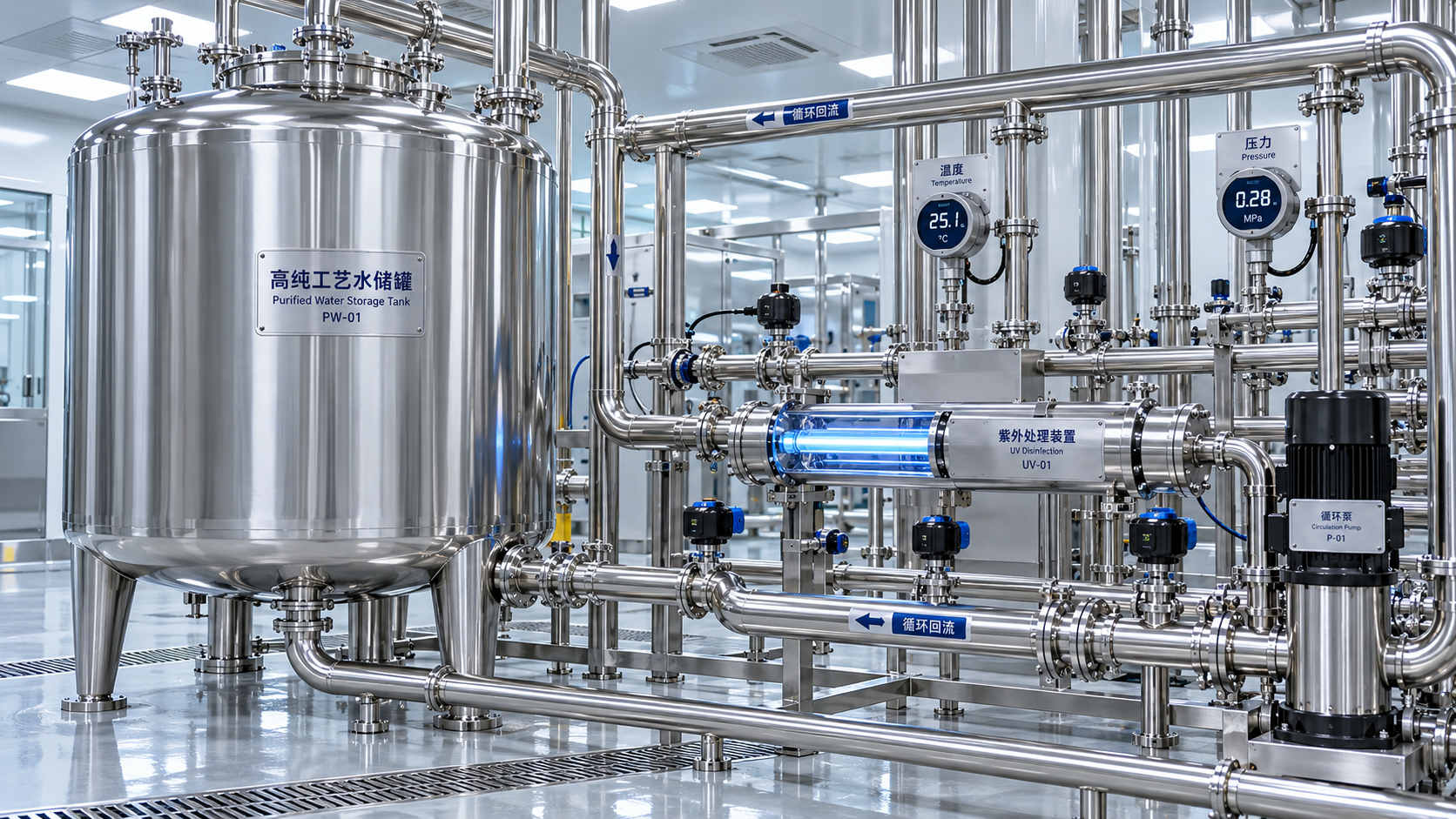
Facilities also overlook interaction effects. Water quality, process exhaust, filter condition, occupancy, and building envelope performance can all shift indoor stability.
Finally, short-term energy optimization can create long-term quality costs. Aggressive setbacks may save utilities while increasing defects, drift, or recovery time.
Issues worth checking immediately
- Sensor calibration intervals and data integrity
- Room pressure relationships after layout changes
- Humidity behavior during shoulder seasons
- Heat-load growth from new tools or denser production lines
Next steps for building a resilient environmental-control roadmap
Stable yield improves when Industrial Climate Control solutions are tied directly to process sensitivity, compliance expectations, and measurable performance thresholds.
A practical next step is to audit the most critical spaces first. Focus on rooms where environmental drift has the highest quality or downtime cost.
Then build a phased roadmap covering monitoring, airflow, thermal management, contamination control, and verification against recognized standards.
For organizations seeking long-term competitiveness, Industrial Climate Control solutions are not optional infrastructure. They are operational safeguards for consistent output, regulatory confidence, and scalable growth.
When environmental control is engineered with the same rigor as production itself, stable yield becomes far more achievable and sustainable.
Get weekly intelligence in your inbox.
No noise. No sponsored content. Pure intelligence.
 Oct 21, 2026How often is cleanroom certification required under ISO 14644-2?Cleanroom Certification is generally recommended annually under ISO 14644-2. Learn when risk-based extensions apply and which changes trigger earlier testing to plan with confidence.
 Oct 21, 2026FASEB Comments on NIH Draft Policy for Research Involving BiohazardsFASEB comments on NIH’s draft biohazard research policy call for risk-based biosafety oversight. Explore potential implications for laboratories, suppliers, and compliance teams.
 Oct 20, 2026How to disinfect ultrasound machines without damaging surfacesLearn how to disinfect ultrasoundmachines without surface damage. Explore compatible products, wet contact times, and probe care to protect patients and equipment.
 Oct 20, 2026Ultrapure Water in Semiconductor Manufacturing: Reuse and Quality Control InsightsExplore ultrapure water reuse in semiconductor manufacturing, key UPW quality benchmarks and analytical insights to help evaluate suppliers and protect process purity.
 Oct 19, 2026How cooling affects warpage in injection-molded consumer electronics housingsOptimize plastic injection molding for consumer electronics with cooling strategies to reduce housing warpage and improve assembly fit. Discover practical checks for stable, efficient production.
 Oct 18, 2026Can air leaks prevent a dehumidifier from holding its target dew point?Why can't our dehumidifier maintain the target dew point? Discover how air leaks increase moisture loads, spot hidden faults, and find practical fixes to restore reliable dew-point control.
 Oct 17, 2026How semiconductor process water treatment removes trace organicsSee how semiconductor process water treatment removes trace organics with RO, UV oxidation, and polishing. Learn how TOC monitoring helps verify purity and pinpoint contamination.
 Oct 16, 2026How to choose ultra pure water piping materials to limit leachingChoose ultra pure water piping with confidence. Compare PVDF, PFA, and stainless steel, assess leaching risks, and learn how to qualify your system for reliable purity.
 Oct 15, 2026How to size a skid-mounted deionized water system for peak demandCompare deionized water systems skid configurations for peak demand. Learn how to balance production, storage, and pump capacity to prevent shortages and avoid costly oversizing.
 Oct 14, 2026When is collaborative laboratory robotics suitable for sample sorting?Explore when collaborative laboratory robotics suits sample sorting. Discover key checks for safety, traceability, container compatibility, and throughput before choosing your solution.
 Oct 13, 2026How sandwich panel joints affect airtightness in cleanroom systemsCleanroom Systems sandwich panels need reliable joints for airtightness. Discover how gaskets, sealants, and testing help reduce leakage and protect cleanroom pressure control.
 Oct 12, 2026How to verify USP compliance for ultra pure water systemsUltra Pure Water Systems USP compliance: learn how to verify water quality, sampling, sanitization, trends, and validation controls at every point of use.
 Oct 11, 2026How tight temperature control prevents cleanroom process driftCleanroom process temperature control systems prevent costly drift by stabilizing critical conditions, improving repeatability, and protecting sensitive production workflows.
 Oct 10, 2026When does organic contaminant removal require TOC treatment?Organic contaminant removal requires TOC treatment when dissolved organics threaten product quality, equipment reliability, or process control. Learn how to assess risks and choose the right solution.
 Oct 08, 2026What affects lead times for sheet metal bending services in Canada?Sheet metal bending services Canada: discover how material supply, tooling, tolerances, finishing, documentation, and freight affect lead times for reliable project delivery.
 Oct 07, 2026How HVAC design for semiconductor fabs prevents airborne contaminationHVAC design for semiconductor fabs prevents airborne contamination through advanced filtration, pressure cascades, airflow control, and real-time monitoring. Explore key strategies for cleaner, more reliable wafer production.
 Oct 06, 2026How photovoltaic modules waterproof technology prevents moisture damagephotovoltaic modules waterproof technology prevents moisture damage with durable seals, drainage, and junction-box protection. Explore practical selection and testing insights.
 Oct 05, 2026How ISO 14644 Europe requirements affect cleanroom qualificationISO 14644 Europe requirements shape cleanroom qualification, from particle classification and recovery testing to monitoring, GMP alignment, and change control.
 Oct 04, 2026How to assess a pharmaceutical cleanroom solutions supplier’s ISO capabilityPharmaceutical Cleanroom Solutions supplier assessment guide: evaluate ISO 14644 capability, validation evidence, airflow design, documentation, and long-term GMP readiness.
 Oct 03, 2026What EU standards govern the design of BSL-3 laboratories in Europe?BSL-3 laboratories Europe: explore EU directives, EN standards, HVAC containment, commissioning, and practical design strategies for compliant, resilient high-containment facilities.
 Oct 02, 2026How EN 1822 defines HEPA filtration efficiency for cleanroomsHEPA filtration EN 1822 explained: learn how MPPS testing, local leakage limits, and filter classes support reliable cleanroom decisions.
 Oct 01, 2026How pharmaceutical process water systems control microbial riskProcess water systems pharmaceutical teams rely on can control microbial risk through hygienic design, monitoring, and validated sanitization. Explore practical compliance strategies.
 Sep 30, 2026When does a negative pressure laboratory need BSL-3 containment?Negative pressure laboratory or BSL-3? Discover the risk factors, engineering controls, and containment requirements needed for safe, compliant laboratory planning.
 Sep 29, 2026How to evaluate a TOC-zero water treatment supplier for UPW systemsChoose a TOC-zero water treatment supplier with confidence. Compare UPW performance, monitoring, validation, materials, service capability, and lifecycle cost.
 Sep 28, 2026What drives sustainable cooling cost in high-precision facilities?Sustainable cooling cost in high-precision facilities depends on thermal stability, energy, water, controls, and resilience. Explore smarter lifecycle strategies.
 Sep 27, 2026How to compare freight forwarding services for time-critical shipmentsCompare freight forwarding services for time-critical shipments with practical insights on routing, customs, visibility, specialized handling, and contingency planning.
 Sep 26, 2026How environmental integrity in laboratories supports reliable test resultsEnvironmental Integrity in laboratories safeguards samples, instruments, and staff. Discover practical controls for contamination, monitoring, and reliable test results.