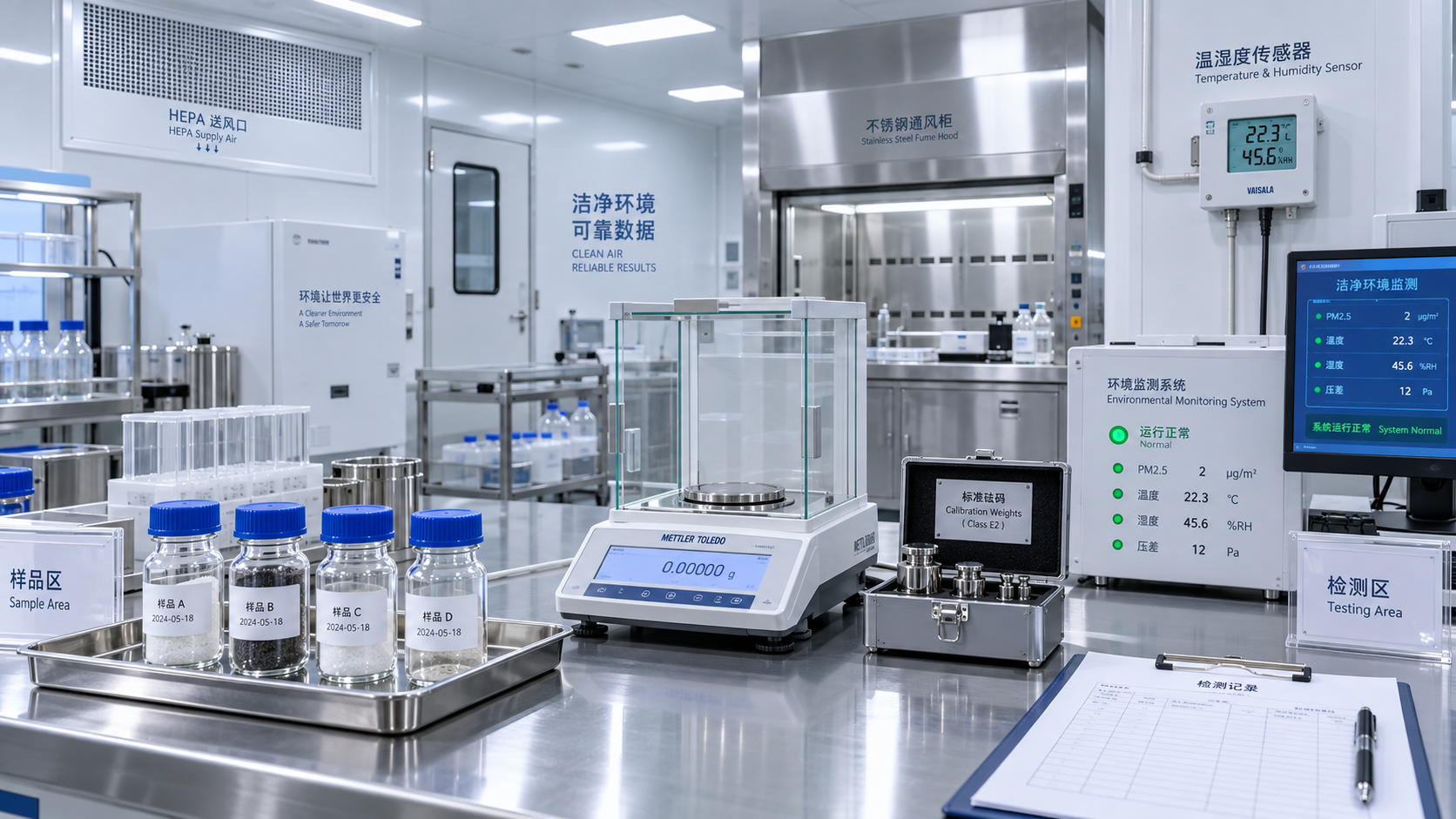
SEMI Standards Certification: Faster Paths to Supplier Qualification
For organizations under pressure to shorten supplier onboarding cycles, SEMI Standards certification creates a practical route to faster qualification. It gives technical and compliance teams a recognized framework for evaluating cleanroom, HVAC, UPW, and environmental-control capabilities. The result is lower verification effort, fewer audit surprises, and stronger sourcing confidence in high-risk industrial projects.
Why a Checklist Matters for SEMI Standards Certification
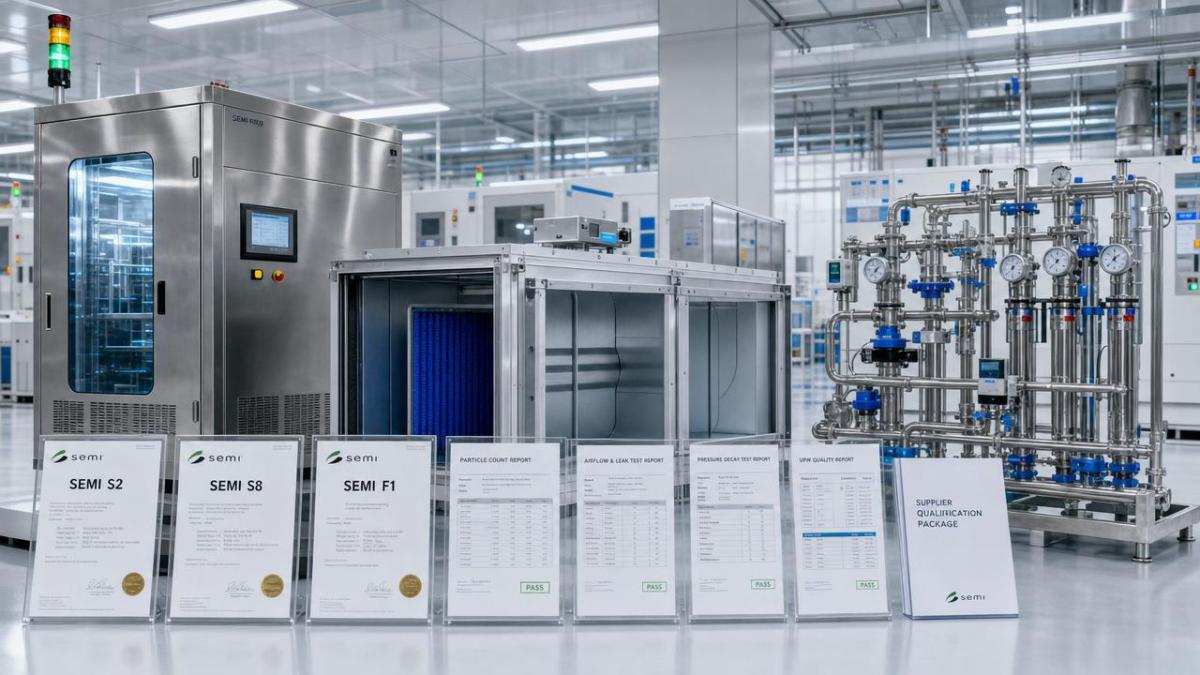
Supplier qualification often stalls because documents arrive in mixed formats, test methods differ, and claims are hard to compare. A checklist converts SEMI Standards certification from a vague requirement into a measurable approval path.
This matters across integrated industries where contamination control, thermal stability, fluid purity, biosafety, and monitoring integrity affect yield, uptime, and regulatory readiness. In these settings, a missed technical detail can delay commissioning or trigger costly revalidation.
A structured review also helps align SEMI expectations with adjacent benchmarks such as ISO 14644, ASHRAE guidance, equipment FAT/SAT records, and environmental monitoring logs. That cross-reference is especially valuable when suppliers serve semiconductor, pharma, electronics, and advanced research facilities at once.
Core Supplier Qualification Checklist
Use the following checklist to evaluate whether SEMI Standards certification evidence is complete, current, and useful for accelerated approval.
- Confirm scope coverage by matching certification records to the exact system supplied, including FFU assemblies, chillers, UPW skids, ductwork controls, or monitoring platforms.
- Request recent test reports that show methods, pass criteria, calibration traceability, and environmental conditions, not only a certificate summary or marketing statement.
- Verify facility-specific performance data such as airflow uniformity, vibration limits, particle control, temperature stability, pressure cascade behavior, and filtration efficiency.
- Check manufacturing consistency by reviewing quality plans, nonconformance logs, change-control procedures, and component traceability for critical assemblies and consumables.
- Compare certification dates with current product revisions to ensure design modifications, firmware updates, or material substitutions have not invalidated prior qualification evidence.
- Review installation and commissioning protocols to confirm that site acceptance procedures align with SEMI standards, local codes, and owner performance specifications.
- Examine contamination-risk controls for packaging, transport, storage, and field handling, especially for cleanroom panels, filters, valves, sensors, and UPW contact surfaces.
- Assess service capability by checking spare-parts readiness, response times, maintenance documentation, and technician training for regulated or uptime-critical environments.
- Map certification evidence to ESG and EHS obligations, including energy performance, refrigerant management, water efficiency, waste handling, and occupational safety controls.
- Score supplier maturity using a weighted matrix so technical compliance, delivery reliability, validation support, and lifecycle service are evaluated in one approval decision.
How to Interpret the Evidence
The strongest SEMI Standards certification package does more than prove a single pass result. It shows repeatability, controlled manufacturing, clear test boundaries, and documentation that can survive customer, regulator, or investor scrutiny.
When two suppliers appear similar on price and lead time, document quality often becomes the deciding factor. A complete data trail reduces clarification rounds and speeds technical sign-off.
Application Notes Across Industrial Scenarios
Cleanroom Expansion Projects
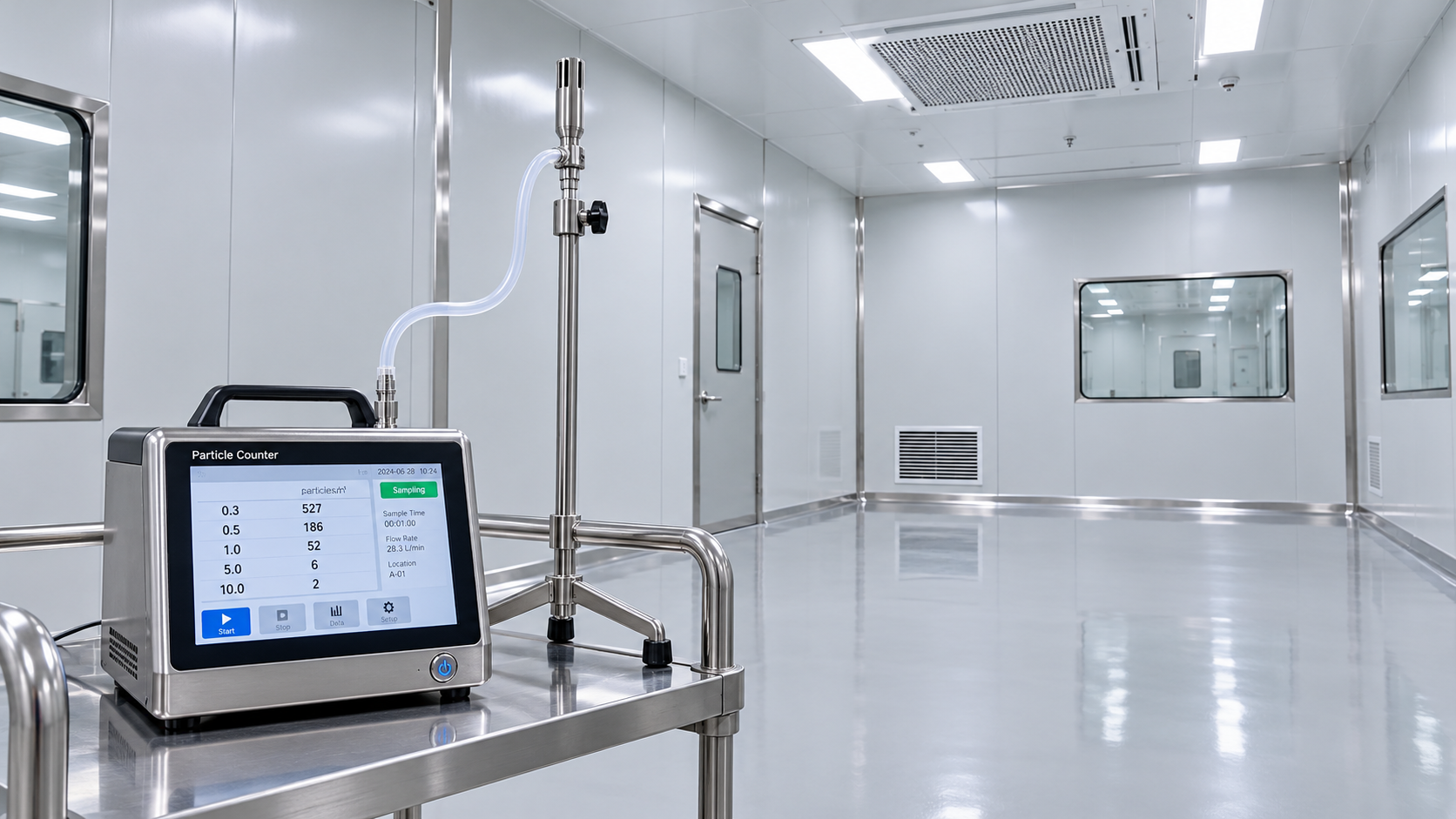
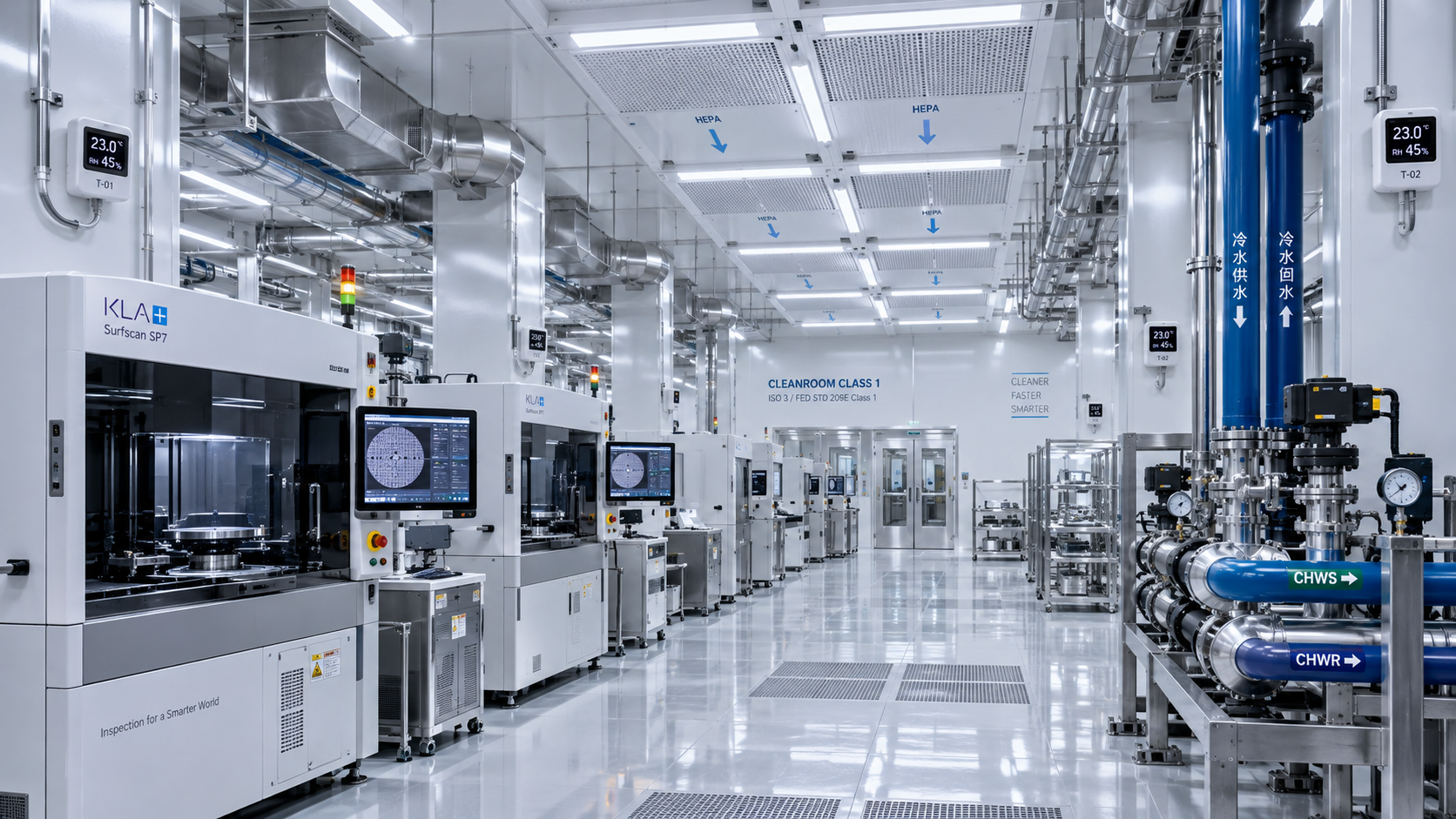
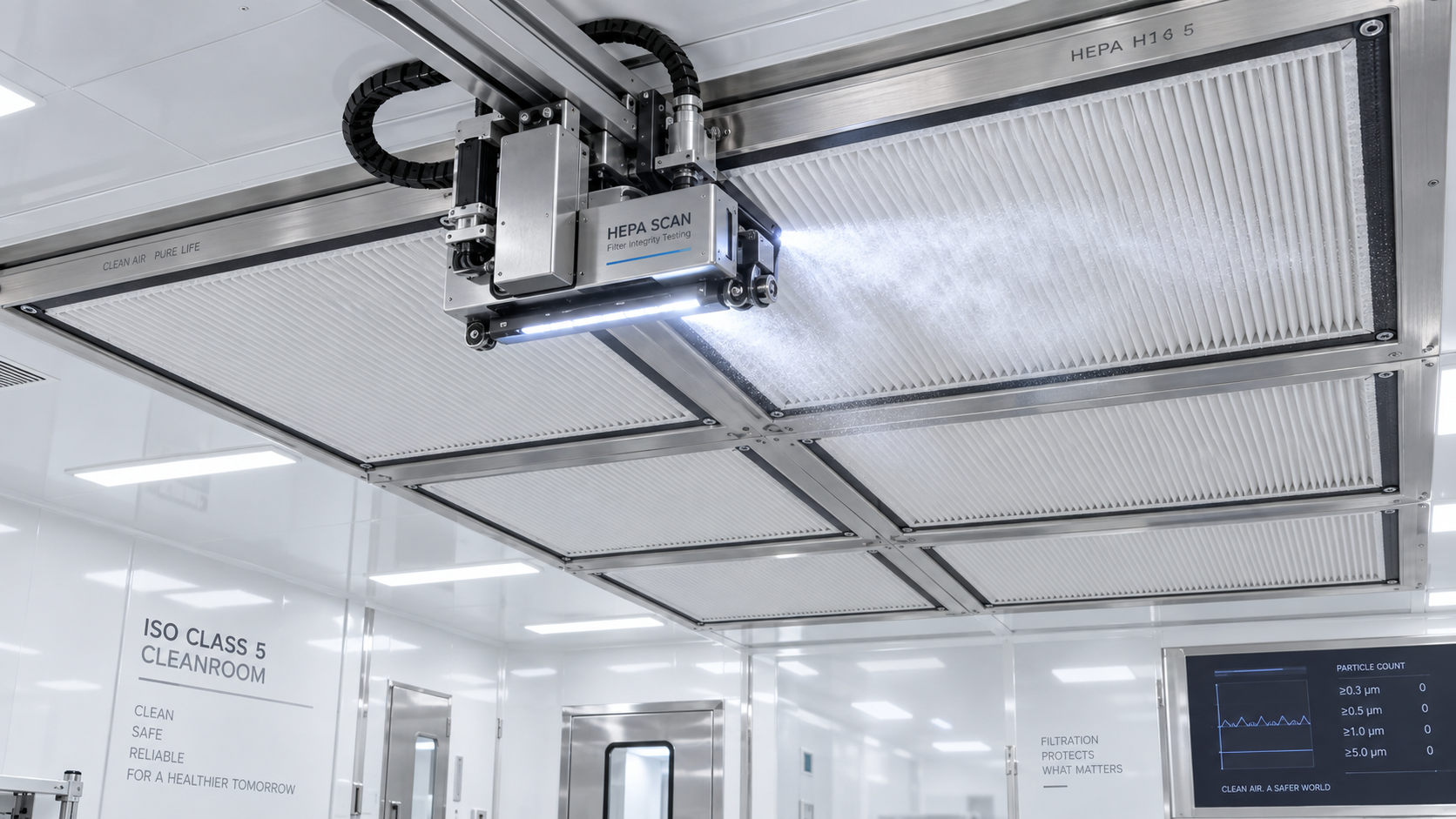
For cleanroom builds, SEMI Standards certification should be reviewed together with airflow visualization, filter integrity testing, room pressurization logic, and construction cleanliness procedures. Qualification should extend beyond equipment brochures into installation behavior.
This is especially important where ISO Class targets are strict and ramp-up schedules are compressed. Minor deviations in sealing materials, vibration transmission, or balancing practice can compromise the room before production starts.
Precision HVAC and Thermal Management
For precision cooling systems, the review should focus on load stability, control response, redundancy logic, and performance at partial load. SEMI-aligned evidence is most useful when it includes field-like operating ranges rather than ideal laboratory points.
In facilities where temperature drift of even a fraction of a degree affects process yield, supplier qualification must verify sensors, BMS integration, and recovery time after power or control disturbances.
UPW and Process Fluid Systems
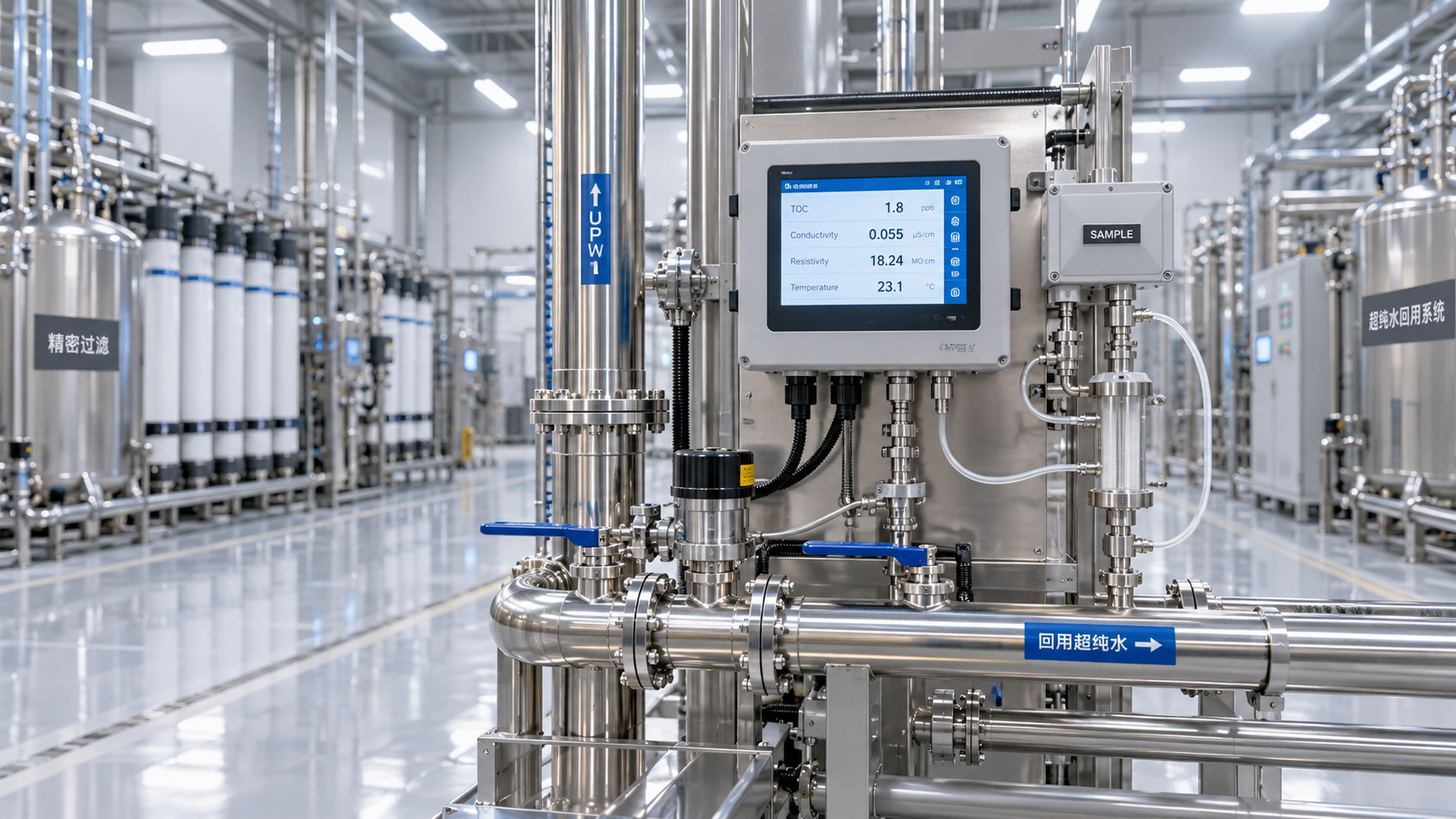
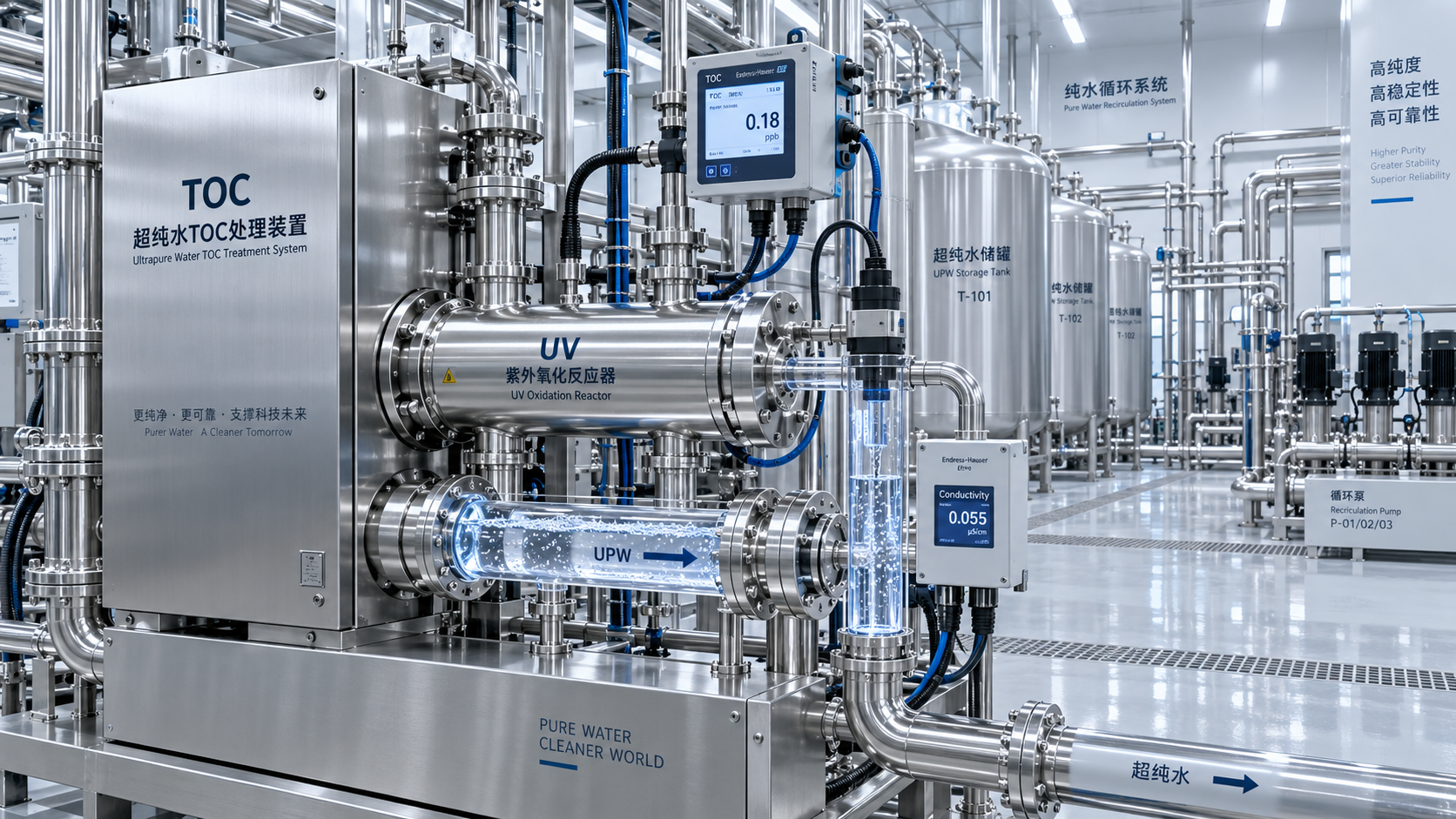
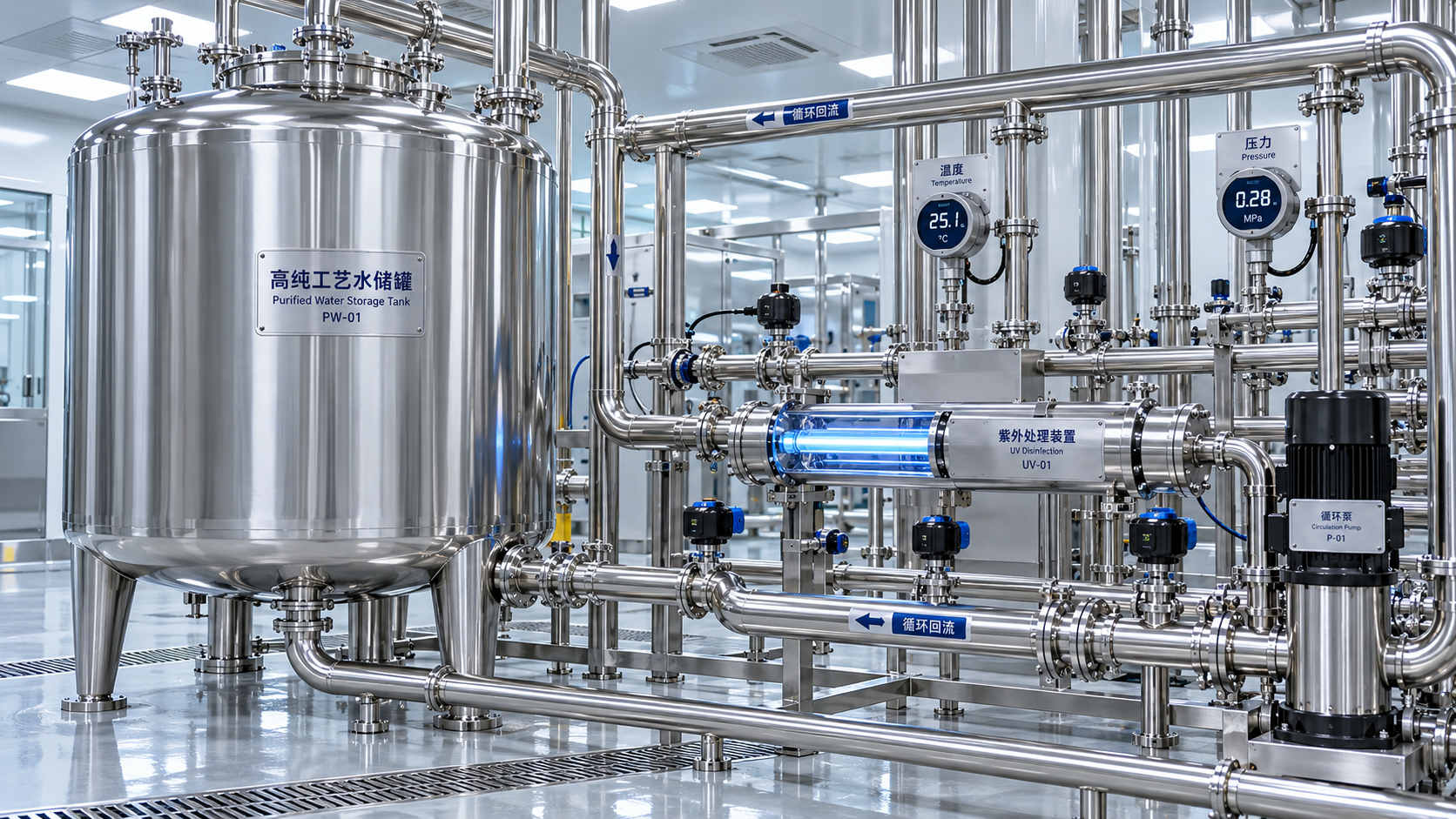
For UPW systems, certification review should cover material compatibility, TOC behavior, resistivity performance, dead-leg control, sanitization protocol, and sampling design. A generic certificate rarely answers these process-critical questions.
Where water quality links directly to wafer integrity, formulation purity, or research repeatability, supplier qualification should also check skid fabrication records and passivation or cleaning validation.
Environmental Monitoring and Digital Control
For sensors, dashboards, and digital twins, SEMI Standards certification should be paired with cybersecurity posture, data retention logic, alarm integrity, and audit-trail functionality. Qualification should include how data is trusted, not only how it is displayed.
Monitoring platforms often influence release decisions, maintenance scheduling, and deviation investigations. Weak data governance can undermine an otherwise compliant hardware package.
Frequently Missed Risks During Qualification
Expired or Mismatched Documentation
A common failure point is relying on old certificates tied to superseded models or earlier bills of material. This creates hidden gaps when site installation uses updated controllers, seals, coatings, or firmware.
No Link Between Factory Tests and Site Acceptance
Factory evidence alone is not enough. If FAT outputs cannot be traced into SAT criteria, teams may repeat tests, dispute acceptance boundaries, or miss installation-driven performance loss.
Underestimating Service and Change Control
A supplier may qualify technically yet still create operational risk through weak maintenance support or uncontrolled design changes. Long-term performance depends on documented revision control and field service discipline.
Treating Certification as a Standalone Pass
SEMI Standards certification is powerful, but it should not replace review of project specifications, local regulations, utility interfaces, and owner validation needs. Qualification works best when certification is one layer in a wider compliance stack.
Practical Execution Steps
- Build a one-page evidence matrix listing required SEMI documents, test records, dates, responsible parties, and acceptance thresholds before issuing RFQs.
- Standardize clarification requests so every supplier answers the same technical questions on scope, methods, deviations, and revision status.
- Assign weighted scores to certification quality, installation risk, service readiness, and lifecycle efficiency to prevent lowest-price bias.
- Require pre-award alignment between FAT, SAT, commissioning, and requalification documents to reduce post-delivery interpretation conflicts.
- Archive all approved SEMI Standards certification evidence in a controlled repository linked to equipment tags and future maintenance records.
Conclusion and Next Action
SEMI Standards certification can significantly shorten supplier qualification when it is reviewed through a disciplined checklist instead of a simple pass-or-fail lens. In complex industrial environments, faster approval comes from better evidence structure, cleaner traceability, and stronger alignment between factory claims and site performance.
The most effective next step is to convert SEMI requirements into a standard qualification worksheet for cleanroom, HVAC, UPW, biosafety, and monitoring packages. That single move improves comparability, reduces approval friction, and supports more confident sourcing decisions across critical infrastructure programs.
Get weekly intelligence in your inbox.
No noise. No sponsored content. Pure intelligence.
 Oct 21, 2026How often is cleanroom certification required under ISO 14644-2?Cleanroom Certification is generally recommended annually under ISO 14644-2. Learn when risk-based extensions apply and which changes trigger earlier testing to plan with confidence.
 Oct 21, 2026FASEB Comments on NIH Draft Policy for Research Involving BiohazardsFASEB comments on NIH’s draft biohazard research policy call for risk-based biosafety oversight. Explore potential implications for laboratories, suppliers, and compliance teams.
 Oct 20, 2026How to disinfect ultrasound machines without damaging surfacesLearn how to disinfect ultrasoundmachines without surface damage. Explore compatible products, wet contact times, and probe care to protect patients and equipment.
 Oct 20, 2026Ultrapure Water in Semiconductor Manufacturing: Reuse and Quality Control InsightsExplore ultrapure water reuse in semiconductor manufacturing, key UPW quality benchmarks and analytical insights to help evaluate suppliers and protect process purity.
 Oct 19, 2026How cooling affects warpage in injection-molded consumer electronics housingsOptimize plastic injection molding for consumer electronics with cooling strategies to reduce housing warpage and improve assembly fit. Discover practical checks for stable, efficient production.
 Oct 18, 2026Can air leaks prevent a dehumidifier from holding its target dew point?Why can't our dehumidifier maintain the target dew point? Discover how air leaks increase moisture loads, spot hidden faults, and find practical fixes to restore reliable dew-point control.
 Oct 17, 2026How semiconductor process water treatment removes trace organicsSee how semiconductor process water treatment removes trace organics with RO, UV oxidation, and polishing. Learn how TOC monitoring helps verify purity and pinpoint contamination.
 Oct 16, 2026How to choose ultra pure water piping materials to limit leachingChoose ultra pure water piping with confidence. Compare PVDF, PFA, and stainless steel, assess leaching risks, and learn how to qualify your system for reliable purity.
 Oct 15, 2026How to size a skid-mounted deionized water system for peak demandCompare deionized water systems skid configurations for peak demand. Learn how to balance production, storage, and pump capacity to prevent shortages and avoid costly oversizing.
 Oct 14, 2026When is collaborative laboratory robotics suitable for sample sorting?Explore when collaborative laboratory robotics suits sample sorting. Discover key checks for safety, traceability, container compatibility, and throughput before choosing your solution.
 Oct 13, 2026How sandwich panel joints affect airtightness in cleanroom systemsCleanroom Systems sandwich panels need reliable joints for airtightness. Discover how gaskets, sealants, and testing help reduce leakage and protect cleanroom pressure control.
 Oct 12, 2026How to verify USP compliance for ultra pure water systemsUltra Pure Water Systems USP compliance: learn how to verify water quality, sampling, sanitization, trends, and validation controls at every point of use.
 Oct 11, 2026How tight temperature control prevents cleanroom process driftCleanroom process temperature control systems prevent costly drift by stabilizing critical conditions, improving repeatability, and protecting sensitive production workflows.
 Oct 10, 2026When does organic contaminant removal require TOC treatment?Organic contaminant removal requires TOC treatment when dissolved organics threaten product quality, equipment reliability, or process control. Learn how to assess risks and choose the right solution.
 Oct 08, 2026What affects lead times for sheet metal bending services in Canada?Sheet metal bending services Canada: discover how material supply, tooling, tolerances, finishing, documentation, and freight affect lead times for reliable project delivery.
 Oct 07, 2026How HVAC design for semiconductor fabs prevents airborne contaminationHVAC design for semiconductor fabs prevents airborne contamination through advanced filtration, pressure cascades, airflow control, and real-time monitoring. Explore key strategies for cleaner, more reliable wafer production.
 Oct 06, 2026How photovoltaic modules waterproof technology prevents moisture damagephotovoltaic modules waterproof technology prevents moisture damage with durable seals, drainage, and junction-box protection. Explore practical selection and testing insights.
 Oct 05, 2026How ISO 14644 Europe requirements affect cleanroom qualificationISO 14644 Europe requirements shape cleanroom qualification, from particle classification and recovery testing to monitoring, GMP alignment, and change control.
 Oct 04, 2026How to assess a pharmaceutical cleanroom solutions supplier’s ISO capabilityPharmaceutical Cleanroom Solutions supplier assessment guide: evaluate ISO 14644 capability, validation evidence, airflow design, documentation, and long-term GMP readiness.
 Oct 03, 2026What EU standards govern the design of BSL-3 laboratories in Europe?BSL-3 laboratories Europe: explore EU directives, EN standards, HVAC containment, commissioning, and practical design strategies for compliant, resilient high-containment facilities.
 Oct 02, 2026How EN 1822 defines HEPA filtration efficiency for cleanroomsHEPA filtration EN 1822 explained: learn how MPPS testing, local leakage limits, and filter classes support reliable cleanroom decisions.
 Oct 01, 2026How pharmaceutical process water systems control microbial riskProcess water systems pharmaceutical teams rely on can control microbial risk through hygienic design, monitoring, and validated sanitization. Explore practical compliance strategies.
 Sep 30, 2026When does a negative pressure laboratory need BSL-3 containment?Negative pressure laboratory or BSL-3? Discover the risk factors, engineering controls, and containment requirements needed for safe, compliant laboratory planning.
 Sep 29, 2026How to evaluate a TOC-zero water treatment supplier for UPW systemsChoose a TOC-zero water treatment supplier with confidence. Compare UPW performance, monitoring, validation, materials, service capability, and lifecycle cost.
 Sep 28, 2026What drives sustainable cooling cost in high-precision facilities?Sustainable cooling cost in high-precision facilities depends on thermal stability, energy, water, controls, and resilience. Explore smarter lifecycle strategies.
 Sep 27, 2026How to compare freight forwarding services for time-critical shipmentsCompare freight forwarding services for time-critical shipments with practical insights on routing, customs, visibility, specialized handling, and contingency planning.
 Sep 26, 2026How environmental integrity in laboratories supports reliable test resultsEnvironmental Integrity in laboratories safeguards samples, instruments, and staff. Discover practical controls for contamination, monitoring, and reliable test results.