Environmental Integrity Policies and the New Carbon Audit Burden
As Environmental Integrity policies tighten across global industries, business evaluators face a growing carbon audit burden that directly affects risk, valuation, and compliance readiness.
For organizations operating mission-critical cleanrooms, precision HVAC, biosafety facilities, and ultra-pure process environments, this shift is no longer a sustainability side issue.
It is becoming a material business variable that can change operating costs, contract eligibility, capital planning, and the credibility of ESG disclosures.
For business evaluators, the central question is straightforward: do these new policy pressures create manageable compliance work, or do they expose structural weaknesses that affect enterprise value?
The short answer is that Environmental Integrity policies are raising the standard from reported ambition to verifiable performance, especially in energy-intensive controlled environments.
That means carbon audits now reach deeper into asset design, operational controls, supplier data quality, and the reliability of environmental monitoring systems.
This article focuses on what evaluators actually need to judge: where the burden is increasing, which facilities are most exposed, and how to distinguish resilient operators from high-risk ones.
Why Environmental Integrity policies now matter more in commercial evaluation
Environmental Integrity policies are designed to ensure that climate claims, emissions reporting, and decarbonization pathways are technically credible and independently supportable.
In practice, this means regulators, investors, lenders, and enterprise customers increasingly expect emissions data that is traceable, comparable, and linked to real operational behavior.
For business evaluators, this shifts carbon from a reputational metric into a due diligence issue that affects legal exposure, operating margin, and future compliance spending.
That shift is especially significant in facilities where environmental control is not optional, such as semiconductor fabs, biopharma suites, biosafety laboratories, and precision manufacturing sites.
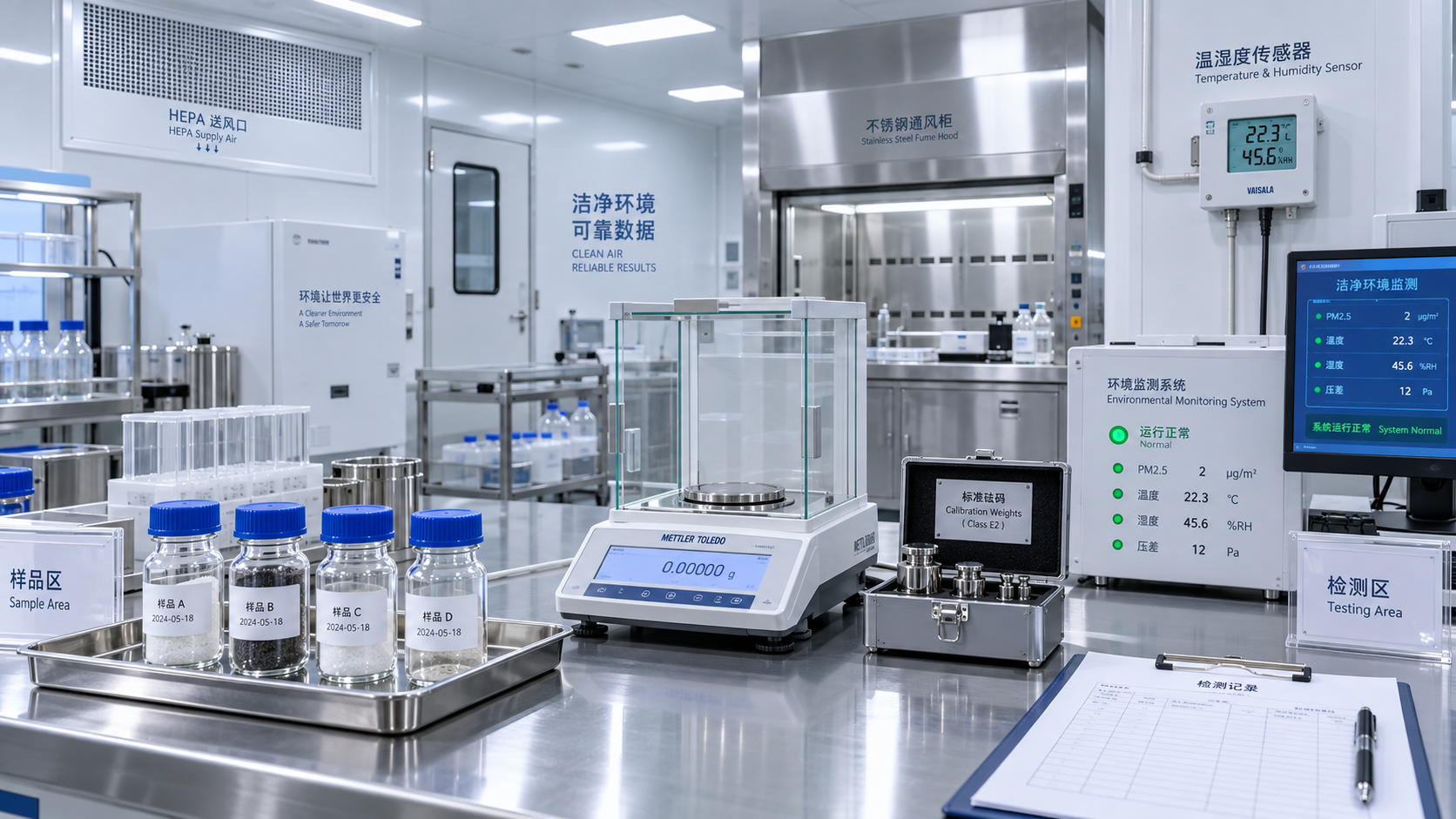
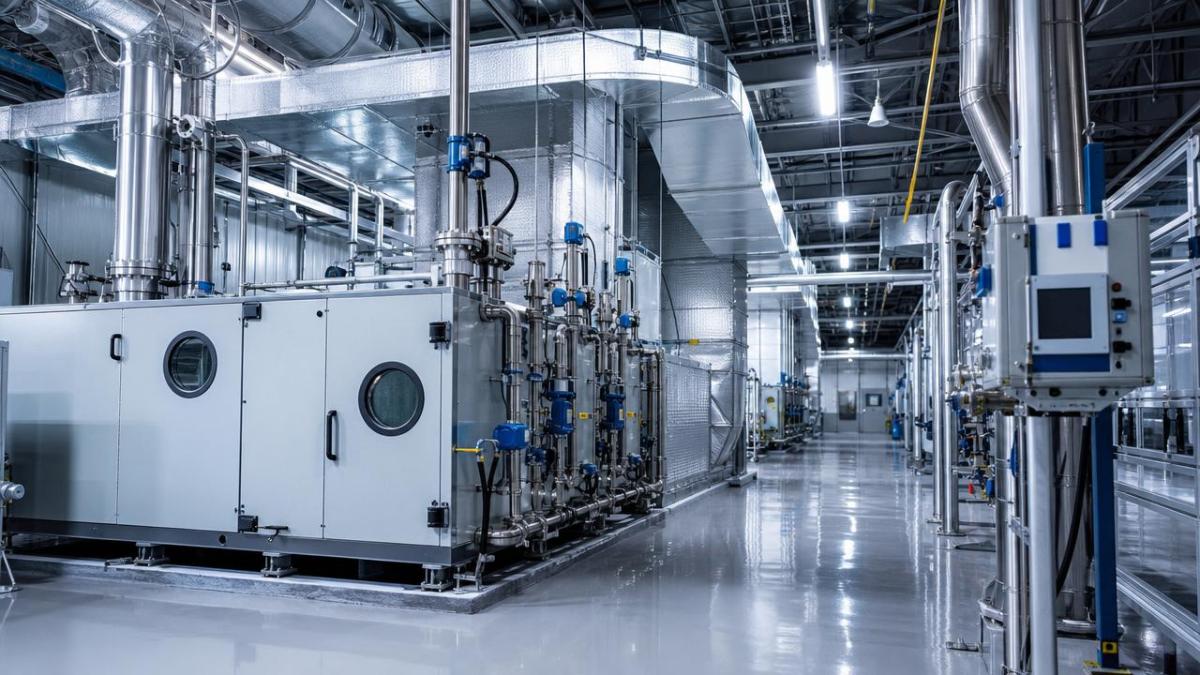
These operations depend on continuous air changes, strict pressure control, narrow thermal tolerances, and energy-intensive purification systems that carry substantial carbon footprints.
Under stronger Environmental Integrity policies, companies can no longer rely on broad sustainability narratives if the underlying operating data is fragmented or weakly governed.
Evaluators therefore need to look beyond published targets and test whether the business can prove carbon performance at the facility and process level.
What business evaluators are really trying to determine
Most commercial readers searching this topic are not looking for a generic climate policy overview.
They want a practical framework for judging whether the new carbon audit burden changes transaction risk, asset quality, or long-term business competitiveness.
Three concerns usually dominate that assessment.
First, evaluators want to know whether current reporting systems can survive tighter scrutiny without major remediation costs or disclosure risk.
Second, they want to know whether carbon-intensive infrastructure will require expensive retrofit, redesign, or operational compromise to stay compliant.
Third, they need to understand whether policy exposure is temporary and manageable, or whether it reveals a deeper business model vulnerability.
That is why the most useful analysis connects Environmental Integrity policies to measurable indicators such as metering granularity, audit trail quality, process energy intensity, and control system maturity.
Why the carbon audit burden is rising fastest in controlled industrial environments
Not all facilities face the same compliance pressure.
Carbon audit complexity rises sharply where process stability, contamination control, biosafety, and thermal precision must be maintained continuously and without operational interruption.
In these environments, emissions are shaped not only by electricity consumption, but by engineering choices that are difficult to modify quickly.
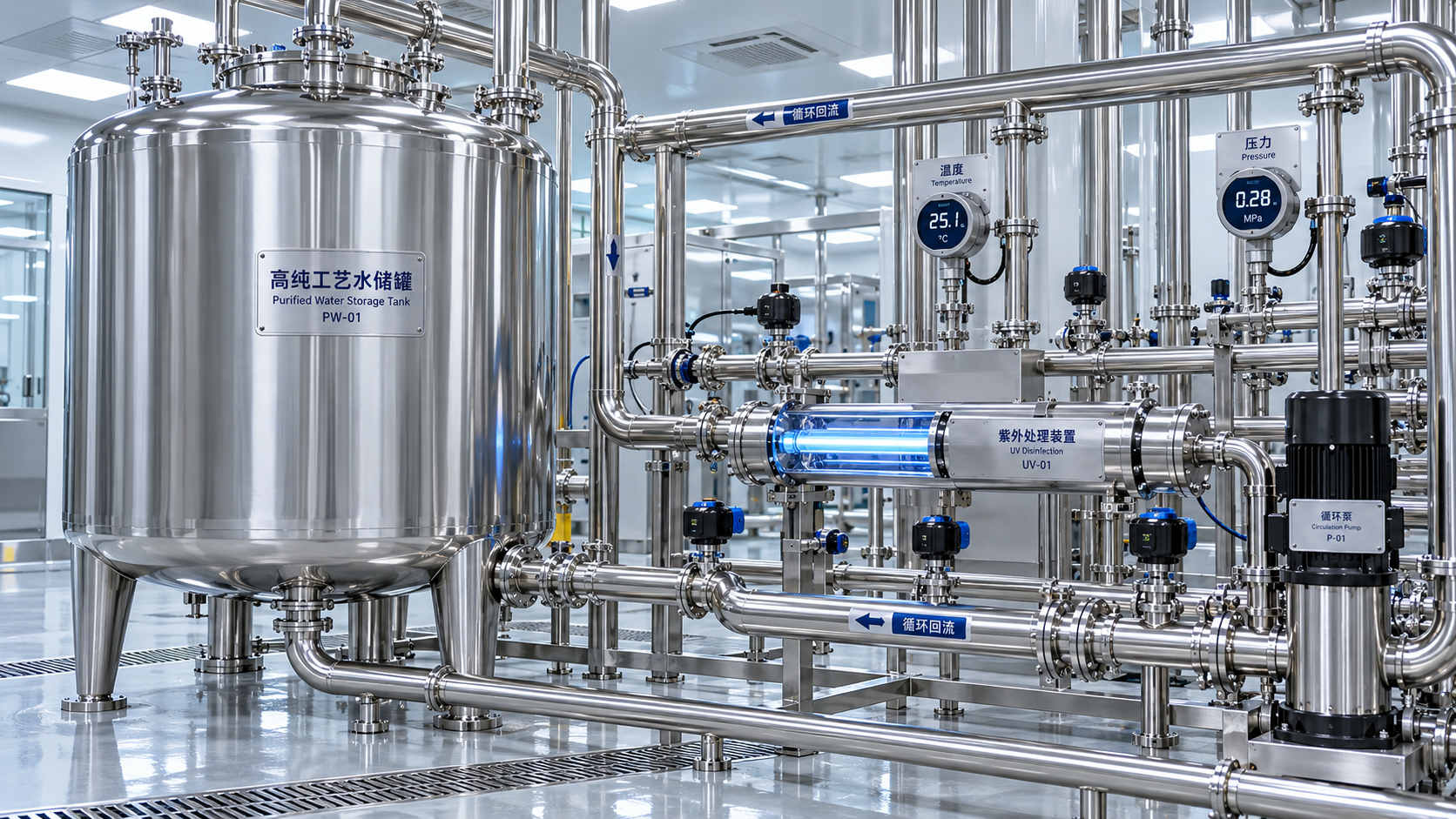
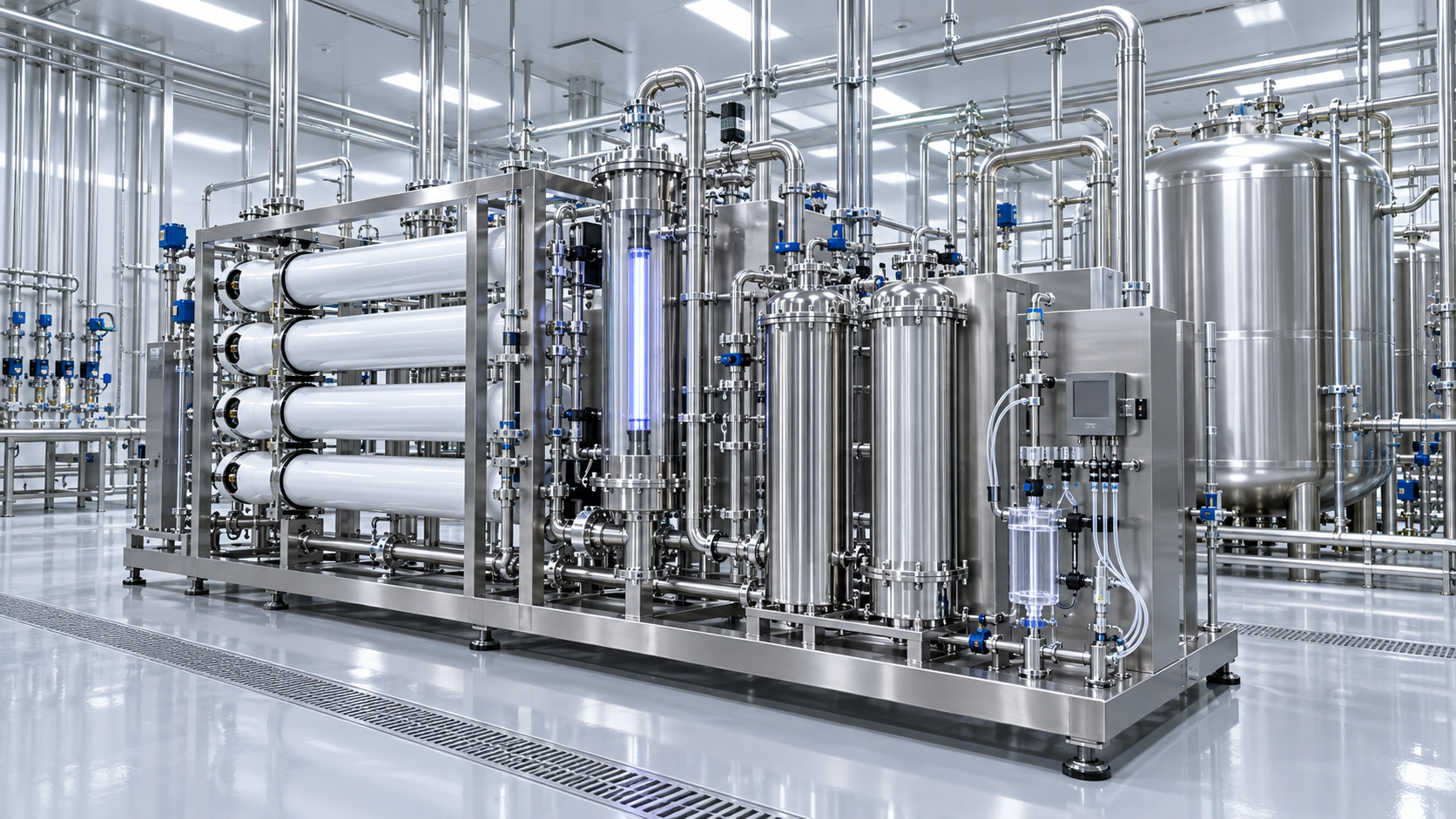
Examples include high air change rates, once-through air systems, redundant containment barriers, low-temperature process cooling, and ultra-pure water production.
Each of these systems can be justified technically, yet still attract greater scrutiny under Environmental Integrity policies because they create significant and persistent energy demand.
The audit burden also grows when operational data is dispersed across building management systems, utility logs, vendor dashboards, and manual compliance records.
When those data sources are inconsistent, carbon accounting becomes more vulnerable to error, estimation, and challenge during investor review or regulatory assurance.
Business evaluators should therefore expect the heaviest burden to fall on companies with highly controlled environments and weak data integration.
The hidden risk areas that standard ESG reviews often miss
Traditional ESG reviews may confirm that a company has targets, policies, and annual disclosures.
They often do not test whether environmental claims are supported by engineering reality at the site level.
That gap matters because Environmental Integrity policies are increasingly focused on evidence, methodology, and operational truth rather than broad policy statements alone.
One hidden risk is boundary confusion.
Companies may report emissions at a corporate level while failing to isolate the carbon profile of the most energy-intensive facilities or process lines.
Another risk is dependence on emissions factors and estimates where direct measurement should be available.
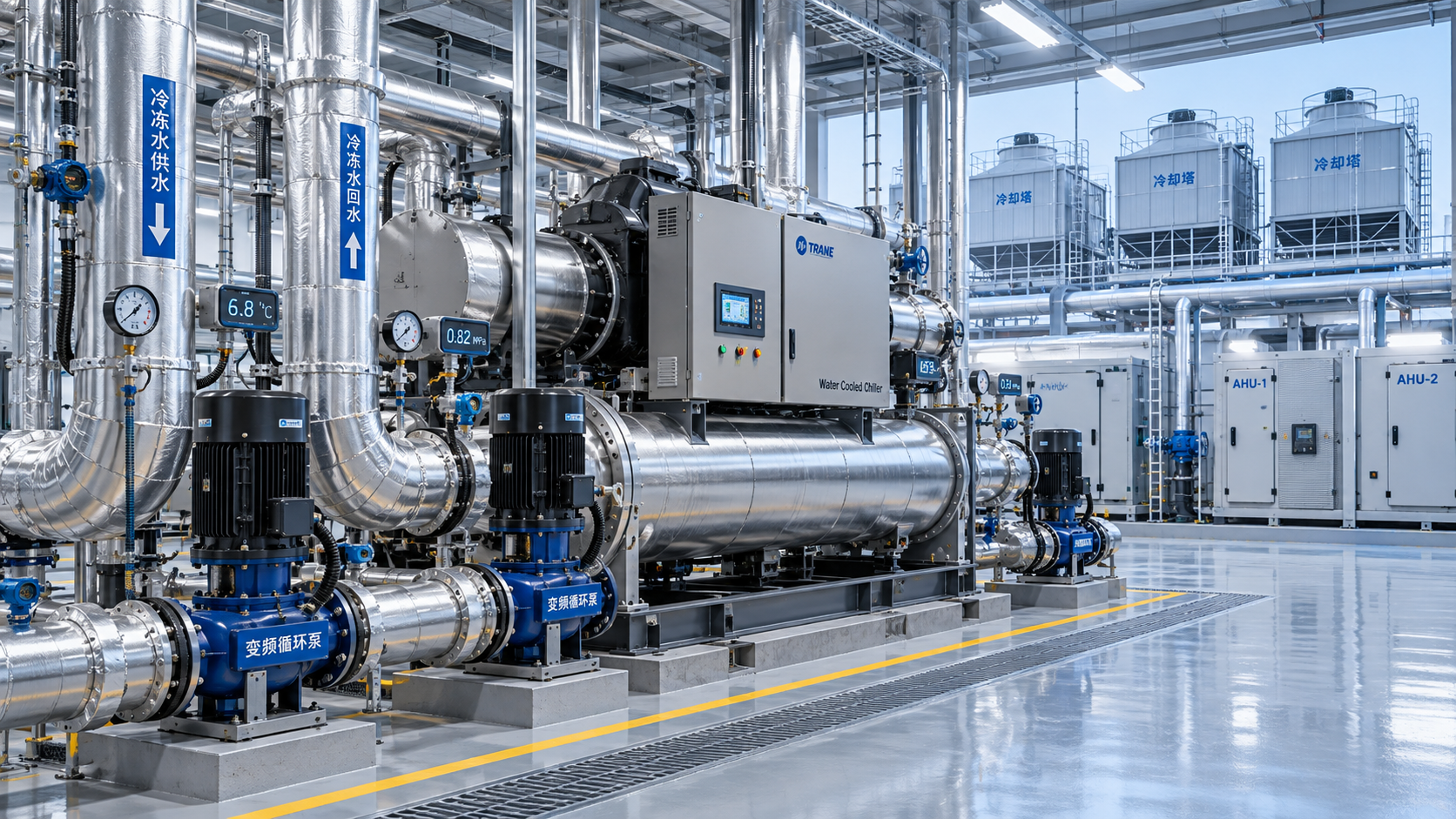
For example, if critical HVAC loads, chilled water performance, or high-purity utility systems are not separately metered, reported reductions may be difficult to validate.
A third risk is control drift.
Many precision environments are commissioned to a high standard, but actual operating settings gradually move away from design intent.
That drift can quietly increase carbon intensity while leaving official sustainability messaging unchanged.
A fourth risk involves outsourced or vendor-managed subsystems.
If data rights, reporting logic, or maintenance accountability are unclear, the organization may be unable to defend environmental performance claims under audit.
For evaluators, these hidden risks are often more material than the headline target itself.
How Environmental Integrity policies influence valuation and deal confidence
From an investment and commercial assessment perspective, the new audit burden affects both downside protection and upside credibility.
On the downside, poor carbon data quality can imply future compliance costs, delayed customer approvals, disclosure corrections, and higher internal control spending.
In regulated or quality-critical sectors, it can also signal broader governance weakness, because environmental reporting failures often correlate with incomplete operational oversight.
On the upside, facilities with strong measurement architecture and well-governed environmental systems can demonstrate resilience that competitors struggle to match.
That resilience may support premium positioning in customer qualification, public procurement, financing discussions, and strategic partnerships.
For this reason, valuation should not treat carbon readiness as a simple cost center.
It should be assessed as part of infrastructure quality, operational transparency, and strategic adaptability under stricter Environmental Integrity policies.
Where environmental claims are verifiable, they reduce uncertainty.
Where claims depend on assumptions, they increase discount pressure.
A practical evaluation framework for carbon audit readiness
Business evaluators need a repeatable way to separate manageable compliance exposure from structural weakness.
A useful framework begins with data integrity.
Ask whether energy, refrigerant, process utility, and environmental monitoring data are time-aligned, site-specific, and retained in auditable form.
Next, examine boundary clarity.
Can the company attribute emissions to specific facilities, major utilities, or controlled production environments rather than relying on blended corporate averages?
Then assess engineering dependency.
How much of the carbon profile is driven by mission-critical environmental requirements that cannot be reduced without affecting yield, safety, or qualification status?
After that, review optimization maturity.
Has the operator already captured low-regret efficiency gains, or is performance still dependent on manual overrides, oversized redundancy, and outdated control logic?
Finally, test governance credibility.
Who owns the data, who validates the methodology, and who signs off when operational conditions change in ways that affect emissions reporting?
If the answer to these questions is unclear, the carbon audit burden is likely to become more expensive over time.
What strong operators are doing differently
Companies that handle the new burden well are not simply producing better reports.
They are redesigning the relationship between environmental control, asset visibility, and compliance management.
In advanced facilities, this often means integrating smart monitoring with digital twins, utility metering, and fault detection to create a more defensible emissions baseline.
It also means aligning sustainability teams with facility engineering, quality assurance, procurement, and finance rather than leaving carbon reporting in an isolated function.
Strong operators can explain why a cleanroom, biosafety suite, or UPW system consumes what it does, where avoidable losses occur, and what improvements are technically realistic.
They do not overpromise reductions that would undermine process integrity.
Instead, they frame decarbonization in terms of validated control improvements, equipment modernization, load balancing, heat recovery, and better environmental sequencing.
This matters to evaluators because credible restraint is often more trustworthy than aggressive targets unsupported by technical evidence.
Where G-ICE-aligned capabilities become strategically relevant
For organizations operating complex controlled environments, the most effective response to Environmental Integrity policies is not a reporting patch.
It is a technical and governance upgrade across the systems that drive environmental performance.
This is where G-ICE-aligned capabilities become strategically useful.
Benchmarking cleanroom systems, precision HVAC, biosafety containment, process fluids, and digital monitoring against recognized standards helps translate abstract carbon expectations into assessable operating discipline.
For business evaluators, that reduces ambiguity.
Instead of asking whether the company supports environmental integrity in principle, they can test whether critical infrastructure is designed and managed to withstand carbon scrutiny in practice.
For example, a site with high-efficiency thermal management, granular monitoring, validated airflow control, and auditable utility treatment data is easier to evaluate with confidence.
By contrast, a facility that depends on fragmented records and static assumptions presents a wider gap between stated commitments and provable performance.
Key questions to ask before concluding that exposure is acceptable
Before reaching a positive view, evaluators should ask several direct questions.
Can the company show how its most energy-intensive environments contribute to total emissions and whether those figures are measured or estimated?
Can management explain which emissions drivers are essential to quality or biosafety, and which are the result of avoidable inefficiency?
Has the organization stress-tested its environmental disclosures against third-party assurance or likely future regulatory verification requirements?
Do capital expenditure plans include modernization of chillers, filtration systems, containment controls, water treatment, or monitoring infrastructure where carbon reduction depends on equipment performance?
Are supplier and contractor data integrated into the audit process where outsourced systems materially affect environmental outcomes?
If leadership cannot answer these questions clearly, the issue is not just reporting quality.
It may indicate that the business lacks operational command over one of its most policy-sensitive cost and risk areas.
Conclusion: carbon audit burden is now an asset-quality issue
Environmental Integrity policies are changing the rules of evaluation by demanding that climate-related claims be grounded in operationally defensible evidence.
For business evaluators, the resulting carbon audit burden should be viewed less as an administrative obligation and more as a test of asset quality and governance maturity.
In energy-intensive controlled environments, that test is especially demanding because environmental performance is inseparable from engineering design and operating discipline.
The organizations best positioned for this transition are those that can connect facility reality, metered performance, and compliance logic into one coherent system.
Those that cannot may still publish targets, but they will face growing pressure on valuation confidence, compliance cost, and strategic flexibility.
The practical takeaway is clear: when reviewing companies affected by Environmental Integrity policies, focus first on proof, system transparency, and infrastructure readiness.
That is where real resilience is revealed, and where the true commercial meaning of the new carbon audit burden becomes visible.
Get weekly intelligence in your inbox.
No noise. No sponsored content. Pure intelligence.
 Oct 21, 2026How often is cleanroom certification required under ISO 14644-2?Cleanroom Certification is generally recommended annually under ISO 14644-2. Learn when risk-based extensions apply and which changes trigger earlier testing to plan with confidence.
 Oct 21, 2026FASEB Comments on NIH Draft Policy for Research Involving BiohazardsFASEB comments on NIH’s draft biohazard research policy call for risk-based biosafety oversight. Explore potential implications for laboratories, suppliers, and compliance teams.
 Oct 20, 2026How to disinfect ultrasound machines without damaging surfacesLearn how to disinfect ultrasoundmachines without surface damage. Explore compatible products, wet contact times, and probe care to protect patients and equipment.
 Oct 20, 2026Ultrapure Water in Semiconductor Manufacturing: Reuse and Quality Control InsightsExplore ultrapure water reuse in semiconductor manufacturing, key UPW quality benchmarks and analytical insights to help evaluate suppliers and protect process purity.
 Oct 19, 2026How cooling affects warpage in injection-molded consumer electronics housingsOptimize plastic injection molding for consumer electronics with cooling strategies to reduce housing warpage and improve assembly fit. Discover practical checks for stable, efficient production.
 Oct 18, 2026Can air leaks prevent a dehumidifier from holding its target dew point?Why can't our dehumidifier maintain the target dew point? Discover how air leaks increase moisture loads, spot hidden faults, and find practical fixes to restore reliable dew-point control.
 Oct 17, 2026How semiconductor process water treatment removes trace organicsSee how semiconductor process water treatment removes trace organics with RO, UV oxidation, and polishing. Learn how TOC monitoring helps verify purity and pinpoint contamination.
 Oct 16, 2026How to choose ultra pure water piping materials to limit leachingChoose ultra pure water piping with confidence. Compare PVDF, PFA, and stainless steel, assess leaching risks, and learn how to qualify your system for reliable purity.
 Oct 15, 2026How to size a skid-mounted deionized water system for peak demandCompare deionized water systems skid configurations for peak demand. Learn how to balance production, storage, and pump capacity to prevent shortages and avoid costly oversizing.
 Oct 14, 2026When is collaborative laboratory robotics suitable for sample sorting?Explore when collaborative laboratory robotics suits sample sorting. Discover key checks for safety, traceability, container compatibility, and throughput before choosing your solution.
 Oct 13, 2026How sandwich panel joints affect airtightness in cleanroom systemsCleanroom Systems sandwich panels need reliable joints for airtightness. Discover how gaskets, sealants, and testing help reduce leakage and protect cleanroom pressure control.
 Oct 12, 2026How to verify USP compliance for ultra pure water systemsUltra Pure Water Systems USP compliance: learn how to verify water quality, sampling, sanitization, trends, and validation controls at every point of use.
 Oct 11, 2026How tight temperature control prevents cleanroom process driftCleanroom process temperature control systems prevent costly drift by stabilizing critical conditions, improving repeatability, and protecting sensitive production workflows.
 Oct 10, 2026When does organic contaminant removal require TOC treatment?Organic contaminant removal requires TOC treatment when dissolved organics threaten product quality, equipment reliability, or process control. Learn how to assess risks and choose the right solution.
 Oct 08, 2026What affects lead times for sheet metal bending services in Canada?Sheet metal bending services Canada: discover how material supply, tooling, tolerances, finishing, documentation, and freight affect lead times for reliable project delivery.
 Oct 07, 2026How HVAC design for semiconductor fabs prevents airborne contaminationHVAC design for semiconductor fabs prevents airborne contamination through advanced filtration, pressure cascades, airflow control, and real-time monitoring. Explore key strategies for cleaner, more reliable wafer production.
 Oct 06, 2026How photovoltaic modules waterproof technology prevents moisture damagephotovoltaic modules waterproof technology prevents moisture damage with durable seals, drainage, and junction-box protection. Explore practical selection and testing insights.
 Oct 05, 2026How ISO 14644 Europe requirements affect cleanroom qualificationISO 14644 Europe requirements shape cleanroom qualification, from particle classification and recovery testing to monitoring, GMP alignment, and change control.
 Oct 04, 2026How to assess a pharmaceutical cleanroom solutions supplier’s ISO capabilityPharmaceutical Cleanroom Solutions supplier assessment guide: evaluate ISO 14644 capability, validation evidence, airflow design, documentation, and long-term GMP readiness.
 Oct 03, 2026What EU standards govern the design of BSL-3 laboratories in Europe?BSL-3 laboratories Europe: explore EU directives, EN standards, HVAC containment, commissioning, and practical design strategies for compliant, resilient high-containment facilities.
 Oct 02, 2026How EN 1822 defines HEPA filtration efficiency for cleanroomsHEPA filtration EN 1822 explained: learn how MPPS testing, local leakage limits, and filter classes support reliable cleanroom decisions.
 Oct 01, 2026How pharmaceutical process water systems control microbial riskProcess water systems pharmaceutical teams rely on can control microbial risk through hygienic design, monitoring, and validated sanitization. Explore practical compliance strategies.
 Sep 30, 2026When does a negative pressure laboratory need BSL-3 containment?Negative pressure laboratory or BSL-3? Discover the risk factors, engineering controls, and containment requirements needed for safe, compliant laboratory planning.
 Sep 29, 2026How to evaluate a TOC-zero water treatment supplier for UPW systemsChoose a TOC-zero water treatment supplier with confidence. Compare UPW performance, monitoring, validation, materials, service capability, and lifecycle cost.
 Sep 28, 2026What drives sustainable cooling cost in high-precision facilities?Sustainable cooling cost in high-precision facilities depends on thermal stability, energy, water, controls, and resilience. Explore smarter lifecycle strategies.
 Sep 27, 2026How to compare freight forwarding services for time-critical shipmentsCompare freight forwarding services for time-critical shipments with practical insights on routing, customs, visibility, specialized handling, and contingency planning.
 Sep 26, 2026How environmental integrity in laboratories supports reliable test resultsEnvironmental Integrity in laboratories safeguards samples, instruments, and staff. Discover practical controls for contamination, monitoring, and reliable test results.