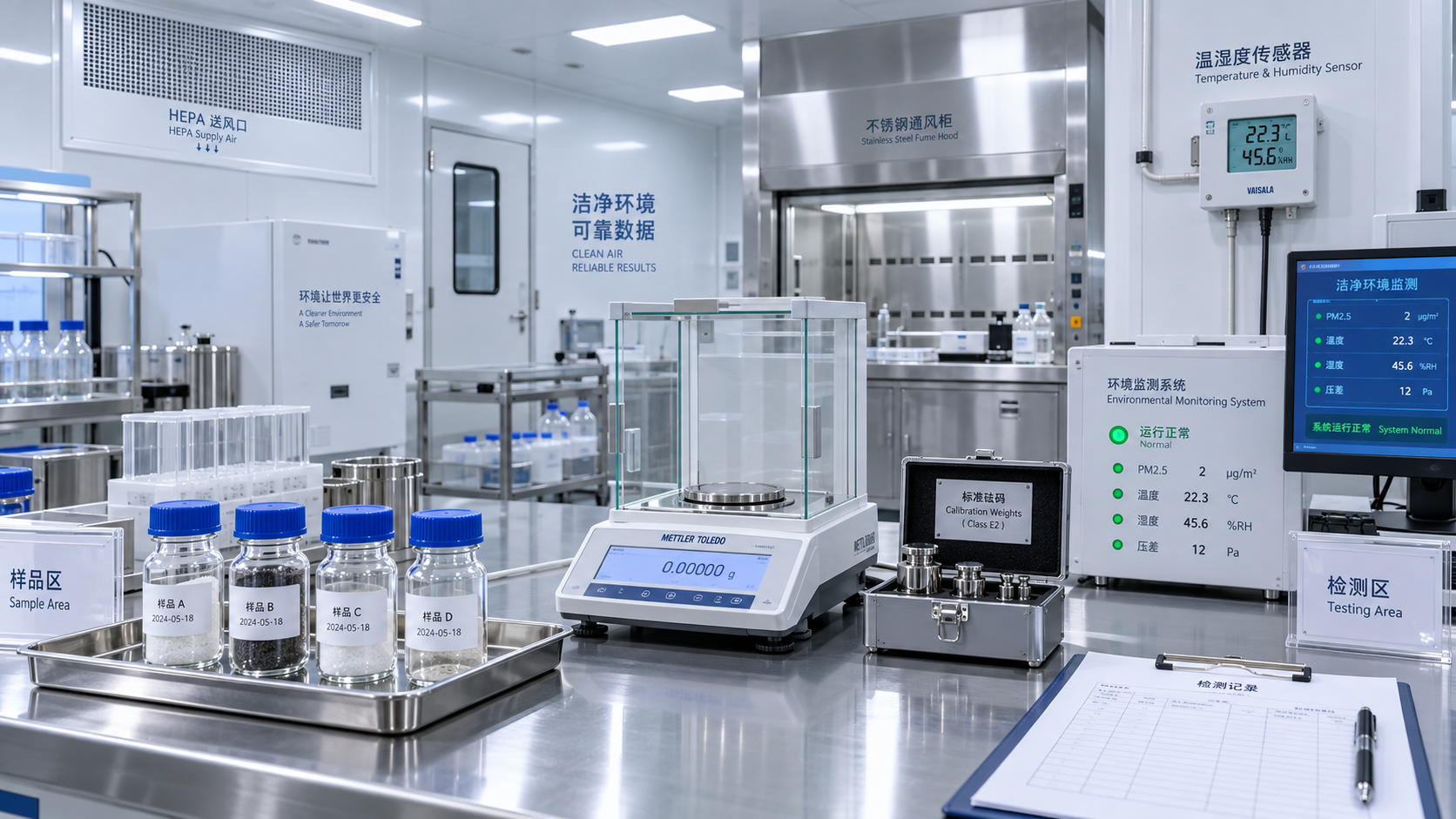
Thermodynamic Hardware Specs That Affect Uptime
For after-sales maintenance teams, uptime begins long before a fault alarm appears. It starts with reading High-Performance Thermodynamic Hardware specifications as operational risk signals, not brochure data.
In clean manufacturing, laboratories, utilities, and controlled facilities, thermal drift, airflow instability, and poor component tolerance can trigger downtime, contamination, and compliance exposure.
This guide explains which High-Performance Thermodynamic Hardware specifications matter most in different industrial scenarios, how to judge fit, and where maintenance decisions affect resilience.
When uptime risk changes by environment, specs must be read differently
The same cooling unit can perform very differently across a semiconductor bay, a biosafety suite, or a process utility room. Context determines whether a specification protects uptime or hides future trouble.
High-Performance Thermodynamic Hardware specifications should be reviewed against temperature tolerance, contamination sensitivity, redundancy expectations, water quality, and digital monitoring capability.
A low headline capacity number may still be acceptable. A weak part-load efficiency curve, unstable control logic, or poor sensor accuracy often creates the real uptime threat.
Core judgment points before comparing equipment
- Temperature stability under variable load
- Airflow uniformity and pressure control
- Recovery time after disturbance or power events
- Material compatibility with clean or corrosive environments
- Fault diagnostics, alarms, and remote visibility
- Maintenance access without long shutdown windows
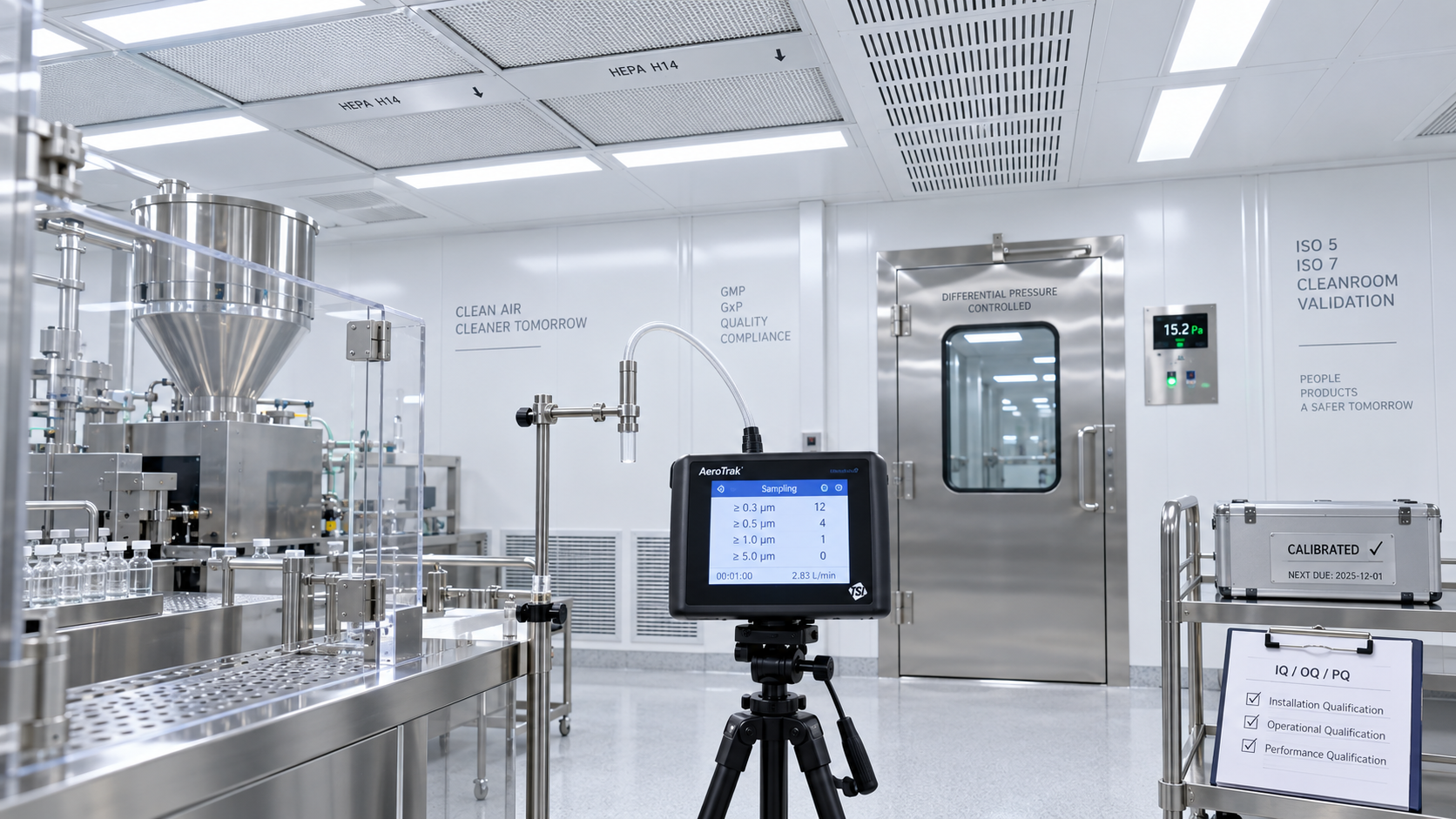
In ultra-clean production, precise thermal control prevents hidden downtime
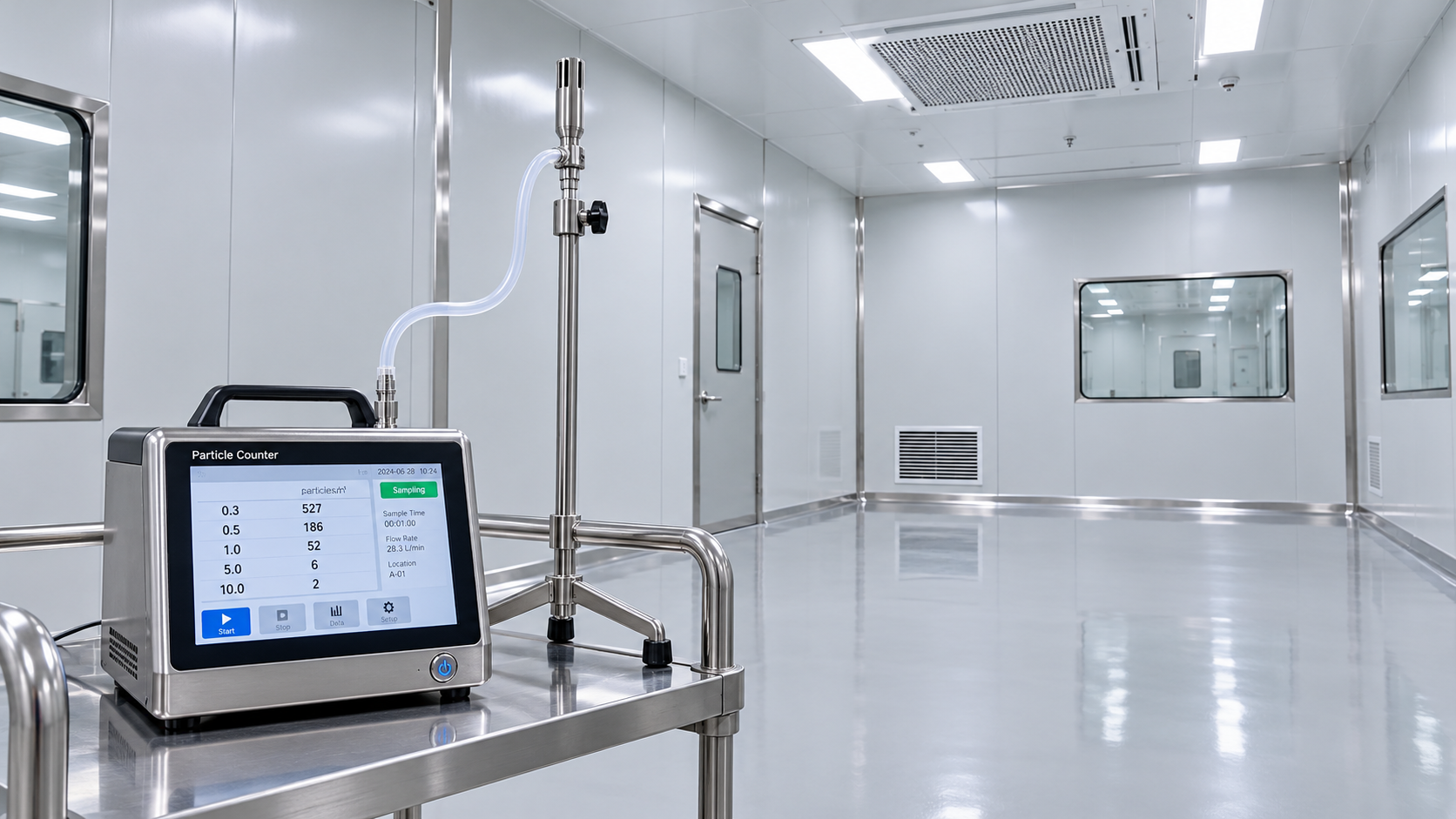
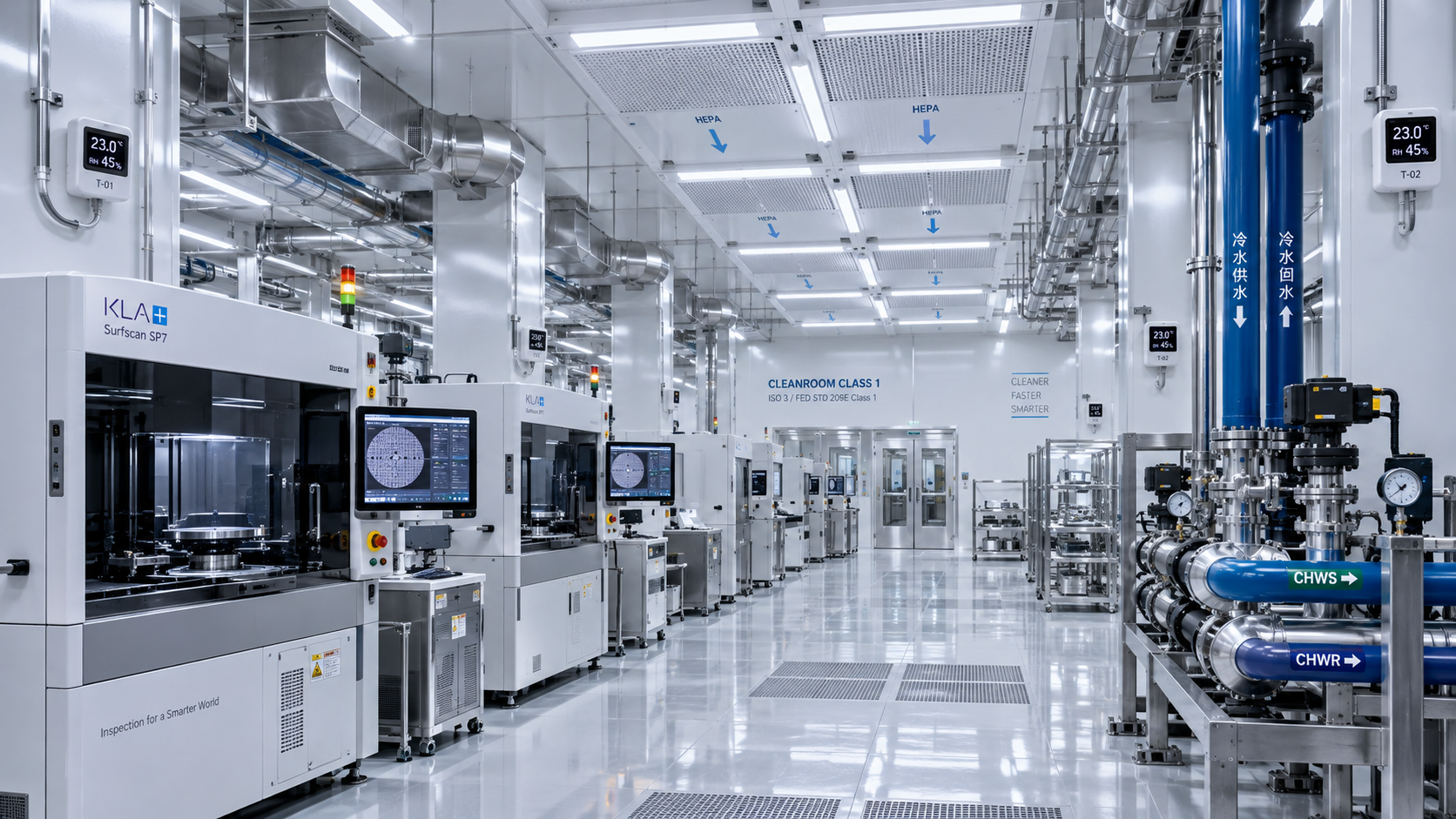
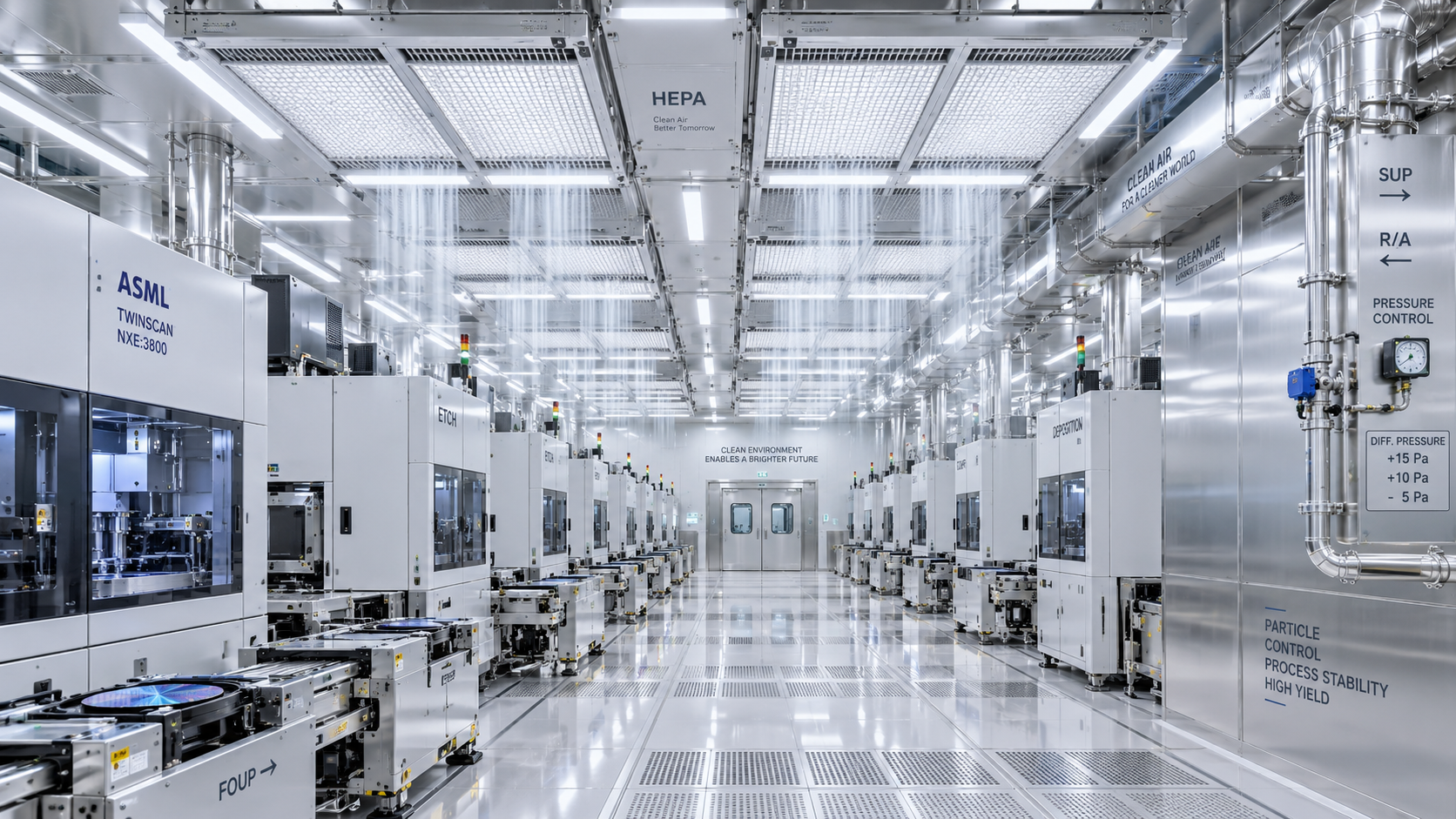
In advanced cleanroom operations, tiny thermal fluctuations can alter yield, airflow behavior, and particle transport. Here, High-Performance Thermodynamic Hardware specifications must support narrow temperature bands and stable pressurization.
Critical values include coil response speed, fan control resolution, filter loading tolerance, and sensor calibration drift. These determine whether the system remains stable during production changes.
What to check in this scenario
- Supply air temperature accuracy and repeatability
- Static pressure control during door openings
- Vibration impact on nearby sensitive tools
- FFU or air handler turndown ratio
- Alarm thresholds for filter, fan, and motor anomalies
If specifications ignore recovery time after airflow disruption, apparent precision can still lead to batch interruption. Uptime depends on how fast the environment returns to setpoint.
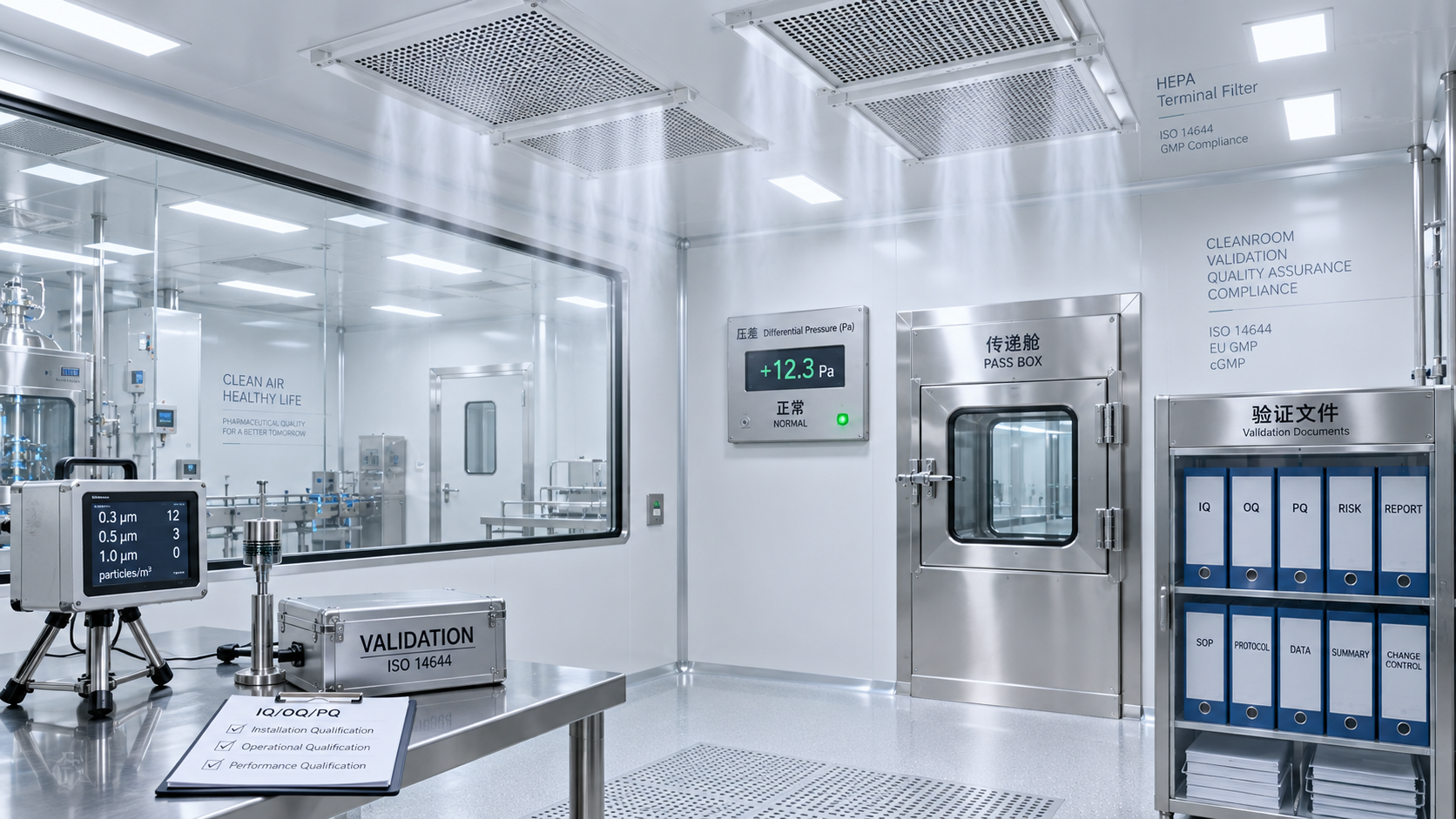
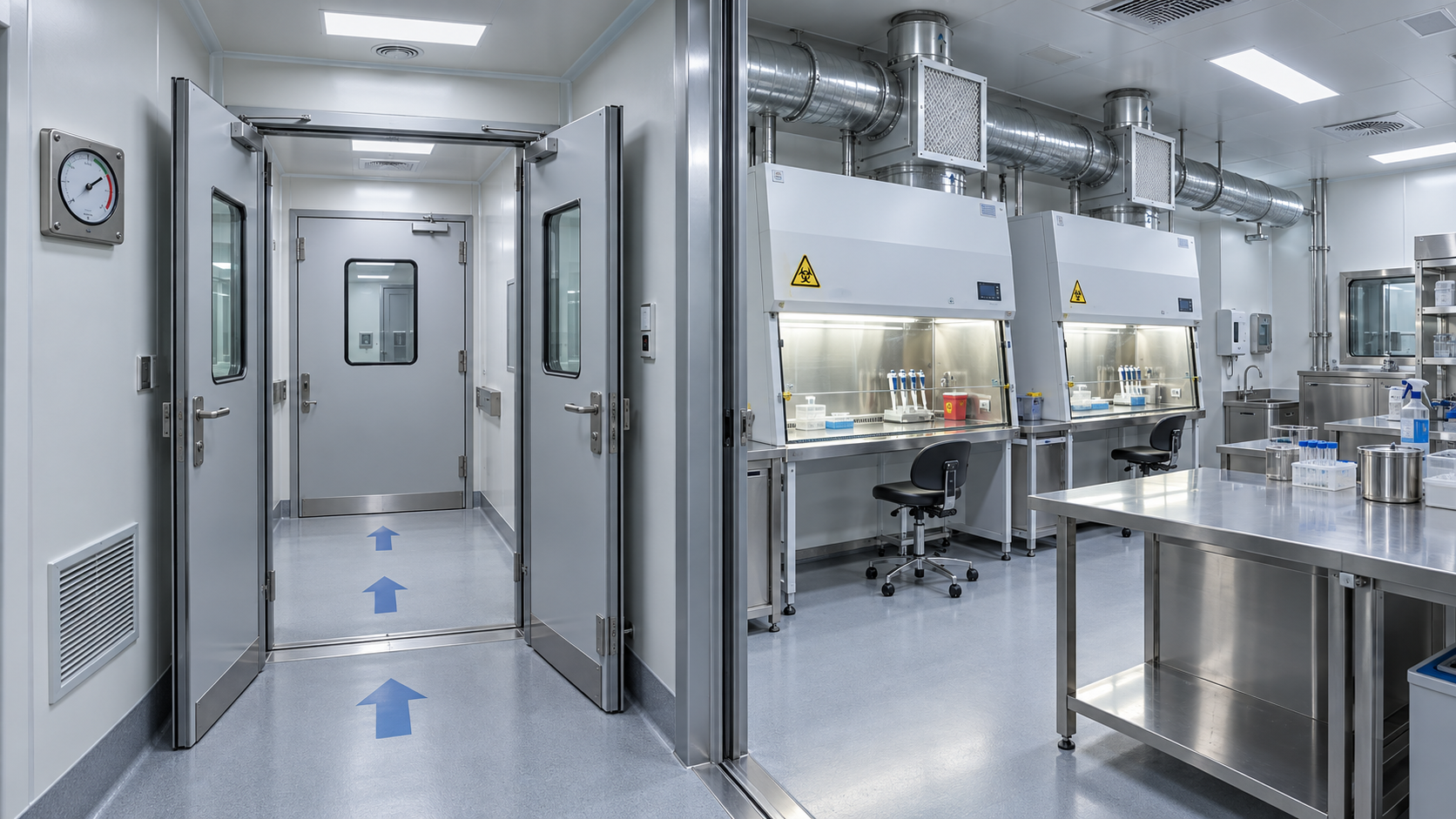
In pharmaceutical and biosafety spaces, containment specs are uptime specs
In regulated life-science environments, a shutdown is not only mechanical. It can also be a containment failure, deviation event, or validation breach.
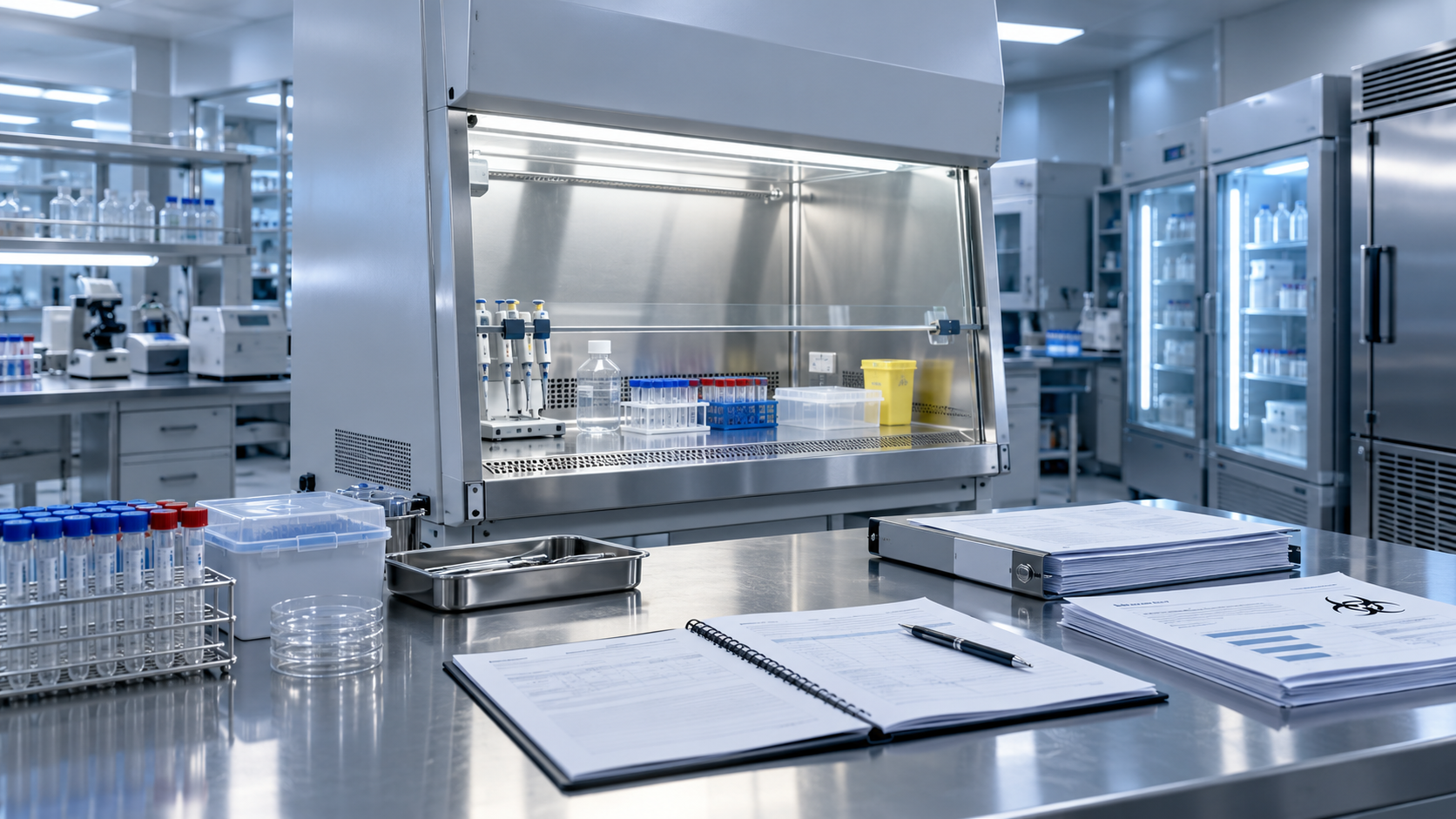
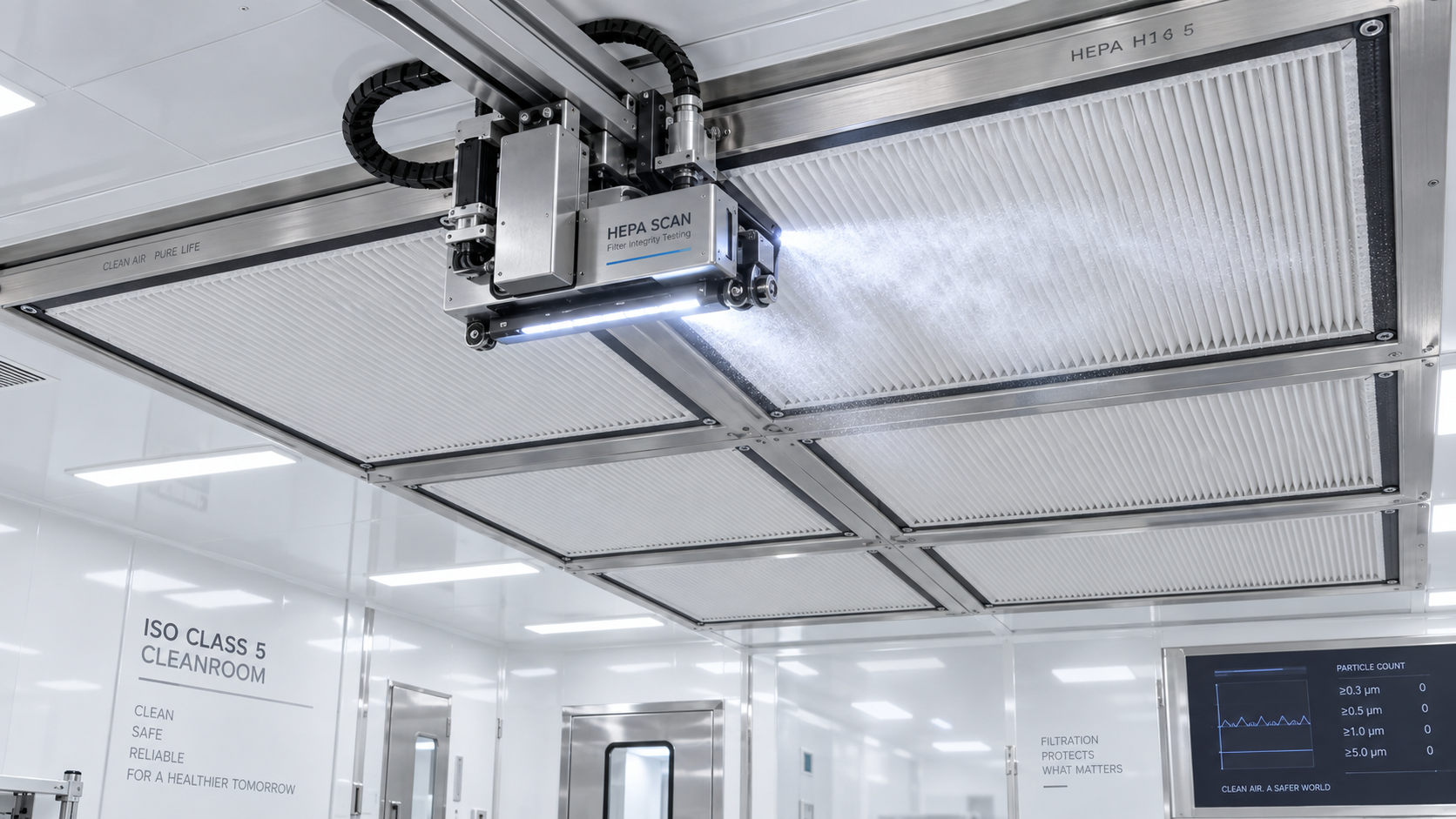
That is why High-Performance Thermodynamic Hardware specifications must include pressure cascade control, humidity consistency, HEPA integrity support, and documented alarm histories.
Systems with poor control sequencing often pass acceptance tests yet fail during load swings, sanitization cycles, or occupancy changes. After-sales teams should prioritize dynamic, not static, performance data.
Common containment-related specification priorities
- Room-to-room differential pressure tolerance
- Humidity control under sterilization or washdown influence
- Fail-safe damper position during emergency mode
- BMS integration for audit trail continuity
- Component cleanability and corrosion resistance
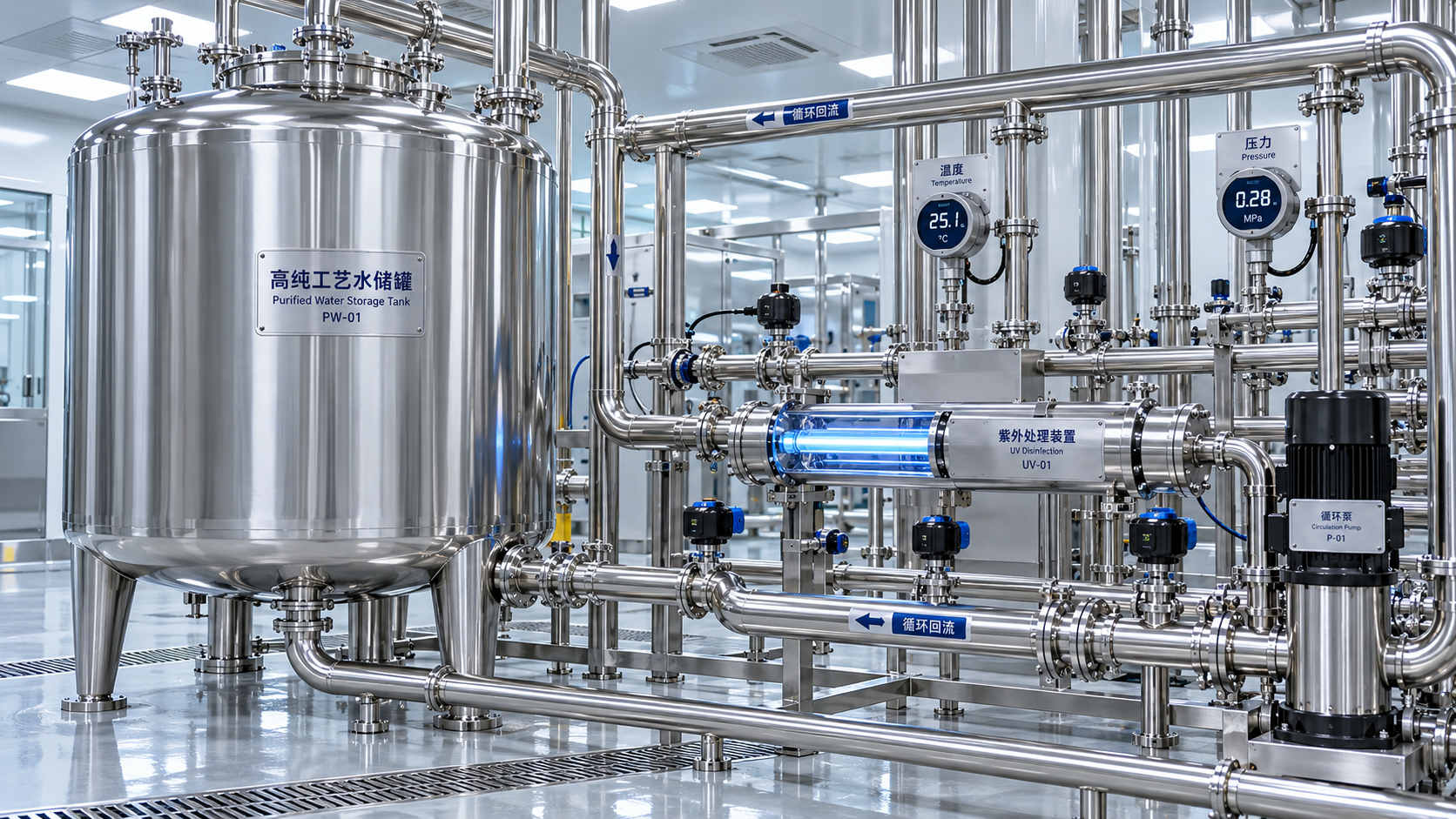
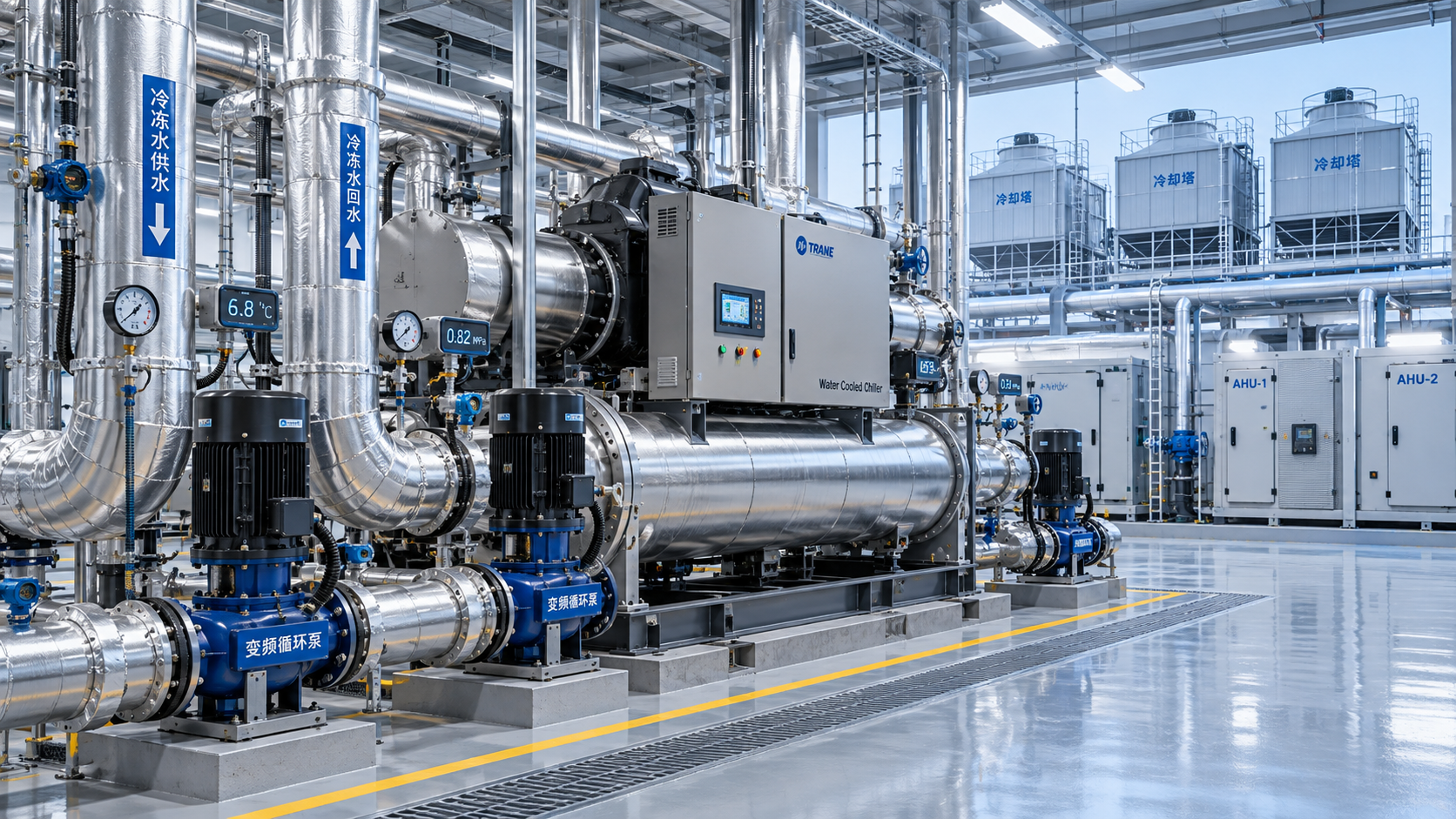
In utility plants and process cooling, resilience depends on part-load behavior
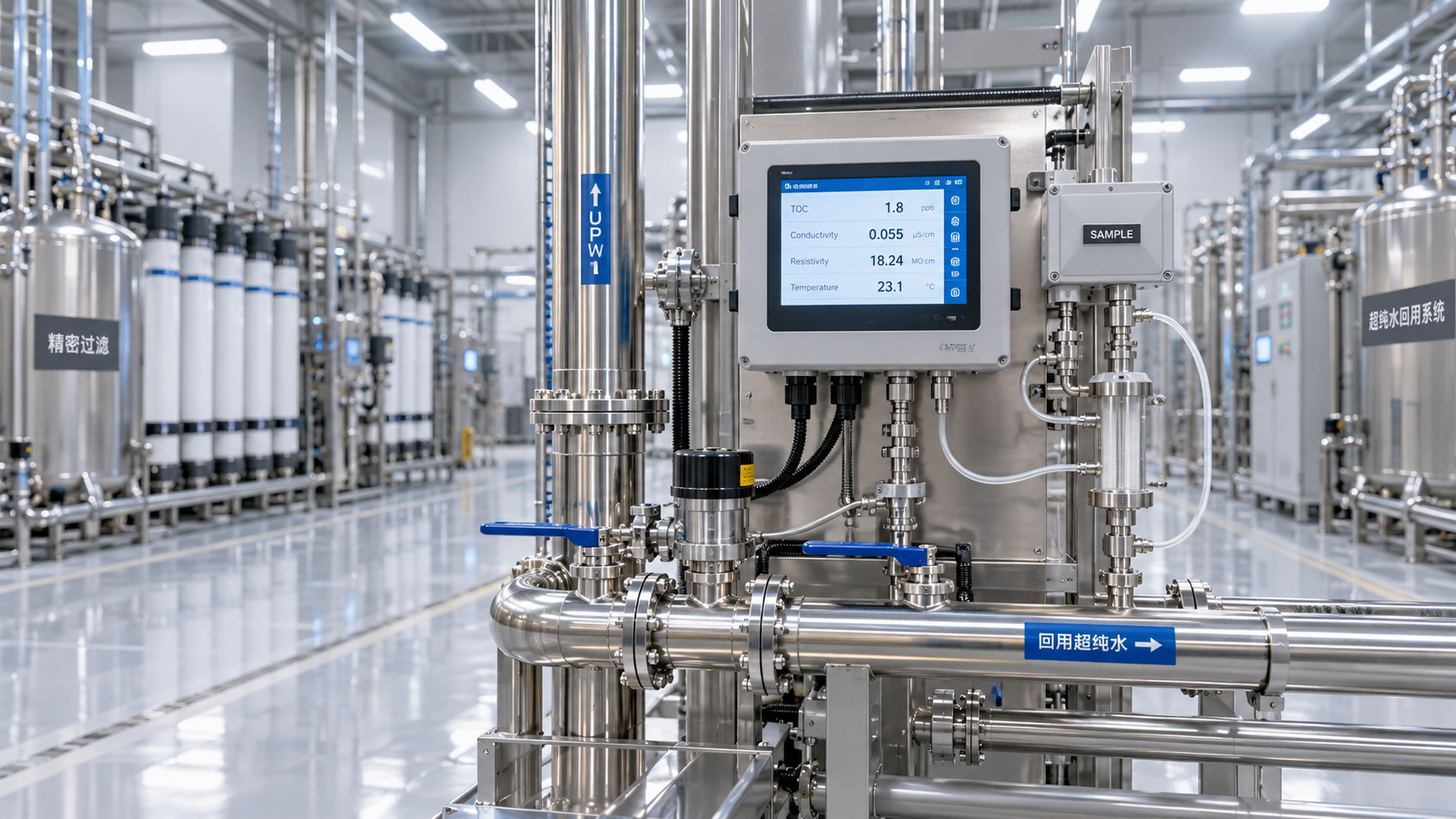
Utility infrastructure often looks robust because nameplate capacity is high. Yet many interruptions begin at part load, where controls hunt, compressors short-cycle, or pumps operate off the efficient range.
For these scenarios, High-Performance Thermodynamic Hardware specifications should emphasize unloading logic, turndown capability, minimum stable flow, and redundancy architecture.
Magnetic-bearing chillers, variable-speed drives, and digital twins can improve uptime only when control integration is well matched to piping, water quality, and load profile.
Failure indicators hidden inside utility specifications
- High efficiency quoted only at full load
- Low sensor redundancy on critical loops
- Insufficient condenser water condition range
- Limited restart sequence after power fluctuation
- Weak bearing or seal condition monitoring
Different scenarios demand different High-Performance Thermodynamic Hardware specifications
The table below shows how specification priorities shift across controlled industrial environments. It helps align uptime expectations with actual operating conditions.
How to match specs to the right operating scenario
Scenario fit improves when specifications are translated into maintenance consequences. The goal is not simply selecting advanced equipment, but reducing the probability of unstable operation.
Practical adaptation checklist
- Map the real thermal load profile, not just design load.
- Compare control accuracy with process tolerance limits.
- Verify alarm hierarchy, historian depth, and remote access.
- Check whether maintenance tasks require production interruption.
- Review water, air, and material compatibility together.
- Test restart and recovery logic under abnormal conditions.
This approach makes High-Performance Thermodynamic Hardware specifications actionable. It links every number to uptime, contamination control, and serviceability.
Common misjudgments that weaken uptime planning
A frequent mistake is choosing based on peak capacity alone. Another is assuming standard HVAC metrics are enough for high-purity or biosafe environments.
Some teams also underestimate the role of sensor quality. In precision environments, poor sensor placement or drift can mimic mechanical failure and trigger unnecessary intervention.
Another overlooked issue is maintainability. Strong High-Performance Thermodynamic Hardware specifications should include service clearance, modular replacement logic, and safe isolation procedures.
- Do not confuse efficiency with stability.
- Do not treat redundancy as equal to recoverability.
- Do not ignore controls, firmware, and communication protocols.
- Do not separate compliance needs from hardware specification review.
Next-step actions for stronger uptime and cleaner troubleshooting
Start with a specification audit of existing cooling, airflow, and monitoring assets. Rank each system by thermal criticality, contamination sensitivity, and restart difficulty.
Then compare field performance against the original High-Performance Thermodynamic Hardware specifications. Focus on drift, recovery time, unstable sequencing, and alarm quality.
Where gaps appear, define upgrades in stages: sensing, control logic, redundancy, and mechanical optimization. This phased method improves uptime without forcing unnecessary replacement.
In mission-critical industrial environments, the right High-Performance Thermodynamic Hardware specifications are not passive data points. They are the foundation of stable output, compliance confidence, and resilient operations.
Get weekly intelligence in your inbox.
No noise. No sponsored content. Pure intelligence.
 Oct 21, 2026How often is cleanroom certification required under ISO 14644-2?Cleanroom Certification is generally recommended annually under ISO 14644-2. Learn when risk-based extensions apply and which changes trigger earlier testing to plan with confidence.
 Oct 21, 2026FASEB Comments on NIH Draft Policy for Research Involving BiohazardsFASEB comments on NIH’s draft biohazard research policy call for risk-based biosafety oversight. Explore potential implications for laboratories, suppliers, and compliance teams.
 Oct 20, 2026How to disinfect ultrasound machines without damaging surfacesLearn how to disinfect ultrasoundmachines without surface damage. Explore compatible products, wet contact times, and probe care to protect patients and equipment.
 Oct 20, 2026Ultrapure Water in Semiconductor Manufacturing: Reuse and Quality Control InsightsExplore ultrapure water reuse in semiconductor manufacturing, key UPW quality benchmarks and analytical insights to help evaluate suppliers and protect process purity.
 Oct 19, 2026How cooling affects warpage in injection-molded consumer electronics housingsOptimize plastic injection molding for consumer electronics with cooling strategies to reduce housing warpage and improve assembly fit. Discover practical checks for stable, efficient production.
 Oct 18, 2026Can air leaks prevent a dehumidifier from holding its target dew point?Why can't our dehumidifier maintain the target dew point? Discover how air leaks increase moisture loads, spot hidden faults, and find practical fixes to restore reliable dew-point control.
 Oct 17, 2026How semiconductor process water treatment removes trace organicsSee how semiconductor process water treatment removes trace organics with RO, UV oxidation, and polishing. Learn how TOC monitoring helps verify purity and pinpoint contamination.
 Oct 16, 2026How to choose ultra pure water piping materials to limit leachingChoose ultra pure water piping with confidence. Compare PVDF, PFA, and stainless steel, assess leaching risks, and learn how to qualify your system for reliable purity.
 Oct 15, 2026How to size a skid-mounted deionized water system for peak demandCompare deionized water systems skid configurations for peak demand. Learn how to balance production, storage, and pump capacity to prevent shortages and avoid costly oversizing.
 Oct 14, 2026When is collaborative laboratory robotics suitable for sample sorting?Explore when collaborative laboratory robotics suits sample sorting. Discover key checks for safety, traceability, container compatibility, and throughput before choosing your solution.
 Oct 13, 2026How sandwich panel joints affect airtightness in cleanroom systemsCleanroom Systems sandwich panels need reliable joints for airtightness. Discover how gaskets, sealants, and testing help reduce leakage and protect cleanroom pressure control.
 Oct 12, 2026How to verify USP compliance for ultra pure water systemsUltra Pure Water Systems USP compliance: learn how to verify water quality, sampling, sanitization, trends, and validation controls at every point of use.
 Oct 11, 2026How tight temperature control prevents cleanroom process driftCleanroom process temperature control systems prevent costly drift by stabilizing critical conditions, improving repeatability, and protecting sensitive production workflows.
 Oct 10, 2026When does organic contaminant removal require TOC treatment?Organic contaminant removal requires TOC treatment when dissolved organics threaten product quality, equipment reliability, or process control. Learn how to assess risks and choose the right solution.
 Oct 08, 2026What affects lead times for sheet metal bending services in Canada?Sheet metal bending services Canada: discover how material supply, tooling, tolerances, finishing, documentation, and freight affect lead times for reliable project delivery.
 Oct 07, 2026How HVAC design for semiconductor fabs prevents airborne contaminationHVAC design for semiconductor fabs prevents airborne contamination through advanced filtration, pressure cascades, airflow control, and real-time monitoring. Explore key strategies for cleaner, more reliable wafer production.
 Oct 06, 2026How photovoltaic modules waterproof technology prevents moisture damagephotovoltaic modules waterproof technology prevents moisture damage with durable seals, drainage, and junction-box protection. Explore practical selection and testing insights.
 Oct 05, 2026How ISO 14644 Europe requirements affect cleanroom qualificationISO 14644 Europe requirements shape cleanroom qualification, from particle classification and recovery testing to monitoring, GMP alignment, and change control.
 Oct 04, 2026How to assess a pharmaceutical cleanroom solutions supplier’s ISO capabilityPharmaceutical Cleanroom Solutions supplier assessment guide: evaluate ISO 14644 capability, validation evidence, airflow design, documentation, and long-term GMP readiness.
 Oct 03, 2026What EU standards govern the design of BSL-3 laboratories in Europe?BSL-3 laboratories Europe: explore EU directives, EN standards, HVAC containment, commissioning, and practical design strategies for compliant, resilient high-containment facilities.
 Oct 02, 2026How EN 1822 defines HEPA filtration efficiency for cleanroomsHEPA filtration EN 1822 explained: learn how MPPS testing, local leakage limits, and filter classes support reliable cleanroom decisions.
 Oct 01, 2026How pharmaceutical process water systems control microbial riskProcess water systems pharmaceutical teams rely on can control microbial risk through hygienic design, monitoring, and validated sanitization. Explore practical compliance strategies.
 Sep 30, 2026When does a negative pressure laboratory need BSL-3 containment?Negative pressure laboratory or BSL-3? Discover the risk factors, engineering controls, and containment requirements needed for safe, compliant laboratory planning.
 Sep 29, 2026How to evaluate a TOC-zero water treatment supplier for UPW systemsChoose a TOC-zero water treatment supplier with confidence. Compare UPW performance, monitoring, validation, materials, service capability, and lifecycle cost.
 Sep 28, 2026What drives sustainable cooling cost in high-precision facilities?Sustainable cooling cost in high-precision facilities depends on thermal stability, energy, water, controls, and resilience. Explore smarter lifecycle strategies.
 Sep 27, 2026How to compare freight forwarding services for time-critical shipmentsCompare freight forwarding services for time-critical shipments with practical insights on routing, customs, visibility, specialized handling, and contingency planning.
 Sep 26, 2026How environmental integrity in laboratories supports reliable test resultsEnvironmental Integrity in laboratories safeguards samples, instruments, and staff. Discover practical controls for contamination, monitoring, and reliable test results.