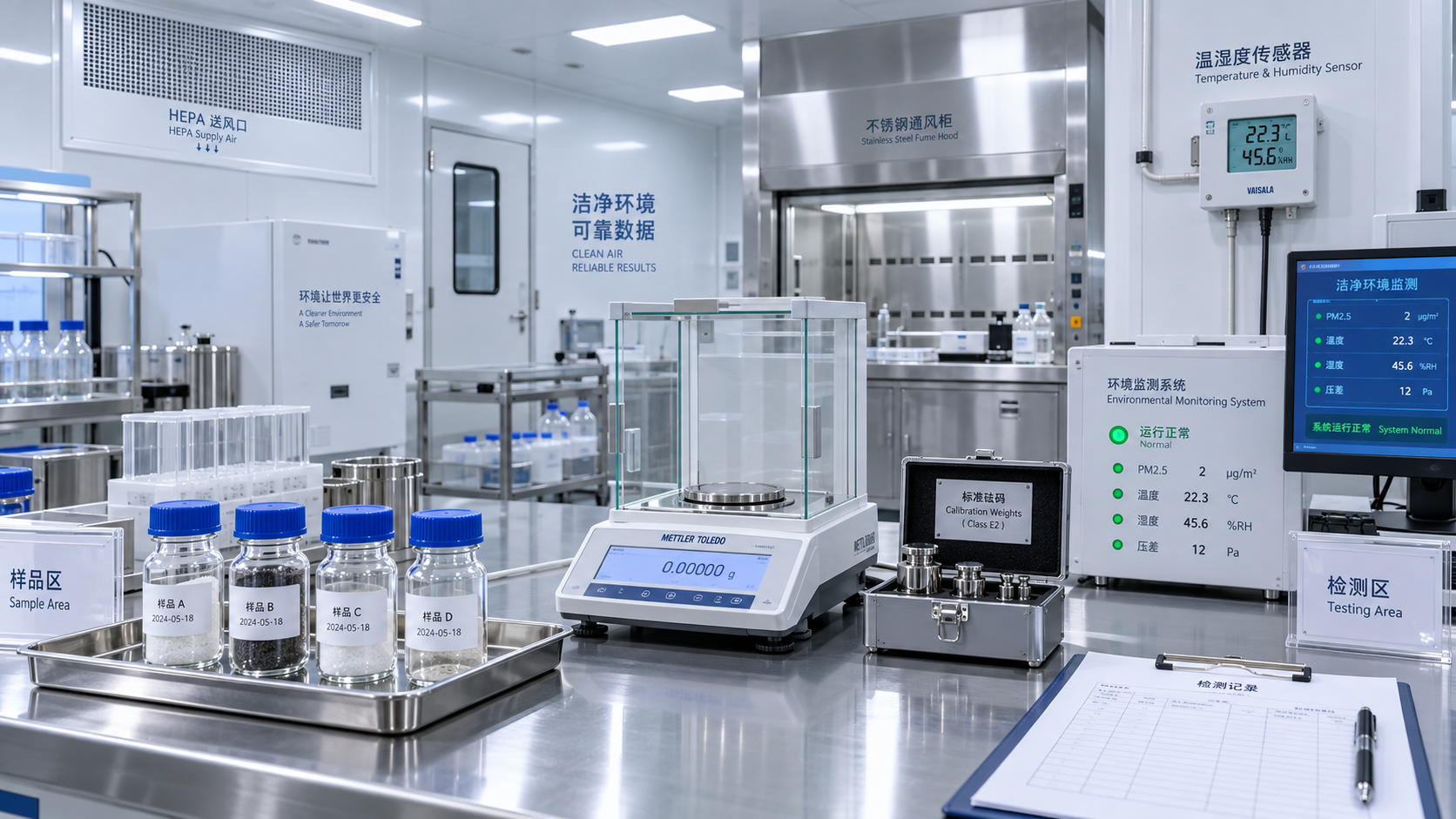
Pharmaceutical Cleanroom Design Mistakes to Avoid
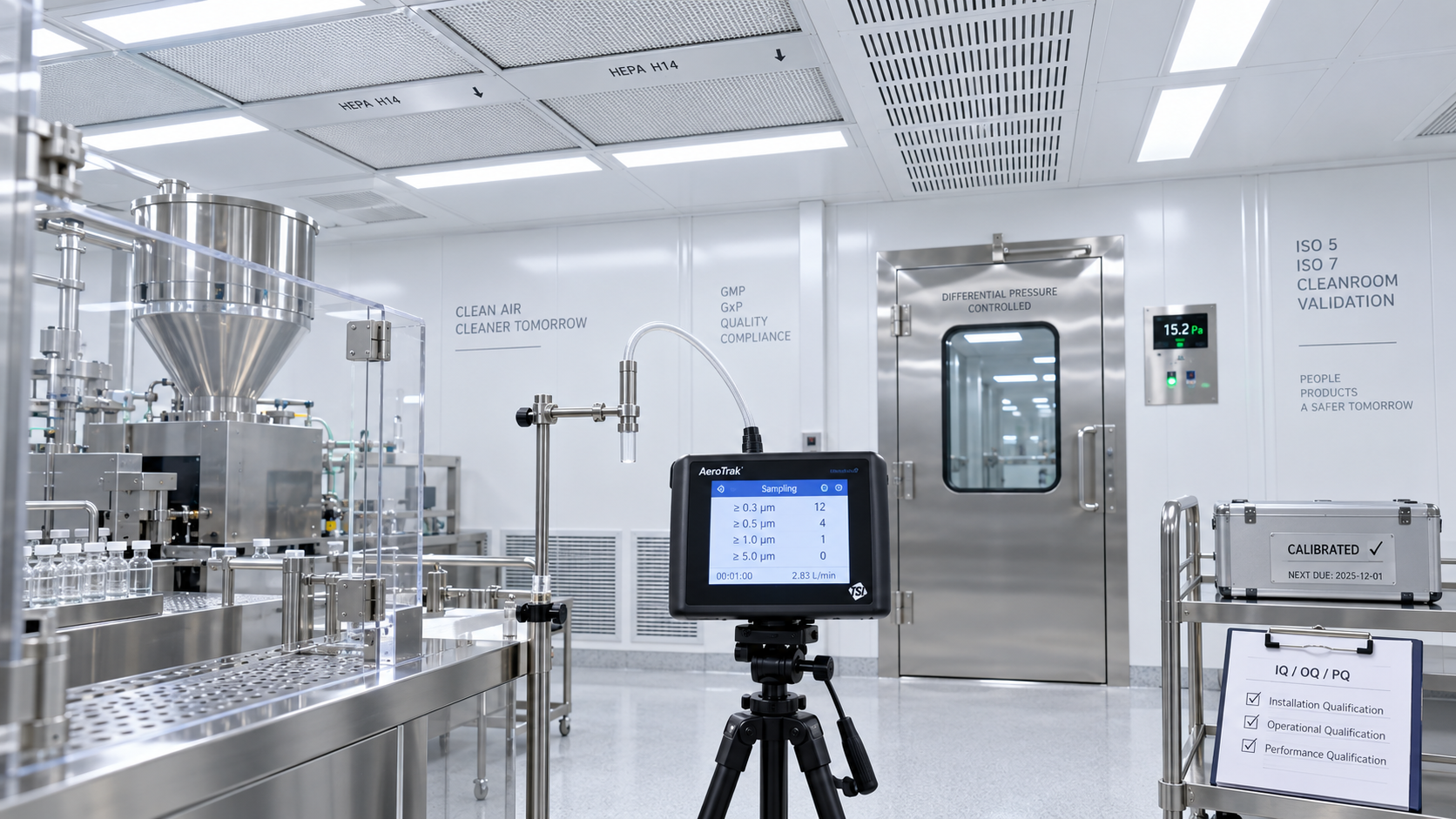
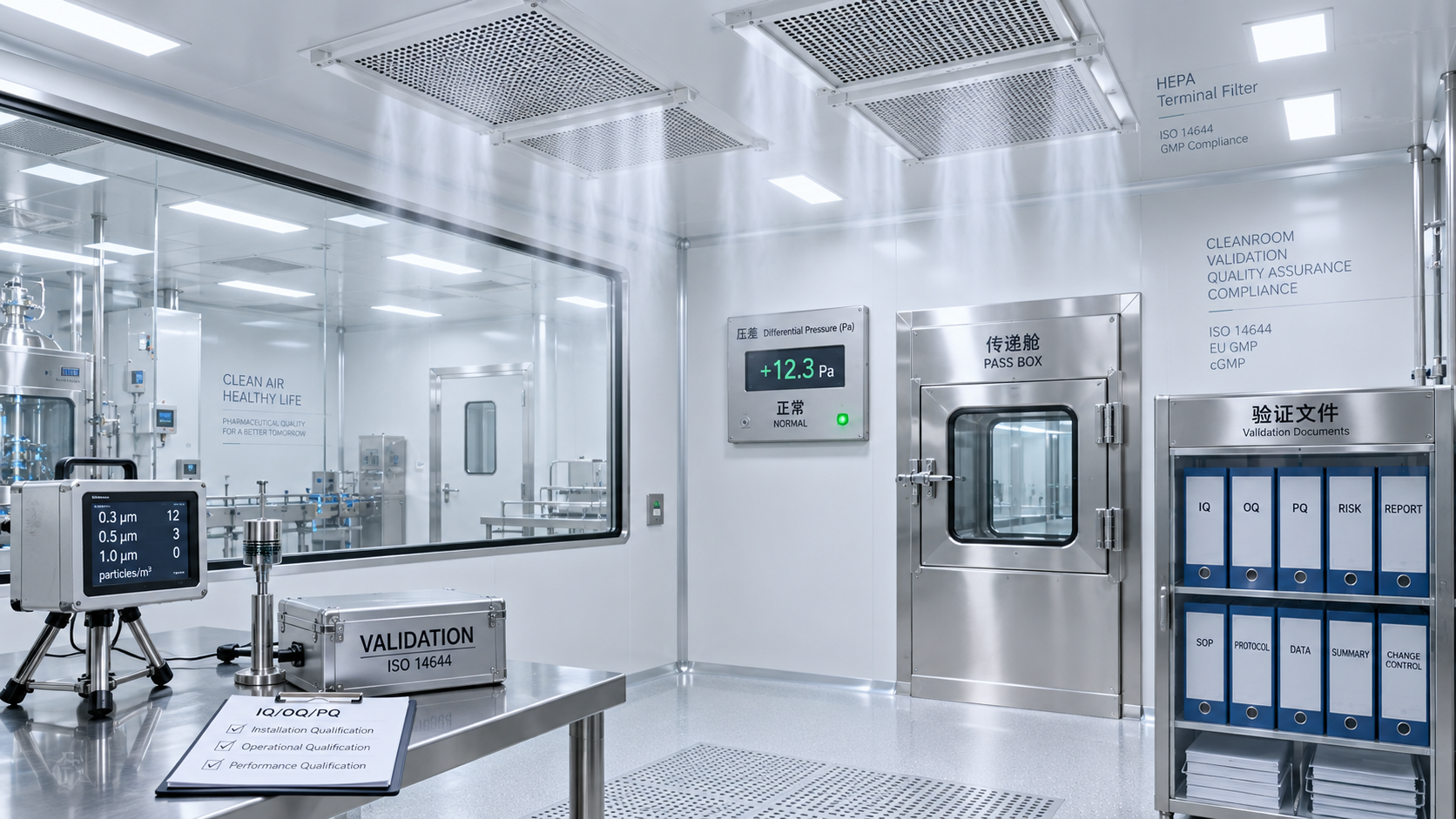
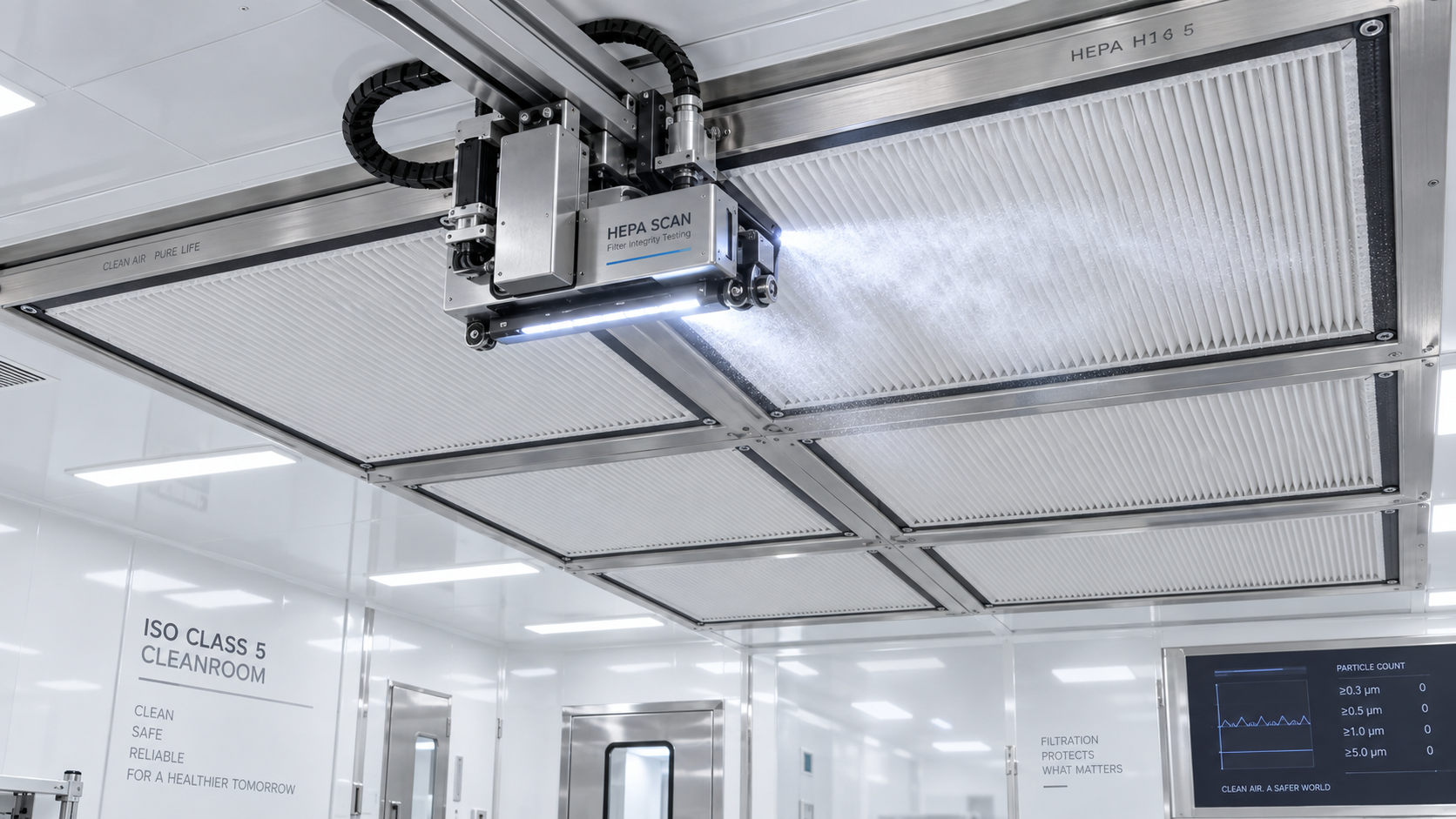
Pharmaceutical Cleanroom design failures rarely start during testing. They usually begin earlier, when layout logic, airflow assumptions, and compliance targets are set without enough operational foresight.
In today’s regulated production environment, one design mistake can trigger cascading effects across validation, energy use, expansion planning, and contamination control. That is why Pharmaceutical Cleanroom design now demands a more integrated view.
As facilities become more automated, data-driven, and audit-sensitive, design teams must align architecture, HVAC, utilities, biosafety, and digital monitoring from day one. Avoiding common errors is no longer optional. It is a strategic requirement.
Why Pharmaceutical Cleanroom design mistakes are becoming more costly
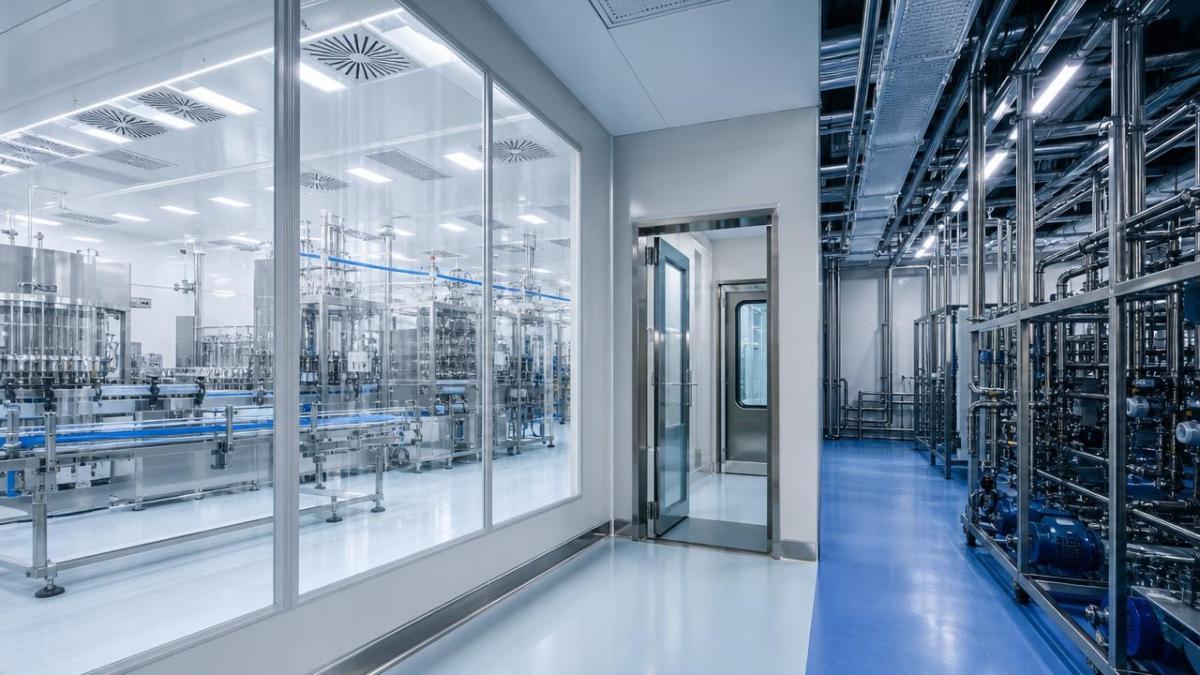
The cleanroom sector is changing quickly. Pharmaceutical plants now face tighter environmental control, stronger documentation expectations, and greater pressure to reduce lifecycle energy intensity without weakening GMP performance.
At the same time, process lines are more complex. Facilities must support sterile production, potent compounds, flexible batch sizes, and digital traceability. This makes Pharmaceutical Cleanroom design a cross-disciplinary engineering challenge.
A weak design decision can lock in years of inefficiency. Oversized air changes, poor pressure cascades, inaccessible maintenance zones, or misaligned material flows often become expensive to correct after construction.
The result is clear. Early planning quality now has a direct impact on compliance readiness, CAPEX control, OPEX stability, and future production resilience.
The strongest trend signals shaping Pharmaceutical Cleanroom design
Several industry signals explain why traditional design habits are failing. The most important shift is the move from isolated room design toward whole-facility environmental strategy.
- Regulatory reviews increasingly examine design rationale, not only final room classification.
- Flexible manufacturing requires spaces that support product changeover without contamination crossover.
- Energy and ESG targets are pressuring facilities to optimize HVAC intensity.
- Digital twins and continuous monitoring are changing how environmental risks are predicted.
- High-potency and biologic production demand stricter zoning and containment integration.
These shifts are pushing Pharmaceutical Cleanroom design away from rule-of-thumb layouts. Facilities now need evidence-based decisions tied to process risk, maintenance reality, and expansion flexibility.
Where Pharmaceutical Cleanroom design goes wrong most often
Zoning that looks correct on paper but fails in operation
One common mistake is treating zoning as a drawing exercise. Actual personnel flow, waste movement, sampling routes, and maintenance access are often underestimated.
When clean and less-clean activities overlap, room classification loses value. Pharmaceutical Cleanroom design must map real operational paths, not idealized assumptions.
Airflow strategies based on generic standards
Many projects overapply air change rates without considering process heat, occupancy, equipment geometry, and contamination generation. This creates unstable airflow and unnecessary energy consumption.
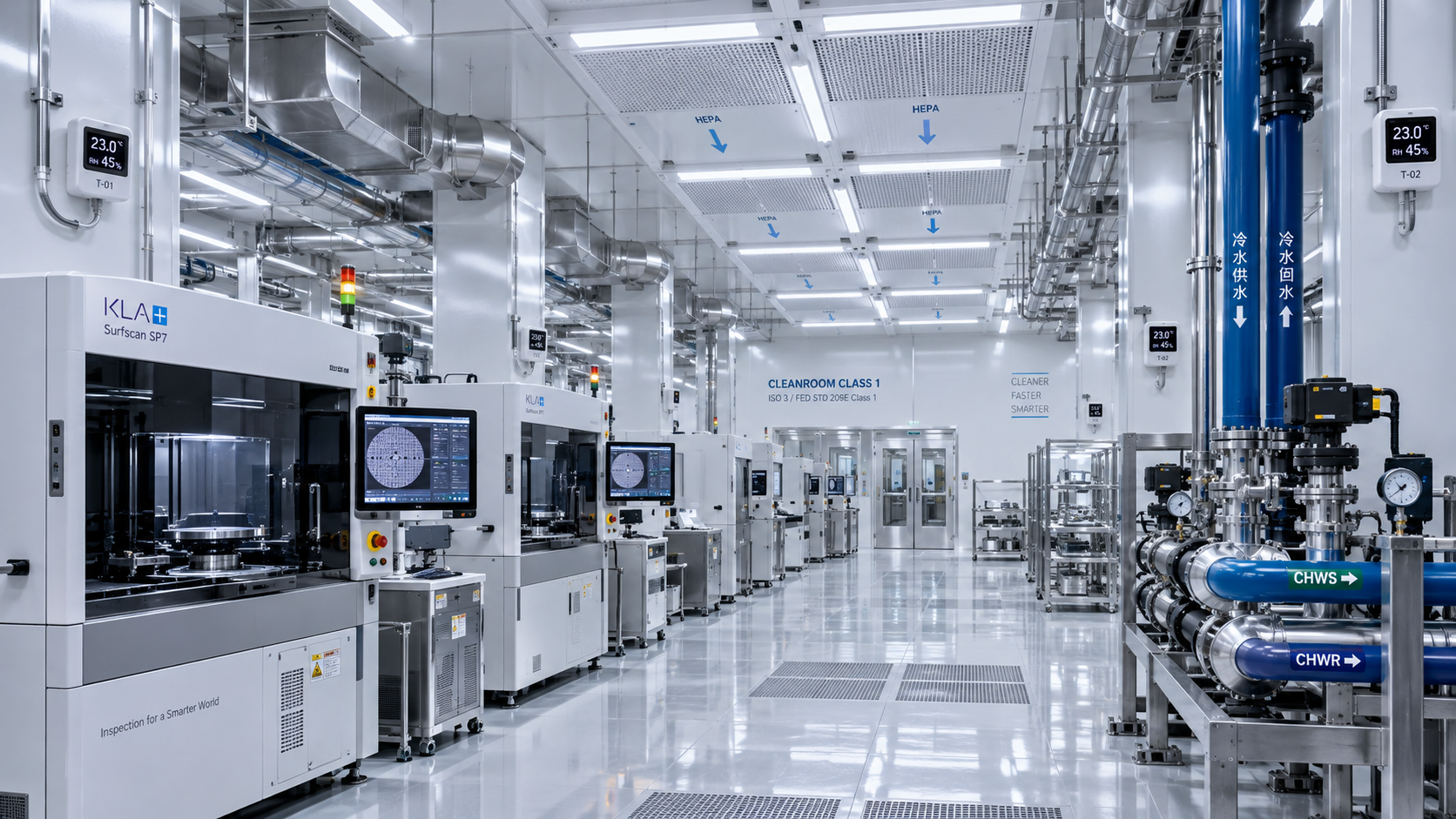
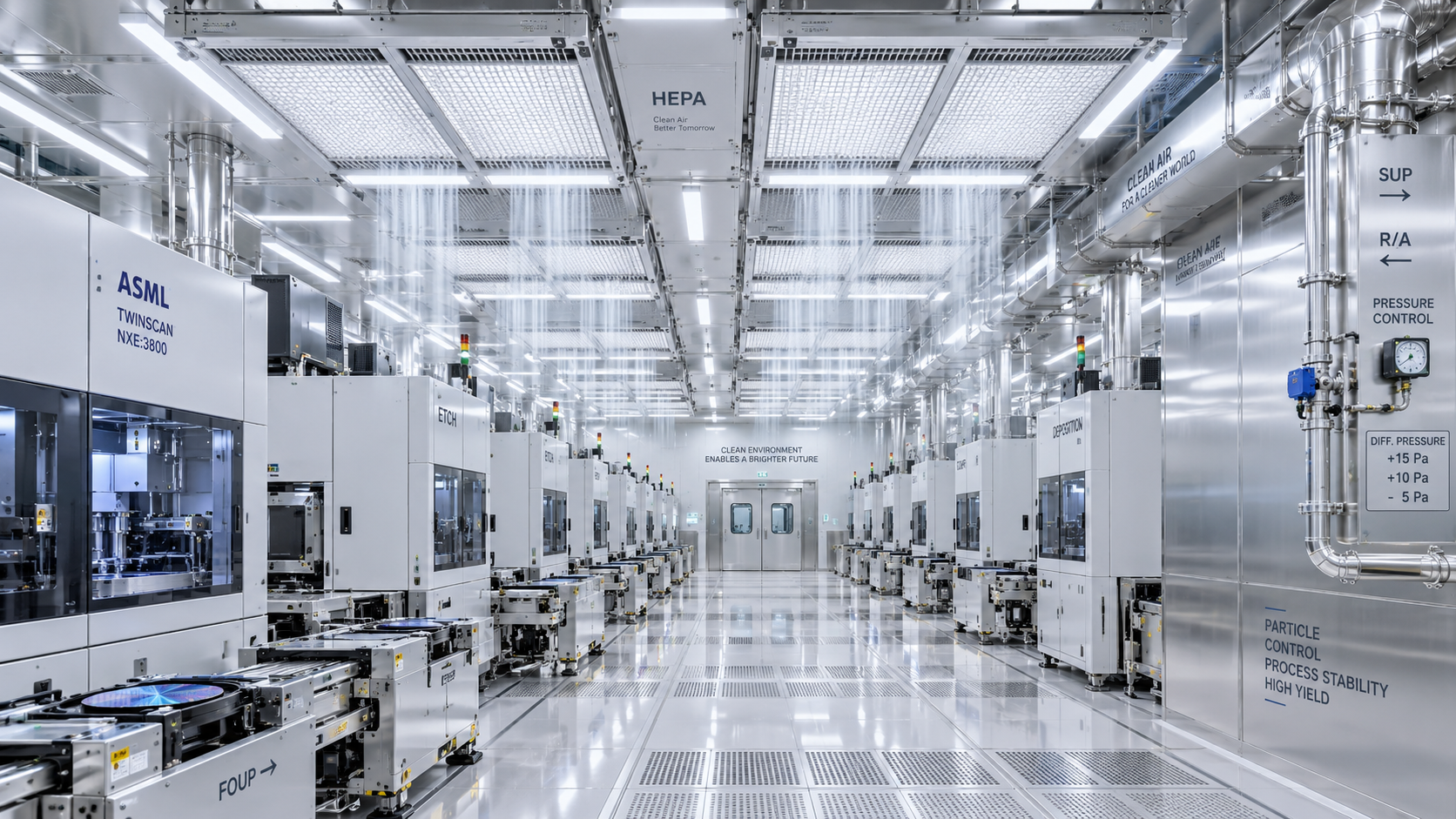
Effective Pharmaceutical Cleanroom design balances directional airflow, recovery time, filtration efficiency, and thermal comfort. More airflow is not always better airflow.
Pressure cascade designs that ignore door behavior
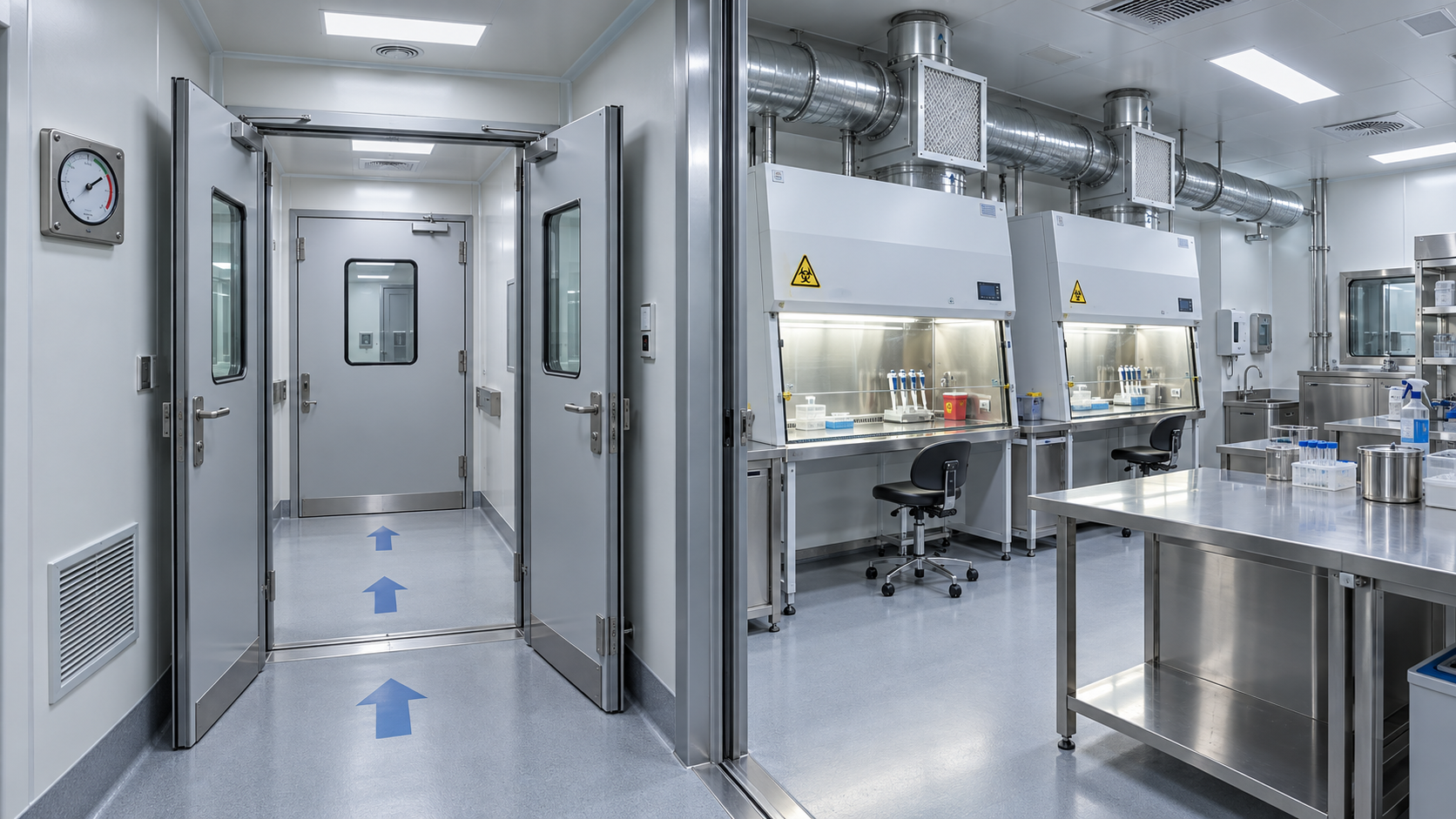
Pressure relationships often fail because teams ignore door opening frequency, transfer hatch usage, and corridor interactions. In operation, theoretical differential pressure can collapse quickly.
This problem becomes severe in high-throughput plants. Pharmaceutical Cleanroom design should model actual movement patterns before fixing pressure setpoints.
Utilities and maintenance access planned too late
Ceiling voids, service corridors, filter access, valve positions, and instrument calibration points are frequently underdesigned. The facility may pass construction yet become difficult to maintain cleanly.
Good Pharmaceutical Cleanroom design protects maintainability. If maintenance forces invasive interventions, contamination risk and downtime both rise.
Why these mistakes happen more often in modern projects
These drivers explain why Pharmaceutical Cleanroom design now benefits from integrated benchmarking. Standards knowledge alone is insufficient without operational simulation and lifecycle engineering logic.
How poor Pharmaceutical Cleanroom design affects the wider facility
The impact extends beyond the cleanroom envelope. Design weakness can disrupt process quality, building services, environmental performance, and future retrofit options across the entire industrial site.
- Validation timelines become longer because airflow and pressure balancing require repeated correction.
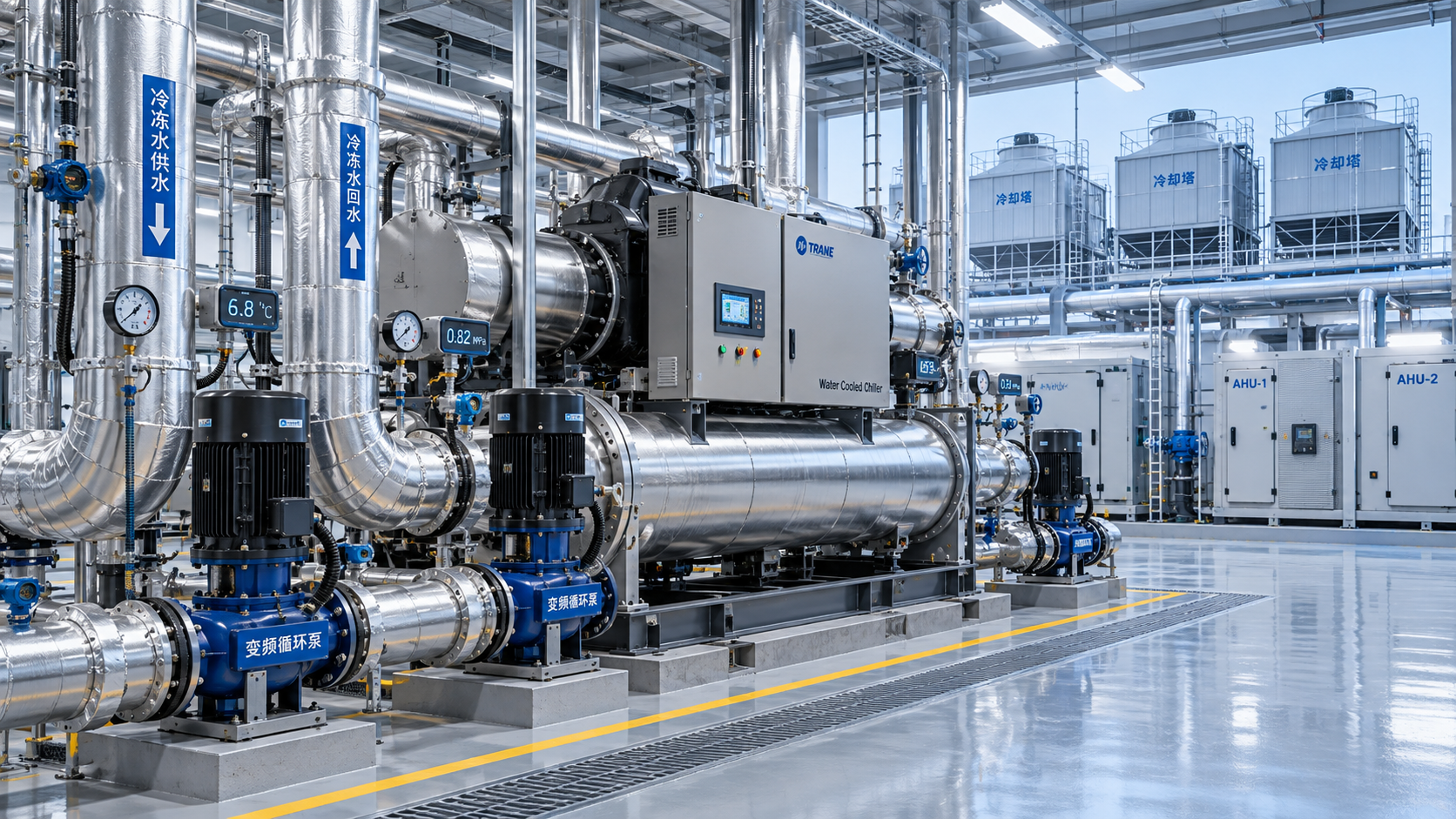
- Operating costs rise when chilled water, fan power, and reheating loads are oversized.
- Contamination events become harder to investigate without integrated monitoring architecture.
- Production changeovers become slower when zoning and cleaning routes lack flexibility.
- Expansion plans become constrained when service capacity and shell space were ignored initially.
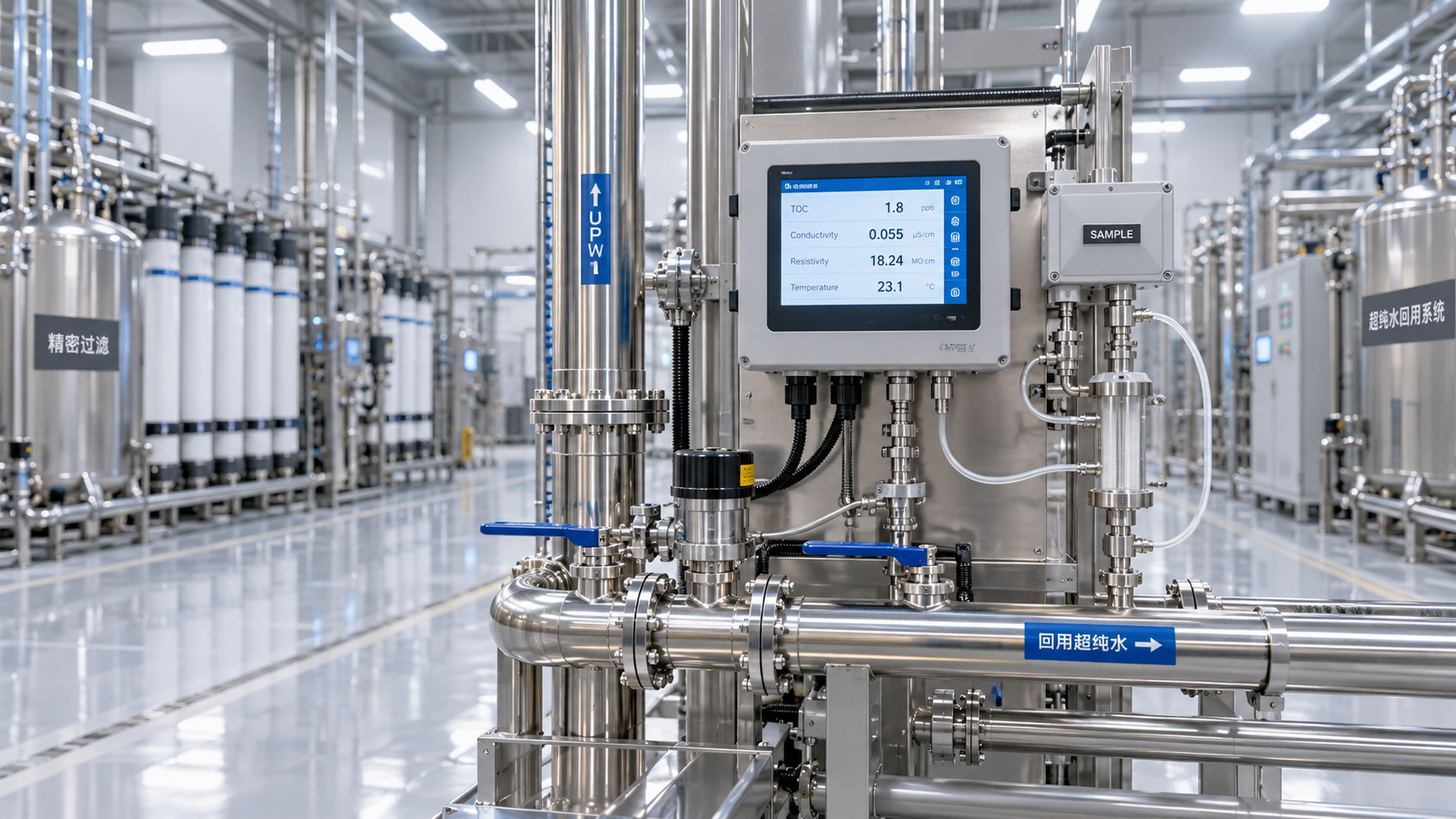
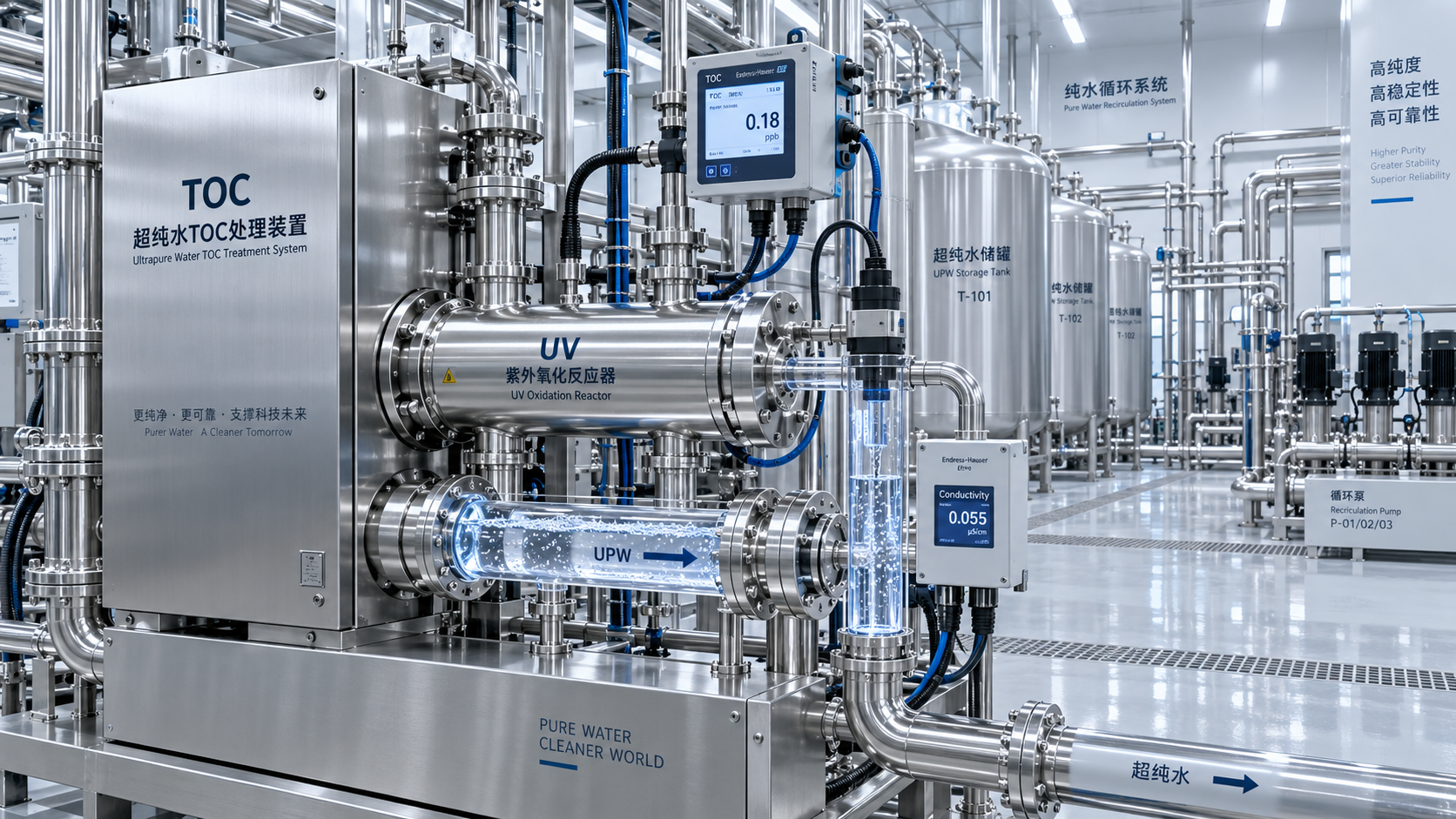
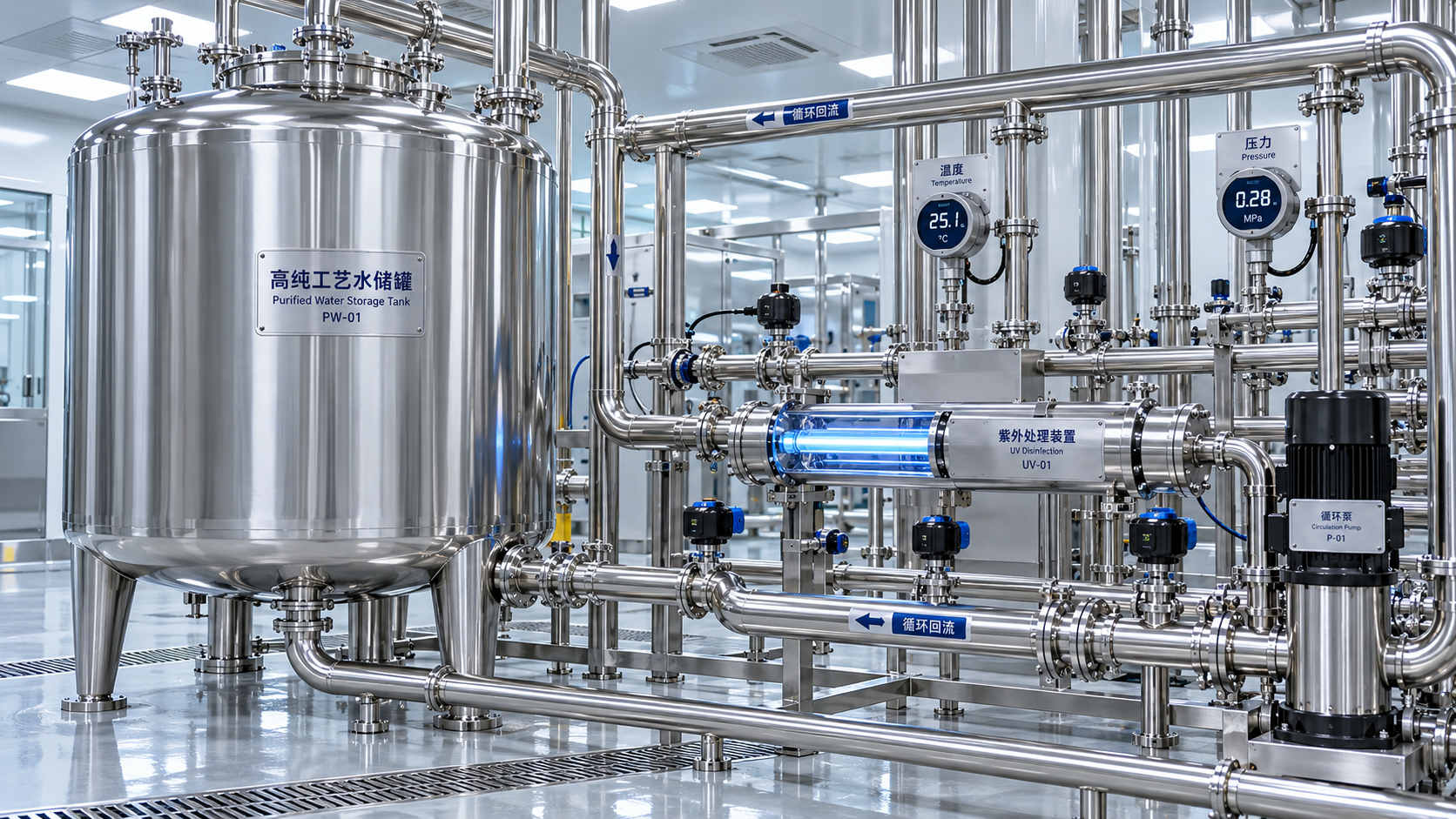
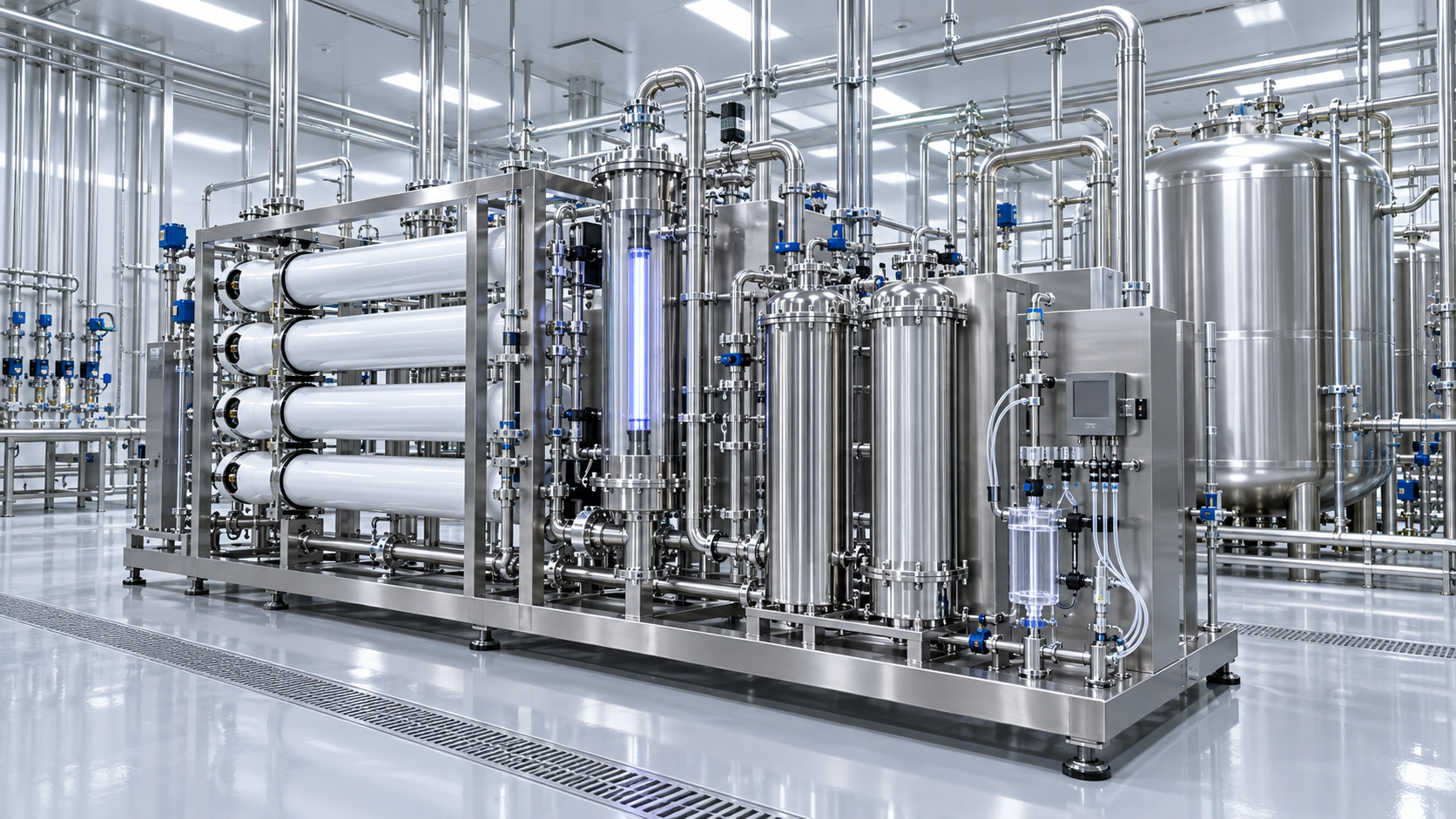
For multidisciplinary campuses, these effects ripple outward. HVAC plants, purified water systems, BMS logic, and containment strategies all depend on sound Pharmaceutical Cleanroom design assumptions.
What deserves the closest attention during planning
The most resilient projects focus on a few critical decisions early. These choices shape compliance performance and operational stability more than cosmetic layout details.
- Define contamination control strategy before fixing room boundaries.
- Link room classes to process risk, not copied precedents.
- Model personnel, material, waste, and maintenance flows separately.
- Coordinate HVAC, envelope, and process utilities as one system.
- Reserve access for filter change, calibration, and noninvasive servicing.
- Plan monitoring points where risk is dynamic, not merely convenient.
- Review future scale-up scenarios before finalizing plantroom capacity.
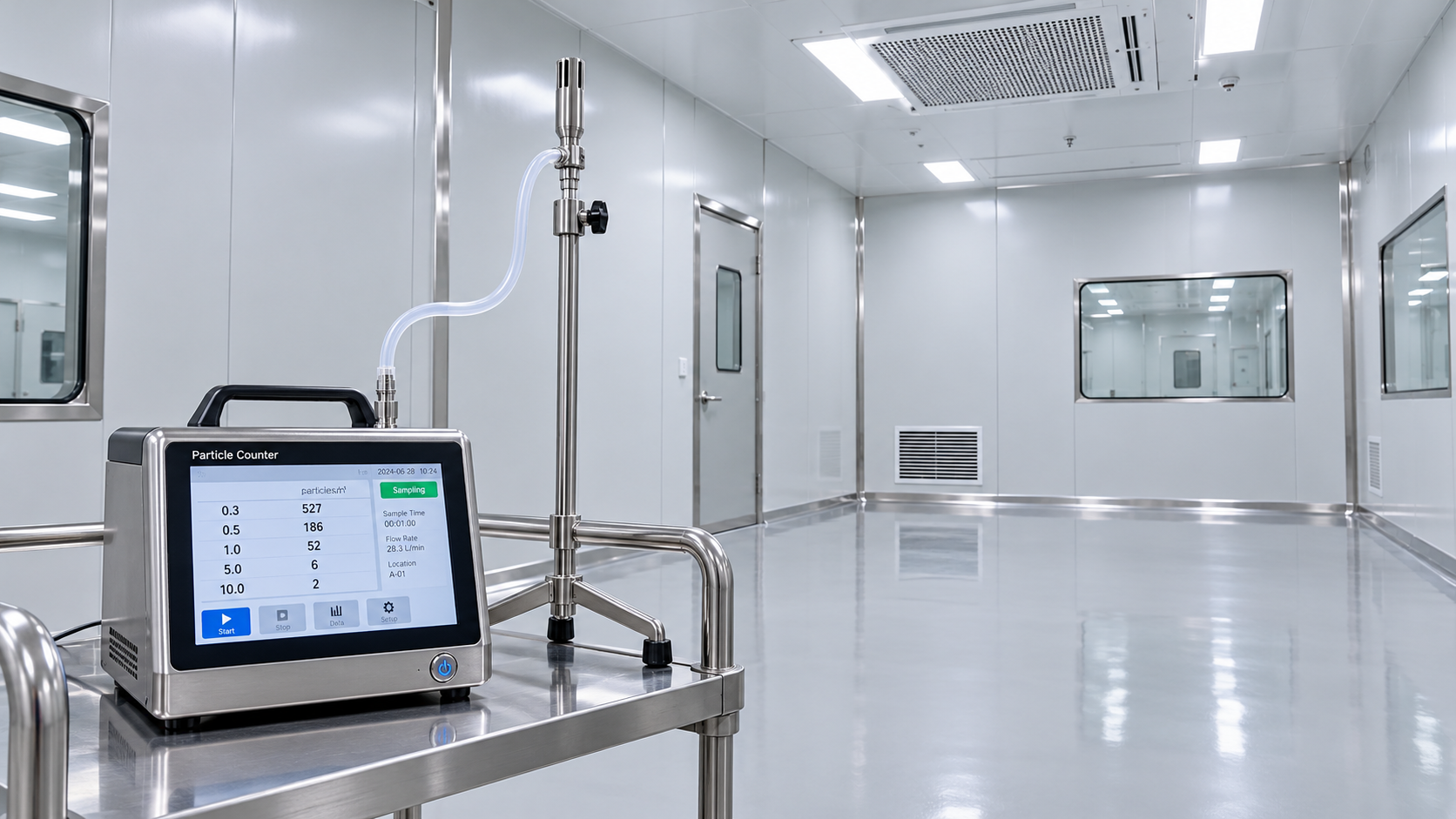
This is where advanced industrial benchmarking matters. Environmental control, thermal stability, containment, and digital supervision should be coordinated as an engineered whole.
A practical response framework for better Pharmaceutical Cleanroom design
This framework helps Pharmaceutical Cleanroom design move from static compliance thinking toward measurable lifecycle performance. That transition is becoming a competitive advantage across regulated industrial sectors.
The next step is to challenge assumptions before construction locks them in
The best time to prevent failure is before equipment procurement and construction sequencing begin. Once major infrastructure is fixed, flexibility drops and correction costs rise sharply.
A strong Pharmaceutical Cleanroom design review should compare airflow logic, containment goals, clean utility interfaces, and monitoring architecture against actual production behavior. That is where hidden weaknesses become visible.
Facilities that perform well over time are rarely the result of one perfect component. They emerge from integrated decisions across cleanroom systems, precision HVAC, process water, biosafety engineering, and smart environmental control.
If a project is still in planning, now is the right moment to test assumptions, benchmark design choices, and build a Pharmaceutical Cleanroom design strategy that is cleaner, safer, and more audit-ready from the start.
Get weekly intelligence in your inbox.
No noise. No sponsored content. Pure intelligence.
 Oct 21, 2026How often is cleanroom certification required under ISO 14644-2?Cleanroom Certification is generally recommended annually under ISO 14644-2. Learn when risk-based extensions apply and which changes trigger earlier testing to plan with confidence.
 Oct 21, 2026FASEB Comments on NIH Draft Policy for Research Involving BiohazardsFASEB comments on NIH’s draft biohazard research policy call for risk-based biosafety oversight. Explore potential implications for laboratories, suppliers, and compliance teams.
 Oct 20, 2026How to disinfect ultrasound machines without damaging surfacesLearn how to disinfect ultrasoundmachines without surface damage. Explore compatible products, wet contact times, and probe care to protect patients and equipment.
 Oct 20, 2026Ultrapure Water in Semiconductor Manufacturing: Reuse and Quality Control InsightsExplore ultrapure water reuse in semiconductor manufacturing, key UPW quality benchmarks and analytical insights to help evaluate suppliers and protect process purity.
 Oct 19, 2026How cooling affects warpage in injection-molded consumer electronics housingsOptimize plastic injection molding for consumer electronics with cooling strategies to reduce housing warpage and improve assembly fit. Discover practical checks for stable, efficient production.
 Oct 18, 2026Can air leaks prevent a dehumidifier from holding its target dew point?Why can't our dehumidifier maintain the target dew point? Discover how air leaks increase moisture loads, spot hidden faults, and find practical fixes to restore reliable dew-point control.
 Oct 17, 2026How semiconductor process water treatment removes trace organicsSee how semiconductor process water treatment removes trace organics with RO, UV oxidation, and polishing. Learn how TOC monitoring helps verify purity and pinpoint contamination.
 Oct 16, 2026How to choose ultra pure water piping materials to limit leachingChoose ultra pure water piping with confidence. Compare PVDF, PFA, and stainless steel, assess leaching risks, and learn how to qualify your system for reliable purity.
 Oct 15, 2026How to size a skid-mounted deionized water system for peak demandCompare deionized water systems skid configurations for peak demand. Learn how to balance production, storage, and pump capacity to prevent shortages and avoid costly oversizing.
 Oct 14, 2026When is collaborative laboratory robotics suitable for sample sorting?Explore when collaborative laboratory robotics suits sample sorting. Discover key checks for safety, traceability, container compatibility, and throughput before choosing your solution.
 Oct 13, 2026How sandwich panel joints affect airtightness in cleanroom systemsCleanroom Systems sandwich panels need reliable joints for airtightness. Discover how gaskets, sealants, and testing help reduce leakage and protect cleanroom pressure control.
 Oct 12, 2026How to verify USP compliance for ultra pure water systemsUltra Pure Water Systems USP compliance: learn how to verify water quality, sampling, sanitization, trends, and validation controls at every point of use.
 Oct 11, 2026How tight temperature control prevents cleanroom process driftCleanroom process temperature control systems prevent costly drift by stabilizing critical conditions, improving repeatability, and protecting sensitive production workflows.
 Oct 10, 2026When does organic contaminant removal require TOC treatment?Organic contaminant removal requires TOC treatment when dissolved organics threaten product quality, equipment reliability, or process control. Learn how to assess risks and choose the right solution.
 Oct 08, 2026What affects lead times for sheet metal bending services in Canada?Sheet metal bending services Canada: discover how material supply, tooling, tolerances, finishing, documentation, and freight affect lead times for reliable project delivery.
 Oct 07, 2026How HVAC design for semiconductor fabs prevents airborne contaminationHVAC design for semiconductor fabs prevents airborne contamination through advanced filtration, pressure cascades, airflow control, and real-time monitoring. Explore key strategies for cleaner, more reliable wafer production.
 Oct 06, 2026How photovoltaic modules waterproof technology prevents moisture damagephotovoltaic modules waterproof technology prevents moisture damage with durable seals, drainage, and junction-box protection. Explore practical selection and testing insights.
 Oct 05, 2026How ISO 14644 Europe requirements affect cleanroom qualificationISO 14644 Europe requirements shape cleanroom qualification, from particle classification and recovery testing to monitoring, GMP alignment, and change control.
 Oct 04, 2026How to assess a pharmaceutical cleanroom solutions supplier’s ISO capabilityPharmaceutical Cleanroom Solutions supplier assessment guide: evaluate ISO 14644 capability, validation evidence, airflow design, documentation, and long-term GMP readiness.
 Oct 03, 2026What EU standards govern the design of BSL-3 laboratories in Europe?BSL-3 laboratories Europe: explore EU directives, EN standards, HVAC containment, commissioning, and practical design strategies for compliant, resilient high-containment facilities.
 Oct 02, 2026How EN 1822 defines HEPA filtration efficiency for cleanroomsHEPA filtration EN 1822 explained: learn how MPPS testing, local leakage limits, and filter classes support reliable cleanroom decisions.
 Oct 01, 2026How pharmaceutical process water systems control microbial riskProcess water systems pharmaceutical teams rely on can control microbial risk through hygienic design, monitoring, and validated sanitization. Explore practical compliance strategies.
 Sep 30, 2026When does a negative pressure laboratory need BSL-3 containment?Negative pressure laboratory or BSL-3? Discover the risk factors, engineering controls, and containment requirements needed for safe, compliant laboratory planning.
 Sep 29, 2026How to evaluate a TOC-zero water treatment supplier for UPW systemsChoose a TOC-zero water treatment supplier with confidence. Compare UPW performance, monitoring, validation, materials, service capability, and lifecycle cost.
 Sep 28, 2026What drives sustainable cooling cost in high-precision facilities?Sustainable cooling cost in high-precision facilities depends on thermal stability, energy, water, controls, and resilience. Explore smarter lifecycle strategies.
 Sep 27, 2026How to compare freight forwarding services for time-critical shipmentsCompare freight forwarding services for time-critical shipments with practical insights on routing, customs, visibility, specialized handling, and contingency planning.
 Sep 26, 2026How environmental integrity in laboratories supports reliable test resultsEnvironmental Integrity in laboratories safeguards samples, instruments, and staff. Discover practical controls for contamination, monitoring, and reliable test results.