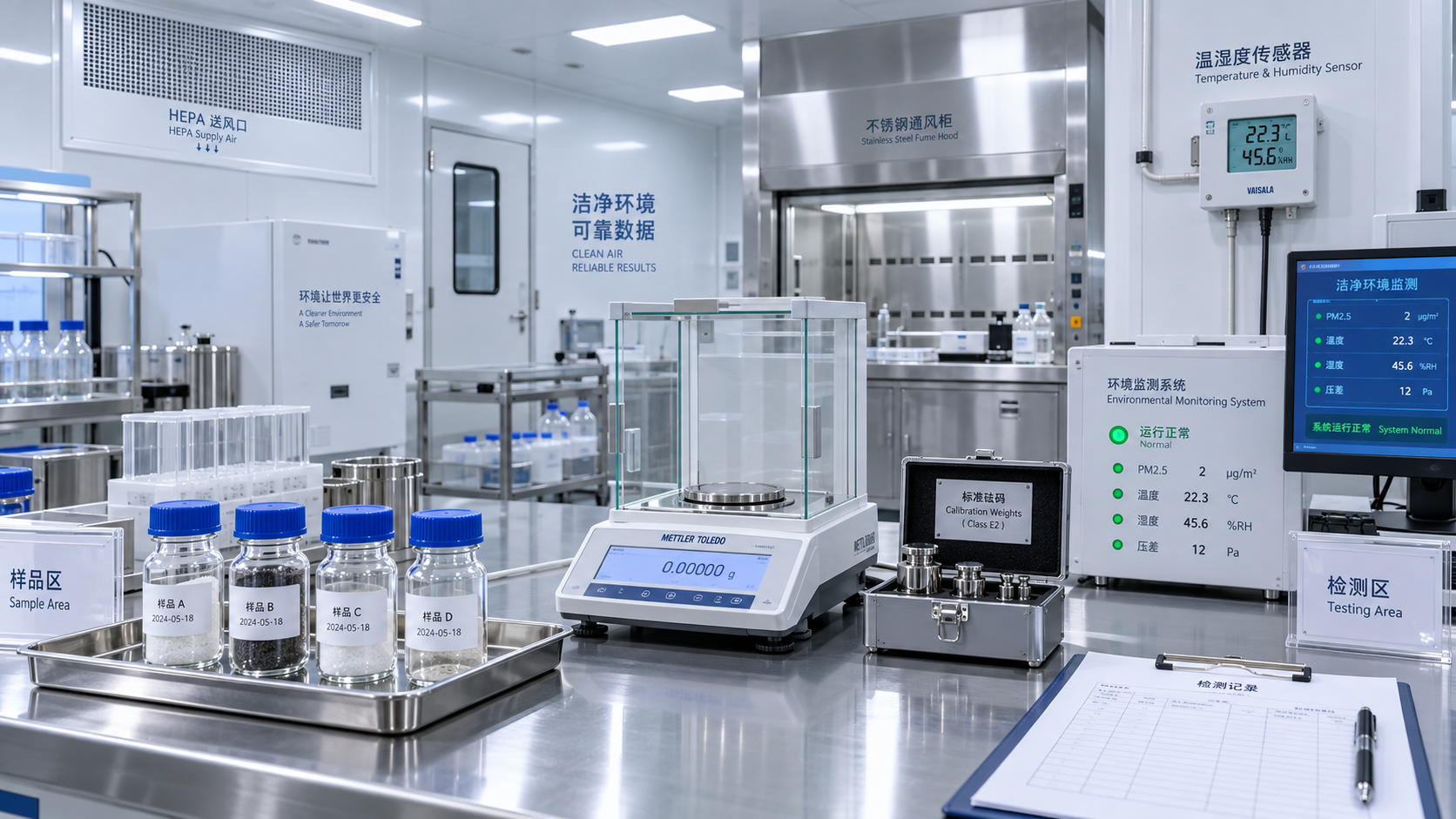
ASHRAE Standards Guidelines: Common Compliance Gaps to Watch
For quality control and safety managers in high-performance facilities, interpreting ASHRAE Standards guidelines is only the first step—closing the compliance gaps that undermine audit readiness, energy efficiency, and environmental control is the real challenge. This article highlights the most common oversights and shows how to strengthen alignment between operational practice, risk management, and evolving regulatory expectations.
Why do ASHRAE Standards guidelines still leave compliance gaps in critical facilities?
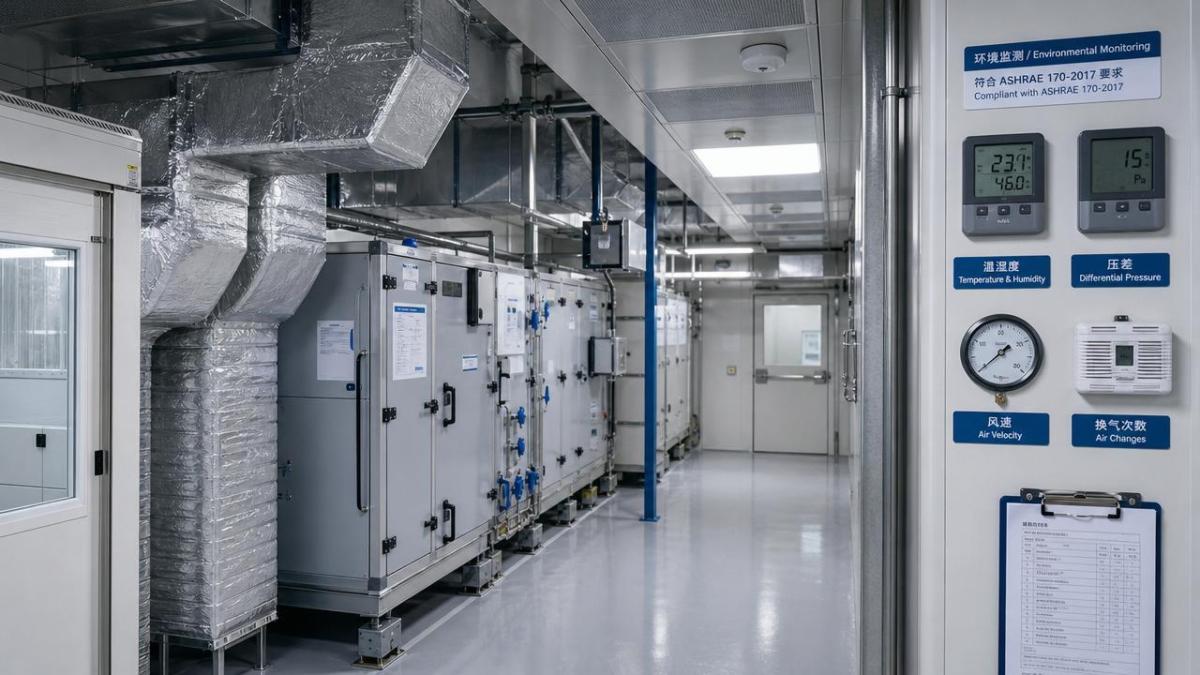
In semiconductor fabs, pharmaceutical suites, advanced laboratories, and precision manufacturing plants, compliance failure rarely comes from not knowing the standard exists. It usually comes from fragmented execution.
Quality control teams may focus on particle counts, temperature stability, and deviation logs. Safety managers may focus on containment, pressure control, emergency response, and maintenance risk. ASHRAE Standards guidelines cut across all of these areas, which is why isolated ownership often creates blind spots.
Another reason is that many sites treat ASHRAE compliance as a design-stage milestone instead of a lifecycle discipline. A system may have been correctly specified during construction, yet drift out of compliance through operational changes, deferred maintenance, retrofits, or undocumented control logic edits.
- Design intent is not translated into measurable operating limits for operators, contractors, and EHS teams.
- BMS alarms are configured, but escalation rules and corrective actions are unclear or inconsistent.
- Airflow, filtration, humidity, and pressurization are validated at handover but not trended against seasonal or process-driven loads.
- Documentation exists in separate silos, making audits slow and root-cause analysis incomplete.
For integrated industrial environments, G-ICE addresses this problem by benchmarking hardware, control strategy, and operational records together. That matters because ASHRAE Standards guidelines are not just engineering references; they shape how a facility proves environmental integrity under scrutiny.
Which compliance gaps appear most often in audits and operational reviews?
The most common compliance gaps are not always dramatic failures. Many are low-visibility issues that gradually weaken environmental control, increase energy waste, or create audit findings that could have been prevented.
The table below summarizes frequent weak points linked to ASHRAE Standards guidelines, along with their operational impact and what quality control and safety leaders should verify first.
These gaps matter because they affect both compliance evidence and day-to-day resilience. A facility can appear stable on a weekly report while still operating outside the practical intent of ASHRAE Standards guidelines during transient conditions, maintenance windows, or production surges.
Documentation gaps are often more serious than equipment gaps
Auditors and internal governance teams increasingly want traceability. If a room pressure deviation occurs, they expect to see alarm acknowledgment, impact assessment, interim controls, corrective action, and re-verification. Missing one of these steps can turn a manageable incident into a systemic finding.
G-ICE commonly sees strong mechanical systems undermined by weak data continuity between commissioning reports, maintenance logs, environmental monitoring, and change control records.
How should quality control and safety managers assess risk under ASHRAE Standards guidelines?
A practical assessment should not start with the standard document alone. It should start with the facility’s failure modes: contamination ingress, thermal drift, ventilation deficiency, moisture imbalance, unsafe maintenance, and undocumented control changes.
For mixed-use industrial sites, risk should be ranked by process sensitivity and consequence. A comfort-area deviation is not equal to a clean process bay excursion. Likewise, a brief pressure upset in a corridor does not carry the same impact as one in a containment or sterile boundary.
- Map each controlled space to its operational criticality, occupancy pattern, and contamination or safety consequence.
- Link each space to measurable environmental variables such as temperature, relative humidity, airflow, pressure differential, air change rate, and filtration stage.
- Verify whether setpoints, alarm bands, and recovery criteria reflect actual process tolerance rather than generic defaults.
- Review whether maintenance tasks can temporarily defeat compliance and whether compensating controls are defined.
- Check whether trend data is retained long enough to support investigations, audits, and seasonal performance comparison.
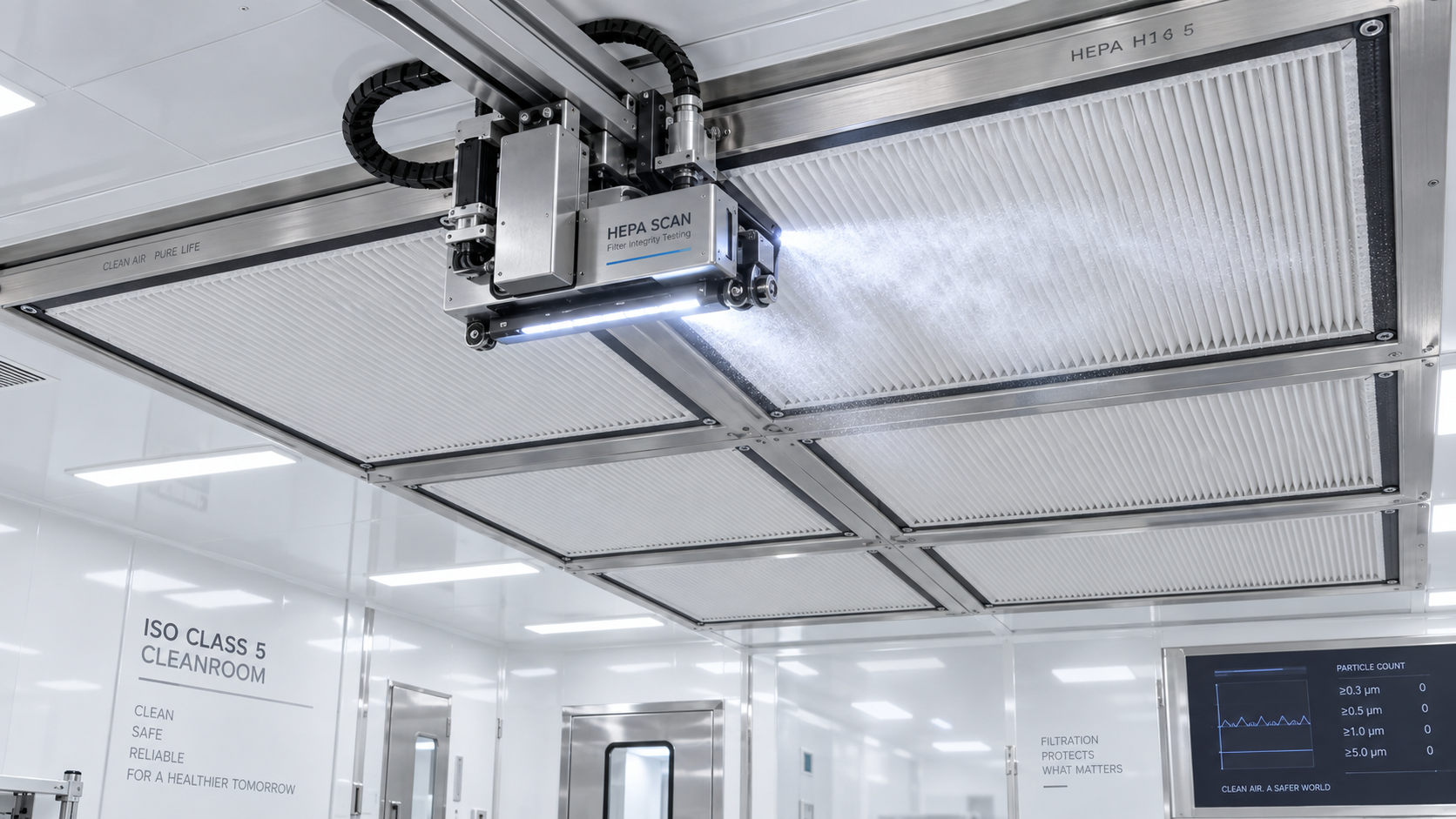
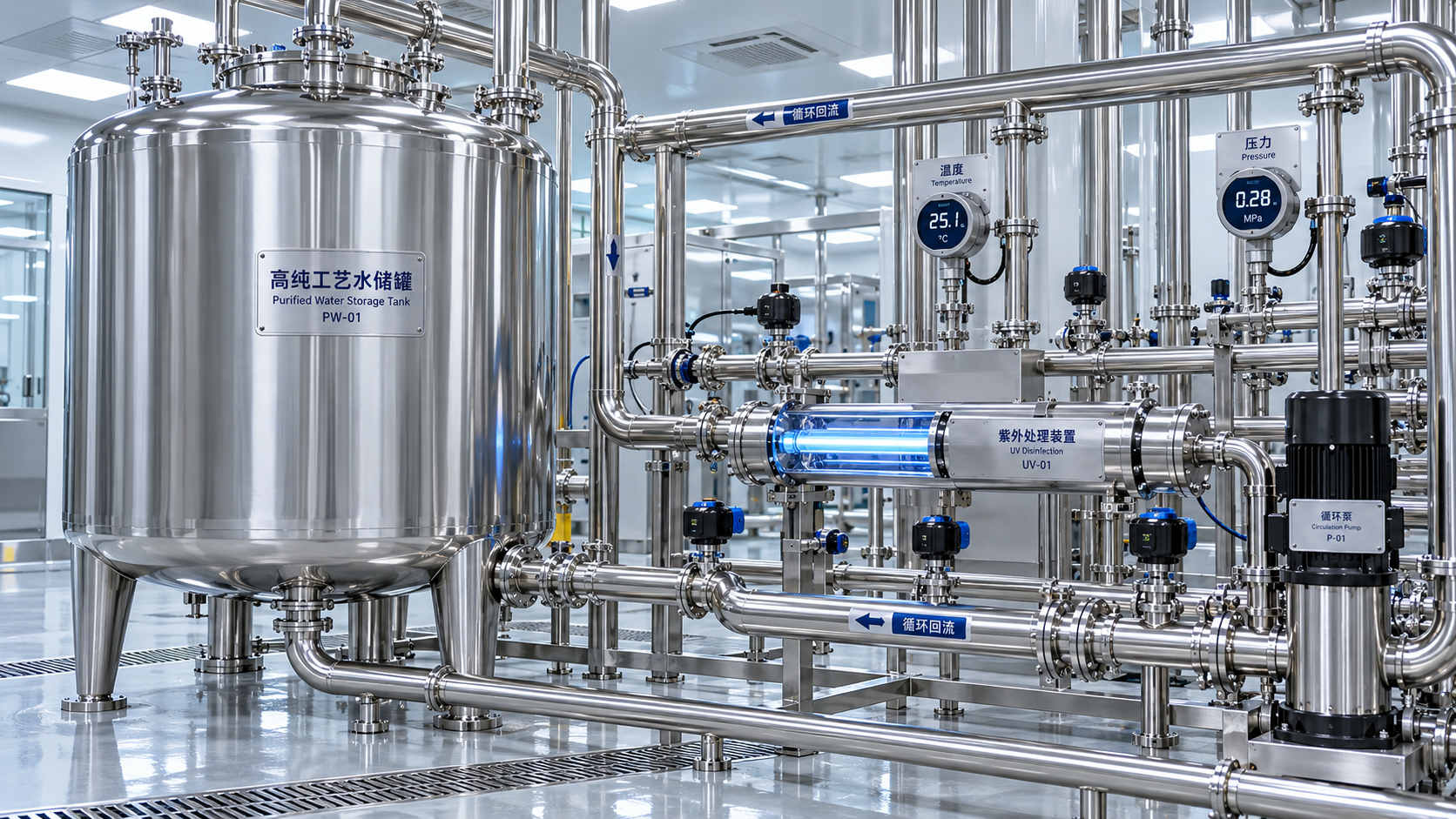
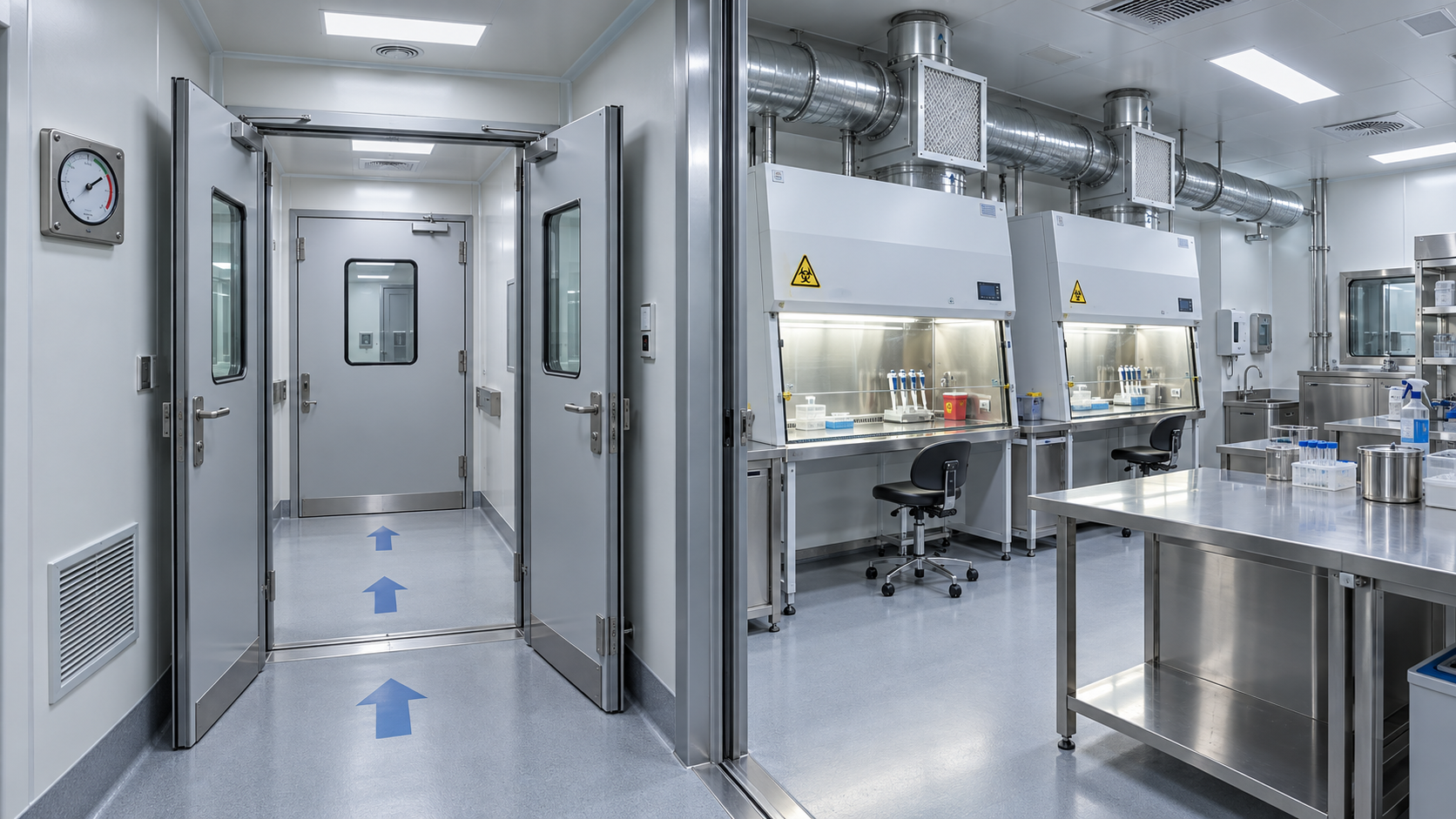
This is where G-ICE’s multidisciplinary model is especially useful. ASHRAE Standards guidelines intersect with cleanroom behavior, process fluid stability, biosafety airflow logic, and digital monitoring. A narrow HVAC-only review often misses risks created by the interaction between systems.
What should be reviewed during retrofit, expansion, or equipment replacement?
Many compliance gaps are introduced during upgrades that seem minor. A new process tool, a partition wall, a changed occupancy schedule, or a different filter supplier can alter pressure relationships, heat loads, and airflow balance enough to affect conformance.
When applying ASHRAE Standards guidelines in retrofit projects, teams should compare not only nominal specifications but also real operational compatibility. The next table provides a selection-oriented review framework.
A key lesson is that equivalent nameplate data does not guarantee equivalent compliance behavior. Procurement teams often compare first cost, while quality and safety teams need to compare control stability, documentation burden, and validation effort.
Common retrofit mistakes
- Assuming an energy-efficiency upgrade will automatically preserve room classification or containment performance.
- Replacing components one-by-one without reassessing the sequence of operations.
- Treating contractor start-up as equal to formal operational verification under critical conditions.
- Neglecting operator retraining after control interface or alarm logic changes.
How can digital monitoring reduce recurring compliance failures?
Static compliance documents cannot keep up with dynamic facilities. Continuous monitoring, alarm rationalization, and digital trend analysis are now central to making ASHRAE Standards guidelines actionable in real time.
This does not mean adding more dashboards without purpose. It means defining which data streams prove control, which alarms require action, and which deviations must trigger investigation before product quality or personnel safety is affected.
High-value monitoring points
- Differential pressure trends across room boundaries, doors, and filtration stages.
- Temperature and humidity excursion frequency, duration, and recovery time rather than daily average alone.
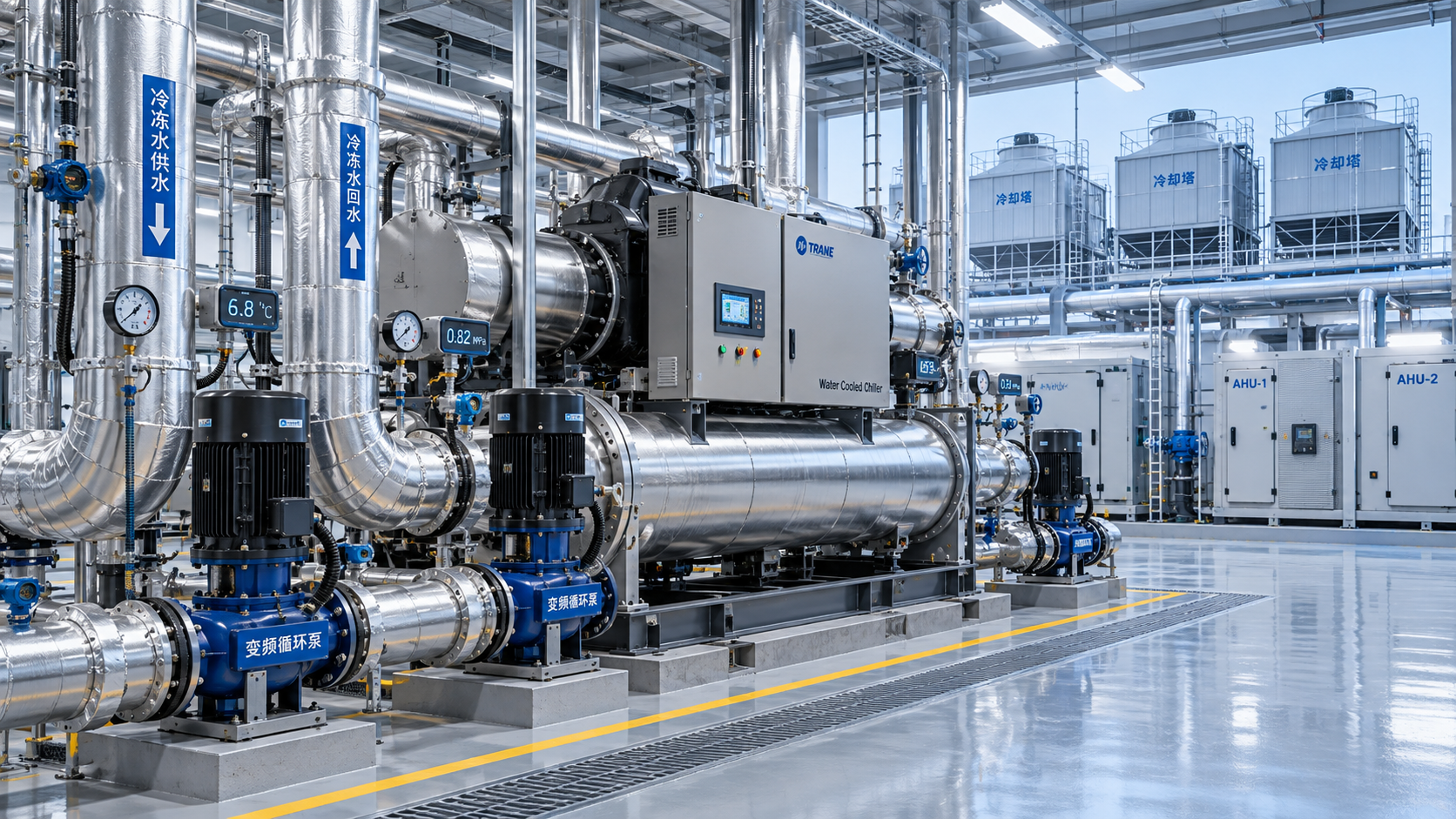
- Fan speed, damper position, valve response, and chilled water behavior during partial load.
- Maintenance-induced deviations correlated with work orders and access records.
G-ICE’s digital twin and smart environmental monitoring perspective is valuable here because it connects equipment behavior to compliance evidence. That helps teams move from reactive troubleshooting to predictive control, especially in sites where thermal precision, contamination control, and biosafety must coexist.
Which misconceptions about ASHRAE Standards guidelines cause the most trouble?
Misinterpretation creates avoidable cost and risk. The issue is not only under-compliance. Over-engineering without risk basis can also increase energy use, maintenance burden, and capital spend without improving control quality.
Frequent misconceptions
- “If the original design met the standard, the facility is still compliant.” Operational drift can invalidate that assumption.
- “Passing a point-in-time test means the system is robust.” Transient conditions often reveal the real weakness.
- “Energy optimization and compliance are competing goals.” In well-engineered systems, better control logic can support both.
- “A standard gives one universal target.” Actual interpretation depends on process risk, occupancy, room function, and related standards.
For quality control and safety managers, the practical takeaway is to treat ASHRAE Standards guidelines as a framework that must be translated into site-specific control limits, documentation logic, and intervention rules.
FAQ: what do teams most often ask before an audit or upgrade?
How often should environmental control assumptions be revalidated?
Revalidation should be event-driven as well as periodic. Trigger points include layout changes, occupancy changes, process additions, software updates, fan or filter replacement, and recurring deviation trends. Annual review may be reasonable for stable areas, but critical zones often need more frequent risk-based verification.
What is the biggest audit weakness related to ASHRAE Standards guidelines?
In many facilities, it is not a single failed parameter. It is the inability to show a coherent chain from design requirement to monitoring, alarm response, maintenance control, and documented corrective action. Auditors look for consistency, not isolated paperwork.
How can procurement avoid buying technically acceptable but operationally risky components?
Use evaluation criteria that include calibration traceability, control compatibility, maintenance access, pressure-drop implications, software validation needs, and recovery performance after disturbances. Low purchase price can become high compliance cost if validation and rework are underestimated.
Are ASHRAE Standards guidelines enough on their own for cleanrooms and high-risk labs?
Usually no. They should be read together with other applicable frameworks such as ISO 14644, biosafety requirements, corporate EHS procedures, and process-specific protocols. G-ICE works across these interfaces because environmental control performance cannot be judged in isolation.
Why choose us when compliance pressure, uptime risk, and technical complexity all converge?
G-ICE supports quality control and safety managers who need more than generic HVAC advice. Our strength is cross-benchmarking critical environmental systems against operational risk, not reviewing standards in isolation.
We can help you assess whether your current setup aligns with ASHRAE Standards guidelines across cleanroom airflow, thermal management, containment logic, process utility interaction, and digital monitoring practices.
- Parameter confirmation for temperature, humidity, pressure, ventilation, and monitoring thresholds.
- Selection support for sensors, filtration strategy, air-side upgrades, and control architecture review.
- Gap assessment before audit, expansion, retrofit, or handover of a critical facility area.
- Discussion of delivery planning, validation scope, documentation expectations, and phased implementation constraints.
- Custom solution review for facilities balancing contamination control, biosafety, thermal precision, and ESG performance.
If your team is preparing for an audit, comparing upgrade paths, or trying to reduce recurring deviations, contact us with your room type, environmental targets, monitoring architecture, and current pain points. We can help you structure a more defensible, practical path to compliance.
Get weekly intelligence in your inbox.
No noise. No sponsored content. Pure intelligence.
 Oct 21, 2026How often is cleanroom certification required under ISO 14644-2?Cleanroom Certification is generally recommended annually under ISO 14644-2. Learn when risk-based extensions apply and which changes trigger earlier testing to plan with confidence.
 Oct 21, 2026FASEB Comments on NIH Draft Policy for Research Involving BiohazardsFASEB comments on NIH’s draft biohazard research policy call for risk-based biosafety oversight. Explore potential implications for laboratories, suppliers, and compliance teams.
 Oct 20, 2026How to disinfect ultrasound machines without damaging surfacesLearn how to disinfect ultrasoundmachines without surface damage. Explore compatible products, wet contact times, and probe care to protect patients and equipment.
 Oct 20, 2026Ultrapure Water in Semiconductor Manufacturing: Reuse and Quality Control InsightsExplore ultrapure water reuse in semiconductor manufacturing, key UPW quality benchmarks and analytical insights to help evaluate suppliers and protect process purity.
 Oct 19, 2026How cooling affects warpage in injection-molded consumer electronics housingsOptimize plastic injection molding for consumer electronics with cooling strategies to reduce housing warpage and improve assembly fit. Discover practical checks for stable, efficient production.
 Oct 18, 2026Can air leaks prevent a dehumidifier from holding its target dew point?Why can't our dehumidifier maintain the target dew point? Discover how air leaks increase moisture loads, spot hidden faults, and find practical fixes to restore reliable dew-point control.
 Oct 17, 2026How semiconductor process water treatment removes trace organicsSee how semiconductor process water treatment removes trace organics with RO, UV oxidation, and polishing. Learn how TOC monitoring helps verify purity and pinpoint contamination.
 Oct 16, 2026How to choose ultra pure water piping materials to limit leachingChoose ultra pure water piping with confidence. Compare PVDF, PFA, and stainless steel, assess leaching risks, and learn how to qualify your system for reliable purity.
 Oct 15, 2026How to size a skid-mounted deionized water system for peak demandCompare deionized water systems skid configurations for peak demand. Learn how to balance production, storage, and pump capacity to prevent shortages and avoid costly oversizing.
 Oct 14, 2026When is collaborative laboratory robotics suitable for sample sorting?Explore when collaborative laboratory robotics suits sample sorting. Discover key checks for safety, traceability, container compatibility, and throughput before choosing your solution.
 Oct 13, 2026How sandwich panel joints affect airtightness in cleanroom systemsCleanroom Systems sandwich panels need reliable joints for airtightness. Discover how gaskets, sealants, and testing help reduce leakage and protect cleanroom pressure control.
 Oct 12, 2026How to verify USP compliance for ultra pure water systemsUltra Pure Water Systems USP compliance: learn how to verify water quality, sampling, sanitization, trends, and validation controls at every point of use.
 Oct 11, 2026How tight temperature control prevents cleanroom process driftCleanroom process temperature control systems prevent costly drift by stabilizing critical conditions, improving repeatability, and protecting sensitive production workflows.
 Oct 10, 2026When does organic contaminant removal require TOC treatment?Organic contaminant removal requires TOC treatment when dissolved organics threaten product quality, equipment reliability, or process control. Learn how to assess risks and choose the right solution.
 Oct 08, 2026What affects lead times for sheet metal bending services in Canada?Sheet metal bending services Canada: discover how material supply, tooling, tolerances, finishing, documentation, and freight affect lead times for reliable project delivery.
 Oct 07, 2026How HVAC design for semiconductor fabs prevents airborne contaminationHVAC design for semiconductor fabs prevents airborne contamination through advanced filtration, pressure cascades, airflow control, and real-time monitoring. Explore key strategies for cleaner, more reliable wafer production.
 Oct 06, 2026How photovoltaic modules waterproof technology prevents moisture damagephotovoltaic modules waterproof technology prevents moisture damage with durable seals, drainage, and junction-box protection. Explore practical selection and testing insights.
 Oct 05, 2026How ISO 14644 Europe requirements affect cleanroom qualificationISO 14644 Europe requirements shape cleanroom qualification, from particle classification and recovery testing to monitoring, GMP alignment, and change control.
 Oct 04, 2026How to assess a pharmaceutical cleanroom solutions supplier’s ISO capabilityPharmaceutical Cleanroom Solutions supplier assessment guide: evaluate ISO 14644 capability, validation evidence, airflow design, documentation, and long-term GMP readiness.
 Oct 03, 2026What EU standards govern the design of BSL-3 laboratories in Europe?BSL-3 laboratories Europe: explore EU directives, EN standards, HVAC containment, commissioning, and practical design strategies for compliant, resilient high-containment facilities.
 Oct 02, 2026How EN 1822 defines HEPA filtration efficiency for cleanroomsHEPA filtration EN 1822 explained: learn how MPPS testing, local leakage limits, and filter classes support reliable cleanroom decisions.
 Oct 01, 2026How pharmaceutical process water systems control microbial riskProcess water systems pharmaceutical teams rely on can control microbial risk through hygienic design, monitoring, and validated sanitization. Explore practical compliance strategies.
 Sep 30, 2026When does a negative pressure laboratory need BSL-3 containment?Negative pressure laboratory or BSL-3? Discover the risk factors, engineering controls, and containment requirements needed for safe, compliant laboratory planning.
 Sep 29, 2026How to evaluate a TOC-zero water treatment supplier for UPW systemsChoose a TOC-zero water treatment supplier with confidence. Compare UPW performance, monitoring, validation, materials, service capability, and lifecycle cost.
 Sep 28, 2026What drives sustainable cooling cost in high-precision facilities?Sustainable cooling cost in high-precision facilities depends on thermal stability, energy, water, controls, and resilience. Explore smarter lifecycle strategies.
 Sep 27, 2026How to compare freight forwarding services for time-critical shipmentsCompare freight forwarding services for time-critical shipments with practical insights on routing, customs, visibility, specialized handling, and contingency planning.
 Sep 26, 2026How environmental integrity in laboratories supports reliable test resultsEnvironmental Integrity in laboratories safeguards samples, instruments, and staff. Discover practical controls for contamination, monitoring, and reliable test results.