Contamination Control Strategies for Stable Yield in Cleanrooms
For quality and safety leaders, stable cleanroom yield depends on more than filtration alone. Effective contamination control strategies combine airflow design, behavior protocols, pressure management, and real-time monitoring to reduce particle risks, protect compliance, and sustain process consistency. This article outlines practical approaches that help high-performance facilities minimize invisible threats while improving operational reliability.
The core search intent behind this topic is practical and decision-oriented. Readers are not looking for a generic definition of contamination control. They want to understand which strategies most directly protect yield, reduce deviations, and support compliance in real operating cleanrooms.
For quality control and safety managers, the main concern is simple: how to keep contamination events from disrupting production, causing investigations, or triggering audit findings. Their focus is on stable results, measurable risk reduction, and methods that can be implemented consistently across people, equipment, and processes.
The most useful content for this audience includes risk-based priorities, common failure points, monitoring methods, staff discipline, pressure and airflow control, and ways to connect environmental performance with product quality outcomes. Broad theory matters less than actionable judgment and operational clarity.
That means the article should emphasize contamination pathways, control hierarchy, daily management practices, and indicators that signal loss of control early. It should de-emphasize broad textbook explanations and instead show how contamination control strategies support stable yield under real production pressure.
Why Stable Yield Depends on More Than High-Efficiency Filtration
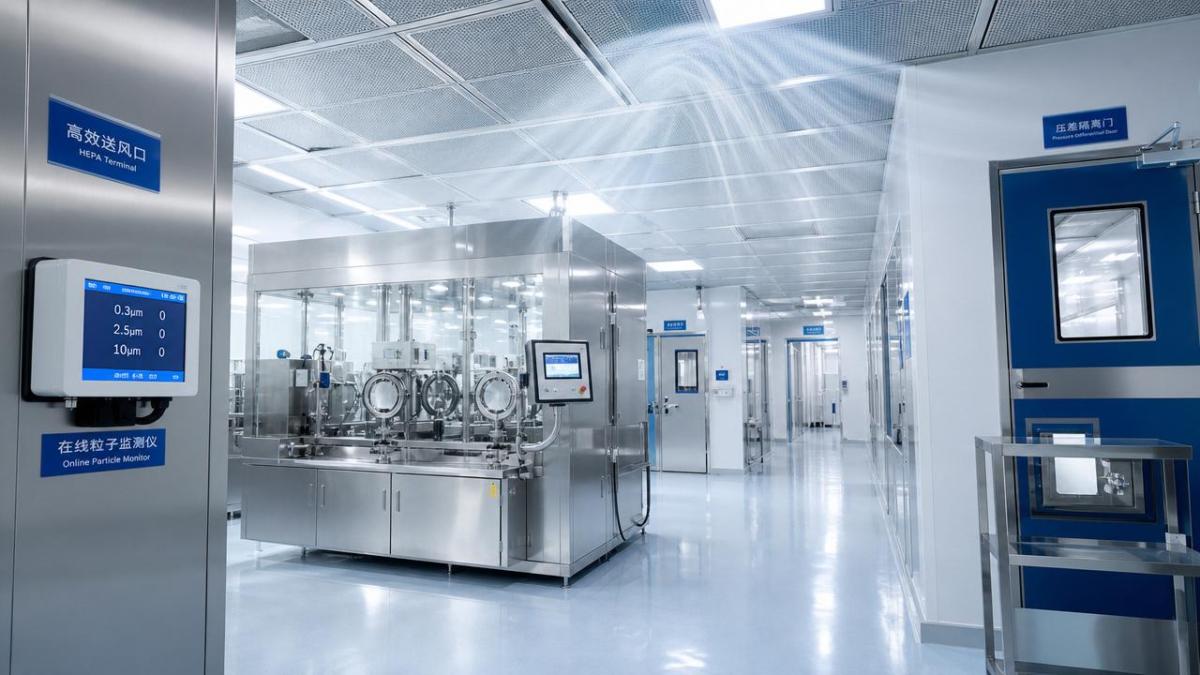
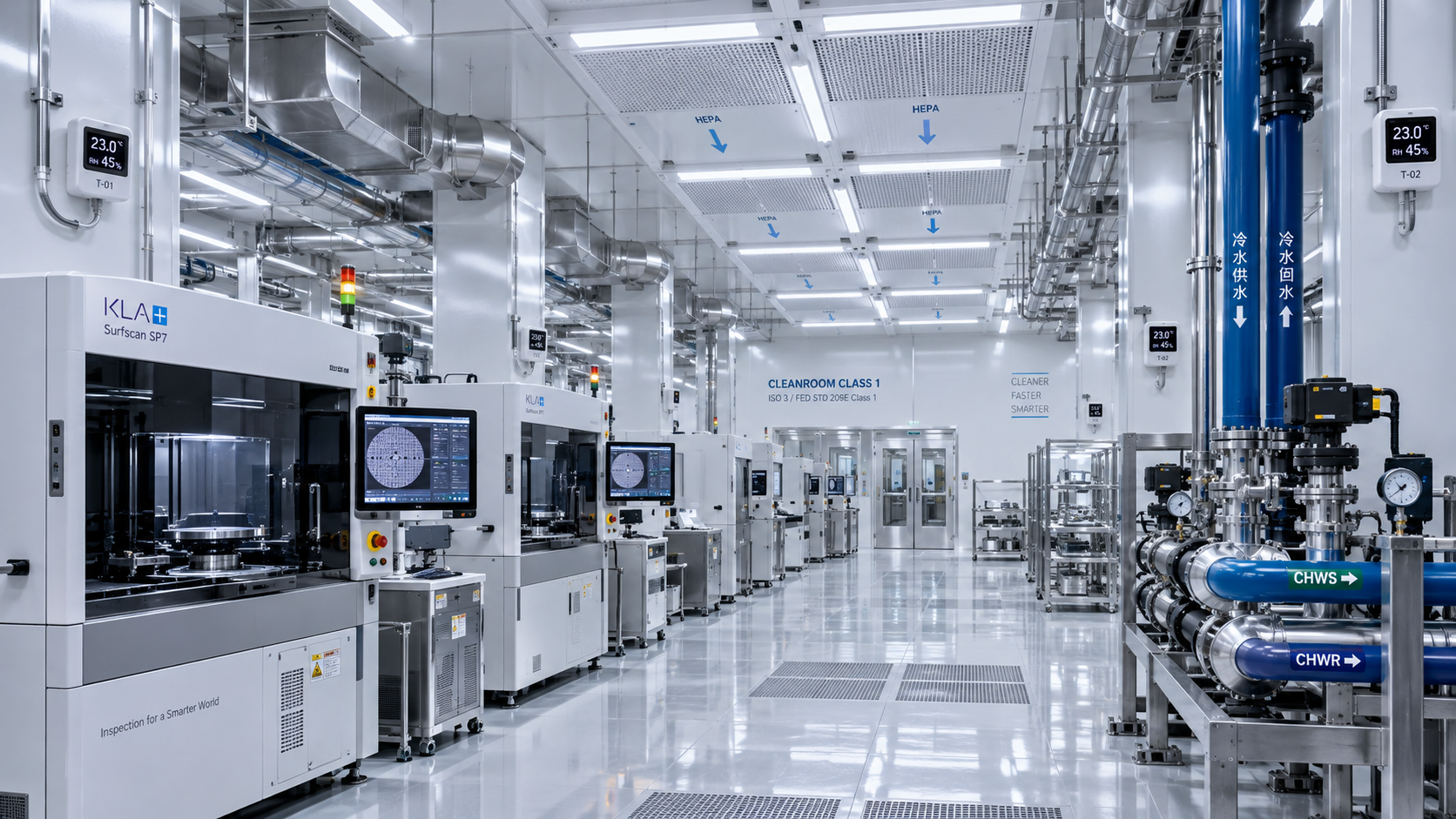
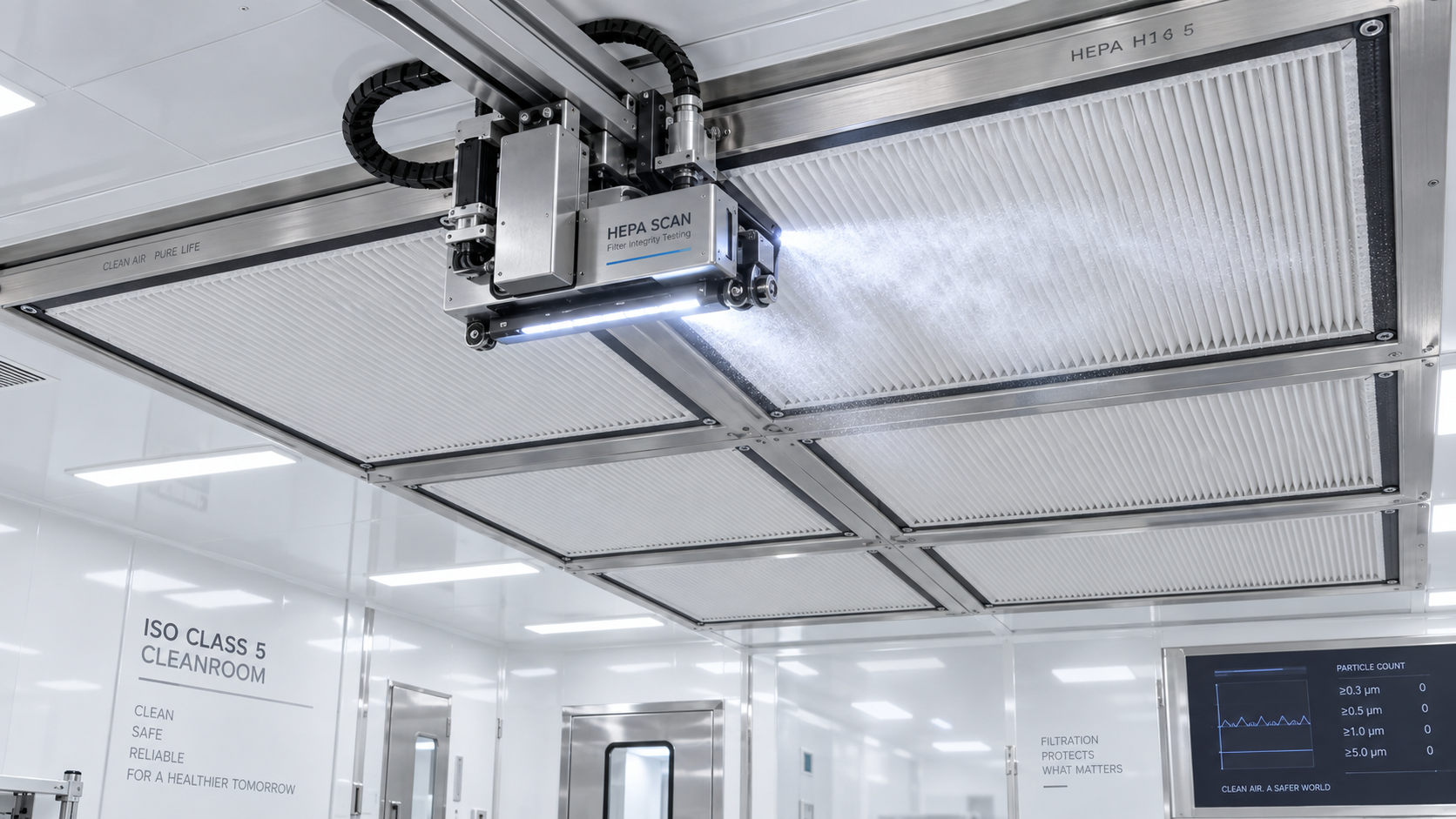
Many facilities assume that if HEPA or ULPA filtration is performing to specification, contamination risk is already controlled. In practice, filtration is only one barrier. Yield instability often comes from interactions between airflow, personnel movement, process emissions, material flow, and maintenance conditions.
Particles do not need a catastrophic event to affect product quality. Small, repeated disturbances can create localized contamination spikes at critical points. In semiconductor, pharmaceutical, and advanced assembly environments, those spikes may not be obvious immediately, but they can still damage process consistency.
For quality and safety teams, this means contamination control strategies should be built around the complete contamination journey. The key question is not only how particles are removed, but how they are generated, transported, deposited, detected, and prevented from reaching critical operations.
A useful mindset is to separate background cleanliness from point-of-use cleanliness. A room may meet classification during formal testing and still fail to protect yield at the exact tool, line, or filling zone that matters most. Stable yield depends on controlling the microenvironment where exposure occurs.
What Quality and Safety Managers Should Prioritize First
When resources are limited, the best starting point is a risk-based map of the contamination sources most likely to affect product or process quality. This is more effective than trying to improve every cleanroom variable at the same time.
First, identify the highest-value or highest-sensitivity operations. These are usually open-product steps, wafer handling points, aseptic interventions, precision coating zones, or any process with low tolerance for particulates, microbes, or chemical residues.
Second, trace the likely contamination contributors around those steps. Common contributors include operator behavior, gowning failures, door opening frequency, poor material staging, unsealed equipment interfaces, maintenance activities, vibration-driven particle release, and insufficient pressure separation between adjacent spaces.
Third, define which contributors can be controlled procedurally, which require engineering changes, and which require monitoring upgrades. This prioritization helps quality leaders avoid overspending on capital improvements when a behavior or workflow correction could solve the issue faster.
In many facilities, the fastest gains come from improving discipline around movement patterns, transfer methods, cleaning sequence, and intervention control. These measures are often undervalued because they appear basic, yet they directly influence contamination generation and transport.
The Most Common Failure Paths in Cleanroom Contamination Control
Effective contamination control strategies begin with understanding failure paths. These are the recurring mechanisms through which an otherwise compliant cleanroom loses control during routine operation, not just during unusual incidents.
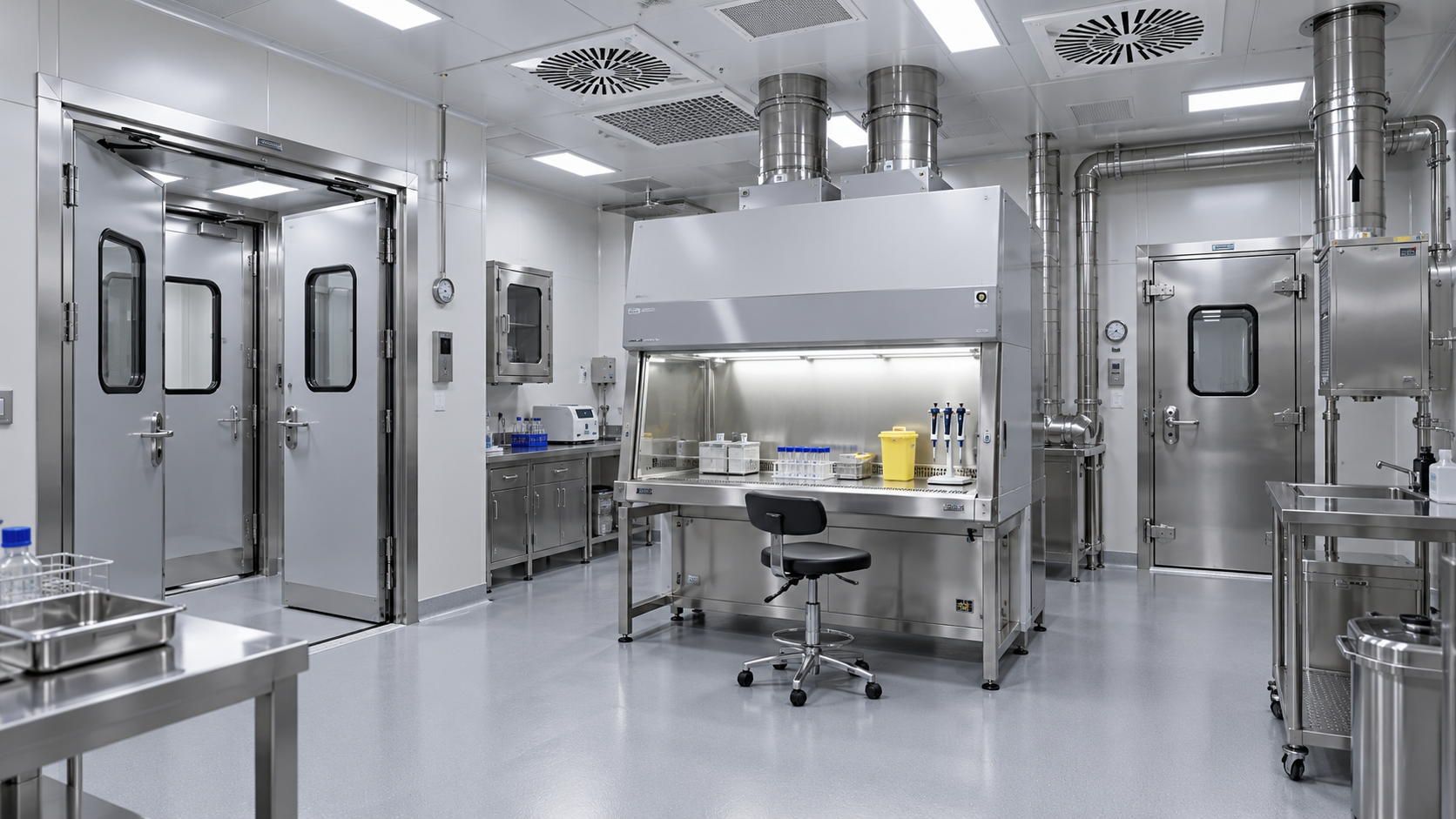
One major failure path is uncontrolled personnel movement. People remain one of the largest contamination sources in clean environments. Fast walking, unnecessary entries, improper glove practices, poor gown fit, and leaning into critical zones can all disrupt airflow and increase particle release.
Another common issue is material flow that conflicts with airflow design. If carts, bins, pass-throughs, or staging areas interrupt intended air patterns, clean air may not protect the critical area as designed. The result is turbulence, dead zones, or backflow near exposed product surfaces.
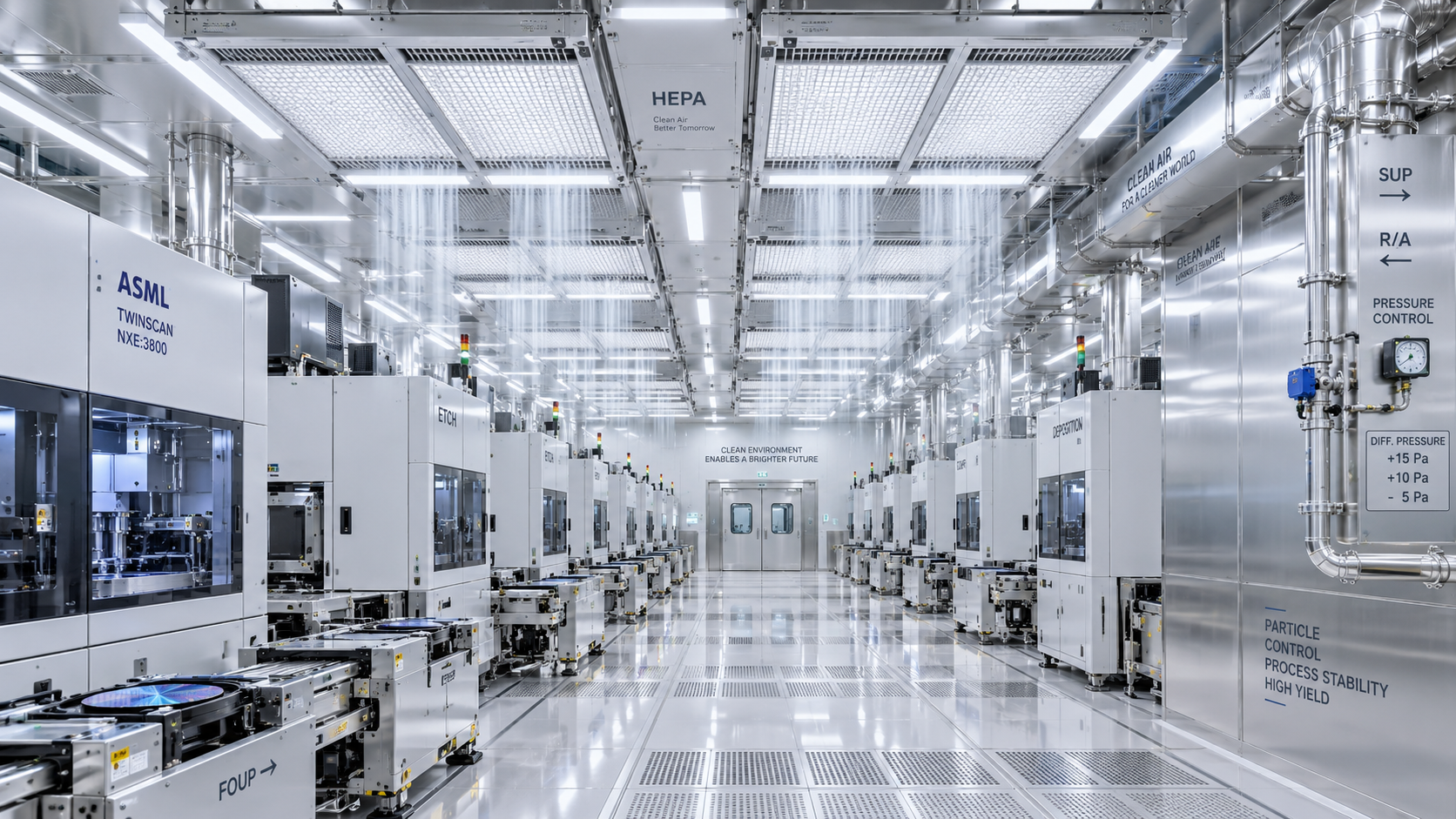
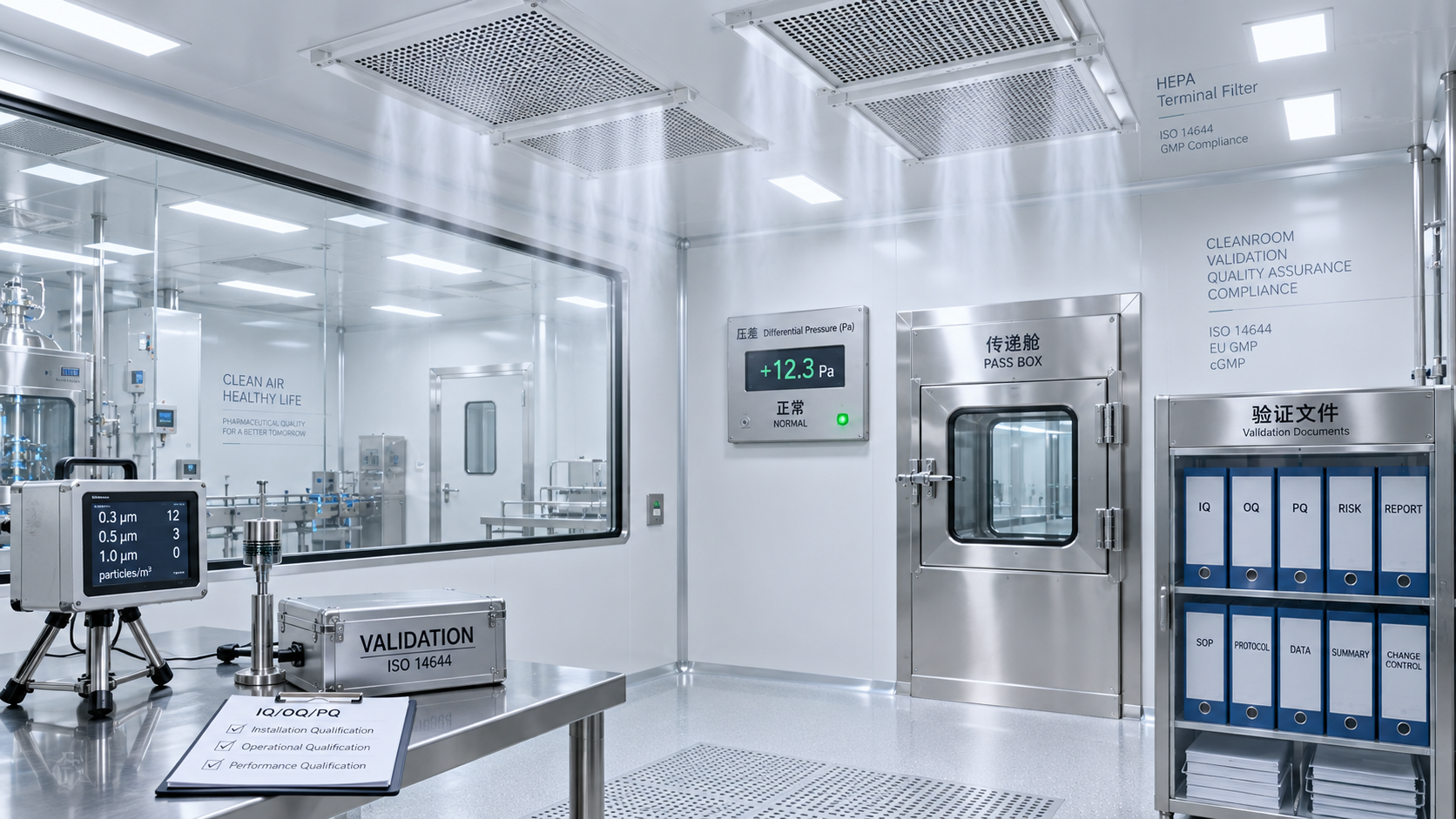
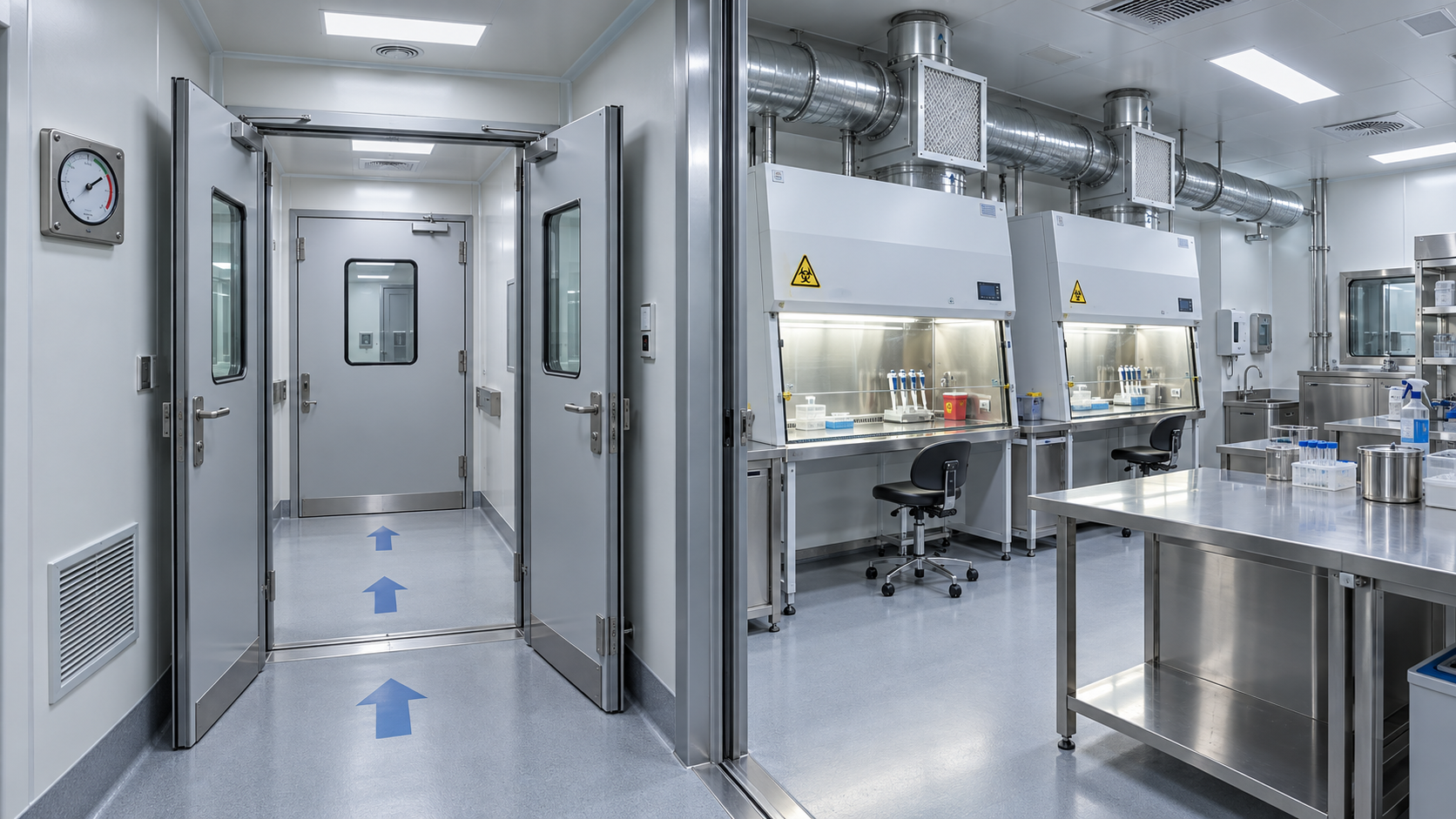
Pressure cascade breakdown is also a frequent cause of hidden contamination risk. When differential pressure is unstable or doors are opened too often, cleaner spaces can no longer maintain directional protection. This is especially important where adjacent spaces have different particle or microbial burdens.
Equipment is another underestimated contributor. Fans, belts, seals, lubricants, heat load changes, and access panels can all become particle sources. Poorly maintained process tools may also create localized contamination that room-level monitoring does not detect quickly enough.
Finally, cleaning itself can become a contamination source if materials, methods, or timing are poorly controlled. Incompatible wipes, residue-forming agents, or incorrect cleaning sequence can redistribute contamination rather than remove it.
How Airflow Design Supports Real Contamination Control
Airflow is the backbone of contamination prevention, but only if it is aligned with process reality. Quality managers should evaluate whether airflow protects the product path, not just whether air change rates or classification values look acceptable on paper.
At critical points, unidirectional airflow should sweep contaminants away from sensitive surfaces without interruption. Obstacles such as large equipment bodies, storage racks, or poor operator positioning can block or distort that flow. Even small disruptions may create recirculation zones where particles settle.
Smoke visualization studies remain one of the most practical tools for understanding this behavior. They help teams see whether air actually moves as intended during normal interventions, line changeovers, and maintenance access, not just during empty-room qualification.
Temperature and humidity control also matter because they influence process stability, material behavior, static generation, and operator comfort. In precision manufacturing, poor thermal stability can indirectly affect contamination risk by changing equipment performance or increasing manual adjustment frequency.
Facilities with high-performance requirements should consider airflow as a dynamic control layer. It must be reassessed whenever layouts change, new tools are installed, production rates increase, or operator routines shift.
Why Behavior Protocols Often Determine Whether Engineering Controls Succeed
Even well-designed cleanrooms lose performance if human behavior is inconsistent. For safety and quality leaders, this is often the hardest part of contamination control because procedural drift happens gradually and may not appear in qualification reports.
Strong gowning protocols are essential, but they must be validated through observation, retraining, and practical usability. If garments are uncomfortable, if donning areas are poorly arranged, or if glove changes interrupt workflow, compliance will weaken over time.
Access control is equally important. Every unnecessary entry adds movement, particle generation, and pressure disturbance. Limiting personnel count, defining intervention authority, and using remote review or digital checks where possible can reduce contamination opportunity without slowing production.
Behavior standards should also be specific enough to be auditable. Instructions such as “move carefully” are too vague. Better standards define walking speed, hand position, transfer route, pause points, tool wipe-down method, and required response to dropped items or torn gloves.
Facilities that maintain stable yield usually treat operator behavior as a controlled process variable rather than a training topic alone. They measure adherence, investigate repeat deviations, and design workflows that make the right behavior easier to sustain.
Pressure Management and Space Segregation: The Hidden Stability Layer
Differential pressure is often monitored continuously, yet many organizations still underestimate its relationship to yield stability. Pressure is not just a facility parameter. It is a directional barrier that determines whether contamination stays contained or migrates into critical areas.
A good pressure cascade must account for door use, transfer frequency, occupancy changes, and equipment exhaust effects. A nominal setpoint means little if it cannot be maintained during the actual rhythms of production.
Space segregation should also reflect contamination risk, not only architectural convenience. Material prep, waste staging, gowning, maintenance access, and high-traffic corridors should be evaluated for their potential to compromise cleaner operations nearby.
For safety managers in mixed-use facilities, this becomes especially important where chemical, biological, or powder-handling activities occur near precision manufacturing areas. Segregation and pressure control protect both product integrity and personnel safety.
Alarm limits should be meaningful and tied to escalation actions. If teams receive frequent nuisance alarms, response discipline will erode. If alarms are too loose, contamination transfer may occur long before intervention begins.
Real-Time Monitoring Turns Contamination Control Into an Active Management System
One of the strongest contamination control strategies is shifting from periodic verification to active monitoring. Classification tests and scheduled sampling remain important, but they rarely capture short-lived events that damage yield during actual operations.
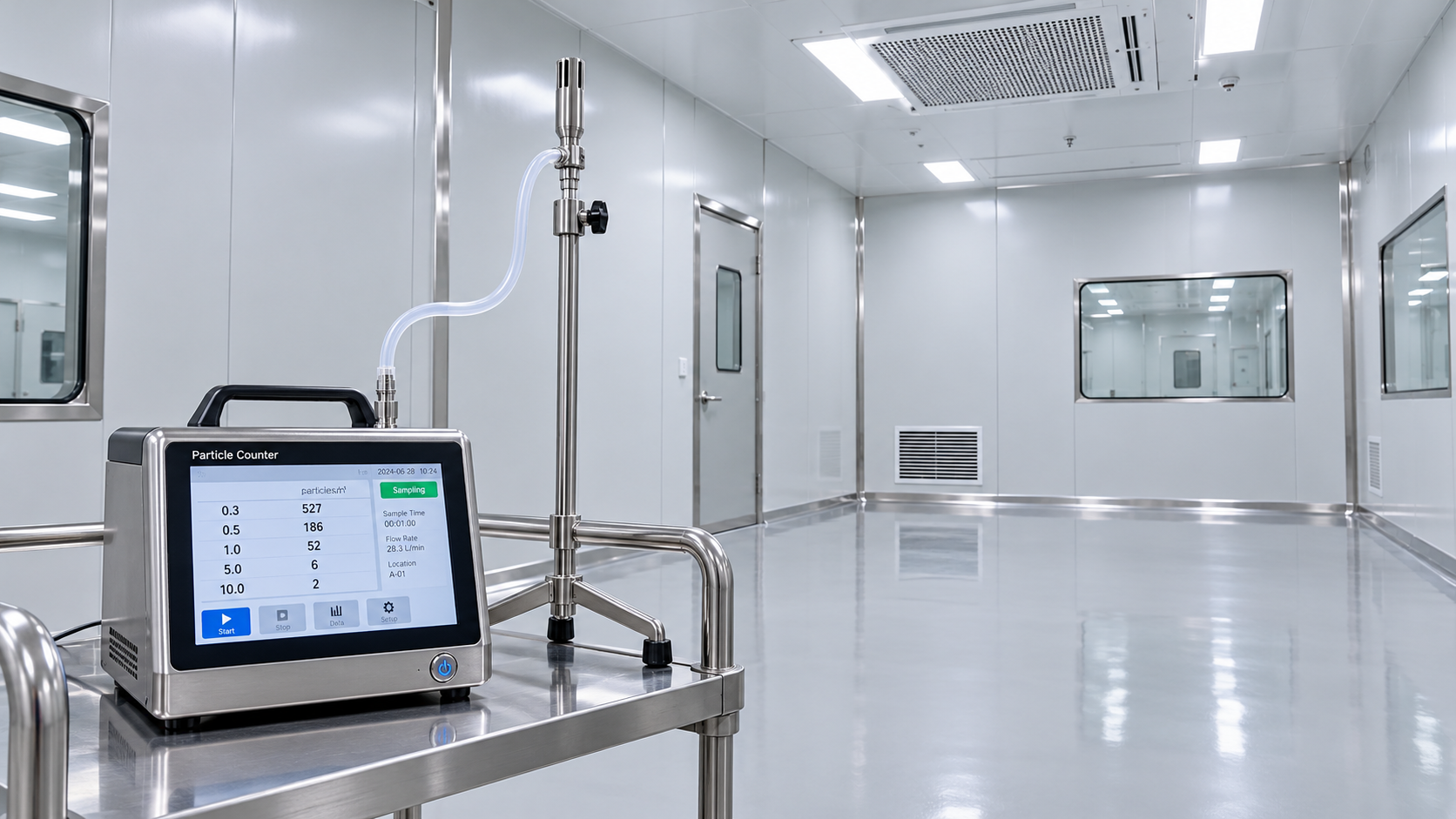
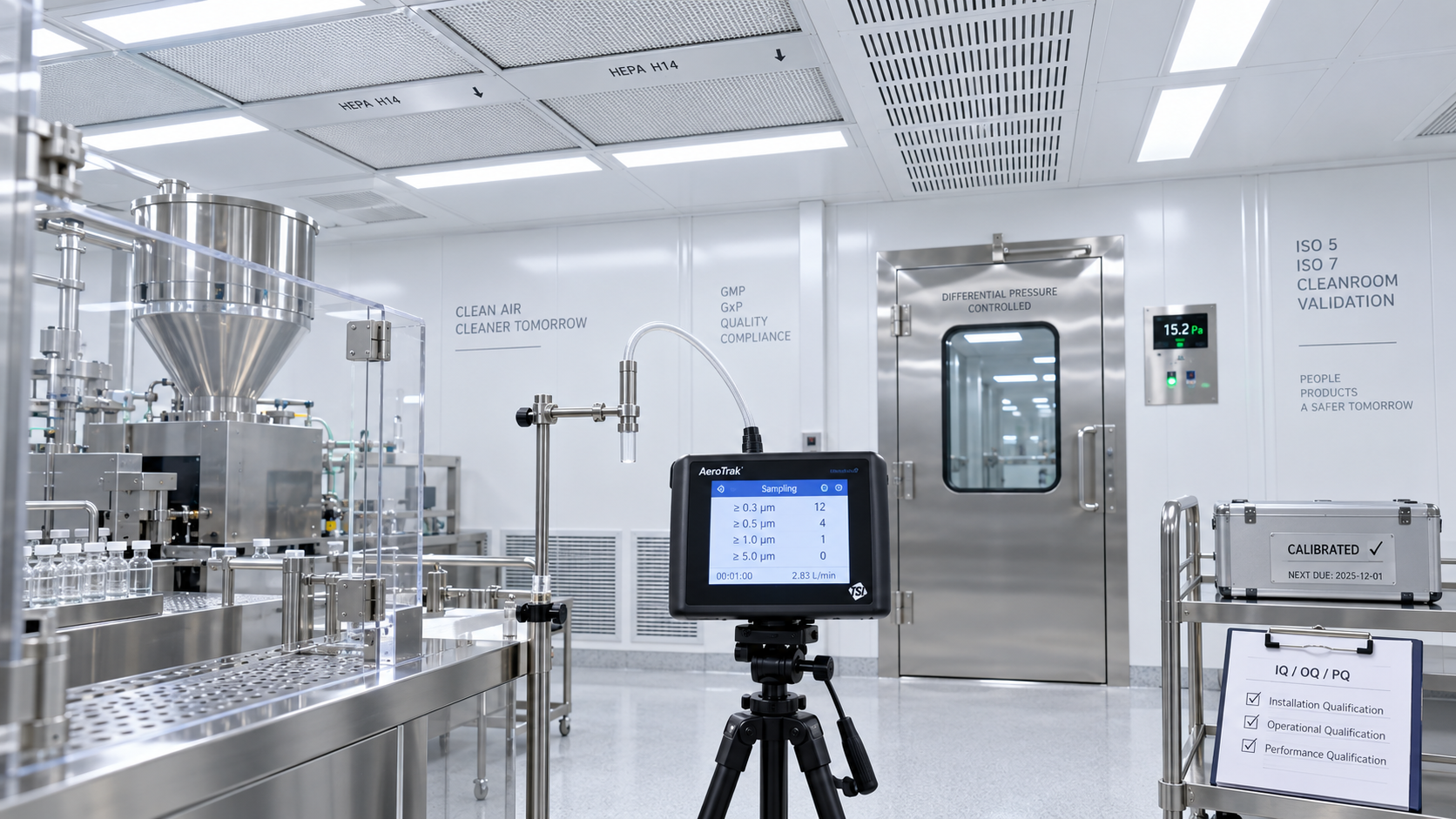
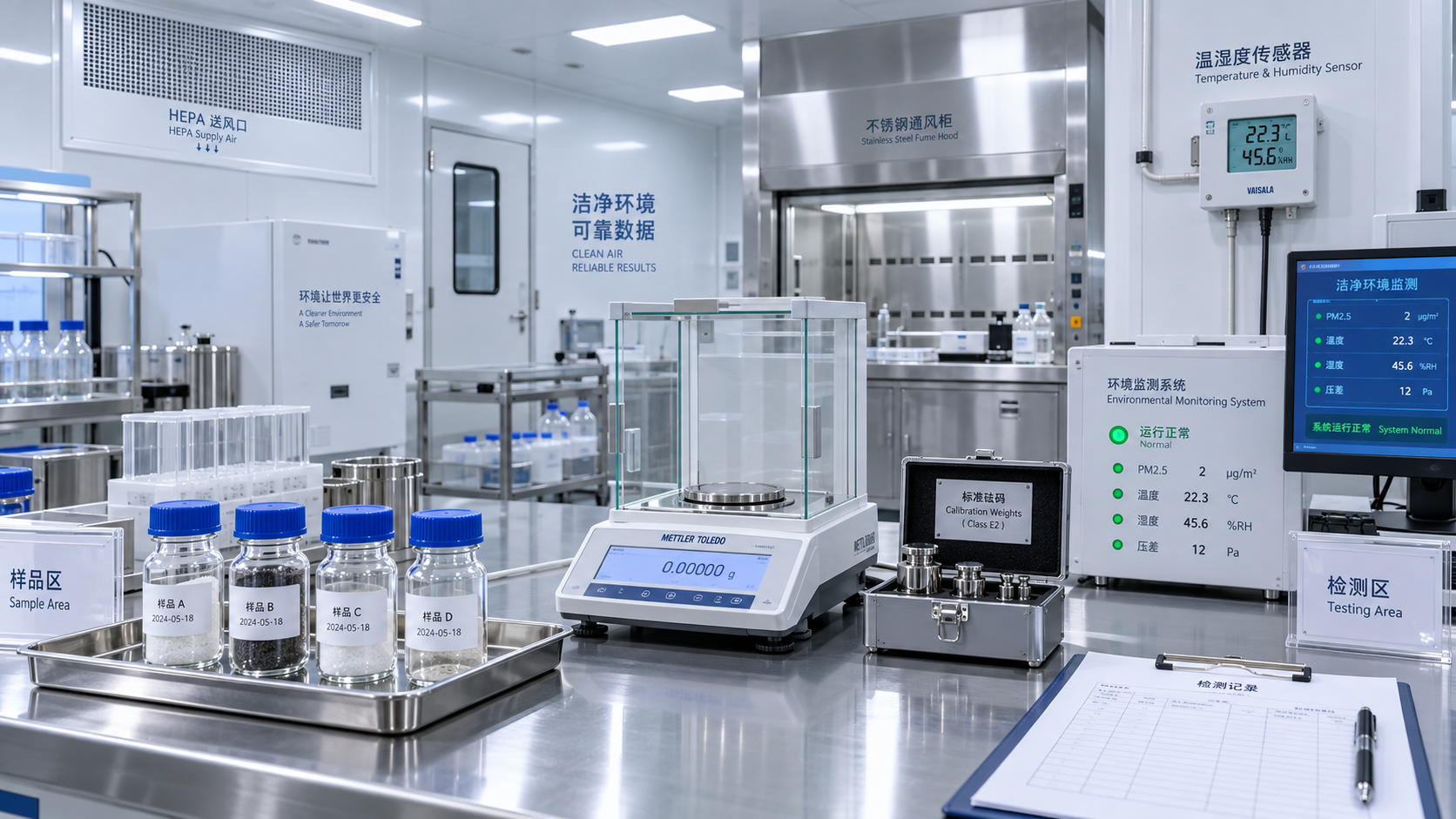
Real-time particle monitoring helps teams detect excursions linked to interventions, tool states, maintenance work, or abnormal traffic. When trending is combined with timestamps from batch records or production logs, root cause analysis becomes much faster and more credible.
Environmental monitoring is most valuable when it is risk-based. Sensors should be located near high-impact process points, transfer interfaces, and zones where airflow disruption is most likely. A large number of low-value data points is less useful than a smaller set of meaningful ones.
Integrated dashboards can help quality, facilities, and operations teams see the same picture. This reduces siloed decision-making and supports earlier action when trends start shifting, even before a formal out-of-limit event occurs.
For advanced facilities, digital twin approaches and predictive analytics can further improve response. They can model how thermal load, occupancy, pressure changes, and equipment activity affect contamination conditions, allowing teams to act before yield is affected.
How to Measure Whether Your Strategies Are Actually Protecting Yield
Many programs track environmental compliance but struggle to prove that contamination control improvements are strengthening yield. The missing step is linking cleanroom indicators to process outcomes in a structured way.
Useful metrics include excursion frequency, recovery time after interventions, pressure stability, operator entry count, cleaning adherence, and trend shifts at critical monitoring points. These should be compared against deviation rates, reject patterns, batch failures, and rework events.
Quality teams should look for correlation, not just isolated alarms. For example, a modest rise in particle events during changeover windows may align with specific defect types or increased investigation workload. That connection justifies targeted correction better than broad system criticism.
Another practical metric is contamination response maturity. How quickly is an abnormal signal reviewed, classified, escalated, and closed with verified action? Slow or inconsistent response often causes more quality impact than the initial event itself.
Periodic management review should include both compliance status and operational effectiveness. A cleanroom that passes audits but shows unstable process outcomes still has a contamination control problem that needs a more integrated response.
A Practical Improvement Roadmap for Quality and Safety Leaders
If current performance is inconsistent, start by identifying the highest-risk process step and conducting a focused contamination pathway review. Observe actual work, not only written procedures. Many control gaps become visible only during live operations.
Next, confirm whether airflow, pressure, and monitoring coverage match that risk point. If the room is generally compliant but the critical zone remains vulnerable, localized redesign may deliver more value than broad facility upgrades.
Then review behavior controls: gowning, transfer sequence, intervention frequency, cleaning timing, and access discipline. Standardize what good practice looks like and make it measurable. Training should reinforce exact actions, not only general awareness.
After that, improve data linkage. Combine environmental data with deviation records, maintenance logs, and production events. This creates a stronger basis for prioritization and helps leadership justify investments in sensors, redesign, or process changes.
Finally, treat contamination control as a continuous management system rather than a one-time qualification effort. Stable yield is maintained through repeated verification, cross-functional accountability, and fast response to early warning signs.
Conclusion: The Best Contamination Control Strategies Are Integrated, Measurable, and Process-Focused
For quality control and safety professionals, the most effective contamination control strategies are not the most complicated. They are the ones that reliably reduce contamination exposure at critical process points and make deviations easier to detect and correct.
Filtration remains essential, but it does not guarantee stable yield by itself. Real performance comes from aligning airflow, pressure, behavior, cleaning, segregation, and monitoring around the actual contamination risks that matter most.
When these controls are managed as one system, cleanrooms become more predictable, investigations become more targeted, and compliance becomes easier to defend. Most importantly, product quality and operational reliability improve together.
In high-performance facilities, contamination is an invisible threat, but it does not need to be an unmanaged one. With the right strategy, quality and safety leaders can turn contamination control from a reactive burden into a measurable driver of stable yield.
Get weekly intelligence in your inbox.
No noise. No sponsored content. Pure intelligence.
 Oct 21, 2026How often is cleanroom certification required under ISO 14644-2?Cleanroom Certification is generally recommended annually under ISO 14644-2. Learn when risk-based extensions apply and which changes trigger earlier testing to plan with confidence.
 Oct 21, 2026FASEB Comments on NIH Draft Policy for Research Involving BiohazardsFASEB comments on NIH’s draft biohazard research policy call for risk-based biosafety oversight. Explore potential implications for laboratories, suppliers, and compliance teams.
 Oct 20, 2026How to disinfect ultrasound machines without damaging surfacesLearn how to disinfect ultrasoundmachines without surface damage. Explore compatible products, wet contact times, and probe care to protect patients and equipment.
 Oct 20, 2026Ultrapure Water in Semiconductor Manufacturing: Reuse and Quality Control InsightsExplore ultrapure water reuse in semiconductor manufacturing, key UPW quality benchmarks and analytical insights to help evaluate suppliers and protect process purity.
 Oct 19, 2026How cooling affects warpage in injection-molded consumer electronics housingsOptimize plastic injection molding for consumer electronics with cooling strategies to reduce housing warpage and improve assembly fit. Discover practical checks for stable, efficient production.
 Oct 18, 2026Can air leaks prevent a dehumidifier from holding its target dew point?Why can't our dehumidifier maintain the target dew point? Discover how air leaks increase moisture loads, spot hidden faults, and find practical fixes to restore reliable dew-point control.
 Oct 17, 2026How semiconductor process water treatment removes trace organicsSee how semiconductor process water treatment removes trace organics with RO, UV oxidation, and polishing. Learn how TOC monitoring helps verify purity and pinpoint contamination.
 Oct 16, 2026How to choose ultra pure water piping materials to limit leachingChoose ultra pure water piping with confidence. Compare PVDF, PFA, and stainless steel, assess leaching risks, and learn how to qualify your system for reliable purity.
 Oct 15, 2026How to size a skid-mounted deionized water system for peak demandCompare deionized water systems skid configurations for peak demand. Learn how to balance production, storage, and pump capacity to prevent shortages and avoid costly oversizing.
 Oct 14, 2026When is collaborative laboratory robotics suitable for sample sorting?Explore when collaborative laboratory robotics suits sample sorting. Discover key checks for safety, traceability, container compatibility, and throughput before choosing your solution.
 Oct 13, 2026How sandwich panel joints affect airtightness in cleanroom systemsCleanroom Systems sandwich panels need reliable joints for airtightness. Discover how gaskets, sealants, and testing help reduce leakage and protect cleanroom pressure control.
 Oct 12, 2026How to verify USP compliance for ultra pure water systemsUltra Pure Water Systems USP compliance: learn how to verify water quality, sampling, sanitization, trends, and validation controls at every point of use.
 Oct 11, 2026How tight temperature control prevents cleanroom process driftCleanroom process temperature control systems prevent costly drift by stabilizing critical conditions, improving repeatability, and protecting sensitive production workflows.
 Oct 10, 2026When does organic contaminant removal require TOC treatment?Organic contaminant removal requires TOC treatment when dissolved organics threaten product quality, equipment reliability, or process control. Learn how to assess risks and choose the right solution.
 Oct 08, 2026What affects lead times for sheet metal bending services in Canada?Sheet metal bending services Canada: discover how material supply, tooling, tolerances, finishing, documentation, and freight affect lead times for reliable project delivery.
 Oct 07, 2026How HVAC design for semiconductor fabs prevents airborne contaminationHVAC design for semiconductor fabs prevents airborne contamination through advanced filtration, pressure cascades, airflow control, and real-time monitoring. Explore key strategies for cleaner, more reliable wafer production.
 Oct 06, 2026How photovoltaic modules waterproof technology prevents moisture damagephotovoltaic modules waterproof technology prevents moisture damage with durable seals, drainage, and junction-box protection. Explore practical selection and testing insights.
 Oct 05, 2026How ISO 14644 Europe requirements affect cleanroom qualificationISO 14644 Europe requirements shape cleanroom qualification, from particle classification and recovery testing to monitoring, GMP alignment, and change control.
 Oct 04, 2026How to assess a pharmaceutical cleanroom solutions supplier’s ISO capabilityPharmaceutical Cleanroom Solutions supplier assessment guide: evaluate ISO 14644 capability, validation evidence, airflow design, documentation, and long-term GMP readiness.
 Oct 03, 2026What EU standards govern the design of BSL-3 laboratories in Europe?BSL-3 laboratories Europe: explore EU directives, EN standards, HVAC containment, commissioning, and practical design strategies for compliant, resilient high-containment facilities.
 Oct 02, 2026How EN 1822 defines HEPA filtration efficiency for cleanroomsHEPA filtration EN 1822 explained: learn how MPPS testing, local leakage limits, and filter classes support reliable cleanroom decisions.
 Oct 01, 2026How pharmaceutical process water systems control microbial riskProcess water systems pharmaceutical teams rely on can control microbial risk through hygienic design, monitoring, and validated sanitization. Explore practical compliance strategies.
 Sep 30, 2026When does a negative pressure laboratory need BSL-3 containment?Negative pressure laboratory or BSL-3? Discover the risk factors, engineering controls, and containment requirements needed for safe, compliant laboratory planning.
 Sep 29, 2026How to evaluate a TOC-zero water treatment supplier for UPW systemsChoose a TOC-zero water treatment supplier with confidence. Compare UPW performance, monitoring, validation, materials, service capability, and lifecycle cost.
 Sep 28, 2026What drives sustainable cooling cost in high-precision facilities?Sustainable cooling cost in high-precision facilities depends on thermal stability, energy, water, controls, and resilience. Explore smarter lifecycle strategies.
 Sep 27, 2026How to compare freight forwarding services for time-critical shipmentsCompare freight forwarding services for time-critical shipments with practical insights on routing, customs, visibility, specialized handling, and contingency planning.
 Sep 26, 2026How environmental integrity in laboratories supports reliable test resultsEnvironmental Integrity in laboratories safeguards samples, instruments, and staff. Discover practical controls for contamination, monitoring, and reliable test results.