China's Shipbuilding Industry Posts 195.2% New Order Growth in Q1 2026
China’s shipbuilding industry has delivered an exceptional first-quarter performance in 2026 — driven by surging global demand for specialized vessels and accelerated domestic policy support for high-end marine manufacturing. Released on May 12, 2026, the data from the China Association of the National Shipbuilding Industry (CANSI) signals a structural shift toward value-added, technology-intensive shipbuilding — with implications spanning trade, procurement, manufacturing, and maritime logistics ecosystems.

Event Overview
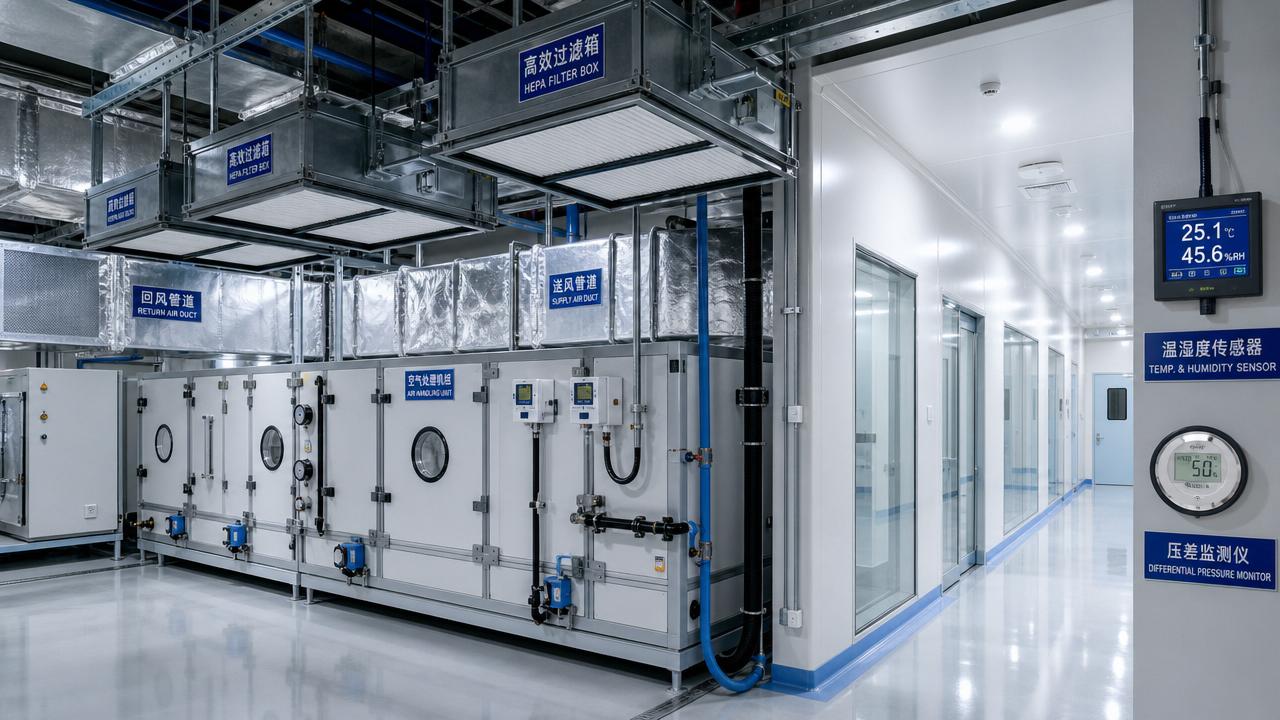
On May 12, 2026, the China Association of the National Shipbuilding Industry (CANSI) announced that China’s new shipbuilding orders for January–March 2026 totaled 59.53 million deadweight tons (DWT), representing a 195.2% year-on-year increase. Of this volume, 41% consisted of high-end specialized vessels — including liquefied gas carriers (LNG/LPG), car carriers (PCC/PCTC), research vessels, and biosafety-level 3/4 (BSL-3/4) offshore mobile laboratory ships. Notably, the first domestically built BSL-4 offshore mobile laboratory vessel is scheduled for delivery in Q3 2026; its environmental control system features fully indigenous ±0.01°C precision temperature regulation and Bio-Barrier modules — marking formal international recognition of China’s integrated capability in cleanroom-grade marine equipment systems.
Industries Impacted
Direct Trading Enterprises
Trading firms engaged in LNG transport, vehicle exports, or scientific expedition logistics face both opportunity and pressure. The sharp rise in specialized vessel orders improves long-term capacity alignment with emerging export corridors (e.g., EV shipments to EU markets, polar research collaborations), but also tightens chartering windows and may accelerate rate volatility. Observably, forward contracting for BSL-4-capable vessels is already underway among Asian-Pacific public health agencies — suggesting early commercialization of maritime bioinfrastructure services.
Raw Material Procurement Enterprises
Suppliers of cryogenic stainless steels, nickel-alloy piping, ultra-low-emission dual-fuel engines, and certified biological containment materials are seeing elevated inquiry volumes and extended lead-time expectations. Analysis shows procurement lead times for Class-approved Bio-Barrier-compatible gasketing and HEPA-filter housings have lengthened by 8–12 weeks since Q4 2025 — reflecting upstream bottlenecks in qualified material certification, not just volume growth.
Manufacturing Enterprises
Shipyards and system integrators focused on niche vessel segments — particularly those with ISO 14644-certified cleanroom assembly lines or ASME BPVC Section VIII Div. 2 design accreditation — are gaining competitive differentiation. However, current order growth is disproportionately concentrated among Tier-1 yards with prior BSL-3 experience; mid-tier builders report intensified qualification timelines for new certifications, indicating a widening capability gap rather than uniform sectoral uplift.
Supply Chain Service Providers
Classification societies, marine surveyors, and third-party commissioning specialists are experiencing rising demand for validation of novel environmental control systems — especially for dynamic pressure cascading and airborne pathogen containment under sea-state motion. From industry perspective, the surge is accelerating adoption of digital twin-based commissioning protocols, though regulatory harmonization across flag states remains incomplete.
Key Focus Areas and Recommended Actions
Monitor Certification Pathways for BSL-4 Maritime Systems
With the first BSL-4 offshore lab vessel entering delivery phase, classification societies (e.g., CCS, DNV, LR) are expected to issue updated guidance on maritime-specific biosafety verification by Q3 2026. Enterprises involved in medical maritime infrastructure should initiate pre-submission technical dialogues now — particularly around vibration-resilient airlock sequencing and real-time bioaerosol monitoring integration.
Reassess Dual-Fuel Engine Sourcing Strategies
Over 72% of new LPG/LNG carrier orders require IMO Tier III-compliant dual-fuel propulsion. Given tightening EU Carbon Border Adjustment Mechanism (CBAM) timelines and evolving fuel availability at key ports, manufacturers should prioritize engine suppliers with proven ammonia-ready retrofit pathways — not only LNG-optimized units.
Evaluate Strategic Partnerships in Cleanroom Integration
The success of indigenous ±0.01°C thermal stability and Bio-Barrier modules reflects convergence between pharmaceutical cleanroom engineering and naval architecture. Firms specializing in HVAC-R for GMP environments should explore cross-sector collaboration opportunities — especially where modular, ISO Class 5–7 compliant sub-assemblies can be standardized for marine installation.
Editorial Insight / Industry Observation
This quarter’s performance is better understood as a milestone in capability maturation — not merely cyclical demand rebound. The 41% share of high-spec vessels exceeds the 32% average for 2023–2025, and more critically, reflects sustained R&D investment in cross-domain systems integration (e.g., biomedical + marine + climate control). Yet, analysis shows export competitiveness remains sensitive to two external variables: global BSL-4 operational standards harmonization (still fragmented across WHO, ISO, and national health authorities), and availability of trained maritime bio-safety officers — a workforce segment with less than 1,200 globally certified professionals. Current momentum is real, but scalability hinges on parallel progress in human capital and regulatory interoperability.
Conclusion
China’s Q1 2026 shipbuilding results affirm its transition from volume leadership to technological sovereignty in critical maritime niches. However, sustainable advantage will depend less on order intake alone and more on how quickly supporting ecosystems — certification frameworks, skilled labor pipelines, and international standard-setting engagement — evolve in tandem. For global stakeholders, this is less a signal of displacement than of recalibration: the maritime value chain is fragmenting into higher-resolution specialization layers, where domain expertise matters more than scale alone.
Source Attribution
Data sourced from the official press release issued by the China Association of the National Shipbuilding Industry (CANSI), published May 12, 2026. Further updates on BSL-4 vessel commissioning protocols, CCS/DNV joint technical circulars, and CBAM-aligned fuel reporting requirements are pending and under active observation.
Get weekly intelligence in your inbox.
No noise. No sponsored content. Pure intelligence.
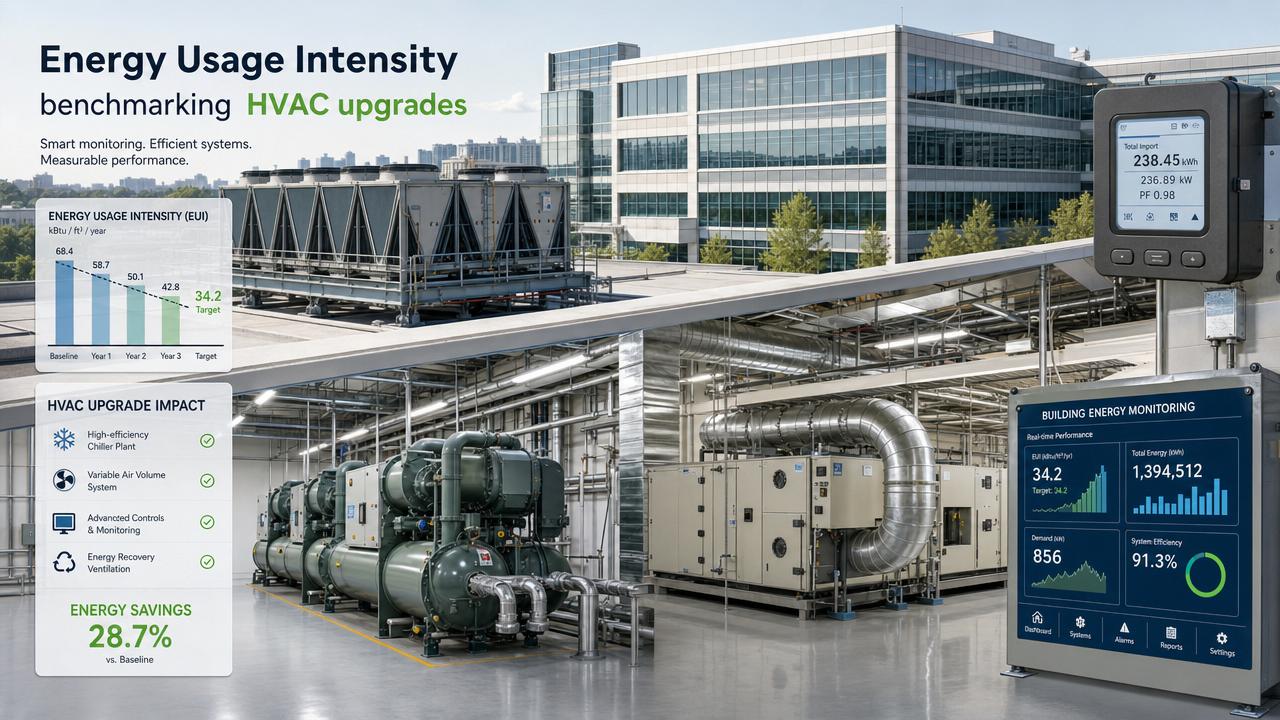
: Benchmarking HVAC Upgrades") May 18, 2026Energy Usage Intensity (EUI): Benchmarking HVAC UpgradesEnergy usage intensity (EUI) shows whether HVAC upgrades truly improve building performance. Learn how to benchmark retrofits, compare facilities, and support smarter energy, cost, and compliance decisions.
May 18, 2026Energy Usage Intensity (EUI): Benchmarking HVAC UpgradesEnergy usage intensity (EUI) shows whether HVAC upgrades truly improve building performance. Learn how to benchmark retrofits, compare facilities, and support smarter energy, cost, and compliance decisions. May 18, 2026Smart HVAC Investment Insights: Payback vs Control GainsSmart HVAC investment insights reveal how to balance payback and control gains in precision facilities. Learn how smarter HVAC decisions reduce risk, improve compliance, and strengthen long-term ROI.
 May 18, 2026Impact of CBAM on Chillers: Cost Exposure by RegionImpact of CBAM on chillers by region: discover where cost exposure, margin pressure, and compliance risks are rising—and how distributors can source smarter and protect bids.
 May 18, 2026Global HVAC Decarbonization: 5 Metrics That MatterGlobal HVAC decarbonization made practical: discover 5 metrics that help evaluate efficiency, carbon impact, resilience, lifecycle cost, and compliance for smarter facility decisions.
 May 18, 2026Impact of Raw Material on HVAC Cost and Lead TimeImpact of raw material on HVAC affects cost, lead time, and compliance across offices, cleanrooms, pharma, and data centers. Learn how to reduce risk and source smarter.
 May 18, 2026Data Center Cooling Trends 2026: Where CAPEX Is MovingData center cooling trends 2026 reveal where CAPEX is shifting—toward liquid cooling, efficient chillers, and smart controls. See what drives resilient, scalable growth.
 May 18, 2026ASHRAE Standards Compliance Gaps in Cleanroom HVACAshrae standards compliance gaps in cleanroom HVAC can lead to contamination, audit failures, and downtime. Learn the top risks, business impact, and practical fixes to protect performance.
 May 18, 2026Future of Low-GWP Cooling: What Changes After 2026Future of low-GWP cooling after 2026: discover how new rules, retrofit risks, and smarter infrastructure choices will shape compliance, efficiency, and long-term ROI.
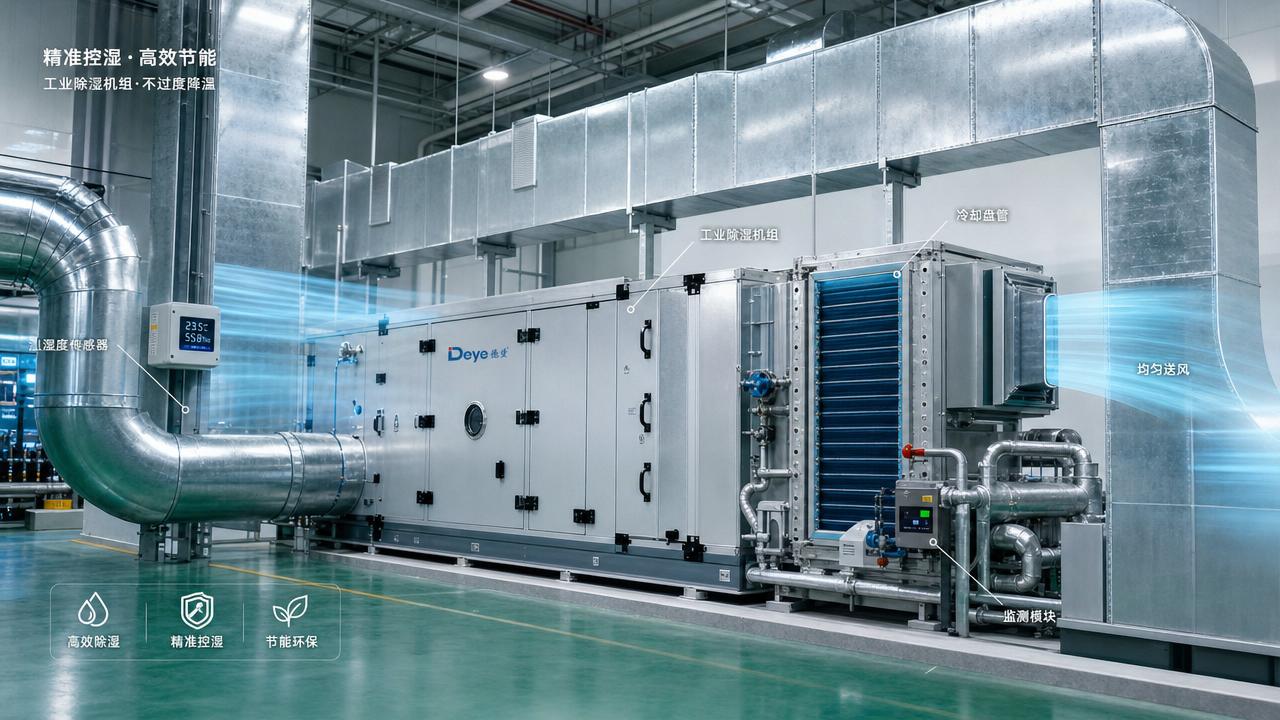
 May 18, 2026Industrial Dehumidification: How to Cut Moisture Without OvercoolingIndustrial dehumidification made practical: learn how to cut moisture, protect products, and keep temperatures stable without overcooling or wasting energy.
 May 18, 2026HVAC in Semiconductor Fabs: Stability Risks That Hurt YieldHVAC in semiconductor fabs directly affects yield, contamination control, and tool stability. Discover a practical checklist to spot hidden risks and improve fab performance.
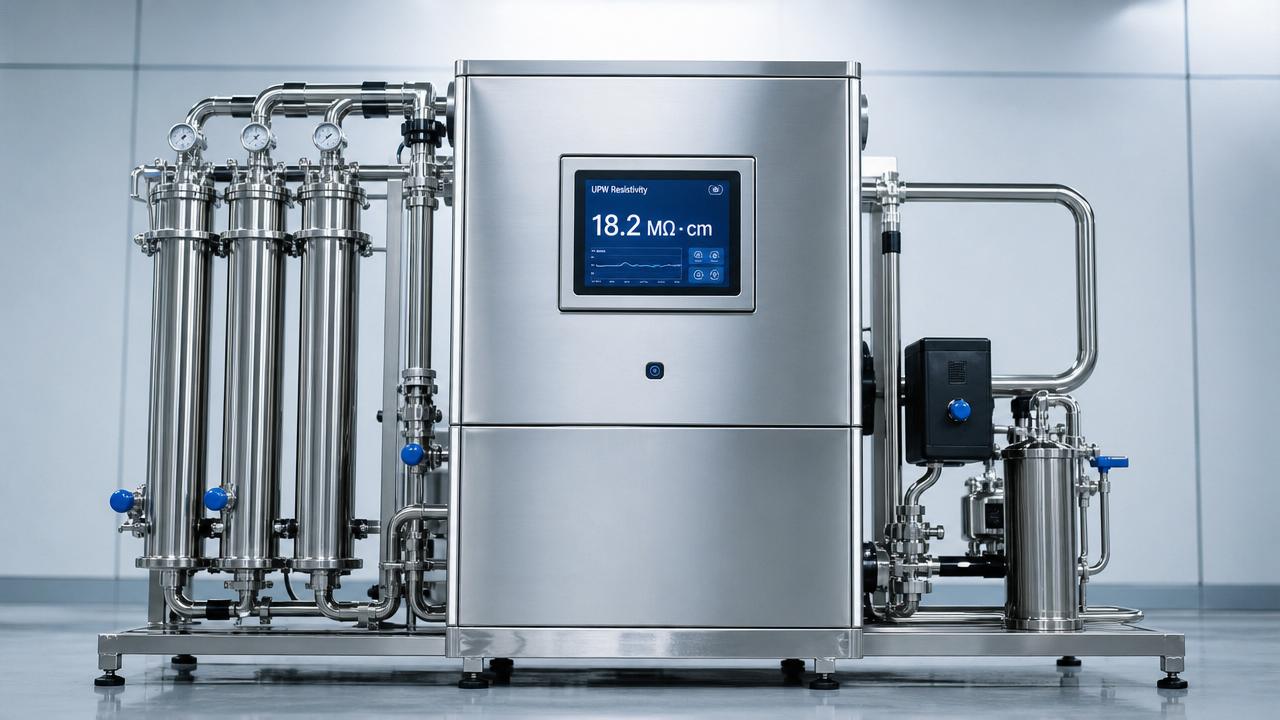
 May 18, 2026Indonesia Mandates Real-Time 18.2 MΩ·cm Resistivity Reporting for Imported UPW SystemsIndonesia mandates real-time 18.2 MΩ·cm resistivity reporting for imported UPW systems—key for pharma compliance. Act now to avoid shipment delays & customs rejection.
 May 18, 2026China Leads Development of 62 ISO/TC 22 Standards, Including 17 on EV Thermal ManagementChina leads 62 ISO/TC 22 standards — including 17 EV thermal management specs (e.g., ±0.01°C battery cooling, maglev compressor noise). Critical for exporters, integrators & certifiers targeting Korea, Thailand, UAE & beyond.
 May 18, 2026China-Europe Railway Express Hits 130,000 Trains; ZLD Equipment Delivery AcceleratesZLD equipment delivery accelerates via China-Europe Railway Express — now 130,000+ trains operated, cutting water treatment project timelines by 20 days. Discover how rail logistics powers EU green infrastructure.
 May 18, 2026FDA Updates Biosafety Lab Facility Guidance, Allows Chinese BSL-3/4 Suppliers in Pre-SubmissionFDA now allows Chinese BSL-3/4 suppliers with NMPA & ASME BPVC Section III certification to submit Pre-Submission materials — accelerate U.S. market entry by ~40%.
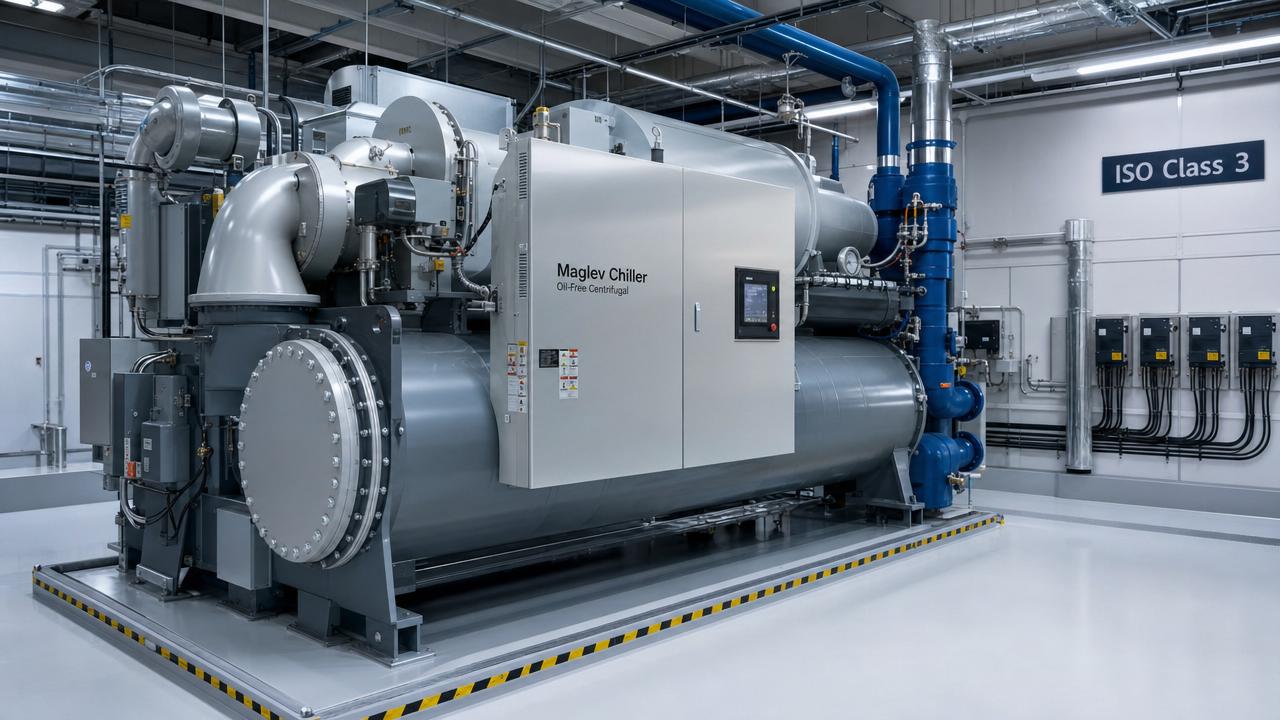
 May 18, 2026EU Updates EN 17232:2026 Cleanroom HVAC Efficiency StandardEU EN 17232:2026 cleanroom HVAC standard mandates SCOP ≥5.8 from Jan 2027 — Maglev chillers now essential for pharma, semiconductor & medtech cleanrooms.
 May 18, 2026China's Port Empty Container Volume Up 37% in April, Easing Cleanroom Equipment Export LogisticsChina's port empty container volume up 37% in April — accelerating cleanroom equipment export logistics, cutting lead times by 5–7 days. Act now to optimize shipments.
 May 18, 2026New AI Terminal Intelligence Standard Effective July 2026New AI Terminal Intelligence Standard (GB/T 45288–2026) mandates L3+ certification for IIoT smart sensors exported to EU, Japan, Korea & RCEP — act now to secure tenders & supply chain access.
 May 18, 2026SEMI Carbon Tracking Expands Globally; 8 Chinese UPW/TOC Firms JoinSEMI Carbon Tracking expands globally—8 Chinese UPW/TOC firms join. Discover how carbon data transparency is now a market access requirement for semiconductor cleanroom suppliers.
 May 18, 2026Malaysia's Second 12-inch Fab in Penang Starts Volume ProductionMalaysia's second 12-inch fab in Penang starts volume production — driving urgent demand for ISO Class 1 FFUs and AMC control systems. Act now.
 May 18, 2026Vietnam to Impose 3% Compliance Surcharge on Non-IEC 61340-5-1 ESD Equipment from June 2026IEC 61340-5-1 compliance is now mandatory for ESD equipment entering Vietnam — or face a 3% surcharge from June 2026. Act now to avoid delays, cost hikes, and clearance rejections.
 May 17, 2026HVAC Digital Twin Use Cases for Predictive Control and Faster ValidationHVAC digital twin use cases for predictive control, faster validation, and lower commissioning risk. Learn how critical facilities improve compliance, uptime, and ROI.
 May 17, 2026Chilled Water Piping Mistakes That Raise Energy and Contamination RiskChilled water piping mistakes can quietly increase energy use and contamination risk. Learn the most costly design and installation errors—and how to prevent them.
 May 17, 2026High-Performance Thermodynamic Hardware Maintenance Intervals That Cut DowntimeHigh-Performance Thermodynamic Hardware maintenance intervals that reduce downtime: learn hybrid, condition-based service strategies to improve stability, compliance, and energy performance.
 May 17, 2026Sub-Micron Contamination Measurement: Choosing the Right Detection RangeSub-Micron Contamination measurement explained: learn how to choose the right detection range for cleanrooms, pharma, and precision manufacturing to improve compliance, yield, and cost control.
 May 17, 2026Smart Building Management BMS Upgrade Checklist for Clean FacilitiesSmart building management (BMS) upgrade checklist for clean facilities: improve airflow, temperature stability, compliance, and uptime with a practical, risk-focused guide.
 May 17, 2026HVAC System Redundancy: When N+1 Pays Off in Critical FacilitiesHVAC system redundancy delivers real value in critical facilities. See when N+1 pays off, how it reduces downtime risk, and why resilient HVAC planning protects compliance and continuity.
 May 17, 2026Industrial Climate Control Standards That Impact Yield StabilityIndustrial Climate Control standards shape yield stability, compliance, and resilience. Discover key benchmarks, risks, and smart ways to improve performance.