Contamination Control in Cleanrooms: Common Failures
Contamination Control in cleanrooms often fails not because standards are absent, but because hidden weak points go unnoticed until product quality, operator safety, or compliance is at risk. For quality control and safety managers, understanding these common failures is the first step toward preventing particle intrusion, airflow disruption, and procedural gaps that can compromise critical environments.
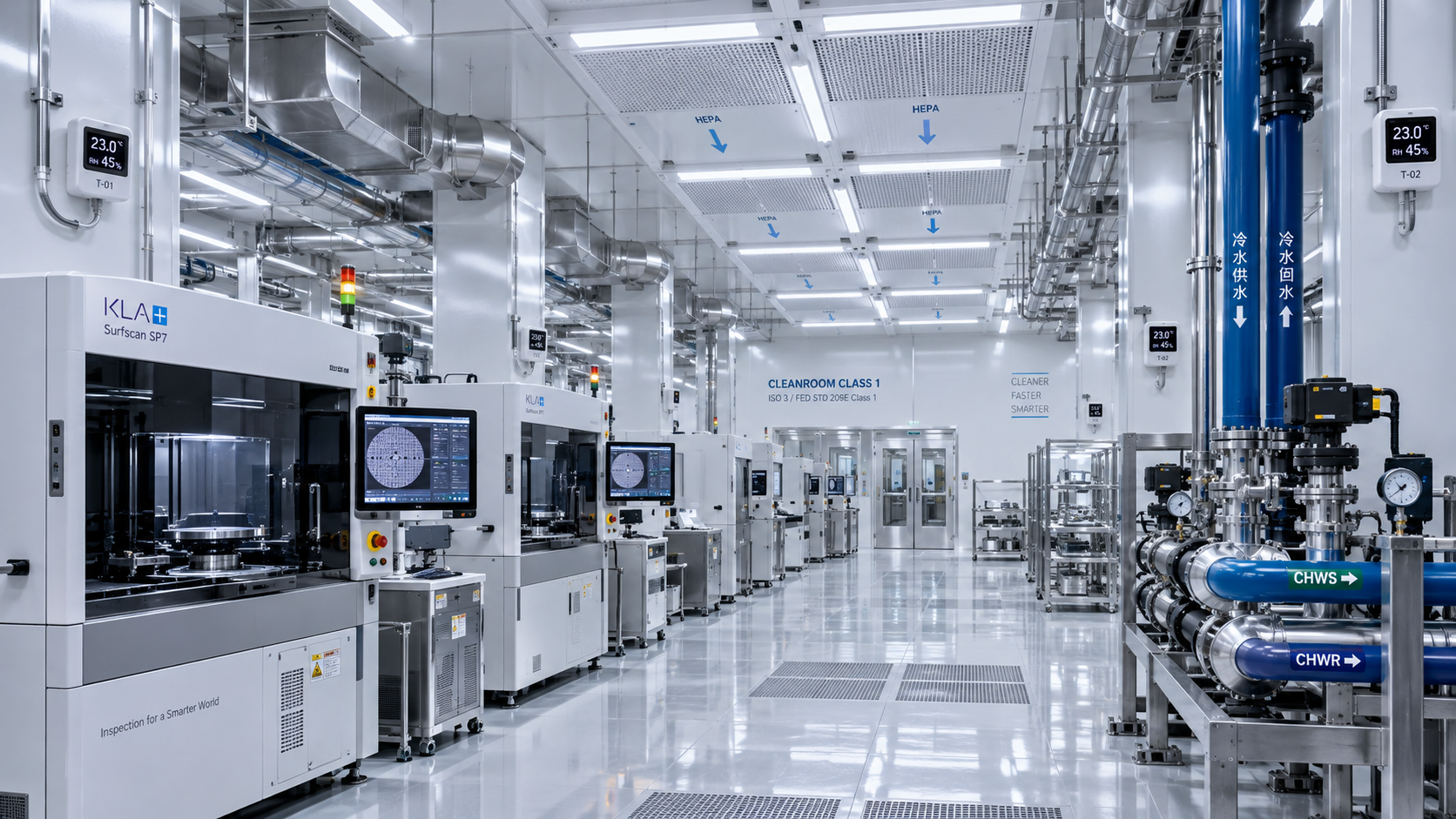
In semiconductor, pharmaceutical, advanced manufacturing, and high-containment environments, contamination events rarely come from a single dramatic breakdown. More often, they develop through small deviations: an underperforming FFU, a damaged door seal, a rushed gowning sequence, or a monitoring alarm that is acknowledged but not investigated.
For quality and safety leaders, effective Contamination Control in cleanrooms requires more than a validated design. It depends on disciplined execution across airflow management, people movement, material transfer, cleaning chemistry, differential pressure stability, and data-based response procedures.
This article outlines the most common failure points, the operational signals that precede them, and practical controls that help reduce risk across ISO-classified spaces and regulated production areas.
Where Contamination Control in Cleanrooms Commonly Breaks Down
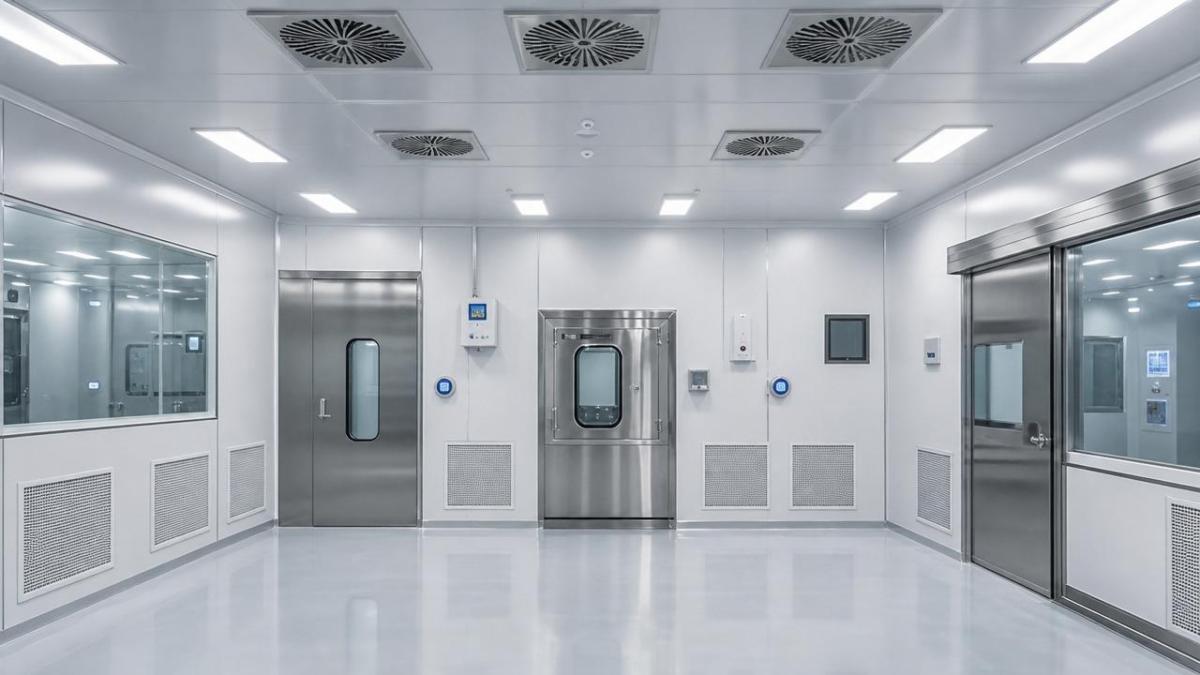
The first challenge in Contamination Control in cleanrooms is that contamination is multidirectional. Particles, microbes, fibers, condensate, and process residues can enter through personnel, equipment, utilities, air balancing defects, or maintenance activity. In many facilities, 4 to 6 small failures combine before excursions become visible in viable or non-viable monitoring.
1. Airflow design performs on paper but not in operation
A cleanroom may meet commissioning targets and still fail under production load. Common issues include blocked returns, uneven filter loading, poor equipment placement, and excessive operator movement in Grade B, ISO 7, or ISO 8 spaces. Once airflow patterns are disrupted, particle recovery time may extend from a target 10–15 minutes to 25–40 minutes.
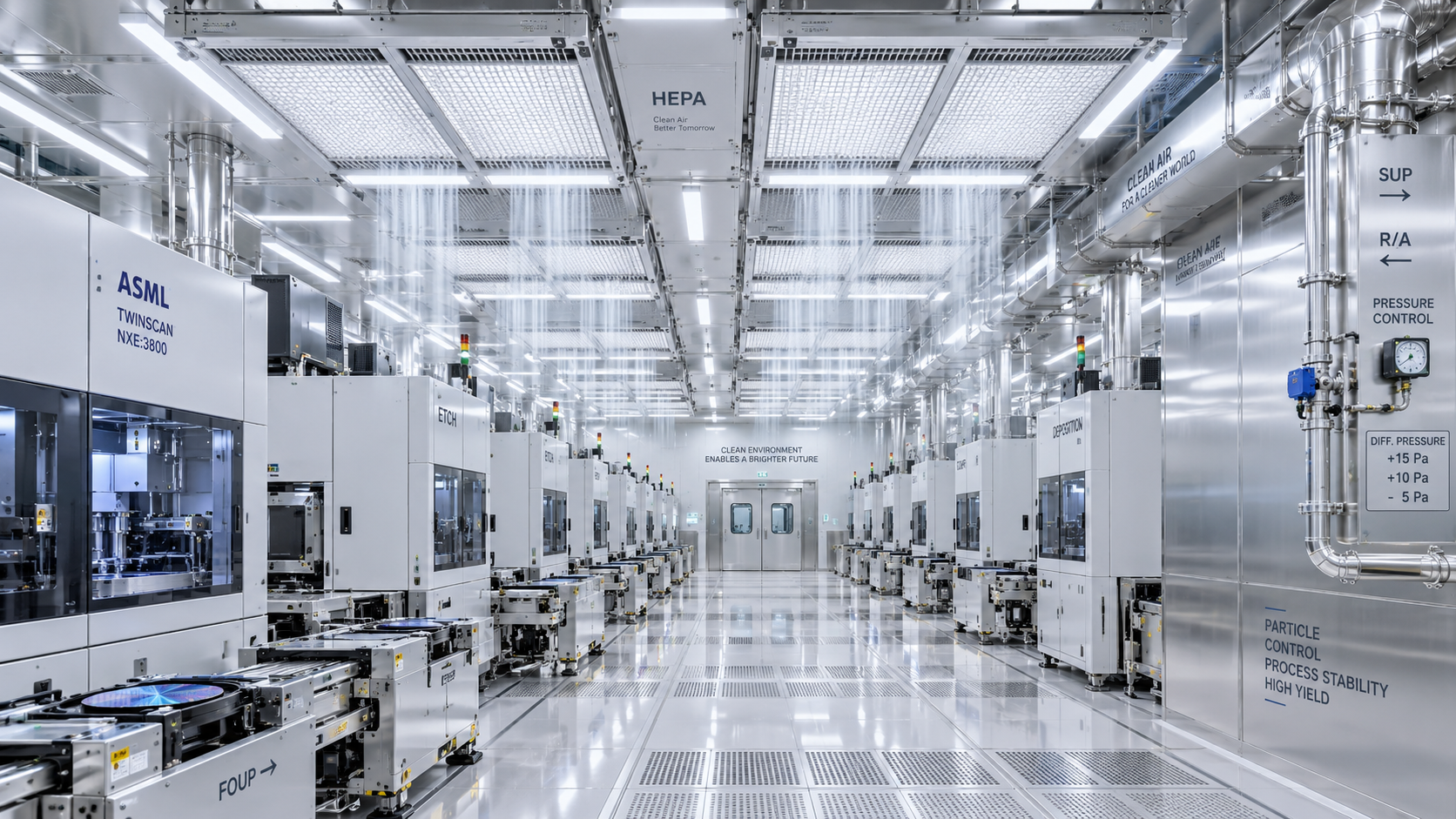
Unidirectional zones are especially sensitive. A single tall instrument placed under terminal HEPA coverage can create downstream turbulence, causing local contamination despite acceptable average room readings. Quality managers should review smoke studies after layout changes, not only during initial qualification.
Typical warning signs
- Localized particle spikes near workstations rather than at room average points
- Differential pressure drifting beyond design tolerance, often ±5 Pa or more
- Repeated alarm resets without root-cause closure
- Higher contamination counts after preventive maintenance or shift change
2. Personnel remain the largest contamination source
Even in highly automated facilities, people are still the dominant source of particles and microbial burden. Improper gowning, excessive speaking, glove misuse, and unnecessary room entry can overwhelm otherwise stable controls. A single operator can shed thousands of particles per minute if garment integrity or gowning discipline is compromised.
This is why contamination control procedures should measure behavior, not just training completion. A 30-minute annual refresher is not enough in high-risk areas. Many sites benefit from quarterly observation audits, glove-disinfection verification, and traffic pattern reviews every 3 to 6 months.
3. Material transfer introduces hidden external load
Cardboard, untreated plastics, paper labels, and poorly wiped containers frequently bypass the rigor applied to gowning. Material airlocks can become weak points when wipe-down contact time is shortened, transfer carts are not segregated, or packaging is removed in the wrong zone.
In facilities handling sterile products, microelectronics wafers, or precision assemblies, poor transfer discipline can cause both particulate and chemical contamination. The result may not appear immediately. It can surface later as yield loss, failed sterility support data, or unexplained surface residue.
The table below summarizes common failure categories and the operational impact quality and safety teams should watch for during routine reviews.
The key takeaway is that cleanroom failures usually sit at interfaces: between design and operation, procedure and behavior, or cleaning and verification. Quality control teams should investigate those interfaces first, especially when trends are intermittent rather than constant.
Critical Failure Modes in Monitoring, HVAC, and Room Integrity
Contamination Control in cleanrooms depends heavily on infrastructure that is often assumed to be stable. In reality, pressure cascades, filter performance, thermal balance, and room envelope integrity can degrade slowly over 6 to 24 months. Because the decline is gradual, many facilities normalize poor performance until an audit or event forces corrective action.
1. Differential pressure is monitored but not managed
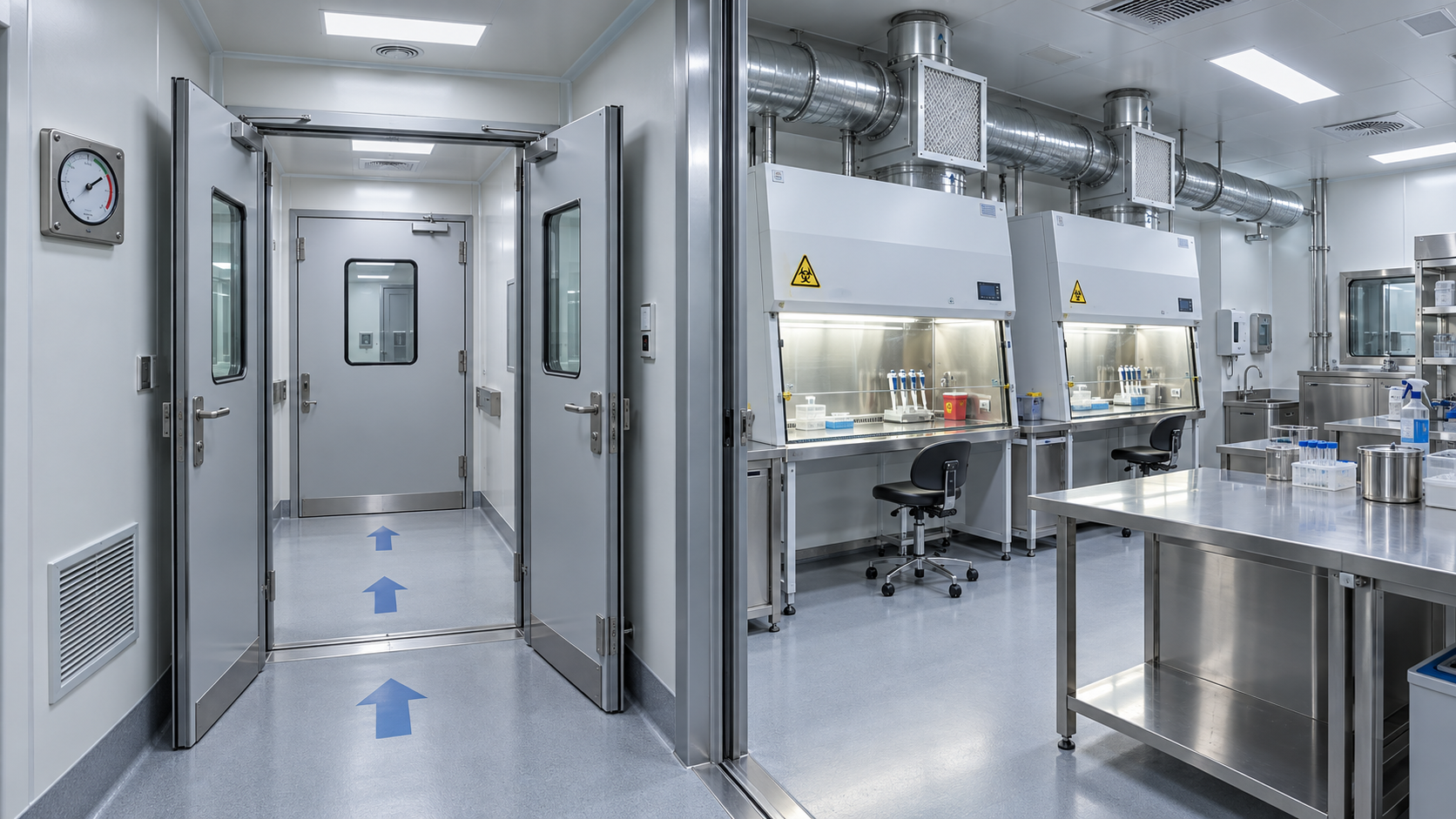
A displayed pressure value is not the same as a controlled pressure cascade. Doors with worn gaskets, frequent simultaneous openings, and unbalanced supply-exhaust ratios can collapse pressure separation between adjacent rooms. In many facilities, design targets range from 10 Pa to 15 Pa between clean zones, but actual values fluctuate below acceptable limits during production peaks.
Safety managers should compare pressure trends against door activity, personnel count, and process load. If alarms occur repeatedly at the same shift window, the issue is often operational rather than mechanical. This is where environmental monitoring and digital trend review add real value.
2. HEPA or ULPA filtration is trusted without lifecycle planning
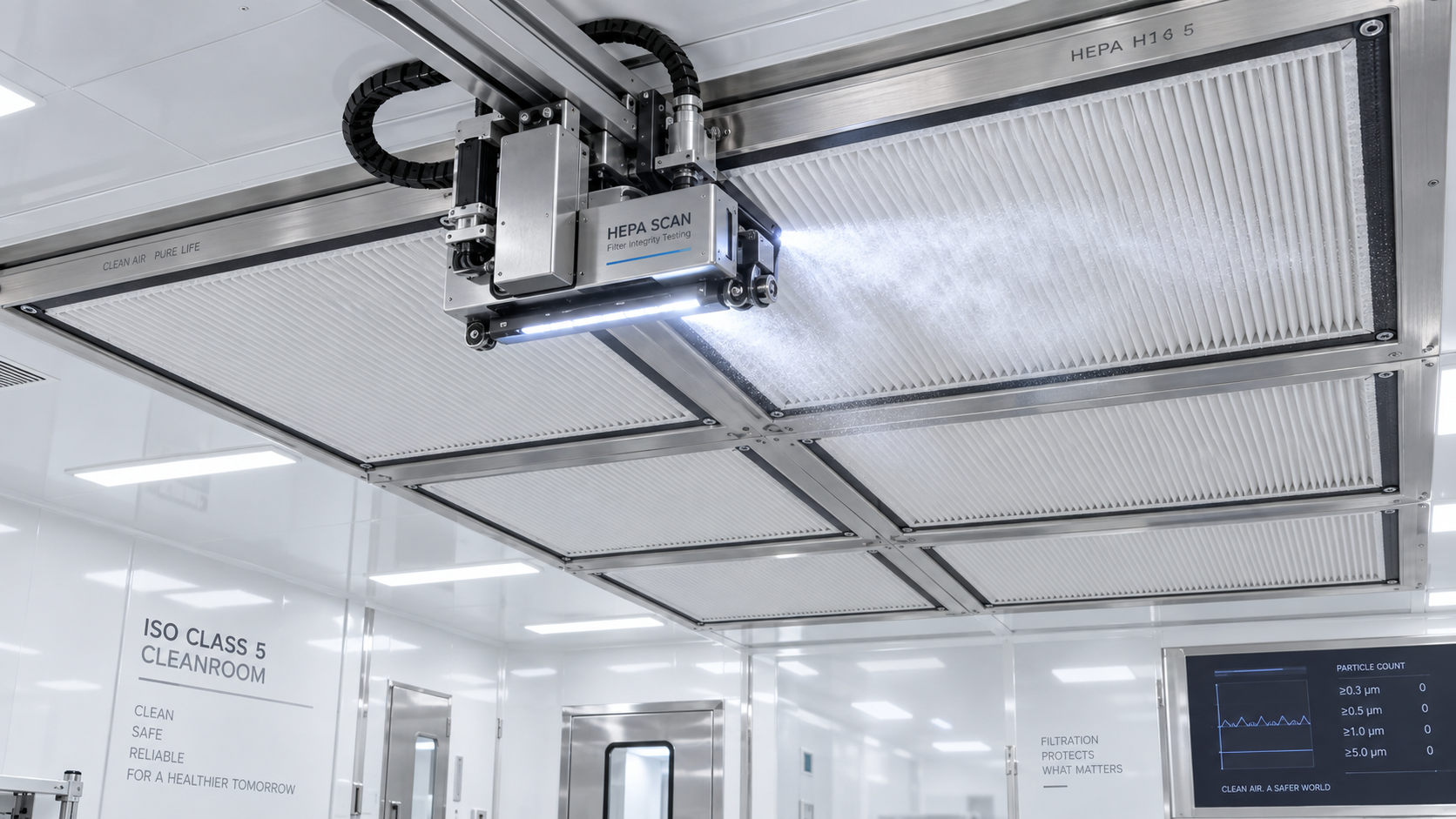
Filters rarely fail all at once. More often, they degrade through loading, seal leakage, vibration, or installation disturbance. A room may still pass routine counts while localized areas deteriorate. Integrity testing intervals vary by application, but many critical cleanrooms assess filtration performance at least every 6 to 12 months, with additional checks after shutdowns or ceiling work.
In high-precision environments, thermal performance also matters. Temperature drift of even 1°C to 2°C can alter process stability, operator comfort, or electrostatic behavior. In ultra-sensitive sectors, much tighter control is required, making HVAC reliability inseparable from contamination control.
3. Monitoring systems collect data but do not drive action
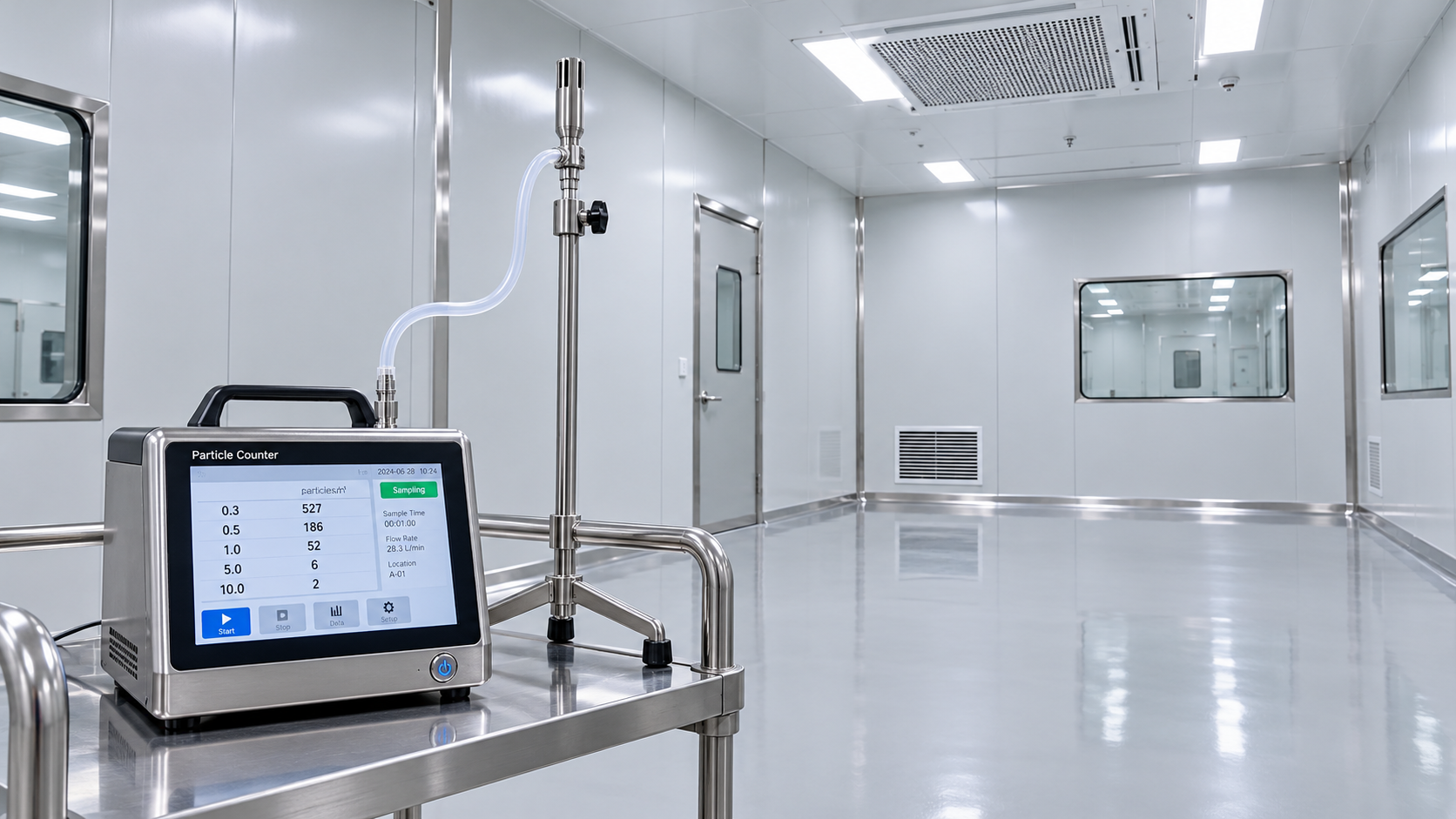
Many facilities have particle counters, pressure sensors, and temperature-humidity logs, yet response workflows remain weak. Data is archived, but alert limits, escalation ownership, and investigation deadlines are vague. A practical benchmark is to define 3 response levels: advisory, action, and stop-work, each tied to a specific time window such as 15 minutes, 2 hours, and 24 hours.
Without this structure, recurring small deviations become accepted background noise. That is exactly how contamination events survive unnoticed in complex industrial environments.
The following table helps teams prioritize infrastructure checks that have the highest impact on Contamination Control in cleanrooms.
Facilities that treat these reviews as trend-based management tools, rather than maintenance formalities, usually identify risks earlier and reduce deviation frequency without major redesign.
Procedural Gaps That Undermine Quality and Safety
Even with robust HVAC and filtration, Contamination Control in cleanrooms can fail when procedures are incomplete, outdated, or disconnected from actual shop-floor behavior. Quality managers often inherit SOPs that passed validation years ago but no longer reflect current production density, equipment layout, or operator routines.
1. Cleaning is performed, but not validated for risk areas
A frequent mistake is treating all surfaces as equal. In practice, contamination risk differs across worktops, door hardware, return grilles, transport handles, and low-access corners. Cleaning frequency may need to vary from every shift to weekly, depending on touch frequency and process criticality.
Another issue is chemistry mismatch. Some disinfectants have insufficient contact time under fast-paced operations, while some cleaning agents leave residues that affect optics, electronics, or sterile support areas. Teams should verify dwell time, compatibility, and residue behavior during periodic review, not only at initial approval.
2. Change control does not include contamination impact
Small changes often escape contamination review: new carts, revised packaging, relocation of benches, additional monitors, or altered shift staffing. Yet each one can affect airflow, cleanability, movement paths, or pressure balance. A practical contamination change review can be completed in 5 steps and should be triggered before implementation, not after deviations appear.
Five-step contamination review for facility changes
- Define the physical or procedural change and affected clean zones.
- Assess impact on airflow, pressure, personnel movement, and cleaning access.
- Determine whether smoke study, counts, or requalification are required.
- Update SOPs, training, and monitoring limits before go-live.
- Review environmental trend data within 7 to 30 days after implementation.
3. Training focuses on compliance, not decision-making
Operators often know the written rule but not the reason behind it. When production pressure increases, rules that seem inconvenient are the first to be bypassed. Effective training should show contamination pathways, demonstrate airflow sensitivity, and explain why a shortcut in one room can affect product or personnel several stages later.
For safety-critical or highly regulated areas, short scenario-based refreshers every 8 to 12 weeks are often more effective than a single annual classroom session. Managers should also track retraining triggers such as deviations, audit findings, or repeated gowning failures.
How Quality and Safety Managers Can Strengthen Cleanroom Control
The most effective contamination control programs combine engineering discipline with operational visibility. Rather than pursuing isolated fixes, managers should build a closed-loop system linking design intent, monitoring, maintenance, SOP execution, and corrective action verification.
Build a practical control framework
A useful framework has 4 layers: room design integrity, utility and HVAC stability, operator and material discipline, and digital monitoring with escalation. If one layer weakens, the others may temporarily compensate, but sustained reliability requires all 4.
For organizations managing multiple sites, standardized benchmarking helps. Comparing ISO classification performance, alarm response times, requalification intervals, and maintenance closure rates across facilities can reveal whether a problem is local or systemic.
What to ask suppliers and engineering partners
When evaluating cleanroom upgrades or contamination-control services, procurement and technical teams should move beyond generic claims. The right partner should explain airflow strategy, pressure philosophy, sensor placement, maintainability, and verification methods in terms that support audits and long-term operations.
- How will the design maintain pressure stability during peak occupancy?
- What verification is recommended after layout or utility changes?
- Which components require 6-month, 12-month, or annual review cycles?
- How will monitoring data be integrated into corrective action workflows?
- What cleaning and material-transfer assumptions were used in the design basis?
For institutions operating across advanced cleanroom systems, precision HVAC, biosafety environments, and digital environmental monitoring, this integrated view is essential. It supports compliance, product protection, and operator safety at the same time.
Contamination Control in cleanrooms is strongest when quality, engineering, and safety functions work from the same risk map. If your facility is reviewing cleanroom performance, planning upgrades, or investigating recurring excursions, now is the right time to align infrastructure data with procedural controls.
To evaluate weak points more systematically, consult a technical partner that understands cleanroom architecture, HVAC stability, biosafety requirements, and monitoring integration. Contact us to discuss your environment, request a tailored assessment, or learn more about cleanroom contamination control solutions built for critical industrial operations.
Get weekly intelligence in your inbox.
No noise. No sponsored content. Pure intelligence.
 Oct 21, 2026How often is cleanroom certification required under ISO 14644-2?Cleanroom Certification is generally recommended annually under ISO 14644-2. Learn when risk-based extensions apply and which changes trigger earlier testing to plan with confidence.
 Oct 21, 2026FASEB Comments on NIH Draft Policy for Research Involving BiohazardsFASEB comments on NIH’s draft biohazard research policy call for risk-based biosafety oversight. Explore potential implications for laboratories, suppliers, and compliance teams.
 Oct 20, 2026How to disinfect ultrasound machines without damaging surfacesLearn how to disinfect ultrasoundmachines without surface damage. Explore compatible products, wet contact times, and probe care to protect patients and equipment.
 Oct 20, 2026Ultrapure Water in Semiconductor Manufacturing: Reuse and Quality Control InsightsExplore ultrapure water reuse in semiconductor manufacturing, key UPW quality benchmarks and analytical insights to help evaluate suppliers and protect process purity.
 Oct 19, 2026How cooling affects warpage in injection-molded consumer electronics housingsOptimize plastic injection molding for consumer electronics with cooling strategies to reduce housing warpage and improve assembly fit. Discover practical checks for stable, efficient production.
 Oct 18, 2026Can air leaks prevent a dehumidifier from holding its target dew point?Why can't our dehumidifier maintain the target dew point? Discover how air leaks increase moisture loads, spot hidden faults, and find practical fixes to restore reliable dew-point control.
 Oct 17, 2026How semiconductor process water treatment removes trace organicsSee how semiconductor process water treatment removes trace organics with RO, UV oxidation, and polishing. Learn how TOC monitoring helps verify purity and pinpoint contamination.
 Oct 16, 2026How to choose ultra pure water piping materials to limit leachingChoose ultra pure water piping with confidence. Compare PVDF, PFA, and stainless steel, assess leaching risks, and learn how to qualify your system for reliable purity.
 Oct 15, 2026How to size a skid-mounted deionized water system for peak demandCompare deionized water systems skid configurations for peak demand. Learn how to balance production, storage, and pump capacity to prevent shortages and avoid costly oversizing.
 Oct 14, 2026When is collaborative laboratory robotics suitable for sample sorting?Explore when collaborative laboratory robotics suits sample sorting. Discover key checks for safety, traceability, container compatibility, and throughput before choosing your solution.
 Oct 13, 2026How sandwich panel joints affect airtightness in cleanroom systemsCleanroom Systems sandwich panels need reliable joints for airtightness. Discover how gaskets, sealants, and testing help reduce leakage and protect cleanroom pressure control.
 Oct 12, 2026How to verify USP compliance for ultra pure water systemsUltra Pure Water Systems USP compliance: learn how to verify water quality, sampling, sanitization, trends, and validation controls at every point of use.
 Oct 11, 2026How tight temperature control prevents cleanroom process driftCleanroom process temperature control systems prevent costly drift by stabilizing critical conditions, improving repeatability, and protecting sensitive production workflows.
 Oct 10, 2026When does organic contaminant removal require TOC treatment?Organic contaminant removal requires TOC treatment when dissolved organics threaten product quality, equipment reliability, or process control. Learn how to assess risks and choose the right solution.
 Oct 08, 2026What affects lead times for sheet metal bending services in Canada?Sheet metal bending services Canada: discover how material supply, tooling, tolerances, finishing, documentation, and freight affect lead times for reliable project delivery.
 Oct 07, 2026How HVAC design for semiconductor fabs prevents airborne contaminationHVAC design for semiconductor fabs prevents airborne contamination through advanced filtration, pressure cascades, airflow control, and real-time monitoring. Explore key strategies for cleaner, more reliable wafer production.
 Oct 06, 2026How photovoltaic modules waterproof technology prevents moisture damagephotovoltaic modules waterproof technology prevents moisture damage with durable seals, drainage, and junction-box protection. Explore practical selection and testing insights.
 Oct 05, 2026How ISO 14644 Europe requirements affect cleanroom qualificationISO 14644 Europe requirements shape cleanroom qualification, from particle classification and recovery testing to monitoring, GMP alignment, and change control.
 Oct 04, 2026How to assess a pharmaceutical cleanroom solutions supplier’s ISO capabilityPharmaceutical Cleanroom Solutions supplier assessment guide: evaluate ISO 14644 capability, validation evidence, airflow design, documentation, and long-term GMP readiness.
 Oct 03, 2026What EU standards govern the design of BSL-3 laboratories in Europe?BSL-3 laboratories Europe: explore EU directives, EN standards, HVAC containment, commissioning, and practical design strategies for compliant, resilient high-containment facilities.
 Oct 02, 2026How EN 1822 defines HEPA filtration efficiency for cleanroomsHEPA filtration EN 1822 explained: learn how MPPS testing, local leakage limits, and filter classes support reliable cleanroom decisions.
 Oct 01, 2026How pharmaceutical process water systems control microbial riskProcess water systems pharmaceutical teams rely on can control microbial risk through hygienic design, monitoring, and validated sanitization. Explore practical compliance strategies.
 Sep 30, 2026When does a negative pressure laboratory need BSL-3 containment?Negative pressure laboratory or BSL-3? Discover the risk factors, engineering controls, and containment requirements needed for safe, compliant laboratory planning.
 Sep 29, 2026How to evaluate a TOC-zero water treatment supplier for UPW systemsChoose a TOC-zero water treatment supplier with confidence. Compare UPW performance, monitoring, validation, materials, service capability, and lifecycle cost.
 Sep 28, 2026What drives sustainable cooling cost in high-precision facilities?Sustainable cooling cost in high-precision facilities depends on thermal stability, energy, water, controls, and resilience. Explore smarter lifecycle strategies.
 Sep 27, 2026How to compare freight forwarding services for time-critical shipmentsCompare freight forwarding services for time-critical shipments with practical insights on routing, customs, visibility, specialized handling, and contingency planning.
 Sep 26, 2026How environmental integrity in laboratories supports reliable test resultsEnvironmental Integrity in laboratories safeguards samples, instruments, and staff. Discover practical controls for contamination, monitoring, and reliable test results.