ASHRAE Standards Guidelines for Stable Cleanroom HVAC
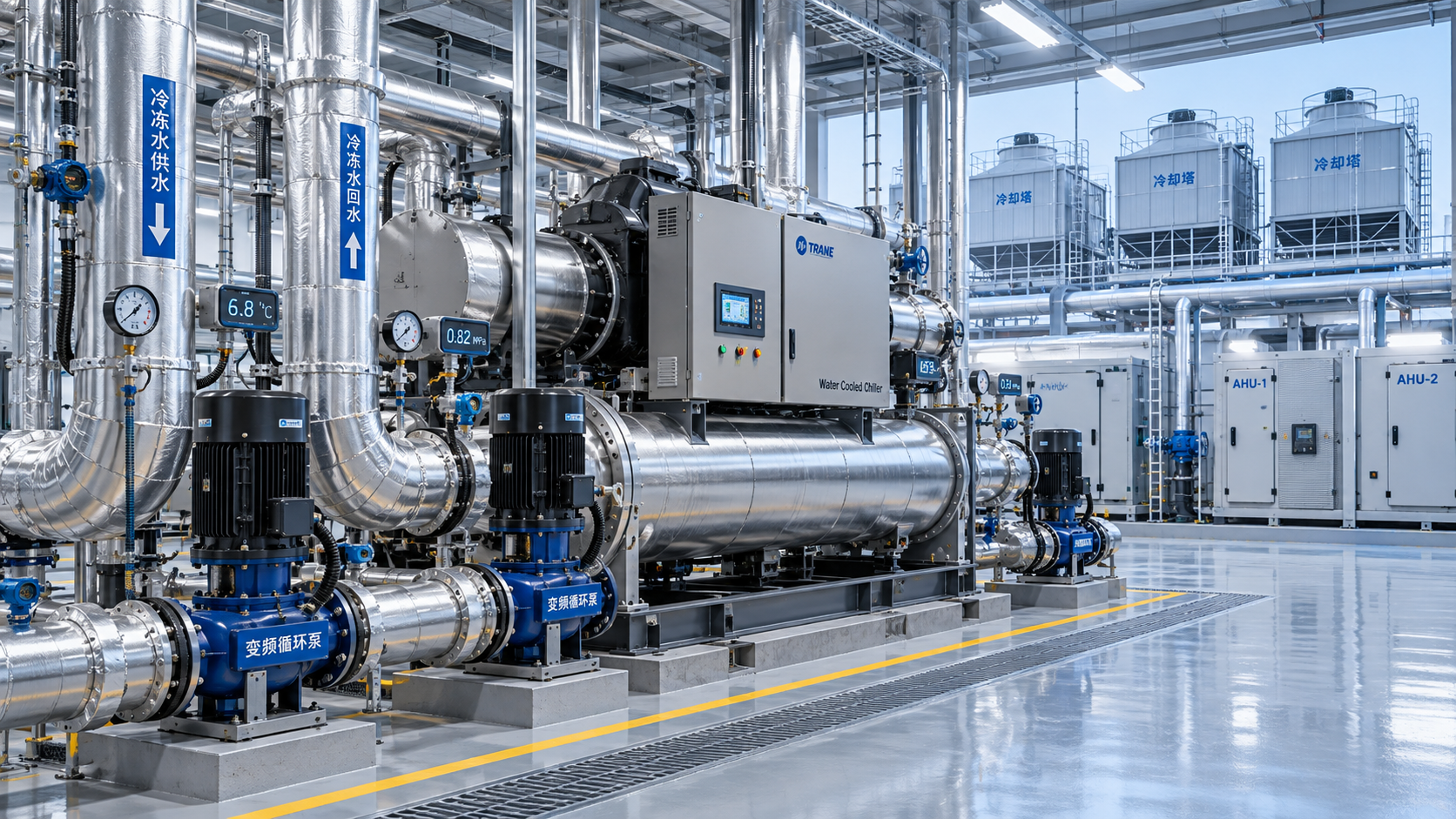
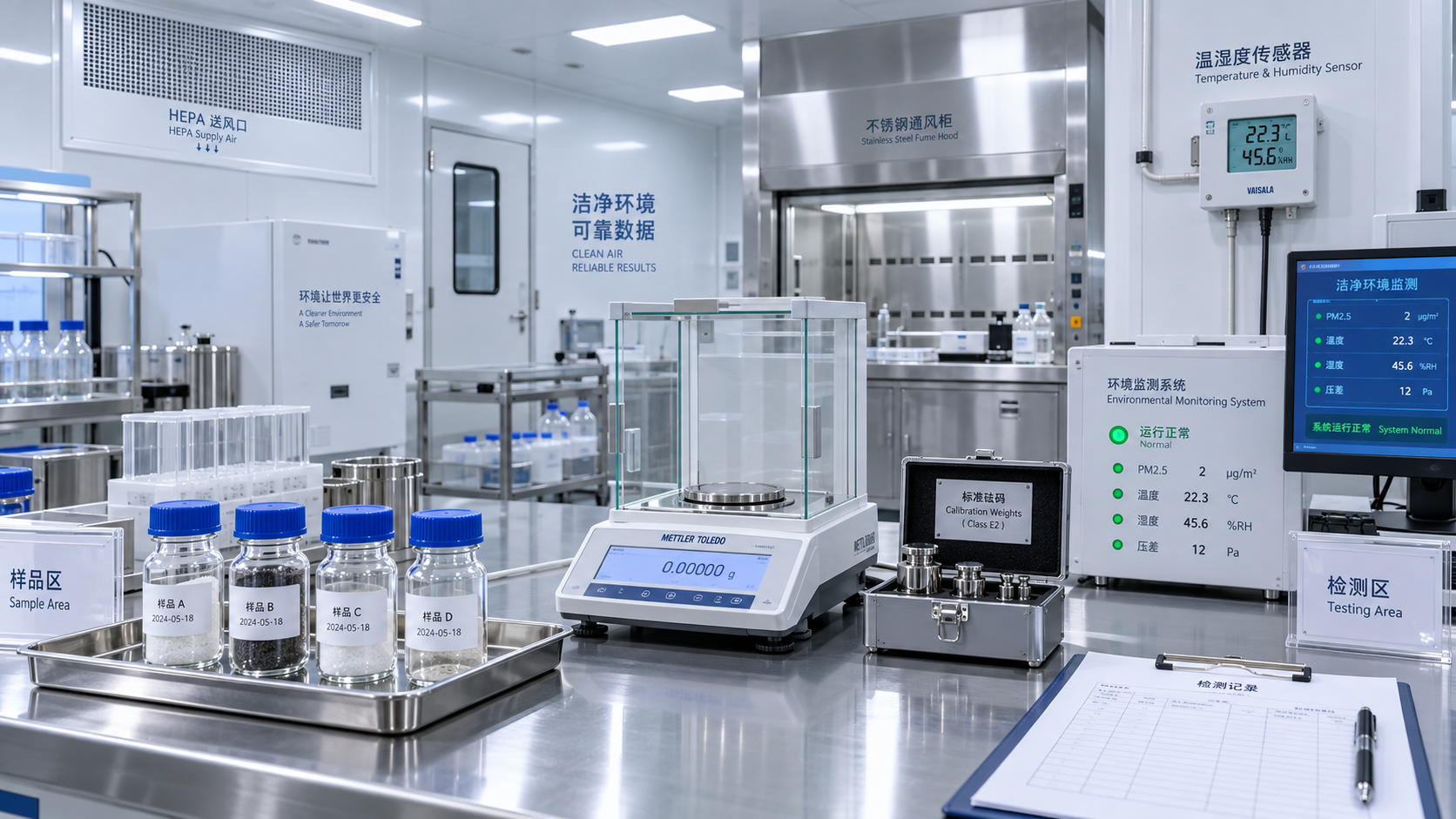
For engineering project leaders building or upgrading contamination-critical facilities, ASHRAE Standards guidelines provide the foundation for stable cleanroom HVAC performance, energy efficiency, and regulatory alignment. This introduction explores how airflow control, temperature stability, humidity management, and pressure cascades can be engineered to support reliable operations in advanced industrial environments.
Why do ASHRAE Standards guidelines matter for stable cleanroom HVAC?
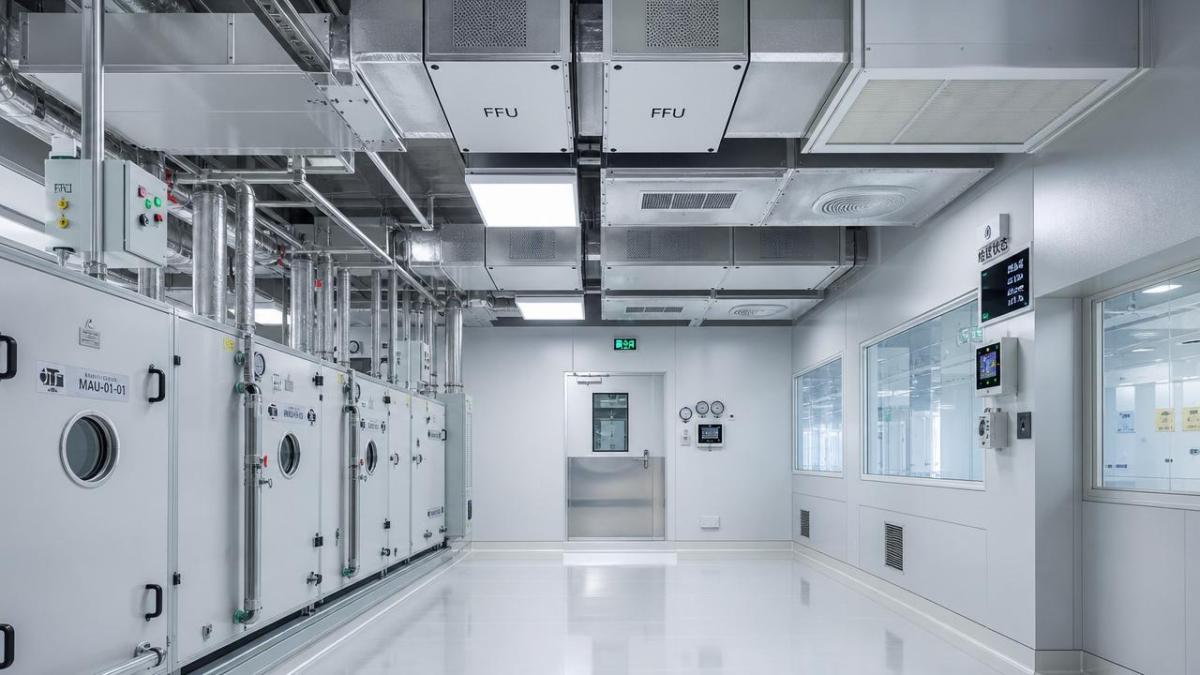
Engineering project leaders rarely struggle with the idea of cleanroom HVAC itself. The real challenge is balancing contamination control, process stability, energy targets, construction deadlines, and multi-standard compliance in one coordinated package.
That is where ASHRAE Standards guidelines become operational tools rather than reference documents. They help teams define ventilation intent, thermal tolerances, filtration logic, control response, maintainability, and commissioning expectations before expensive rework begins.
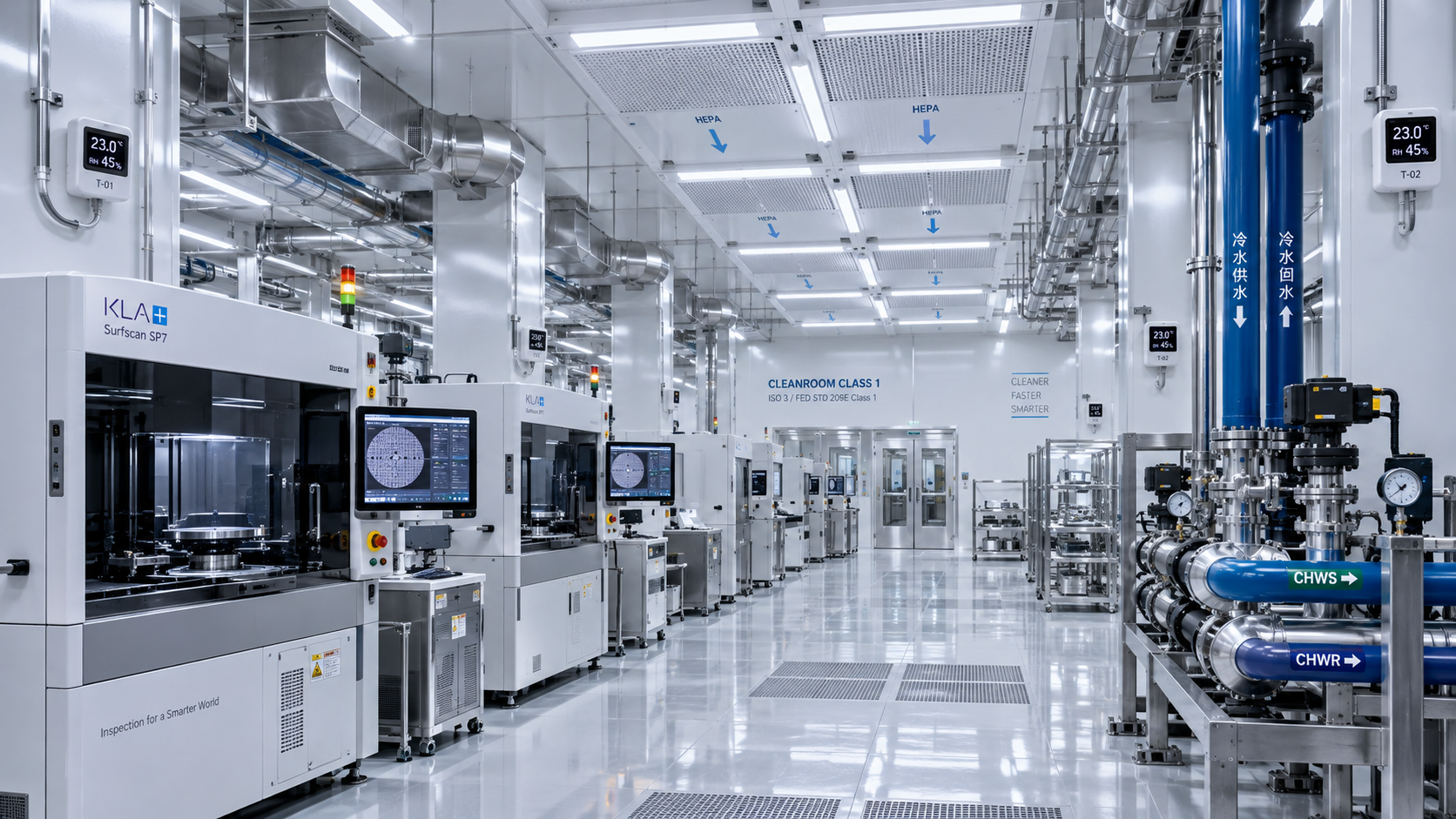
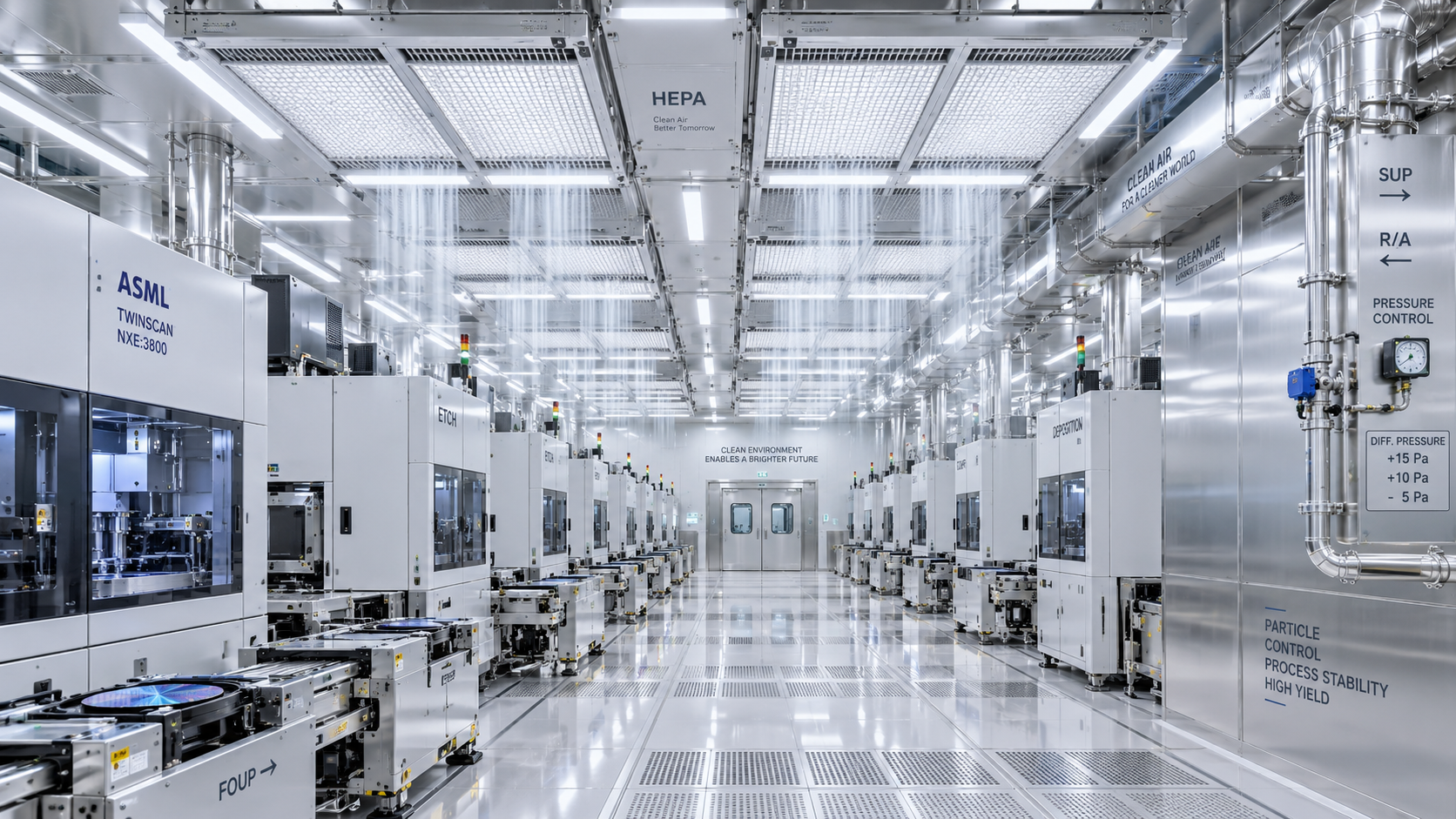
In semiconductor fabs, biopharmaceutical suites, precision laboratories, and advanced assembly zones, minor HVAC instability can trigger major downstream losses. Particle excursions, condensation, differential pressure drift, or temperature swings may interrupt yields, audits, or occupancy approval.
G-ICE approaches this issue from a systems perspective. Instead of treating HVAC, contamination control, process utilities, biosafety, and monitoring as separate procurement packages, it benchmarks each element against real operating conditions and cross-standard compatibility.
Core reasons project leaders rely on these guidelines
- They support clearer design criteria for airflow patterns, air changes, pressurization, and zone separation.
- They reduce ambiguity between consultants, contractors, controls integrators, and validation teams.
- They help justify equipment sizing choices when owners question initial capital cost versus long-term operating stability.
- They improve audit readiness by aligning HVAC decisions with broader cleanroom and environmental control expectations.
What performance variables should be controlled first?
Not every project needs the same tolerance stack. A project leader should prioritize variables based on process sensitivity, occupancy profile, contamination risk, recovery speed, and utility resilience. ASHRAE Standards guidelines are most effective when linked to a practical hierarchy of control.
The table below helps translate stable cleanroom HVAC requirements into project-level decision points. It is especially useful during basis-of-design reviews, procurement alignment, and commissioning planning.
For project leaders, the key takeaway is simple: stable cleanroom HVAC is never defined by one parameter. ASHRAE Standards guidelines work best when airflow, thermal control, humidity, and pressure are treated as an interdependent control architecture.
A practical control hierarchy
- Define cleanliness and process tolerance before selecting equipment.
- Set room pressure relationships before refining airflow quantities.
- Confirm thermal loads from people, tools, lighting, and envelope leakage.
- Integrate controls, alarms, and trend logging into acceptance criteria.
Which cleanroom scenarios require different HVAC interpretations?
One common mistake is applying a single air-change mindset across every contamination-critical project. ASHRAE Standards guidelines support disciplined interpretation, but scenario-specific design intent still matters. A sterile fill suite is not a wafer handling bay, and neither behaves like a high-risk laboratory.
Typical application scenarios
- Semiconductor and microelectronics spaces often prioritize ultralow particle control, strict temperature stability, and localized heat removal from tools.
- Pharmaceutical and biotech rooms frequently combine cleanliness with pressure zoning, operator protection, and robust recovery after sanitation cycles.
- Quantum, metrology, and precision R&D facilities may require tighter thermal drift control than conventional industrial production spaces.
- Biosafety and containment laboratories require the HVAC design to coordinate with directional airflow, exhaust treatment, and hazard segregation.
G-ICE is particularly valuable in mixed-use campuses where a project leader must align cleanroom HVAC with UPW systems, digital monitoring, process exhaust strategies, and ESG-oriented energy review. That broader benchmarking perspective reduces conflict between isolated package suppliers.
The following comparison table shows how stable cleanroom HVAC priorities shift by scenario while still referencing ASHRAE Standards guidelines as the baseline framework.
This comparison matters during front-end engineering. It prevents overdesign in some zones and underprotection in others. It also helps owners separate process-critical requirements from assumptions copied from unrelated cleanroom projects.
How should project leaders evaluate HVAC design and equipment selection?
Procurement decisions for stable cleanroom HVAC should never be reduced to fan capacity or filter grade alone. Engineering project leaders need a selection method that ties ASHRAE Standards guidelines to operational reality, maintenance access, and lifecycle cost.
Selection criteria that deserve early review
- Control stability under part-load conditions, because many cleanrooms operate far below peak design for long periods.
- Sensor strategy, including placement, redundancy, calibration access, and integration with BMS or digital twin platforms.
- Filter maintenance logic, especially pressure-drop growth, replacement access, and impact on room requalification.
- Utility quality, such as chilled water temperature stability, steam cleanliness, compressed air interface, and emergency power response.
- Commissioning depth, because a stable design on paper can still fail in sequence tuning or room balancing.
G-ICE supports this evaluation by linking cleanroom airflow hardware, precision thermal management, monitoring architecture, and compliance intent into one benchmark model. For owners with fast delivery schedules, that integration can prevent late-stage redesign between MEP, validation, and process teams.
A practical procurement checklist
- Confirm target room classification, process loads, and occupancy assumptions in writing.
- Request airflow, pressure, and thermal control sequences, not only equipment datasheets.
- Review failure modes for power loss, filter loading, sensor drift, and door opening frequency.
- Align acceptance testing with measurable performance bands and trend durations.
- Evaluate serviceability and spare strategy before final vendor award.
Where do cost, risk, and alternatives usually get misunderstood?
Project leaders often face pressure to lower first cost by reducing redundancy, minimizing control sophistication, or selecting generalized air-handling configurations. This can be reasonable in some support zones, but it becomes risky when cleanroom HVAC stability is essential to process continuity or audit readiness.
ASHRAE Standards guidelines do not force one premium configuration for every project. Instead, they help teams judge where precision is mandatory, where flexibility is acceptable, and where phased upgrades make sense.
Typical cost-risk tradeoffs
- Lower-cost controls may meet nominal setpoints but fail to maintain stability during transient loads or seasonal conditions.
- Reduced filtration staging can cut initial spend but increase contamination sensitivity and maintenance disruption.
- Centralized systems may simplify plant architecture, while decentralized room-level control may improve local response in sensitive areas.
- Energy-saving setbacks are attractive, but they must be coordinated with recovery time requirements and requalification logic.
A disciplined alternative analysis should compare lifecycle exposure, not just equipment price. Downtime risk, validation burden, pressure instability, and operator complaints frequently cost more than the savings achieved by initial scope reduction.
How do standards, commissioning, and monitoring work together?
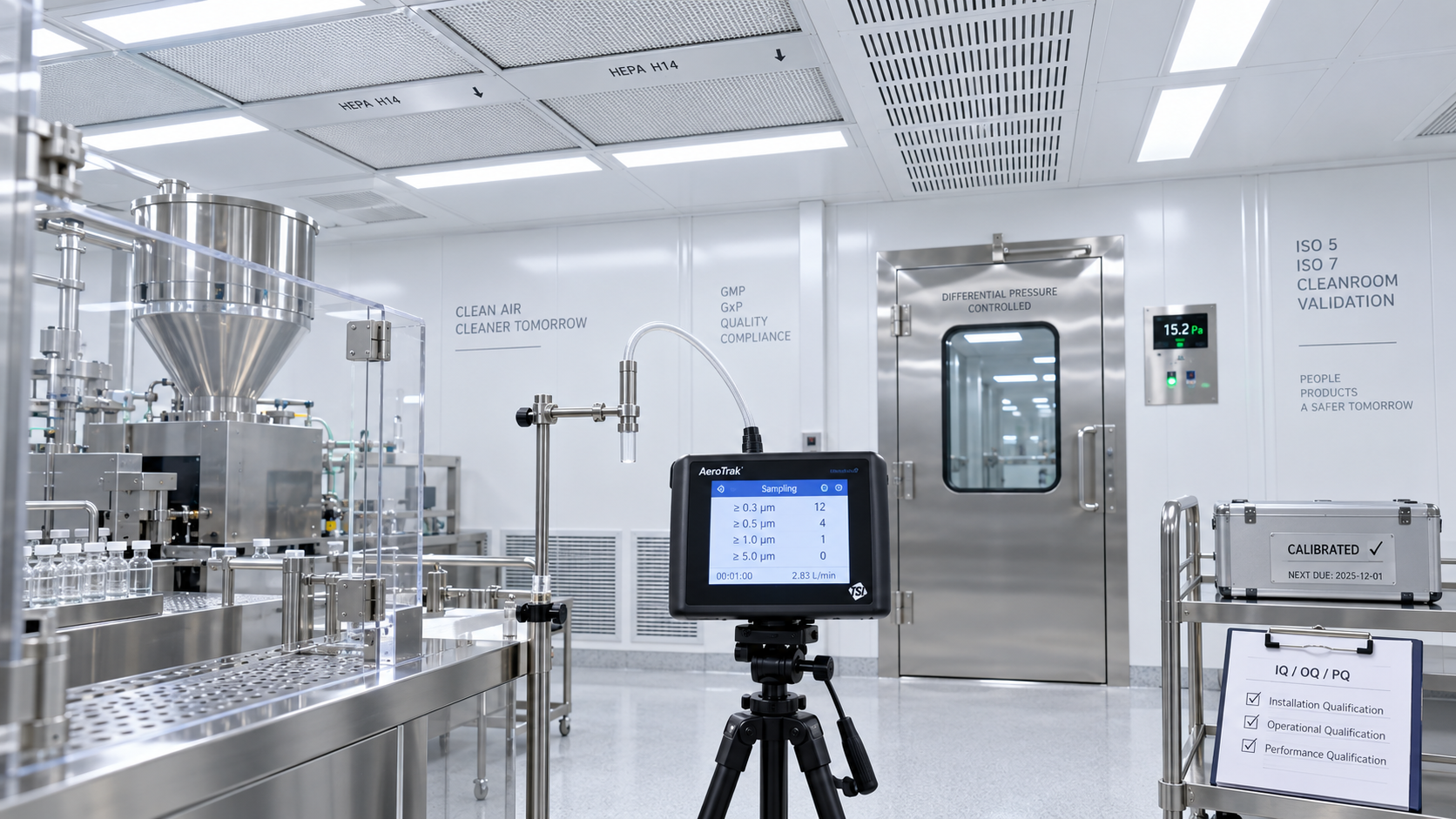
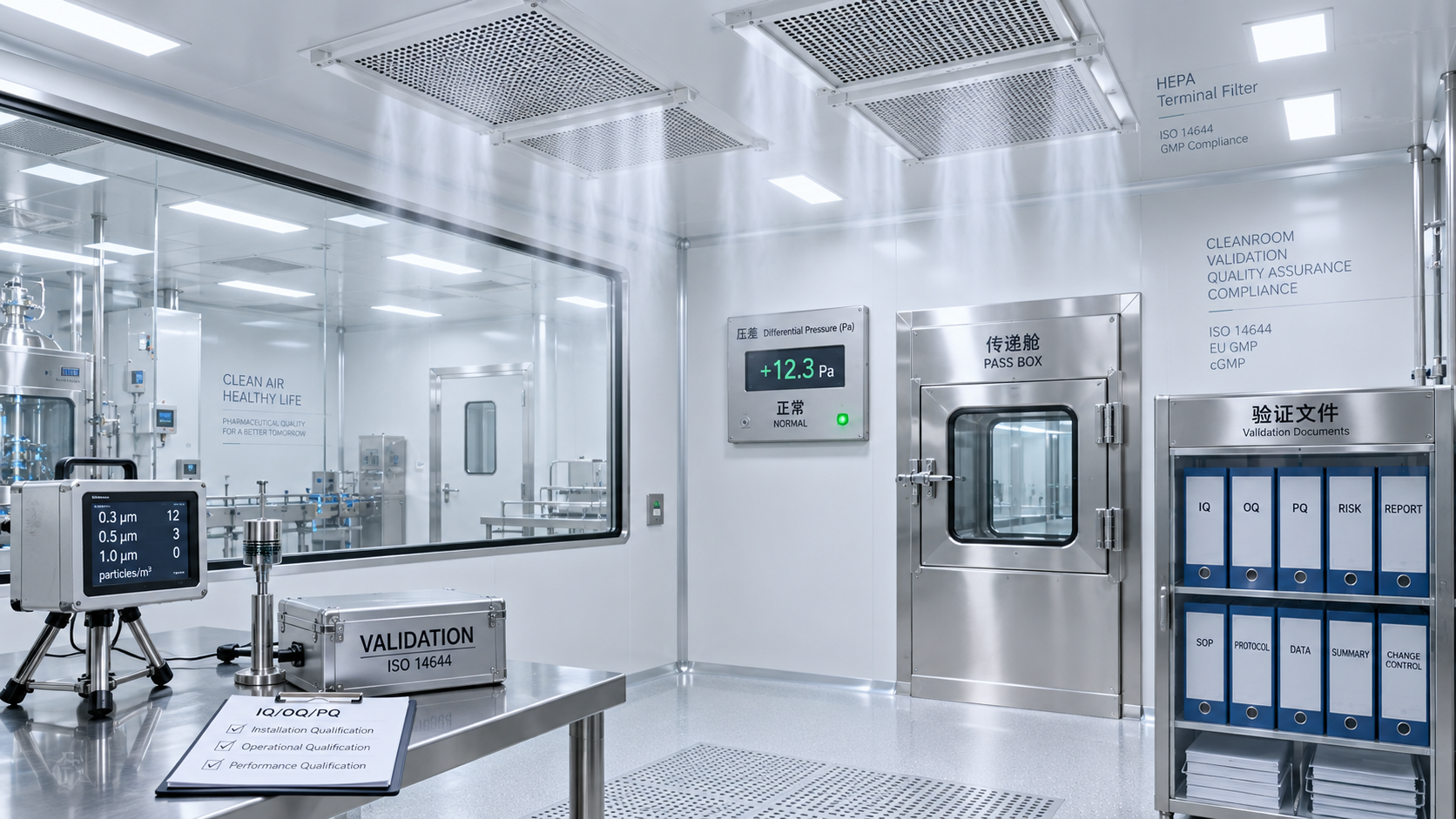
Stable cleanroom HVAC is achieved through execution, not only design intent. Project teams may cite ASHRAE Standards guidelines, ISO 14644, or sector-specific expectations, yet still encounter instability because commissioning is too narrow or monitoring is too shallow.
What should be verified before handover?
- Airflow balance under occupied and unoccupied modes, including door events and pressure recovery.
- Temperature and humidity trend stability over meaningful operating periods rather than spot checks alone.
- Alarm thresholds, sensor calibration records, and control response to abnormal conditions.
- Maintenance procedures for filters, coils, dampers, humidification devices, and control devices.
G-ICE brings added value here through its smart environmental monitoring and digital twin control perspective. When trend analytics, utility behavior, and room performance are reviewed together, project leaders gain earlier warning of instability and stronger evidence for optimization decisions.
FAQ: what do engineering project leaders ask most often?
How should we apply ASHRAE Standards guidelines if our facility has mixed cleanroom grades?
Start by zoning the building by process criticality, contamination sensitivity, occupancy, and utility dependency. Do not assign identical airflow or pressure logic to all areas. Mixed-grade facilities usually benefit from a layered approach where the most sensitive rooms receive tighter control and adjacent support zones are optimized for efficiency.
What is the most common cleanroom HVAC mistake during procurement?
The most common mistake is buying around nominal capacity instead of control behavior. Two systems may appear similar on paper, yet one responds poorly to part-load shifts, door openings, or filter loading. Always ask for control sequences, sensor architecture, and commissioning scope.
Are tighter tolerances always better?
No. Tighter tolerances increase capital cost, controls complexity, and operating energy. They are justified only when the process, product, or biosafety objective requires them. A sound design uses ASHRAE Standards guidelines to define what is necessary, measurable, and sustainable.
How early should monitoring and data integration be planned?
As early as basis-of-design development. If monitoring is treated as a late add-on, sensor placement, trending logic, alarm design, and commissioning evidence often become fragmented. Early planning improves both operational visibility and future optimization.
Why choose us for cleanroom HVAC benchmarking and project support?
G-ICE supports engineering project leaders who need more than a generic HVAC recommendation. Our strength lies in connecting ASHRAE Standards guidelines with contamination control, precision thermal management, UPW coordination, biosafety logic, and smart monitoring architecture across advanced industrial environments.
If you are planning a new facility or upgrading an existing one, you can consult us on room parameter confirmation, airflow and pressure strategy, equipment selection logic, delivery sequencing, monitoring architecture, compliance alignment, and phased retrofit options.
We can also help you review temperature and humidity targets, FFU and air-handling configuration, utility interface risks, commissioning scope, and practical alternatives when budget, schedule, or certification constraints are tight. That makes the conversation useful from the first technical exchange, not only at the quotation stage.
For teams comparing vendors or validating a concept design, a focused discussion around ASHRAE Standards guidelines can clarify selection criteria, expected operating stability, and the tradeoffs between first cost and lifecycle performance.
Get weekly intelligence in your inbox.
No noise. No sponsored content. Pure intelligence.
 Oct 21, 2026How often is cleanroom certification required under ISO 14644-2?Cleanroom Certification is generally recommended annually under ISO 14644-2. Learn when risk-based extensions apply and which changes trigger earlier testing to plan with confidence.
 Oct 21, 2026FASEB Comments on NIH Draft Policy for Research Involving BiohazardsFASEB comments on NIH’s draft biohazard research policy call for risk-based biosafety oversight. Explore potential implications for laboratories, suppliers, and compliance teams.
 Oct 20, 2026How to disinfect ultrasound machines without damaging surfacesLearn how to disinfect ultrasoundmachines without surface damage. Explore compatible products, wet contact times, and probe care to protect patients and equipment.
 Oct 20, 2026Ultrapure Water in Semiconductor Manufacturing: Reuse and Quality Control InsightsExplore ultrapure water reuse in semiconductor manufacturing, key UPW quality benchmarks and analytical insights to help evaluate suppliers and protect process purity.
 Oct 19, 2026How cooling affects warpage in injection-molded consumer electronics housingsOptimize plastic injection molding for consumer electronics with cooling strategies to reduce housing warpage and improve assembly fit. Discover practical checks for stable, efficient production.
 Oct 18, 2026Can air leaks prevent a dehumidifier from holding its target dew point?Why can't our dehumidifier maintain the target dew point? Discover how air leaks increase moisture loads, spot hidden faults, and find practical fixes to restore reliable dew-point control.
 Oct 17, 2026How semiconductor process water treatment removes trace organicsSee how semiconductor process water treatment removes trace organics with RO, UV oxidation, and polishing. Learn how TOC monitoring helps verify purity and pinpoint contamination.
 Oct 16, 2026How to choose ultra pure water piping materials to limit leachingChoose ultra pure water piping with confidence. Compare PVDF, PFA, and stainless steel, assess leaching risks, and learn how to qualify your system for reliable purity.
 Oct 15, 2026How to size a skid-mounted deionized water system for peak demandCompare deionized water systems skid configurations for peak demand. Learn how to balance production, storage, and pump capacity to prevent shortages and avoid costly oversizing.
 Oct 14, 2026When is collaborative laboratory robotics suitable for sample sorting?Explore when collaborative laboratory robotics suits sample sorting. Discover key checks for safety, traceability, container compatibility, and throughput before choosing your solution.
 Oct 13, 2026How sandwich panel joints affect airtightness in cleanroom systemsCleanroom Systems sandwich panels need reliable joints for airtightness. Discover how gaskets, sealants, and testing help reduce leakage and protect cleanroom pressure control.
 Oct 12, 2026How to verify USP compliance for ultra pure water systemsUltra Pure Water Systems USP compliance: learn how to verify water quality, sampling, sanitization, trends, and validation controls at every point of use.
 Oct 11, 2026How tight temperature control prevents cleanroom process driftCleanroom process temperature control systems prevent costly drift by stabilizing critical conditions, improving repeatability, and protecting sensitive production workflows.
 Oct 10, 2026When does organic contaminant removal require TOC treatment?Organic contaminant removal requires TOC treatment when dissolved organics threaten product quality, equipment reliability, or process control. Learn how to assess risks and choose the right solution.
 Oct 08, 2026What affects lead times for sheet metal bending services in Canada?Sheet metal bending services Canada: discover how material supply, tooling, tolerances, finishing, documentation, and freight affect lead times for reliable project delivery.
 Oct 07, 2026How HVAC design for semiconductor fabs prevents airborne contaminationHVAC design for semiconductor fabs prevents airborne contamination through advanced filtration, pressure cascades, airflow control, and real-time monitoring. Explore key strategies for cleaner, more reliable wafer production.
 Oct 06, 2026How photovoltaic modules waterproof technology prevents moisture damagephotovoltaic modules waterproof technology prevents moisture damage with durable seals, drainage, and junction-box protection. Explore practical selection and testing insights.
 Oct 05, 2026How ISO 14644 Europe requirements affect cleanroom qualificationISO 14644 Europe requirements shape cleanroom qualification, from particle classification and recovery testing to monitoring, GMP alignment, and change control.
 Oct 04, 2026How to assess a pharmaceutical cleanroom solutions supplier’s ISO capabilityPharmaceutical Cleanroom Solutions supplier assessment guide: evaluate ISO 14644 capability, validation evidence, airflow design, documentation, and long-term GMP readiness.
 Oct 03, 2026What EU standards govern the design of BSL-3 laboratories in Europe?BSL-3 laboratories Europe: explore EU directives, EN standards, HVAC containment, commissioning, and practical design strategies for compliant, resilient high-containment facilities.
 Oct 02, 2026How EN 1822 defines HEPA filtration efficiency for cleanroomsHEPA filtration EN 1822 explained: learn how MPPS testing, local leakage limits, and filter classes support reliable cleanroom decisions.
 Oct 01, 2026How pharmaceutical process water systems control microbial riskProcess water systems pharmaceutical teams rely on can control microbial risk through hygienic design, monitoring, and validated sanitization. Explore practical compliance strategies.
 Sep 30, 2026When does a negative pressure laboratory need BSL-3 containment?Negative pressure laboratory or BSL-3? Discover the risk factors, engineering controls, and containment requirements needed for safe, compliant laboratory planning.
 Sep 29, 2026How to evaluate a TOC-zero water treatment supplier for UPW systemsChoose a TOC-zero water treatment supplier with confidence. Compare UPW performance, monitoring, validation, materials, service capability, and lifecycle cost.
 Sep 28, 2026What drives sustainable cooling cost in high-precision facilities?Sustainable cooling cost in high-precision facilities depends on thermal stability, energy, water, controls, and resilience. Explore smarter lifecycle strategies.
 Sep 27, 2026How to compare freight forwarding services for time-critical shipmentsCompare freight forwarding services for time-critical shipments with practical insights on routing, customs, visibility, specialized handling, and contingency planning.
 Sep 26, 2026How environmental integrity in laboratories supports reliable test resultsEnvironmental Integrity in laboratories safeguards samples, instruments, and staff. Discover practical controls for contamination, monitoring, and reliable test results.