Environmental Integrity Assessment Before Site Approval
Before a facility earns approval, location, utilities, and cost never tell the full story.
A disciplined Environmental Integrity assessment tests whether the site can sustain compliance, contamination control, thermal precision, and resilient operation over time.
This matters across integrated industries, especially where advanced manufacturing, regulated processing, research infrastructure, and ESG performance intersect.
For facilities influenced by cleanroom, HVAC, UPW, biosafety, or digital monitoring requirements, early assessment prevents expensive redesign, approval delays, and performance failures.
A strong Environmental Integrity assessment creates a fact-based foundation for site approval and long-term investment confidence.
Definition and Scope of Environmental Integrity Assessment
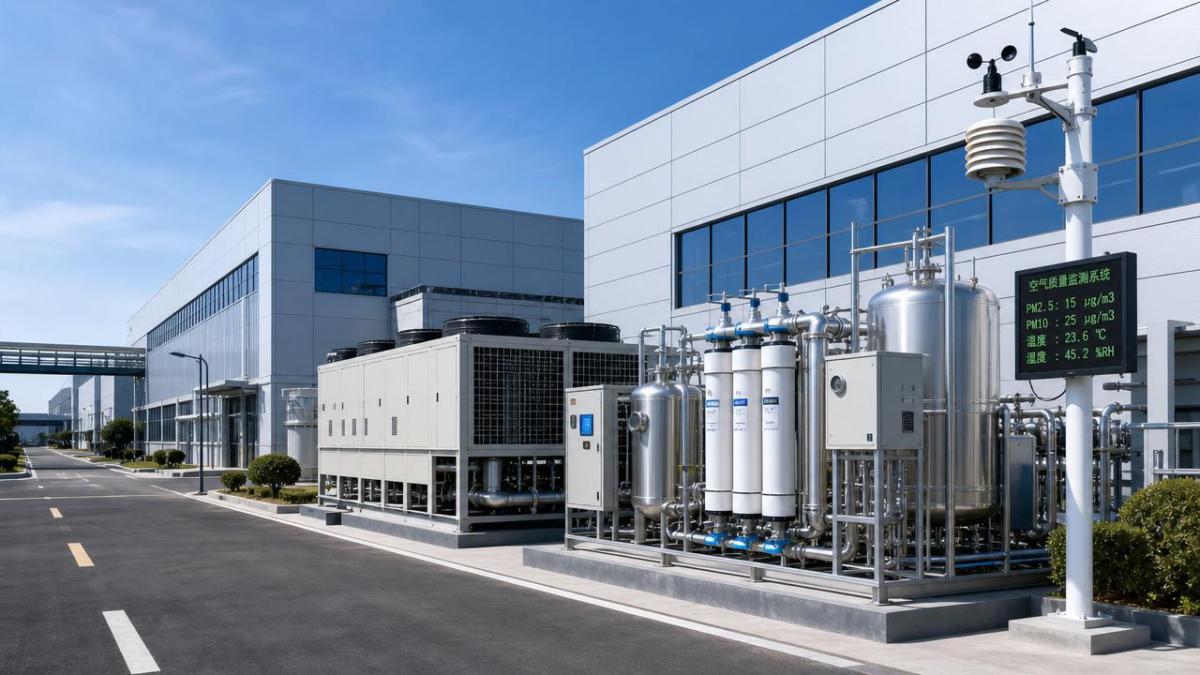
An Environmental Integrity assessment is a structured review of whether a site can support controlled, compliant, and stable operations under real conditions.
It goes beyond conventional environmental due diligence focused only on permits, visible pollution, or land history.
Instead, it evaluates physical, regulatory, and operational integrity across the environment that surrounds the proposed facility.
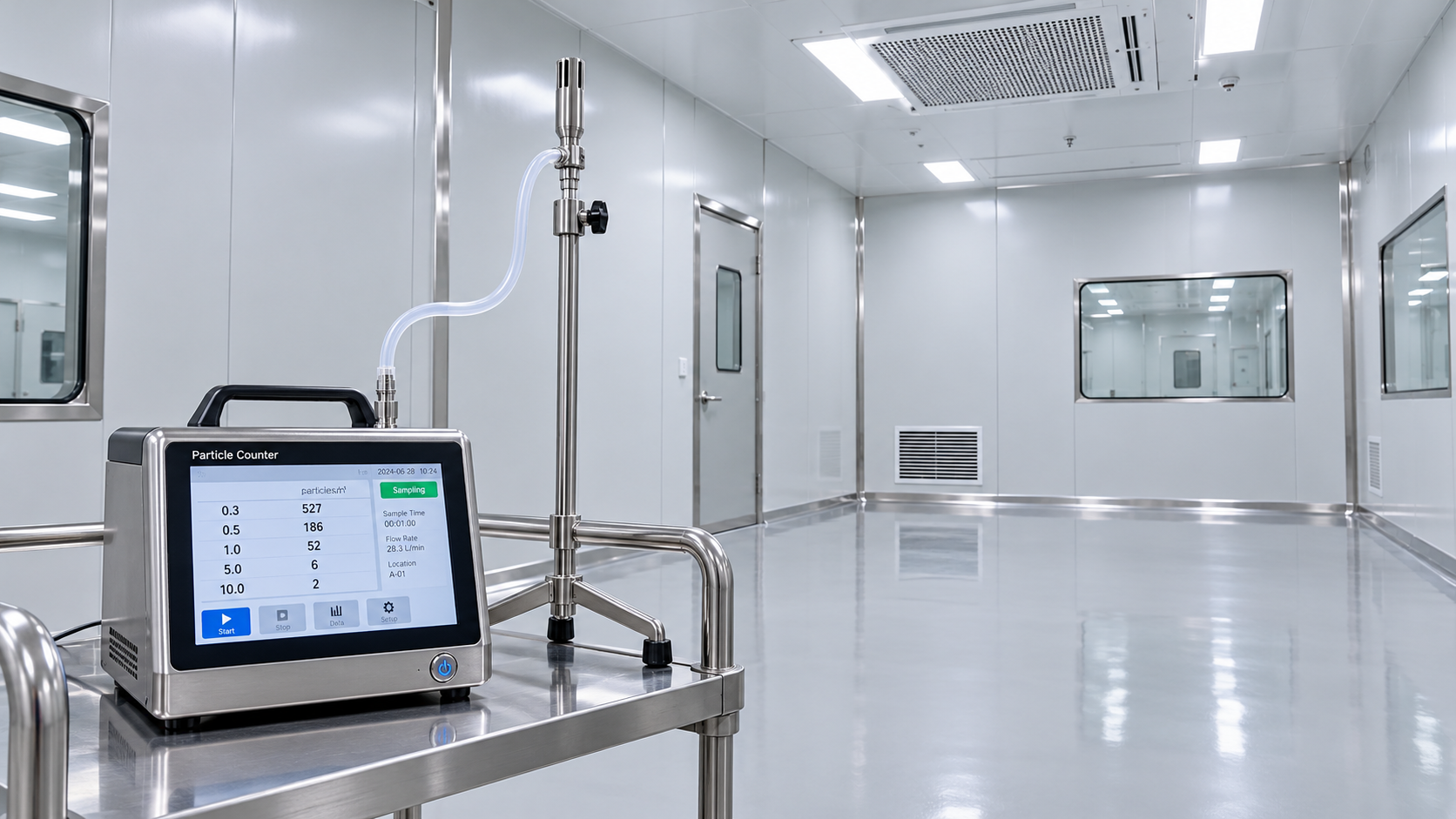
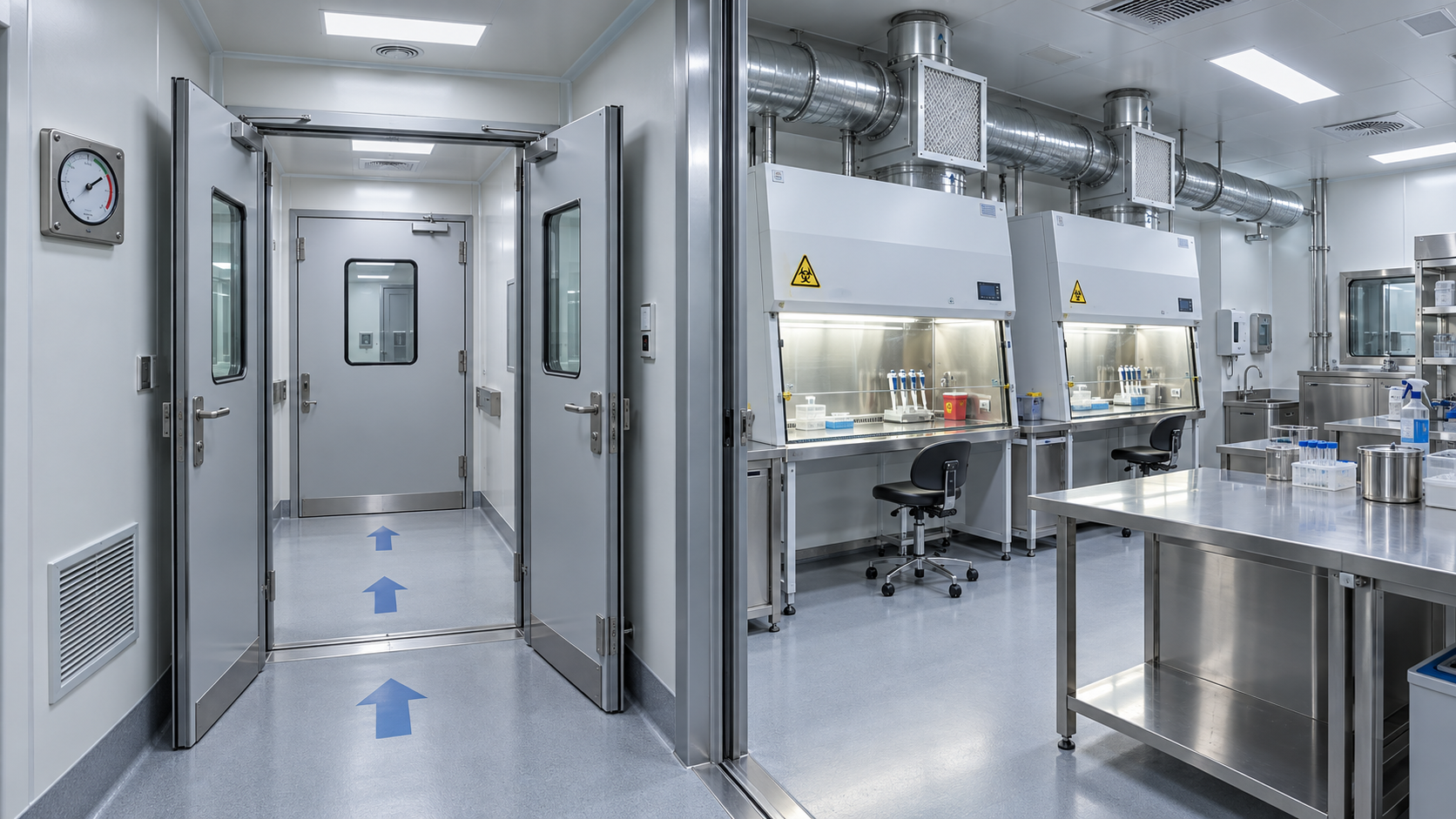
For high-performance buildings, this includes ambient air quality, vibration exposure, thermal variability, water purity risks, biosafety constraints, and digital monitoring readiness.
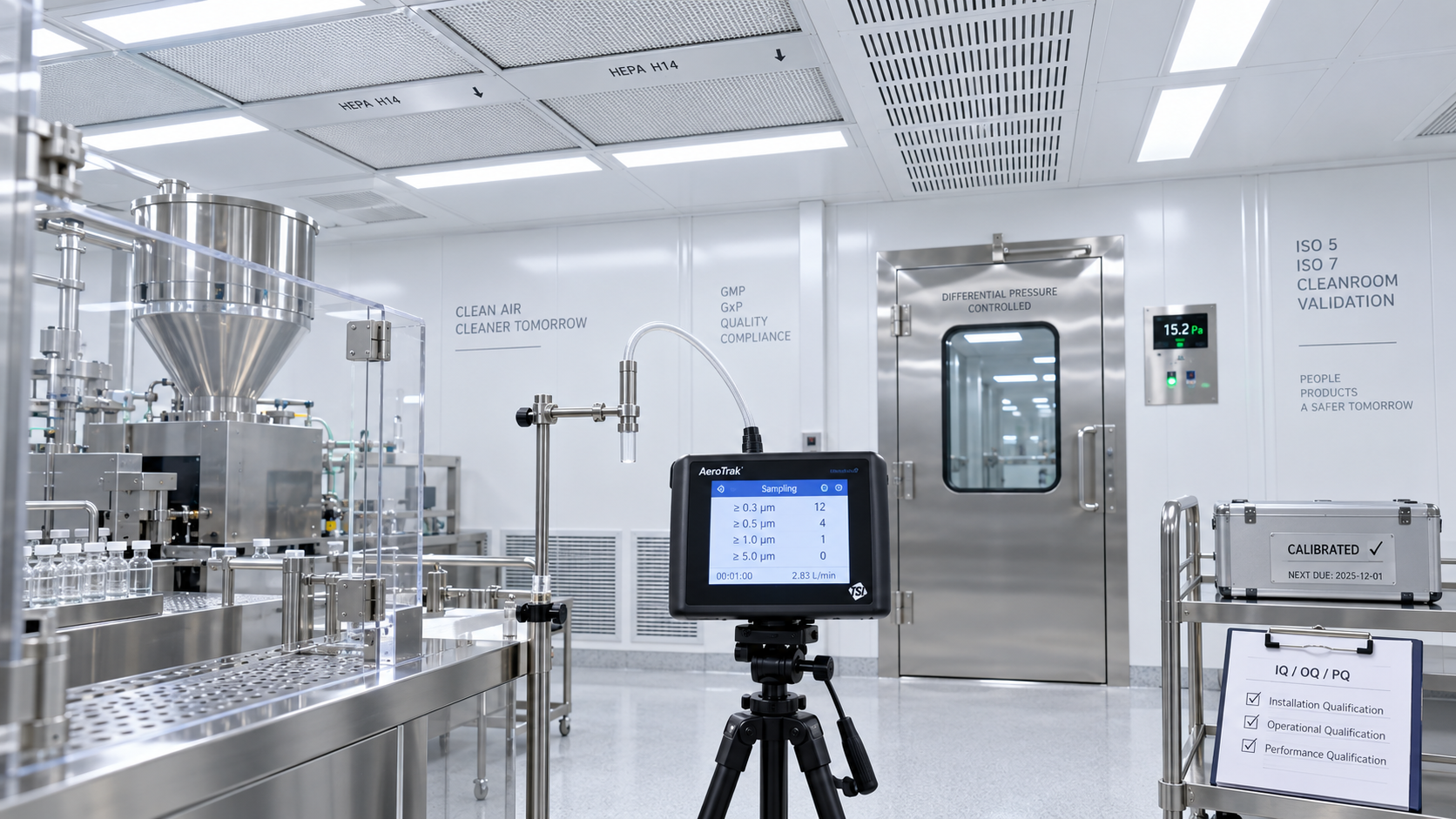
The process often benchmarks site conditions against standards such as ISO 14644, ASHRAE guidance, SEMI expectations, and local compliance frameworks.
In practical terms, the Environmental Integrity assessment asks one central question.
Can this site reliably protect process quality, people, infrastructure, and environmental obligations without excessive future correction?
Core review dimensions
- Regulatory fit and approval feasibility
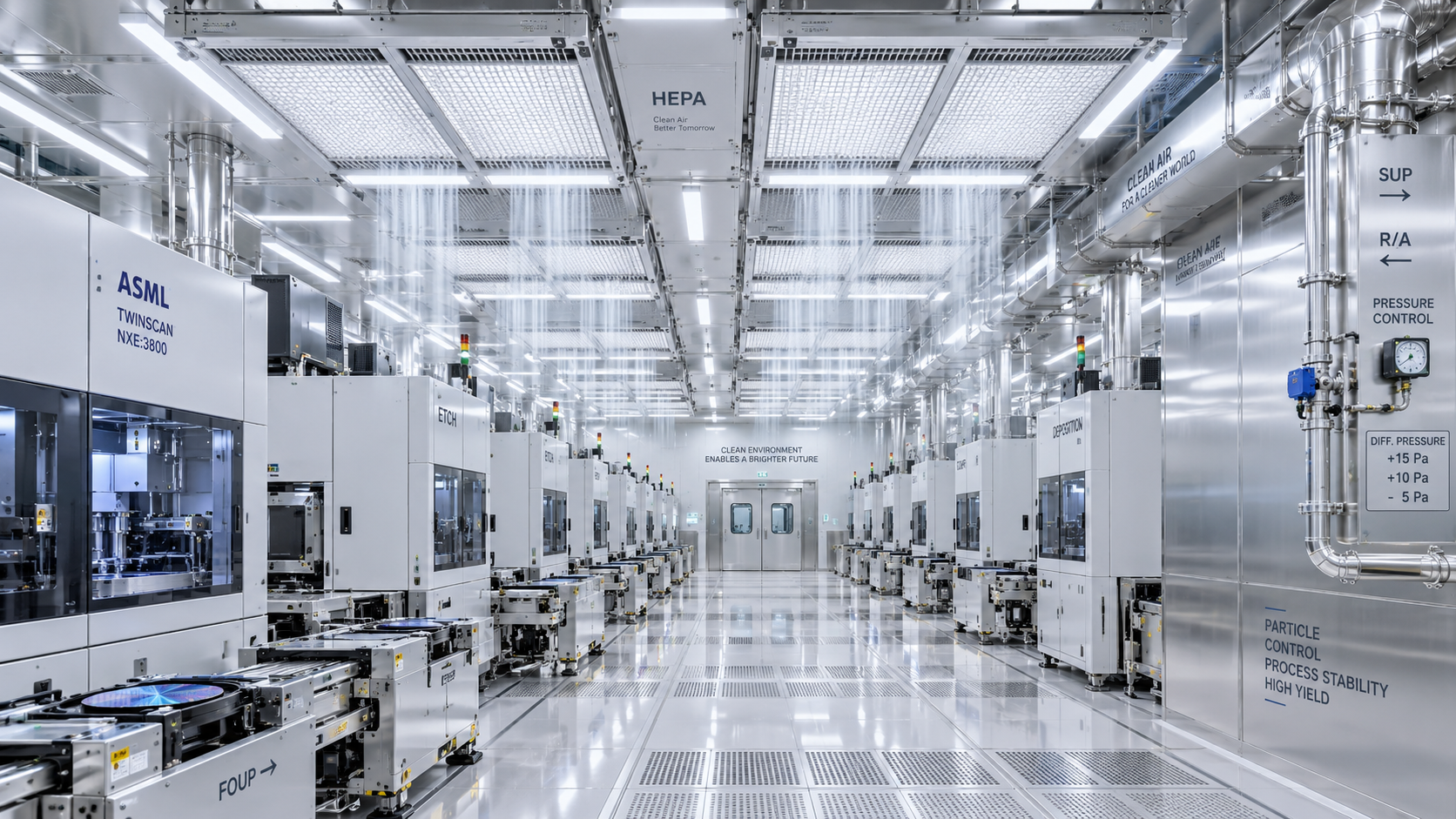
- Airborne contamination and particulate exposure
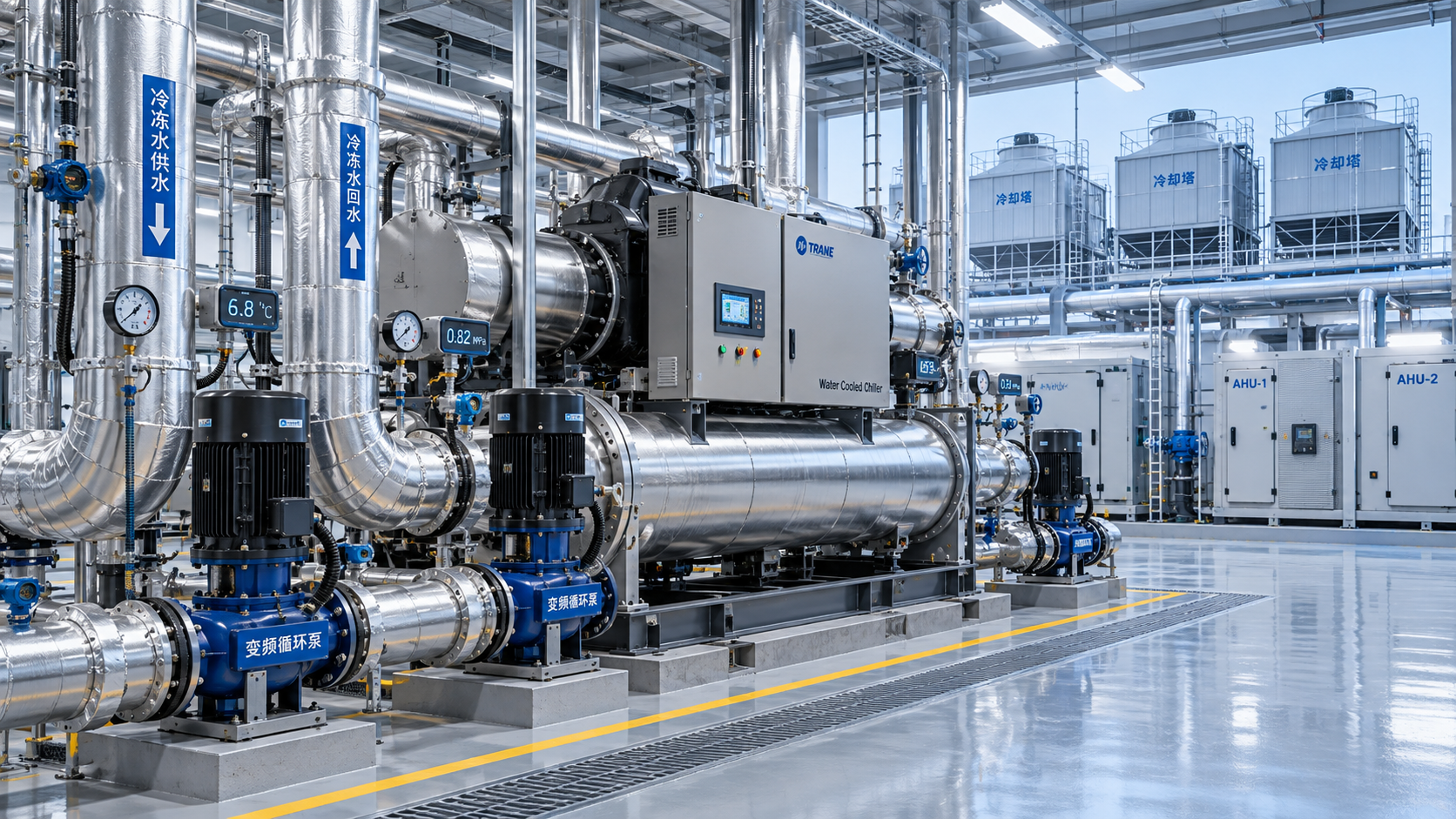
- Temperature and humidity stability potential
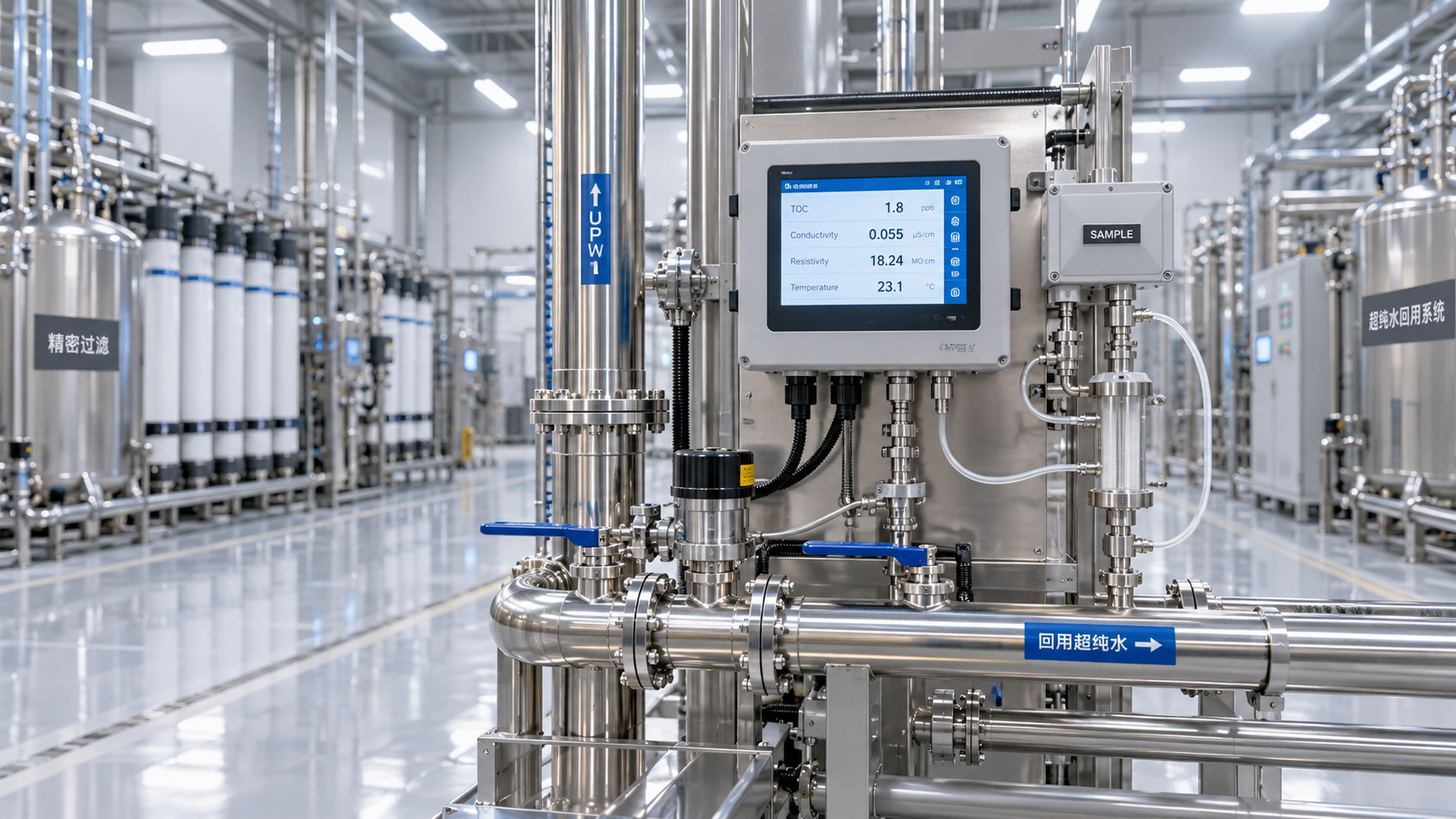
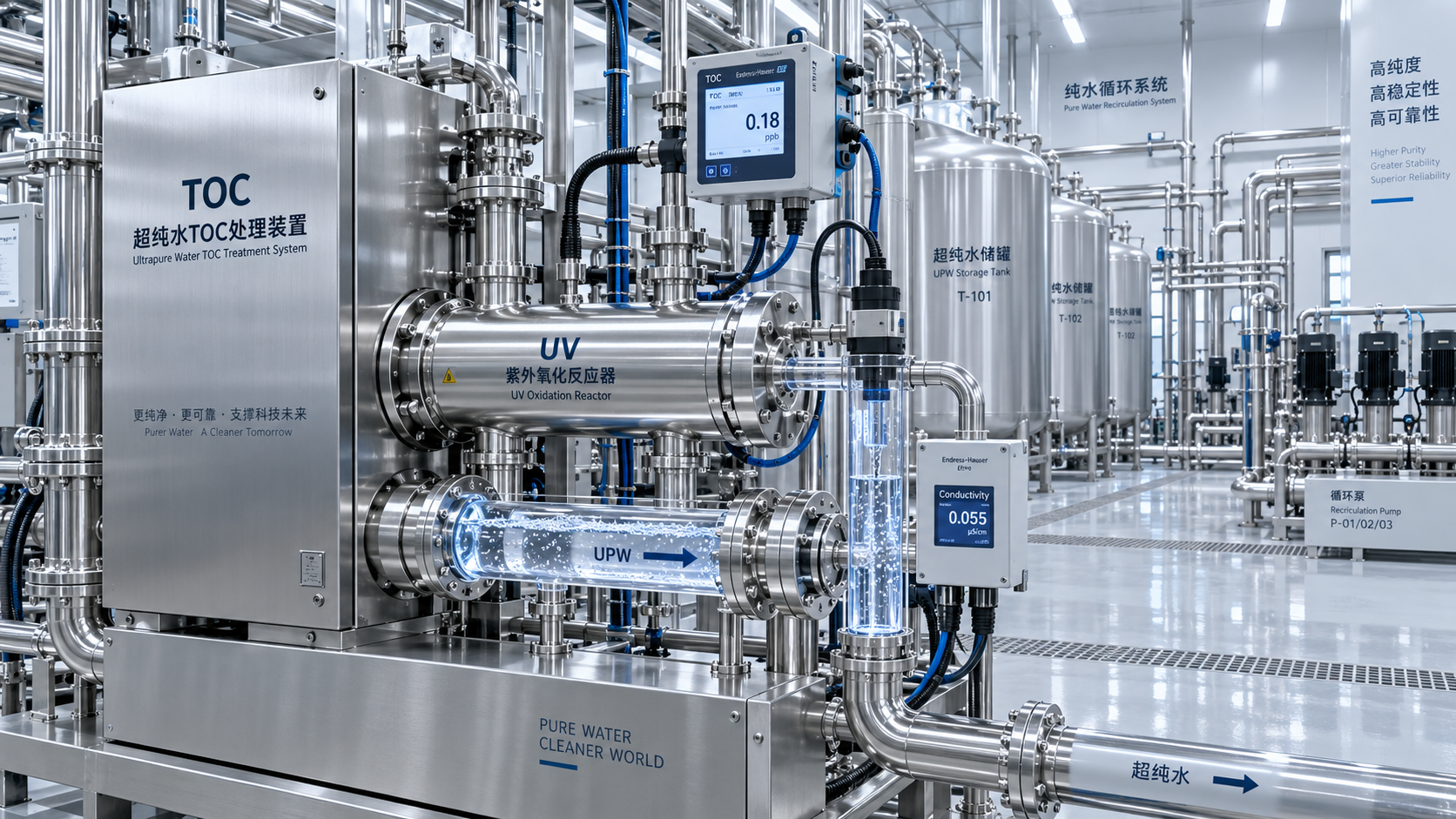
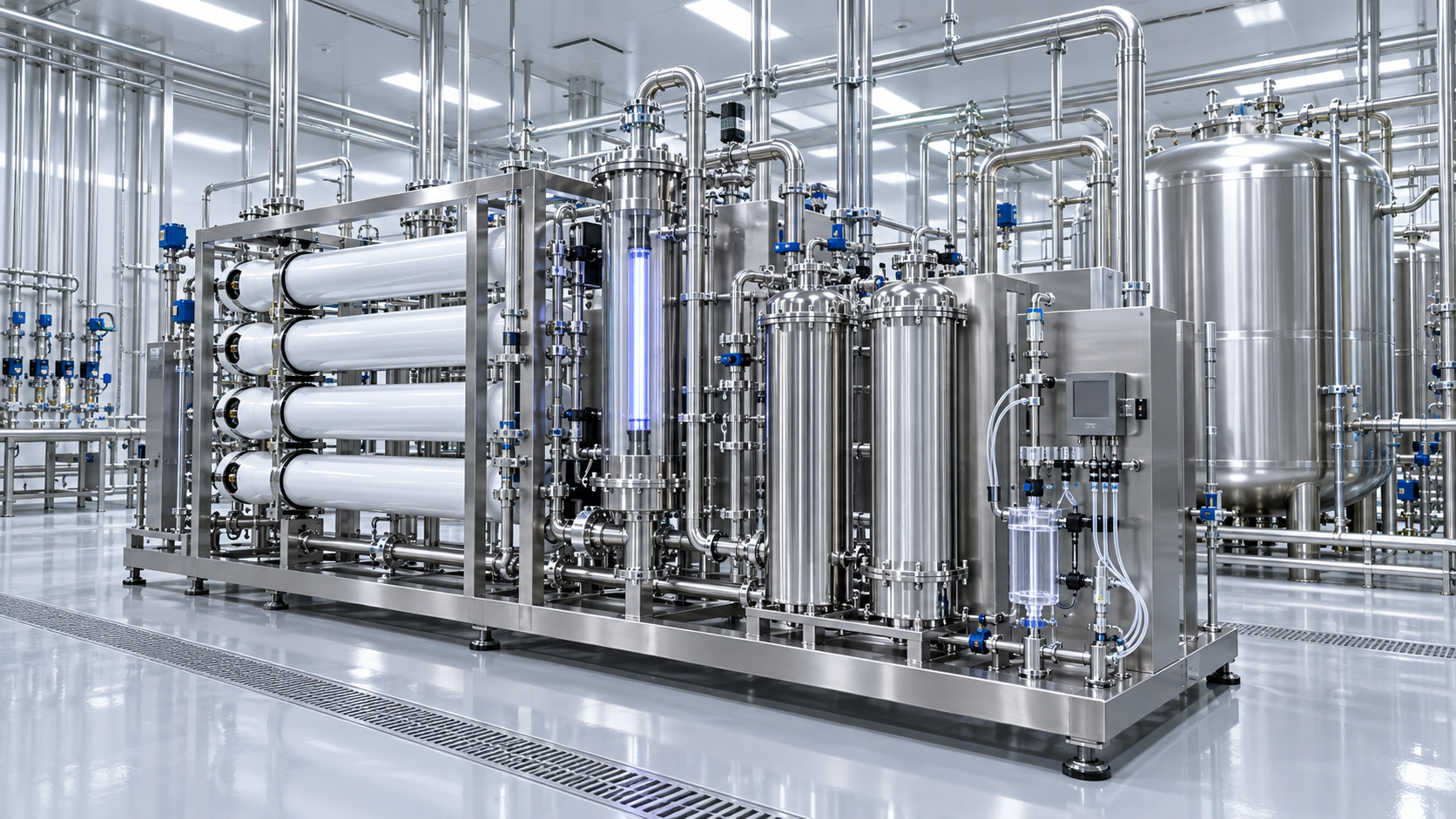
- Source water quality and treatment burden
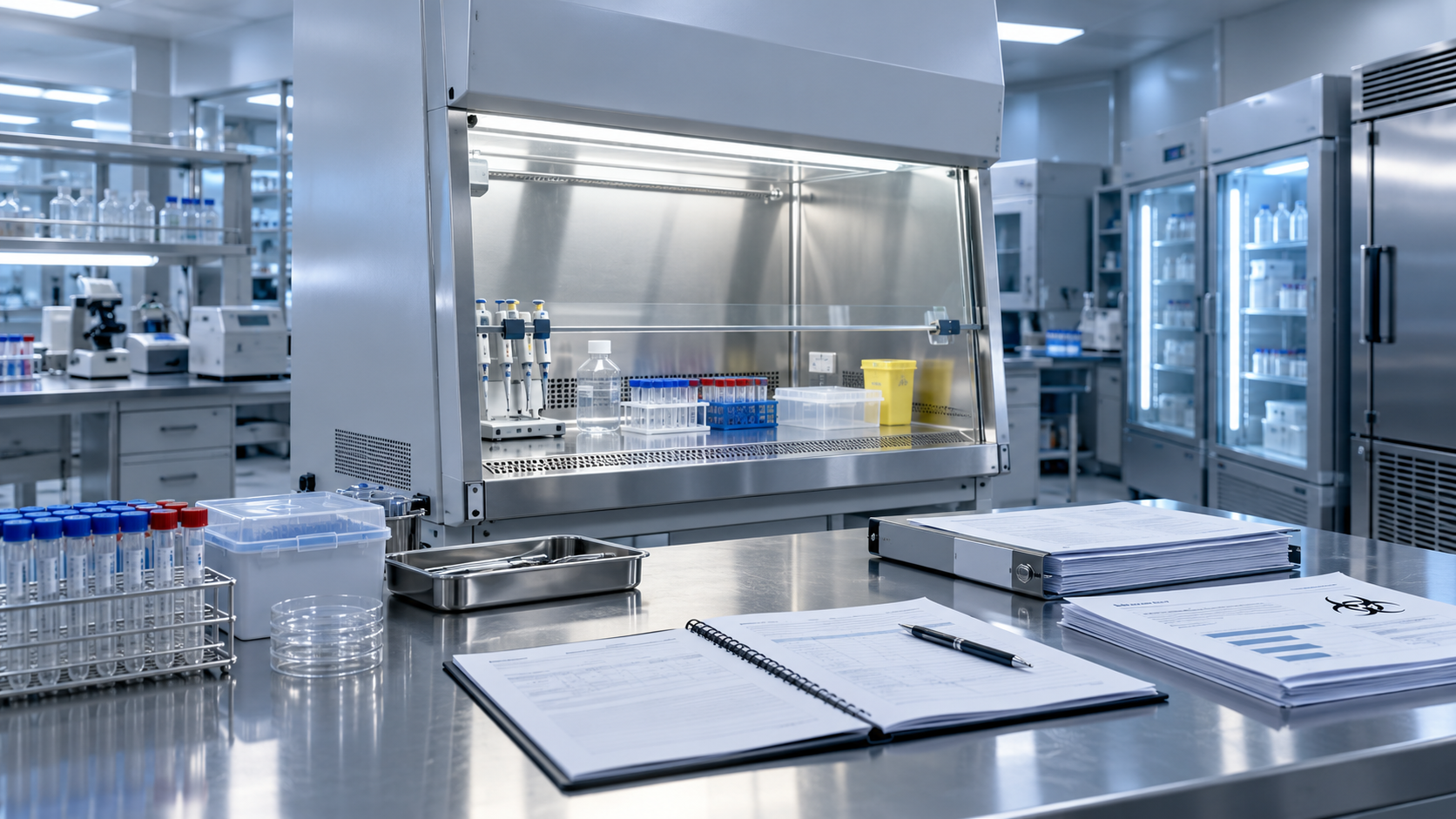
- Hazard containment and emergency compatibility
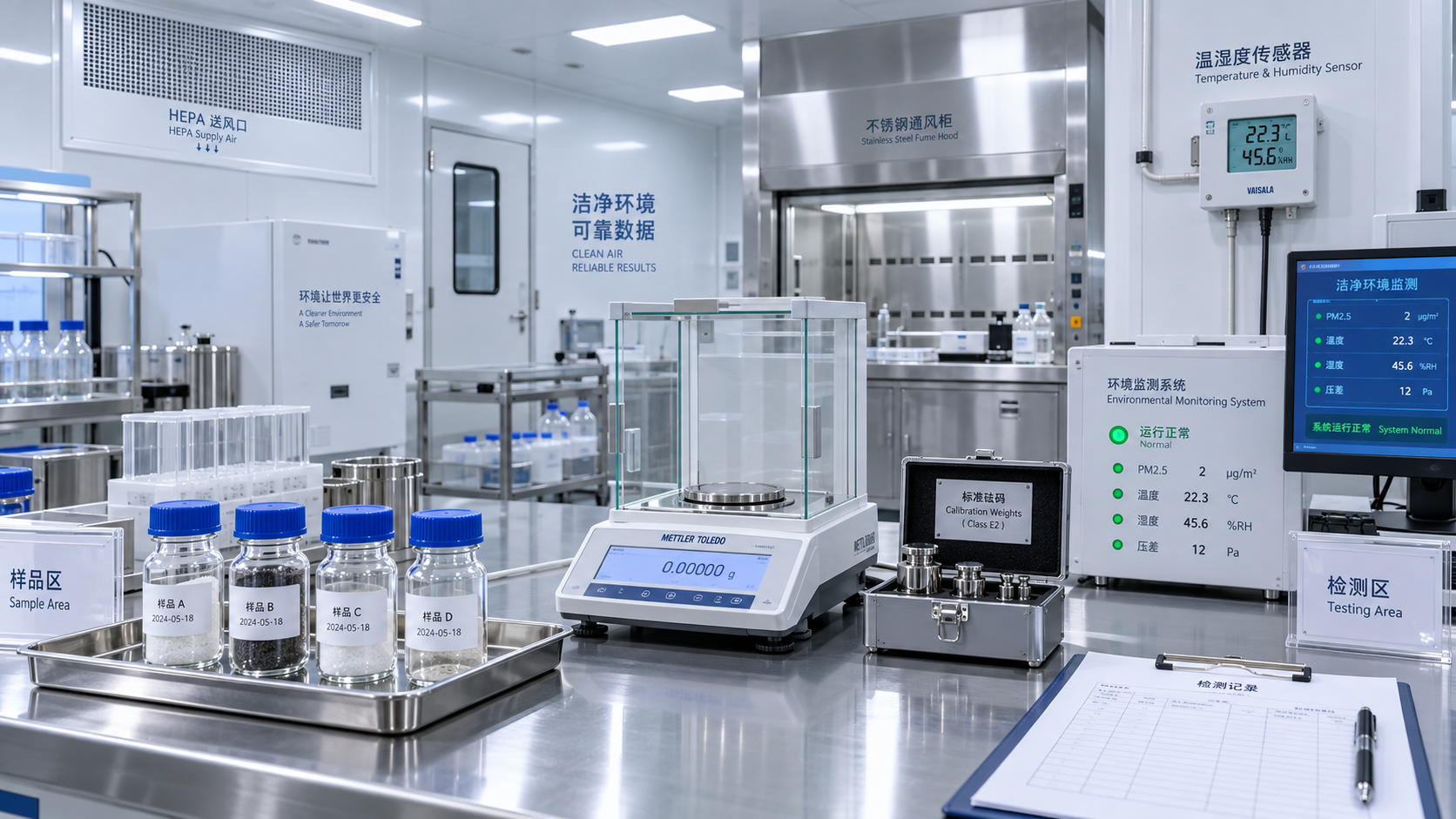
- Monitoring, traceability, and digital control readiness
Industry Context and Current Evaluation Priorities
Site approval standards are rising because industrial systems are becoming more sensitive, more connected, and more regulated.
Even minor environmental instability can disrupt production yield, validation schedules, laboratory safety, or utility consumption models.
This is especially true where sub-micron contamination, precise thermal envelopes, or ultra-pure process media define operational success.
As a result, Environmental Integrity assessment has become an early-stage decision tool rather than a late compliance checkbox.
The broad industry takeaway is clear.
A credible Environmental Integrity assessment protects both the technical concept and the business case before approval momentum becomes difficult to reverse.
Business Value of Environmental Integrity Assessment
The direct value of Environmental Integrity assessment lies in reducing uncertainty before capital is committed.
It converts hidden site conditions into measurable design, compliance, and operating implications.
That insight supports better sequencing of approvals, engineering scope, utility strategy, and supplier selection.
Key business outcomes
- Lower risk of redesign after authority or stakeholder review
- Improved alignment between site conditions and facility performance targets
- More accurate forecasting of HVAC, filtration, and water treatment costs
- Stronger evidence for ESG, governance, and resilience reporting
- Better lifecycle value through fewer operational surprises
For sophisticated environments, assessment also strengthens integration between hardware and policy.
That means chillers, FFU systems, containment barriers, and process water skids are not designed in isolation.
They are selected according to what the site can actually support while meeting future audit expectations.
This is why Environmental Integrity assessment is increasingly tied to strategic benchmarking and not only technical screening.
Typical Scenarios and Assessment Focus Areas
Different facilities require different Environmental Integrity assessment priorities, even within one integrated industrial portfolio.
The table below shows common scenarios and the most critical review angles.
Across these scenarios, Environmental Integrity assessment supports a common objective.
It tests whether the external environment and the planned internal controls can function as one coherent system.
Practical Assessment Methods and Decision Criteria
A useful Environmental Integrity assessment combines site observation, baseline measurements, document review, and engineering interpretation.
It should not rely only on historical reports or generic planning assumptions.
Recommended assessment steps
- Map site context, neighboring uses, transport corridors, and environmental receptors.
- Collect baseline data for air quality, temperature patterns, humidity, water source conditions, and noise or vibration.
- Review applicable codes, industrial standards, discharge limits, and permitting dependencies.
- Compare baseline findings against process performance targets and utility design tolerances.
- Define mitigation cost, schedule impact, and residual risk before final approval.
Decision criteria should remain practical and measurable.
If a site requires unusually complex controls just to reach minimum performance, approval confidence should decrease.
If baseline integrity is strong, design teams can optimize for performance rather than compensate for site weakness.
This distinction is where Environmental Integrity assessment delivers real strategic value.
Common Oversights and Implementation Guidance
Several mistakes reduce the usefulness of an Environmental Integrity assessment during site approval.
- Treating compliance eligibility as proof of operational suitability
- Ignoring seasonal climate behavior and utility variability
- Underestimating pretreatment needs for ultra-pure or sensitive process water
- Separating ESG reporting needs from engineering data architecture
- Reviewing contamination risks without linking them to enclosure and airflow strategy
A better approach is integrated and evidence-led.
Assessment findings should directly inform HVAC loads, cleanroom concepts, filtration grade, containment zoning, water treatment scope, and monitoring design.
That integrated model reflects how advanced facilities actually operate.
Environmental integrity is not a separate topic from infrastructure performance.
It is one of its root conditions.
Next-Step Planning for Site Approval
A thorough Environmental Integrity assessment should end with clear next actions, not just technical observations.
The final output should rank risks, define mitigation priorities, and show which issues are acceptable, correctable, or disqualifying.
It should also connect site evidence to design standards, approval sequencing, and long-term operational governance.
When this is done early, organizations can proceed with stronger certainty on compliance, performance, and capital efficiency.
For modern industrial projects, Environmental Integrity assessment is not optional due diligence.
It is the practical first filter for whether a site deserves approval at all.
Get weekly intelligence in your inbox.
No noise. No sponsored content. Pure intelligence.
 Oct 21, 2026How often is cleanroom certification required under ISO 14644-2?Cleanroom Certification is generally recommended annually under ISO 14644-2. Learn when risk-based extensions apply and which changes trigger earlier testing to plan with confidence.
 Oct 21, 2026FASEB Comments on NIH Draft Policy for Research Involving BiohazardsFASEB comments on NIH’s draft biohazard research policy call for risk-based biosafety oversight. Explore potential implications for laboratories, suppliers, and compliance teams.
 Oct 20, 2026How to disinfect ultrasound machines without damaging surfacesLearn how to disinfect ultrasoundmachines without surface damage. Explore compatible products, wet contact times, and probe care to protect patients and equipment.
 Oct 20, 2026Ultrapure Water in Semiconductor Manufacturing: Reuse and Quality Control InsightsExplore ultrapure water reuse in semiconductor manufacturing, key UPW quality benchmarks and analytical insights to help evaluate suppliers and protect process purity.
 Oct 19, 2026How cooling affects warpage in injection-molded consumer electronics housingsOptimize plastic injection molding for consumer electronics with cooling strategies to reduce housing warpage and improve assembly fit. Discover practical checks for stable, efficient production.
 Oct 18, 2026Can air leaks prevent a dehumidifier from holding its target dew point?Why can't our dehumidifier maintain the target dew point? Discover how air leaks increase moisture loads, spot hidden faults, and find practical fixes to restore reliable dew-point control.
 Oct 17, 2026How semiconductor process water treatment removes trace organicsSee how semiconductor process water treatment removes trace organics with RO, UV oxidation, and polishing. Learn how TOC monitoring helps verify purity and pinpoint contamination.
 Oct 16, 2026How to choose ultra pure water piping materials to limit leachingChoose ultra pure water piping with confidence. Compare PVDF, PFA, and stainless steel, assess leaching risks, and learn how to qualify your system for reliable purity.
 Oct 15, 2026How to size a skid-mounted deionized water system for peak demandCompare deionized water systems skid configurations for peak demand. Learn how to balance production, storage, and pump capacity to prevent shortages and avoid costly oversizing.
 Oct 14, 2026When is collaborative laboratory robotics suitable for sample sorting?Explore when collaborative laboratory robotics suits sample sorting. Discover key checks for safety, traceability, container compatibility, and throughput before choosing your solution.
 Oct 13, 2026How sandwich panel joints affect airtightness in cleanroom systemsCleanroom Systems sandwich panels need reliable joints for airtightness. Discover how gaskets, sealants, and testing help reduce leakage and protect cleanroom pressure control.
 Oct 12, 2026How to verify USP compliance for ultra pure water systemsUltra Pure Water Systems USP compliance: learn how to verify water quality, sampling, sanitization, trends, and validation controls at every point of use.
 Oct 11, 2026How tight temperature control prevents cleanroom process driftCleanroom process temperature control systems prevent costly drift by stabilizing critical conditions, improving repeatability, and protecting sensitive production workflows.
 Oct 10, 2026When does organic contaminant removal require TOC treatment?Organic contaminant removal requires TOC treatment when dissolved organics threaten product quality, equipment reliability, or process control. Learn how to assess risks and choose the right solution.
 Oct 08, 2026What affects lead times for sheet metal bending services in Canada?Sheet metal bending services Canada: discover how material supply, tooling, tolerances, finishing, documentation, and freight affect lead times for reliable project delivery.
 Oct 07, 2026How HVAC design for semiconductor fabs prevents airborne contaminationHVAC design for semiconductor fabs prevents airborne contamination through advanced filtration, pressure cascades, airflow control, and real-time monitoring. Explore key strategies for cleaner, more reliable wafer production.
 Oct 06, 2026How photovoltaic modules waterproof technology prevents moisture damagephotovoltaic modules waterproof technology prevents moisture damage with durable seals, drainage, and junction-box protection. Explore practical selection and testing insights.
 Oct 05, 2026How ISO 14644 Europe requirements affect cleanroom qualificationISO 14644 Europe requirements shape cleanroom qualification, from particle classification and recovery testing to monitoring, GMP alignment, and change control.
 Oct 04, 2026How to assess a pharmaceutical cleanroom solutions supplier’s ISO capabilityPharmaceutical Cleanroom Solutions supplier assessment guide: evaluate ISO 14644 capability, validation evidence, airflow design, documentation, and long-term GMP readiness.
 Oct 03, 2026What EU standards govern the design of BSL-3 laboratories in Europe?BSL-3 laboratories Europe: explore EU directives, EN standards, HVAC containment, commissioning, and practical design strategies for compliant, resilient high-containment facilities.
 Oct 02, 2026How EN 1822 defines HEPA filtration efficiency for cleanroomsHEPA filtration EN 1822 explained: learn how MPPS testing, local leakage limits, and filter classes support reliable cleanroom decisions.
 Oct 01, 2026How pharmaceutical process water systems control microbial riskProcess water systems pharmaceutical teams rely on can control microbial risk through hygienic design, monitoring, and validated sanitization. Explore practical compliance strategies.
 Sep 30, 2026When does a negative pressure laboratory need BSL-3 containment?Negative pressure laboratory or BSL-3? Discover the risk factors, engineering controls, and containment requirements needed for safe, compliant laboratory planning.
 Sep 29, 2026How to evaluate a TOC-zero water treatment supplier for UPW systemsChoose a TOC-zero water treatment supplier with confidence. Compare UPW performance, monitoring, validation, materials, service capability, and lifecycle cost.
 Sep 28, 2026What drives sustainable cooling cost in high-precision facilities?Sustainable cooling cost in high-precision facilities depends on thermal stability, energy, water, controls, and resilience. Explore smarter lifecycle strategies.
 Sep 27, 2026How to compare freight forwarding services for time-critical shipmentsCompare freight forwarding services for time-critical shipments with practical insights on routing, customs, visibility, specialized handling, and contingency planning.
 Sep 26, 2026How environmental integrity in laboratories supports reliable test resultsEnvironmental Integrity in laboratories safeguards samples, instruments, and staff. Discover practical controls for contamination, monitoring, and reliable test results.