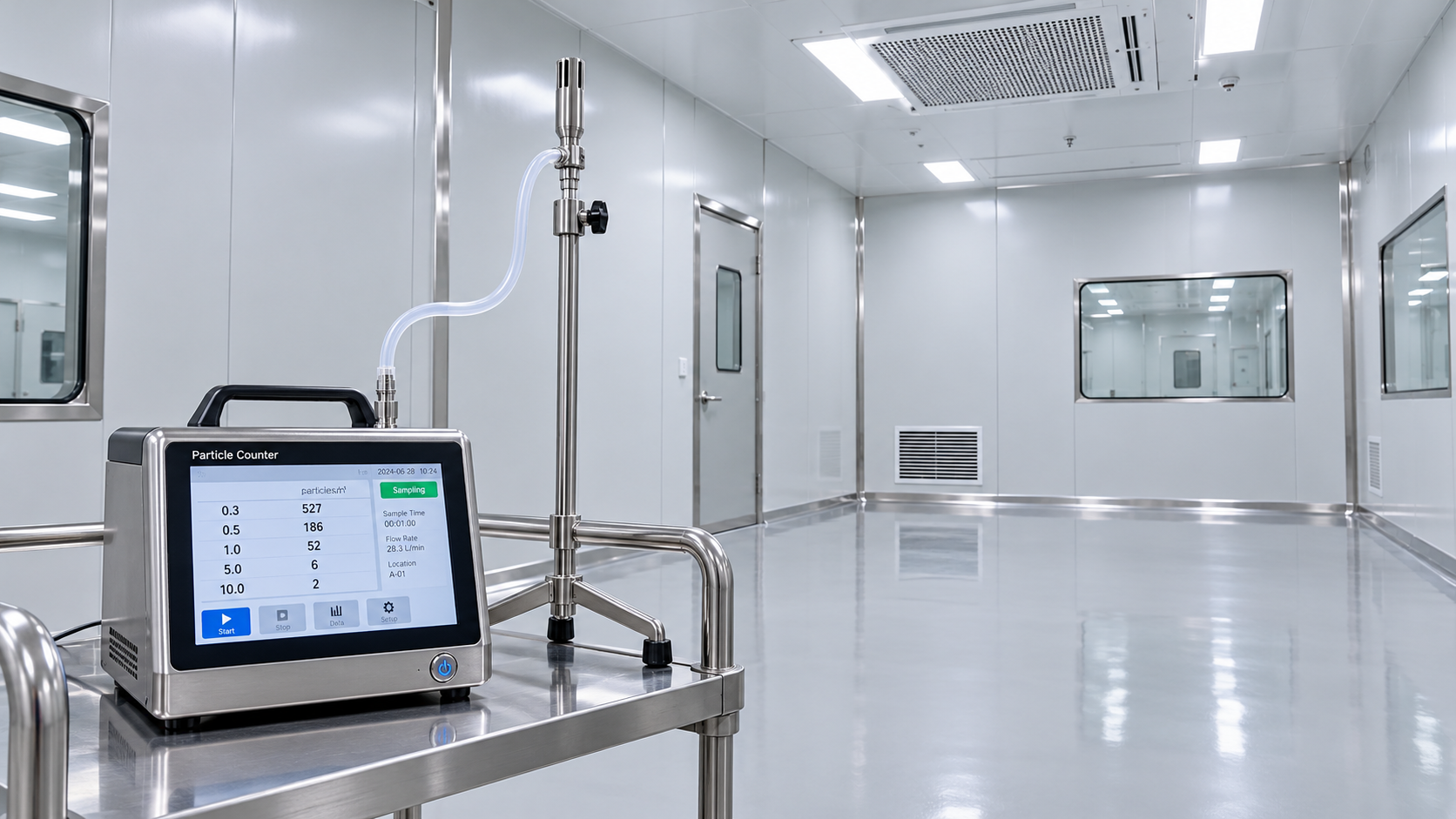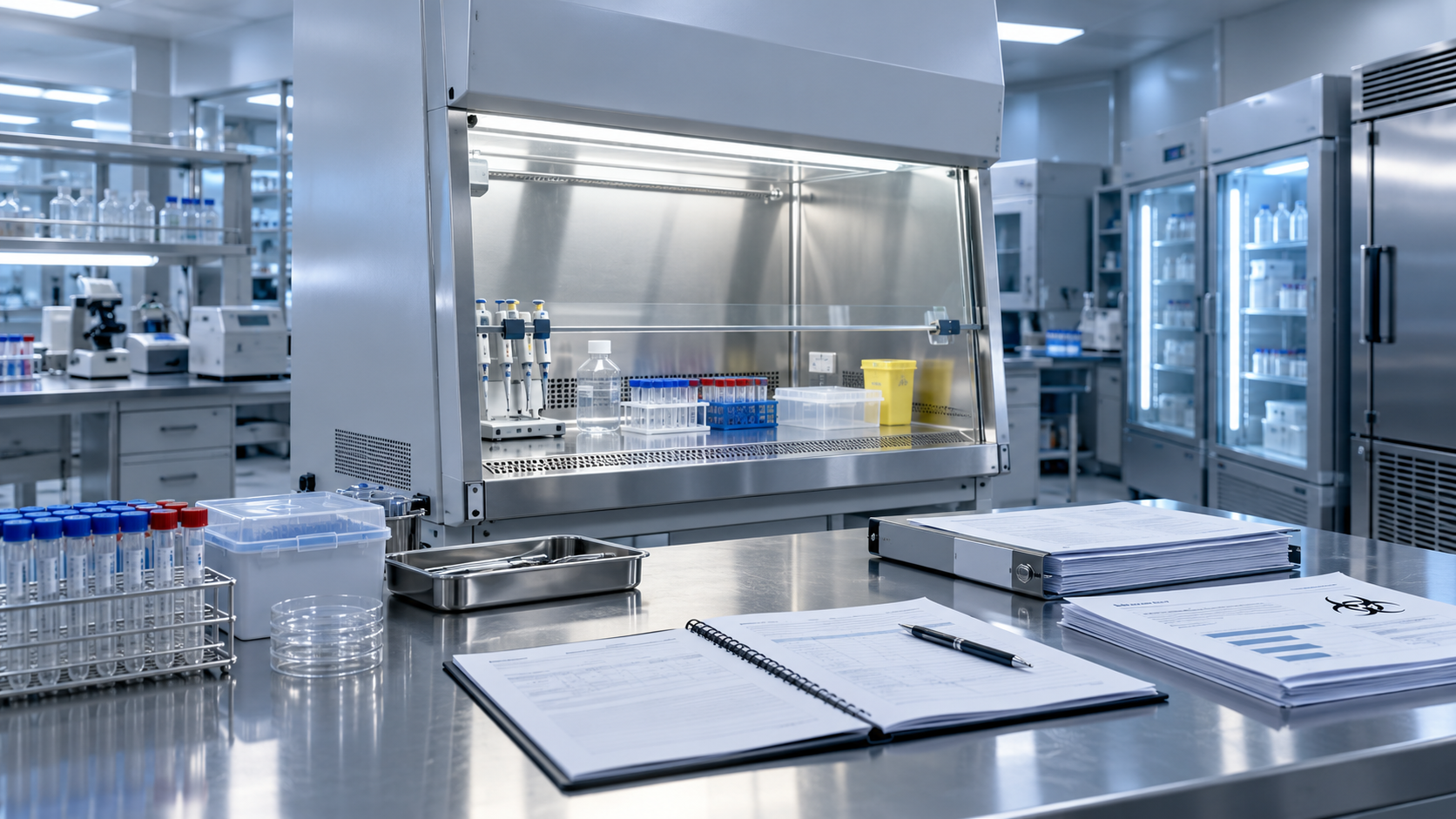
Contamination Control in Cleanrooms: Common Failure Points
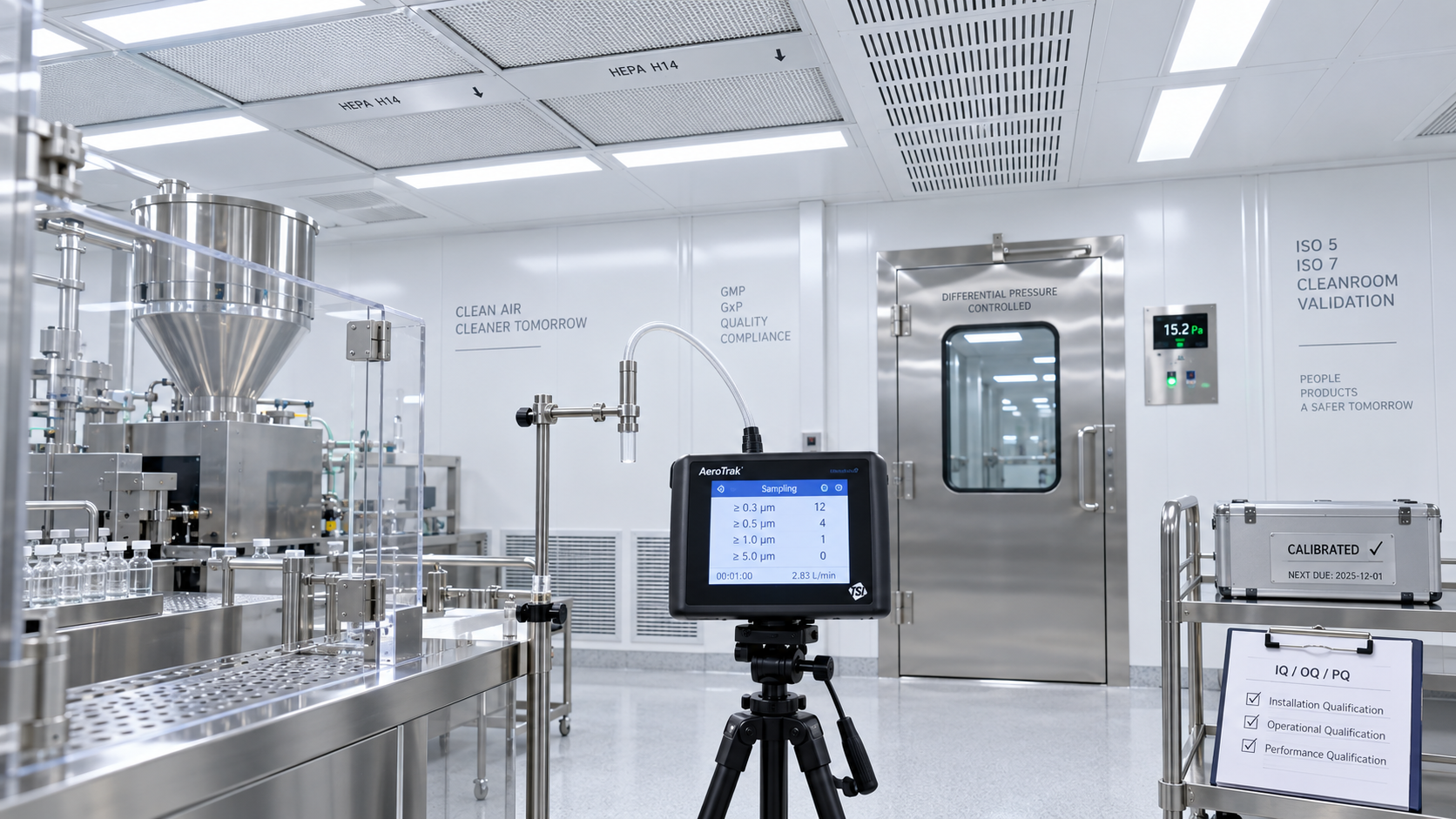
Contamination Control in cleanrooms often breaks down at small interfaces, not only at major equipment. A perfect filter cannot offset poor gowning, leaking doors, or unstable pressure.
In advanced manufacturing, life science, electronics, and controlled industrial spaces, these failures directly affect yield, safety, compliance, and operating cost.
For facilities guided by frameworks such as ISO 14644, ASHRAE, and SEMI, contamination control in cleanrooms is a discipline of details, behavior, and engineering balance.
This article reviews the most common failure points, explains why they happen, and outlines practical measures that improve cleanroom stability before defects become visible.
Understanding the Basis of Contamination Control in Cleanrooms
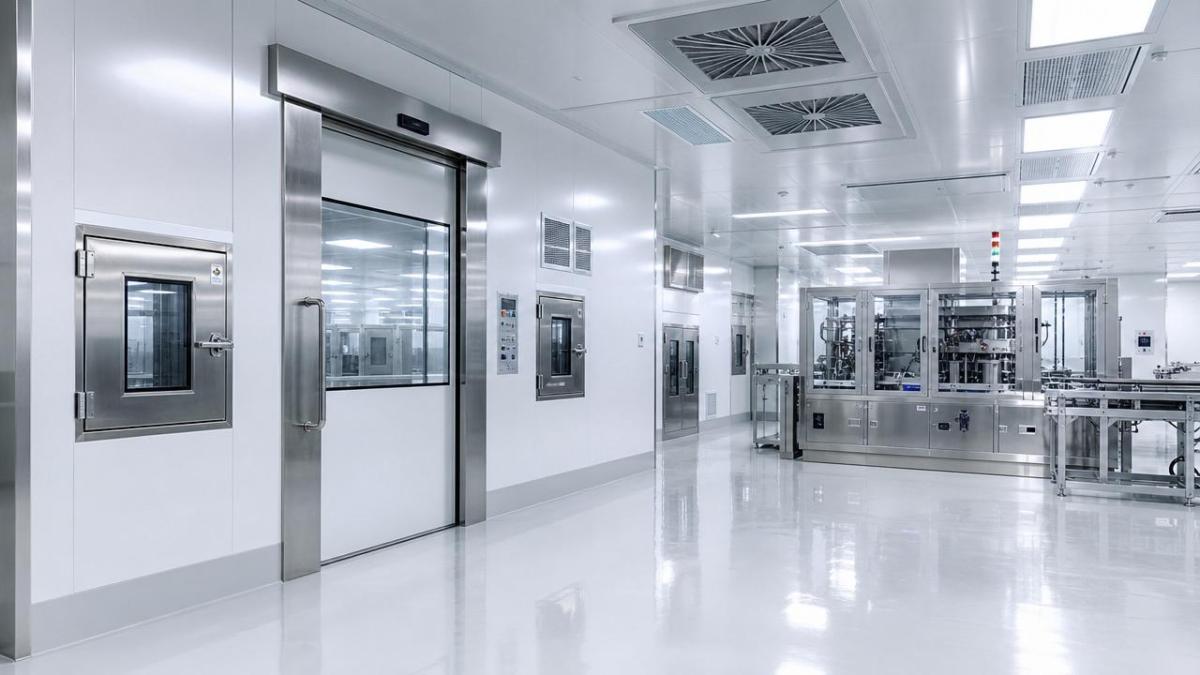
Contamination Control in cleanrooms means managing particles, microbes, temperature, humidity, pressure, and airflow so a controlled process remains within specification.
Contaminants come from people, materials, machines, utilities, and the building envelope. Human activity remains the largest source in many facilities.
A cleanroom may meet design criteria during qualification but still fail in routine use. Daily operations often expose weak links that drawings never reveal.
That is why contamination control in cleanrooms requires both robust infrastructure and disciplined operating practices across every shift.
Primary contamination pathways
- Personnel shedding skin flakes, fibers, and respiratory droplets
- Material transfer through packaging, carts, and pass-throughs
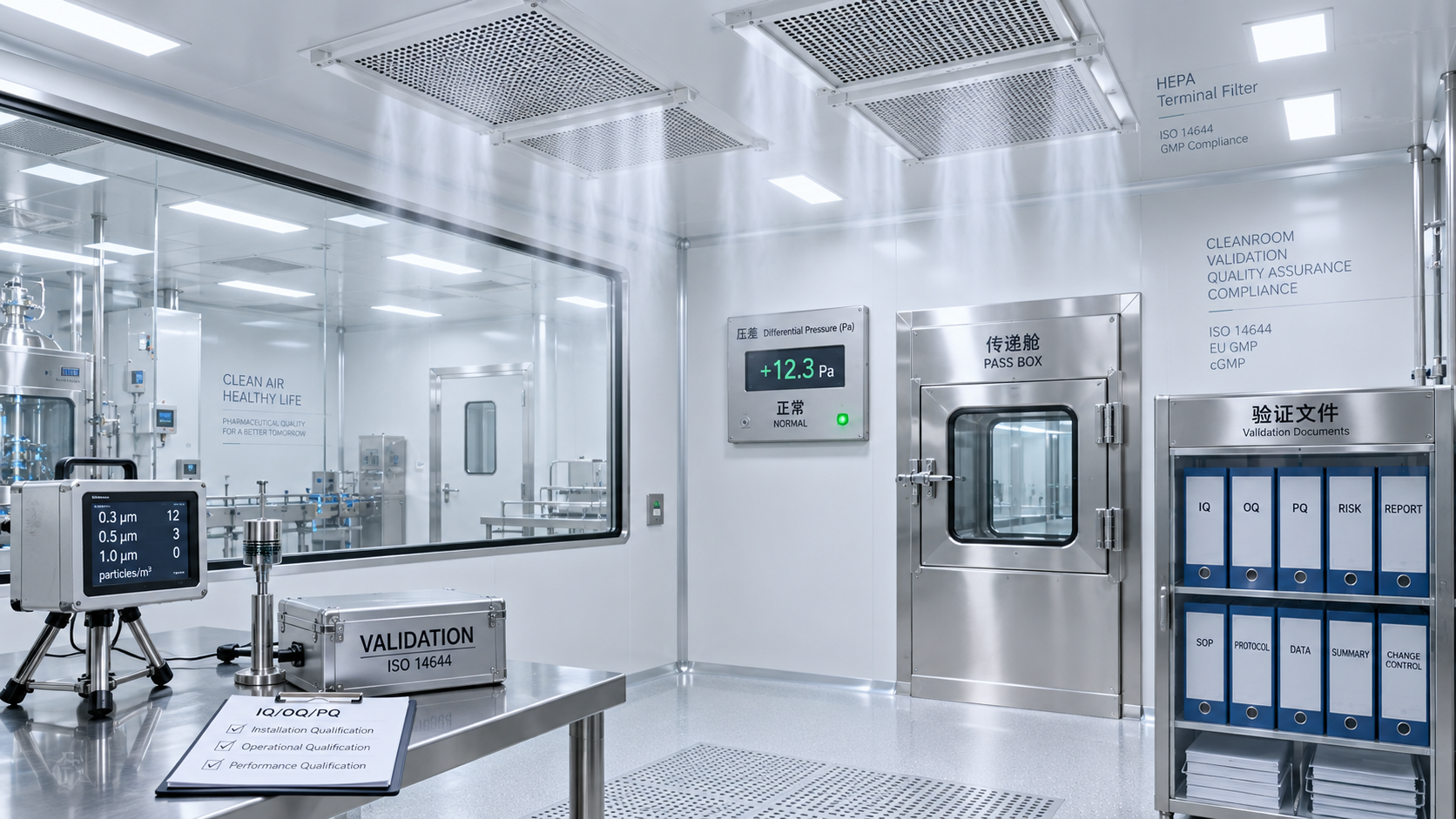
- Airflow disruption near doors, corners, and process tools
- Utility or maintenance work introducing hidden debris
- Inadequate cleaning chemistry, methods, or frequency
Industry Signals and Common Operational Concerns
Across sectors, contamination incidents are becoming more expensive. Smaller process nodes, sterile demands, and tighter audit scrutiny leave less room for drift.
Facilities now monitor not just airborne particles but also differential pressure, recovery time, viable counts, vibration, and environmental data integrity.
These pressures explain why contamination control in cleanrooms is increasingly treated as a business continuity issue, not only a facility engineering topic.
The Most Common Failure Points
Most failures appear where design intent meets routine behavior. The following points account for a large share of recurring contamination events.
1. Gowning and personnel entry
Incorrect gowning sequence, exposed skin, damaged garments, and rushed entry create immediate particle release. Entry rooms often become the first loss point.
Even strong HVAC design cannot fully compensate for poor operator discipline. Training must focus on repeatable actions, not one-time instruction.
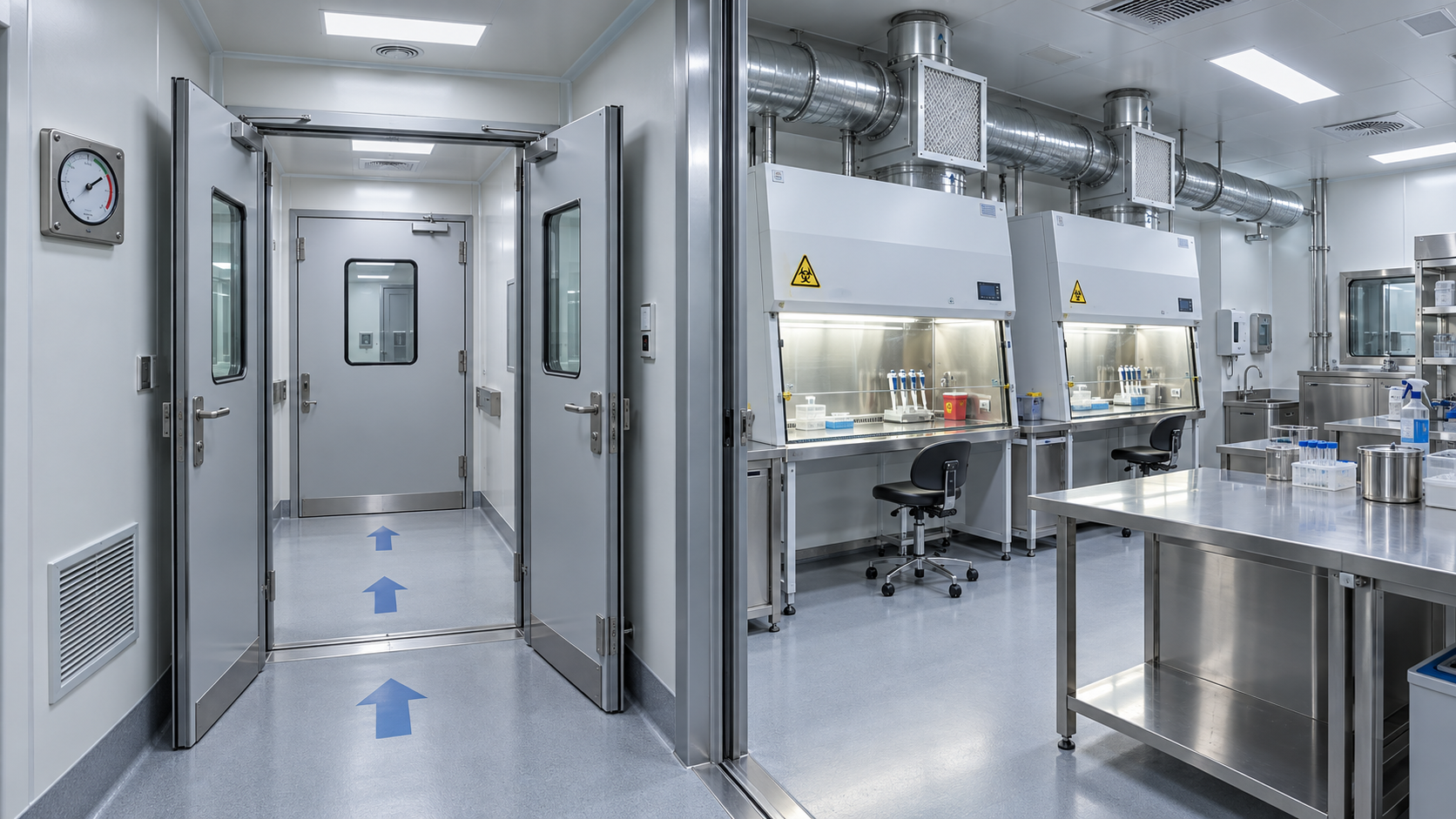
2. Door leakage and pressure instability
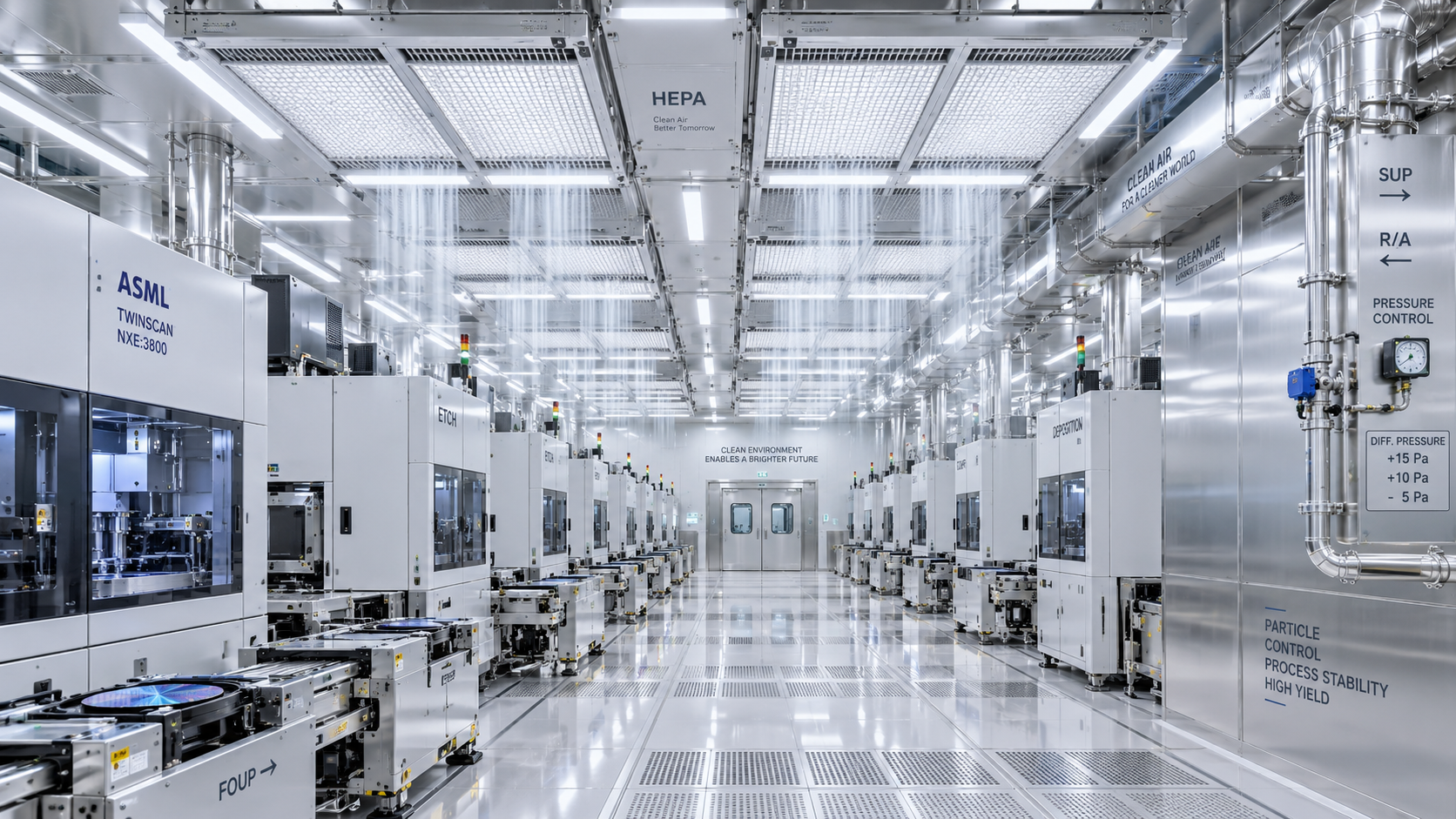
Doors that do not close cleanly, open too long, or cycle too frequently weaken pressure cascades. Air then moves in unintended directions.
When pressure setpoints drift, contamination control in cleanrooms becomes vulnerable at every adjacent boundary, including corridors and service chases.
3. Airflow imbalance and dead zones
Supply and return patterns can be disrupted by process tools, racks, temporary partitions, or poor diffuser layout. This creates stagnant pockets.
Particles remain suspended longer in these areas. Recovery after door opening or maintenance activity also becomes slower and less predictable.
4. Material transfer and packaging debris
Cardboard, outer wrapping, dirty pallets, and unclean carts introduce fibers and particles. Transfer routes often receive less attention than processing zones.
If staging, wipe-down, and pass-through procedures are inconsistent, contamination is imported repeatedly into otherwise controlled spaces.
5. Cleaning method failure
Using the wrong wipes, chemicals, or sequence can spread contamination rather than remove it. Overwetting and dry wiping both create risk.
Contact surfaces, wheels, handles, and low-visibility edges are frequently missed. These become reservoirs that re-release contaminants later.
6. Maintenance without contamination safeguards
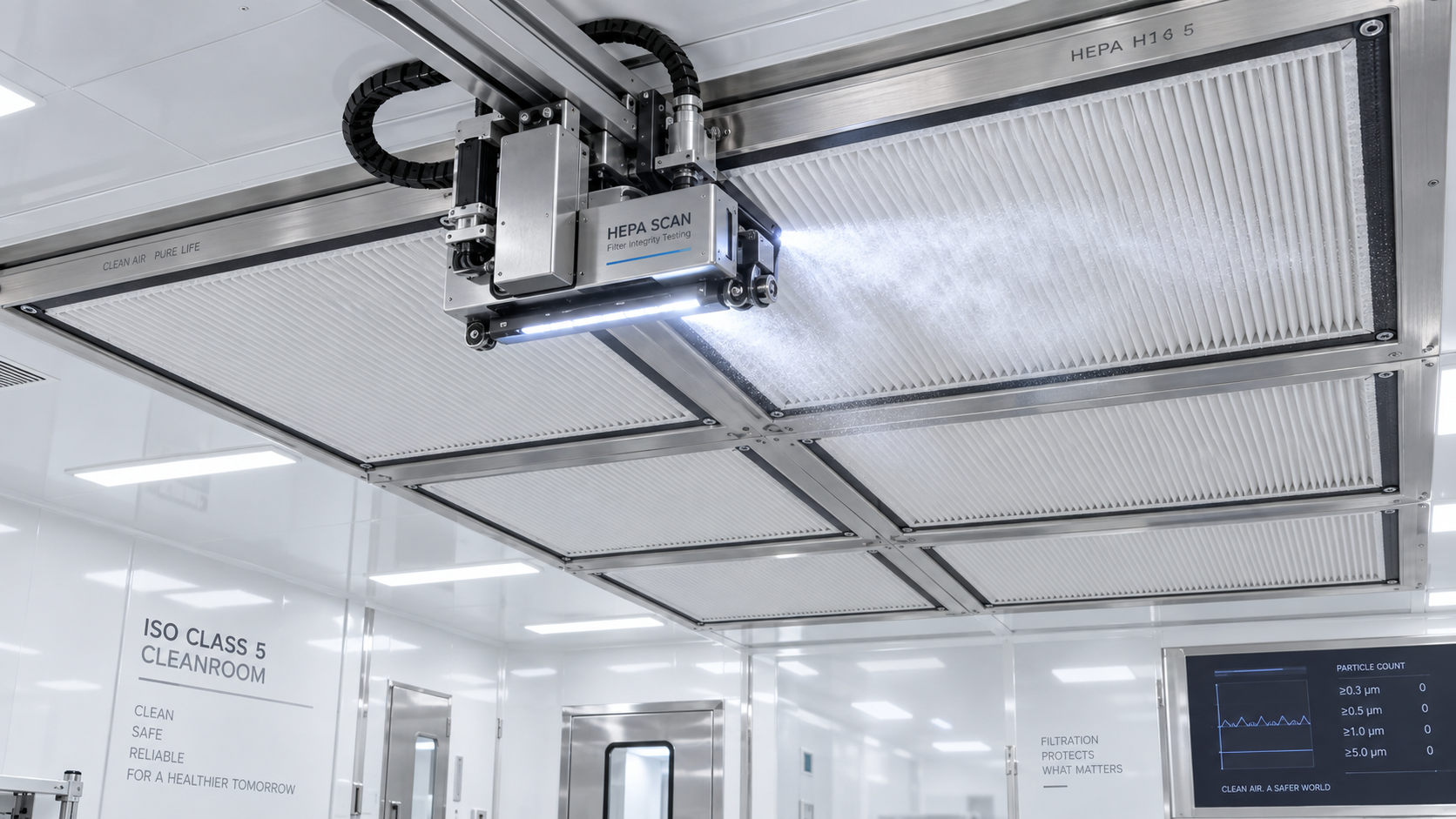
Filter changes, ceiling access, drain work, and tool service can release hidden debris. Temporary controls are often weaker than normal room controls.
Without clear isolation, cleanup, and verification steps, a short intervention can affect product quality for hours or days.
Why These Failure Points Matter to Operations
Contamination Control in cleanrooms is not only about passing certification. It protects process repeatability, troubleshooting speed, and confidence in released output.
When contamination sources are poorly understood, teams may replace filters, adjust setpoints, or increase cleaning frequency without addressing the real cause.
This raises energy use, labor demand, and downtime while defects continue. A targeted approach reduces both operational waste and compliance risk.
- Better yield consistency in particle-sensitive production
- Lower deviation rates in regulated environments
- Faster root-cause analysis during excursions
- More stable energy and HVAC operating performance
- Stronger audit readiness and data credibility
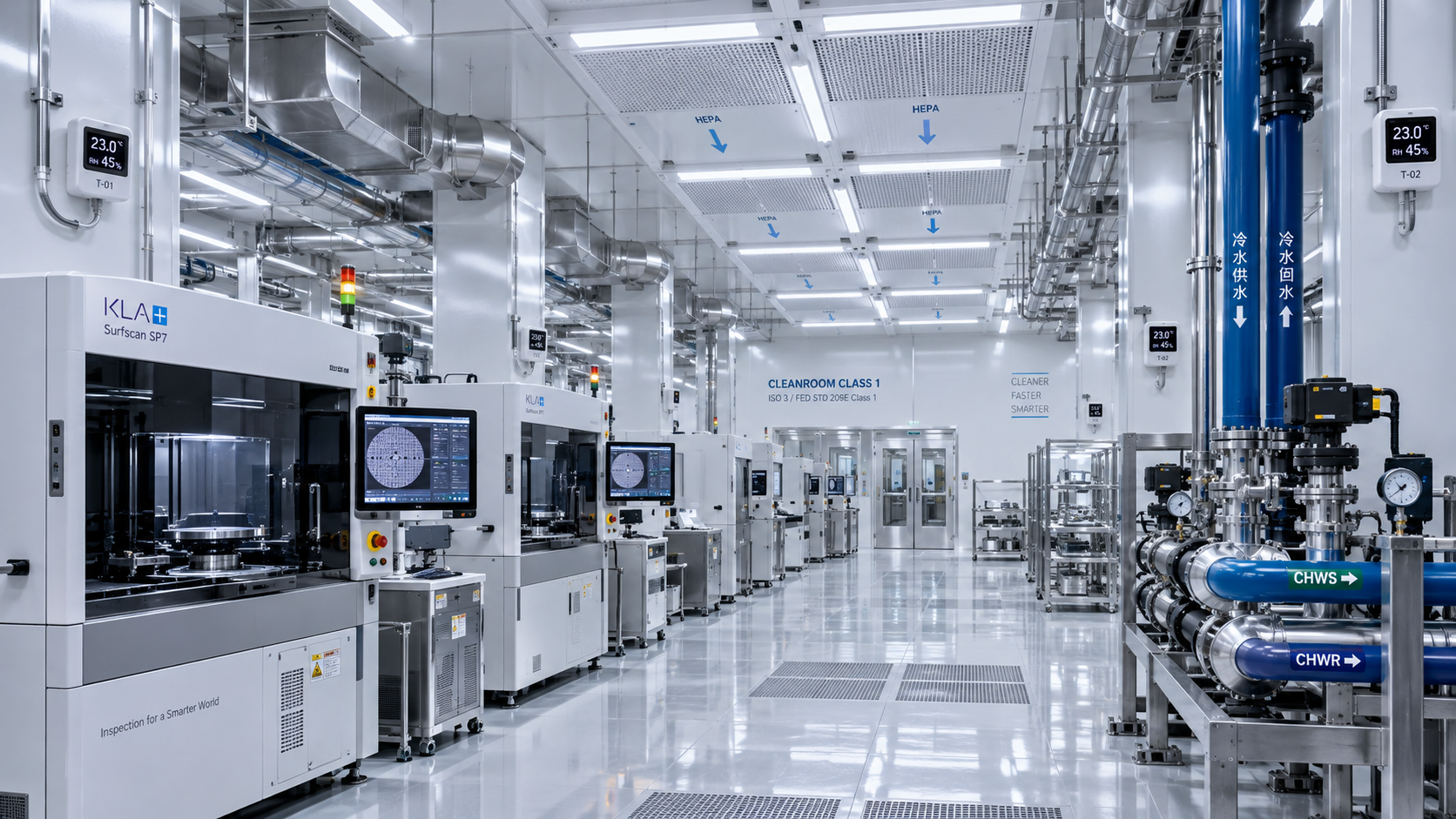
Typical Cleanroom Areas Where Failures Start
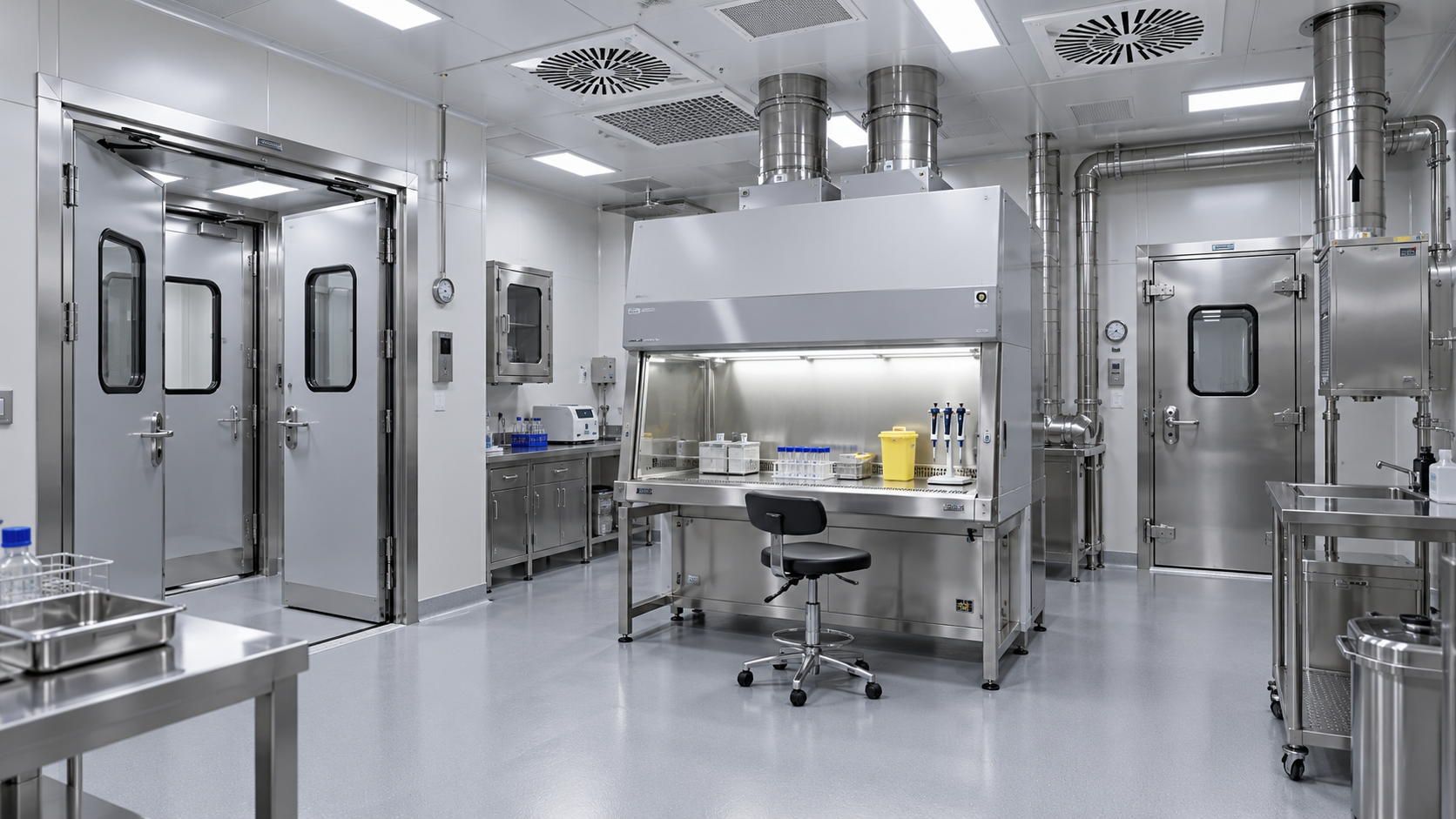
Failure points are rarely random. They tend to cluster in transition zones, support interfaces, and areas where ownership is shared.
Practical Measures to Strengthen Contamination Control in Cleanrooms
The most effective improvements are usually simple, measurable, and repeated consistently. Controls should combine engineering, procedure, and observation.
Standardize the basics
- Define exact gowning steps with visual instructions
- Set clear door-opening limits and traffic rules
- Ban unsuitable packaging before entry
- Use approved wipes, mops, and chemicals only
Verify room performance under real conditions
Qualification data should be complemented by in-operation testing. Smoke studies, particle trends, and pressure records reveal real-use weaknesses quickly.
Contamination control in cleanrooms improves when monitoring reflects actual occupancy, tool loading, shift changes, and maintenance interventions.
Manage maintenance as a controlled event
Every intrusive task should have defined barriers, cleaning steps, restart checks, and environmental acceptance criteria before production resumes.
Use data to rank risk
Trend excursions by location, time, activity, and product impact. This helps distinguish random spikes from chronic failure points.
Facilities with integrated environmental monitoring and digital oversight can identify early drift before alarms become incidents.
Next-Step Priorities for More Reliable Cleanroom Performance
A practical starting point is a focused walkthrough of entry flows, doors, material paths, and difficult-to-clean equipment zones.
Then compare observed behavior with airflow intent, pressure design, and contamination monitoring records. Gaps usually become visible very quickly.
Contamination Control in cleanrooms becomes more reliable when small failures are treated as system signals, not isolated mistakes.
Review procedures, verify field conditions, and prioritize corrective actions that reduce repeat exposure at the source. That approach protects quality, compliance, and operational stability together.
Get weekly intelligence in your inbox.
No noise. No sponsored content. Pure intelligence.
 Oct 21, 2026How often is cleanroom certification required under ISO 14644-2?Cleanroom Certification is generally recommended annually under ISO 14644-2. Learn when risk-based extensions apply and which changes trigger earlier testing to plan with confidence.
 Oct 21, 2026FASEB Comments on NIH Draft Policy for Research Involving BiohazardsFASEB comments on NIH’s draft biohazard research policy call for risk-based biosafety oversight. Explore potential implications for laboratories, suppliers, and compliance teams.
 Oct 20, 2026How to disinfect ultrasound machines without damaging surfacesLearn how to disinfect ultrasoundmachines without surface damage. Explore compatible products, wet contact times, and probe care to protect patients and equipment.
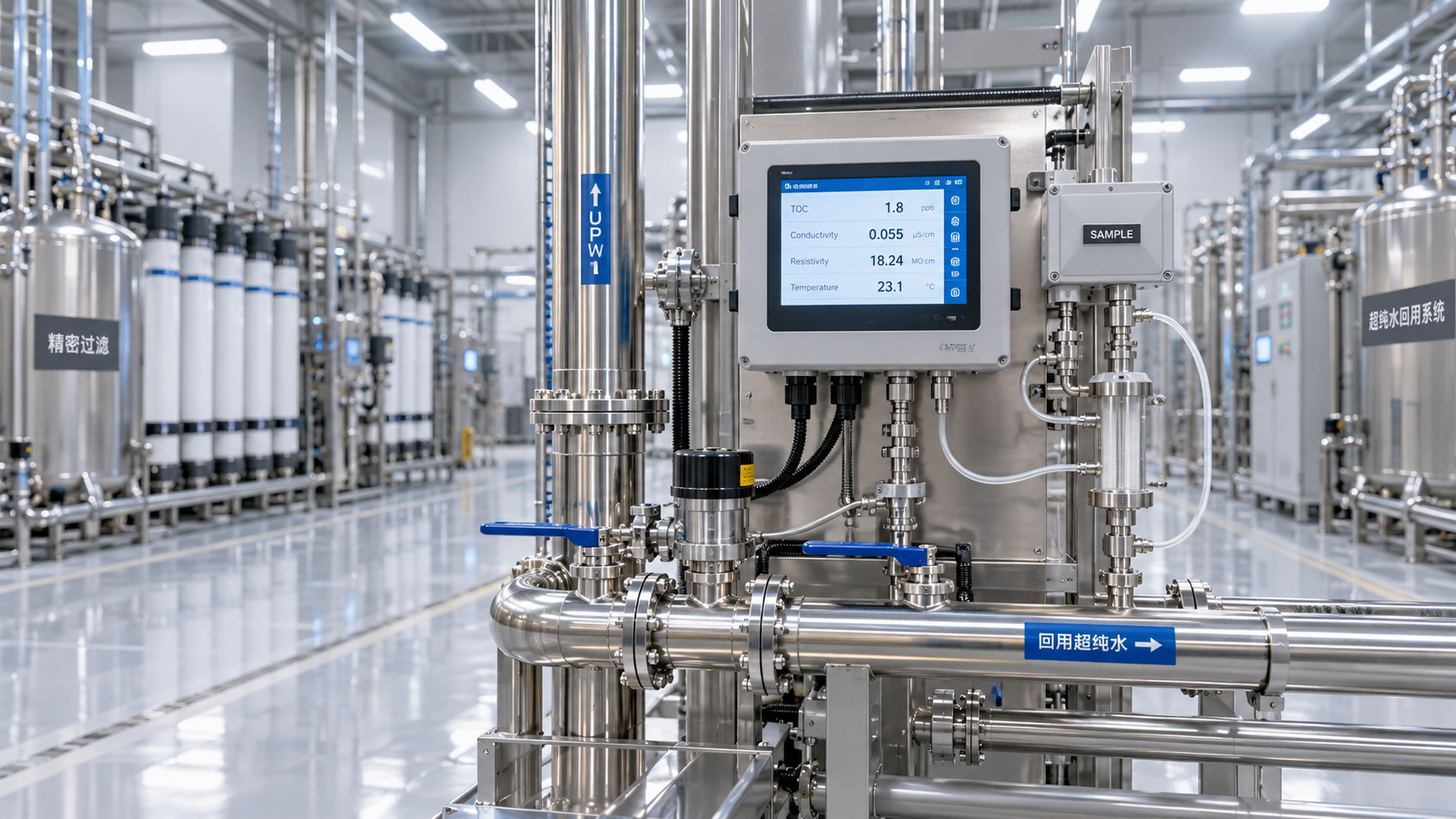
 Oct 20, 2026Ultrapure Water in Semiconductor Manufacturing: Reuse and Quality Control InsightsExplore ultrapure water reuse in semiconductor manufacturing, key UPW quality benchmarks and analytical insights to help evaluate suppliers and protect process purity.
 Oct 19, 2026How cooling affects warpage in injection-molded consumer electronics housingsOptimize plastic injection molding for consumer electronics with cooling strategies to reduce housing warpage and improve assembly fit. Discover practical checks for stable, efficient production.
 Oct 18, 2026Can air leaks prevent a dehumidifier from holding its target dew point?Why can't our dehumidifier maintain the target dew point? Discover how air leaks increase moisture loads, spot hidden faults, and find practical fixes to restore reliable dew-point control.
 Oct 17, 2026How semiconductor process water treatment removes trace organicsSee how semiconductor process water treatment removes trace organics with RO, UV oxidation, and polishing. Learn how TOC monitoring helps verify purity and pinpoint contamination.
 Oct 16, 2026How to choose ultra pure water piping materials to limit leachingChoose ultra pure water piping with confidence. Compare PVDF, PFA, and stainless steel, assess leaching risks, and learn how to qualify your system for reliable purity.
 Oct 15, 2026How to size a skid-mounted deionized water system for peak demandCompare deionized water systems skid configurations for peak demand. Learn how to balance production, storage, and pump capacity to prevent shortages and avoid costly oversizing.
 Oct 14, 2026When is collaborative laboratory robotics suitable for sample sorting?Explore when collaborative laboratory robotics suits sample sorting. Discover key checks for safety, traceability, container compatibility, and throughput before choosing your solution.
 Oct 13, 2026How sandwich panel joints affect airtightness in cleanroom systemsCleanroom Systems sandwich panels need reliable joints for airtightness. Discover how gaskets, sealants, and testing help reduce leakage and protect cleanroom pressure control.
 Oct 12, 2026How to verify USP compliance for ultra pure water systemsUltra Pure Water Systems USP compliance: learn how to verify water quality, sampling, sanitization, trends, and validation controls at every point of use.
 Oct 11, 2026How tight temperature control prevents cleanroom process driftCleanroom process temperature control systems prevent costly drift by stabilizing critical conditions, improving repeatability, and protecting sensitive production workflows.
 Oct 10, 2026When does organic contaminant removal require TOC treatment?Organic contaminant removal requires TOC treatment when dissolved organics threaten product quality, equipment reliability, or process control. Learn how to assess risks and choose the right solution.
 Oct 08, 2026What affects lead times for sheet metal bending services in Canada?Sheet metal bending services Canada: discover how material supply, tooling, tolerances, finishing, documentation, and freight affect lead times for reliable project delivery.
 Oct 07, 2026How HVAC design for semiconductor fabs prevents airborne contaminationHVAC design for semiconductor fabs prevents airborne contamination through advanced filtration, pressure cascades, airflow control, and real-time monitoring. Explore key strategies for cleaner, more reliable wafer production.
 Oct 06, 2026How photovoltaic modules waterproof technology prevents moisture damagephotovoltaic modules waterproof technology prevents moisture damage with durable seals, drainage, and junction-box protection. Explore practical selection and testing insights.
 Oct 05, 2026How ISO 14644 Europe requirements affect cleanroom qualificationISO 14644 Europe requirements shape cleanroom qualification, from particle classification and recovery testing to monitoring, GMP alignment, and change control.
 Oct 04, 2026How to assess a pharmaceutical cleanroom solutions supplier’s ISO capabilityPharmaceutical Cleanroom Solutions supplier assessment guide: evaluate ISO 14644 capability, validation evidence, airflow design, documentation, and long-term GMP readiness.
 Oct 03, 2026What EU standards govern the design of BSL-3 laboratories in Europe?BSL-3 laboratories Europe: explore EU directives, EN standards, HVAC containment, commissioning, and practical design strategies for compliant, resilient high-containment facilities.
 Oct 02, 2026How EN 1822 defines HEPA filtration efficiency for cleanroomsHEPA filtration EN 1822 explained: learn how MPPS testing, local leakage limits, and filter classes support reliable cleanroom decisions.
 Oct 01, 2026How pharmaceutical process water systems control microbial riskProcess water systems pharmaceutical teams rely on can control microbial risk through hygienic design, monitoring, and validated sanitization. Explore practical compliance strategies.
 Sep 30, 2026When does a negative pressure laboratory need BSL-3 containment?Negative pressure laboratory or BSL-3? Discover the risk factors, engineering controls, and containment requirements needed for safe, compliant laboratory planning.
 Sep 29, 2026How to evaluate a TOC-zero water treatment supplier for UPW systemsChoose a TOC-zero water treatment supplier with confidence. Compare UPW performance, monitoring, validation, materials, service capability, and lifecycle cost.
 Sep 28, 2026What drives sustainable cooling cost in high-precision facilities?Sustainable cooling cost in high-precision facilities depends on thermal stability, energy, water, controls, and resilience. Explore smarter lifecycle strategies.
 Sep 27, 2026How to compare freight forwarding services for time-critical shipmentsCompare freight forwarding services for time-critical shipments with practical insights on routing, customs, visibility, specialized handling, and contingency planning.
 Sep 26, 2026How environmental integrity in laboratories supports reliable test resultsEnvironmental Integrity in laboratories safeguards samples, instruments, and staff. Discover practical controls for contamination, monitoring, and reliable test results.