UK May Services PMI Miss Sparks Lab Automation Demand
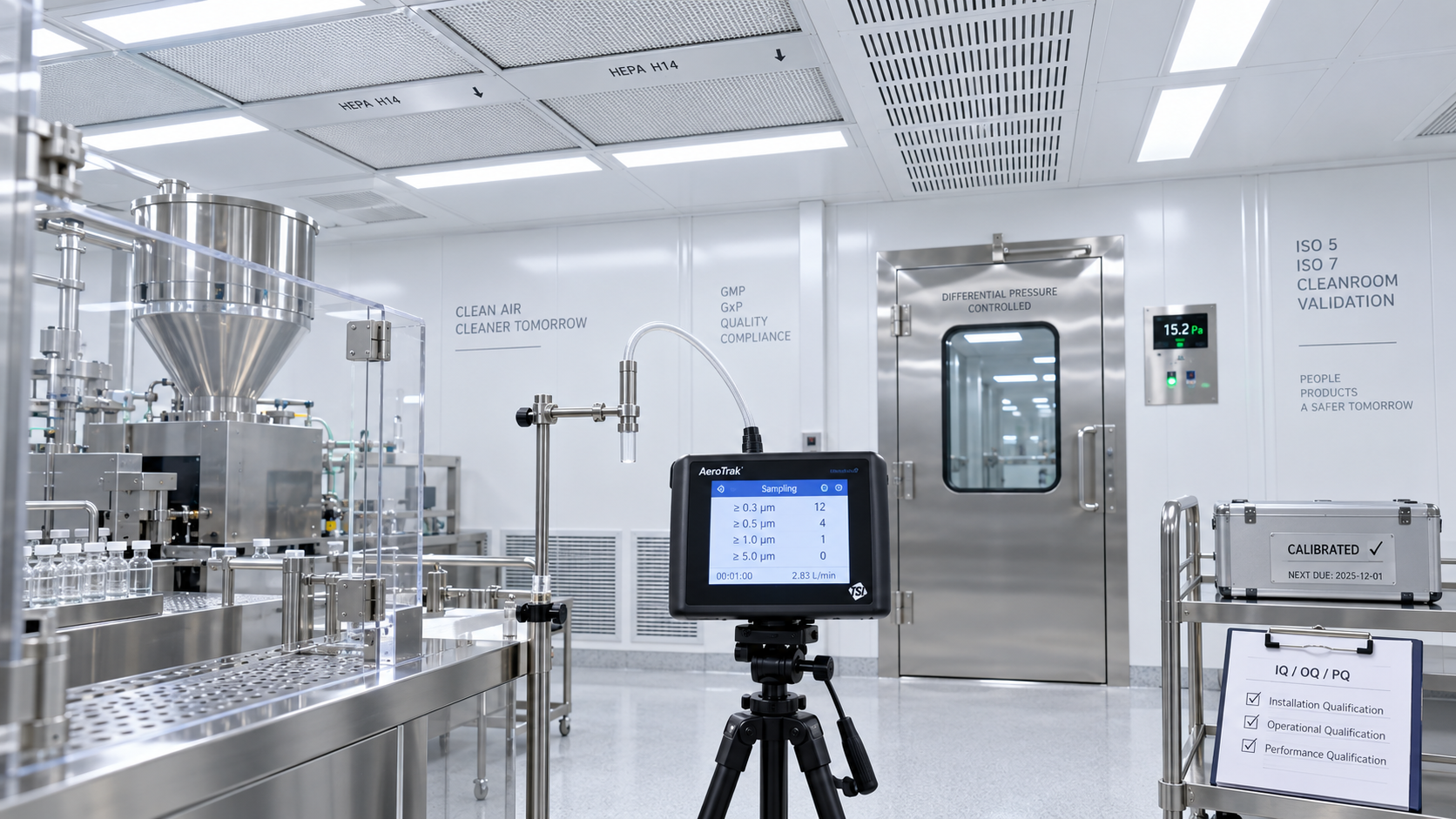
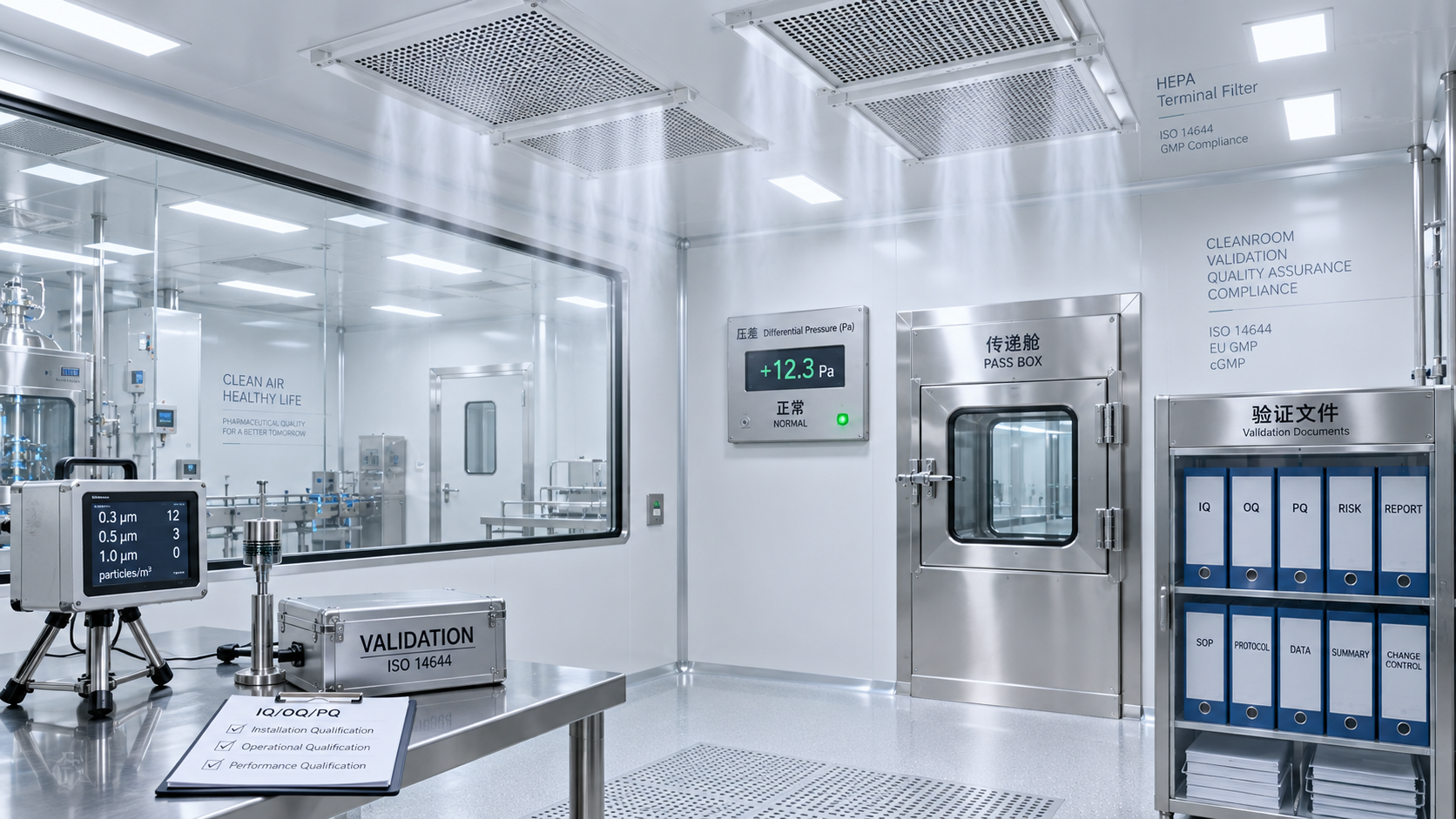
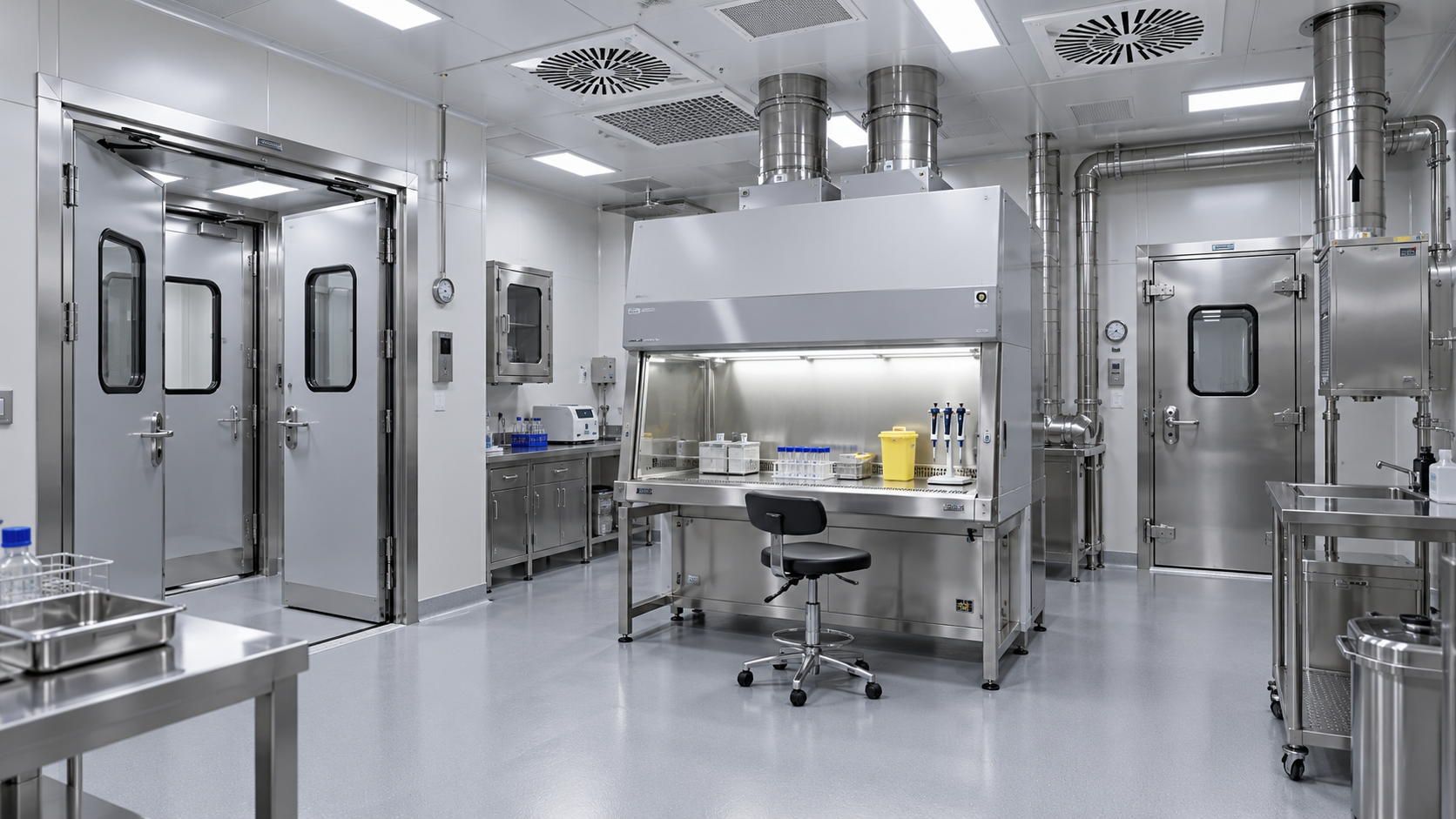
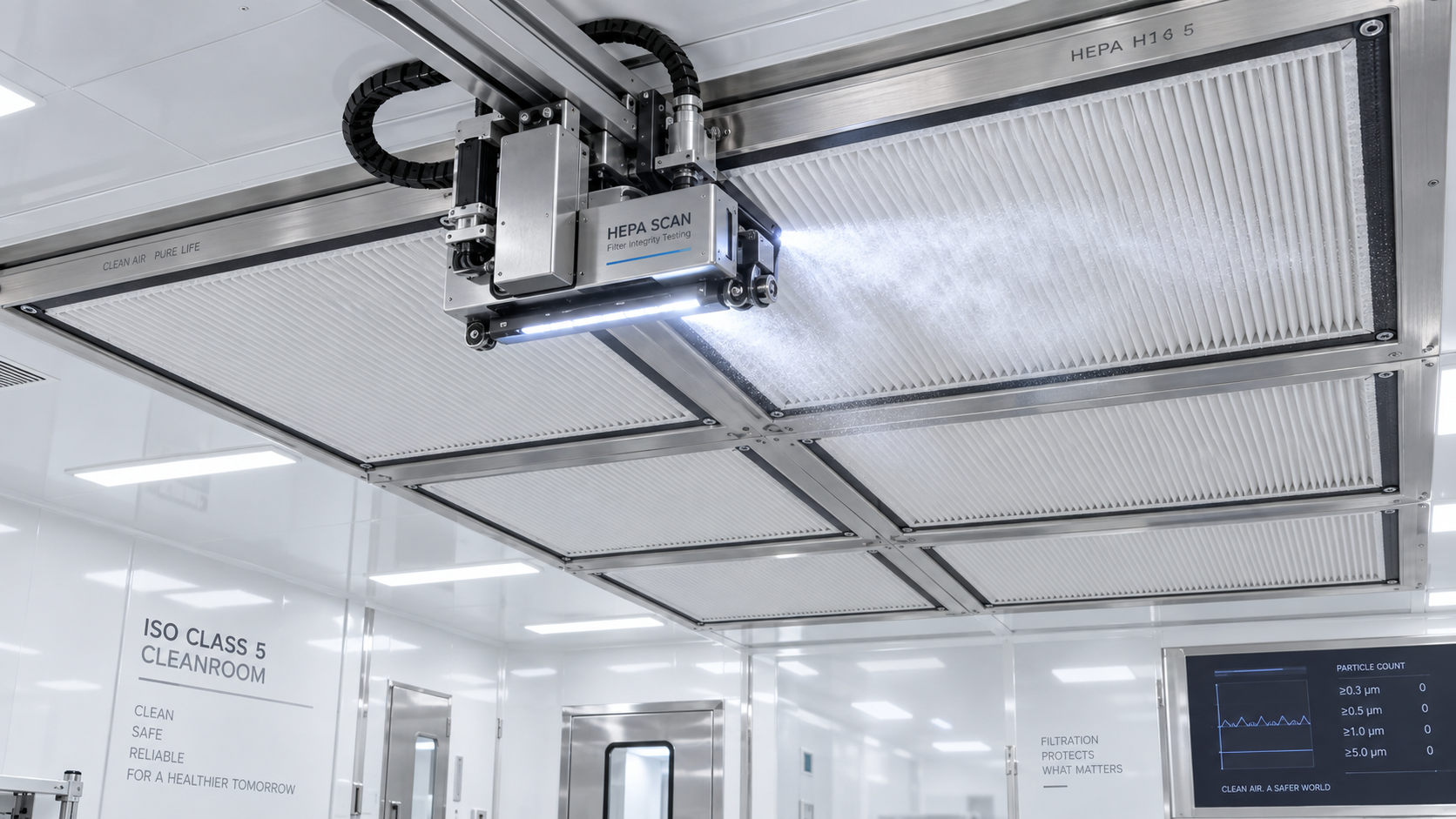
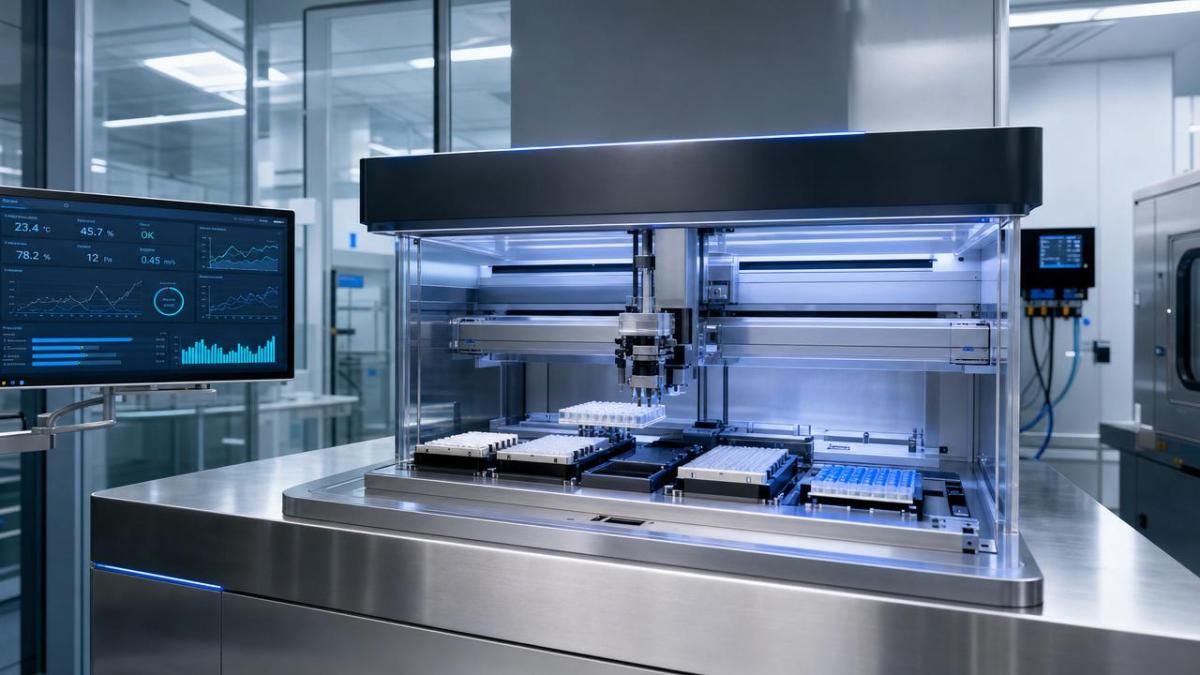
On 2025-05-20, the UK’s preliminary May services Purchasing Managers’ Index (PMI) came in at 47.9 — significantly below the consensus forecast of 51.7 and marking the second consecutive month of contraction. While this signals broad-based softness in business investment sentiment, a notable divergence emerged: life sciences and clinical trial outsourcing (CRO) activity rose 12% month-on-month, accelerating demand for high-containment digital labs, fully automated sample processing systems, and IIoT-enabled air quality monitoring terminals. This dynamic is reshaping procurement patterns across Europe — particularly for cleanroom automation solutions, where Chinese suppliers are increasingly positioned as cost-effective, performance-validated alternatives.
Event Overview
The UK’s S&P Global Services PMI preliminary reading for May 2025 was 47.9, down from 48.4 in April and well below both the 50.0 no-change threshold and the expected 51.7. The data confirms ongoing contraction in the services sector, driven by weaker client demand, reduced hiring, and delayed capital expenditure decisions. Concurrently, industry-specific order intake data from European CRO hubs and biopharma contract development organizations showed a +12% MoM increase in lab infrastructure-related procurement mandates — notably for BSL-2+ and BSL-3 compliant automation platforms.
Industries Affected
Direct Trade Enterprises: Export-oriented cleanroom automation vendors — especially those with CE-marked, ISO 14644-compliant control systems — are seeing elevated inbound inquiry volume from UK- and EU-based CROs and academic medical centers. Impact manifests in shorter sales cycles for pre-qualified system integrators, but also heightened scrutiny on regulatory documentation (e.g., UKCA/CE conformity declarations, GDPR-compliant data logging architecture).
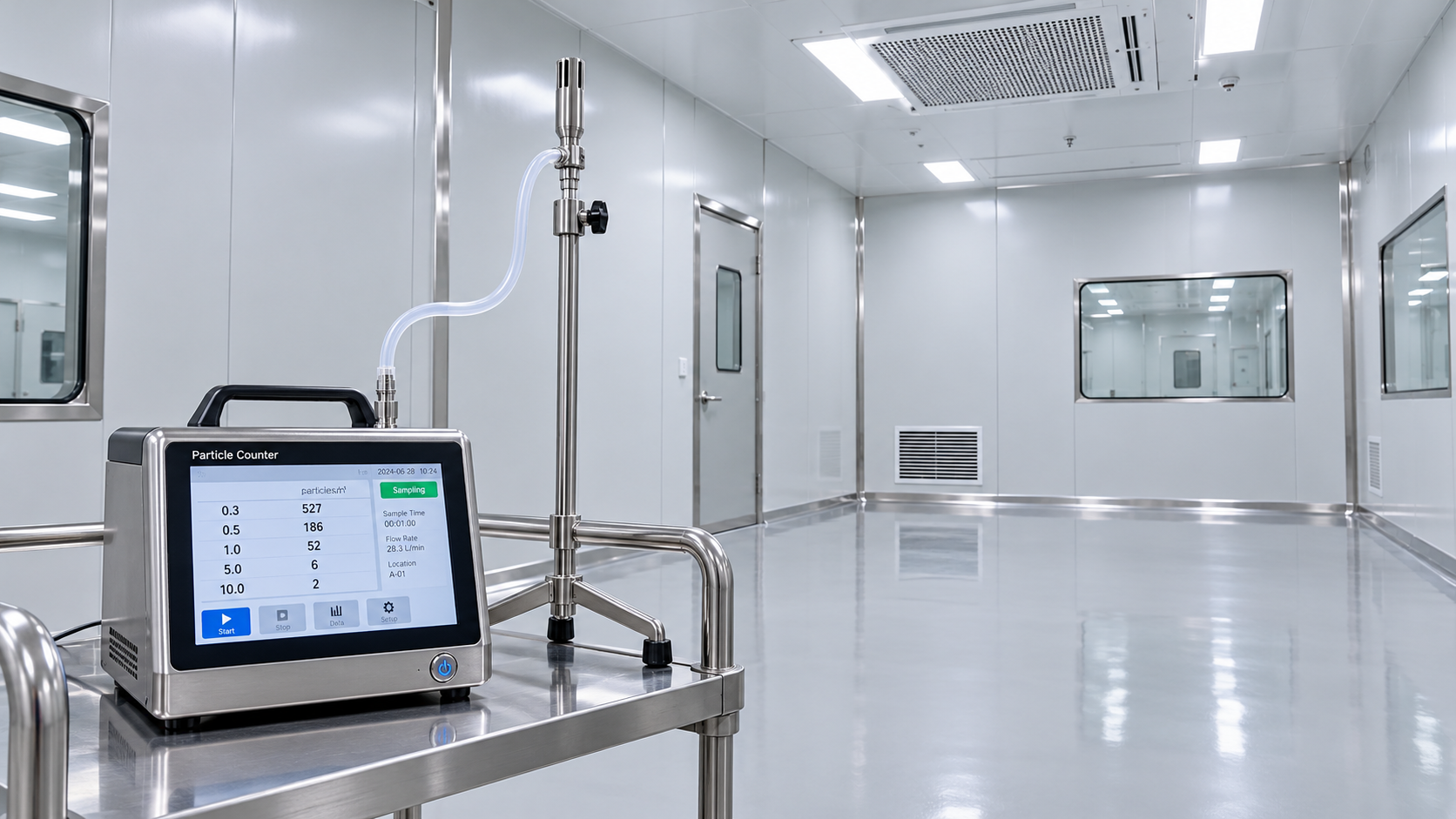
Raw Material Procurement Firms: Suppliers of precision motion components (e.g., servo actuators, microfluidic valves), HEPA/ULPA filter media, and corrosion-resistant stainless-steel fabrication materials report increased order visibility from Tier-2 automation OEMs. However, lead times for certain IIoT sensor modules (e.g., real-time particle counters with Bluetooth Low Energy mesh support) remain extended, prompting dual-sourcing assessments.
Manufacturing & Integration Firms: Companies specializing in turnkey lab automation — particularly those certified to ISO 13485 and experienced in GxP-aligned validation protocols — face rising demand for modular, reconfigurable platforms. The shift is not toward higher volumes per se, but toward faster deployment timelines (under 12 weeks) and tighter integration with LIMS and electronic lab notebook (ELN) ecosystems.
Supply Chain Service Providers: Third-party logistics (3PL) firms offering temperature-controlled, clean-packaged freight handling — especially those with validated cold-chain transit corridors between Shenzhen and Frankfurt — are experiencing higher booking rates for automation hardware shipments. Customs brokers with expertise in UK-EU dual tariff classification (e.g., HS codes 8479.89 for lab robots vs. 9027.50 for environmental monitoring instruments) are reporting increased consultation requests.
Key Considerations & Recommended Actions
Validate Regulatory Alignment Early
European customers are prioritizing vendors whose automation platforms already carry UKCA marking (where applicable) and demonstrate full traceability of software updates per IEC 62304. Firms without existing certification pathways should initiate gap assessments before Q3 2025.
Strengthen Local Technical Support Capacity
Remote commissioning is no longer sufficient: UK and German buyers now require on-site validation engineers fluent in English and local language, with documented experience in BSL-2+ facility audits. Partnerships with regional service networks — rather than sole reliance on home-country teams — are becoming decisive in bid evaluations.
Optimize for Modular Scalability
Procurement committees are favoring systems built around standardized interfaces (e.g., OPC UA for device communication, ASAM ODS for data exchange). Suppliers embedding plug-and-play compatibility with major LIMS vendors (e.g., LabVantage, Thermo Fisher SampleManager) gain measurable evaluation advantage.
Editorial Perspective / Industry Observation
Observably, the PMI contraction is not uniformly dampening tech adoption — rather, it is concentrating capital toward mission-critical, productivity-enhancing infrastructure. Analysis shows that life sciences outsourcing growth is less a counter-trend than a structural reallocation: when overall services budgets tighten, sponsors prioritize spend that directly accelerates trial timelines or reduces contamination risk. From an industry perspective, this reinforces a longer-term shift — from ‘lab equipment’ to ‘validated process enablers’. The current uptick in automation demand is better understood not as cyclical rebound, but as acceleration of an existing resilience-driven modernization wave.
Conclusion
This episode underscores a broader recalibration in European lab infrastructure strategy: economic headwinds are amplifying demand for automation that delivers verifiable ROI in speed, compliance, and operational continuity. For global suppliers, the implication is clear — competitiveness hinges less on price alone, and more on demonstrable integration readiness, regulatory foresight, and localized support maturity.
Source Attribution
Data sourced from S&P Global Market Intelligence (Services PMI Preliminary, May 2025); CRO procurement trends compiled from anonymized tender analytics via BiotechTrack EU Procurement Dashboard (May 2025 release). Regulatory references drawn from UK Medicines and Healthcare products Regulatory Agency (MHRA) Guidance Note GN-0042 (2024) and EU Commission Delegated Regulation (EU) 2023/607 on IVDR-compliant instrumentation. Continued monitoring advised for UK’s forthcoming Life Sciences Industrial Strategy refresh (expected Q3 2025) and potential revisions to MHRA’s Good Manufacturing Practice Annex 15 on computerised systems.
Get weekly intelligence in your inbox.
No noise. No sponsored content. Pure intelligence.
 Oct 21, 2026How often is cleanroom certification required under ISO 14644-2?Cleanroom Certification is generally recommended annually under ISO 14644-2. Learn when risk-based extensions apply and which changes trigger earlier testing to plan with confidence.
 Oct 21, 2026FASEB Comments on NIH Draft Policy for Research Involving BiohazardsFASEB comments on NIH’s draft biohazard research policy call for risk-based biosafety oversight. Explore potential implications for laboratories, suppliers, and compliance teams.
 Oct 20, 2026How to disinfect ultrasound machines without damaging surfacesLearn how to disinfect ultrasoundmachines without surface damage. Explore compatible products, wet contact times, and probe care to protect patients and equipment.
 Oct 20, 2026Ultrapure Water in Semiconductor Manufacturing: Reuse and Quality Control InsightsExplore ultrapure water reuse in semiconductor manufacturing, key UPW quality benchmarks and analytical insights to help evaluate suppliers and protect process purity.
 Oct 19, 2026How cooling affects warpage in injection-molded consumer electronics housingsOptimize plastic injection molding for consumer electronics with cooling strategies to reduce housing warpage and improve assembly fit. Discover practical checks for stable, efficient production.
 Oct 18, 2026Can air leaks prevent a dehumidifier from holding its target dew point?Why can't our dehumidifier maintain the target dew point? Discover how air leaks increase moisture loads, spot hidden faults, and find practical fixes to restore reliable dew-point control.
 Oct 17, 2026How semiconductor process water treatment removes trace organicsSee how semiconductor process water treatment removes trace organics with RO, UV oxidation, and polishing. Learn how TOC monitoring helps verify purity and pinpoint contamination.
 Oct 16, 2026How to choose ultra pure water piping materials to limit leachingChoose ultra pure water piping with confidence. Compare PVDF, PFA, and stainless steel, assess leaching risks, and learn how to qualify your system for reliable purity.
 Oct 15, 2026How to size a skid-mounted deionized water system for peak demandCompare deionized water systems skid configurations for peak demand. Learn how to balance production, storage, and pump capacity to prevent shortages and avoid costly oversizing.
 Oct 14, 2026When is collaborative laboratory robotics suitable for sample sorting?Explore when collaborative laboratory robotics suits sample sorting. Discover key checks for safety, traceability, container compatibility, and throughput before choosing your solution.
 Oct 13, 2026How sandwich panel joints affect airtightness in cleanroom systemsCleanroom Systems sandwich panels need reliable joints for airtightness. Discover how gaskets, sealants, and testing help reduce leakage and protect cleanroom pressure control.
 Oct 12, 2026How to verify USP compliance for ultra pure water systemsUltra Pure Water Systems USP compliance: learn how to verify water quality, sampling, sanitization, trends, and validation controls at every point of use.
 Oct 11, 2026How tight temperature control prevents cleanroom process driftCleanroom process temperature control systems prevent costly drift by stabilizing critical conditions, improving repeatability, and protecting sensitive production workflows.
 Oct 10, 2026When does organic contaminant removal require TOC treatment?Organic contaminant removal requires TOC treatment when dissolved organics threaten product quality, equipment reliability, or process control. Learn how to assess risks and choose the right solution.
 Oct 08, 2026What affects lead times for sheet metal bending services in Canada?Sheet metal bending services Canada: discover how material supply, tooling, tolerances, finishing, documentation, and freight affect lead times for reliable project delivery.
 Oct 07, 2026How HVAC design for semiconductor fabs prevents airborne contaminationHVAC design for semiconductor fabs prevents airborne contamination through advanced filtration, pressure cascades, airflow control, and real-time monitoring. Explore key strategies for cleaner, more reliable wafer production.
 Oct 06, 2026How photovoltaic modules waterproof technology prevents moisture damagephotovoltaic modules waterproof technology prevents moisture damage with durable seals, drainage, and junction-box protection. Explore practical selection and testing insights.
 Oct 05, 2026How ISO 14644 Europe requirements affect cleanroom qualificationISO 14644 Europe requirements shape cleanroom qualification, from particle classification and recovery testing to monitoring, GMP alignment, and change control.
 Oct 04, 2026How to assess a pharmaceutical cleanroom solutions supplier’s ISO capabilityPharmaceutical Cleanroom Solutions supplier assessment guide: evaluate ISO 14644 capability, validation evidence, airflow design, documentation, and long-term GMP readiness.
 Oct 03, 2026What EU standards govern the design of BSL-3 laboratories in Europe?BSL-3 laboratories Europe: explore EU directives, EN standards, HVAC containment, commissioning, and practical design strategies for compliant, resilient high-containment facilities.
 Oct 02, 2026How EN 1822 defines HEPA filtration efficiency for cleanroomsHEPA filtration EN 1822 explained: learn how MPPS testing, local leakage limits, and filter classes support reliable cleanroom decisions.
 Oct 01, 2026How pharmaceutical process water systems control microbial riskProcess water systems pharmaceutical teams rely on can control microbial risk through hygienic design, monitoring, and validated sanitization. Explore practical compliance strategies.
 Sep 30, 2026When does a negative pressure laboratory need BSL-3 containment?Negative pressure laboratory or BSL-3? Discover the risk factors, engineering controls, and containment requirements needed for safe, compliant laboratory planning.
 Sep 29, 2026How to evaluate a TOC-zero water treatment supplier for UPW systemsChoose a TOC-zero water treatment supplier with confidence. Compare UPW performance, monitoring, validation, materials, service capability, and lifecycle cost.
 Sep 28, 2026What drives sustainable cooling cost in high-precision facilities?Sustainable cooling cost in high-precision facilities depends on thermal stability, energy, water, controls, and resilience. Explore smarter lifecycle strategies.
 Sep 27, 2026How to compare freight forwarding services for time-critical shipmentsCompare freight forwarding services for time-critical shipments with practical insights on routing, customs, visibility, specialized handling, and contingency planning.
 Sep 26, 2026How environmental integrity in laboratories supports reliable test resultsEnvironmental Integrity in laboratories safeguards samples, instruments, and staff. Discover practical controls for contamination, monitoring, and reliable test results.