SEMI Standards for Semiconductor Cleanroom Projects
For project managers and engineering leads, understanding SEMI Standards for semiconductor cleanroom projects is essential to balancing compliance, contamination control, and long-term facility performance.
From layout planning to HVAC, UPW, and monitoring systems, these standards influence yield, reliability, expansion flexibility, and risk control across advanced industrial environments.
Within complex infrastructure programs, SEMI Standards for semiconductor projects are not isolated technical references. They connect facility engineering, ESG expectations, operational continuity, and global benchmarking.
When do SEMI Standards for semiconductor cleanrooms become the decisive project reference?
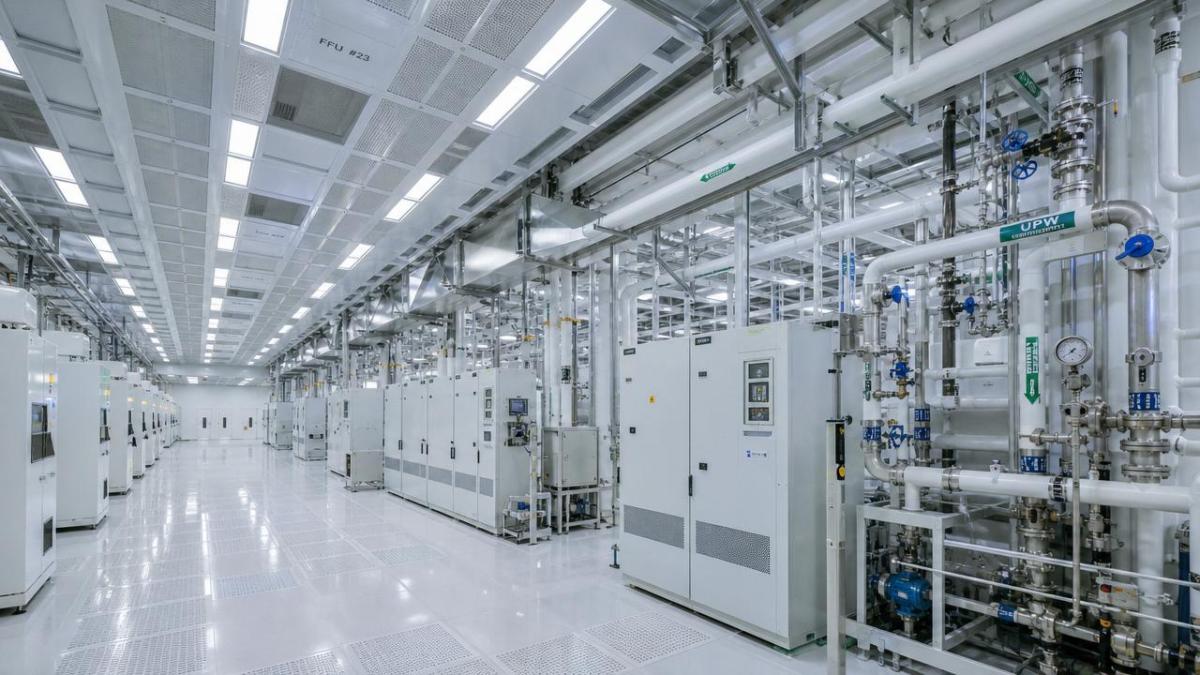
Not every controlled environment has the same risk profile. A mature fab upgrade differs greatly from a greenfield wafer facility or a pilot packaging line.
In these scenarios, SEMI Standards for semiconductor design choices determine whether performance targets remain stable under real process loads, maintenance cycles, and future technology transitions.
The most critical background question is simple: which systems directly affect contamination, thermal drift, utility purity, and process tool compatibility?
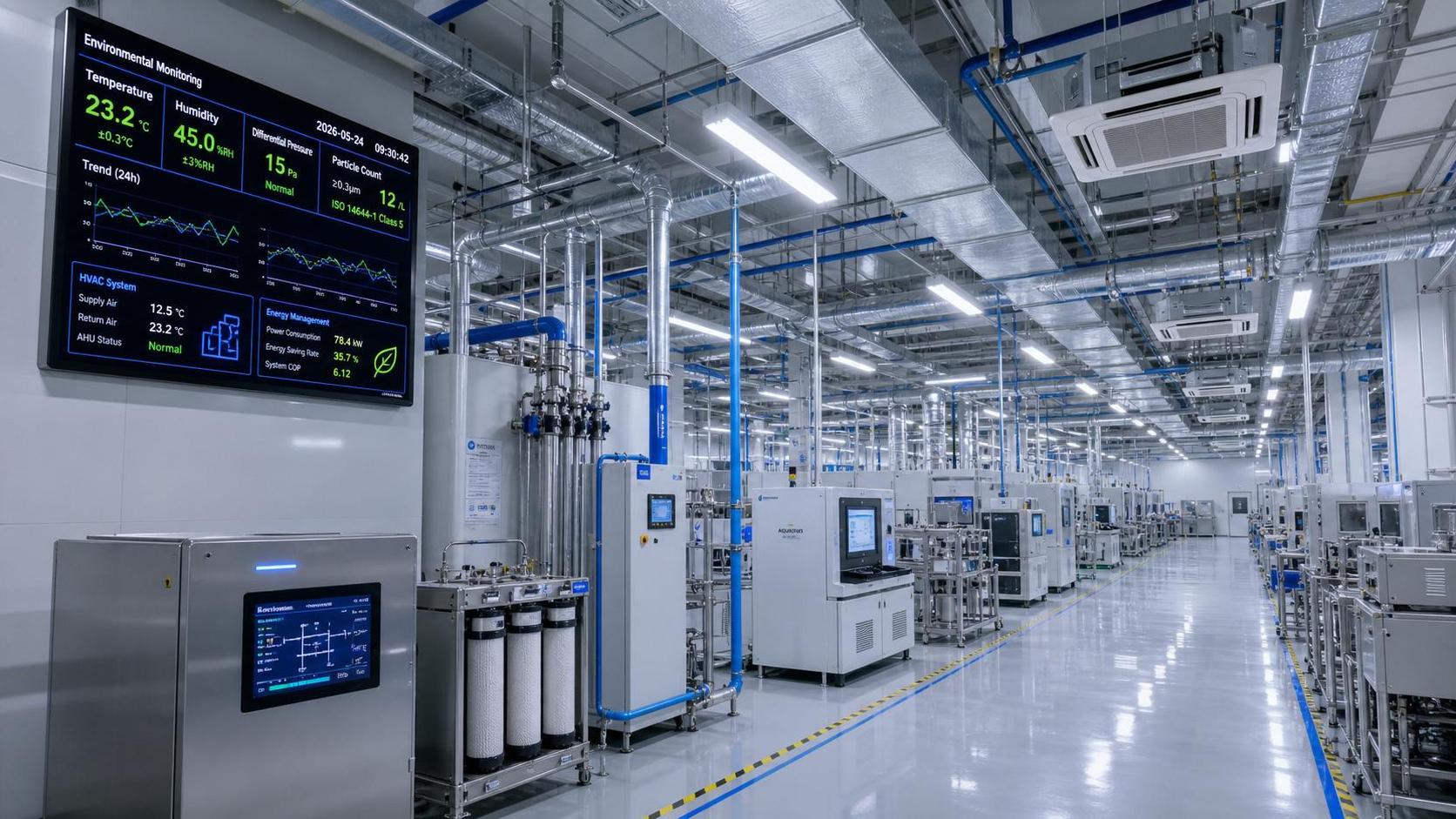
That answer shapes air change strategy, pressure cascades, vibration control, filtration, water treatment, data monitoring, and commissioning priorities.
Why generic cleanroom guidance is often insufficient
General cleanroom practices support many industries, but semiconductor environments push tighter tolerances, higher tool density, and more complex utility interactions.
A small deviation in airflow balance or UPW quality can affect yield far beyond the apparent cost of a single engineering compromise.
Scenario 1: Greenfield fabs need SEMI Standards for semiconductor planning from day one
For new semiconductor campuses, early planning is where SEMI Standards for semiconductor provide the highest strategic value.
If standards are introduced late, redesign often appears in duct routing, utility corridors, equipment spacing, and contamination zoning.
Core judgment points include bay-and-chase layout logic, cleanroom classification targets, make-up air strategy, and utility segregation for future process nodes.
Project teams should also verify whether thermal loads, chemical exhaust demands, and vibration sensitivities are modeled together rather than independently.
What matters most in early-stage decisions
- Room classification aligned with process criticality
- Pressure zoning that protects product flow
- HVAC redundancy matched to uptime targets
- UPW and process fluid quality margins for scaling
- Monitoring points positioned for actionable alarms
Scenario 2: Brownfield expansions face hidden conflicts with SEMI Standards for semiconductor compliance
Expanding an operating fab creates different challenges. Legacy systems may meet historical performance levels but fail to support newer process tools or tighter environmental thresholds.
Here, SEMI Standards for semiconductor help identify interface risks between old and new infrastructure layers.
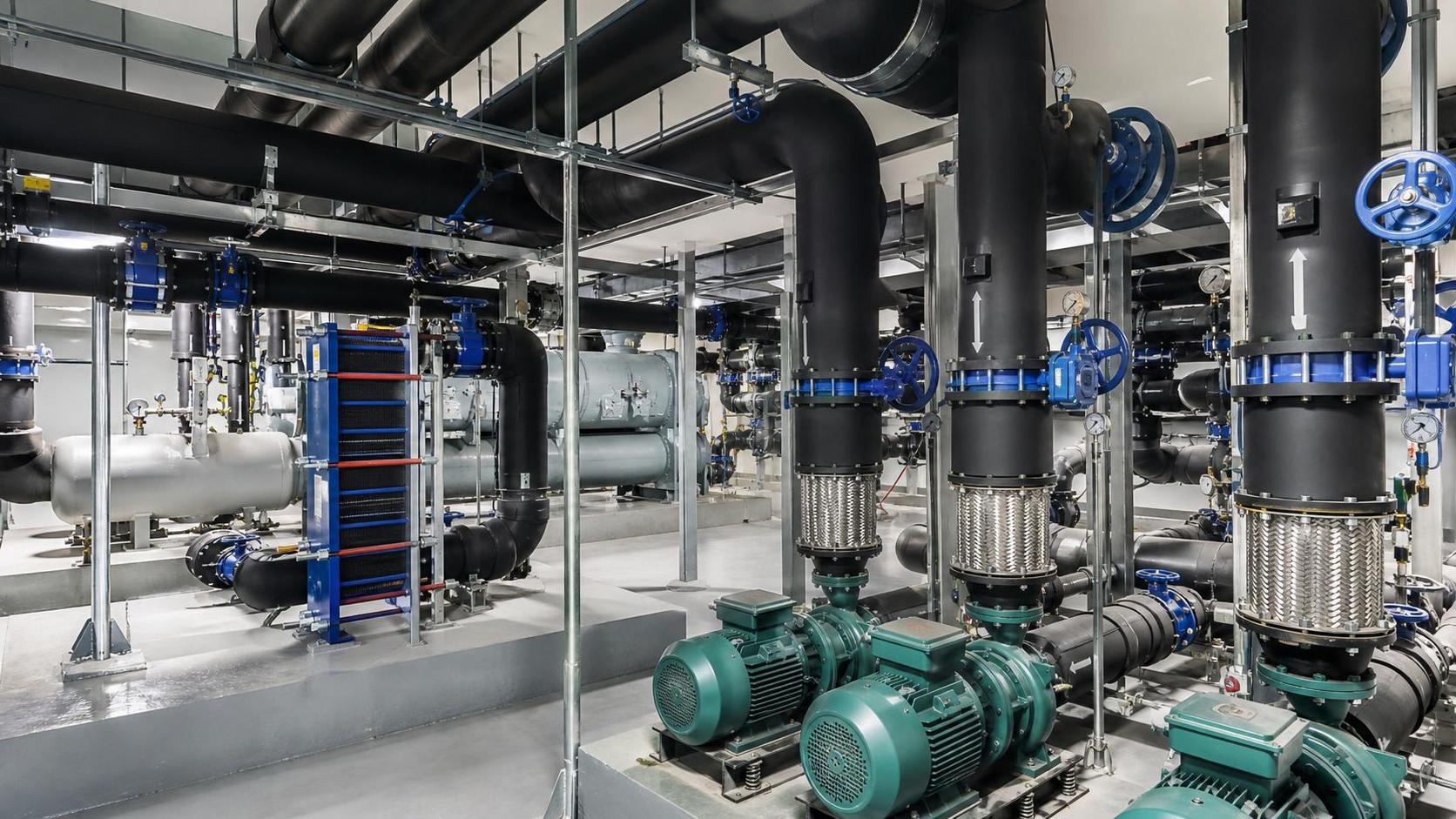
Typical conflicts include insufficient return air paths, undersized chilled water loops, outdated control logic, and utility quality swings during tie-ins.
A reliable review should examine not only installed capacity, but also control stability under partial load, maintenance bypass, and production ramp conditions.
Key signals that an expansion needs deeper reassessment
- Frequent particle spikes during occupancy changes
- Temperature variation near process tools
- Pressure instability between adjacent zones
- UPW resistivity or TOC drift during demand peaks
- Alarm systems without root-cause visibility
Scenario 3: Advanced packaging and specialty lines require selective interpretation
Not every semiconductor facility mirrors a leading-edge wafer fab. Advanced packaging, MEMS, power devices, and compound semiconductors have different contamination and utility sensitivities.
That is why applying SEMI Standards for semiconductor should be selective, risk-based, and process-aware rather than copied from another site.
Some lines prioritize humidity stability and electrostatic control. Others depend more heavily on exhaust treatment, process cooling reliability, or localized mini-environment protection.
The main judgment point is whether broad cleanroom performance or tool-level environmental control drives actual yield outcomes.
How scenario requirements differ across semiconductor cleanroom projects
The table below shows how decision priorities change when applying SEMI Standards for semiconductor in different facility contexts.
Practical fit recommendations for SEMI Standards for semiconductor projects
A practical approach works best when standards are translated into measurable design checks, commissioning steps, and operational control limits.
- Map each process zone to contamination, thermal, vibration, and utility sensitivity.
- Review SEMI, ISO 14644, and ASHRAE references together instead of in isolation.
- Define acceptable drift ranges for temperature, humidity, pressure, and water purity.
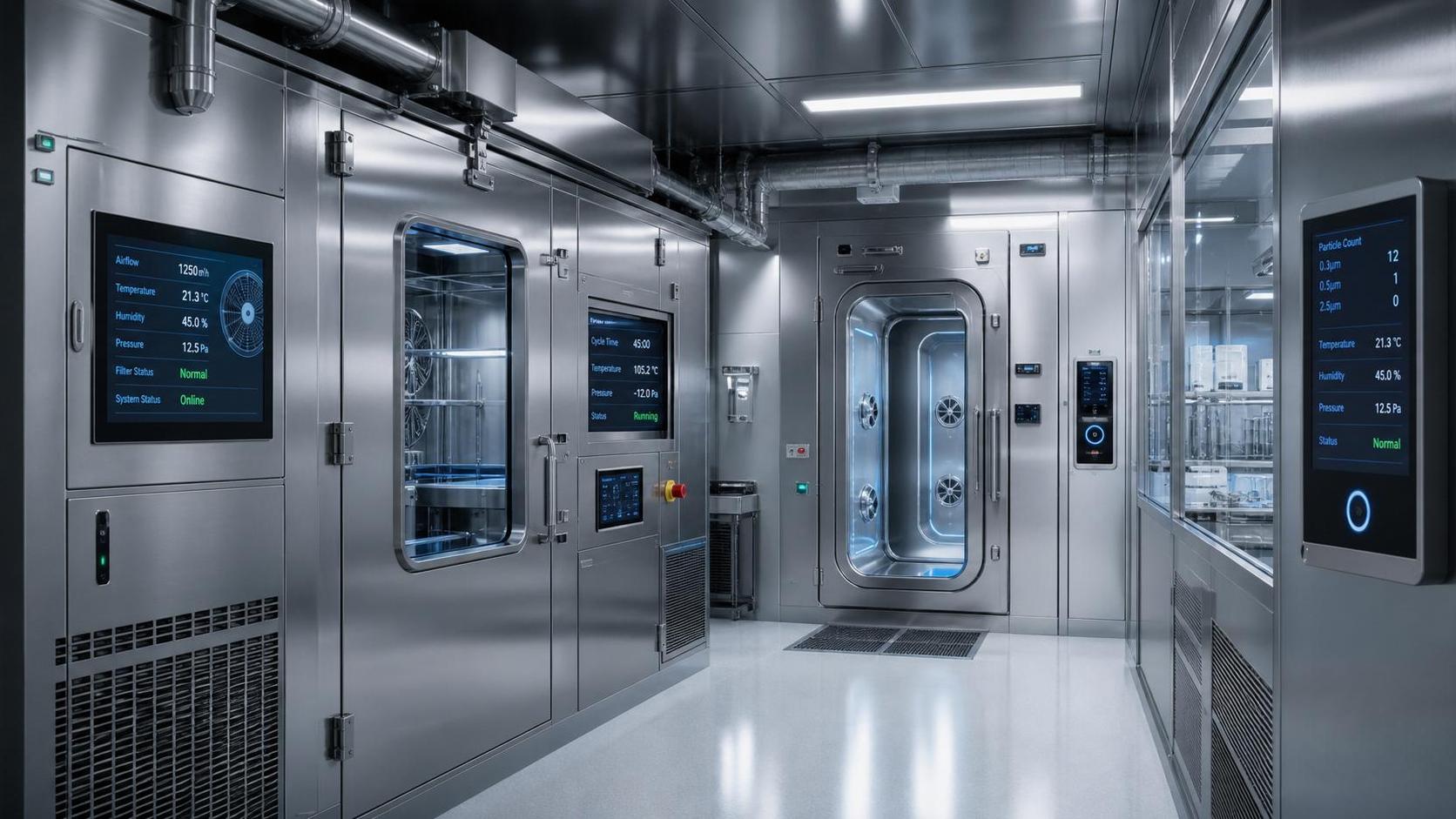
- Use digital monitoring points that support diagnosis, not only compliance reporting.
- Stress-test redundancy logic under maintenance, startup, and emergency conditions.
This is where a multidisciplinary benchmark platform such as G-ICE adds value across integrated cleanroom, HVAC, UPW, containment, and smart monitoring decisions.
By comparing infrastructure options against international performance references, project teams can align SEMI Standards for semiconductor requirements with long-term operational resilience.
Recommended engineering focus areas
- FFU coverage and airflow visualization
- Chiller efficiency under precision thermal loads
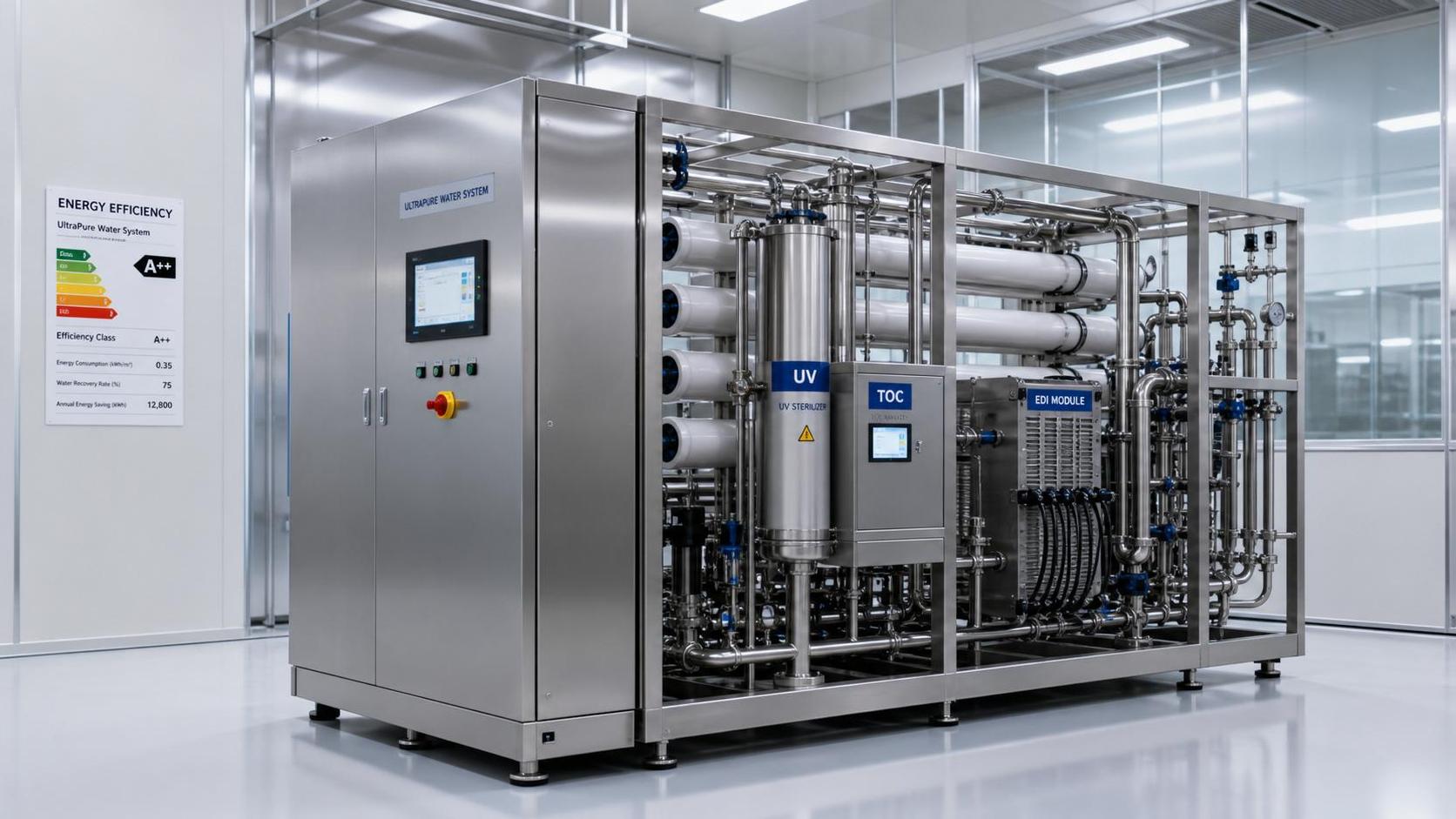
- UPW polishing and recirculation consistency
- Tool hook-up compatibility with utility quality targets
- Digital twin integration for predictive control
Common misjudgments when applying SEMI Standards for semiconductor environments
One frequent mistake is treating standards as a paperwork exercise. Real value comes from converting them into engineering tolerances and operating discipline.
Another mistake is assuming tighter specifications always improve results. In some applications, overdesign increases energy demand without improving yield stability.
A third issue appears when teams evaluate HVAC, cleanroom architecture, and water systems separately. Semiconductor performance depends on how these systems interact.
The final oversight is weak post-handover validation. SEMI Standards for semiconductor projects need continuous monitoring after occupancy, not only acceptance testing.
Next-step actions for stronger semiconductor cleanroom outcomes
Start with a scenario-based gap review. Identify whether the facility is driven by greenfield planning, legacy integration, or process-specific adaptation.
Then prioritize systems with the highest impact on contamination, thermal control, water purity, and uptime. This creates a clearer compliance roadmap with fewer late surprises.
For complex programs, benchmark design assumptions against proven references in cleanroom systems, precision HVAC, UPW treatment, and smart environmental monitoring.
When SEMI Standards for semiconductor are applied through a scenario-driven engineering framework, facilities gain better yield protection, stronger scalability, and more reliable long-term performance.
Get weekly intelligence in your inbox.
No noise. No sponsored content. Pure intelligence.
 Jun 25, 2026Smart Factory Solutions in 2026: Which Upgrades Deliver Measurable ROI FirstSmart factory solutions in 2026 focus on upgrades that prove ROI first—cutting energy costs, reducing process variability, and improving compliance, uptime, and yield.
 Jun 25, 2026Vet Ultrasound Buying Guide: Key Features That Affect Image Quality and WorkflowVet ultrasound buying guide covering image quality, probes, portability, software, and lifecycle cost—compare smarter, improve workflow, and choose a system that delivers lasting clinical value.
 Jun 25, 2026Plastic Pallets Wholesale for Export Packaging: Cost, Compliance, and Damage RiskPlastic pallets wholesale for export packaging explained: compare total cost, compliance requirements, and damage risk to choose safer, cleaner, and more efficient export pallet solutions.
 Jun 25, 2026Port Automation Tech for Bulk Terminals: Where Automation Cuts Delay and Throughput LossPort automation tech for bulk terminals helps cut vessel delays, reduce throughput loss, and improve yard, gate, and asset coordination. See where automation delivers the fastest ROI.
 Jun 25, 2026Photovoltaic Modules Efficiency Comparison: What Really Matters in Field PerformancePhotovoltaic modules efficiency comparison goes beyond datasheets. Discover how heat, low-light response, shading, and degradation affect real field performance and smarter solar decisions.
 Jun 25, 2026EU Carbon Data Rules Tighten for UPW ExportsEU Carbon Data Rules Tighten for UPW Exports: learn how LCA-XML v3.2, EU-ELCD validation, and EPD recognition could impact EU market access, bids, and compliance readiness.
 Jun 25, 2026ASEAN Customs Makes EPCIS Data Mandatory for Cleanroom ImportsASEAN customs now makes EPCIS data mandatory for cleanroom imports. Learn how GS1 EPCIS 2.0, 72-hour pre-clearance uploads, and IIoT traceability affect exporters, buyers, and delivery timelines.
 Jun 25, 2026MFDS Tightens ZLD TOC Verification RulesMFDS Tightens ZLD TOC Verification Rules: learn how South Korea’s new MFDS ZLD certification update affects TOC reports, KOLAS/CNAS lab selection, and compliance timelines.
 Jun 25, 2026Japan Starts JIS Energy Labels for UPW ImportsJapan’s new JIS energy labels for UPW imports signal stricter customs compliance. Learn how JIS B 8415-2:2026 affects suppliers, importers, and delivery risk.
 Jun 25, 2026FDA Sets API Rule for BSL-3/4 Lab EquipmentFDA sets API rule for BSL-3/4 lab equipment from July 1, 2026. Learn what RESTful API and schema compliance means for manufacturers, exporters, and buyers.
 Jun 24, 2026Chilled Water Piping Sizing Mistakes That Increase Energy UseChilled water piping mistakes can quietly raise pump and chiller energy use. Learn the sizing, velocity, and layout errors that hurt control, stability, and lifecycle efficiency.
 Jun 24, 2026Industrial Robotics for Painting Applications: Where Automation Delivers the Best ROIIndustrial robotics for painting applications deliver the best ROI by reducing rework, overspray, and labor risk while improving finish consistency, compliance, and throughput.
 Jun 24, 2026Supply Chain Traceability: How to Reduce Recall Risk and Data GapsSupply chain traceability helps reduce recall risk, close data gaps, and improve audit readiness. Learn practical steps to connect suppliers, batches, quality, and facility data.
 Jun 24, 2026CPAP Machines Explained: Features That Matter Before You ChooseCPAP machines explained clearly: compare pressure control, humidification, noise, travel readiness, and maintenance tips to choose a model that delivers comfort, value, and better long-term use.
 Jun 24, 2026Medical Grade Silicone: Key Properties That Affect Safety and PerformanceMedical grade silicone safety starts with purity, biocompatibility, and process control. Learn which properties affect compliance, performance, and long-term reliability.
 Jun 24, 2026FDA Sets API Rule for BSL-3/4 Twin-Ready EquipmentFDA Sets API Rule for BSL-3/4 Twin-Ready Equipment: learn how the 2026 FDA interoperability mandate impacts licensing, procurement, integration, and compliance planning.
 Jun 24, 2026METI Requires JIS Class A Label for 18.2 MΩ·cm UPW SystemsMETI Requires JIS Class A Label for 18.2 MΩ·cm UPW Systems in Japan from July 1, 2026. Learn compliance scope, JIS B 8680:2026 rules, and procurement risks for suppliers.
 Jun 24, 2026MFDS Tightens ZLD Certification TOC ValidationMFDS tightens ZLD certification TOC validation from Sept. 1, 2026. Learn how KOLAS-authorized lab reports, spectra, and calibration records affect Korea-bound wastewater reuse equipment approvals.
 Jun 24, 2026ASEAN Customs Mandate EPCIS Data for Cleanroom ImportsASEAN Customs Mandate EPCIS Data for Cleanroom Imports: learn the 72-hour GS1 EPCIS v2.0 pre-clearance rule, affected products, delay risks, and how exporters can stay compliant.
 Jun 24, 2026EU Battery Passport Rule Reaches UPW and Clean-System ExportsEU Battery Passport rule now impacts UPW systems, cleanroom exports, and Maglev Chillers. Learn how CE compliance, carbon data, and EU delivery documents may be affected before 2027.
 Jun 23, 2026Patient Monitors: Key Features to Compare Before Hospital ProcurementPatientmonitors comparison guide for hospitals: evaluate accuracy, interoperability, alarm safety, scalability, and serviceability before procurement to reduce risk and improve ROI.
 Jun 23, 2026Vehicle to Grid in 2026: Grid Revenue, Battery Wear, and Policy ShiftsVehicle to grid in 2026: explore real grid revenue, battery wear tradeoffs, and policy shifts shaping smarter fleet energy strategies and resilient facility planning.
 Jun 23, 20263PL Logistics Costs Explained: When Outsourcing Improves Margin3PLlogistics costs explained: learn when outsourcing warehousing, fulfillment, and transport can cut fixed overhead, improve scalability, and protect margin with smarter cost control.
 Jun 23, 2026Sheet Metal Bending for HVAC Systems: Tolerance Limits That Affect FitSheet metal bending for HVAC systems directly affects duct fit, sealing, and lifecycle performance. Learn the tolerance limits that reduce leakage, rework, and installation risk.
 Jun 23, 2026How Returnable Transport Packaging Cuts Damage in Automotive Parts ShippingReturnable transport packaging for automotive parts cuts damage by improving stability, cleanliness, and handling control. See how lane-specific design lowers risk and supports smarter logistics.
 Jun 23, 2026MFDS Tightens ZLD TOC Proof Rules for KoreaMFDS tightens ZLD TOC proof rules for Korea from Oct 1, 2026. Learn how KOLAS-only reports may affect certification, export timing, and compliance planning.
 Jun 23, 2026ASEAN Customs Makes EPCIS Data Mandatory for CleanTech ExportsASEAN Customs EPCIS mandate reshapes CleanTech exports: learn how AMC Filtration, Smart Sensor, and IIoT Air Monitoring suppliers can avoid delays and stay shipment-ready.