Pharmaceutical Cleanroom Requirements That Drive Compliance
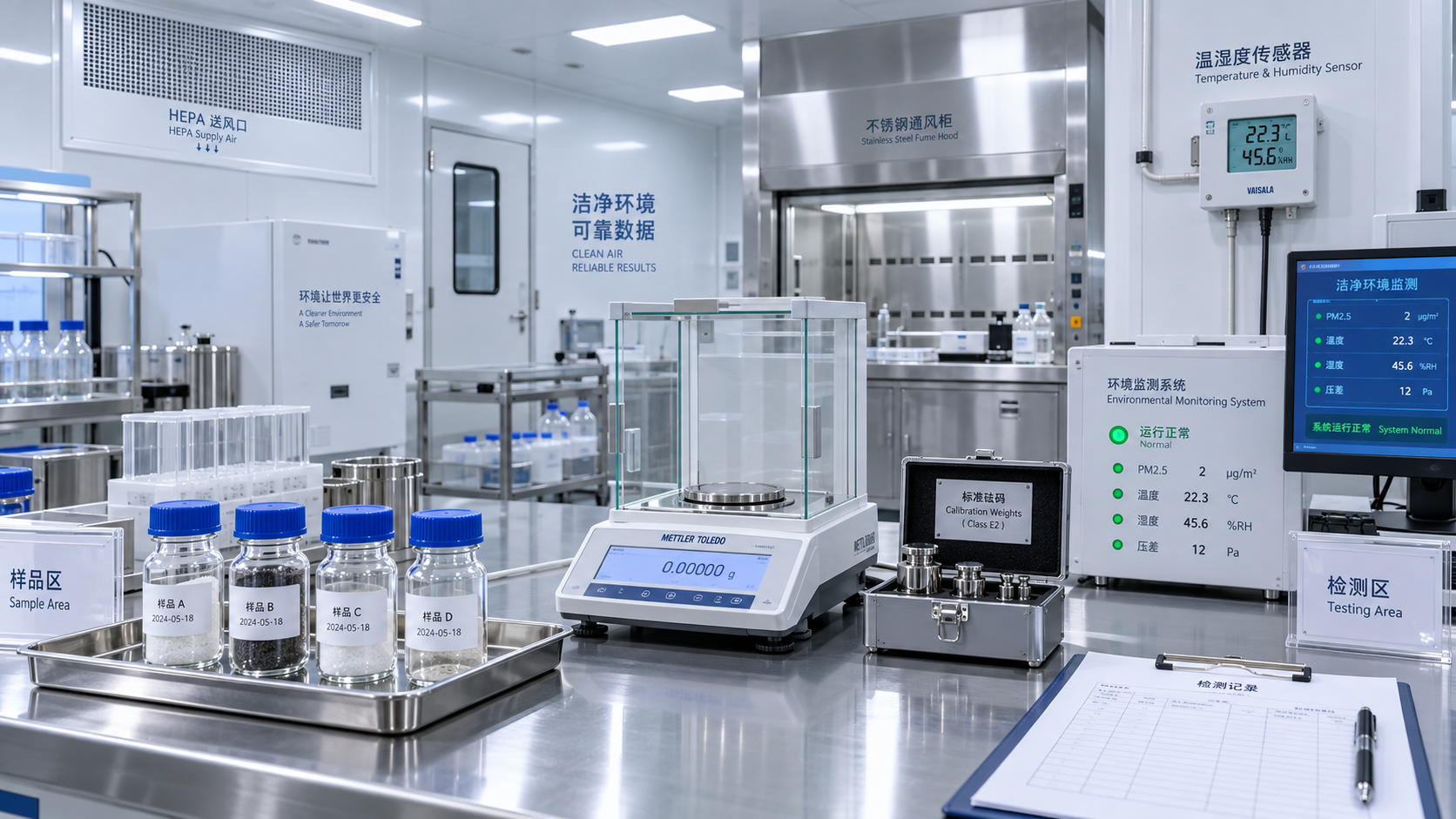
Pharmaceutical Cleanroom requirements are more than a checklist—they are the foundation of product safety, audit readiness, and regulatory confidence. In regulated production, airflow discipline, contamination control, pressure cascades, cleaning validation, and environmental monitoring must work as one controlled system. When these elements drift, batch integrity, operator safety, and release timelines all become vulnerable.
For complex industrial environments, Pharmaceutical Cleanroom requirements also connect engineering performance with GMP expectations, ISO practices, and documented evidence. A checklist approach helps standardize daily control, reduce deviations, and support faster root-cause analysis when excursions occur.
Why a checklist approach matters for Pharmaceutical Cleanroom requirements
Pharmaceutical production rarely fails because of one dramatic event. It usually fails through small, unmanaged deviations. A door held open, a pressure alarm ignored, or a delayed HEPA integrity test can trigger broader compliance issues.
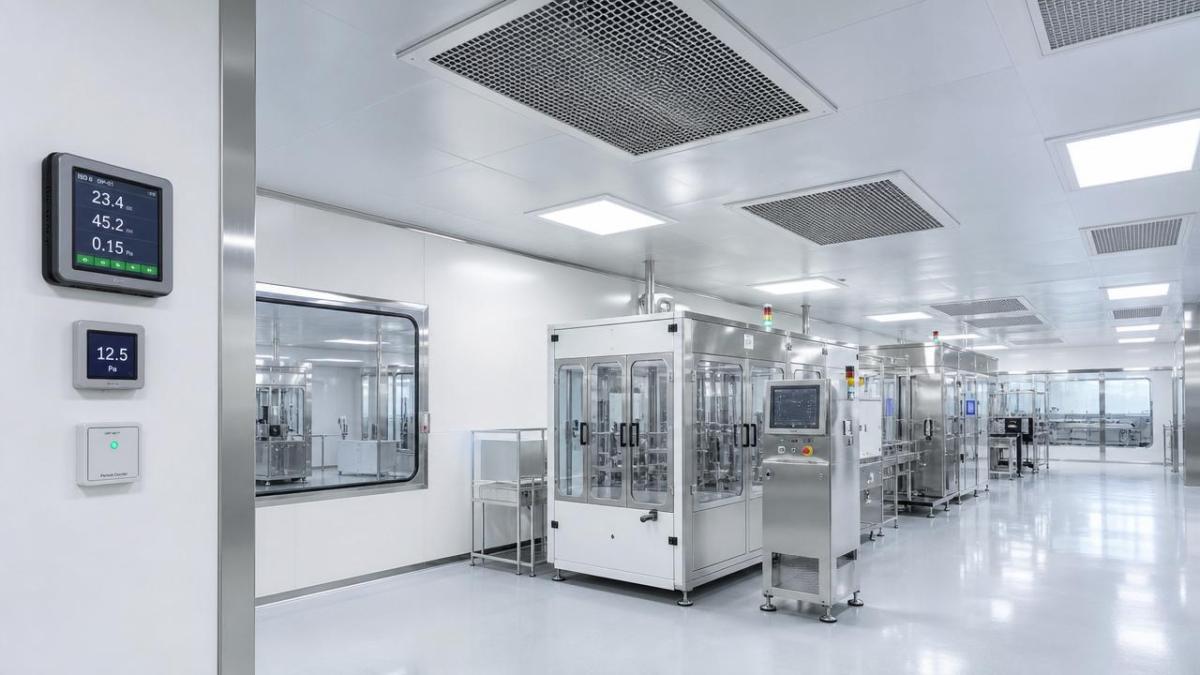
A structured review turns Pharmaceutical Cleanroom requirements into repeatable actions. It aligns facilities, quality, validation, maintenance, and environmental control around measurable acceptance criteria instead of assumptions.
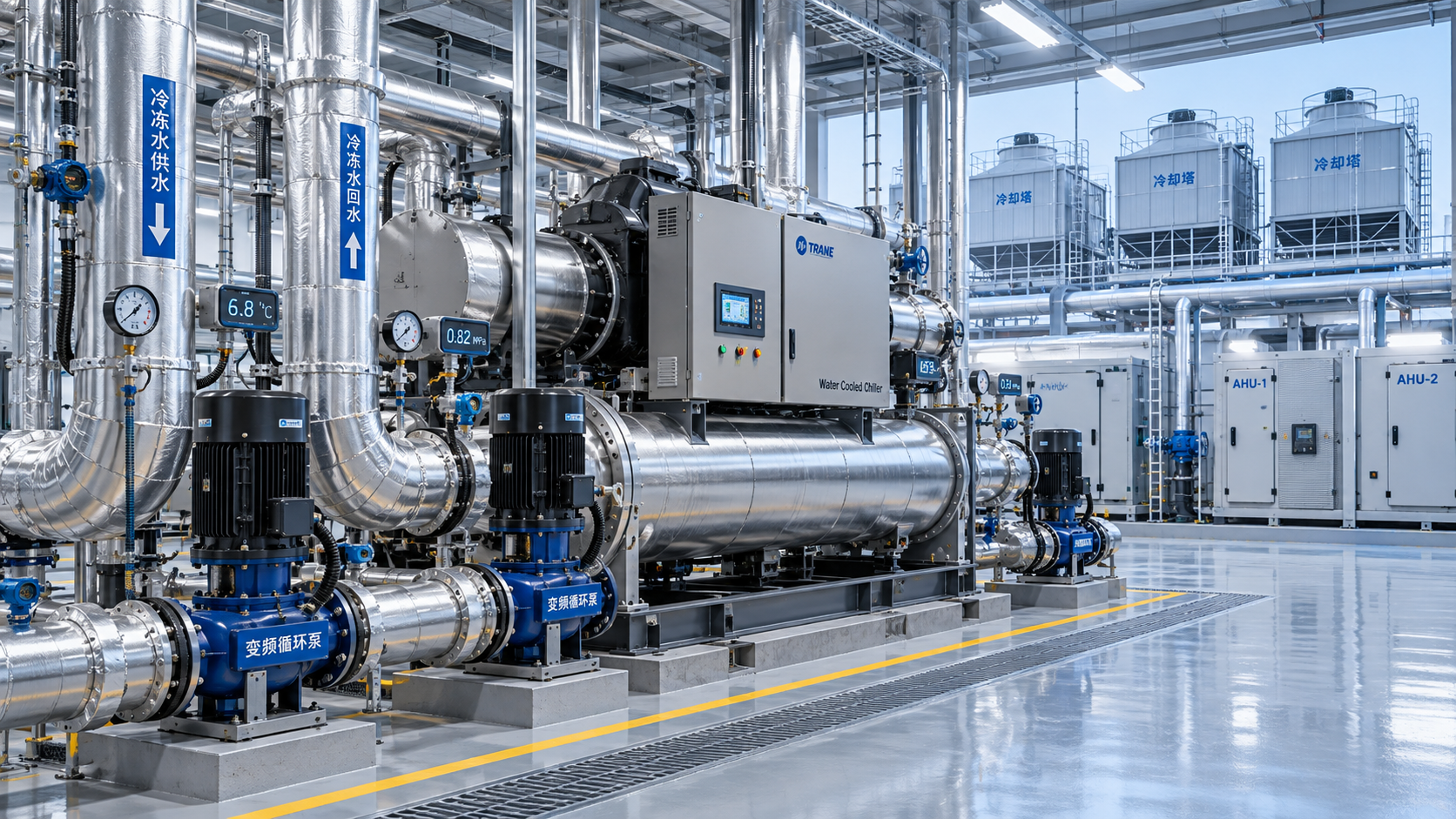
This matters across the wider industrial landscape as well. High-performance clean environments depend on HVAC stability, filtration efficiency, smart monitoring, and disciplined change control—the same invisible infrastructure that supports advanced manufacturing reliability.
Core compliance checklist for Pharmaceutical Cleanroom requirements
- Verify room classification against process risk, product exposure, and applicable GMP or ISO expectations before approving layout, occupancy, and operating procedures.
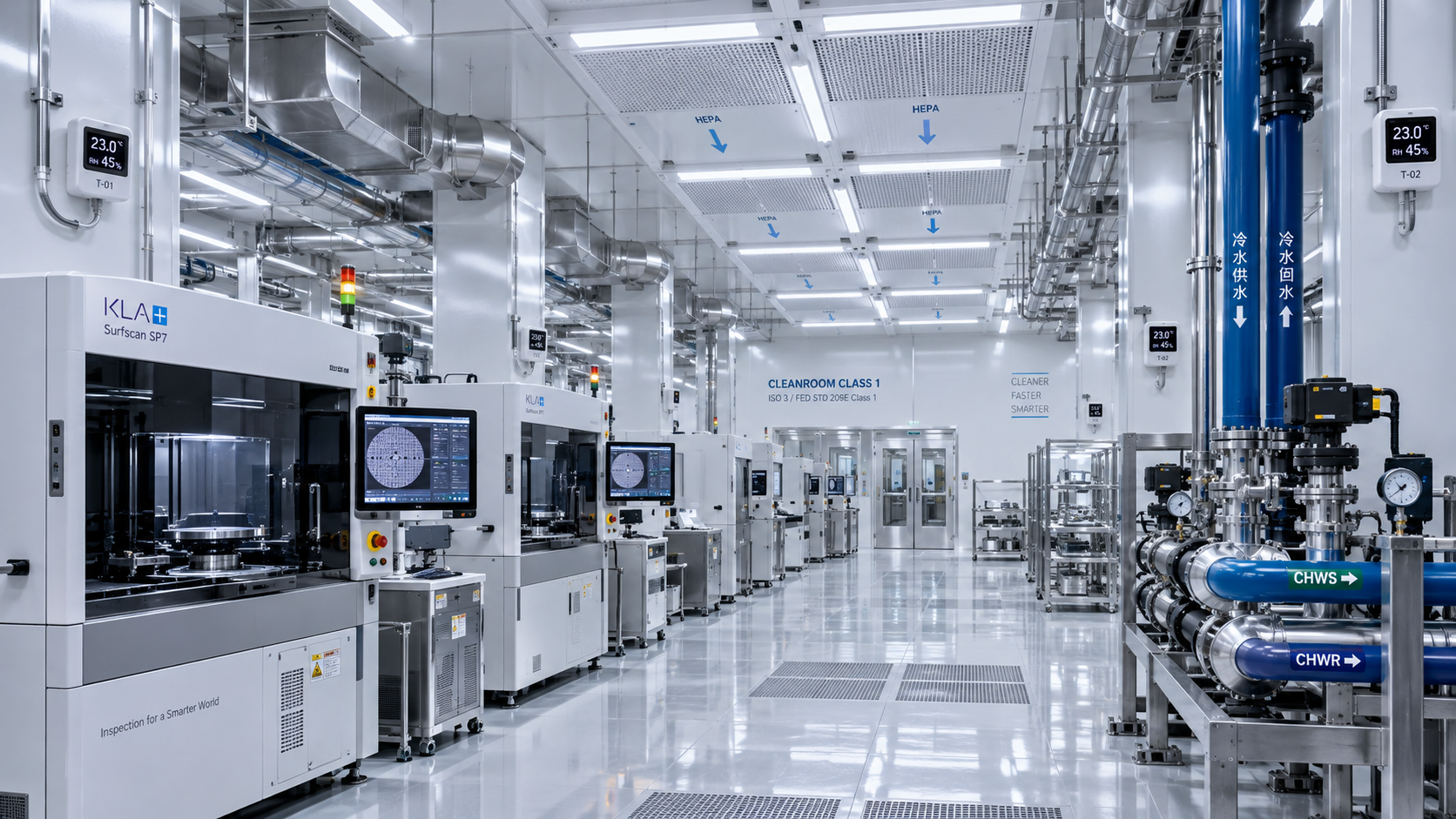
- Confirm airflow design supports unidirectional protection where needed and maintains air change rates that dilute particles, heat, and process-generated contamination.
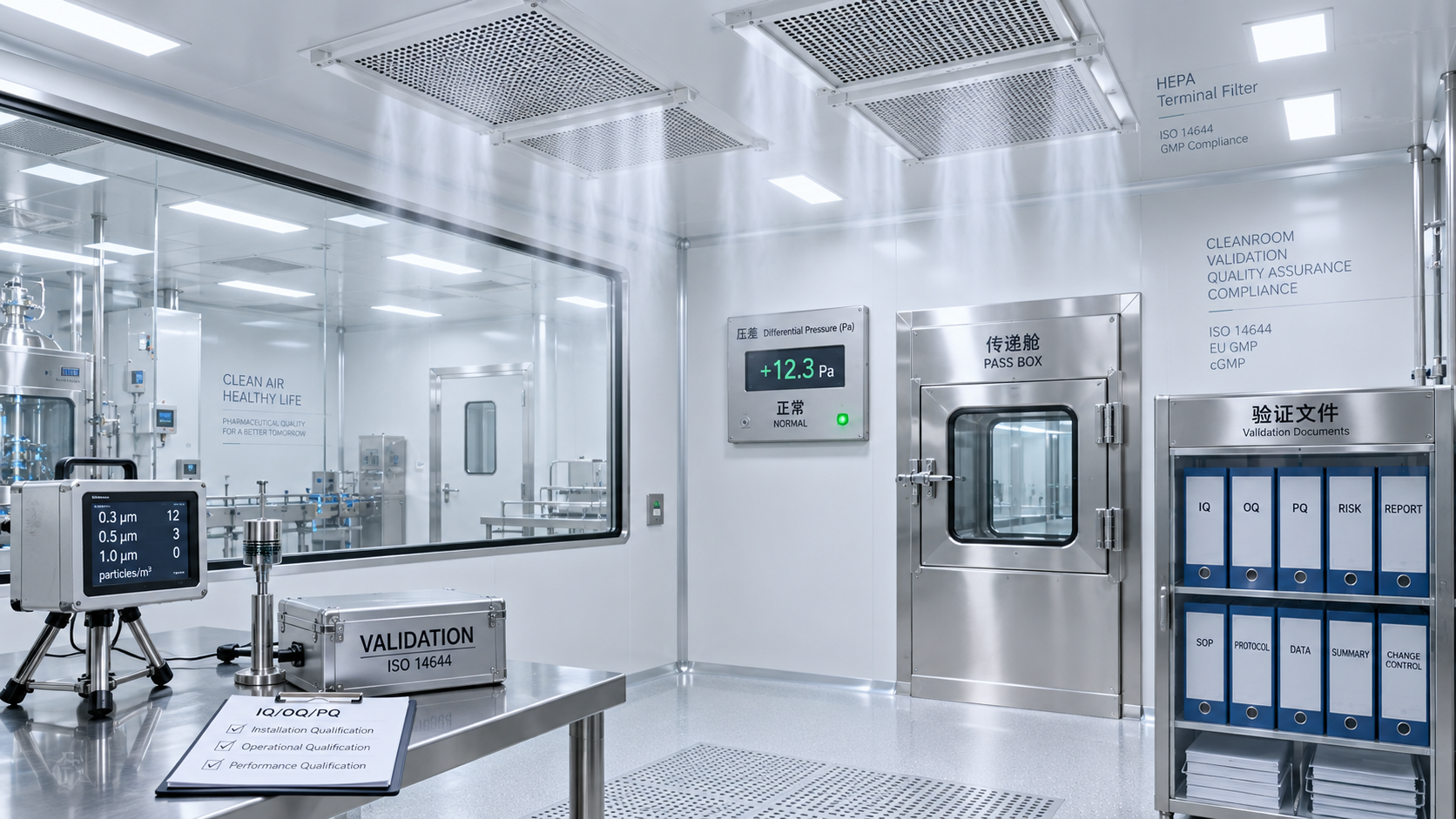
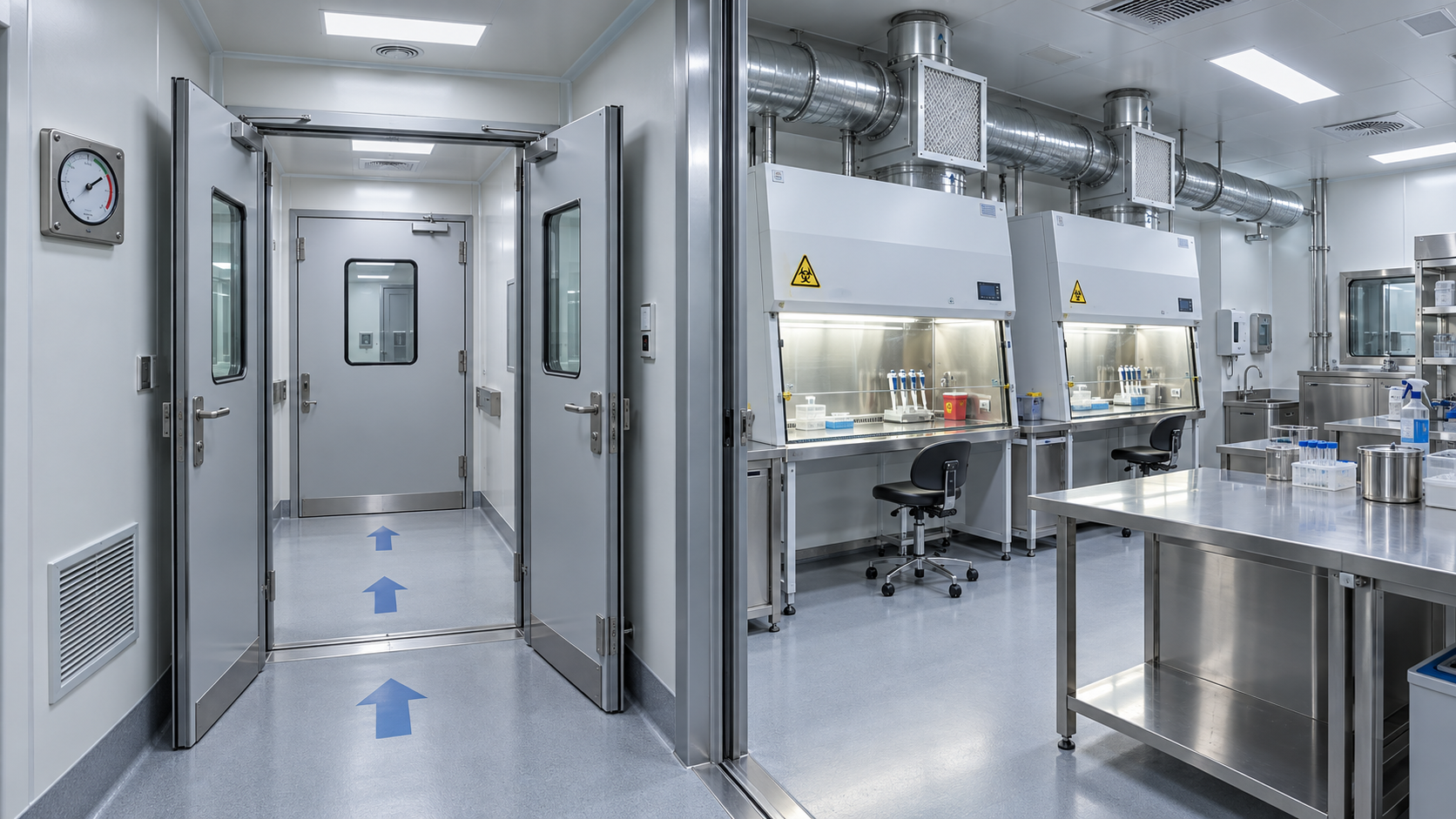
- Maintain pressure differentials between adjacent rooms and document alarm responses so contamination flows away from higher-risk process zones.
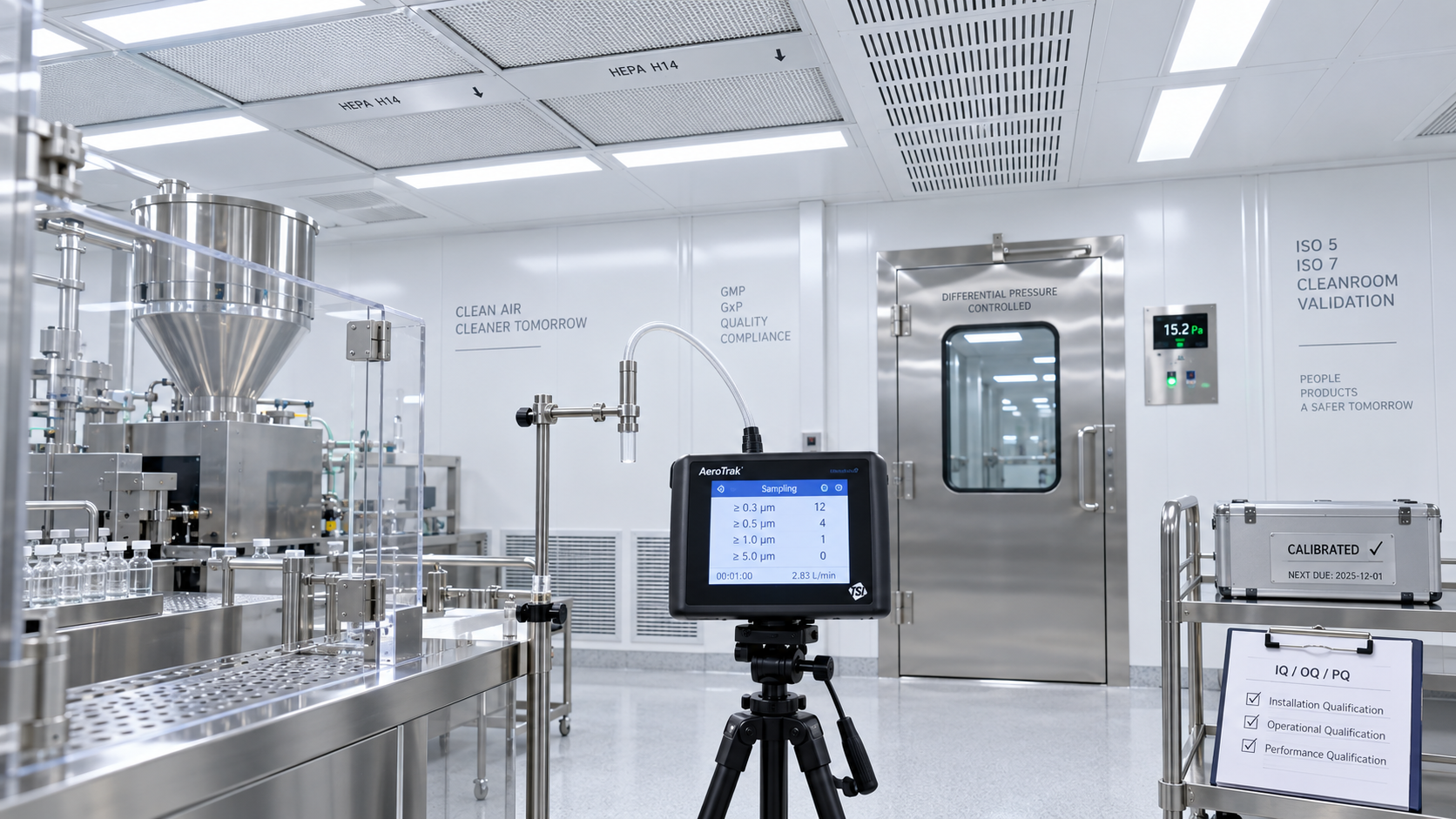
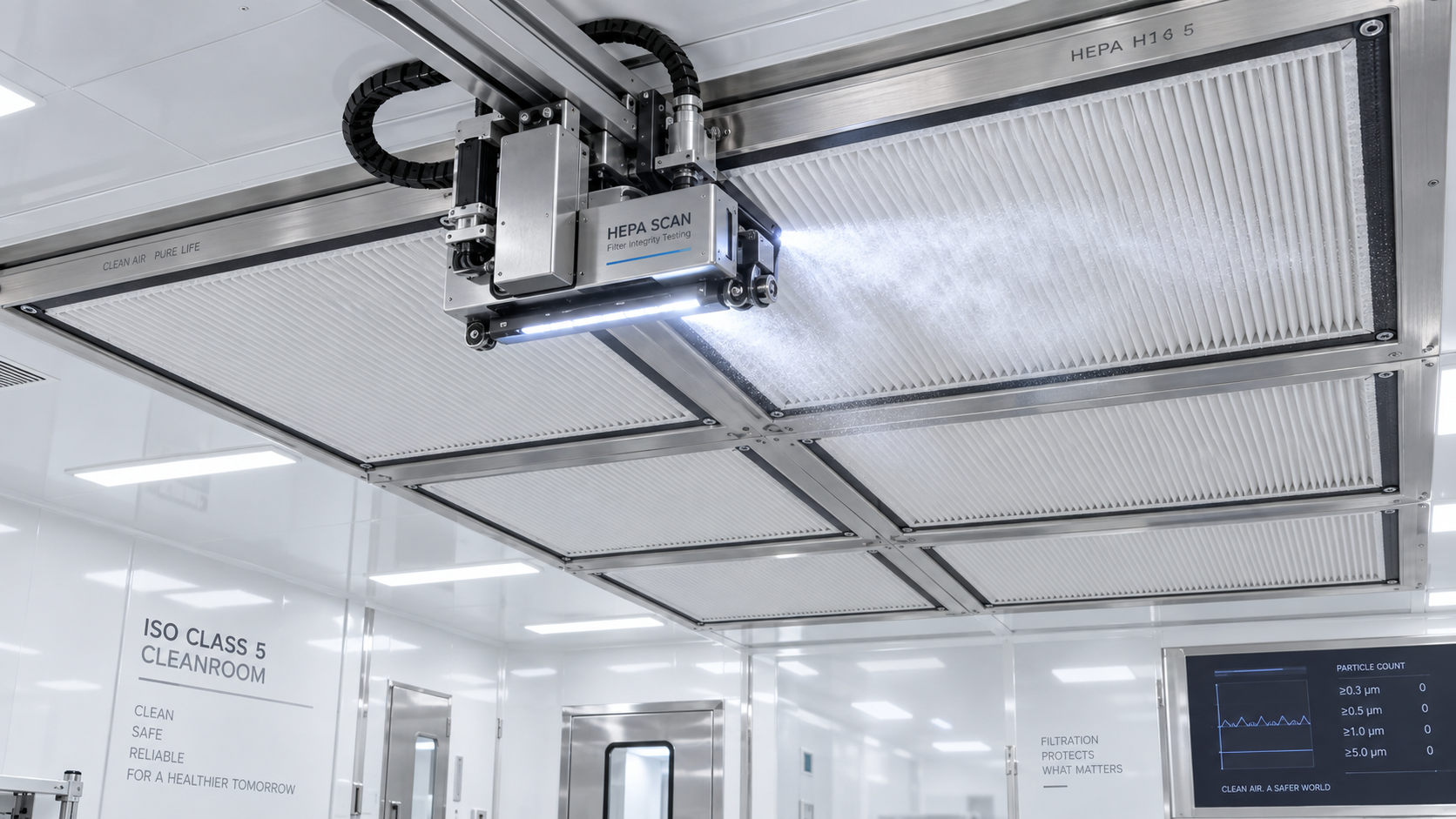
- Test HEPA filters for integrity on schedule and after interventions that could disturb housings, seals, ceiling grids, or duct connections.
- Control temperature and relative humidity within validated ranges to protect product stability, material behavior, and operator performance.
- Define gowning pathways, material transfer steps, and personnel movement rules that minimize turbulence and cross-contamination risk.
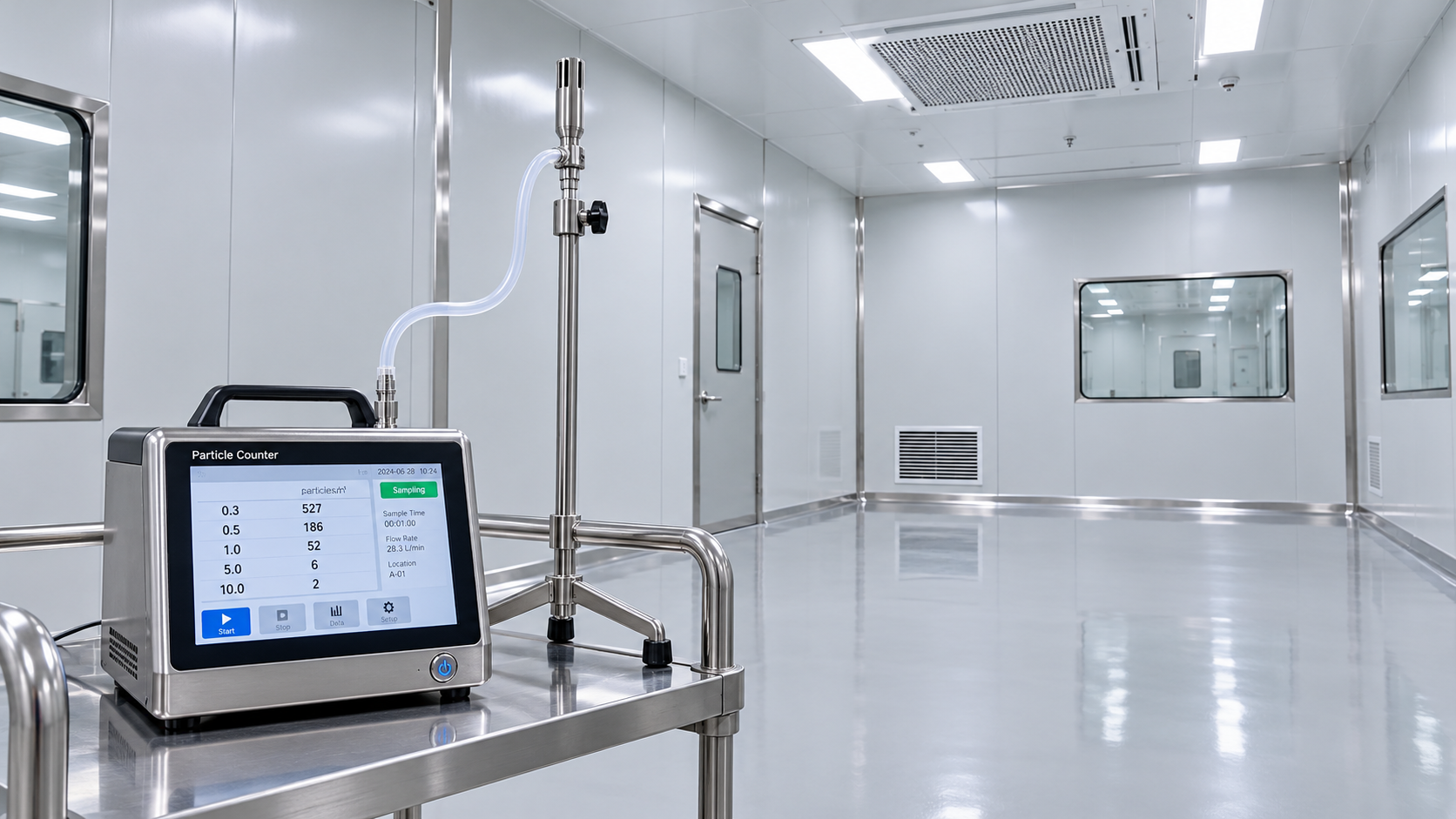
- Monitor viable and non-viable particulates using risk-based sampling points, frequencies, alert limits, and action limits linked to investigations.
- Validate cleaning and disinfection methods against actual residues, surface materials, microbial risks, and disinfectant contact times.
- Calibrate sensors, probes, counters, and data loggers so environmental records remain defensible during audits and batch reviews.
- Document preventive maintenance for HVAC, dampers, fans, controls, and sensors because deferred maintenance often appears first as compliance drift.
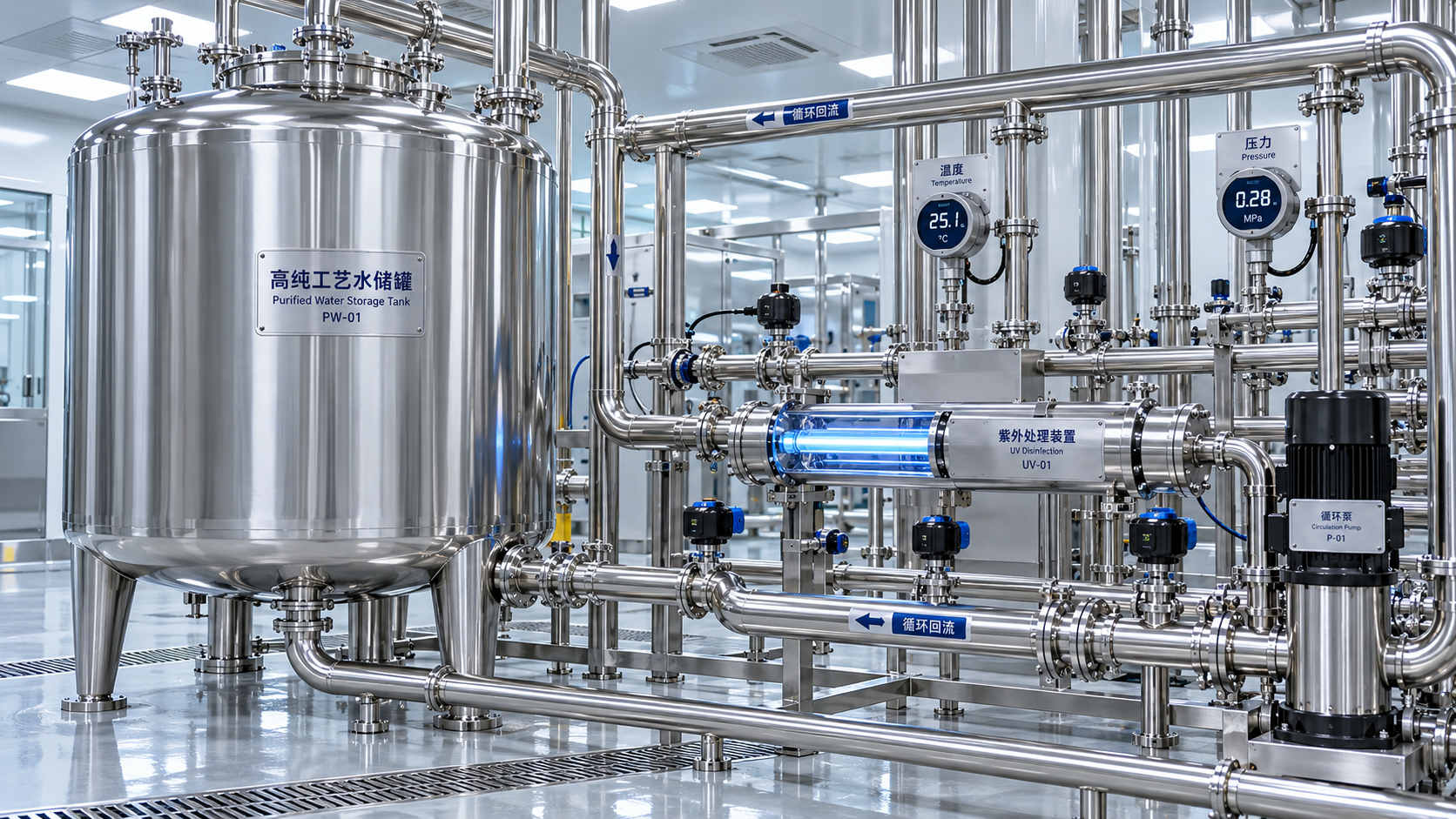
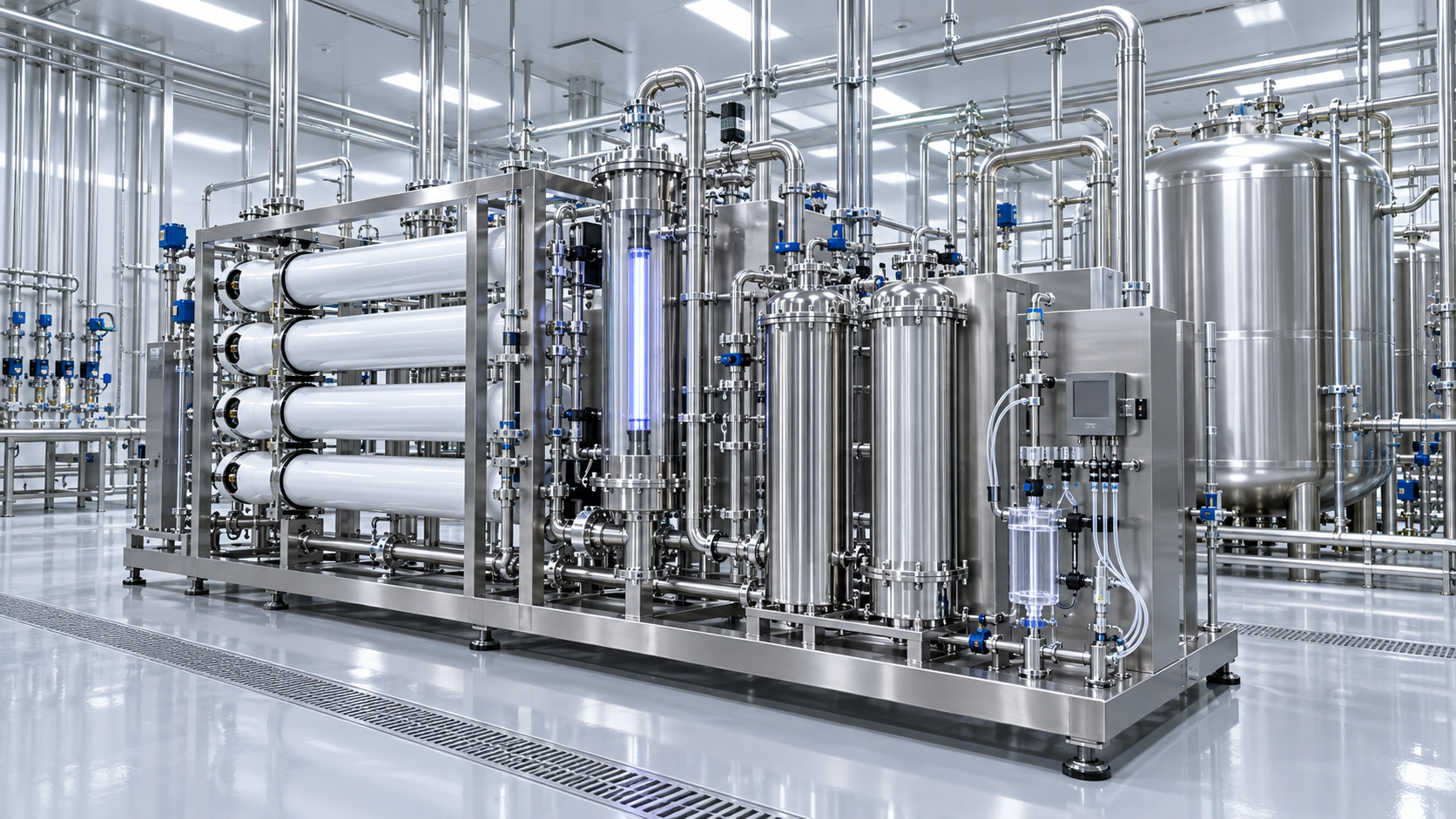
- Assess utilities that influence cleanroom performance, including compressed air, purified water interfaces, drains, and pass-through equipment seals.
- Apply formal change control before modifying airflow volumes, room use, equipment loads, cleaning chemistry, or monitoring frequencies.
How Pharmaceutical Cleanroom requirements change by application
Sterile and aseptic processing
In aseptic operations, Pharmaceutical Cleanroom requirements become stricter because exposed product has minimal tolerance for microbial or particulate intrusion. Airflow visualization, intervention control, and operator qualification carry more weight than in closed-process spaces.
Room recovery time, critical zone protection, and glove or barrier management should be verified with data, not assumed from design intent. Even minor airflow disruption around filling lines can create audit exposure.
Oral solid dose and non-sterile manufacturing
For tablets, capsules, and powder handling, Pharmaceutical Cleanroom requirements often focus on dust control, cross-contamination prevention, and differential pressure zoning. The key question is not only cleanliness, but whether product segregation remains reliable during changeovers.
HVAC design must account for particulate loads from dispensing, granulation, compression, and coating. Filtration, extraction balance, and cleaning validation need to reflect actual powder behavior.
Biologics and high-risk laboratory support areas
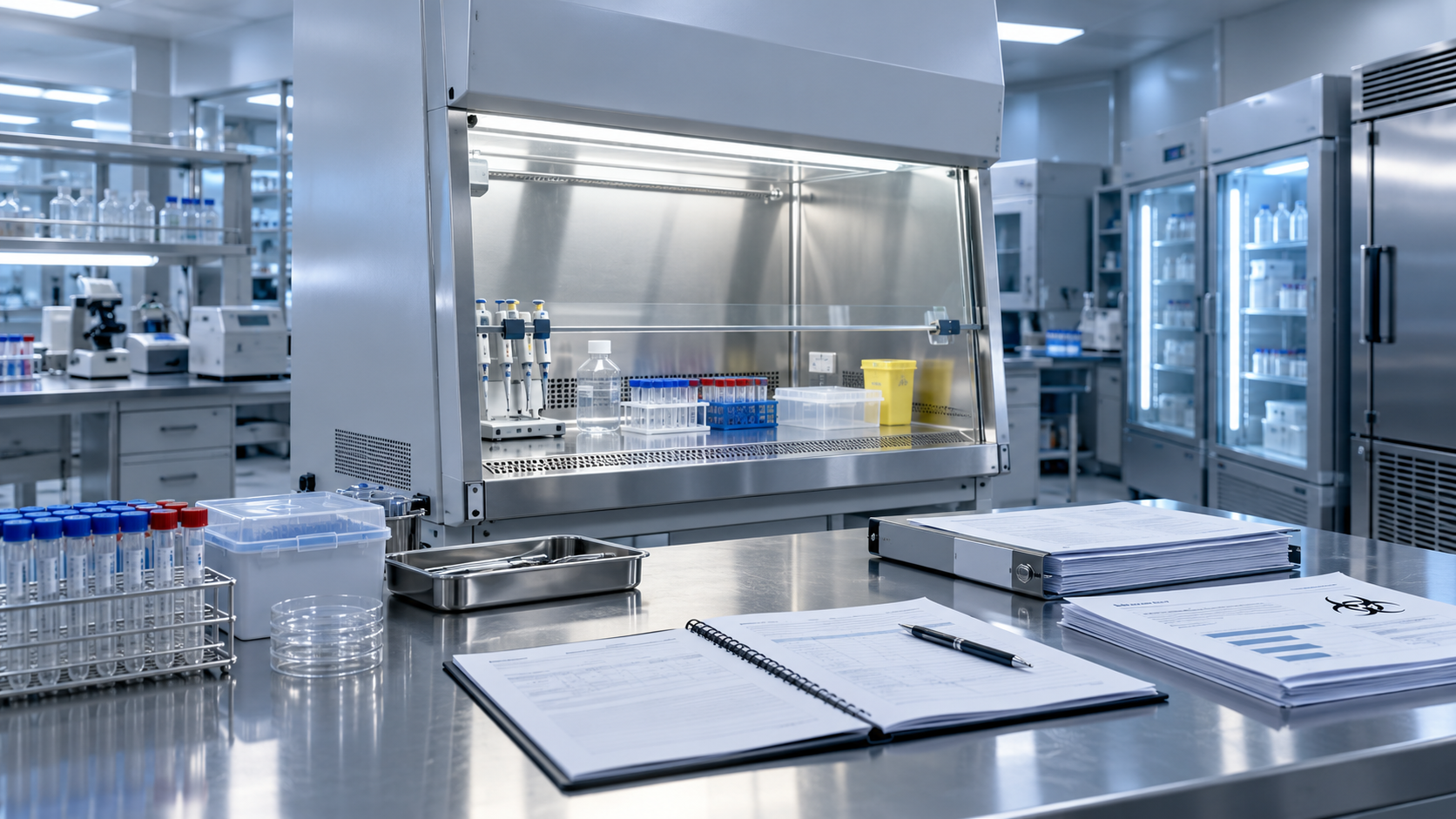
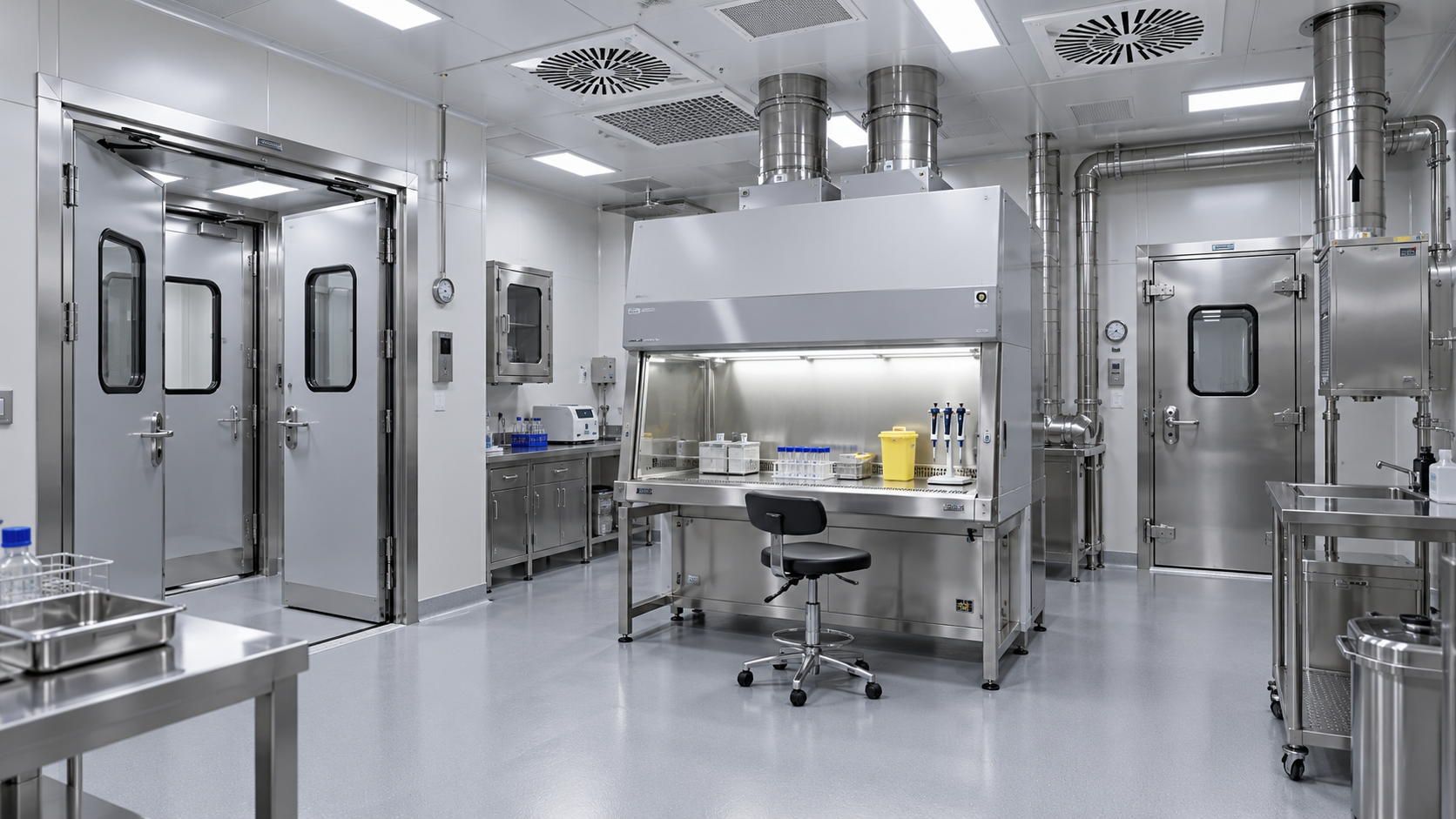
Biologics suites and adjacent support spaces often combine Pharmaceutical Cleanroom requirements with biosafety controls. That means pressure strategy, air recirculation assumptions, waste routing, and decontamination planning must be reviewed together.
Where sensitive materials and high-containment practices intersect, environmental control cannot be separated from risk assessment. Monitoring architecture should support both compliance reporting and rapid event reconstruction.
Commonly missed items that weaken compliance
Unverified recovery after maintenance
Technicians may restore operation, but not prove the room returned to validated performance. Pharmaceutical Cleanroom requirements include post-maintenance confirmation of airflow, pressure, alarms, and particle behavior.
Poor alignment between SOPs and room reality
Written procedures often lag behind layout changes or equipment additions. If SOPs describe a flow path that no longer exists, compliance gaps appear during observations, deviations, and training assessments.
Inadequate trend review
Single passing results can hide gradual decline. Pharmaceutical Cleanroom requirements should include trend analysis for differential pressure, particle counts, viable data, temperature, humidity, and alarm frequency.
Weak material airlock discipline
Many contamination events begin at transfer interfaces. Packaging debris, rushed wipe-downs, or simultaneous door opening can compromise pressure control and bring uncontrolled particles into cleaner zones.
Overlooking digital data integrity
Environmental monitoring is only useful when records are complete, secure, attributable, and reviewable. Missing audit trails or unmanaged setpoint edits can turn a manageable excursion into a major finding.
Practical steps to execute Pharmaceutical Cleanroom requirements effectively
- Map each room to its process risk, classification target, pressure relationship, and monitoring plan in one controlled matrix.
- Link engineering alarms to written escalation steps, response times, and deviation triggers so operators know exactly what to do.
- Use smoke studies, airflow visualization, and occupancy observations to confirm that design performance still holds in operation.
- Review environmental data weekly for drift, not only for failures, and assign owners for every adverse trend.
- Bundle calibration, maintenance, requalification, and cleaning verification into one annual compliance calendar to reduce missed tasks.
- Evaluate upgrades that improve visibility, such as continuous monitoring, smart sensors, or digital twins for critical environmental systems.
In advanced facilities, the most resilient approach combines documented GMP discipline with precision environmental engineering. Stable HVAC performance, validated filtration, and reliable data architecture create the evidence base that supports every cleanroom decision.
Conclusion and next actions
Pharmaceutical Cleanroom requirements should be treated as an operating system, not a one-time qualification exercise. Compliance depends on how room classification, airflow, pressure, cleaning, monitoring, maintenance, and data integrity perform together every day.
Start with a gap review of current Pharmaceutical Cleanroom requirements against actual room behavior. Then prioritize high-risk items: pressure control, HEPA integrity, environmental trending, transfer discipline, and post-maintenance verification. That sequence delivers faster risk reduction and stronger audit readiness.
Where environmental performance is business-critical, deeper benchmarking against ISO 14644, HVAC best practice, and intelligent monitoring frameworks can turn compliance from a defensive task into a durable operational advantage.
Get weekly intelligence in your inbox.
No noise. No sponsored content. Pure intelligence.
 Oct 21, 2026How often is cleanroom certification required under ISO 14644-2?Cleanroom Certification is generally recommended annually under ISO 14644-2. Learn when risk-based extensions apply and which changes trigger earlier testing to plan with confidence.
 Oct 21, 2026FASEB Comments on NIH Draft Policy for Research Involving BiohazardsFASEB comments on NIH’s draft biohazard research policy call for risk-based biosafety oversight. Explore potential implications for laboratories, suppliers, and compliance teams.
 Oct 20, 2026How to disinfect ultrasound machines without damaging surfacesLearn how to disinfect ultrasoundmachines without surface damage. Explore compatible products, wet contact times, and probe care to protect patients and equipment.
 Oct 20, 2026Ultrapure Water in Semiconductor Manufacturing: Reuse and Quality Control InsightsExplore ultrapure water reuse in semiconductor manufacturing, key UPW quality benchmarks and analytical insights to help evaluate suppliers and protect process purity.
 Oct 19, 2026How cooling affects warpage in injection-molded consumer electronics housingsOptimize plastic injection molding for consumer electronics with cooling strategies to reduce housing warpage and improve assembly fit. Discover practical checks for stable, efficient production.
 Oct 18, 2026Can air leaks prevent a dehumidifier from holding its target dew point?Why can't our dehumidifier maintain the target dew point? Discover how air leaks increase moisture loads, spot hidden faults, and find practical fixes to restore reliable dew-point control.
 Oct 17, 2026How semiconductor process water treatment removes trace organicsSee how semiconductor process water treatment removes trace organics with RO, UV oxidation, and polishing. Learn how TOC monitoring helps verify purity and pinpoint contamination.
 Oct 16, 2026How to choose ultra pure water piping materials to limit leachingChoose ultra pure water piping with confidence. Compare PVDF, PFA, and stainless steel, assess leaching risks, and learn how to qualify your system for reliable purity.
 Oct 15, 2026How to size a skid-mounted deionized water system for peak demandCompare deionized water systems skid configurations for peak demand. Learn how to balance production, storage, and pump capacity to prevent shortages and avoid costly oversizing.
 Oct 14, 2026When is collaborative laboratory robotics suitable for sample sorting?Explore when collaborative laboratory robotics suits sample sorting. Discover key checks for safety, traceability, container compatibility, and throughput before choosing your solution.
 Oct 13, 2026How sandwich panel joints affect airtightness in cleanroom systemsCleanroom Systems sandwich panels need reliable joints for airtightness. Discover how gaskets, sealants, and testing help reduce leakage and protect cleanroom pressure control.
 Oct 12, 2026How to verify USP compliance for ultra pure water systemsUltra Pure Water Systems USP compliance: learn how to verify water quality, sampling, sanitization, trends, and validation controls at every point of use.
 Oct 11, 2026How tight temperature control prevents cleanroom process driftCleanroom process temperature control systems prevent costly drift by stabilizing critical conditions, improving repeatability, and protecting sensitive production workflows.
 Oct 10, 2026When does organic contaminant removal require TOC treatment?Organic contaminant removal requires TOC treatment when dissolved organics threaten product quality, equipment reliability, or process control. Learn how to assess risks and choose the right solution.
 Oct 08, 2026What affects lead times for sheet metal bending services in Canada?Sheet metal bending services Canada: discover how material supply, tooling, tolerances, finishing, documentation, and freight affect lead times for reliable project delivery.
 Oct 07, 2026How HVAC design for semiconductor fabs prevents airborne contaminationHVAC design for semiconductor fabs prevents airborne contamination through advanced filtration, pressure cascades, airflow control, and real-time monitoring. Explore key strategies for cleaner, more reliable wafer production.
 Oct 06, 2026How photovoltaic modules waterproof technology prevents moisture damagephotovoltaic modules waterproof technology prevents moisture damage with durable seals, drainage, and junction-box protection. Explore practical selection and testing insights.
 Oct 05, 2026How ISO 14644 Europe requirements affect cleanroom qualificationISO 14644 Europe requirements shape cleanroom qualification, from particle classification and recovery testing to monitoring, GMP alignment, and change control.
 Oct 04, 2026How to assess a pharmaceutical cleanroom solutions supplier’s ISO capabilityPharmaceutical Cleanroom Solutions supplier assessment guide: evaluate ISO 14644 capability, validation evidence, airflow design, documentation, and long-term GMP readiness.
 Oct 03, 2026What EU standards govern the design of BSL-3 laboratories in Europe?BSL-3 laboratories Europe: explore EU directives, EN standards, HVAC containment, commissioning, and practical design strategies for compliant, resilient high-containment facilities.
 Oct 02, 2026How EN 1822 defines HEPA filtration efficiency for cleanroomsHEPA filtration EN 1822 explained: learn how MPPS testing, local leakage limits, and filter classes support reliable cleanroom decisions.
 Oct 01, 2026How pharmaceutical process water systems control microbial riskProcess water systems pharmaceutical teams rely on can control microbial risk through hygienic design, monitoring, and validated sanitization. Explore practical compliance strategies.
 Sep 30, 2026When does a negative pressure laboratory need BSL-3 containment?Negative pressure laboratory or BSL-3? Discover the risk factors, engineering controls, and containment requirements needed for safe, compliant laboratory planning.
 Sep 29, 2026How to evaluate a TOC-zero water treatment supplier for UPW systemsChoose a TOC-zero water treatment supplier with confidence. Compare UPW performance, monitoring, validation, materials, service capability, and lifecycle cost.
 Sep 28, 2026What drives sustainable cooling cost in high-precision facilities?Sustainable cooling cost in high-precision facilities depends on thermal stability, energy, water, controls, and resilience. Explore smarter lifecycle strategies.
 Sep 27, 2026How to compare freight forwarding services for time-critical shipmentsCompare freight forwarding services for time-critical shipments with practical insights on routing, customs, visibility, specialized handling, and contingency planning.
 Sep 26, 2026How environmental integrity in laboratories supports reliable test resultsEnvironmental Integrity in laboratories safeguards samples, instruments, and staff. Discover practical controls for contamination, monitoring, and reliable test results.