Next-Gen Thermal Management: What Improves Yield Stability
In advanced manufacturing, yield stability depends on more than capacity—it hinges on thermal precision, contamination control, and regulatory alignment. Next-gen thermal management is redefining how technical evaluators assess system resilience, energy efficiency, and process consistency across semiconductor, pharmaceutical, and other high-spec environments. This article explores the performance factors that directly improve stable output.
For technical evaluators, the core answer is straightforward: next-gen thermal management improves yield stability when it reduces temperature drift at the point of process, minimizes spatial and temporal variation, responds predictably under dynamic loads, and does so without introducing airflow, vibration, moisture, or contamination risks. In other words, the value is not in “more cooling,” but in tighter control under real operating conditions.
The most important evaluation question is therefore not whether a system has advanced hardware, but whether its control architecture, thermal distribution design, filtration strategy, and monitoring logic can protect critical process windows consistently. In semiconductor fabs, pharmaceutical cleanrooms, precision labs, and quantum-adjacent environments, even minor thermal instability can cascade into defect density, metrology variation, batch inconsistency, or compliance exposure.
What technical evaluators should actually measure in next-gen thermal management
When people search for next-gen thermal management, they are usually trying to understand which system features materially improve output stability, not just utility efficiency. That distinction matters. A thermally efficient system can still perform poorly if it cannot maintain stable conditions at the tool, room, or process-fluid level during shift changes, recipe transitions, maintenance events, or peak production loads.
Technical evaluation should start with a yield-oriented framework. The most relevant metrics include temperature stability over time, temperature uniformity across zones, response speed to load fluctuations, humidity control precision, airflow consistency, differential pressure reliability, and contamination interaction. For some applications, process fluid temperature control, vibration isolation, and electromagnetic compatibility also become decisive.
In high-spec environments, the thermal target is rarely just ambient comfort. The target is process repeatability. That means evaluators should review how the thermal system performs at the exact boundary where environmental variation affects product quality. For wafer processing, that may be near lithography, etch, deposition, or metrology tools. In pharmaceutical production, it may be within critical clean zones, storage transitions, or validated process spaces. If the system is only stable at the central plant level but not at the use point, yield risk remains.
Another common mistake is treating average performance as sufficient. Yield instability is often caused by transient behavior rather than steady-state averages. A room that averages within specification may still produce defects if it experiences repeated micro-excursions during door openings, tool startups, defrost cycles, valve changes, or occupancy shifts. Next-gen thermal management earns its value by suppressing those excursions or shortening their recovery time.
Why tighter thermal precision directly improves stable output
Yield stability improves when thermal conditions stay inside narrow process windows long enough to support repeatable outcomes. This seems obvious, but the operational implications are often underestimated. Material behavior, chemical reaction rates, deposition profiles, dimensional tolerances, measurement repeatability, and even operator interventions can all change when temperature and humidity move beyond very small thresholds.
In semiconductor production, thermal drift can affect overlay performance, film uniformity, critical dimension control, and metrology confidence. In pharmaceutical and biotech settings, it can influence formulation stability, moisture sensitivity, cleanroom recovery behavior, and storage integrity. In advanced electronics, battery, optics, or quantum-related applications, micro-variations in temperature may alter component behavior or test validity. The process may continue to run, but the hidden cost appears in rework, lower first-pass yield, out-of-spec lots, and unstable qualification results.
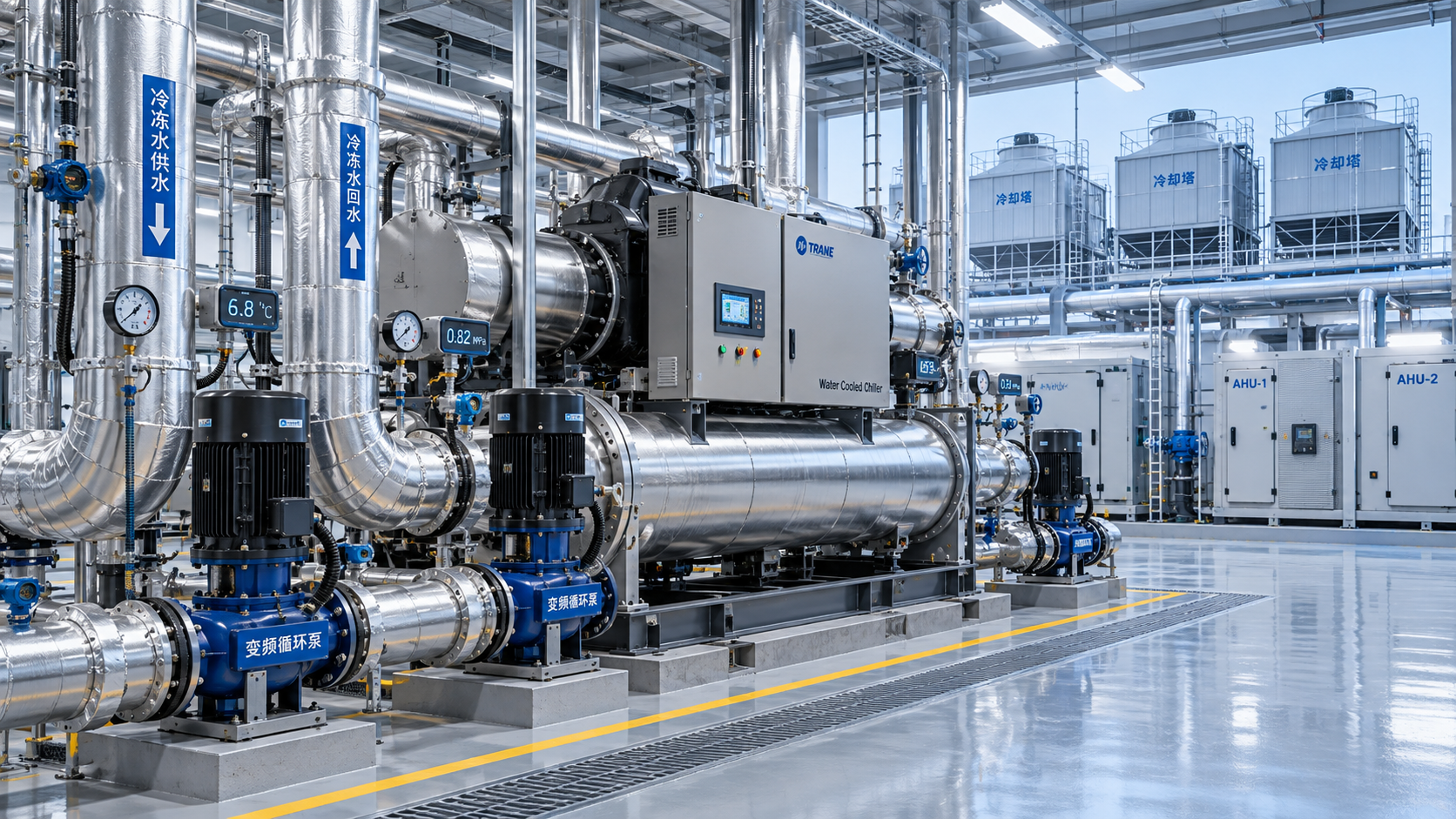
This is where next-gen thermal management differs from legacy systems. Older architectures often relied on centralized control with limited granularity, slower sensing, and weaker visibility into localized disturbances. Newer designs use denser sensor networks, variable-speed equipment, adaptive control logic, digital twins, zone-level tuning, and integrated analytics. These capabilities allow the system to react faster and more precisely to real process conditions, instead of applying a coarse building-wide response.
The result is better thermal fidelity. Evaluators should look for systems that can maintain narrow control bands not only in normal operation but also during disturbance events. That includes startup ramps, batch transitions, maintenance bypass conditions, utility fluctuations, and partial-load operation. If the control strategy degrades under these conditions, the promised gains in yield stability may not hold in production reality.
Which design features most strongly influence yield stability
Several design features consistently separate next-gen thermal management systems that improve yield from those that simply modernize infrastructure. The first is high-resolution sensing combined with intelligent control loops. Fast, accurate sensors placed at meaningful locations are essential. Supply-air readings alone are not enough if the process is affected by return-air lag, tool exhaust interactions, or localized heat release. Sensor placement should reflect thermal risk zones, not just mechanical convenience.
The second is variable-capacity equipment with stable part-load behavior. Advanced chillers, precision air handlers, fan arrays, and pumping systems should modulate smoothly without creating oscillation. Systems that short-cycle or over-correct can unintentionally amplify instability. Technical evaluators should request control sequence documentation, trend data, and disturbance-response tests to verify that modulation improves precision rather than just reducing energy consumption.
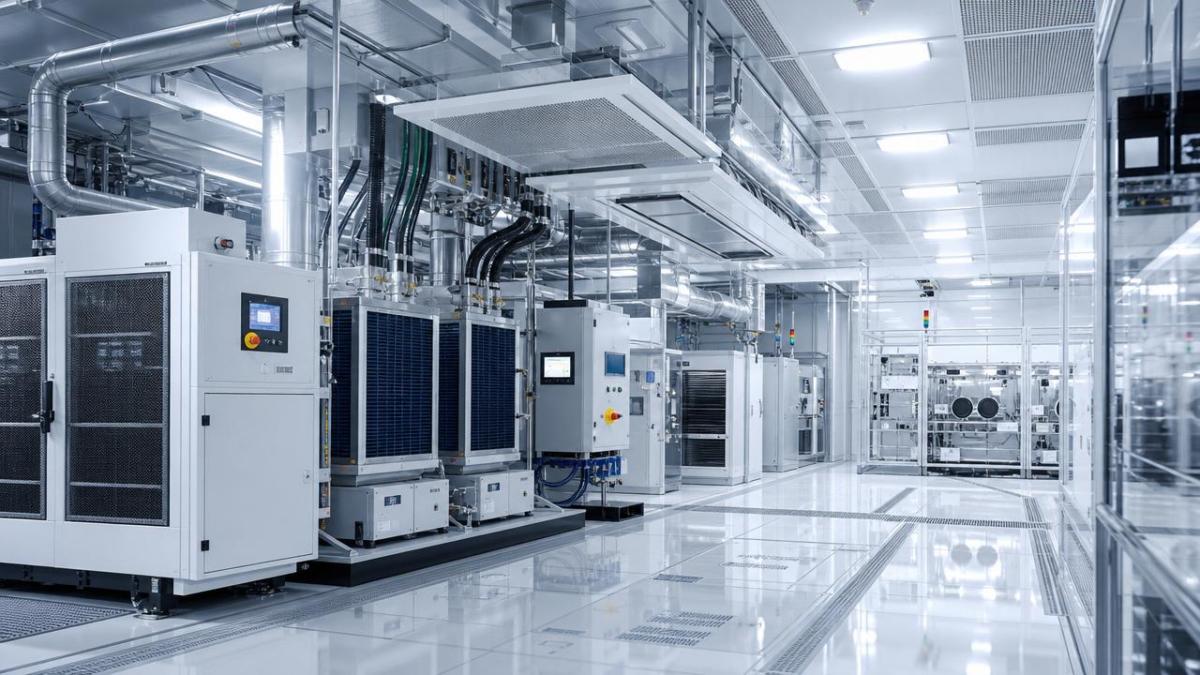
The third is effective thermal zoning. Not every area has the same sensitivity, occupancy pattern, or heat load. Next-gen thermal management improves yield when it isolates critical zones from less critical ones and prevents cross-impact. In practice, that may mean decoupled air paths, point-of-use cooling, independent humidity loops, process-specific fluid temperature circuits, or pressure-buffered transitions between spaces.
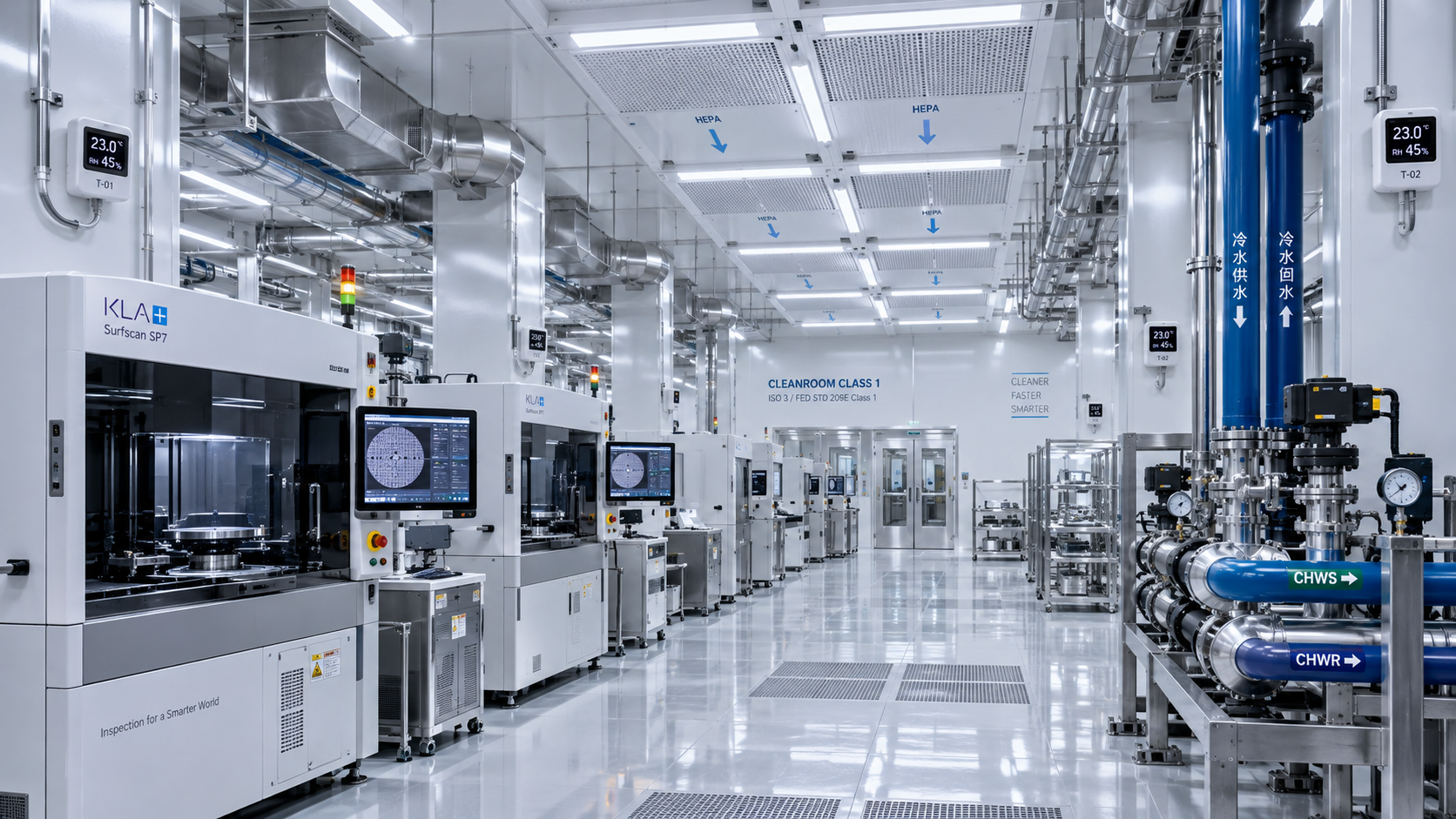
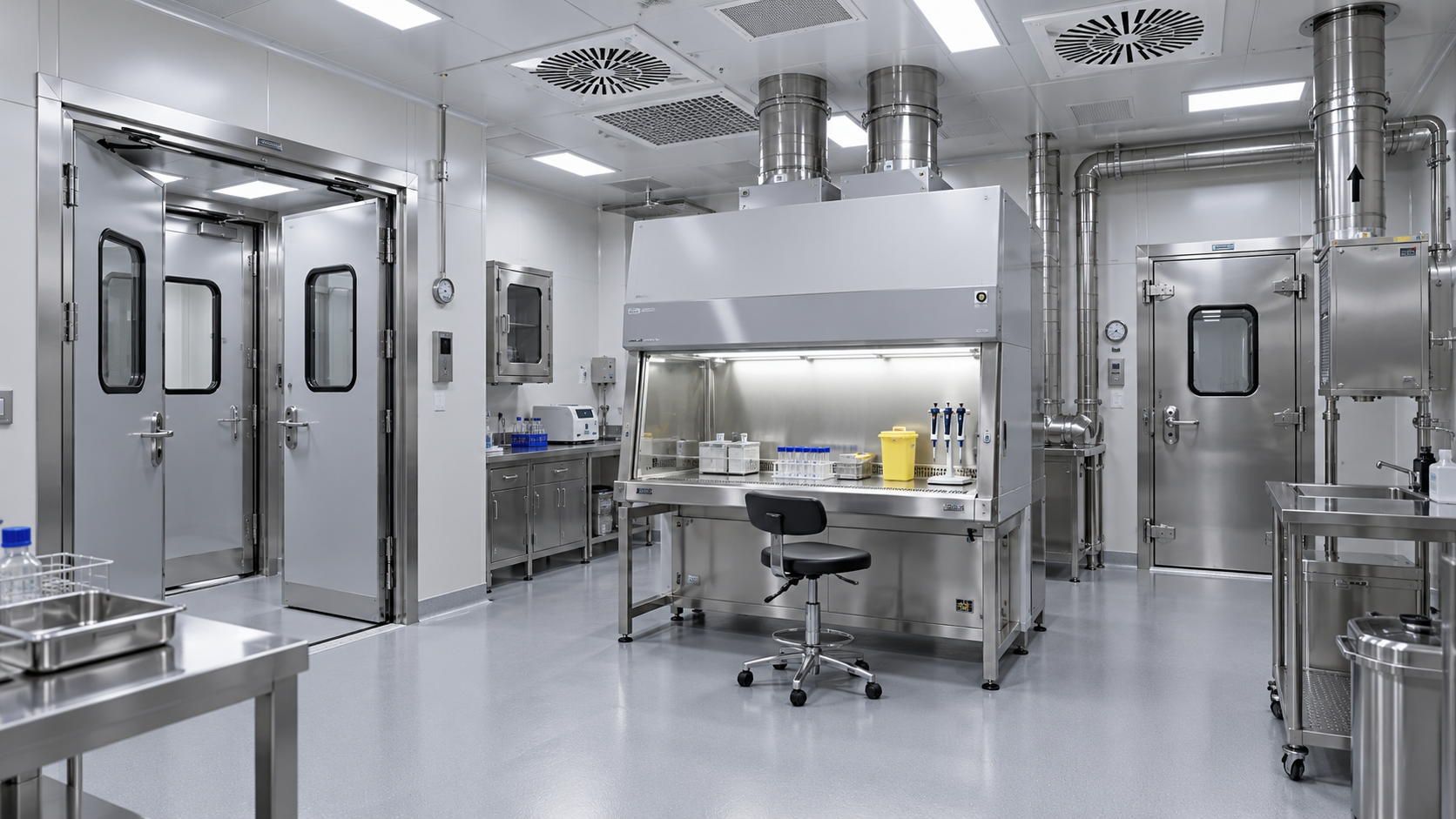
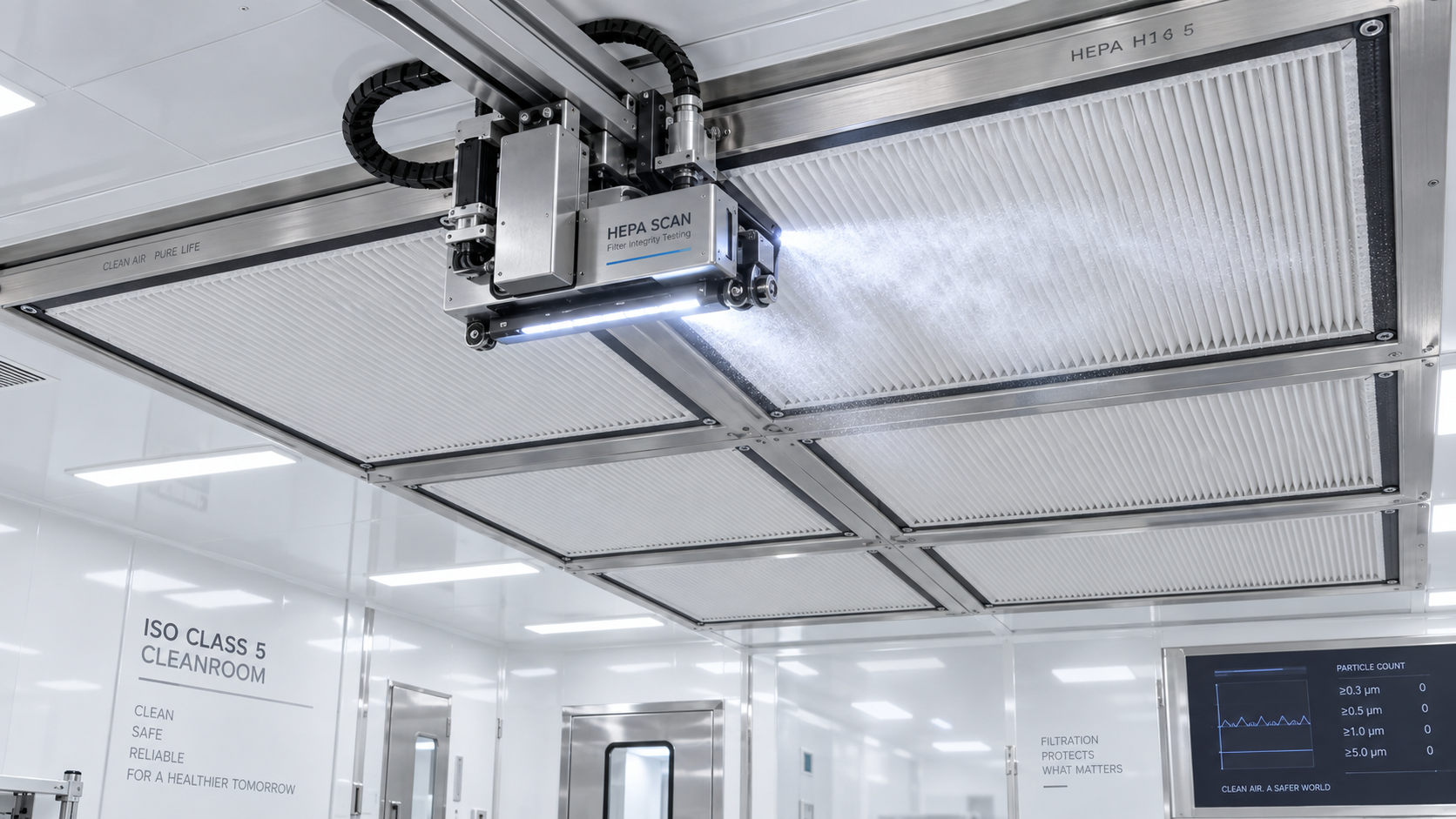
A fourth feature is low-turbulence air distribution integrated with contamination control. Thermal management and cleanroom performance cannot be evaluated separately in high-spec environments. Airflow intended to improve heat removal may also disturb particle patterns, pressure cascades, or process stability if it is not carefully engineered. Evaluators should consider whether thermal control methods preserve ISO cleanliness targets, recovery times, and airflow uniformity at operational heights.
Finally, resilience matters. Yield does not benefit from precise control that fails under utility variation, maintenance events, or component degradation. Redundancy, fault tolerance, predictive maintenance, and graceful fallback modes are not only reliability features; they are yield protection mechanisms. A technically elegant system that lacks operational resilience can still create instability when the production schedule is least able to absorb it.
How contamination, humidity, and airflow interact with thermal control
One reason next-gen thermal management has become a strategic topic is that thermal performance can no longer be judged in isolation. In semiconductor, pharmaceutical, and biosafety-sensitive environments, yield stability depends on the interaction between temperature control, particle management, humidity discipline, and airflow behavior. Improving one variable at the expense of another often creates hidden process risk.
For example, aggressive airflow increases may improve heat dissipation near equipment, but they can also alter laminarity, stir settled particles, or disrupt pressure relationships between zones. Similarly, rapid cooling strategies can create condensation risk or local humidity imbalance, especially near duct transitions, chilled surfaces, or process-fluid interfaces. In validated pharmaceutical spaces, even brief humidity excursions may trigger quality concerns or documentation burdens.
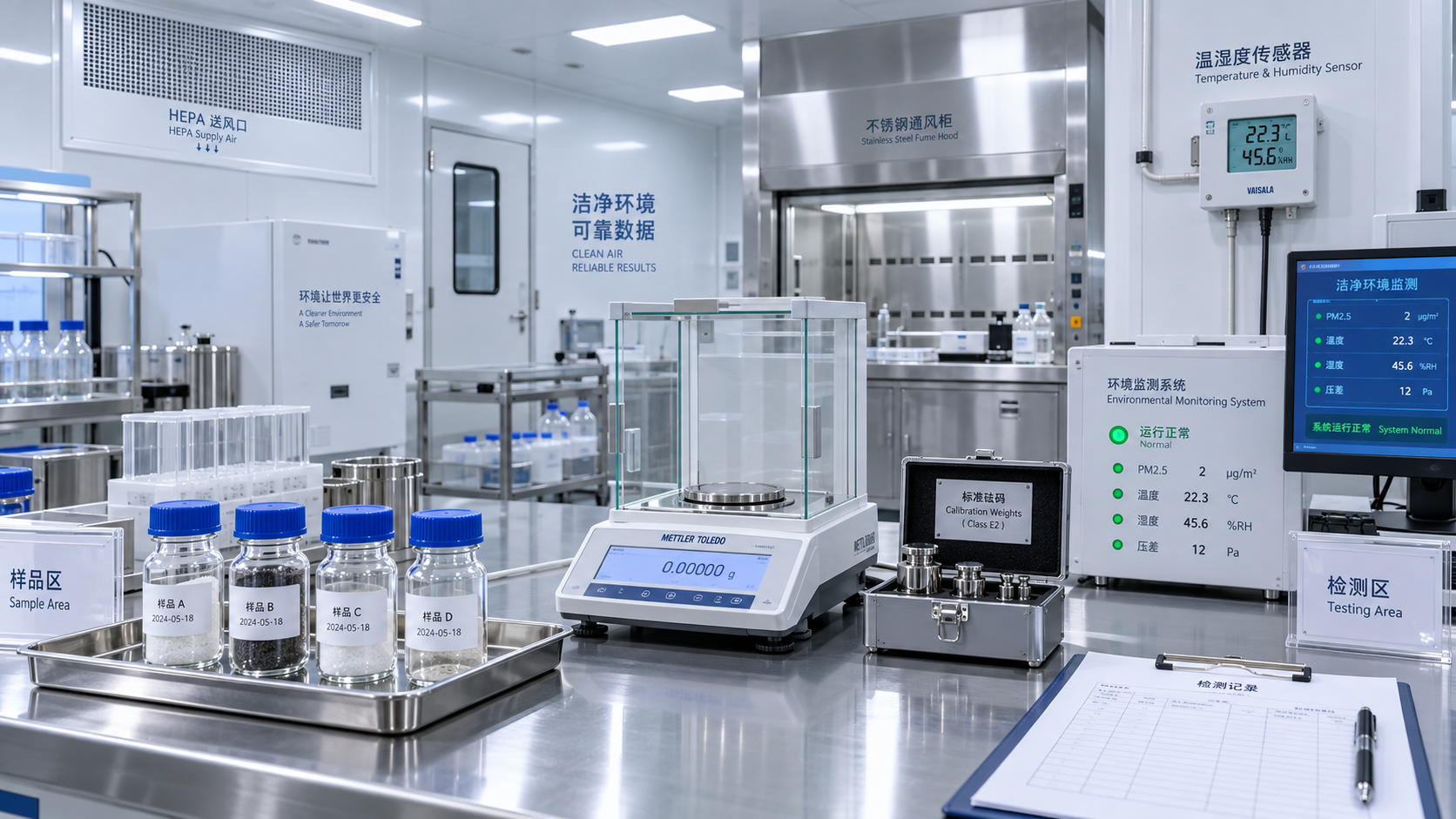
Technical evaluators should therefore ask whether the thermal architecture has been co-designed with contamination control principles. This means reviewing filter placement, fan behavior, return-air paths, leakage control, moisture management, and pressure stability as part of one system logic. In advanced facilities, the best-performing designs treat air, temperature, and cleanliness as an integrated environmental envelope rather than separate engineering packages.
Another key issue is recovery after disturbance. Door openings, personnel movement, equipment maintenance, and process changes all affect the environmental envelope. A strong next-gen thermal management system restores both thermal and contamination conditions quickly and predictably. Recovery time is often a more meaningful indicator than static setpoint performance because it reflects actual operational resilience.
What to ask vendors when evaluating next-gen thermal management solutions
Technical evaluators often receive polished claims about precision, efficiency, and intelligent controls, but those claims are only useful if they are tied to measurable production outcomes. The right vendor questions should uncover whether a proposed system will protect yield in your specific environment.
Start by asking for evidence of control performance under dynamic conditions, not just nominal specifications. Can the vendor provide trend data showing temperature stability during load changes? What is the measured recovery time after a defined disturbance? How is uniformity verified across critical zones? Which points are continuously monitored, and what is the calibration strategy for those sensors?
Next, ask how the system handles interactions with contamination control and humidity. Has the airflow pattern been validated for both thermal and cleanroom objectives? How are pressure cascades protected when fan speeds change? What safeguards prevent condensation or microclimate formation near critical tools, utilities, or process piping? These questions are especially important in spaces where contamination, moisture, or biosafety compliance has direct product implications.
It is also important to examine the control architecture. Is the logic centralized, distributed, or hybrid? Can the system isolate and stabilize high-risk zones independently? How does it behave during network loss, sensor failure, or equipment maintenance? Advanced features such as digital twins, predictive analytics, or machine learning may be useful, but only if they improve actionable control and fault response rather than adding complexity without operational proof.
Finally, ask for use-case relevance. A thermal strategy that performs well in a standard data hall or commercial clean space may not be suitable for lithography support, aseptic fill-finish, high-purity utility rooms, or quantum-adjacent test environments. The closer the reference cases are to your process sensitivity and regulatory burden, the more credible the performance claims become.
How to judge ROI beyond energy savings
One of the biggest evaluation errors is reducing thermal management ROI to kilowatt-hour savings. Energy matters, especially under ESG and operating-cost pressure, but technical evaluators should frame return on investment around yield protection, process consistency, downtime reduction, compliance assurance, and capacity confidence.
If next-gen thermal management reduces even small rates of scrap, rework, deviation investigation, or qualification delay, the financial impact may exceed utility savings by a wide margin. This is particularly true in high-value manufacturing where a single unstable batch, line interruption, or metrology drift event can create large downstream losses. In such settings, thermal precision is not just a facilities upgrade; it is production risk control.
ROI should therefore be modeled across at least five dimensions: direct energy performance, yield improvement potential, reduced excursion frequency, maintenance predictability, and compliance resilience. Evaluators may also include avoided costs related to failed audits, delayed tool ramp-up, product hold events, or constrained throughput caused by environmental instability.
Another useful approach is to compare the cost of tighter environmental control against the cost of operating with wider uncertainty. If process windows are narrowing, if product geometries are shrinking, or if validation expectations are increasing, older thermal systems may create an invisible tax on production. That tax appears as conservative process settings, additional safety margins, slower ramps, and more frequent intervention. Next-gen thermal management can unlock value by allowing the process to operate with greater confidence and less hidden inefficiency.
Where next-gen thermal management is most likely to deliver measurable gains
Not every facility needs the same level of thermal sophistication, so evaluators should focus on scenarios where yield is highly sensitive to environmental variation. The strongest cases typically include sub-micron or precision manufacturing, aseptic and regulated production, high-density equipment zones, spaces with rapid load changes, and operations where product quality depends on stable material or measurement behavior.
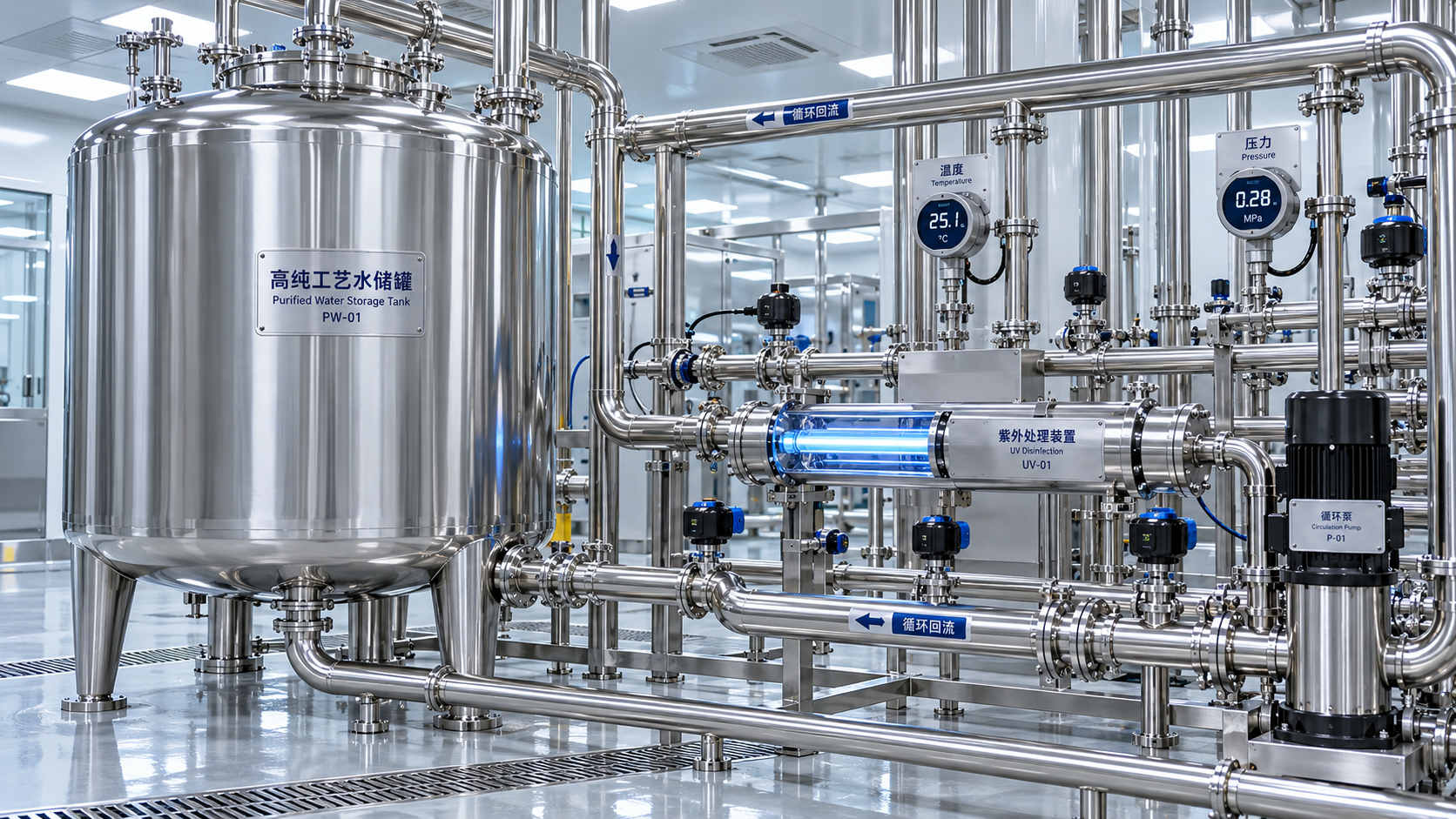
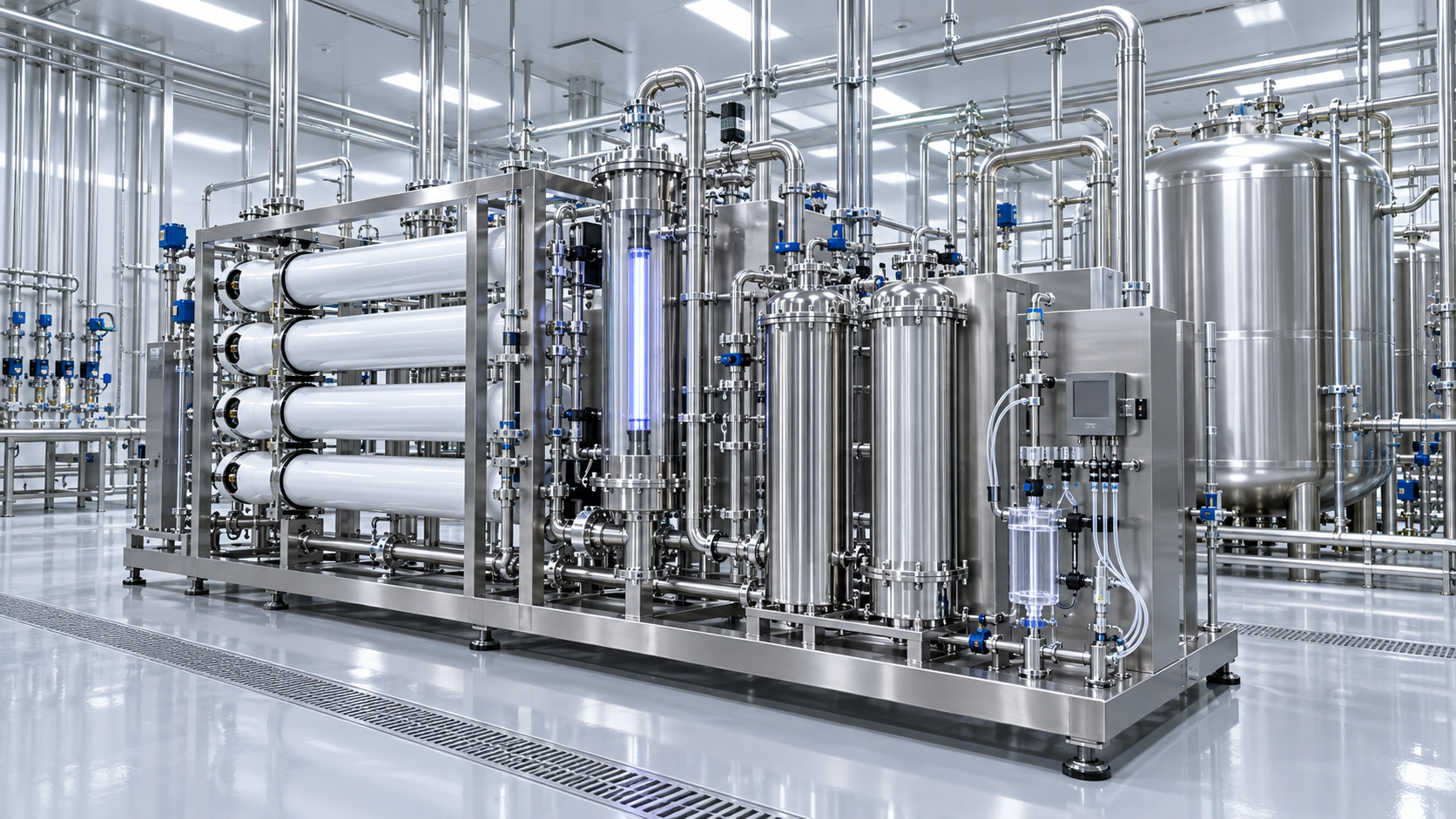
Semiconductor environments are an obvious example because tool-level thermal sensitivity, cleanliness requirements, and uptime expectations are all extreme. Pharmaceutical and biotech facilities also see strong value, especially where validation, humidity discipline, and contamination control intersect. Similar logic applies to advanced battery lines, optical manufacturing, metrology laboratories, high-performance test chambers, and process areas with ultra-pure water or temperature-sensitive fluid loops.
In many cases, the best gains come not from a full replacement of central infrastructure, but from targeted improvements at the most sensitive points. These may include localized thermal buffering, precision secondary loops, smarter zoning, higher-grade monitoring, or tighter integration between HVAC, cleanroom controls, and process utilities. For technical evaluators, this is an important strategic point: the most cost-effective yield improvement may come from targeted precision rather than broad overdesign.
Conclusion: the real benchmark is controlled output, not advanced equipment alone
Next-gen thermal management improves yield stability when it delivers precise, disturbance-resistant environmental control at the point where process variation becomes product risk. For technical evaluators, the right focus is not the novelty of the equipment, but the proven ability of the total system to maintain temperature, humidity, airflow, and cleanliness within narrow limits under real operating conditions.
The strongest solutions combine granular sensing, adaptive control, resilient zoning, contamination-aware airflow design, and reliable recovery from transient events. They also provide verifiable data, not just design intent. In high-spec industries, that combination supports more stable yield, fewer excursions, stronger compliance posture, and better long-term operating confidence.
In practical terms, the evaluation standard should be simple: if a thermal management strategy cannot demonstrate repeatable control during the conditions that usually create process instability, it is not truly next-gen from a yield perspective. If it can, it becomes a strategic enabler of quality, throughput, and industrial resilience.
Get weekly intelligence in your inbox.
No noise. No sponsored content. Pure intelligence.
 Oct 21, 2026How often is cleanroom certification required under ISO 14644-2?Cleanroom Certification is generally recommended annually under ISO 14644-2. Learn when risk-based extensions apply and which changes trigger earlier testing to plan with confidence.
 Oct 21, 2026FASEB Comments on NIH Draft Policy for Research Involving BiohazardsFASEB comments on NIH’s draft biohazard research policy call for risk-based biosafety oversight. Explore potential implications for laboratories, suppliers, and compliance teams.
 Oct 20, 2026How to disinfect ultrasound machines without damaging surfacesLearn how to disinfect ultrasoundmachines without surface damage. Explore compatible products, wet contact times, and probe care to protect patients and equipment.
 Oct 20, 2026Ultrapure Water in Semiconductor Manufacturing: Reuse and Quality Control InsightsExplore ultrapure water reuse in semiconductor manufacturing, key UPW quality benchmarks and analytical insights to help evaluate suppliers and protect process purity.
 Oct 19, 2026How cooling affects warpage in injection-molded consumer electronics housingsOptimize plastic injection molding for consumer electronics with cooling strategies to reduce housing warpage and improve assembly fit. Discover practical checks for stable, efficient production.
 Oct 18, 2026Can air leaks prevent a dehumidifier from holding its target dew point?Why can't our dehumidifier maintain the target dew point? Discover how air leaks increase moisture loads, spot hidden faults, and find practical fixes to restore reliable dew-point control.
 Oct 17, 2026How semiconductor process water treatment removes trace organicsSee how semiconductor process water treatment removes trace organics with RO, UV oxidation, and polishing. Learn how TOC monitoring helps verify purity and pinpoint contamination.
 Oct 16, 2026How to choose ultra pure water piping materials to limit leachingChoose ultra pure water piping with confidence. Compare PVDF, PFA, and stainless steel, assess leaching risks, and learn how to qualify your system for reliable purity.
 Oct 15, 2026How to size a skid-mounted deionized water system for peak demandCompare deionized water systems skid configurations for peak demand. Learn how to balance production, storage, and pump capacity to prevent shortages and avoid costly oversizing.
 Oct 14, 2026When is collaborative laboratory robotics suitable for sample sorting?Explore when collaborative laboratory robotics suits sample sorting. Discover key checks for safety, traceability, container compatibility, and throughput before choosing your solution.
 Oct 13, 2026How sandwich panel joints affect airtightness in cleanroom systemsCleanroom Systems sandwich panels need reliable joints for airtightness. Discover how gaskets, sealants, and testing help reduce leakage and protect cleanroom pressure control.
 Oct 12, 2026How to verify USP compliance for ultra pure water systemsUltra Pure Water Systems USP compliance: learn how to verify water quality, sampling, sanitization, trends, and validation controls at every point of use.
 Oct 11, 2026How tight temperature control prevents cleanroom process driftCleanroom process temperature control systems prevent costly drift by stabilizing critical conditions, improving repeatability, and protecting sensitive production workflows.
 Oct 10, 2026When does organic contaminant removal require TOC treatment?Organic contaminant removal requires TOC treatment when dissolved organics threaten product quality, equipment reliability, or process control. Learn how to assess risks and choose the right solution.
 Oct 08, 2026What affects lead times for sheet metal bending services in Canada?Sheet metal bending services Canada: discover how material supply, tooling, tolerances, finishing, documentation, and freight affect lead times for reliable project delivery.
 Oct 07, 2026How HVAC design for semiconductor fabs prevents airborne contaminationHVAC design for semiconductor fabs prevents airborne contamination through advanced filtration, pressure cascades, airflow control, and real-time monitoring. Explore key strategies for cleaner, more reliable wafer production.
 Oct 06, 2026How photovoltaic modules waterproof technology prevents moisture damagephotovoltaic modules waterproof technology prevents moisture damage with durable seals, drainage, and junction-box protection. Explore practical selection and testing insights.
 Oct 05, 2026How ISO 14644 Europe requirements affect cleanroom qualificationISO 14644 Europe requirements shape cleanroom qualification, from particle classification and recovery testing to monitoring, GMP alignment, and change control.
 Oct 04, 2026How to assess a pharmaceutical cleanroom solutions supplier’s ISO capabilityPharmaceutical Cleanroom Solutions supplier assessment guide: evaluate ISO 14644 capability, validation evidence, airflow design, documentation, and long-term GMP readiness.
 Oct 03, 2026What EU standards govern the design of BSL-3 laboratories in Europe?BSL-3 laboratories Europe: explore EU directives, EN standards, HVAC containment, commissioning, and practical design strategies for compliant, resilient high-containment facilities.
 Oct 02, 2026How EN 1822 defines HEPA filtration efficiency for cleanroomsHEPA filtration EN 1822 explained: learn how MPPS testing, local leakage limits, and filter classes support reliable cleanroom decisions.
 Oct 01, 2026How pharmaceutical process water systems control microbial riskProcess water systems pharmaceutical teams rely on can control microbial risk through hygienic design, monitoring, and validated sanitization. Explore practical compliance strategies.
 Sep 30, 2026When does a negative pressure laboratory need BSL-3 containment?Negative pressure laboratory or BSL-3? Discover the risk factors, engineering controls, and containment requirements needed for safe, compliant laboratory planning.
 Sep 29, 2026How to evaluate a TOC-zero water treatment supplier for UPW systemsChoose a TOC-zero water treatment supplier with confidence. Compare UPW performance, monitoring, validation, materials, service capability, and lifecycle cost.
 Sep 28, 2026What drives sustainable cooling cost in high-precision facilities?Sustainable cooling cost in high-precision facilities depends on thermal stability, energy, water, controls, and resilience. Explore smarter lifecycle strategies.
 Sep 27, 2026How to compare freight forwarding services for time-critical shipmentsCompare freight forwarding services for time-critical shipments with practical insights on routing, customs, visibility, specialized handling, and contingency planning.
 Sep 26, 2026How environmental integrity in laboratories supports reliable test resultsEnvironmental Integrity in laboratories safeguards samples, instruments, and staff. Discover practical controls for contamination, monitoring, and reliable test results.