Future of Low-GWP Cooling: Cost, Risk, and Compliance
For financial approvers, the future of low-gwp cooling is no longer just a sustainability topic—it is a capital allocation decision shaped by lifecycle cost, regulatory exposure, and operational resilience. As global standards tighten and high-performance facilities demand precision, understanding the balance between upfront investment, compliance risk, and long-term efficiency is essential to protecting both margins and strategic assets.
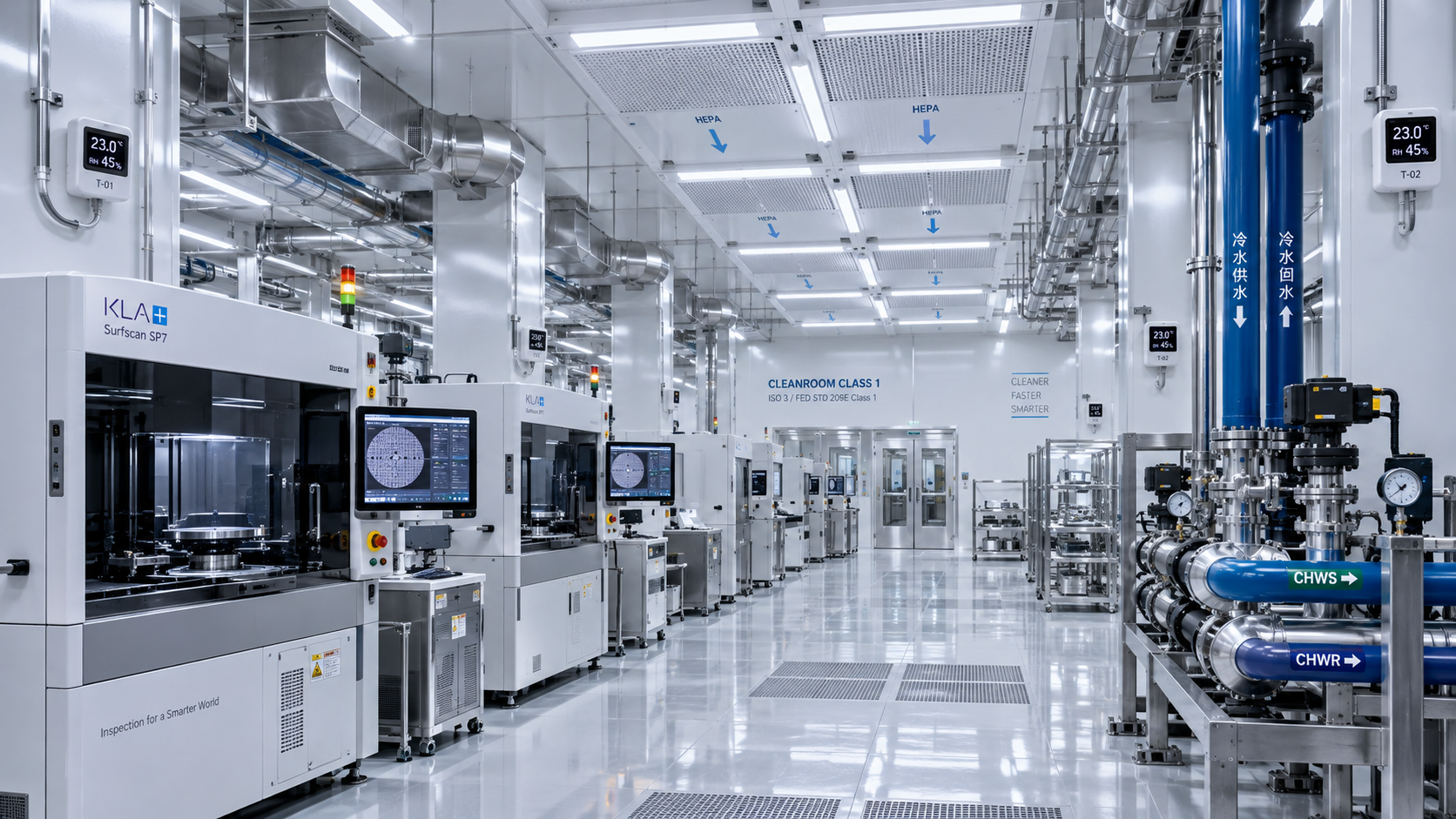
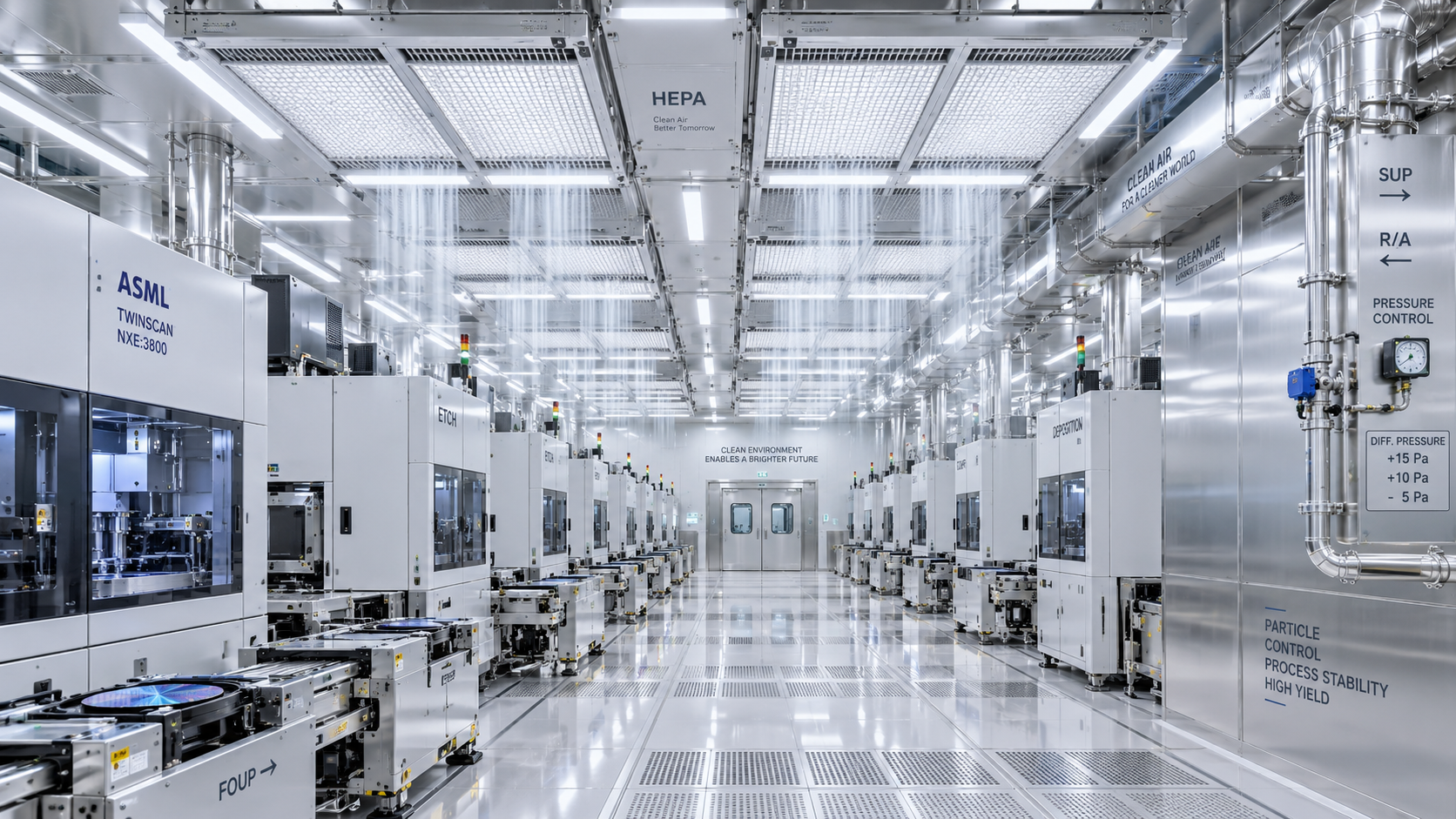
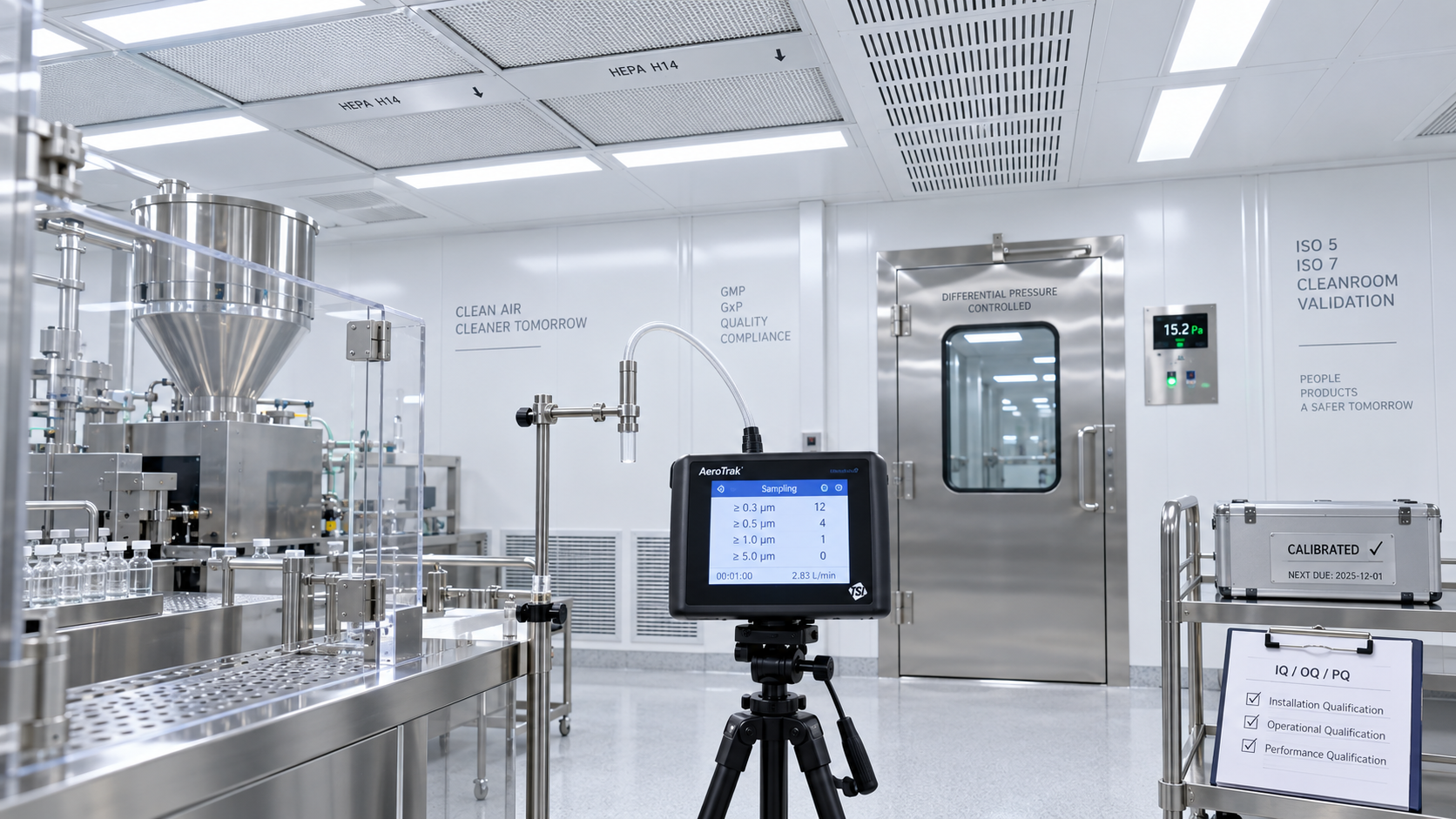
That shift is especially visible in semiconductor fabs, pharmaceutical cleanrooms, biosafety laboratories, and quantum-computing environments, where cooling is not a background utility but a mission-critical system. In facilities that must hold temperature stability within narrow bands, sometimes approaching ±0.01°C in process zones, refrigerant selection affects not only energy performance but also uptime, retrofit complexity, insurance exposure, and audit readiness.
For budget holders and capital committees, the practical question is not whether low-GWP refrigerants are coming. It is how to evaluate the future of low-gwp cooling in a way that aligns compliance deadlines, operating cost, asset life, and facility risk. The right decision framework must look beyond equipment price and assess total financial impact across 10–20 years of operation.
Why the Future of Low-GWP Cooling Has Become a Finance Issue
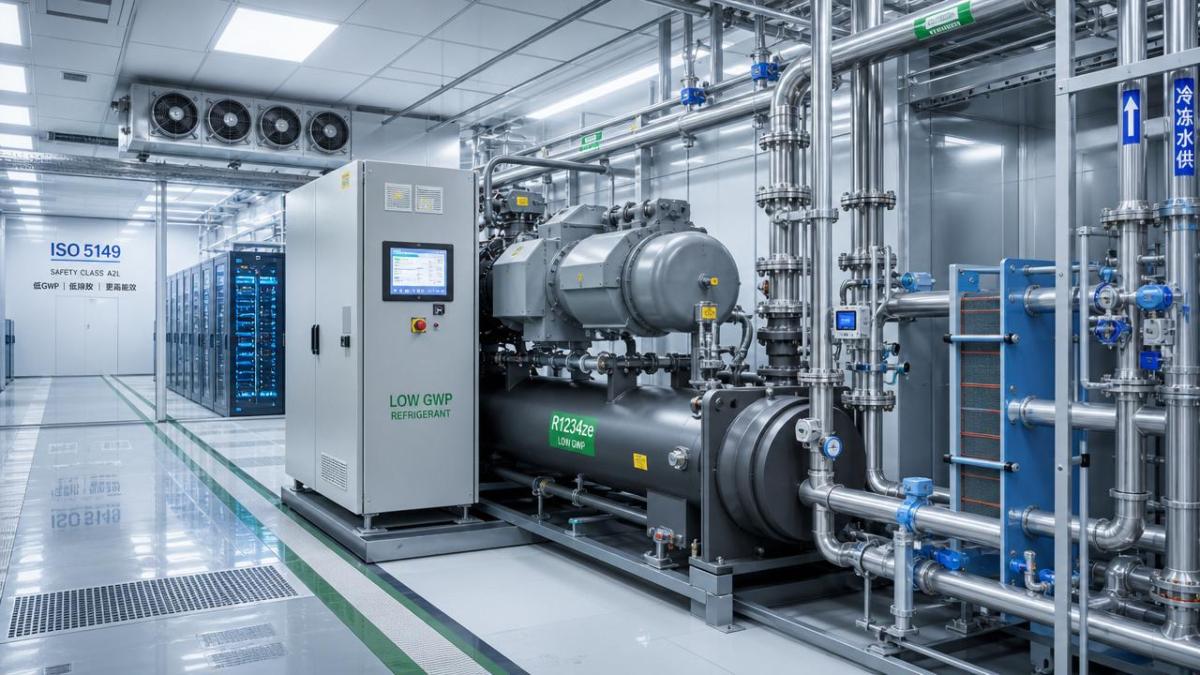
In high-spec industrial environments, cooling systems often operate 24/7 and support temperature, humidity, process stability, particle control, and equipment protection simultaneously. A refrigerant transition can therefore influence several balance-sheet variables at once: capital expenditure, energy spend, maintenance burden, business interruption risk, and future retrofit reserves.
Historically, many approvals focused on first cost and nameplate efficiency. That approach is increasingly inadequate. The future of low-gwp cooling is being shaped by phasedown policies, leak management expectations, technician safety requirements, and board-level ESG commitments. For a chief financial approver, this means an HVAC or chiller decision now carries regulatory and reputational implications as well as engineering consequences.
Three forces changing capital decisions
- Regulatory compression: phase-down schedules and product restrictions can shorten the economic life of legacy refrigerant assets from 15–20 years to a much tighter usable planning window.
- Operational sensitivity: in cleanrooms, data-intensive manufacturing, and high-risk labs, even 30–60 minutes of thermal instability may create scrap, batch loss, or qualification delays.
- Insurance and governance: higher scrutiny around flammability classes, leak response, and environmental reporting can increase review time, design documentation, and contingency cost.
Why first-cost comparisons often fail
A low-GWP cooling project can appear 8%–20% more expensive at procurement stage, depending on refrigerant type, safety controls, redesign needs, and local code requirements. Yet that premium may be offset over 3–7 years through lower energy use, reduced future compliance retrofits, and better availability of service support. In facilities with annual utility costs above seven figures, even a 5% efficiency gain can materially alter payback.
Financial teams should also account for hidden transition costs. These include training, spare-parts standardization, gas detection, ventilation modifications, pressure vessel reviews, and shutdown coordination. A project that looks efficient on a purchase order can become expensive if those downstream items are omitted from the approval model.
The table below summarizes the financial lens that decision-makers should apply when comparing conventional cooling assets with low-GWP alternatives in precision industrial environments.
The key conclusion is simple: the future of low-gwp cooling should be evaluated as a lifecycle portfolio decision, not a commodity purchase. Finance teams that broaden the model early usually avoid late-stage cost escalation and reduce the probability of stranded assets.
Cost Modeling: From Purchase Price to 15-Year Ownership
For industrial campuses and controlled environments, a reliable approval model typically spans 12–15 years, even when equipment nameplate life may exceed 20 years. That horizon better captures expected policy tightening, refrigerant servicing constraints, component refresh cycles, and digital controls upgrades. It also aligns with how many multinational operators manage depreciation and reinvestment planning.
The five cost layers financial approvers should include
- Initial equipment and installation cost, including controls integration and piping redesign.
- Energy consumption under full-load and part-load operation across 8,000–8,760 annual operating hours.
- Maintenance cost, including filter, compressor, valve, seal, and refrigerant handling requirements.
- Compliance cost, such as inspection routines, documentation, leak checks, and safety devices.
- Disruption cost tied to retrofit shutdowns, qualification delays, and product-loss exposure.
Part-load performance matters more than brochure efficiency
Many precision cooling systems rarely run at 100% design load for an entire year. In fabs, laboratories, and process-support spaces, real operation often sits between 40% and 75% for long periods. That means the best financial result may come from a system with stronger part-load performance, better controls logic, or variable-speed compression rather than from the lowest sticker price.
This is where institutional benchmarking becomes valuable. G-ICE-aligned evaluations compare not just refrigerant category, but also system architecture, thermal stability under fluctuating load, maintainability in clean technical spaces, and fit with standards such as ASHRAE, ISO 14644, and relevant semiconductor or life-science operating protocols.
A practical ownership model should separate visible and less-visible costs. The comparison below illustrates how financial reviewers can structure alternatives without relying on oversimplified procurement assumptions.
The most important insight for financial approvers is that ownership economics are nonlinear. A modest capex increase can produce a stronger internal business case when it avoids one unscheduled shutdown, one refrigerant scarcity event, or one accelerated replacement cycle.
Risk and Compliance: Where Low-GWP Decisions Can Create or Remove Exposure
The future of low-gwp cooling is also a risk-management topic. Not all low-GWP pathways carry the same safety profile, retrofitting ease, code treatment, or operator training burden. For financial approvers, the challenge is to understand which risks are acceptable, which are insurable, and which should be engineered out before budget approval.
Four compliance areas that affect budget confidence
- Refrigerant classification and associated safety provisions, including ventilation and gas detection.
- Regional code and standard alignment for occupied spaces, machinery rooms, and process support areas.
- Leak detection, reporting, and maintenance documentation requirements over annual audit cycles.
- Contractor competency and service ecosystem maturity for the selected refrigerant pathway.
Retrofit risk is often underestimated
A direct replacement approach may appear attractive because it reduces immediate cost and shortens shutdown windows to 2–5 days. However, if the replacement does not align well with future code direction, system pressure envelope, lubrication compatibility, or facility safety strategy, the site may face a second intervention much sooner than planned. For mission-critical operations, two retrofits in 6–8 years can be far more expensive than one well-scoped modernization.
That is especially relevant in advanced cleanroom systems, high-risk labs, and precision thermal platforms where any change can trigger recommissioning. Requalification protocols may span 1–3 weeks depending on the space classification, process criticality, and monitoring architecture. Those timeline costs should be captured in the approval memo, not left to operations teams after contract award.
Risk-screening checklist before approval
- Confirm whether the selected refrigerant requires additional safety engineering in the intended occupancy type.
- Verify spare parts, service tools, and qualified technicians are available within the region.
- Model worst-case downtime for installation, commissioning, and validation.
- Check whether the solution supports future integration with digital monitoring and leak analytics.
- Review whether the facility standard, insurer, and corporate ESG policy are aligned on the chosen pathway.
When these five checks are completed upfront, finance teams can reduce surprise change orders, compress legal review cycles, and improve forecast accuracy. In capital-intensive sectors, even a 2%–4% reduction in unplanned project variance can justify a more rigorous early-stage assessment.
How to Choose the Right Low-GWP Cooling Strategy for High-Performance Facilities
There is no universal best option. The right strategy depends on thermal load, redundancy target, process sensitivity, refrigerant safety requirements, utility cost, and remaining asset life. A biopharma suite operating under strict environmental control does not evaluate cooling the same way as a semiconductor sub-fab or an ultra-pure water support plant.
A four-path decision framework
Most organizations choose among four practical paths: continue with existing systems under tighter maintenance, execute a short-term retrofit, replace with a low-GWP-ready platform, or redesign around a higher-efficiency thermal architecture. The correct path depends on whether the facility needs a 2-year bridge, a 5-year stabilization plan, or a 10-plus-year compliance-ready asset base.
Questions financial approvers should ask engineering teams
- What is the remaining useful life of the current equipment: less than 5 years, 5–10 years, or more than 10 years?
- How much downtime can the operation tolerate: under 24 hours, 2–5 days, or a planned shutdown window?
- Does the cooling system support critical temperature precision, contamination control, or biosafety containment?
- Will the selected solution integrate with building management systems and digital twin monitoring?
- What future compliance event is most likely to create financial strain if action is delayed?
For the G-ICE audience, these questions are not theoretical. In environments where contamination control, pressure cascades, and ultra-stable thermal conditions support product quality or sovereign technology output, cooling decisions must serve both engineering and governance goals. A well-selected low-GWP strategy should improve resilience rather than merely satisfy a short-term policy reaction.
Implementation Roadmap: Turning Strategy into an Approvable Business Case
Once a direction is chosen, execution discipline determines whether the financial case holds. A credible rollout plan usually moves through 5 stages over 8–24 weeks, depending on facility complexity, validation requirements, and procurement lead times. The goal is to connect technical scope with cost certainty before final approval.
Recommended 5-stage process
- Asset audit: refrigerant inventory, equipment condition, controls compatibility, and failure history.
- Risk and code review: safety requirements, occupancy concerns, and maintenance capability check.
- Option modeling: compare 2–3 technical pathways on capex, opex, downtime, and compliance outlook.
- Pilot or phased deployment: prioritize critical zones, high-load assets, or end-of-life equipment first.
- Commissioning and monitoring: verify thermal stability, alarm logic, leak response, and reporting outputs.
What a finance-ready proposal should contain
An approvable package should include a 10–15 year cost comparison, a shutdown-impact statement, a compliance narrative, and a sensitivity analysis covering electricity price, maintenance cost, and outage risk. It should also state any assumptions around operator training, parts availability, and recommissioning scope. This level of transparency helps prevent underbudgeted projects that later require emergency approval cycles.
Where possible, financial approvers should request scenario modeling for best case, base case, and stressed case. In highly controlled facilities, the stressed case is often more informative than the average case because one failure event may outweigh months of nominal savings.
Common mistakes to avoid
- Approving refrigerant changes without reviewing facility safety implications.
- Using simple payback alone instead of lifecycle value and risk-adjusted return.
- Assuming all low-GWP options have equal service support in every region.
- Ignoring recommissioning or cleanroom requalification time in project schedules.
- Delaying action until forced by regulation, which often compresses negotiation power and delivery options.
The future of low-gwp cooling will reward organizations that move early with discipline, not haste. For financial approvers in precision industries, the best decisions come from combining lifecycle cost analysis with operational risk review and compliance forecasting. When cooling systems support contamination control, biosafety, process repeatability, and digital environmental management, refrigerant strategy becomes a core part of asset governance.
If your team is evaluating retrofit timing, new-build cooling architecture, or compliance-ready thermal infrastructure for cleanrooms, labs, or advanced manufacturing environments, now is the right time to build a quantified roadmap. Contact us to get a tailored assessment, compare technical pathways, and explore more solutions for resilient low-GWP cooling investment.
Get weekly intelligence in your inbox.
No noise. No sponsored content. Pure intelligence.
 Oct 21, 2026How often is cleanroom certification required under ISO 14644-2?Cleanroom Certification is generally recommended annually under ISO 14644-2. Learn when risk-based extensions apply and which changes trigger earlier testing to plan with confidence.
 Oct 21, 2026FASEB Comments on NIH Draft Policy for Research Involving BiohazardsFASEB comments on NIH’s draft biohazard research policy call for risk-based biosafety oversight. Explore potential implications for laboratories, suppliers, and compliance teams.
 Oct 20, 2026How to disinfect ultrasound machines without damaging surfacesLearn how to disinfect ultrasoundmachines without surface damage. Explore compatible products, wet contact times, and probe care to protect patients and equipment.
 Oct 20, 2026Ultrapure Water in Semiconductor Manufacturing: Reuse and Quality Control InsightsExplore ultrapure water reuse in semiconductor manufacturing, key UPW quality benchmarks and analytical insights to help evaluate suppliers and protect process purity.
 Oct 19, 2026How cooling affects warpage in injection-molded consumer electronics housingsOptimize plastic injection molding for consumer electronics with cooling strategies to reduce housing warpage and improve assembly fit. Discover practical checks for stable, efficient production.
 Oct 18, 2026Can air leaks prevent a dehumidifier from holding its target dew point?Why can't our dehumidifier maintain the target dew point? Discover how air leaks increase moisture loads, spot hidden faults, and find practical fixes to restore reliable dew-point control.
 Oct 17, 2026How semiconductor process water treatment removes trace organicsSee how semiconductor process water treatment removes trace organics with RO, UV oxidation, and polishing. Learn how TOC monitoring helps verify purity and pinpoint contamination.
 Oct 16, 2026How to choose ultra pure water piping materials to limit leachingChoose ultra pure water piping with confidence. Compare PVDF, PFA, and stainless steel, assess leaching risks, and learn how to qualify your system for reliable purity.
 Oct 15, 2026How to size a skid-mounted deionized water system for peak demandCompare deionized water systems skid configurations for peak demand. Learn how to balance production, storage, and pump capacity to prevent shortages and avoid costly oversizing.
 Oct 14, 2026When is collaborative laboratory robotics suitable for sample sorting?Explore when collaborative laboratory robotics suits sample sorting. Discover key checks for safety, traceability, container compatibility, and throughput before choosing your solution.
 Oct 13, 2026How sandwich panel joints affect airtightness in cleanroom systemsCleanroom Systems sandwich panels need reliable joints for airtightness. Discover how gaskets, sealants, and testing help reduce leakage and protect cleanroom pressure control.
 Oct 12, 2026How to verify USP compliance for ultra pure water systemsUltra Pure Water Systems USP compliance: learn how to verify water quality, sampling, sanitization, trends, and validation controls at every point of use.
 Oct 11, 2026How tight temperature control prevents cleanroom process driftCleanroom process temperature control systems prevent costly drift by stabilizing critical conditions, improving repeatability, and protecting sensitive production workflows.
 Oct 10, 2026When does organic contaminant removal require TOC treatment?Organic contaminant removal requires TOC treatment when dissolved organics threaten product quality, equipment reliability, or process control. Learn how to assess risks and choose the right solution.
 Oct 08, 2026What affects lead times for sheet metal bending services in Canada?Sheet metal bending services Canada: discover how material supply, tooling, tolerances, finishing, documentation, and freight affect lead times for reliable project delivery.
 Oct 07, 2026How HVAC design for semiconductor fabs prevents airborne contaminationHVAC design for semiconductor fabs prevents airborne contamination through advanced filtration, pressure cascades, airflow control, and real-time monitoring. Explore key strategies for cleaner, more reliable wafer production.
 Oct 06, 2026How photovoltaic modules waterproof technology prevents moisture damagephotovoltaic modules waterproof technology prevents moisture damage with durable seals, drainage, and junction-box protection. Explore practical selection and testing insights.
 Oct 05, 2026How ISO 14644 Europe requirements affect cleanroom qualificationISO 14644 Europe requirements shape cleanroom qualification, from particle classification and recovery testing to monitoring, GMP alignment, and change control.
 Oct 04, 2026How to assess a pharmaceutical cleanroom solutions supplier’s ISO capabilityPharmaceutical Cleanroom Solutions supplier assessment guide: evaluate ISO 14644 capability, validation evidence, airflow design, documentation, and long-term GMP readiness.
 Oct 03, 2026What EU standards govern the design of BSL-3 laboratories in Europe?BSL-3 laboratories Europe: explore EU directives, EN standards, HVAC containment, commissioning, and practical design strategies for compliant, resilient high-containment facilities.
 Oct 02, 2026How EN 1822 defines HEPA filtration efficiency for cleanroomsHEPA filtration EN 1822 explained: learn how MPPS testing, local leakage limits, and filter classes support reliable cleanroom decisions.
 Oct 01, 2026How pharmaceutical process water systems control microbial riskProcess water systems pharmaceutical teams rely on can control microbial risk through hygienic design, monitoring, and validated sanitization. Explore practical compliance strategies.
 Sep 30, 2026When does a negative pressure laboratory need BSL-3 containment?Negative pressure laboratory or BSL-3? Discover the risk factors, engineering controls, and containment requirements needed for safe, compliant laboratory planning.
 Sep 29, 2026How to evaluate a TOC-zero water treatment supplier for UPW systemsChoose a TOC-zero water treatment supplier with confidence. Compare UPW performance, monitoring, validation, materials, service capability, and lifecycle cost.
 Sep 28, 2026What drives sustainable cooling cost in high-precision facilities?Sustainable cooling cost in high-precision facilities depends on thermal stability, energy, water, controls, and resilience. Explore smarter lifecycle strategies.
 Sep 27, 2026How to compare freight forwarding services for time-critical shipmentsCompare freight forwarding services for time-critical shipments with practical insights on routing, customs, visibility, specialized handling, and contingency planning.
 Sep 26, 2026How environmental integrity in laboratories supports reliable test resultsEnvironmental Integrity in laboratories safeguards samples, instruments, and staff. Discover practical controls for contamination, monitoring, and reliable test results.