HVAC Regulatory Compliance News That May Change Designs
Staying ahead of hvac regulatory compliance news is no longer optional for organizations operating critical facilities where thermal stability, contamination control, air change effectiveness, and audit traceability define business continuity. In regulated industrial environments, rule changes rarely stay on paper: they reshape ventilation strategy, refrigerant selection, filtration architecture, alarm logic, documentation, and even the physical footprint of future plant rooms. For facilities tied to clean manufacturing, life sciences, high-density technical operations, and advanced process environments, the latest hvac regulatory compliance news should be read as a design signal, not just a legal update. This article maps where those signals matter most, how scenarios differ, and what design teams should evaluate before requirements harden into nonconformance risk.
When hvac regulatory compliance news becomes a design trigger instead of a paperwork issue
In general commercial buildings, regulatory updates may change reporting cycles or efficiency targets. In industrial and institutional settings, the impact is deeper. A revised refrigerant rule can invalidate a preferred chiller platform. A tighter ventilation expectation can alter duct zoning, fan redundancy, and filter loading assumptions. New expectations for continuous monitoring can move a project from periodic testing to integrated sensing with historian-level data retention. That is why hvac regulatory compliance news increasingly affects front-end engineering, commissioning plans, and lifecycle operating budgets.
The most important background judgment is scenario dependence. Facilities handling sterile production, hazardous powders, semiconductor processes, biosafety operations, or mission-critical thermal loads do not respond to the same update in the same way. One site may prioritize low-GWP refrigerants and leak detection, while another must focus on pressure cascade integrity, HEPA validation, or continuous particle-linked airflow control. Reading hvac regulatory compliance news through the lens of actual operating scenarios helps avoid under-design, over-design, and expensive retrofits.
Scenario 1: Clean manufacturing facilities facing stricter air quality and energy rules
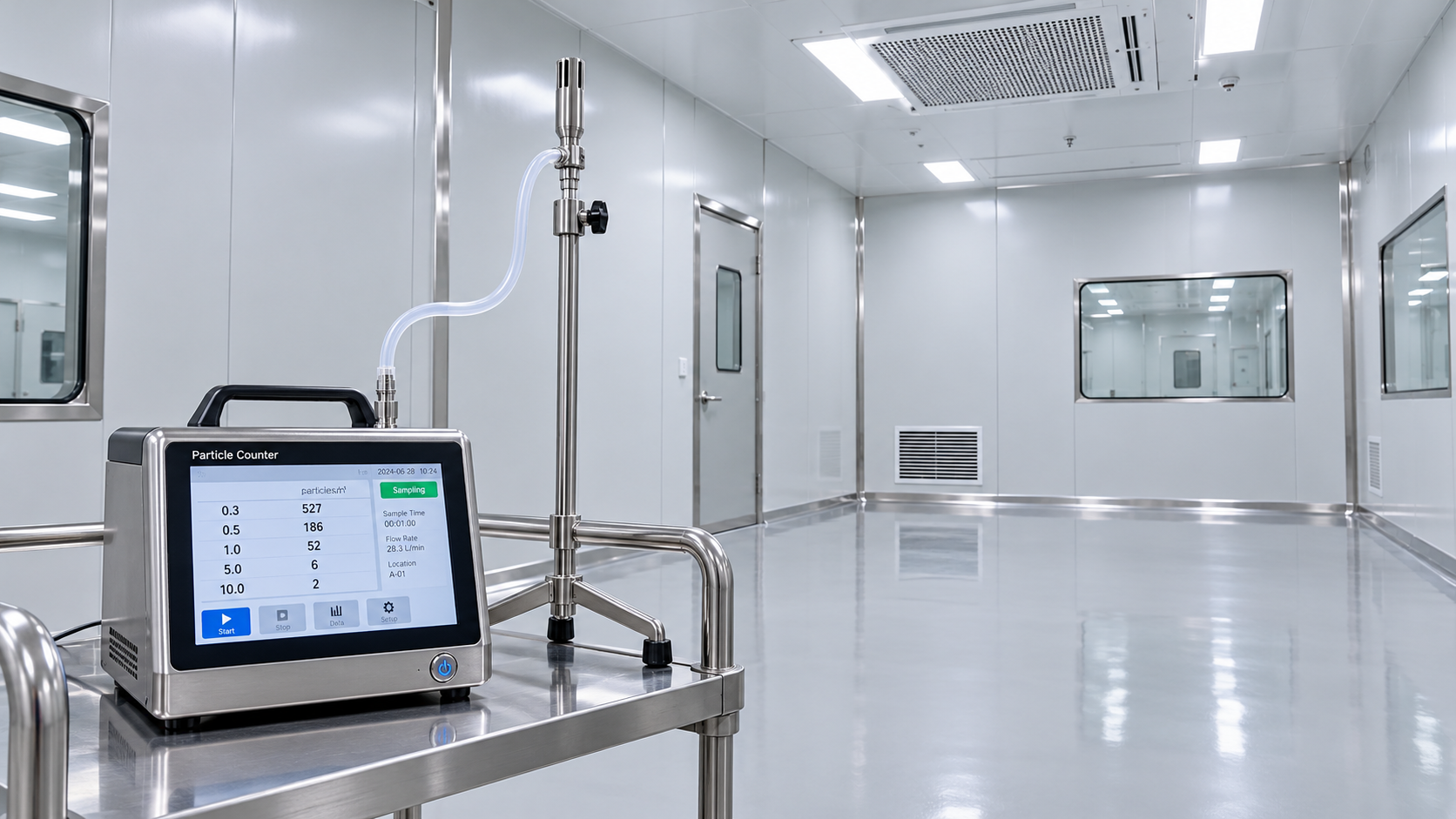
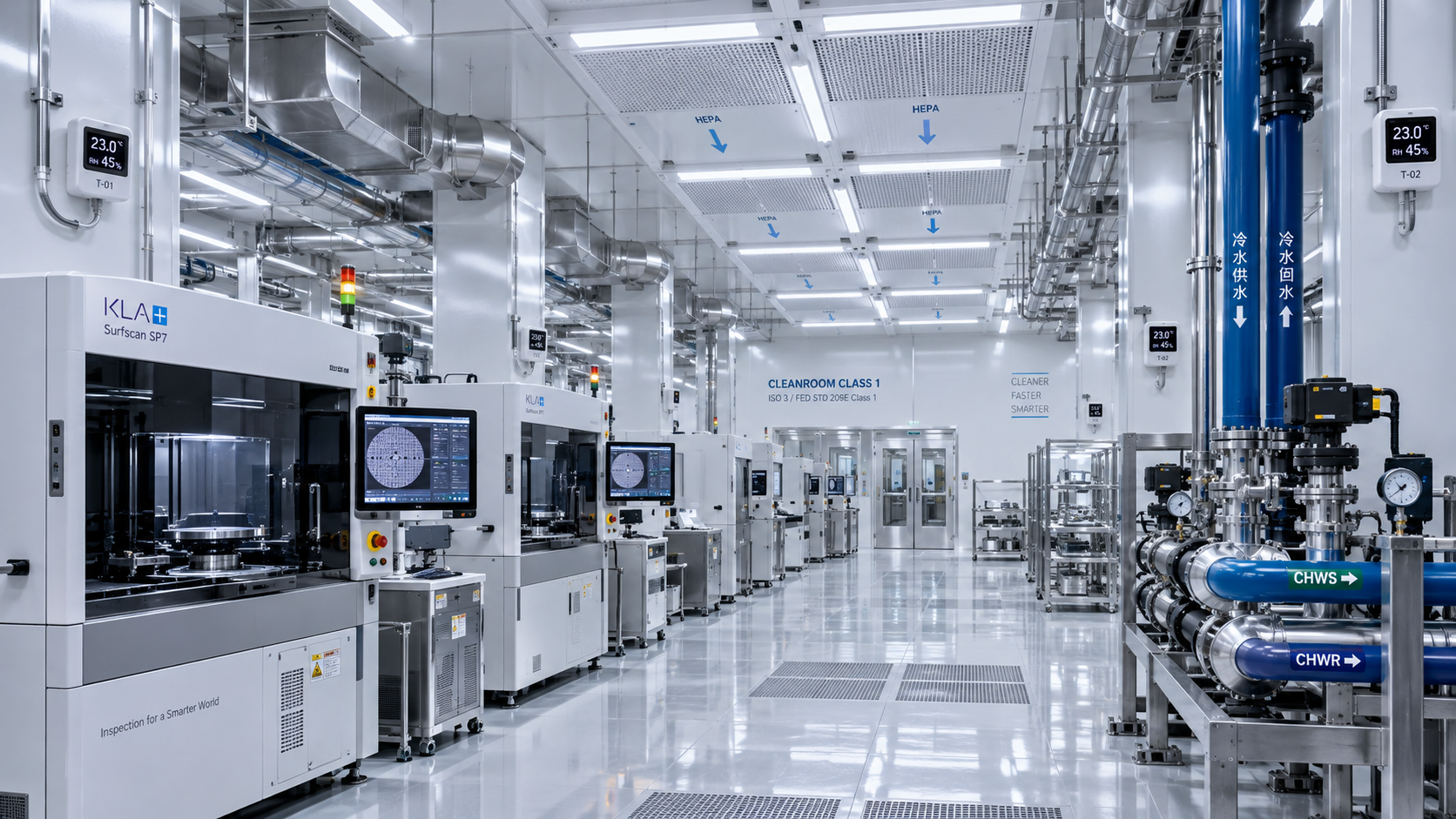
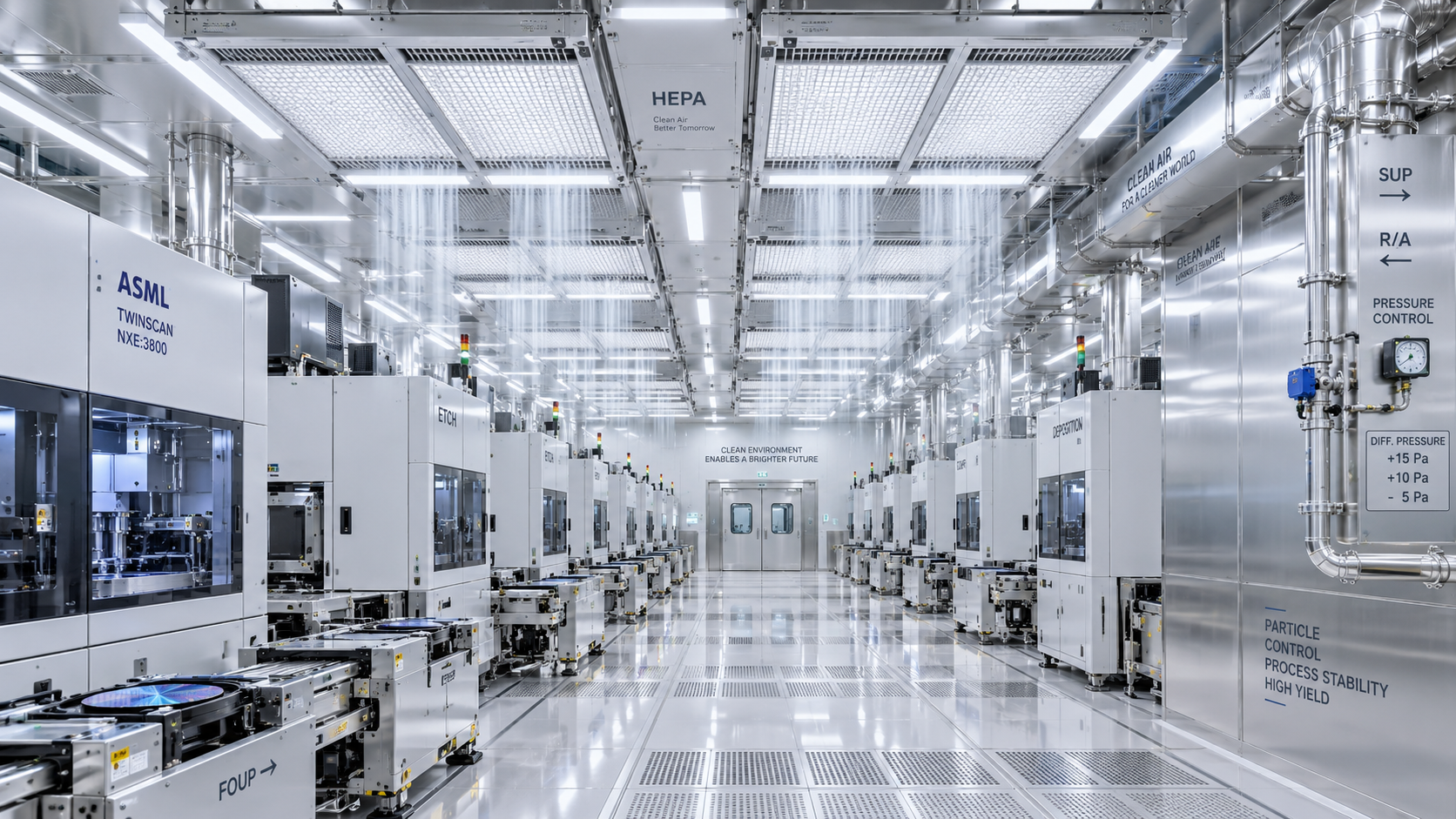
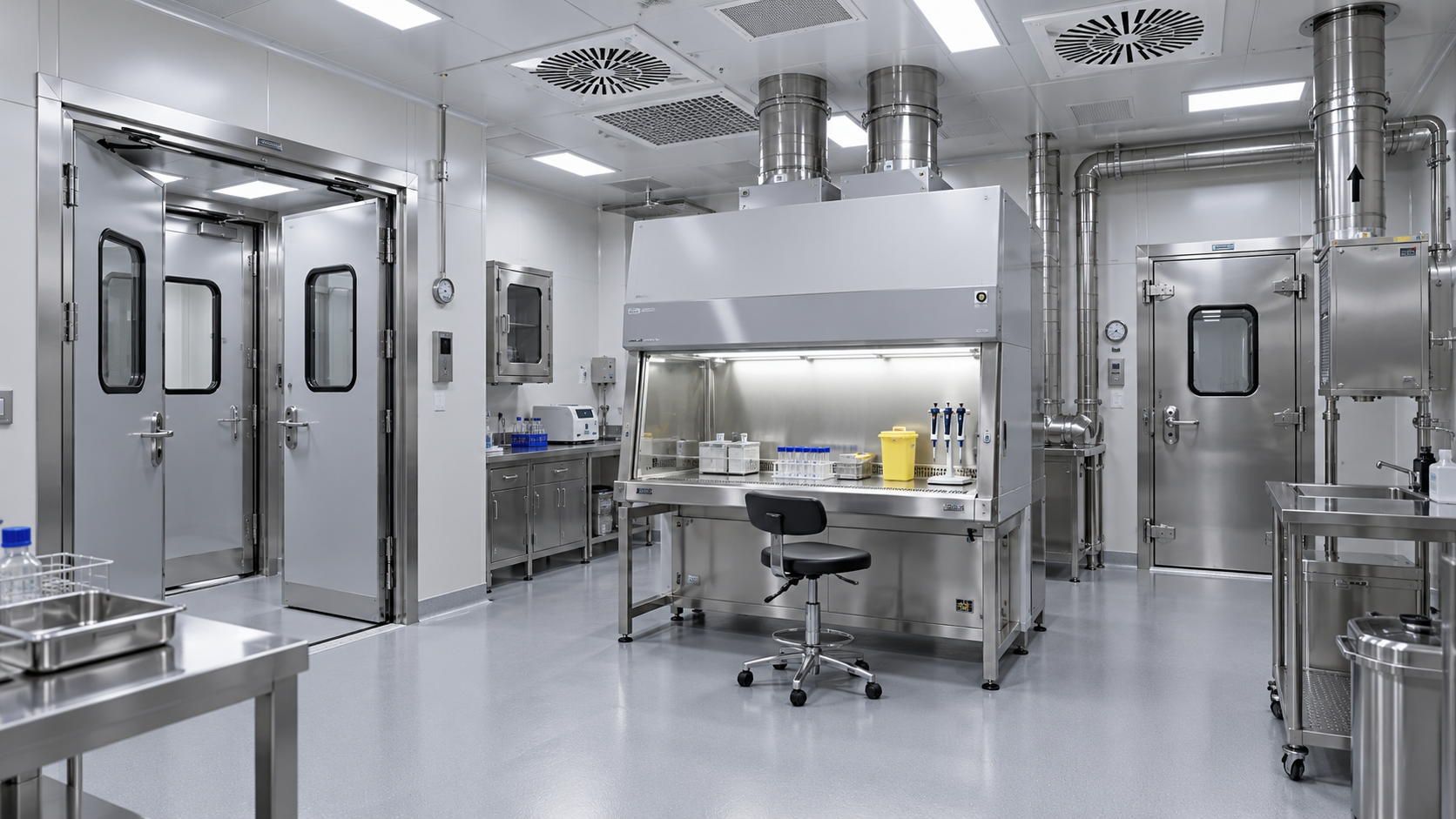
Clean manufacturing environments, including semiconductor support spaces and precision assembly zones, are often affected first when standards around filtration, air recirculation, fan energy, and environmental stability evolve. Here, hvac regulatory compliance news does not simply ask whether a room meets a target classification. It asks whether that classification can be maintained under changing occupancy, process heat, and maintenance conditions while still satisfying energy or carbon reporting requirements.
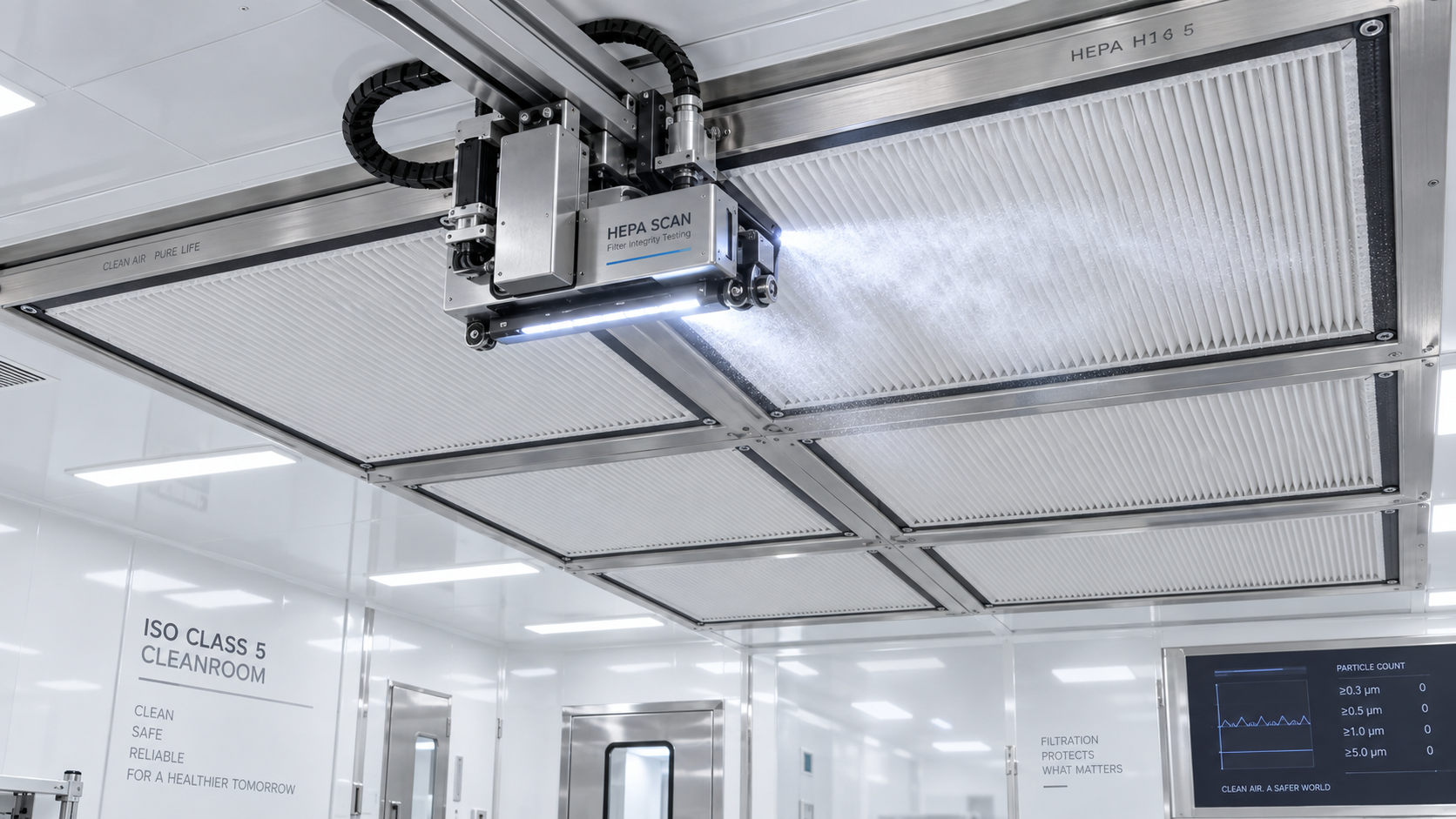
Core judgment points include whether current airflow rates are based on outdated safety margins, whether pressure differentials are continuously verified, and whether control sequences can respond to sensor drift or filter degradation. In this scenario, updated compliance expectations may lead to variable airflow cleanroom strategies, more granular environmental monitoring, or revalidation of FFU performance against current operational loads rather than nameplate assumptions.
Scenario 2: Pharmaceutical and biotech spaces where ventilation rules affect validation strategy
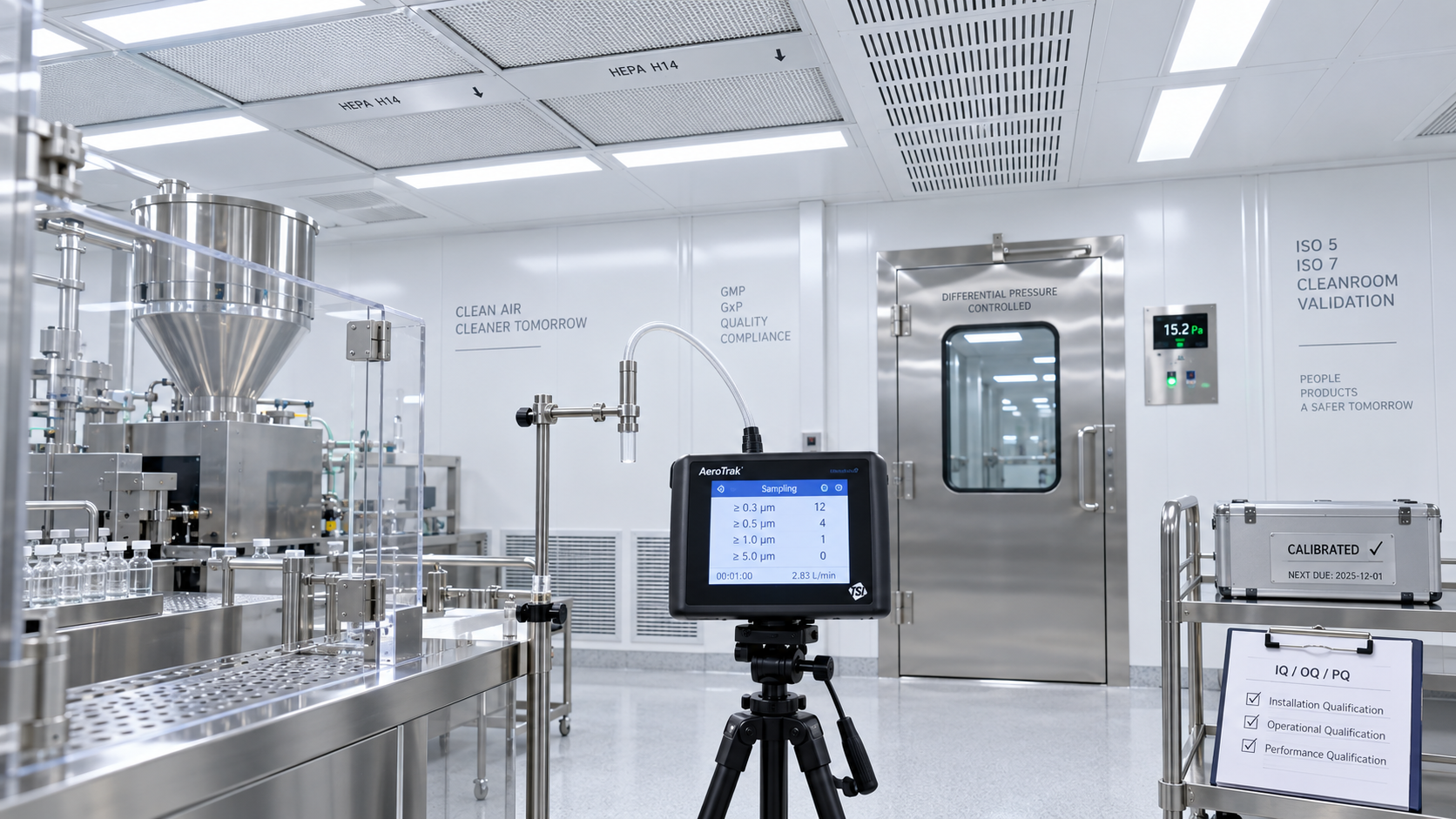
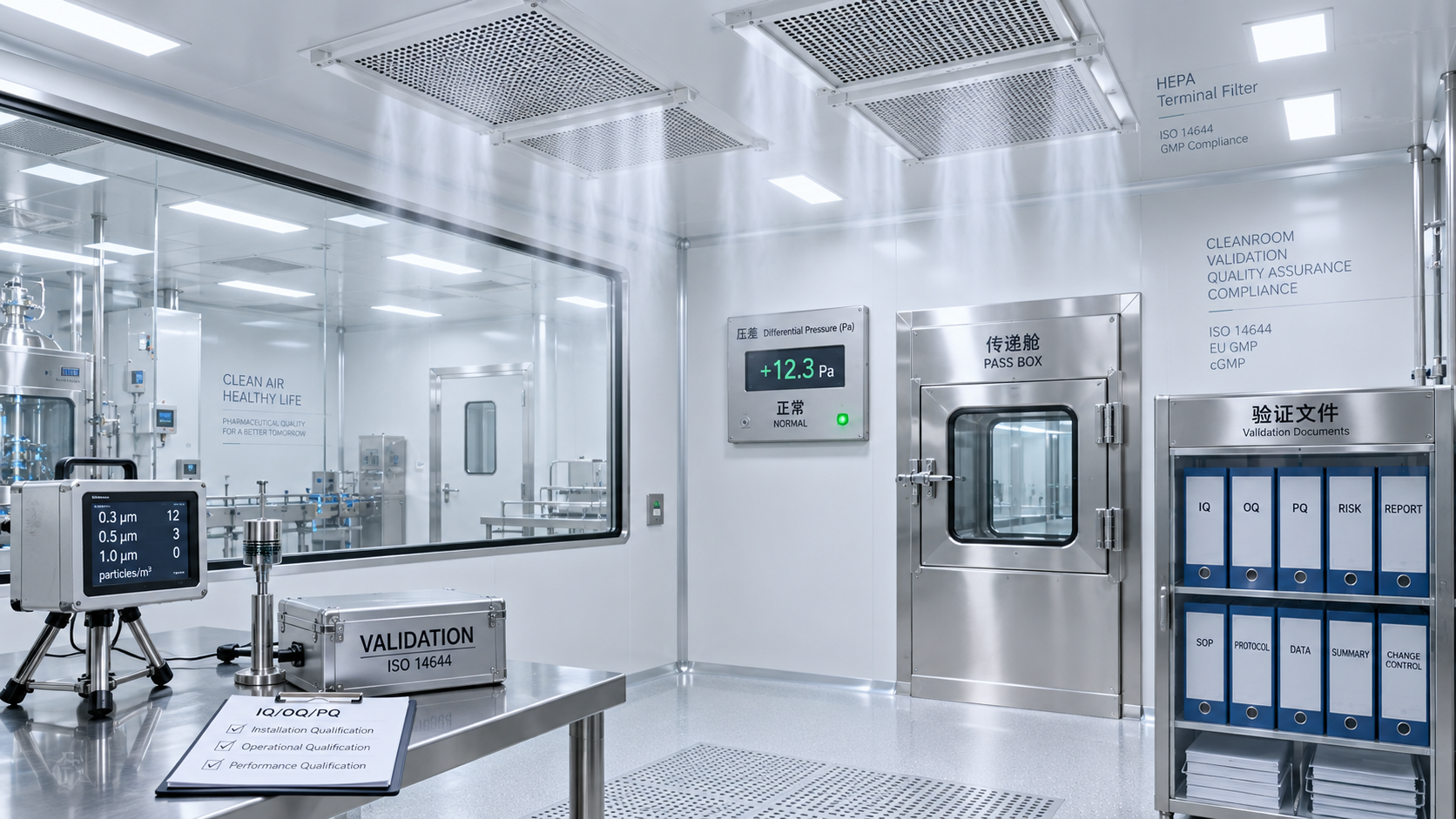
Pharmaceutical production, compounding, and biotech support spaces face a different reading of hvac regulatory compliance news. Regulatory movement here often intersects with GMP expectations, contamination control strategy, recovery time, room segregation, and documentation rigor. A ventilation change may require not only engineering modification but also revised qualification protocols, updated SOPs, and stronger audit evidence linking design intent to as-operated performance.
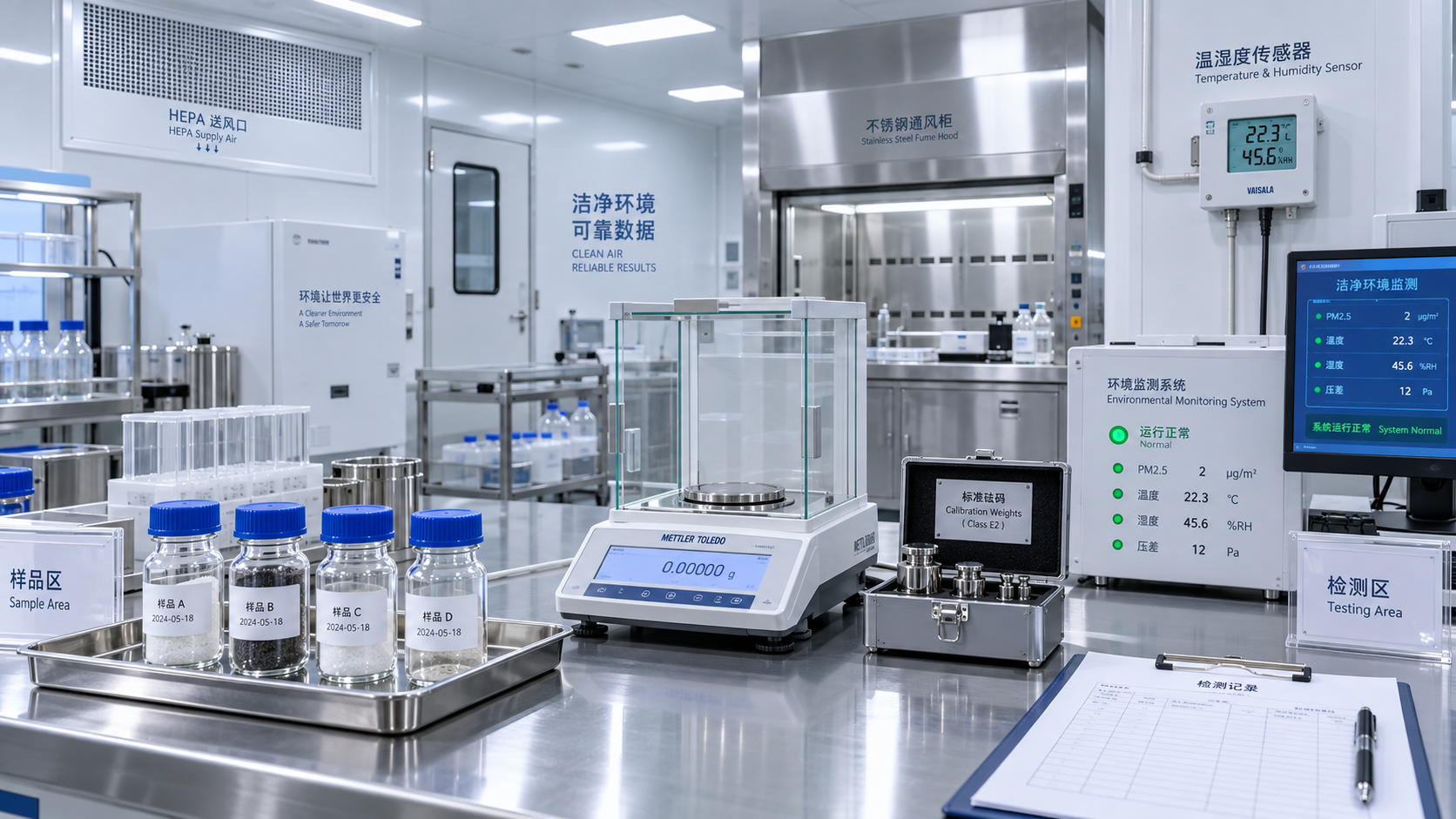
The main judgment points are whether airflow visualization still supports contamination control claims, whether pressure cascades are resilient during door events and maintenance, and whether alarms are prioritized according to product risk. If current systems lack trendable data for temperature, humidity, differential pressure, and filter status, then future hvac regulatory compliance news may expose gaps long before product release testing does. In these environments, monitorability is becoming as important as capacity.
Scenario 3: High-risk labs and containment areas responding to biosafety-focused updates
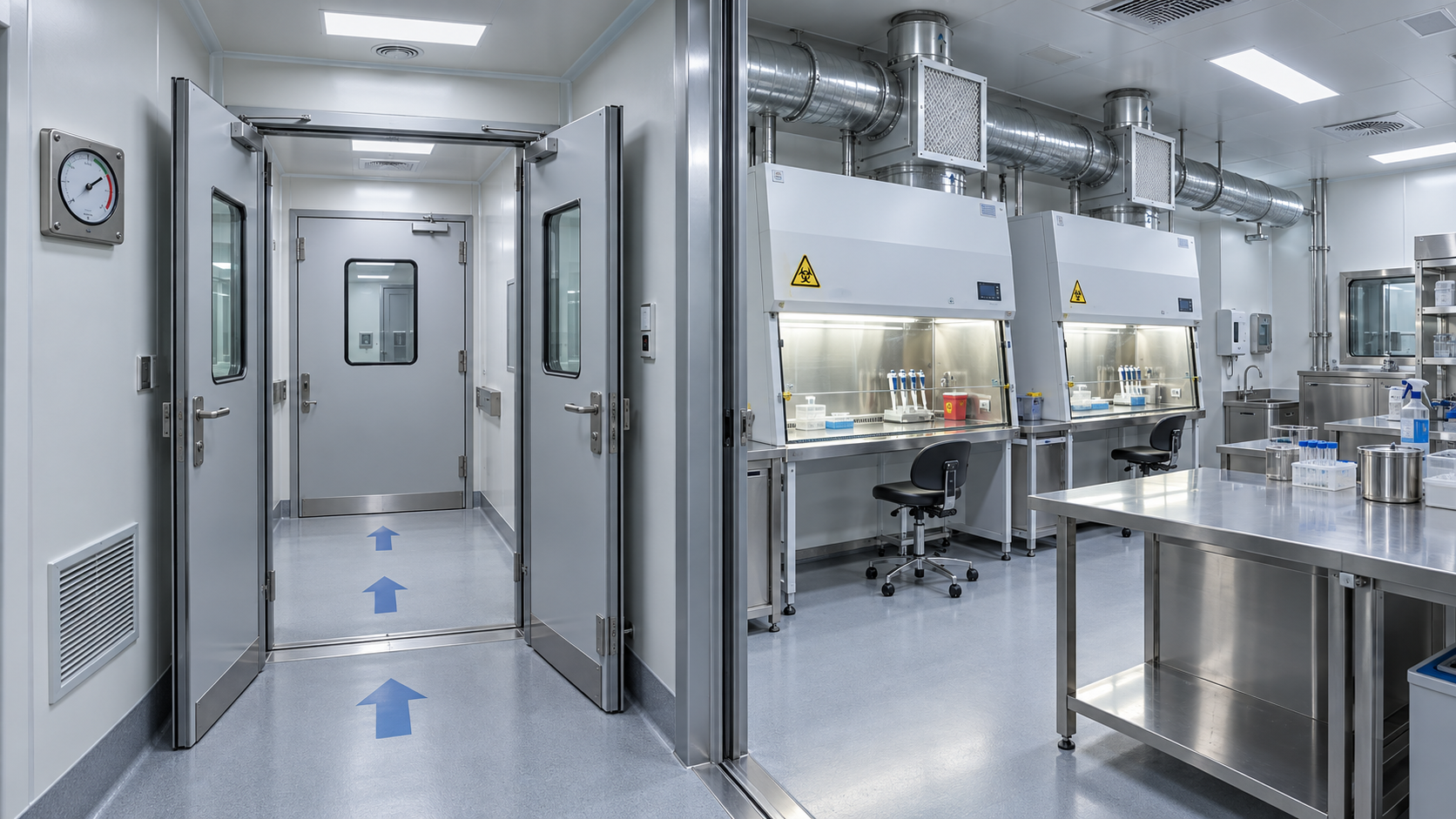
Biosafety and containment facilities must interpret hvac regulatory compliance news through the lens of directional airflow reliability, exhaust integrity, fail-safe controls, and emergency response. Changes in guidance or enforcement may not always require a complete rebuild, but they often require proof that the system behaves correctly during fault conditions: fan failure, damper failure, utility interruption, or maintenance bypass.
Key judgment points include whether room pressure relationships are robust under transient conditions, whether exhaust systems are adequately monitored, and whether control logic is documented in a way that supports both safety review and operator response. In containment scenarios, the wrong interpretation of hvac regulatory compliance news usually appears as overconfidence in normal-state performance while neglecting degraded-state behavior.
Scenario 4: Central plants and utility rooms affected by refrigerant, carbon, and efficiency compliance
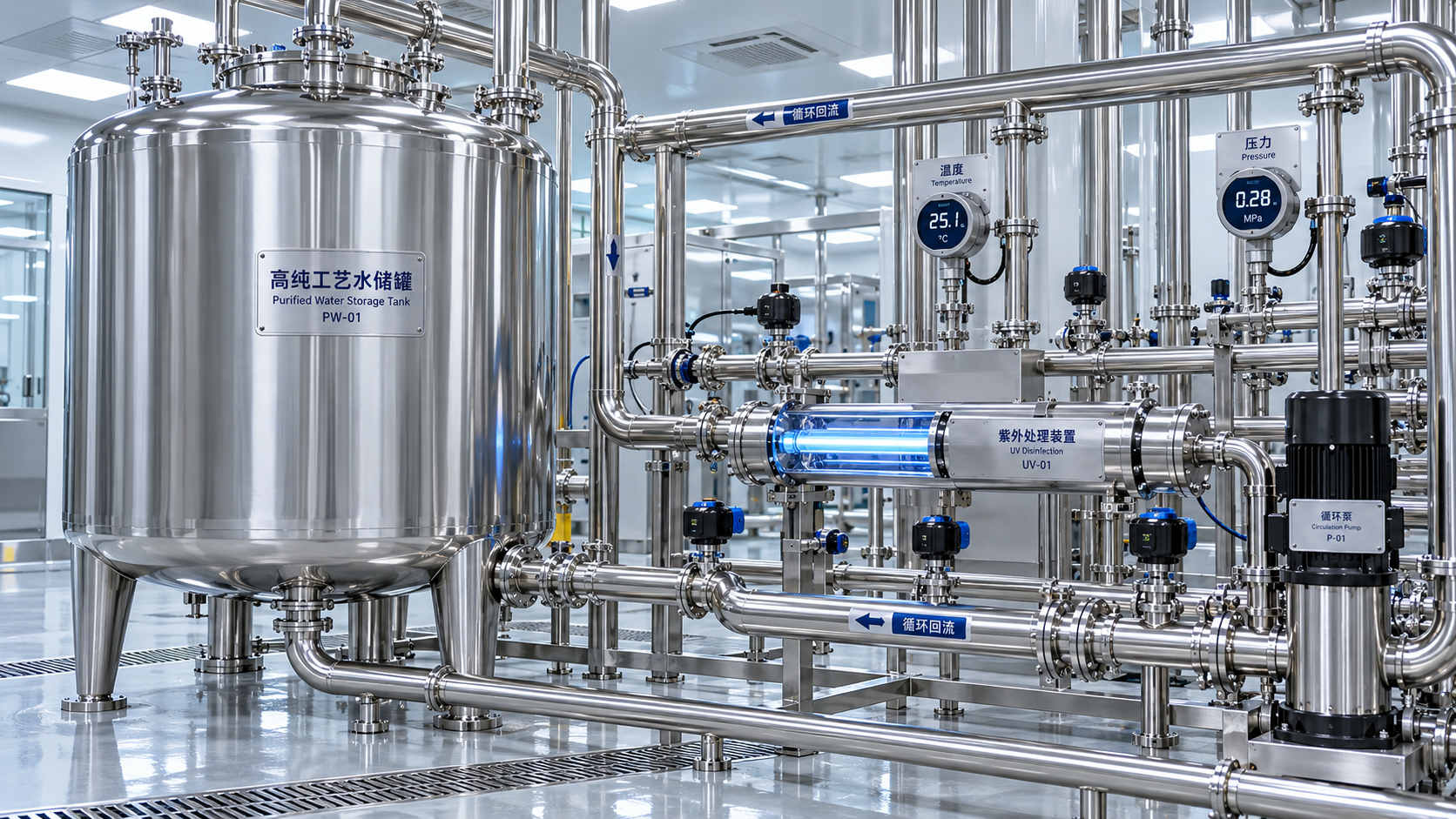
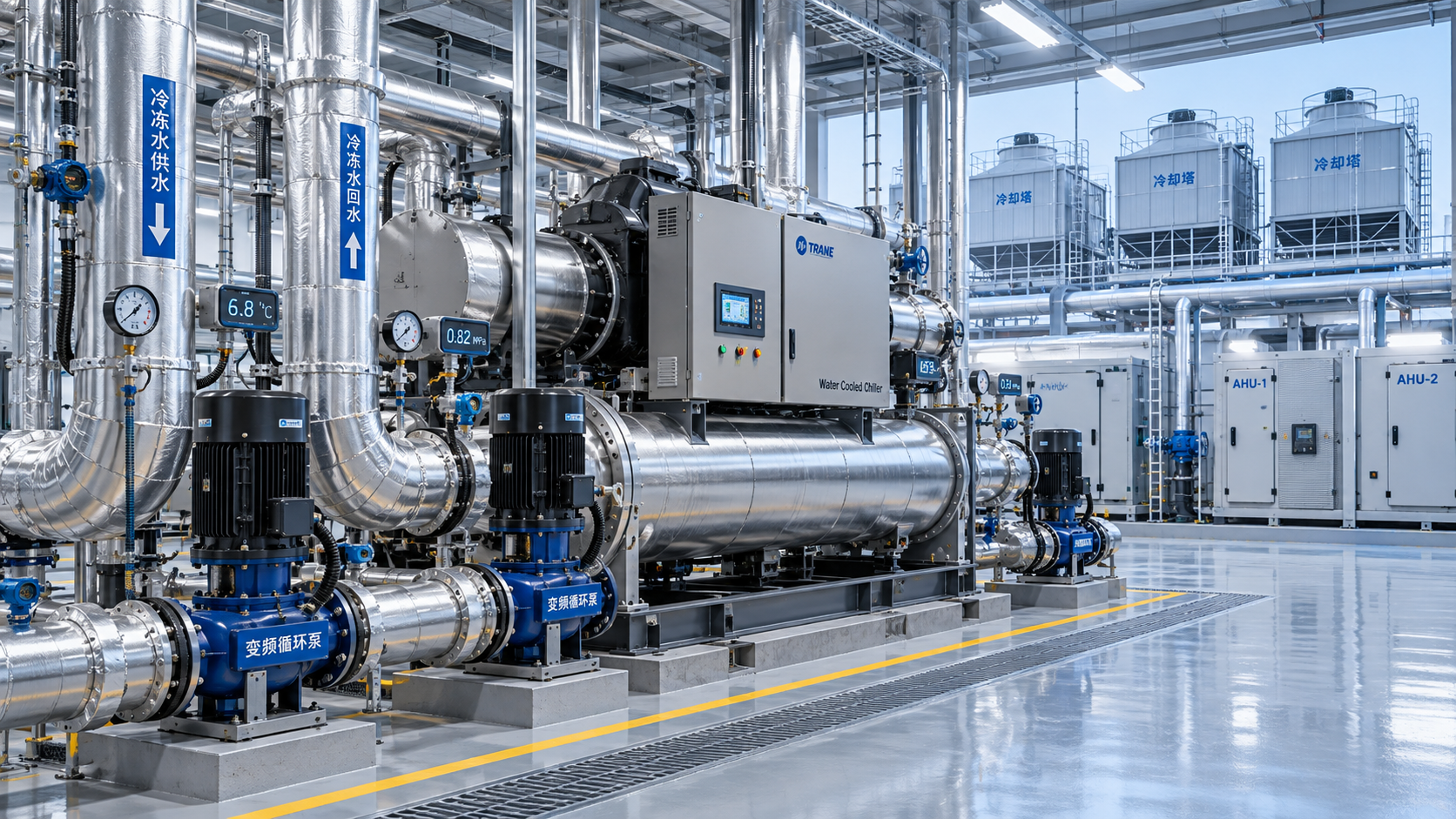
One of the most visible areas in current hvac regulatory compliance news is refrigerant transition. Central plants serving industrial campuses now face a layered compliance picture involving refrigerant phase-down, leak detection, safe application of new refrigerant classes, energy performance, and corporate decarbonization reporting. A chilled-water plant that seems compliant today may become strategically obsolete if future serviceability, safety code constraints, or refrigerant availability are not considered during redesign.
The main design judgments are whether to retrofit or replace, whether machine room detection and ventilation are adequate for next-generation refrigerants, and whether heat recovery or low-load efficiency can support both regulatory and ESG expectations. In this scenario, hvac regulatory compliance news should be tied directly to asset planning, not treated as a separate EHS topic.
How scenario requirements differ when reading hvac regulatory compliance news
Practical adaptation moves after new hvac regulatory compliance news appears
Once relevant hvac regulatory compliance news is identified, the strongest response is a structured impact review rather than a rushed equipment change. The following actions usually produce the clearest path:
- Map each update to actual rooms, utilities, and process risks instead of applying blanket assumptions.
- Check whether current control sequences reflect real compliance intent, especially for setbacks, alarms, and failover.
- Review whether monitoring points are sufficient for future audits, root-cause analysis, and continuous verification.
- Evaluate refrigerant strategy at asset level, including availability, safety classification, and lifecycle service implications.
- Reconcile engineering standards with corporate ESG metrics so energy and compliance efforts do not conflict.
For advanced facilities, digital benchmarking can help. Comparing installed performance against references such as ISO 14644, ASHRAE guidance, and relevant process-specific expectations reveals whether the next wave of hvac regulatory compliance news will require minor tuning or major redesign.
Common misreads that cause expensive rework
A frequent mistake is treating hvac regulatory compliance news as a late-stage compliance checklist. By then, duct routing, plant space, electrical capacity, and control architecture may already be fixed. Another common error is focusing only on nominal room conditions while ignoring upset conditions such as maintenance mode, filter loading, batch changeovers, or partial occupancy. Regulations and standards increasingly expect performance under realistic operating variation.
It is also risky to assume that passing one qualification cycle guarantees future alignment. As refrigerant rules, monitoring expectations, and carbon-related disclosures evolve, older systems may remain functional yet become difficult to justify, service, or certify. The most reliable interpretation of hvac regulatory compliance news is therefore cross-functional: connect engineering, validation, environmental reporting, and operational resilience before making design decisions.
A practical next step for facilities influenced by hvac regulatory compliance news
A useful next step is to build a scenario-based compliance matrix covering critical rooms, central plant assets, monitoring systems, and likely regulatory triggers over the next three to five years. This matrix should rank each area by redesign exposure, audit exposure, and business continuity impact. Where exposure is high, conduct targeted gap reviews on airflow control, filtration, refrigerants, digital monitoring, and fault response.
In environments where precision climate control, contamination control, water purity, biosafety, and intelligent monitoring intersect, a benchmark-driven approach offers the clearest advantage. By translating hvac regulatory compliance news into scenario-specific design decisions, facilities can reduce compliance surprises, protect high-value processes, and prepare infrastructure that remains defensible as standards continue to tighten.
Get weekly intelligence in your inbox.
No noise. No sponsored content. Pure intelligence.
 Oct 21, 2026How often is cleanroom certification required under ISO 14644-2?Cleanroom Certification is generally recommended annually under ISO 14644-2. Learn when risk-based extensions apply and which changes trigger earlier testing to plan with confidence.
 Oct 21, 2026FASEB Comments on NIH Draft Policy for Research Involving BiohazardsFASEB comments on NIH’s draft biohazard research policy call for risk-based biosafety oversight. Explore potential implications for laboratories, suppliers, and compliance teams.
 Oct 20, 2026How to disinfect ultrasound machines without damaging surfacesLearn how to disinfect ultrasoundmachines without surface damage. Explore compatible products, wet contact times, and probe care to protect patients and equipment.
 Oct 20, 2026Ultrapure Water in Semiconductor Manufacturing: Reuse and Quality Control InsightsExplore ultrapure water reuse in semiconductor manufacturing, key UPW quality benchmarks and analytical insights to help evaluate suppliers and protect process purity.
 Oct 19, 2026How cooling affects warpage in injection-molded consumer electronics housingsOptimize plastic injection molding for consumer electronics with cooling strategies to reduce housing warpage and improve assembly fit. Discover practical checks for stable, efficient production.
 Oct 18, 2026Can air leaks prevent a dehumidifier from holding its target dew point?Why can't our dehumidifier maintain the target dew point? Discover how air leaks increase moisture loads, spot hidden faults, and find practical fixes to restore reliable dew-point control.
 Oct 17, 2026How semiconductor process water treatment removes trace organicsSee how semiconductor process water treatment removes trace organics with RO, UV oxidation, and polishing. Learn how TOC monitoring helps verify purity and pinpoint contamination.
 Oct 16, 2026How to choose ultra pure water piping materials to limit leachingChoose ultra pure water piping with confidence. Compare PVDF, PFA, and stainless steel, assess leaching risks, and learn how to qualify your system for reliable purity.
 Oct 15, 2026How to size a skid-mounted deionized water system for peak demandCompare deionized water systems skid configurations for peak demand. Learn how to balance production, storage, and pump capacity to prevent shortages and avoid costly oversizing.
 Oct 14, 2026When is collaborative laboratory robotics suitable for sample sorting?Explore when collaborative laboratory robotics suits sample sorting. Discover key checks for safety, traceability, container compatibility, and throughput before choosing your solution.
 Oct 13, 2026How sandwich panel joints affect airtightness in cleanroom systemsCleanroom Systems sandwich panels need reliable joints for airtightness. Discover how gaskets, sealants, and testing help reduce leakage and protect cleanroom pressure control.
 Oct 12, 2026How to verify USP compliance for ultra pure water systemsUltra Pure Water Systems USP compliance: learn how to verify water quality, sampling, sanitization, trends, and validation controls at every point of use.
 Oct 11, 2026How tight temperature control prevents cleanroom process driftCleanroom process temperature control systems prevent costly drift by stabilizing critical conditions, improving repeatability, and protecting sensitive production workflows.
 Oct 10, 2026When does organic contaminant removal require TOC treatment?Organic contaminant removal requires TOC treatment when dissolved organics threaten product quality, equipment reliability, or process control. Learn how to assess risks and choose the right solution.
 Oct 08, 2026What affects lead times for sheet metal bending services in Canada?Sheet metal bending services Canada: discover how material supply, tooling, tolerances, finishing, documentation, and freight affect lead times for reliable project delivery.
 Oct 07, 2026How HVAC design for semiconductor fabs prevents airborne contaminationHVAC design for semiconductor fabs prevents airborne contamination through advanced filtration, pressure cascades, airflow control, and real-time monitoring. Explore key strategies for cleaner, more reliable wafer production.
 Oct 06, 2026How photovoltaic modules waterproof technology prevents moisture damagephotovoltaic modules waterproof technology prevents moisture damage with durable seals, drainage, and junction-box protection. Explore practical selection and testing insights.
 Oct 05, 2026How ISO 14644 Europe requirements affect cleanroom qualificationISO 14644 Europe requirements shape cleanroom qualification, from particle classification and recovery testing to monitoring, GMP alignment, and change control.
 Oct 04, 2026How to assess a pharmaceutical cleanroom solutions supplier’s ISO capabilityPharmaceutical Cleanroom Solutions supplier assessment guide: evaluate ISO 14644 capability, validation evidence, airflow design, documentation, and long-term GMP readiness.
 Oct 03, 2026What EU standards govern the design of BSL-3 laboratories in Europe?BSL-3 laboratories Europe: explore EU directives, EN standards, HVAC containment, commissioning, and practical design strategies for compliant, resilient high-containment facilities.
 Oct 02, 2026How EN 1822 defines HEPA filtration efficiency for cleanroomsHEPA filtration EN 1822 explained: learn how MPPS testing, local leakage limits, and filter classes support reliable cleanroom decisions.
 Oct 01, 2026How pharmaceutical process water systems control microbial riskProcess water systems pharmaceutical teams rely on can control microbial risk through hygienic design, monitoring, and validated sanitization. Explore practical compliance strategies.
 Sep 30, 2026When does a negative pressure laboratory need BSL-3 containment?Negative pressure laboratory or BSL-3? Discover the risk factors, engineering controls, and containment requirements needed for safe, compliant laboratory planning.
 Sep 29, 2026How to evaluate a TOC-zero water treatment supplier for UPW systemsChoose a TOC-zero water treatment supplier with confidence. Compare UPW performance, monitoring, validation, materials, service capability, and lifecycle cost.
 Sep 28, 2026What drives sustainable cooling cost in high-precision facilities?Sustainable cooling cost in high-precision facilities depends on thermal stability, energy, water, controls, and resilience. Explore smarter lifecycle strategies.
 Sep 27, 2026How to compare freight forwarding services for time-critical shipmentsCompare freight forwarding services for time-critical shipments with practical insights on routing, customs, visibility, specialized handling, and contingency planning.
 Sep 26, 2026How environmental integrity in laboratories supports reliable test resultsEnvironmental Integrity in laboratories safeguards samples, instruments, and staff. Discover practical controls for contamination, monitoring, and reliable test results.