Global HVAC Decarbonization Trends Reshaping Equipment Planning in 2026
As global hvac decarbonization accelerates into 2026, equipment planning is shifting from simple energy upgrades to strategic infrastructure decisions tied to compliance, resilience, and lifecycle value. For business evaluators assessing industrial and high-performance environments, understanding these trends is essential to compare technologies, manage risk, and align HVAC investments with evolving ESG, operational, and regulatory expectations.
Why is global hvac decarbonization becoming a priority in 2026 rather than a long-term ambition?
The biggest change is that global hvac decarbonization is no longer framed only as a sustainability initiative. In 2026, it is increasingly treated as a business continuity, compliance, and capital planning issue. Building portfolios, industrial campuses, labs, fabs, and pharmaceutical environments face growing pressure from carbon disclosure rules, refrigerant transitions, energy cost volatility, and investor scrutiny. For evaluators, HVAC decisions now influence not just utility bills, but also permitting risk, asset attractiveness, and operational resilience.
This shift is especially visible in high-performance environments where air quality, temperature stability, humidity precision, and contamination control cannot be compromised. In these settings, replacing a chiller, air handling system, or control platform is not a simple efficiency retrofit. It can affect uptime, process yield, biosafety, and qualification cycles. That is why global hvac decarbonization increasingly intersects with standards such as ASHRAE guidance, refrigerant compliance pathways, and internal ESG scorecards.
For business assessment teams, the practical takeaway is clear: projects are being approved less on standalone payback and more on total strategic value. The question has become, “Will this system remain compliant, controllable, and cost-effective across its lifecycle?”
What does global hvac decarbonization actually include in equipment planning?
Many buyers assume decarbonization means electrification alone. In reality, global hvac decarbonization in equipment planning covers a broader decision framework. It includes the carbon profile of heating and cooling technologies, refrigerant selection, system efficiency under part-load conditions, digital controls, heat recovery, maintainability, and readiness for cleaner grids or alternative energy inputs.
In practical terms, evaluators are often comparing several pathways at once:
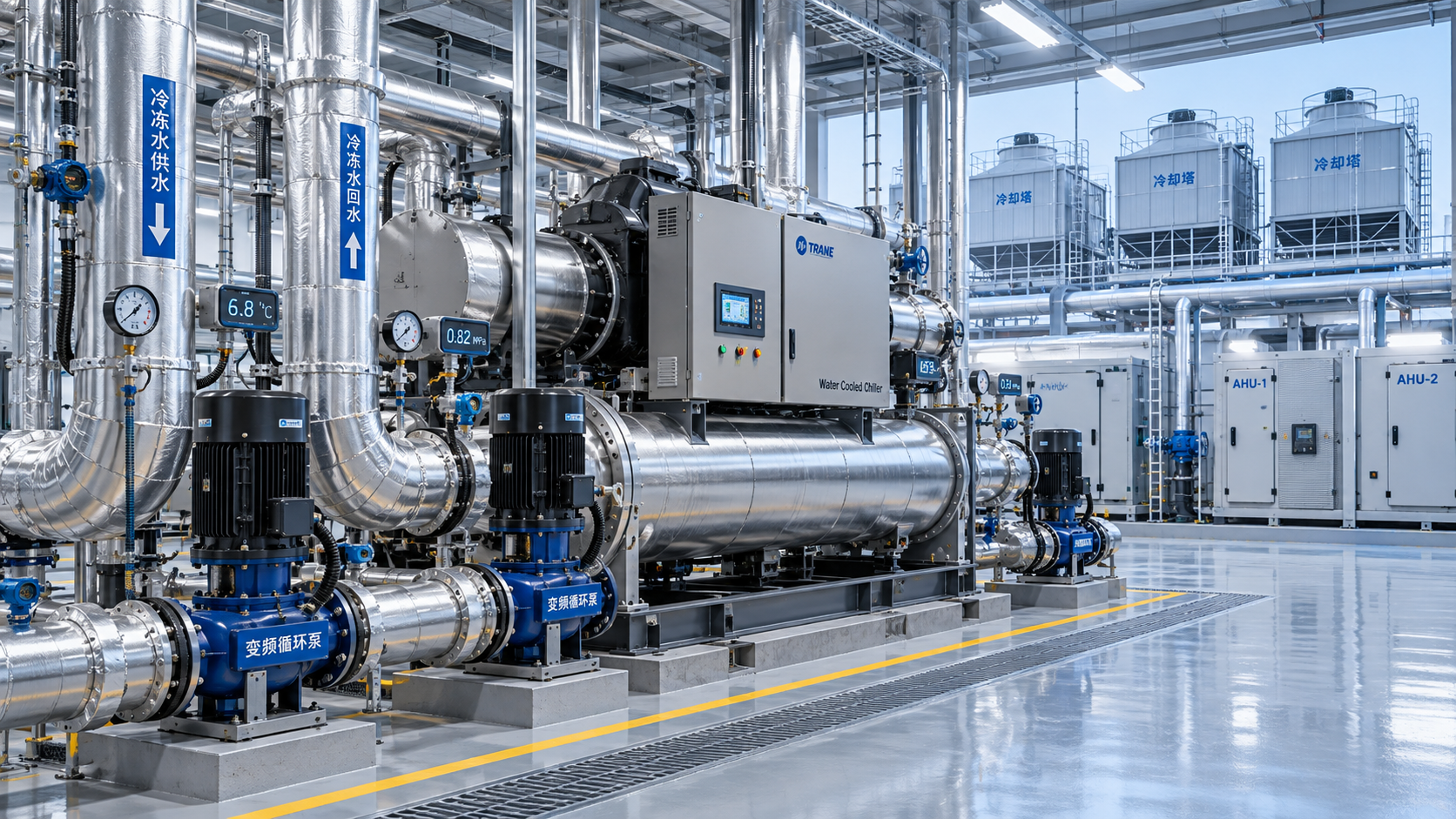
- High-efficiency electric chillers versus legacy combustion-based systems
- Low-GWP refrigerant platforms versus older refrigerant-dependent assets
- Heat pump integration for process and comfort applications
- Advanced air handling with variable speed drives and demand-based control
- Monitoring layers that convert energy data into carbon and risk visibility
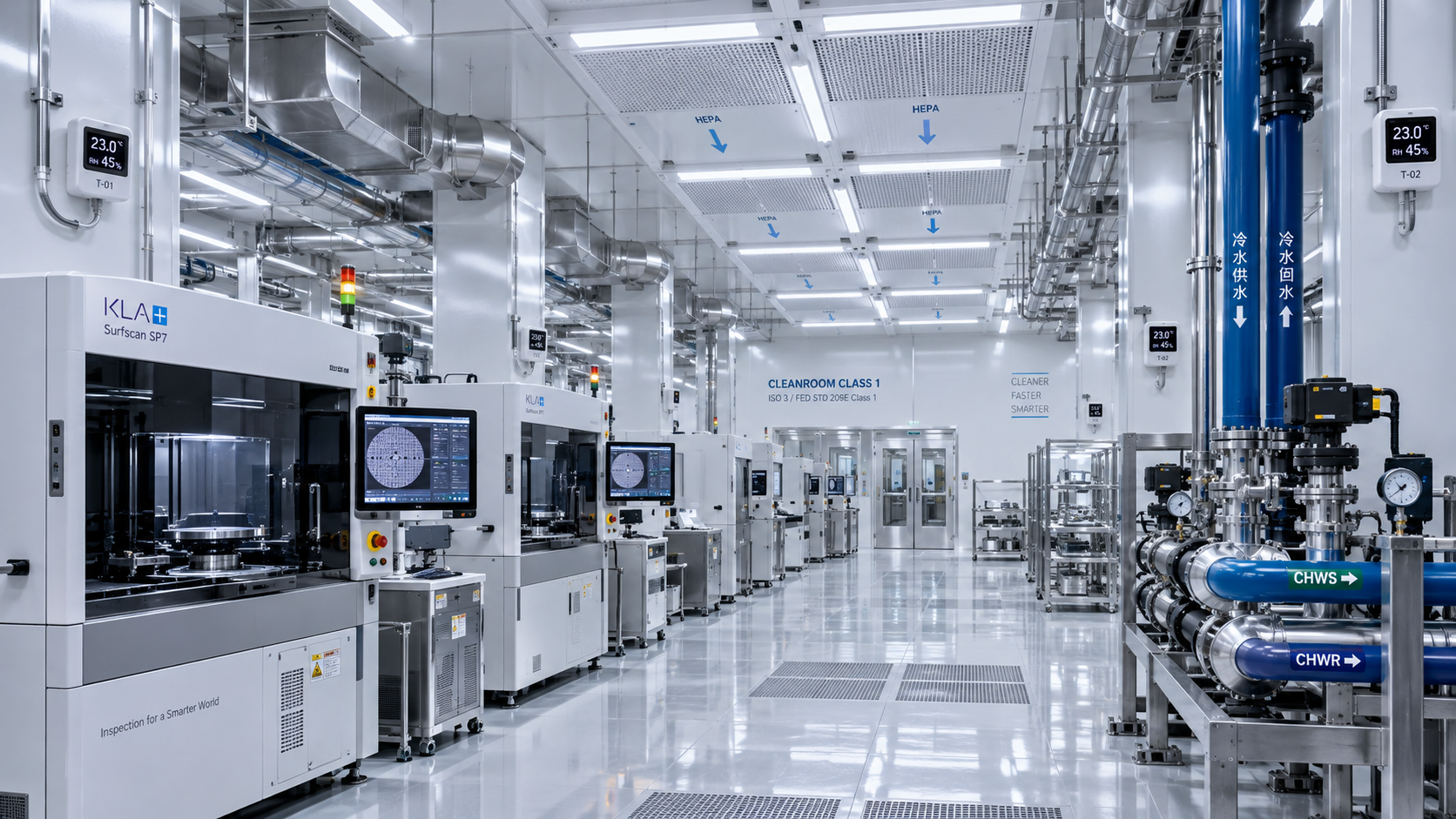
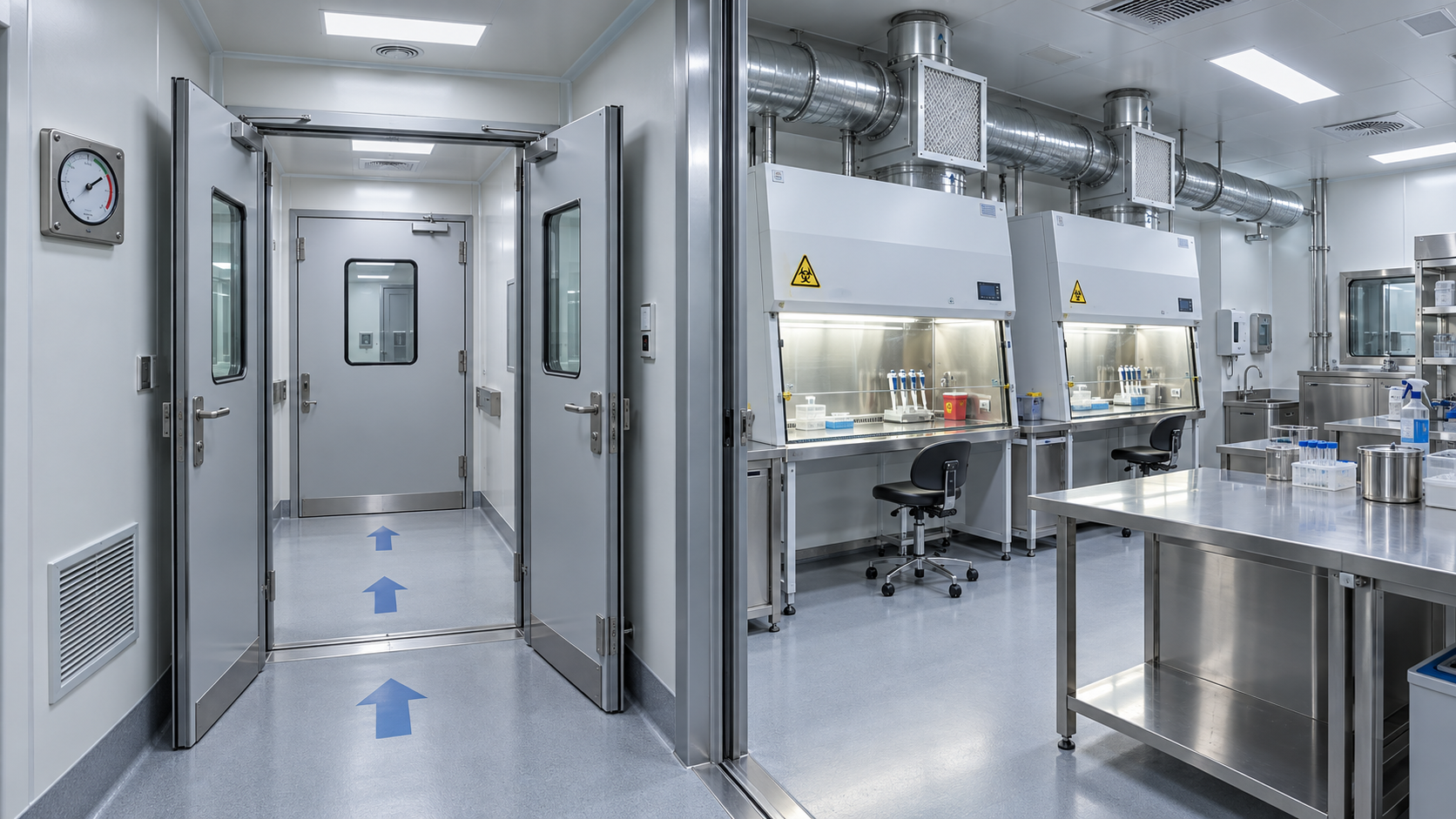
For G-ICE-relevant sectors such as semiconductor, pharma, and high-containment laboratories, equipment planning also includes precision. A decarbonized system that cannot maintain tight temperature tolerance, airflow pressure cascades, or ISO cleanliness targets is not truly fit for purpose. The best plans therefore evaluate carbon reduction together with process integrity.
Which sectors and facilities are most affected by these trends?
Global hvac decarbonization affects nearly every commercial and industrial segment, but the impact is strongest where energy intensity and environmental control are both mission-critical. Business evaluators should pay close attention if the facility has one or more of the following characteristics: continuous operation, strict cleanroom or biosafety requirements, sensitive manufacturing yields, or heavy regulatory oversight.
The most exposed sectors include advanced manufacturing, life sciences, electronics, healthcare, data-heavy technical campuses, and institutional laboratories. In these environments, the HVAC system is not a background utility. It is core production infrastructure. Even small inefficiencies or refrigerant compliance gaps can create measurable financial and operational consequences.
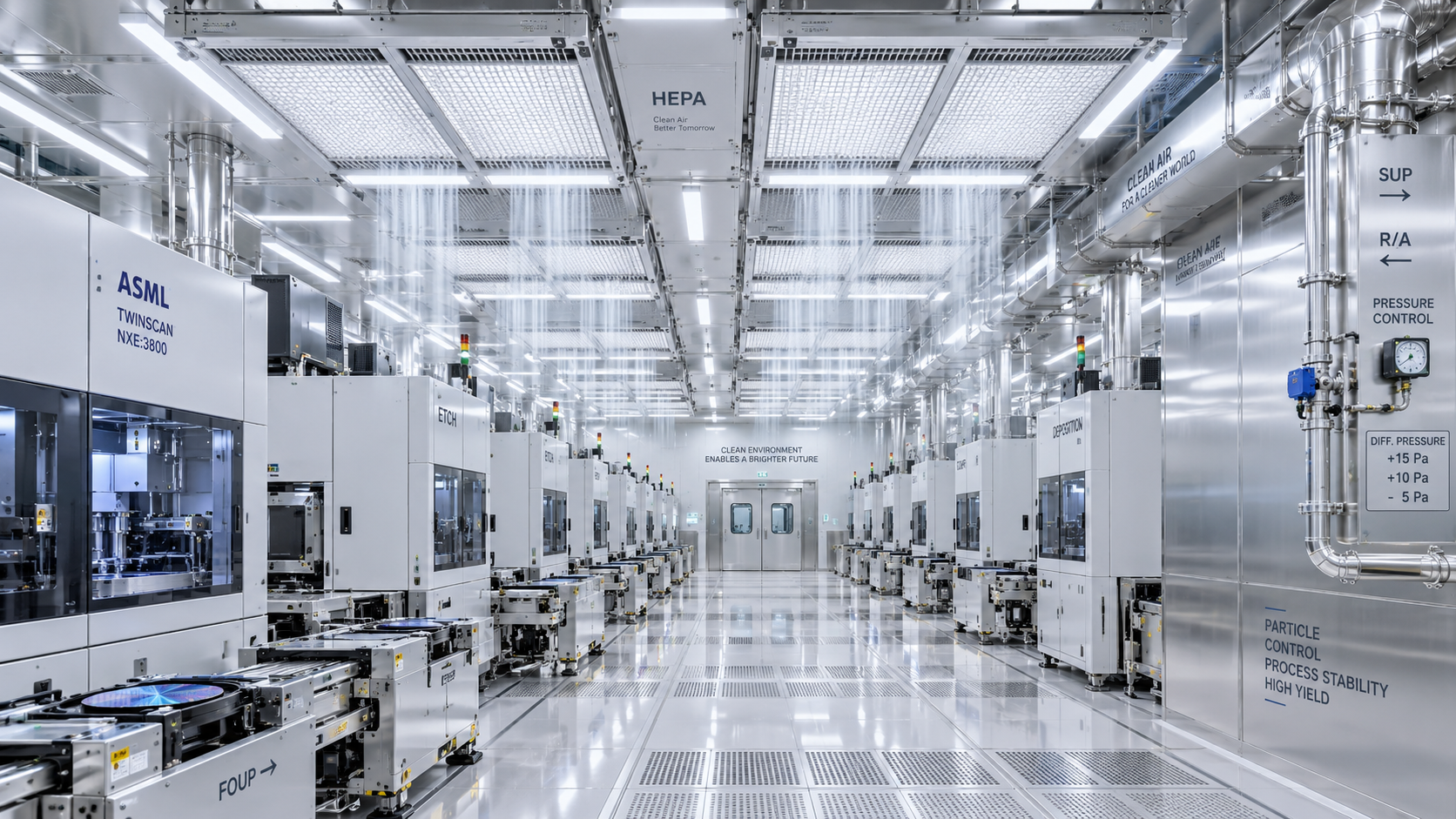
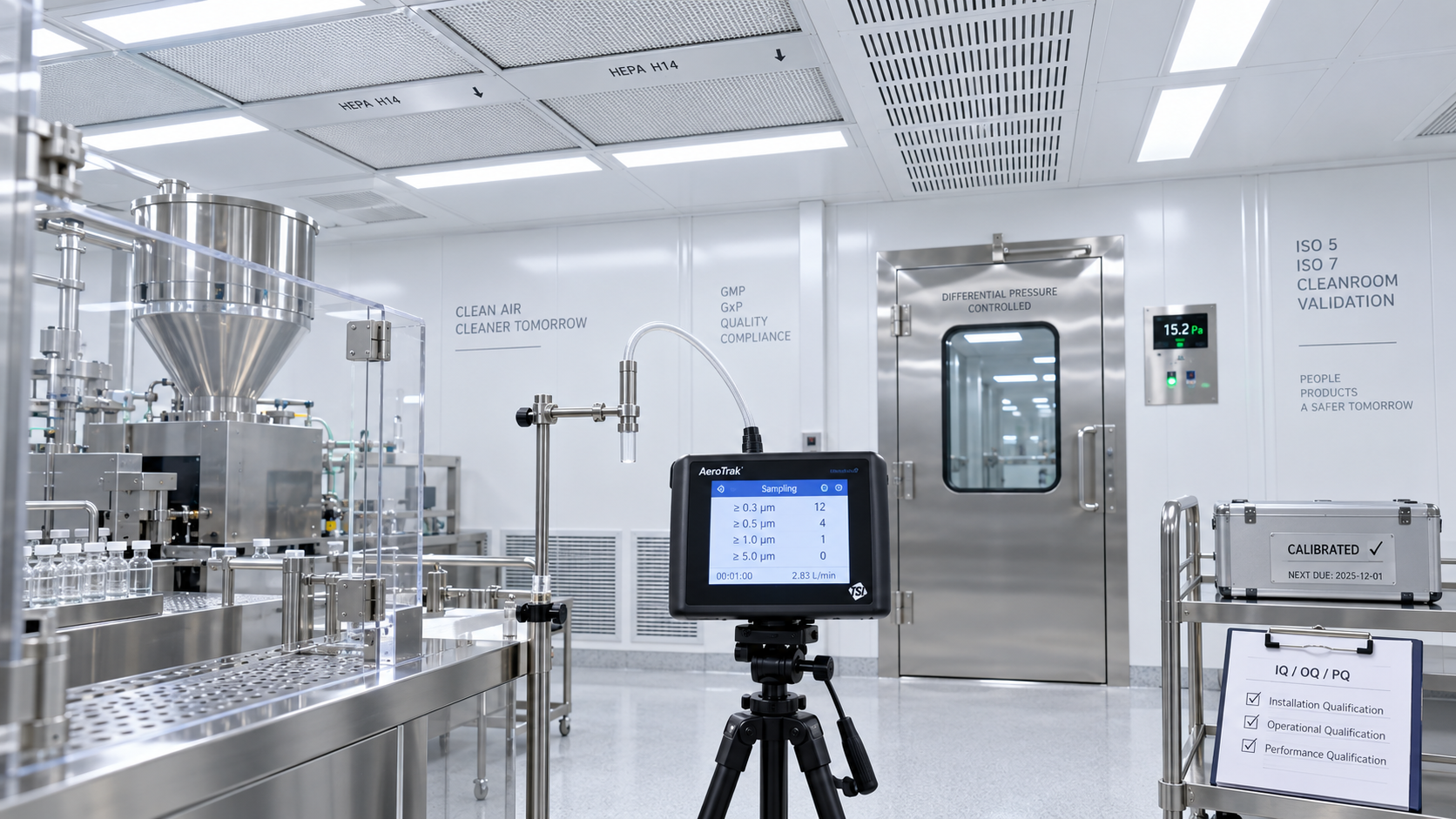
For example, a semiconductor site may prioritize magnetic-bearing chillers, contamination-controlled airflow, and digital twin optimization because process yield depends on thermal stability. A pharmaceutical plant may focus on validated pressure control, filtration integrity, and low-carbon plant upgrades that do not disrupt GMP operations. A biosafety facility may need decarbonization pathways that preserve containment logic and redundancy above all else. These are not generic building decisions; they are specialized infrastructure judgments.
What should business evaluators compare first when reviewing decarbonized HVAC options?
The first step is to avoid comparing equipment only by nameplate efficiency. Global hvac decarbonization projects should be reviewed across at least five lenses: carbon impact, operational fit, regulatory exposure, lifecycle cost, and control intelligence. A high-COP system may still be a weak investment if it introduces maintenance complexity, refrigerant uncertainty, or poor performance under actual load profiles.
A useful screening table is below.
This type of comparison helps evaluators move beyond vendor claims. It also supports better alignment between procurement, engineering, EHS, finance, and operations teams.
How are regulations, refrigerants, and ESG reporting changing equipment choices?
One of the strongest drivers behind global hvac decarbonization is the convergence of carbon accounting and refrigerant policy. In many regions, equipment choice is increasingly shaped by low-GWP transition schedules, building performance requirements, and mandatory emissions disclosure. That means a technically acceptable system today may face financial or regulatory disadvantages within a few years.
For evaluators, refrigerants deserve special attention because their impact is both direct and indirect. Direct impact comes from leakage potential and global warming potential. Indirect impact comes from the efficiency profile of the equipment using that refrigerant. A smart review therefore considers not just “What refrigerant is used?” but also “How mature is the supply chain, what safety measures are needed, and will servicing remain practical across the asset life?”
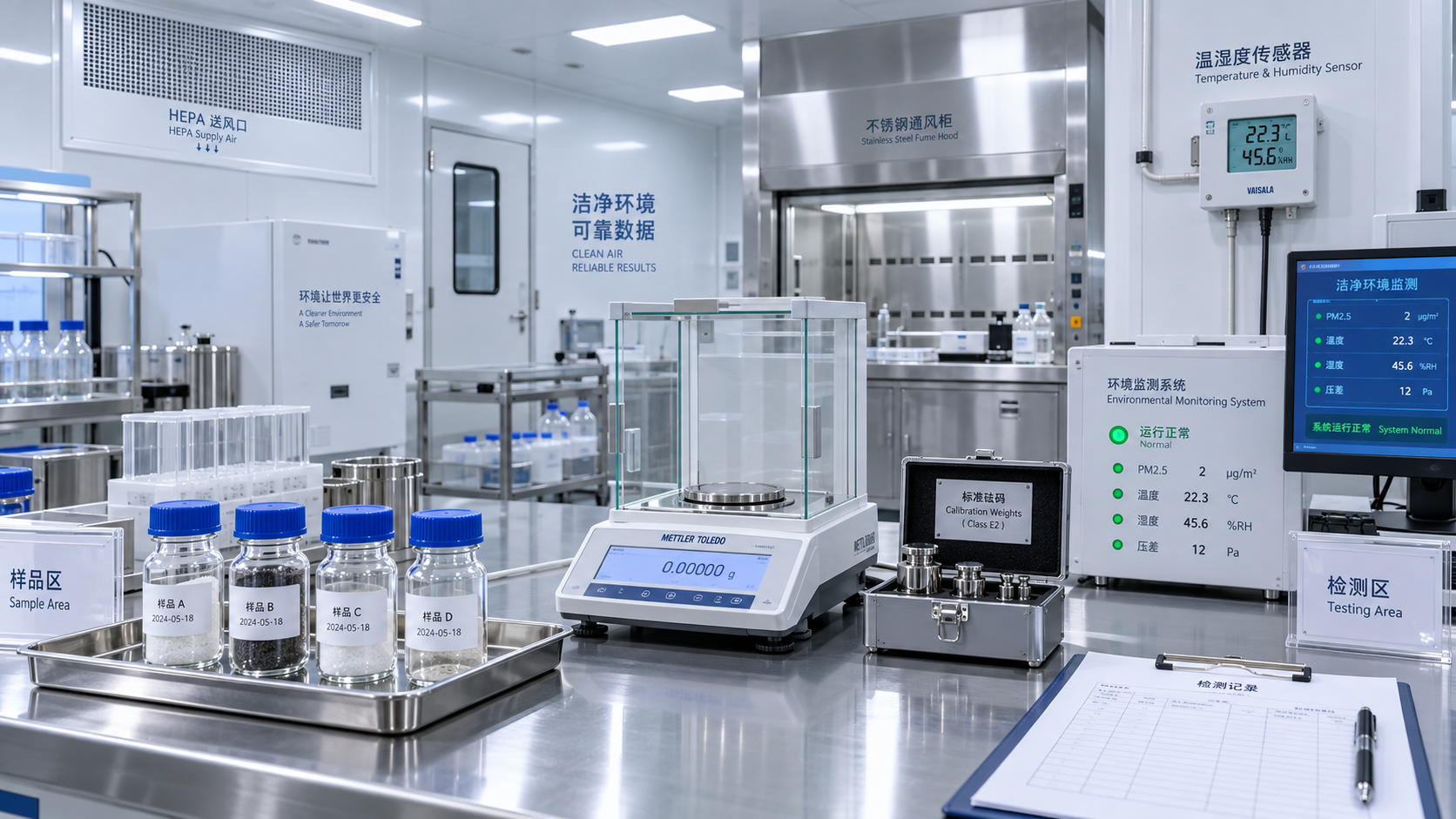
ESG reporting adds another layer. Companies increasingly need systems that generate auditable data on energy use, emissions intensity, and performance drift. In this context, controls, sensors, and monitoring platforms become part of decarbonization infrastructure, not optional accessories. G-ICE-aligned projects often benefit from integrating environmental monitoring with HVAC analytics so that carbon, compliance, and process performance can be evaluated together.
What are the most common mistakes companies make when planning for global hvac decarbonization?
A frequent mistake is treating decarbonization as a one-time equipment replacement instead of a staged systems strategy. This leads to mismatched components, stranded controls, or limited expansion flexibility. For example, installing efficient chillers without upgrading sequencing logic or distribution balance may leave much of the potential value unrealized.
Another mistake is overemphasizing first cost. In critical environments, low initial pricing can conceal higher energy use, more difficult maintenance, or shorter compliance life. Business evaluators should ask whether the lower-cost option creates future retrofit obligations, service bottlenecks, or reporting gaps.
A third error is assuming that all electrification paths are operationally equal. In some industrial settings, electrification is highly effective. In others, capacity constraints, thermal process requirements, or redundancy expectations require a more hybrid or phased approach. Global hvac decarbonization should therefore be assessed against actual site conditions, not broad market narratives.
Finally, teams sometimes neglect commissioning and post-installation optimization. Even advanced systems can underperform if sensors are poorly calibrated, airflow is not tuned, or controls are not adapted to occupancy and process variation. Decarbonization value is often won or lost after installation.
How should companies phase investment if they cannot replace everything at once?
A phased roadmap is often the most realistic approach. Global hvac decarbonization does not require immediate full-system replacement if the asset base is complex or capital is constrained. Instead, evaluators can prioritize projects by carbon intensity, operational risk, compliance urgency, and interaction with planned facility upgrades.
A practical sequence often looks like this:
- Audit energy, refrigerants, controls, and critical process dependencies.
- Address obvious control and monitoring gaps to establish a baseline.
- Target high-impact equipment nearing end of life or facing refrigerant risk.
- Integrate heat recovery, variable-speed operation, and sequencing upgrades.
- Expand toward portfolio-level optimization and predictive monitoring.
This staged model helps reduce disruption while preserving optionality. It is particularly useful in cleanrooms, laboratories, and regulated industrial settings where shutdown windows are limited and qualification requirements are strict.
What should you ask before requesting proposals or comparing suppliers?
Before moving to procurement, evaluators should clarify the decision framework internally. Global hvac decarbonization projects fail when teams request quotes before defining performance priorities, risk tolerance, and reporting needs. A supplier can only provide a meaningful proposal when the business has identified what success looks like.
Key questions to confirm include:
- What carbon, efficiency, and compliance targets must the project support?
- Which environmental parameters are mission-critical: temperature, humidity, pressure, cleanliness, containment, or uptime?
- What is the acceptable implementation window and validation burden?
- How will lifecycle cost be weighed against first cost?
- What level of controls integration and reporting transparency is required?
- Will future expansion, digital twin use, or utility decarbonization change the preferred system architecture?
If further confirmation is needed on specific solutions, parameters, timelines, budget ranges, or cooperation models, it is best to begin with site conditions, process sensitivity, refrigerant strategy, control architecture, and compliance expectations. Those five points usually determine whether a proposed decarbonization pathway is merely efficient on paper or genuinely suitable for long-term industrial performance.
Get weekly intelligence in your inbox.
No noise. No sponsored content. Pure intelligence.
 Oct 21, 2026How often is cleanroom certification required under ISO 14644-2?Cleanroom Certification is generally recommended annually under ISO 14644-2. Learn when risk-based extensions apply and which changes trigger earlier testing to plan with confidence.
 Oct 21, 2026FASEB Comments on NIH Draft Policy for Research Involving BiohazardsFASEB comments on NIH’s draft biohazard research policy call for risk-based biosafety oversight. Explore potential implications for laboratories, suppliers, and compliance teams.
 Oct 20, 2026How to disinfect ultrasound machines without damaging surfacesLearn how to disinfect ultrasoundmachines without surface damage. Explore compatible products, wet contact times, and probe care to protect patients and equipment.
 Oct 20, 2026Ultrapure Water in Semiconductor Manufacturing: Reuse and Quality Control InsightsExplore ultrapure water reuse in semiconductor manufacturing, key UPW quality benchmarks and analytical insights to help evaluate suppliers and protect process purity.
 Oct 19, 2026How cooling affects warpage in injection-molded consumer electronics housingsOptimize plastic injection molding for consumer electronics with cooling strategies to reduce housing warpage and improve assembly fit. Discover practical checks for stable, efficient production.
 Oct 18, 2026Can air leaks prevent a dehumidifier from holding its target dew point?Why can't our dehumidifier maintain the target dew point? Discover how air leaks increase moisture loads, spot hidden faults, and find practical fixes to restore reliable dew-point control.
 Oct 17, 2026How semiconductor process water treatment removes trace organicsSee how semiconductor process water treatment removes trace organics with RO, UV oxidation, and polishing. Learn how TOC monitoring helps verify purity and pinpoint contamination.
 Oct 16, 2026How to choose ultra pure water piping materials to limit leachingChoose ultra pure water piping with confidence. Compare PVDF, PFA, and stainless steel, assess leaching risks, and learn how to qualify your system for reliable purity.
 Oct 15, 2026How to size a skid-mounted deionized water system for peak demandCompare deionized water systems skid configurations for peak demand. Learn how to balance production, storage, and pump capacity to prevent shortages and avoid costly oversizing.
 Oct 14, 2026When is collaborative laboratory robotics suitable for sample sorting?Explore when collaborative laboratory robotics suits sample sorting. Discover key checks for safety, traceability, container compatibility, and throughput before choosing your solution.
 Oct 13, 2026How sandwich panel joints affect airtightness in cleanroom systemsCleanroom Systems sandwich panels need reliable joints for airtightness. Discover how gaskets, sealants, and testing help reduce leakage and protect cleanroom pressure control.
 Oct 12, 2026How to verify USP compliance for ultra pure water systemsUltra Pure Water Systems USP compliance: learn how to verify water quality, sampling, sanitization, trends, and validation controls at every point of use.
 Oct 11, 2026How tight temperature control prevents cleanroom process driftCleanroom process temperature control systems prevent costly drift by stabilizing critical conditions, improving repeatability, and protecting sensitive production workflows.
 Oct 10, 2026When does organic contaminant removal require TOC treatment?Organic contaminant removal requires TOC treatment when dissolved organics threaten product quality, equipment reliability, or process control. Learn how to assess risks and choose the right solution.
 Oct 08, 2026What affects lead times for sheet metal bending services in Canada?Sheet metal bending services Canada: discover how material supply, tooling, tolerances, finishing, documentation, and freight affect lead times for reliable project delivery.
 Oct 07, 2026How HVAC design for semiconductor fabs prevents airborne contaminationHVAC design for semiconductor fabs prevents airborne contamination through advanced filtration, pressure cascades, airflow control, and real-time monitoring. Explore key strategies for cleaner, more reliable wafer production.
 Oct 06, 2026How photovoltaic modules waterproof technology prevents moisture damagephotovoltaic modules waterproof technology prevents moisture damage with durable seals, drainage, and junction-box protection. Explore practical selection and testing insights.
 Oct 05, 2026How ISO 14644 Europe requirements affect cleanroom qualificationISO 14644 Europe requirements shape cleanroom qualification, from particle classification and recovery testing to monitoring, GMP alignment, and change control.
 Oct 04, 2026How to assess a pharmaceutical cleanroom solutions supplier’s ISO capabilityPharmaceutical Cleanroom Solutions supplier assessment guide: evaluate ISO 14644 capability, validation evidence, airflow design, documentation, and long-term GMP readiness.
 Oct 03, 2026What EU standards govern the design of BSL-3 laboratories in Europe?BSL-3 laboratories Europe: explore EU directives, EN standards, HVAC containment, commissioning, and practical design strategies for compliant, resilient high-containment facilities.
 Oct 02, 2026How EN 1822 defines HEPA filtration efficiency for cleanroomsHEPA filtration EN 1822 explained: learn how MPPS testing, local leakage limits, and filter classes support reliable cleanroom decisions.
 Oct 01, 2026How pharmaceutical process water systems control microbial riskProcess water systems pharmaceutical teams rely on can control microbial risk through hygienic design, monitoring, and validated sanitization. Explore practical compliance strategies.
 Sep 30, 2026When does a negative pressure laboratory need BSL-3 containment?Negative pressure laboratory or BSL-3? Discover the risk factors, engineering controls, and containment requirements needed for safe, compliant laboratory planning.
 Sep 29, 2026How to evaluate a TOC-zero water treatment supplier for UPW systemsChoose a TOC-zero water treatment supplier with confidence. Compare UPW performance, monitoring, validation, materials, service capability, and lifecycle cost.
 Sep 28, 2026What drives sustainable cooling cost in high-precision facilities?Sustainable cooling cost in high-precision facilities depends on thermal stability, energy, water, controls, and resilience. Explore smarter lifecycle strategies.
 Sep 27, 2026How to compare freight forwarding services for time-critical shipmentsCompare freight forwarding services for time-critical shipments with practical insights on routing, customs, visibility, specialized handling, and contingency planning.
 Sep 26, 2026How environmental integrity in laboratories supports reliable test resultsEnvironmental Integrity in laboratories safeguards samples, instruments, and staff. Discover practical controls for contamination, monitoring, and reliable test results.