Sustainable Cooling Technology and Real Heat Recovery Gains
For enterprise decision-makers balancing ESG targets, uptime, and cost control, sustainable cooling technology is no longer a niche upgrade but a strategic asset. By combining precision thermal management with measurable heat recovery gains, organizations can reduce energy waste, strengthen compliance, and improve operational resilience across high-performance industrial environments.
The core search intent behind “sustainable cooling technology” is rarely academic. Senior leaders are typically looking for a practical answer to a business question: which cooling strategies can lower energy intensity, recover otherwise wasted heat, and support resilience without introducing unacceptable operational risk? In sectors such as advanced manufacturing, pharmaceuticals, laboratories, data-intensive facilities, and high-spec cleanrooms, the decision is less about buying a greener machine and more about redesigning thermal performance as an enterprise capability.
That is why the most useful way to evaluate sustainable cooling technology is not by headline efficiency claims alone. The real value comes from understanding where cooling loads originate, how much heat can be recovered at usable temperatures, how controls affect real-world outcomes, and whether the system can perform under stringent requirements for contamination control, temperature stability, biosafety, or uptime. For executive teams, the right question is not “Is this technology sustainable?” but “Will it create measurable, bankable gains across energy, compliance, and operations?”
What enterprise decision-makers actually need from sustainable cooling technology
For most leadership teams, three concerns dominate the evaluation process. First, can the technology deliver measurable energy and carbon reductions beyond design-stage promises? Second, will it protect uptime in mission-critical environments where thermal drift, moisture imbalance, or equipment failure can disrupt production or compromise quality? Third, can the investment be justified through a credible business case that includes both direct savings and strategic risk reduction?
These questions are especially relevant in industrial environments where thermal management is tightly linked to product integrity. Semiconductor facilities, biologics production suites, precision laboratories, battery plants, and high-density technical spaces often operate within narrow environmental bands. In such settings, cooling is not a comfort utility. It is part of the production system itself. Sustainable cooling technology must therefore achieve efficiency without sacrificing precision.
This shifts procurement priorities. Decision-makers are less interested in generic sustainability messaging and more interested in lifecycle economics, integration complexity, maintenance exposure, heat recovery potential, and compatibility with digital monitoring platforms. They want to know whether a proposed system will work with existing infrastructure, align with ESG reporting expectations, and continue delivering gains under part-load conditions, seasonal changes, and future expansion scenarios.
Why heat recovery is where the real gains often appear
Many organizations focus on reducing the electricity needed for cooling, which is important. However, the larger strategic opportunity often lies in recovering heat that would otherwise be rejected to the atmosphere. Traditional systems remove heat from processes or indoor environments and dump it outside through condensers or cooling towers. In facilities with simultaneous heating demand, this creates a costly paradox: one system throws away heat while another burns energy to recreate it.
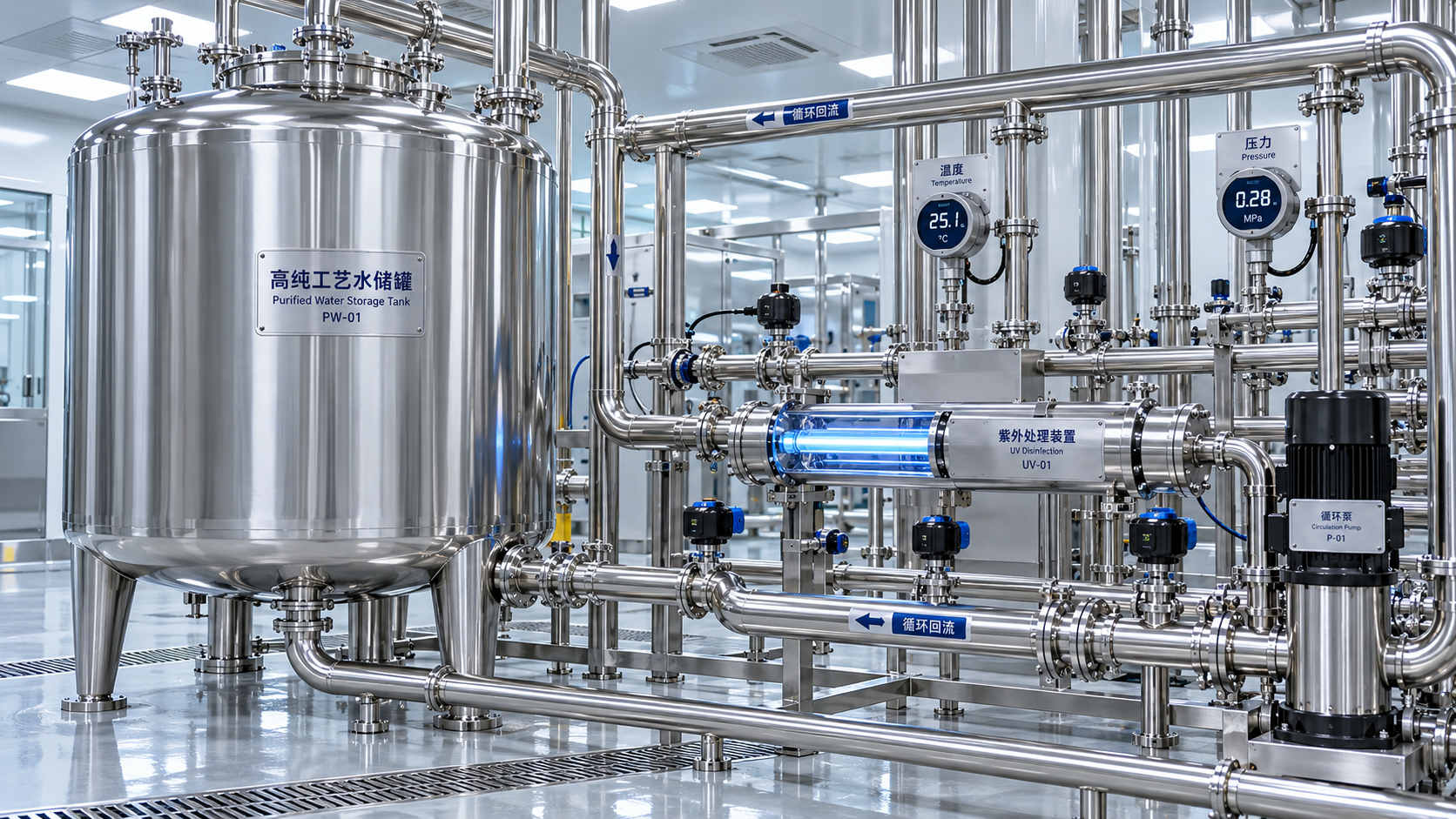
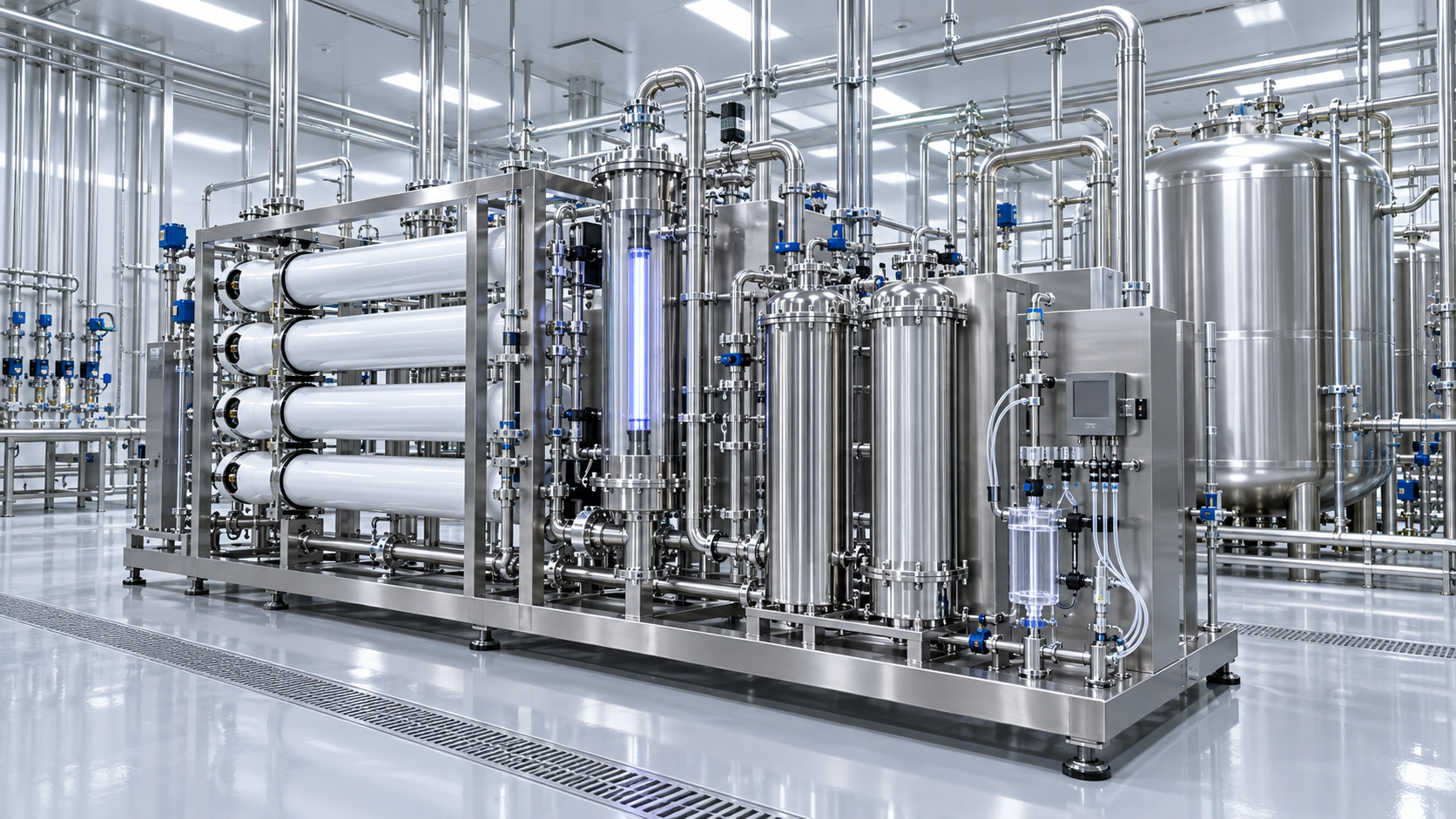
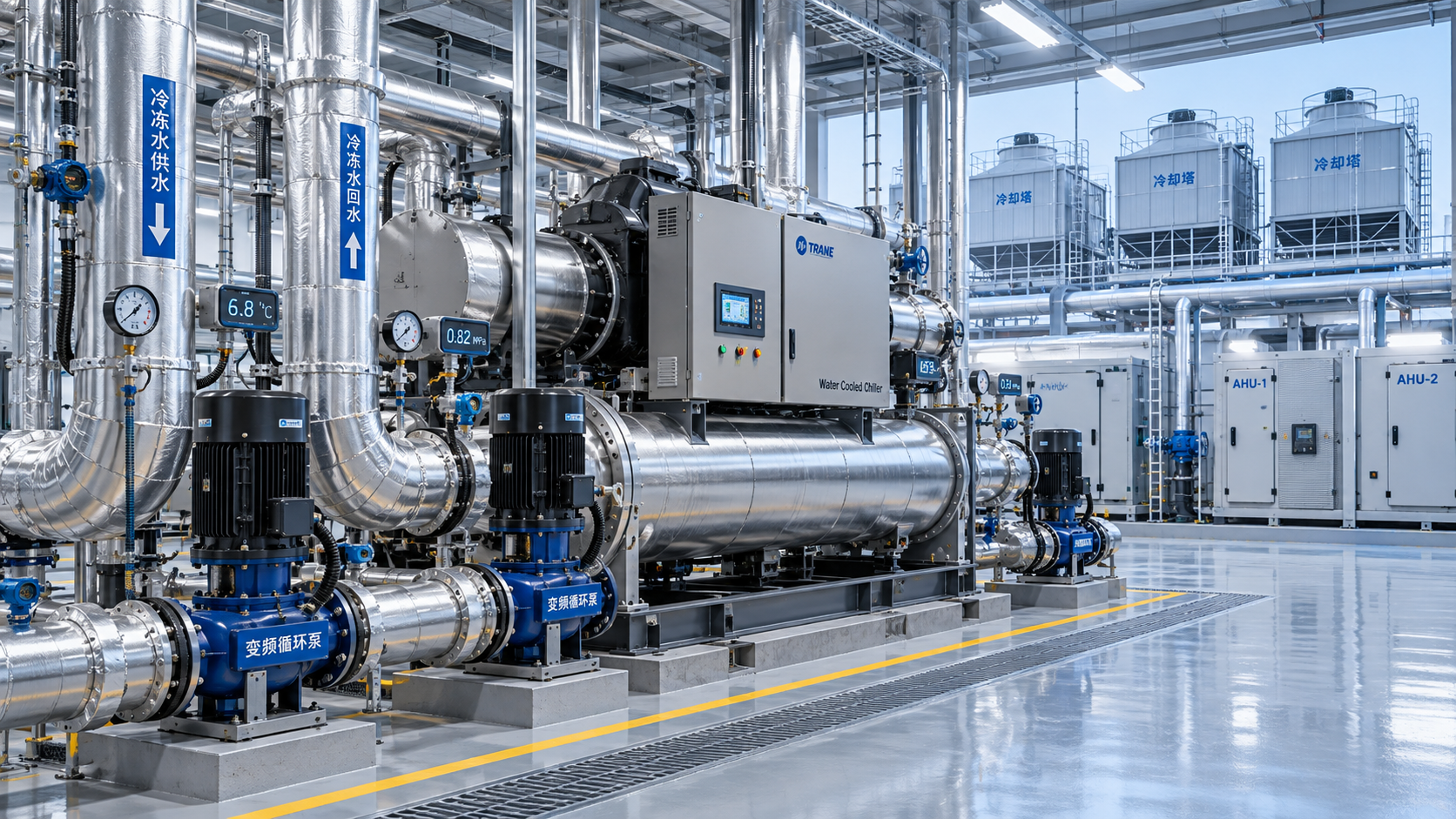
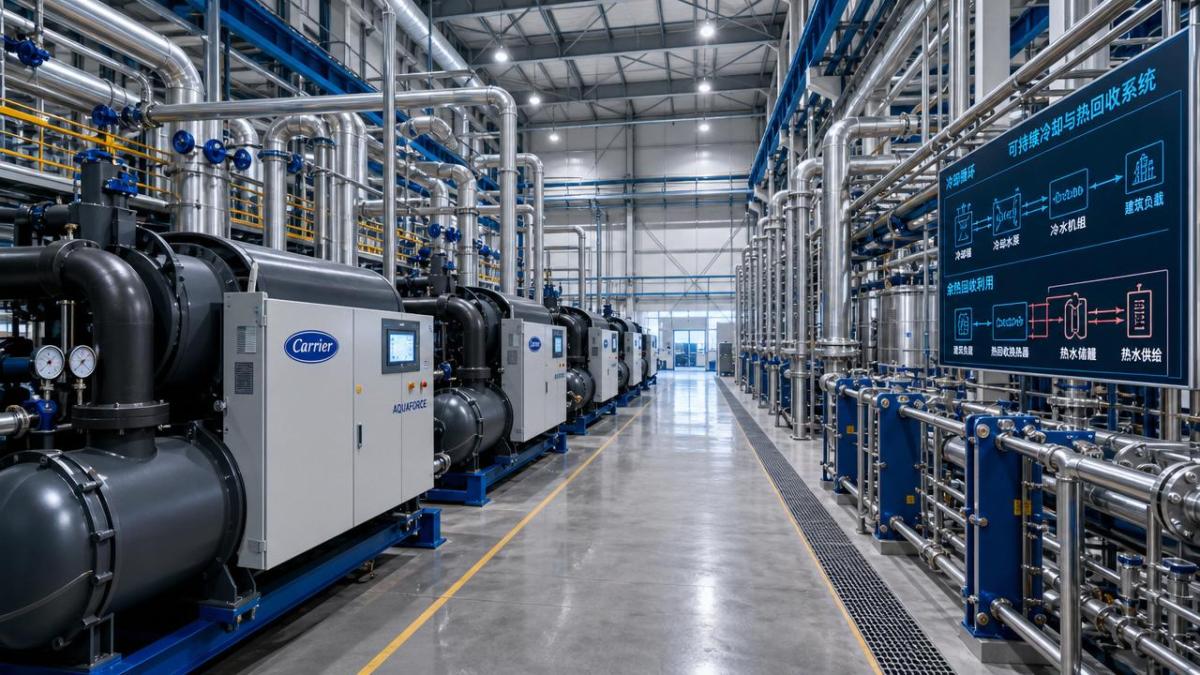
Real heat recovery gains come from breaking that pattern. Modern sustainable cooling technology can capture low- or medium-grade heat from chillers, compressors, refrigeration loops, and process cooling streams and redirect it to preheat ventilation air, support domestic hot water, stabilize process temperatures, or feed hydronic heating loops. In integrated facilities, recovered heat can also offset boiler use in adjacent zones, reducing both fuel consumption and Scope 1 or Scope 2 emissions depending on the energy architecture.
For enterprise leaders, the significance is straightforward. A cooling upgrade that saves 15 percent in electricity is valuable. A thermal management strategy that also recovers usable heat, lowers boiler demand, reduces peak loads, and supports ESG disclosures can change the economics of the project entirely. This is often the difference between a marginal efficiency investment and a strategic capital improvement.
Not every facility will unlock the same benefit. Heat recovery value depends on temperature lift, timing alignment between heat rejection and heat demand, and the control sophistication needed to distribute recovered energy effectively. But in many industrial and institutional settings, the overlooked waste stream is substantial. Facilities with year-round cooling demand are particularly strong candidates because they produce a steady thermal source that can be reused elsewhere on site.
Which technologies deserve serious consideration
Enterprise buyers should avoid treating sustainable cooling technology as a single product category. The most successful outcomes usually come from combining several technologies into a coherent thermal strategy. High-efficiency chillers, heat recovery chillers, magnetic-bearing centrifugal systems, variable-speed compressors, adiabatic or hybrid heat rejection, free cooling, thermal storage, and advanced control platforms each solve different parts of the problem.
Heat recovery chillers are often central in facilities with concurrent cooling and heating needs. Instead of rejecting all condenser heat, they upgrade and redirect part of it for productive use. In the right application, this can deliver compelling total-system efficiency even if the cooling-only metric does not fully capture the gain. For decision-makers, this is an important nuance: evaluating equipment only on isolated chiller efficiency may undervalue the broader business case.
Variable-speed systems are also critical because real buildings and industrial processes rarely operate at full load all the time. A system that performs well under part-load conditions can materially outperform a nominally efficient but less flexible design. This matters in cleanrooms, laboratories, and process environments where load profiles shift with occupancy, production cycles, or outdoor conditions.
Free cooling and economizer strategies can offer major savings where climate conditions allow. In some cases, ambient air or water-side cooling can reduce compressor runtime significantly. However, these approaches must be carefully assessed in contamination-sensitive or humidity-critical spaces. The sustainability gain is only meaningful if the system maintains environmental specifications required for product quality, worker safety, or regulatory compliance.
Advanced controls are frequently the differentiator between projected and realized performance. Sensors, digital twins, fault detection, and supervisory optimization platforms can continuously balance cooling production, heat recovery, pumping energy, and thermal demand. Without these controls, even well-designed systems may underperform because valves, setpoints, sequencing logic, or maintenance drift erode efficiency over time.
How to judge whether a project will produce real heat recovery gains
One of the biggest mistakes in project evaluation is assuming that available waste heat automatically translates into useful savings. In reality, enterprise teams need to test five issues before they can rely on a heat recovery business case.
First, determine whether there is a stable and coincident heating demand. Recovered heat has the highest value when it can be used immediately and consistently. Domestic hot water, make-up air preheating, reheat loops, process wash systems, and low-temperature hydronic networks are common opportunities. If the heat demand is seasonal or intermittent, the financial return may be lower unless storage or load-shifting strategies are included.
Second, assess the temperature quality of the recoverable heat. Low-grade heat is not equally useful in all applications. A facility may recover substantial thermal energy, but if the output temperature is too low for the intended use, additional heat pumping or system redesign may be required. Decision-makers should ask not just how much heat can be captured, but at what temperature and under which operating conditions.
Third, validate integration complexity. Legacy infrastructure, incompatible control systems, constrained mechanical rooms, and segmented utility ownership can all reduce practical gains. A promising technical concept can stall if the site cannot distribute recovered energy effectively. Early engineering diligence is essential.
Fourth, examine operational resilience. Any strategy that couples cooling and heating must be designed so that one side does not compromise the other. Critical facilities need fail-safe operating modes, redundancy logic, bypass paths, and clear maintenance procedures. The system must continue to protect uptime even when loads shift unexpectedly or a component is offline.
Fifth, establish a robust measurement framework. Real heat recovery gains should be verified through submetering, trend analysis, and performance baselines. Executive teams should insist on measurable key indicators such as cooling energy intensity, recovered thermal energy, avoided boiler input, peak demand reduction, and carbon impact. If the project cannot be measured, its value will be difficult to defend internally.
What a credible business case looks like for the C-suite
For enterprise decision-makers, the investment case must go beyond utility savings. A credible proposal for sustainable cooling technology combines financial, operational, and strategic dimensions. Capital cost and payback remain important, but they should be evaluated alongside avoided downtime, compliance support, equipment life extension, and resilience benefits.
Start with total cost of ownership rather than purchase price. A lower-cost system that underperforms at part load, requires more maintenance, or misses heat recovery opportunities may be more expensive over its lifecycle than a premium alternative. Include energy, water, maintenance labor, replacement intervals, control optimization, and expected degradation in the analysis.
Then model multiple scenarios. Decision-makers should ask how the economics change under different utility tariffs, carbon pricing assumptions, production schedules, and occupancy patterns. Projects that remain robust across several scenarios are easier to approve because they are less dependent on a single forecast. In many regions, the value of peak demand reduction and fuel displacement can be as important as raw electricity savings.
It is also important to incorporate non-energy value. In high-performance environments, temperature excursions, humidity instability, or process interruptions can impose far higher costs than monthly utility bills. If sustainable cooling technology reduces these risks through better control and redundancy, that risk-adjusted benefit belongs in the business case. The same applies to ESG disclosures, green financing eligibility, and alignment with corporate decarbonization commitments.
For globally regulated organizations, compliance and auditability are increasingly part of investment logic. Cooling systems that support cleaner reporting, better environmental traceability, and stronger performance documentation can reduce governance friction. That may not always appear in a simple payback calculation, but it matters to boards, investors, and compliance leaders.
Where sustainable cooling technology is most compelling
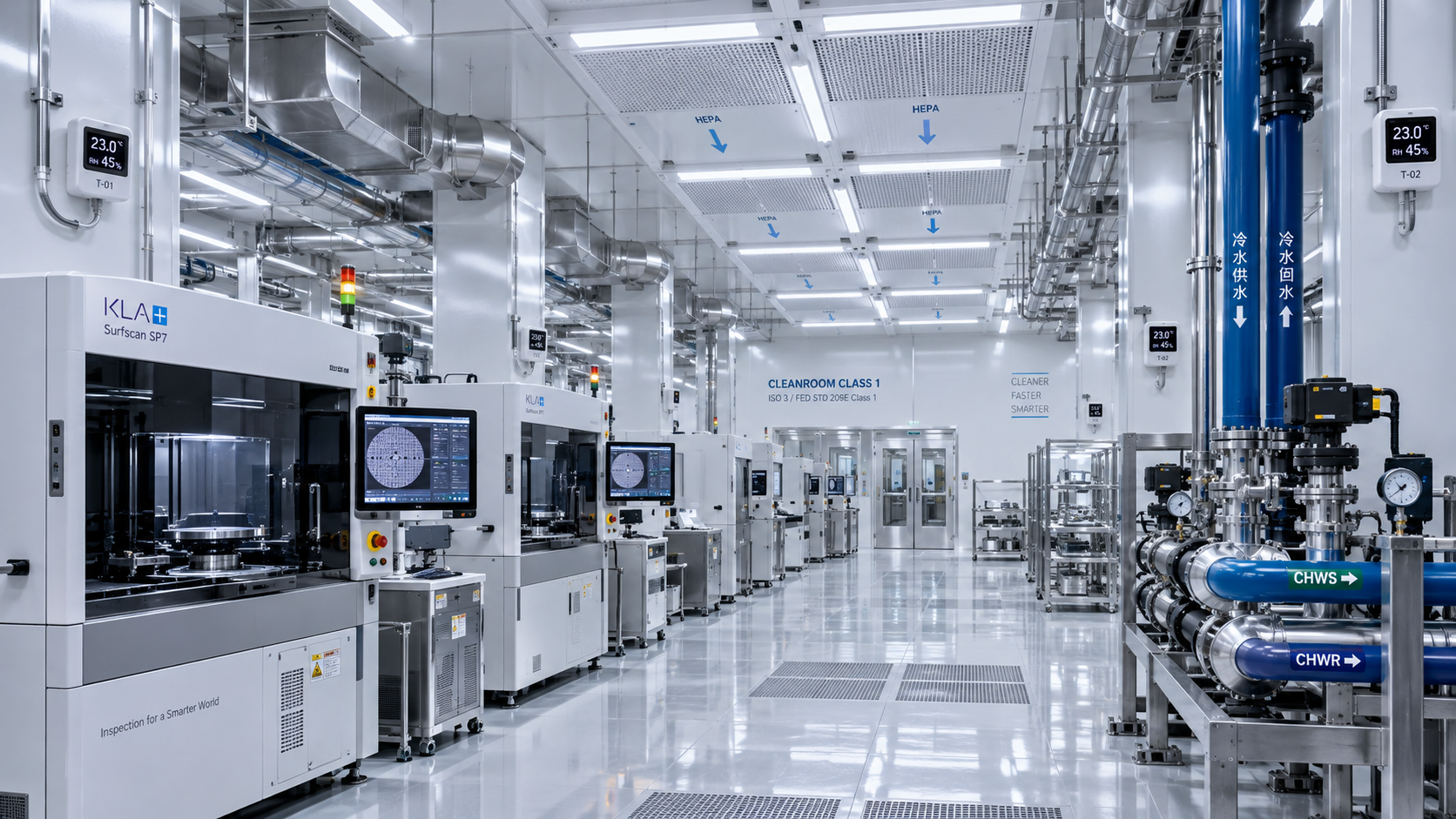
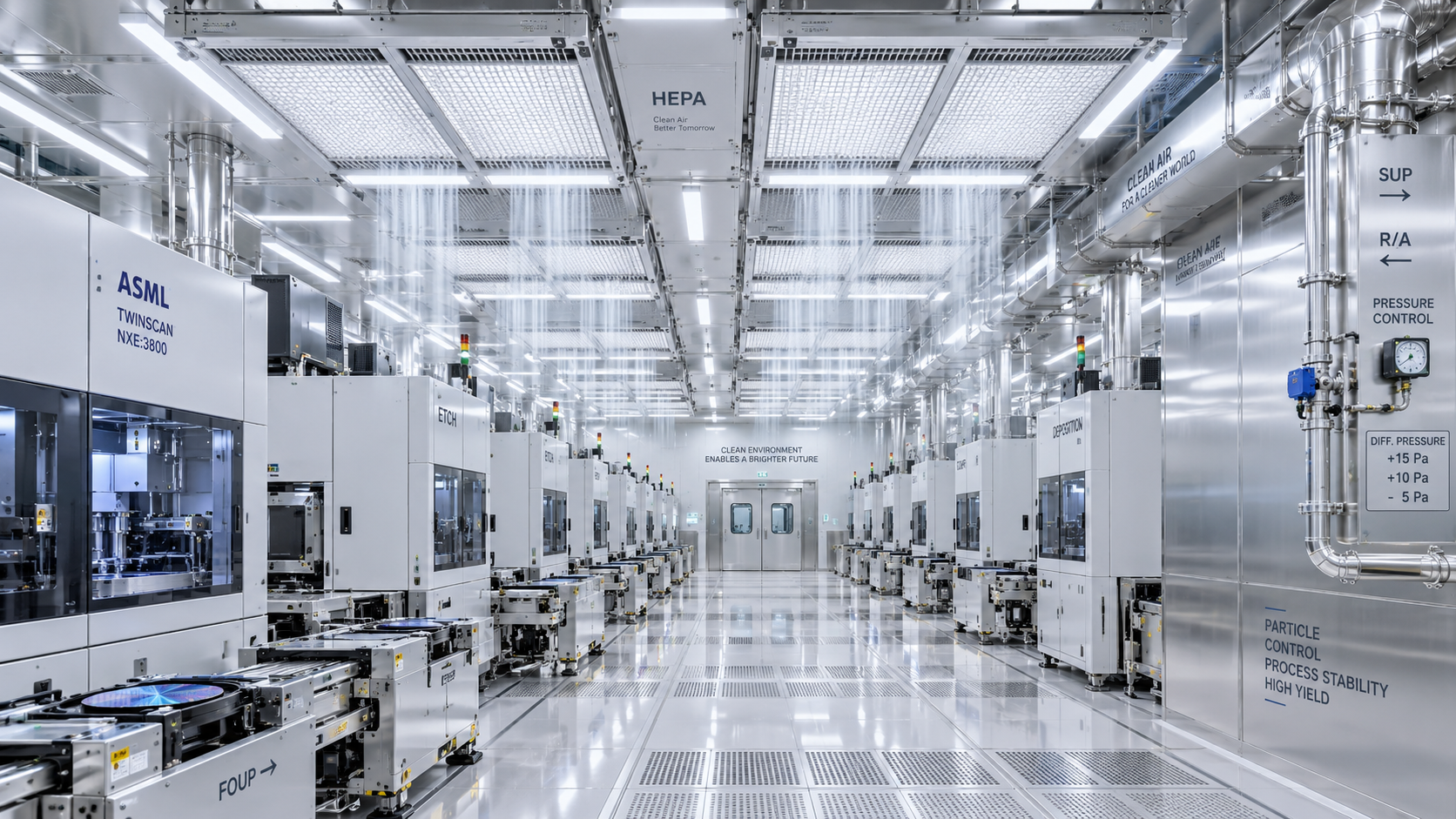
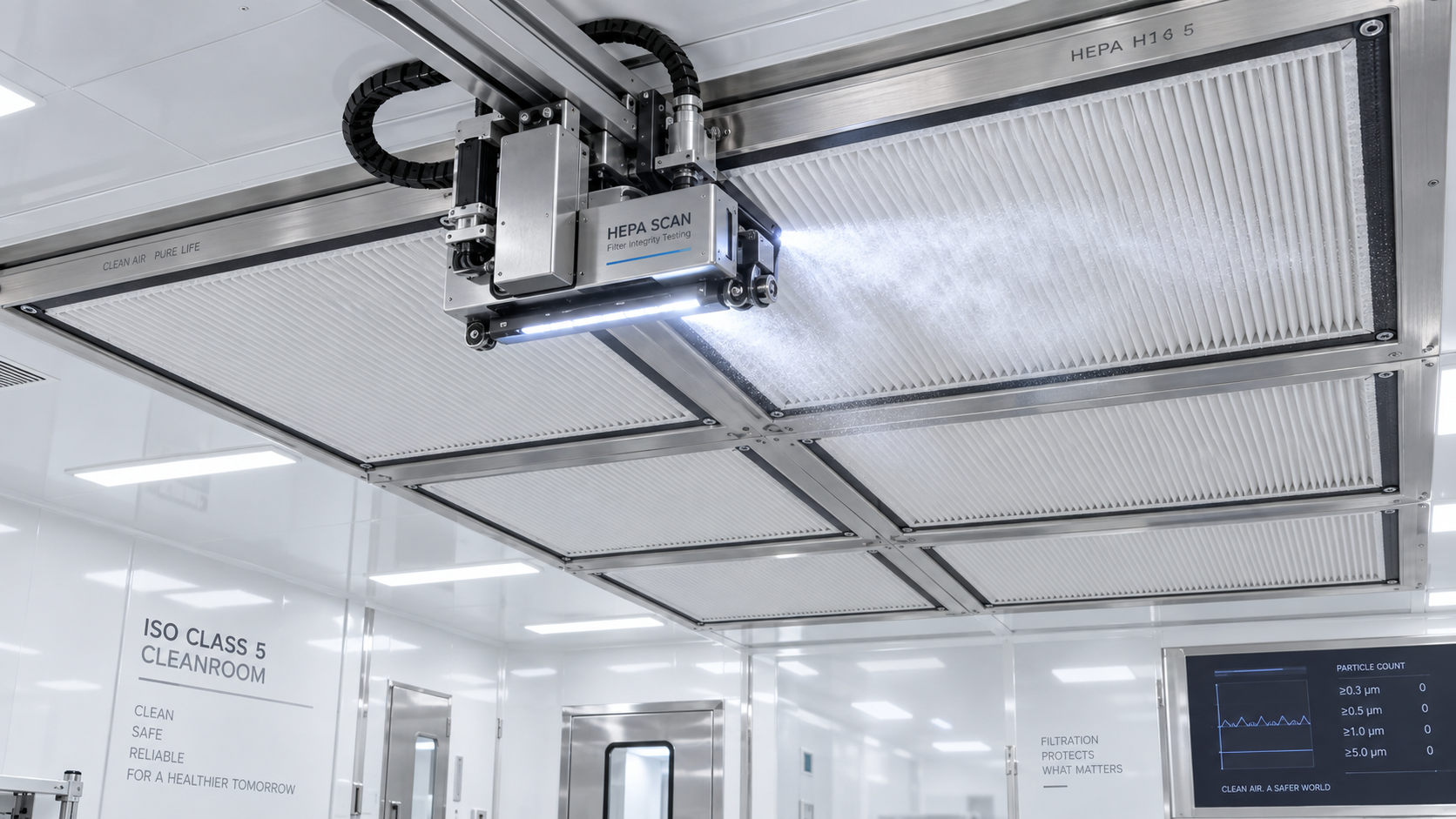
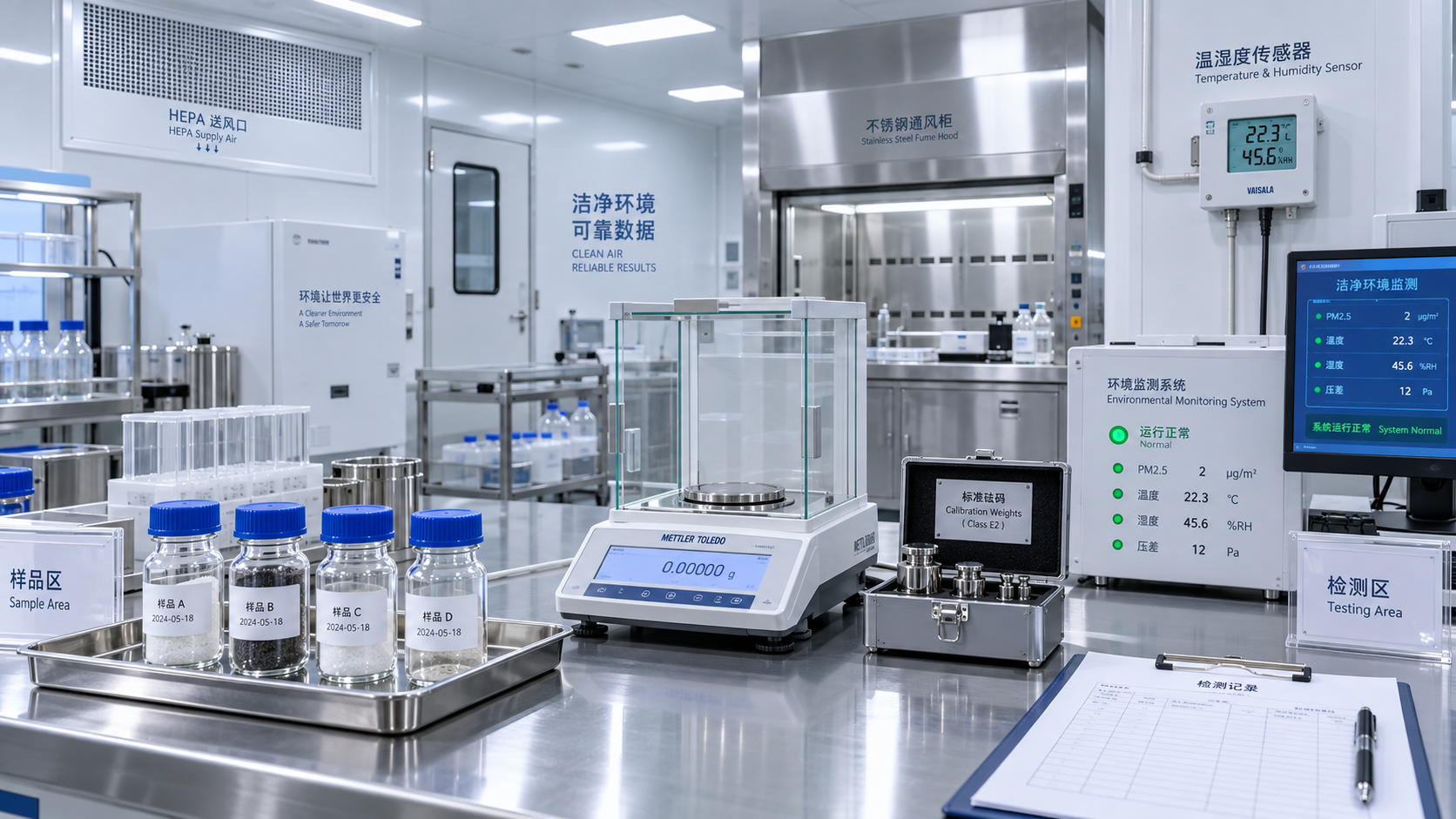
Although almost every large facility can benefit from more efficient cooling, some environments are especially well suited to advanced thermal strategies with heat recovery. Cleanrooms and contamination-controlled manufacturing sites often run substantial air-handling and process cooling loads continuously, making them strong candidates for optimization. Precision thermal management is already mission-critical in these spaces, so efficiency gains can be pursued without changing the fundamental business priority of environmental control.
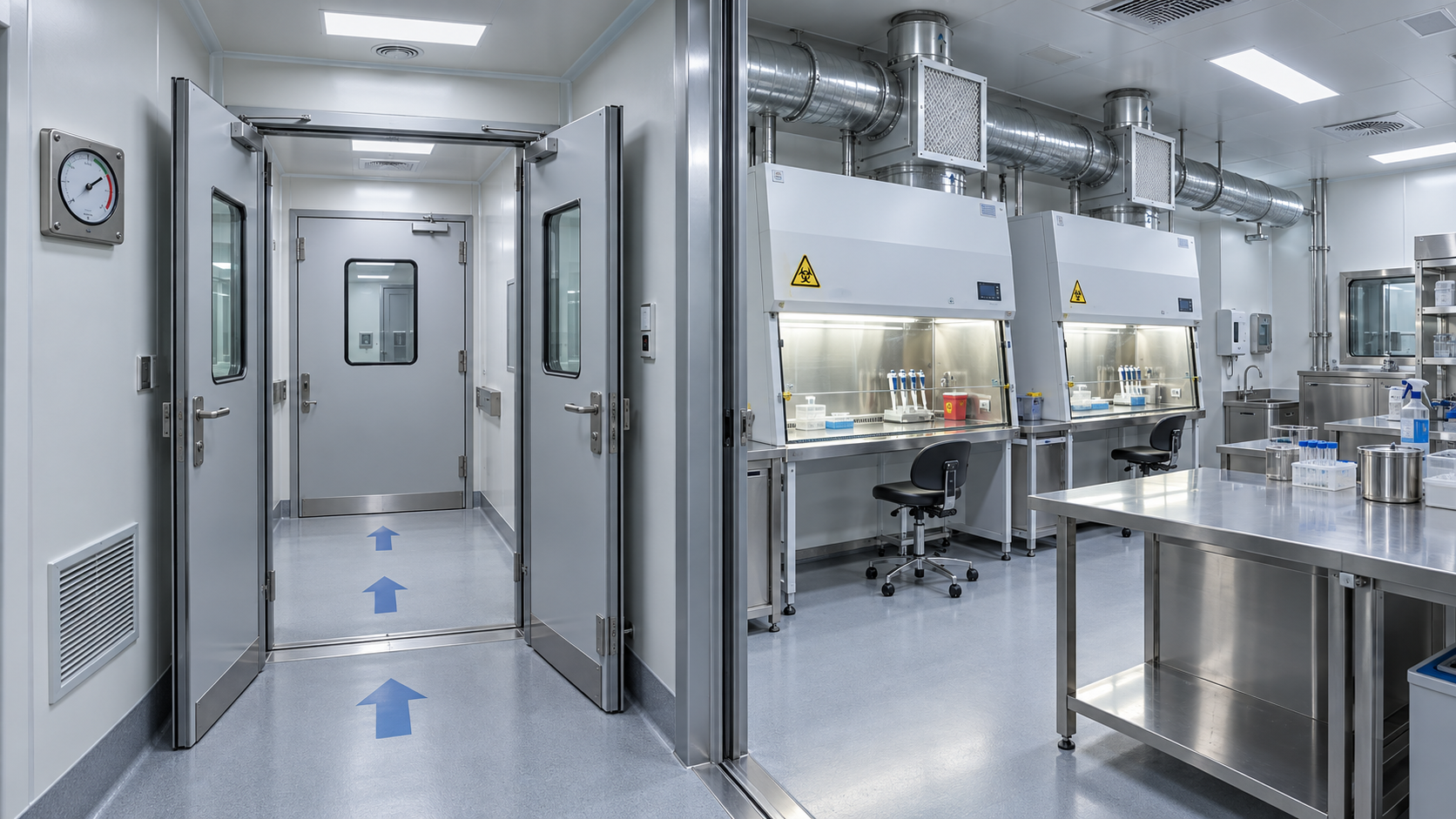
Pharmaceutical and life science facilities are another important category. They frequently require strict temperature and humidity control, high air change rates, and validated operating conditions. Sustainable cooling technology can help reduce the energy penalty associated with these requirements, especially when heat recovery is used for reheat, hot water, or support systems. The key is designing for validation integrity and biosafety rather than applying generic commercial building solutions.
Data-rich technical environments, including advanced computing and electronics production, also present major opportunities. High, stable cooling loads can create strong conditions for both efficient cooling production and usable heat recovery. As organizations pursue digital expansion while facing emissions targets, these facilities are becoming a central arena for integrated cooling strategy.
Even mixed-use industrial campuses can benefit when thermal loads are viewed at the site level instead of by individual building. One process may need cooling while another requires heat. The more an organization can connect these loads through a coordinated utility strategy, the more value sustainable cooling technology can unlock.
Common executive concerns and how to address them
A common concern is that sustainable cooling technology sounds attractive in theory but becomes too complex in practice. This risk is real if systems are overengineered or poorly integrated. The solution is not to avoid innovation but to insist on design discipline: clear operating sequences, maintainable equipment selection, interoperable controls, and phased commissioning that proves performance before full reliance.
Another concern is whether heat recovery can be counted on financially. The answer depends on project rigor. If assumptions about thermal demand, control logic, and operating hours are weak, projected gains may disappoint. If those inputs are carefully validated, heat recovery can be one of the most reliable sources of additional value in a cooling upgrade.
Some leaders also worry about disruption during retrofit. In active manufacturing or regulated environments, this is a legitimate barrier. Successful programs typically address it through staged implementation, temporary redundancy, off-site fabrication where possible, and commissioning plans aligned with production windows. The more mission-critical the facility, the more important execution planning becomes.
Finally, there is the question of technology lock-in. Decision-makers should prefer open, standards-aligned architectures that support future equipment additions, analytics tools, and reporting requirements. Flexibility matters because thermal strategy is increasingly tied to enterprise digitization, utility volatility, and evolving sustainability regulation.
A practical decision framework for enterprise leaders
If your organization is evaluating sustainable cooling technology, begin with a site-level thermal map rather than an equipment shortlist. Identify where cooling is consumed, where heat is rejected, where heating demand exists, and how those loads vary over time. This reveals whether the real opportunity lies in chiller replacement, heat recovery, control optimization, load balancing, or a combination of all four.
Next, define success metrics in business terms. These may include energy intensity reduction, recovered heat utilization, avoided carbon emissions, uptime protection, compliance support, and payback range. Align these metrics across operations, engineering, finance, and ESG stakeholders early. Many projects stall not because the technology is weak, but because departments evaluate value differently.
Then require performance-based design and verification. Ask suppliers and engineering partners to show how the system will perform under part load, in shoulder seasons, during maintenance events, and under future expansion scenarios. Demand a monitoring plan that can confirm whether projected gains are actually achieved after commissioning.
Most importantly, treat cooling and heat recovery as strategic infrastructure, not as isolated mechanical upgrades. In advanced industrial environments, thermal management shapes energy performance, product quality, resilience, and environmental credibility at the same time. The organizations that recognize this are better positioned to control costs while meeting increasingly strict operational and sustainability expectations.
Conclusion: sustainable cooling technology is valuable when it delivers measurable system-wide outcomes
For enterprise decision-makers, the promise of sustainable cooling technology should be judged by outcomes, not slogans. The strongest projects lower energy use, convert waste heat into useful value, support precision environmental control, and strengthen resilience in mission-critical operations. That combination is what turns cooling from a cost center into a strategic lever.
Real heat recovery gains are not automatic, but they are increasingly achievable with the right thermal mapping, engineering integration, and digital control. In facilities where cooling loads are substantial and continuous, the opportunity can be significant. The most successful organizations will be those that evaluate sustainable cooling technology through a business lens: measurable savings, operational fit, compliance strength, and long-term adaptability.
In other words, the question is no longer whether sustainable cooling technology matters. For high-performance enterprises, the real question is how quickly they can turn thermal waste into competitive advantage.
Get weekly intelligence in your inbox.
No noise. No sponsored content. Pure intelligence.
 Oct 21, 2026How often is cleanroom certification required under ISO 14644-2?Cleanroom Certification is generally recommended annually under ISO 14644-2. Learn when risk-based extensions apply and which changes trigger earlier testing to plan with confidence.
 Oct 21, 2026FASEB Comments on NIH Draft Policy for Research Involving BiohazardsFASEB comments on NIH’s draft biohazard research policy call for risk-based biosafety oversight. Explore potential implications for laboratories, suppliers, and compliance teams.
 Oct 20, 2026How to disinfect ultrasound machines without damaging surfacesLearn how to disinfect ultrasoundmachines without surface damage. Explore compatible products, wet contact times, and probe care to protect patients and equipment.
 Oct 20, 2026Ultrapure Water in Semiconductor Manufacturing: Reuse and Quality Control InsightsExplore ultrapure water reuse in semiconductor manufacturing, key UPW quality benchmarks and analytical insights to help evaluate suppliers and protect process purity.
 Oct 19, 2026How cooling affects warpage in injection-molded consumer electronics housingsOptimize plastic injection molding for consumer electronics with cooling strategies to reduce housing warpage and improve assembly fit. Discover practical checks for stable, efficient production.
 Oct 18, 2026Can air leaks prevent a dehumidifier from holding its target dew point?Why can't our dehumidifier maintain the target dew point? Discover how air leaks increase moisture loads, spot hidden faults, and find practical fixes to restore reliable dew-point control.
 Oct 17, 2026How semiconductor process water treatment removes trace organicsSee how semiconductor process water treatment removes trace organics with RO, UV oxidation, and polishing. Learn how TOC monitoring helps verify purity and pinpoint contamination.
 Oct 16, 2026How to choose ultra pure water piping materials to limit leachingChoose ultra pure water piping with confidence. Compare PVDF, PFA, and stainless steel, assess leaching risks, and learn how to qualify your system for reliable purity.
 Oct 15, 2026How to size a skid-mounted deionized water system for peak demandCompare deionized water systems skid configurations for peak demand. Learn how to balance production, storage, and pump capacity to prevent shortages and avoid costly oversizing.
 Oct 14, 2026When is collaborative laboratory robotics suitable for sample sorting?Explore when collaborative laboratory robotics suits sample sorting. Discover key checks for safety, traceability, container compatibility, and throughput before choosing your solution.
 Oct 13, 2026How sandwich panel joints affect airtightness in cleanroom systemsCleanroom Systems sandwich panels need reliable joints for airtightness. Discover how gaskets, sealants, and testing help reduce leakage and protect cleanroom pressure control.
 Oct 12, 2026How to verify USP compliance for ultra pure water systemsUltra Pure Water Systems USP compliance: learn how to verify water quality, sampling, sanitization, trends, and validation controls at every point of use.
 Oct 11, 2026How tight temperature control prevents cleanroom process driftCleanroom process temperature control systems prevent costly drift by stabilizing critical conditions, improving repeatability, and protecting sensitive production workflows.
 Oct 10, 2026When does organic contaminant removal require TOC treatment?Organic contaminant removal requires TOC treatment when dissolved organics threaten product quality, equipment reliability, or process control. Learn how to assess risks and choose the right solution.
 Oct 08, 2026What affects lead times for sheet metal bending services in Canada?Sheet metal bending services Canada: discover how material supply, tooling, tolerances, finishing, documentation, and freight affect lead times for reliable project delivery.
 Oct 07, 2026How HVAC design for semiconductor fabs prevents airborne contaminationHVAC design for semiconductor fabs prevents airborne contamination through advanced filtration, pressure cascades, airflow control, and real-time monitoring. Explore key strategies for cleaner, more reliable wafer production.
 Oct 06, 2026How photovoltaic modules waterproof technology prevents moisture damagephotovoltaic modules waterproof technology prevents moisture damage with durable seals, drainage, and junction-box protection. Explore practical selection and testing insights.
 Oct 05, 2026How ISO 14644 Europe requirements affect cleanroom qualificationISO 14644 Europe requirements shape cleanroom qualification, from particle classification and recovery testing to monitoring, GMP alignment, and change control.
 Oct 04, 2026How to assess a pharmaceutical cleanroom solutions supplier’s ISO capabilityPharmaceutical Cleanroom Solutions supplier assessment guide: evaluate ISO 14644 capability, validation evidence, airflow design, documentation, and long-term GMP readiness.
 Oct 03, 2026What EU standards govern the design of BSL-3 laboratories in Europe?BSL-3 laboratories Europe: explore EU directives, EN standards, HVAC containment, commissioning, and practical design strategies for compliant, resilient high-containment facilities.
 Oct 02, 2026How EN 1822 defines HEPA filtration efficiency for cleanroomsHEPA filtration EN 1822 explained: learn how MPPS testing, local leakage limits, and filter classes support reliable cleanroom decisions.
 Oct 01, 2026How pharmaceutical process water systems control microbial riskProcess water systems pharmaceutical teams rely on can control microbial risk through hygienic design, monitoring, and validated sanitization. Explore practical compliance strategies.
 Sep 30, 2026When does a negative pressure laboratory need BSL-3 containment?Negative pressure laboratory or BSL-3? Discover the risk factors, engineering controls, and containment requirements needed for safe, compliant laboratory planning.
 Sep 29, 2026How to evaluate a TOC-zero water treatment supplier for UPW systemsChoose a TOC-zero water treatment supplier with confidence. Compare UPW performance, monitoring, validation, materials, service capability, and lifecycle cost.
 Sep 28, 2026What drives sustainable cooling cost in high-precision facilities?Sustainable cooling cost in high-precision facilities depends on thermal stability, energy, water, controls, and resilience. Explore smarter lifecycle strategies.
 Sep 27, 2026How to compare freight forwarding services for time-critical shipmentsCompare freight forwarding services for time-critical shipments with practical insights on routing, customs, visibility, specialized handling, and contingency planning.
 Sep 26, 2026How environmental integrity in laboratories supports reliable test resultsEnvironmental Integrity in laboratories safeguards samples, instruments, and staff. Discover practical controls for contamination, monitoring, and reliable test results.