HVAC System Redundancy: How Much Backup Is Enough for Mission-Critical Facilities?
In mission-critical facilities, HVAC system redundancy is not simply about adding spare capacity—it is about balancing uptime, risk tolerance, compliance, and lifecycle cost. For technical evaluators in sectors such as semiconductors, pharmaceuticals, and high-containment labs, the real question is how much backup is truly necessary to protect process stability, environmental control, and operational resilience without overengineering the system.
The short answer is that “enough” redundancy depends less on a generic N+1 rule and more on what failure your facility must survive without losing control of temperature, humidity, pressure cascade, particulate levels, or containment integrity. In practice, the right HVAC system redundancy strategy is the one that maintains critical environmental conditions through the most credible failure scenarios, while still remaining economically and operationally defensible.
What technical evaluators are really trying to determine
When people search for guidance on hvac system redundancy, they are usually not looking for a textbook definition. They want a decision framework. Specifically, they need to know how to size backup capacity, where redundancy matters most, what level is justified by risk, and how to explain that recommendation to stakeholders focused on cost, compliance, and uptime.
For technical evaluation teams, the central concern is not whether redundancy is beneficial. It is where redundancy creates measurable resilience and where it simply adds capital cost, maintenance burden, and control complexity. In clean manufacturing and regulated environments, this distinction matters because excessive complexity can become its own reliability risk.
That is why the best redundancy decisions begin with consequences, not equipment counts. Ask first: what happens if this component fails, how quickly does the room drift out of spec, what product, process, safety, or regulatory impact follows, and how much recovery time is acceptable? Once those answers are clear, the architecture becomes easier to justify.
Start with failure consequences, not with redundancy formulas
Many teams default to shorthand models such as N+1, N+2, or 2N. These labels are useful, but only after the facility’s operating priorities are defined. A semiconductor lithography zone, a sterile fill-finish suite, and a BSL laboratory may all require redundancy, yet the acceptable failure modes and recovery windows are very different.
For example, in a semiconductor fab, a short temperature deviation can disrupt yield, metrology stability, or process repeatability. In a pharmaceutical cleanroom, the bigger concern may be preserving pressure differentials, contamination control, and validated operating conditions. In a containment lab, loss of directional airflow or exhaust function can become a life-safety event rather than merely an operational one.
That means the proper question is not “Should we use N+1?” but “What environmental parameters must remain within control after a single failure, during maintenance, during restart, and under utility disturbance?” If a process cannot tolerate even brief instability, redundancy must include not only spare hardware but also seamless controls, power continuity, and isolation strategy.
Technical evaluators should therefore build the redundancy case around defined failure scenarios: chiller trip, fan failure, control sensor drift, valve failure, pump outage, utility interruption, coil fouling, filter loading, or loss of one air-handling unit. If the architecture cannot maintain critical conditions through the most likely and most severe scenarios, the nominal redundancy label is misleading.
Which HVAC subsystems usually deserve the highest redundancy priority
Not every HVAC component needs the same backup philosophy. In most mission-critical facilities, redundancy should be concentrated where failure would cause the fastest or most damaging loss of environmental control. This often means evaluating the system as layers rather than as one monolithic plant.
Air movement is typically one of the highest priorities. If supply or exhaust fans fail in a critical zone, room pressure relationships and air change rates can collapse quickly. In high-containment or aseptic environments, this may be unacceptable within minutes. Redundant fan arrays, parallel AHUs, or distributed ventilation strategies can often provide more practical resilience than oversizing central cooling alone.
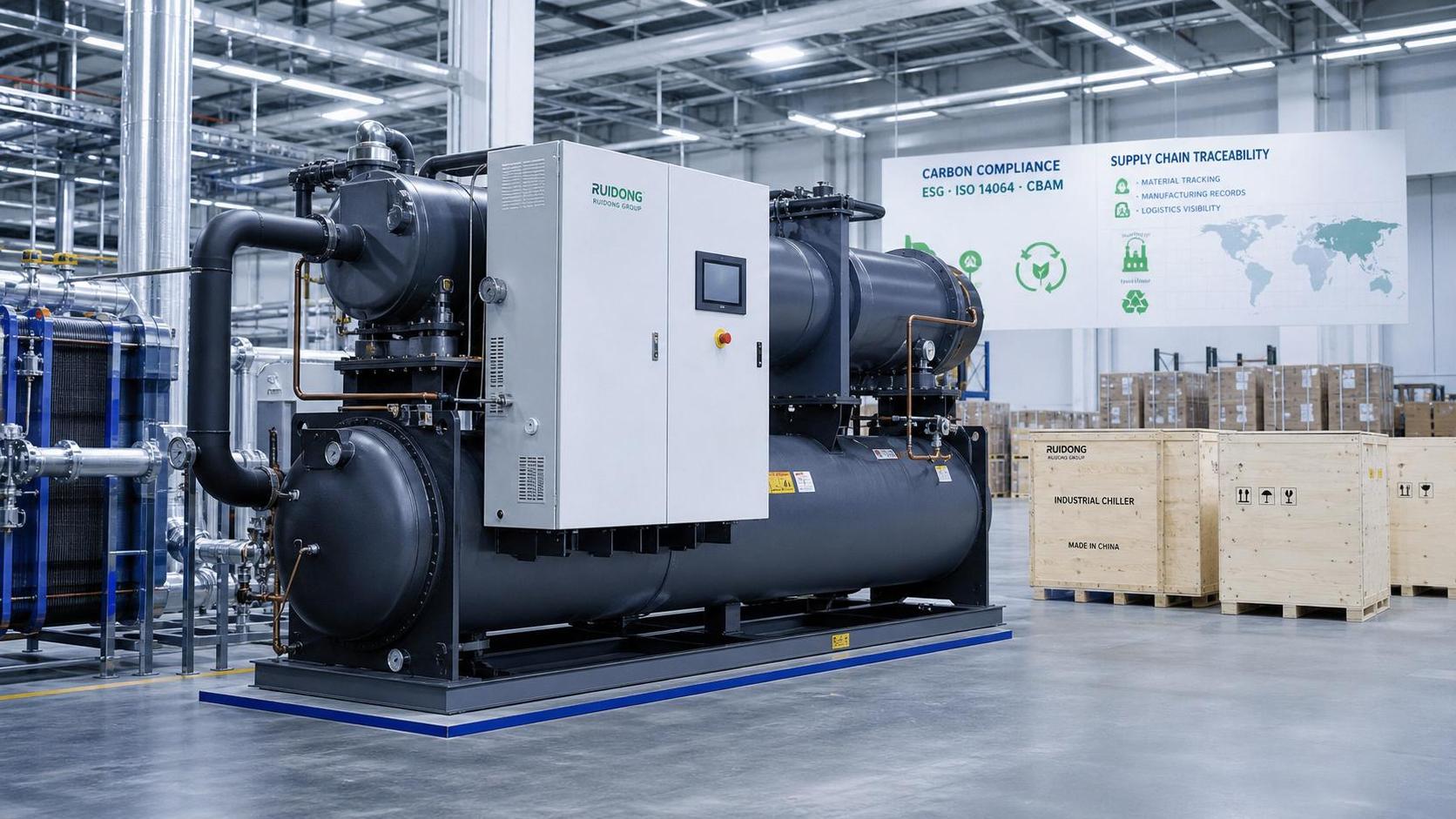
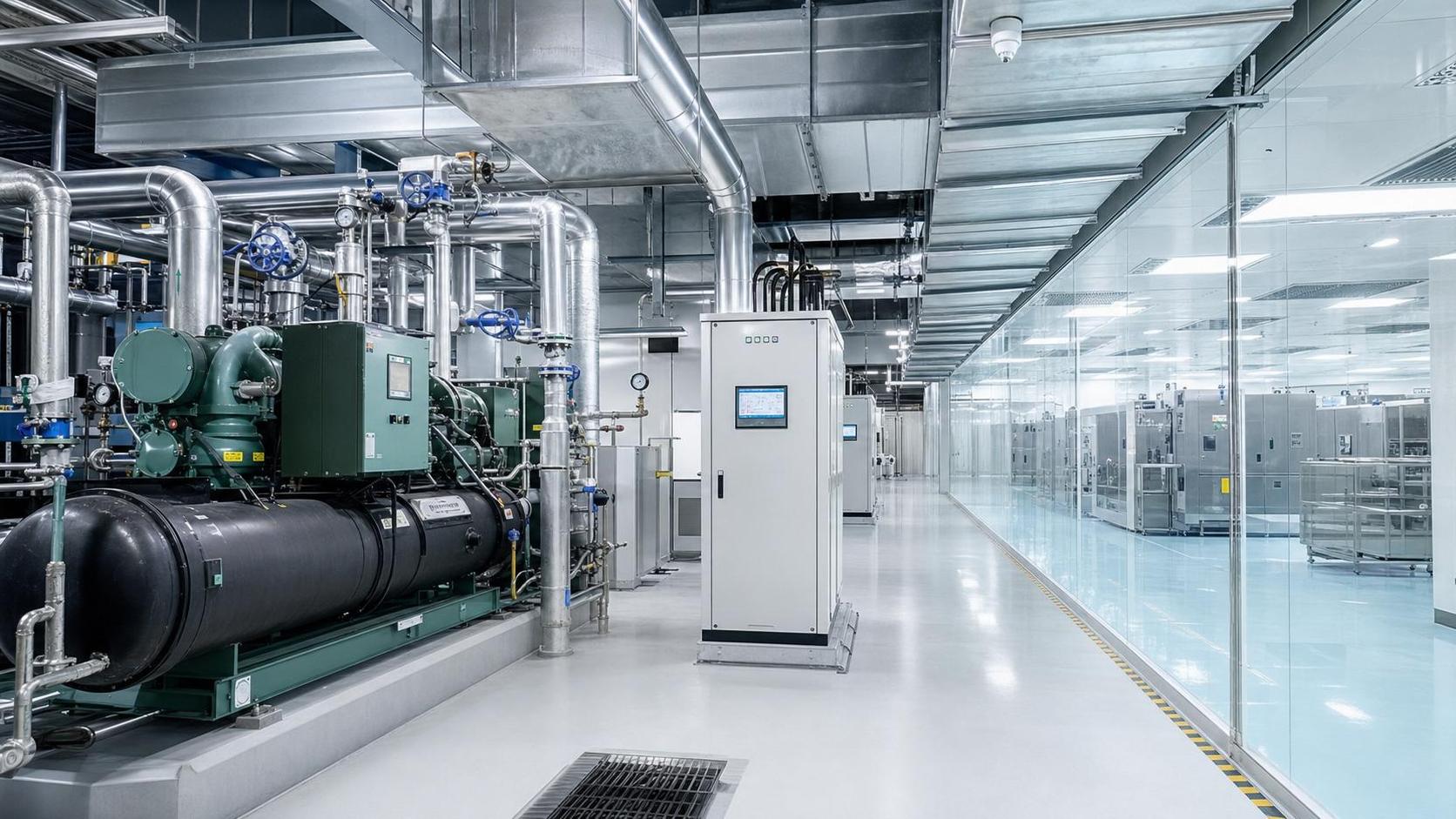
Cooling generation is also a common focus, especially where process loads and tight temperature tolerances intersect. Chillers, condenser water pumps, chilled water pumps, and heat rejection systems should be assessed together, because a redundant chiller without redundant pumping or controls does not create true continuity. The same logic applies to low-temperature process cooling loops serving precision tools or laboratory equipment.
Control systems deserve equal attention. A technically redundant mechanical plant can still fail functionally if the building automation system, network architecture, critical sensors, or sequence logic has single points of failure. For high-spec environments, sensor reliability, controller failover, and alarm escalation pathways are often underestimated compared with visible mechanical assets.
Finally, filtration and contamination-control elements may require strategic redundancy where cleanliness classifications are strict. In some cleanroom designs, fan filter unit zoning, bypass capability, and maintainability under live conditions can be more valuable than simply adding another large central unit. This is particularly relevant where shutdown access windows are limited or contamination recovery is costly.
How much backup is enough: practical benchmarks by risk level
There is no universal answer, but practical patterns do exist. For facilities where downtime is inconvenient yet manageable, partial redundancy on major equipment may be sufficient, especially if thermal inertia, process tolerance, and recovery windows are generous. In these cases, staged spare capacity and rapid serviceability may provide better value than full duplication.
For production environments with substantial product loss risk, a common target is single-failure tolerance. This often translates into N+1 capacity on the most critical cooling, air movement, and pumping systems, combined with controls that automatically reconfigure during equipment failure. The key is not just total installed tonnage or airflow, but whether useful capacity remains available under real operating conditions.
At the highest criticality level, such as certain semiconductor process zones, validated pharmaceutical spaces, or high-risk containment labs, the design may need to survive both failure and maintenance simultaneously. That can justify 2N or concurrently maintainable architectures for selected subsystems. However, full 2N across the entire HVAC infrastructure is rare unless the consequence of interruption is extreme and financially or legally indefensible.
A helpful way to frame sufficiency is to ask whether the system can support four operating states: normal operation, maintenance mode, single equipment failure, and restart after disturbance. If environmental control fails under any of those states in a way the process cannot tolerate, redundancy is probably insufficient. If all four states are covered but complexity becomes excessive, the design may be beyond what is necessary.
Why overengineering can reduce reliability instead of improving it
More equipment does not automatically mean more resilience. Beyond a certain point, additional backup introduces extra valves, dampers, sensors, control sequences, changeover logic, and maintenance tasks. Each added layer creates another opportunity for configuration error, hidden dependency, or failed transition during an actual event.
This is especially true in facilities that demand tight environmental precision. A heavily redundant system with poor sequence tuning may struggle with stability during normal operation, causing oscillation, hunting, or unnecessary simultaneous heating and cooling. For spaces requiring ultra-tight temperature or humidity control, system simplicity and controllability can be just as important as spare capacity.
Overengineering also affects lifecycle cost in ways that are often understated during concept design. More assets mean more qualification work, more spare parts, more calibration, more preventive maintenance, and more operator training. In regulated industries, they may also mean more documentation, deviation investigation, and revalidation effort when changes occur.
For technical evaluators, this is where disciplined scope control matters. Redundancy should protect critical functions, not duplicate every component by default. The best designs are selective, scenario-based, and operationally testable.
A better evaluation method: map redundancy to critical environmental outcomes
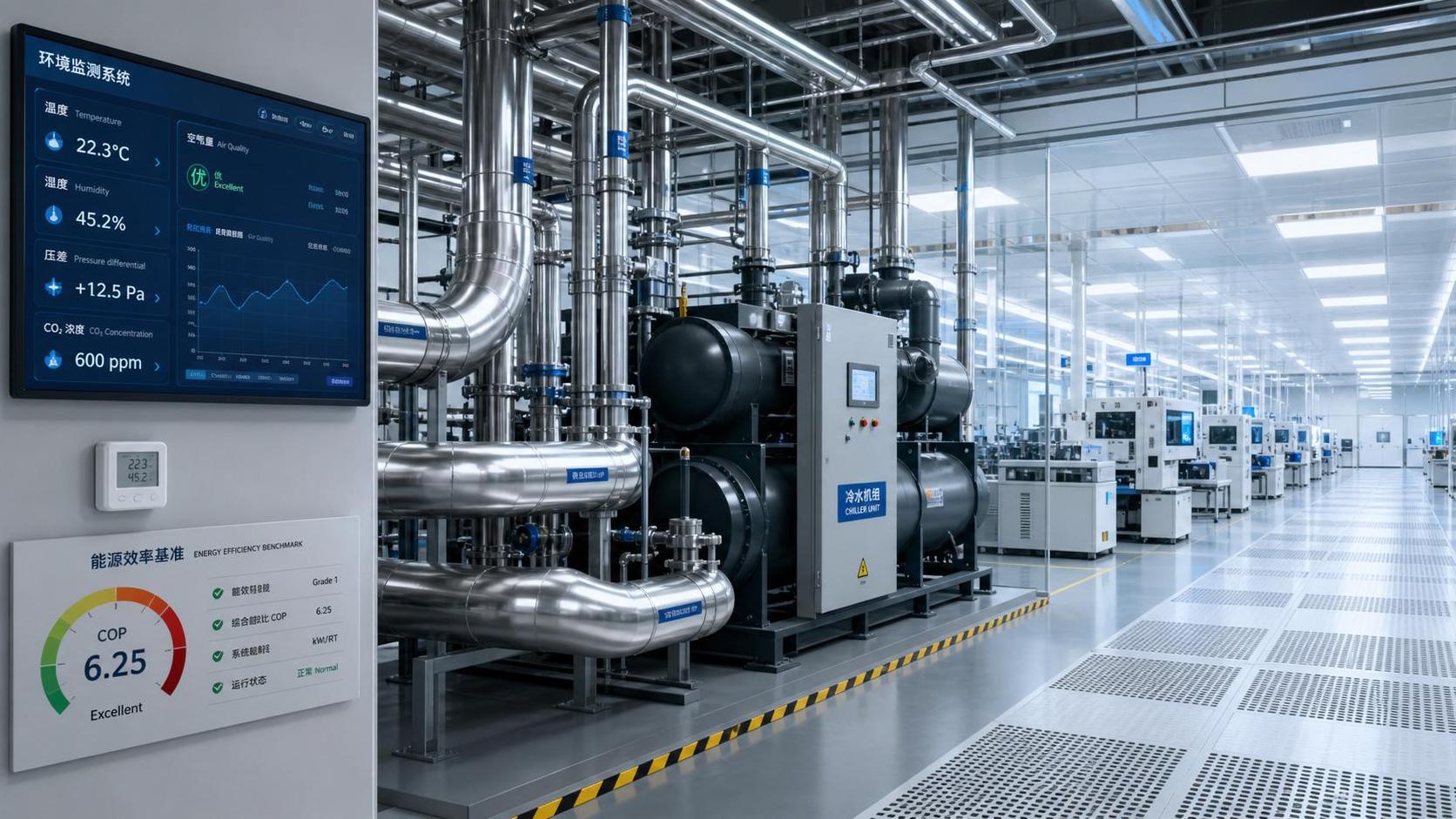
One effective way to assess hvac system redundancy is to evaluate the environmental outcomes that must be preserved rather than focusing only on equipment lists. In many mission-critical spaces, the non-negotiable outcomes are stable temperature, stable humidity, pressure cascade integrity, contamination control, and safe exhaust or containment performance.
Begin by assigning each outcome a consequence rating. What is the impact of deviation: reduced efficiency, product scrap, batch rejection, regulatory breach, worker hazard, biosecurity event, or extended restart? Then estimate time-to-failure. Some rooms can drift for hours; others become noncompliant in minutes. This time dimension strongly influences whether centralized redundancy is enough or whether local resilience is required.
Next, identify hidden single points of failure. These often include shared headers, common controls, one-sided electrical distribution, single chemical treatment systems, one network switch, one differential pressure sensor controlling a critical cascade, or one maintenance procedure that requires shutdown of an otherwise redundant path. Real redundancy depends on independence as much as capacity.
After that, test maintainability. Can filters be changed, coils serviced, or instruments calibrated without taking the critical space out of control? A system that is redundant during emergencies but not during planned maintenance may still create unacceptable operational risk. For many advanced facilities, concurrent maintainability is more relevant than a headline redundancy ratio.
How compliance and industry standards influence redundancy decisions
Standards rarely prescribe one fixed redundancy model, but they do shape the minimum acceptable risk posture. ASHRAE guidance, ISO cleanroom requirements, biosafety frameworks, and sector-specific expectations such as SEMI or GMP practices all influence what evaluators must defend. The issue is often not whether a standard says “use N+1,” but whether the facility can continuously achieve its required environmental performance.
In regulated pharmaceutical operations, for example, redundancy may be justified by the need to sustain validated conditions, maintain pressure relationships, and avoid batch loss or compliance exposure. In semiconductor settings, the business driver may be yield preservation, tool uptime, and protection of highly sensitive thermal processes. In containment labs, the legal and safety burden around airflow integrity can dominate the design basis.
Because of this, redundancy decisions should be documented through risk assessment language that compliance, quality, EHS, and operations teams can all understand. That means linking each redundancy feature to a controlled risk: contamination ingress, temperature excursion, cross-contamination, loss of containment, or unacceptable recovery time. This creates a stronger approval case than relying on generic best practice alone.
Questions technical evaluators should ask before approving a redundancy strategy
Before recommending a final architecture, evaluators should ask several direct questions. What exact failure scenarios must the facility ride through without process interruption? How long can each critical space remain within spec if active conditioning is reduced? Which utility failures are in scope: mechanical only, electrical only, or both?
They should also ask whether redundancy is local or systemic. Does the backup capacity actually serve the critical zone under all valve and control states? Can the transition occur automatically, and has the sequence been tested under load? Are there any common-mode failure risks that defeat the intended resilience, such as shared control panels or shared pipe routing in one vulnerable area?
Another key question is whether the design supports phased degradation. In some facilities, maintaining full design conditions is unnecessary during a fault if a protected reduced mode can preserve safety and product integrity. This approach can reduce oversizing while still meeting mission-critical objectives.
Finally, technical teams should challenge the cost case with lifecycle realism. Does the added redundancy reduce expected downtime enough to justify capital and maintenance burden? If not, would investments in controls reliability, monitoring, predictive maintenance, or compartmentalization produce a better resilience outcome?
The most defensible answer: enough backup to survive credible failures without losing the mission
So, how much backup is enough for mission-critical facilities? Enough is the level of HVAC system redundancy that allows the facility to endure its credible failure scenarios, maintain its truly critical environmental outcomes, and recover without disproportionate business, compliance, or safety impact.
For many facilities, that means selective N+1 design across high-impact subsystems, elimination of hidden single points of failure, and strong control-system resilience. For the most sensitive environments, it may mean concurrent maintainability or 2N architecture in targeted areas. What it does not mean is applying the same redundancy level everywhere without regard to process sensitivity or failure consequence.
The most effective redundancy strategy is not the largest one. It is the one that is risk-based, testable, maintainable, and aligned with operational reality. For technical evaluators, that is the standard worth using: not “How much backup can we add?” but “What level of backup protects the mission with the least unnecessary complexity?”
In the end, redundancy should be engineered as a business-critical control measure, not as a symbolic design upgrade. When tied directly to uptime, environmental integrity, and compliance resilience, it becomes far easier to define what is necessary, what is excessive, and what will deliver the highest long-term value.
Get weekly intelligence in your inbox.
No noise. No sponsored content. Pure intelligence.
 Jun 20, 2026The Impact of CBAM on Chillers: Cost Risks and Sourcing ChoicesImpact of CBAM on chillers: learn how carbon rules can raise landed costs, affect supplier choice, and reshape sourcing strategy. Compare bids smarter and reduce compliance risk.
 Jun 20, 2026RGB LED Strips: Common Failures and How to Prevent ThemRGB LED strips often fail from voltage drop, heat, poor connections, and moisture. Learn practical prevention tips to improve reliability and reduce maintenance.
 Jun 20, 2026HVAC Digital Twin: What to Check Before DeploymentHVAC digital twin deployment starts with the right checks. Learn how to assess model fidelity, data quality, control logic, compliance, and cybersecurity before approval.
 Jun 20, 2026How Photovoltaic Modules for Agricultural Use Perform in Harsh Field ConditionsPhotovoltaic modules for agricultural use must endure dust, heat, moisture, and impact. Learn what drives field reliability and how to choose modules for stable farm energy output.
 Jun 20, 2026Energy Efficiency Benchmarks That Matter in 2026Energy efficiency benchmarks for 2026 focus on process stability, thermal precision, airflow, water performance, and compliance—see which metrics truly improve uptime and ROI.
 Jun 20, 2026SAP-Air Pilot Makes EPCIS Data Mandatory for ExportsSAP-Air pilot makes EPCIS data mandatory for exports from Sept. 1, 2026. Learn how GS1 EPCIS v2.3 air-quality and traceability rules may impact customs clearance.
 Jun 20, 2026MFDS Tightens ZLD Certification on TOC TestingMFDS tightens ZLD certification on TOC testing in South Korea, requiring KOLAS-authorized GLP reports. Learn the compliance impact, higher costs, and what exporters must do now.
 Jun 20, 2026METI to Require JIS Class A Labels for 18.2 MΩ·cm UPW SystemsMETI to require JIS Class A labels for 18.2 MΩ·cm UPW systems from 2026. Learn how the new rule impacts Japan market access, compliance, and supplier readiness.
 Jun 20, 2026FDA Mandates Digital Twin Interface for BSL-3/4 EquipmentFDA Mandates Digital Twin Interface for BSL-3/4 Equipment starting July 1, 2026. Learn who is affected, key compliance risks, and what exporters must prepare now.
 Jun 20, 2026EU Battery Rules Tighten: Carbon Labels in August, Passport in 2027EU battery rules tighten with carbon labels from August 2026 and a digital battery passport in 2027. Learn how exporters and suppliers can avoid customs delays and stay market-ready.
 Jun 19, 2026Market Intelligence Trends Reshaping Industrial PlanningMarket Intelligence is reshaping industrial planning by linking compliance, performance, and investment decisions. Discover key trends driving smarter, lower-risk growth.
 Jun 19, 2026Manufacturing Analysis: 5 Signals of Hidden Process RiskManufacturing Analysis reveals 5 early signals of hidden process risk, from rising variation to conflicting data—helping teams protect quality, compliance, and uptime before failure hits.
 Jun 19, 2026Strategic Intelligence Reports: What Makes One Reliable?Strategic Intelligence Reports should do more than summarize trends. Learn the key signs of reliable reports, from transparent data and methodology to actionable insights that support smarter decisions.
 Jun 19, 2026How Voice Picking Systems Reduce Picking ErrorsVoice picking systems help warehouses reduce picking errors with hands-free guidance, location verification, and faster training. Learn how they improve accuracy, workflow, and operational efficiency.
 Jun 19, 2026Hydrogen Energy Costs in 2026: What Shapes ROI?Hydrogen energy costs in 2026 go far beyond production price. Discover what shapes ROI, from power and storage to compliance and site integration, and compare projects with confidence.
 Jun 19, 2026FDA Sets July 1 BSL-3/4 Digital Twin RuleFDA Sets July 1 BSL-3/4 Digital Twin Rule: Learn how the new FDA requirement affects 510(k)/PMA submissions, remote diagnostics, and compliance planning for biosafety equipment manufacturers.
 Jun 19, 2026Japan Sets JIS Class A Label Rule for UPW SystemsJapan Sets JIS Class A Label Rule for UPW Systems: learn how METI’s new Japan UPW energy labeling requirement could affect market access, procurement eligibility, and compliance planning before October 2026.
 Jun 19, 2026MFDS Tightens ZLD TOC Validation for Korea CertificationMFDS Tightens ZLD TOC Validation for Korea Certification: learn how the new KOLAS-based TOC evidence rules affect Korean ZLD approval, exporter compliance, and project timelines before Sept. 1, 2026.
 Jun 19, 2026Southeast Asia Customs Mandates EPCIS Data for Air Monitoring ImportsSoutheast Asia customs now mandate EPCIS 2.0 data for air monitoring imports. Learn how Singapore, Malaysia, and Vietnam rules may delay shipments 5–7 days and what exporters must do now.
 Jun 19, 2026EU REACH Adds AMC Filter SVHCs, SCIP Window Cut to 72 HoursEU REACH adds AMC filter SVHCs and cuts the SCIP window to 72 hours. Learn what this means for AMC filtration exports, compliance workflows, and EU delivery planning.
 Jun 18, 2026Strategic Intelligence Trends in 2026: Signals That Shape Market DecisionsStrategic Intelligence in 2026 reveals the signals shaping market decisions—from compliance and infrastructure to digital governance. Discover the trends driving smarter, faster business moves.
 Jun 18, 2026TWS Earbuds: 7 Specs That Affect Daily Comfort and Call QualityTWS earbuds buying guide: discover 7 key specs that shape daily comfort and call quality, from fit and weight to ANC, ENC, battery life, and Bluetooth stability.
 Jun 18, 2026Home Automation Systems: What Matters Most Before You UpgradeHome automation systems: learn what to check before you upgrade, from compatibility and security to scalability, costs, and energy savings, so you can choose a smarter, safer setup.
 Jun 18, 2026Server Room Cooling: Split vs Precision AC for Small IT SpacesServer room cooling made simple: compare split AC vs precision AC for small IT spaces, understand cost, uptime, humidity, and risk, and choose the right system with confidence.
 Jun 18, 2026Port Automation Tech: 5 Key Systems Cutting Vessel Turnaround TimePort automation tech is transforming terminal performance. Explore 5 key systems that cut vessel turnaround time, reduce bottlenecks, and boost port efficiency.
 Jun 18, 2026MFDS Tightens ZLD Certification With KOLAS TOC TraceabilityMFDS Tightens ZLD Certification With KOLAS TOC Traceability: learn how the 2026 rule reshapes compliance, testing timelines, and export planning for ZLD system suppliers.
 Jun 18, 2026ASEAN Customs Start IMP Checks for Smart SensorsASEAN customs IMP checks for Smart Sensors start August 1, 2026. Learn how GS1 EPCIS v2.0 firmware compliance affects exports, clearance delays, and supply chain planning.