When does organic contaminant removal require TOC treatment?
Organic contaminant removal requires dedicated TOC treatment when dissolved organic carbon is not merely a water-quality indicator, but a credible risk to the process, the product, downstream treatment performance, or a controlled environment. The decision should not be based on a single “high” TOC reading alone. It depends on where organics enter the system, whether they can reach a critical use point, how variable the load is, and whether a short breakthrough event would have unacceptable consequences.
For technical evaluation, the practical question is: can the existing treatment train reliably control the organic compounds that matter at the required point of use? If the answer is uncertain, or if the process has little tolerance for carbon-related contamination, a dedicated TOC reduction stage becomes a design requirement rather than an optional polishing measure.
TOC is a control parameter, not a complete contaminant description
Total organic carbon (TOC) measures the carbon content of organic matter in water. It does not identify every compound, its molecular size, volatility, toxicity, or process effect. That limitation matters because two water streams with similar TOC values can present very different risks.
A low molecular weight solvent residue, a cleaning chemical, a natural organic compound, microbial by-product, and material leached from polymer piping may all contribute to TOC. Their behavior through reverse osmosis, ion exchange, ultraviolet oxidation, activated carbon, ultrafiltration, or point-of-use polishing can differ substantially.
TOC treatment is therefore justified when TOC acts as a meaningful surrogate for a broader organic contamination risk. This is common where the process cannot tolerate trace film formation, chemical carryover, biological nutrient loading, oxidation demand, chromatography interference, or downstream membrane fouling. In less sensitive utility applications, TOC may be useful for trend monitoring without requiring a separate removal stage.
Situations where dedicated organic contaminant removal is usually warranted
The strongest case for TOC treatment arises when organic compounds can directly affect the intended use of water or process fluid. The following conditions should trigger a more rigorous evaluation.
Ultra-pure and high-purity process water
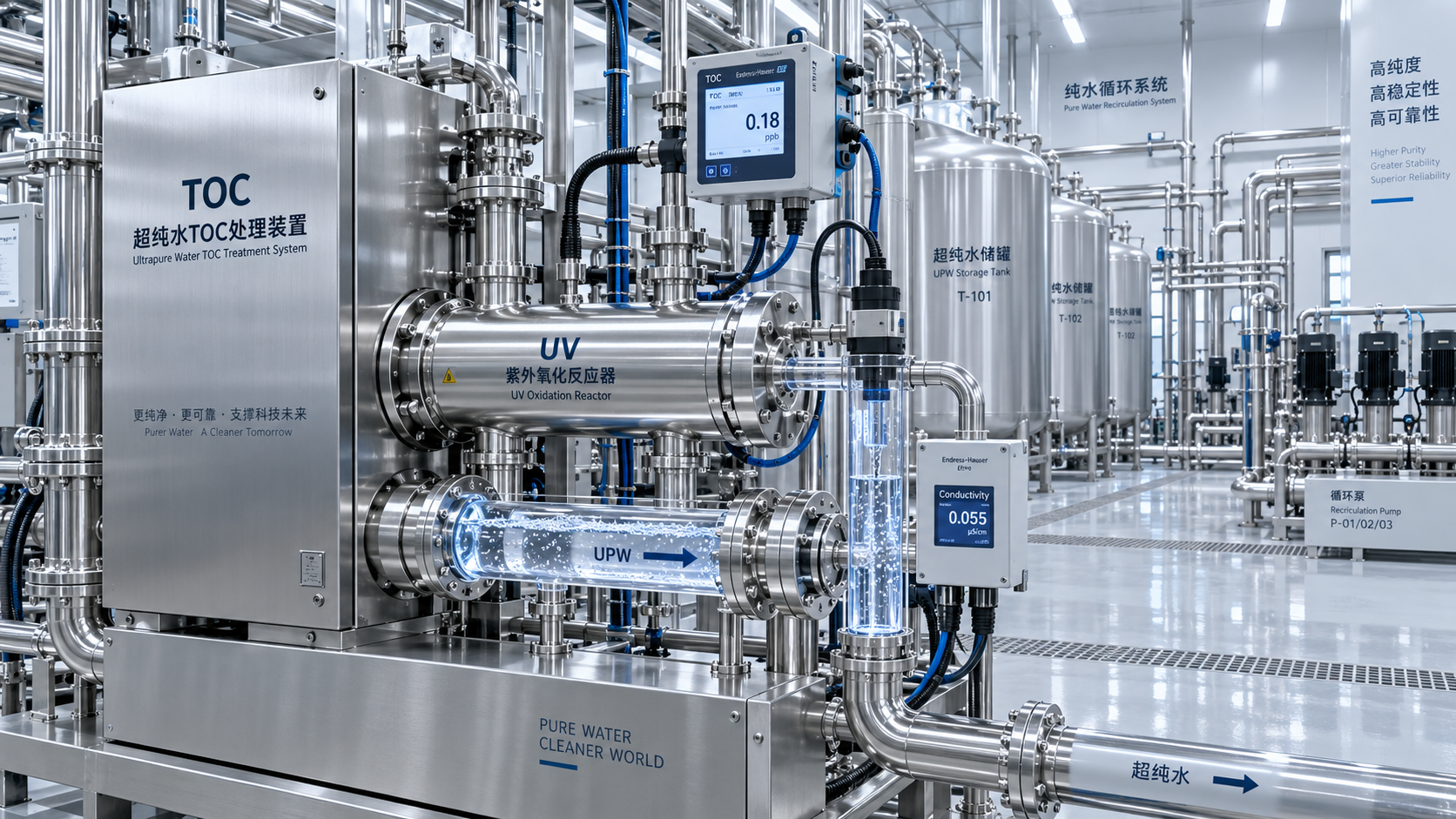
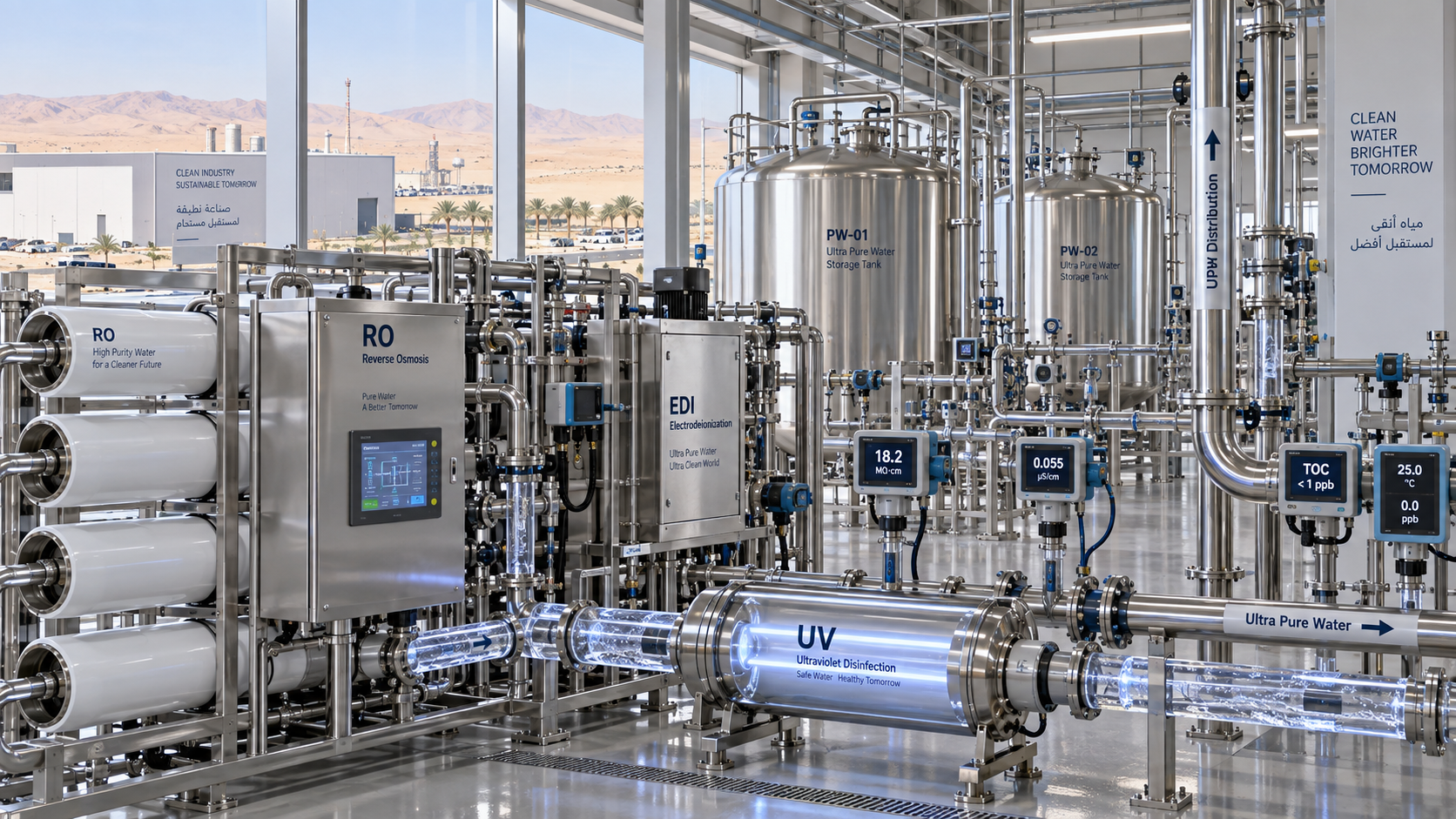
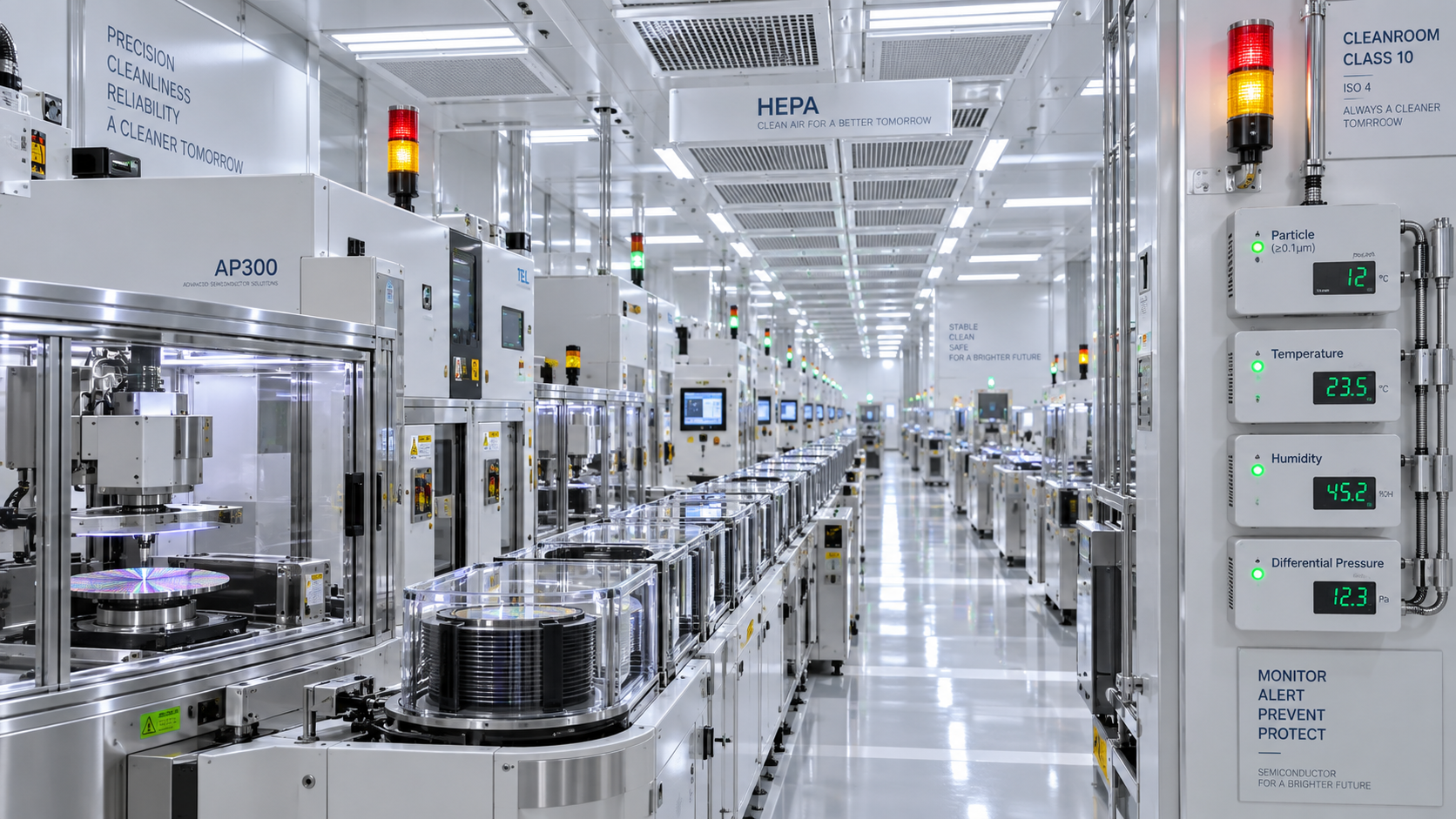
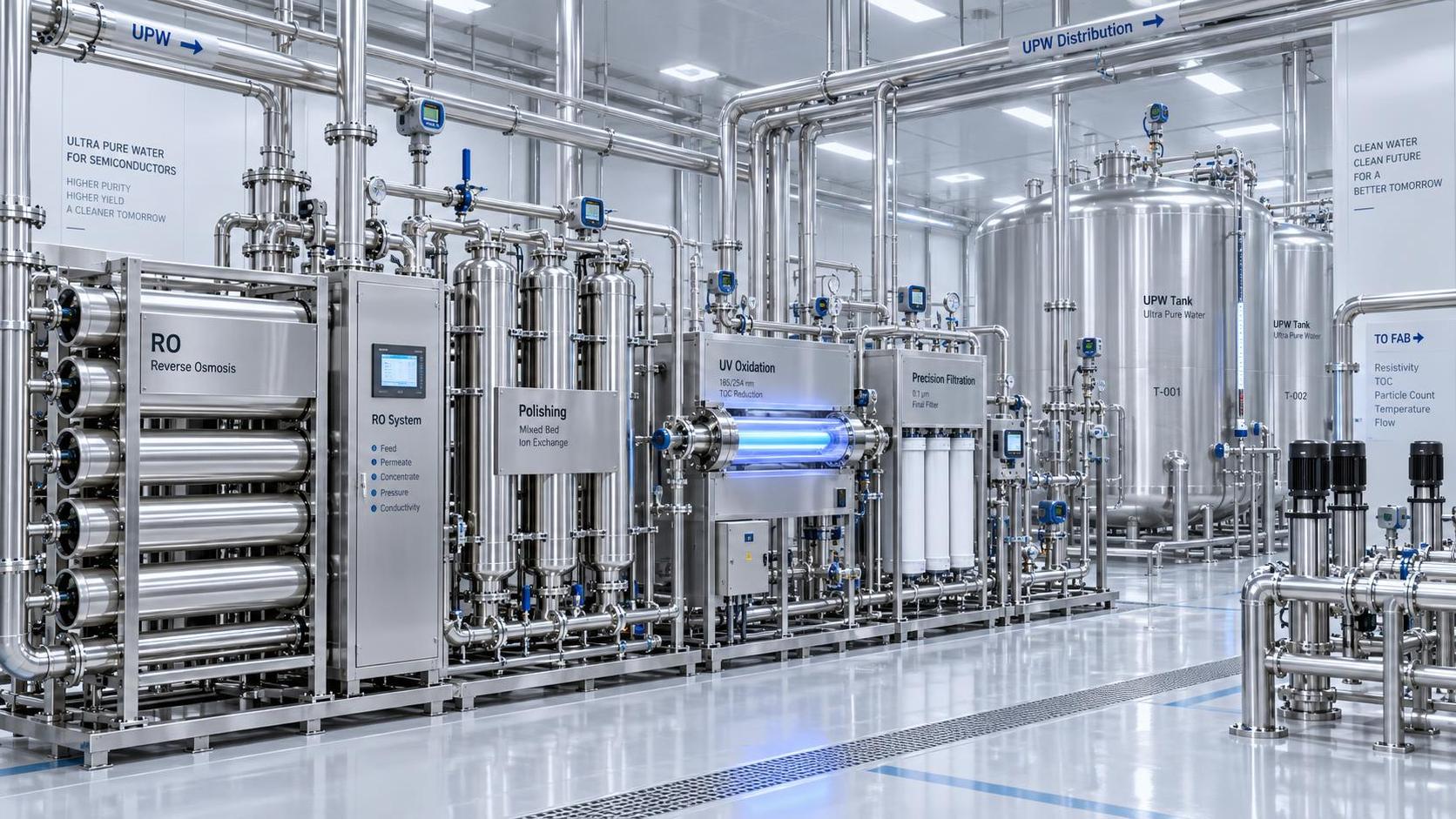
In semiconductor, precision optics, advanced materials, and similar high-cleanliness operations, organics may leave residues on surfaces, interfere with wet processing, or compromise repeatability. A water system may meet basic conductivity or particle expectations while still carrying dissolved organics that create a yield risk. In these environments, organic contaminant removal is normally considered alongside ionic, particulate, microbial, and dissolved-gas control rather than as an isolated water-treatment feature.
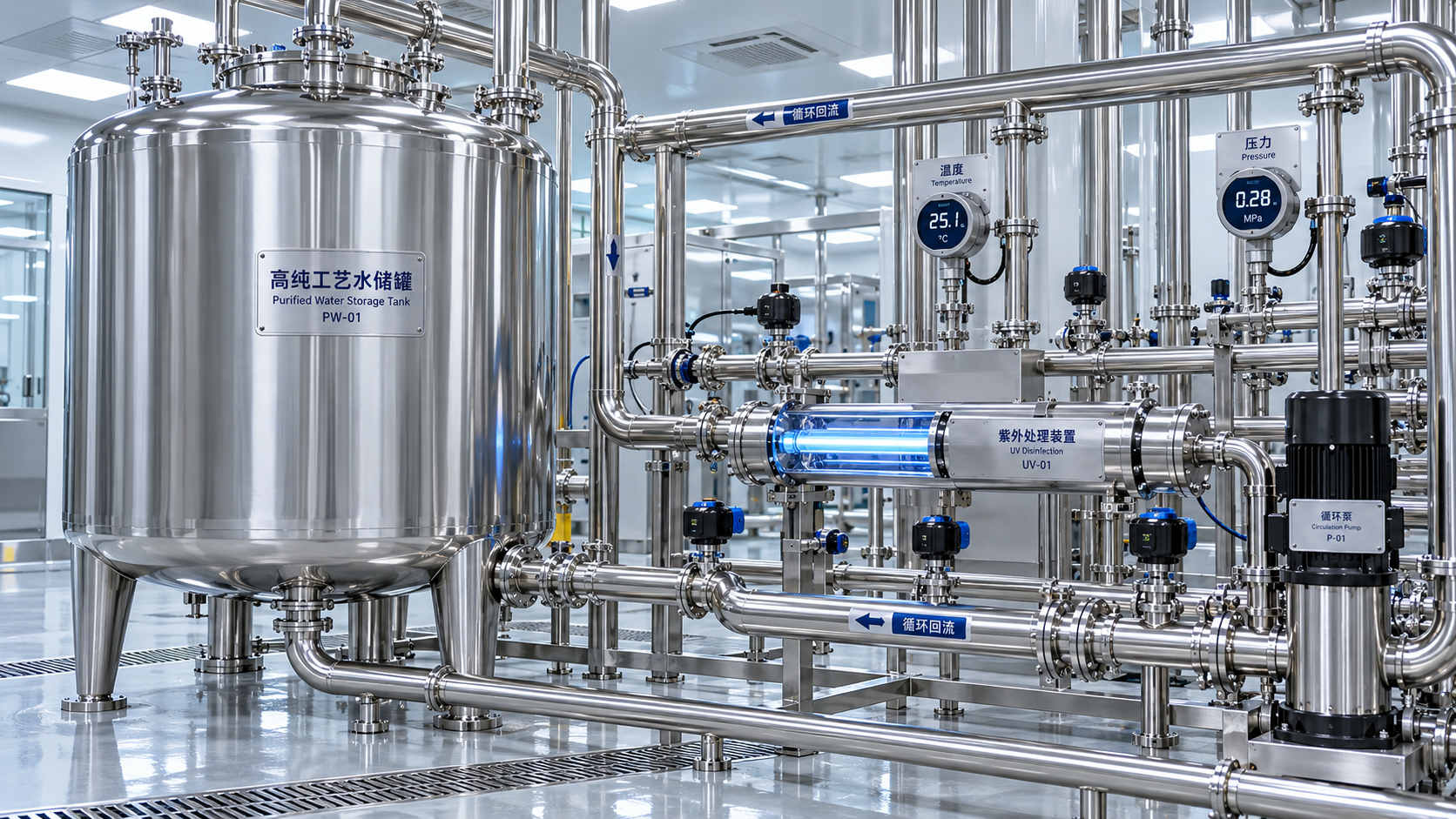
A central treatment train can reduce the bulk load, but final quality is determined at the point of use. Storage tanks, recirculation loops, valves, dead legs, distribution materials, and maintenance practices can all introduce or release organics after the main purification stages. Where use points are highly sensitive, final polishing and continuous or frequent TOC surveillance may be more important than a favorable result at the plant outlet.
Pharmaceutical, biotechnology, and laboratory water systems
TOC treatment becomes necessary when organic residues could affect formulation, cleaning verification, analytical work, cell culture, or other quality-controlled activities. The issue is not that every organic compound creates the same hazard. The concern is that an unexplained organic load may signal inadequate rinsing, degraded treatment media, microbial activity, or contamination from an upstream process.
For these systems, a TOC reading is most useful when linked to a defined sampling point, operating state, and investigation process. A treatment stage without an appropriate monitoring and response plan can create false confidence. Evaluators should establish what constitutes normal baseline behavior, which excursions require action, and whether samples represent water at the actual point of use.
Water reused from variable or exposed sources
Reclaimed water, surface-influenced source water, industrial wastewater reuse, and streams exposed to changing feed conditions often require more than conventional solids removal and desalination. Organic loading may change with season, production schedules, cleaning cycles, upstream discharge events, or biological activity. The design problem is not only average TOC; it is the peak load and the system’s ability to recover without passing contaminants downstream.
Dedicated treatment is appropriate when organics threaten membrane performance, resin life, ultraviolet transmittance, disinfectant demand, or reuse quality. It is especially valuable where a temporary increase in organic matter could foul downstream equipment faster than routine monitoring can detect and correct it.
Sensitive downstream equipment or analytical processes
High-purity instruments, specialty membranes, adsorption media, catalysts, and analytical systems may be affected by organics even when the final product is not directly exposed to the water. Deposits, adsorption competition, altered surface chemistry, and increased cleaning frequency can turn a seemingly minor TOC issue into a reliability problem.
Here, treatment should be judged against the cost and consequence of instability. If a short organic breakthrough can force troubleshooting, invalidate measurements, shorten consumable life, or interrupt a critical production step, the case for a robust TOC barrier is stronger.
When a dedicated TOC stage may not be necessary
Not every elevated TOC result calls for new equipment. A dedicated system can be unnecessary when the water is used for noncritical utilities, organics do not affect the receiving process, and the existing treatment train has demonstrated stable control under normal and upset conditions.
It may also be premature to specify TOC removal when the source has not been identified. A localized increase caused by sampling contamination, a recently installed component, sanitizer carryover, or a maintenance activity calls for investigation before capital investment. Treating the symptom without locating the source can add operating complexity while leaving the underlying failure mode intact.
The same caution applies to short, predictable peaks that are isolated from critical use points and do not compromise downstream assets. In that case, operational controls, flushing, segregation, adjusted cleaning procedures, or improved materials selection may be more proportionate than continuous advanced oxidation or polishing.
Assess the risk at the point of use, not only at the treatment skid
A common specification error is to set a TOC target at the central water plant and assume it defines delivered quality. It does not. The distribution system can become the dominant source of organic contamination after treatment.
Polymeric components can contribute extractables, especially after installation, replacement, exposure to incompatible chemicals, or temperature changes. Stagnant sections can allow biofilm development and accumulation of organic material. Regeneration chemicals, cleaning agents, lubricants, seal materials, and poorly controlled storage conditions can also alter TOC downstream of the primary treatment equipment.
This changes how a technical evaluation should be structured. Map the water path from source to use point, including pretreatment, storage, recirculation, branch lines, sanitization interfaces, and any local polishing devices. Then identify where an organic load could be introduced, concentrated, or released. A treatment solution should address the dominant risk location, not only produce a low value at the easiest sampling port.
Select the treatment mechanism based on the contaminant behavior
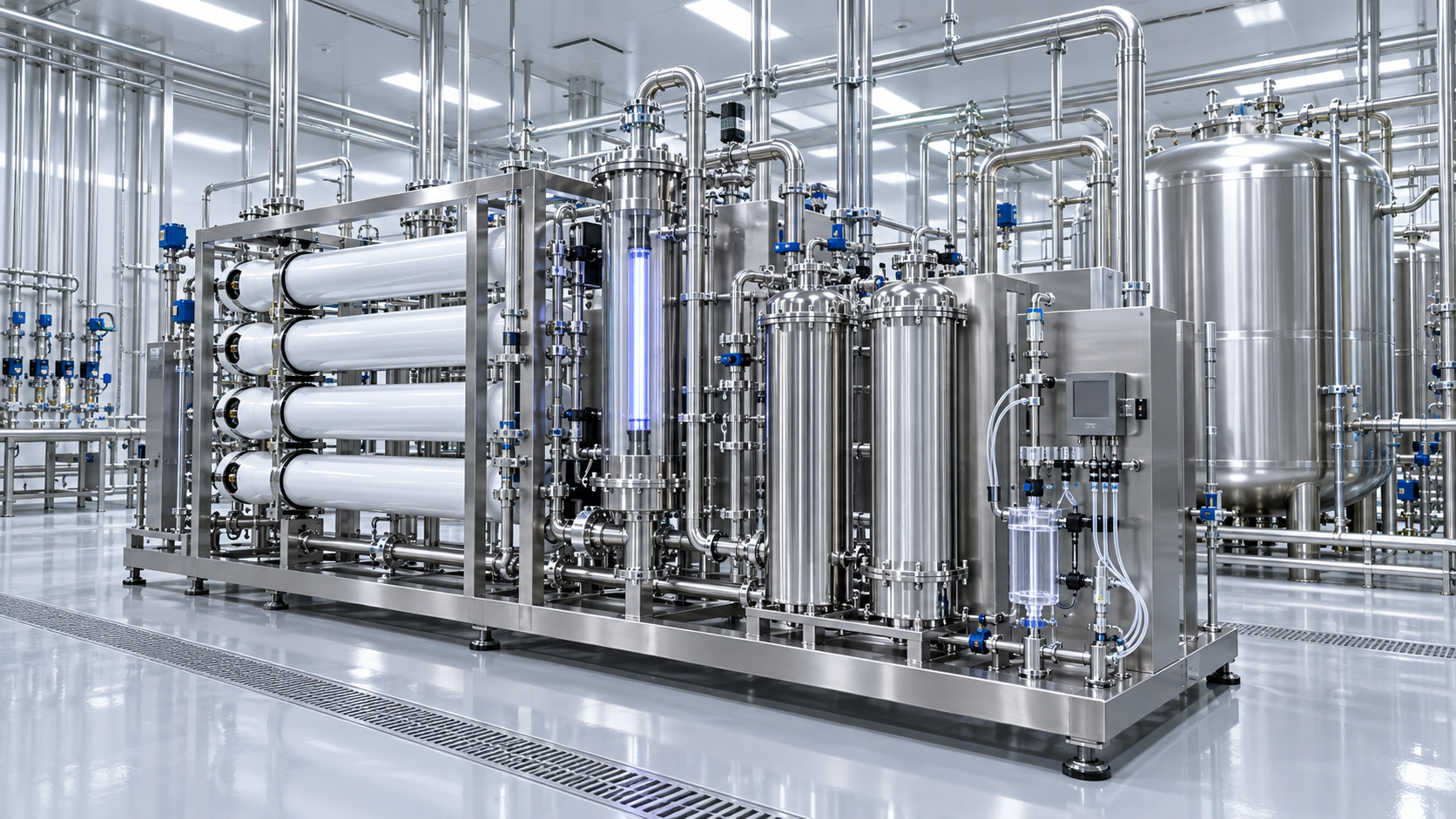
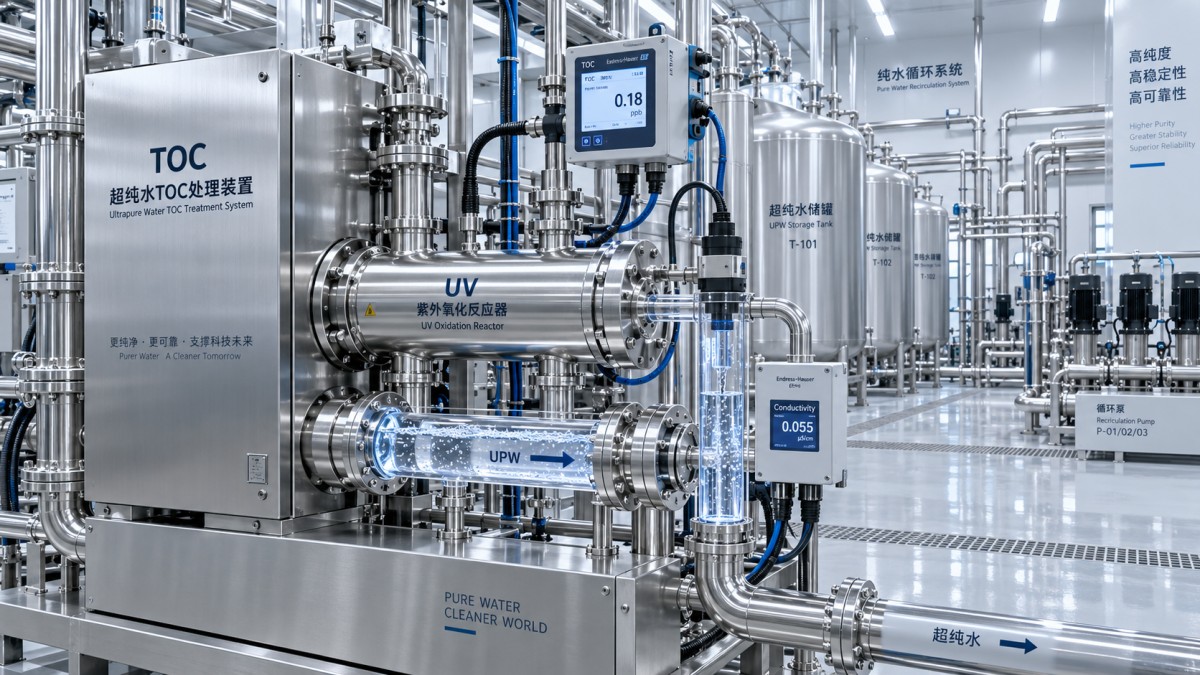
There is no universal “TOC filter.” Treatment technologies remove organics through different mechanisms and have different limits. Activated carbon relies on adsorption and is often useful for many hydrophobic compounds, but it has finite capacity and can become a biological control concern if poorly managed. Reverse osmosis rejects many dissolved organics, yet performance depends on molecular characteristics and membrane condition. Ultraviolet oxidation can break down susceptible organic molecules but generally requires appropriate water quality and downstream removal of oxidation products. Advanced oxidation, ion exchange, ultrafiltration, and specialized resins may be relevant in specific treatment trains.
For this reason, a vendor proposal that promises a TOC outcome without asking about feed variability, point-of-use requirements, monitoring locations, and recovery actions is incomplete. The relevant design is a treatment-and-control system, not a standalone component.
Monitoring determines whether treatment is genuinely dependable
TOC treatment is most defensible when it is paired with a monitoring strategy that can detect loss of control before critical water is used. Online monitoring can be valuable where rapid detection is needed, but it must be installed where it represents the risk. A monitor upstream of a vulnerable storage tank cannot prove the delivered quality at remote use points.
Offline sampling remains important for confirming distribution performance, identifying local contamination, and investigating trends. Sampling practices need to prevent false positives from containers, handling, flushing inconsistencies, or residues at the sample valve. Repeated, interpretable data are more useful than isolated readings with no process context.
Technical teams should also define how the system responds to an excursion. Depending on the process, that may include holding water, diverting flow, increasing sampling, inspecting recent maintenance, checking sanitization records, testing upstream barriers, or isolating a branch. Without predefined actions, monitoring becomes an alarm history rather than a control method.
A practical decision sequence for technical evaluation
- Define the quality requirement at each actual use point, including product, equipment, and environmental consequences.
- Identify likely organic sources: incoming water, reuse streams, treatment chemicals, storage, distribution materials, microbial activity, and process backflow risks.
- Characterize normal variation and credible peak conditions rather than relying on one representative sample.
- Determine whether existing barriers remove the relevant organic fraction and whether performance is verifiable over time.
- Evaluate the consequence of a short breakthrough. High-consequence applications justify more robust polishing, monitoring, and isolation capability.
- Specify the treatment train, monitoring locations, maintenance controls, and excursion response as one operating design.
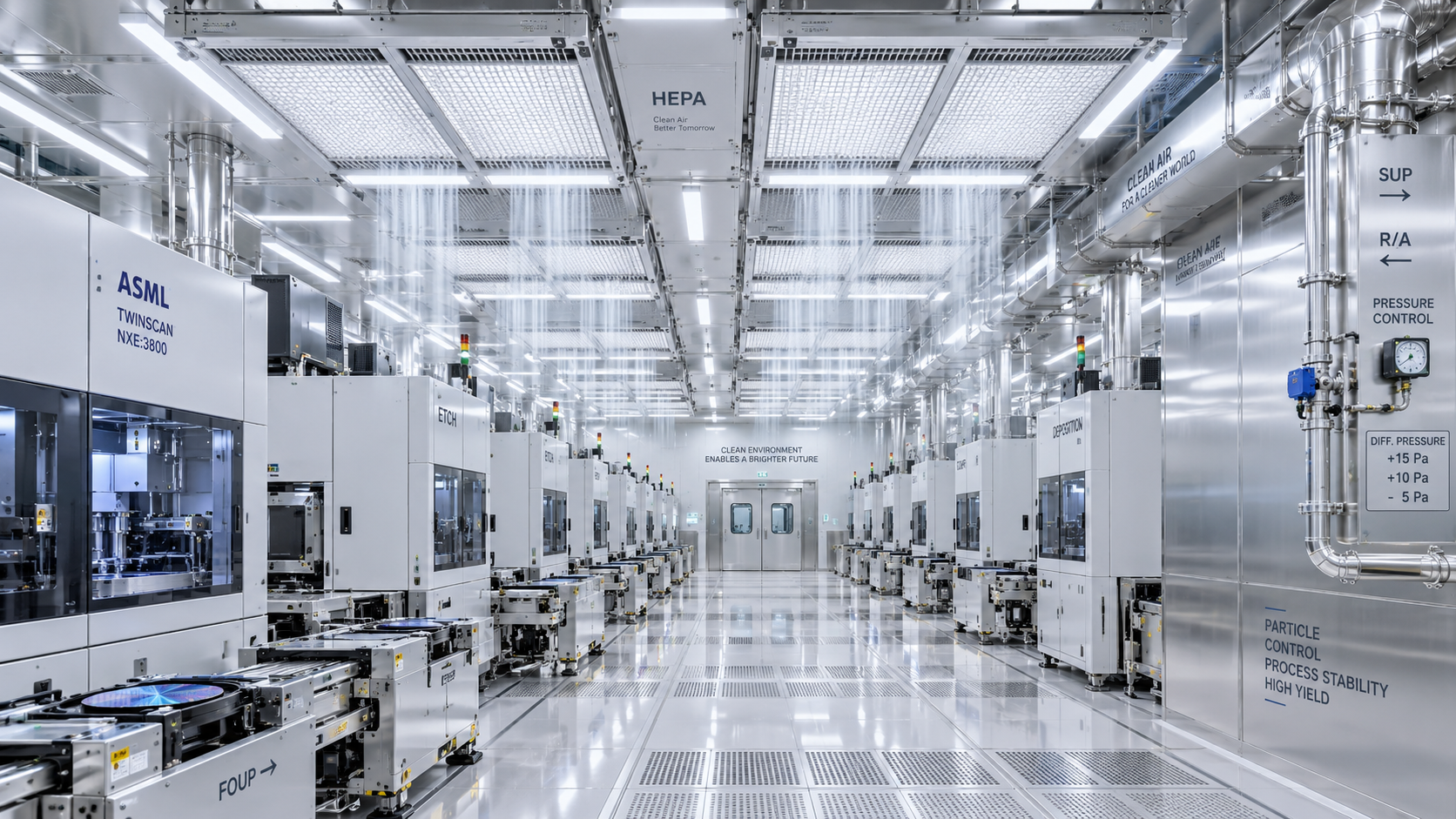
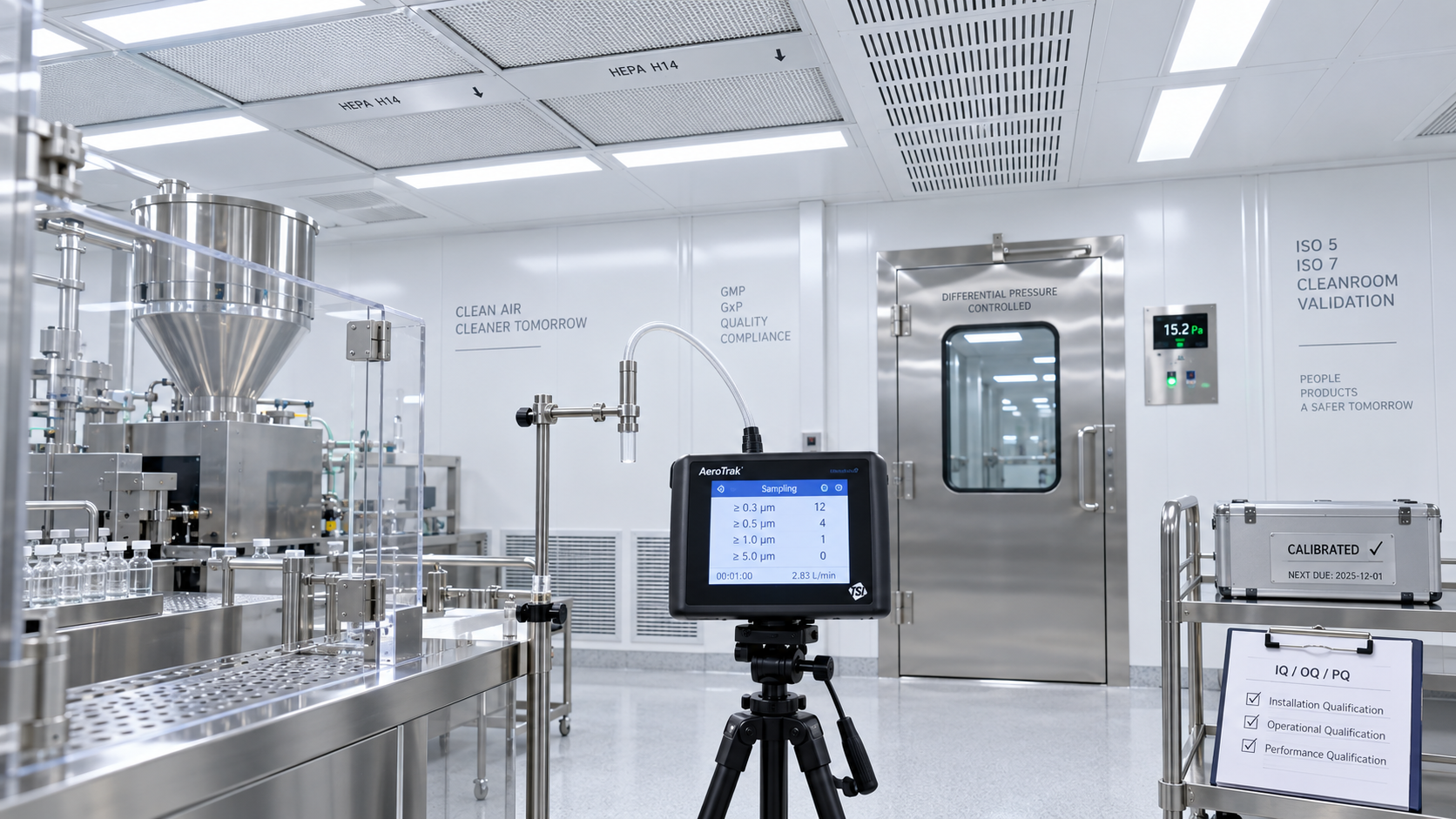
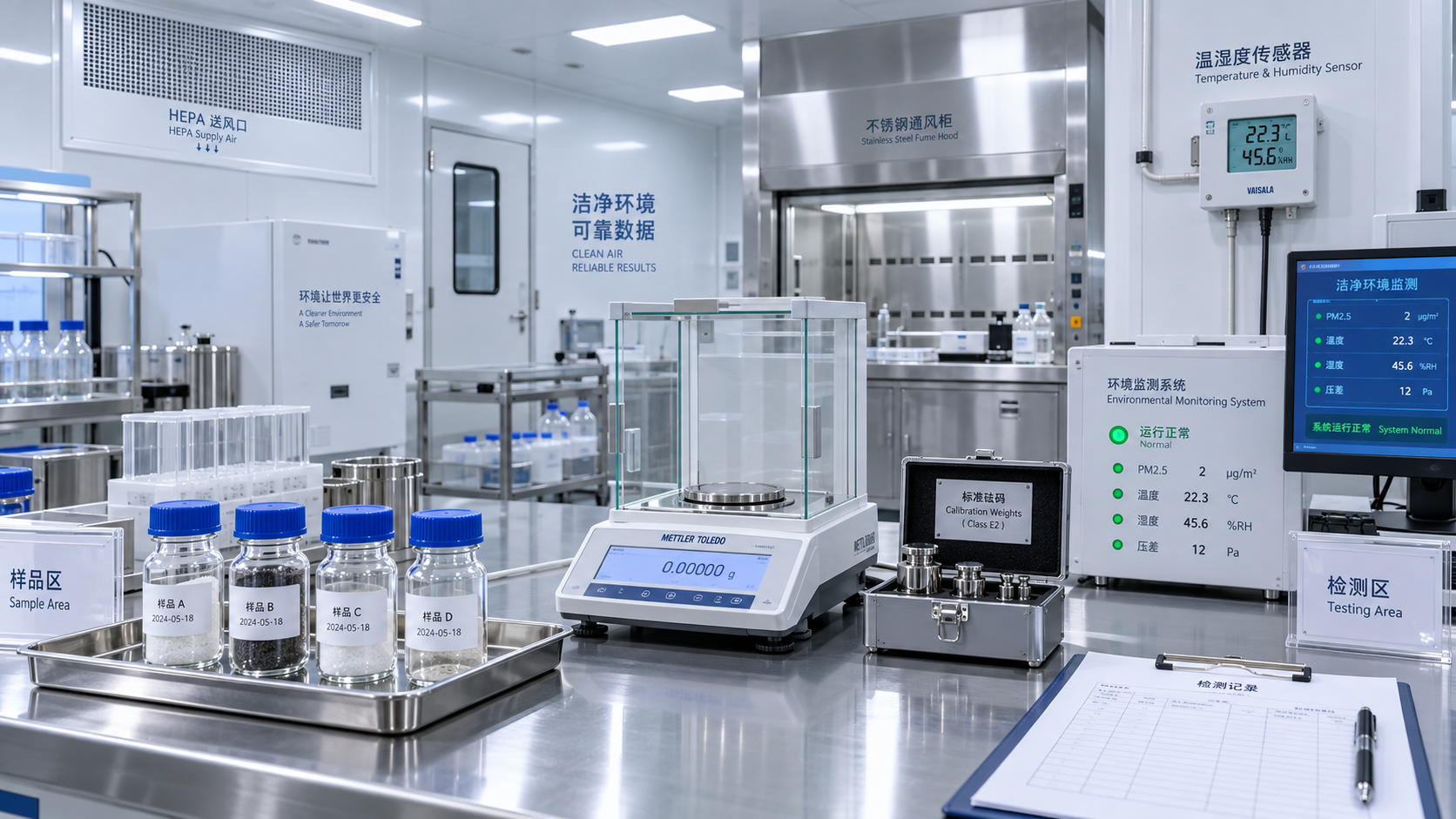
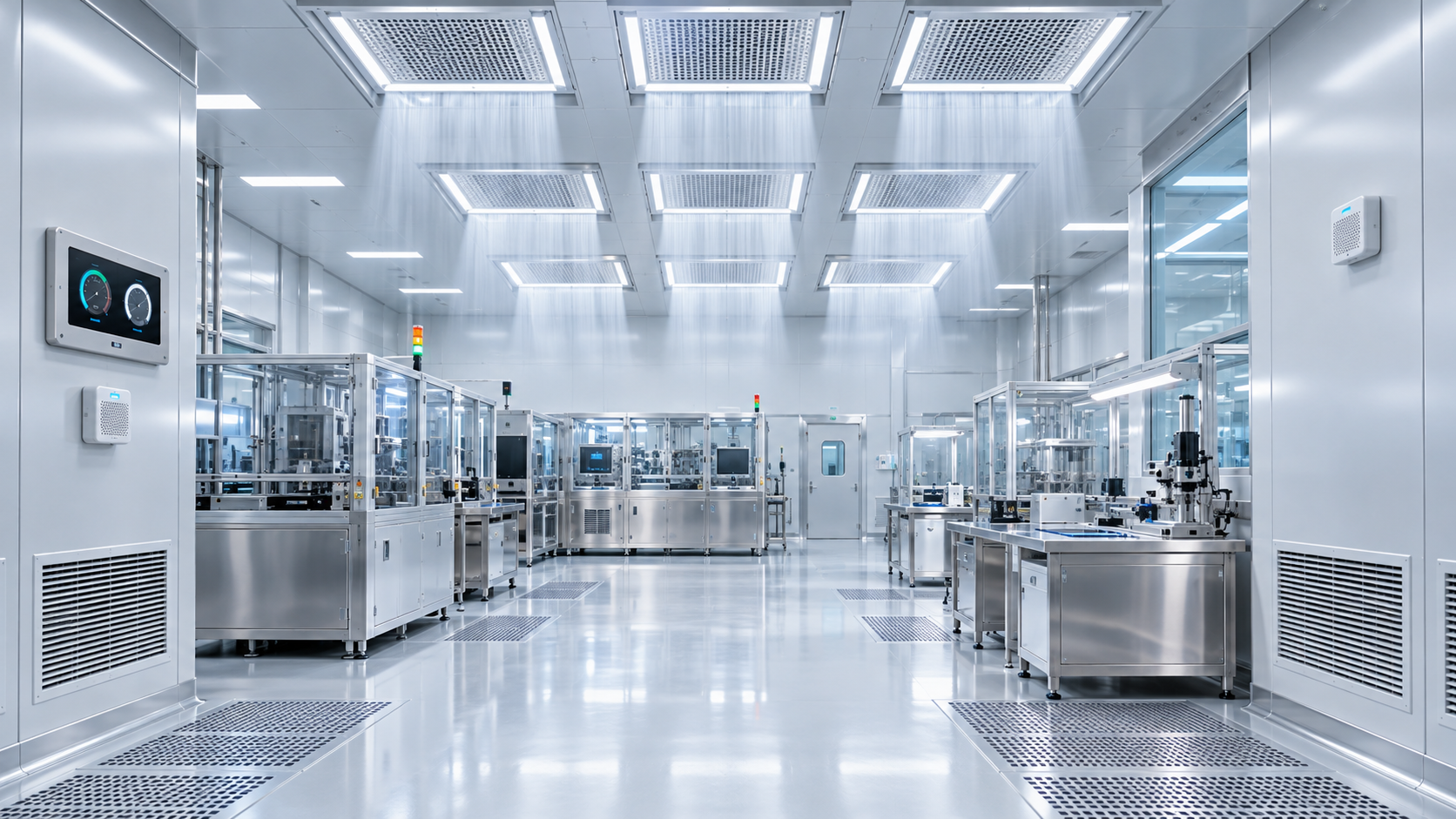
In high-performance industrial settings, the water system should also be reviewed alongside cleanroom and facility controls. Contaminated water can become an airborne or surface-contamination issue through humidification, cleaning, rinsing, equipment maintenance, or process interfaces. G-ICE benchmarking across ultra-pure water, contamination control, and environmental monitoring is relevant here because the required barrier is often determined by the interaction between systems, not by TOC treatment hardware alone.
Do not confuse a numerical limit with a complete design basis
A TOC limit is useful only when it is connected to a process need and an enforceable control strategy. Specifying an extremely low target without considering source quality, distribution materials, analytical capability, maintenance procedures, and upset recovery can create a system that is expensive yet difficult to operate consistently.
The opposite error is treating TOC as a secondary aesthetic measure because the water looks clear, has acceptable conductivity, or passes a limited set of routine checks. Dissolved organics are often invisible to those indicators. When organic contamination can affect yield, compliance, measurement integrity, or downstream treatment assets, TOC deserves its own risk assessment.
Dedicated TOC treatment is required when the process cannot safely absorb uncertainty in dissolved organic contamination. The appropriate solution may be central reduction, point-of-use polishing, distribution-system improvement, stronger monitoring, or a combination of these measures. The decision becomes clear once the evaluation is anchored to the source, the point of use, the failure consequence, and the system’s ability to detect loss of control before it becomes a process event.
Get weekly intelligence in your inbox.
No noise. No sponsored content. Pure intelligence.
 Oct 10, 2026When does organic contaminant removal require TOC treatment?Organic contaminant removal requires TOC treatment when dissolved organics threaten product quality, equipment reliability, or process control. Learn how to assess risks and choose the right solution.
 Oct 08, 2026What affects lead times for sheet metal bending services in Canada?Sheet metal bending services Canada: discover how material supply, tooling, tolerances, finishing, documentation, and freight affect lead times for reliable project delivery.
 Oct 07, 2026How HVAC design for semiconductor fabs prevents airborne contaminationHVAC design for semiconductor fabs prevents airborne contamination through advanced filtration, pressure cascades, airflow control, and real-time monitoring. Explore key strategies for cleaner, more reliable wafer production.
 Oct 06, 2026How photovoltaic modules waterproof technology prevents moisture damagephotovoltaic modules waterproof technology prevents moisture damage with durable seals, drainage, and junction-box protection. Explore practical selection and testing insights.
 Oct 05, 2026How ISO 14644 Europe requirements affect cleanroom qualificationISO 14644 Europe requirements shape cleanroom qualification, from particle classification and recovery testing to monitoring, GMP alignment, and change control.
 Oct 04, 2026How to assess a pharmaceutical cleanroom solutions supplier’s ISO capabilityPharmaceutical Cleanroom Solutions supplier assessment guide: evaluate ISO 14644 capability, validation evidence, airflow design, documentation, and long-term GMP readiness.
 Oct 03, 2026What EU standards govern the design of BSL-3 laboratories in Europe?BSL-3 laboratories Europe: explore EU directives, EN standards, HVAC containment, commissioning, and practical design strategies for compliant, resilient high-containment facilities.
 Oct 02, 2026How EN 1822 defines HEPA filtration efficiency for cleanroomsHEPA filtration EN 1822 explained: learn how MPPS testing, local leakage limits, and filter classes support reliable cleanroom decisions.
 Oct 01, 2026How pharmaceutical process water systems control microbial riskProcess water systems pharmaceutical teams rely on can control microbial risk through hygienic design, monitoring, and validated sanitization. Explore practical compliance strategies.
 Sep 30, 2026When does a negative pressure laboratory need BSL-3 containment?Negative pressure laboratory or BSL-3? Discover the risk factors, engineering controls, and containment requirements needed for safe, compliant laboratory planning.
 Sep 29, 2026How to evaluate a TOC-zero water treatment supplier for UPW systemsChoose a TOC-zero water treatment supplier with confidence. Compare UPW performance, monitoring, validation, materials, service capability, and lifecycle cost.
 Sep 28, 2026What drives sustainable cooling cost in high-precision facilities?Sustainable cooling cost in high-precision facilities depends on thermal stability, energy, water, controls, and resilience. Explore smarter lifecycle strategies.
 Sep 27, 2026How to compare freight forwarding services for time-critical shipmentsCompare freight forwarding services for time-critical shipments with practical insights on routing, customs, visibility, specialized handling, and contingency planning.
 Sep 26, 2026How environmental integrity in laboratories supports reliable test resultsEnvironmental Integrity in laboratories safeguards samples, instruments, and staff. Discover practical controls for contamination, monitoring, and reliable test results.
 Sep 25, 2026Healthcare trends reshaping laboratory automation investmentHealthcare Trends are reshaping laboratory automation investment. Explore how resilient infrastructure, data integrity, and smart monitoring improve scalable performance.
 Sep 24, 2026When chemical wastewater treatment systems need zero-liquid dischargeWastewater treatment systems for chemicals: learn when zero-liquid discharge reduces risk, recovers water, and supports resilient chemical operations.
 Sep 23, 2026How regulatory frameworks documentation supports audit-ready carbon trackingRegulatory Frameworks documentation creates audit-ready carbon tracking with traceable evidence, controlled methods, and compliant operational decisions.
 Sep 22, 2026How cleanroom architecture controls contamination risks in pharma productionCleanroom Architecture for pharmaceutical production: discover how airflow zoning, pressure cascades, cleanable finishes, and separated flows reduce contamination risks and strengthen GMP compliance.
 Sep 21, 2026What ultra pure water specifications matter most in Middle East projects?Ultra pure water Middle East projects demand resilient specifications. Explore point-of-use quality, feedwater variability, heat control, monitoring, and reliable distribution design.
 Sep 20, 2026How Process Environment Control systems prevent airborne contaminationProcess Environment Control systems prevent airborne contamination through managed airflow, pressure, filtration, and monitoring. Discover practical strategies for safer, compliant operations.
 Sep 19, 2026When does heat recovery make sustainable cooling worth the investment?Sustainable cooling technology heat recovery: learn when reliable heat demand, temperature matching, and lifecycle savings make recovery a smart investment.
 Sep 18, 2026How to set alarm limits for semiconductor cleanroom monitoringSemiconductor cleanroom monitoring: learn how to set risk-based alarm limits for particles, humidity, pressure, and airflow to protect yield and reduce nuisance alerts.
 Sep 17, 2026How plastic injection molding affects ESD protection in cleanroomsPlastic injection molding affects ESD protection in cleanrooms. Learn how resin choice, molding consistency, grounding, and particle control support reliable compliance.
 Sep 16, 2026What to verify before choosing an industrial air quality monitoring supplierIndustrial air quality monitoring supplier checklist: verify measurement accuracy, calibration traceability, data integration, compliance support, and lifecycle service before you buy.
 Sep 15, 2026Smart HVAC investment insights for North American heat recovery projectsSmart HVAC investment insights North America: evaluate heat recovery, lifecycle costs, controls, and performance for resilient project decisions.
 Sep 14, 2026How SEMI standards shape water treatment design for semiconductor fabsSemiconductor water treatment SEMI guidance shapes resilient UPW design, contamination control, monitoring, reclaim strategy, and fab-ready validation.
 Sep 13, 2026What drives Biosafety Containment Systems cost in BSL-3 projects?Biosafety Containment Systems cost in BSL-3 projects depends on HVAC, layout, decontamination, controls, and commissioning. Discover how to build a credible budget.