Healthcare trends reshaping laboratory automation investment
Healthcare Trends Reshaping Laboratory Automation Investment
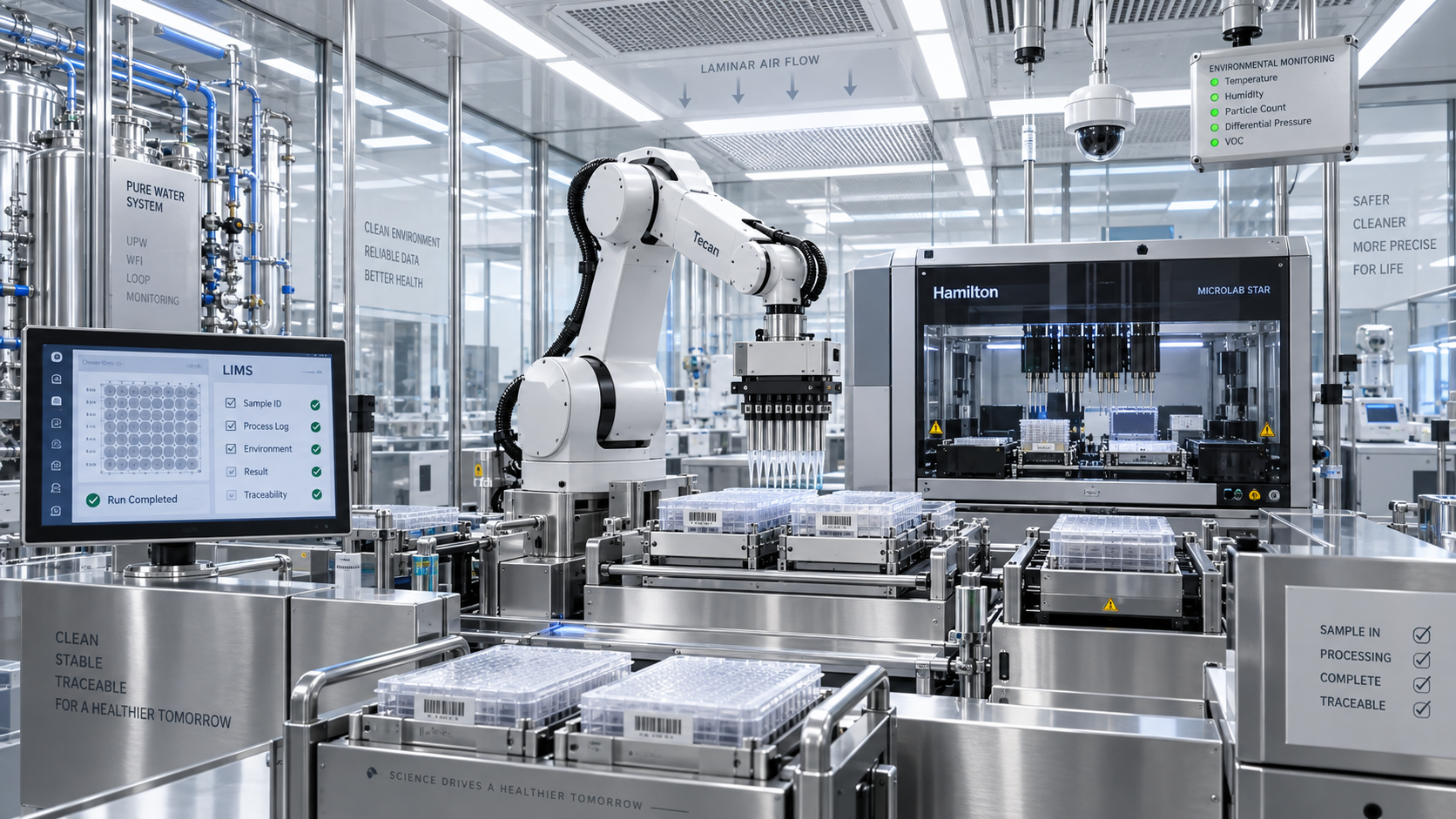
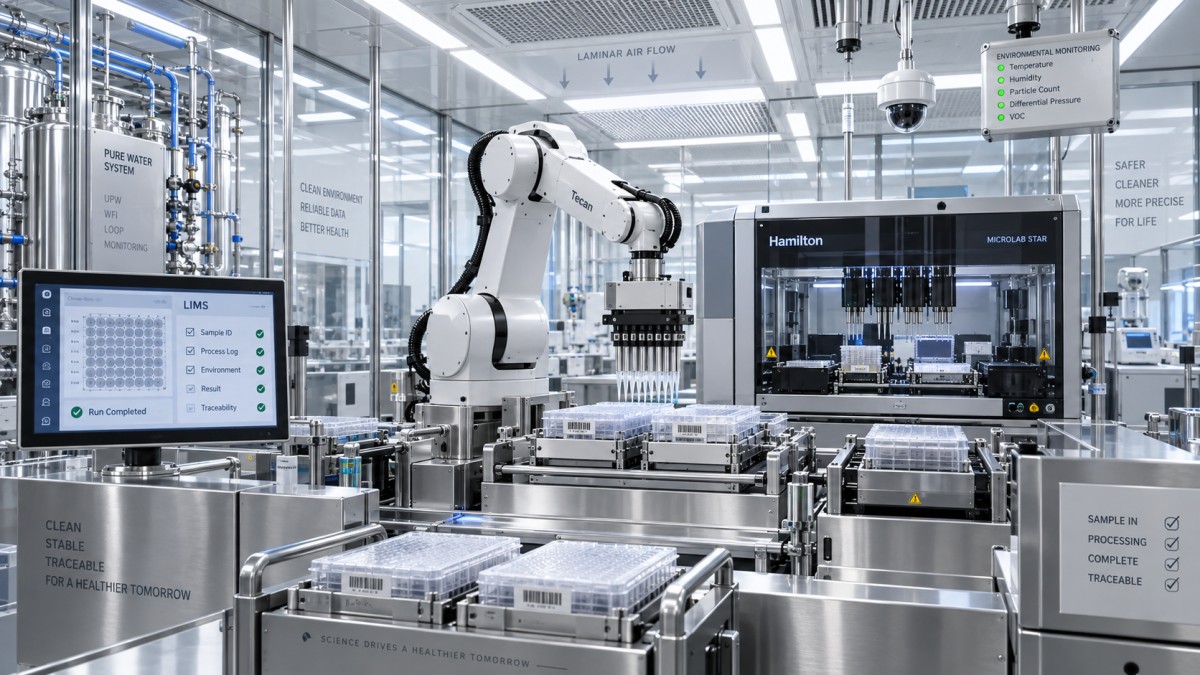
Healthcare Trends are changing what enterprise leaders expect from laboratory automation. The discussion is no longer limited to robotic arms, liquid handlers, sample storage, or laboratory information systems. Automation now sits inside a larger operational environment where throughput, traceability, contamination control, energy use, biosafety, workforce constraints, and regulatory readiness are closely connected.
For organizations investing in clinical diagnostics, biopharmaceutical development, cell and gene therapy, genomic testing, or high-containment research, an automated workflow can only perform as reliably as the infrastructure around it. A highly capable instrument may still produce inconsistent results if room conditions drift, water quality is unstable, airflow interferes with sensitive work, or environmental records cannot support an investigation. This is why capital planning is moving beyond equipment acquisition toward laboratory resilience.
The practical question for decision-makers is not simply whether to automate. It is whether the physical, digital, and compliance foundations of the laboratory can support automation over its intended operating life.
Automation is becoming an infrastructure decision
Historically, many automation projects were justified through labor savings or faster sample processing. Those factors remain relevant, but healthcare delivery and life-science research now create a broader set of pressures. Testing volumes can change quickly. Assay portfolios evolve. Quality teams require stronger evidence of process control. Research groups need reproducible conditions across sites, while operations teams are under pressure to reduce avoidable downtime and manage energy-intensive facilities more carefully.
As a result, laboratory automation investment is increasingly assessed as part of a facility strategy. The design of the cleanroom envelope, HVAC zoning, process-water treatment, electrical resilience, network architecture, waste handling, and maintenance access may determine whether a new workflow can be scaled without repeated disruption.
This shift matters because automated laboratories tend to make hidden weaknesses more visible. Manual processes sometimes absorb minor environmental variation through operator judgment and workarounds. Automated systems are less forgiving. A plate handler cannot decide that condensation is unusual. A robotic workflow cannot recognize that a reagent has been exposed to unsuitable conditions unless the monitoring and data architecture capture the event.
For senior leadership, this makes automation a cross-functional investment. Laboratory operations, engineering, quality, information technology, procurement, environmental health and safety, and sustainability teams all influence the eventual result. Treating it as a standalone instrument purchase often moves risk downstream rather than eliminating it.
The healthcare forces behind current spending priorities
Several Healthcare Trends are shaping where laboratory capital is being allocated. The first is the continuing need for repeatability at scale. Whether the laboratory handles routine clinical samples or complex research assays, organizations are looking for workflows that reduce variability between operators, shifts, and locations. Automation contributes to consistency, but only where supporting conditions are controlled and documented.
A second force is the growing importance of data integrity. Modern laboratory automation produces large quantities of operational data: sample movement, instrument status, environmental conditions, access history, maintenance events, and exception records. The value lies not only in having this information, but in linking it meaningfully. If an assay result is questioned, investigators may need to understand whether the relevant room temperature, pressure relationship, humidity level, water supply, or instrument alarm history created a plausible risk.
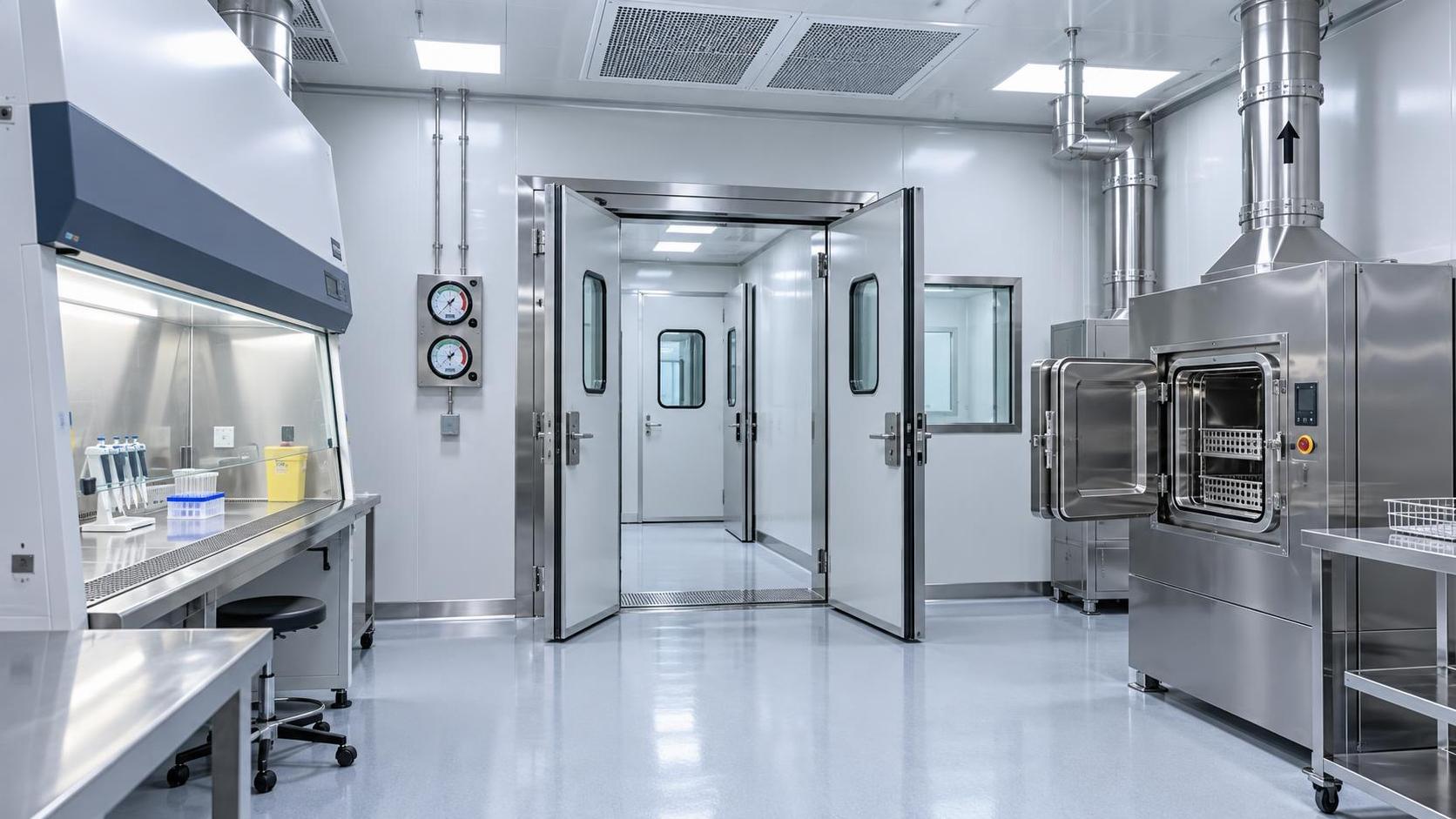
Third, biosafety requirements are influencing facility choices. Work involving infectious materials, high-risk pathogens, or sensitive biological products may require carefully designed containment strategies. The right approach depends on the work being performed, the applicable risk assessment, local requirements, and laboratory classification. Automation inside a containment environment introduces additional considerations: decontamination compatibility, airflow behavior, cabinet integration, maintenance procedures, and safe recovery from faults.
Finally, there is a more practical business issue: flexibility. Many laboratories cannot afford to build a fixed facility around a single workflow that may change in a few years. They want modular utilities, adaptable room layouts, accessible service routes, and control systems that can accommodate expansion. The goal is not unlimited flexibility, which can become expensive and vague. It is to preserve realistic options without compromising the immediate operating requirements.
Environmental control has moved closer to the core workflow
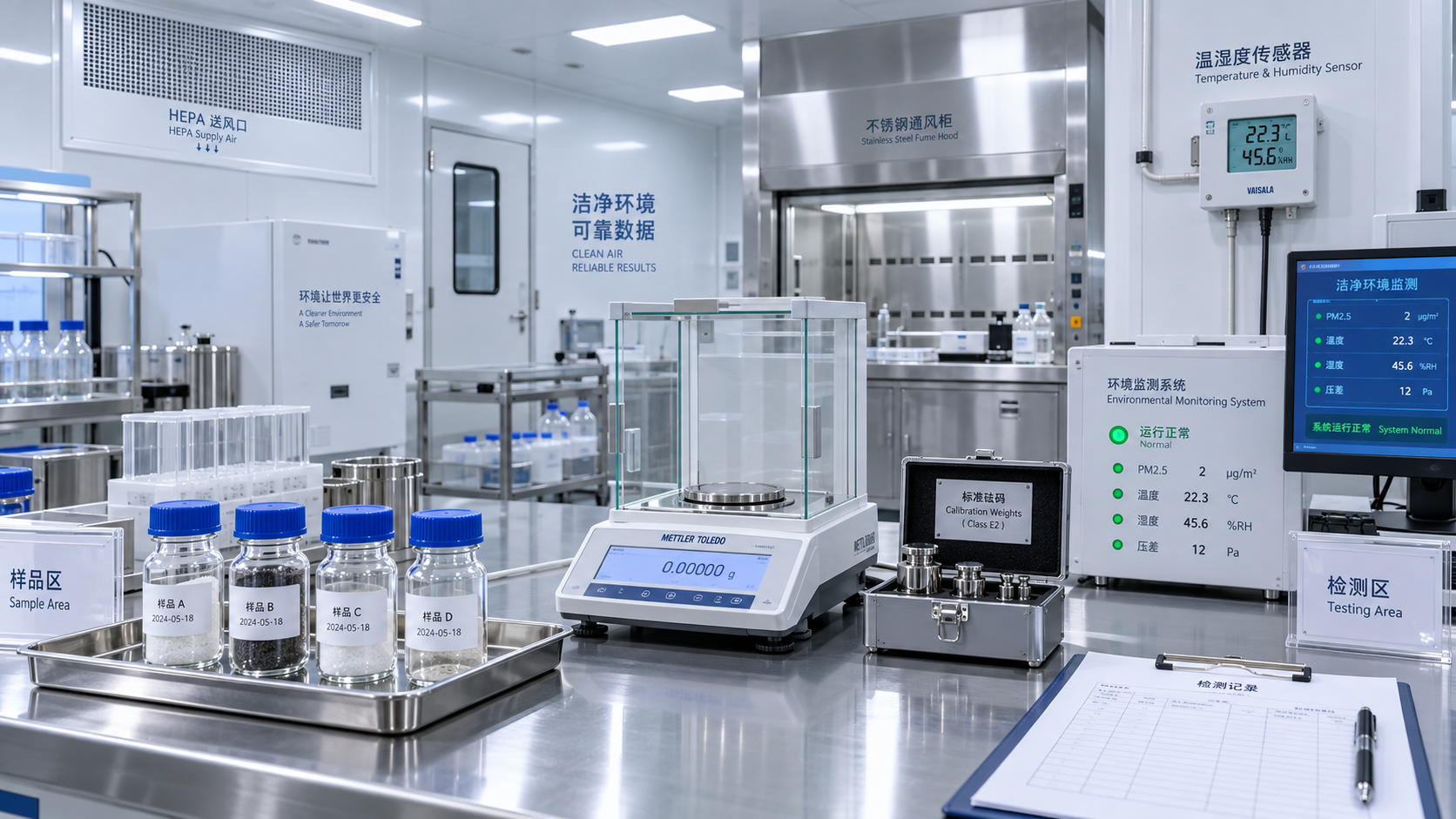
Temperature and humidity control are frequently treated as building services topics until an automated process begins to show unexplained variation. In reality, environmental stability can affect reagents, consumables, sample handling, instrument optics, mechanical positioning, static charge, evaporation rates, and operator comfort. The acceptable range is not universal. It should be established from the process, equipment specifications, risk profile, and relevant quality requirements rather than assumed from a generic laboratory target.
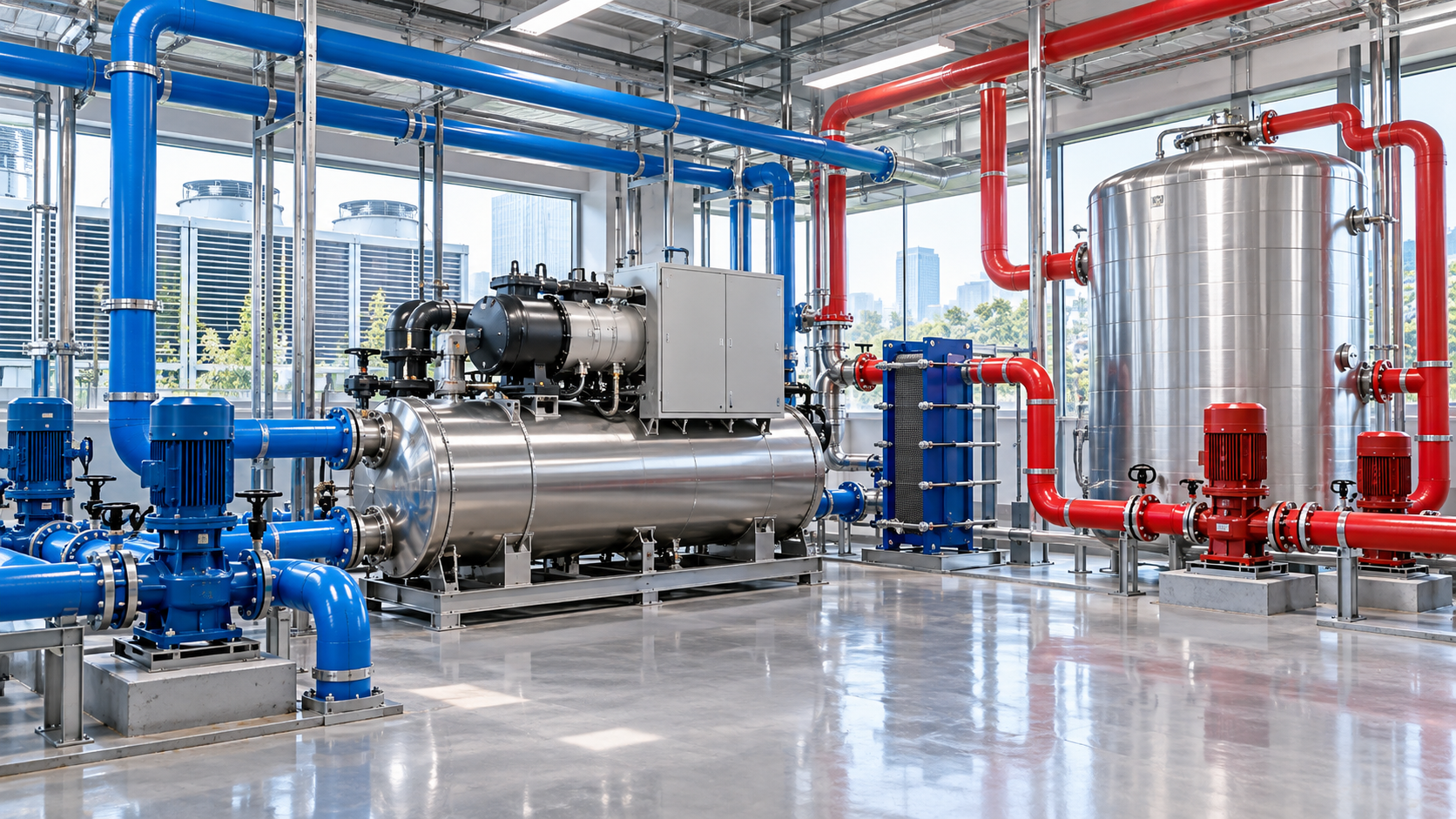
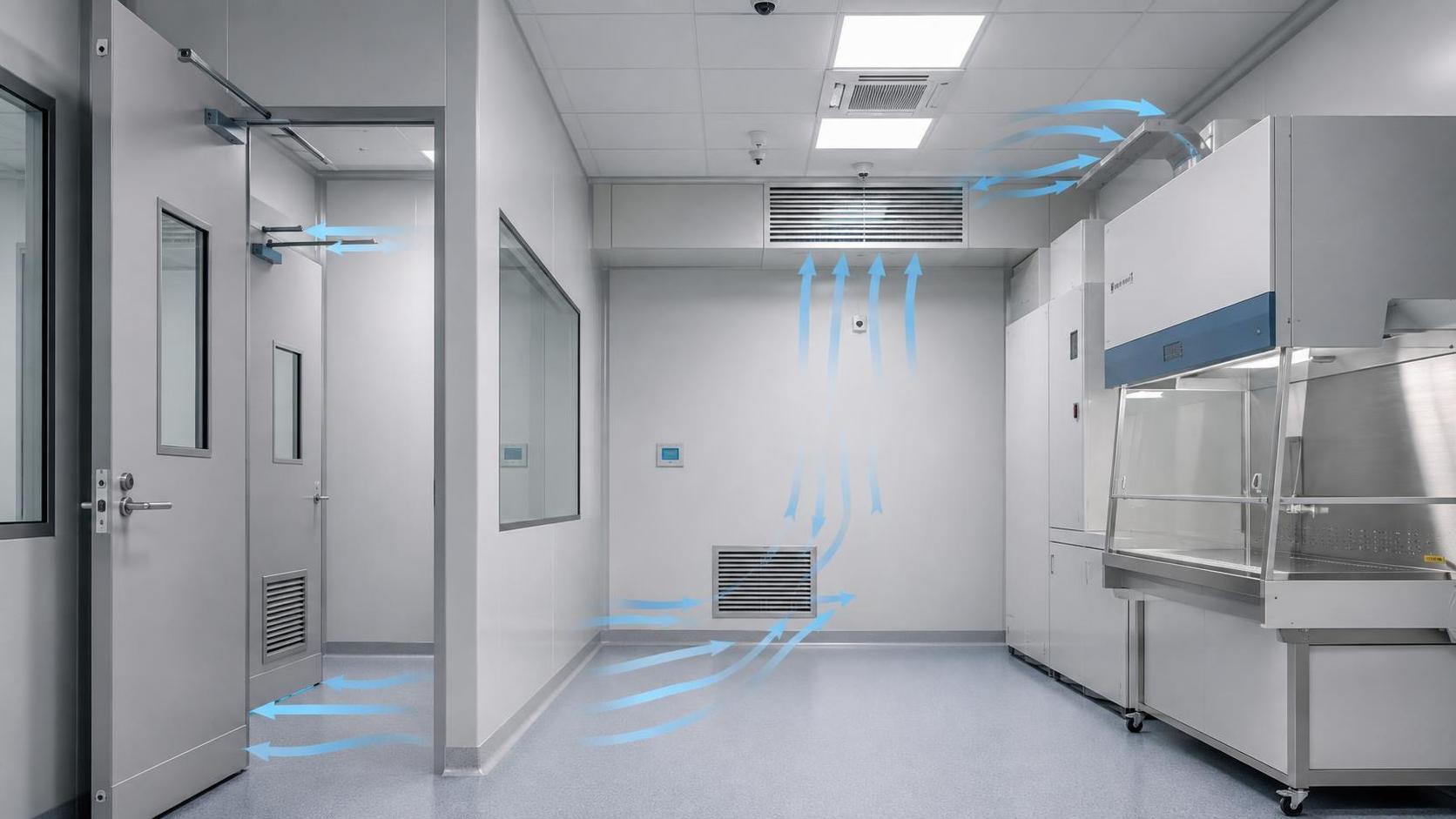
Precision HVAC becomes particularly important where dense automation produces significant internal heat loads, where instruments operate continuously, or where adjacent spaces have different pressure and cleanliness needs. A system that can maintain a room during normal occupancy may perform differently during peak processing, maintenance activity, or a changeover between assay types. Facility teams should therefore examine not only design conditions, but also control response, redundancy philosophy, alarm logic, recovery behavior, and the practical ability to maintain equipment without disrupting critical work.
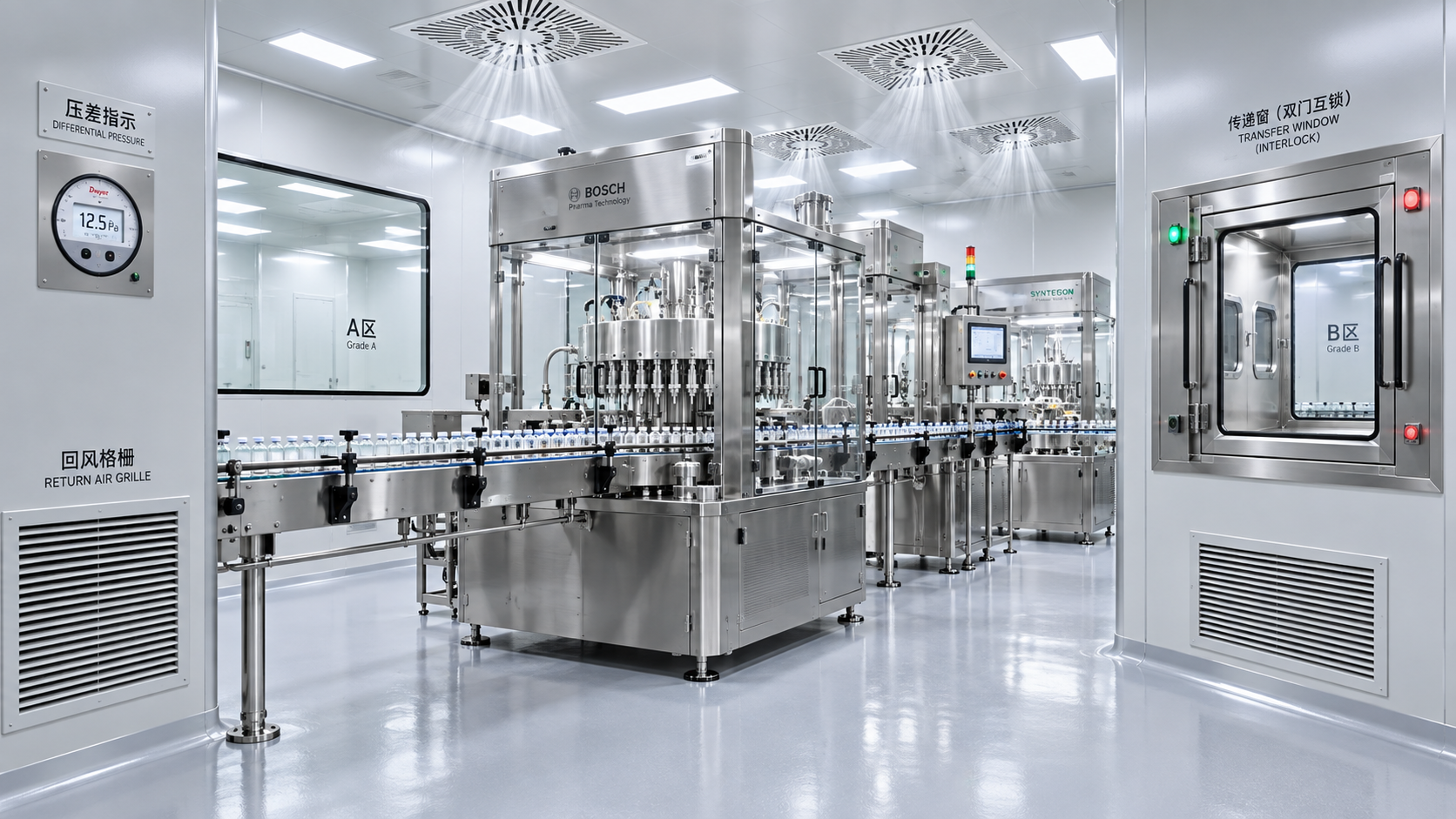
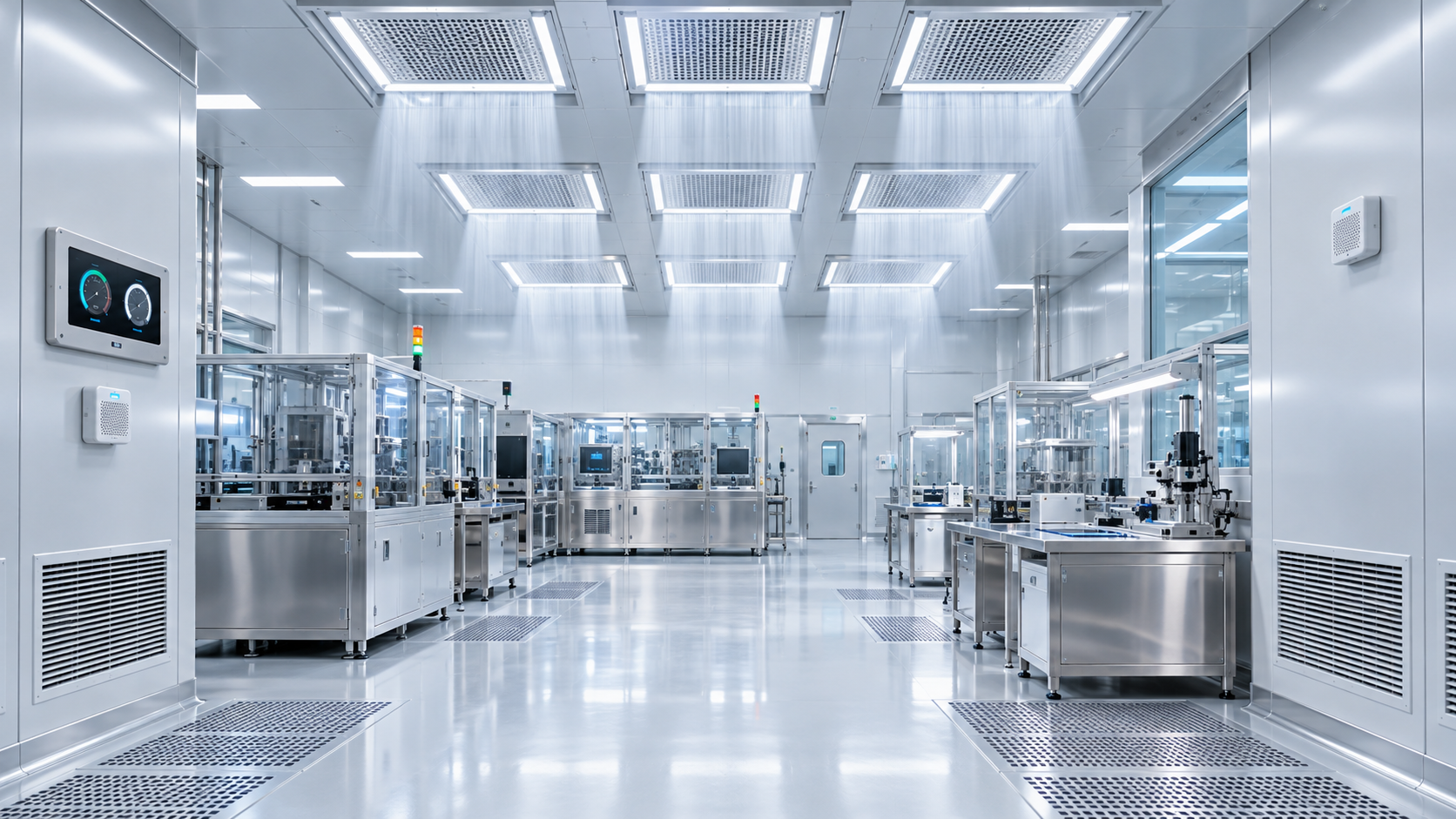
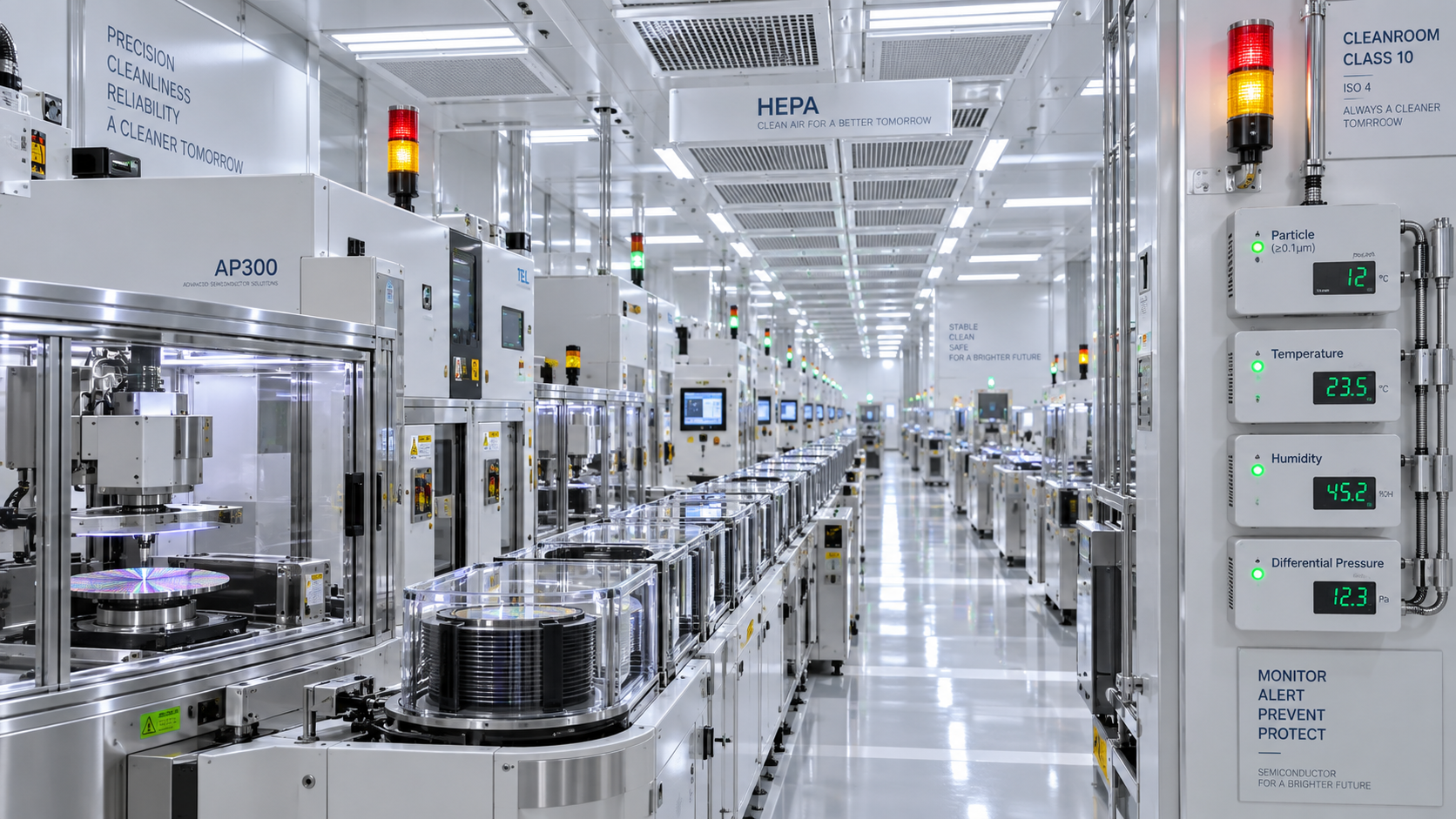
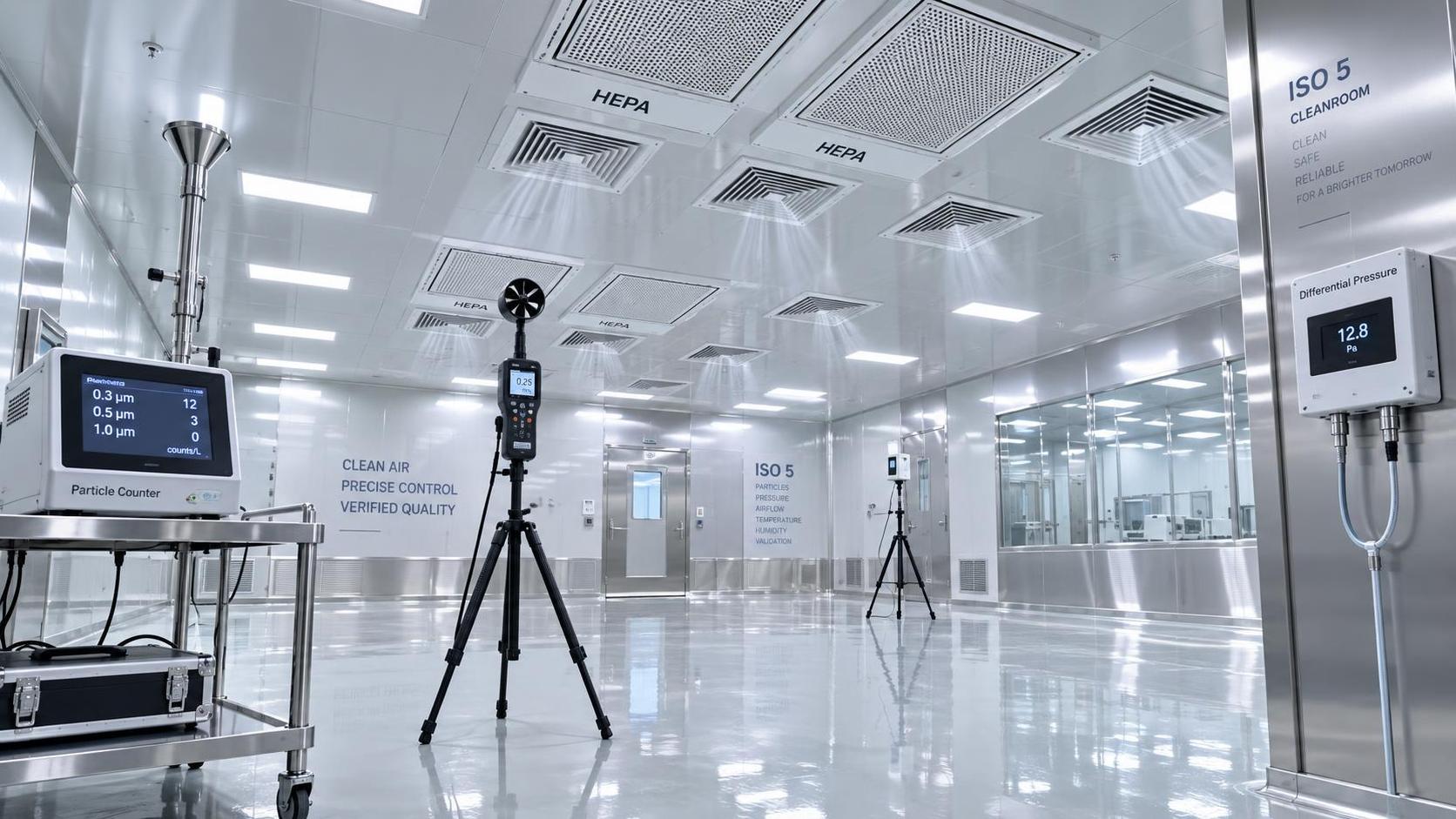
Airflow and contamination control also need a more disciplined conversation. ISO 14644 provides a recognized framework for cleanroom classification and control, but an ISO classification alone does not establish that a laboratory is appropriate for every automated healthcare workflow. Particle control, airflow patterns, pressure cascades, filtration, cleaning practices, people and material movement, and process-specific contamination risks must be considered together. Over-specifying a space can waste energy and capital; under-specifying it can undermine the quality case for automation.
Water and process fluids deserve earlier attention
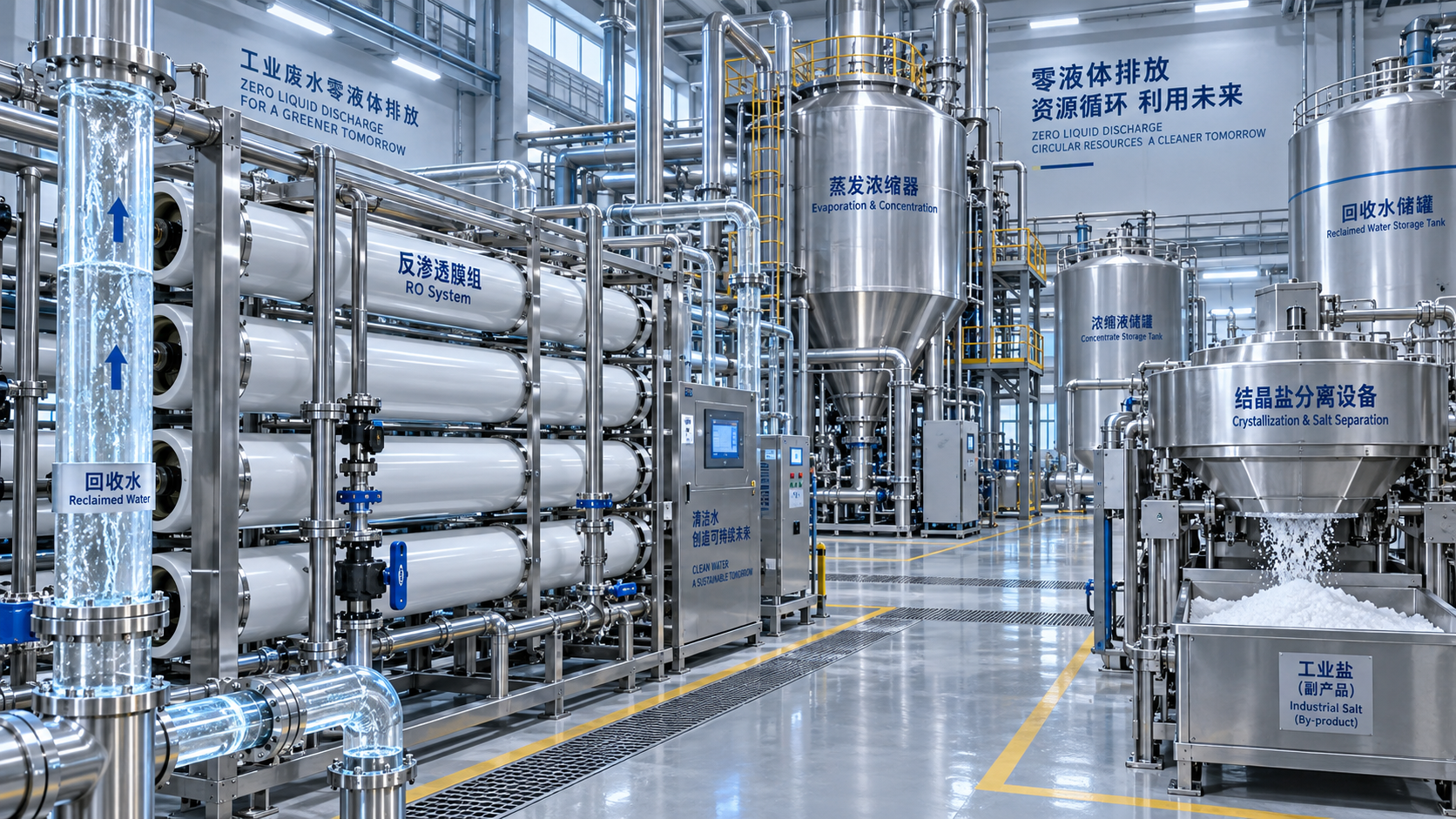
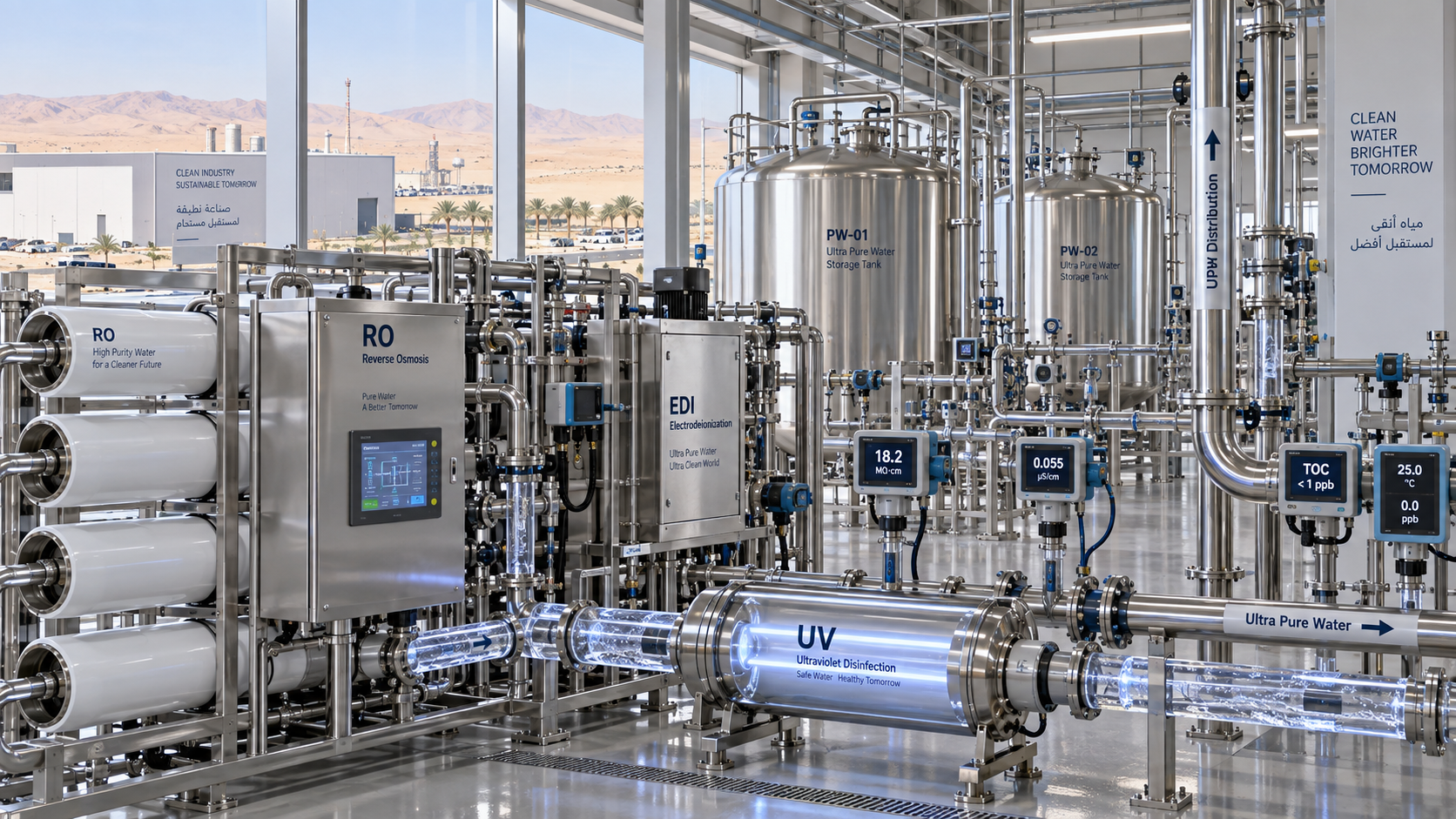
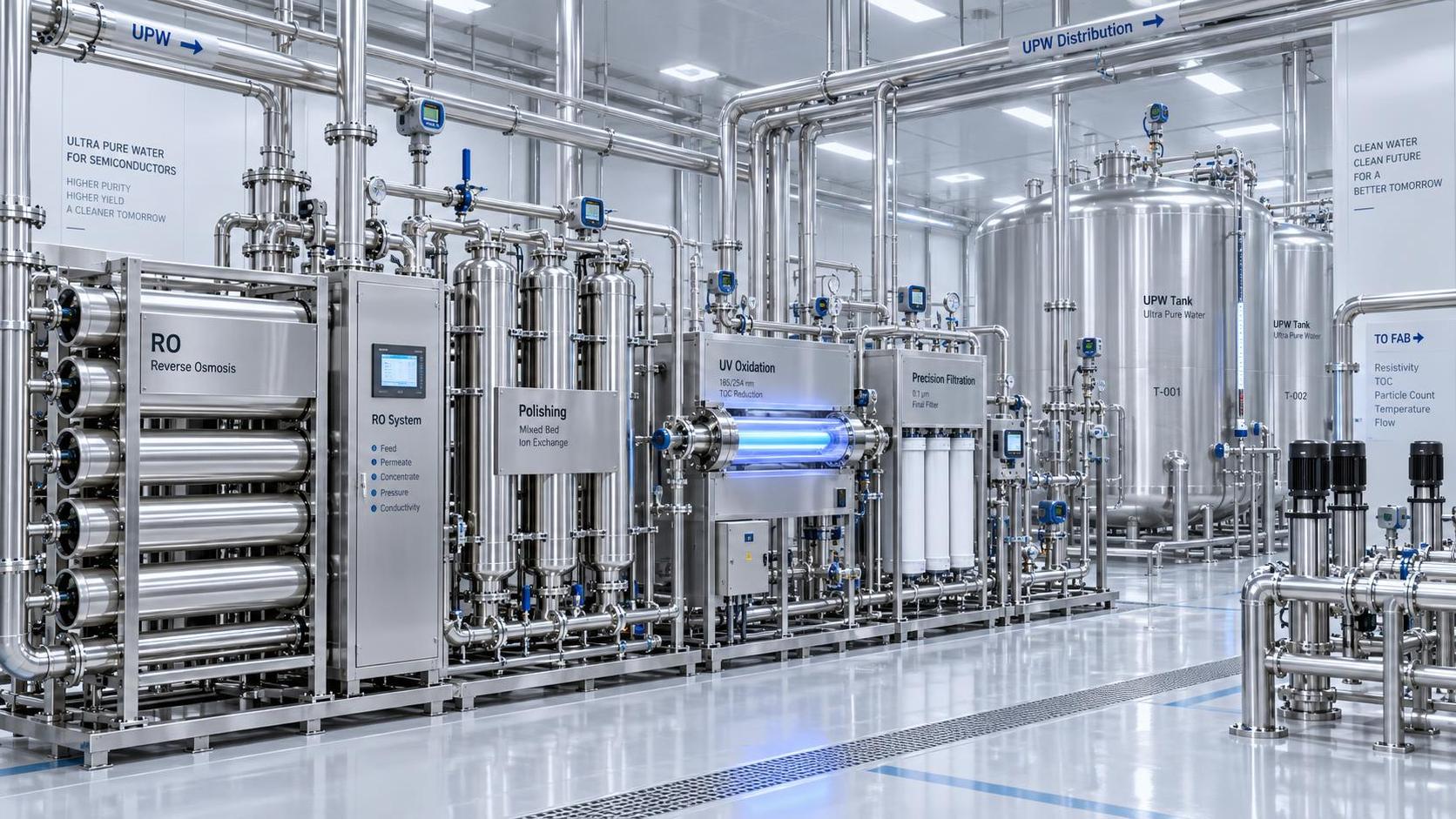
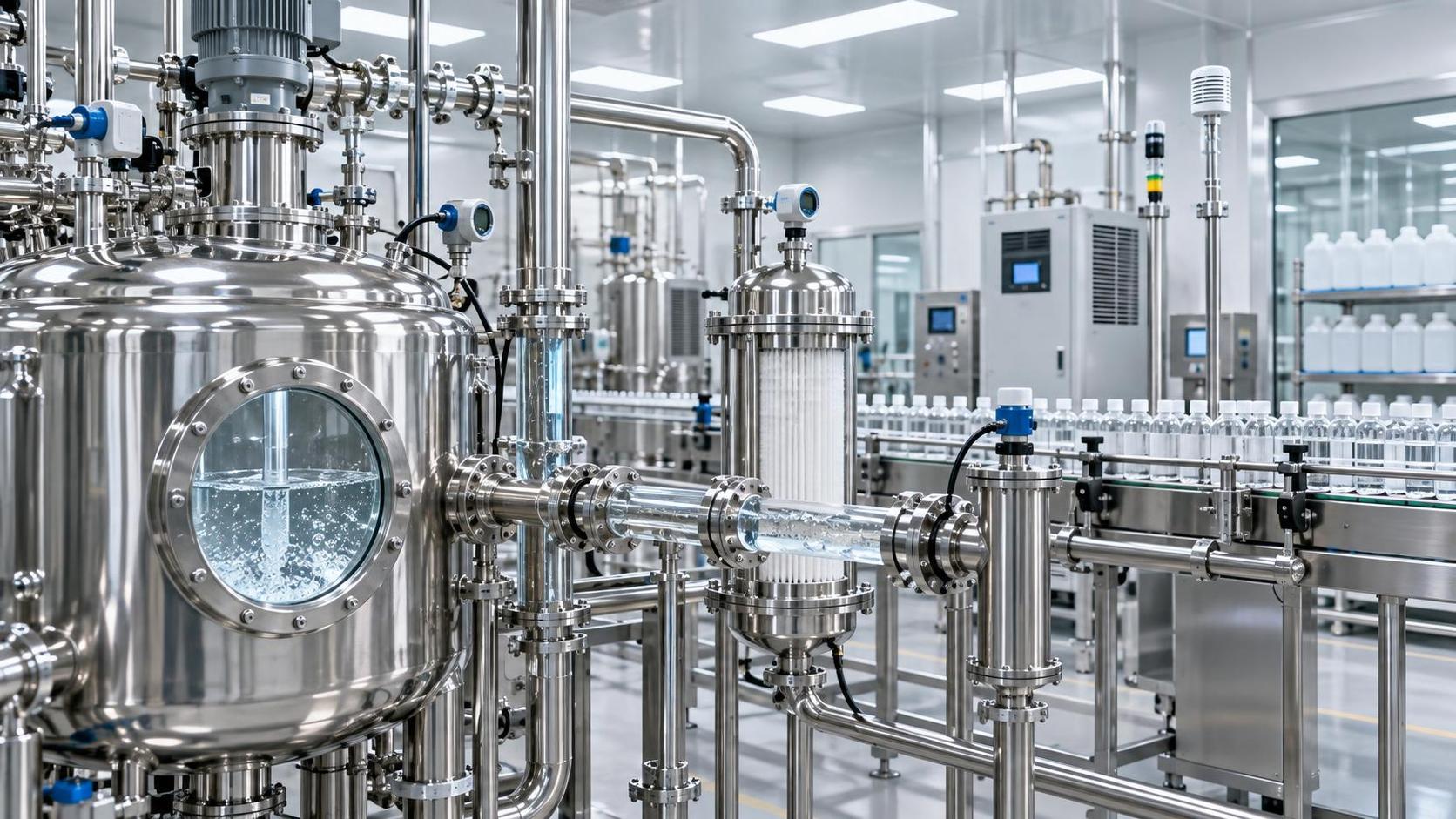
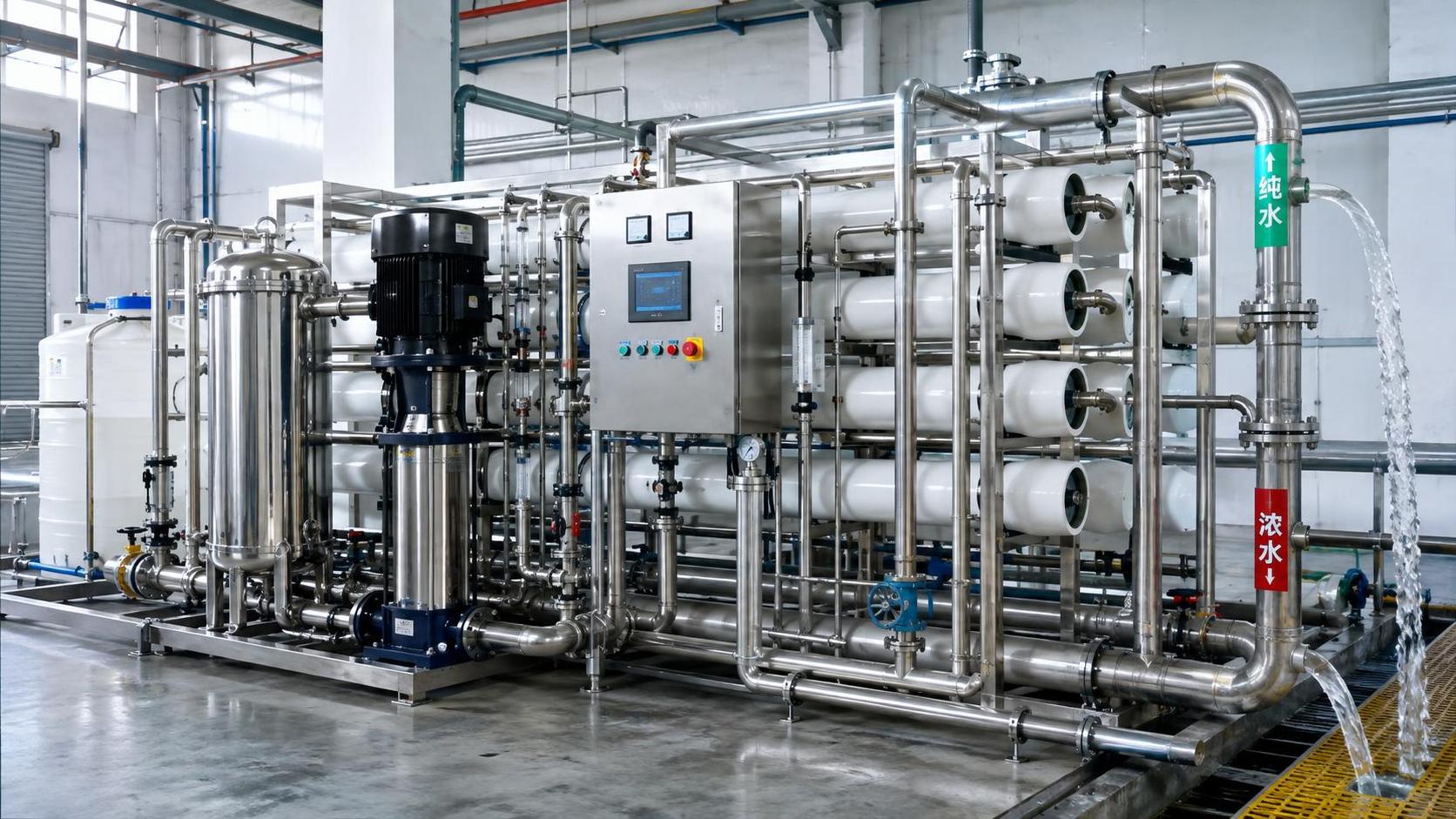
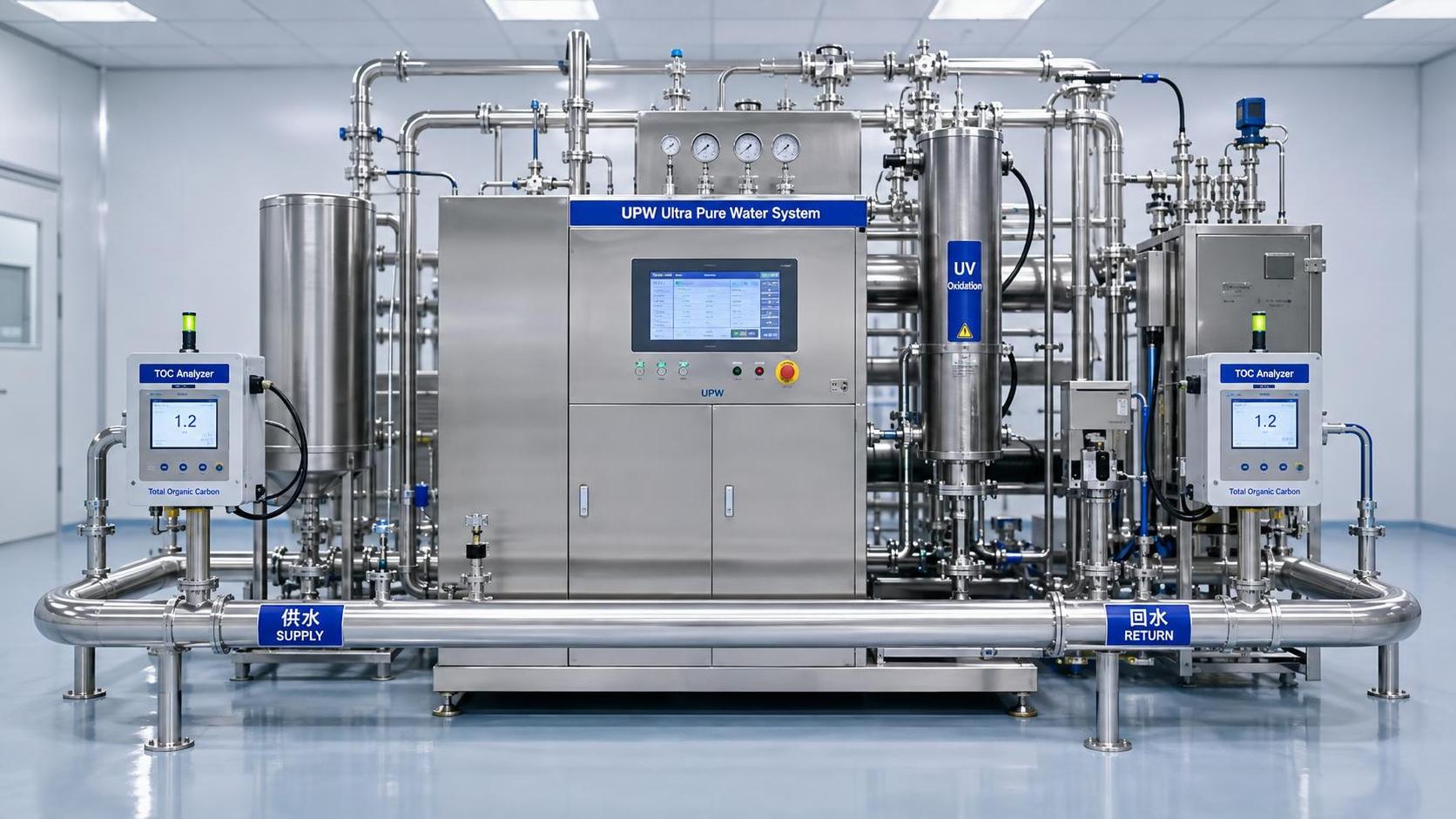
The need for reliable water quality is another area where early planning pays off. Depending on the application, laboratories may need purified water for reagent preparation, instrument feeds, cleaning, or analytical processes. Requirements can vary substantially, and water intended for one use may not be suitable for another. Quality attributes such as conductivity, total organic carbon, microbial control, storage conditions, distribution-loop design, and point-of-use behavior should be aligned with the process rather than selected by label alone.
This matters in automated environments because interruptions are not always isolated. A water-quality excursion can affect multiple instruments or batches before it is recognized. Maintenance planning, sanitization strategy, monitoring locations, and response procedures should therefore be defined alongside the laboratory workflow. The same principle applies to gases, vacuum, compressed air, and waste streams where those utilities support automated equipment.
Digital monitoring must support decisions, not create another dashboard
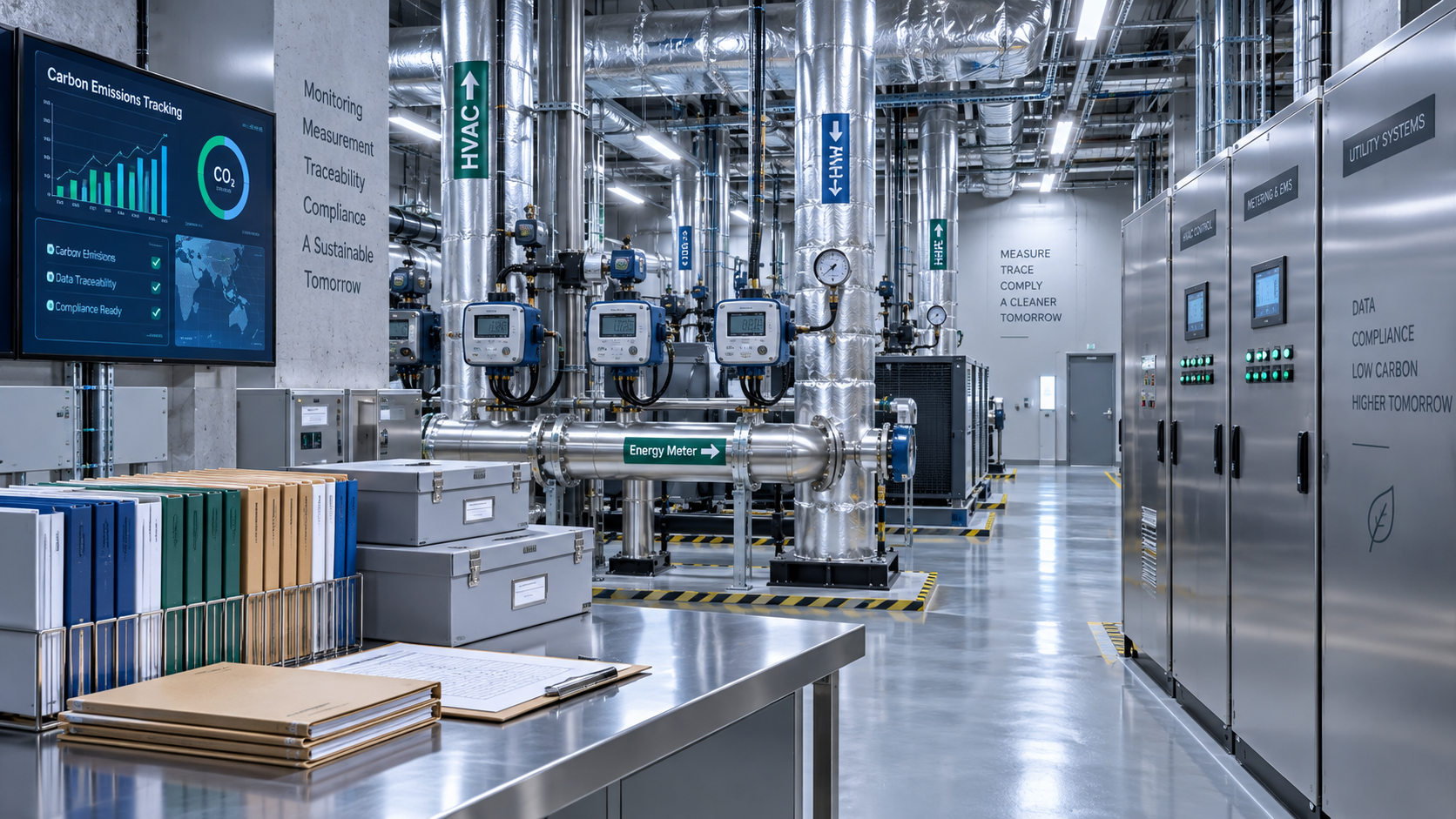
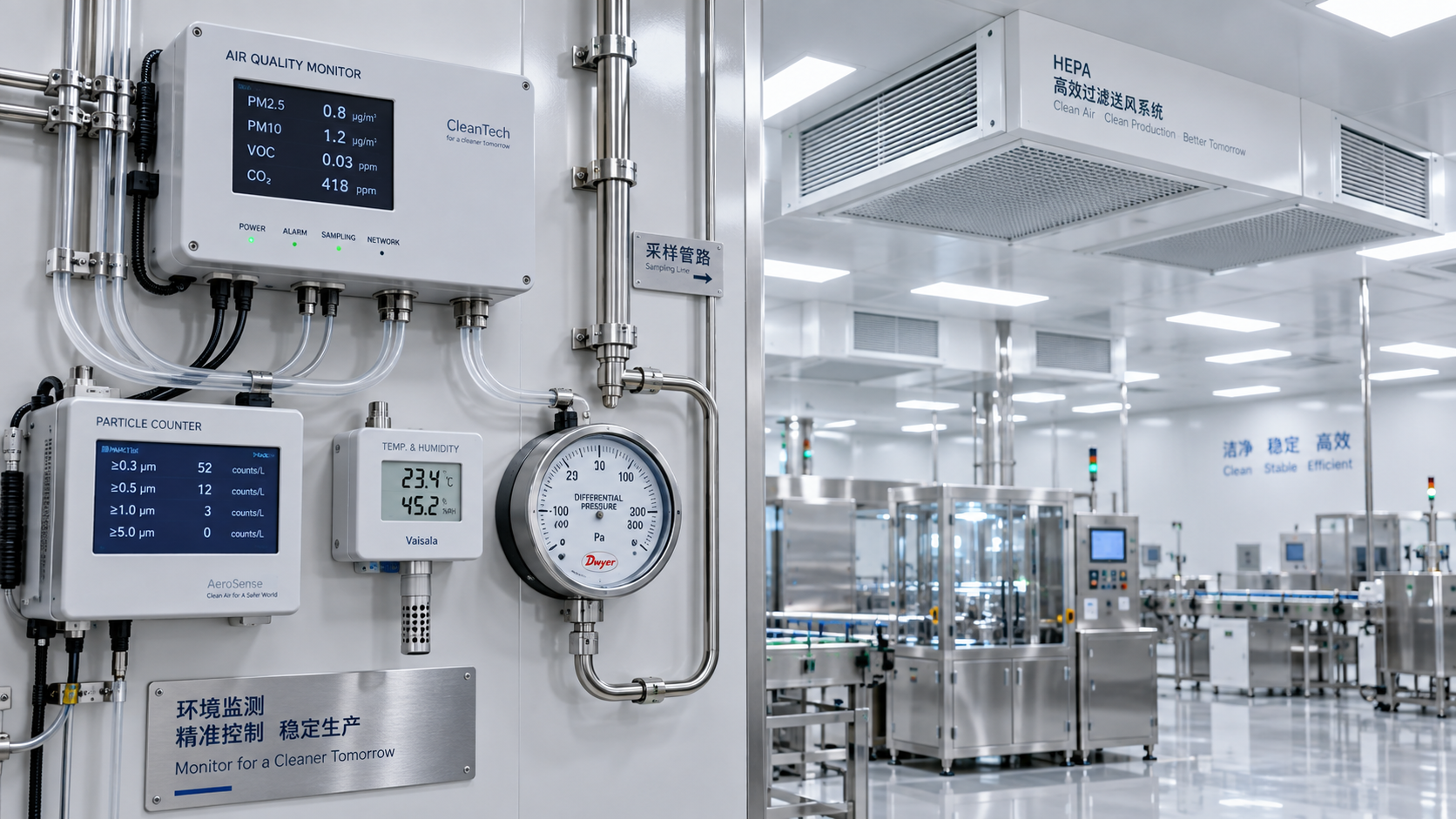
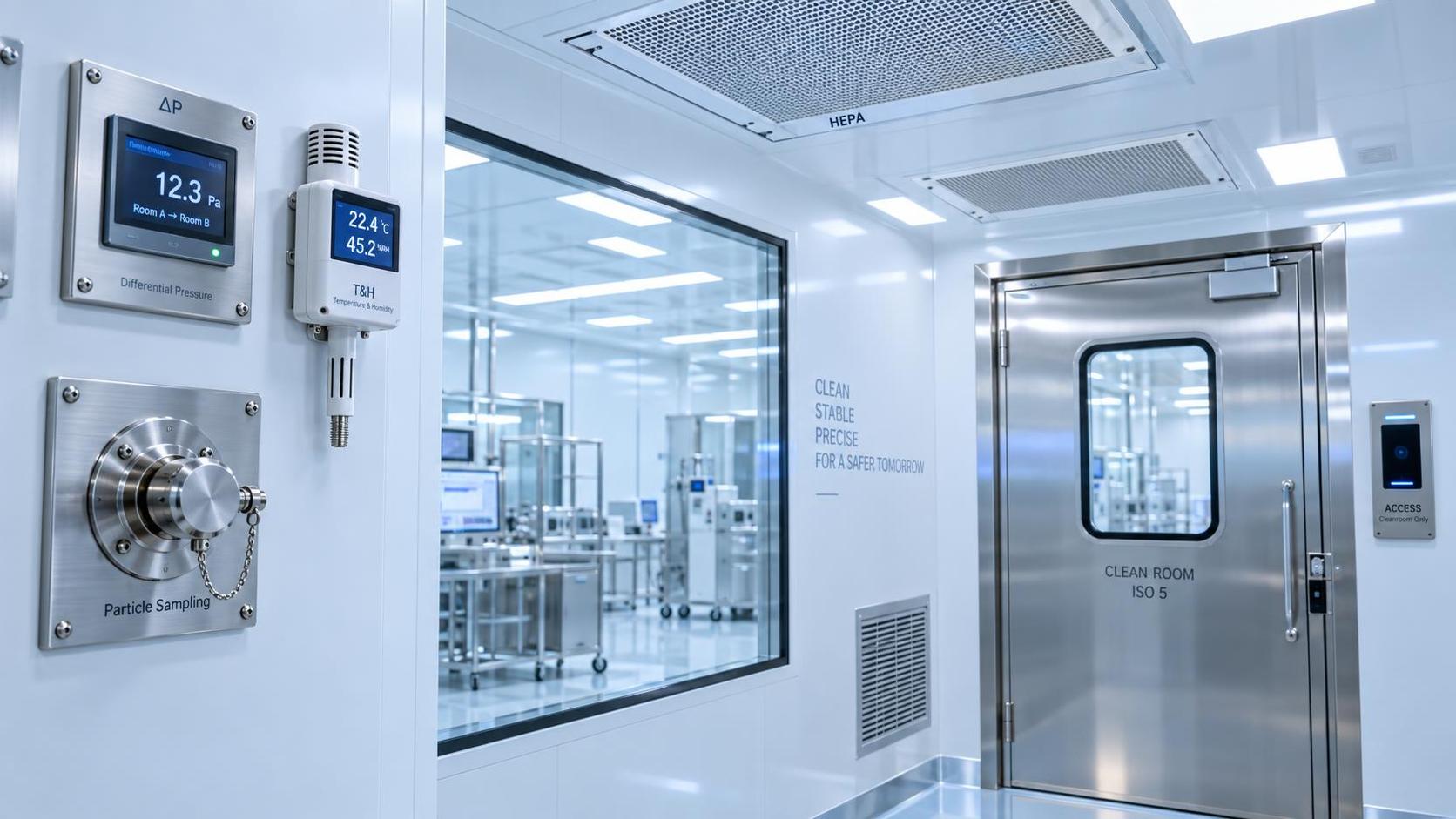
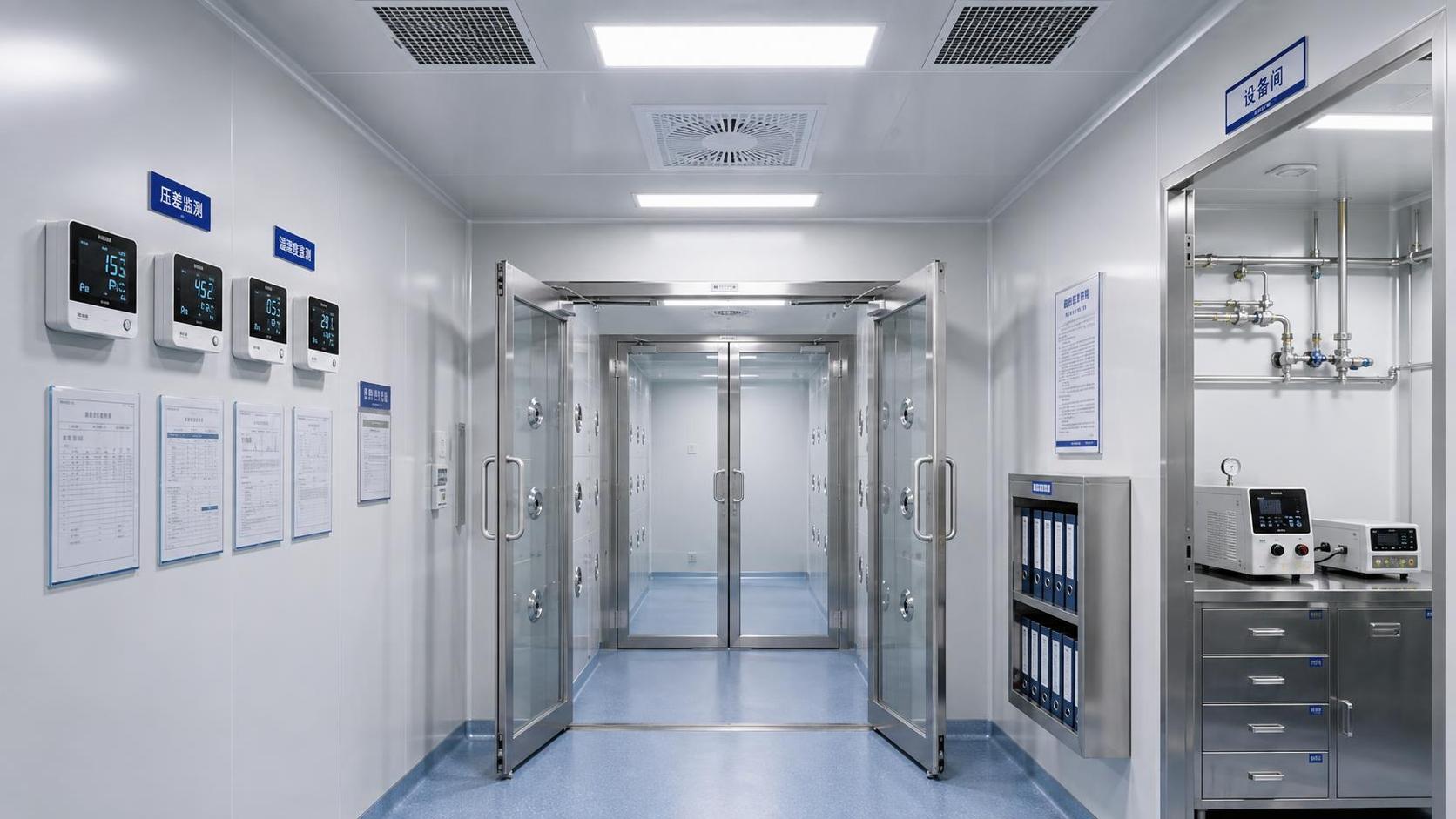
Investment in environmental monitoring is rising because organizations need a more complete operating record. Sensors can track room conditions, differential pressure, particle levels, utility status, equipment alarms, and energy performance. Yet a dense network of sensors is not automatically useful. The more important question is whether the monitoring design identifies conditions that genuinely affect process risk and gives the right people actionable visibility.
A useful digital environmental strategy normally distinguishes between informational trends, alert conditions, and events that require documented action. It also considers sensor calibration, data retention, cybersecurity, time synchronization, alarm escalation, and the connection between building-management systems and laboratory systems. If every minor fluctuation generates an alarm, operators learn to ignore alarms. If meaningful excursions are not contextualized, quality teams spend too much time reconstructing what happened.
Digital twins and advanced analytics can be valuable when they reflect a clear operational purpose. For example, they may help engineering teams understand heat-load changes, predict maintenance needs, test control scenarios, or compare energy performance across operating modes. They are less useful when implemented as a visual layer without trustworthy source data, ownership, or a defined decision process.
G-ICE approaches this challenge through the engineering of what often remains invisible in day-to-day laboratory work: airflow stability, thermal behavior, water purity, containment performance, and the integrity of environmental data. Its benchmarking perspective spans advanced cleanroom systems, precision industrial HVAC, ultra-pure water and process-fluid treatment, biosafety engineering, and smart monitoring. That integrated view is relevant because these domains interact long before a laboratory reaches routine operation.
What should be evaluated before approving an automation program?
A sound business case should test the proposed laboratory against operational reality. The following questions are often more revealing than a high-level capacity estimate:
- What happens to the workflow when ambient conditions move outside the preferred operating range, and how quickly can the facility recover?
- Which utilities are genuinely critical to automated processing, and where are the single points of failure?
- Can maintenance personnel access filters, valves, sensors, and equipment without entering or compromising controlled areas?
- Are material flows, waste routes, service routes, and personnel movement compatible with contamination-control and biosafety objectives?
- Can environmental and automation data be correlated during deviation investigations without manual reconstruction?
- Will the selected architecture still work if volumes, assay formats, or operating hours change?
These questions also expose a common mistake: designing to an average operating condition. Automated laboratories should be assessed under realistic stress conditions, including peak utilization, partial equipment failure, cleaning cycles, planned maintenance, and recovery after an outage. The required level of resilience will depend on the criticality of the work, but it should be decided deliberately rather than discovered after commissioning.
Avoiding the false choice between compliance and efficiency
Some investment discussions frame environmental control and compliance as unavoidable cost burdens, while automation is positioned as the source of efficiency. That division is misleading. Poorly integrated infrastructure can erode automation efficiency through lost runs, delayed investigations, high maintenance demands, and difficult change control. Conversely, highly conservative environmental specifications can create unnecessary energy consumption and operational complexity.
The better approach is risk-based engineering. It begins by identifying what the process truly needs, what can affect result quality or safety, what evidence must be retained, and what failure modes are tolerable. Standards such as ISO 14644, ASHRAE guidance, and sector-specific references such as SEMI can inform technical decisions where relevant, but they do not replace a project-specific basis of design.
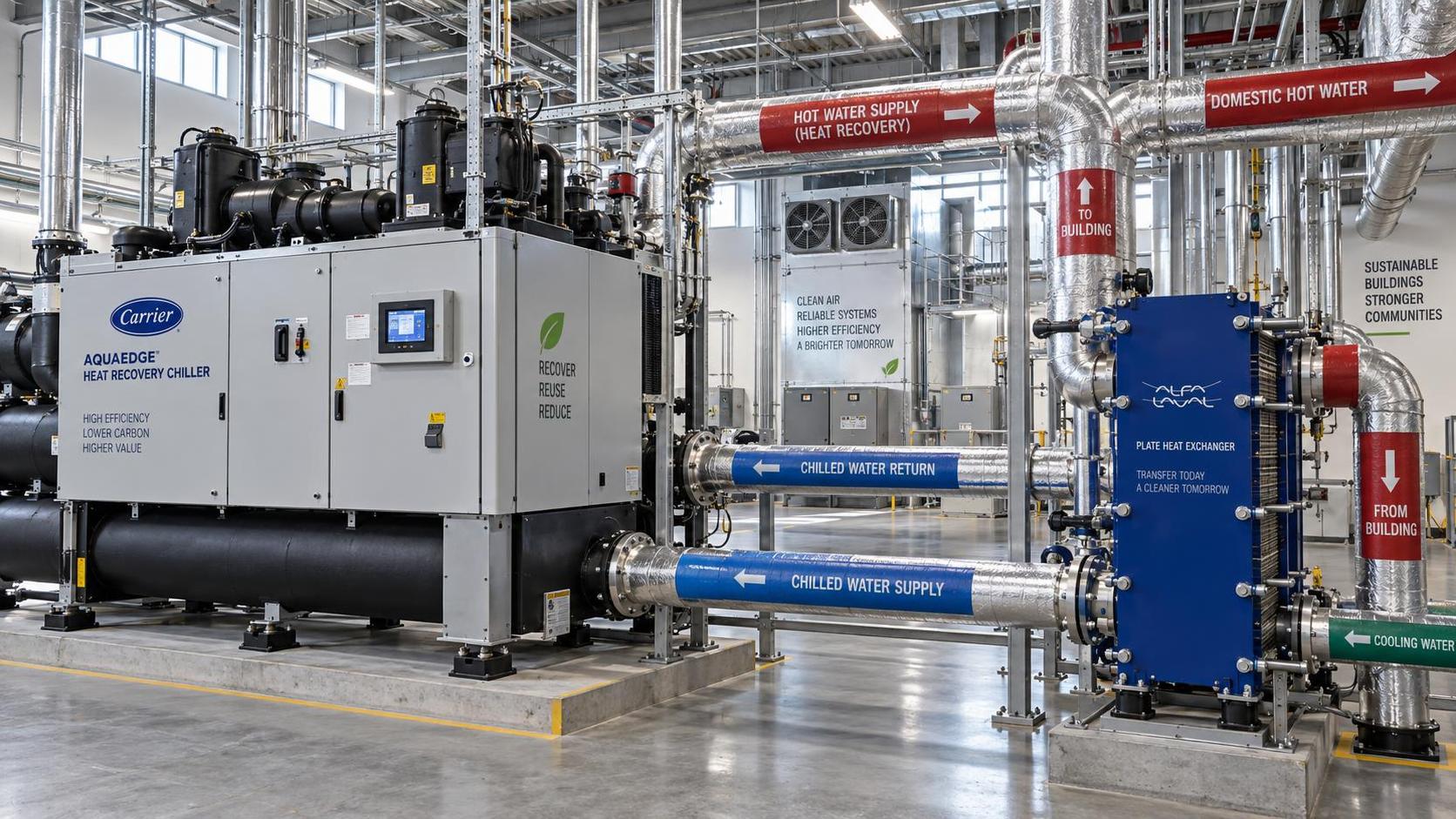
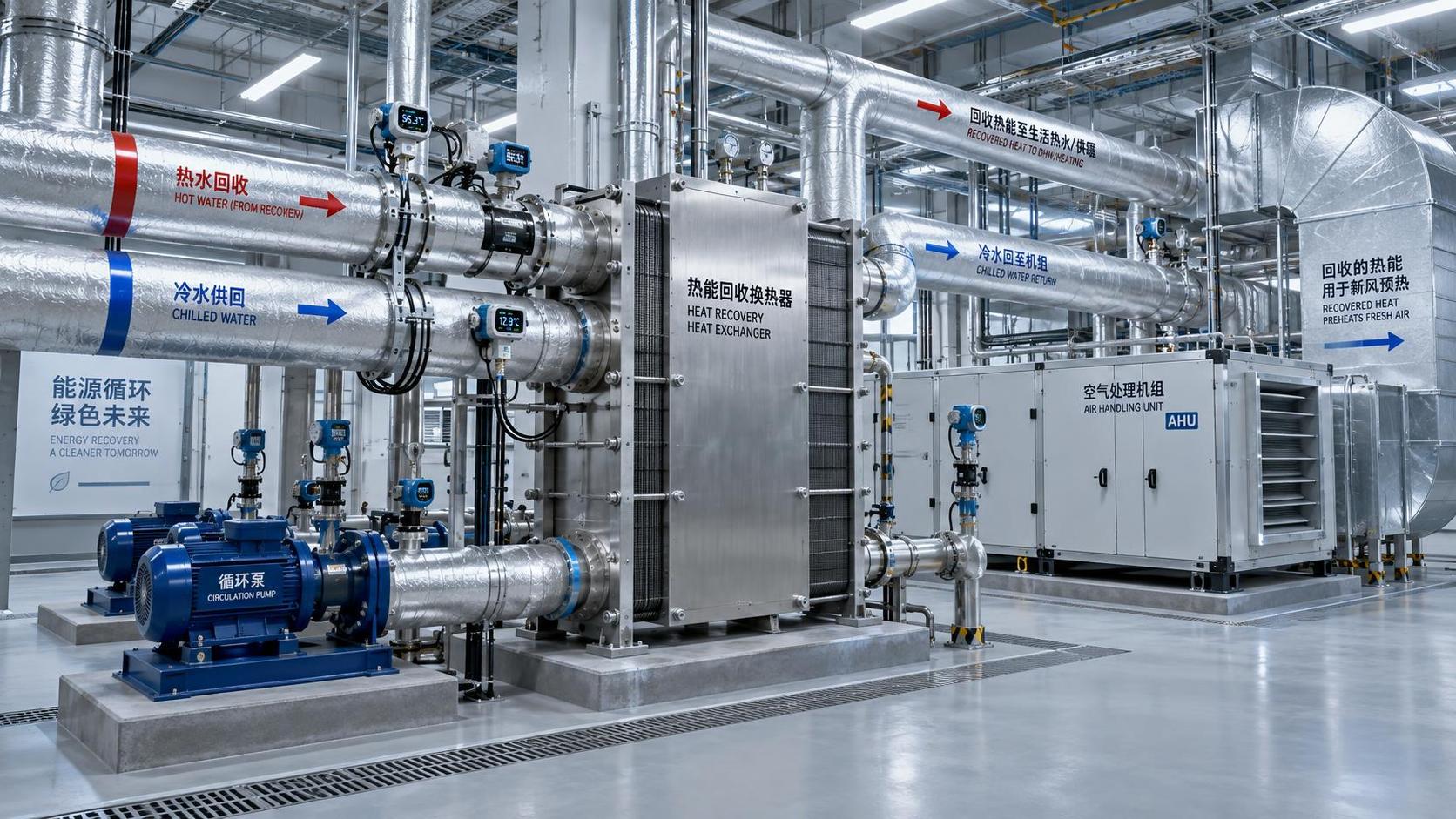
Energy performance should be included in this assessment from the start. Cleanrooms and controlled laboratories can require substantial airflow, cooling, filtration, and water treatment. Measures such as efficient fan systems, variable control strategies, appropriate zoning, heat recovery where suitable, and well-managed setpoints may be worth evaluating. However, no efficiency measure should weaken pressure control, contamination protection, or process stability. The engineering task is to understand the trade-off rather than claim that one solution optimizes every variable.
The next investment cycle will reward operational clarity
Healthcare Trends will continue to push laboratories toward greater automation, but the strongest projects will not be defined only by the sophistication of their instruments. They will be defined by whether the organization has translated scientific, quality, safety, and business requirements into an environment that performs consistently.
Before committing capital, leaders should require a clear link between workflow requirements and infrastructure parameters: cleanliness where it matters, thermal stability where it affects the process, water quality appropriate to use, containment proportionate to risk, and monitoring designed for investigation and action. This is where multidisciplinary benchmarking becomes useful. Comparing facility concepts against recognized standards and actual operating constraints can reveal gaps while they are still affordable to address.
The most prudent next step is usually not to select equipment immediately. It is to validate the operating model, critical environmental conditions, utility dependencies, data expectations, and maintenance strategy together. Once those foundations are explicit, laboratory automation investment becomes easier to evaluate on its real merits: dependable throughput, defensible quality, and an infrastructure capable of adapting to the next change in healthcare demand.
Get weekly intelligence in your inbox.
No noise. No sponsored content. Pure intelligence.
 Sep 26, 2026How environmental integrity in laboratories supports reliable test resultsEnvironmental Integrity in laboratories safeguards samples, instruments, and staff. Discover practical controls for contamination, monitoring, and reliable test results.
 Sep 25, 2026Healthcare trends reshaping laboratory automation investmentHealthcare Trends are reshaping laboratory automation investment. Explore how resilient infrastructure, data integrity, and smart monitoring improve scalable performance.
 Sep 24, 2026When chemical wastewater treatment systems need zero-liquid dischargeWastewater treatment systems for chemicals: learn when zero-liquid discharge reduces risk, recovers water, and supports resilient chemical operations.
 Sep 23, 2026How regulatory frameworks documentation supports audit-ready carbon trackingRegulatory Frameworks documentation creates audit-ready carbon tracking with traceable evidence, controlled methods, and compliant operational decisions.
 Sep 22, 2026How cleanroom architecture controls contamination risks in pharma productionCleanroom Architecture for pharmaceutical production: discover how airflow zoning, pressure cascades, cleanable finishes, and separated flows reduce contamination risks and strengthen GMP compliance.
 Sep 21, 2026What ultra pure water specifications matter most in Middle East projects?Ultra pure water Middle East projects demand resilient specifications. Explore point-of-use quality, feedwater variability, heat control, monitoring, and reliable distribution design.
 Sep 20, 2026How Process Environment Control systems prevent airborne contaminationProcess Environment Control systems prevent airborne contamination through managed airflow, pressure, filtration, and monitoring. Discover practical strategies for safer, compliant operations.
 Sep 19, 2026When does heat recovery make sustainable cooling worth the investment?Sustainable cooling technology heat recovery: learn when reliable heat demand, temperature matching, and lifecycle savings make recovery a smart investment.
 Sep 18, 2026How to set alarm limits for semiconductor cleanroom monitoringSemiconductor cleanroom monitoring: learn how to set risk-based alarm limits for particles, humidity, pressure, and airflow to protect yield and reduce nuisance alerts.
 Sep 17, 2026How plastic injection molding affects ESD protection in cleanroomsPlastic injection molding affects ESD protection in cleanrooms. Learn how resin choice, molding consistency, grounding, and particle control support reliable compliance.
 Sep 16, 2026What to verify before choosing an industrial air quality monitoring supplierIndustrial air quality monitoring supplier checklist: verify measurement accuracy, calibration traceability, data integration, compliance support, and lifecycle service before you buy.
 Sep 15, 2026Smart HVAC investment insights for North American heat recovery projectsSmart HVAC investment insights North America: evaluate heat recovery, lifecycle costs, controls, and performance for resilient project decisions.
 Sep 14, 2026How SEMI standards shape water treatment design for semiconductor fabsSemiconductor water treatment SEMI guidance shapes resilient UPW design, contamination control, monitoring, reclaim strategy, and fab-ready validation.
 Sep 13, 2026What drives Biosafety Containment Systems cost in BSL-3 projects?Biosafety Containment Systems cost in BSL-3 projects depends on HVAC, layout, decontamination, controls, and commissioning. Discover how to build a credible budget.
 Sep 12, 2026How to qualify a fine chemical process solutions supplier for purity controlFine Chemical Process Solutions supplier qualification guide: evaluate purity control, traceability, contamination prevention, and safety for reliable high-purity production.
 Sep 11, 2026What drives cleanroom certification cost for ISO Class 1–9 projects?Cleanroom certification cost depends on ISO Class 1–9 requirements, test scope, HVAC readiness, documentation, and retesting. Explore practical budgeting insights to control project risk.
 Sep 10, 2026When should Procurement Directors prioritize heat recovery payback?Procurement Directors: learn when heat recovery delivers reliable payback, lower lifecycle costs, and safe performance in controlled industrial environments.
 Sep 09, 2026How to select an environmental monitoring system for cleanroomsEnvironmental monitoring system selection for cleanrooms: compare sensors, alarms, data integrity, integration, and installation to ensure reliable control.
 Sep 08, 2026How temperature stability affects semiconductor manufacturing yieldSemiconductor manufacturing temperature stability directly affects yield, overlay, metrology, and process control. Explore practical HVAC, monitoring, and zoning strategies.
 Sep 07, 2026How to prepare for a Regulatory Frameworks audit of cleanroom controlsRegulatory Frameworks audit readiness for cleanroom controls: build traceable evidence, verify alarms and monitoring, and close compliance gaps with confidence.
 Sep 07, 2026How to choose reverse osmosis systems with the right recovery rateReverse osmosis systems: learn how to select the right recovery rate for reliable water quality, lower scaling risk, efficient concentrate control, and stable long-term performance.
 Sep 05, 2026How does a negative pressure room work to contain airborne contaminants?How does a negative pressure room work? Discover how inward airflow, controlled exhaust, monitoring, and room design help contain airborne contaminants safely.
 Sep 04, 2026How Should Semiconductor Facilities Select Vibration Isolation Systems?Vibration isolation semiconductor guide: learn how to match tool limits, site vibration, utilities, and cleanroom needs for stable, high-yield fab performance.
 Sep 04, 2026What TOC Limits Should Be Set and Monitored for a UPW Loop?What are our TOC limits for the UPW loop? Learn how to set defensible TOC thresholds, monitor trends, protect critical processes, and improve water-quality control.
 Sep 04, 2026What Are the Best Retrofit Options for Upgrading Existing Pharmaceutical Cleanrooms?What are the best retrofit options to upgrade existing pharma cleanrooms? Explore FFUs, HVAC modernization, pressure cascades, monitoring, and sealed finishes for compliant performance.
 Sep 04, 2026How Does a Negative Air Pressure Room Protect Adjacent Areas?What is a negative air pressure room? Learn how controlled airflow contains airborne hazards, protects adjacent spaces, and supports safer facility operations.
 Sep 04, 2026What Is ISO Class 1 Cleanroom Classification, and Where Is It Used?What is ISO Class 1? Explore its ultra-low particle limits, critical cleanroom design factors, verification methods, and uses in semiconductor, optics, and quantum manufacturing.