When chemical wastewater treatment systems need zero-liquid discharge
When Chemical Wastewater Treatment Systems Need Zero-Liquid Discharge
Chemical manufacturers are under increasing pressure to reduce discharge risk, recover process water, and demonstrate credible control over environmental liabilities. For many sites, the question is no longer whether wastewater can be treated to a conventional discharge limit. It is whether the facility can continue relying on a discharge pathway at all.
Zero-liquid discharge, usually shortened to ZLD, is often introduced as the most rigorous answer: recover water for reuse and convert the remaining dissolved constituents into solid or concentrated residuals for managed disposal or potential recovery. Yet ZLD is not automatically the right endpoint for every chemical plant. It adds thermal demand, operational complexity, solids-handling obligations, and a different set of failure modes. The sound decision is not “install ZLD because regulations are getting stricter.” It is to identify when conventional wastewater treatment systems for chemicals have reached a practical limit and when a ZLD architecture becomes the lower-risk long-term option.
The decision usually begins with a discharge problem that biology cannot solve
Conventional treatment remains appropriate for many chemical effluents. Neutralization, precipitation, clarification, biological treatment, activated carbon, ion exchange, and membrane polishing can be effective when influent quality is reasonably understood and the receiving environment or municipal treatment agreement is stable. The difficulty appears when the wastewater contains constituents that do not disappear through conventional treatment; they are merely separated, concentrated, transformed, or passed downstream.
High dissolved salts are the clearest example. Reverse osmosis can recover a substantial portion of water, but it produces a reject stream with higher conductivity and a greater scaling tendency. If the site cannot send that reject to a permitted outfall, sewer, deep-well route, or off-site treatment facility, the treatment train has no credible end point. The same problem can arise with refractory organics, fluorides, heavy metals, high-boiling solvents, surfactants, or compounds that create persistent toxicity despite low flow volumes.
Technical evaluators should therefore separate two questions that are often blended together: “Can we meet today’s effluent limit?” and “Can we manage every residual stream produced by the treatment process?” A system that meets a final-water target while creating a difficult brine, sludge, spent carbon, or resin waste has not eliminated the compliance challenge. It has relocated it.
Signals that ZLD deserves serious evaluation
ZLD is most relevant when discharge availability is constrained, not simply because a plant wants a high water-recovery percentage. Several conditions tend to move it from an aspirational concept to a defensible engineering option.
- The facility operates in a water-stressed region where recovered water has meaningful process, cooling, utility, or feedwater value.
- The receiving water body is sensitive, the permitted discharge volume is limited, or the site faces uncertainty around future discharge conditions.
- The wastewater has high total dissolved solids or variable salt chemistry that makes membrane concentrate disposal unreliable or expensive.
- Production changes create batch-to-batch swings in pH, chemical oxygen demand, solvent content, temperature, or metal loading that compromise a conventional biological plant.
- The business has a strategic requirement to reduce dependence on external wastewater infrastructure, tanker transport, or third-party disposal capacity.
None of these factors alone proves that ZLD is necessary. A small high-salinity side stream, for instance, may be better isolated and managed separately than mixed into the total plant flow. Conversely, a site with a large but relatively clean rinse-water flow may obtain much of the benefit through segregated reuse and membrane recovery, without pursuing crystallization. The important point is that wastewater characterization and stream segregation should occur before a technology decision.
ZLD is an architecture, not one machine
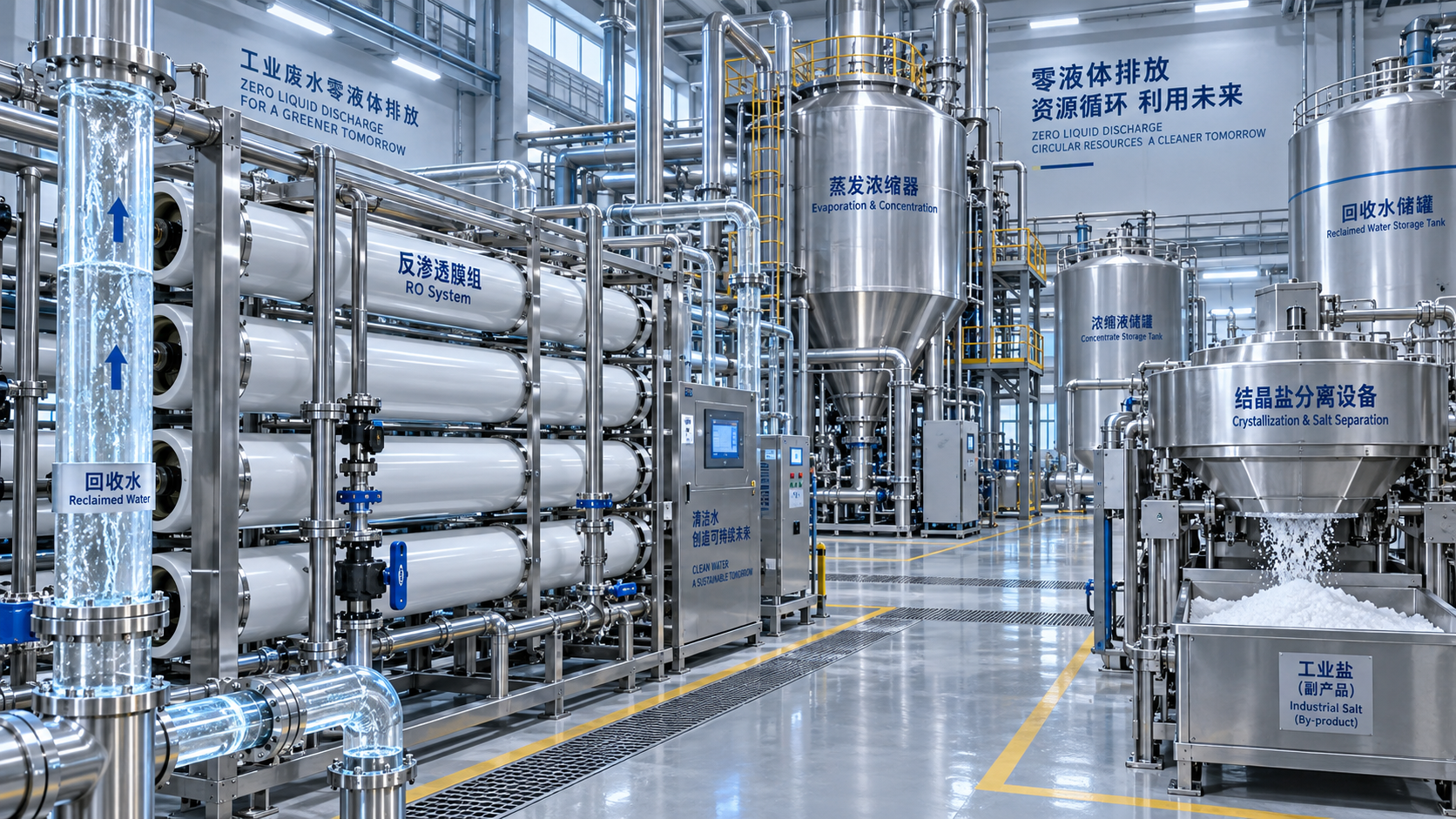
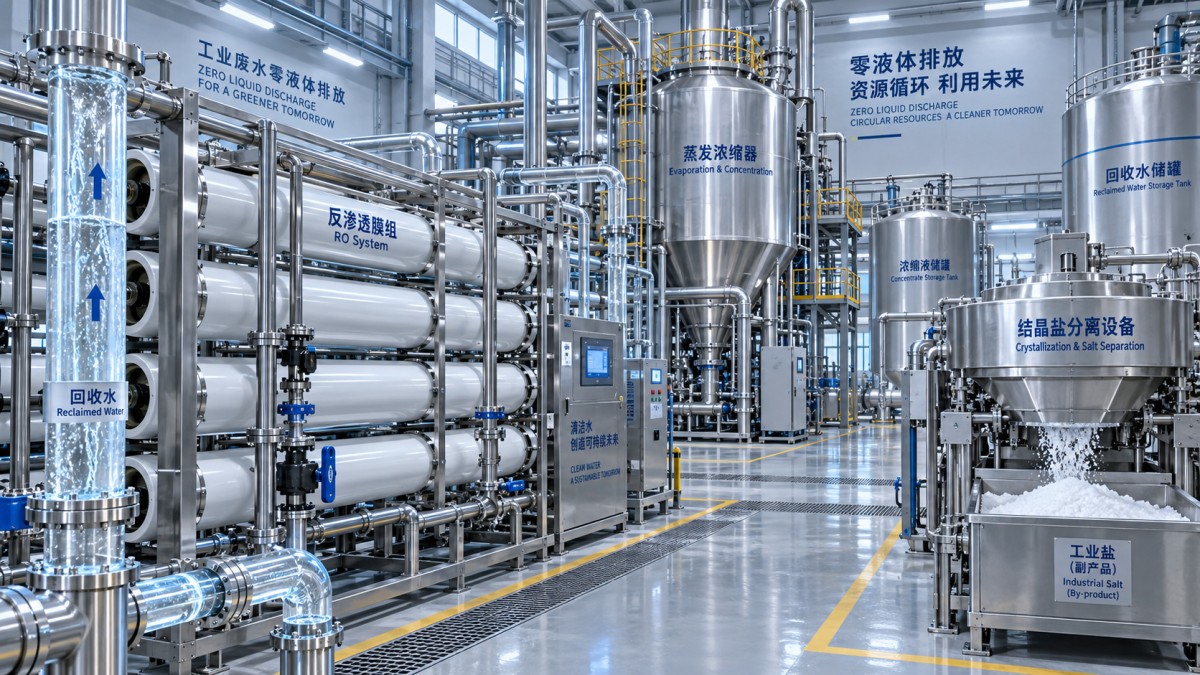
A credible ZLD design is usually a sequence of barriers. The front end protects downstream equipment from the chemistry that causes fouling, scaling, corrosion, volatilization, or unstable solids formation. Depending on the wastewater, that may include equalization, pH adjustment, oxidation or reduction, precipitation, dissolved air flotation, filtration, carbon treatment, or specialty separation steps. The goal is not to add equipment indiscriminately. It is to condition the feed so the recovery units can operate predictably.
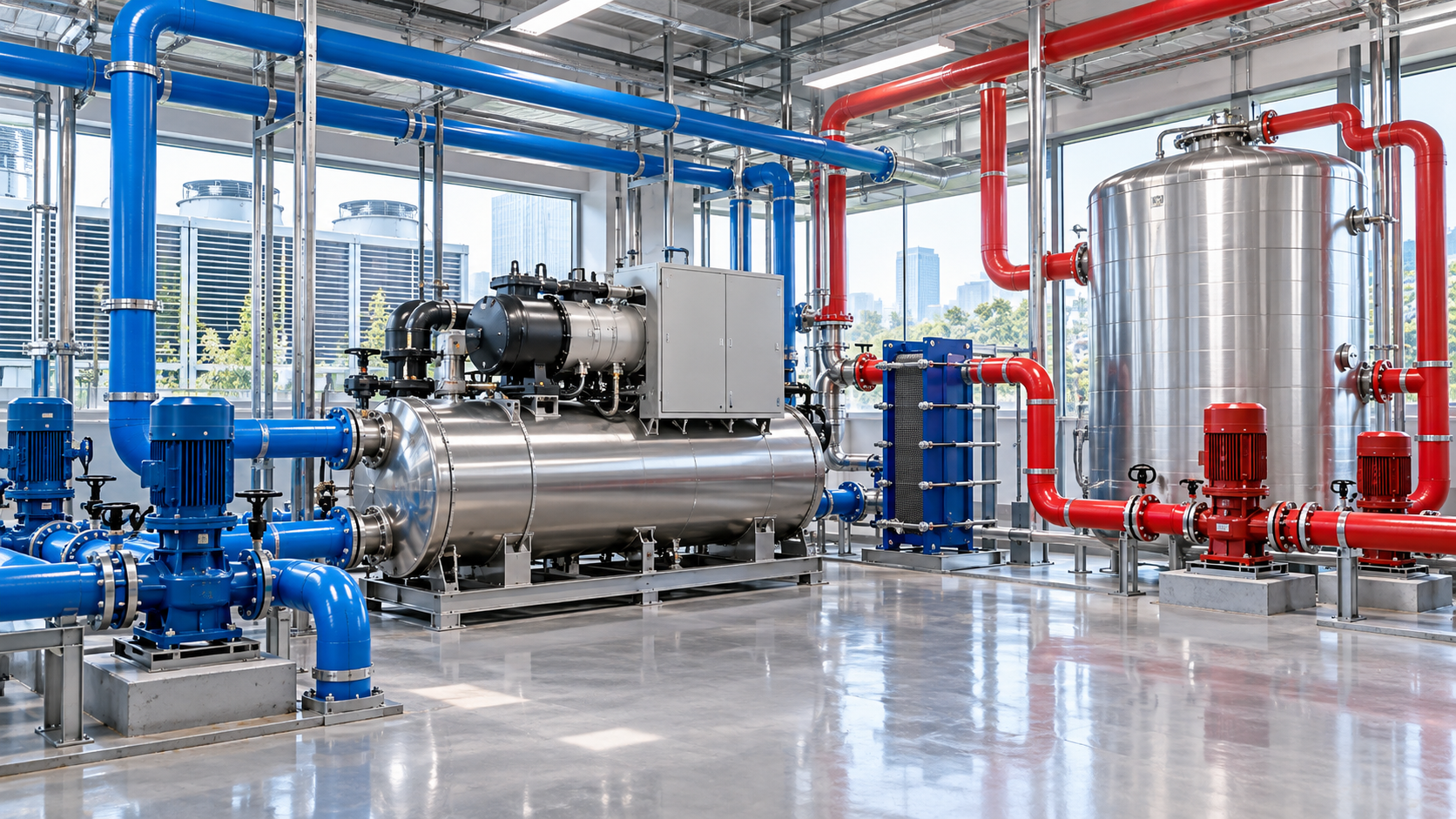
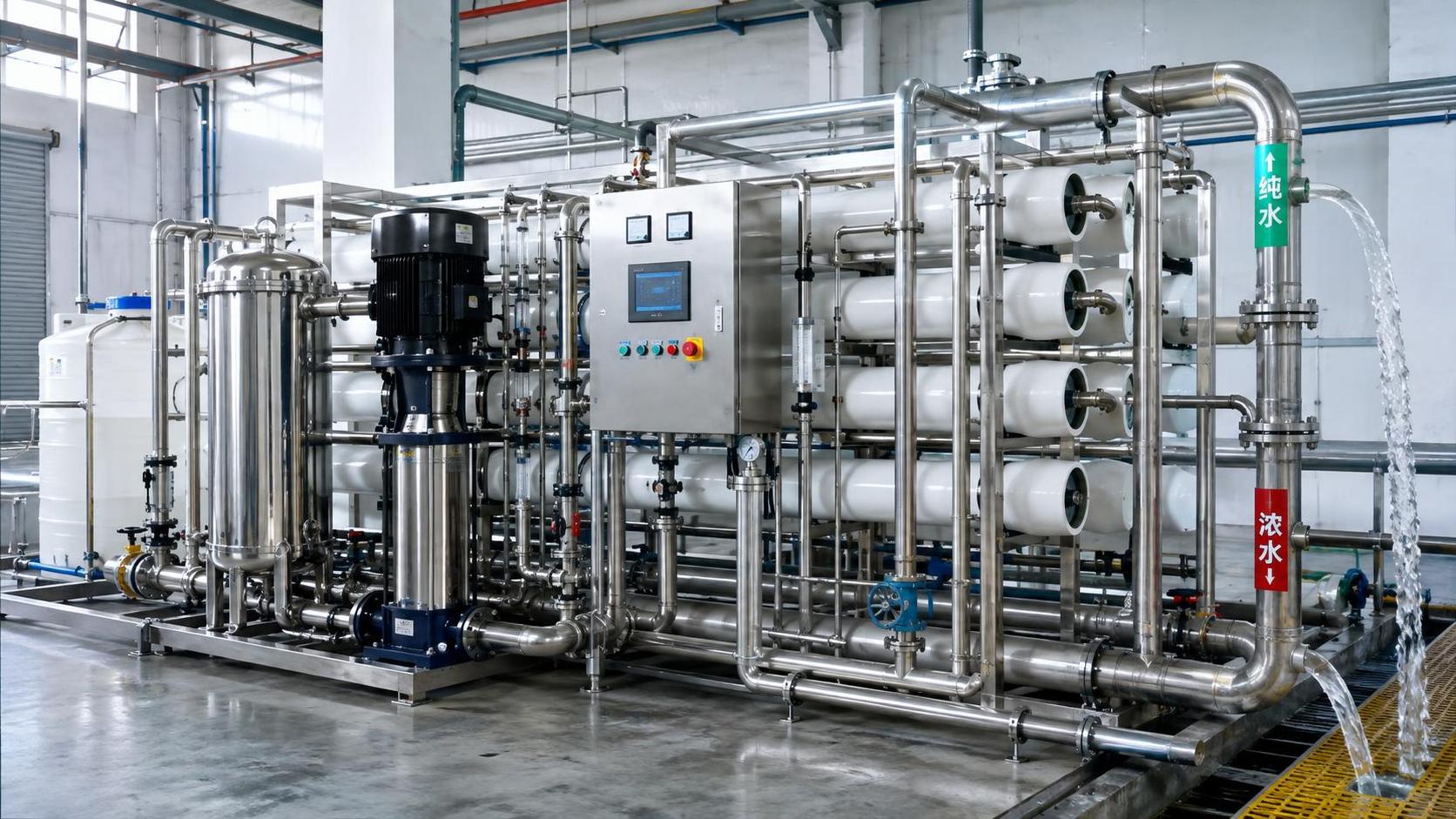
Membrane systems often perform the bulk water-recovery duty. Nanofiltration or reverse osmosis may be used in one or more stages where the chemistry allows. Thermal concentration then handles the membrane concentrate or a challenging high-salinity stream. Mechanical vapor recompression evaporators can reduce steam dependence in suitable applications, while forced-circulation evaporators, brine concentrators, and crystallizers are selected according to salt behavior, heat integration opportunities, throughput, and the required form of the final solids.
The final “zero liquid” claim must be examined carefully. ZLD does not mean zero waste. It means no routine liquid discharge from the defined system boundary. The plant still needs a plan for crystallized salts, mixed sludge, filter cakes, spent treatment media, and any volatile contaminants captured in condensate treatment or vapor-handling equipment. A decision package should state those residuals plainly, including expected variability and the proposed disposal or recovery route.
The chemistry matters more than the flow rate alone
Flow rate sets equipment scale, but chemistry determines whether the system will be operable. Two streams with the same daily volume can demand entirely different solutions. Calcium, magnesium, silica, sulfate, fluoride, phosphate, chlorides, ammonia, and organic residues influence precipitation behavior and scaling risk in different ways. Some salts may crystallize in forms that are manageable; others can form hard deposits, sticky solids, or mixed salts that complicate centrifuging and disposal.
Organic chemistry deserves equal attention. Solvents, low-molecular-weight organics, surfactants, oils, and reaction intermediates may pass through membrane systems differently from inorganic ions. Certain compounds can foam in evaporators, create volatile emissions concerns, or contaminate recovered condensate. A thermal unit should not be assumed to deliver reusable distillate without confirming the likely carryover mechanisms and the treatment required after evaporation.
This is why composite sampling is often insufficient on its own. Batch chemical production may generate short-duration peaks that disappear in an average sample but dominate system upset risk. A useful characterization program records production campaigns, cleaning events, regeneration cycles, laboratory drains, utility blowdown, and abnormal discharge scenarios. It also distinguishes streams that can be kept clean from streams that should be isolated before they dilute the entire treatment challenge.
What should be compared during technical selection
The capital estimate is necessary, but it is a weak basis for comparing wastewater treatment systems for chemicals if it excludes utility demand, cleaning frequency, chemical consumption, solids disposal, redundancy, and operator workload. A lower-cost front-end design may transfer a difficult feed into an expensive evaporator. A highly polished process flow diagram may also hide the fact that its assumptions depend on a narrow influent range.
Pilot testing can be valuable, but it must represent the intended decision. A membrane pilot may demonstrate flux and rejection while revealing little about long-term crystallizer behavior. Likewise, a short thermal trial may not capture seasonal cooling-water effects, unstable organics, or the impact of cleaning chemicals. The most useful pilot plan is tied to uncertainties that could materially alter equipment selection, operating cost, or residual classification.
Operational risk is where many ZLD business cases succeed or fail
A ZLD facility should be assessed as part of the plant utility and production ecosystem, not as an isolated environmental asset. Evaporation and crystallization can introduce significant electrical or thermal loads. They need dependable feed conditioning, anti-scale control, cleaning procedures, instrumentation, and trained operators who understand the relationship between upstream process changes and downstream fouling.
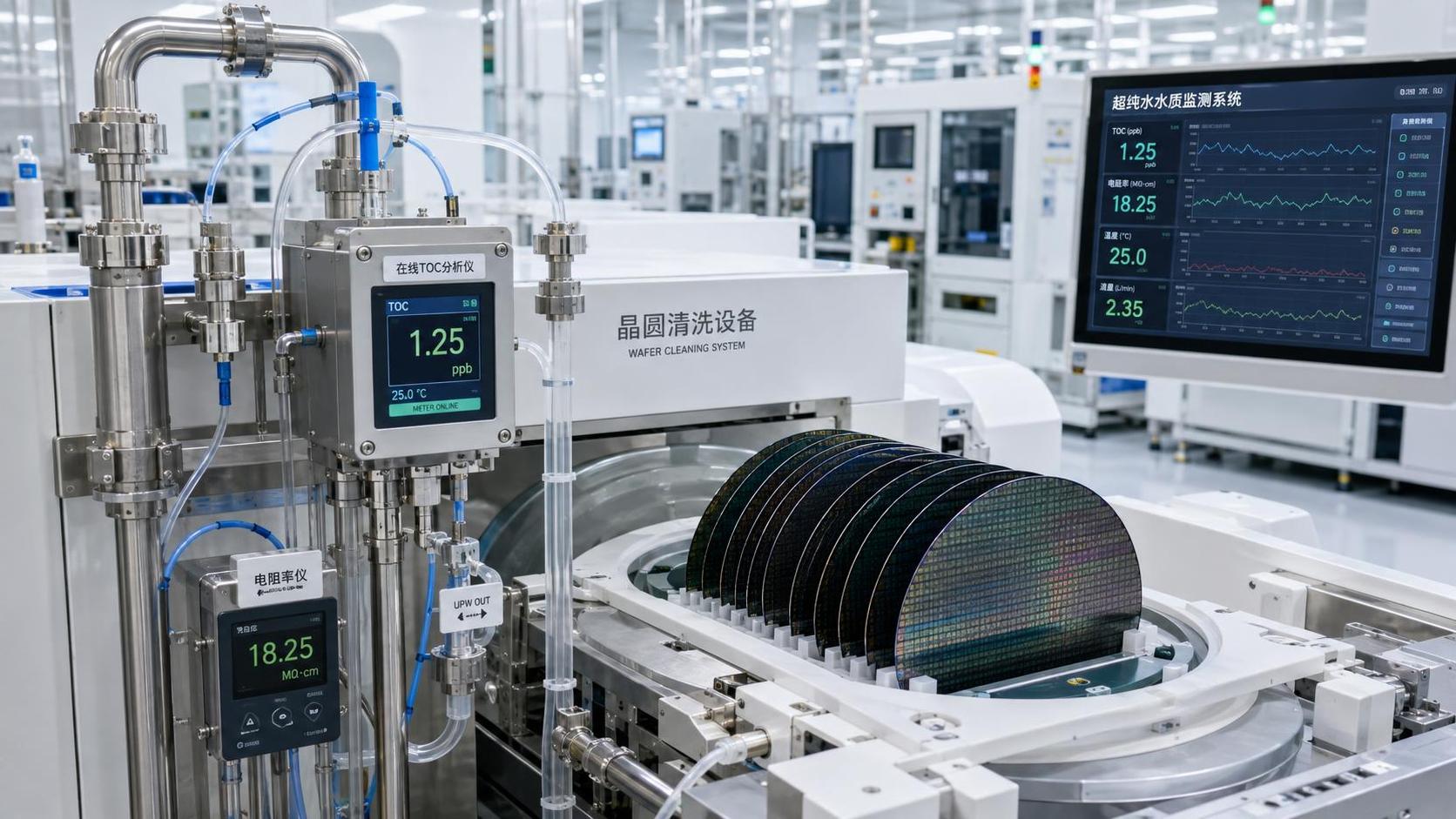
The design should also address what happens during a production upset. If an incompatible solvent, high-strength batch, or cleaning discharge reaches equalization, can the stream be diverted, tested, stored, and released in a controlled way? Is the laboratory capable of providing timely information on the constituents that matter? Are conductivity, pH, total organic carbon, flow, temperature, and other relevant online signals linked to alarms that operators can act on? Monitoring without a response protocol is only a record of the upset.
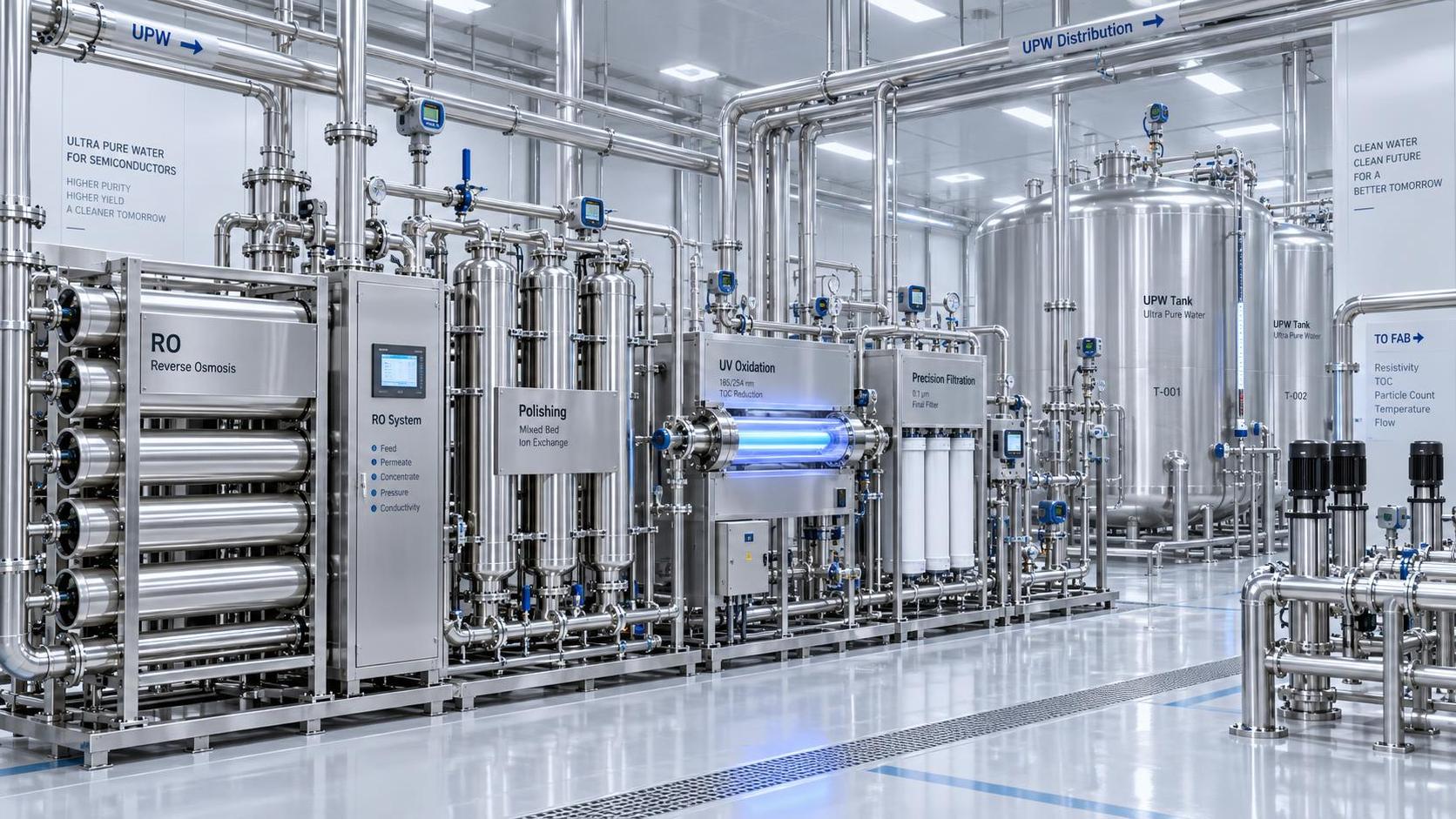
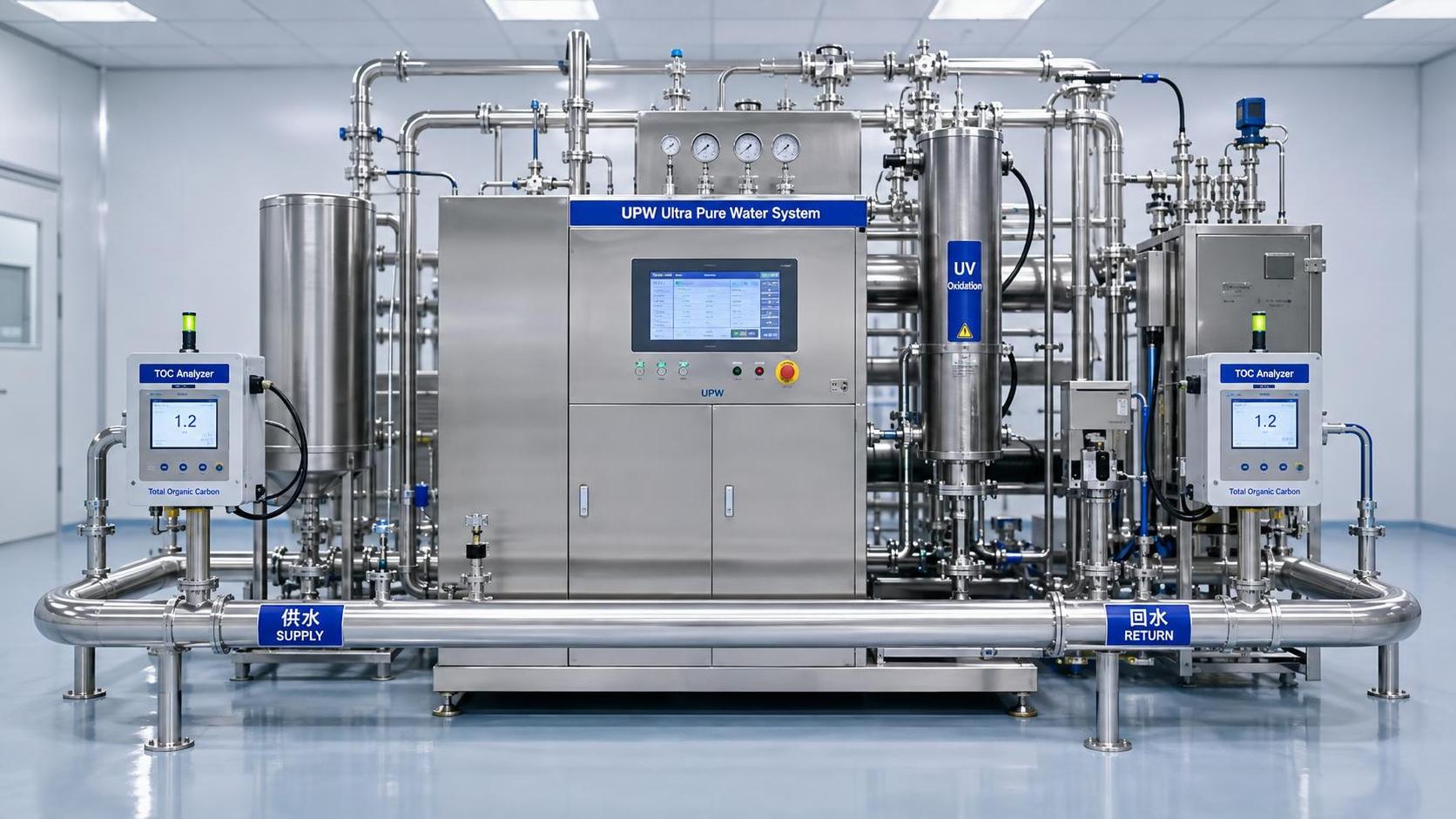
This is particularly important in high-tech environments where water treatment is connected to broader contamination-control expectations. G-ICE evaluates ultra-pure water and process-fluid treatment alongside cleanroom systems, precision thermal management, biosafety engineering, and digital monitoring. That wider perspective is useful because the value of recovered water is not limited to its volume. Its stability, trace-organic profile, microbial control requirements, and compatibility with downstream users determine whether reuse is genuinely practical.
Avoid treating ZLD as the only route to resilience
There is a tendency to frame the choice as conventional discharge versus full ZLD. In practice, the strongest solution may be hybrid. Source reduction can remove a costly stream from the problem. Counter-current rinsing, solvent recovery, segregated collection, drag-out reduction, improved cleaning practices, and reuse of lower-grade water can reduce the thermal burden before any evaporator is specified.
Partial ZLD is another legitimate outcome. A plant may recover water from its main aqueous flow and send only a difficult concentrate through a dedicated thermal system. This approach can be more manageable than building a single large train around every possible contaminant. The appropriate boundary is determined by mass balance, hazard review, disposal pathways, utility availability, and future production plans—not by a preference for the most elaborate process diagram.
A practical basis for the final decision
Before committing to ZLD, technical teams should require a design basis that makes its assumptions inspectable. It should identify each wastewater source, expected chemistry range, required water-reuse quality, concentrate and solids pathways, likely scaling controls, cleaning strategy, utility demand, instrumentation philosophy, and capacity for abnormal conditions. Local discharge permits and waste-management requirements should be verified against the actual proposed residual streams rather than treated as a late-stage administrative task.
ZLD becomes compelling when it closes a discharge risk that cannot be managed reliably through pretreatment, conventional polishing, or off-site disposal—and when the site is prepared to operate the resulting system as critical infrastructure. Where that threshold is not met, better segregation and targeted recovery may provide a more proportionate answer. The decision is strongest when it is based on water chemistry, residual accountability, and plant operating realities rather than on a generic recovery target.
Get weekly intelligence in your inbox.
No noise. No sponsored content. Pure intelligence.
 Sep 24, 2026When chemical wastewater treatment systems need zero-liquid dischargeWastewater treatment systems for chemicals: learn when zero-liquid discharge reduces risk, recovers water, and supports resilient chemical operations.
 Sep 23, 2026How regulatory frameworks documentation supports audit-ready carbon trackingRegulatory Frameworks documentation creates audit-ready carbon tracking with traceable evidence, controlled methods, and compliant operational decisions.
 Sep 22, 2026How cleanroom architecture controls contamination risks in pharma productionCleanroom Architecture for pharmaceutical production: discover how airflow zoning, pressure cascades, cleanable finishes, and separated flows reduce contamination risks and strengthen GMP compliance.
 Sep 21, 2026What ultra pure water specifications matter most in Middle East projects?Ultra pure water Middle East projects demand resilient specifications. Explore point-of-use quality, feedwater variability, heat control, monitoring, and reliable distribution design.
 Sep 20, 2026How Process Environment Control systems prevent airborne contaminationProcess Environment Control systems prevent airborne contamination through managed airflow, pressure, filtration, and monitoring. Discover practical strategies for safer, compliant operations.
 Sep 19, 2026When does heat recovery make sustainable cooling worth the investment?Sustainable cooling technology heat recovery: learn when reliable heat demand, temperature matching, and lifecycle savings make recovery a smart investment.
 Sep 18, 2026How to set alarm limits for semiconductor cleanroom monitoringSemiconductor cleanroom monitoring: learn how to set risk-based alarm limits for particles, humidity, pressure, and airflow to protect yield and reduce nuisance alerts.
 Sep 17, 2026How plastic injection molding affects ESD protection in cleanroomsPlastic injection molding affects ESD protection in cleanrooms. Learn how resin choice, molding consistency, grounding, and particle control support reliable compliance.
 Sep 16, 2026What to verify before choosing an industrial air quality monitoring supplierIndustrial air quality monitoring supplier checklist: verify measurement accuracy, calibration traceability, data integration, compliance support, and lifecycle service before you buy.
 Sep 15, 2026Smart HVAC investment insights for North American heat recovery projectsSmart HVAC investment insights North America: evaluate heat recovery, lifecycle costs, controls, and performance for resilient project decisions.
 Sep 14, 2026How SEMI standards shape water treatment design for semiconductor fabsSemiconductor water treatment SEMI guidance shapes resilient UPW design, contamination control, monitoring, reclaim strategy, and fab-ready validation.
 Sep 13, 2026What drives Biosafety Containment Systems cost in BSL-3 projects?Biosafety Containment Systems cost in BSL-3 projects depends on HVAC, layout, decontamination, controls, and commissioning. Discover how to build a credible budget.
 Sep 12, 2026How to qualify a fine chemical process solutions supplier for purity controlFine Chemical Process Solutions supplier qualification guide: evaluate purity control, traceability, contamination prevention, and safety for reliable high-purity production.
 Sep 11, 2026What drives cleanroom certification cost for ISO Class 1–9 projects?Cleanroom certification cost depends on ISO Class 1–9 requirements, test scope, HVAC readiness, documentation, and retesting. Explore practical budgeting insights to control project risk.
 Sep 10, 2026When should Procurement Directors prioritize heat recovery payback?Procurement Directors: learn when heat recovery delivers reliable payback, lower lifecycle costs, and safe performance in controlled industrial environments.
 Sep 09, 2026How to select an environmental monitoring system for cleanroomsEnvironmental monitoring system selection for cleanrooms: compare sensors, alarms, data integrity, integration, and installation to ensure reliable control.
 Sep 08, 2026How temperature stability affects semiconductor manufacturing yieldSemiconductor manufacturing temperature stability directly affects yield, overlay, metrology, and process control. Explore practical HVAC, monitoring, and zoning strategies.
 Sep 07, 2026How to prepare for a Regulatory Frameworks audit of cleanroom controlsRegulatory Frameworks audit readiness for cleanroom controls: build traceable evidence, verify alarms and monitoring, and close compliance gaps with confidence.
 Sep 07, 2026How to choose reverse osmosis systems with the right recovery rateReverse osmosis systems: learn how to select the right recovery rate for reliable water quality, lower scaling risk, efficient concentrate control, and stable long-term performance.
 Sep 05, 2026How does a negative pressure room work to contain airborne contaminants?How does a negative pressure room work? Discover how inward airflow, controlled exhaust, monitoring, and room design help contain airborne contaminants safely.
 Sep 04, 2026How Should Semiconductor Facilities Select Vibration Isolation Systems?Vibration isolation semiconductor guide: learn how to match tool limits, site vibration, utilities, and cleanroom needs for stable, high-yield fab performance.
 Sep 04, 2026What TOC Limits Should Be Set and Monitored for a UPW Loop?What are our TOC limits for the UPW loop? Learn how to set defensible TOC thresholds, monitor trends, protect critical processes, and improve water-quality control.
 Sep 04, 2026What Are the Best Retrofit Options for Upgrading Existing Pharmaceutical Cleanrooms?What are the best retrofit options to upgrade existing pharma cleanrooms? Explore FFUs, HVAC modernization, pressure cascades, monitoring, and sealed finishes for compliant performance.
 Sep 04, 2026How Does a Negative Air Pressure Room Protect Adjacent Areas?What is a negative air pressure room? Learn how controlled airflow contains airborne hazards, protects adjacent spaces, and supports safer facility operations.
 Sep 04, 2026What Is ISO Class 1 Cleanroom Classification, and Where Is It Used?What is ISO Class 1? Explore its ultra-low particle limits, critical cleanroom design factors, verification methods, and uses in semiconductor, optics, and quantum manufacturing.
 Sep 04, 2026How Long After a UPW Deviation Does Yield Impact Typically Appear?What is the typical time lag from UPW deviation to yield impact? Learn how contamination, process sensitivity, exposure windows, and testing stages shape detection timing.
 Sep 04, 2026What Testing Data Should Engineers Review Before Approving a UPW Material?What testing data should be reviewed before approving a UPW material? Explore extractables, TOC, particle release, ionic leaching, corrosion, and reliability data for confident approval.