TOC-Zero Water Treatment: What Really Affects TOC Stability
In TOC-zero Water Treatment, stability is rarely lost because of one dramatic failure. More often, it drifts because several small variables move at once and go unnoticed.
For operators, the practical answer is clear: stable TOC depends on feed water consistency, oxidation performance, materials, hydraulics, sanitation discipline, and monitoring quality working together every day.
When one part weakens, the system may still appear normal for a while. Yet TOC can rise slowly, alarms may come late, and downstream process reliability can suffer.
This article focuses on what really changes TOC stability in daily operation, how to recognize early warning signs, and where operators should pay the closest attention.
What operators should understand first about TOC-zero Water Treatment
The core search intent behind TOC-zero Water Treatment is usually practical, not theoretical. Users want to know why TOC performance becomes unstable and what they can do to prevent it.
Operators care less about broad definitions and more about controllable causes. They want to identify the variables that shift TOC, understand the risk to system output, and restore stable conditions quickly.
The most useful content, therefore, is not a general overview of ultra-pure water. It is a field-oriented explanation of cause, effect, diagnosis, and routine control points.
In most systems, TOC stability is affected by six major areas: incoming water quality, oxidation efficiency, resin and media condition, material compatibility, hydraulic behavior, and online monitoring reliability.
If operators build discipline around these six areas, they usually reduce unexplained TOC excursions, shorten troubleshooting time, and protect the consistency expected from TOC-zero Water Treatment systems.
Why feed water fluctuation is often the first hidden cause
Many TOC problems start upstream. Even when the polishing loop is well designed, unstable feed water can create a variable contaminant load that the final treatment stages must constantly absorb.
Changes in municipal water, seasonal source variation, pretreatment upset, or inconsistent chemical dosing can all increase dissolved organics before water reaches the TOC control stages.
Operators sometimes focus only on final point-of-use readings. However, if upstream TOC, conductivity, chlorine, hardness, or temperature shifts are not tracked, root cause analysis becomes incomplete.
Feed water temperature matters because reaction rates, membrane behavior, and resin performance all change with temperature. A stable system can become less predictable when inlet conditions swing too far.
Residual oxidants or disinfectants also matter. If activated carbon is exhausted or pretreatment is not balanced correctly, organics may pass through differently or downstream components may degrade faster.
The best operator response is trend-based control. Compare inlet TOC and key pretreatment indicators against final TOC performance rather than treating each excursion as an isolated event.
If final TOC worsens after every raw water disturbance, the issue may not be in the polishing skid itself. The true problem may be poor buffering capacity upstream.
How oxidation performance directly shapes TOC stability
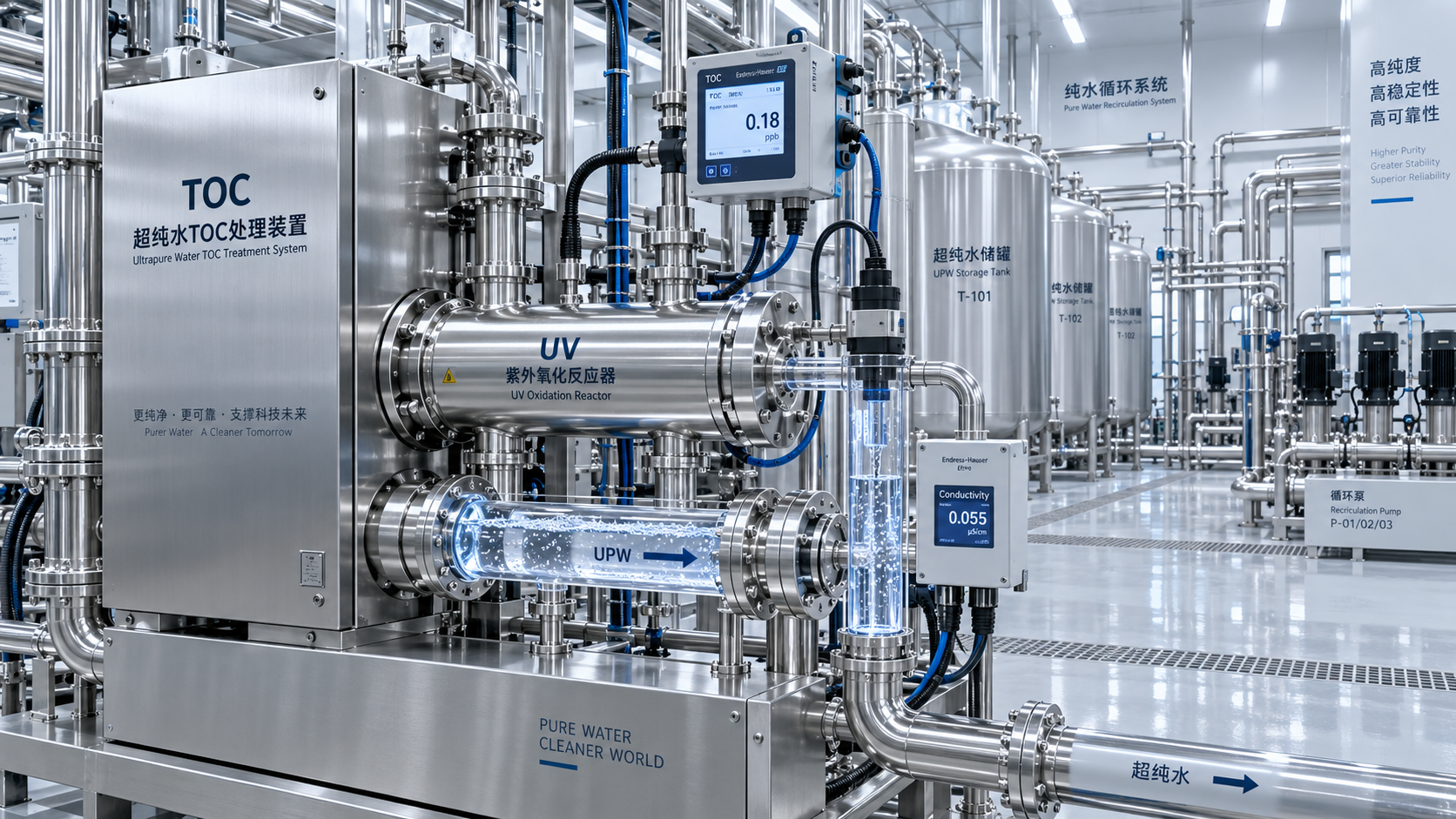
In TOC-zero Water Treatment, oxidation is one of the most critical barriers against residual organic contamination. When oxidation weakens, TOC stability often drops before other indicators visibly move.
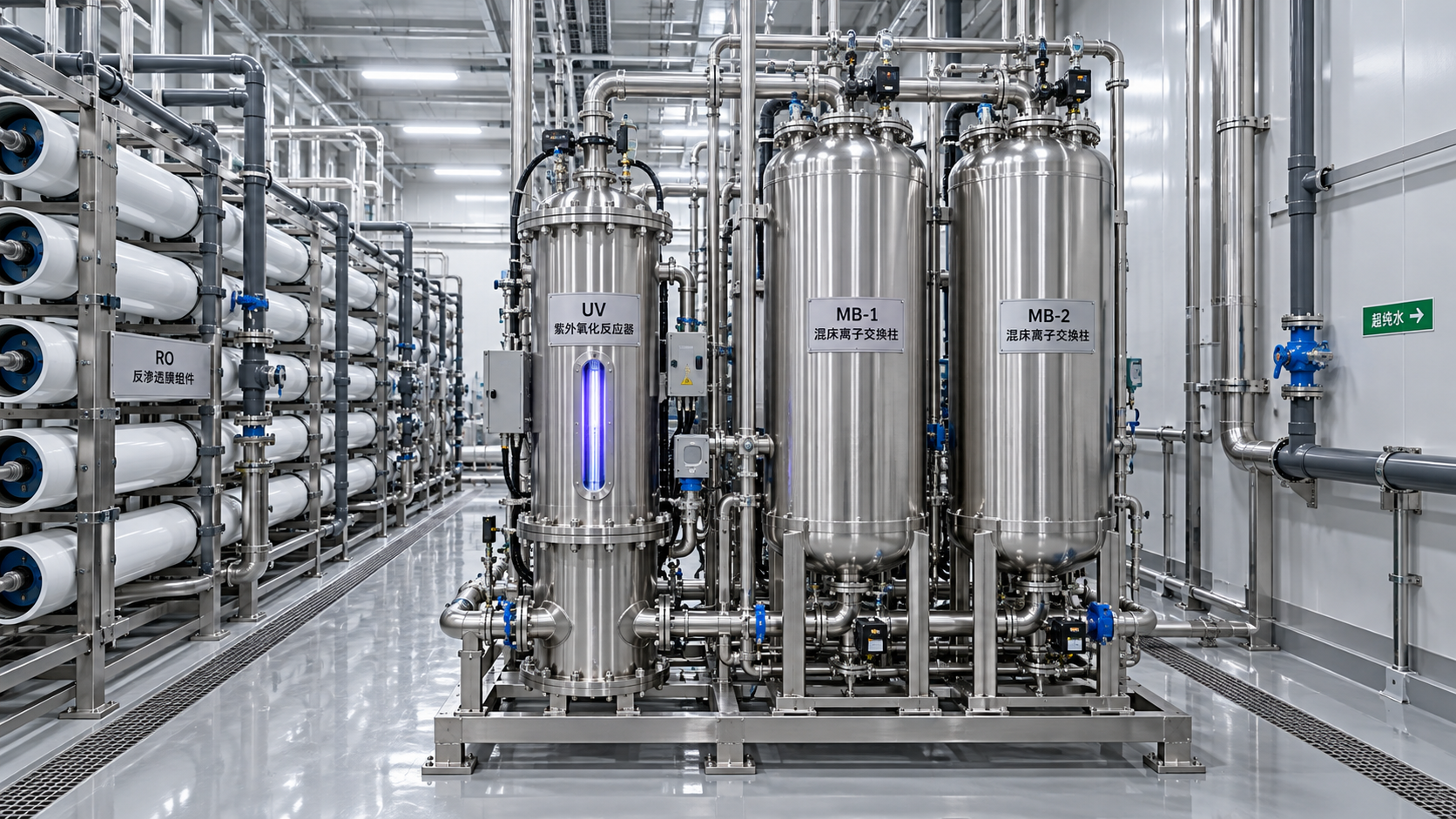
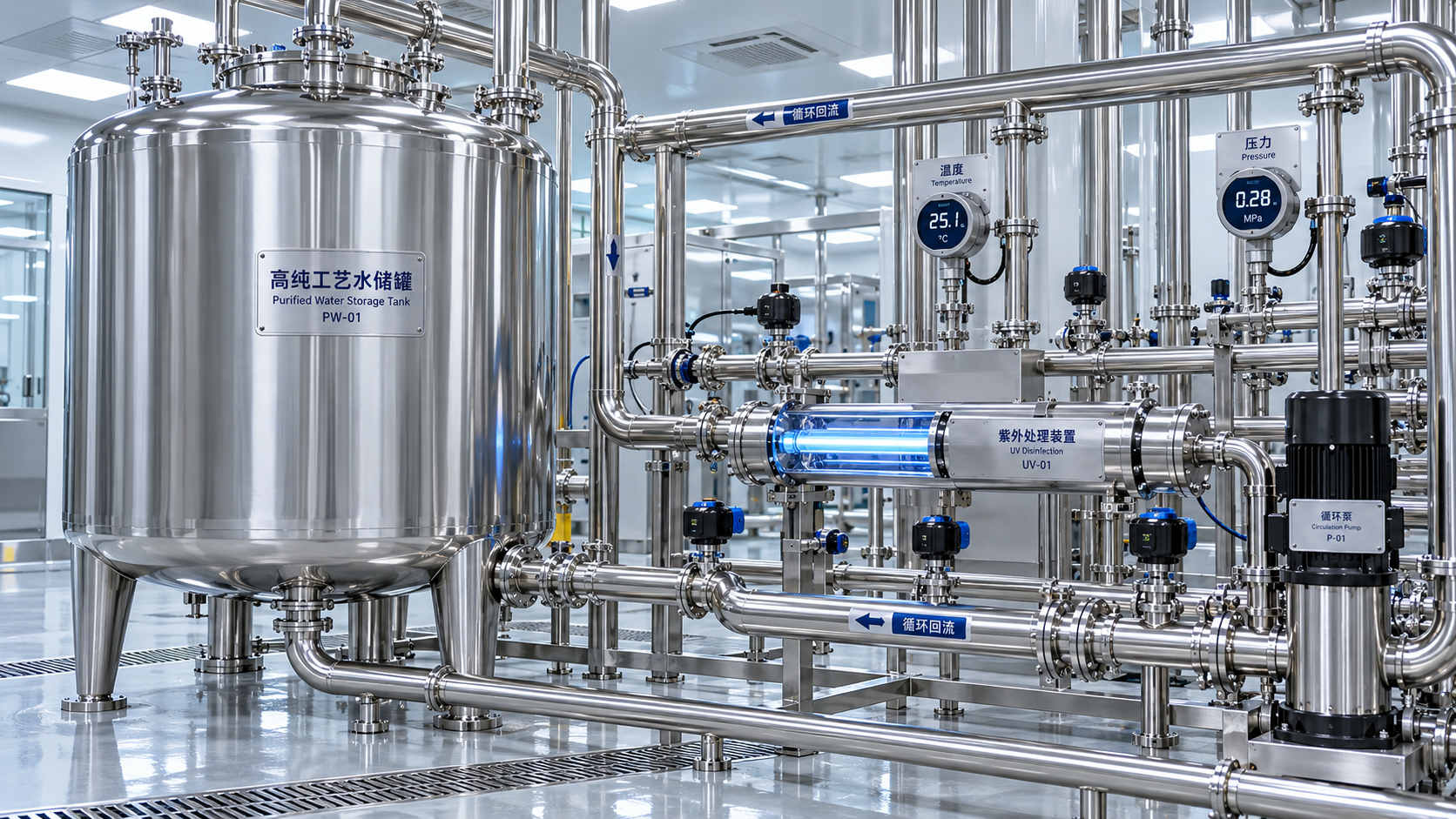
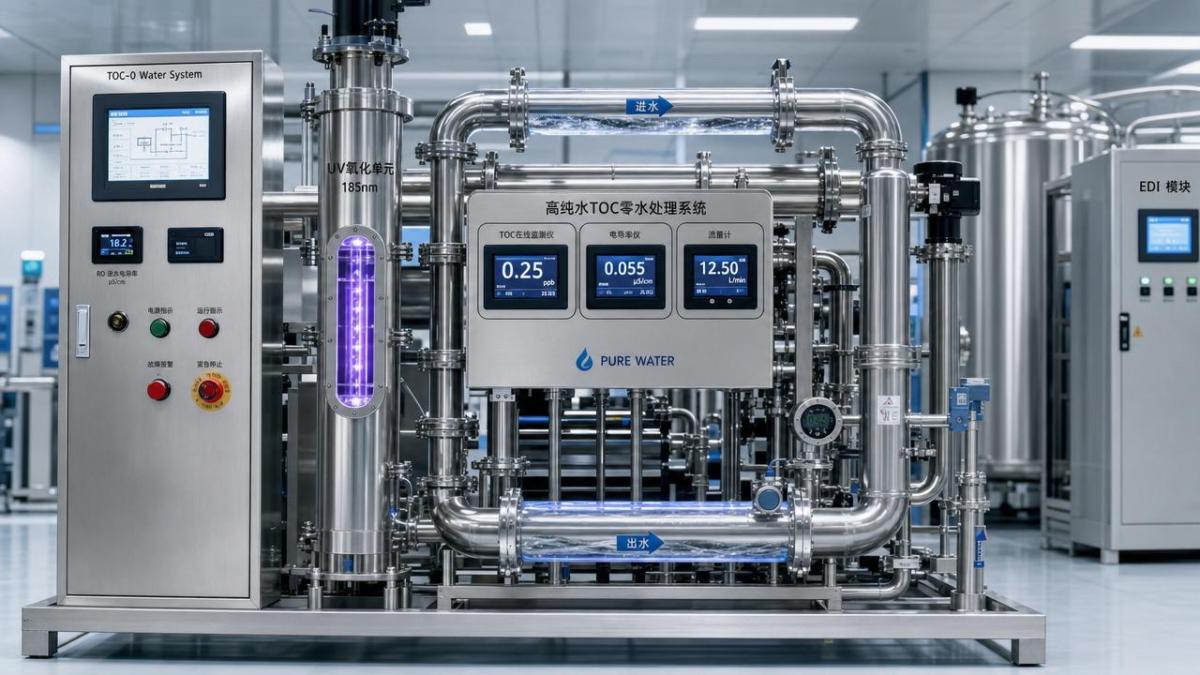
UV oxidation systems are especially sensitive to lamp intensity, sleeve fouling, flow rate, residence time, and water transmittance. A lamp that still turns on may no longer deliver effective performance.
Operators should not assume that power status equals oxidation efficiency. Aging lamps, scaling on quartz sleeves, or reduced UV dose can allow low-level organics to survive and accumulate downstream.
Hydrogen peroxide or ozone-assisted oxidation systems add another layer of complexity. Dosing that is too low may leave organics untreated, while poor control may introduce side effects or upset balance.
Contact time is equally important. If flow changes reduce exposure time, oxidation can become inconsistent even though equipment appears mechanically healthy and no obvious alarm is triggered.
One practical warning sign is repeated TOC variation during demand peaks. That pattern often suggests the treatment train is losing effective reaction time under higher throughput.
Routine verification should include lamp age records, sleeve inspection, actual flow comparison, and correlation between oxidation stage performance and downstream TOC trends, not just periodic replacement by calendar.
Why materials and wetted surfaces can become a source of TOC
Operators often think of TOC only as something that enters with the water. In reality, organic contamination can also originate from inside the system through material leaching or surface degradation.
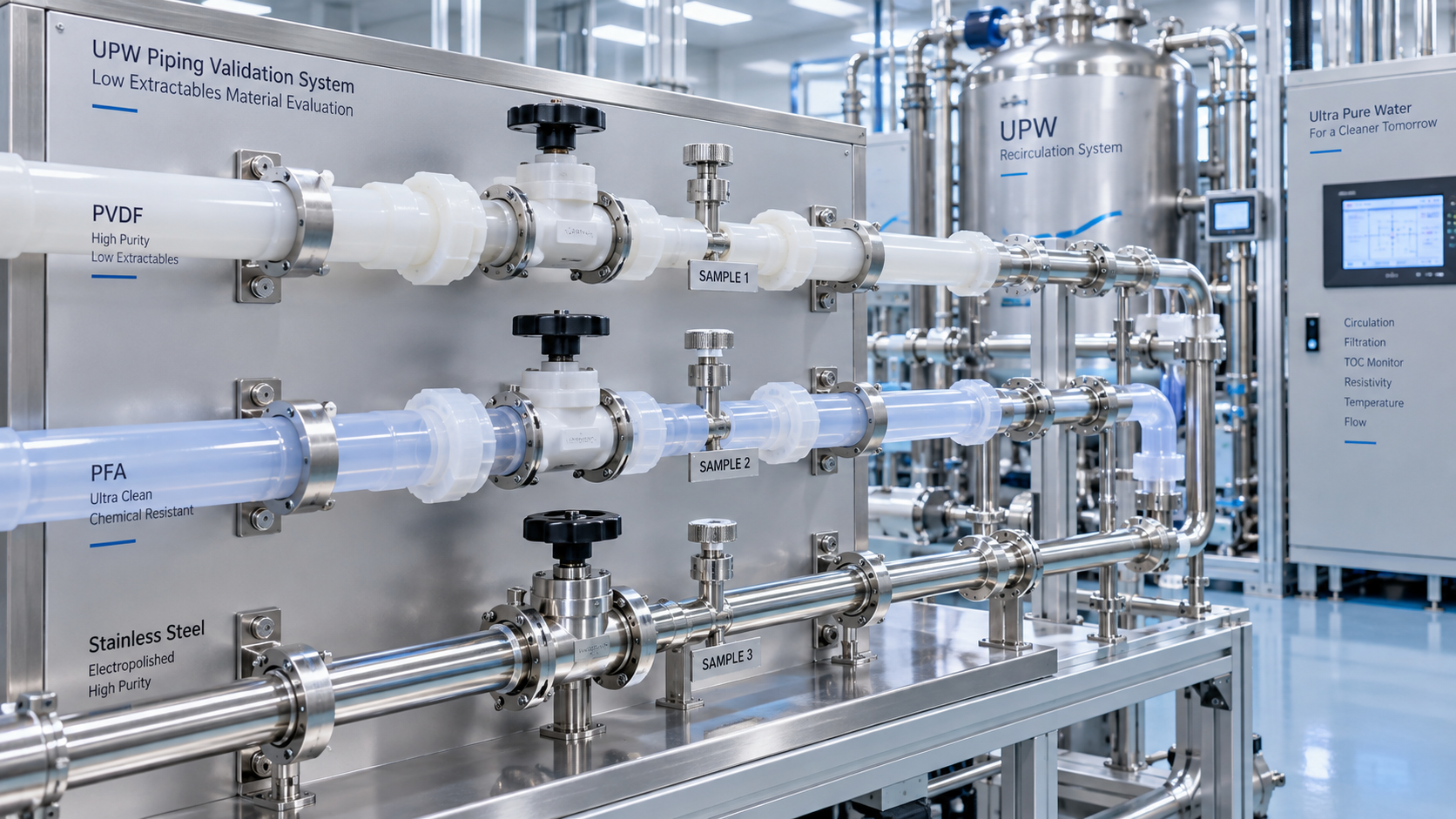
Not all plastics, elastomers, adhesives, lubricants, and seal materials behave the same way in ultra-pure applications. Some release trace organics over time, especially after temperature or chemical stress.
This is especially relevant after maintenance, retrofit work, or replacement of small components. A single non-qualified gasket, hose, valve seat, or temporary connection can affect TOC unexpectedly.
New components may need flushing and conditioning before stable operation returns. If the system is restarted too quickly, transient TOC spikes may be mistaken for oxidation or resin failure.
Surface aging also matters. Roughened, damaged, or chemically attacked internal surfaces can become harder to clean and more likely to trap and later release organic residues.
For operators, the lesson is simple: material control is not only an engineering or procurement issue. It is also an operational stability issue that must be respected during every intervention.
When unexplained TOC rise follows maintenance, always review the parts used, installation cleanliness, flush duration, and whether any temporary materials contacted the water path.
How hydraulics, dead legs, and low-flow zones create instability
Even with strong oxidation and good materials, poor hydraulic behavior can undermine TOC-zero Water Treatment. Water that does not move correctly tends to become less predictable chemically and microbiologically.
Dead legs, oversized branches, infrequently used points, and stagnant side loops allow organics or biofilm precursors to accumulate. Later, these can re-enter the main stream and appear as intermittent TOC events.
Flow turbulence is not always bad, but inconsistent hydraulic patterns make system behavior harder to control. Sharp demand changes can disturb deposits and create short-lived but significant TOC spikes.
Recirculation rate is another key factor. If loop velocity falls below intended conditions, water age increases, sanitization effectiveness may decline, and contaminant removal becomes less stable.
Operators should pay attention to parts of the system that are physically distant or rarely sampled. These quiet sections often explain why average readings look acceptable while local use points show variability.
Practical inspection should include valve positions, bypass status, unused branch isolation, return flow condition, and whether any recent process change altered residence time inside the distribution loop.
Hydraulic stability is often invisible during normal operation. Yet when it is poor, TOC control becomes reactive instead of predictable, especially in high-purity environments.
Why sanitation discipline and biofilm prevention matter more than many expect
In very low TOC systems, microbiological risk and organic risk are closely linked. Biofilm formation can begin subtly and still influence TOC stability long before a major microbial event is confirmed.
Once surfaces begin to support biofilm growth, organic byproducts and detached material can create recurring TOC fluctuations that are difficult to solve through polishing alone.
Irregular sanitization, incomplete hot water cycles, poor chemical coverage, or missed validation after maintenance can all increase the chance of hidden contamination developing in the loop.
Operators should treat sanitation as a precision task, not a housekeeping activity. Time, temperature, chemical concentration, circulation path, and post-sanitization rinse quality all affect the final result.
A common mistake is relying only on scheduled sanitization frequency. A system may require sanitation based on actual use profile, water age, ambient conditions, or recent intervention history.
If TOC rises gradually without a clear feed water explanation, and especially if the pattern repeats after shutdowns or low-demand periods, hidden microbial contribution should be considered early.
Stable TOC-zero Water Treatment depends on preventing contamination from establishing itself, not only reacting after laboratory confirmation or major process disruption appears.
How monitoring quality can either protect or mislead operators
Reliable TOC control requires reliable TOC data. When analyzers drift, sampling is poorly located, or maintenance is inconsistent, operators may chase false causes or miss genuine early deterioration.
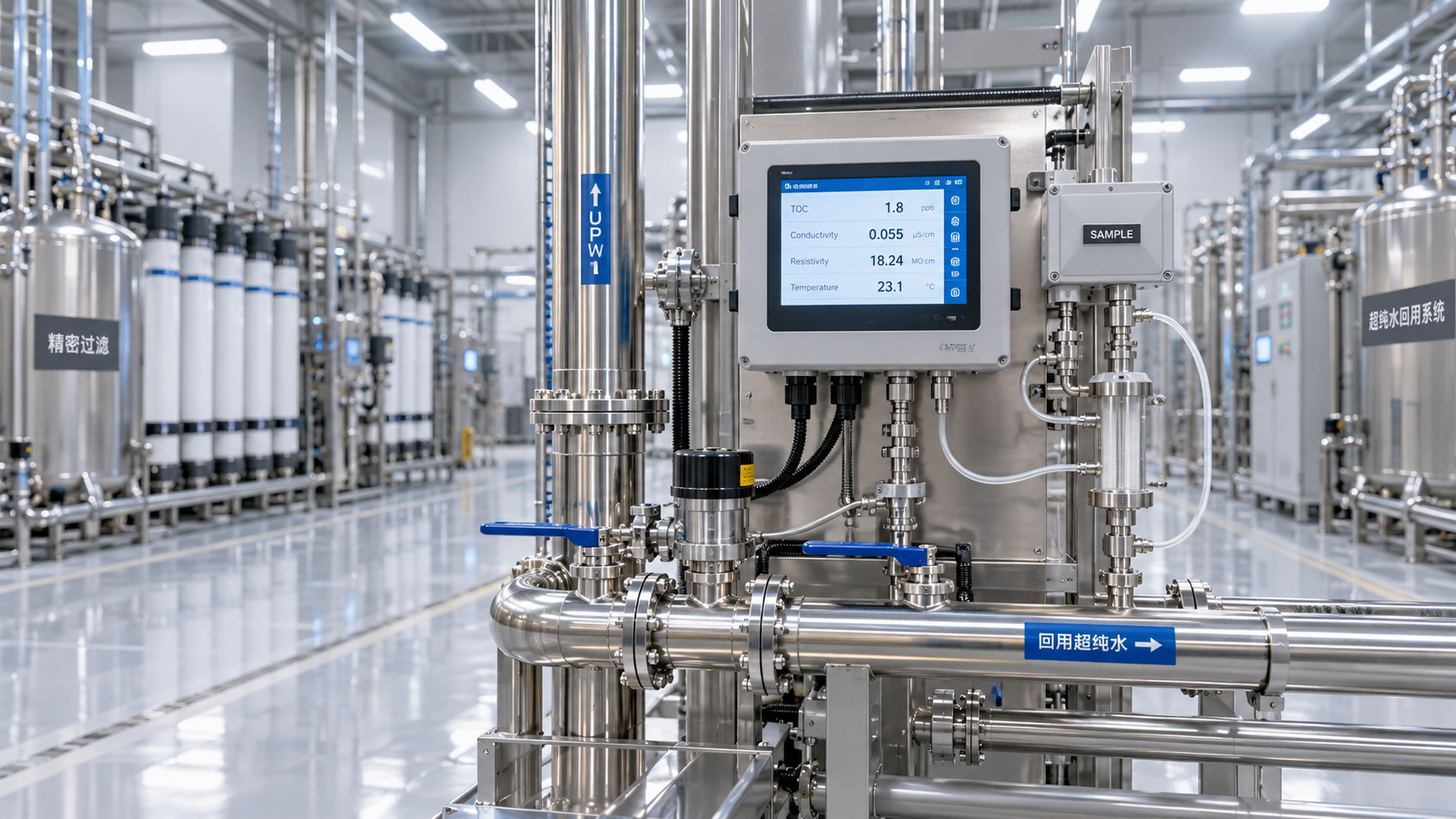
Online TOC instruments must be maintained with the same seriousness as treatment hardware. Calibration checks, reagent condition, oxidation efficiency inside the analyzer, and sensor cleanliness all matter.
Sampling location is equally important. A reading at one polished loop position may not represent conditions at another branch, storage section, or point of use with different hydraulic behavior.
Response time also affects judgment. Some analyzers show a delayed effect relative to the actual disturbance, so event interpretation should consider transit time and measurement lag.
Operators should avoid depending on TOC as a single isolated number. It becomes far more useful when trended with flow, temperature, resistivity, pressure drop, UV status, and sanitization records.
Good monitoring turns TOC stability into a controllable process. Weak monitoring turns it into guesswork, where intervention comes late and the same problems repeat under different names.
When data quality improves, troubleshooting becomes faster. Teams can separate real contamination events from instrument artifacts and focus effort where the process is actually changing.
What a practical operator checklist looks like during TOC instability
When TOC begins to drift, operators need a structured response. Random adjustments often create more uncertainty and can hide the original cause before it is properly identified.
First, confirm whether the analyzer is trustworthy. Check calibration status, instrument health, sample line condition, and whether other indicators support the apparent change.
Second, review feed water and pretreatment trends. Look for recent changes in raw water quality, carbon performance, membrane behavior, chemical dosing, or upstream maintenance activity.
Third, inspect oxidation conditions. Verify lamp life, sleeve cleanliness, flow rate, dose assumptions, and whether recent demand changes reduced effective contact time.
Fourth, review any mechanical intervention. New seals, tubing, valves, lubricants, temporary hoses, or incomplete flushing after maintenance are common and often underestimated causes.
Fifth, evaluate hydraulic and sanitation factors. Check stagnant branches, bypass pathways, low-use sections, recent shutdowns, and whether sanitization has been complete and properly documented.
Finally, compare event timing. The most useful clue is often when the TOC rise started and what changed in the system shortly before that point.
How to keep TOC-zero Water Treatment stable over the long term
Long-term TOC stability is not achieved by one premium component alone. It comes from disciplined operation, material control, validated maintenance, and trend-based decision making.
Operators should work from control limits, not just alarm limits. By responding to small negative trends early, they can often prevent larger excursions that affect production or quality assurance.
Maintenance records should be linked to water quality trends. Without that connection, teams may repeat avoidable errors such as using incompatible parts or shortening flush and conditioning steps.
Routine reviews should also include low-use branches, sampling strategy, and sanitation effectiveness. Systems drift at the edges first, not always at the most visible central measurement point.
Training matters because ultra-pure systems are sensitive to seemingly minor actions. A small change in valve handling, startup sequence, or maintenance cleanliness can influence TOC stability later.
For most facilities, the best results come from treating TOC-zero Water Treatment as an operational ecosystem. Feed water, oxidation, materials, hydraulics, sanitation, and monitoring must remain aligned.
When operators understand those relationships, they make faster decisions, reduce repeated excursions, and protect the consistent ultra-pure output that high-performance environments require.
Conclusion
What really affects TOC stability is rarely a single dramatic fault. In most cases, instability develops from the interaction of upstream variation, weak oxidation, unsuitable materials, poor hydraulics, sanitation gaps, or unreliable monitoring.
For operators, the key is to stop viewing TOC as an isolated reading and start managing it as a system-wide performance outcome. That shift improves troubleshooting, prevention, and daily control.
In TOC-zero Water Treatment, stable performance comes from disciplined details. When those details are controlled consistently, TOC remains low, process risk falls, and system output becomes far more dependable.
Get weekly intelligence in your inbox.
No noise. No sponsored content. Pure intelligence.
 Oct 21, 2026How often is cleanroom certification required under ISO 14644-2?Cleanroom Certification is generally recommended annually under ISO 14644-2. Learn when risk-based extensions apply and which changes trigger earlier testing to plan with confidence.
 Oct 21, 2026FASEB Comments on NIH Draft Policy for Research Involving BiohazardsFASEB comments on NIH’s draft biohazard research policy call for risk-based biosafety oversight. Explore potential implications for laboratories, suppliers, and compliance teams.
 Oct 20, 2026How to disinfect ultrasound machines without damaging surfacesLearn how to disinfect ultrasoundmachines without surface damage. Explore compatible products, wet contact times, and probe care to protect patients and equipment.
 Oct 20, 2026Ultrapure Water in Semiconductor Manufacturing: Reuse and Quality Control InsightsExplore ultrapure water reuse in semiconductor manufacturing, key UPW quality benchmarks and analytical insights to help evaluate suppliers and protect process purity.
 Oct 19, 2026How cooling affects warpage in injection-molded consumer electronics housingsOptimize plastic injection molding for consumer electronics with cooling strategies to reduce housing warpage and improve assembly fit. Discover practical checks for stable, efficient production.
 Oct 18, 2026Can air leaks prevent a dehumidifier from holding its target dew point?Why can't our dehumidifier maintain the target dew point? Discover how air leaks increase moisture loads, spot hidden faults, and find practical fixes to restore reliable dew-point control.
 Oct 17, 2026How semiconductor process water treatment removes trace organicsSee how semiconductor process water treatment removes trace organics with RO, UV oxidation, and polishing. Learn how TOC monitoring helps verify purity and pinpoint contamination.
 Oct 16, 2026How to choose ultra pure water piping materials to limit leachingChoose ultra pure water piping with confidence. Compare PVDF, PFA, and stainless steel, assess leaching risks, and learn how to qualify your system for reliable purity.
 Oct 15, 2026How to size a skid-mounted deionized water system for peak demandCompare deionized water systems skid configurations for peak demand. Learn how to balance production, storage, and pump capacity to prevent shortages and avoid costly oversizing.
 Oct 14, 2026When is collaborative laboratory robotics suitable for sample sorting?Explore when collaborative laboratory robotics suits sample sorting. Discover key checks for safety, traceability, container compatibility, and throughput before choosing your solution.
 Oct 13, 2026How sandwich panel joints affect airtightness in cleanroom systemsCleanroom Systems sandwich panels need reliable joints for airtightness. Discover how gaskets, sealants, and testing help reduce leakage and protect cleanroom pressure control.
 Oct 12, 2026How to verify USP compliance for ultra pure water systemsUltra Pure Water Systems USP compliance: learn how to verify water quality, sampling, sanitization, trends, and validation controls at every point of use.
 Oct 11, 2026How tight temperature control prevents cleanroom process driftCleanroom process temperature control systems prevent costly drift by stabilizing critical conditions, improving repeatability, and protecting sensitive production workflows.
 Oct 10, 2026When does organic contaminant removal require TOC treatment?Organic contaminant removal requires TOC treatment when dissolved organics threaten product quality, equipment reliability, or process control. Learn how to assess risks and choose the right solution.
 Oct 08, 2026What affects lead times for sheet metal bending services in Canada?Sheet metal bending services Canada: discover how material supply, tooling, tolerances, finishing, documentation, and freight affect lead times for reliable project delivery.
 Oct 07, 2026How HVAC design for semiconductor fabs prevents airborne contaminationHVAC design for semiconductor fabs prevents airborne contamination through advanced filtration, pressure cascades, airflow control, and real-time monitoring. Explore key strategies for cleaner, more reliable wafer production.
 Oct 06, 2026How photovoltaic modules waterproof technology prevents moisture damagephotovoltaic modules waterproof technology prevents moisture damage with durable seals, drainage, and junction-box protection. Explore practical selection and testing insights.
 Oct 05, 2026How ISO 14644 Europe requirements affect cleanroom qualificationISO 14644 Europe requirements shape cleanroom qualification, from particle classification and recovery testing to monitoring, GMP alignment, and change control.
 Oct 04, 2026How to assess a pharmaceutical cleanroom solutions supplier’s ISO capabilityPharmaceutical Cleanroom Solutions supplier assessment guide: evaluate ISO 14644 capability, validation evidence, airflow design, documentation, and long-term GMP readiness.
 Oct 03, 2026What EU standards govern the design of BSL-3 laboratories in Europe?BSL-3 laboratories Europe: explore EU directives, EN standards, HVAC containment, commissioning, and practical design strategies for compliant, resilient high-containment facilities.
 Oct 02, 2026How EN 1822 defines HEPA filtration efficiency for cleanroomsHEPA filtration EN 1822 explained: learn how MPPS testing, local leakage limits, and filter classes support reliable cleanroom decisions.
 Oct 01, 2026How pharmaceutical process water systems control microbial riskProcess water systems pharmaceutical teams rely on can control microbial risk through hygienic design, monitoring, and validated sanitization. Explore practical compliance strategies.
 Sep 30, 2026When does a negative pressure laboratory need BSL-3 containment?Negative pressure laboratory or BSL-3? Discover the risk factors, engineering controls, and containment requirements needed for safe, compliant laboratory planning.
 Sep 29, 2026How to evaluate a TOC-zero water treatment supplier for UPW systemsChoose a TOC-zero water treatment supplier with confidence. Compare UPW performance, monitoring, validation, materials, service capability, and lifecycle cost.
 Sep 28, 2026What drives sustainable cooling cost in high-precision facilities?Sustainable cooling cost in high-precision facilities depends on thermal stability, energy, water, controls, and resilience. Explore smarter lifecycle strategies.
 Sep 27, 2026How to compare freight forwarding services for time-critical shipmentsCompare freight forwarding services for time-critical shipments with practical insights on routing, customs, visibility, specialized handling, and contingency planning.
 Sep 26, 2026How environmental integrity in laboratories supports reliable test resultsEnvironmental Integrity in laboratories safeguards samples, instruments, and staff. Discover practical controls for contamination, monitoring, and reliable test results.