Thermal Management for Data Centers: PUE vs Uptime Tradeoffs
Thermal Management for data centers is no longer just an efficiency issue—it is a board-level decision that directly shapes uptime, risk exposure, and long-term operating cost. As facilities pursue lower PUE targets, leaders must balance energy optimization with thermal resilience, equipment protection, and service continuity in increasingly dense digital environments.
What does Thermal Management for data centers really include?
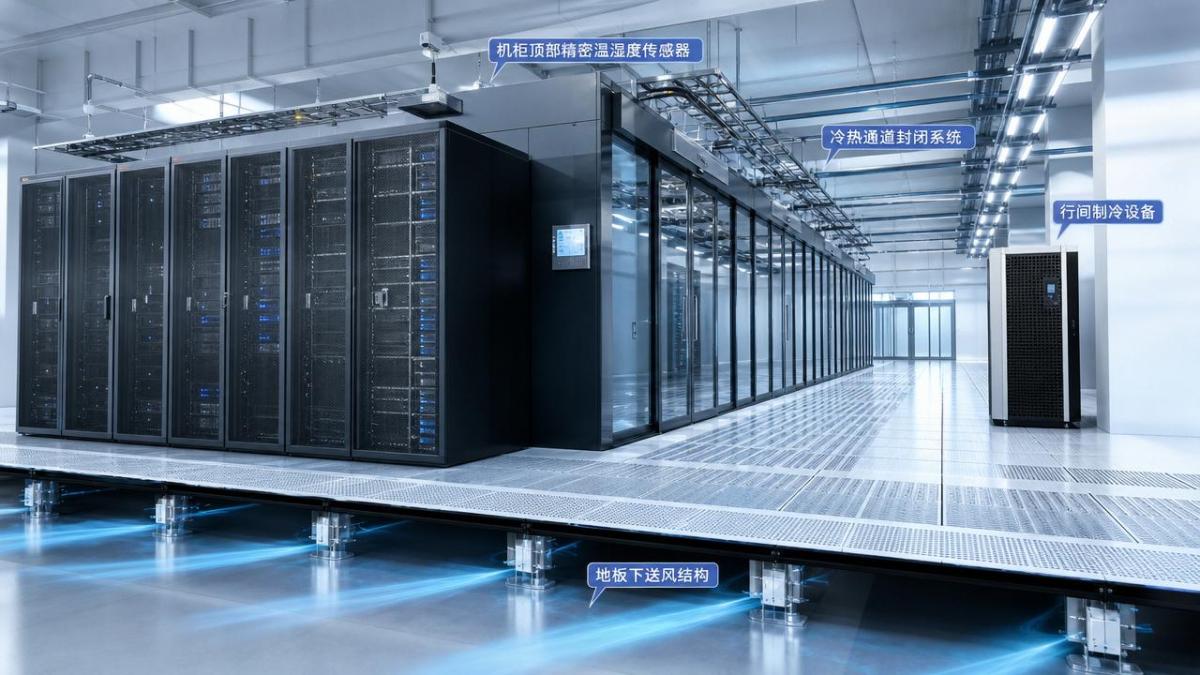
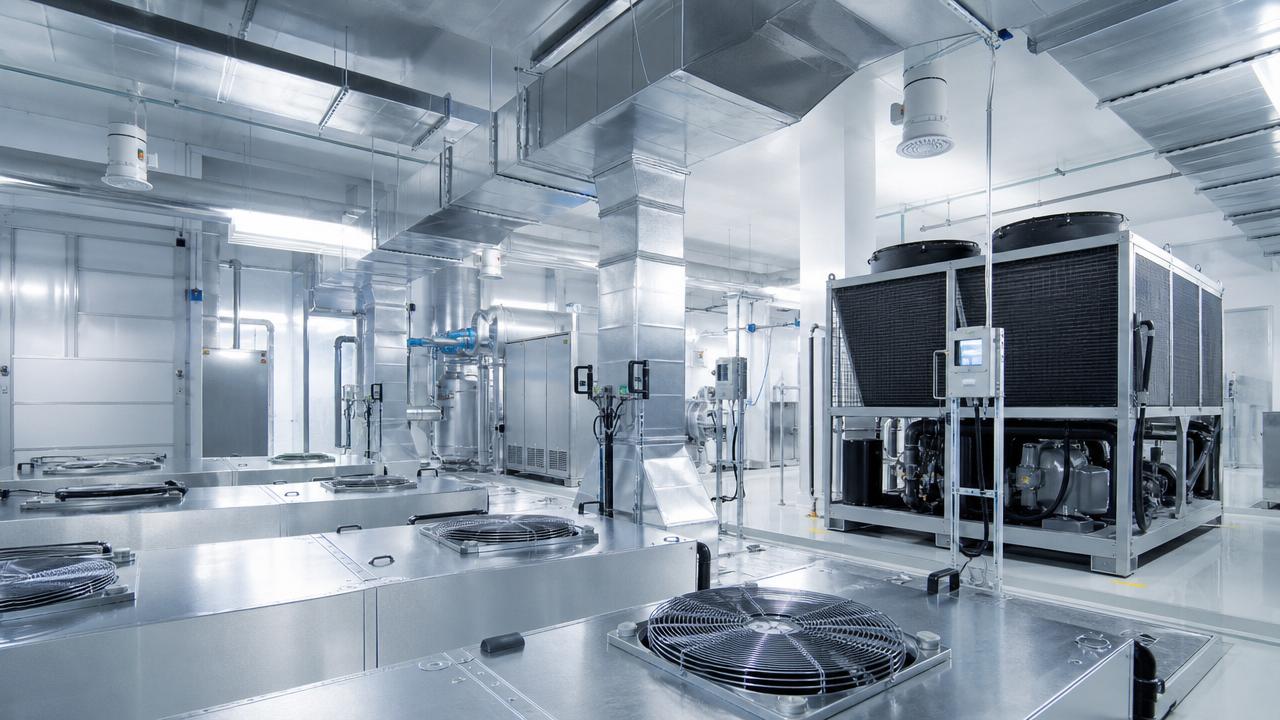
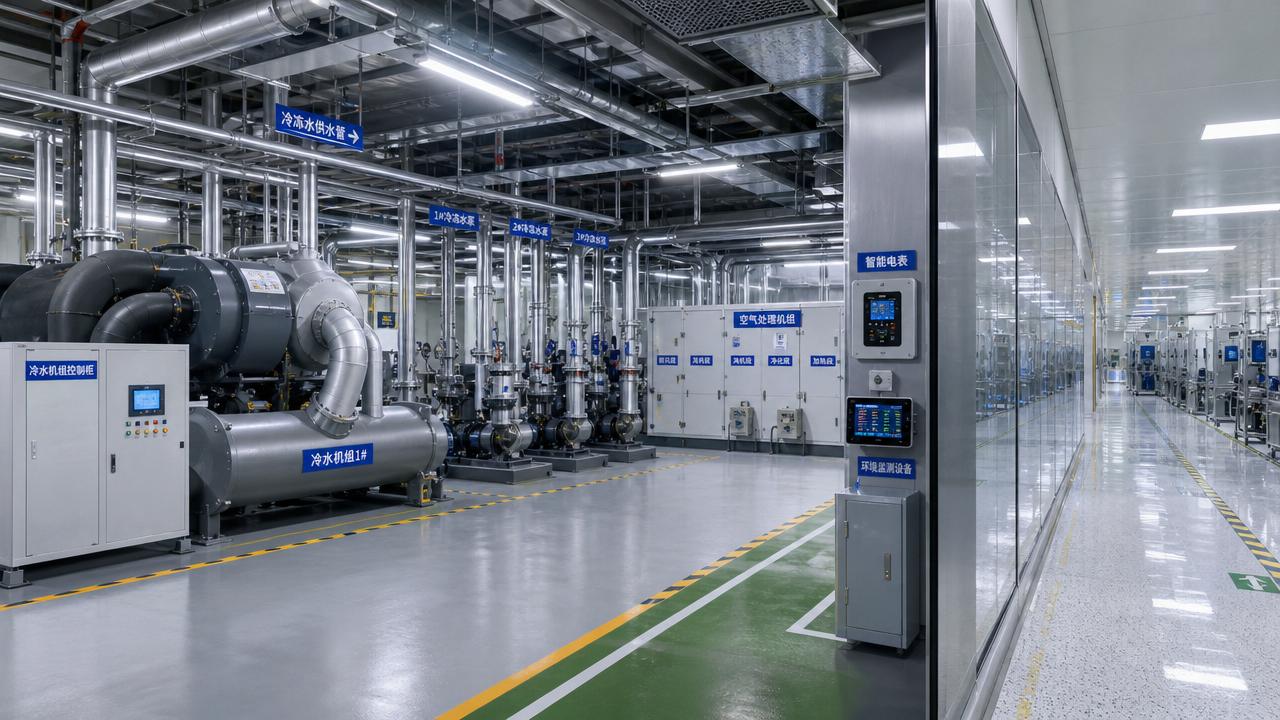
Thermal Management for data centers goes far beyond cooling units and thermostat settings. It covers airflow design, humidity control, heat rejection, monitoring, redundancy, containment, and operational response.
In practical terms, the goal is simple. Keep IT equipment within safe thermal limits while minimizing wasted energy and avoiding unplanned downtime.
This balance becomes harder as rack densities rise. AI clusters, edge computing, and hybrid colocation environments create uneven heat loads and rapid thermal swings.
A strong thermal strategy usually includes several linked layers:
- Cooling generation such as chillers, economizers, or liquid cooling loops
- Cooling delivery through CRAH, CRAC, in-row, rear-door, or direct-to-chip systems
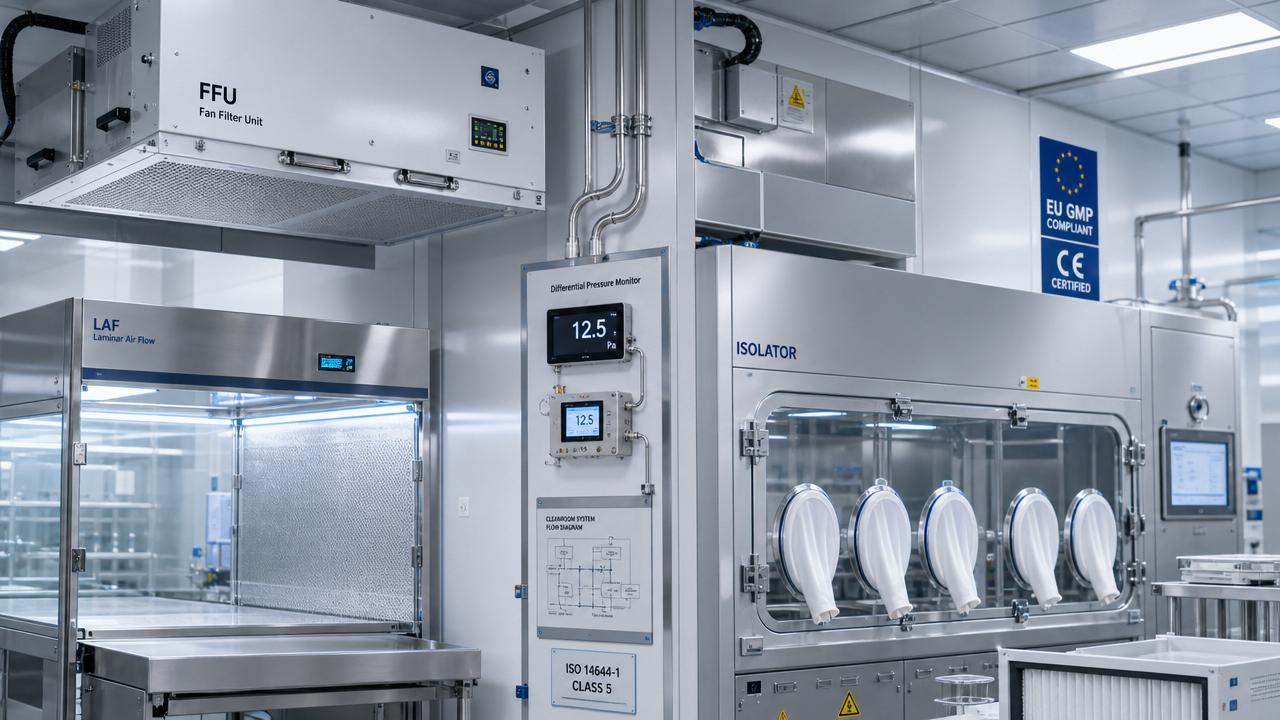
- Air management using hot aisle or cold aisle containment
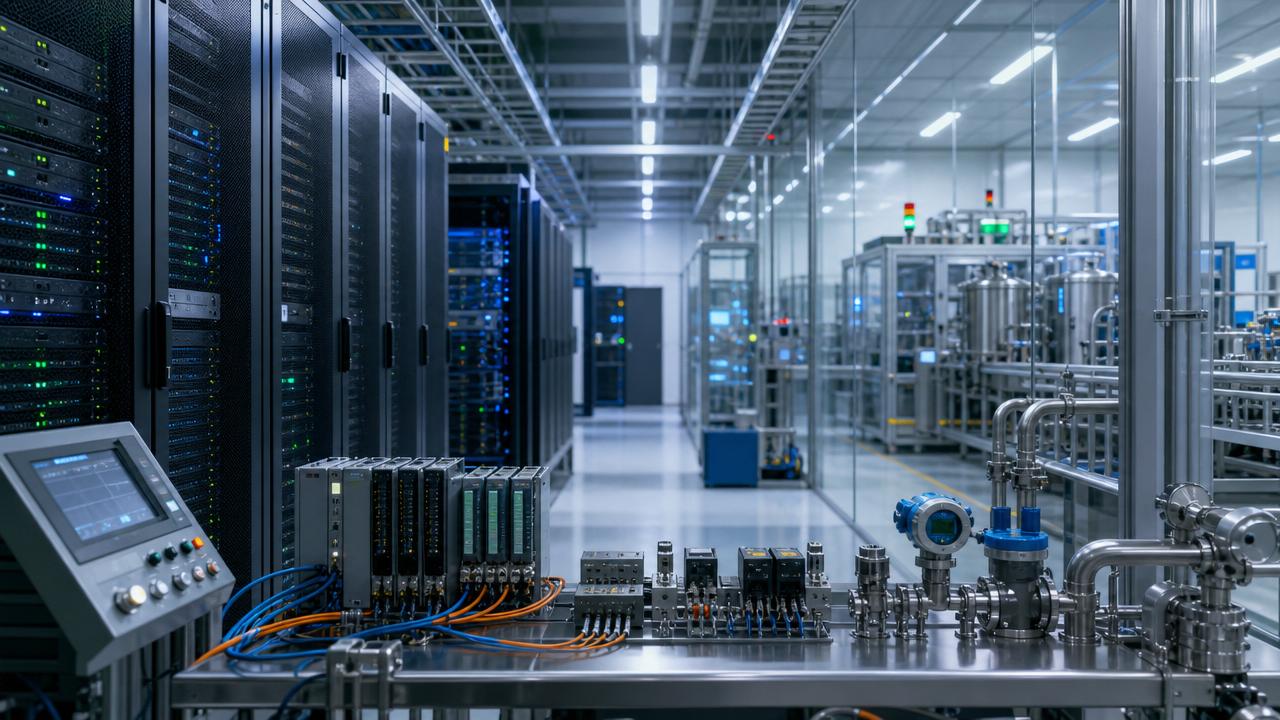
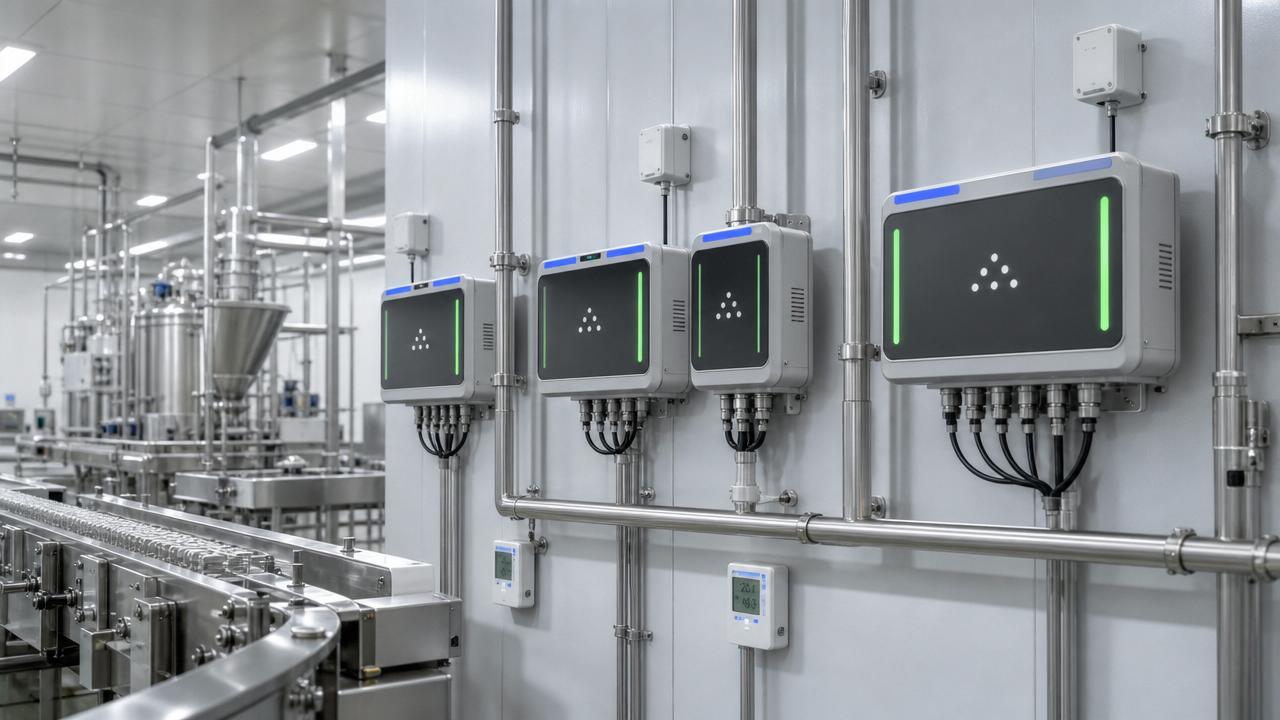
- Environmental sensing for inlet temperature, pressure, and humidity
- Control logic tied to alarms, redundancy, and maintenance procedures
For integrated industrial environments, Thermal Management for data centers must also align with facility power strategy, ESG metrics, and resilience planning. That is where engineering discipline matters most.
Why do PUE targets sometimes conflict with uptime goals?
PUE is useful because it measures overall energy efficiency. Lower PUE means less non-IT energy is consumed to support the computing load.
However, PUE does not directly measure resilience. A data center can show an impressive PUE while operating with tighter thermal margins and reduced fault tolerance.
That tradeoff appears when operators increase supply air temperature, reduce fan speeds, trim redundancy, or depend heavily on free cooling without enough backup protection.
Each decision may reduce energy use. Yet each one can also narrow the response window during equipment failure, weather extremes, maintenance events, or sudden workload spikes.
The core issue is not whether low PUE is good. It is whether the site reaches efficiency targets without exposing the IT load to unstable thermal conditions.
Thermal Management for data centers must therefore treat PUE as one performance metric, not the only strategic objective. Uptime, recoverability, and safe operating envelope matter just as much.
Common examples of the tradeoff
- Raising chilled water temperature saves energy but may reduce cooling headroom
- Using fewer active units lowers power draw but weakens redundancy during failure
- Aggressive economization reduces compressor runtime but increases outdoor dependency
- Higher rack density improves space efficiency but creates hotspots faster
How should facilities decide the right balance between efficiency and resilience?
The best balance starts with risk classification. Not every digital workload has the same uptime requirement, latency sensitivity, or recovery tolerance.
A facility supporting critical finance, healthcare, semiconductor control, or high-value research needs wider thermal safety margins than a less sensitive batch environment.
Thermal Management for data centers should be evaluated against five questions:
- What inlet temperature range is acceptable during peak load?
- How long can the site tolerate partial cooling loss?
- Which failure mode creates the fastest thermal escalation?
- How much redundancy is needed at room, row, and rack level?
- What efficiency gain is worth the extra operational risk?
The answer often lies in staged optimization. Improve airflow first, then controls, then plant efficiency. Do not begin by stripping away resilience assets.
This approach is especially effective in mixed-use industrial campuses, where power quality, water availability, and ambient climate vary across regions and seasons.
A practical decision framework
Which cooling architectures support both lower PUE and stronger uptime?
No single architecture fits every site. The right design depends on density, climate, water policy, power price, and downtime consequence.
For moderate densities, optimized air cooling still works well. Hot aisle containment, pressure management, variable-speed fans, and accurate sensing can deliver major improvements.
For high-density deployments, liquid-assisted systems often improve both efficiency and thermal stability. They remove heat closer to the source and reduce room-level hotspot sensitivity.
Common options include:
- In-row cooling for targeted delivery and shorter airflow paths
- Rear-door heat exchangers for dense racks with limited room changes
- Direct-to-chip liquid cooling for AI and HPC applications
- Chilled water plants with high-efficiency control logic and resilient bypass design
Thermal Management for data centers also benefits from digital twin modeling and continuous commissioning. These tools show where airflow recirculates, where capacity is stranded, and where control sequences can fail.
In advanced industrial settings, the most resilient solution is often a hybrid one. Air handles the baseline load, while liquid cooling supports concentrated compute zones.
What mistakes increase risk when chasing better PUE?
The first mistake is treating average room temperature as enough information. Critical failures usually begin at rack inlets, cable obstructions, or poorly contained aisles.
The second mistake is optimizing for annualized PUE while ignoring transient events. Uptime losses often happen during startup, switchover, maintenance, or sudden compute bursts.
Another common issue is weak sensor coverage. Without granular telemetry, operators cannot distinguish harmless variation from a developing hotspot or airflow collapse.
There is also a governance mistake. Efficiency targets may be assigned without linking them to asset condition, maintenance windows, and site-specific resilience thresholds.
Risk reminders for Thermal Management for data centers
- Do not remove redundancy before fixing airflow inefficiency
- Do not assume vendor nameplate capacity equals usable capacity
- Do not run closer to thermal limits without alarm testing
- Do not evaluate PUE without seasonal and failure-mode context
How can facilities implement improvements without disrupting operations?
Start with measurement. Build a thermal baseline using rack-level sensors, return conditions, water temperatures, fan behavior, and workload variation across time.
Next, prioritize no-regret actions. Seal bypass air, improve blanking, tune controls, verify containment integrity, and rebalance underused cooling assets.
Then test controlled changes in small zones. Validate impact before expanding to the full hall. Trend stability is more valuable than one short-term PUE improvement.
For larger upgrades, plan around maintenance windows and failure simulations. Thermal Management for data centers should always include rollback criteria and emergency operating modes.
Facilities with complex compliance needs can benefit from benchmark-driven engineering. Aligning systems with ASHRAE guidance, monitoring discipline, and lifecycle reviews improves confidence and consistency.
Quick FAQ summary table
Thermal Management for data centers is ultimately about disciplined tradeoff control. The best-performing facilities do not chase PUE in isolation. They build efficiency on top of proven thermal stability.
A practical next step is to review thermal margins, sensor visibility, redundancy logic, and high-density zones together. That combined view reveals whether current efficiency gains are sustainable or fragile.
Where data center environments support mission-critical industrial infrastructure, a benchmark-led approach helps connect engineering performance, compliance confidence, and long-term operational resilience.
Get weekly intelligence in your inbox.
No noise. No sponsored content. Pure intelligence.
 Jun 14, 2026Digital Freight Matching for Logistics Companies: ROI, Risks, and Adoption TrendsDigital freight matching for logistics companies: explore ROI, hidden risks, and adoption trends. Learn how to improve visibility, control costs, and strengthen resilient logistics operations.
 Jun 14, 2026How to Choose Ophthalmic Equipment for Diagnostic Accuracy and WorkflowOphthalmic equipment buying guide: learn how to compare image quality, workflow fit, integration, and total cost to choose systems that improve diagnostic accuracy and clinic efficiency.
 Jun 14, 2026Industrial Climate Control: How to Cut Energy Use Without Losing PrecisionIndustrial Climate Control strategies that cut energy use without sacrificing precision. Learn how cleanrooms, pharma, and high-stability facilities reduce waste while protecting compliance and process performance.
 Jun 14, 2026TMS Software vs Custom Development: Cost, Speed, and Integration TradeoffsTMS software vs custom development: compare cost, deployment speed, integration depth, and long-term control to choose the best-fit solution for complex operations.
 Jun 14, 2026How to Evaluate a Bluetooth Speakers Distributor for Stable Supply and MarginBluetooth speakers distributor selection affects supply stability and profit. Learn how to assess lead times, margin structure, service, and channel control to choose a reliable partner.
 Jun 14, 2026Southeast Asia Tightens IIoT Air Monitor Import RulesSoutheast Asia Tightens IIoT Air Monitor Import Rules: learn how ASEAN’s new CCI pre-clearance, GS1 EPCIS v2.3, and cloud registration rules could impact shipments before August 1, 2026.
 Jun 14, 2026South Korea MFDS Tightens UPW Rules for TOC TraceabilitySouth Korea MFDS tightens UPW rules for TOC traceability in imported 18.2 MΩ·cm systems. Learn the 2026 compliance deadline, KOLAS report needs, and supplier risks.
 Jun 14, 2026Japan Enforces JIS T 0601-2026 for BSL-3/4 LabsJapan Enforces JIS T 0601-2026 for BSL-3/4 Labs: learn how OPC UA, Digital Twin Lab, and IEC 62443-4-2 rules reshape compliance, imports, and procurement in Japan.
 Jun 14, 2026EPA Expands VOCs Controls to AMC Filter Media ImportsEPA expands VOCs controls to AMC filter media imports under TSCA Section 5. Learn how PMN filings, TOC verification, and October 2026 rules could raise costs, delay customs, and reshape cleanroom supply planning.
 Jun 14, 2026EU Rule Tightens Access for ISO Class 1-9 Cleanroom SystemsEU Rule Tightens Access for ISO Class 1-9 Cleanroom Systems: learn how EN 1822-5:2026, AMC grading, and pressure traceability could reshape CE compliance, sourcing, and delivery plans.
 Jun 13, 2026Industry Intelligence Tools: How to Spot Market Shifts EarlyIndustry Intelligence helps you spot market shifts early by tracking weak signals, standards, and project trends. Learn how to turn early insight into smarter, faster industrial decisions.
 Jun 13, 2026Strategic Hub Models That Improve Cross-Site CoordinationStrategic Hub models help multi-site teams standardize critical decisions, reduce compliance risk, and speed execution. Learn how to improve cross-site coordination with smarter hub design.
 Jun 13, 2026Energy Management Systems: What Delivers ROI in 2026?Energy management systems in 2026 deliver ROI through uptime protection, HVAC optimization, compliance support, and lower operating costs. Learn what truly drives value.
 Jun 13, 2026How to Compare Ambulance Equipment for Safety and ReadinessAmbulance equipment comparison starts with safety and readiness. Learn a practical framework to evaluate compliance, cleanability, usability, and lifecycle cost.
 Jun 13, 2026Solar Panels Wholesale USA: Cost, MOQ, and Supplier RisksSolar panels wholesale USA guide covering landed cost, MOQ, certifications, delivery delays, and supplier risks. Compare quotes smarter and avoid costly bulk-buy mistakes.
 Jun 13, 2026Mexico Tariff Move Hits 185 Chinese Tech ProductsMexico tariff move hits 185 Chinese tech products, adding 15%–25% duties from June 15, 2026. See how Maglev Chillers, Digital Twin Lab systems, pricing, and delivery to Mexico may change.
 Jun 13, 2026New Zealand Adds IIoT Air Monitoring to Import Compliance ListNew Zealand import compliance now covers IIoT air monitoring in food plant clean areas. Learn how this MPI update affects calibration, traceability, market access, and supplier readiness.
 Jun 13, 2026Thai sealed-food rule now covers biosafety packagingThai sealed-food rule now covers biosafety packaging, impacting BSL-3/4 sealed bags, sterile trays, and transport containers. Learn the compliance risks, document checks, and import actions for Thailand.
 Jun 13, 2026K-REACH Change Hits UPW Chemical Pre-RegistrationK-REACH change impacts UPW chemical pre-registration in South Korea. Learn how new import-stage compliance rules may affect semiconductor supply chains, sourcing, and delivery timelines.
 Jun 13, 2026Pakistan Requires Forced-Labor-Free Proof for Cleanroom ImportsPakistan requires forced-labor-free proof for cleanroom imports from June 1, 2026. Learn how ISO Class 1-9 systems, AMC filtration, and ESD shipments can avoid customs delays.
 Jun 12, 2026Digital Freight Matching: When Does It Lower Empty Miles?Digital freight matching lowers empty miles when lanes are dense, visible, and flexible. Learn where it truly works, where constraints limit gains, and how to improve logistics performance.
 Jun 12, 2026Shipping Rates in 2026: What’s Driving Volatility and Surcharges?Shipping rates in 2026 are turning more volatile as fuel, carbon rules, rerouting, and surcharges reshape freight costs. Discover what’s driving the shifts and how to plan smarter.
 Jun 12, 2026Factory Automation for Electronics Manufacturing: Key System ChoicesFactory automation for electronics manufacturing starts with system fit. Learn how to balance automation, environmental control, utilities, and data integration for higher yield and smarter scaling.
 Jun 12, 2026Solar Grid Systems: What Impacts ROI and Maintenance Costs?solargridsystems ROI depends on tariffs, load profile, storage, and maintenance planning. Learn what truly drives payback, hidden costs, and smarter investment decisions.
 Jun 12, 2026Supply Chain Trends 2026: Cost, Risk, and Resilience SignalsSupply Chain Trends 2026 reveal how cost, risk, and resilience are reshaping industrial operations. Explore key signals, hidden risks, and smarter strategies to protect uptime and compliance.
 Jun 12, 2026NRC Issues Part 53 Framework for Advanced ReactorsNRC Issues Part 53 Framework for Advanced Reactors: learn how the new rule may reshape import compliance, digital twin audits, and supplier readiness for nuclear cleanrooms, BSL labs, and UPW systems.
 Jun 12, 2026Italy-China Forum Highlights Waste Traceability ShiftItaly-China Forum Highlights Waste Traceability Shift: explore how blockchain traceability, wastewater recovery, and cross-border compliance could reshape supplier readiness, audits, and industrial delivery.