Future of District Heating: Heat Recovery Trends to Watch
The future of district heating is being reshaped by heat recovery, digital optimization, and stricter carbon targets across industrial and urban infrastructure. For business evaluators, understanding which recovery trends can improve efficiency, reduce lifecycle costs, and support ESG compliance is essential. This article highlights the key developments worth watching and their strategic value for long-term investment decisions.
Why the future of district heating now depends on heat recovery economics
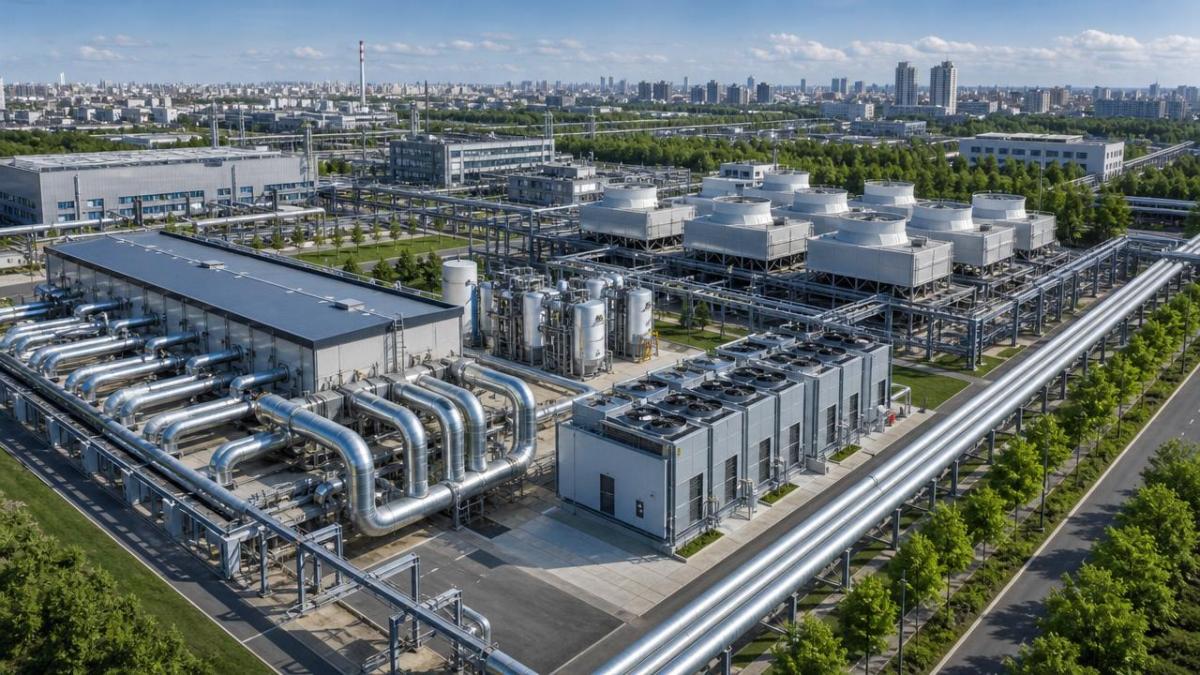
The future of district heating is no longer defined only by fuel switching. It is increasingly shaped by how effectively operators capture low-grade and medium-grade waste heat from industry, data centers, laboratories, cooling plants, and process utilities.
For business evaluators, this shift matters because capital approval is moving away from simple boiler replacement logic. Boards now ask whether a district network can recover stranded thermal energy, lower Scope 1 and Scope 2 emissions, and remain bankable under tighter carbon reporting rules.
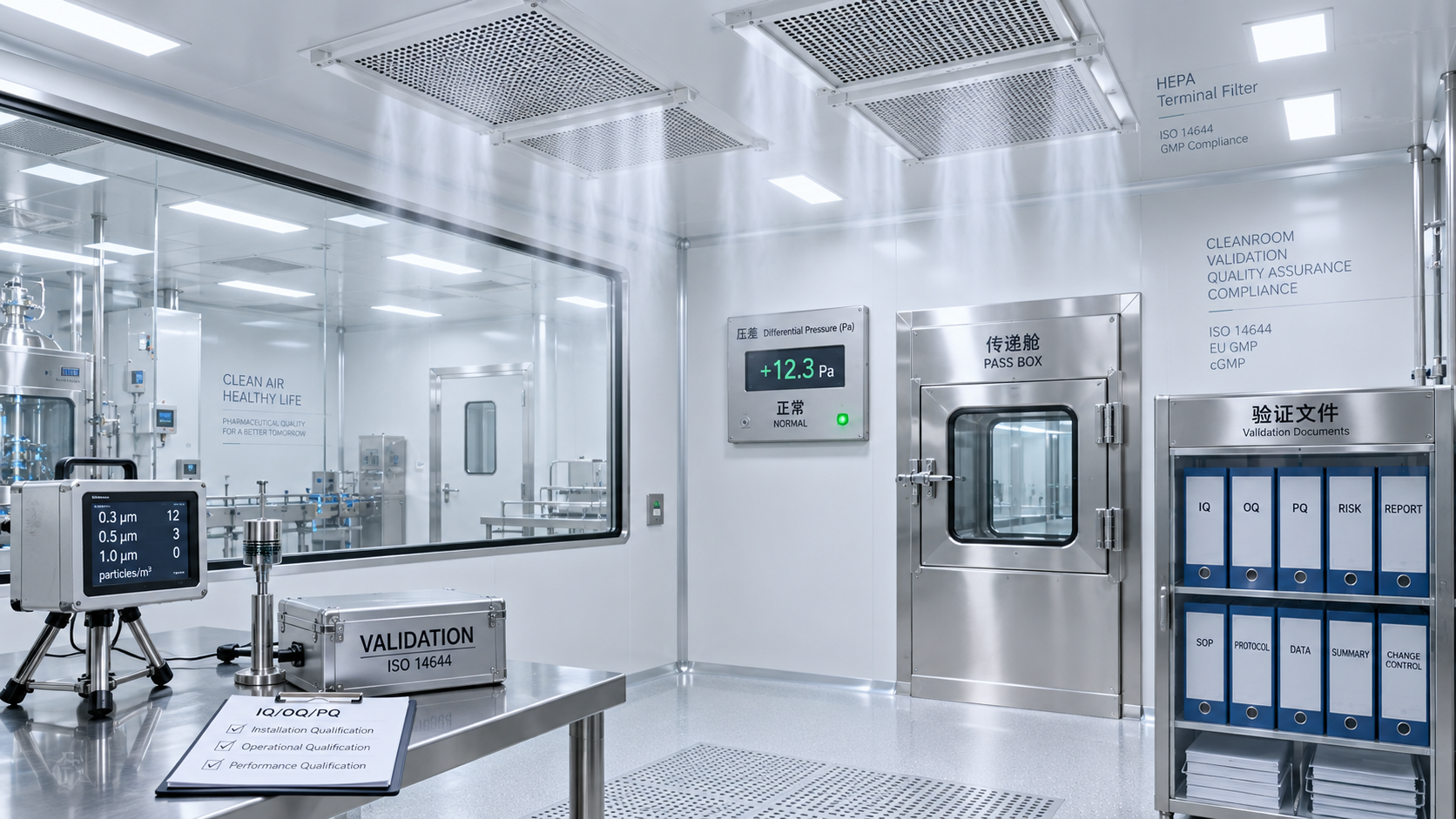
In high-performance environments, especially semiconductor fabrication, pharmaceutical production, biosafety facilities, and precision thermal campuses, waste heat is not incidental. It is embedded in chilled water loops, exhaust streams, compressor systems, cleanroom HVAC, process cooling, and water treatment operations.
That is where G-ICE brings unusual value. Its cross-disciplinary benchmarking links heat recovery options to contamination control, thermal stability, biosafety, ultra-pure utilities, and digital monitoring. This matters when a project cannot compromise process integrity for energy gains.
- Recovered heat can reduce exposure to volatile gas prices and improve predictability of operating expenditure.
- Industrial and institutional campuses often have simultaneous heating and cooling loads, creating stronger business cases than residential-only networks.
- Digital controls now make lower-temperature recovery more commercially useful by matching supply temperatures to real demand profiles.
- Compliance and ESG screening increasingly favor systems with measurable efficiency, heat metering, and auditable carbon reductions.
Which heat recovery sources are most relevant to the future of district heating?
Not every heat source carries the same investment quality. Business evaluators should rank opportunities by temperature stability, seasonal coincidence, contamination risk, integration complexity, and recoverable annual energy rather than by headline thermal output alone.
High-potential source categories
- Data center cooling systems, where return water temperatures and year-round loads support stable recovery potential.
- Industrial refrigeration and process cooling, especially where compressors reject usable heat continuously.
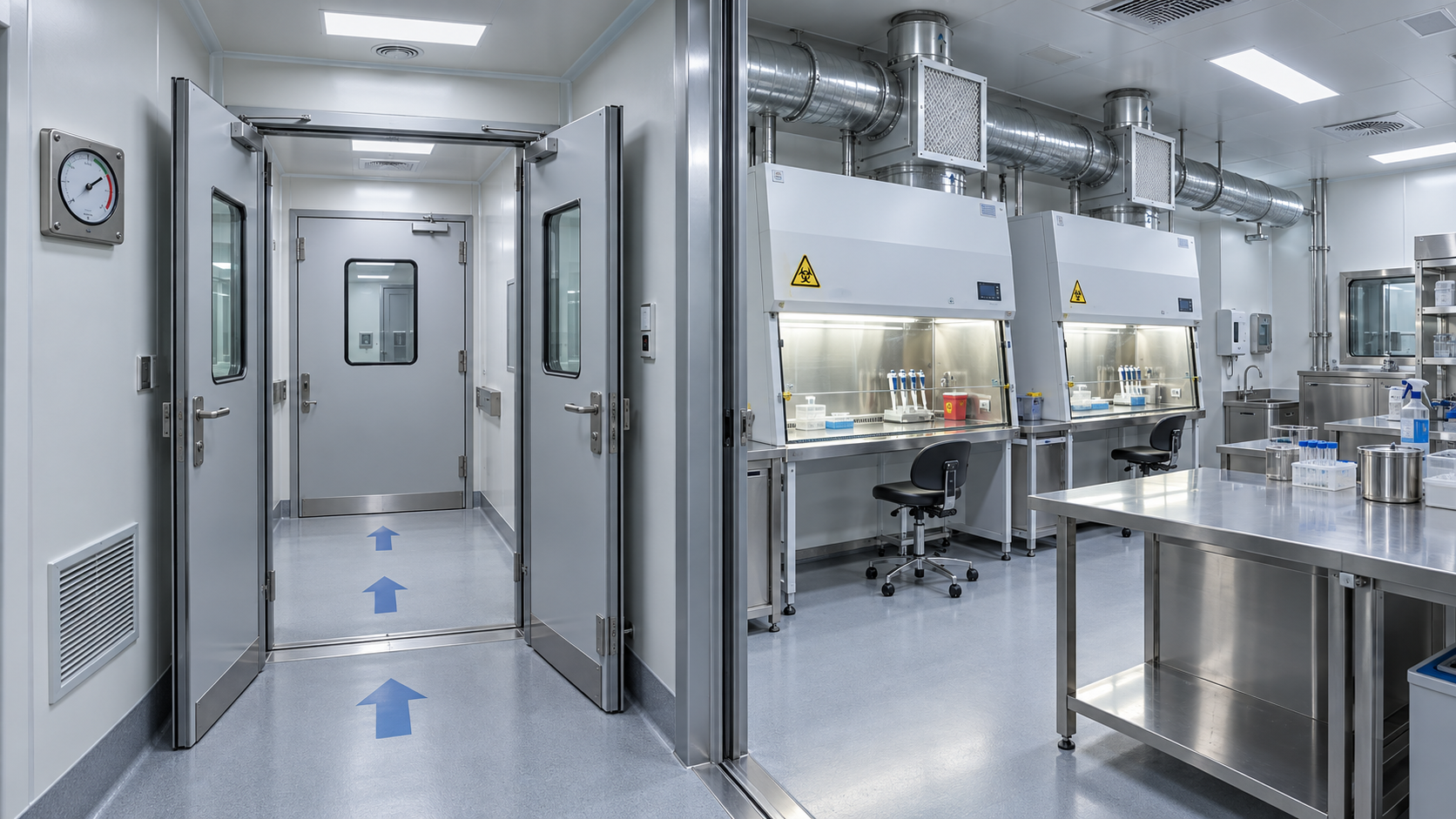
- Cleanroom and laboratory HVAC exhaust, where sensible heat recovery can be significant if biosafety and contamination boundaries are protected.
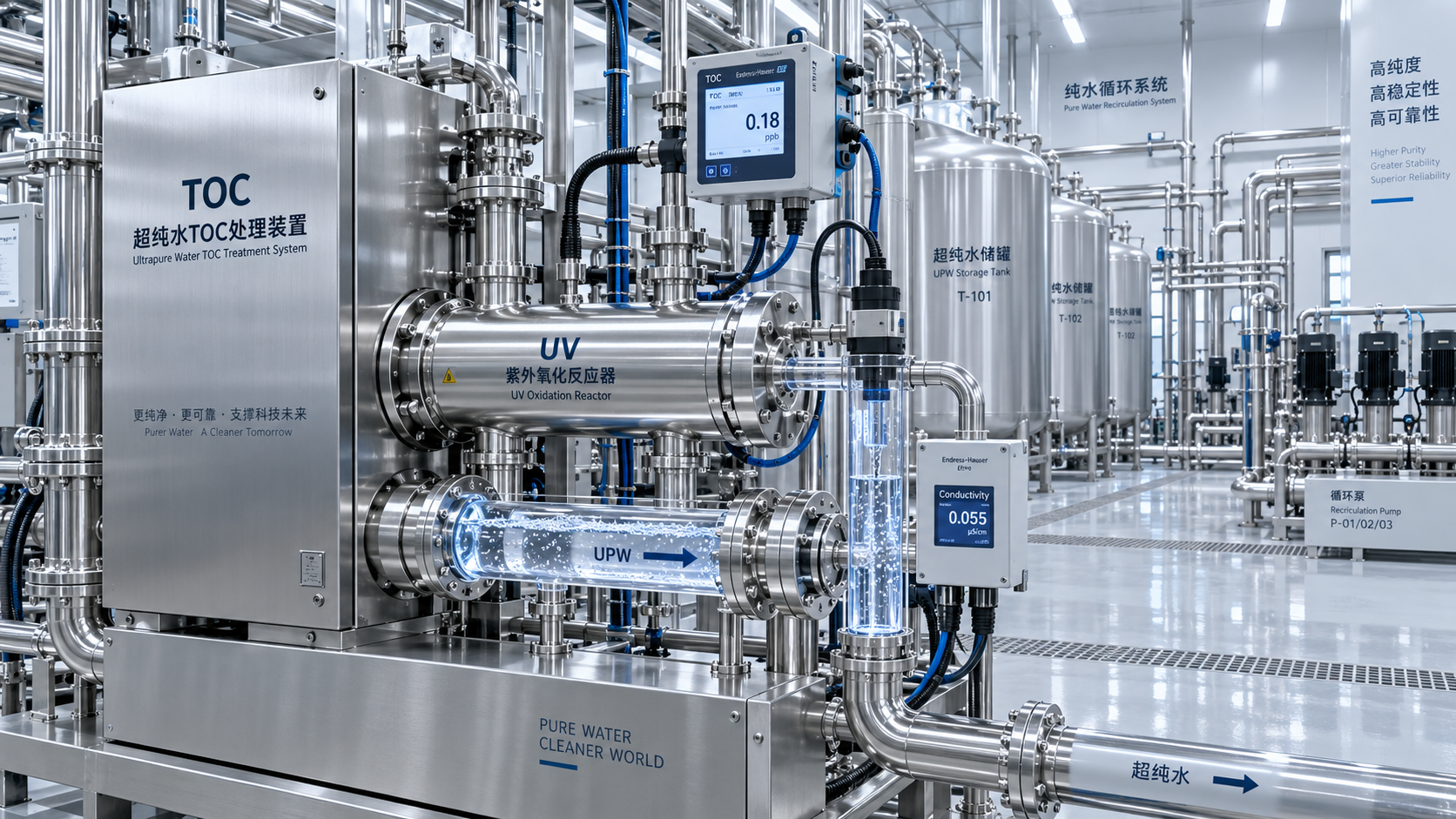
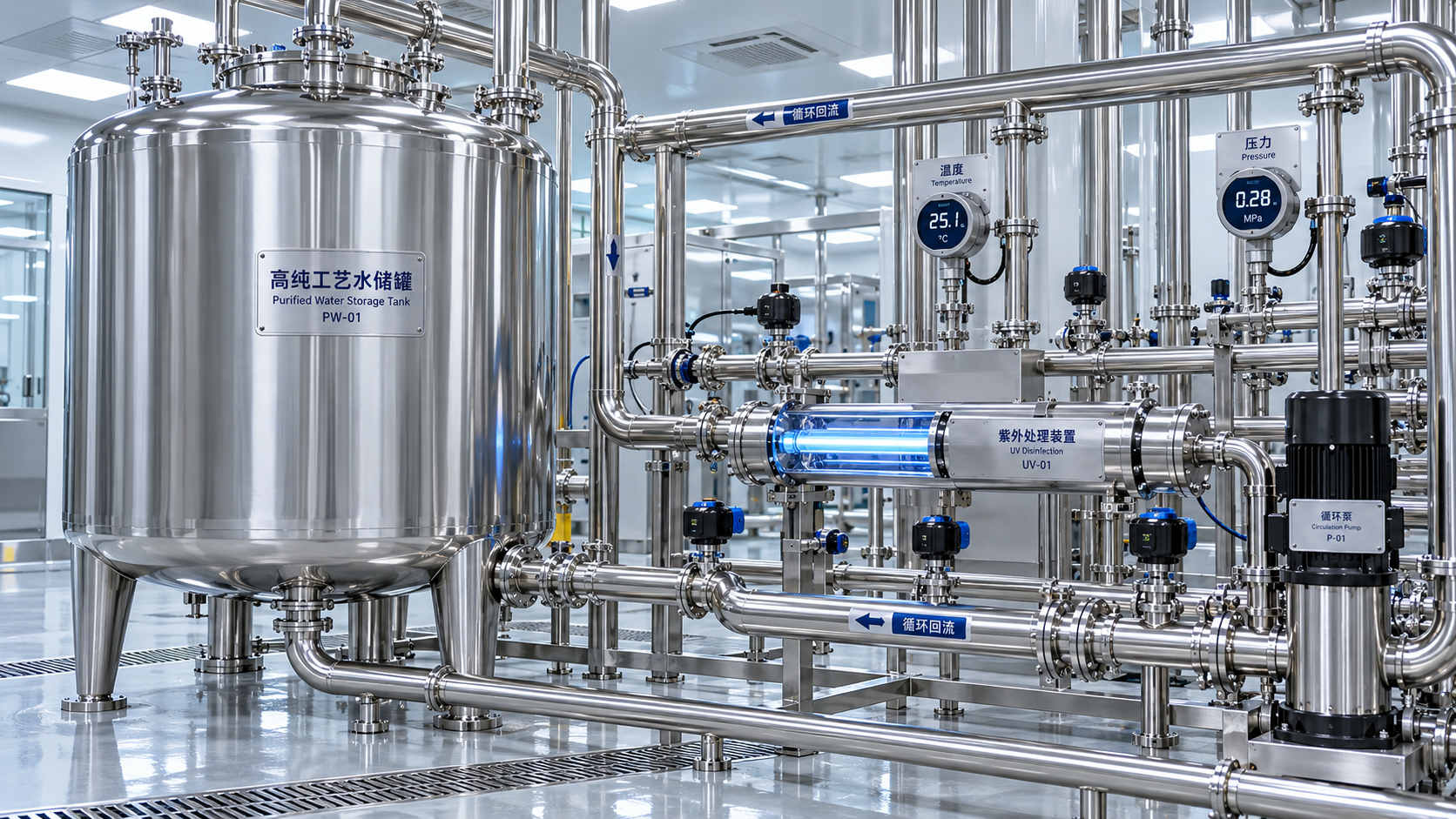
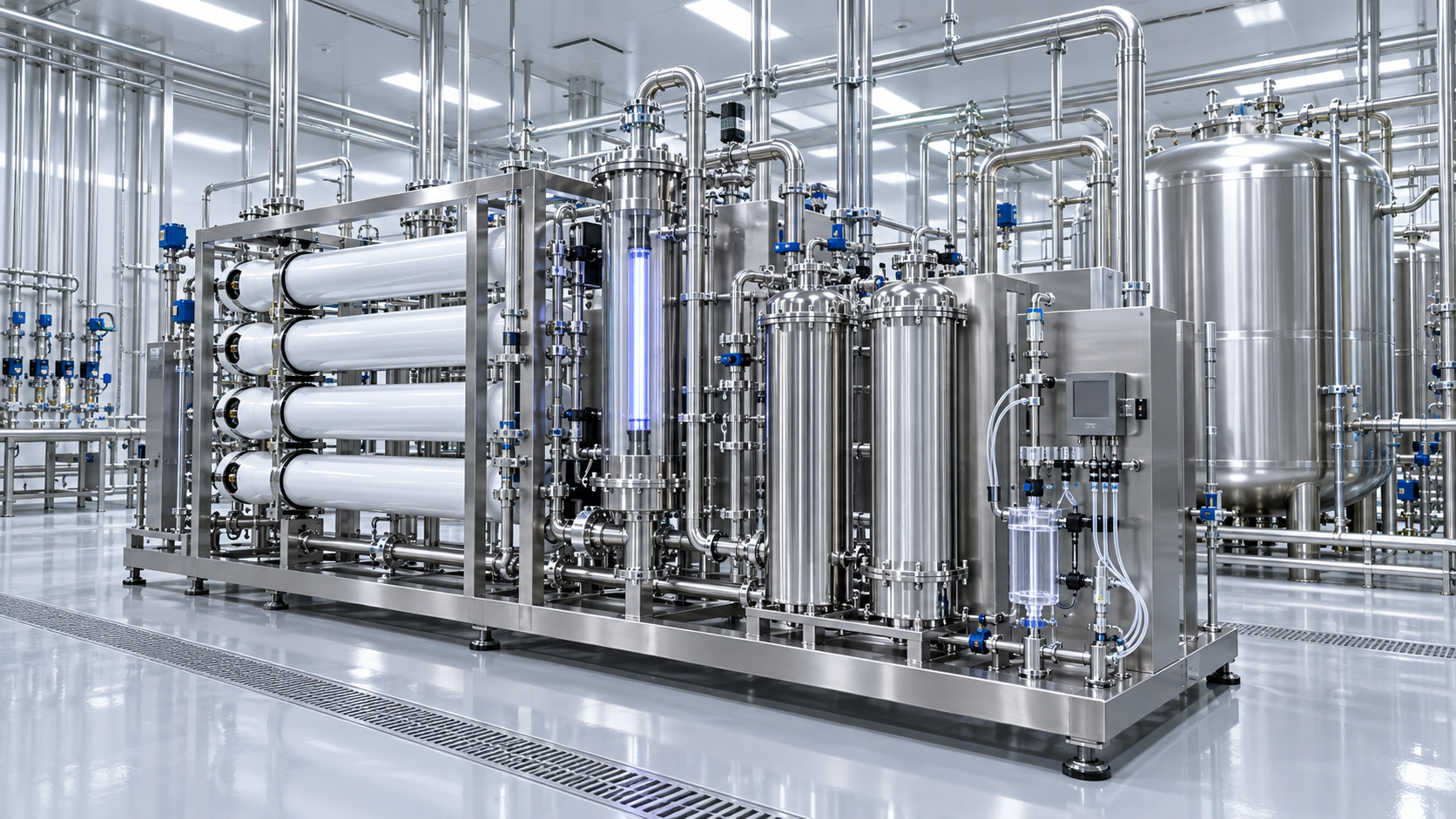
- Wastewater, process water, and ultra-pure water support systems, where thermal energy is often overlooked in utility planning.
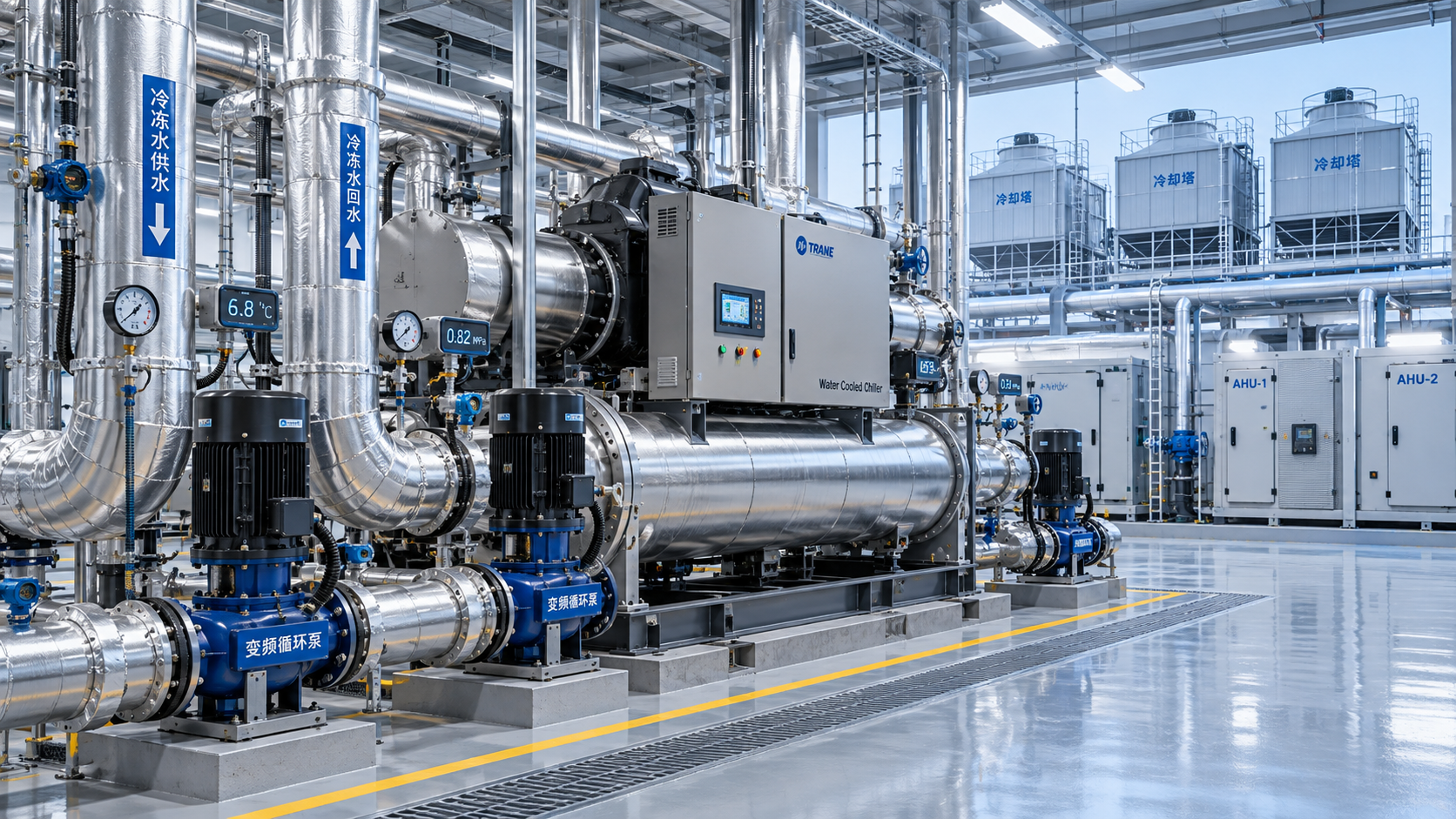
- Chiller plants and heat pump cascades, particularly on campuses with simultaneous cooling demand and district heating demand.
The comparison below helps business evaluators identify which source profiles are better aligned with the future of district heating in industrial and mixed-use environments.
The strongest candidates usually combine stable load, low contamination transfer risk, and a good match between source temperature and network demand. In advanced industrial settings, source quality matters more than source publicity.
What technology trends will define the future of district heating?
Several technical trends are changing how waste heat moves from a theoretical sustainability concept to a financeable infrastructure asset. Business evaluators should focus on technologies that improve usable temperature, operational resilience, and measurement transparency.
1. Large-scale heat pumps are becoming central
The future of district heating depends on converting lower-temperature waste streams into usable network supply. Large industrial heat pumps are therefore becoming a core enabling technology, not a niche add-on. Their business value rises when electricity decarbonizes and gas price volatility persists.
2. Lower-temperature networks improve recovery potential
Fourth-generation and emerging fifth-generation district heating concepts reduce supply temperature requirements. That widens the number of recoverable heat sources and lowers exergy loss. It also improves compatibility with precision cooling campuses and mixed thermal ecosystems.
3. Thermal storage is reducing mismatch risk
Heat recovery projects often fail at the business case stage because supply and demand do not perfectly align by hour or season. Short-term and medium-term thermal storage can smooth this mismatch and protect asset utilization.
4. Digital twins and advanced monitoring are improving bankability
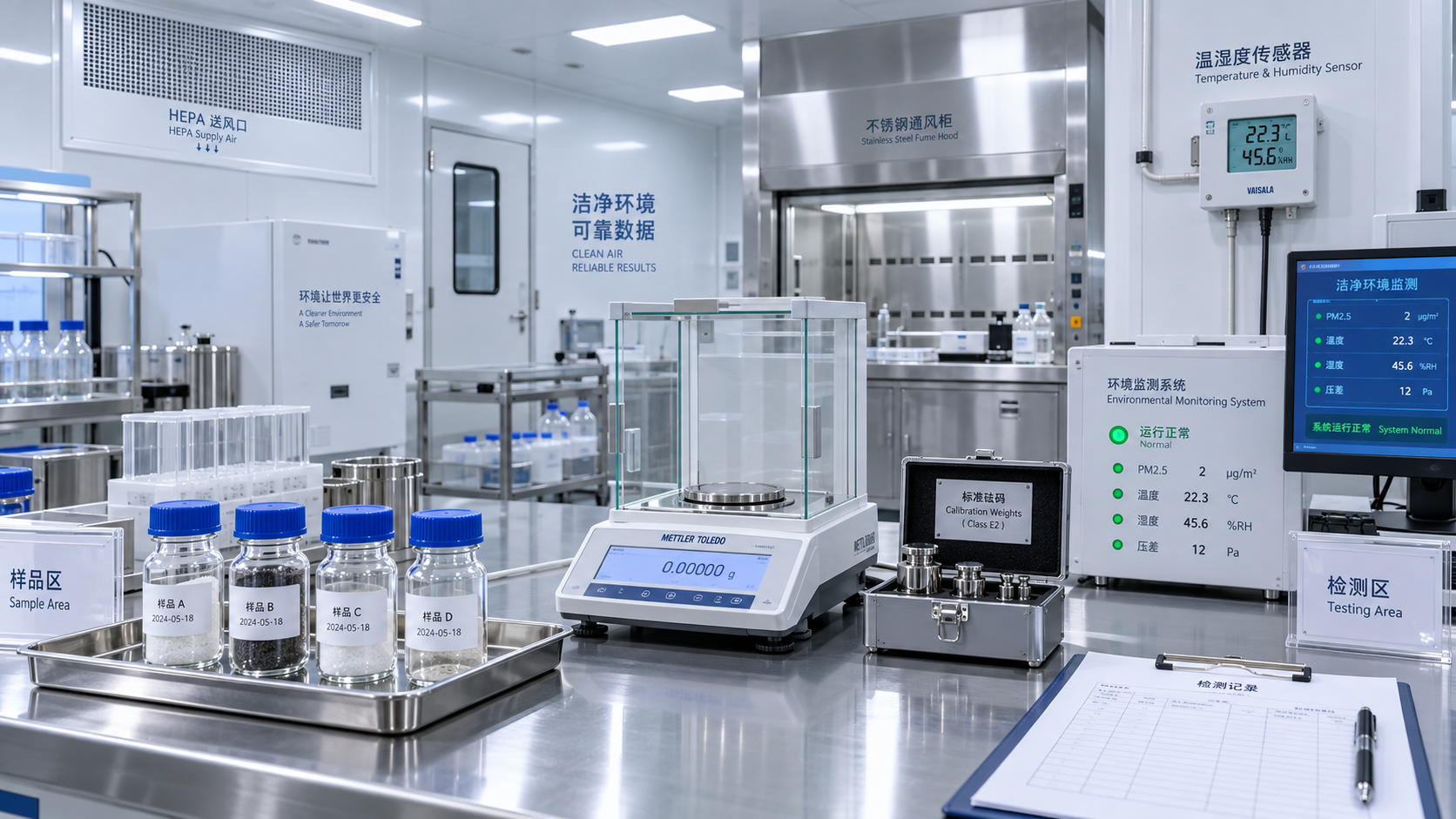
In sectors where thermal precision, contamination control, and auditability matter, digital oversight is now a commercial requirement. G-ICE’s strength in smart environmental monitoring and digital twin control directly supports this trend by linking thermodynamic performance with compliance and operational evidence.
- Real-time metering improves verification of recovered energy and carbon savings.
- Predictive controls help coordinate chillers, pumps, heat exchangers, and storage assets.
- Alarm logic can preserve cleanroom, lab, or biosafety conditions during abnormal thermal events.
- Data-driven optimization shortens the gap between design assumptions and actual financial performance.
How should business evaluators compare recovery options and lifecycle value?
The future of district heating will reward disciplined option screening. A project that looks attractive on annual energy alone may underperform if it requires high temperature lift, extensive retrofit shutdowns, or complicated hygiene separation.
A practical evaluation should combine thermal quality, CAPEX, OPEX, downtime risk, integration effort, and ESG reporting value. The table below is designed for commercial screening, not just engineering discussion.
This approach is especially important for high-tech facilities where a thermal project interacts with critical production utilities. G-ICE’s benchmark-driven methodology helps evaluators avoid false savings that appear attractive on paper but create operational instability later.
Which industrial and institutional scenarios are best suited to heat recovery-led district heating?
The future of district heating is strongest where heat and cooling coexist at scale. Mixed-use urban districts matter, but industrial campuses often provide the most reliable economics because they deliver continuous thermal streams and clearer metering boundaries.
Semiconductor and advanced electronics campuses
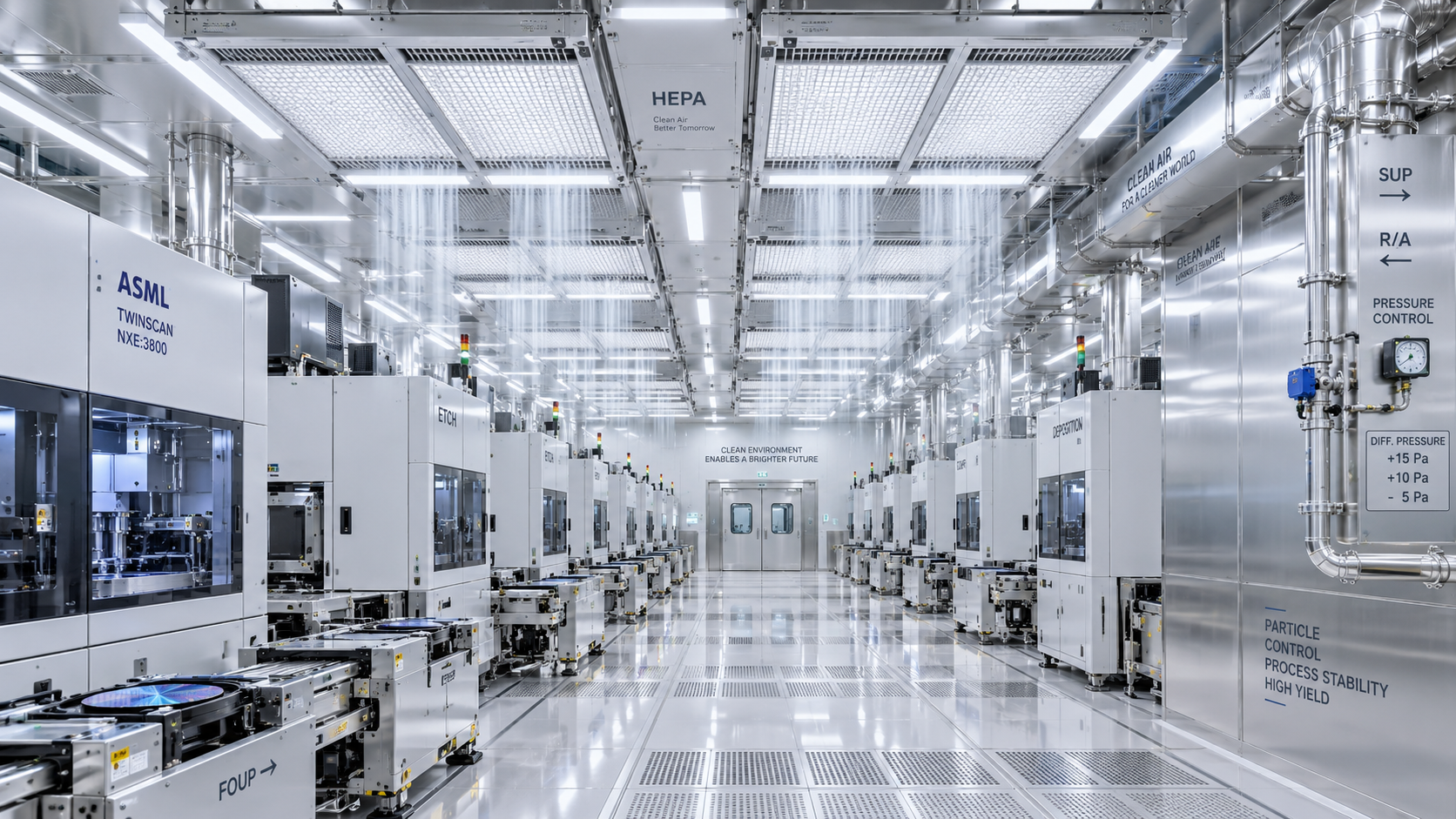
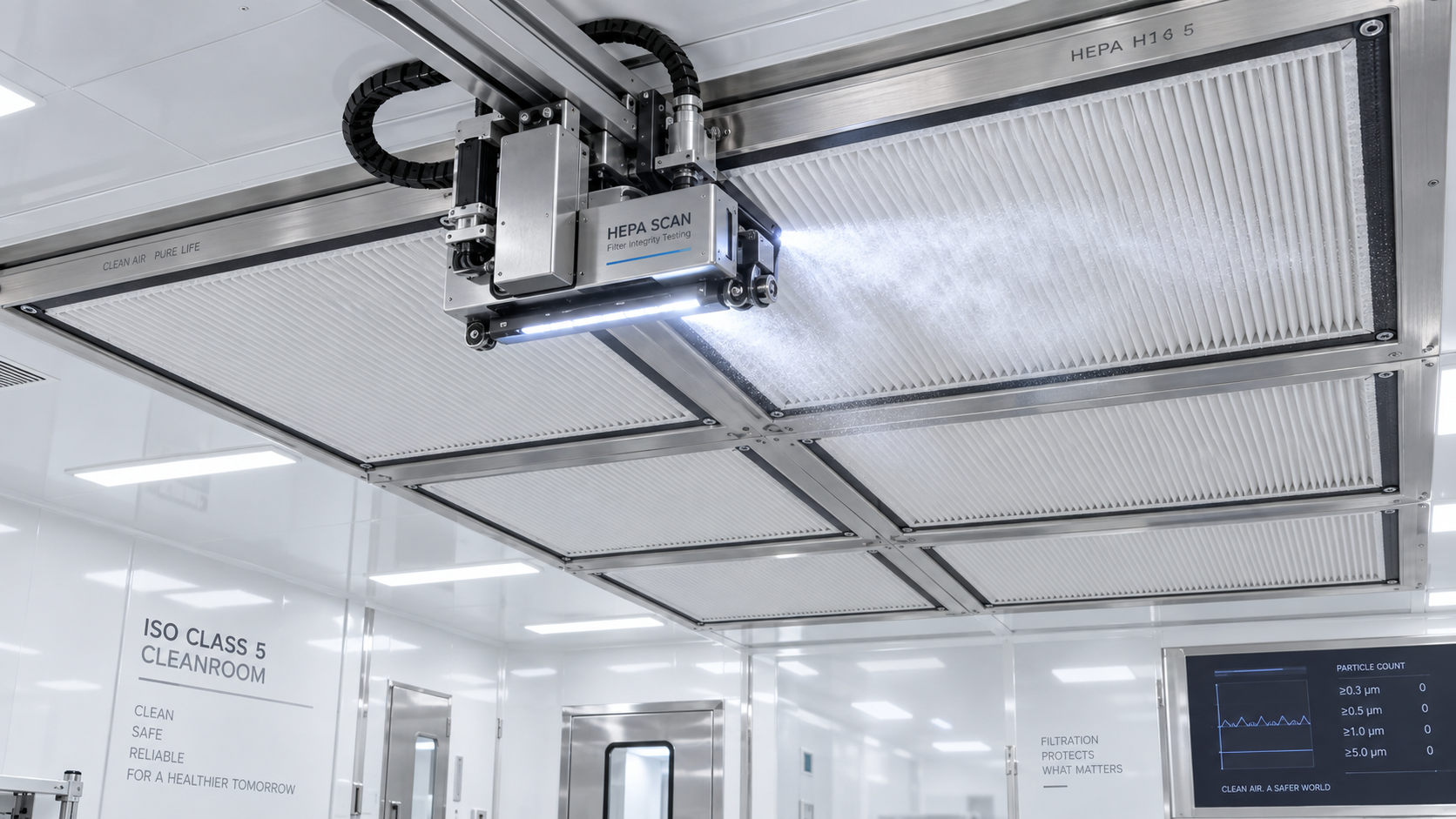
These facilities operate highly controlled cleanroom HVAC, process cooling, and utility plants. Waste heat may be recoverable from chillers, exhaust systems, and water loops, but any design must respect ISO 14644 cleanliness requirements and precision temperature stability.
Pharmaceutical and biosafety environments
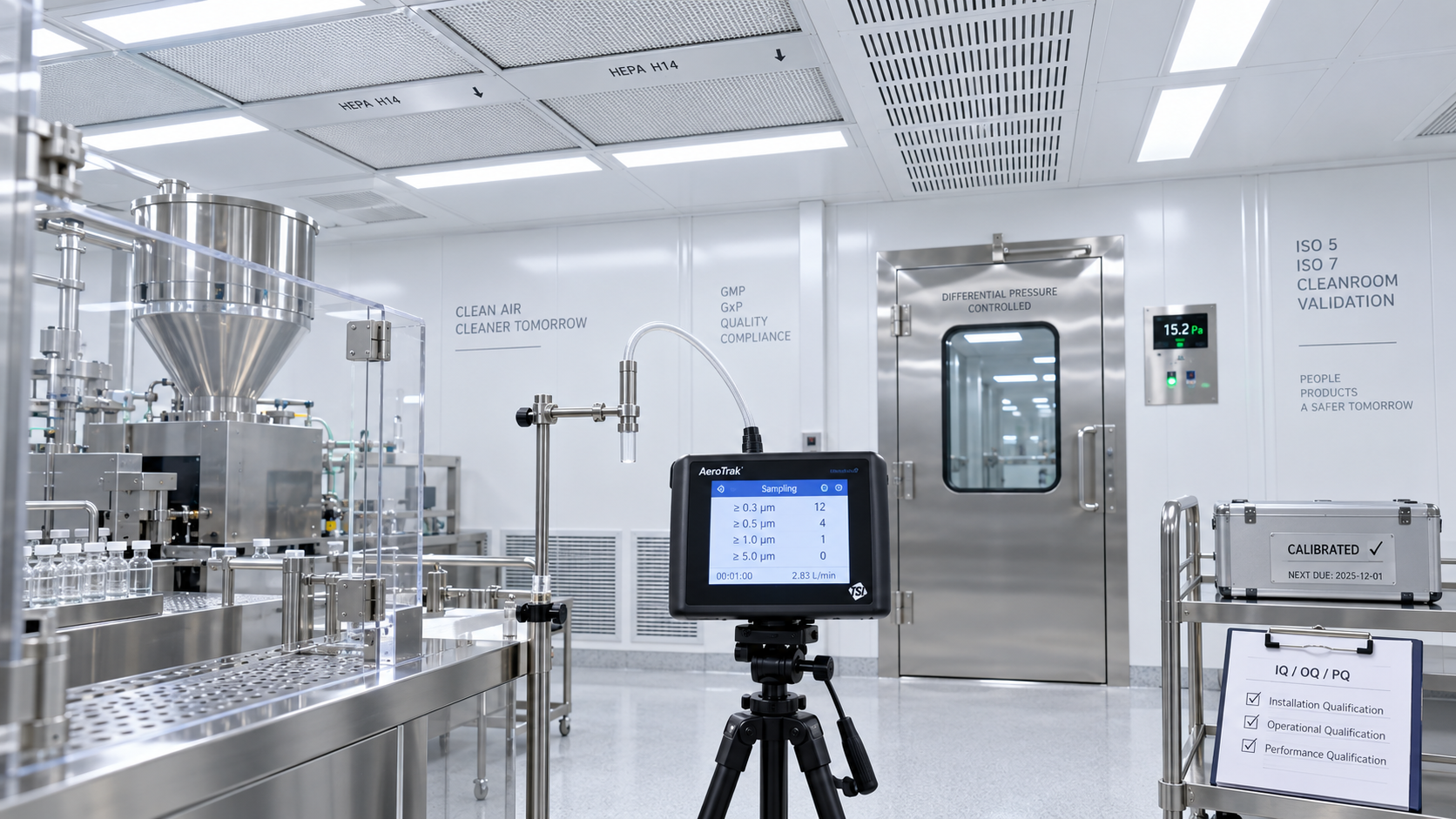
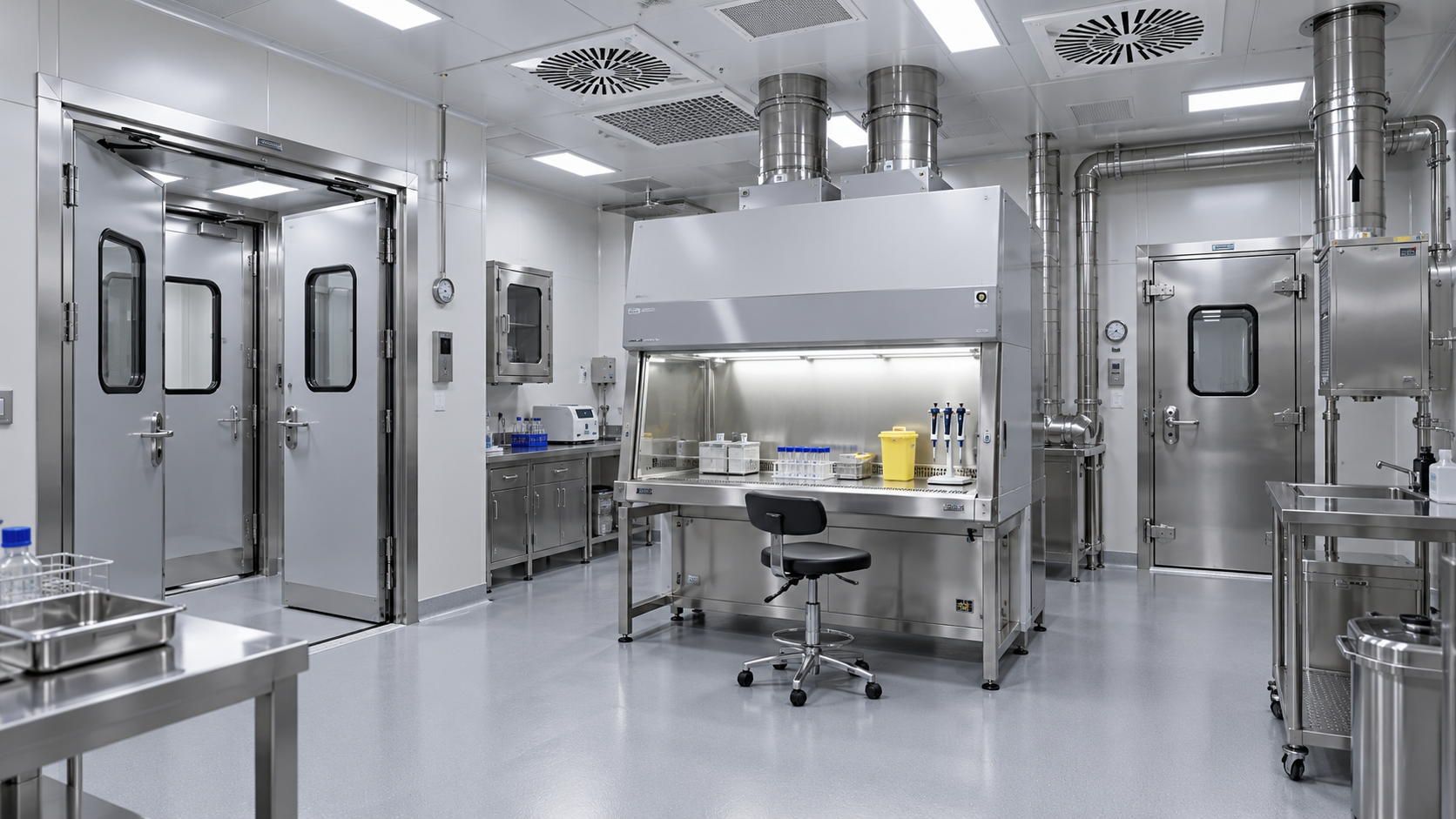
Recovery opportunities exist in conditioned air systems, sterilization support utilities, and cooling assets. However, pressure cascades, containment boundaries, and hygiene segregation must not be compromised. A heat recovery concept that ignores biosafety engineering is not commercially acceptable.
Data center and research clusters
These clusters often offer excellent baseload recovery potential and measurable operating profiles. They are increasingly relevant to the future of district heating because they generate usable heat throughout the year and align well with digital control strategies.
Municipal-industrial hybrid districts
Where industrial parks sit near hospitals, universities, or dense residential areas, a stronger utilization case emerges. Shared infrastructure can improve load factor, but governance and metering arrangements need careful structuring from the start.
What standards, compliance points, and risk controls should not be overlooked?
For business evaluators, compliance is not a side issue. The future of district heating in advanced industrial environments depends on whether energy recovery can coexist with thermal precision, contamination control, and auditable environmental performance.
- Review relevant HVAC, cleanroom, and environmental control references such as ASHRAE guidance and ISO 14644 where controlled environments are involved.
- Check whether heat exchanger separation and control logic protect biosafety and process integrity during transient conditions.
- Confirm heat metering architecture early so energy performance and carbon claims can be verified later.
- Assess water chemistry, fouling risk, and maintenance access where wastewater or process water recovery is proposed.
- Ensure retrofit works do not create unacceptable shutdown risk for critical manufacturing or laboratory operations.
G-ICE is particularly relevant in this area because its five industrial pillars allow projects to be screened across HVAC, water systems, contamination control, biosafety engineering, and digital monitoring rather than in isolated silos.
Common decision mistakes that weaken district heating heat recovery projects
Many weak investments fail for predictable reasons. These mistakes are common when the future of district heating is discussed as a policy topic instead of a detailed infrastructure decision.
- Assuming all waste heat is equally valuable. In reality, temperature level, continuity, and recoverability determine commercial value.
- Ignoring process risk. A low-energy-cost estimate means little if recovery equipment threatens cleanroom stability or validated production conditions.
- Underestimating control system integration. Heat recovery often depends as much on software and metering as on exchangers and pumps.
- Using simple payback as the only metric. Lifecycle resilience, carbon exposure, and asset flexibility also affect investment quality.
- Treating compliance as a final-stage check. In critical environments, compliance requirements should shape concept design from day one.
FAQ: what business evaluators ask about the future of district heating
How do we judge whether a heat recovery source is financially attractive?
Start with annual recoverable heat, source temperature, expected temperature lift, operating hours, and distance to demand. Then test retrofit complexity, maintenance burden, and metering quality. A source with slightly lower output but stronger stability may outperform a larger but irregular source.
Is the future of district heating mainly about municipal networks, or do industrial campuses matter more?
Industrial campuses often provide better early-stage economics because they have concentrated thermal loads, better utility data, and clearer control over infrastructure changes. Municipal expansion remains important, but many of the most credible recovery-led projects start with industrial or institutional anchors.
What should procurement teams request before approving a concept study?
Request source load profiles, preliminary hydraulic scheme, expected heat pump operating range, metering concept, contamination or biosafety protection logic, shutdown assumptions, and an outline of compliance implications. Without these items, commercial evaluation stays too abstract.
Can heat recovery conflict with precision thermal environments?
Yes, if poorly designed. Facilities requiring tight environmental stability or validated clean conditions need engineered separation, reliable controls, and failure-mode analysis. This is why multidisciplinary review is critical in semiconductor, pharmaceutical, and advanced research settings.
Why choose us for evaluating future-ready district heating and heat recovery strategies?
The future of district heating requires more than generic energy advice. It demands a technical and commercial lens that can evaluate thermodynamics, process criticality, compliance boundaries, and digital verifiability together.
G-ICE supports this need through benchmark-oriented analysis across cleanroom systems, precision HVAC, UPW and process fluids, biosafety engineering, and smart environmental monitoring. That combination is especially valuable when decision-makers must compare energy savings against operational risk and ESG reporting obligations.
You can consult us on heat recovery source screening, parameter confirmation, district heating integration logic, temperature and control strategy, compliance-sensitive retrofit planning, indicative delivery sequencing, and solution customization for advanced industrial environments.
If your team is reviewing a concept, budget case, or supplier shortlist, contact us with your utility profiles, target temperatures, site constraints, certification concerns, and quotation requirements. We can help structure a decision path that is technically credible, commercially clear, and aligned with the real future of district heating.
Get weekly intelligence in your inbox.
No noise. No sponsored content. Pure intelligence.
 Oct 21, 2026How often is cleanroom certification required under ISO 14644-2?Cleanroom Certification is generally recommended annually under ISO 14644-2. Learn when risk-based extensions apply and which changes trigger earlier testing to plan with confidence.
 Oct 21, 2026FASEB Comments on NIH Draft Policy for Research Involving BiohazardsFASEB comments on NIH’s draft biohazard research policy call for risk-based biosafety oversight. Explore potential implications for laboratories, suppliers, and compliance teams.
 Oct 20, 2026How to disinfect ultrasound machines without damaging surfacesLearn how to disinfect ultrasoundmachines without surface damage. Explore compatible products, wet contact times, and probe care to protect patients and equipment.
 Oct 20, 2026Ultrapure Water in Semiconductor Manufacturing: Reuse and Quality Control InsightsExplore ultrapure water reuse in semiconductor manufacturing, key UPW quality benchmarks and analytical insights to help evaluate suppliers and protect process purity.
 Oct 19, 2026How cooling affects warpage in injection-molded consumer electronics housingsOptimize plastic injection molding for consumer electronics with cooling strategies to reduce housing warpage and improve assembly fit. Discover practical checks for stable, efficient production.
 Oct 18, 2026Can air leaks prevent a dehumidifier from holding its target dew point?Why can't our dehumidifier maintain the target dew point? Discover how air leaks increase moisture loads, spot hidden faults, and find practical fixes to restore reliable dew-point control.
 Oct 17, 2026How semiconductor process water treatment removes trace organicsSee how semiconductor process water treatment removes trace organics with RO, UV oxidation, and polishing. Learn how TOC monitoring helps verify purity and pinpoint contamination.
 Oct 16, 2026How to choose ultra pure water piping materials to limit leachingChoose ultra pure water piping with confidence. Compare PVDF, PFA, and stainless steel, assess leaching risks, and learn how to qualify your system for reliable purity.
 Oct 15, 2026How to size a skid-mounted deionized water system for peak demandCompare deionized water systems skid configurations for peak demand. Learn how to balance production, storage, and pump capacity to prevent shortages and avoid costly oversizing.
 Oct 14, 2026When is collaborative laboratory robotics suitable for sample sorting?Explore when collaborative laboratory robotics suits sample sorting. Discover key checks for safety, traceability, container compatibility, and throughput before choosing your solution.
 Oct 13, 2026How sandwich panel joints affect airtightness in cleanroom systemsCleanroom Systems sandwich panels need reliable joints for airtightness. Discover how gaskets, sealants, and testing help reduce leakage and protect cleanroom pressure control.
 Oct 12, 2026How to verify USP compliance for ultra pure water systemsUltra Pure Water Systems USP compliance: learn how to verify water quality, sampling, sanitization, trends, and validation controls at every point of use.
 Oct 11, 2026How tight temperature control prevents cleanroom process driftCleanroom process temperature control systems prevent costly drift by stabilizing critical conditions, improving repeatability, and protecting sensitive production workflows.
 Oct 10, 2026When does organic contaminant removal require TOC treatment?Organic contaminant removal requires TOC treatment when dissolved organics threaten product quality, equipment reliability, or process control. Learn how to assess risks and choose the right solution.
 Oct 08, 2026What affects lead times for sheet metal bending services in Canada?Sheet metal bending services Canada: discover how material supply, tooling, tolerances, finishing, documentation, and freight affect lead times for reliable project delivery.
 Oct 07, 2026How HVAC design for semiconductor fabs prevents airborne contaminationHVAC design for semiconductor fabs prevents airborne contamination through advanced filtration, pressure cascades, airflow control, and real-time monitoring. Explore key strategies for cleaner, more reliable wafer production.
 Oct 06, 2026How photovoltaic modules waterproof technology prevents moisture damagephotovoltaic modules waterproof technology prevents moisture damage with durable seals, drainage, and junction-box protection. Explore practical selection and testing insights.
 Oct 05, 2026How ISO 14644 Europe requirements affect cleanroom qualificationISO 14644 Europe requirements shape cleanroom qualification, from particle classification and recovery testing to monitoring, GMP alignment, and change control.
 Oct 04, 2026How to assess a pharmaceutical cleanroom solutions supplier’s ISO capabilityPharmaceutical Cleanroom Solutions supplier assessment guide: evaluate ISO 14644 capability, validation evidence, airflow design, documentation, and long-term GMP readiness.
 Oct 03, 2026What EU standards govern the design of BSL-3 laboratories in Europe?BSL-3 laboratories Europe: explore EU directives, EN standards, HVAC containment, commissioning, and practical design strategies for compliant, resilient high-containment facilities.
 Oct 02, 2026How EN 1822 defines HEPA filtration efficiency for cleanroomsHEPA filtration EN 1822 explained: learn how MPPS testing, local leakage limits, and filter classes support reliable cleanroom decisions.
 Oct 01, 2026How pharmaceutical process water systems control microbial riskProcess water systems pharmaceutical teams rely on can control microbial risk through hygienic design, monitoring, and validated sanitization. Explore practical compliance strategies.
 Sep 30, 2026When does a negative pressure laboratory need BSL-3 containment?Negative pressure laboratory or BSL-3? Discover the risk factors, engineering controls, and containment requirements needed for safe, compliant laboratory planning.
 Sep 29, 2026How to evaluate a TOC-zero water treatment supplier for UPW systemsChoose a TOC-zero water treatment supplier with confidence. Compare UPW performance, monitoring, validation, materials, service capability, and lifecycle cost.
 Sep 28, 2026What drives sustainable cooling cost in high-precision facilities?Sustainable cooling cost in high-precision facilities depends on thermal stability, energy, water, controls, and resilience. Explore smarter lifecycle strategies.
 Sep 27, 2026How to compare freight forwarding services for time-critical shipmentsCompare freight forwarding services for time-critical shipments with practical insights on routing, customs, visibility, specialized handling, and contingency planning.
 Sep 26, 2026How environmental integrity in laboratories supports reliable test resultsEnvironmental Integrity in laboratories safeguards samples, instruments, and staff. Discover practical controls for contamination, monitoring, and reliable test results.