Contamination Control Equipment Mistakes That Raise Failure Rates
Even advanced Contamination Control equipment can fail quietly before alarms ever trigger. Small design gaps, weak airflow discipline, and delayed maintenance often raise failure rates faster than teams expect.
Across semiconductor, pharma, electronics, healthcare, and research facilities, stable clean conditions now face tighter tolerance demands. That shift makes hidden equipment mistakes more expensive, more visible, and harder to correct later.
When contamination events increase, the impact spreads beyond filters and ducts. Product yield, validation records, uptime, biosafety confidence, and energy performance all begin to weaken at the same time.
Failure patterns in Contamination Control equipment are becoming easier to spot
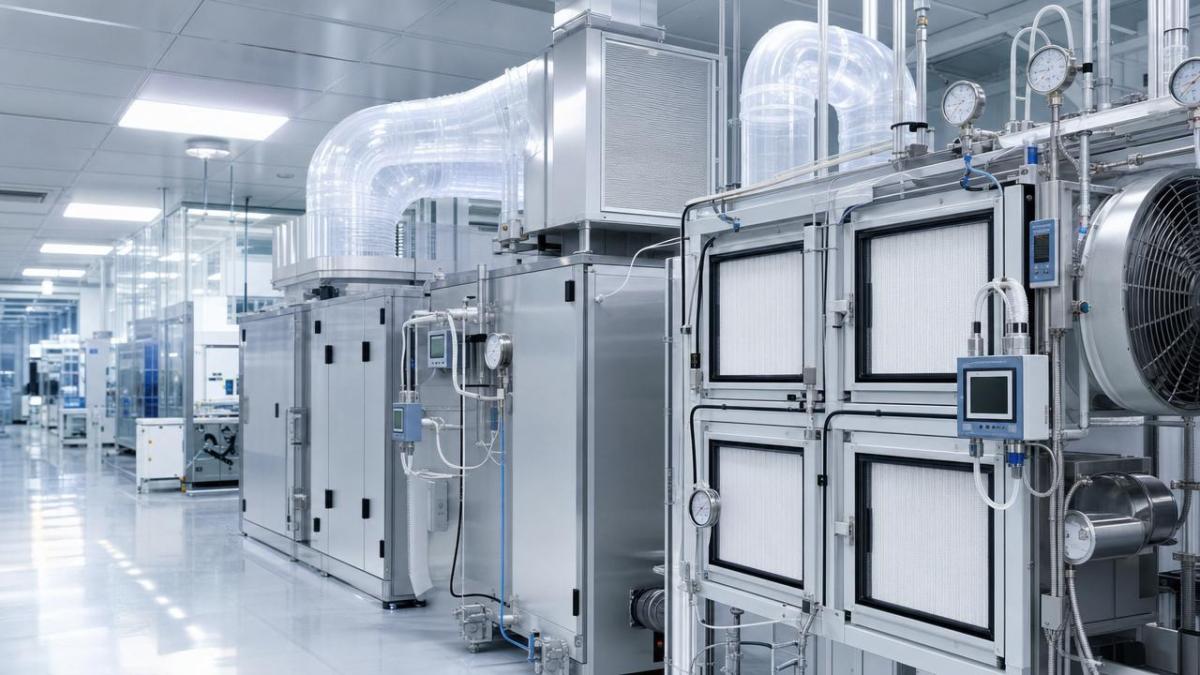
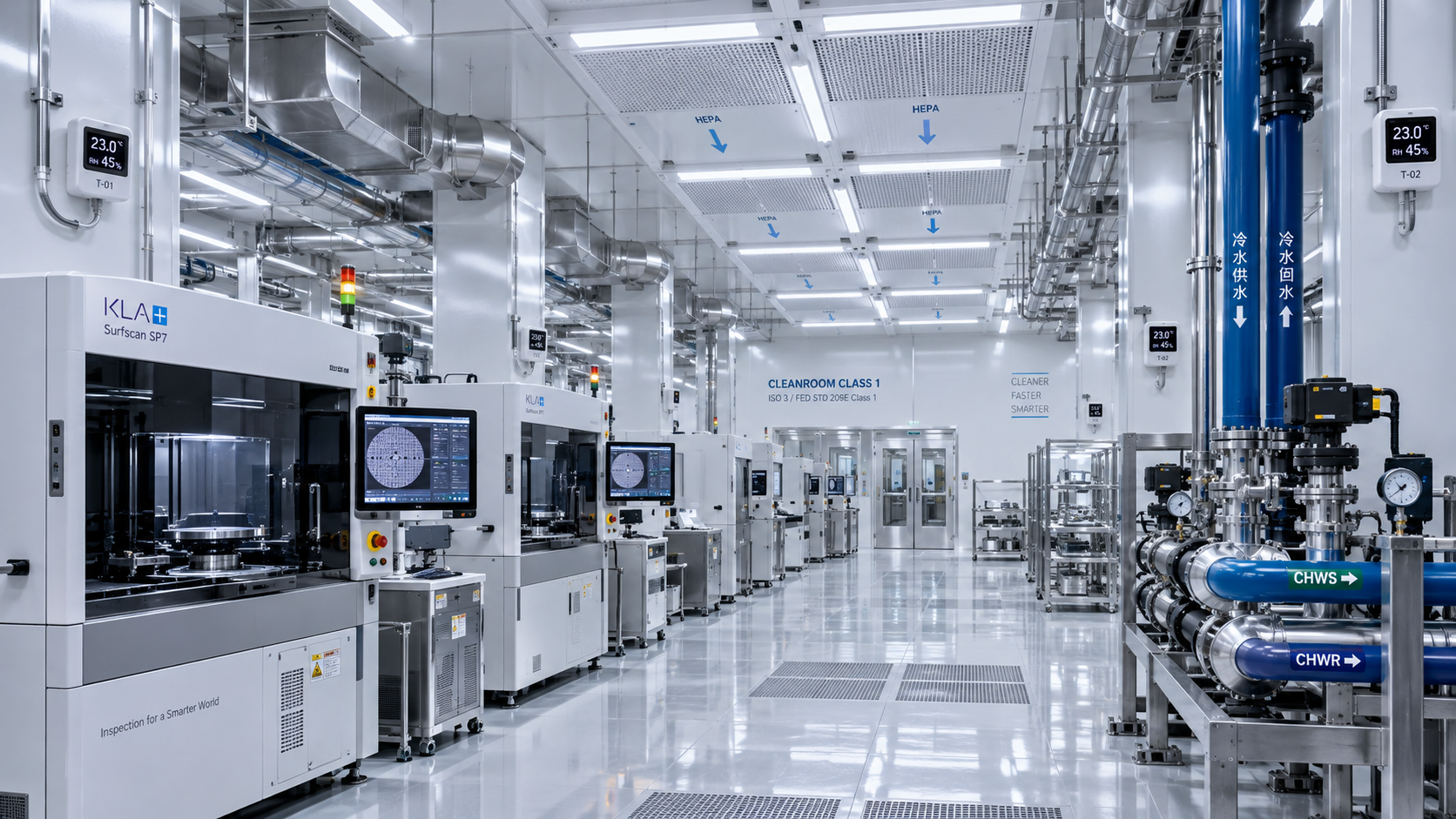
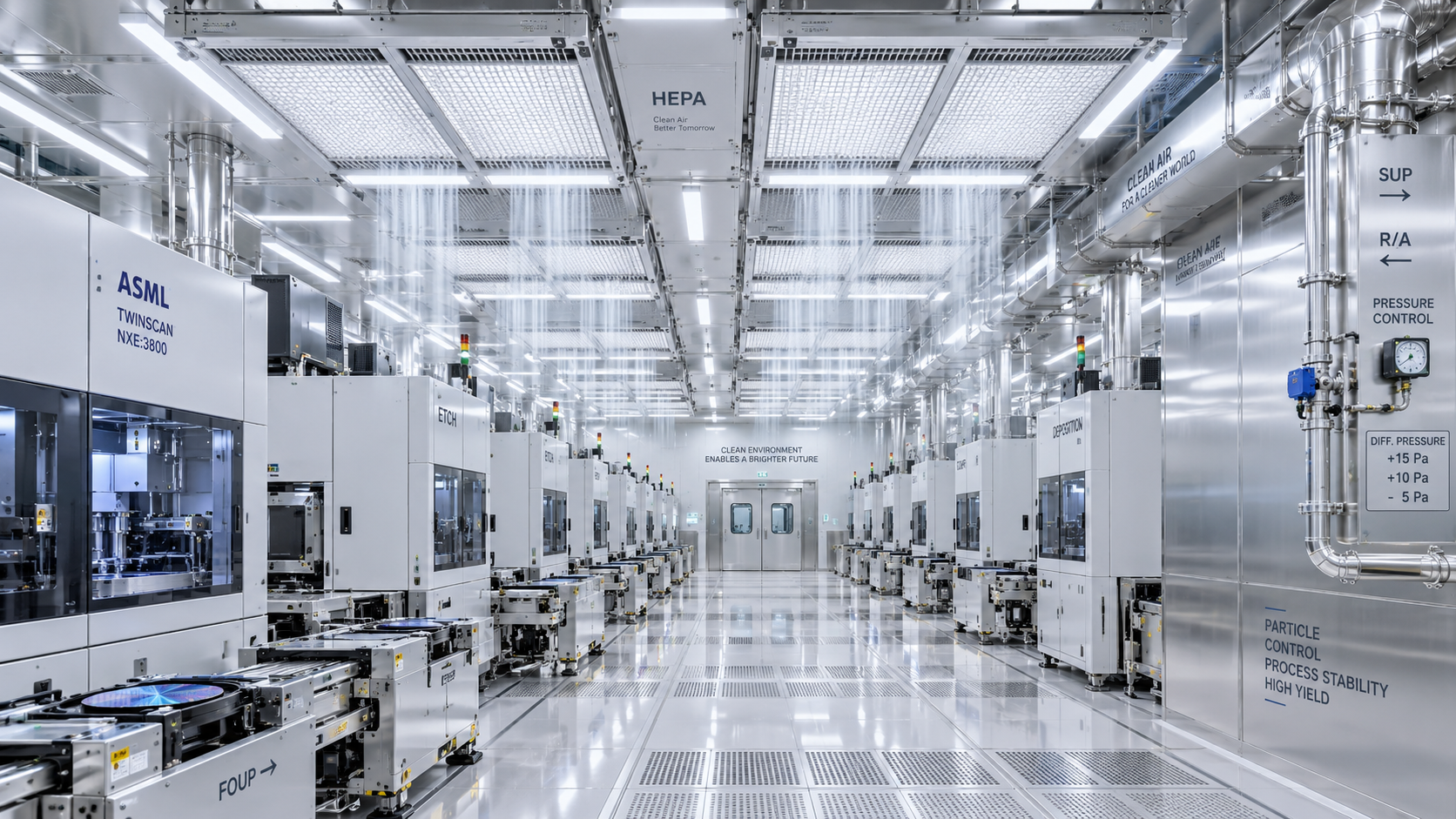
Modern facilities depend on Contamination Control equipment that can hold pressure, particle counts, humidity, and temperature within narrow limits. Yet many systems still fail for ordinary reasons rather than rare technical defects.
The pattern is consistent across comprehensive industrial environments. Equipment is often specified well, but integration, commissioning, and operating discipline lag behind performance expectations.
This is why failure rates rise even in sites using premium HEPA modules, FFUs, pressure cascades, and environmental monitoring systems. The weak point is often not the hardware alone.
The operating context around Contamination Control equipment is changing fast
Clean manufacturing no longer serves only one narrow sector. High-precision assembly, sterile production, battery processing, medical laboratories, and data-sensitive research spaces now share similar environmental control demands.
At the same time, compliance pressure is increasing. ISO 14644, GMP expectations, traceability standards, and ESG reporting now push contamination control decisions into broader operational strategy.
This trend means Contamination Control equipment must perform reliably under more connected, audited, and energy-conscious operating conditions than before.
Why the failure trend is accelerating
The most common mistakes that push Contamination Control equipment toward failure
1. Treating airflow design as a static calculation
Many teams validate airflow on paper but ignore later changes in layout, heat load, or equipment placement. That disrupts laminar intent and creates dead zones where particles accumulate.
Contamination Control equipment performs best when airflow modeling matches real operating conditions, not only initial design assumptions.
2. Installing filters without sealing discipline
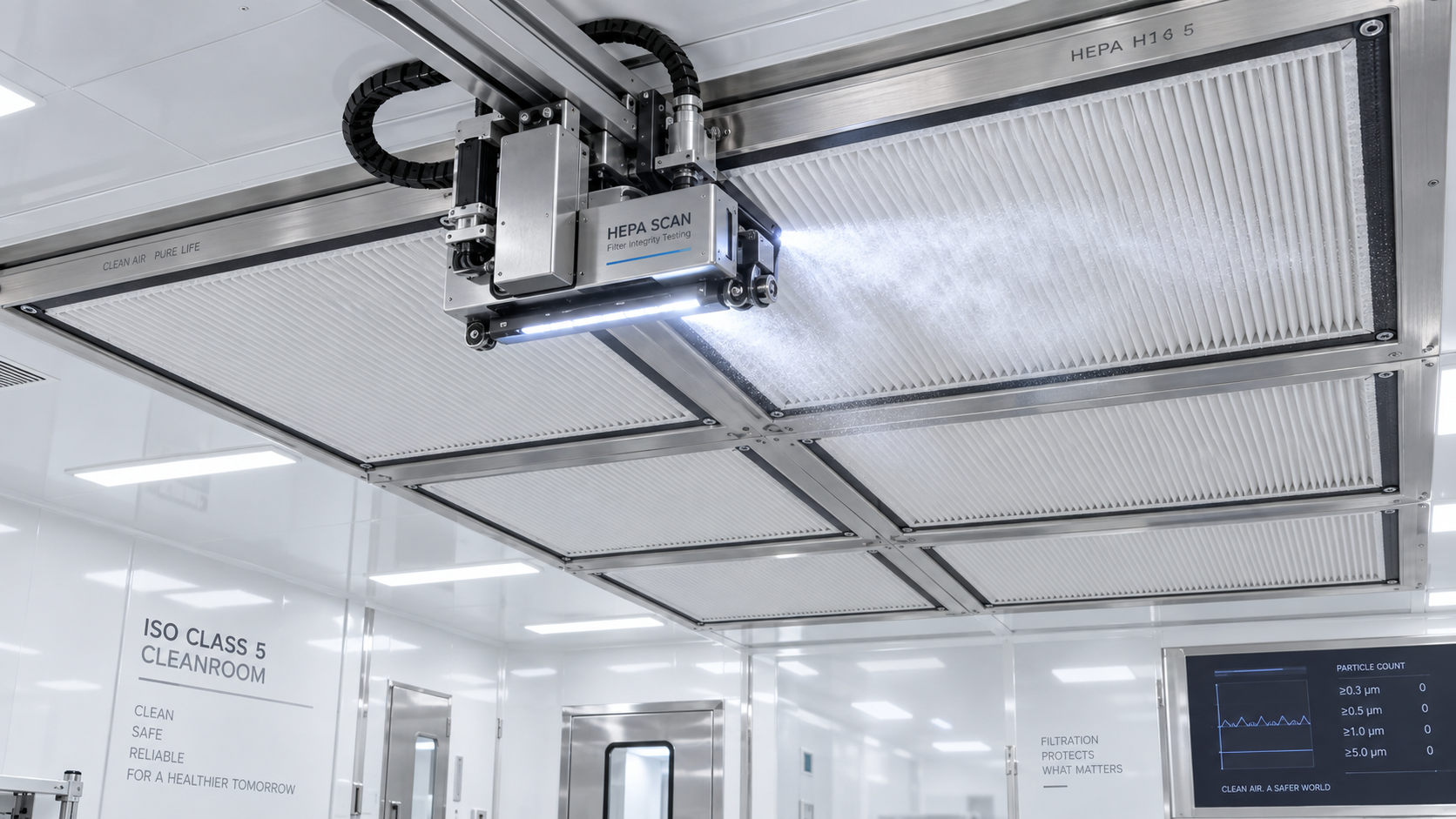
A high-efficiency filter cannot compensate for poor gasket compression, frame distortion, or leakage at access points. Bypass leakage often looks like random cleanliness instability.
This is one of the most underestimated Contamination Control equipment mistakes because the filter specification appears correct while actual performance drops.
3. Ignoring pressure cascade drift
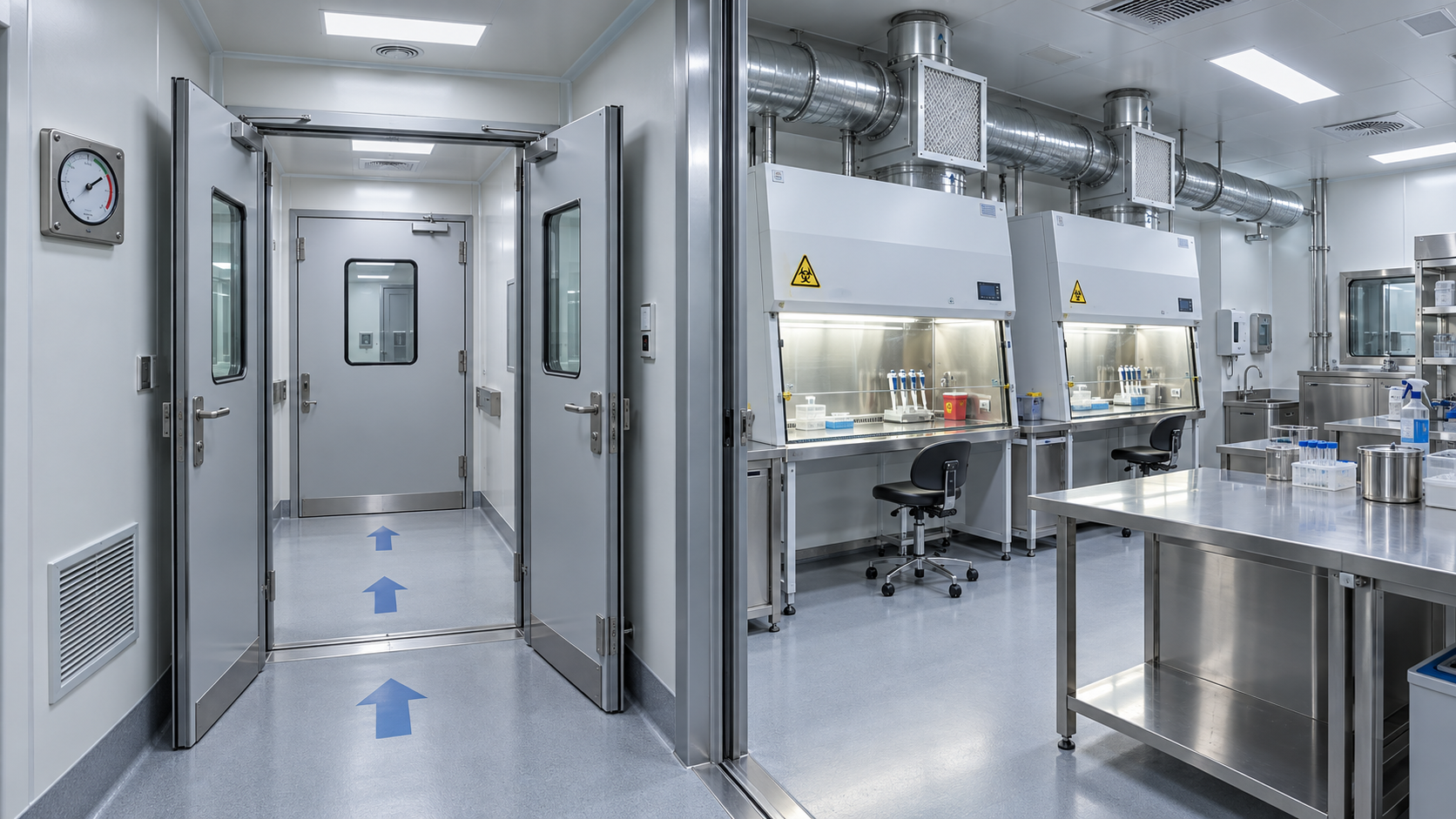
Pressure relationships between rooms rarely stay stable without active review. Door usage, clogged filters, fan wear, and damper shifts can reverse intended directional flow.
Once pressure drift begins, contamination transfer can occur even when airborne particle counts briefly appear acceptable.
4. Delaying sensor calibration and data verification
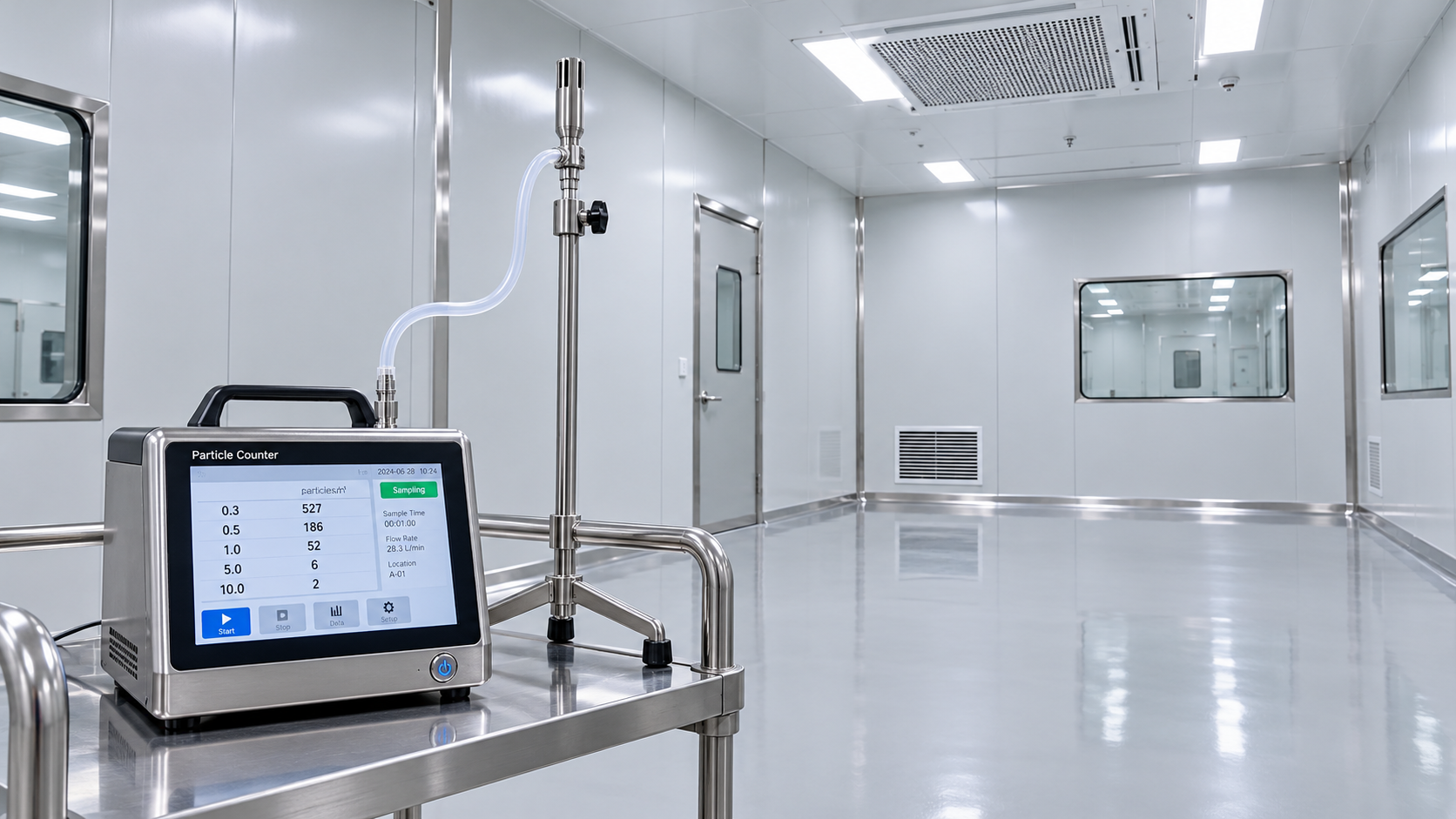
Environmental monitoring is only useful when sensors remain accurate. Drifting particle counters, pressure transmitters, or humidity probes create false confidence and delayed response.
For Contamination Control equipment, bad data often becomes a bigger risk than no data because decisions are made on misleading conditions.
5. Using maintenance intervals that ignore real load conditions
Fixed schedules work poorly when occupancy, production cycles, and outdoor contamination vary. Filters, belts, coils, and fan assemblies age according to use, not calendar dates alone.
Condition-based maintenance gives Contamination Control equipment a more accurate protection strategy than rigid interval maintenance.
These mistakes affect more than cleanliness metrics
The operational effects of underperforming Contamination Control equipment extend across the full industrial chain. The first symptom may be particles, but the business impact travels further.
- Yield losses increase when micro-defects escape early detection.
- Batch rejection risk grows in controlled production environments.
- Requalification costs rise after repeated excursions.
- Energy use climbs when clogged systems overcompensate.
- Audit findings become more likely when trends lack explanation.
In integrated facilities, one weak clean zone can also burden adjacent HVAC, process fluid, and monitoring systems. Failure is rarely isolated for long.
What deserves closer attention now
Current conditions require a broader review of how Contamination Control equipment is selected, connected, and managed over time. The focus should shift from component quality alone to system behavior.
- Verify airflow paths after every layout, occupancy, or process change.
- Test filter integrity and leakage, not only filter rating.
- Trend pressure differentials daily, not only during qualification.
- Correlate sensor data with field inspections and smoke studies.
- Link maintenance actions to differential pressure and runtime data.
- Review contamination events together with energy-saving adjustments.
A practical response framework reduces Contamination Control equipment failure rates
The next judgment call should be based on trend evidence, not assumptions
Contamination control failures rarely begin as dramatic events. They usually start as small, repeated deviations that look unrelated until product quality or compliance performance begins to suffer.
That is why Contamination Control equipment should be reviewed as a living control system. Airflow stability, filter integrity, pressure logic, sensor trustworthiness, and maintenance timing must be evaluated together.
A useful next step is a focused site assessment. Compare design intent, current operating data, field observations, and contamination incidents from the last twelve months.
Where repeated drift appears, act before major requalification or process loss becomes necessary. In today’s controlled environments, the cost of waiting is usually higher than the cost of correction.
For organizations relying on Contamination Control equipment, the most effective improvement often begins with one question: where is system performance assumed, but not truly verified?
Get weekly intelligence in your inbox.
No noise. No sponsored content. Pure intelligence.
 Oct 21, 2026How often is cleanroom certification required under ISO 14644-2?Cleanroom Certification is generally recommended annually under ISO 14644-2. Learn when risk-based extensions apply and which changes trigger earlier testing to plan with confidence.
 Oct 21, 2026FASEB Comments on NIH Draft Policy for Research Involving BiohazardsFASEB comments on NIH’s draft biohazard research policy call for risk-based biosafety oversight. Explore potential implications for laboratories, suppliers, and compliance teams.
 Oct 20, 2026How to disinfect ultrasound machines without damaging surfacesLearn how to disinfect ultrasoundmachines without surface damage. Explore compatible products, wet contact times, and probe care to protect patients and equipment.
 Oct 20, 2026Ultrapure Water in Semiconductor Manufacturing: Reuse and Quality Control InsightsExplore ultrapure water reuse in semiconductor manufacturing, key UPW quality benchmarks and analytical insights to help evaluate suppliers and protect process purity.
 Oct 19, 2026How cooling affects warpage in injection-molded consumer electronics housingsOptimize plastic injection molding for consumer electronics with cooling strategies to reduce housing warpage and improve assembly fit. Discover practical checks for stable, efficient production.
 Oct 18, 2026Can air leaks prevent a dehumidifier from holding its target dew point?Why can't our dehumidifier maintain the target dew point? Discover how air leaks increase moisture loads, spot hidden faults, and find practical fixes to restore reliable dew-point control.
 Oct 17, 2026How semiconductor process water treatment removes trace organicsSee how semiconductor process water treatment removes trace organics with RO, UV oxidation, and polishing. Learn how TOC monitoring helps verify purity and pinpoint contamination.
 Oct 16, 2026How to choose ultra pure water piping materials to limit leachingChoose ultra pure water piping with confidence. Compare PVDF, PFA, and stainless steel, assess leaching risks, and learn how to qualify your system for reliable purity.
 Oct 15, 2026How to size a skid-mounted deionized water system for peak demandCompare deionized water systems skid configurations for peak demand. Learn how to balance production, storage, and pump capacity to prevent shortages and avoid costly oversizing.
 Oct 14, 2026When is collaborative laboratory robotics suitable for sample sorting?Explore when collaborative laboratory robotics suits sample sorting. Discover key checks for safety, traceability, container compatibility, and throughput before choosing your solution.
 Oct 13, 2026How sandwich panel joints affect airtightness in cleanroom systemsCleanroom Systems sandwich panels need reliable joints for airtightness. Discover how gaskets, sealants, and testing help reduce leakage and protect cleanroom pressure control.
 Oct 12, 2026How to verify USP compliance for ultra pure water systemsUltra Pure Water Systems USP compliance: learn how to verify water quality, sampling, sanitization, trends, and validation controls at every point of use.
 Oct 11, 2026How tight temperature control prevents cleanroom process driftCleanroom process temperature control systems prevent costly drift by stabilizing critical conditions, improving repeatability, and protecting sensitive production workflows.
 Oct 10, 2026When does organic contaminant removal require TOC treatment?Organic contaminant removal requires TOC treatment when dissolved organics threaten product quality, equipment reliability, or process control. Learn how to assess risks and choose the right solution.
 Oct 08, 2026What affects lead times for sheet metal bending services in Canada?Sheet metal bending services Canada: discover how material supply, tooling, tolerances, finishing, documentation, and freight affect lead times for reliable project delivery.
 Oct 07, 2026How HVAC design for semiconductor fabs prevents airborne contaminationHVAC design for semiconductor fabs prevents airborne contamination through advanced filtration, pressure cascades, airflow control, and real-time monitoring. Explore key strategies for cleaner, more reliable wafer production.
 Oct 06, 2026How photovoltaic modules waterproof technology prevents moisture damagephotovoltaic modules waterproof technology prevents moisture damage with durable seals, drainage, and junction-box protection. Explore practical selection and testing insights.
 Oct 05, 2026How ISO 14644 Europe requirements affect cleanroom qualificationISO 14644 Europe requirements shape cleanroom qualification, from particle classification and recovery testing to monitoring, GMP alignment, and change control.
 Oct 04, 2026How to assess a pharmaceutical cleanroom solutions supplier’s ISO capabilityPharmaceutical Cleanroom Solutions supplier assessment guide: evaluate ISO 14644 capability, validation evidence, airflow design, documentation, and long-term GMP readiness.
 Oct 03, 2026What EU standards govern the design of BSL-3 laboratories in Europe?BSL-3 laboratories Europe: explore EU directives, EN standards, HVAC containment, commissioning, and practical design strategies for compliant, resilient high-containment facilities.
 Oct 02, 2026How EN 1822 defines HEPA filtration efficiency for cleanroomsHEPA filtration EN 1822 explained: learn how MPPS testing, local leakage limits, and filter classes support reliable cleanroom decisions.
 Oct 01, 2026How pharmaceutical process water systems control microbial riskProcess water systems pharmaceutical teams rely on can control microbial risk through hygienic design, monitoring, and validated sanitization. Explore practical compliance strategies.
 Sep 30, 2026When does a negative pressure laboratory need BSL-3 containment?Negative pressure laboratory or BSL-3? Discover the risk factors, engineering controls, and containment requirements needed for safe, compliant laboratory planning.
 Sep 29, 2026How to evaluate a TOC-zero water treatment supplier for UPW systemsChoose a TOC-zero water treatment supplier with confidence. Compare UPW performance, monitoring, validation, materials, service capability, and lifecycle cost.
 Sep 28, 2026What drives sustainable cooling cost in high-precision facilities?Sustainable cooling cost in high-precision facilities depends on thermal stability, energy, water, controls, and resilience. Explore smarter lifecycle strategies.
 Sep 27, 2026How to compare freight forwarding services for time-critical shipmentsCompare freight forwarding services for time-critical shipments with practical insights on routing, customs, visibility, specialized handling, and contingency planning.
 Sep 26, 2026How environmental integrity in laboratories supports reliable test resultsEnvironmental Integrity in laboratories safeguards samples, instruments, and staff. Discover practical controls for contamination, monitoring, and reliable test results.