ESG Compliance Supplier Checks Before Contract Approval
Before contract approval, every ESG Compliance supplier review can directly affect risk exposure, financing confidence, and long-term operational resilience. For financial approvers in high-stakes industrial environments, effective supplier checks are no longer optional—they are a strategic control point for governance, sustainability, and cost protection. This article outlines how to evaluate suppliers with greater precision before commitments are signed.
Why ESG Compliance supplier checks now sit at the center of contract approval
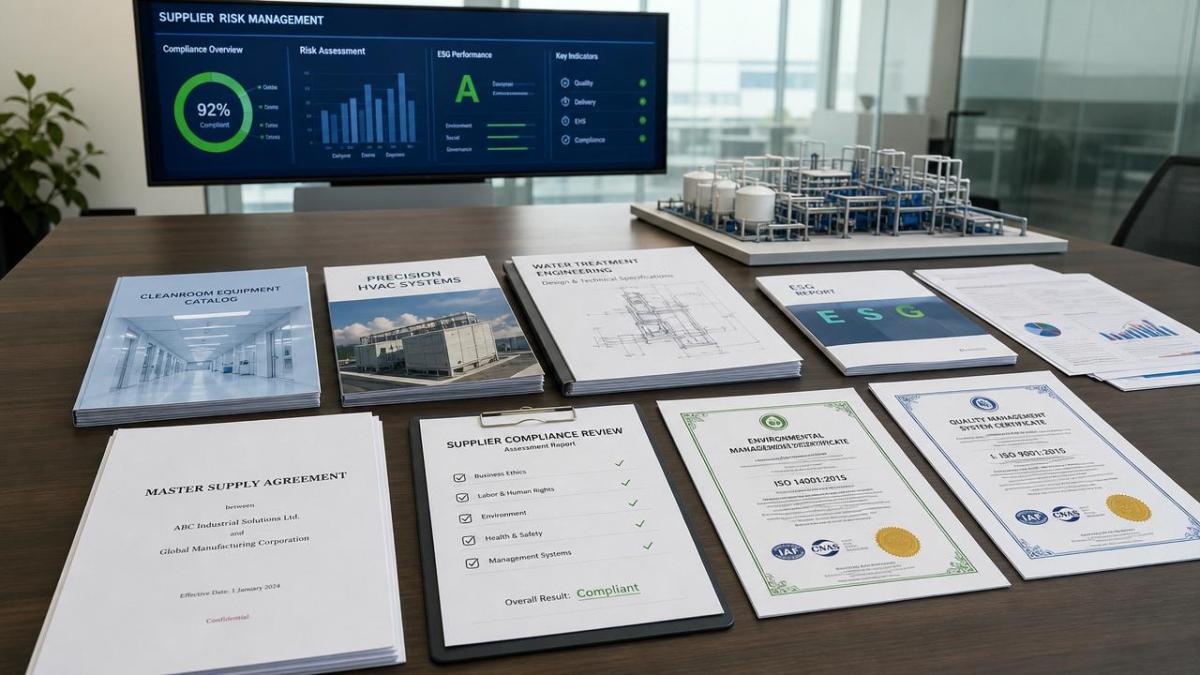
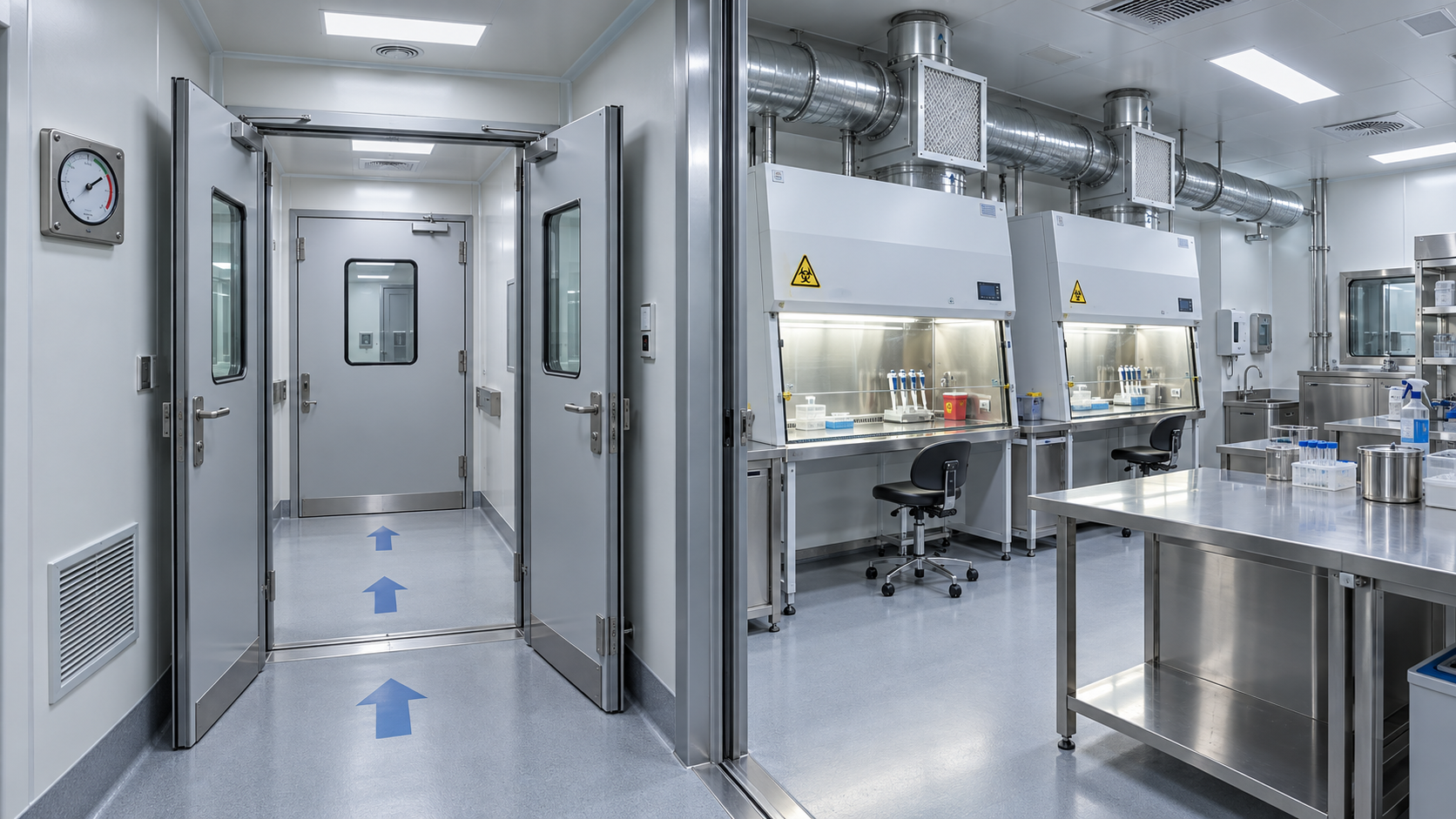
For finance teams, supplier approval used to focus on price, payment terms, and delivery capacity. That is no longer enough. In industrial environments shaped by contamination control, thermal stability, biosafety, water purity, and continuous monitoring, a weak ESG Compliance supplier can introduce liabilities that do not appear on the initial quotation.
The risk is especially high when projects involve cleanroom systems, precision HVAC, UPW treatment, controlled laboratory infrastructure, or digital environmental controls. A supplier may be technically capable yet fail in labor governance, documentation discipline, emissions transparency, waste handling, or subcontractor oversight. Each gap can delay approvals, trigger audit findings, or weaken lender confidence.
This is where G-ICE brings practical value. By aligning engineering benchmarks with international industrial expectations such as ISO 14644, ASHRAE guidance, and SEMI-related operating environments, G-ICE helps financial approvers connect technical procurement with compliance exposure. That link matters because ESG performance in industrial infrastructure is rarely isolated from uptime, maintenance cost, and reputation risk.
- A supplier with poor environmental controls may create future retrofit costs, utility inefficiency, or disposal liabilities.
- A supplier with weak governance may submit incomplete traceability records, vague certifications, or inconsistent subcontracting practices.
- A supplier with weak social compliance may expose the buyer to cross-border sourcing scrutiny and contractual disputes.
For a financial approver, the practical question is simple: can this supplier deliver compliant performance through the full asset life cycle, not only at the point of sale?
What financial approvers should verify before approving an ESG Compliance supplier
A robust review should not become an endless questionnaire. It should focus on evidence that affects contract risk, operating cost, and future defensibility. The table below highlights the core checkpoints that matter most when reviewing an ESG Compliance supplier in industrial procurement.
The main lesson is that ESG review should not sit apart from technical due diligence. In advanced industrial settings, environmental and governance weaknesses usually surface as cost, delay, warranty conflict, or nonconformity.
A practical document checklist
- Recent corporate policies covering ethics, anti-corruption, labor standards, environmental management, and supplier oversight.
- Project-relevant technical records such as test reports, maintenance approach, material traceability, and commissioning procedures.
- Evidence of handling regulated materials, water discharge interfaces, filtration disposal, or refrigerant-related controls where relevant.
- Clear statements on subcontractor reliance, lead times, critical component sourcing, and change management.
How to assess supplier risk across G-ICE industrial scenarios
Not every industrial purchase carries the same ESG burden. A component for office ventilation is not reviewed the same way as a supplier supporting ISO Class 1 air cleanliness, ultrapure process water, or high-risk containment. Financial approvers need scenario-based controls.
Scenario 1: Cleanroom and contamination control projects
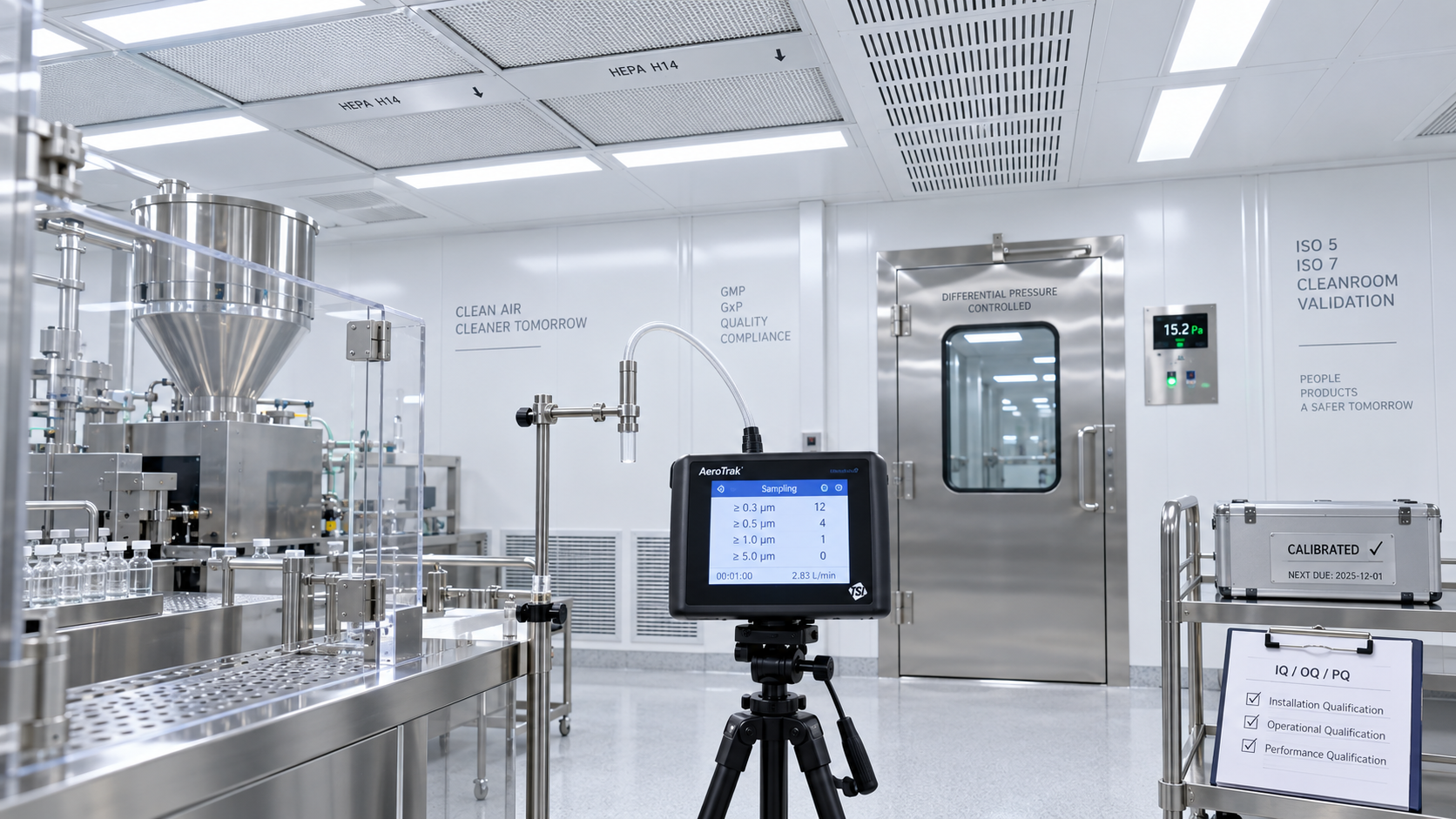
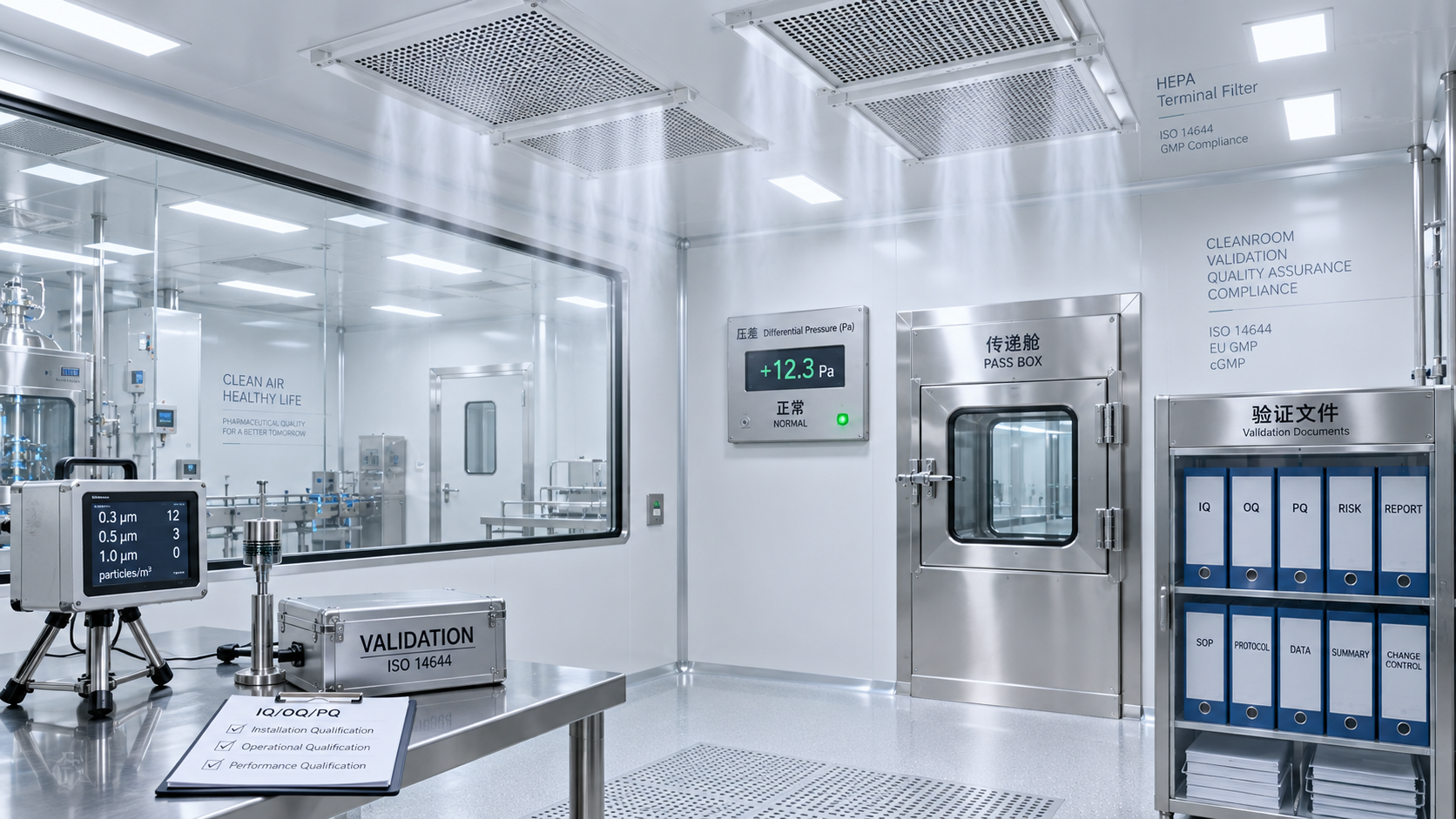
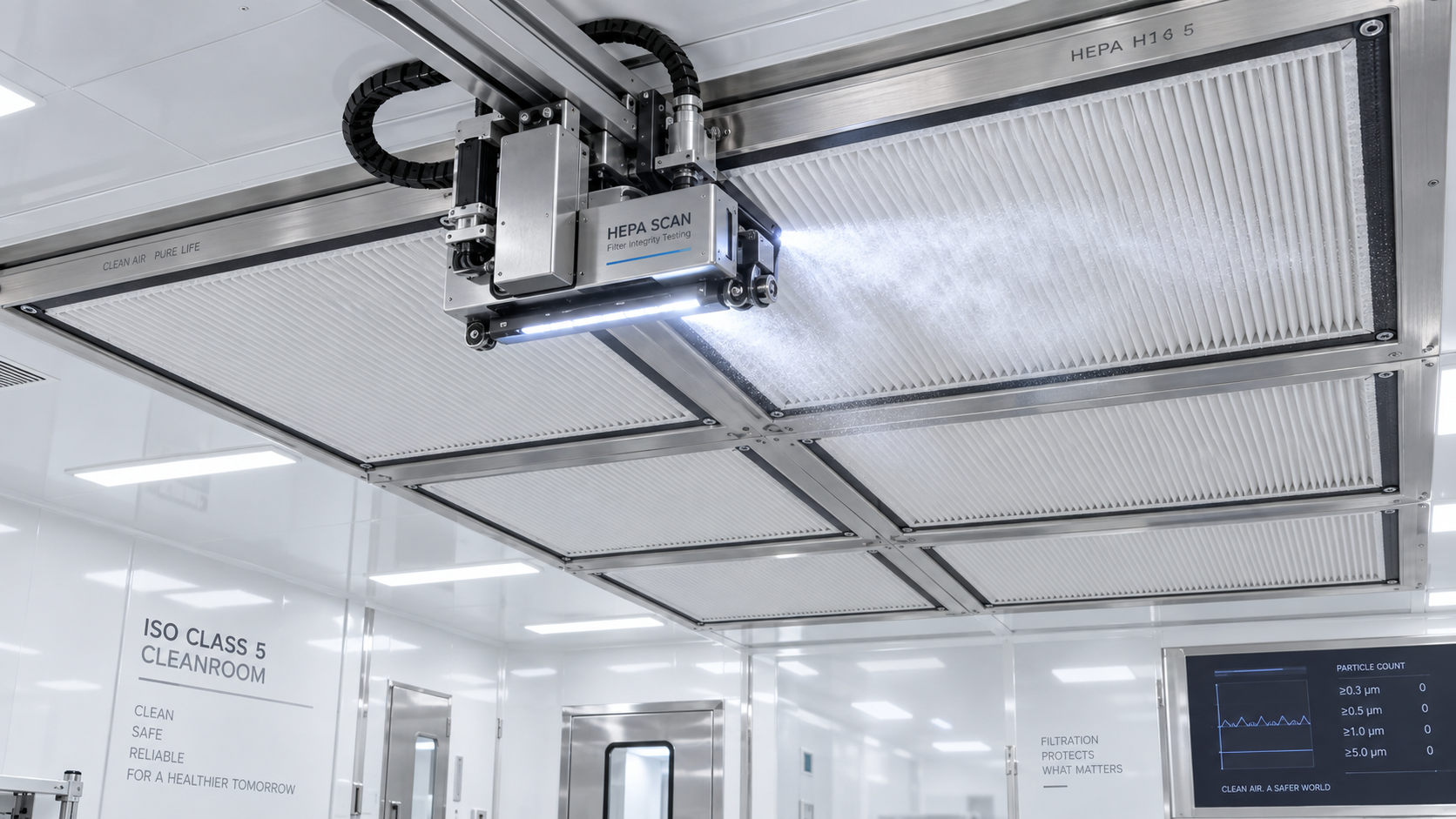
When evaluating FFU systems, airflow assemblies, filtration banks, or enclosure materials, the ESG Compliance supplier review should include filter disposal practices, material emissions considerations, contamination-safe packaging, and field installation discipline. Governance matters because undocumented deviations can compromise certification readiness.
Scenario 2: Precision HVAC and thermal management
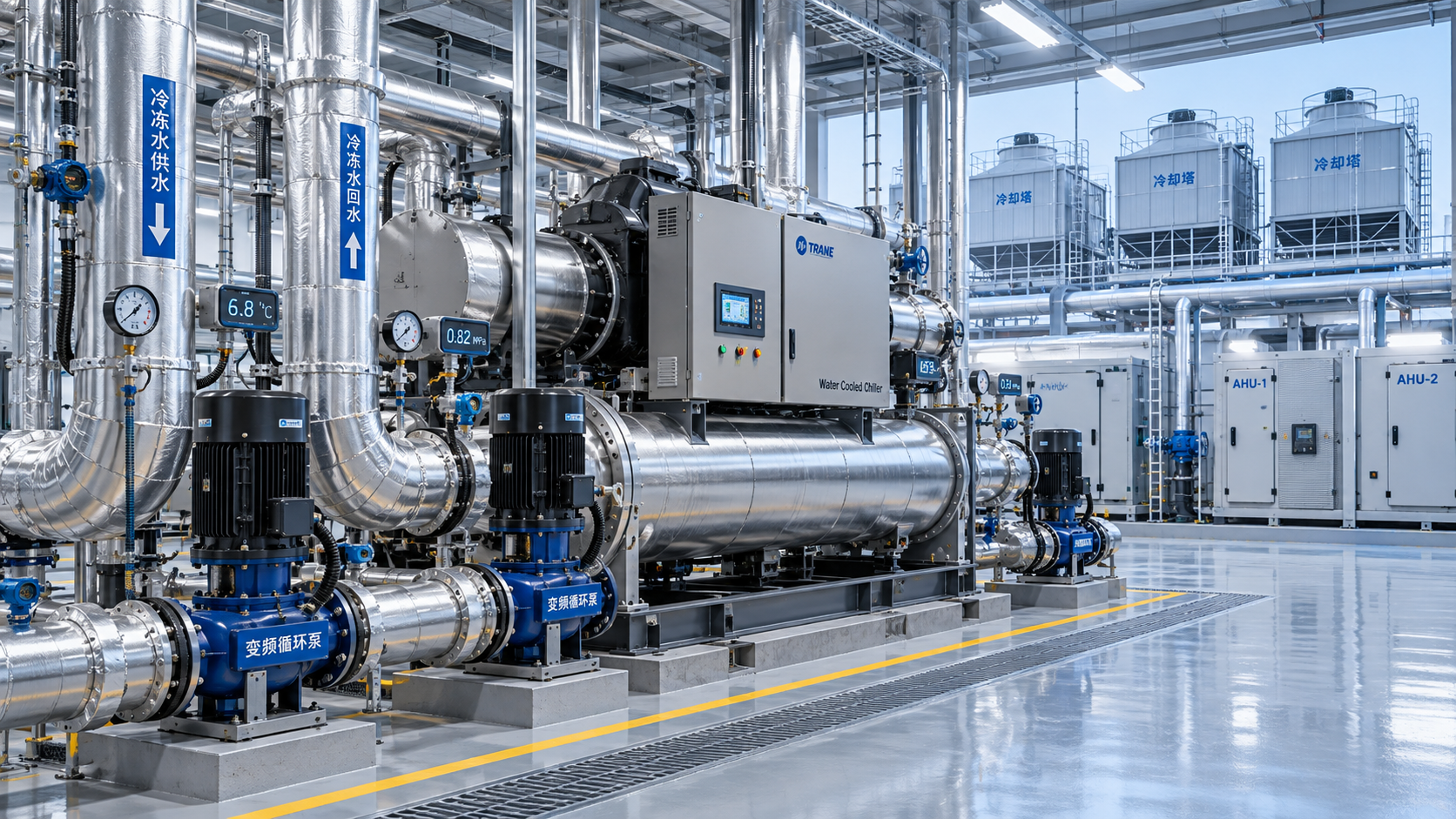
For chillers, precision air handlers, or thermal control systems expected to support very tight temperature stability, financial teams should verify refrigerant strategy, energy performance transparency, maintenance competency, and spare-part continuity. A low-price supplier can become expensive if energy intensity, leak exposure, or service gaps are underestimated.
Scenario 3: UPW and process fluid treatment
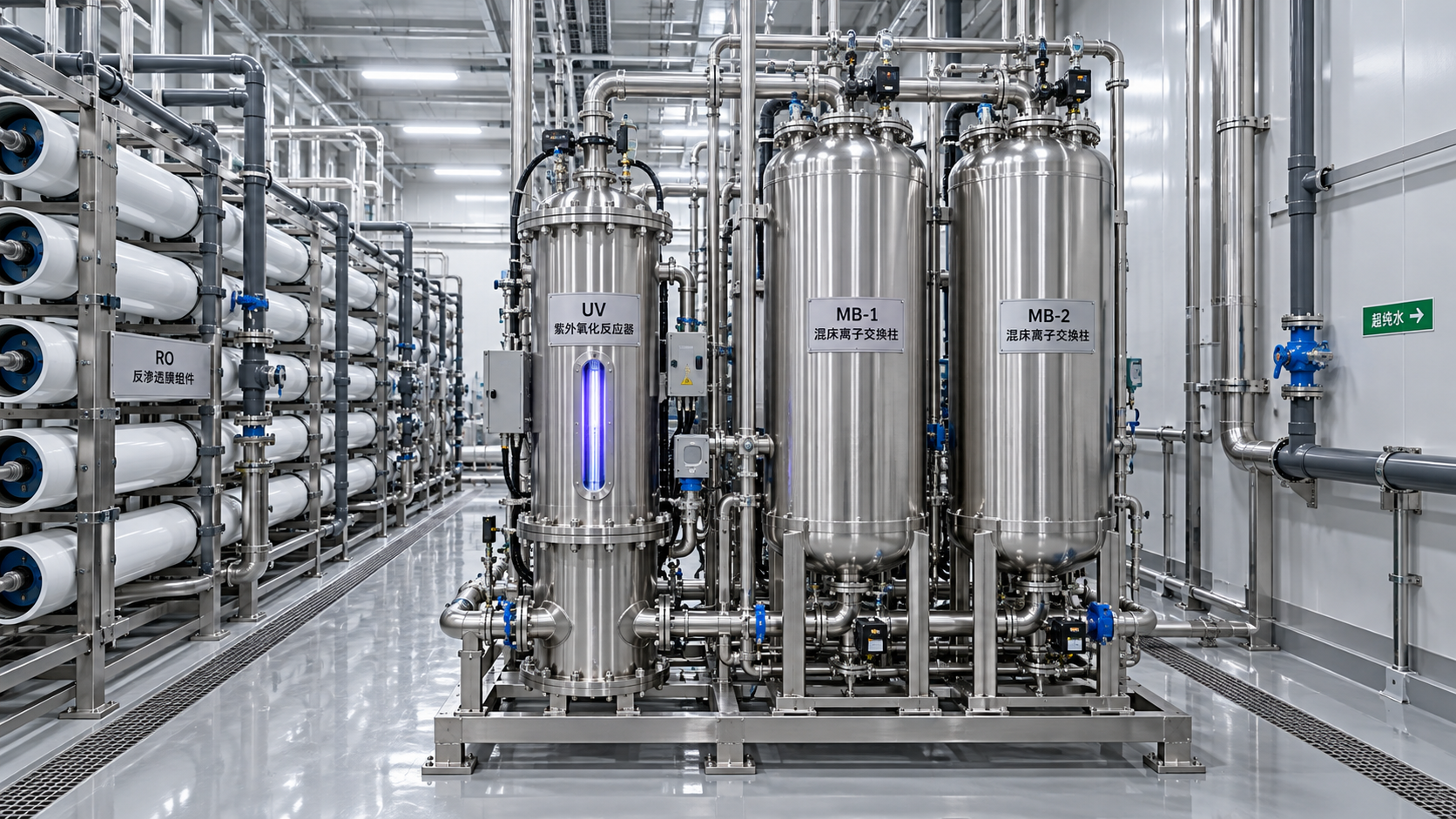
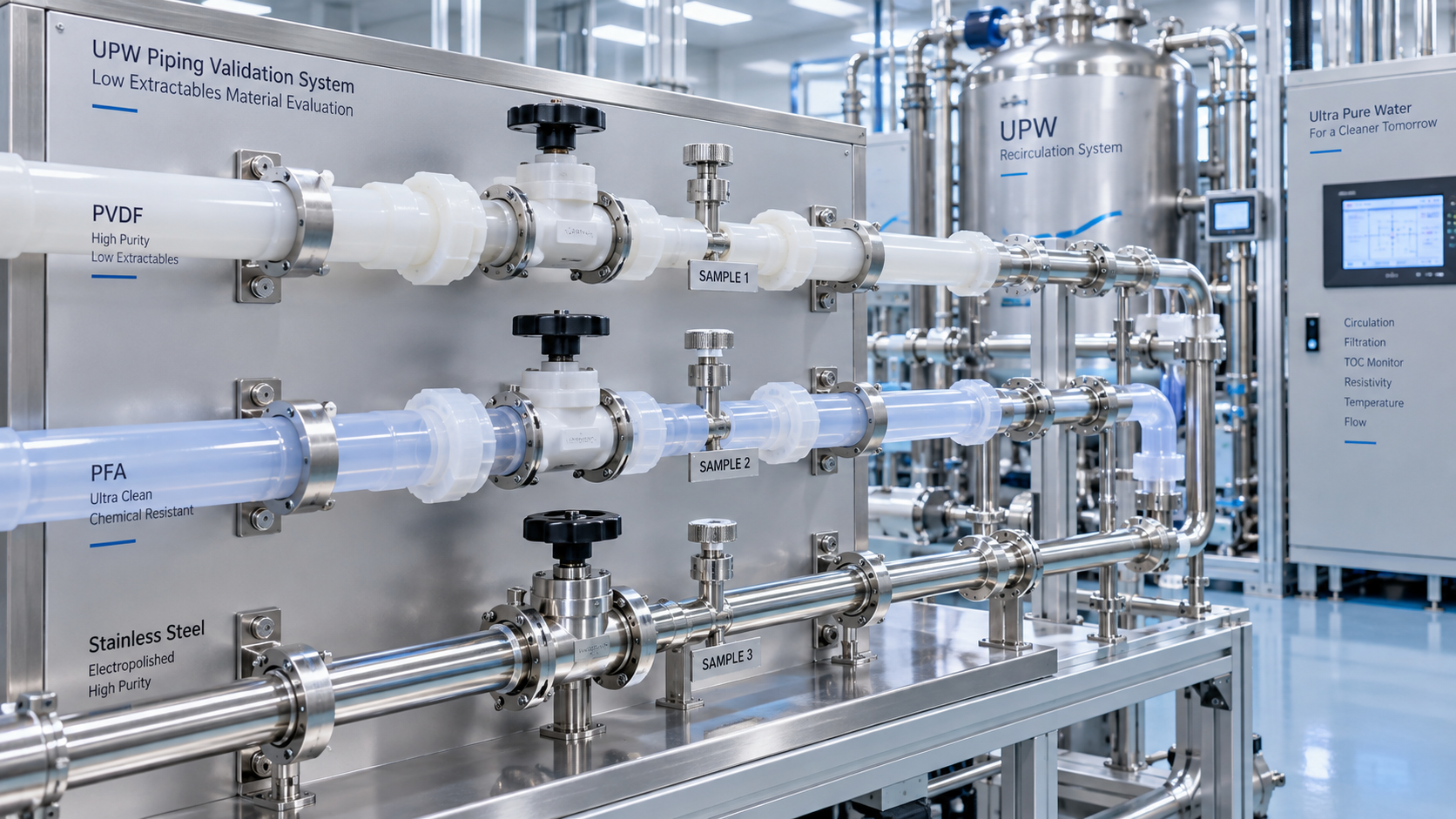
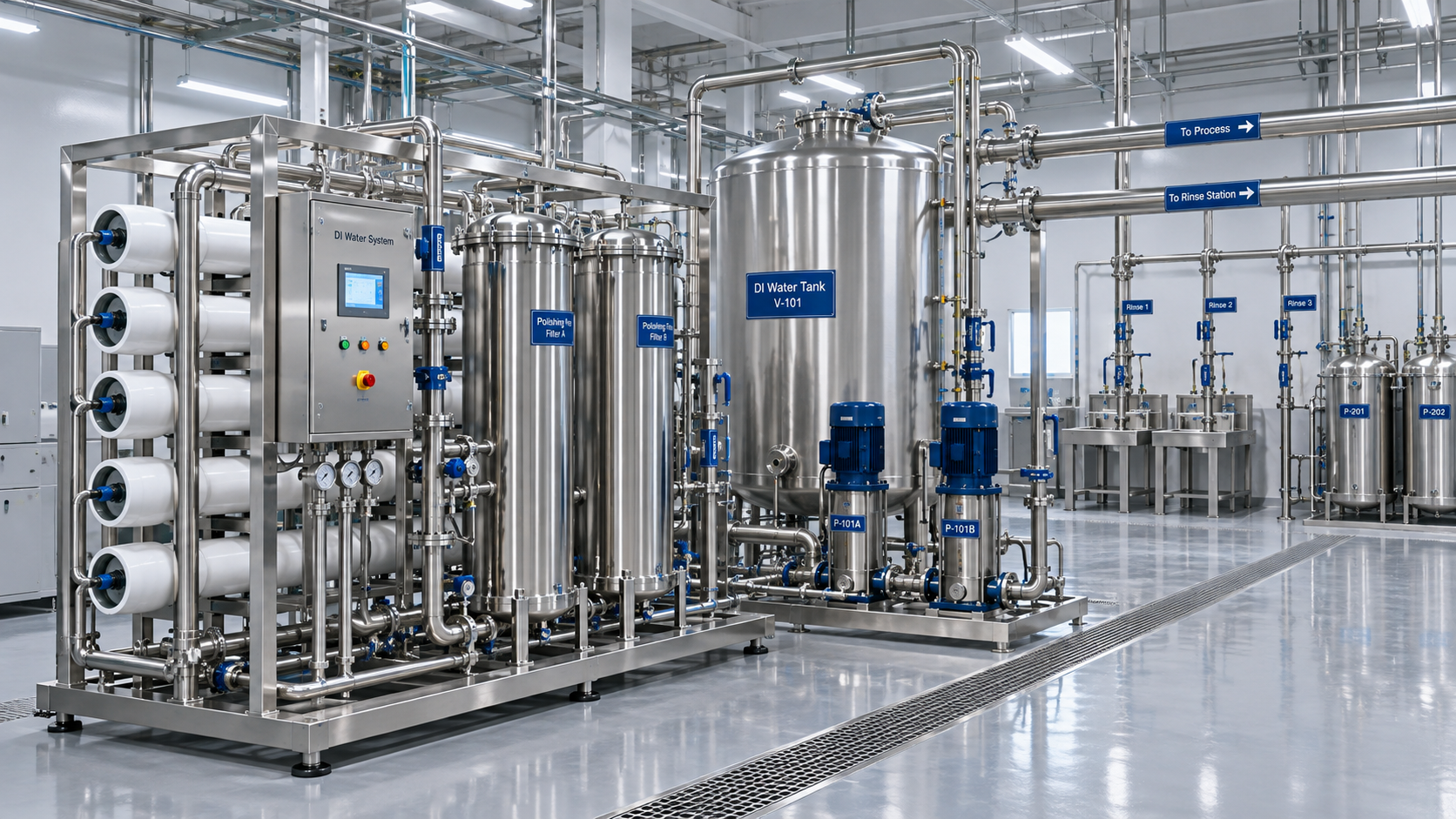
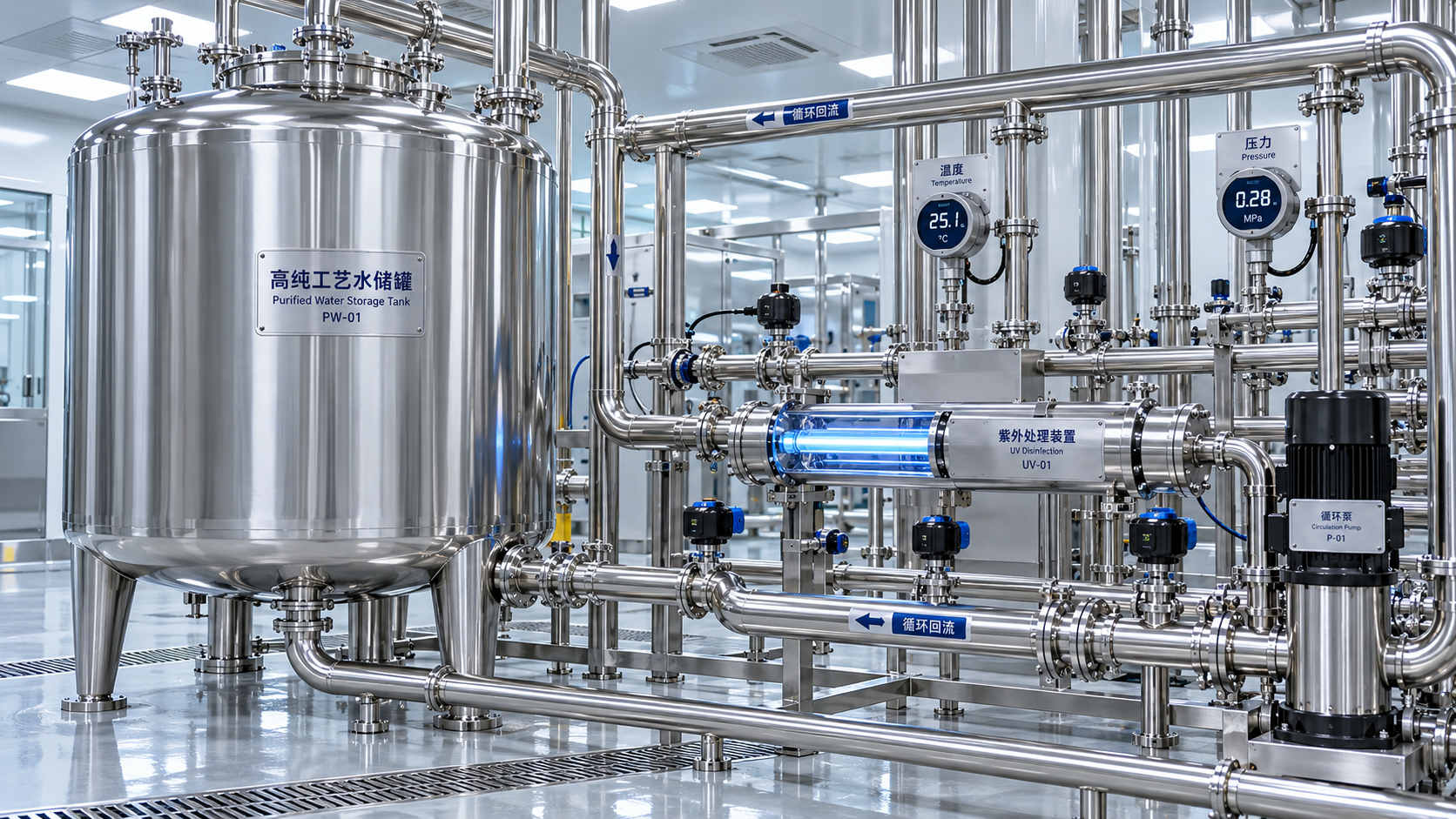
In UPW projects, supplier checks should cover chemical handling controls, membrane or resin waste management, clean assembly protocols, and water-quality monitoring support. Governance is critical because missing traceability in wetted materials or sanitization steps may create qualification delays.
Scenario 4: Biosafety containment and high-risk labs
For containment equipment, pressure cascades, decontamination interfaces, or lab HVAC systems, the ESG Compliance supplier must demonstrate strong procedural control, worker safety discipline, and escalation planning. Finance should treat weak documentation here as a material risk, not an administrative issue.
Scenario 5: Smart monitoring and digital twin control
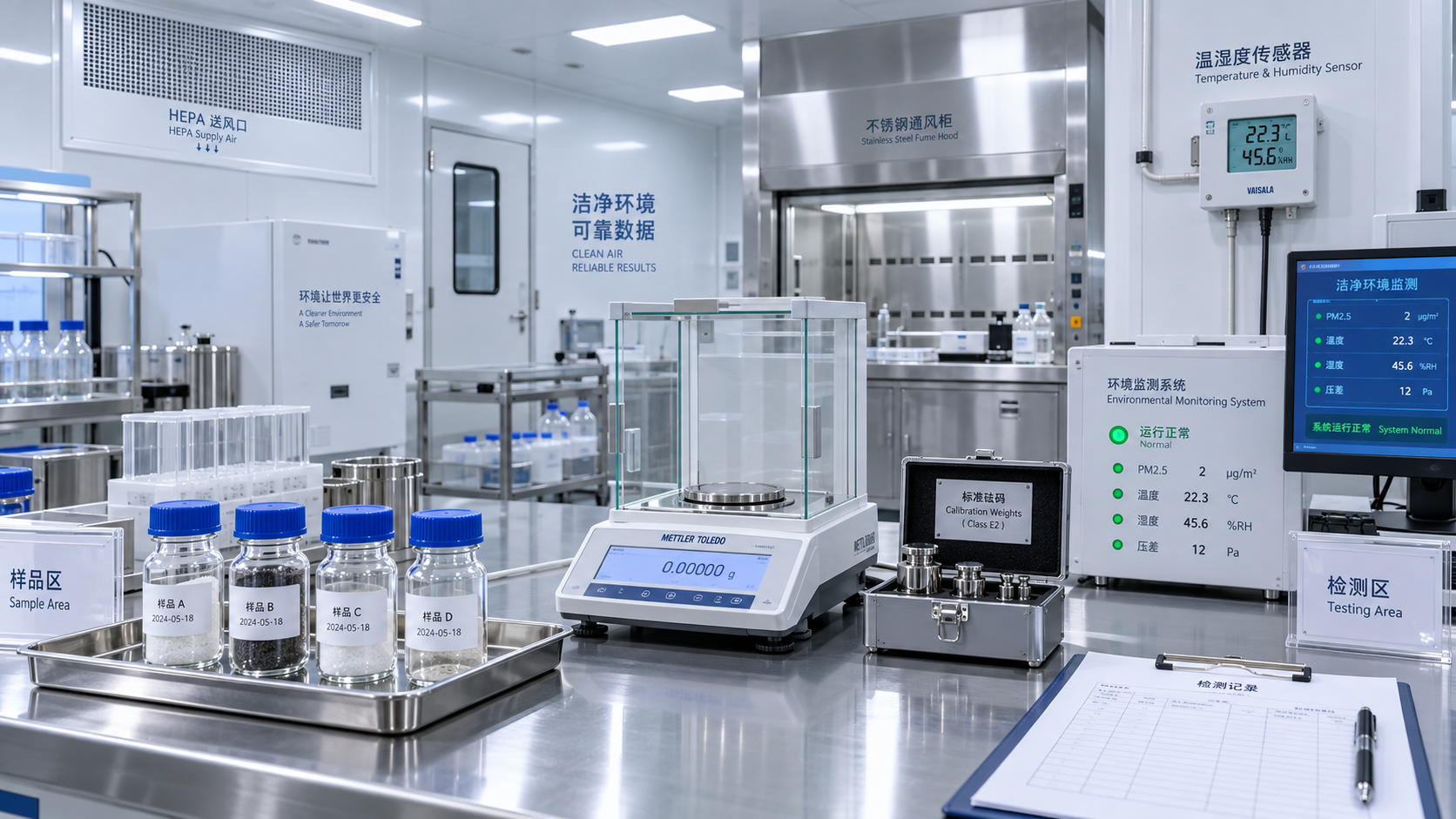
Environmental monitoring vendors should be assessed for data integrity, cybersecurity responsibilities, alarm handling, and audit trail retention. Governance quality in software-connected systems directly affects reporting credibility and incident response.
A comparison model: low-bid supplier versus validated ESG Compliance supplier
Many approval delays occur because decision-makers compare quoted price but not total risk-adjusted value. The table below helps financial approvers distinguish between a nominally cheaper option and a more defensible ESG Compliance supplier.
This comparison is not an argument for buying the highest-priced offer. It is a reminder that the financially sound choice is often the supplier whose ESG and technical controls reduce hidden costs over the contract term.
Which standards and certifications should inform the review?
Financial approvers do not need to become engineers, but they should know which standard families shape the credibility of an ESG Compliance supplier in advanced industrial environments. The goal is not to collect certificates blindly. The goal is to test whether the supplier’s claims match the project context.
- ISO 14644 is relevant when procurement affects cleanroom classification, airborne particle control, or installation behavior tied to contamination-sensitive manufacturing.
- ASHRAE guidance is useful when evaluating HVAC design logic, ventilation assumptions, energy implications, and environmental control stability.
- SEMI-related expectations can help frame suppliers serving semiconductor or adjacent precision manufacturing where process consistency and facility performance are tightly coupled.
- General environmental, safety, and quality management frameworks may also matter, but only if they clearly connect to the supplied scope and project obligations.
G-ICE is valuable in this stage because it translates technical benchmarks into decision-ready procurement language. That helps finance teams ask better questions: Does the supplier understand operating tolerances? Can it support validation? Are service and disposal obligations reflected in the commercial terms?
Common review mistake
A frequent error is treating compliance documents as a pass-fail folder. In reality, financial risk often sits in the gap between a general certificate and the exact site conditions, utility profile, contamination sensitivity, or containment obligation of the project.
How to build a contract approval workflow that catches supplier risk early
The best supplier checks happen before commercial pressure forces a rushed signoff. A practical workflow combines finance, engineering, EHS, and operations in a disciplined sequence.
- Define risk tier by project impact. A supplier supporting biosafety containment or precision thermal control should face deeper review than a low-impact commodity vendor.
- Request evidence tied to scope, not just company-wide statements. The review should ask how compliance is delivered on this project.
- Score commercial and technical findings together. A low-cost proposal with weak documentation, uncertain waste handling, or poor field support should not receive the same approval path.
- Translate findings into contract clauses. Include documentation deliverables, change notification duties, subcontractor disclosure, spare-part commitments, and corrective action timelines.
- Plan post-award verification. Approval should trigger milestone checks during fabrication, installation, commissioning, and handover.
This process helps financial approvers move from reactive risk acceptance to controlled risk allocation. It also prevents last-minute conflict between procurement targets and compliance expectations.
Cost, alternatives, and the hidden economics of supplier approval
Budget pressure often drives the search for alternatives. That is reasonable, but the alternative should be evaluated against lifecycle economics, not purchase price alone. In industrial infrastructure, small supplier weaknesses can multiply through energy use, contamination events, qualification delays, and maintenance burden.
For example, an alternative supplier may offer lower upfront pricing for HVAC or filtration assets. Yet if the system creates higher pressure drop, weak controls integration, or unclear disposal obligations, the buyer may face years of excess operating cost. Likewise, a cheaper water-treatment package may become expensive if sanitization, resin replacement, or material traceability are poorly managed.
A disciplined finance review should compare alternatives using these lenses:
- Expected energy and utility impact over the service life.
- Frequency and cost of consumables, critical spare parts, and maintenance interventions.
- Probability of qualification delays, audit findings, or rework due to weak supplier controls.
- Commercial clarity on warranties, service response, and compliance documentation support.
The financially better choice is often the one that reduces volatility, not simply the one that lowers initial CAPEX.
FAQ: common questions about ESG Compliance supplier approval
How much ESG evidence should a financial approver request?
Request enough evidence to validate the risk profile of the supplied scope. High-impact systems such as cleanroom controls, precision HVAC, containment infrastructure, or UPW treatment justify deeper review than general consumables. Focus on traceable documents, project-specific controls, and escalation mechanisms.
Can an ESG Compliance supplier still be a risky choice?
Yes. A supplier may present polished policies yet still fail in delivery governance, subcontractor control, or technical fit. Financial approvers should verify whether the supplier can support the exact performance and documentation demands of the facility, not just broad ESG claims.
What is the biggest mistake before contract approval?
The biggest mistake is separating ESG review from operational reality. If compliance review happens in isolation, buyers may miss how documentation gaps, waste-handling weaknesses, or service limitations translate into cost, downtime, and approval risk after contract signature.
When should G-ICE-style benchmarking be used?
Use it when the procurement decision affects controlled environments, critical utilities, biosafety, or high-precision thermal conditions. Benchmarking helps finance teams understand whether a supplier’s proposal matches real performance expectations and compliance exposure in advanced industrial settings.
Why choose us for ESG Compliance supplier evaluation support
G-ICE supports financial approvers who need more than a generic vendor checklist. Our strength lies in connecting industrial engineering realities with approval-stage risk control across cleanroom systems, precision HVAC, UPW treatment, biosafety containment, and smart environmental monitoring.
We can help you review an ESG Compliance supplier from both the technical and commercial side, including parameter confirmation, scope-fit assessment, documentation completeness, lifecycle cost discussion, likely approval bottlenecks, and contract-ready compliance expectations.
- Confirm technical parameters that affect energy use, contamination control, water quality, thermal stability, or containment performance.
- Compare supplier options for selection, substitution, or risk-adjusted procurement decisions.
- Review delivery timing, commissioning dependencies, and documentation milestones before approval.
- Discuss tailored solutions for project-specific certification, operating conditions, or reporting needs.
- Support quotation discussions with a clearer view of lifecycle cost and compliance obligations.
If you are preparing a contract approval and need a sharper way to assess an ESG Compliance supplier, contact us to review supplier evidence, selection criteria, delivery constraints, and compliance-sensitive technical scope before commitments are signed.
Get weekly intelligence in your inbox.
No noise. No sponsored content. Pure intelligence.
 Oct 21, 2026How often is cleanroom certification required under ISO 14644-2?Cleanroom Certification is generally recommended annually under ISO 14644-2. Learn when risk-based extensions apply and which changes trigger earlier testing to plan with confidence.
 Oct 21, 2026FASEB Comments on NIH Draft Policy for Research Involving BiohazardsFASEB comments on NIH’s draft biohazard research policy call for risk-based biosafety oversight. Explore potential implications for laboratories, suppliers, and compliance teams.
 Oct 20, 2026How to disinfect ultrasound machines without damaging surfacesLearn how to disinfect ultrasoundmachines without surface damage. Explore compatible products, wet contact times, and probe care to protect patients and equipment.
 Oct 20, 2026Ultrapure Water in Semiconductor Manufacturing: Reuse and Quality Control InsightsExplore ultrapure water reuse in semiconductor manufacturing, key UPW quality benchmarks and analytical insights to help evaluate suppliers and protect process purity.
 Oct 19, 2026How cooling affects warpage in injection-molded consumer electronics housingsOptimize plastic injection molding for consumer electronics with cooling strategies to reduce housing warpage and improve assembly fit. Discover practical checks for stable, efficient production.
 Oct 18, 2026Can air leaks prevent a dehumidifier from holding its target dew point?Why can't our dehumidifier maintain the target dew point? Discover how air leaks increase moisture loads, spot hidden faults, and find practical fixes to restore reliable dew-point control.
 Oct 17, 2026How semiconductor process water treatment removes trace organicsSee how semiconductor process water treatment removes trace organics with RO, UV oxidation, and polishing. Learn how TOC monitoring helps verify purity and pinpoint contamination.
 Oct 16, 2026How to choose ultra pure water piping materials to limit leachingChoose ultra pure water piping with confidence. Compare PVDF, PFA, and stainless steel, assess leaching risks, and learn how to qualify your system for reliable purity.
 Oct 15, 2026How to size a skid-mounted deionized water system for peak demandCompare deionized water systems skid configurations for peak demand. Learn how to balance production, storage, and pump capacity to prevent shortages and avoid costly oversizing.
 Oct 14, 2026When is collaborative laboratory robotics suitable for sample sorting?Explore when collaborative laboratory robotics suits sample sorting. Discover key checks for safety, traceability, container compatibility, and throughput before choosing your solution.
 Oct 13, 2026How sandwich panel joints affect airtightness in cleanroom systemsCleanroom Systems sandwich panels need reliable joints for airtightness. Discover how gaskets, sealants, and testing help reduce leakage and protect cleanroom pressure control.
 Oct 12, 2026How to verify USP compliance for ultra pure water systemsUltra Pure Water Systems USP compliance: learn how to verify water quality, sampling, sanitization, trends, and validation controls at every point of use.
 Oct 11, 2026How tight temperature control prevents cleanroom process driftCleanroom process temperature control systems prevent costly drift by stabilizing critical conditions, improving repeatability, and protecting sensitive production workflows.
 Oct 10, 2026When does organic contaminant removal require TOC treatment?Organic contaminant removal requires TOC treatment when dissolved organics threaten product quality, equipment reliability, or process control. Learn how to assess risks and choose the right solution.
 Oct 08, 2026What affects lead times for sheet metal bending services in Canada?Sheet metal bending services Canada: discover how material supply, tooling, tolerances, finishing, documentation, and freight affect lead times for reliable project delivery.
 Oct 07, 2026How HVAC design for semiconductor fabs prevents airborne contaminationHVAC design for semiconductor fabs prevents airborne contamination through advanced filtration, pressure cascades, airflow control, and real-time monitoring. Explore key strategies for cleaner, more reliable wafer production.
 Oct 06, 2026How photovoltaic modules waterproof technology prevents moisture damagephotovoltaic modules waterproof technology prevents moisture damage with durable seals, drainage, and junction-box protection. Explore practical selection and testing insights.
 Oct 05, 2026How ISO 14644 Europe requirements affect cleanroom qualificationISO 14644 Europe requirements shape cleanroom qualification, from particle classification and recovery testing to monitoring, GMP alignment, and change control.
 Oct 04, 2026How to assess a pharmaceutical cleanroom solutions supplier’s ISO capabilityPharmaceutical Cleanroom Solutions supplier assessment guide: evaluate ISO 14644 capability, validation evidence, airflow design, documentation, and long-term GMP readiness.
 Oct 03, 2026What EU standards govern the design of BSL-3 laboratories in Europe?BSL-3 laboratories Europe: explore EU directives, EN standards, HVAC containment, commissioning, and practical design strategies for compliant, resilient high-containment facilities.
 Oct 02, 2026How EN 1822 defines HEPA filtration efficiency for cleanroomsHEPA filtration EN 1822 explained: learn how MPPS testing, local leakage limits, and filter classes support reliable cleanroom decisions.
 Oct 01, 2026How pharmaceutical process water systems control microbial riskProcess water systems pharmaceutical teams rely on can control microbial risk through hygienic design, monitoring, and validated sanitization. Explore practical compliance strategies.
 Sep 30, 2026When does a negative pressure laboratory need BSL-3 containment?Negative pressure laboratory or BSL-3? Discover the risk factors, engineering controls, and containment requirements needed for safe, compliant laboratory planning.
 Sep 29, 2026How to evaluate a TOC-zero water treatment supplier for UPW systemsChoose a TOC-zero water treatment supplier with confidence. Compare UPW performance, monitoring, validation, materials, service capability, and lifecycle cost.
 Sep 28, 2026What drives sustainable cooling cost in high-precision facilities?Sustainable cooling cost in high-precision facilities depends on thermal stability, energy, water, controls, and resilience. Explore smarter lifecycle strategies.
 Sep 27, 2026How to compare freight forwarding services for time-critical shipmentsCompare freight forwarding services for time-critical shipments with practical insights on routing, customs, visibility, specialized handling, and contingency planning.
 Sep 26, 2026How environmental integrity in laboratories supports reliable test resultsEnvironmental Integrity in laboratories safeguards samples, instruments, and staff. Discover practical controls for contamination, monitoring, and reliable test results.