ASHRAE Standards Certification: What Affects Approval Time?
ASHRAE Standards certification can be a critical milestone for projects involving cleanrooms, precision HVAC, laboratories, data-intensive facilities, and regulated industrial environments. Approval time often varies because the review does not depend on one document alone. It reflects how well design intent, technical evidence, testing records, and compliance scope align from the start. When teams understand the main delay factors behind ASHRAE Standards certification, they can reduce rework, avoid avoidable review cycles, and keep demanding facilities on schedule.
Why a Checklist Matters for ASHRAE Standards Certification
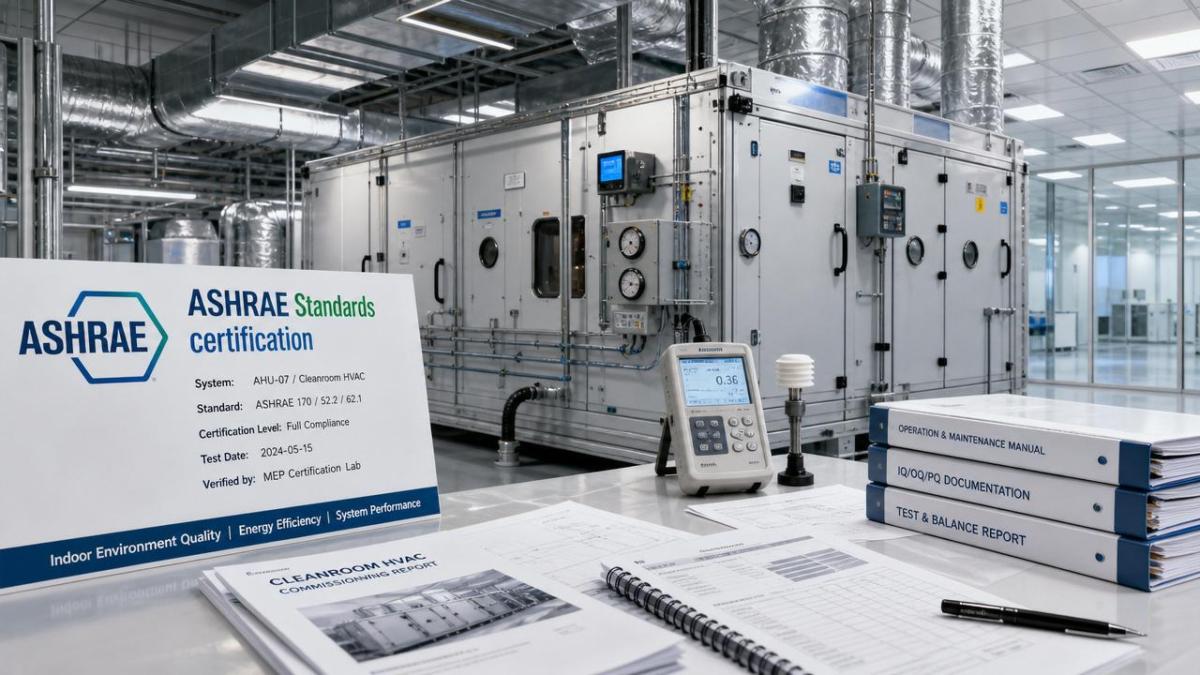
ASHRAE Standards certification reviews can slow down when information is scattered across consultants, contractors, commissioning teams, and internal compliance files. A checklist converts broad compliance intent into verifiable actions. That makes technical gaps visible early, before they become formal review comments.
This matters even more in integrated environments where temperature stability, air cleanliness, energy performance, and safety controls interact. In these projects, approval time is shaped by both document quality and the system behavior demonstrated during testing.
Core Checklist: What Affects Approval Time Most
Use the following checklist to evaluate likely schedule drivers for ASHRAE Standards certification before formal submission or third-party review.
- Define the exact standard scope early, including which ASHRAE sections, local codes, owner requirements, and related benchmarks apply to the project and which do not.
- Verify that design drawings, sequences of operation, load calculations, and equipment schedules match each other without conflicting setpoints, airflow values, or control narratives.
- Prepare complete supporting documents, including basis of design, psychrometric calculations, filtration strategy, pressure cascade logic, and energy performance assumptions.
- Confirm product data quality by checking that submittals clearly state tested performance, certification references, operating limits, and installation conditions relevant to review criteria.
- Coordinate commissioning plans with certification goals so functional performance tests, trend logs, alarms, and acceptance thresholds support the expected compliance narrative.
- Document deviations and engineering judgments transparently, especially where project constraints require alternative compliance paths or equivalent performance demonstrations.
- Control revision management carefully, because outdated drawings, mixed document versions, and untracked field changes frequently trigger repeated clarification requests.
- Align interdisciplinary reviews across mechanical, controls, electrical, architectural, and validation teams to prevent late-stage conflicts in power, space, access, and monitoring points.
- Validate testing readiness before witness events by calibrating instruments, stabilizing systems, and confirming that operating modes reflect real certification conditions.
- Respond to reviewer comments in a structured matrix that links each issue to updated evidence, revised documents, and closure dates.
Key Timeline Drivers Behind ASHRAE Standards Certification
1. Documentation Completeness
Incomplete packages are one of the biggest causes of delay in ASHRAE Standards certification. Reviewers lose time when they must infer missing airflow logic, setpoint rationale, or equipment operating envelopes. A complete package shortens questions and reduces interpretation risk.
Completeness is not only about quantity. It also means traceability. Every claimed condition should connect to a drawing, a calculation, a sequence, or a test record. If that chain breaks, approval time usually expands.
2. System Complexity
Simple comfort HVAC systems usually move faster than projects with cascading pressures, redundant chillers, critical exhaust, energy recovery, and ultra-tight environmental tolerances. The more interactions within the system, the more carefully reviewers examine control logic and failure modes.
Facilities with cleanroom zoning, biosafety requirements, or process-driven humidity control often require extra clarification. That does not block ASHRAE Standards certification by itself, but it increases the evidence burden.
3. Compliance Scope and Overlapping Standards
Approval time often rises when ASHRAE Standards certification is reviewed alongside ISO 14644, local energy codes, GMP expectations, or internal ESG targets. Overlapping standards create additional checks, especially where ventilation, filtration, monitoring, and efficiency goals compete.
A clear compliance matrix helps prevent duplicate work. It shows where one test supports several obligations and where separate evidence is still required.
4. Reviewer and Team Coordination
Even a technically strong submission can stall when communication is fragmented. Delays appear when questions move slowly between design firms, field teams, equipment suppliers, and external assessors. One accountable response owner can cut cycle time significantly.
Coordination speed becomes especially important during comment resolution. Fast answers matter, but accurate answers matter more. Partial replies often create another round of review instead of closure.
How These Factors Change by Application
Cleanrooms and Micro-Contamination Control
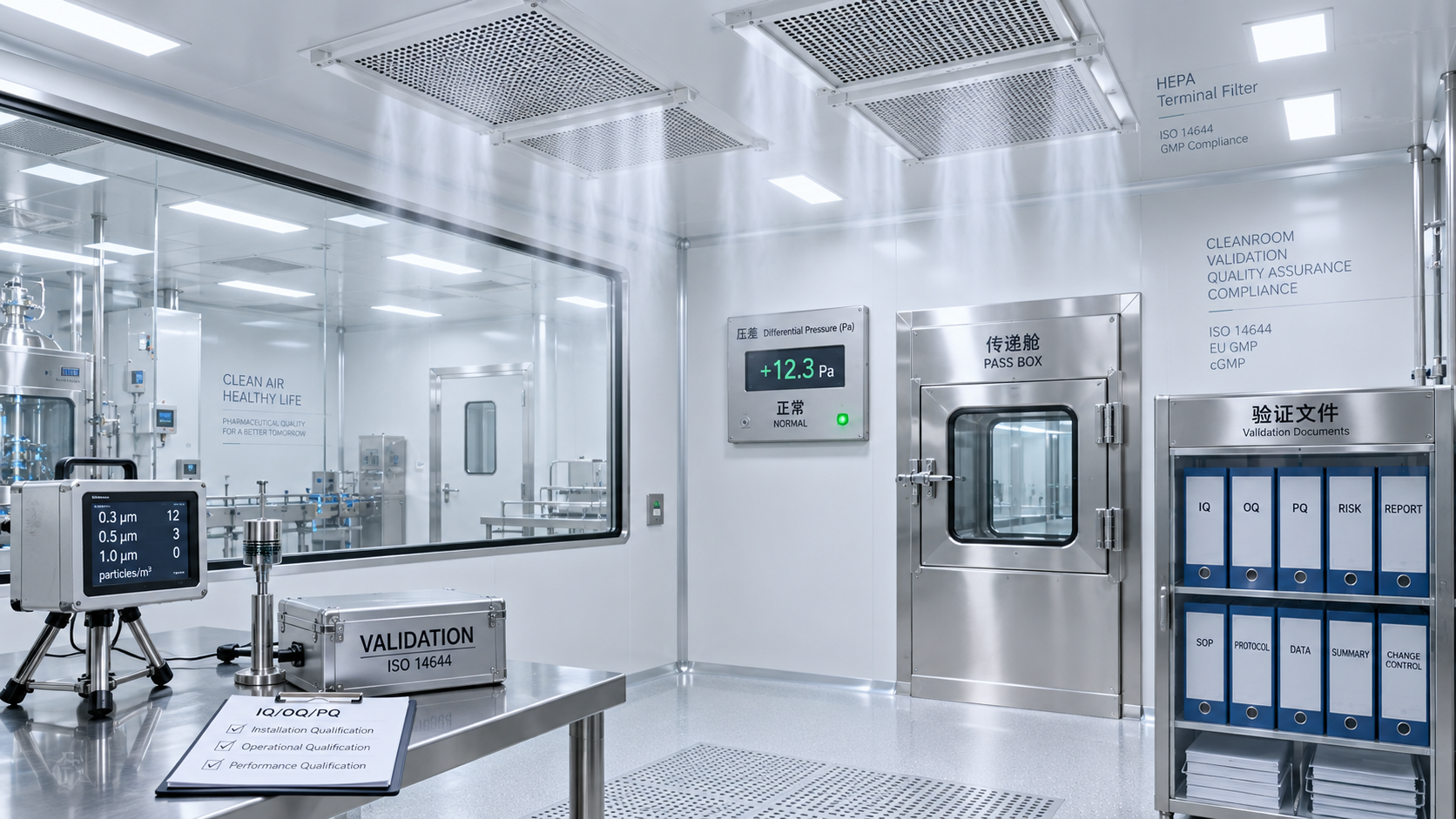
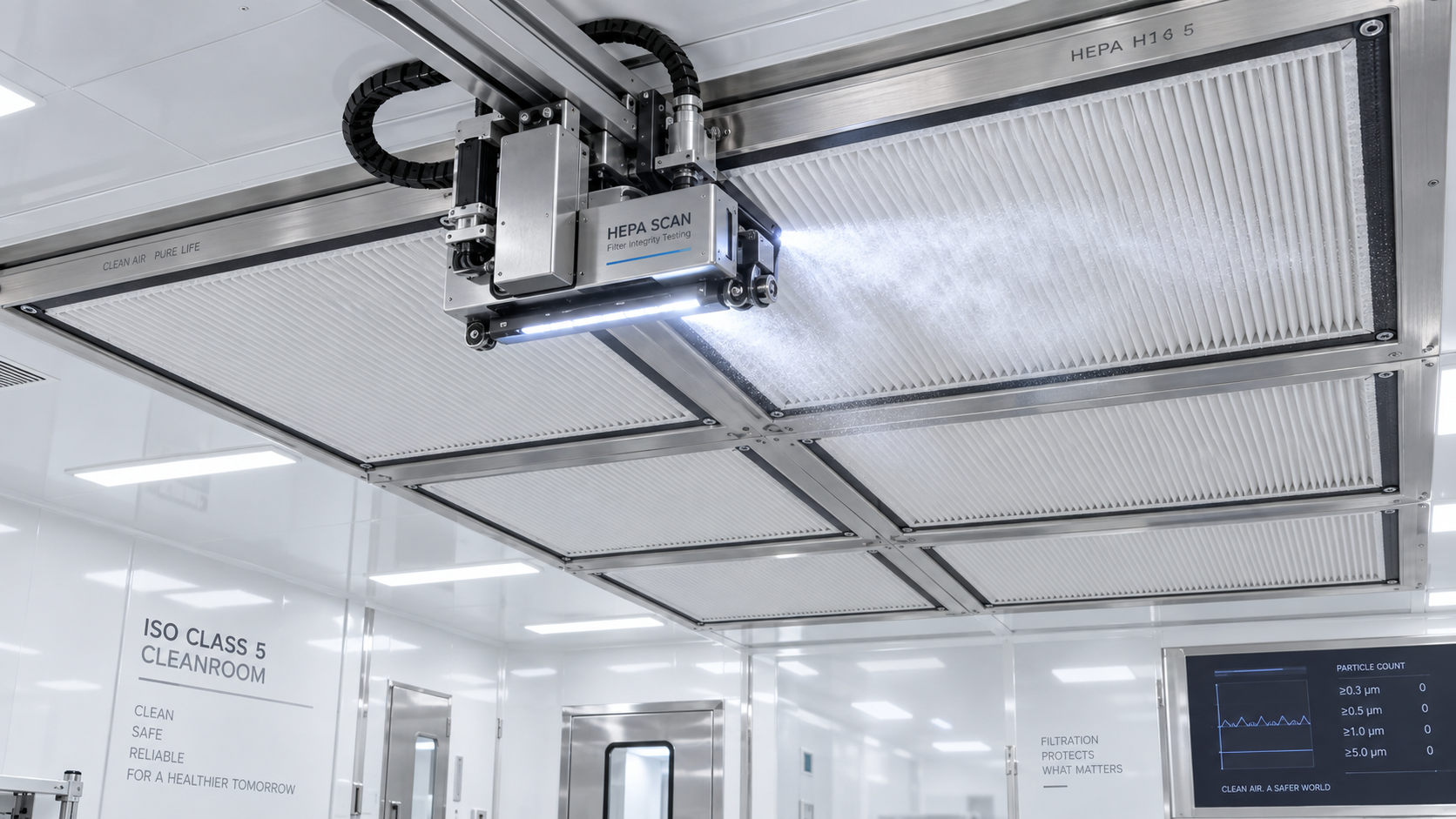
In cleanrooms, ASHRAE Standards certification timelines are heavily influenced by airflow visualization, pressure relationships, filtration staging, recovery performance, and thermal consistency. Minor design mismatches can affect both compliance and process integrity.
Approvals tend to move faster when airflow diagrams, FFU layouts, room classifications, and balancing records are aligned before testing begins. Reconstructing that alignment after installation is much slower.
Precision HVAC for High-Stability Environments
Facilities targeting extremely tight temperature and humidity control face longer review windows if load assumptions are vague. ASHRAE Standards certification in these environments depends on credible modeling, sensor placement logic, and verified control response.
Trend data is often decisive. Reviewers need evidence that the system can maintain performance under representative disturbances, not only at one steady-state point.
Laboratories and Containment Spaces
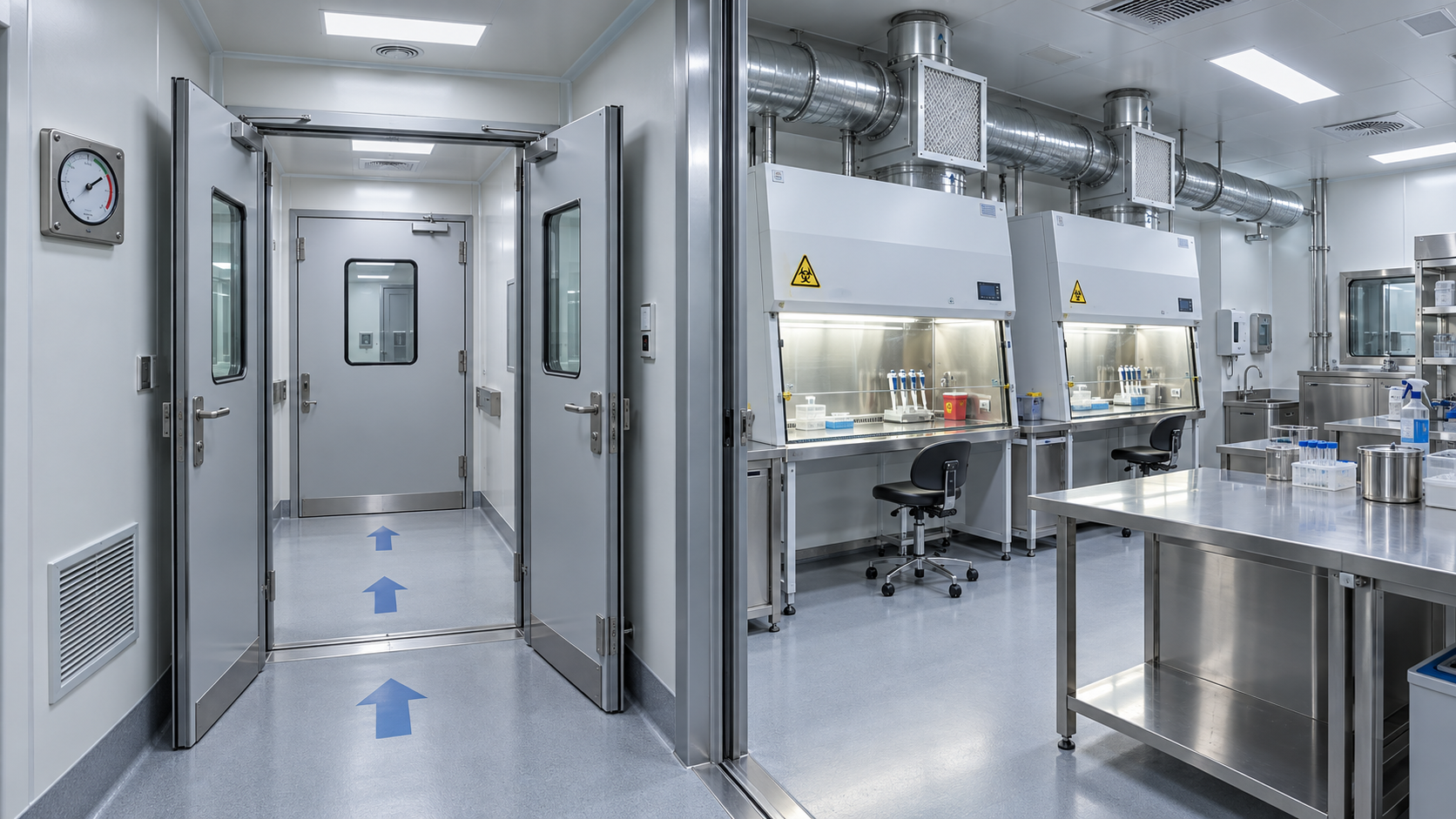
Containment projects introduce additional scrutiny around directional airflow, exhaust safety, standby modes, and alarm behavior. ASHRAE Standards certification may take longer when emergency sequences are not clearly documented or witnessed.
Where biosafety and facility standards overlap, integrated testing plans are essential. Separate teams often collect valid data, but approval slows if the records do not tell one coherent compliance story.
Commonly Overlooked Risks
Missing calibration certificates can undermine otherwise acceptable performance tests. If instruments cannot be traced, reviewers may question the validity of the data set and request retesting.
Late control sequence changes often create hidden inconsistency. A revised reset strategy or alarm threshold may fix operations, but it can invalidate previously submitted narratives and witness records.
Overpromising performance targets is another risk. Claims that exceed what the installed system was designed to prove can prolong ASHRAE Standards certification by forcing unnecessary validation effort.
Insufficient pre-review internal audits also cause delays. Teams often discover simple issues only after submission, when corrections are slower and the formal review clock is already running.
Practical Steps to Shorten Approval Time
- Build a certification matrix at project kickoff and update it at every major design and construction milestone.
- Run a document consistency review before submission, focusing on setpoints, room pressures, air changes, and control narratives.
- Conduct mock witness testing to expose instrumentation issues, unstable operating modes, and incomplete trend coverage.
- Use one controlled repository for calculations, drawings, submittals, test reports, and comment responses.
- Close reviewer comments with evidence, not summary statements, and cross-reference every correction clearly.
Conclusion and Next Action
ASHRAE Standards certification approval time is shaped by preparation quality, technical complexity, compliance overlap, and coordination discipline. Faster approvals usually come from clearer documentation, earlier testing alignment, and stronger control of revisions and evidence.
Start with a focused checklist, then map every requirement to a document, a responsible owner, and a verification method. That approach turns ASHRAE Standards certification from an uncertain review path into a controlled execution process with fewer surprises and stronger project outcomes.
Get weekly intelligence in your inbox.
No noise. No sponsored content. Pure intelligence.
 Oct 21, 2026How often is cleanroom certification required under ISO 14644-2?Cleanroom Certification is generally recommended annually under ISO 14644-2. Learn when risk-based extensions apply and which changes trigger earlier testing to plan with confidence.
 Oct 21, 2026FASEB Comments on NIH Draft Policy for Research Involving BiohazardsFASEB comments on NIH’s draft biohazard research policy call for risk-based biosafety oversight. Explore potential implications for laboratories, suppliers, and compliance teams.
 Oct 20, 2026How to disinfect ultrasound machines without damaging surfacesLearn how to disinfect ultrasoundmachines without surface damage. Explore compatible products, wet contact times, and probe care to protect patients and equipment.
 Oct 20, 2026Ultrapure Water in Semiconductor Manufacturing: Reuse and Quality Control InsightsExplore ultrapure water reuse in semiconductor manufacturing, key UPW quality benchmarks and analytical insights to help evaluate suppliers and protect process purity.
 Oct 19, 2026How cooling affects warpage in injection-molded consumer electronics housingsOptimize plastic injection molding for consumer electronics with cooling strategies to reduce housing warpage and improve assembly fit. Discover practical checks for stable, efficient production.
 Oct 18, 2026Can air leaks prevent a dehumidifier from holding its target dew point?Why can't our dehumidifier maintain the target dew point? Discover how air leaks increase moisture loads, spot hidden faults, and find practical fixes to restore reliable dew-point control.
 Oct 17, 2026How semiconductor process water treatment removes trace organicsSee how semiconductor process water treatment removes trace organics with RO, UV oxidation, and polishing. Learn how TOC monitoring helps verify purity and pinpoint contamination.
 Oct 16, 2026How to choose ultra pure water piping materials to limit leachingChoose ultra pure water piping with confidence. Compare PVDF, PFA, and stainless steel, assess leaching risks, and learn how to qualify your system for reliable purity.
 Oct 15, 2026How to size a skid-mounted deionized water system for peak demandCompare deionized water systems skid configurations for peak demand. Learn how to balance production, storage, and pump capacity to prevent shortages and avoid costly oversizing.
 Oct 14, 2026When is collaborative laboratory robotics suitable for sample sorting?Explore when collaborative laboratory robotics suits sample sorting. Discover key checks for safety, traceability, container compatibility, and throughput before choosing your solution.
 Oct 13, 2026How sandwich panel joints affect airtightness in cleanroom systemsCleanroom Systems sandwich panels need reliable joints for airtightness. Discover how gaskets, sealants, and testing help reduce leakage and protect cleanroom pressure control.
 Oct 12, 2026How to verify USP compliance for ultra pure water systemsUltra Pure Water Systems USP compliance: learn how to verify water quality, sampling, sanitization, trends, and validation controls at every point of use.
 Oct 11, 2026How tight temperature control prevents cleanroom process driftCleanroom process temperature control systems prevent costly drift by stabilizing critical conditions, improving repeatability, and protecting sensitive production workflows.
 Oct 10, 2026When does organic contaminant removal require TOC treatment?Organic contaminant removal requires TOC treatment when dissolved organics threaten product quality, equipment reliability, or process control. Learn how to assess risks and choose the right solution.
 Oct 08, 2026What affects lead times for sheet metal bending services in Canada?Sheet metal bending services Canada: discover how material supply, tooling, tolerances, finishing, documentation, and freight affect lead times for reliable project delivery.
 Oct 07, 2026How HVAC design for semiconductor fabs prevents airborne contaminationHVAC design for semiconductor fabs prevents airborne contamination through advanced filtration, pressure cascades, airflow control, and real-time monitoring. Explore key strategies for cleaner, more reliable wafer production.
 Oct 06, 2026How photovoltaic modules waterproof technology prevents moisture damagephotovoltaic modules waterproof technology prevents moisture damage with durable seals, drainage, and junction-box protection. Explore practical selection and testing insights.
 Oct 05, 2026How ISO 14644 Europe requirements affect cleanroom qualificationISO 14644 Europe requirements shape cleanroom qualification, from particle classification and recovery testing to monitoring, GMP alignment, and change control.
 Oct 04, 2026How to assess a pharmaceutical cleanroom solutions supplier’s ISO capabilityPharmaceutical Cleanroom Solutions supplier assessment guide: evaluate ISO 14644 capability, validation evidence, airflow design, documentation, and long-term GMP readiness.
 Oct 03, 2026What EU standards govern the design of BSL-3 laboratories in Europe?BSL-3 laboratories Europe: explore EU directives, EN standards, HVAC containment, commissioning, and practical design strategies for compliant, resilient high-containment facilities.
 Oct 02, 2026How EN 1822 defines HEPA filtration efficiency for cleanroomsHEPA filtration EN 1822 explained: learn how MPPS testing, local leakage limits, and filter classes support reliable cleanroom decisions.
 Oct 01, 2026How pharmaceutical process water systems control microbial riskProcess water systems pharmaceutical teams rely on can control microbial risk through hygienic design, monitoring, and validated sanitization. Explore practical compliance strategies.
 Sep 30, 2026When does a negative pressure laboratory need BSL-3 containment?Negative pressure laboratory or BSL-3? Discover the risk factors, engineering controls, and containment requirements needed for safe, compliant laboratory planning.
 Sep 29, 2026How to evaluate a TOC-zero water treatment supplier for UPW systemsChoose a TOC-zero water treatment supplier with confidence. Compare UPW performance, monitoring, validation, materials, service capability, and lifecycle cost.
 Sep 28, 2026What drives sustainable cooling cost in high-precision facilities?Sustainable cooling cost in high-precision facilities depends on thermal stability, energy, water, controls, and resilience. Explore smarter lifecycle strategies.
 Sep 27, 2026How to compare freight forwarding services for time-critical shipmentsCompare freight forwarding services for time-critical shipments with practical insights on routing, customs, visibility, specialized handling, and contingency planning.
 Sep 26, 2026How environmental integrity in laboratories supports reliable test resultsEnvironmental Integrity in laboratories safeguards samples, instruments, and staff. Discover practical controls for contamination, monitoring, and reliable test results.