SEMI Standards Compliance Gaps That Delay Facility Approval
SEMI Standards compliance gaps often remain hidden until facility approval is delayed, budgets expand, and launch timelines slip. For enterprise decision-makers overseeing semiconductor and high-tech projects, understanding where design intent, environmental control, and regulatory execution diverge is critical. This article examines the most common compliance blind spots and how to address them before they disrupt commissioning, certification, and operational readiness.
In advanced manufacturing environments, approval delays rarely come from a single failed document or one defective component. More often, they emerge from small mismatches across cleanroom airflow strategy, thermal stability, monitoring architecture, utilities integration, and evidence trails created during qualification.
For board-level sponsors, project directors, and infrastructure leaders, the practical question is not whether SEMI Standards compliance matters. It is where compliance tends to break down, how early warning signs appear, and which corrective actions reduce risk before factory start-up is pushed by 4 to 12 weeks.
Why SEMI Standards Compliance Gaps Surface Late in Facility Programs
Most high-tech facilities pass through 3 broad phases: design, construction, and qualification. Compliance failures often stay invisible until the transition between phases, especially when owner requirements, EPC interpretation, and subsystem vendor assumptions are not aligned to the same acceptance criteria.
In semiconductor and precision-controlled environments, even a narrow deviation can trigger rework. A temperature stability target of ±0.1°C may be acceptable for one utility area, while a lithography-support zone may require tighter performance windows approaching ±0.01°C under defined load conditions.
The approval problem is usually systemic, not isolated
Facility approval depends on linked performance. Air cleanliness, pressure cascade, vibration, chilled water stability, ultra-pure water consistency, alarm response, and digital record integrity all affect readiness. When one system is tested without proving its interaction with the others, the approval package becomes fragile.
This is why SEMI Standards compliance should be treated as a systems-engineering discipline rather than a final inspection activity. Projects that defer cross-functional compliance reviews until FAT, SAT, or IQ/OQ stages often experience the highest schedule volatility and the most expensive change orders.
Five frequent causes of hidden gaps
- Design criteria are documented at a high level, but not translated into measurable room-by-room acceptance thresholds.
- Mechanical, controls, process, and compliance teams use different interpretations of the same standard clause.
- Environmental monitoring points are insufficient for proving sustained performance over 24 to 72 hours.
- Change management during construction is weak, especially when substitutions affect filters, sensors, dampers, or piping materials.
- Qualification evidence is incomplete, inconsistent, or not linked to risk-based criticality.
Typical late-stage warning signs
Decision-makers should pay attention when commissioning reports repeatedly note “pending balancing,” “temporary sequence,” or “provisional setpoint.” If those notes persist for more than 2 reporting cycles, they often indicate deeper compliance exposure rather than minor startup tuning.
Another warning sign is excessive dependence on manual overrides. If operators must constantly intervene to hold pressure differentials, humidity bands, or flow rates, the system may pass a snapshot test but fail repeatability expectations during authority review or customer audit.
The Most Common Compliance Blind Spots That Delay Approval
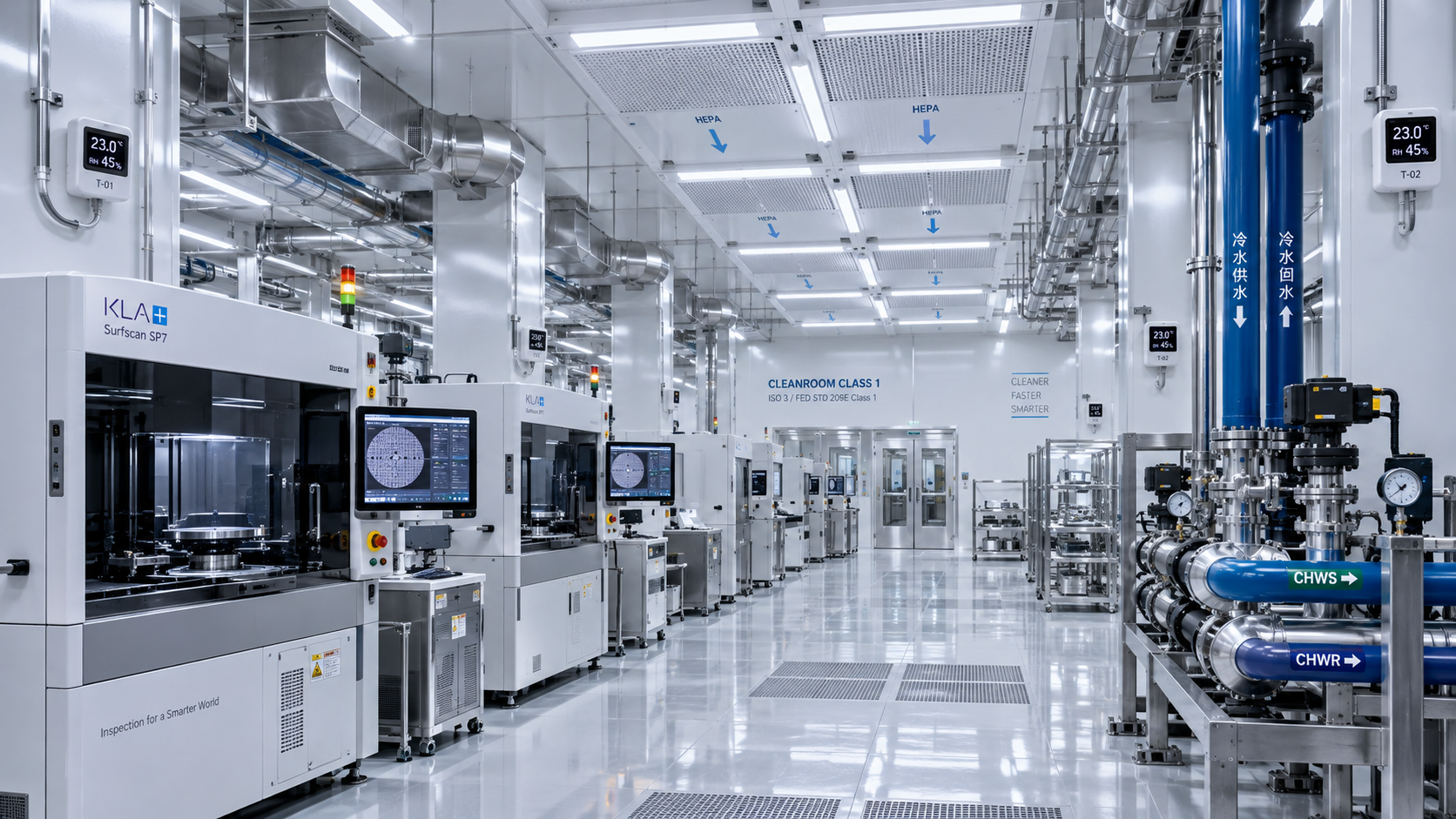
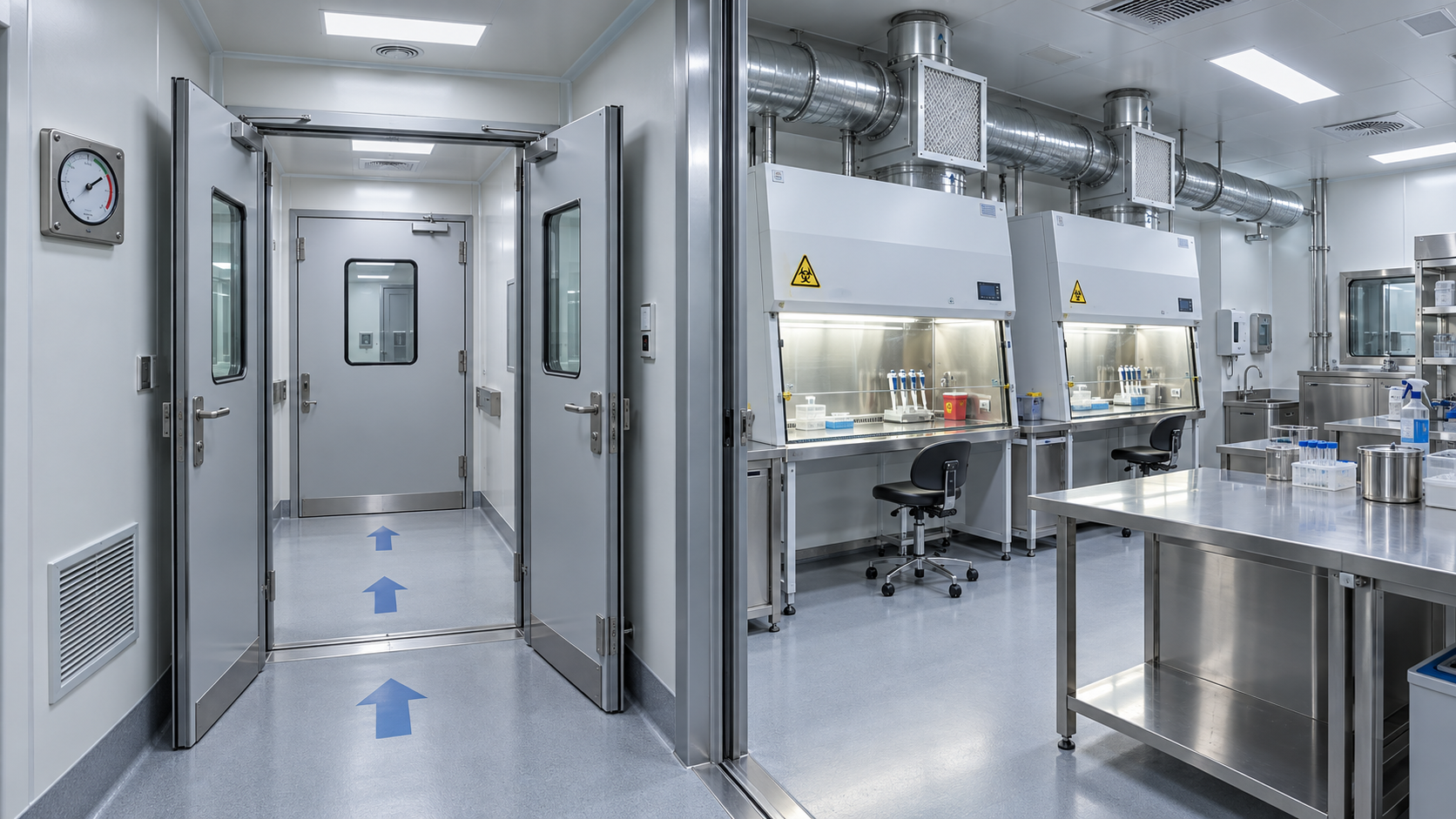
The following gap areas appear repeatedly in advanced cleanroom, thermal management, water treatment, and containment projects. They are especially relevant where owners must align SEMI Standards compliance with ISO 14644, ASHRAE design logic, internal corporate specifications, and regional safety regulations.
1. Environmental control is specified, but not proven under operational load
Many facilities are tested in near-empty conditions. Approval issues arise when the room performs within range at 30% occupancy or partial tool load, but drifts beyond limits when process equipment, personnel movement, and production heat loads approach real operating conditions.
For example, an airflow model may support ISO cleanliness targets during design review, yet field results can shift after tool placement changes return paths or create local turbulence. In these cases, compliance documentation exists, but operational evidence is insufficient.
What to verify
- Temperature and humidity stability over 24-hour and 72-hour trending windows
- Pressure differentials between critical spaces, typically confirmed across normal and upset conditions
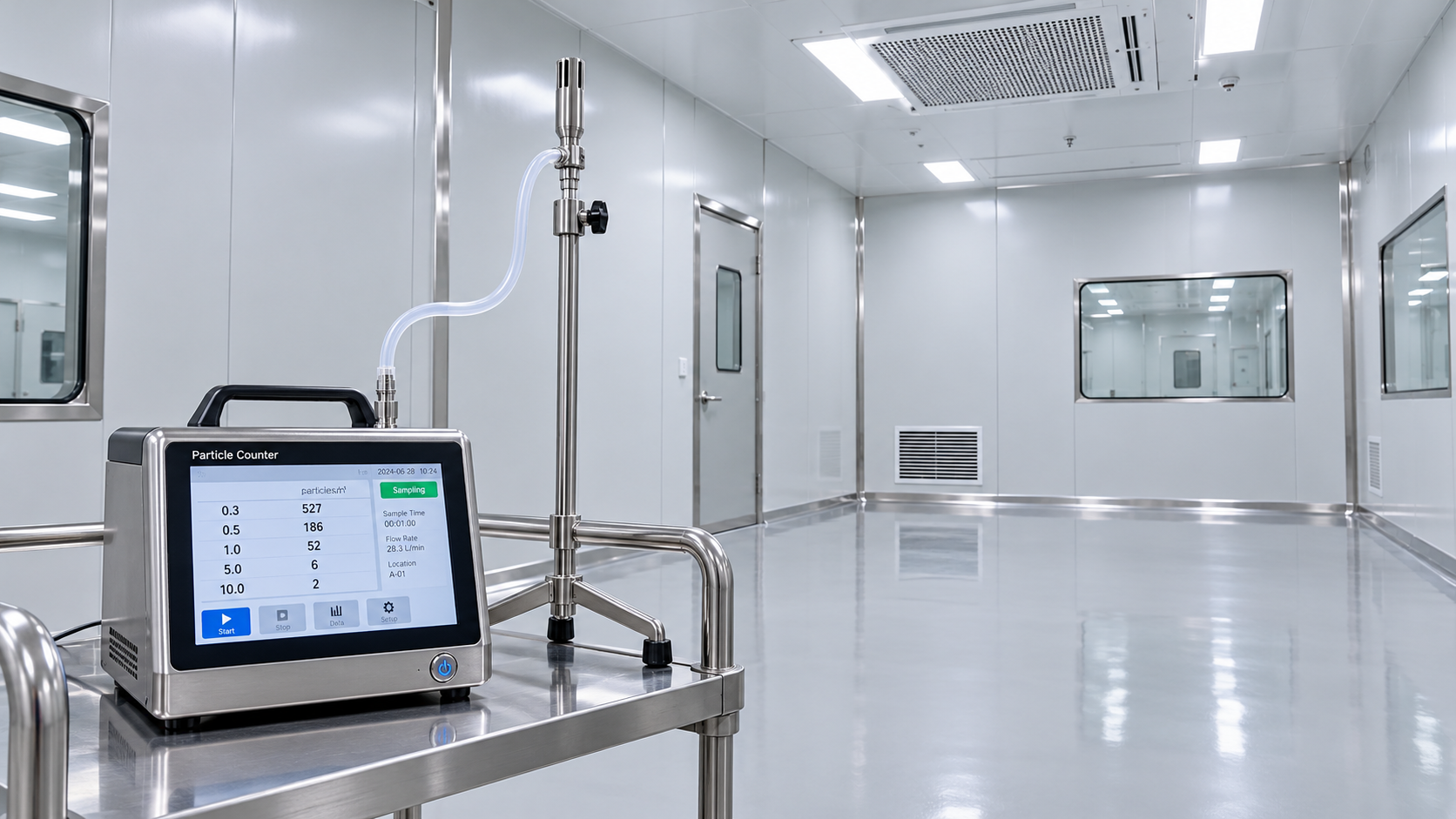
- Particle performance at rest and in operation, not only during pre-occupancy testing
- Recovery time after door openings, maintenance events, or process disturbances
2. Utilities meet design capacity, but not compliance traceability
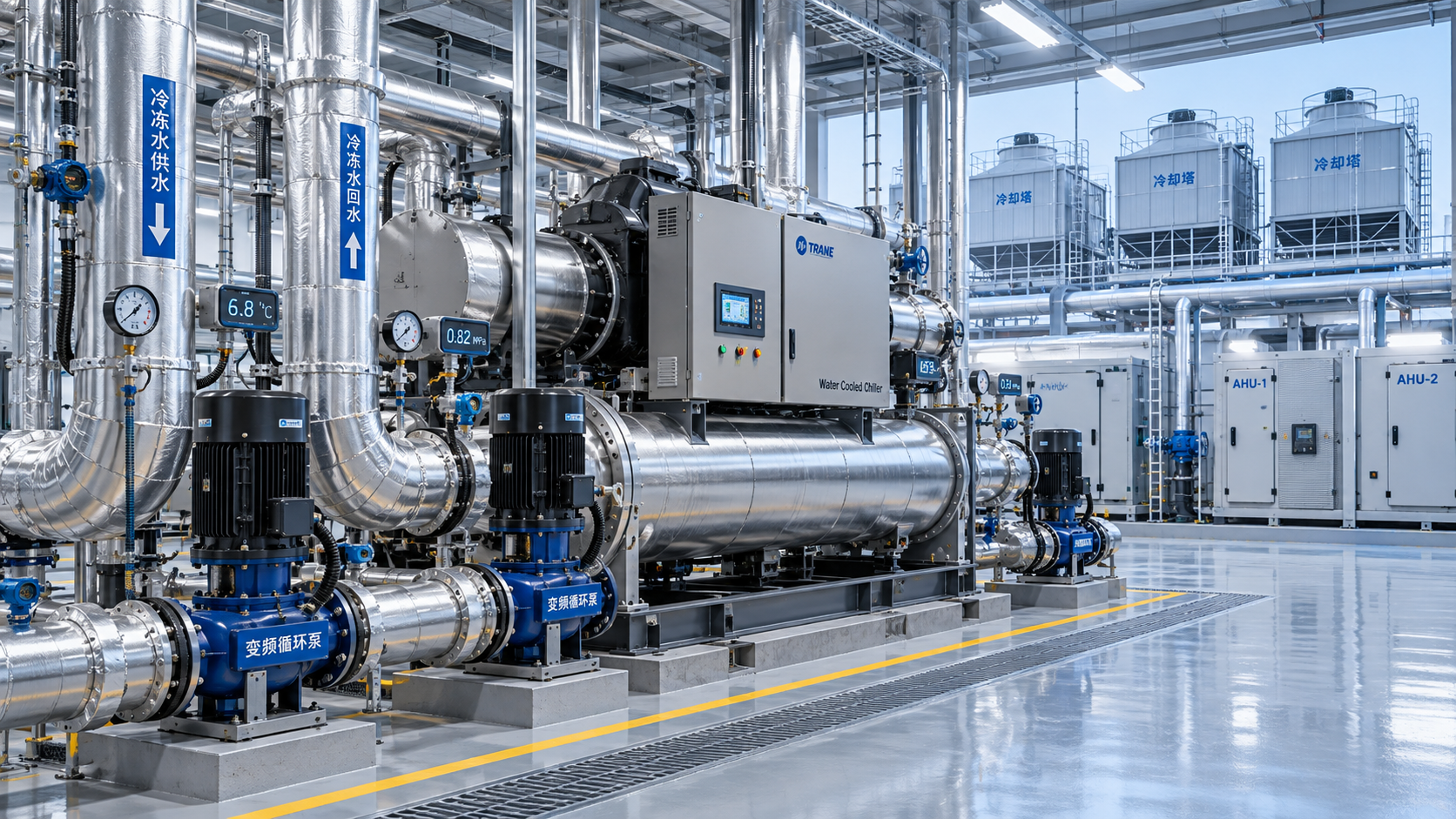
Chillers, FFUs, AHUs, exhaust systems, and UPW skids may be sized correctly, yet facility approval can still stall when calibration records, material certificates, control logic revisions, or alarm rationalization files are incomplete. Capacity alone does not equal compliance readiness.
This is common in programs with 20 or more key subcontractors. If documentation standards vary by vendor, the final turnover package becomes inconsistent. Authorities and internal quality teams then spend additional 2 to 6 weeks resolving evidence gaps before sign-off.
The table below summarizes blind spots that frequently delay approval and the operational effect each one creates.
The pattern is clear: approval delays are usually caused by proof failure rather than pure design failure. Stronger documentation discipline, monitored performance evidence, and controlled change management close many SEMI Standards compliance gaps before they escalate.
3. Controls architecture is under-scoped
In precision environments, controls are not secondary utilities. They are the compliance backbone. A room may have adequate HVAC hardware, but if the BAS, EMS, or digital twin layer cannot log deviations, time-stamp alarms, and retain auditable trends, approval confidence drops sharply.
A practical benchmark is to define 4 categories of control evidence: setpoint logic, sensor calibration, alarm hierarchy, and historian retention. If any category is incomplete, the facility may struggle to prove stable operation during routine review, deviation investigation, or customer qualification.
4. Cross-standard alignment is assumed rather than engineered
SEMI Standards compliance often overlaps with other frameworks, but overlap is not equivalence. Teams sometimes assume that if a cleanroom satisfies ISO classification or an HVAC design follows ASHRAE guidance, SEMI-related expectations are automatically addressed. That assumption creates costly blind spots.
A more reliable approach is to map each critical requirement to a verification method, responsible party, and evidence source. In large projects, this matrix may cover 50 to 200 control points depending on the scope, process criticality, and level of automation.
How to Audit Compliance Gaps Before They Delay Commissioning
A pre-approval gap audit should happen before formal qualification starts. The best timing is usually 6 to 10 weeks before final integrated testing, when most systems are installed, but corrective actions are still cheaper than post-failure redesign or schedule extension.
A four-step executive review model
- Confirm critical environmental and process thresholds room by room.
- Review whether control sequences and failure modes were actually tested, not only written.
- Validate that calibration, material, and turnover records are complete and traceable.
- Check whether integrated performance was demonstrated under realistic occupancy and load.
This review should involve operations, quality, facilities engineering, controls, and the compliance lead. When only one function performs the audit, hidden interfaces remain unresolved. Multi-discipline review typically identifies issues 2 to 3 times faster because dependencies surface early.
Priority areas for high-containment and ultra-clean projects
For programs involving biosafety, advanced node semiconductor manufacturing, or quantum-support infrastructure, the tolerance for drift is narrower. Pressure cascade integrity, directional airflow, filtration stage validation, and utility purity consistency need tighter trending and exception handling than standard industrial rooms.
In these settings, G-ICE-style benchmarking across cleanroom systems, precision HVAC, UPW, containment engineering, and smart monitoring adds value because compliance must be judged at the intersection of infrastructure performance and operational risk.
The checklist below can be used during executive gate reviews to determine whether a facility is genuinely close to approval or only appears mechanically complete.
If even one of these evidence streams is weak, leadership should not rely on “substantial completion” status as a proxy for approval readiness. Mechanical completion and compliance readiness are related, but they are not the same milestone.
How digital monitoring reduces late surprises
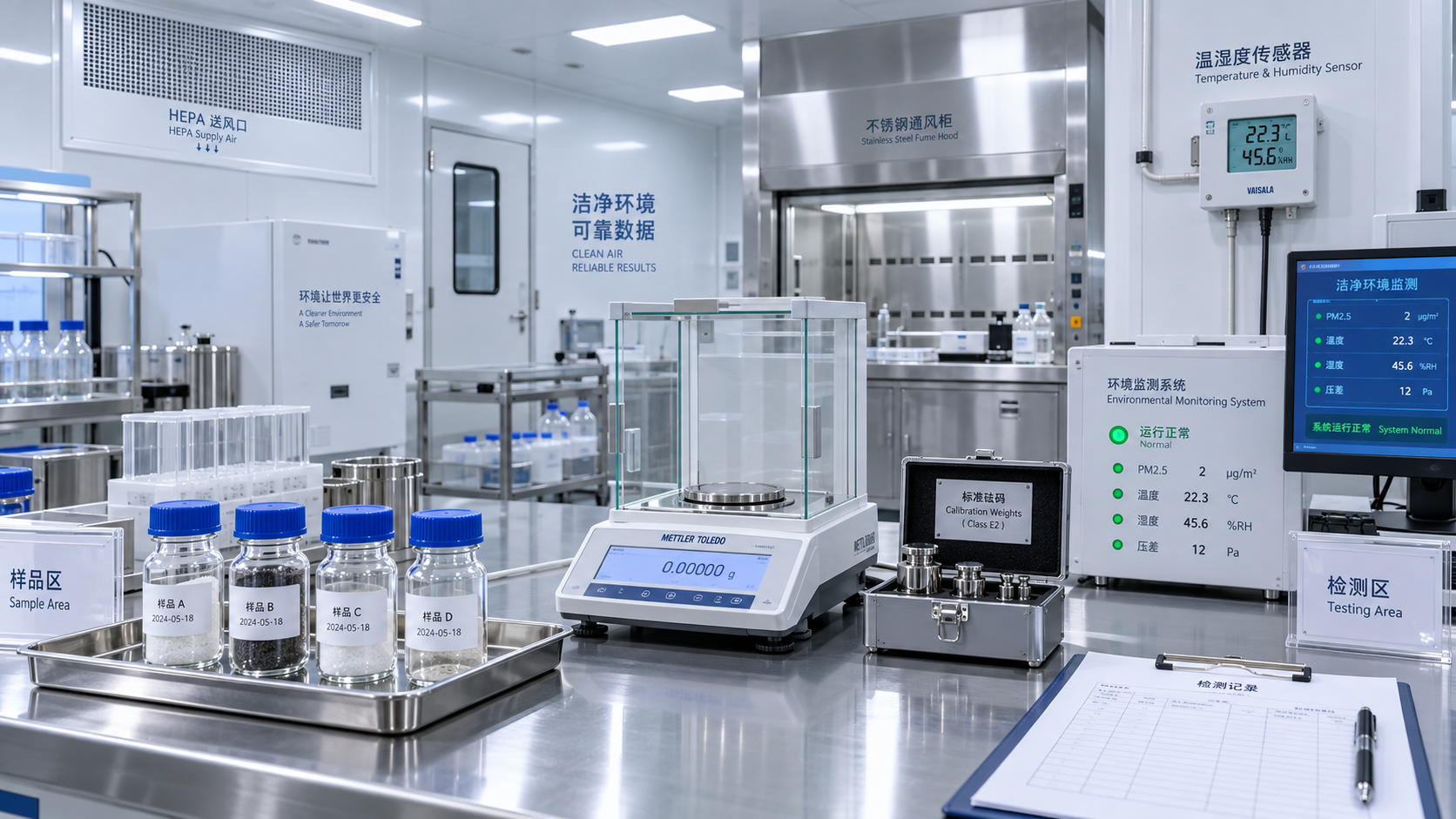
Smart environmental monitoring and digital twin control improve visibility by linking live performance to intended design envelopes. Instead of waiting for end-stage qualification failure, teams can detect drift in airflow, return temperature, particle trends, or pressure imbalance during commissioning itself.
For enterprise-scale sites, this can shorten root-cause investigation from several days to a few hours, especially when alerts are tied to equipment states and room utilization patterns. The business value is straightforward: fewer repeat tests, lower labor burden, and more predictable approval windows.
Procurement and Design Decisions That Prevent Future Delays
Many SEMI Standards compliance failures are effectively procured into the project. If bid packages focus only on installed cost, schedule, and nominal capacity, owners may inherit avoidable approval risk. Procurement strategy should include verifiability, controllability, and serviceability from the start.
What enterprise buyers should require from suppliers and integrators
- Defined acceptance criteria for each critical subsystem, not broad performance language alone
- Traceable calibration and material records included in turnover obligations
- Controls integration scope that covers alarm logic, historian mapping, and testing scripts
- Support for integrated commissioning, not standalone equipment startup only
- Clear change-control procedures for any field substitutions or setpoint revisions
These requirements are especially important in facilities where cleanroom classification, thermal uniformity, utility purity, and biosafety barriers interact. A low-cost component change can create a disproportionate validation burden if the documentation chain or compatibility logic is weakened.
A better governance model for approval readiness
A practical model is to establish 3 governance gates: design freeze review, pre-commissioning compliance audit, and pre-qualification executive release. At each gate, unresolved deviations should be ranked by impact on safety, product risk, and approval schedule rather than by trade discipline alone.
This governance approach helps leadership decide where to spend limited time and capital. It also prevents the common pattern in which 90% of systems appear complete, but the remaining 10% contains the exact evidence gaps that block formal approval.
Common buyer mistake: separating infrastructure from compliance strategy
In advanced facilities, environmental hardware and compliance strategy cannot be managed as separate workstreams. Cleanroom airflow devices, magnetic-bearing chillers, UPW treatment systems, containment barriers, and digital monitoring platforms all contribute to whether evidence can be generated and defended.
That is why technical benchmarking matters. A system that performs efficiently but cannot support auditable control, stable qualification, or integrated troubleshooting may increase total ownership cost over a 5- to 10-year lifecycle, even if the initial procurement price looks attractive.
Final Considerations for Decision-Makers
SEMI Standards compliance is ultimately a readiness discipline. It connects design intent, installed performance, control integrity, documentation traceability, and operational proof. Approval delays occur when one of those links is treated as optional or postponed until the end of the project.
For enterprise leaders managing semiconductor, pharmaceutical, high-containment, or other precision-critical facilities, the most effective strategy is early gap detection across cleanroom systems, thermal management, process utilities, and monitoring architecture. That approach protects launch timing, capital efficiency, and long-term operational resilience.
If your team is evaluating facility risks, upgrading environmental control infrastructure, or preparing a new site for approval, now is the right time to review hidden compliance exposure. Contact us to discuss your project requirements, get a tailored assessment, and explore solutions that strengthen approval readiness before delays become expensive.
Get weekly intelligence in your inbox.
No noise. No sponsored content. Pure intelligence.
 Oct 21, 2026How often is cleanroom certification required under ISO 14644-2?Cleanroom Certification is generally recommended annually under ISO 14644-2. Learn when risk-based extensions apply and which changes trigger earlier testing to plan with confidence.
 Oct 21, 2026FASEB Comments on NIH Draft Policy for Research Involving BiohazardsFASEB comments on NIH’s draft biohazard research policy call for risk-based biosafety oversight. Explore potential implications for laboratories, suppliers, and compliance teams.
 Oct 20, 2026How to disinfect ultrasound machines without damaging surfacesLearn how to disinfect ultrasoundmachines without surface damage. Explore compatible products, wet contact times, and probe care to protect patients and equipment.
 Oct 20, 2026Ultrapure Water in Semiconductor Manufacturing: Reuse and Quality Control InsightsExplore ultrapure water reuse in semiconductor manufacturing, key UPW quality benchmarks and analytical insights to help evaluate suppliers and protect process purity.
 Oct 19, 2026How cooling affects warpage in injection-molded consumer electronics housingsOptimize plastic injection molding for consumer electronics with cooling strategies to reduce housing warpage and improve assembly fit. Discover practical checks for stable, efficient production.
 Oct 18, 2026Can air leaks prevent a dehumidifier from holding its target dew point?Why can't our dehumidifier maintain the target dew point? Discover how air leaks increase moisture loads, spot hidden faults, and find practical fixes to restore reliable dew-point control.
 Oct 17, 2026How semiconductor process water treatment removes trace organicsSee how semiconductor process water treatment removes trace organics with RO, UV oxidation, and polishing. Learn how TOC monitoring helps verify purity and pinpoint contamination.
 Oct 16, 2026How to choose ultra pure water piping materials to limit leachingChoose ultra pure water piping with confidence. Compare PVDF, PFA, and stainless steel, assess leaching risks, and learn how to qualify your system for reliable purity.
 Oct 15, 2026How to size a skid-mounted deionized water system for peak demandCompare deionized water systems skid configurations for peak demand. Learn how to balance production, storage, and pump capacity to prevent shortages and avoid costly oversizing.
 Oct 14, 2026When is collaborative laboratory robotics suitable for sample sorting?Explore when collaborative laboratory robotics suits sample sorting. Discover key checks for safety, traceability, container compatibility, and throughput before choosing your solution.
 Oct 13, 2026How sandwich panel joints affect airtightness in cleanroom systemsCleanroom Systems sandwich panels need reliable joints for airtightness. Discover how gaskets, sealants, and testing help reduce leakage and protect cleanroom pressure control.
 Oct 12, 2026How to verify USP compliance for ultra pure water systemsUltra Pure Water Systems USP compliance: learn how to verify water quality, sampling, sanitization, trends, and validation controls at every point of use.
 Oct 11, 2026How tight temperature control prevents cleanroom process driftCleanroom process temperature control systems prevent costly drift by stabilizing critical conditions, improving repeatability, and protecting sensitive production workflows.
 Oct 10, 2026When does organic contaminant removal require TOC treatment?Organic contaminant removal requires TOC treatment when dissolved organics threaten product quality, equipment reliability, or process control. Learn how to assess risks and choose the right solution.
 Oct 08, 2026What affects lead times for sheet metal bending services in Canada?Sheet metal bending services Canada: discover how material supply, tooling, tolerances, finishing, documentation, and freight affect lead times for reliable project delivery.
 Oct 07, 2026How HVAC design for semiconductor fabs prevents airborne contaminationHVAC design for semiconductor fabs prevents airborne contamination through advanced filtration, pressure cascades, airflow control, and real-time monitoring. Explore key strategies for cleaner, more reliable wafer production.
 Oct 06, 2026How photovoltaic modules waterproof technology prevents moisture damagephotovoltaic modules waterproof technology prevents moisture damage with durable seals, drainage, and junction-box protection. Explore practical selection and testing insights.
 Oct 05, 2026How ISO 14644 Europe requirements affect cleanroom qualificationISO 14644 Europe requirements shape cleanroom qualification, from particle classification and recovery testing to monitoring, GMP alignment, and change control.
 Oct 04, 2026How to assess a pharmaceutical cleanroom solutions supplier’s ISO capabilityPharmaceutical Cleanroom Solutions supplier assessment guide: evaluate ISO 14644 capability, validation evidence, airflow design, documentation, and long-term GMP readiness.
 Oct 03, 2026What EU standards govern the design of BSL-3 laboratories in Europe?BSL-3 laboratories Europe: explore EU directives, EN standards, HVAC containment, commissioning, and practical design strategies for compliant, resilient high-containment facilities.
 Oct 02, 2026How EN 1822 defines HEPA filtration efficiency for cleanroomsHEPA filtration EN 1822 explained: learn how MPPS testing, local leakage limits, and filter classes support reliable cleanroom decisions.
 Oct 01, 2026How pharmaceutical process water systems control microbial riskProcess water systems pharmaceutical teams rely on can control microbial risk through hygienic design, monitoring, and validated sanitization. Explore practical compliance strategies.
 Sep 30, 2026When does a negative pressure laboratory need BSL-3 containment?Negative pressure laboratory or BSL-3? Discover the risk factors, engineering controls, and containment requirements needed for safe, compliant laboratory planning.
 Sep 29, 2026How to evaluate a TOC-zero water treatment supplier for UPW systemsChoose a TOC-zero water treatment supplier with confidence. Compare UPW performance, monitoring, validation, materials, service capability, and lifecycle cost.
 Sep 28, 2026What drives sustainable cooling cost in high-precision facilities?Sustainable cooling cost in high-precision facilities depends on thermal stability, energy, water, controls, and resilience. Explore smarter lifecycle strategies.
 Sep 27, 2026How to compare freight forwarding services for time-critical shipmentsCompare freight forwarding services for time-critical shipments with practical insights on routing, customs, visibility, specialized handling, and contingency planning.
 Sep 26, 2026How environmental integrity in laboratories supports reliable test resultsEnvironmental Integrity in laboratories safeguards samples, instruments, and staff. Discover practical controls for contamination, monitoring, and reliable test results.