Semiconductor Cleanroom Cost Drivers in 2026
In 2026, Semiconductor Cleanroom budgets are being reshaped by stricter Regulatory Frameworks, evolving SEMI Standards, and rising demands for Contamination Control, energy efficiency, and uptime. From vibration isolation mounts and refrigerant leak detection to server room cooling, heat pipe exchangers, adiabatic cooling systems, and energy performance contracting, understanding these cost drivers helps engineers, buyers, and decision-makers plan smarter, safer, and more competitive facilities.
What is driving semiconductor cleanroom cost inflation in 2026?
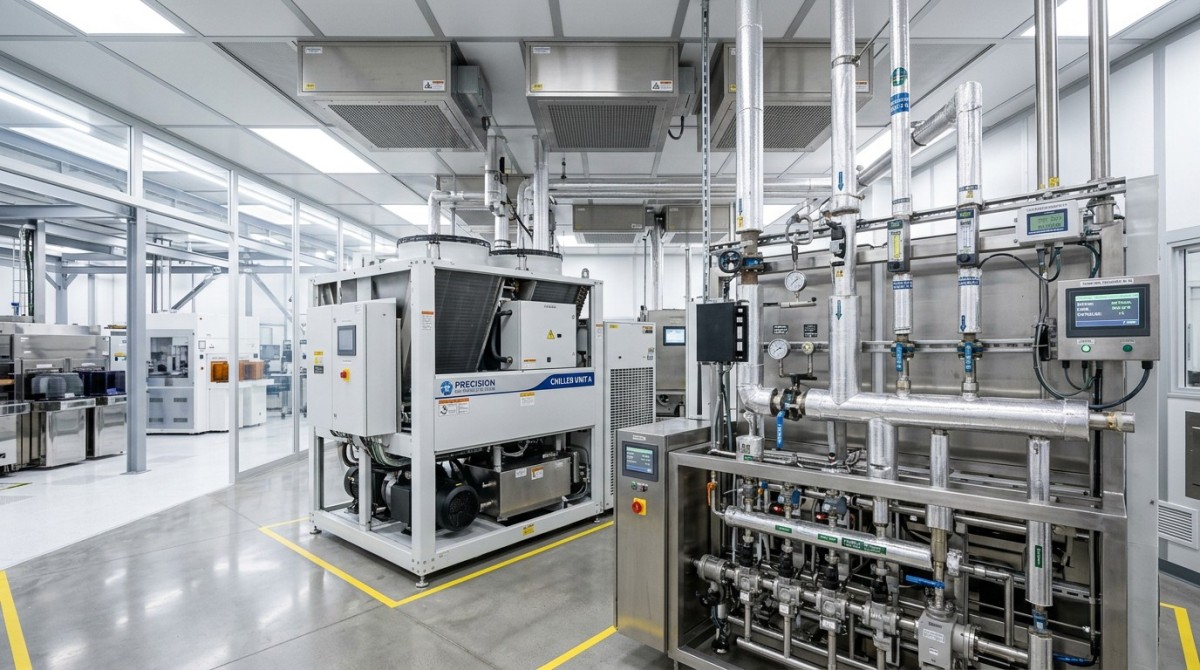
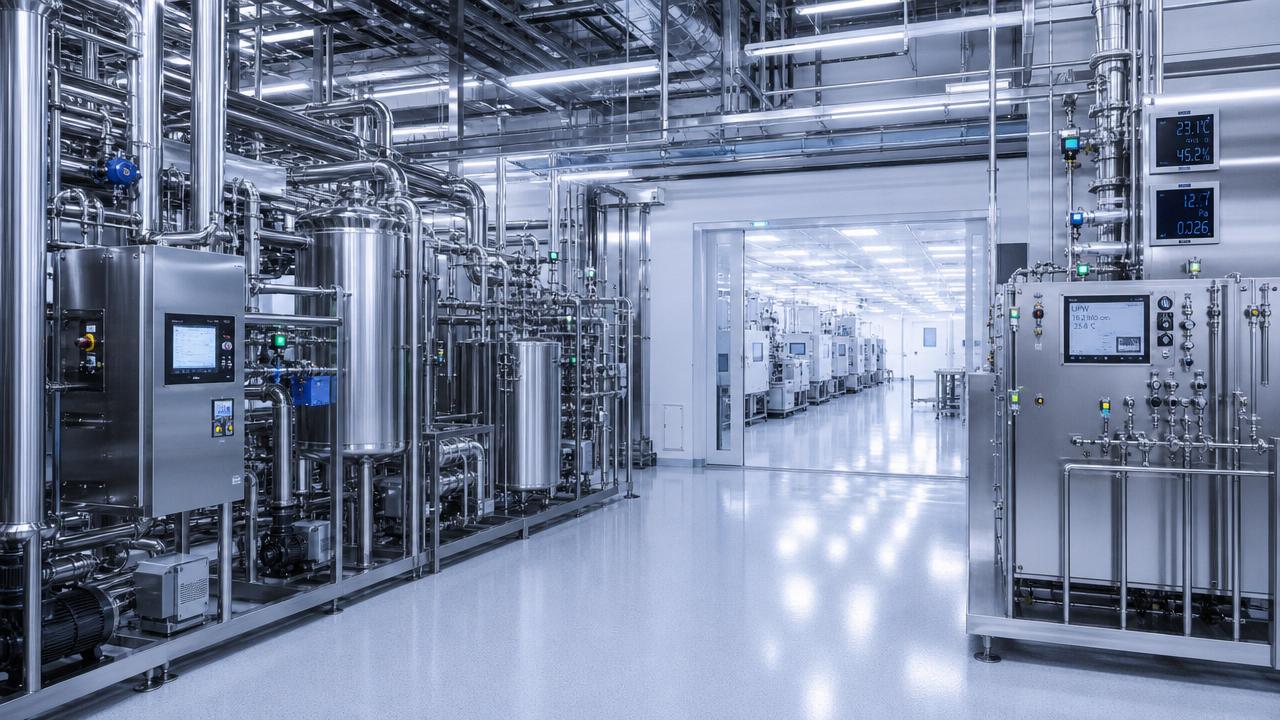
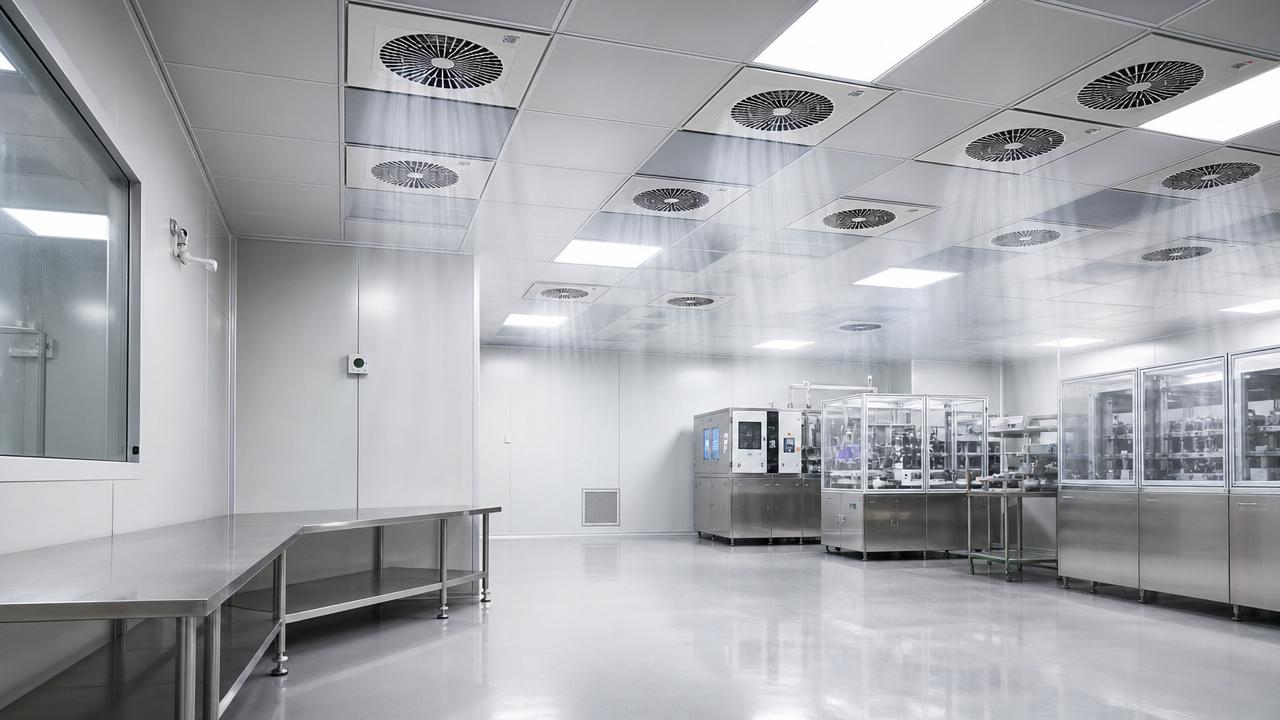
Semiconductor cleanroom cost is no longer defined by walls, ceilings, and HEPA or ULPA filters alone. In 2026, the largest budget pressure comes from performance expectations across contamination control, thermal stability, vibration management, process utility integration, and digital compliance traceability. For fabs targeting advanced nodes, even a temperature drift of ±0.01°C in critical process zones can influence tool stability, yield consistency, and utility architecture choices.
Buyers also face a more complex cost stack. The traditional split between capital expenditure and operating expenditure has blurred because energy performance, refrigerant compliance, preventive maintenance intervals, and uptime guarantees now affect board-level financial evaluation. A facility that appears less expensive at bid stage may become costlier over a 10–15 year lifecycle if fan energy, chilled-water instability, contamination events, or unplanned shutdowns are not modeled early.
For technical evaluators, the key change is that semiconductor cleanroom budgeting now depends on interconnected systems. FFU density affects power draw, chilled-water temperature approach affects dehumidification strategy, and vibration isolation design can influence both structural cost and process reliability. This is why many project teams are moving from component-by-component procurement to systems benchmarking aligned with ISO 14644, ASHRAE guidance, and SEMI-related facility expectations.
G-ICE supports this transition by linking cleanroom architecture, precision HVAC, UPW interfaces, biosafety-grade containment logic where relevant, and smart environmental monitoring into one evaluation framework. For owners, EPC teams, distributors, and procurement managers, this reduces a common risk: approving a low initial quote that does not cover 4 critical cost layers—control precision, compliance, maintainability, and energy resilience.
The 5 most common cost drivers teams underestimate
- Air change and filtration intensity: ISO Class targets, recirculation rates, and pressure cascade design can materially change fan power, FFU count, and ceiling grid complexity.
- Precision thermal control: Maintaining stable temperature and humidity across process zones often requires tighter control loops, more sensors, and higher-grade chilled-water and reheating strategies.
- Mechanical and vibration requirements: Isolation mounts, tool pad coordination, duct flexibility, and rotating equipment placement increase engineering time and construction detail.
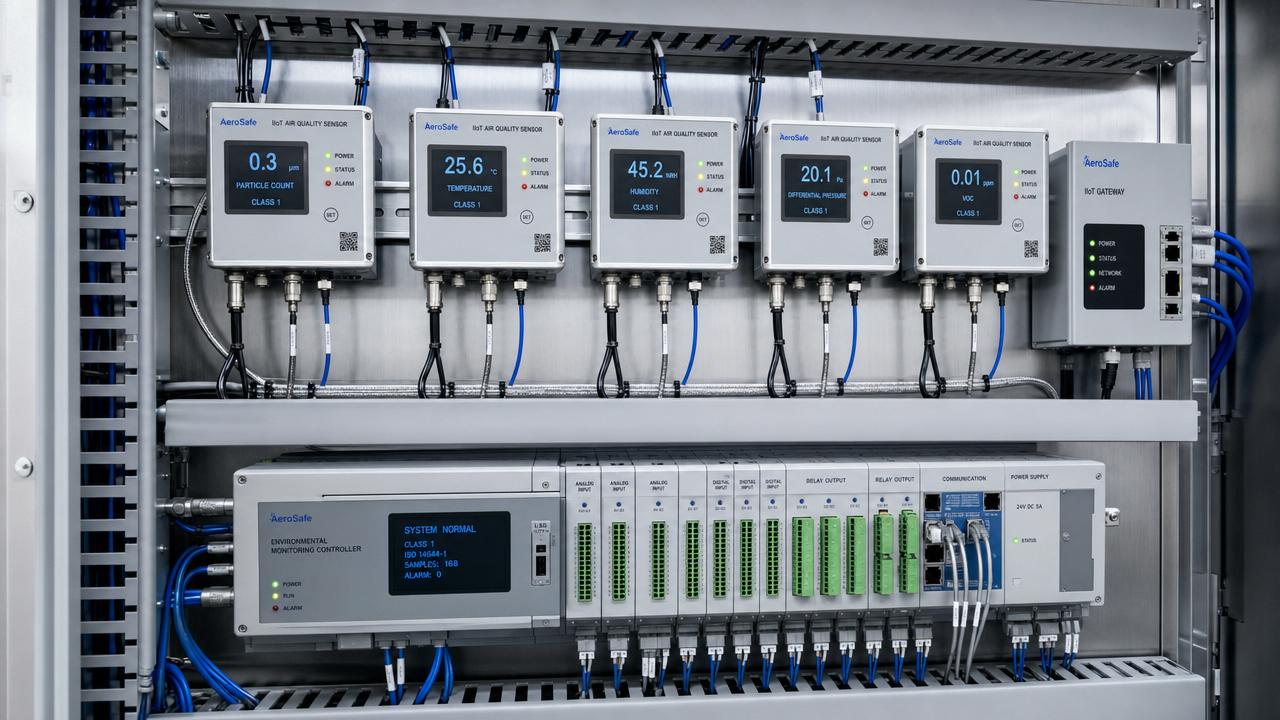
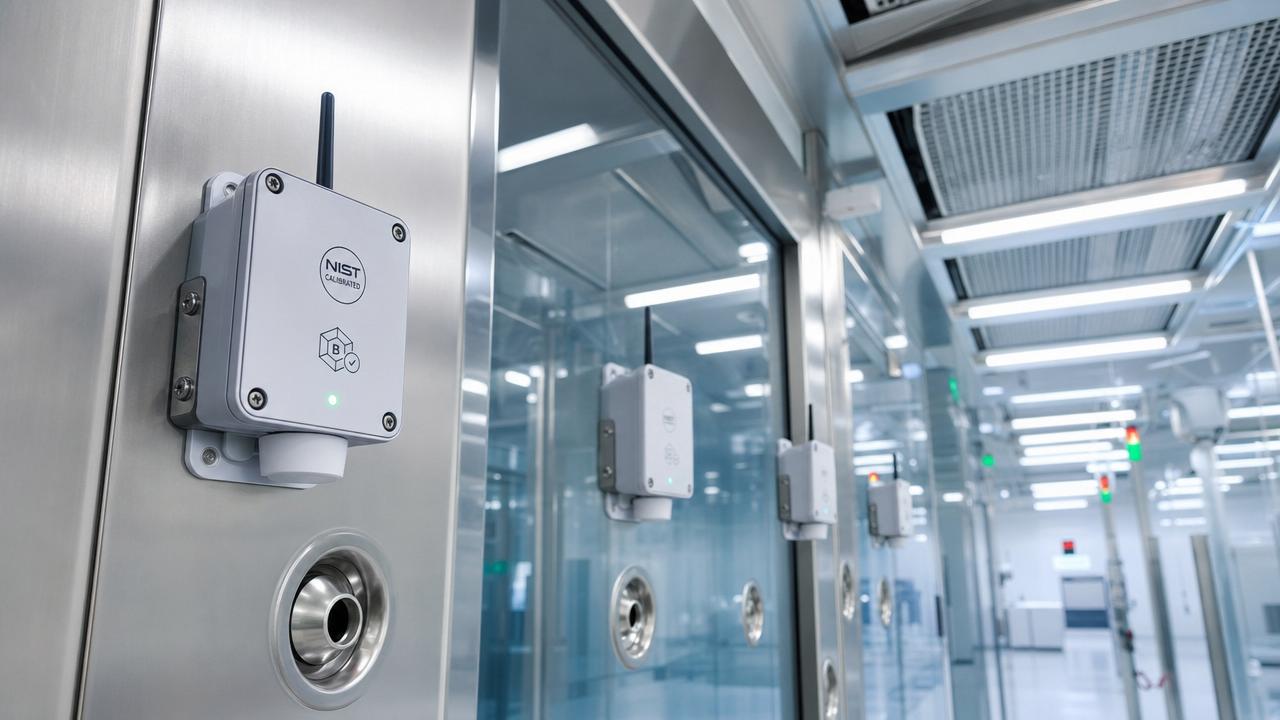
- Compliance instrumentation: Particle monitoring, differential pressure logging, refrigerant leak detection, and audit-ready data retention add both hardware and software cost.
- Redundancy and uptime expectations: N+1 or 2N thinking for cooling, controls, and monitoring can be essential, but it changes first cost, commissioning scope, and maintenance planning.
A practical budgeting exercise should therefore separate base-build cost from process-driven cost and resilience-driven cost. Without that split, project teams often compare proposals that look similar on paper but differ sharply in installed infrastructure, commissioning depth, and long-term operating risk.
Which systems contribute most to total cleanroom cost?
When teams ask why semiconductor cleanroom cost rises faster than general industrial construction cost, the answer usually sits in the support systems rather than the enclosure itself. Precision HVAC, environmental monitoring, process utilities, and controls integration often represent the most volatile budget lines because they are sensitive to yield requirements, local climate, utility pricing, and maintenance strategy.
The table below summarizes common semiconductor cleanroom cost drivers by subsystem. It is useful during early planning, especially in the first 2–4 weeks of concept development, when procurement and engineering teams need to decide which specifications are mandatory and which should remain scalable.
The key reading is that semiconductor cleanroom cost is cumulative. A decision to tighten particle control may expand filtration load, which raises fan energy, which affects cooling tonnage, which then changes chiller selection, controls, and backup strategy. This chain effect is why G-ICE emphasizes benchmark-based systems integration rather than isolated equipment purchasing.
HVAC and thermal management: the biggest hidden budget multiplier
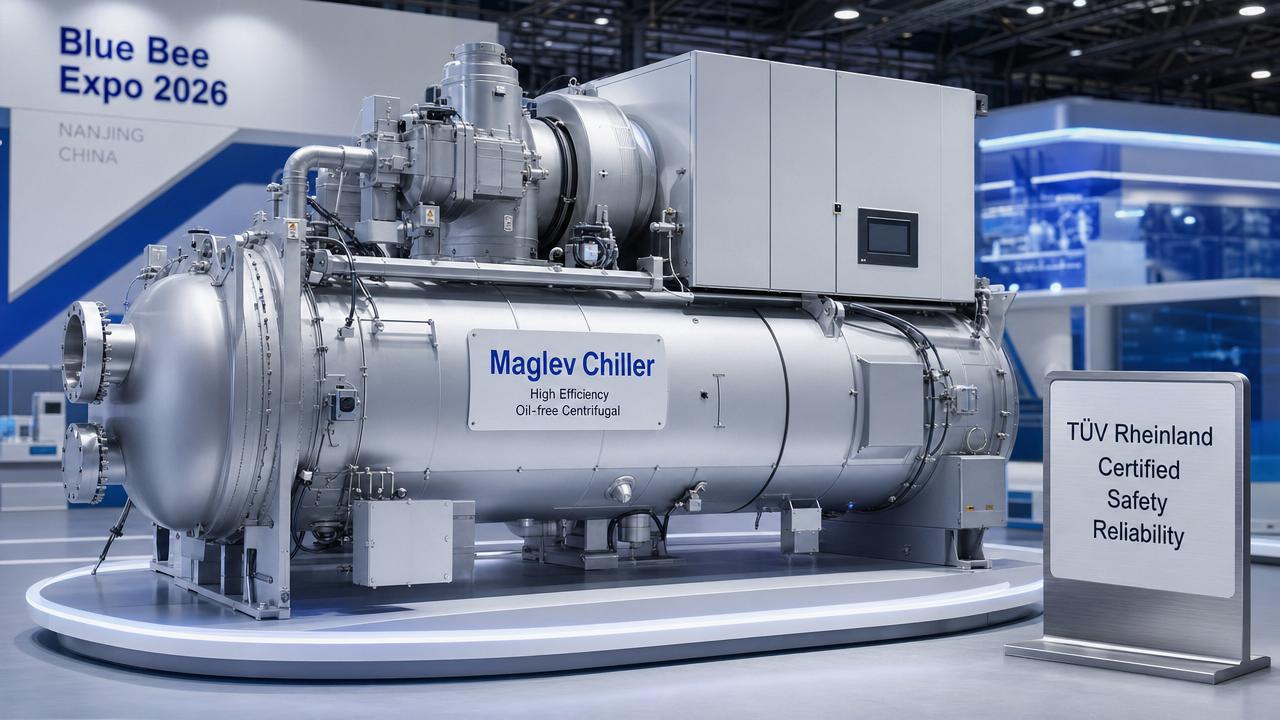
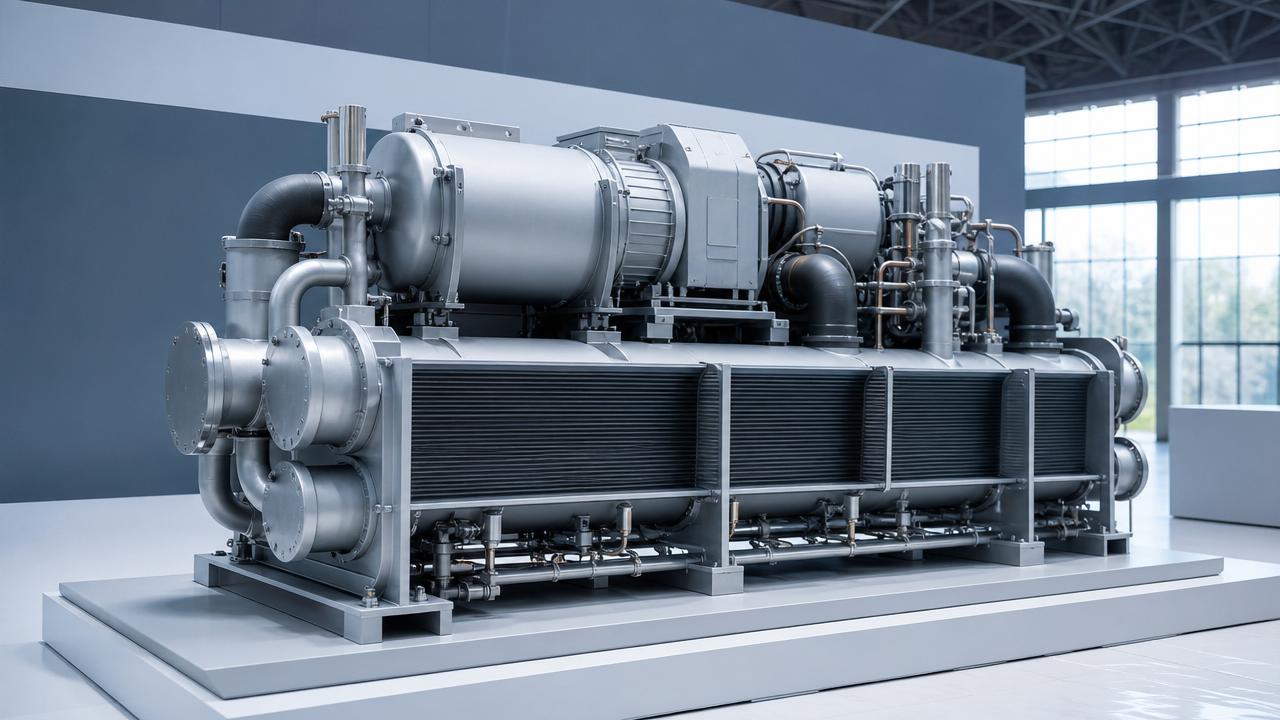
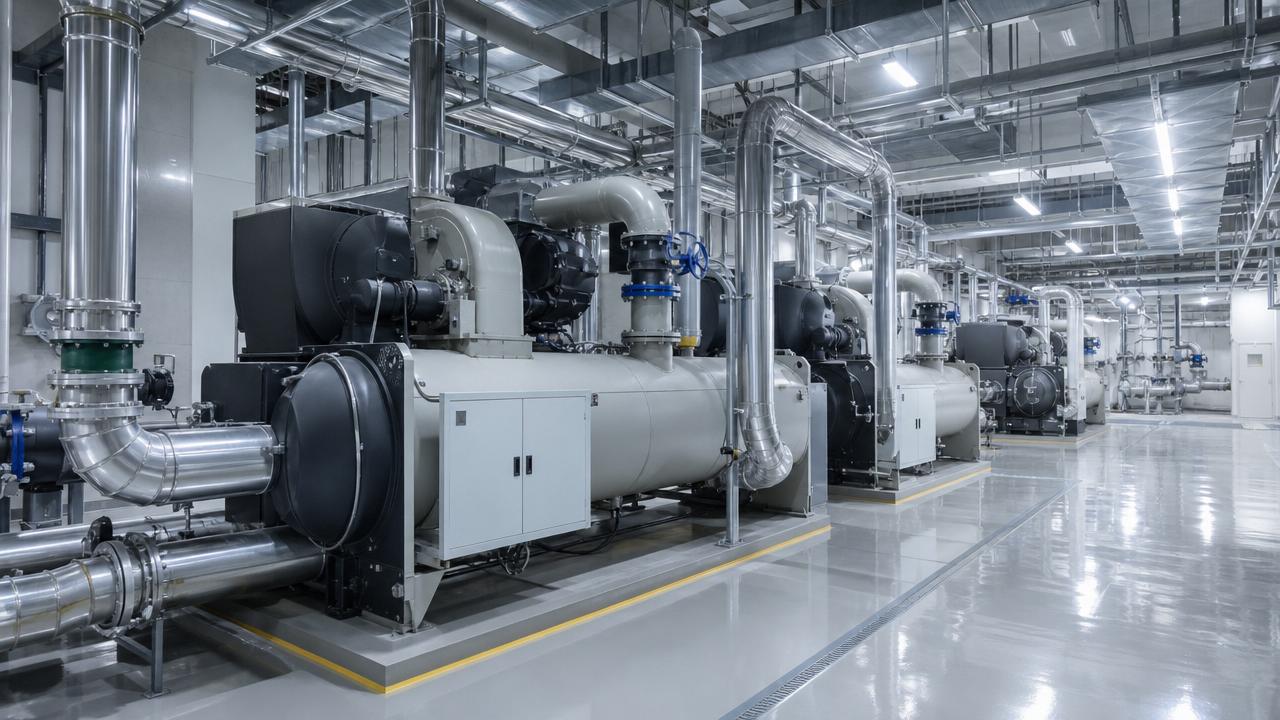
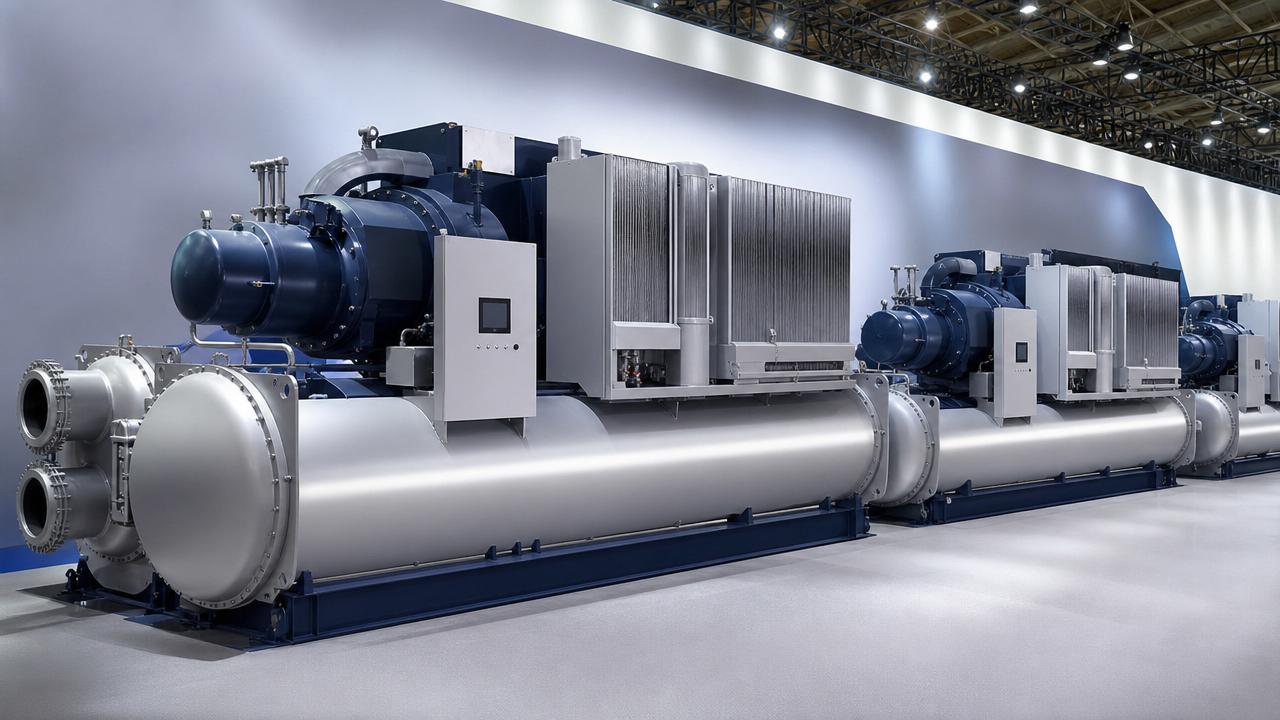
In many fabs and support spaces, HVAC-related infrastructure becomes the largest hidden multiplier because it includes more than air handlers. It includes magnetic-bearing or conventional chillers, pumping architecture, heat recovery options, server room cooling coordination, dehumidification, duct pressure control, and failure-mode logic. A design that must hold stable conditions 24/7 for 8,000+ annual operating hours requires different engineering than a standard industrial plant.
This is also where climate strategy matters. In some regions, adiabatic cooling systems or heat pipe exchangers can reduce annual energy demand. In other climates, moisture control or water quality risk can offset those advantages. Teams that compare these technologies without climate and contamination context often misread both first cost and lifecycle value.
Questions procurement teams should ask early
- What control tolerance is truly required by the process area, and what tolerance is merely preferred?
- Which zones need N+1 resilience, and which can accept planned maintenance windows?
- Can heat recovery, free-cooling, or energy performance contracting improve the payback profile over 5–10 years?
- How will refrigerant leak detection and environmental reporting obligations affect controls scope and service agreements?
These questions help avoid a common mistake: over-specifying every zone equally. Selective precision, selective redundancy, and phased expansion planning often produce a stronger business case than uniform high-spec design across all support areas.
How should buyers compare design options, lifecycle cost, and alternatives?
Not every cleanroom cost driver should be minimized. Some should be optimized. For example, vibration isolation may add upfront cost but prevent process instability or retrofit work. A smarter comparison method is to evaluate each option across 3 layers: installed cost, operating cost, and risk cost. This is especially important for procurement managers, business evaluators, and plant leaders balancing budget caps with uptime targets.
The table below compares common strategic choices that influence semiconductor cleanroom cost. These are not universal rankings; they are decision frameworks used during pre-bid review, value engineering, and owner-engineer alignment.
The practical message is simple: the lowest bid is not always the lowest semiconductor cleanroom cost over the project life. Lifecycle comparison should include energy, filter replacement intervals, service access, spare-parts strategy, recommissioning frequency, and the financial consequence of process interruption. For some fabs, a single contamination event or cooling instability incident can outweigh months of theoretical savings from stripped-down design.
A 4-step procurement model that reduces rework
Many teams improve outcomes by using a staged evaluation model rather than requesting a final turnkey quote too early. This is especially effective when stakeholders include operations, quality, procurement, and finance.
- Step 1, define performance boundaries: cleanliness class, pressure relationship, temperature and humidity range, uptime target, and expansion reserve.
- Step 2, identify non-negotiables: regulatory triggers, SEMI-related facility expectations, utility constraints, and monitoring requirements.
- Step 3, compare lifecycle scenarios: base option, optimized efficiency option, and resilience-focused option over 5–15 years.
- Step 4, validate implementation: commissioning scope, acceptance criteria, maintenance access, and training for operators and quality staff.
This method supports cleaner decision-making because it separates technical necessity from preference and reveals where an alternative delivers measurable value instead of marketing language.
What do compliance, commissioning, and operational risk add to cost?
Compliance cost is often underestimated because it appears across documentation, hardware, software, testing, and staff procedures rather than in one budget line. In semiconductor cleanrooms, design teams must think beyond construction completion. They must consider qualification, monitoring continuity, alarm response, calibration routines, and evidence retention. If these items are deferred, the facility may still be physically complete yet operationally unready.
Typical commissioning and qualification windows can range from 2–6 weeks depending on project scale, system complexity, and validation depth. During that period, airflow balancing, particle verification, pressure cascade tuning, sensor calibration, and controls troubleshooting can reveal design assumptions that need correction. That is why experienced teams build commissioning cost into early estimates instead of treating it as a late-stage contingency.
G-ICE’s strength is that it benchmarks environmental control systems against international standards while keeping the conversation practical for project leaders. That means translating ISO 14644 cleanliness expectations, ASHRAE-aligned HVAC logic, and SEMI-relevant facility demands into decisions about equipment spacing, monitoring density, leak detection, service routes, and digital oversight. For quality and safety managers, this integrated view reduces the chance of compliance gaps caused by fragmented vendors.
Common risk areas that become expensive later
- Under-scoped sensor architecture, leading to blind spots in pressure, temperature, humidity, or particle trend visibility.
- Insufficient service access around fans, coils, dampers, and monitoring hardware, increasing maintenance time and shutdown exposure.
- No clear refrigerant leak detection response logic, despite evolving environmental and safety expectations.
- Inadequate coordination between cleanroom cooling and adjacent server room cooling, causing control conflicts or utility oversizing.
- Weak documentation standards, which complicate audits, troubleshooting, training, and future expansion planning.
Operationally, these gaps can increase labor cost every month, not just once. A maintenance team spending an extra 20–30 minutes per intervention across multiple assets can accumulate significant annual cost, especially in facilities that run continuously and require controlled access protocols.
6 acceptance topics worth defining before purchase order release
Before final award, many owners benefit from defining 6 acceptance topics in writing: cleanliness verification method, temperature and humidity stability window, pressure cascade response, alarm and BMS integration, maintenance access, and training plus documentation delivery. This single step helps procurement, engineering, and operations align expectations before fabrication starts.
It also helps distributors, agents, and solution partners present offers more clearly. Instead of competing only on equipment price, they can show how their scope addresses installation risk, qualification readiness, and ongoing serviceability.
FAQ: how should decision-makers plan semiconductor cleanroom budgets in 2026?
Search intent around semiconductor cleanroom cost usually comes from a mix of technical, commercial, and operational concerns. The questions below address the issues most often raised during concept planning, tender review, and budget approval.
How early should semiconductor cleanroom cost modeling begin?
It should begin in the concept phase, ideally before final tool lists are frozen. Early cost modeling helps teams reserve space for airflow, utility routing, cooling redundancy, and maintenance access. A delay of even 3–4 weeks in defining performance boundaries can cause redesign, scope creep, and rushed procurement decisions later.
Are energy-efficient systems always worth the higher first cost?
Not always. The answer depends on annual operating hours, local climate, electricity tariffs, water constraints, and maintenance capability. Heat pipe exchangers, adiabatic cooling systems, optimized control sequences, or energy performance contracting can be attractive, but only when modeled against real operating profiles and contamination-control constraints.
What do buyers often miss when comparing bids?
They often miss scope boundaries. One proposal may include sensor calibration, trend logging, commissioning support, spare filters, and alarm integration, while another excludes them. On paper, both may appear to meet the same semiconductor cleanroom requirement. In practice, the cheaper bid may leave 5 or more critical activities for the owner to solve later.
How long does implementation usually take?
The answer varies by scale and integration depth, but many projects should separate at least 3 phases: design coordination, installation, and commissioning or qualification. Small upgrades may move in weeks, while larger greenfield or major retrofit scopes can extend across several months. What matters most is not just delivery speed, but whether acceptance criteria and operating procedures are ready on day one.
Why work with G-ICE when planning cleanroom cost, compliance, and system selection?
G-ICE is built for organizations that need more than isolated product data. We connect advanced cleanroom systems, precision HVAC and thermal management, UPW and process fluid interfaces, environmental monitoring, and compliance benchmarking into one decision framework. For semiconductor stakeholders, this means clearer trade-off analysis between contamination control, energy performance, maintainability, and risk exposure.
If you are evaluating semiconductor cleanroom cost in 2026, we can help you confirm 4 practical decision areas: required control precision, suitable cooling and airflow architecture, likely compliance and monitoring scope, and the difference between first-cost savings and lifecycle savings. This is valuable for technical evaluators, procurement teams, project managers, and executive decision-makers who need faster alignment across departments.
You can contact us to discuss parameter confirmation, solution selection, retrofit versus new-build strategy, indicative delivery windows, commissioning scope, refrigerant leak detection logic, digital monitoring architecture, and budget-level comparison of alternative thermal-control approaches. If your project includes distributors or regional partners, we can also support benchmark-based technical communication that reduces bid ambiguity.
The fastest way to move forward is to share your target cleanliness level, temperature and humidity range, uptime expectation, project phase, and whether the scope includes server room cooling, heat recovery, adiabatic support, or energy performance contracting. With those inputs, the discussion becomes more accurate, more commercial, and more useful for real project decisions.
- Contamination Control
- Thermal Management
- Smart Environmental Monitoring
- Semiconductor Cleanroom
- SEMI Standards
- Regulatory Frameworks
- Cleanroom Architecture
- heat pipe exchangers
- adiabatic cooling systems
- server room cooling
- vibration isolation mounts
- refrigerant leak detection
- energy performance contracting
Get weekly intelligence in your inbox.
No noise. No sponsored content. Pure intelligence.
 Jun 01, 2026Market Intelligence Reports: Signals That Support 2026 Expansion PlansMarket Intelligence Reports reveal the technical, regulatory, and ESG signals leaders need to plan resilient 2026 expansions with lower risk and stronger ROI.
 Jun 01, 2026Matter Compatible Devices: Setup Risks in Mixed Smart HomesMatter compatible devices can simplify mixed smart homes, but setup risks remain. Learn how to avoid pairing issues, network gaps, feature limits, and automation conflicts.
 Jun 01, 2026USB C Docking Stations: Power Delivery Limits to Check FirstUSB C docking stations can make or break workstation stability. Learn the key power delivery limits to check before buying for safer, smoother daily operation.
 Jun 01, 2026Healthcare Analytics in 2026: Data Quality Checks Before DeploymentHealthcare Analytics in 2026 demands trusted data before deployment. Learn key quality checks for completeness, traceability, compliance, and safer go-live decisions.
 Jun 01, 2026OEM Machined Parts: Tolerance Risks That Raise Assembly CostsOEMmachinedparts tolerance risks can drive rework, delays, and hidden assembly costs. Learn how to control specs, suppliers, and sourcing decisions.
 Jun 01, 2026China Excludes UPW Regeneration Modules from Hazardous Waste RulesChina exempts UPW regeneration modules from hazardous waste rules—key update for semiconductor suppliers, fabs & logistics firms. Learn implications & compliance steps.
 Jun 01, 2026Blue Bee Expo 2026: Maglev Chiller Export Orders Surge 210%; ±0.01°C Control Now Key EU/US Procurement CriterionBlue Bee Expo 2026: Maglev chiller export orders surge 210%; ±0.01°C control & Digital Twin validation now mandatory for EU/US tenders.
 Jun 01, 2026ECHA Updates SCIP Rules: AMC Filtration Exporters Must Disclose Regeneration ParametersAMC filtration exporters must now disclose adsorbent regeneration parameters in SCIP submissions—key for EU compliance. Act before 1 July 2026.
 Jun 01, 2026IEC Revises IEC 60335-2-102: New Mandatory Real-Time Calibration for IIoT Air Monitoring in Class 1–9 SystemsIEC 60335-2-102 revision mandates real-time IIoT air monitoring calibration for Class 1–9 cleanroom systems—act now to ensure compliance, certification & market access.
 Jun 01, 2026FDA Tightens Import Rules for BSL-3/4 Decon SystemsFDA tightens import rules for BSL-3/4 decon systems: Full-cycle biological validation now mandatory for U.S. market access—act before May 30, 2026.
 May 31, 2026Corrugated Plastic Boxes for Retail Packaging: When to Use ThemCorrugated plastic boxes for retail packaging offer durable, reusable, moisture-resistant solutions. Learn when they outperform cartons and how to choose the right design.
 May 31, 2026OEM Machined Parts: Tolerance Risks to CheckOEM machined parts can hide tolerance risks that cause leaks, vibration, contamination, or compliance issues. Learn key checks before supplier approval.
 May 31, 2026Solar Panels Wholesale Cost Guide 2026Solar panels wholesale cost guide for 2026: compare pricing, landed costs, certifications, and supplier risks to buy smarter and protect long-term ROI.
 May 31, 2026Medical Grade Silicone: Key Safety ChecksMedical grade silicone safety checks for QC teams: verify compliance, traceability, compatibility, and performance to reduce contamination risk and downtime.
 May 31, 2026How to Size Fan Filter Units for ISO CleanroomsFan Filter Units sizing guide for ISO cleanrooms: learn how to balance airflow, coverage, pressure, heat load, and energy cost for reliable contamination control.
 May 31, 2026Blue Bee Expo Nanjing 2026 Closes: Maglev Chillers See 210% Overseas Order GrowthMaglev chillers drive 210% overseas order growth at Blue Bee Expo Nanjing 2026 — discover how ±0.01°C precision & ASHRAE 188-2024 Annex J compliance are reshaping global HVAC procurement.
 May 31, 2026FDA Updates BSL-3/4 Lab Equipment Import Rules for Decon SystemsFDA updates BSL-3/4 lab equipment import rules for decon systems—new VHP/GHP validation requirements take effect immediately. Act now to avoid shipment delays.
 May 31, 2026IEC Launches Revision of ISO Class 1–9 Cleanroom Standards with IIoT Air Monitoring Calibration RequirementIEC mandates IIoT air monitoring calibration for ISO Class 1–9 cleanrooms—key for pharma, semiconductor & biotech exporters. Act now to align with 2027 enforcement.
 May 31, 2026China Excludes UPW Resin Modules from Hazardous Waste RulesUPW resin modules now exempt from China’s hazardous waste rules—boosting export efficiency for semiconductor, pharma & electronics firms. Key update for global supply chains.
 May 31, 2026EU Adds DBDPE to SVHC Candidate List: AMC Filtration Exporters Must Update SDS and SCIPEU adds DBDPE to SVHC list—AMC filtration exporters must update SDS & submit SCIP notifications by 5 May 2026. Act now to avoid delays, audits, and lost tenders.
 May 30, 2026Industrial HVAC Tender Alerts: What to Track in 2026industrial hvac tender alerts in 2026 reveal project signals, compliance risks, and market opportunities—learn what to track to bid smarter and plan ahead.
 May 30, 2026Wireless EV Charging: Efficiency Losses ExplainedWireless EV charging efficiency losses explained: compare plug-in systems, key loss points, cost impacts, and procurement tips for smarter fleet decisions.
 May 30, 2026Solar Panels Wholesale USA: Price vs Warranty ChecksSolar panels wholesale USA buyers: learn how to compare price, warranty, supplier stability, landed cost, and documents to protect margins and buy with confidence.
 May 30, 20265 Axis Milling Cost Drivers to Check Before Quoting5 axis milling costs depend on material, tolerances, finish, inspection, and volume. Learn what to check before quoting to reduce risk and secure better value.
 May 30, 2026Surgical Instruments: Cleaning Risks Before SterilizationSurgical instruments cleaning risks before sterilization: uncover hidden residues, biofilms, water quality issues, and control steps that protect safety and audit readiness.
 May 30, 20262026 Blue Bee Expo Closes in Nanjing: Maglev Chillers’ Overseas Orders Surge 210%Maglev Chillers surge 210% in overseas orders at 2026 Blue Bee Expo Nanjing — discover how precision thermal stability is reshaping global HVAC procurement.
 May 30, 2026IEC Launches Global Revision of Cleanroom Standards with IIoT Air Monitoring Calibration RequirementIEC’s new cleanroom standards mandate IIoT air monitoring calibration—NIST-traceable, blockchain-verified, ≤72h intervals. Critical for semiconductor, biopharma & medtech.