Surgical Instruments: Cleaning Risks Before Sterilization
Before sterilization can be trusted, surgical instruments must pass through a cleaning process where hidden residues, biofilms, mineral deposits, and handling errors can compromise patient safety and audit readiness. For quality control and safety managers, understanding these pre-sterilization risks is essential to maintaining validated workflows, preventing cross-contamination, and aligning with strict healthcare and environmental control standards. This article examines the critical cleaning vulnerabilities that can undermine sterilization outcomes—and the control measures needed to reduce risk.
In modern sterile processing, cleaning is not a simple housekeeping step. It is a controlled contamination-removal process that determines whether steam, low-temperature plasma, vaporized hydrogen peroxide, or ethylene oxide sterilization can reach every critical surface. When surgical instruments arrive with hinges, lumens, serrations, insulation layers, and micro-textured tips, quality teams must manage both visible soil and invisible risk.
For organizations operating under strict environmental control expectations, the challenge is broader than instrument reprocessing alone. Water quality, air cleanliness, temperature stability, staff workflow, chemical compatibility, and digital traceability all influence the reliability of surgical instruments before sterilization. A failure at any one point can create a gap between documented compliance and actual biosafety performance.
Why Cleaning Determines Sterilization Reliability
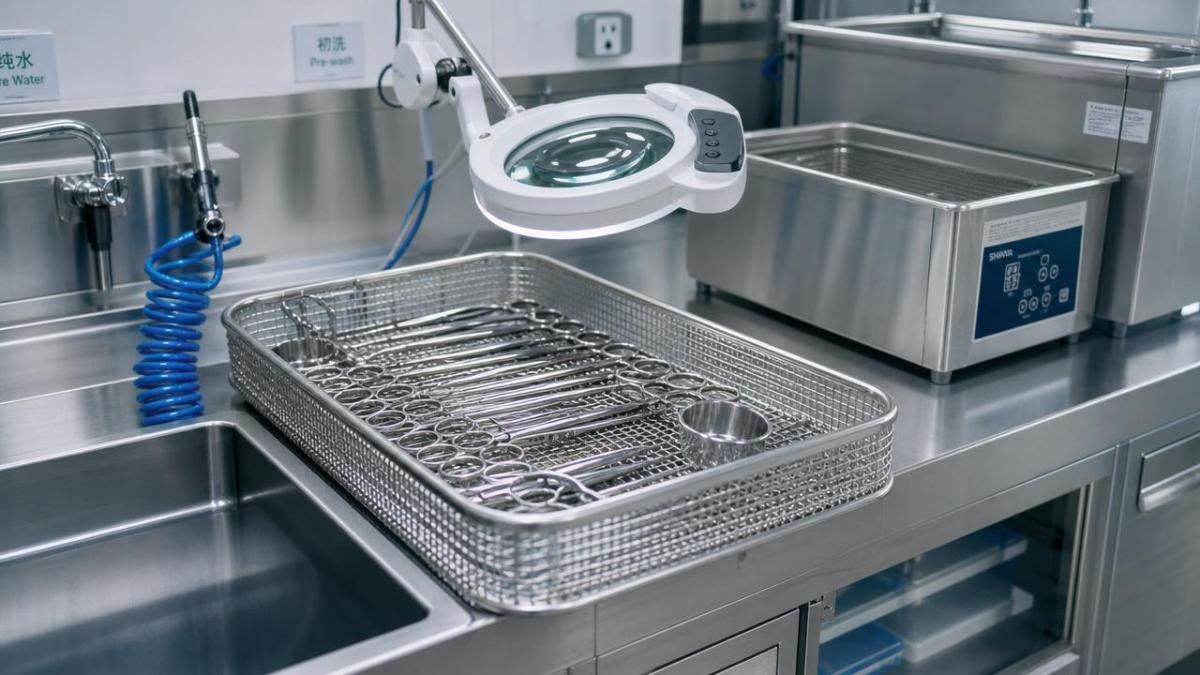
Sterilization depends on direct contact between the sterilant and the instrument surface. If organic soil, salts, lubricants, or detergent residue remain on surgical instruments, they may shield microorganisms and reduce process lethality. Even validated sterilizers cannot compensate for poorly cleaned devices.
Quality control and safety managers should treat pre-sterilization cleaning as a validated process with defined inputs, measurable outputs, and repeatable acceptance criteria. In many facilities, the most useful control model includes 5 stages: point-of-use preparation, transport, manual cleaning, automated washing, and inspection before packaging.
The hidden risk behind “visibly clean” instruments
A surgical instrument can appear clean while retaining protein residues, hemoglobin traces, bone debris, biofilm fragments, or mineral scale. Hinged forceps, laparoscopic shafts, orthopedic reamers, cannulas, and robotic end effectors present more than 3 surface categories that require different cleaning actions.
The risk increases when surgical instruments remain soiled for 30–60 minutes before pre-treatment. Drying soil becomes harder to remove, and narrow internal channels may trap contamination that is not reached by routine brushing or spray action.
Critical contamination types before sterilization
The following table summarizes common pre-sterilization cleaning risks, their likely sources, and the control points that should be considered during routine quality audits.
The table highlights a key point: most cleaning failures are process failures, not isolated operator mistakes. Reliable reprocessing requires defined cleaning chemistry, verified mechanical action, controlled water quality, and documented inspection at multiple points.
Why this matters for controlled environments
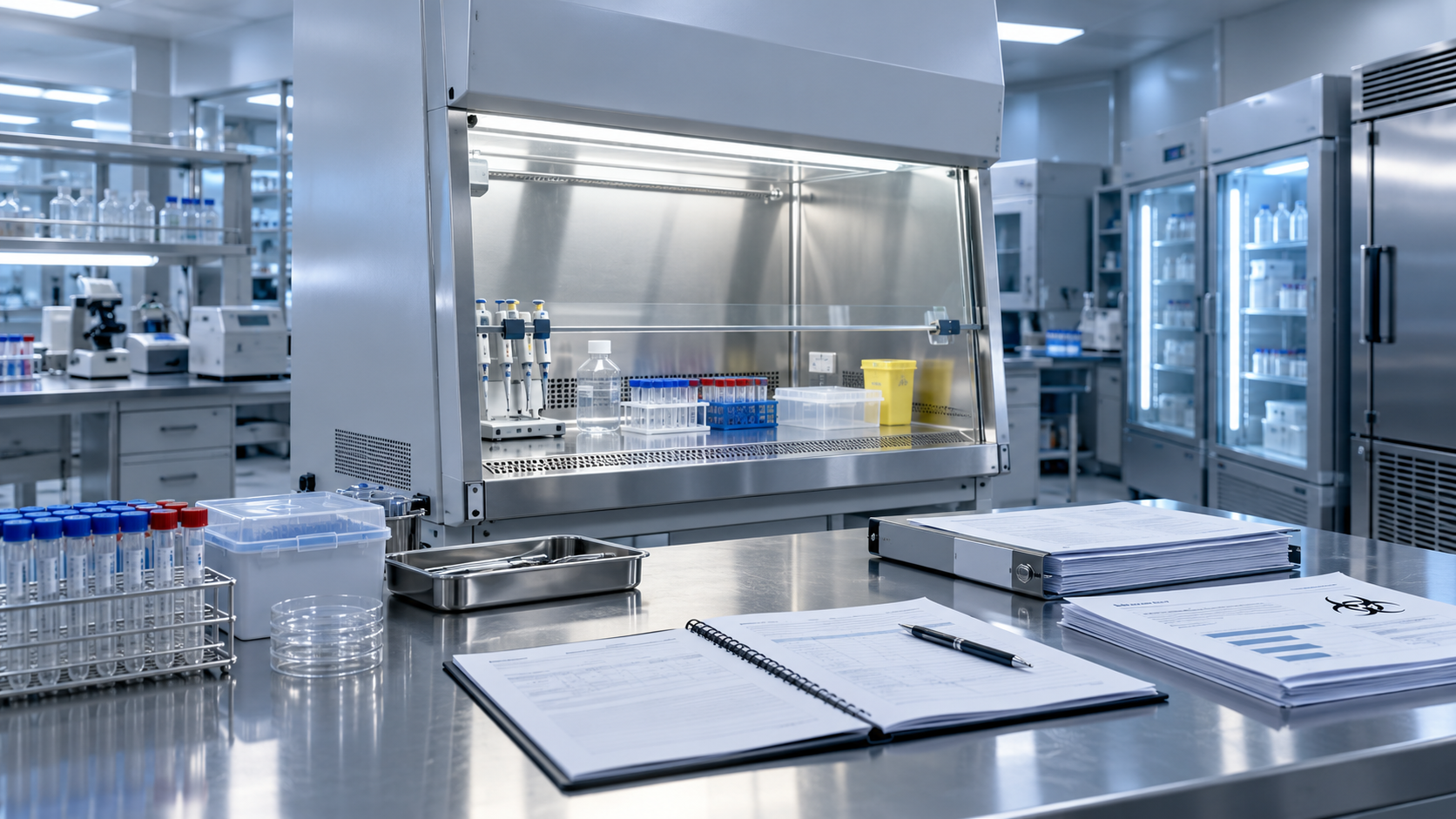
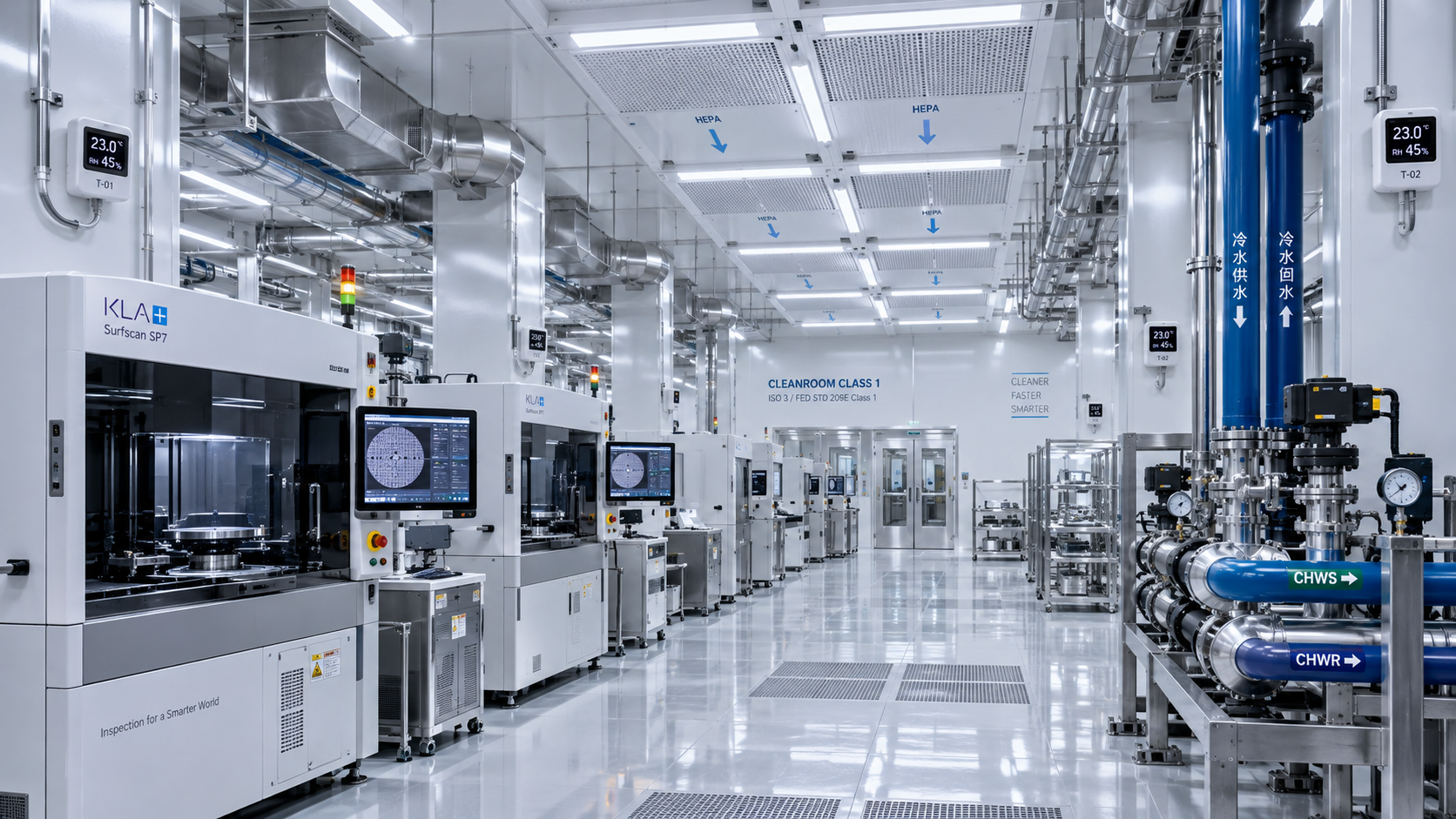
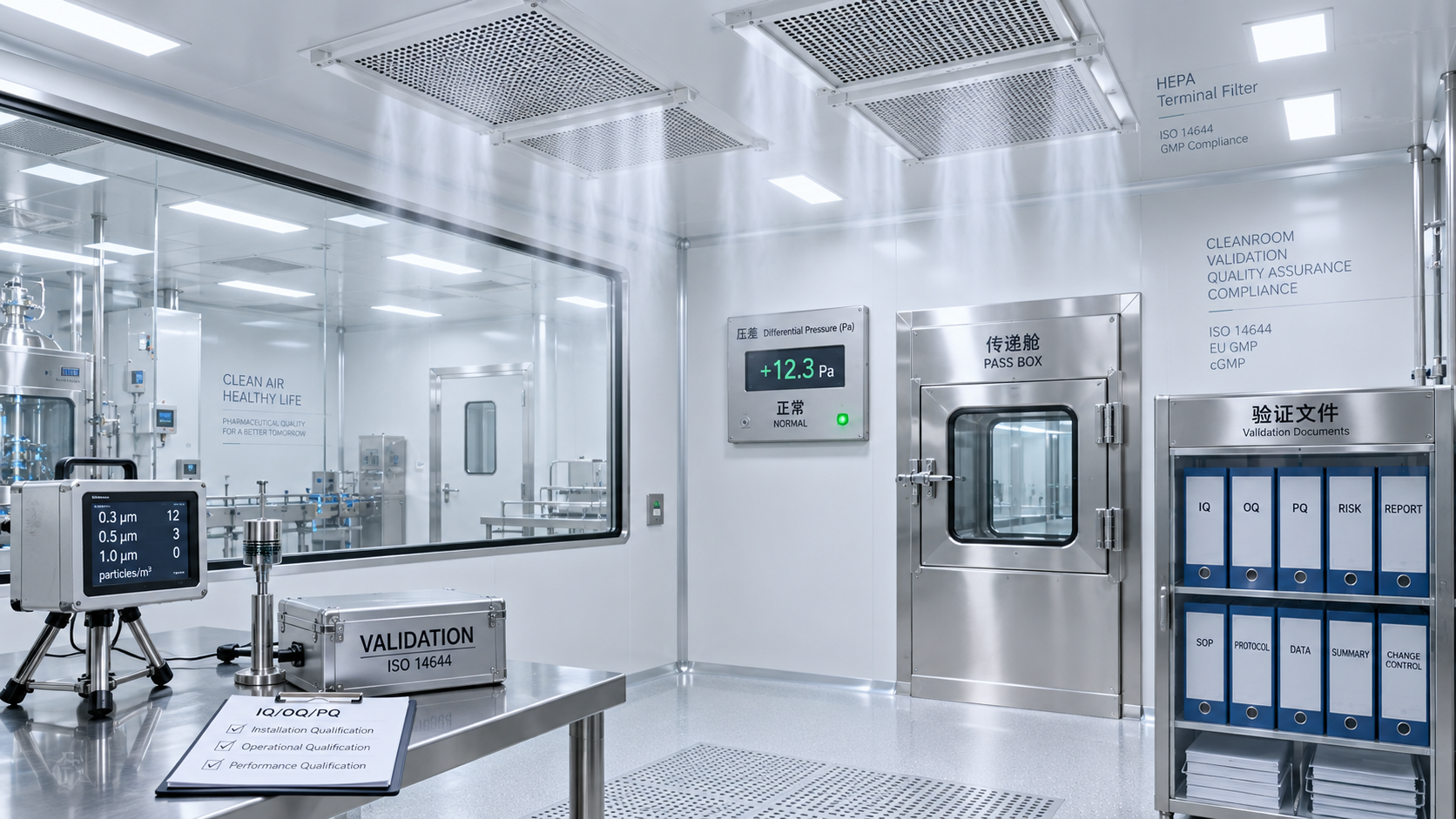
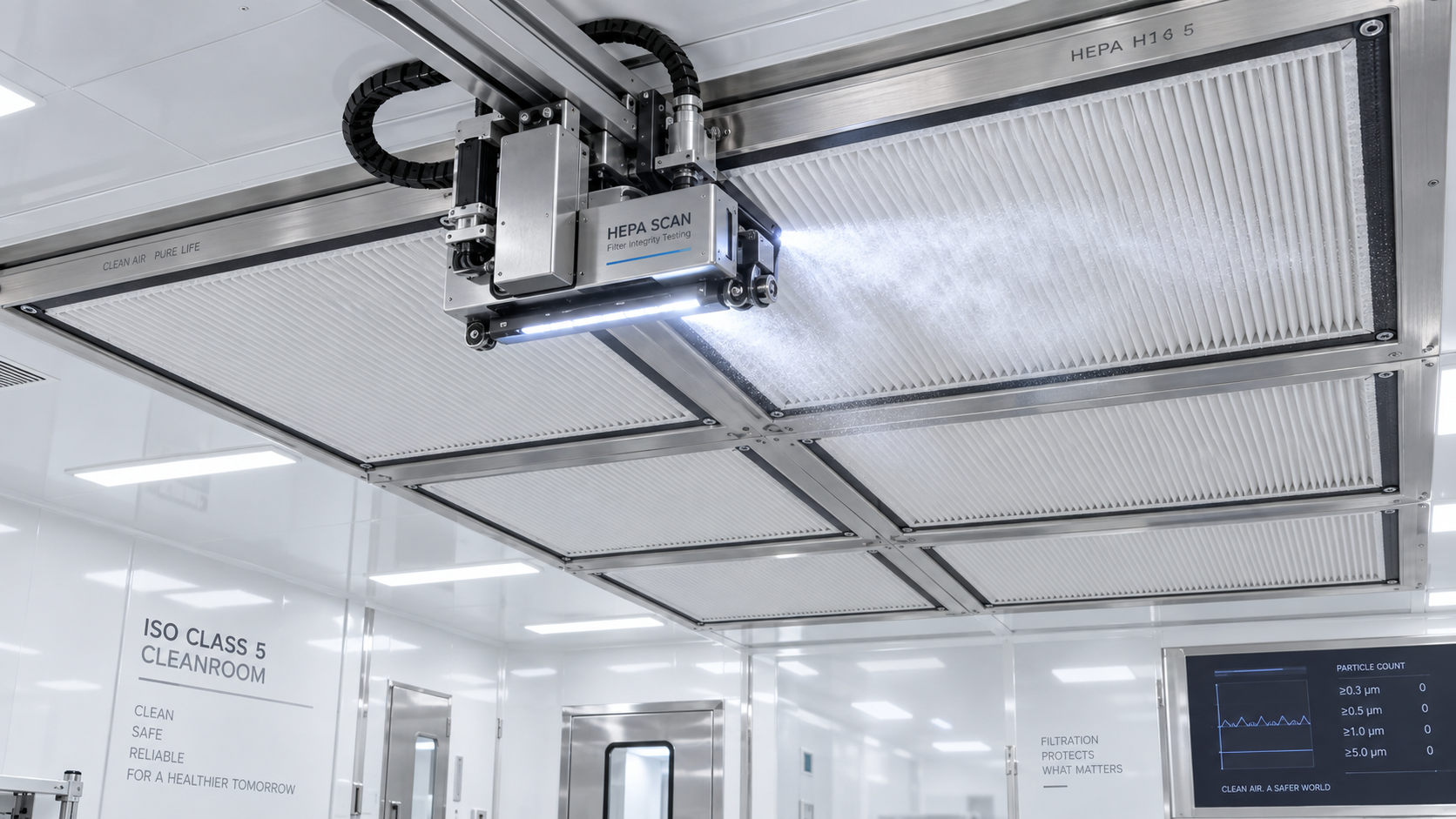
In high-performance healthcare, pharmaceutical, laboratory, and biosafety facilities, instrument cleaning intersects with environmental engineering. Airborne particles, waterborne contaminants, and temperature-sensitive chemistry can affect surgical instruments before sterilization packaging is even complete.
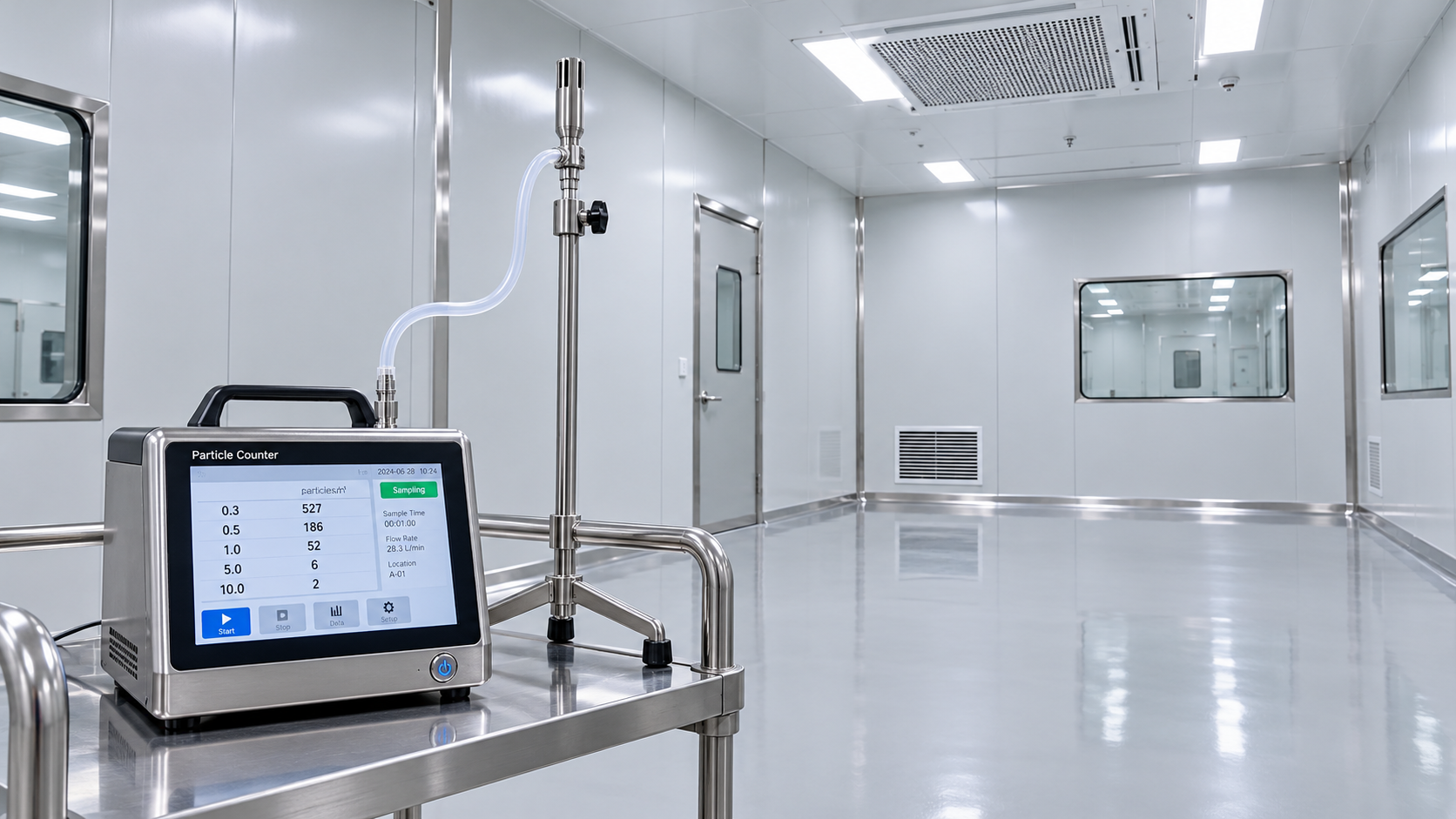
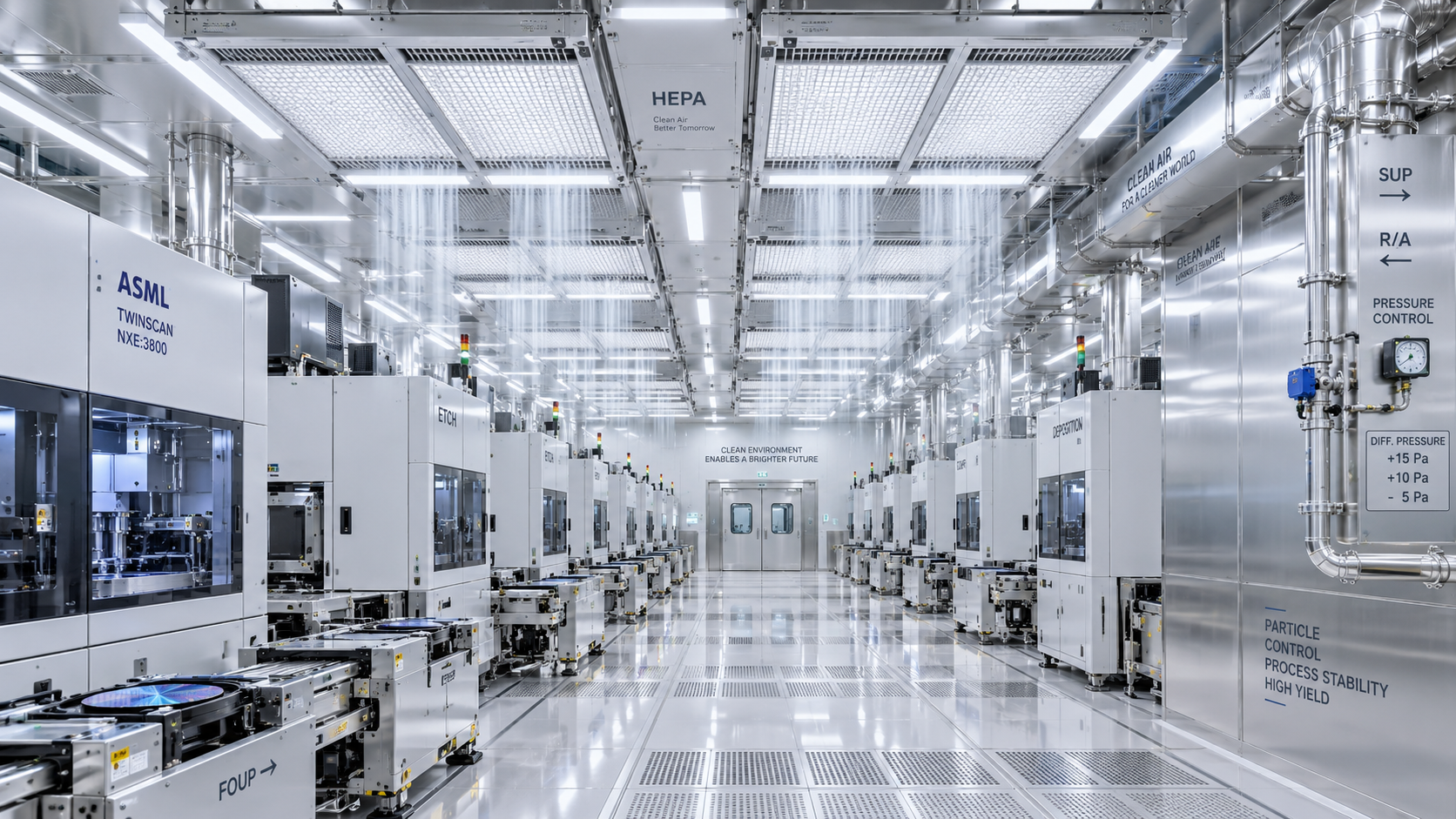
G-ICE’s contamination-control perspective is relevant because the same disciplines used in cleanrooms—segregated flows, validated utilities, particle awareness, and digital monitoring—can improve sterile processing resilience across 24-hour operational cycles.
Key Cleaning Vulnerabilities in Surgical Instruments
The highest-risk surgical instruments are not always the largest or most expensive. Complexity, surface geometry, material sensitivity, and reprocessing turnaround time often matter more. A simple clamp may be easier to control than a 2 mm lumen with multiple internal bends.
Quality teams should classify instruments into at least 3 risk levels: standard solid instruments, hinged or serrated instruments, and complex devices with lumens, insulation, motors, optics, or detachable micro-components.
1. Lumens, joints, and inaccessible surfaces
Lumened surgical instruments require controlled flushing, correctly sized brushes, and repeatable flow verification. If a lumen brush is too small by even 1 size category, it may fail to contact the internal wall effectively.
Hinges and box locks need full articulation during cleaning. Instruments left closed during washing can retain debris at friction points, where sterilant penetration is also more difficult during the final cycle.
- Use device-specific instructions for use before defining brushes, adapters, and exposure times.
- Separate delicate microsurgical instruments from heavy orthopedic tools to reduce damage and soil transfer.
- Inspect insulation on electrosurgical devices under magnification where practical.
- Record deviations when manual pre-cleaning exceeds the approved hold time.
2. Water quality and mineral contamination
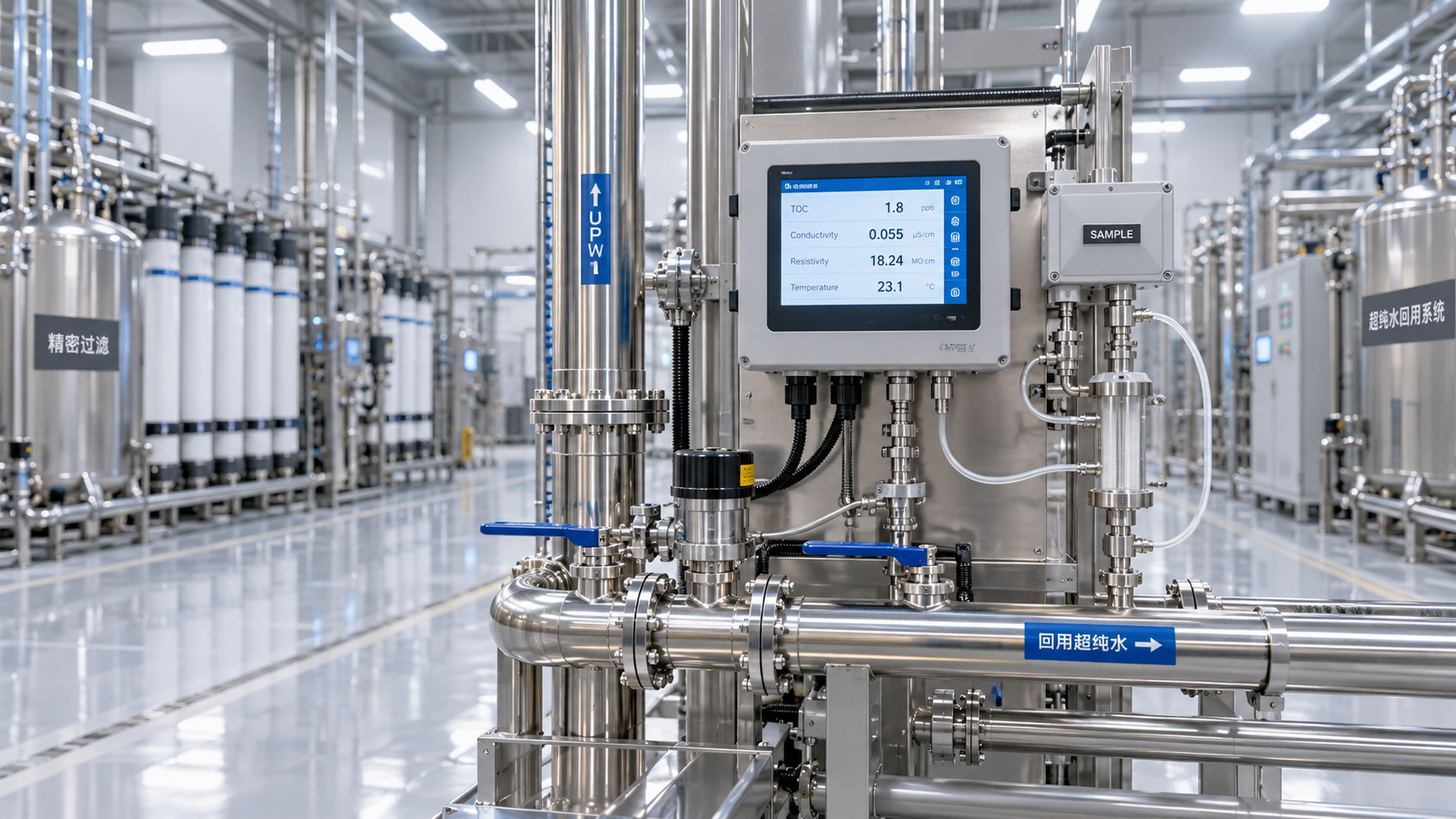
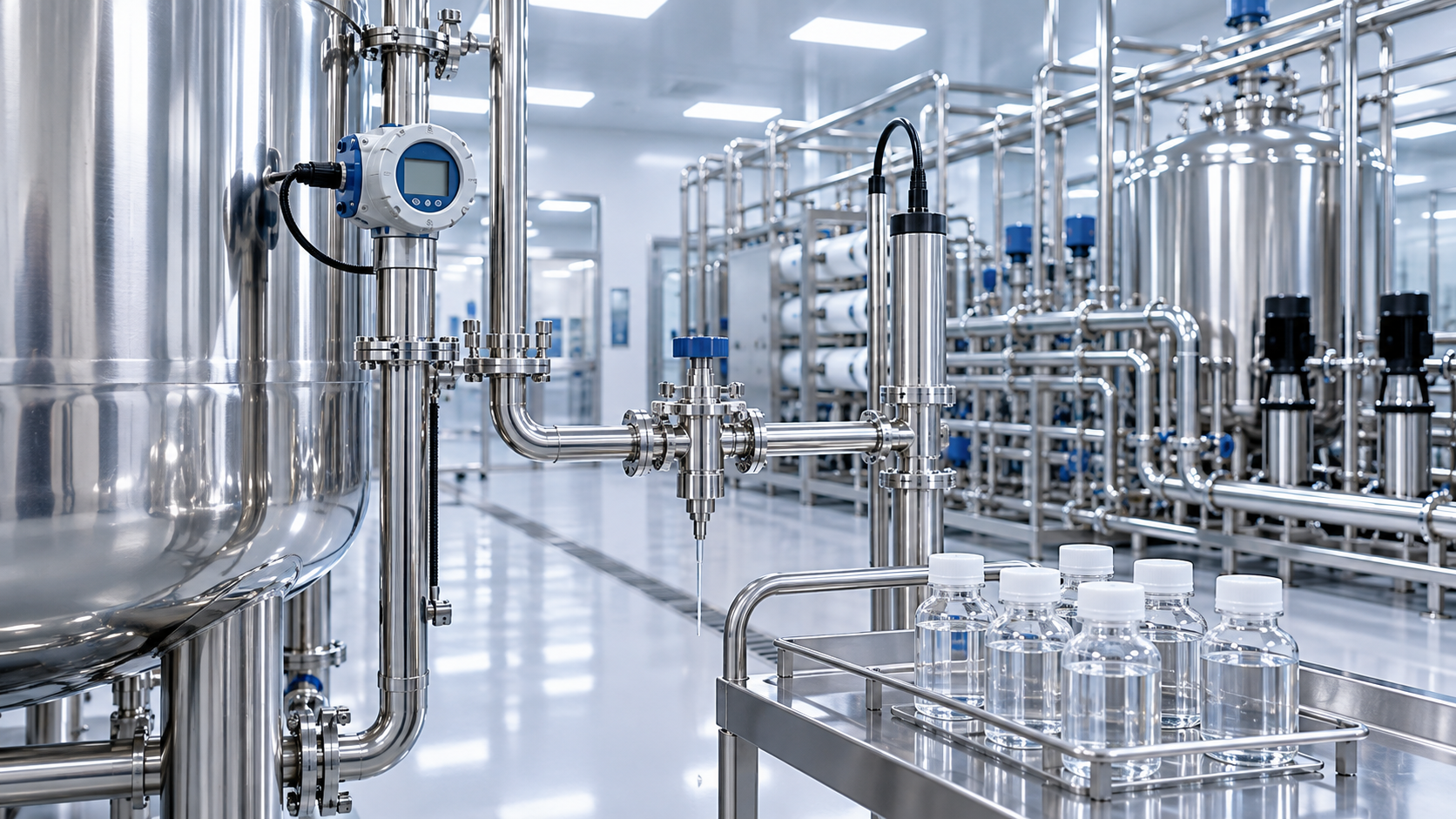
Water is a process chemical. Poor water quality can leave scale, corrosion-promoting residues, or nonvolatile contaminants on surgical instruments. Final rinse water often requires tighter control than utility wash water.
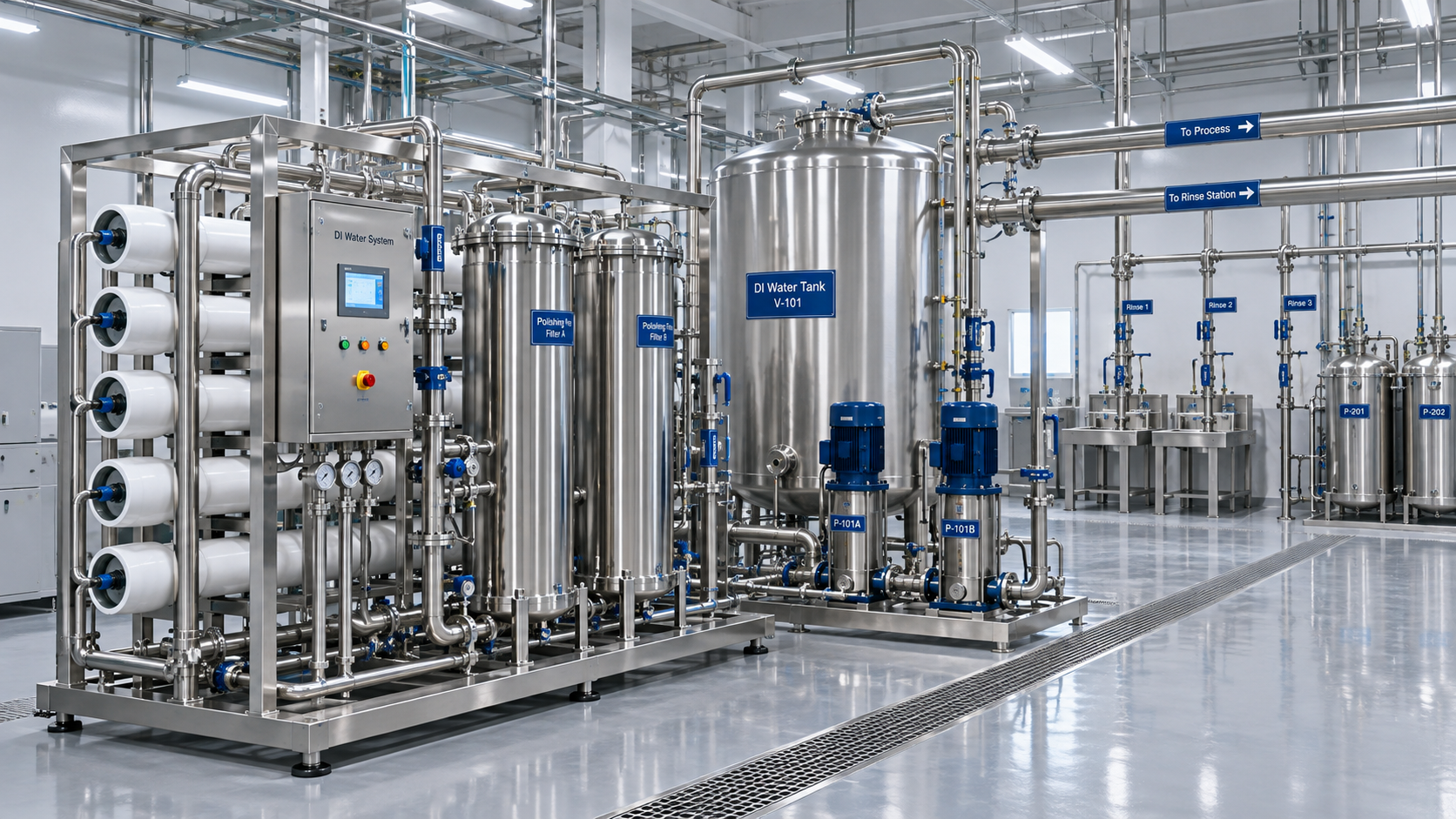
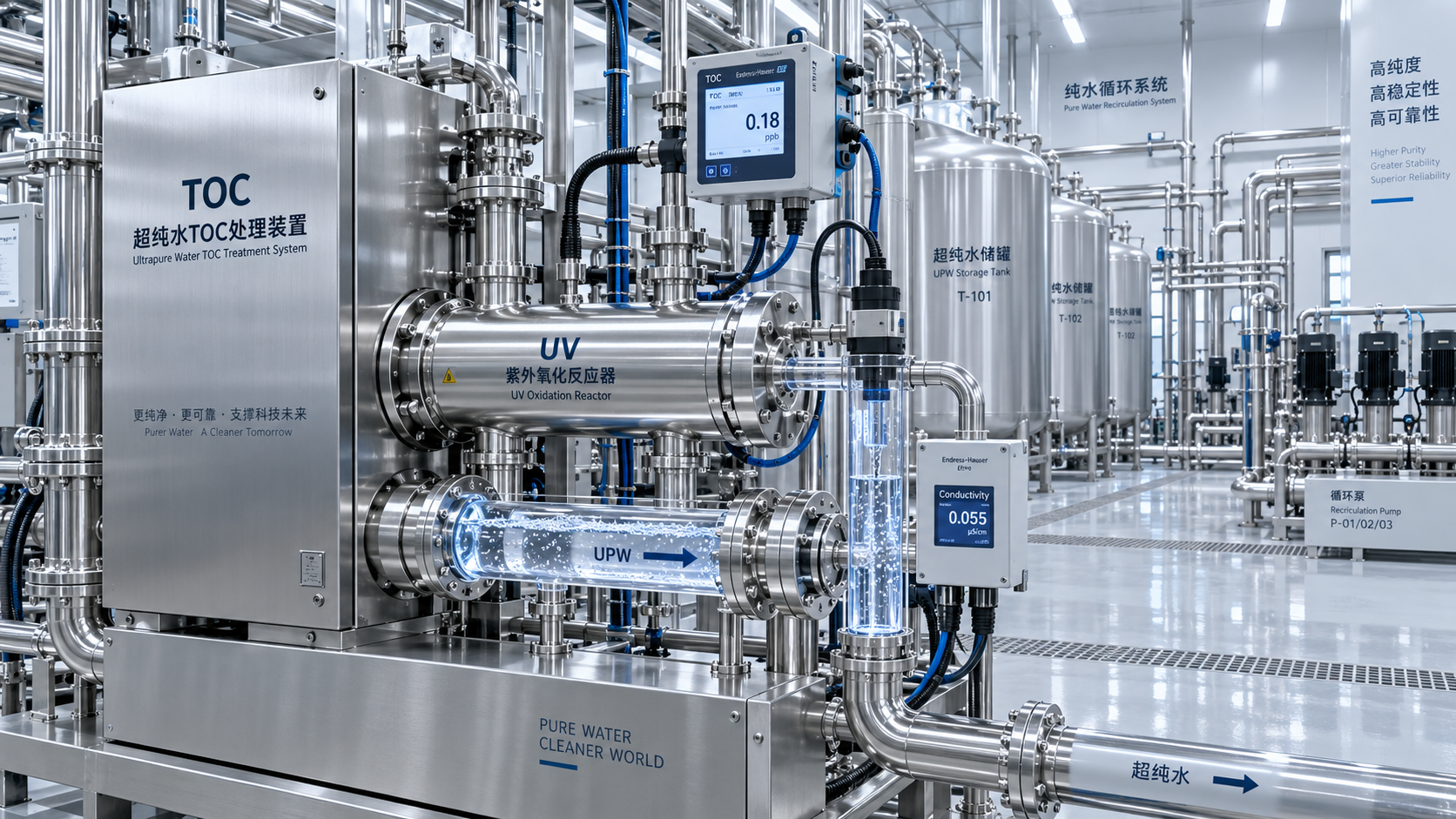
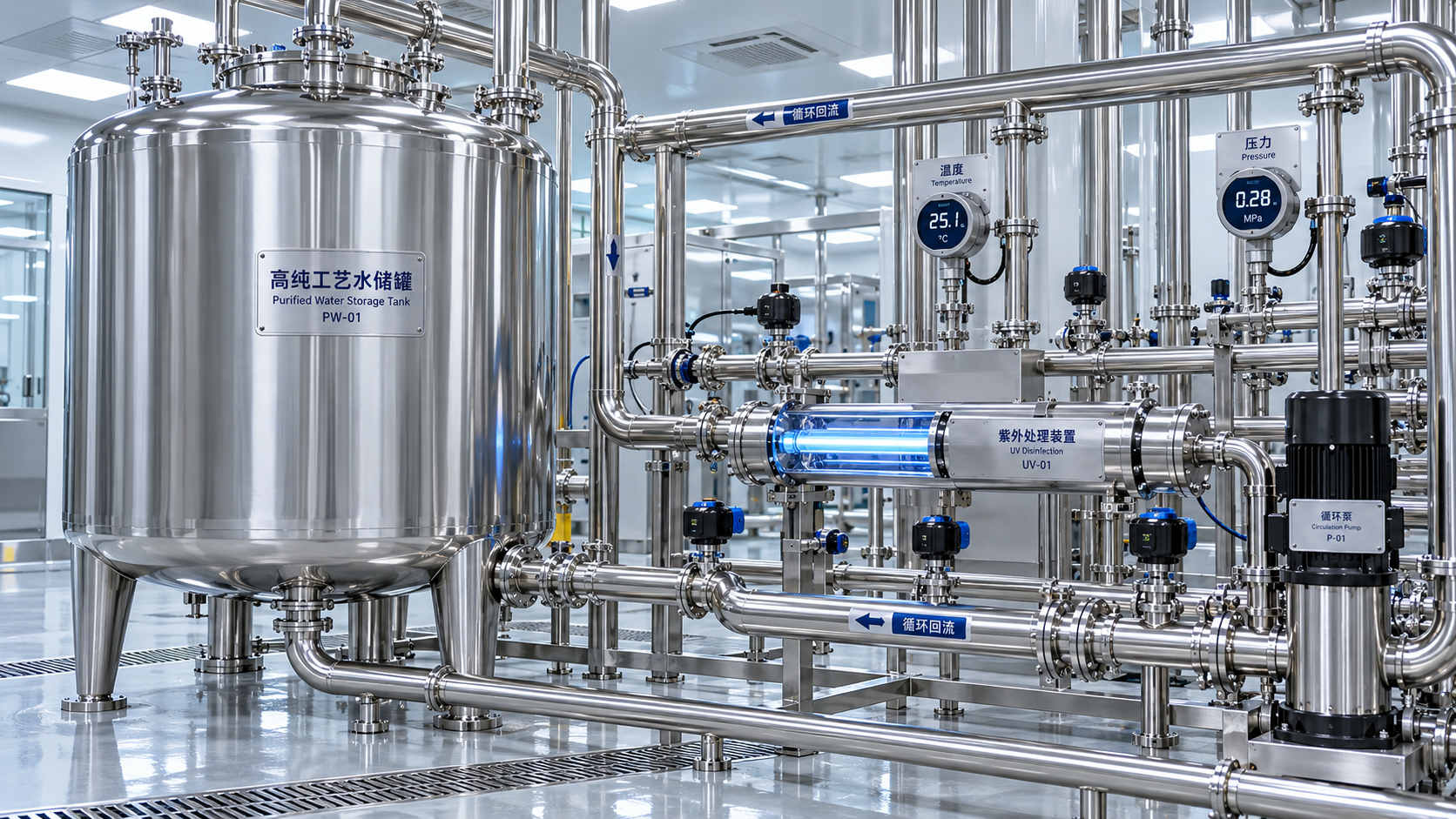
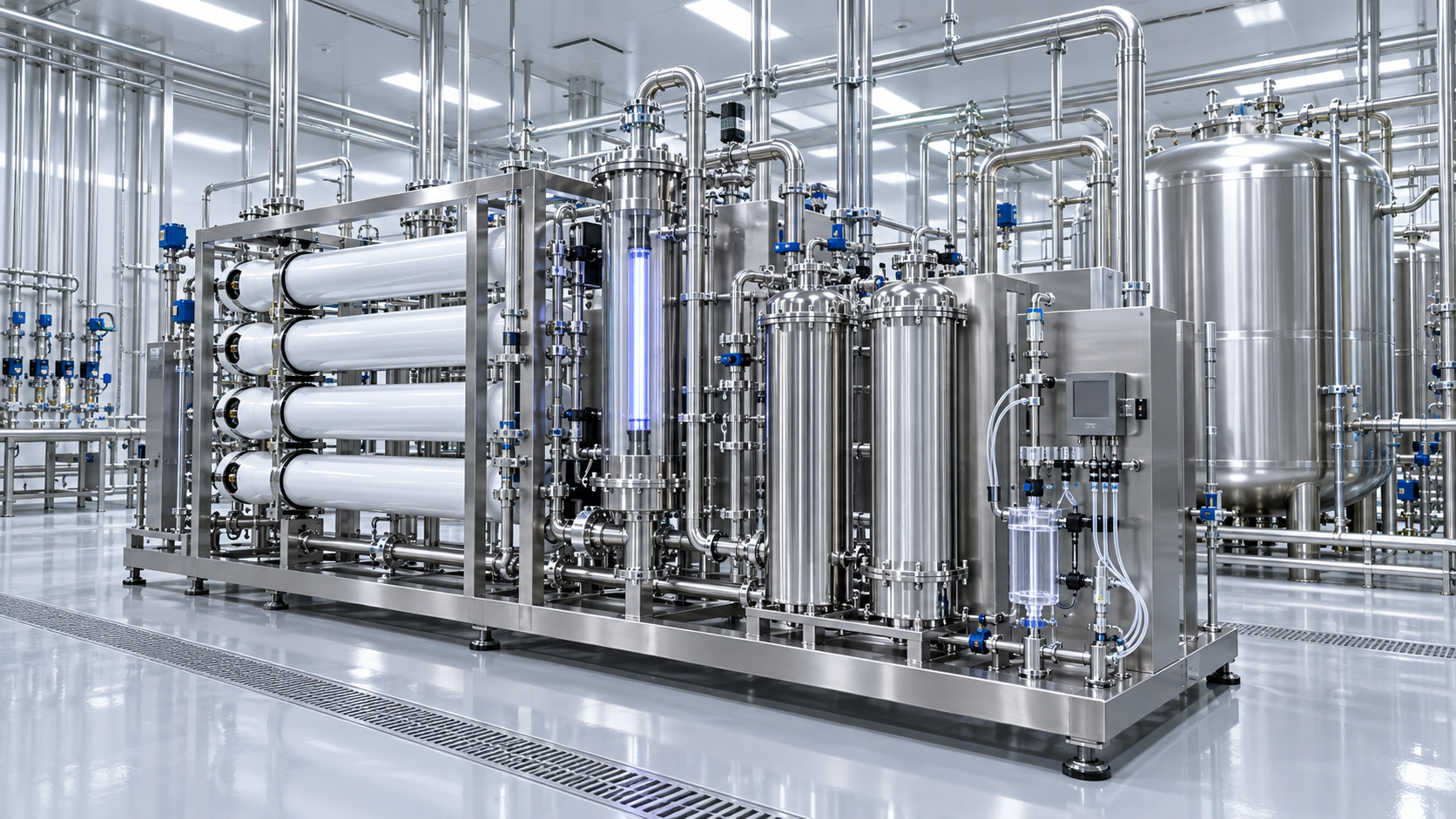
Facilities commonly manage water through filtration, softening, reverse osmosis, deionization, or ultra-pure water polishing, depending on risk level. For critical applications, conductivity, microbial load, and total organic carbon may be trended rather than checked only during annual validation.
3. Detergent selection and chemical compatibility
Enzymatic detergents, neutral cleaners, and alkaline formulations behave differently. Incorrect concentration, temperature, or contact time can reduce soil removal and may damage stainless steel, anodized aluminum, optics, adhesives, or polymer handles.
For many cleaning chemistries, process windows may include defined water temperature ranges such as 20°C–45°C for manual steps or higher ranges for automated washer phases. Deviations should be documented because enzyme performance and material compatibility are both temperature dependent.
Common handling errors
- Mixing instruments from contaminated and cleaned zones without physical separation.
- Overloading washer baskets, reducing spray exposure by 20% or more in crowded loads.
- Skipping disassembly steps to save 3–5 minutes per tray.
- Using worn brushes that no longer match lumen diameter or surface geometry.
- Allowing wet instruments to remain closed, supporting retained moisture and residue concentration.
These errors are preventable when work instructions are specific, visual standards are available at the sink, and supervisors audit behavior during high-pressure turnaround periods rather than only after nonconformities occur.
Building a Controlled Cleaning Workflow Before Sterilization
A defensible workflow for surgical instruments should combine human skill with engineered controls. The goal is not to make every step complex, but to make every critical variable visible, measurable, and repeatable across shifts.
For safety managers, the most valuable improvements often come from 6 control points: zoning, hold-time control, validated chemistry, washer performance, inspection technology, and digital recordkeeping.
Process control framework for quality teams
The following framework can help teams evaluate current cleaning operations and identify which controls require investment, retraining, or engineering redesign.
This structure helps managers move from reactive correction to preventive control. When the same defect appears in 2 or more consecutive audits, the team should investigate upstream causes rather than simply re-cleaning the affected tray.
Environmental controls that support instrument cleaning
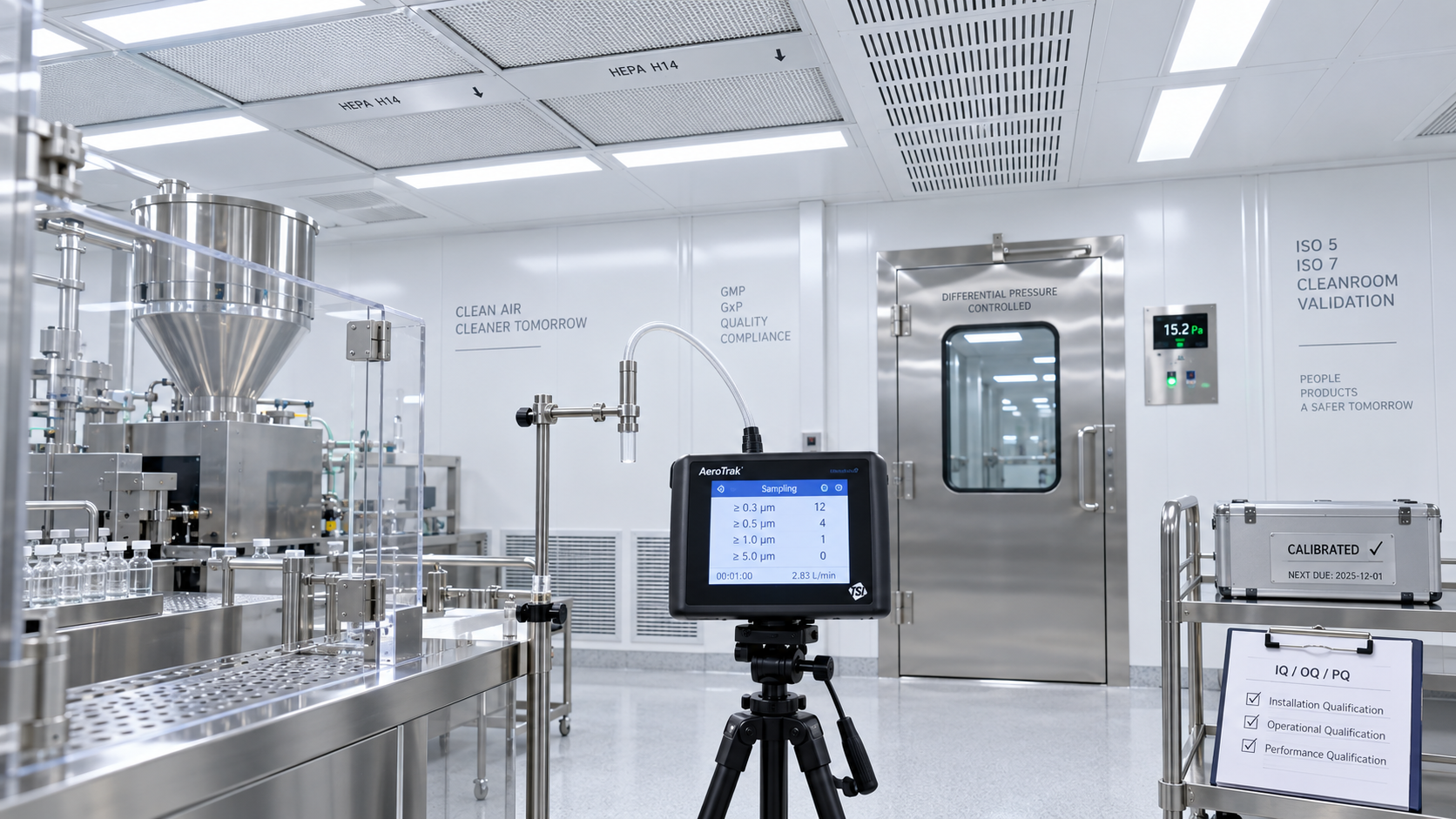
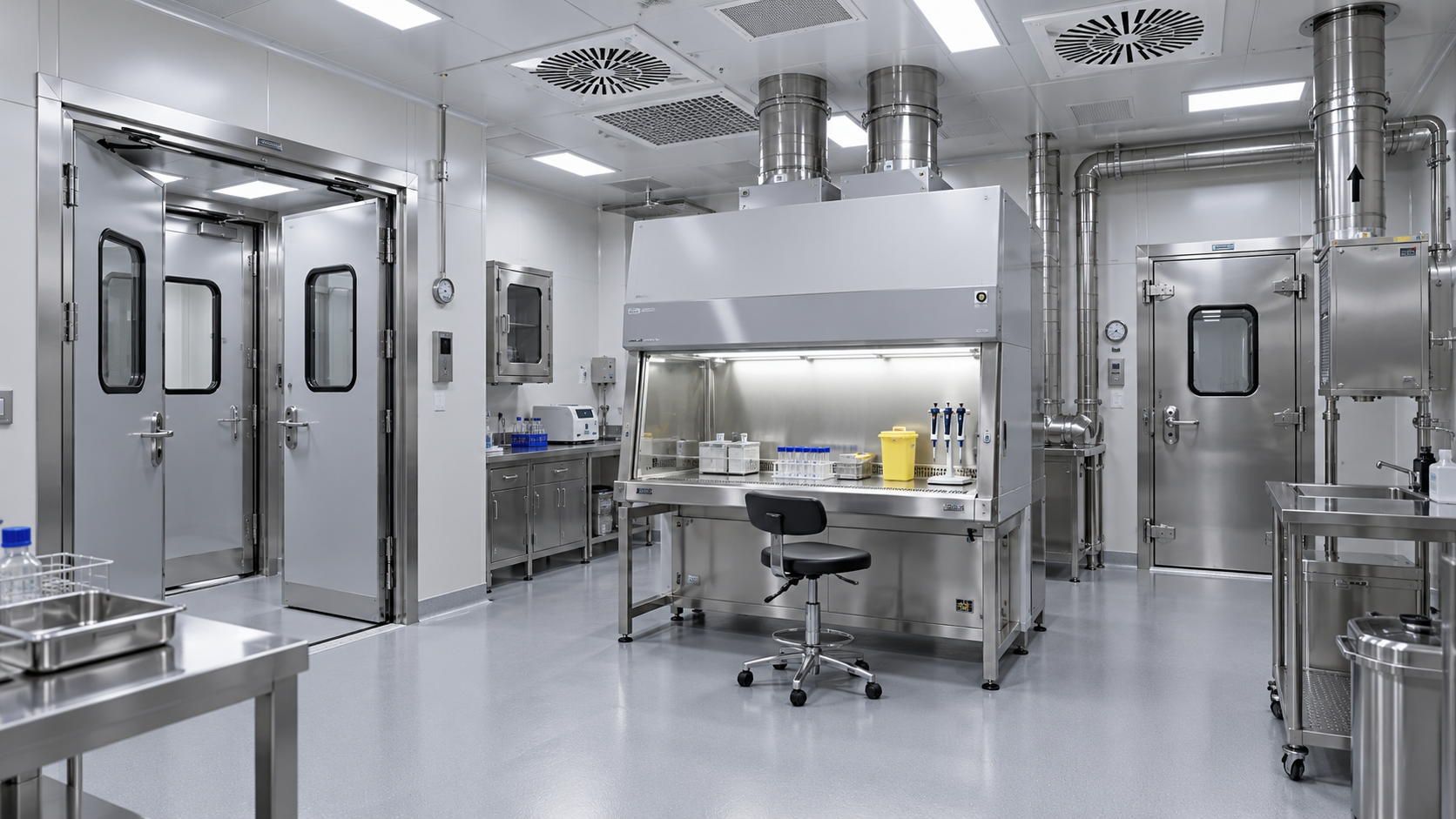
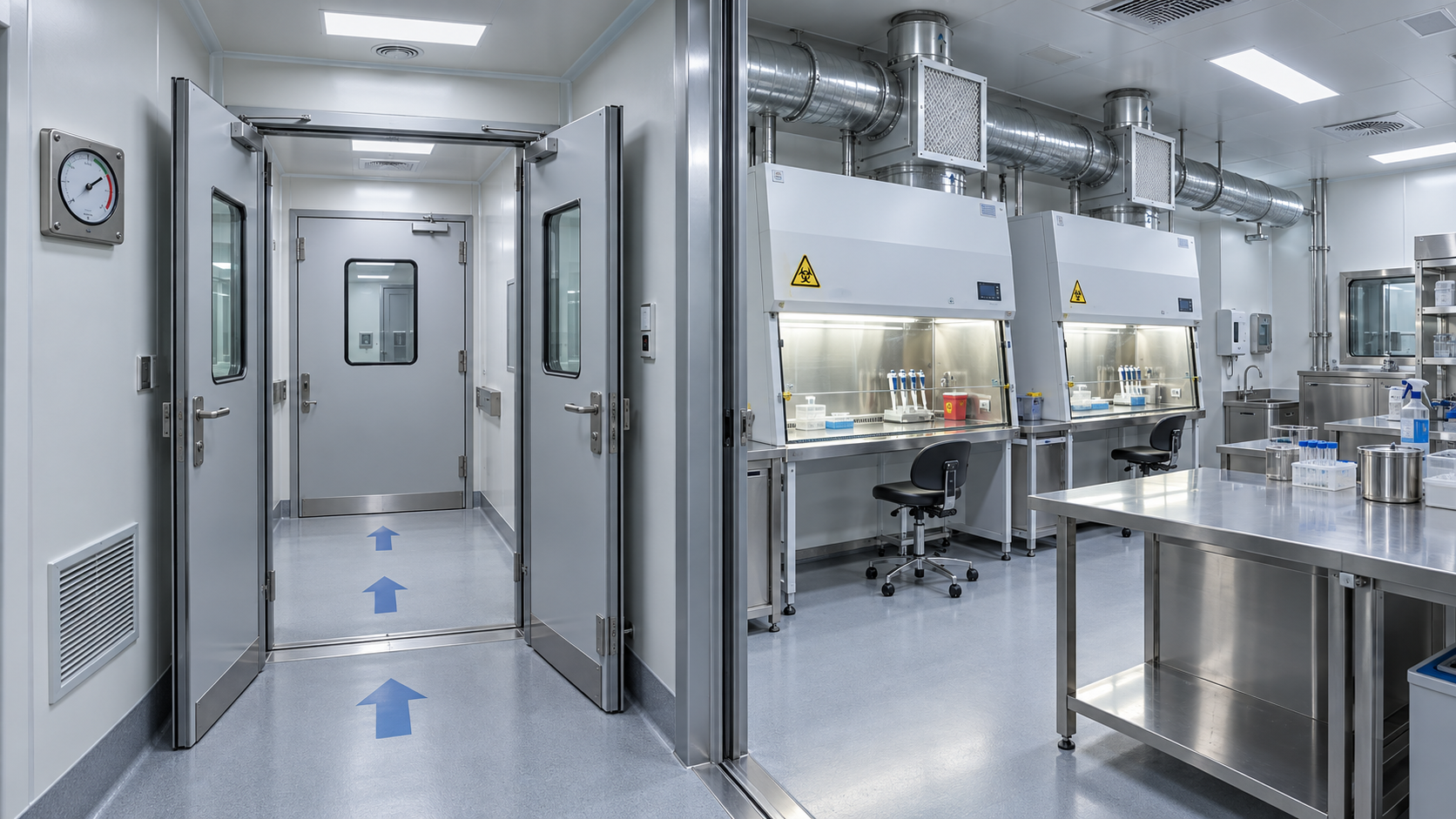
Cleaning rooms should maintain directional workflow from dirty to clean areas. While requirements vary by facility type, pressure relationships, air changes, humidity, and temperature all influence staff comfort, drying performance, and contamination migration.
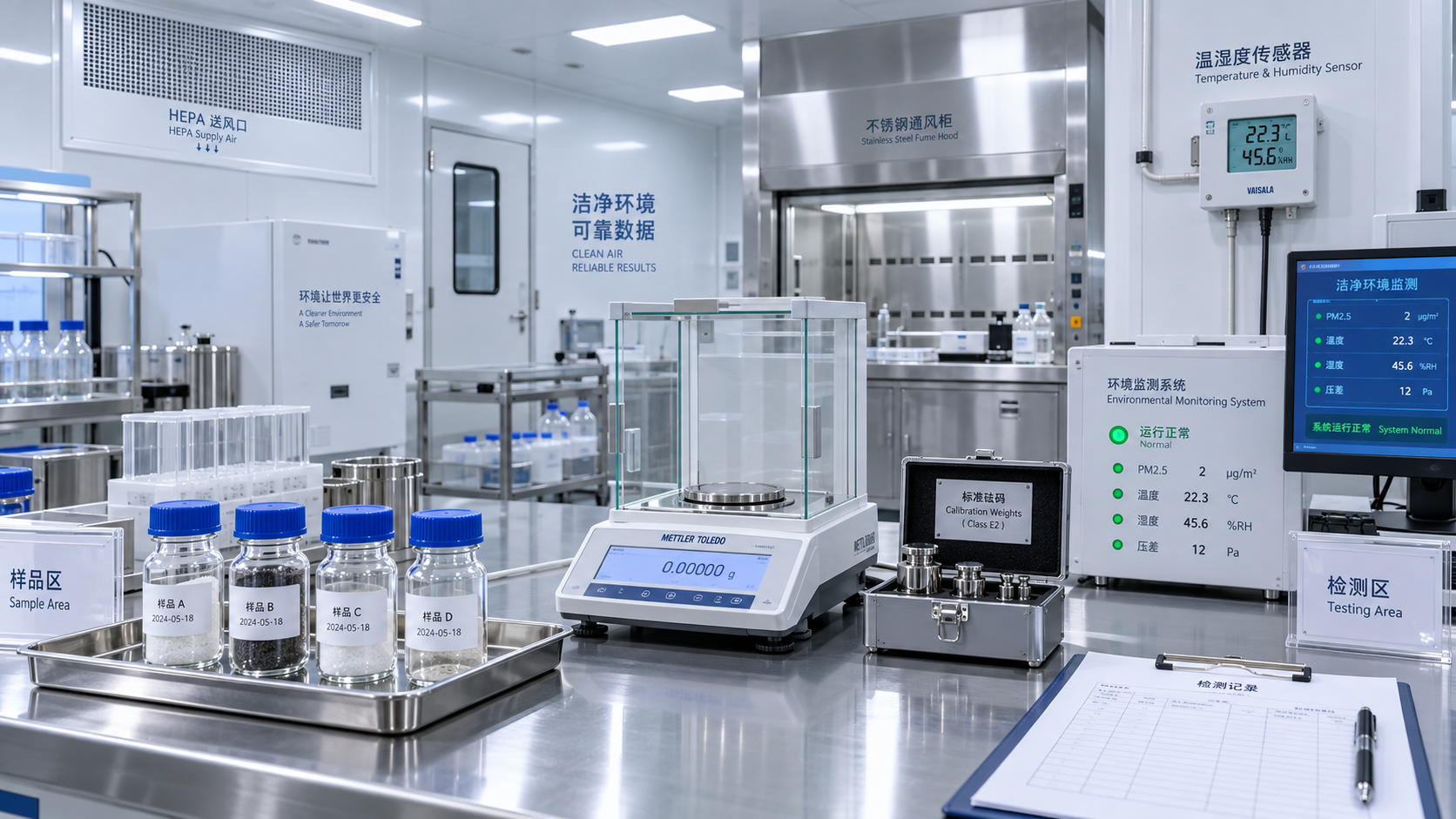
In integrated healthcare and laboratory campuses, environmental monitoring can include differential pressure, temperature stability within defined ranges, water system conductivity, and alarm response within 15–30 minutes for critical utilities.
Digital traceability and audit readiness
A paper checklist may document completion, but digital monitoring can reveal patterns. Repeated washer alarms, recurring residue failures, skipped disassembly notes, or instrument damage trends can be analyzed over 30, 60, or 90 days.
For quality teams, useful dashboards do not need excessive complexity. They should show overdue maintenance, failed inspection categories, water quality excursions, re-clean rates, and the surgical instruments most often linked to nonconforming events.
Procurement and Facility Decisions That Reduce Cleaning Risk
Pre-sterilization performance is strongly influenced by procurement decisions. When facilities buy surgical instruments, washer-disinfectors, ultrasonic cleaners, sinks, drying cabinets, or water treatment systems separately, compatibility gaps can appear later.
A better approach is to assess the whole reprocessing ecosystem. This includes device complexity, load volume, water quality, staff capacity, floor layout, preventive maintenance, and the expected lifespan of equipment, often 7–10 years for major infrastructure.
What to evaluate before selecting cleaning systems
The following procurement checklist supports safer decisions for sterile processing departments, biosafety facilities, and high-control healthcare environments.
- Instrument mix: percentage of lumened, delicate, powered, or robotic surgical instruments.
- Throughput: expected tray volume per shift and peak-hour load demand.
- Water treatment: need for softened, RO, deionized, or ultra-pure final rinse water.
- Validation support: availability of cycle data, alarm history, and maintenance records.
- Ergonomics: sink height, lighting level, splash control, and staff movement distance.
- Service model: preventive maintenance intervals, spare parts availability, and response time.
Aligning with standards and internal governance
Healthcare reprocessing must align with applicable device instructions, national guidance, and local regulatory expectations. For broader controlled-environment governance, concepts from ISO 14644, ASHRAE design practice, and contamination-control engineering can strengthen facility-level risk management.
G-ICE supports this integrated view by connecting cleanroom systems, precision HVAC, ultra-pure water, biosafety containment, and smart monitoring. For teams managing surgical instruments, that means cleaning risk can be evaluated as both a clinical process and an environmental-control challenge.
Maintenance expectations for reliable operation
Washer spray arms, detergent pumps, ultrasonic transducers, filters, drains, gaskets, and sensors need scheduled checks. Typical programs include daily user checks, weekly functional inspections, monthly preventive tasks, and annual requalification or performance review.
Maintenance should never be treated as a back-office activity. If a dosing pump drifts, a rinse filter loads with particles, or a drying cabinet underperforms, surgical instruments may pass through the workflow with contamination that is difficult to detect visually.
Common Questions from Quality and Safety Managers
Many cleaning failures repeat because the same practical questions are not resolved in standard operating procedures. Clear answers help supervisors train staff, defend decisions during audits, and reduce inconsistent handling across departments.
How often should residue testing be performed?
Frequency should reflect risk. High-complexity surgical instruments, new workflows, and trays with recent failures may require daily or per-shift checks. Stable low-risk sets may be sampled on a routine schedule, provided trend data remains acceptable.
Can automated washing replace manual cleaning?
Not for all devices. Automated washing provides repeatable mechanical action, but many surgical instruments require manual brushing, flushing, disassembly, or articulation before washer loading. Device instructions should define the minimum accepted process.
What signals indicate a water quality problem?
Repeated spotting, discoloration, corrosion, unusual residue after drying, clogged spray devices, or inconsistent rinse results may indicate water-related problems. A 2-step response should include instrument inspection and utility-system review.
When should cleaning workflows be revalidated?
Revalidation should be considered after introducing new surgical instruments, changing detergent chemistry, modifying washer cycles, altering water treatment, relocating equipment, or identifying repeated nonconformities within a defined audit period.
The most resilient sterile processing programs treat pre-sterilization cleaning as a controlled system, not a checklist. Surgical instruments must be protected from hidden residues, waterborne impurities, handling variation, and environmental contamination before any sterilization claim can be trusted.
For quality control and safety managers, the path forward is practical: classify instrument risk, define measurable process controls, monitor utilities, train staff against device-specific procedures, and use data to correct trends before they become patient-safety events.
G-ICE helps organizations evaluate contamination-control infrastructure, precision environmental systems, ultra-pure water strategy, biosafety workflows, and smart monitoring requirements. To strengthen the cleaning reliability of surgical instruments before sterilization, contact us to discuss a tailored assessment or learn more about integrated environmental-control solutions.
Get weekly intelligence in your inbox.
No noise. No sponsored content. Pure intelligence.
 Oct 21, 2026How often is cleanroom certification required under ISO 14644-2?Cleanroom Certification is generally recommended annually under ISO 14644-2. Learn when risk-based extensions apply and which changes trigger earlier testing to plan with confidence.
 Oct 21, 2026FASEB Comments on NIH Draft Policy for Research Involving BiohazardsFASEB comments on NIH’s draft biohazard research policy call for risk-based biosafety oversight. Explore potential implications for laboratories, suppliers, and compliance teams.
 Oct 20, 2026How to disinfect ultrasound machines without damaging surfacesLearn how to disinfect ultrasoundmachines without surface damage. Explore compatible products, wet contact times, and probe care to protect patients and equipment.
 Oct 20, 2026Ultrapure Water in Semiconductor Manufacturing: Reuse and Quality Control InsightsExplore ultrapure water reuse in semiconductor manufacturing, key UPW quality benchmarks and analytical insights to help evaluate suppliers and protect process purity.
 Oct 19, 2026How cooling affects warpage in injection-molded consumer electronics housingsOptimize plastic injection molding for consumer electronics with cooling strategies to reduce housing warpage and improve assembly fit. Discover practical checks for stable, efficient production.
 Oct 18, 2026Can air leaks prevent a dehumidifier from holding its target dew point?Why can't our dehumidifier maintain the target dew point? Discover how air leaks increase moisture loads, spot hidden faults, and find practical fixes to restore reliable dew-point control.
 Oct 17, 2026How semiconductor process water treatment removes trace organicsSee how semiconductor process water treatment removes trace organics with RO, UV oxidation, and polishing. Learn how TOC monitoring helps verify purity and pinpoint contamination.
 Oct 16, 2026How to choose ultra pure water piping materials to limit leachingChoose ultra pure water piping with confidence. Compare PVDF, PFA, and stainless steel, assess leaching risks, and learn how to qualify your system for reliable purity.
 Oct 15, 2026How to size a skid-mounted deionized water system for peak demandCompare deionized water systems skid configurations for peak demand. Learn how to balance production, storage, and pump capacity to prevent shortages and avoid costly oversizing.
 Oct 14, 2026When is collaborative laboratory robotics suitable for sample sorting?Explore when collaborative laboratory robotics suits sample sorting. Discover key checks for safety, traceability, container compatibility, and throughput before choosing your solution.
 Oct 13, 2026How sandwich panel joints affect airtightness in cleanroom systemsCleanroom Systems sandwich panels need reliable joints for airtightness. Discover how gaskets, sealants, and testing help reduce leakage and protect cleanroom pressure control.
 Oct 12, 2026How to verify USP compliance for ultra pure water systemsUltra Pure Water Systems USP compliance: learn how to verify water quality, sampling, sanitization, trends, and validation controls at every point of use.
 Oct 11, 2026How tight temperature control prevents cleanroom process driftCleanroom process temperature control systems prevent costly drift by stabilizing critical conditions, improving repeatability, and protecting sensitive production workflows.
 Oct 10, 2026When does organic contaminant removal require TOC treatment?Organic contaminant removal requires TOC treatment when dissolved organics threaten product quality, equipment reliability, or process control. Learn how to assess risks and choose the right solution.
 Oct 08, 2026What affects lead times for sheet metal bending services in Canada?Sheet metal bending services Canada: discover how material supply, tooling, tolerances, finishing, documentation, and freight affect lead times for reliable project delivery.
 Oct 07, 2026How HVAC design for semiconductor fabs prevents airborne contaminationHVAC design for semiconductor fabs prevents airborne contamination through advanced filtration, pressure cascades, airflow control, and real-time monitoring. Explore key strategies for cleaner, more reliable wafer production.
 Oct 06, 2026How photovoltaic modules waterproof technology prevents moisture damagephotovoltaic modules waterproof technology prevents moisture damage with durable seals, drainage, and junction-box protection. Explore practical selection and testing insights.
 Oct 05, 2026How ISO 14644 Europe requirements affect cleanroom qualificationISO 14644 Europe requirements shape cleanroom qualification, from particle classification and recovery testing to monitoring, GMP alignment, and change control.
 Oct 04, 2026How to assess a pharmaceutical cleanroom solutions supplier’s ISO capabilityPharmaceutical Cleanroom Solutions supplier assessment guide: evaluate ISO 14644 capability, validation evidence, airflow design, documentation, and long-term GMP readiness.
 Oct 03, 2026What EU standards govern the design of BSL-3 laboratories in Europe?BSL-3 laboratories Europe: explore EU directives, EN standards, HVAC containment, commissioning, and practical design strategies for compliant, resilient high-containment facilities.
 Oct 02, 2026How EN 1822 defines HEPA filtration efficiency for cleanroomsHEPA filtration EN 1822 explained: learn how MPPS testing, local leakage limits, and filter classes support reliable cleanroom decisions.
 Oct 01, 2026How pharmaceutical process water systems control microbial riskProcess water systems pharmaceutical teams rely on can control microbial risk through hygienic design, monitoring, and validated sanitization. Explore practical compliance strategies.
 Sep 30, 2026When does a negative pressure laboratory need BSL-3 containment?Negative pressure laboratory or BSL-3? Discover the risk factors, engineering controls, and containment requirements needed for safe, compliant laboratory planning.
 Sep 29, 2026How to evaluate a TOC-zero water treatment supplier for UPW systemsChoose a TOC-zero water treatment supplier with confidence. Compare UPW performance, monitoring, validation, materials, service capability, and lifecycle cost.
 Sep 28, 2026What drives sustainable cooling cost in high-precision facilities?Sustainable cooling cost in high-precision facilities depends on thermal stability, energy, water, controls, and resilience. Explore smarter lifecycle strategies.
 Sep 27, 2026How to compare freight forwarding services for time-critical shipmentsCompare freight forwarding services for time-critical shipments with practical insights on routing, customs, visibility, specialized handling, and contingency planning.
 Sep 26, 2026How environmental integrity in laboratories supports reliable test resultsEnvironmental Integrity in laboratories safeguards samples, instruments, and staff. Discover practical controls for contamination, monitoring, and reliable test results.