China Customs Enforces SEMI F57-2026 Labeling for UPW Exports
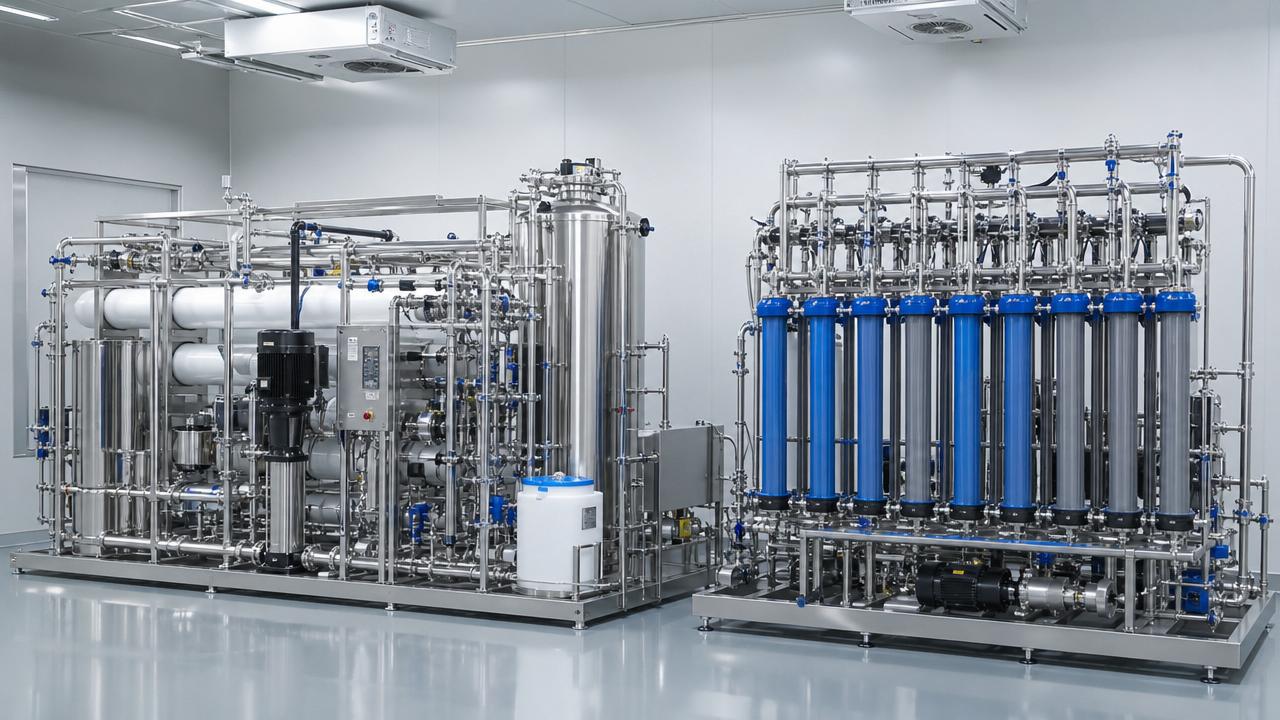
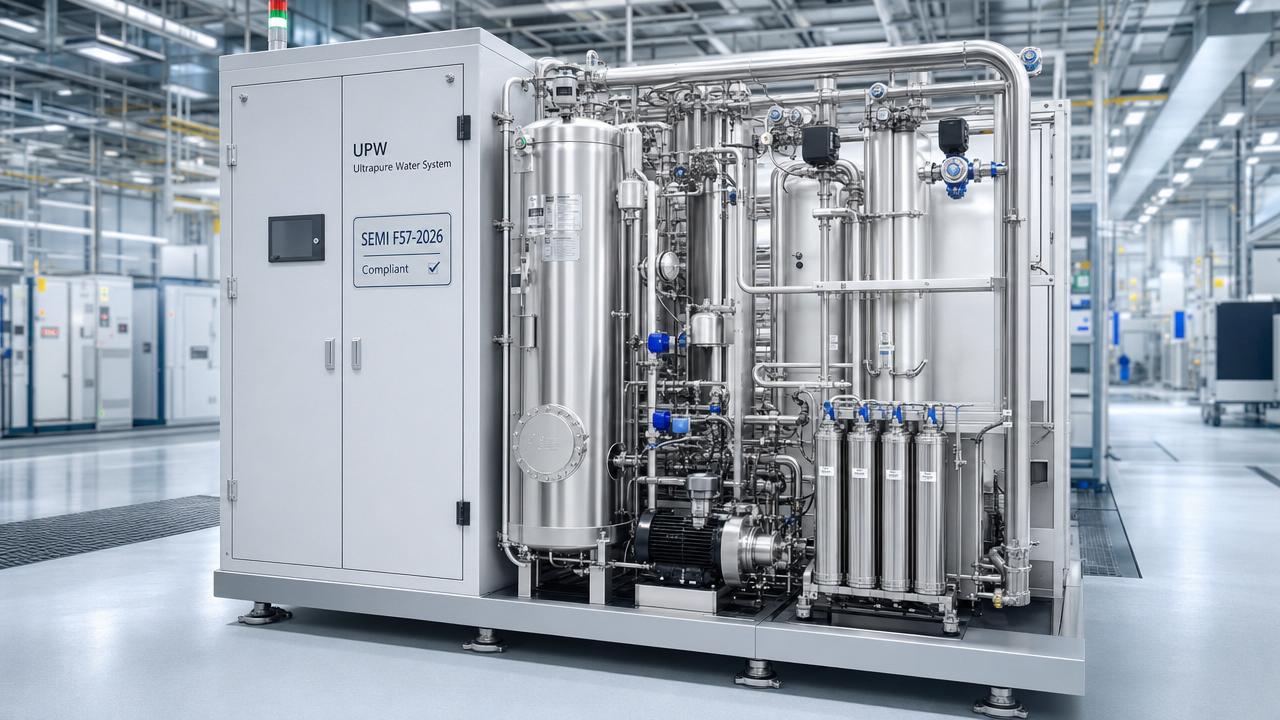
On May 9, 2026, China’s General Administration of Customs issued a notice mandating specialized compliance verification for exports of ultrapure water (UPW) systems and related equipment. Semiconductor manufacturing and biopharmaceutical firms sourcing UPW production lines, TOC removal modules, or 18.2 MΩ·cm-grade pure water systems from China must now address immediate implications for customs clearance efficiency and market access.
Event Overview
Effective May 9, 2026, China’s General Administration of Customs requires all export declarations for ultrapure water (UPW) systems and associated equipment to include a conformity statement referencing the SEMI F57-2026 standard. Exporters must also submit third-party test reports verifying compliance. This requirement applies to UPW system hardware—including TOC removal modules and 18.2 MΩ·cm-grade pure water generation units—intended for overseas markets.
Impact on Specific Industry Segments
Direct Exporters (Trade Enterprises)
These entities face direct operational impact because customs declaration now hinges on standardized labeling and verifiable documentation. Non-compliant shipments risk delays, rejections, or requests for supplementary evidence at port, increasing lead times and administrative burden.
Equipment Manufacturers (Processing & Manufacturing Firms)
Manufacturers supplying UPW systems or subsystems—including TOC abatement units or resistivity-certified purification modules—must ensure product design, testing protocols, and technical documentation align with SEMI F57-2026 prior to export. Internal quality control workflows may require revision to accommodate certification readiness.
Supply Chain Service Providers (Logistics, Compliance, Certification Agencies)
Third-party testing labs, customs brokers, and regulatory consultants will see increased demand for SEMI F57-2026 validation support. However, capacity constraints or inconsistent interpretation of the standard across labs could introduce variability in report acceptance.
End-User Procurement Teams (Semiconductor & Biopharma Firms)
Buyers relying on Chinese-sourced UPW infrastructure must now verify supplier compliance status early in procurement cycles. Delivery schedules, qualification timelines, and vendor audits may need adjustment to reflect new documentation dependencies.
What Relevant Enterprises or Practitioners Should Focus On
Monitor official implementation guidance closely
The notice confirms enforcement starting May 9, 2026, but detailed procedural instructions—such as accepted test report formats, lab accreditation criteria, or transitional arrangements—are not yet publicly available. Stakeholders should track updates from China’s General Administration of Customs and SEMI-affiliated national chapters.
Identify and prioritize affected product categories
Not all water treatment equipment falls under this requirement. The mandate explicitly covers UPW systems and components designed for semiconductor or high-purity biopharma applications—particularly those claiming 18.2 MΩ·cm resistivity or integrated TOC reduction. Firms should audit export SKUs against this scope before initiating new shipments.
Distinguish between policy signal and operational reality
Analysis shows that while the requirement is formally in effect, port-level enforcement may vary initially. Customs officers may apply phased scrutiny depending on local training, system integration, and reporting infrastructure. Early adopters should treat initial submissions as pilot cases—not assume uniform application across all entry points.
Prepare documentation and internal alignment proactively
Exporters should secure SEMI F57-2026-aligned test reports ahead of shipment; coordinate with technical, QA, and logistics teams to embed labeling and declaration fields into ERP or customs management systems; and update commercial invoices and packing lists to include the required conformity statement. Delaying these steps risks cascading delays during pre-clearance review.
Editorial Perspective / Industry Observation
Observably, this measure signals a tightening of export controls on critical process-enabling infrastructure—not raw materials or finished chips, but foundational utilities essential to advanced manufacturing. It reflects an evolving regulatory posture where standards-based traceability (rather than origin or end-use alone) becomes a gatekeeping criterion. Analysis suggests this is less a one-off compliance checkpoint and more an early indicator of broader alignment between Chinese export oversight and international semiconductor supply chain due diligence frameworks. From an industry perspective, it underscores how upstream utility systems are increasingly treated as strategic technology components—not generic industrial goods.
Conclusion
This notice marks a formal step toward integrating internationally recognized semiconductor equipment standards into China’s export control infrastructure. Its immediate significance lies not in restricting trade volume, but in raising the baseline for documentation rigor, technical transparency, and cross-border regulatory coordination. It is best understood not as a barrier per se, but as a structural recalibration—where compliance readiness for UPW exports now depends on standardized verification, not just functional performance.
Information Sources
Main source: General Administration of Customs of the People’s Republic of China (Notice issued May 9, 2026).
Note: Implementation details—including accepted testing methodologies, list of authorized laboratories, and handling of pending shipments declared before May 9—remain under observation and are not yet publicly confirmed.
Get weekly intelligence in your inbox.
No noise. No sponsored content. Pure intelligence.
![]() May 10, 2026FDA Updates BSL-3/4 Decon Systems Import GuidanceFDA updates BSL-3/4 decon systems import guidance: Full-chain BI validation & SEMI S2/S8 now required for U.S. entry — act before shipment!
May 10, 2026FDA Updates BSL-3/4 Decon Systems Import GuidanceFDA updates BSL-3/4 decon systems import guidance: Full-chain BI validation & SEMI S2/S8 now required for U.S. entry — act before shipment! May 10, 2026Red Sea Crisis Pushes Asia-Europe Cleanroom Equipment Shipping Costs Up 18%Red Sea Crisis drives 18% Asia-Europe cleanroom equipment shipping cost surge — critical impact on pharma, semiconductor & biotech supply chains. Act now.
![]() May 10, 2026Vietnam to Impose 3% Compliance Surcharge on Non-IEC 61340-5-1 ESD Equipment from June 2026IEC 61340-5-1 compliance is now critical: Vietnam imposes a 3% surcharge on non-certified ESD equipment from June 2026—act now to avoid delays & cost hikes!
May 10, 2026Vietnam to Impose 3% Compliance Surcharge on Non-IEC 61340-5-1 ESD Equipment from June 2026IEC 61340-5-1 compliance is now critical: Vietnam imposes a 3% surcharge on non-certified ESD equipment from June 2026—act now to avoid delays & cost hikes!![]() May 10, 2026New Penang Fab Boosts Demand for ISO Class 1 FFUs, China Lead Times Extend to 14 WeeksISO Class 1 FFUs in high demand amid Penang’s new fab launch—China lead times now 14 weeks. Secure stock & priority delivery before Q3 capacity locks.
May 10, 2026New Penang Fab Boosts Demand for ISO Class 1 FFUs, China Lead Times Extend to 14 WeeksISO Class 1 FFUs in high demand amid Penang’s new fab launch—China lead times now 14 weeks. Secure stock & priority delivery before Q3 capacity locks.![]() May 10, 2026SEMI Carbon Tracking Pilot Expands to 12 Countries, Adds 5 Chinese UPW/AMC FirmsSEMI Carbon Tracking pilot expands to 12 countries—5 Chinese UPW/AMC firms join real-time carbon database. Critical for semiconductor suppliers, green procurement & IDM compliance. Act now.
May 10, 2026SEMI Carbon Tracking Pilot Expands to 12 Countries, Adds 5 Chinese UPW/AMC FirmsSEMI Carbon Tracking pilot expands to 12 countries—5 Chinese UPW/AMC firms join real-time carbon database. Critical for semiconductor suppliers, green procurement & IDM compliance. Act now.![]() May 10, 2026KATS Tightens Cybersecurity Review for Bio-Barrier SystemsKC-SEC Level 4 cybersecurity certification is now mandatory for Bio-Barrier systems & Digital Twin Lab platforms entering South Korea—act before August 1, 2026.
May 10, 2026KATS Tightens Cybersecurity Review for Bio-Barrier SystemsKC-SEC Level 4 cybersecurity certification is now mandatory for Bio-Barrier systems & Digital Twin Lab platforms entering South Korea—act before August 1, 2026.![]() May 10, 2026PSA Jurong Island Port Launches IIoT Air Monitoring Smart ClearancePSA Jurong Island Port launches IIoT Air Monitoring smart clearance—cutting cleanroom equipment customs time to 43h. Key for semiconductor, pharma & ASEAN-China exporters.
May 10, 2026PSA Jurong Island Port Launches IIoT Air Monitoring Smart ClearancePSA Jurong Island Port launches IIoT Air Monitoring smart clearance—cutting cleanroom equipment customs time to 43h. Key for semiconductor, pharma & ASEAN-China exporters.![]() May 10, 2026VDE Enforces IEC 61340-4-1:2026 Dynamic Decay Test for ESD FlooringVDE enforces IEC 61340-4-1:2026 dynamic decay test for ESD flooring — now mandatory for EU exports. Ensure your flooring passes the 100-ms ≤10% voltage decay requirement before July 1, 2026.
May 10, 2026VDE Enforces IEC 61340-4-1:2026 Dynamic Decay Test for ESD FlooringVDE enforces IEC 61340-4-1:2026 dynamic decay test for ESD flooring — now mandatory for EU exports. Ensure your flooring passes the 100-ms ≤10% voltage decay requirement before July 1, 2026.![]() May 10, 2026Japan METI Expands ZLD Equipment List, TOC+Heat Recovery Systems Gain Priority Procurement StatusJapan METI prioritizes TOC+heat recovery ZLD systems in new White List—unlock faster green procurement, 8-week exports, and METI-backed tenders.
May 10, 2026Japan METI Expands ZLD Equipment List, TOC+Heat Recovery Systems Gain Priority Procurement StatusJapan METI prioritizes TOC+heat recovery ZLD systems in new White List—unlock faster green procurement, 8-week exports, and METI-backed tenders.![]() May 10, 2026China Customs Enforces SEMI F57-2026 Labeling for UPW ExportsSEMI F57-2026 labeling is now mandatory for UPW exports from China—learn how this new China Customs rule impacts semiconductor & biopharma supply chains.
May 10, 2026China Customs Enforces SEMI F57-2026 Labeling for UPW ExportsSEMI F57-2026 labeling is now mandatory for UPW exports from China—learn how this new China Customs rule impacts semiconductor & biopharma supply chains. May 09, 2026HVAC in Semiconductor Fabs: Control Points That MatterHVAC in semiconductor fabs: discover the control points that protect yield, stabilize cleanrooms, and reduce contamination risk in advanced semiconductor manufacturing.
 May 09, 2026HVAC Regulatory Compliance News That May Change DesignsHVAC regulatory compliance news now shapes refrigerants, airflow, monitoring, and validation. See how new rules may force redesigns in cleanrooms, labs, pharma, and central plants.
 May 09, 2026Industrial HVAC Tender Alerts: How to Screen Better SpecsIndustrial HVAC tender alerts made practical: learn how to screen specs faster, spot vague requirements, reduce bid risk, and compare compliant suppliers with more confidence.
 May 09, 2026Impact of Raw Material on HVAC Cost and Lead TimeImpact of raw material on HVAC shapes cost, lead time, and compliance. Learn how copper, aluminum, and stainless steel shifts affect industrial HVAC planning and risk.
 May 09, 2026HVAC Supply Chain Resilience: Parts Risk to Watch in 2026HVAC supply chain resilience in 2026 starts with the right parts strategy. Discover which components face the highest risk and how buyers can protect uptime, cost, and compliance.
 May 09, 2026Data Center Cooling Trends 2026: From Air to LiquidData center cooling trends 2026 reveal how AI-driven facilities are moving from air to liquid cooling for higher density, better efficiency, and stronger uptime. Explore the shift now.
 May 09, 2026Smart HVAC Investment Insights for High-Load FacilitiesSmart HVAC investment insights for high-load facilities: learn how to evaluate resilience, compliance, lifecycle ROI, and control performance to reduce risk and improve uptime.
 May 09, 2026Future of Low-GWP Cooling: Cost, Risk, and ComplianceFuture of low-GWP cooling: explore lifecycle cost, compliance risk, and resilience strategies for precision facilities. Learn how to choose smarter, future-ready cooling investments.
 May 09, 2026Sustainable Cooling Technology and Real Heat Recovery GainsSustainable cooling technology helps enterprises cut energy waste, recover usable heat, strengthen uptime, and advance ESG goals with measurable operational gains.
 May 09, 2026Next-Gen Thermal Management: What Improves Yield StabilityNext-gen thermal management improves yield stability through tighter temperature control, cleaner airflow, faster recovery, and resilient performance in high-spec manufacturing.
 May 09, 2026SEMI Launches Carbon Tracking Pilot with 3 Chinese UPW/AMC SuppliersSEMI's Carbon Tracking Pilot now includes 3 Chinese UPW/AMC suppliers — discover how real-time carbon reporting impacts your cleanroom supply chain compliance and procurement access.
 May 09, 2026Vietnam to Impose 3% Compliance Surcharge on ESD Devices Lacking IEC 61340-5-1 CertificationIEC 61340-5-1 certification now critical: Vietnam to impose 3% compliance surcharge on non-certified ESD devices from Oct 2026—act now to secure market access.
 May 09, 2026Red Sea Crisis Pushes Asia-Europe Freight Rates Up 18%, Cleanroom Equipment Lead Times to 25 DaysRed Sea Crisis spikes Asia-Europe freight rates 18% and extends cleanroom equipment lead times to 25 days—urgent insights for semiconductor, pharma & HVAC exporters.
 May 09, 20263 New Fab Plants Launch in Penang, ISO Class 1 FFU Orders Surge 40%ISO Class 1 FFU orders surge 40% as 3 new fab plants launch in Penang—urgent compliance with ISO 14644-1:2025 & SEMI F53 required for suppliers.
 May 09, 2026China Customs Launches UPW Export Compliance Check, SEMI F57-2026 Label MandatoryChina Customs mandates SEMI F57-2026 labeling for UPW exports starting June 1, 2026 — ensure compliance now to avoid clearance delays and secure your Export Commodity Quality Certificate.
 May 09, 2026KATS Tightens Cybersecurity Review for Bio-Barrier & Digital Twin Lab SystemsKATS mandates KC-SEC-2026 cybersecurity certification for Bio-Barrier & Digital Twin Lab systems in South Korea—act now to avoid August 1, 2026 compliance delays.
 May 09, 2026PSA Jurong Island Port Launches IIoT Air Monitoring Smart Clearance LanePSA Jurong Island Port launches world’s first IIoT Air Monitoring Smart Clearance Lane—critical for AMC filters, FFUs & UPW exporters. Act now to avoid 72-hour delays!