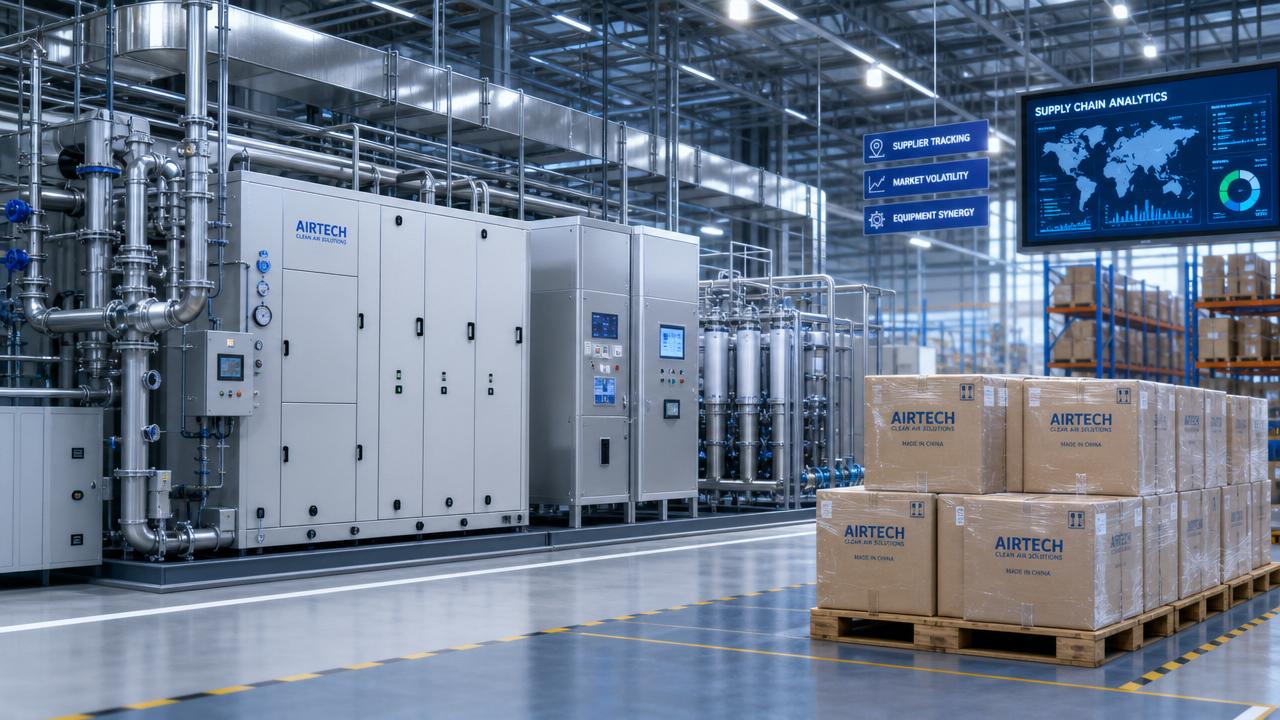
FDA Updates BSL-3/4 Decon Systems Import Guidance
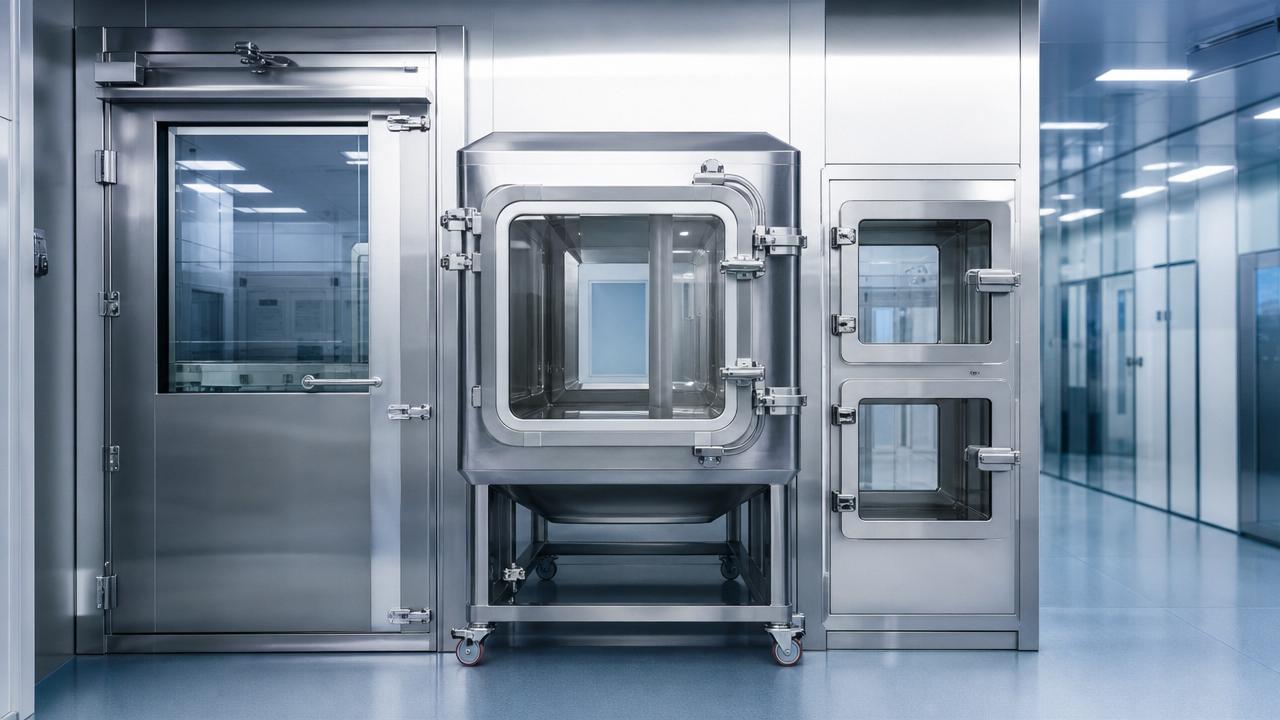
FDA updated its import guidance for high-containment laboratory decontamination equipment on April 30, 2026 — requiring full-chain biological inactivation validation for all imported BSL-3/4 decontamination systems. This change directly affects U.S.-bound exports from manufacturers in China and other jurisdictions, particularly those supplying biosafety laboratories, contract research organizations (CROs), and public health infrastructure providers.
Event Overview
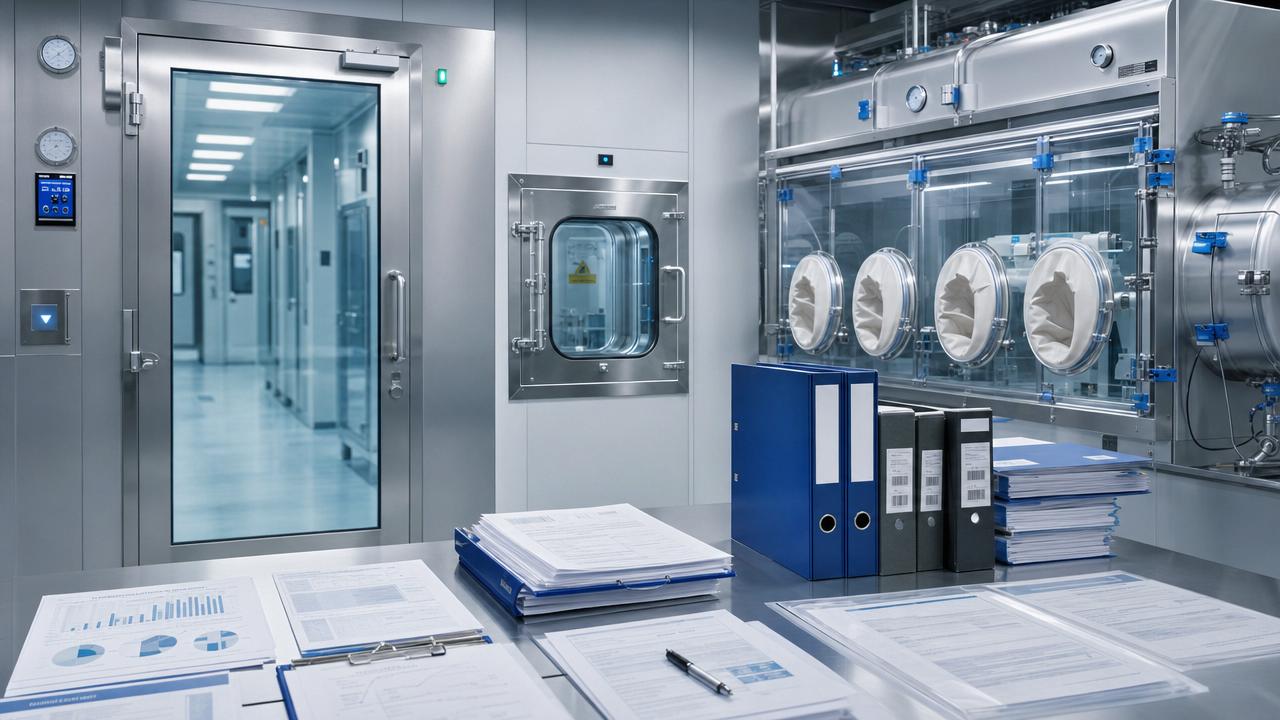
On April 30, 2026, the U.S. Food and Drug Administration (FDA) issued an updated version of its High-Containment Laboratory Decontamination Equipment Import Guidance. The revision mandates that all imported BSL-3 and BSL-4 decontamination systems must be accompanied by biological indicator (BI)-based validation data covering the entire operational sequence: loading, cycle execution, microbial inactivation, and unloading. Such data must be generated by an FDA-recognized third-party laboratory. Additionally, exporters based in China must submit supplementary SEMI S2/S8 safety assessment documentation as part of the import clearance process.
Industries Affected
Direct Exporters (U.S.-bound Trade Enterprises)
Manufacturers exporting BSL-3/4 decon systems to the U.S. are now required to generate and submit comprehensive BI validation reports prior to shipment. This adds both time and cost to pre-shipment compliance preparation, especially where existing validation protocols did not cover the full load-to-unload sequence or were conducted in non-FDA-recognized labs.
Contract Manufacturers & OEM Suppliers
Suppliers producing decon systems under private label or OEM arrangements for U.S.-facing brands must align their quality documentation with the new requirement. If validation was previously performed only at subsystem level (e.g., chamber sterilization only), revalidation across the full workflow may be necessary — affecting delivery timelines and contractual obligations.
Lab Infrastructure Integrators & Distributors
Distributors and system integrators who source components globally and assemble turnkey BSL-3/4 decon solutions must now verify end-to-end BI validation status for each delivered system. Absence of compliant documentation may delay FDA entry review or trigger detention at U.S. ports, impacting project schedules for lab commissioning.
Key Considerations and Recommended Actions
Monitor official FDA communications for implementation timelines and recognition criteria
The updated guidance does not specify a grace period or phase-in schedule. Exporters should track FDA’s Federal Register notices and Center for Devices and Radiological Health (CDRH) bulletins for formal effective dates and definitions of “FDA-recognized laboratory” — including whether existing ISO/IEC 17025 accreditation suffices or additional designation is required.
Confirm BI protocol alignment with FDA-expected parameters
Validation must reflect real-world use conditions: challenge organism type (e.g., Geobacillus stearothermophilus spores), placement locations (including hardest-to-reach zones), cycle parameters (time, temperature, concentration), and post-cycle recovery methodology. Analysis shows that many legacy reports omit unloading-phase sampling or fail to document environmental controls during BI handling — gaps likely to trigger FDA queries.
Prepare SEMI S2/S8 documentation concurrently with BI validation
For Chinese exporters, SEMI S2 (safety guidelines) and S8 (ergonomics and human factors) assessments are now mandatory supplements — not optional enhancements. These require separate technical evaluations, including risk assessments for operator exposure, emergency response integration, and maintenance access design. Current more practical is to initiate both BI validation and SEMI reviews in parallel rather than sequentially.
Engage FDA-recognized labs early — especially those with BSL-3/4 equipment testing experience
Capacity at labs qualified for high-containment system validation is limited. Observably, lead times for full-cycle BI studies have extended beyond 12 weeks in recent months. Exporters should secure lab slots ahead of product finalization and ensure test articles match final production configuration (e.g., door interlocks, sensor calibration, software version).
Editorial Perspective / Industry Observation
This update is better understood as a tightening of enforcement expectations rather than introduction of entirely new technical requirements. While BI-based validation has long been expected for sterilization processes, FDA’s explicit mandate for *full-chain* coverage — including loading and unloading steps — signals heightened scrutiny of real-world operational integrity. From industry perspective, it reflects growing regulatory emphasis on process robustness over component-level compliance. It is not yet a finalized rule with legal force, but functions as binding guidance for import review — meaning noncompliant submissions will be administratively rejected. Continued observation is warranted for potential linkage to future revisions of 21 CFR Part 820 or emerging FDA AI/ML-enabled validation policy frameworks.
Conclusion: This guidance shift underscores a broader trend toward accountability for end-to-end performance in high-risk life science infrastructure. It is not merely a documentation update but a procedural recalibration — one that elevates validation from a pre-market checkbox to an embedded quality discipline. For affected enterprises, the current priority is not speculation about future rules, but verification of current validation scope, lab recognition status, and SEMI readiness. It is more appropriately understood as an operational compliance milestone than a strategic inflection point — yet one demanding immediate, concrete action.
Source: U.S. FDA, High-Containment Laboratory Decontamination Equipment Import Guidance, effective April 30, 2026.
Note: Implementation details (e.g., transition period, list of recognized labs, acceptance criteria for SEMI S2/S8 reports) remain subject to ongoing FDA clarification and are recommended for continuous monitoring.
Get weekly intelligence in your inbox.
No noise. No sponsored content. Pure intelligence.
 Jun 10, 2026CNC Machining for Automotive Industry: When Precision Improves ThroughputCNC machining for automotive industry boosts more than precision—it improves throughput, reduces rework, and supports faster, more stable vehicle production. Learn how.
 Jun 10, 2026CNC Machining for Medical Devices: Tolerance, Traceability, and Material RisksCNC machining for medical devices demands more than tight tolerances. Learn how traceability, material risk, and clean process control protect quality, compliance, and patient safety.
 Jun 10, 2026Sheet Metal Bending Machine Price: What Drives Total Cost in 2026Sheet metal bending machine price in 2026 depends on more than the quote. Learn what drives total cost, hidden expenses, energy use, and smart ways to compare offers.
 Jun 10, 2026Smart Home Hubs Compared: Matter Support, Range, and Automation LimitsSmart home hubs compared for Matter support, real-world range, and automation limits. Discover what to check before you buy and choose a hub that fits your home.
 Jun 10, 2026Semiconductor Cleanroom Standards: ISO Classes, AMC, and ESD BasicsSemiconductor Cleanroom standards explained: compare ISO classes, AMC control, and ESD basics to improve yield protection, reduce hidden risks, and benchmark fab performance with confidence.
 Jun 10, 2026PSA Opens Dedicated UPW Import Inspection LanePSA Opens Dedicated UPW Import Inspection Lane, cutting average clearance from 5.2 to 3.1 days. See what it means for semiconductor imports, compliance, and delivery planning.
 Jun 10, 2026VDE Rule Tightens Digital Twin Lab Data ControlVDE Rule Tightens Digital Twin Lab Data Control in Germany: learn how the 2026 audit reshapes data sovereignty, cloud use, and compliance choices for vendors and research labs.
 Jun 10, 2026Japan Opens 72-Hour Maglev Chiller Import LaneJapan opens a 72-hour Maglev chiller import lane tied to JIS B 8341-2:2025, PSE/JQA certification, and ±0.01°C proof—see what importers, buyers, and suppliers must do now.
 Jun 10, 2026FDA Makes Durability Reports Mandatory for BSL-4 Bio-Barrier ImportsFDA makes durability reports mandatory for BSL-4 Bio-Barrier imports. Learn how the 10,000-cycle ISO 17025 test rule may impact compliance, shipments, suppliers, and delivery timelines.
 Jun 10, 2026EU ZLD Imports Face Carbon Footprint Disclosure From JulyEU ZLD imports face carbon footprint disclosure from July 2026. Learn how the new EU rule may affect customs compliance, market access, and supply chain readiness.
![]() Jun 09, 2026Energy Storage Battery Selection: Safety, Cycle Life, and Total Cost ComparedEnergy storage battery selection explained: compare safety, cycle life, and total cost to find the best fit for industrial uptime, resilience, and smarter long-term value.
Jun 09, 2026Energy Storage Battery Selection: Safety, Cycle Life, and Total Cost ComparedEnergy storage battery selection explained: compare safety, cycle life, and total cost to find the best fit for industrial uptime, resilience, and smarter long-term value.![]() Jun 09, 2026Plastic Injection Molding Defects: Root Causes, Fixes, and Process Control TipsPlastic injection molding defects explained: discover root causes, practical fixes, and process control tips to reduce scrap, improve part quality, and keep production stable.
Jun 09, 2026Plastic Injection Molding Defects: Root Causes, Fixes, and Process Control TipsPlastic injection molding defects explained: discover root causes, practical fixes, and process control tips to reduce scrap, improve part quality, and keep production stable.![]() Jun 09, 2026Strategic Intelligence in 2026: Signals That Matter for Faster Market DecisionsStrategic Intelligence in 2026 focuses on the few signals that drive faster market decisions. Discover how sharper filtering improves resilience, compliance, and investment confidence.
Jun 09, 2026Strategic Intelligence in 2026: Signals That Matter for Faster Market DecisionsStrategic Intelligence in 2026 focuses on the few signals that drive faster market decisions. Discover how sharper filtering improves resilience, compliance, and investment confidence.![]() Jun 09, 2026Custom Metal Fabrication for Construction: Cost Drivers, Lead Times, and Quality ChecksCustom metal fabrication for construction explained: compare cost drivers, realistic lead times, and critical quality checks to reduce project risk and choose suppliers with confidence.
Jun 09, 2026Custom Metal Fabrication for Construction: Cost Drivers, Lead Times, and Quality ChecksCustom metal fabrication for construction explained: compare cost drivers, realistic lead times, and critical quality checks to reduce project risk and choose suppliers with confidence.![]() Jun 09, 2026High-Tech Industrial Complex Design: Key Planning Risks and Performance PrioritiesHigh-Tech Industrial Complex design starts with early risk visibility. Discover key planning risks, performance priorities, and resilient strategies to improve uptime, compliance, and future scalability.
Jun 09, 2026High-Tech Industrial Complex Design: Key Planning Risks and Performance PrioritiesHigh-Tech Industrial Complex design starts with early risk visibility. Discover key planning risks, performance priorities, and resilient strategies to improve uptime, compliance, and future scalability.![]() Jun 09, 2026EU Starts ZLD Carbon Footprint Disclosure PilotEU Starts ZLD Carbon Footprint Disclosure Pilot: learn how new EU carbon disclosure and CE mark rules may affect ZLD equipment exports, compliance timelines, and market access from Q3 2026.
Jun 09, 2026EU Starts ZLD Carbon Footprint Disclosure PilotEU Starts ZLD Carbon Footprint Disclosure Pilot: learn how new EU carbon disclosure and CE mark rules may affect ZLD equipment exports, compliance timelines, and market access from Q3 2026.![]() Jun 09, 2026FDA Tightens Import Filing for Bio-Barrier PartsFDA Tightens Import Filing for Bio-Barrier Parts: learn how the new ASTM E2996-22 report impacts U.S. shipments, compliance files, certification, and BSL-3/4 project delivery.
Jun 09, 2026FDA Tightens Import Filing for Bio-Barrier PartsFDA Tightens Import Filing for Bio-Barrier Parts: learn how the new ASTM E2996-22 report impacts U.S. shipments, compliance files, certification, and BSL-3/4 project delivery.![]() Jun 09, 2026Japan Opens Fast-Track Imports for Maglev ChillersJapan opens fast-track imports for Maglev Chillers, cutting customs clearance to 72 hours. See how METI’s new policy can speed semiconductor projects, simplify compliance, and reshape precision cooling supply chains.
Jun 09, 2026Japan Opens Fast-Track Imports for Maglev ChillersJapan opens fast-track imports for Maglev Chillers, cutting customs clearance to 72 hours. See how METI’s new policy can speed semiconductor projects, simplify compliance, and reshape precision cooling supply chains.![]() Jun 09, 2026VDE Rule Tightens Data Sovereignty for Digital Twin LabsDigital Twin Lab compliance just changed: Germany’s new VDE rule raises EU market-entry demands on data sovereignty, Smart Sensor, and IIoT Air Monitoring systems. See what exporters must prepare now.
Jun 09, 2026VDE Rule Tightens Data Sovereignty for Digital Twin LabsDigital Twin Lab compliance just changed: Germany’s new VDE rule raises EU market-entry demands on data sovereignty, Smart Sensor, and IIoT Air Monitoring systems. See what exporters must prepare now.![]() Jun 09, 2026PSA Launches Dedicated UPW Inspection Line in SingaporePSA Launches Dedicated UPW Inspection Line in Singapore, speeding 18.2MΩ·cm ultra-pure water customs clearance to 72 hours. Learn the new compliance rules shaping semiconductor and biopharma supply chains.
Jun 09, 2026PSA Launches Dedicated UPW Inspection Line in SingaporePSA Launches Dedicated UPW Inspection Line in Singapore, speeding 18.2MΩ·cm ultra-pure water customs clearance to 72 hours. Learn the new compliance rules shaping semiconductor and biopharma supply chains. Jun 08, 2026PSA Opens UPW Inspection Line at Jurong IslandPSA Opens UPW Inspection Line at Jurong Island, cutting clearance to 28 hours with sterile inspection, ASME BPE-2023 piping, and online monitoring—see what it means for UPW logistics and compliance.
 Jun 08, 2026VDE Sets Real-Time Data Sovereignty Audit for Digital Twin LabsVDE Sets Real-Time Data Sovereignty Audit for Digital Twin Labs in Germany. Learn how the new VDE standard affects compliance, procurement, hosting, and vendor selection.
 Jun 08, 2026Japan Opens 72-Hour Green Lane for Maglev ChillersJapan opens a 72-hour green lane for Maglev Chillers, linking faster customs clearance to ASHRAE precision and COP compliance. See what exporters, buyers, and suppliers must know now.
 Jun 08, 2026FDA Tightens BSL-4 Import Filing for Bio-Barrier PartsFDA Tightens BSL-4 Import Filing for Bio-Barrier Parts: learn the new ISO/IEC 17025 test report rule, import risks, and practical steps for compliant, on-time U.S. delivery.
 Jun 08, 2026Factory Automation Systems for Food Processing: ROI and Scale FactorsFactory automation systems for food processing: discover how to measure ROI, reduce waste, manage utilities, and scale food lines with fewer risks and stronger long-term returns.
 Jun 08, 2026Chilled Water Piping Design Mistakes That Raise Energy LossChilled water piping mistakes can silently raise pump energy, weaken delta-T, and destabilize cooling. Learn the design errors to avoid for better efficiency and control.
 Jun 08, 2026Trade Intelligence Tools for Tracking Supplier and Market ShiftsTrade Intelligence tools help you track supplier risk, market shifts, and compliance trends faster—so you can make smarter sourcing and planning decisions with confidence.