Hydrogen Energy Costs in 2026: What Shapes ROI?
Hydrogen Energy Costs in 2026: What Shapes ROI?
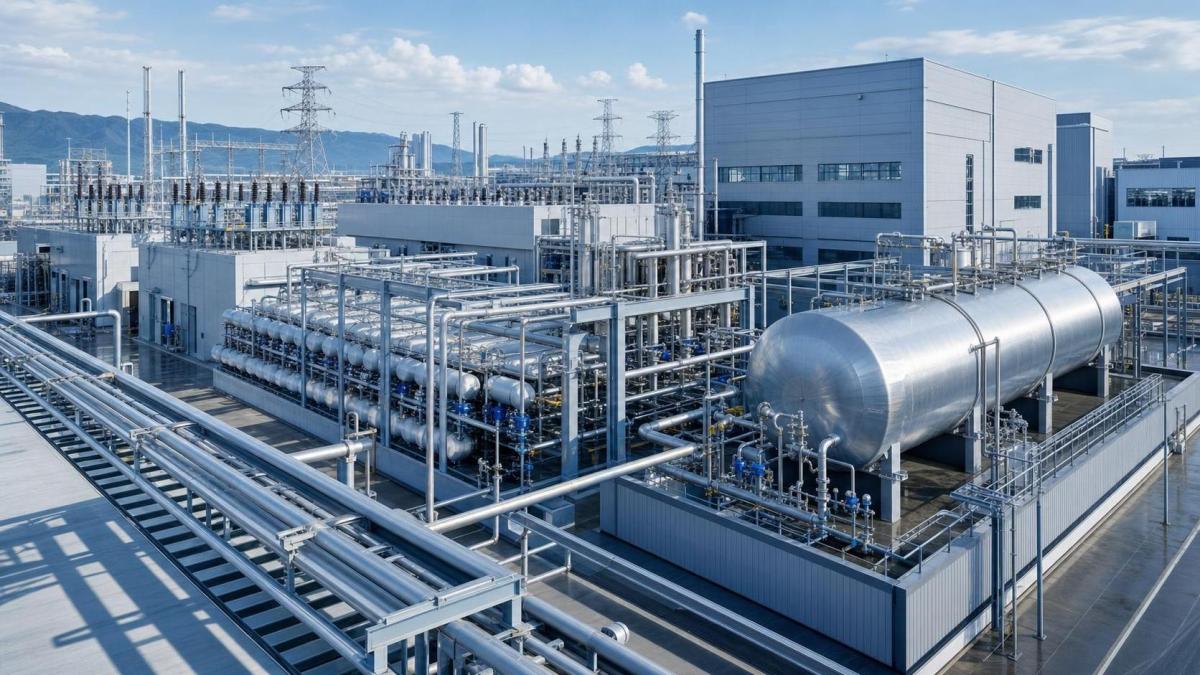
As boardrooms assess decarbonization budgets and infrastructure resilience, hydrogen energy is moving from policy ambition to investment reality.
In 2026, ROI will depend on more than production cost alone.
Storage, transport, compliance, electricity pricing, and plant integration now shape the real business case.
That matters because hydrogen energy projects often look attractive in strategy decks, yet underperform during execution.
The gap usually appears between modeled cost and operational cost.
In practical terms, procurement teams need a full-system view.
That includes equipment efficiency, site conditions, safety design, utility stability, and carbon reporting obligations.
For high-spec industrial sites, the economics become even more sensitive.
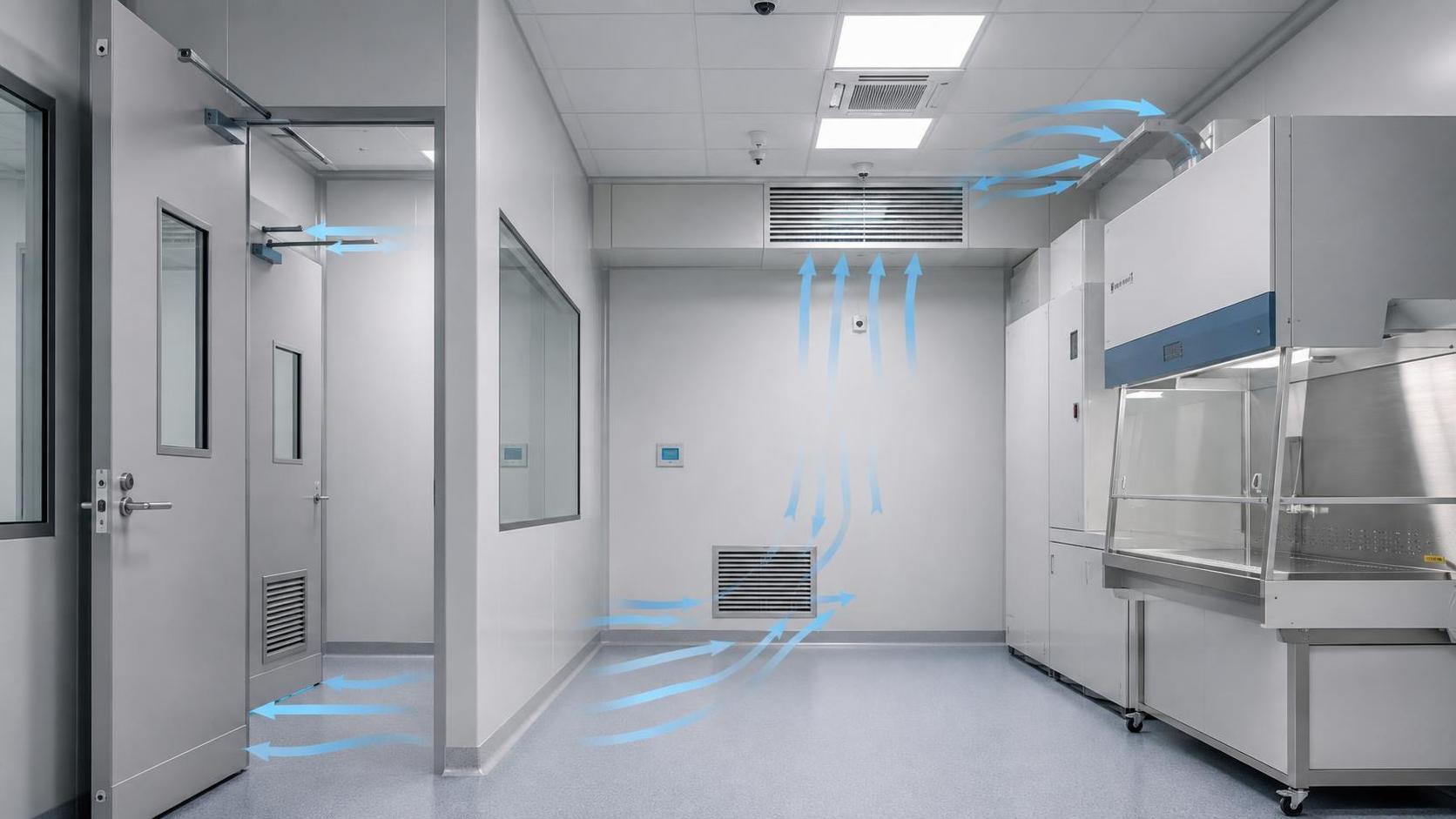
Facilities with precision HVAC, cleanroom operations, ultra-pure utilities, or biosafety environments cannot treat hydrogen energy as a standalone fuel switch.
They must evaluate how hydrogen energy interacts with thermal loads, uptime targets, and compliance frameworks across the site.
Why hydrogen energy ROI is getting harder to estimate
From recent market shifts, the clearer signal is volatility.
Capital costs remain important, but operating assumptions now move faster than many procurement cycles.
Power contracts change, grid congestion affects availability, and subsidy rules continue to evolve.
This means hydrogen energy ROI is no longer a simple cost-per-kilogram calculation.
It is a multi-variable investment model.
A low headline hydrogen price may still hide expensive compression, boil-off loss, purification, or redundancy requirements.
On the other hand, a project with a higher initial cost may deliver stronger ROI through better utilization and lower compliance friction.
That is why 2026 planning should focus on delivered value, not nominal price.
The main cost layers behind hydrogen energy
- Production cost, including electricity, water, electrolyzer efficiency, and runtime.
- Storage cost, including compression, cryogenic handling, vessel design, and safety systems.
- Transport cost, including trucking, pipeline access, distance, and transfer losses.
- Site integration cost, including controls, ventilation, sensors, utilities, and emergency response planning.
- Compliance cost, including permitting, emissions accounting, audits, and insurance requirements.
Production economics still start with power
Electricity remains the biggest variable in most green hydrogen energy projects.
Even small changes in power price can shift project payback materially.
That is especially true when electrolyzers run below planned utilization.
A facility may secure renewable electricity, yet still face curtailment, demand charges, or unstable hourly pricing.
In real operations, the effective power cost often differs from the contracted rate.
Water quality also matters more than many buyers expect.
Hydrogen energy systems using electrolysis need reliable purified water input.
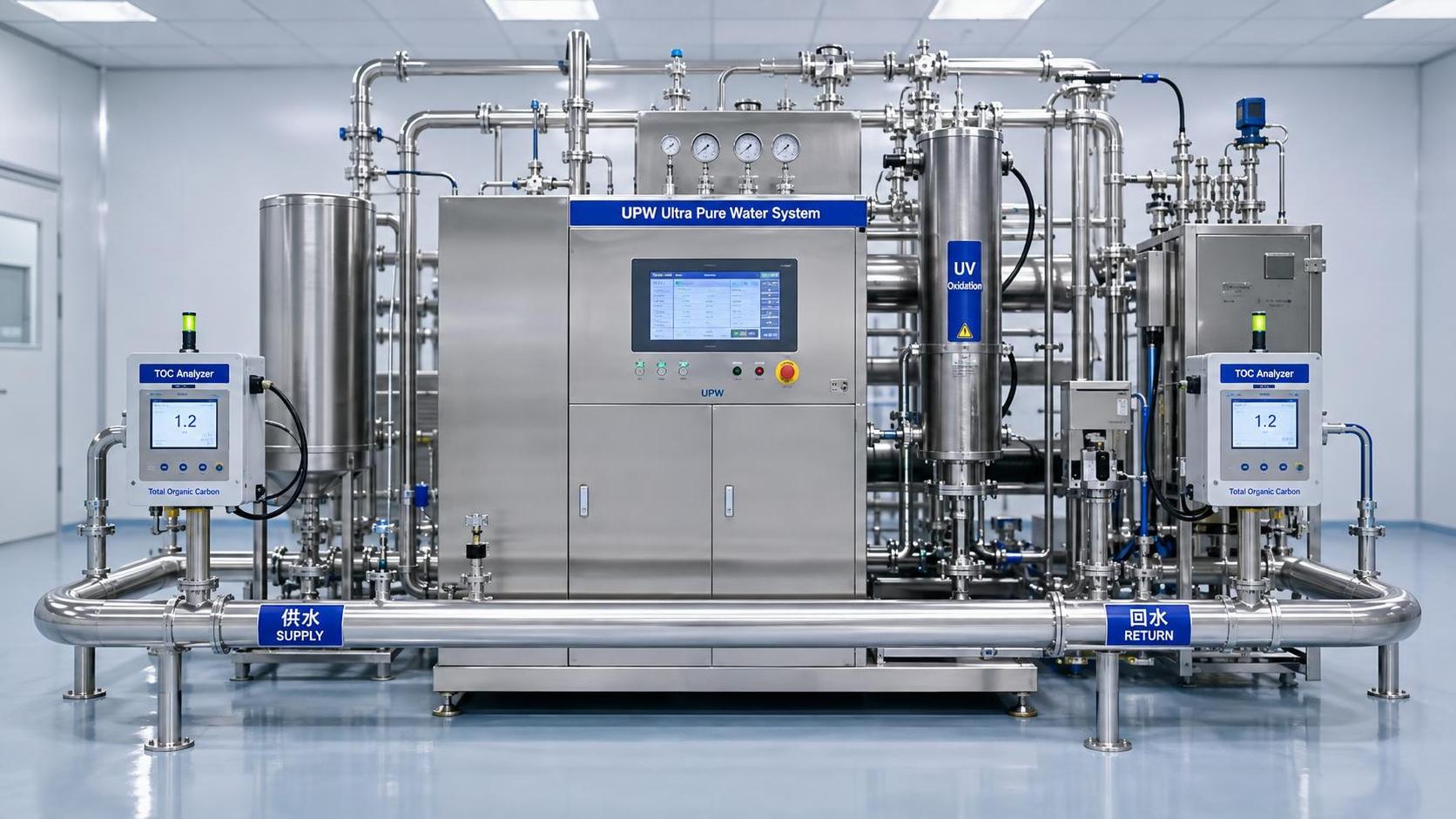
Where ultra-pure water or process-grade treatment is already part of the site, integration can be a cost advantage.
Where it is missing, water treatment becomes an added capex and opex layer.
Questions to test the production model
- What is the effective electricity cost after fees, curtailment, and standby losses?
- How many annual operating hours are realistic, not just theoretical?
- What water treatment standard is required for stable electrolyzer performance?
- How sensitive is hydrogen energy ROI to a 10% change in utilization?
Storage and transport often decide the true delivered cost
This is where many hydrogen energy budgets become overly optimistic.
Hydrogen is light, diffuse, and demanding to move efficiently.
Compression equipment, insulated storage, leak detection, and pressure management all add cost.
Distance also matters in a very direct way.
A competitively priced supply source can lose its advantage once logistics are included.
For sensitive manufacturing or research facilities, redundancy is another hidden driver.
Backup capacity, ventilation zoning, and monitoring networks may be non-negotiable.
That can be the right decision, but it changes ROI assumptions.
The more critical the facility, the less useful a bare commodity comparison becomes.
A practical delivered-cost view
Compliance, safety, and environmental control can no longer be side notes
A stronger signal in 2026 is that compliance cost is becoming more operational, not just administrative.
Hydrogen energy installations must align with safety codes, emissions disclosures, and site-specific engineering controls.
This is particularly relevant for semiconductor, pharmaceutical, and advanced research environments.
In these settings, airflow stability, contamination control, and thermal consistency are already tightly managed.
Introducing hydrogen energy can affect ventilation strategies, hazardous area design, and digital monitoring requirements.
That does not make adoption harder by default.
It simply means the project should be engineered as part of the facility ecosystem.
This is where disciplined environmental control and smart monitoring reduce risk.
Well-designed sensing, HVAC coordination, and digital twin visibility can protect both uptime and ROI.
Integration points that deserve early review
- Ventilation rates and gas detection coverage in occupied and restricted zones.
- Thermal interaction with precision HVAC and process cooling systems.
- Water treatment compatibility for electrolysis and ancillary utilities.
- Data integration for alarms, maintenance, carbon tracking, and audit trails.
- Alignment with ISO 14644, ASHRAE, SEMI, and internal ESG reporting standards.
How to compare hydrogen energy vendors without missing hidden cost
Vendor evaluation should move beyond headline price and technical brochures.
A better comparison looks at operating context, not just equipment specification.
This also helps teams avoid overbuying complexity that never creates value.
In actual procurement, three questions usually separate strong proposals from risky ones.
- Can the supplier prove delivered hydrogen energy cost under your site conditions?
- Can the solution integrate with your environmental controls and utility architecture?
- Can the supplier support compliance, commissioning, monitoring, and long-term service?
The best proposals usually show scenario modeling.
They explain performance at different power prices, load profiles, and redundancy levels.
They also show how hydrogen energy performance will be measured after commissioning.
That makes ROI more credible because assumptions become testable.
A smarter 2026 procurement approach
The most effective hydrogen energy strategy is usually phased, not oversized on day one.
Start with the use case that has the clearest operational fit.
Then build commercial and technical flexibility around it.
For some sites, that means backup power support.
For others, it may mean process fuel substitution, mobility fleets, or integrated microgrid planning.
What matters is linking hydrogen energy investment to measurable site outcomes.
Those outcomes may include carbon reduction, energy resilience, utility diversification, or reduced exposure to fuel volatility.
A disciplined procurement path often includes pilot validation, infrastructure readiness review, and a full-life-cycle cost model.
It also includes facility engineering stakeholders from the start.
That reduces surprises later in safety design, utilities coordination, and operating procedures.
Final takeaway
In 2026, hydrogen energy ROI will be shaped by system design as much as by fuel economics.
Production cost still matters, but delivered cost, integration quality, and compliance readiness matter just as much.
For complex industrial environments, the winning approach is practical and risk-aware.
Model the full operating picture.
Challenge optimistic assumptions.
Prioritize suppliers that understand infrastructure, not only hydrogen equipment.
That is how hydrogen energy becomes a scalable investment instead of an expensive experiment.
Get weekly intelligence in your inbox.
No noise. No sponsored content. Pure intelligence.
 Sep 19, 2026When does heat recovery make sustainable cooling worth the investment?Sustainable cooling technology heat recovery: learn when reliable heat demand, temperature matching, and lifecycle savings make recovery a smart investment.
 Sep 18, 2026How to set alarm limits for semiconductor cleanroom monitoringSemiconductor cleanroom monitoring: learn how to set risk-based alarm limits for particles, humidity, pressure, and airflow to protect yield and reduce nuisance alerts.
 Sep 17, 2026How plastic injection molding affects ESD protection in cleanroomsPlastic injection molding affects ESD protection in cleanrooms. Learn how resin choice, molding consistency, grounding, and particle control support reliable compliance.
 Sep 16, 2026What to verify before choosing an industrial air quality monitoring supplierIndustrial air quality monitoring supplier checklist: verify measurement accuracy, calibration traceability, data integration, compliance support, and lifecycle service before you buy.
 Sep 15, 2026Smart HVAC investment insights for North American heat recovery projectsSmart HVAC investment insights North America: evaluate heat recovery, lifecycle costs, controls, and performance for resilient project decisions.
 Sep 14, 2026How SEMI standards shape water treatment design for semiconductor fabsSemiconductor water treatment SEMI guidance shapes resilient UPW design, contamination control, monitoring, reclaim strategy, and fab-ready validation.
 Sep 13, 2026What drives Biosafety Containment Systems cost in BSL-3 projects?Biosafety Containment Systems cost in BSL-3 projects depends on HVAC, layout, decontamination, controls, and commissioning. Discover how to build a credible budget.
 Sep 12, 2026How to qualify a fine chemical process solutions supplier for purity controlFine Chemical Process Solutions supplier qualification guide: evaluate purity control, traceability, contamination prevention, and safety for reliable high-purity production.
 Sep 11, 2026What drives cleanroom certification cost for ISO Class 1–9 projects?Cleanroom certification cost depends on ISO Class 1–9 requirements, test scope, HVAC readiness, documentation, and retesting. Explore practical budgeting insights to control project risk.
 Sep 10, 2026When should Procurement Directors prioritize heat recovery payback?Procurement Directors: learn when heat recovery delivers reliable payback, lower lifecycle costs, and safe performance in controlled industrial environments.
 Sep 09, 2026How to select an environmental monitoring system for cleanroomsEnvironmental monitoring system selection for cleanrooms: compare sensors, alarms, data integrity, integration, and installation to ensure reliable control.
 Sep 08, 2026How temperature stability affects semiconductor manufacturing yieldSemiconductor manufacturing temperature stability directly affects yield, overlay, metrology, and process control. Explore practical HVAC, monitoring, and zoning strategies.
 Sep 07, 2026How to prepare for a Regulatory Frameworks audit of cleanroom controlsRegulatory Frameworks audit readiness for cleanroom controls: build traceable evidence, verify alarms and monitoring, and close compliance gaps with confidence.
 Sep 07, 2026How to choose reverse osmosis systems with the right recovery rateReverse osmosis systems: learn how to select the right recovery rate for reliable water quality, lower scaling risk, efficient concentrate control, and stable long-term performance.
 Sep 05, 2026How does a negative pressure room work to contain airborne contaminants?How does a negative pressure room work? Discover how inward airflow, controlled exhaust, monitoring, and room design help contain airborne contaminants safely.
 Sep 04, 2026How Should Semiconductor Facilities Select Vibration Isolation Systems?Vibration isolation semiconductor guide: learn how to match tool limits, site vibration, utilities, and cleanroom needs for stable, high-yield fab performance.
 Sep 04, 2026What TOC Limits Should Be Set and Monitored for a UPW Loop?What are our TOC limits for the UPW loop? Learn how to set defensible TOC thresholds, monitor trends, protect critical processes, and improve water-quality control.
 Sep 04, 2026What Are the Best Retrofit Options for Upgrading Existing Pharmaceutical Cleanrooms?What are the best retrofit options to upgrade existing pharma cleanrooms? Explore FFUs, HVAC modernization, pressure cascades, monitoring, and sealed finishes for compliant performance.
 Sep 04, 2026How Does a Negative Air Pressure Room Protect Adjacent Areas?What is a negative air pressure room? Learn how controlled airflow contains airborne hazards, protects adjacent spaces, and supports safer facility operations.
 Sep 04, 2026What Is ISO Class 1 Cleanroom Classification, and Where Is It Used?What is ISO Class 1? Explore its ultra-low particle limits, critical cleanroom design factors, verification methods, and uses in semiconductor, optics, and quantum manufacturing.
 Sep 04, 2026How Long After a UPW Deviation Does Yield Impact Typically Appear?What is the typical time lag from UPW deviation to yield impact? Learn how contamination, process sensitivity, exposure windows, and testing stages shape detection timing.
 Sep 04, 2026What Testing Data Should Engineers Review Before Approving a UPW Material?What testing data should be reviewed before approving a UPW material? Explore extractables, TOC, particle release, ionic leaching, corrosion, and reliability data for confident approval.
 Sep 04, 2026How Should Pharmaceutical Cleanrooms Choose Climate Control Systems?Which climate control systems are recommended for pharmaceutical cleanroom environments? Explore HVAC, humidity, pressure, HEPA filtration, and GMP-ready monitoring strategies.
 Sep 04, 2026Airtight Door Problems in Medical Spaces and How Buyers Prevent ThemA problem-solving guide for airtight door procurement, covering sealing performance, sensors, wall coordination, cleaning, maintenance, and acceptance risk.
 Sep 04, 2026What drives cleanroom design cost for ISO Class 7 projects?Cleanroom design cost for ISO Class 7 projects depends on HVAC, filtration, utilities, validation, and lifecycle strategy. Learn how to control budgets without compromising compliance or performance.
 Sep 03, 2026When do heat pipe heat exchangers suit pharmaceutical cleanrooms?Heat Pipe Heat Exchangers for pharmaceutical plants: discover when they support cleanroom energy recovery, airflow separation, humidity control, and GMP-ready HVAC design.
 Sep 02, 2026What determines biosafety cabinets price across different modelsBiosafety cabinets price varies by class, airflow design, filtration, size, certification, and installation. Compare models confidently to choose safe, cost-effective containment.