Energy Efficiency Benchmarks That Matter in 2026
In 2026, energy efficiency has moved beyond a sustainability line item. It now influences investment timing, audit readiness, uptime strategy, and facility competitiveness across advanced manufacturing, life sciences, data-intensive research, and critical infrastructure.
The most useful benchmarks are no longer generic consumption averages. They connect power use to process stability, thermal precision, contamination control, water performance, and the ability to meet stricter operational and ESG expectations.
That shift matters in environments where a small thermal drift, unstable airflow pattern, or process fluid inconsistency can create outsized financial risk. In those settings, energy efficiency is meaningful only when it protects performance while lowering resource intensity.
Why 2026 changes the benchmark conversation
Industrial operators are facing a more demanding mix of energy volatility, disclosure pressure, and resilience planning. At the same time, process environments are becoming less tolerant of variation.
A benchmark that ignores process quality is incomplete. A benchmark that ignores carbon, water, and maintenance burden is also incomplete. The decision standard is becoming multi-variable.
This is where institutions such as G-ICE have growing relevance. Their value lies in benchmarking thermodynamic systems, contamination-control infrastructure, and environmental monitoring against recognized frameworks such as ISO 14644, ASHRAE, and SEMI.
In practice, that means energy efficiency is judged by what it enables: reliable cleanroom conditions, stable chilled-water performance, controlled biosafety environments, lower waste, and stronger reporting confidence.
What an energy efficiency benchmark should actually measure
A useful benchmark does not stop at total kilowatt-hours. It asks how much energy is required to maintain the exact environmental conditions a process demands.
For high-performance facilities, the better question is intensity per validated outcome. That outcome may be airborne cleanliness, thermal stability, water purity, or containment integrity.
Core dimensions to track
- Energy per unit of conditioned area, production volume, or validated batch output.
- Energy tied to temperature and humidity stability bands, not just average setpoints.
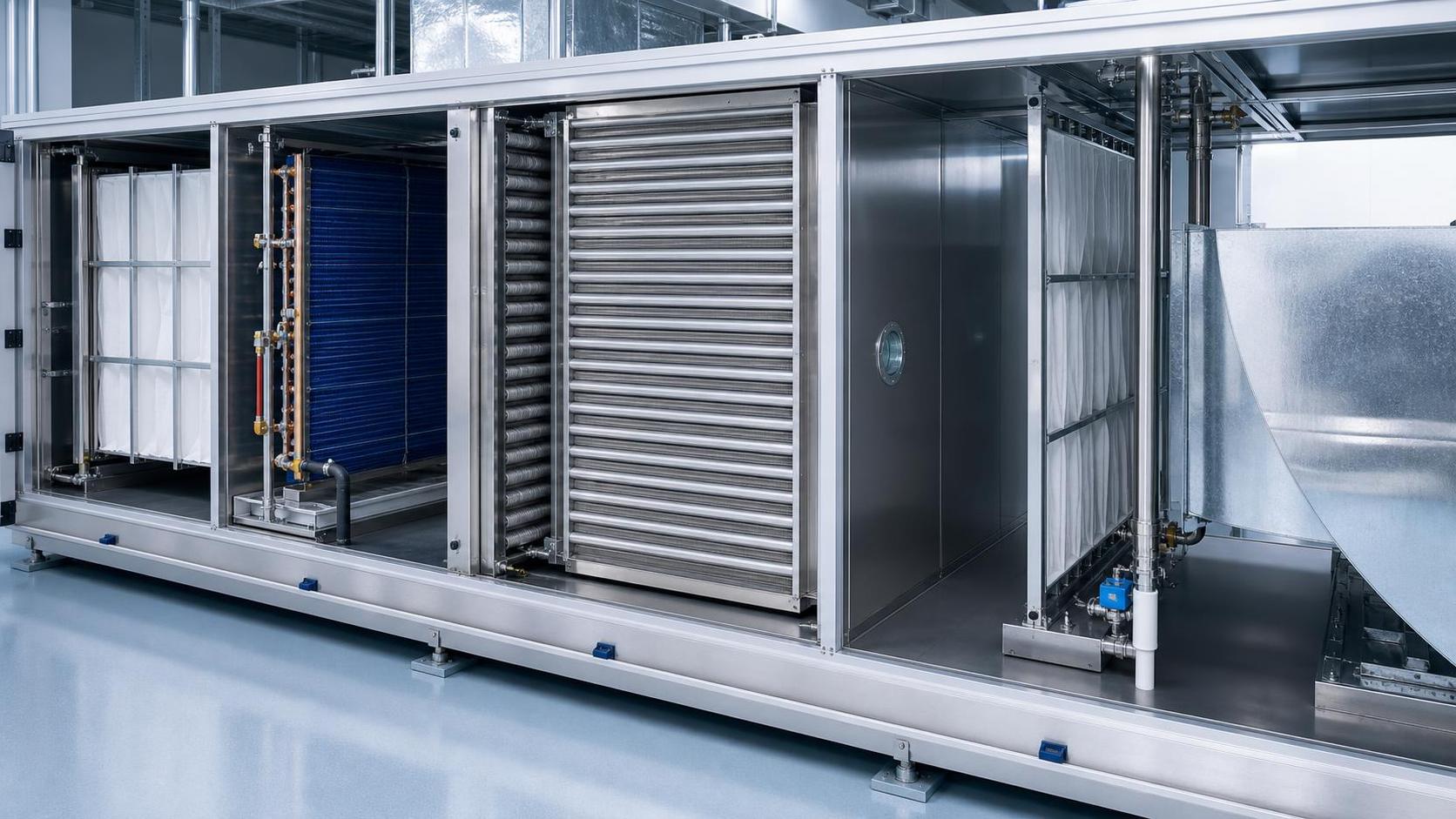
- Fan, pump, and chiller efficiency under real partial-load conditions.
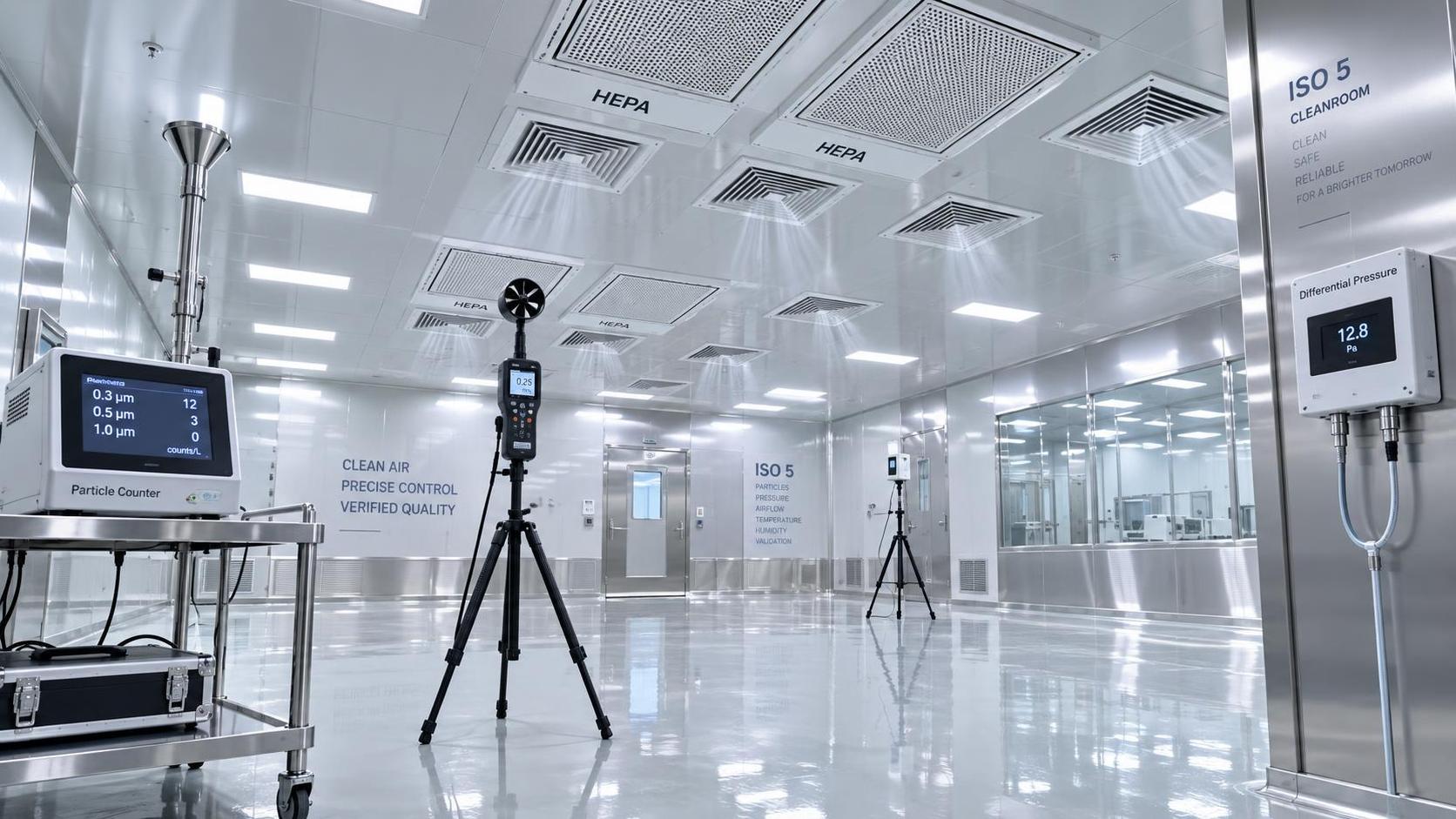
- Air-change performance relative to contamination-control targets.
- Water and process-fluid treatment intensity, including UPW recovery and recirculation losses.
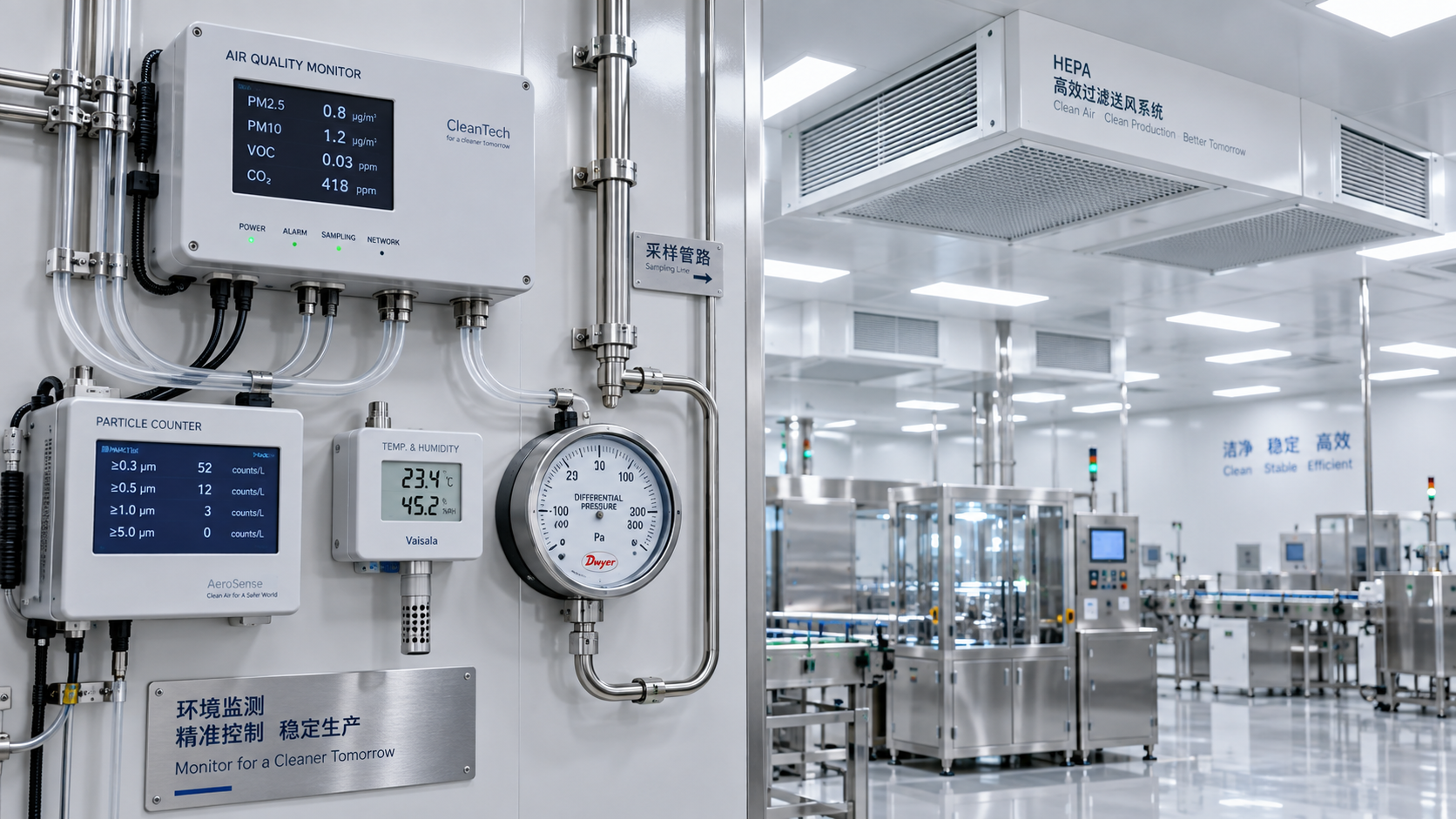
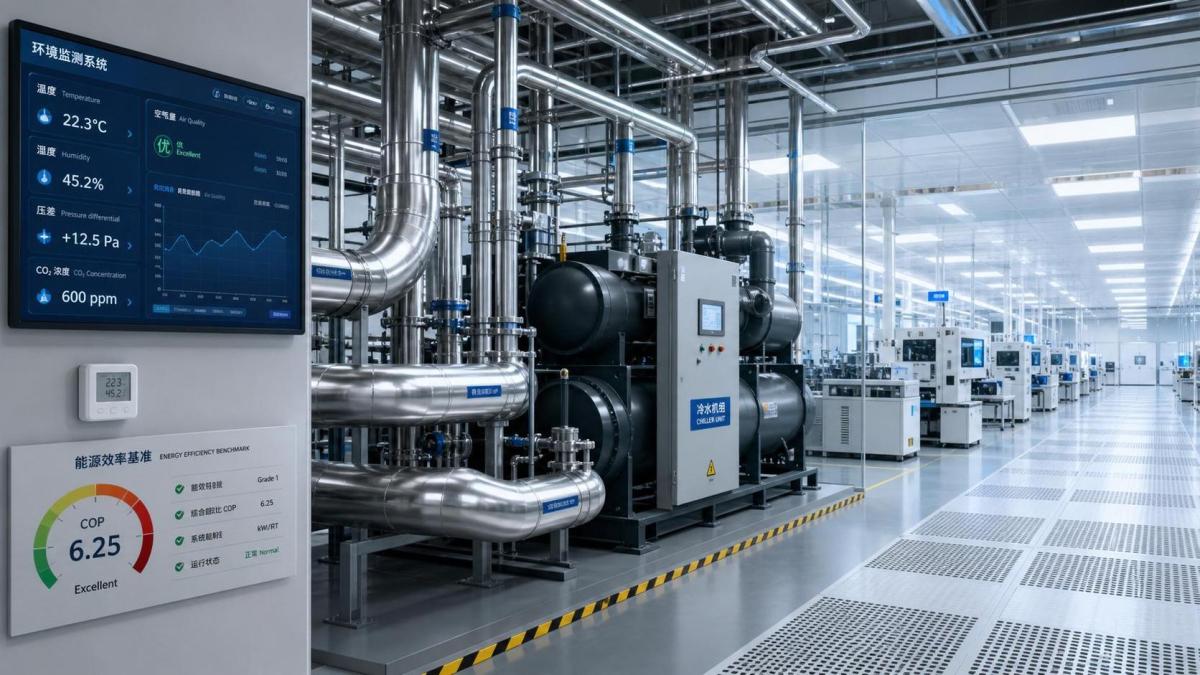
- Digital monitoring quality, because poor visibility often hides poor energy efficiency.
This broader view prevents a common mistake. A facility may appear efficient on paper while consuming excess energy to correct unstable controls, oversized airflow, fouled heat exchange, or poor scheduling logic.
The benchmarks that matter most in critical environments
Not every metric deserves equal attention. In advanced industrial settings, several indicators consistently separate cosmetic gains from structural improvement.
These categories matter because they connect energy efficiency with continuity. They also reveal whether spending is being absorbed by process necessity or by avoidable inefficiency.
Where the biggest decisions are being made
The strongest benchmark programs are built around operational context. A semiconductor cleanroom does not evaluate energy efficiency in the same way as a biosafety lab or a pharmaceutical fill-finish suite.
Semiconductor and microelectronics
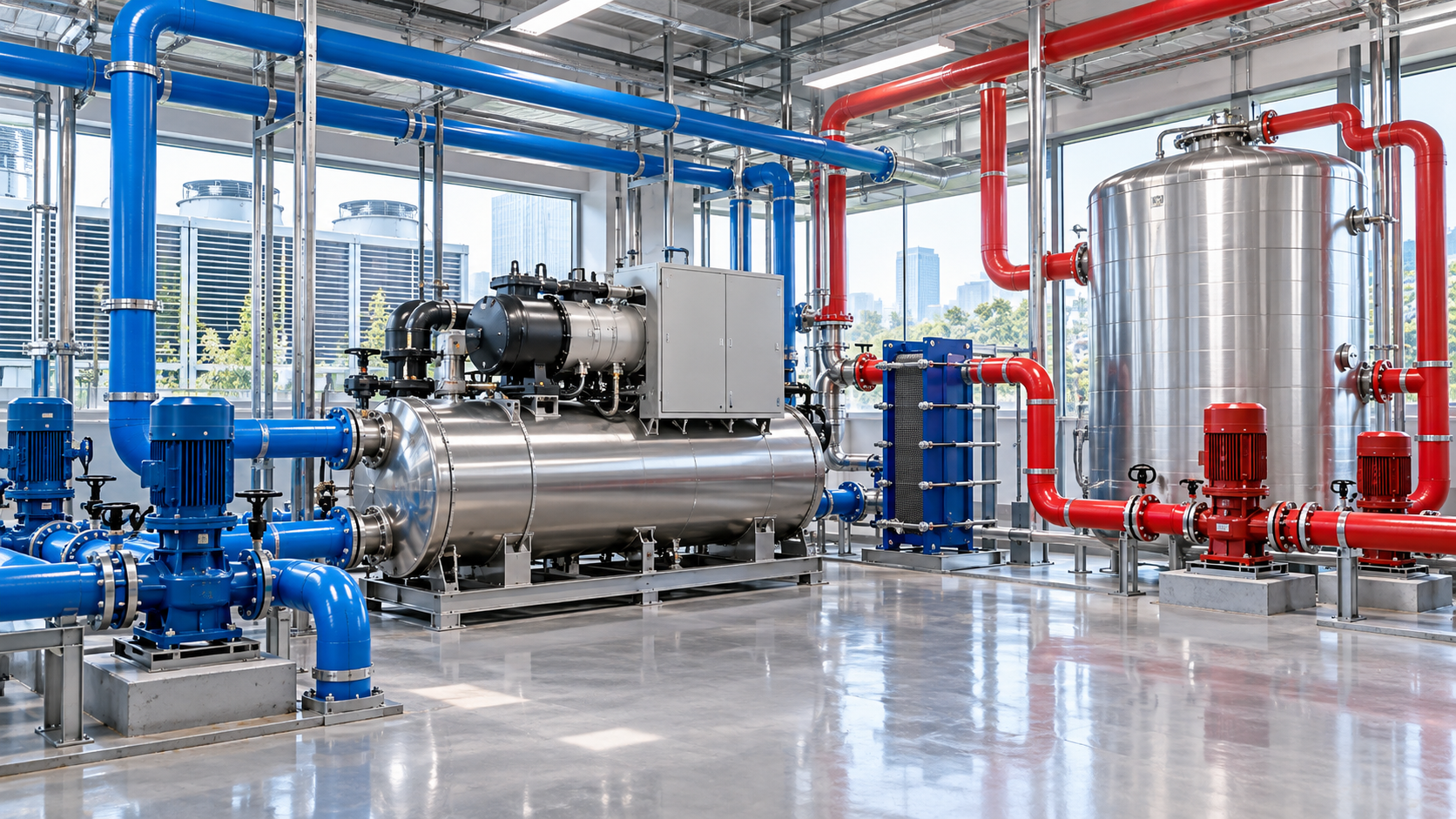
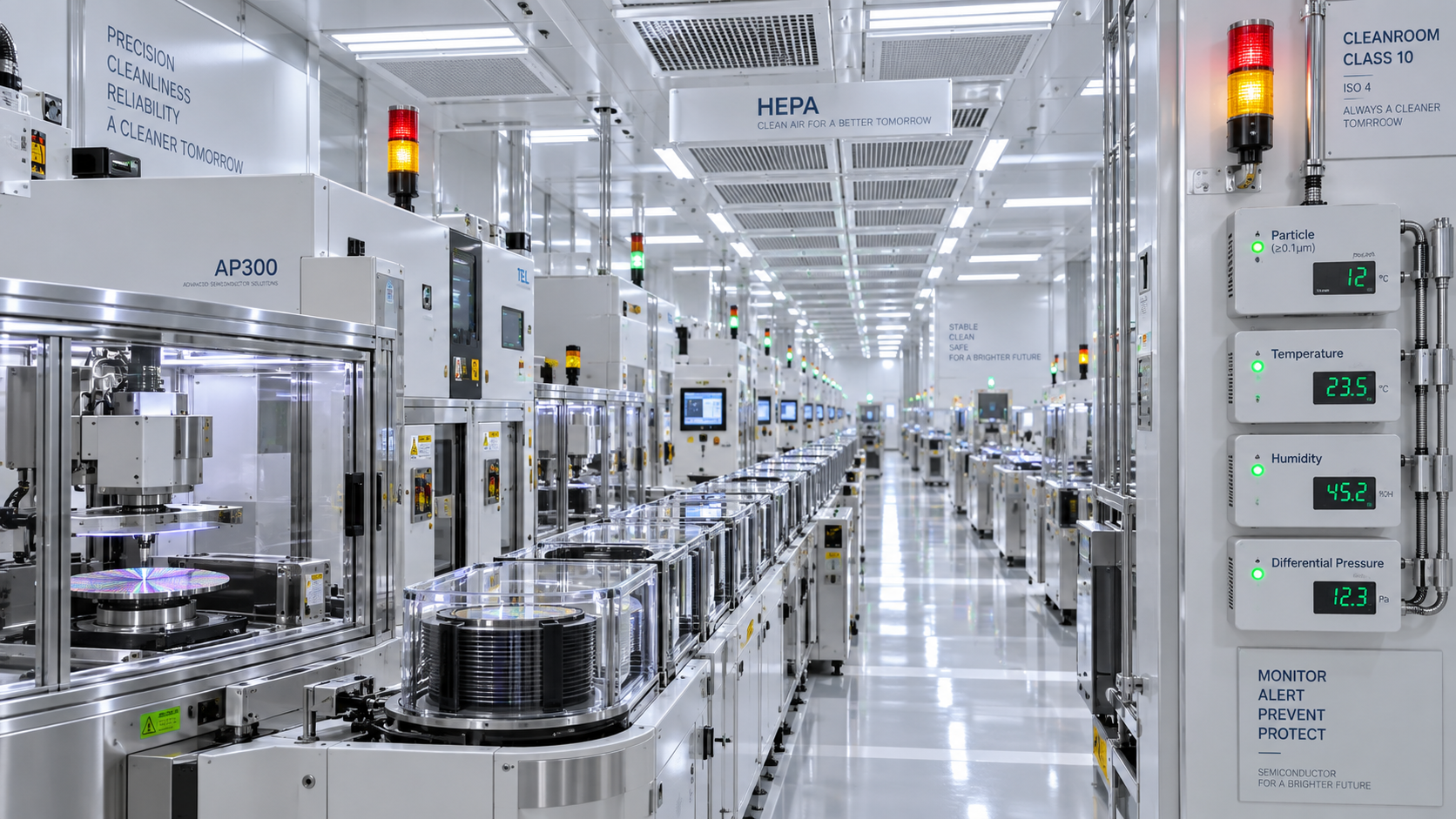
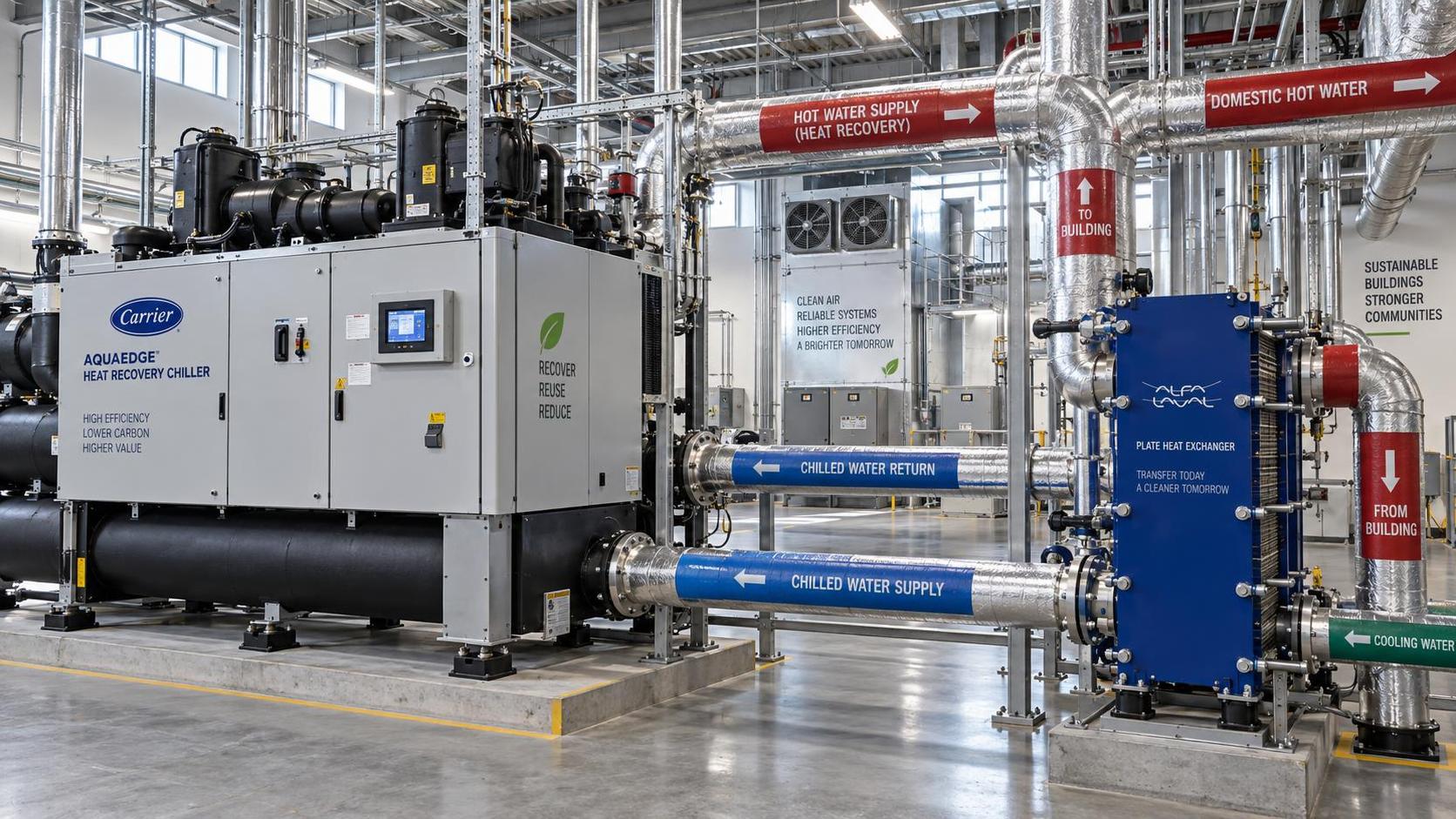
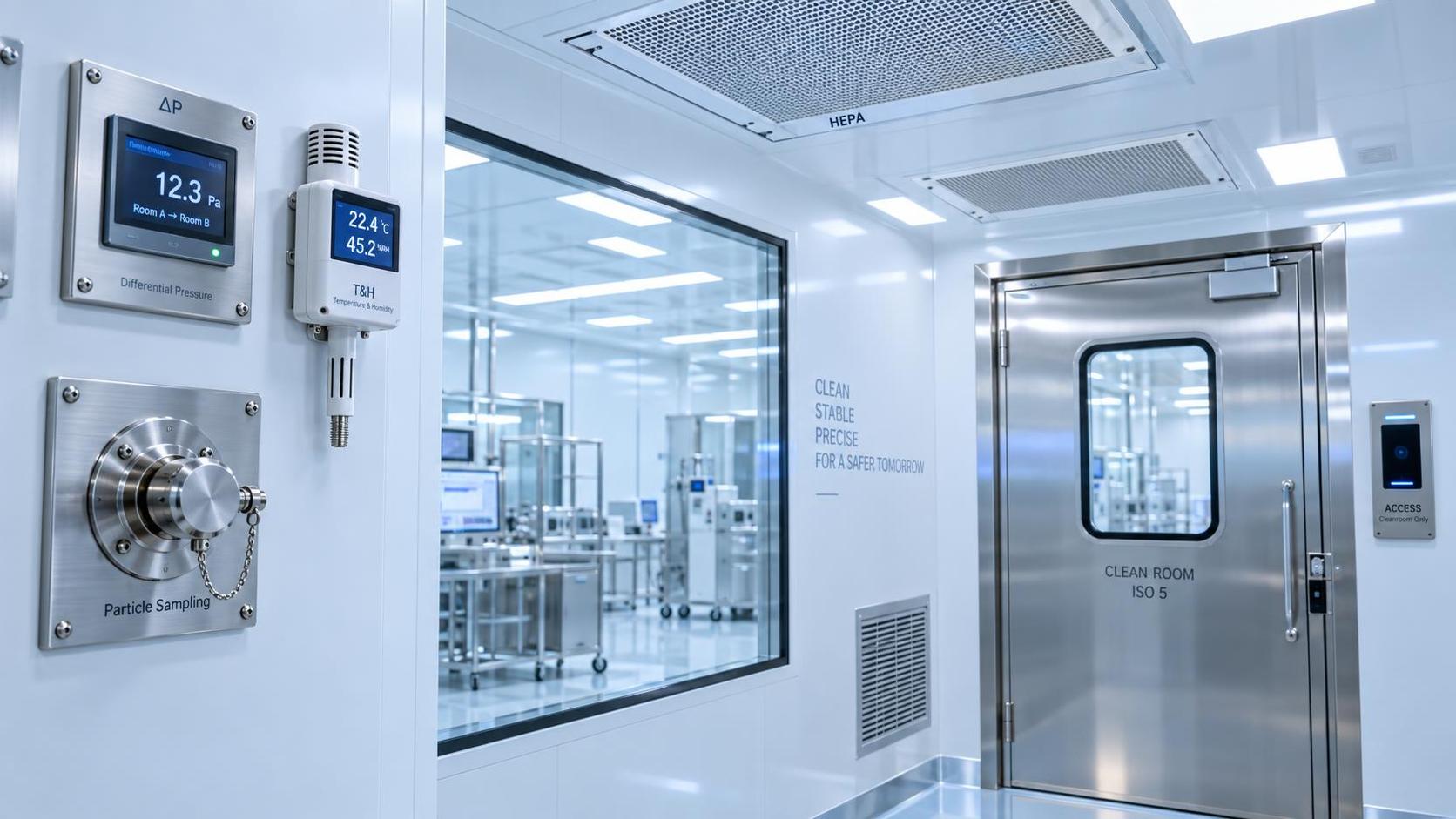
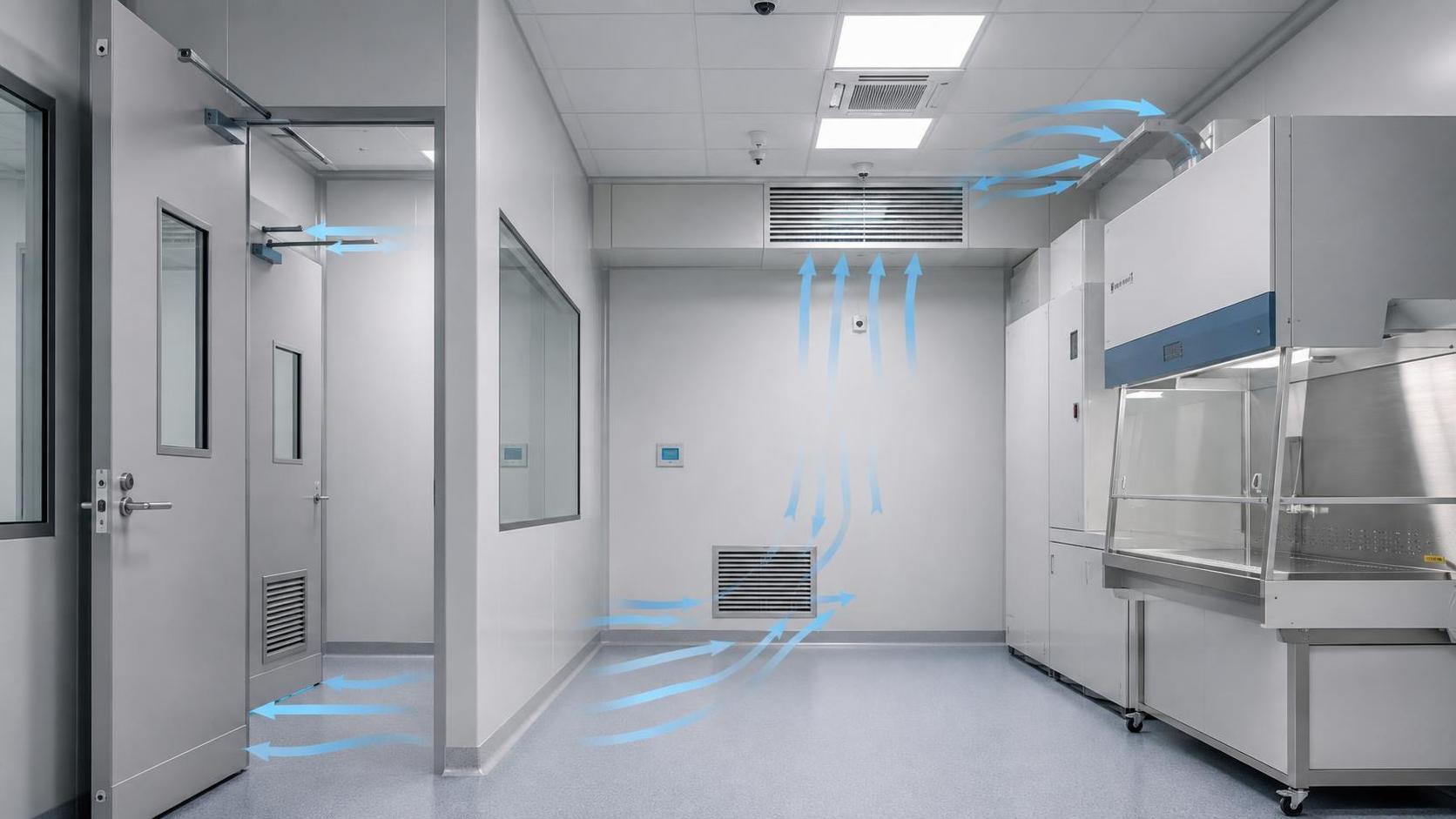
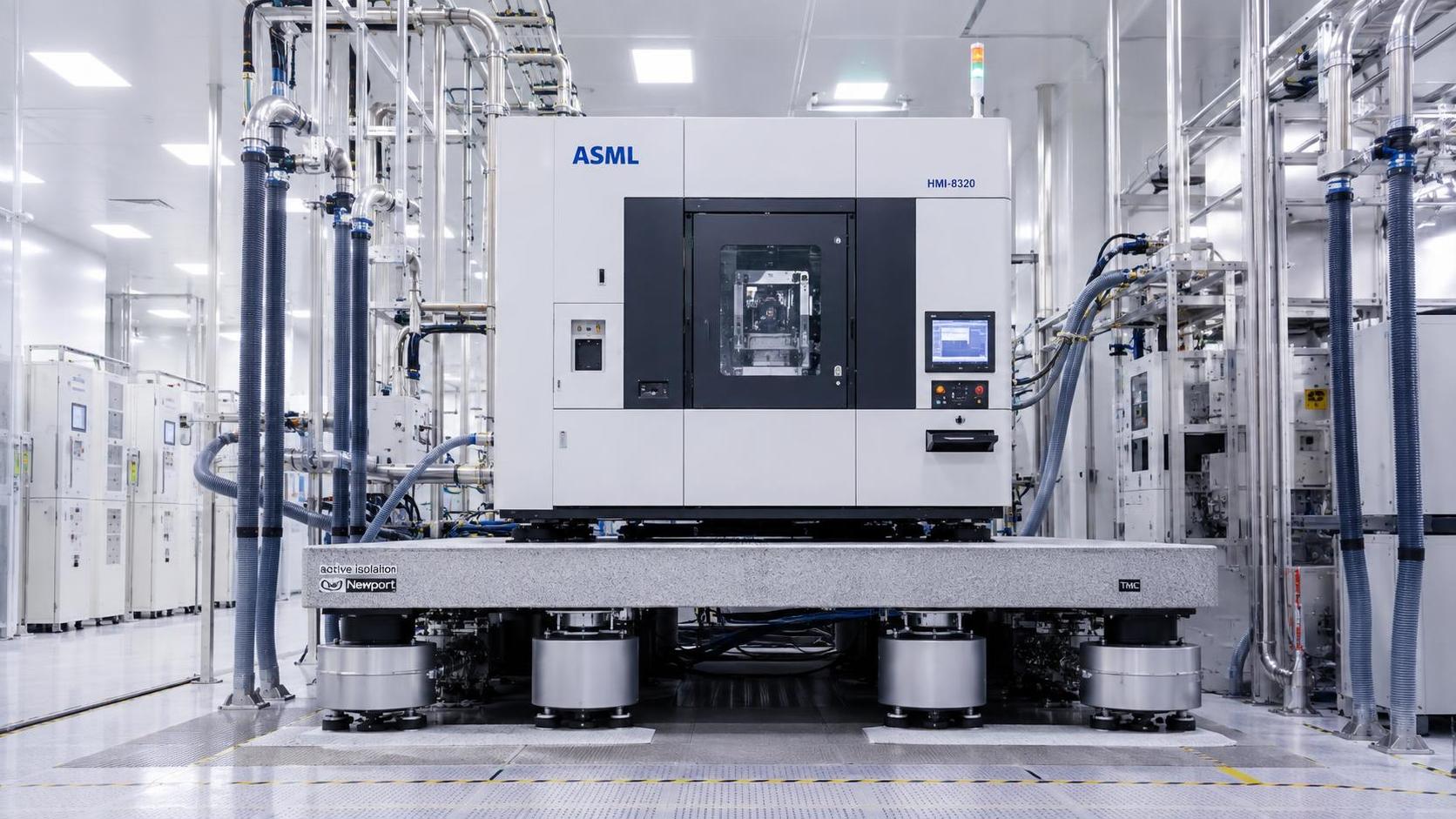
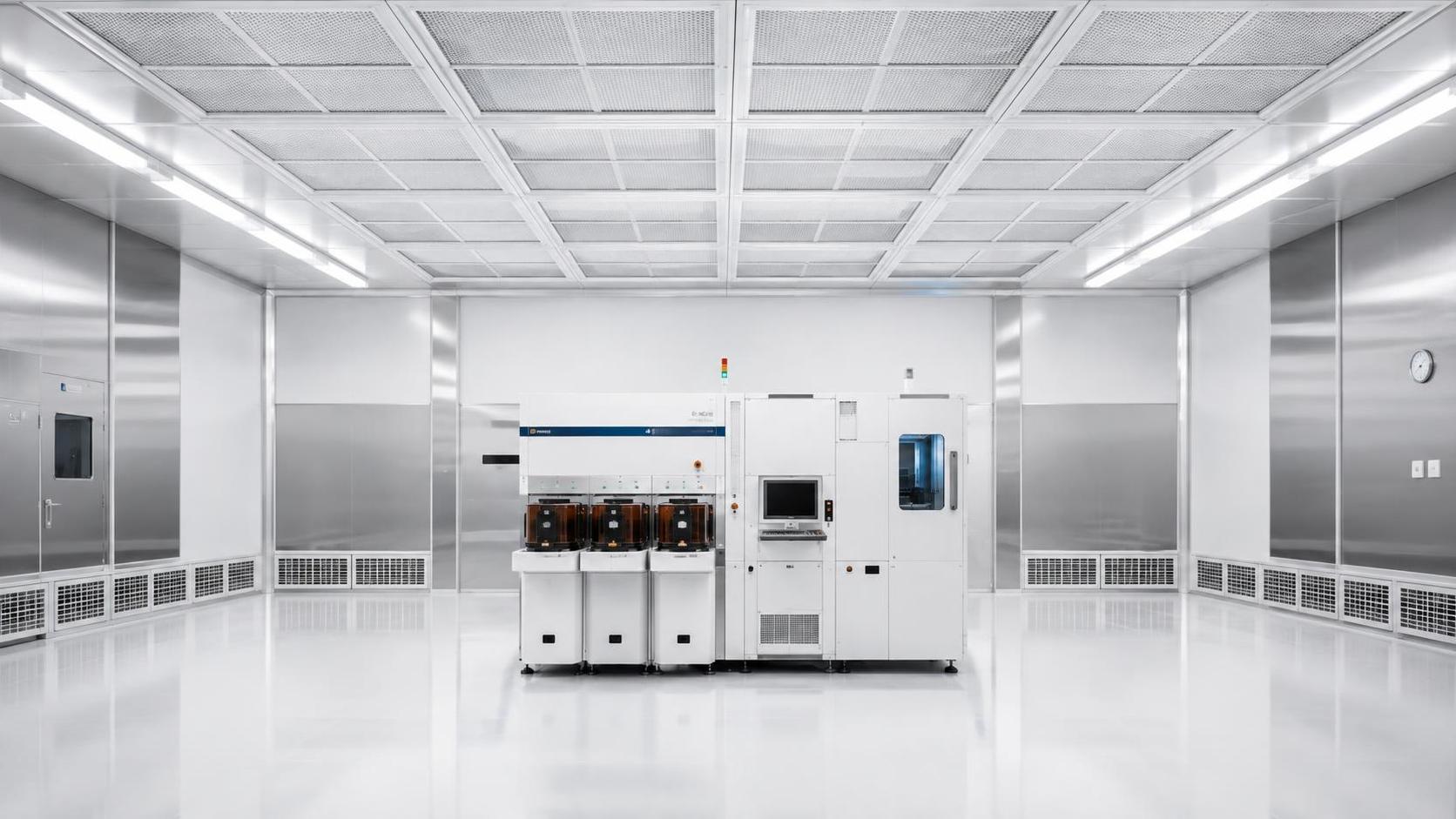
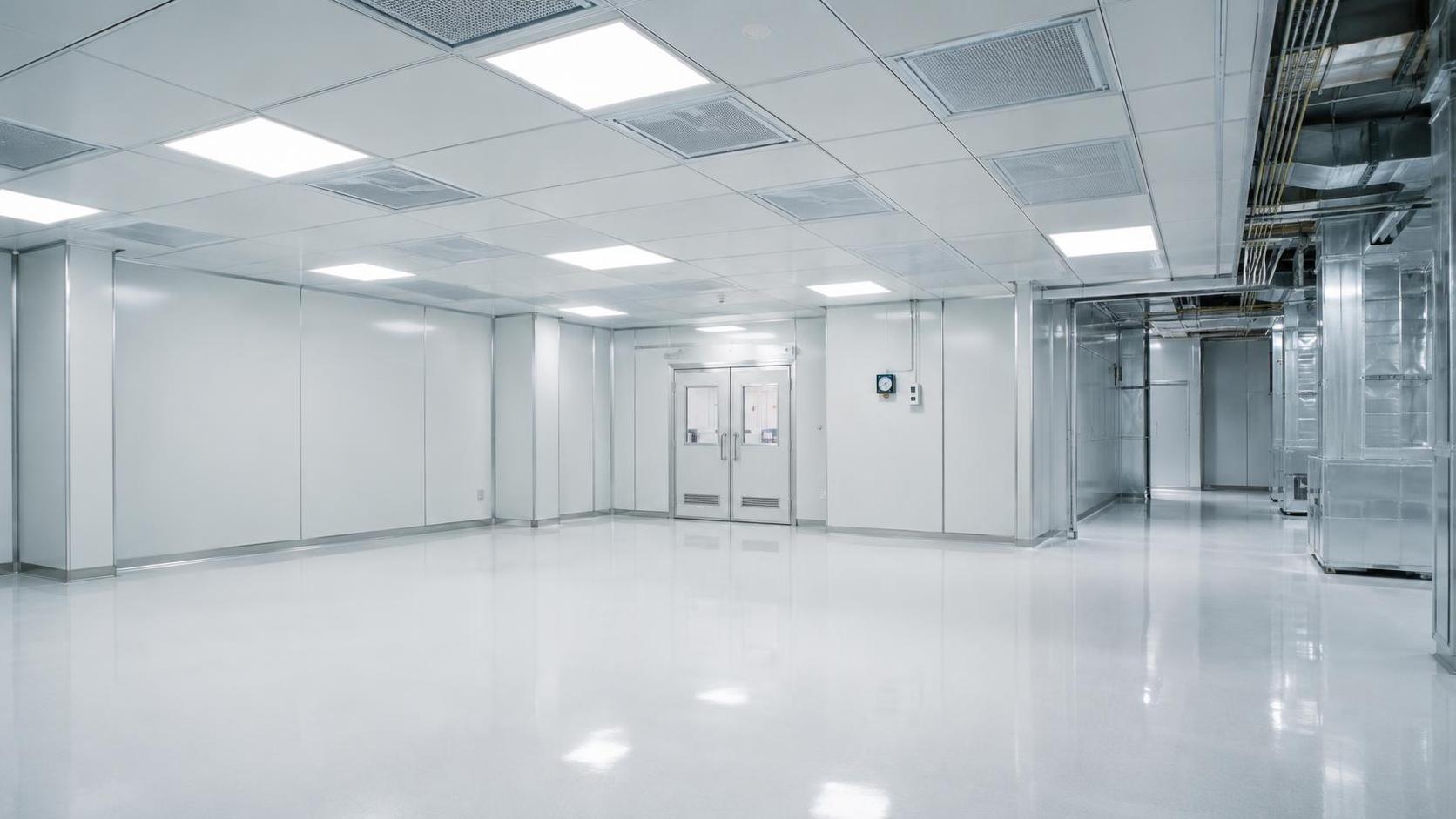
Here, energy efficiency must coexist with extremely tight contamination and thermal requirements. Fan filter units, make-up air systems, and precision cooling loads dominate the discussion.
Benchmarking focuses on reducing unnecessary airflow, improving magnetic-levitation chiller performance, and aligning control zones with true process sensitivity.
Pharmaceutical and life sciences
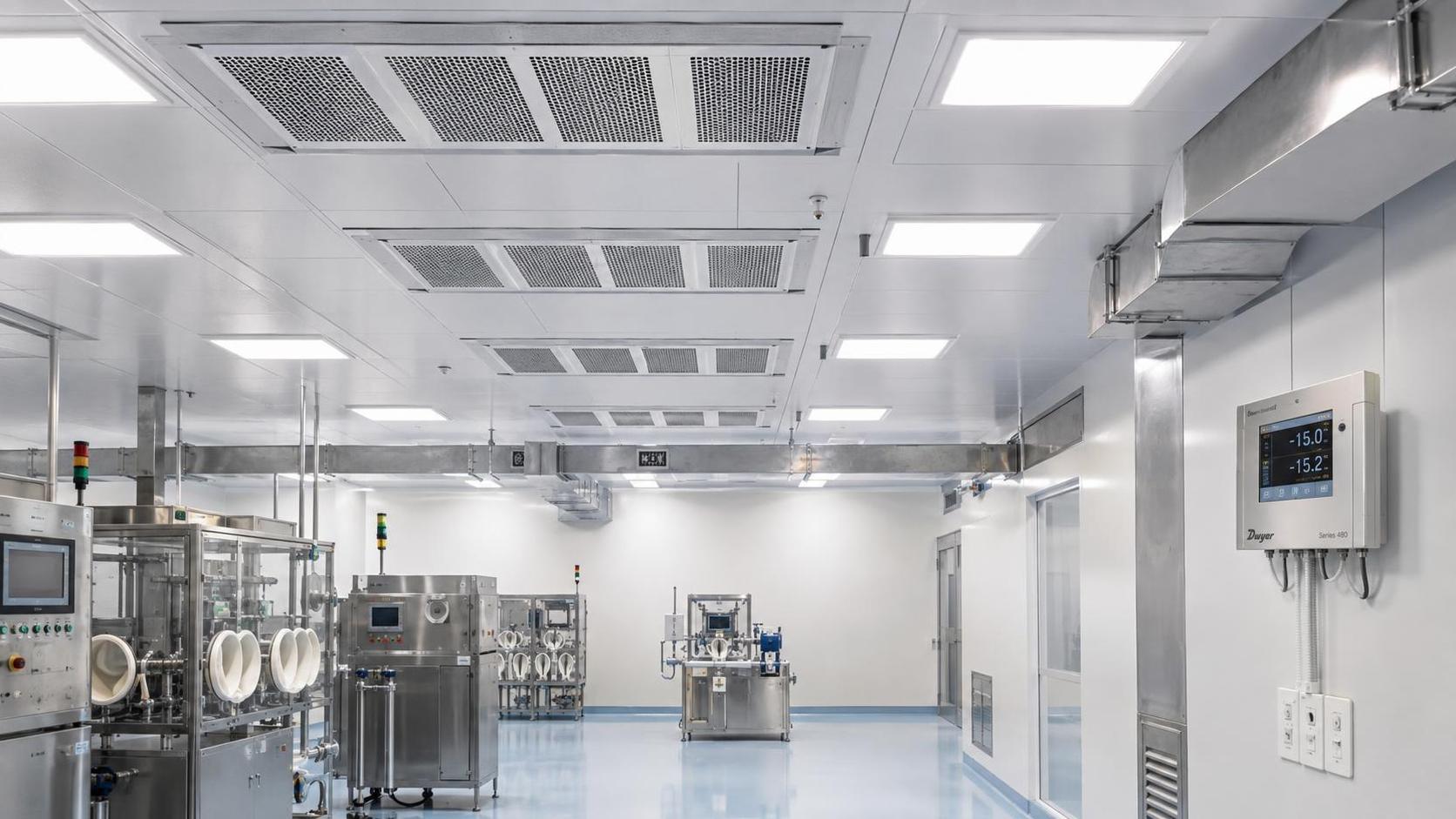
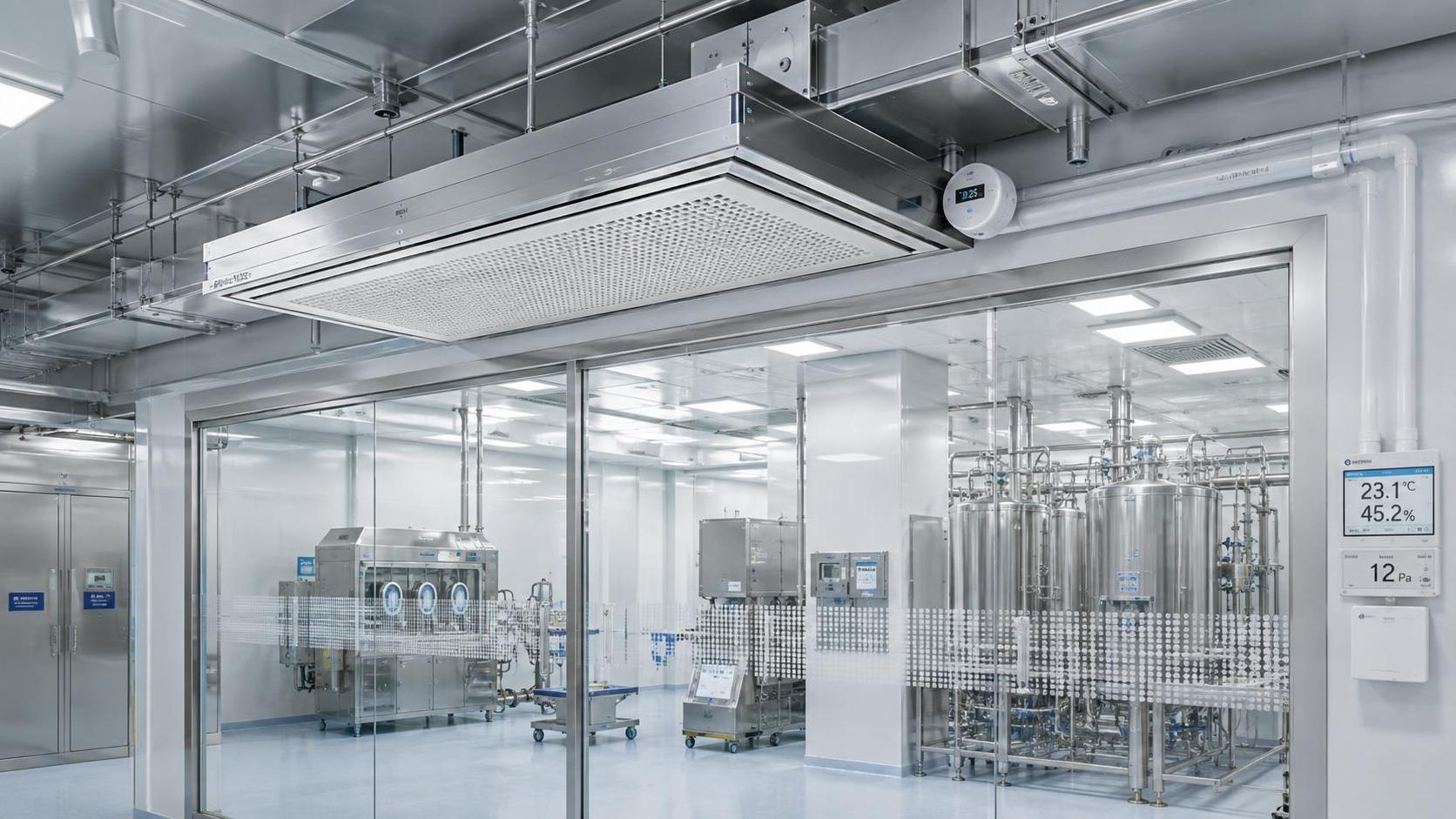
Validated environments cannot absorb unstable control strategies. The priority is not the lowest energy number. The priority is sustained compliance with lower energy intensity per qualified production outcome.
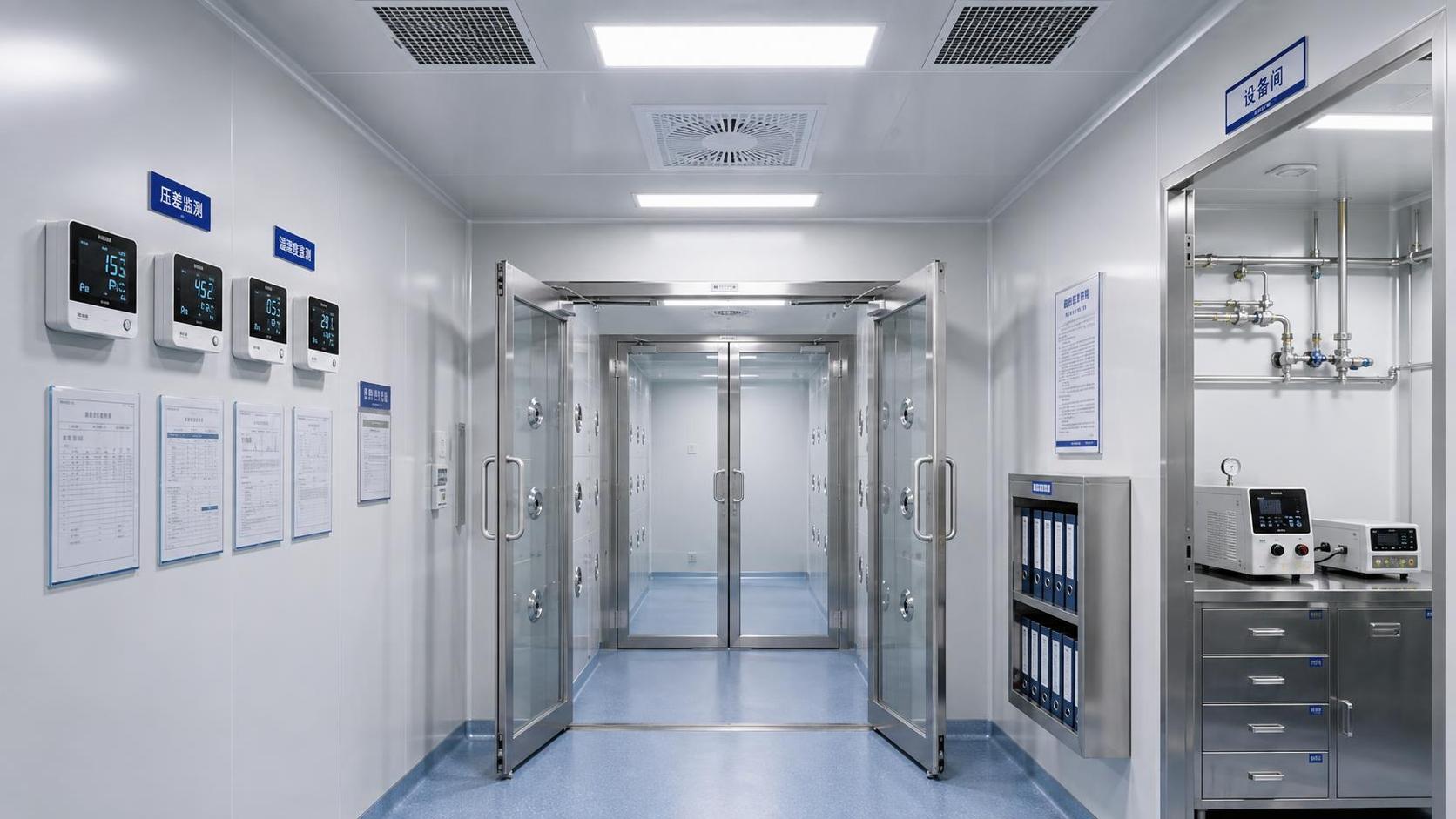
Air balance, pressure cascades, dehumidification efficiency, and utility redundancy all shape the benchmark.
High-risk labs and containment facilities
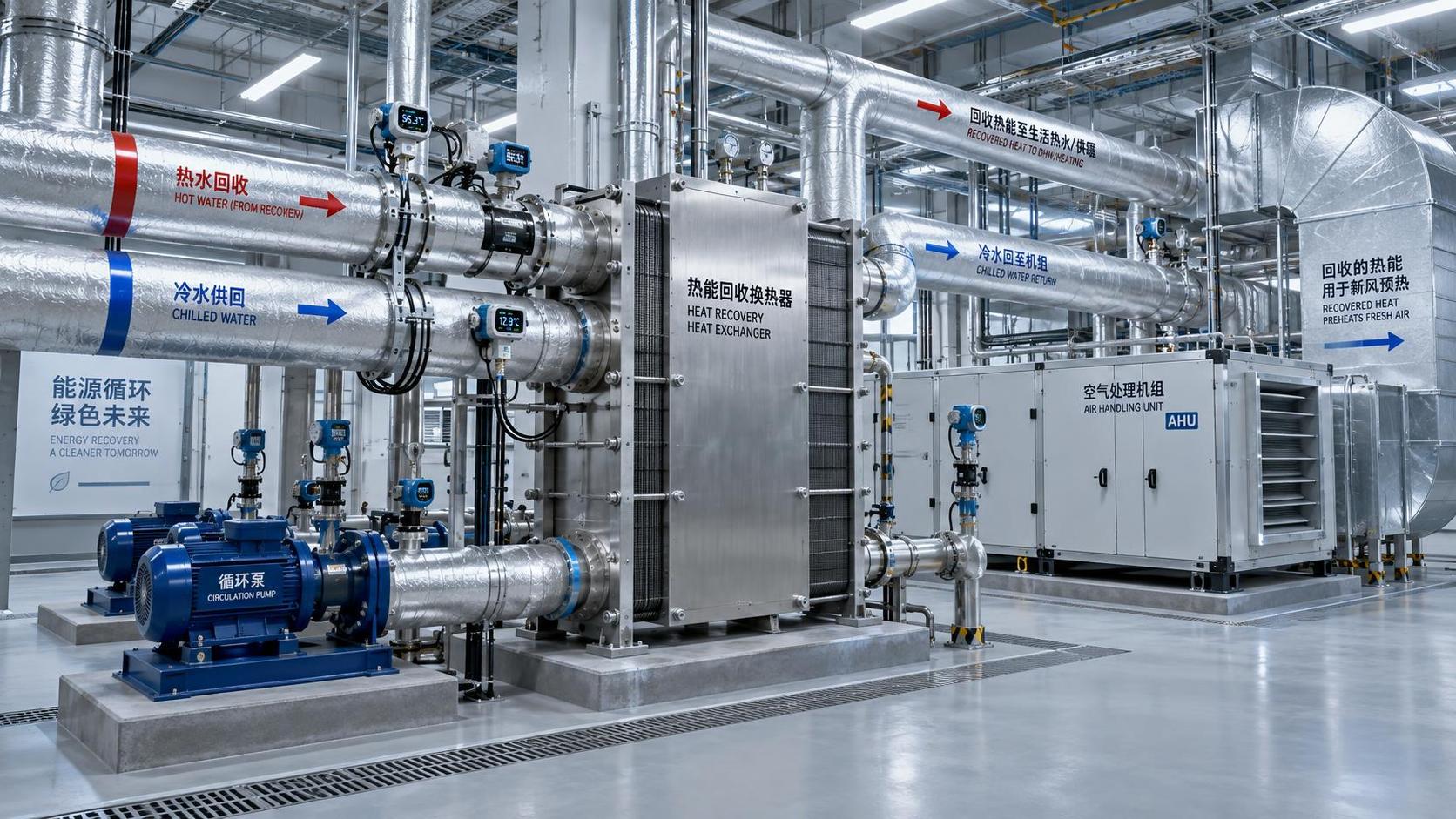
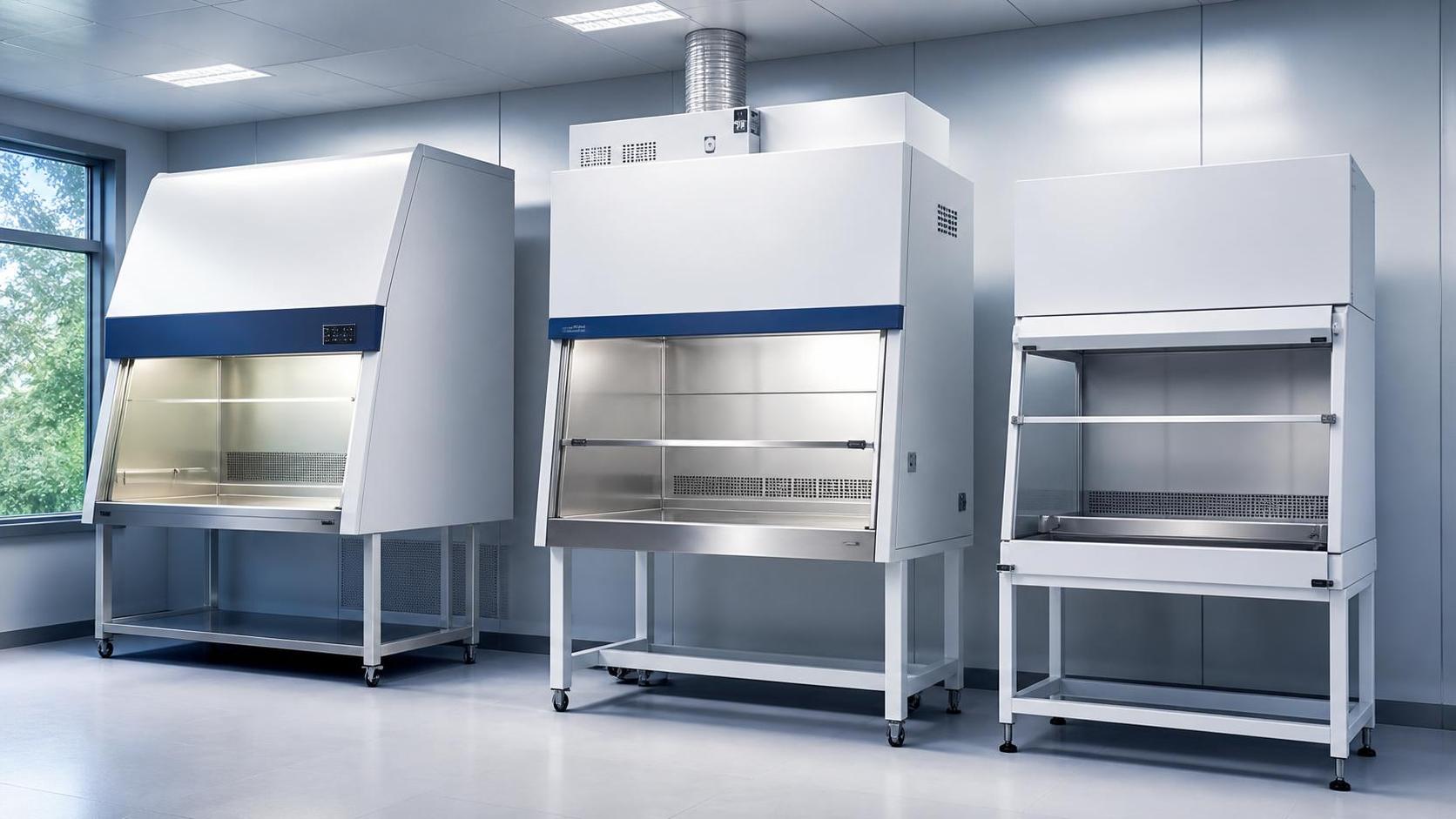
Containment performance sets the floor. Within that constraint, energy efficiency is improved through smarter exhaust strategies, heat recovery where permitted, and better control of unoccupied operating modes.
Water-intensive process environments
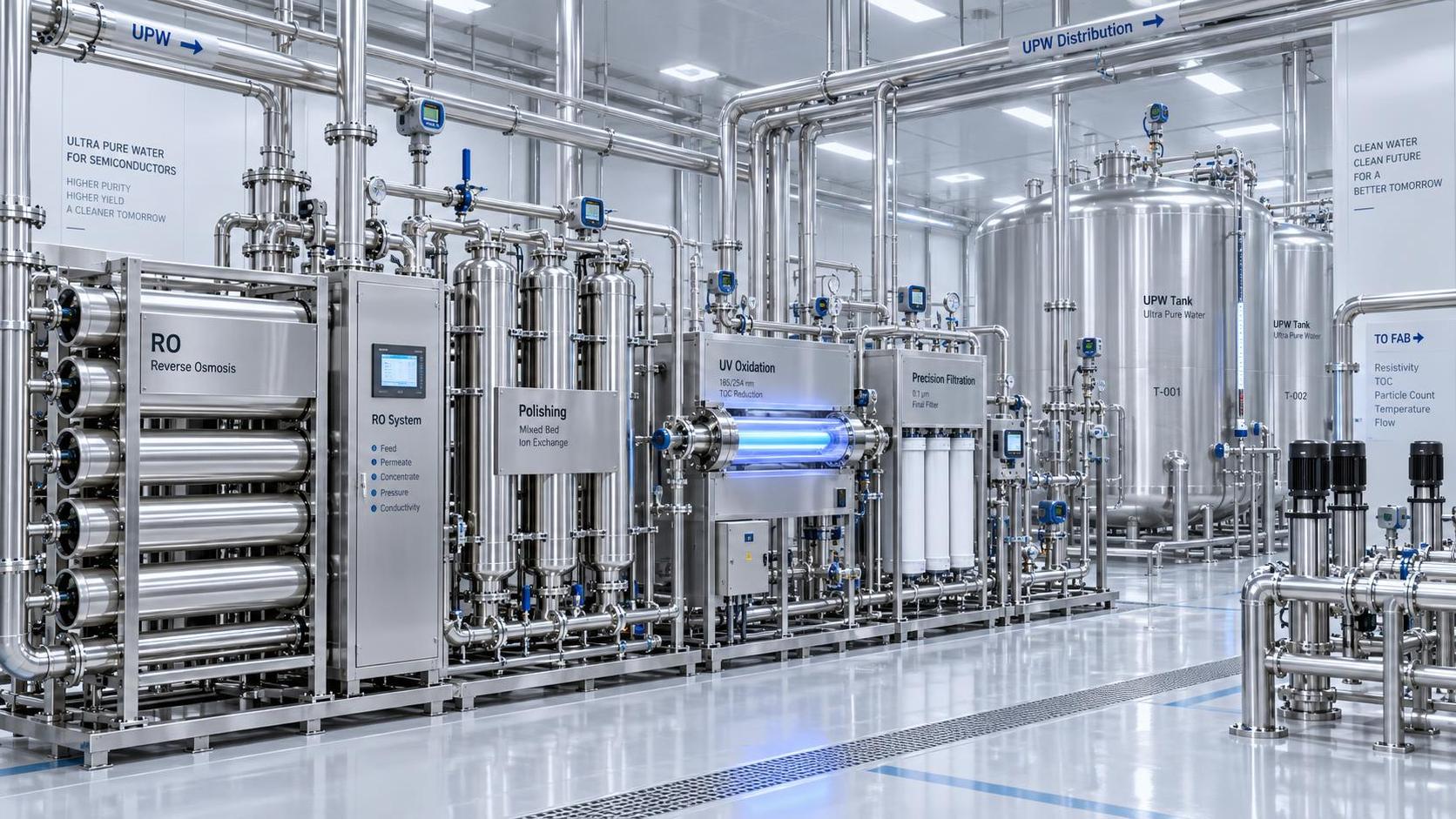
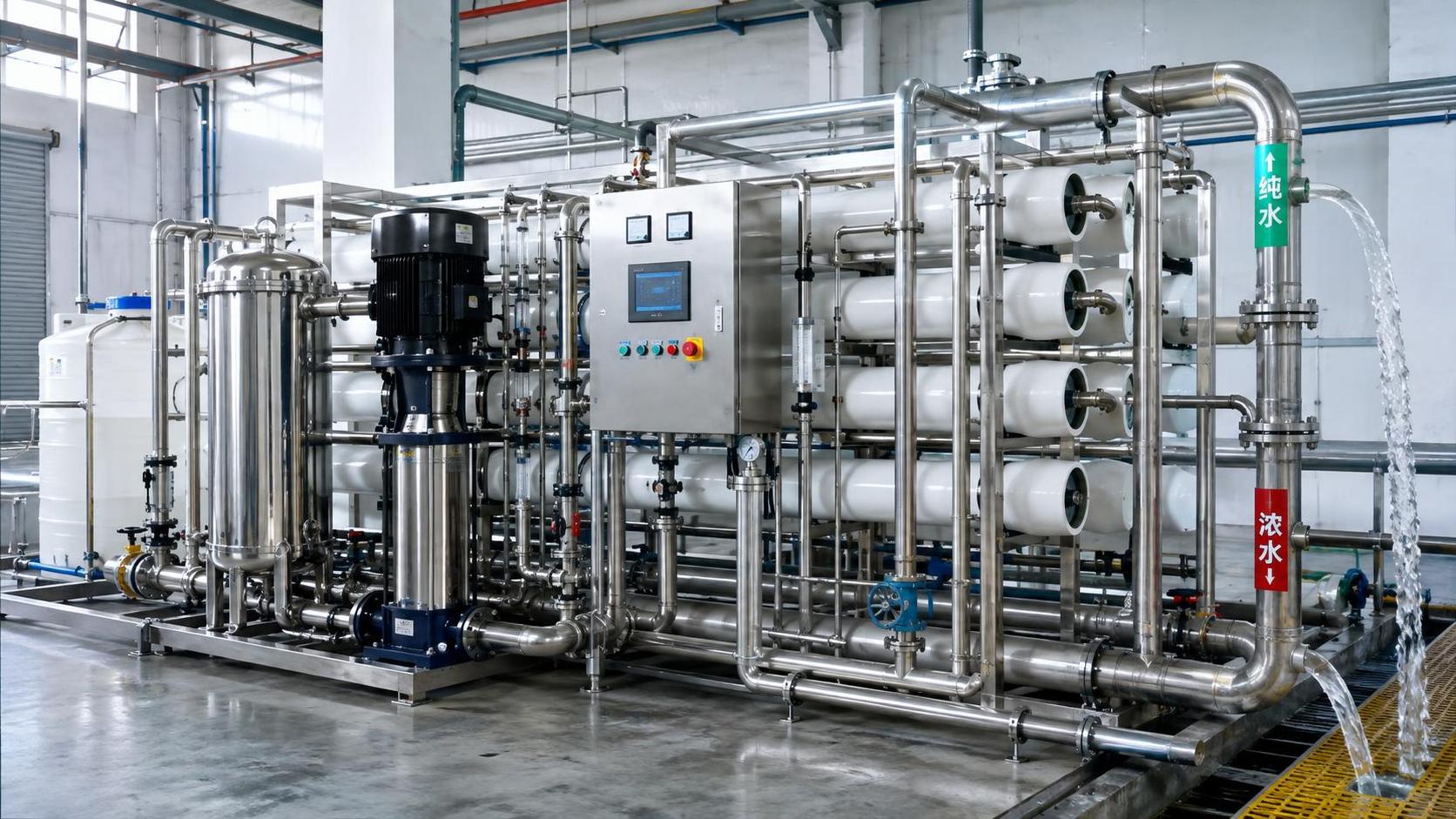
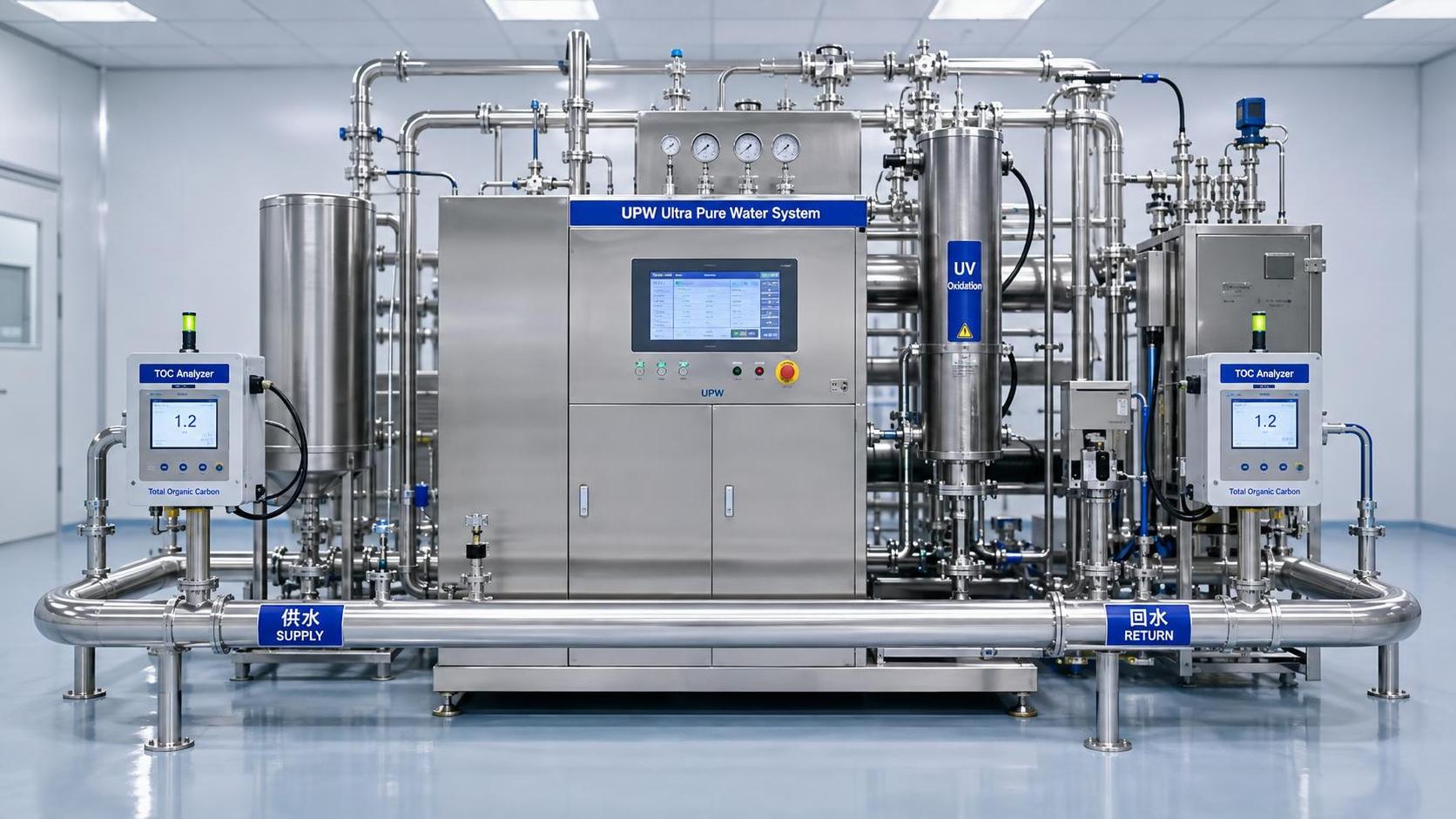
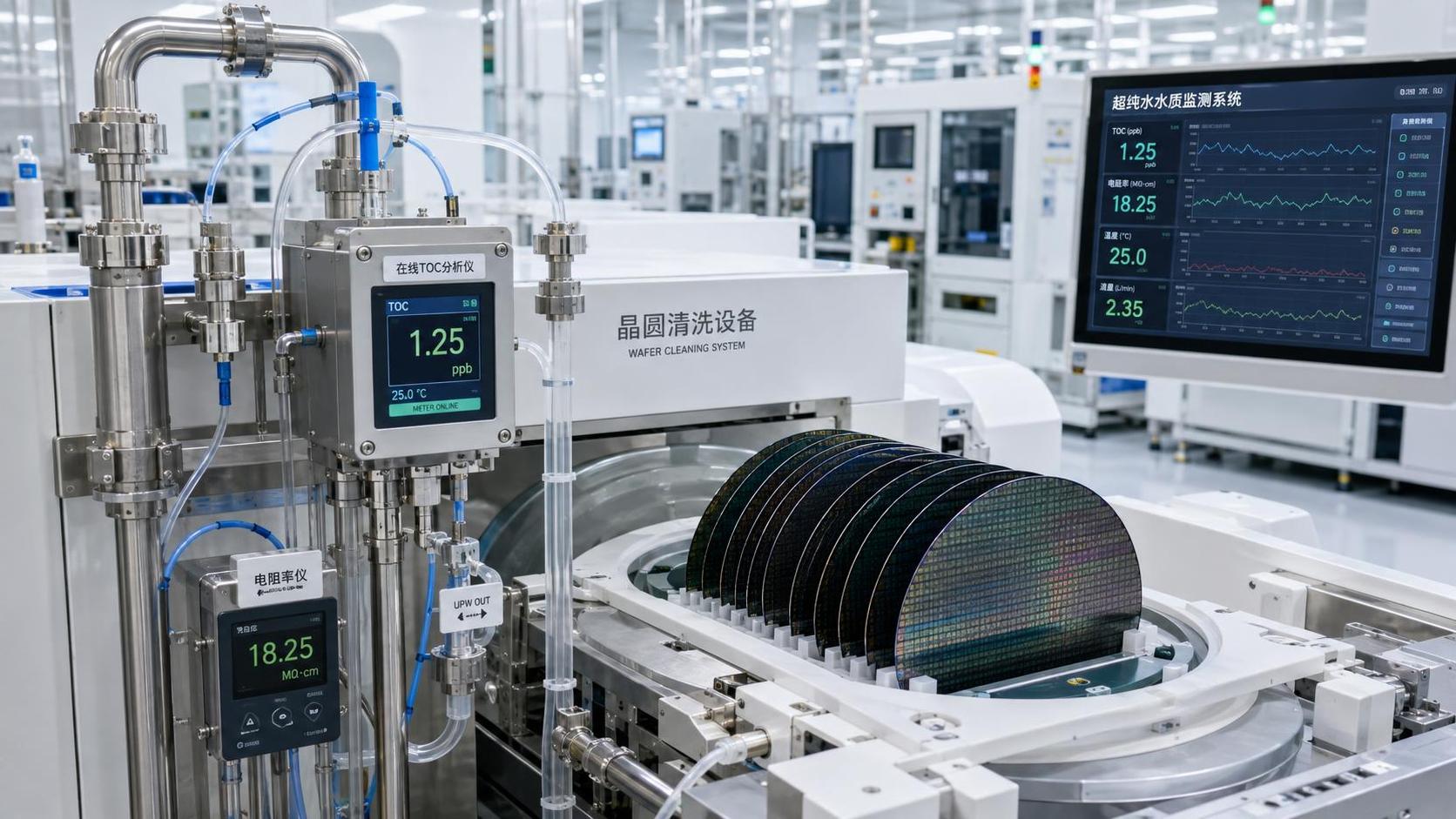
UPW systems and process-fluid loops often hide large energy penalties. Better benchmarks include purification energy, pumping losses, reject management, and the cost of purity drift.
How to interpret benchmark data without being misled
Benchmarking becomes risky when numbers are viewed without operational context. A lower energy figure can look attractive while masking deferred maintenance, under-ventilation, or unstable process conditions.
A better approach is to compare three layers at once: design intent, actual operating behavior, and compliance outcomes. If those layers disagree, the metric needs more scrutiny.
- Compare full-load and partial-load performance rather than relying on nameplate efficiency.
- Test whether energy savings hold during seasonal changes and peak process demand.
- Check if reduced airflow or tighter control logic affects cleanliness, pressure, or recovery time.
- Validate sensor quality before using dashboard data for executive decisions.
- Review maintenance patterns, because fouling and drift often erase modeled gains.
This is also where G-ICE-style benchmarking is useful. Cross-referencing system behavior against recognized industrial standards helps separate durable improvement from temporary optimization.
What strong energy efficiency programs look like now
The most credible programs are disciplined rather than flashy. They tie energy efficiency to measurable operating windows, asset decisions, and risk controls.
Common characteristics
- Benchmarks are set by process class, not by building averages alone.
- Capital planning favors equipment with verified part-load and lifecycle performance.
- Digital twin or advanced monitoring platforms are used to detect drift early.
- Water, air, thermal, and carbon metrics are reviewed together.
- Reporting is linked to audit evidence, not only to sustainability narratives.
That model is especially relevant in facilities where environmental control is part of product quality, research validity, or national industrial capability.
A practical next step for 2026 planning
A sensible starting point is not a broad retrofit list. It is a benchmark map that shows where energy efficiency intersects with precision risk, compliance pressure, and utility cost exposure.
That map should identify which systems are truly mission-critical, which metrics are decision-grade, and where current performance is being judged by incomplete indicators.
From there, the next review becomes clearer: verify airflow and cooling assumptions, compare actual versus designed operating ranges, and assess whether monitoring data is strong enough to support investment decisions.
In 2026, energy efficiency matters most when it is benchmarked as operational capability. The organizations that act on that definition are usually the ones that reduce waste without compromising the conditions that their most critical environments depend on.
Get weekly intelligence in your inbox.
No noise. No sponsored content. Pure intelligence.
 Sep 19, 2026When does heat recovery make sustainable cooling worth the investment?Sustainable cooling technology heat recovery: learn when reliable heat demand, temperature matching, and lifecycle savings make recovery a smart investment.
 Sep 18, 2026How to set alarm limits for semiconductor cleanroom monitoringSemiconductor cleanroom monitoring: learn how to set risk-based alarm limits for particles, humidity, pressure, and airflow to protect yield and reduce nuisance alerts.
 Sep 17, 2026How plastic injection molding affects ESD protection in cleanroomsPlastic injection molding affects ESD protection in cleanrooms. Learn how resin choice, molding consistency, grounding, and particle control support reliable compliance.
 Sep 16, 2026What to verify before choosing an industrial air quality monitoring supplierIndustrial air quality monitoring supplier checklist: verify measurement accuracy, calibration traceability, data integration, compliance support, and lifecycle service before you buy.
 Sep 15, 2026Smart HVAC investment insights for North American heat recovery projectsSmart HVAC investment insights North America: evaluate heat recovery, lifecycle costs, controls, and performance for resilient project decisions.
 Sep 14, 2026How SEMI standards shape water treatment design for semiconductor fabsSemiconductor water treatment SEMI guidance shapes resilient UPW design, contamination control, monitoring, reclaim strategy, and fab-ready validation.
 Sep 13, 2026What drives Biosafety Containment Systems cost in BSL-3 projects?Biosafety Containment Systems cost in BSL-3 projects depends on HVAC, layout, decontamination, controls, and commissioning. Discover how to build a credible budget.
 Sep 12, 2026How to qualify a fine chemical process solutions supplier for purity controlFine Chemical Process Solutions supplier qualification guide: evaluate purity control, traceability, contamination prevention, and safety for reliable high-purity production.
 Sep 11, 2026What drives cleanroom certification cost for ISO Class 1–9 projects?Cleanroom certification cost depends on ISO Class 1–9 requirements, test scope, HVAC readiness, documentation, and retesting. Explore practical budgeting insights to control project risk.
 Sep 10, 2026When should Procurement Directors prioritize heat recovery payback?Procurement Directors: learn when heat recovery delivers reliable payback, lower lifecycle costs, and safe performance in controlled industrial environments.
 Sep 09, 2026How to select an environmental monitoring system for cleanroomsEnvironmental monitoring system selection for cleanrooms: compare sensors, alarms, data integrity, integration, and installation to ensure reliable control.
 Sep 08, 2026How temperature stability affects semiconductor manufacturing yieldSemiconductor manufacturing temperature stability directly affects yield, overlay, metrology, and process control. Explore practical HVAC, monitoring, and zoning strategies.
 Sep 07, 2026How to prepare for a Regulatory Frameworks audit of cleanroom controlsRegulatory Frameworks audit readiness for cleanroom controls: build traceable evidence, verify alarms and monitoring, and close compliance gaps with confidence.
 Sep 07, 2026How to choose reverse osmosis systems with the right recovery rateReverse osmosis systems: learn how to select the right recovery rate for reliable water quality, lower scaling risk, efficient concentrate control, and stable long-term performance.
 Sep 05, 2026How does a negative pressure room work to contain airborne contaminants?How does a negative pressure room work? Discover how inward airflow, controlled exhaust, monitoring, and room design help contain airborne contaminants safely.
 Sep 04, 2026How Should Semiconductor Facilities Select Vibration Isolation Systems?Vibration isolation semiconductor guide: learn how to match tool limits, site vibration, utilities, and cleanroom needs for stable, high-yield fab performance.
 Sep 04, 2026What TOC Limits Should Be Set and Monitored for a UPW Loop?What are our TOC limits for the UPW loop? Learn how to set defensible TOC thresholds, monitor trends, protect critical processes, and improve water-quality control.
 Sep 04, 2026What Are the Best Retrofit Options for Upgrading Existing Pharmaceutical Cleanrooms?What are the best retrofit options to upgrade existing pharma cleanrooms? Explore FFUs, HVAC modernization, pressure cascades, monitoring, and sealed finishes for compliant performance.
 Sep 04, 2026How Does a Negative Air Pressure Room Protect Adjacent Areas?What is a negative air pressure room? Learn how controlled airflow contains airborne hazards, protects adjacent spaces, and supports safer facility operations.
 Sep 04, 2026What Is ISO Class 1 Cleanroom Classification, and Where Is It Used?What is ISO Class 1? Explore its ultra-low particle limits, critical cleanroom design factors, verification methods, and uses in semiconductor, optics, and quantum manufacturing.
 Sep 04, 2026How Long After a UPW Deviation Does Yield Impact Typically Appear?What is the typical time lag from UPW deviation to yield impact? Learn how contamination, process sensitivity, exposure windows, and testing stages shape detection timing.
 Sep 04, 2026What Testing Data Should Engineers Review Before Approving a UPW Material?What testing data should be reviewed before approving a UPW material? Explore extractables, TOC, particle release, ionic leaching, corrosion, and reliability data for confident approval.
 Sep 04, 2026How Should Pharmaceutical Cleanrooms Choose Climate Control Systems?Which climate control systems are recommended for pharmaceutical cleanroom environments? Explore HVAC, humidity, pressure, HEPA filtration, and GMP-ready monitoring strategies.
 Sep 04, 2026Airtight Door Problems in Medical Spaces and How Buyers Prevent ThemA problem-solving guide for airtight door procurement, covering sealing performance, sensors, wall coordination, cleaning, maintenance, and acceptance risk.
 Sep 04, 2026What drives cleanroom design cost for ISO Class 7 projects?Cleanroom design cost for ISO Class 7 projects depends on HVAC, filtration, utilities, validation, and lifecycle strategy. Learn how to control budgets without compromising compliance or performance.
 Sep 03, 2026When do heat pipe heat exchangers suit pharmaceutical cleanrooms?Heat Pipe Heat Exchangers for pharmaceutical plants: discover when they support cleanroom energy recovery, airflow separation, humidity control, and GMP-ready HVAC design.
 Sep 02, 2026What determines biosafety cabinets price across different modelsBiosafety cabinets price varies by class, airflow design, filtration, size, certification, and installation. Compare models confidently to choose safe, cost-effective containment.