Manufacturing Analysis: 5 Signals of Hidden Process Risk
Manufacturing Analysis: 5 Signals of Hidden Process Risk
Manufacturing Analysis often reveals process risk before alarms, audits, or customer complaints do.
That matters most in complex industrial settings where precision, compliance, and uptime are tightly linked.
A missed signal today can become scrap, deviation, or delay next month.
Good Manufacturing Analysis is not just about performance reporting.
It is a practical way to spot unstable conditions, hidden bottlenecks, and control drift early enough to act.
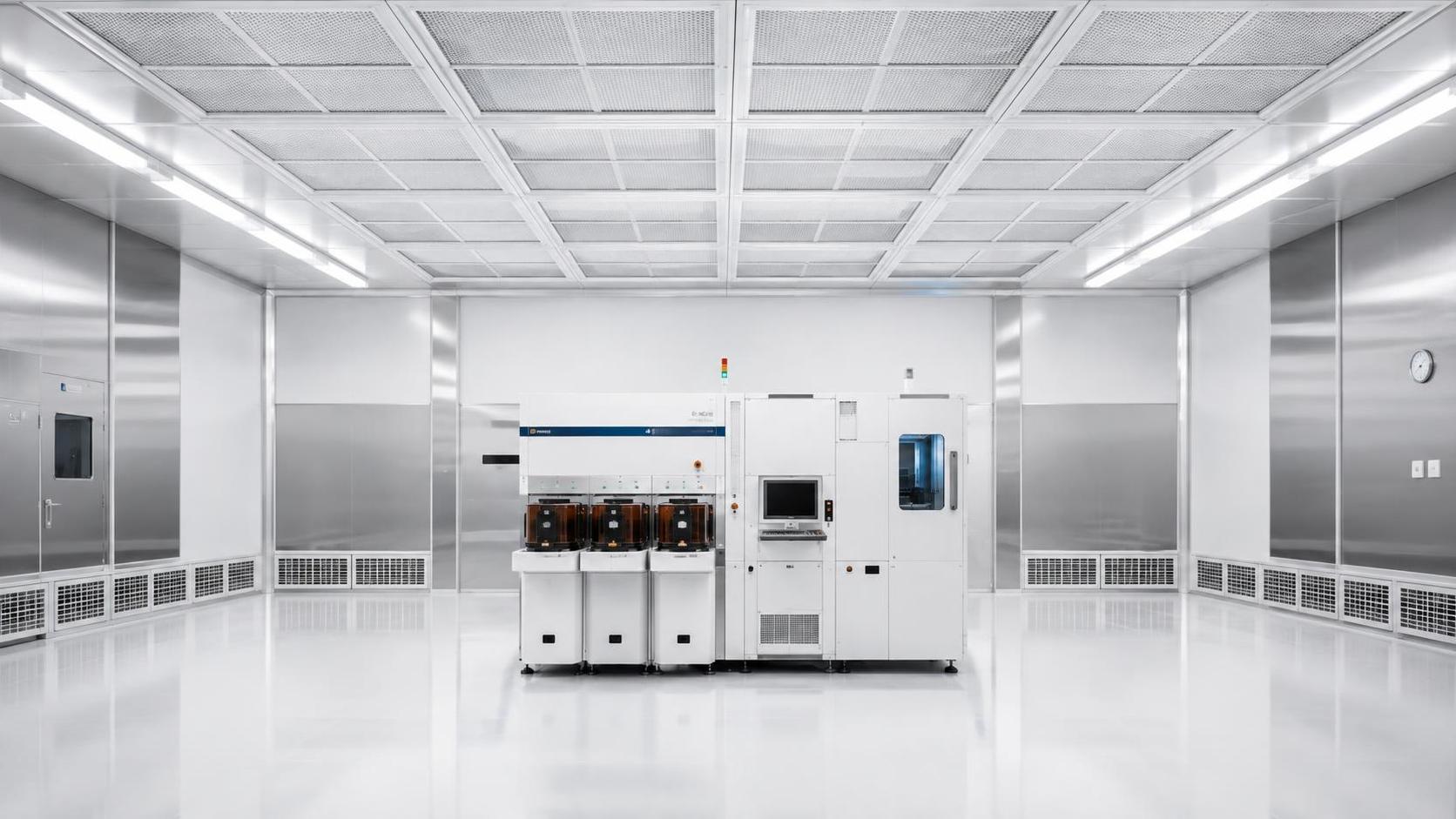
In facilities shaped by cleanroom control, thermal stability, water purity, biosafety, and digital monitoring, small deviations rarely stay small.
They usually travel across systems.
The five signals below help turn Manufacturing Analysis into faster, better risk decisions.
1. Process variation increases without a clear production change
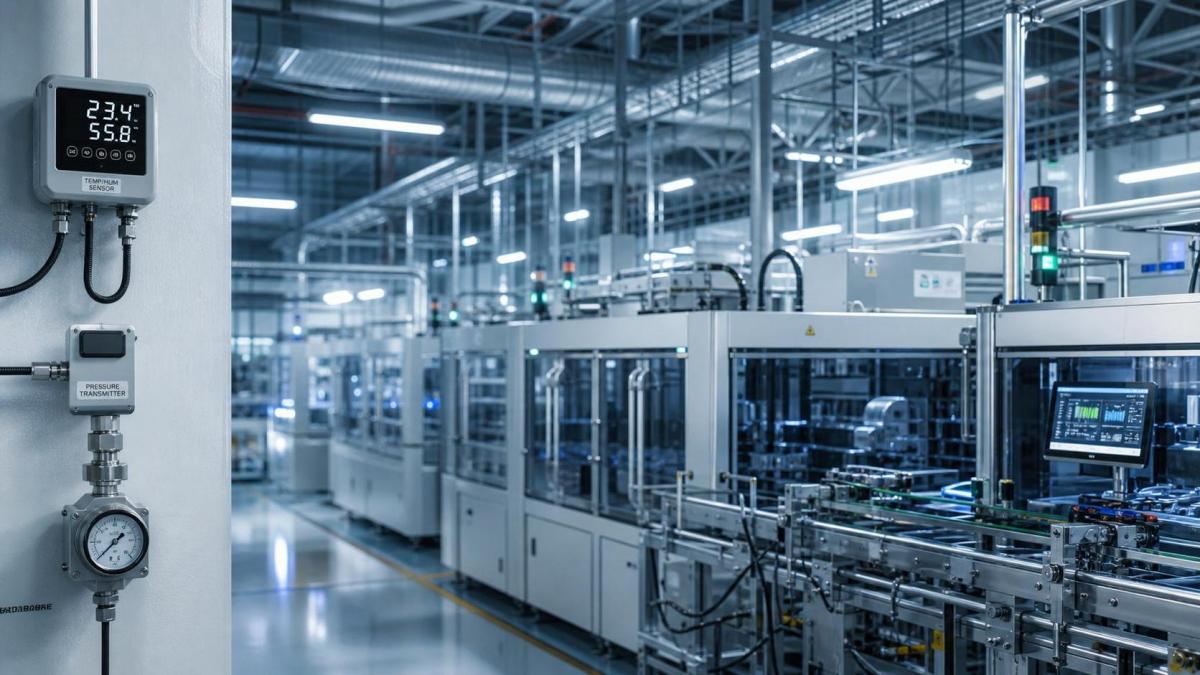
One of the earliest hidden warnings is rising variation with no approved change in recipe, load, or staffing.
This shows up as wider cycle times, unstable yields, or inconsistent environmental readings.
At first, dashboards may still look acceptable because averages stay inside target.
The stronger signal is spread, not the mean.
From a Manufacturing Analysis perspective, unexplained variability often points to control weakness.
That could mean sensor drift, maintenance lag, unstable utilities, or inconsistent operator execution.
In tightly controlled environments, even a minor fluctuation can affect downstream quality.
- Compare short-term variation against the last stable production window.
- Check temperature, humidity, pressure, and utility logs together.
- Review calibration dates and preventive maintenance completion.
- Separate normal recipe effects from unexplained process noise.
When Manufacturing Analysis detects growing variation early, corrective action is cheaper and far less disruptive.
2. Small environmental deviations keep appearing in different zones
A single out-of-range event is not always a serious issue.
Repeated micro-deviations across multiple zones usually are.
This is especially important where contamination control and thermal consistency support product integrity.
Manufacturing Analysis should look beyond isolated alarms and examine recurring drift patterns.
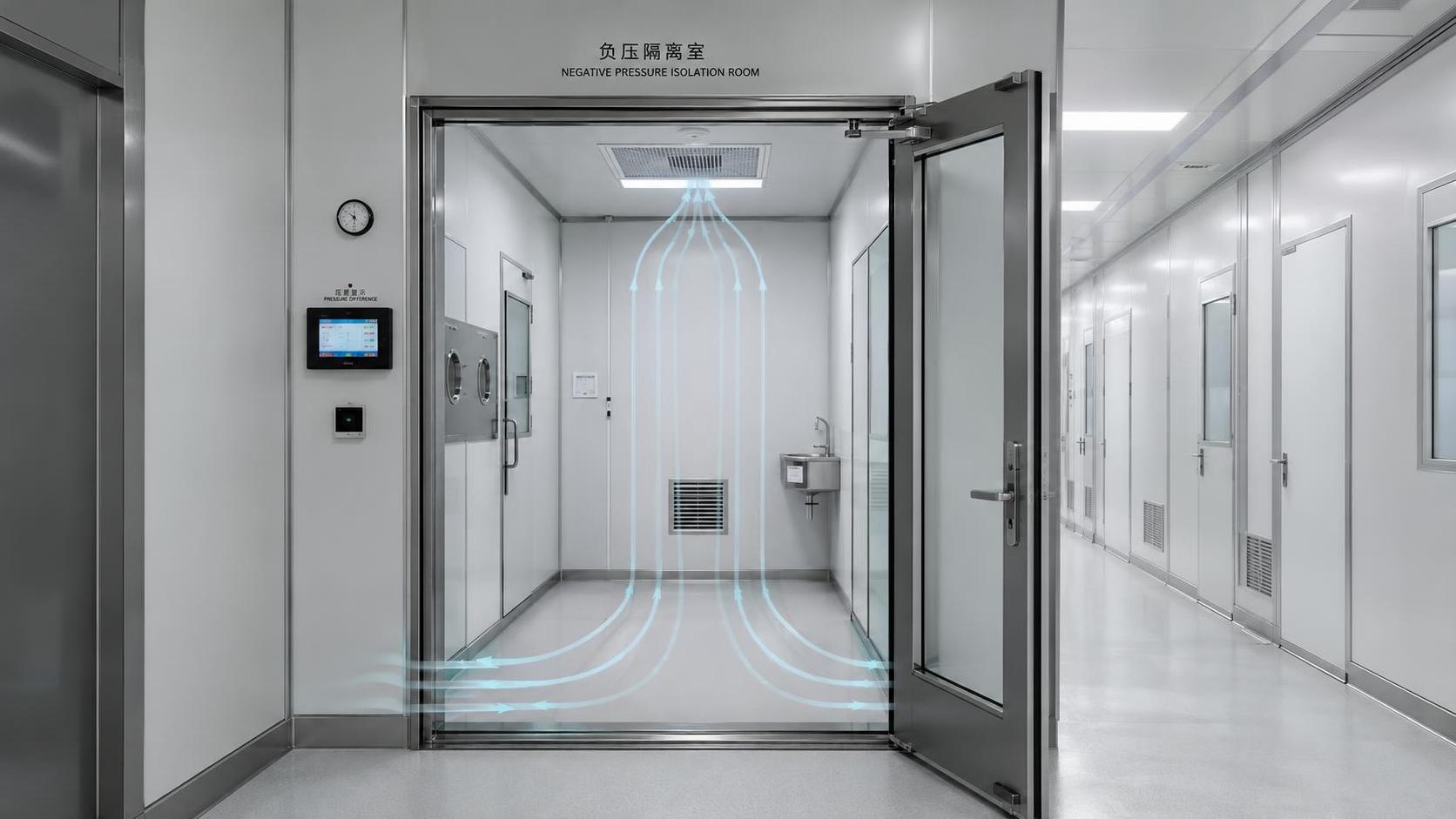
For example, one room may show slight pressure instability.
Another may show particle spikes during shift changes.
A third may show cooling response delays during peak loads.
Individually, each issue looks manageable.
Together, they suggest the control architecture is losing resilience.
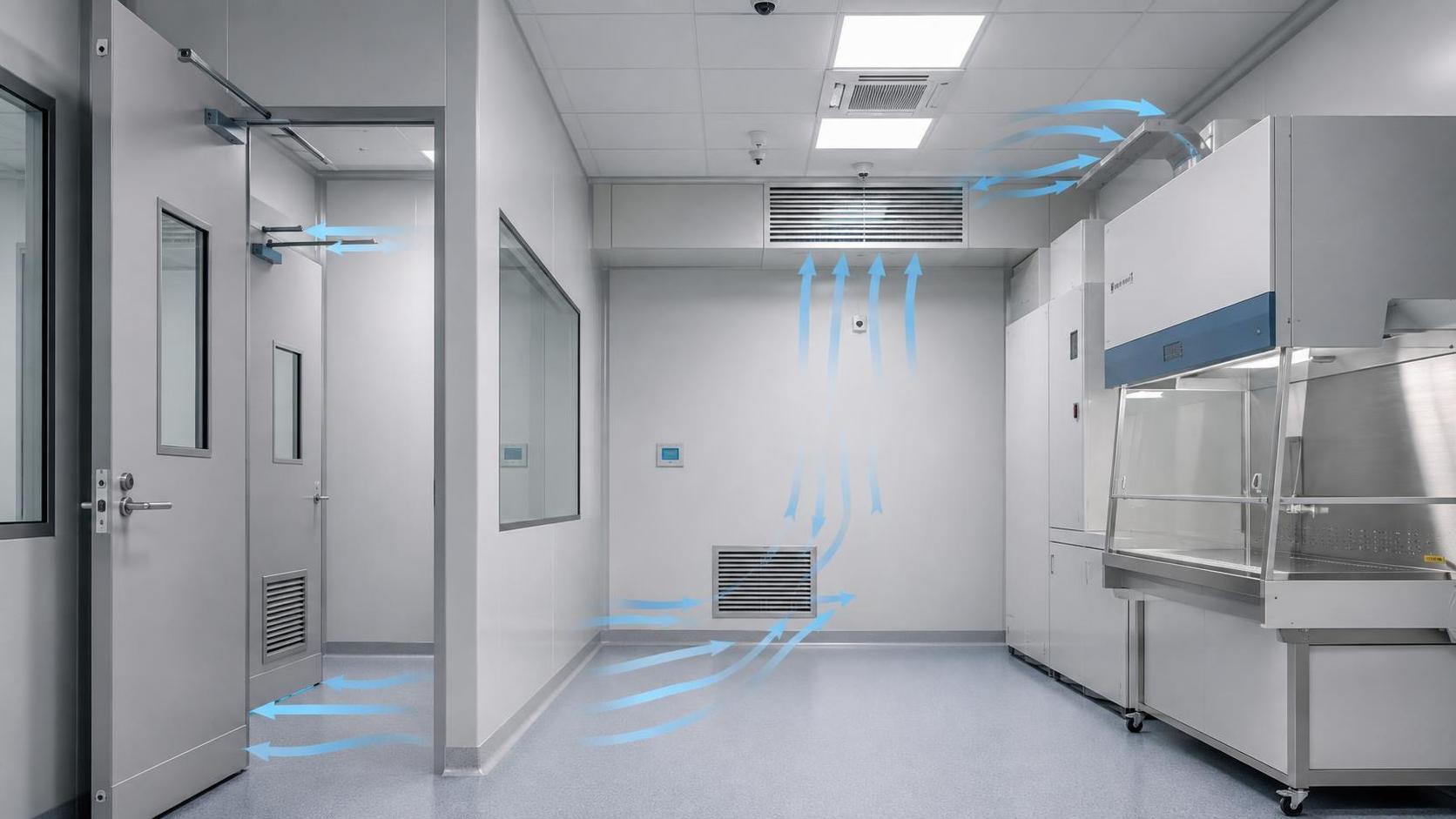
In actual operations, this often means airflow balancing has drifted, system response is slower, or facility loads have changed.
- Trend deviations by zone, time, and operating condition.
- Map events against occupancy, batch transitions, and equipment starts.
- Check whether utility demand exceeds original design assumptions.
- Use Manufacturing Analysis to connect environment data with process quality.
The key is pattern recognition, not alarm counting.
3. Manual workarounds become normal operating behavior
Hidden process risk often survives because teams are good at compensating for it.
People adjust valves, reset sequences, delay transfers, or add extra checks to keep output moving.
Over time, these actions feel routine.
That is exactly why they are dangerous.
Strong Manufacturing Analysis treats frequent workarounds as leading indicators of systemic weakness.
A workaround may hide unstable automation, poor sequencing logic, inadequate capacity, or weak standardization.
It also creates compliance exposure because actual practice drifts from documented control.
This becomes more serious in environments governed by ISO 14644, ASHRAE, SEMI, or internal validation rules.
- List recurring manual interventions by shift and area.
- Measure how often they are needed to maintain normal output.
- Compare real operating behavior with approved procedures.
- Prioritize fixes where workaround frequency and quality impact overlap.
If a process needs constant human rescue, Manufacturing Analysis should classify it as unstable, not flexible.
4. Utility performance looks acceptable, but response time gets slower
Many teams track whether utilities stay within specification.
Fewer teams track how quickly those systems recover after disturbance.
That gap can hide serious process risk.
A chilled water loop may still hit target temperature.
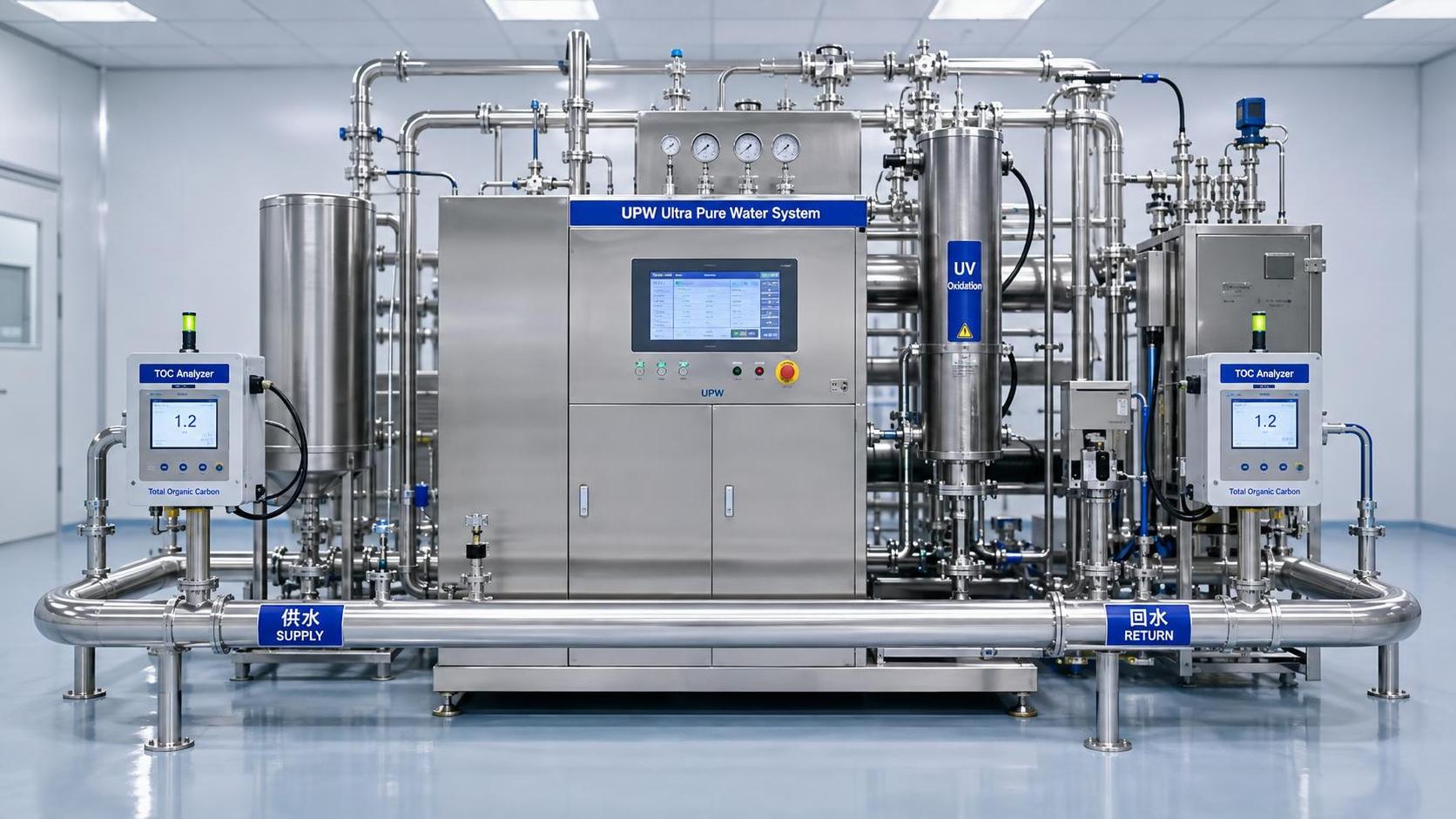
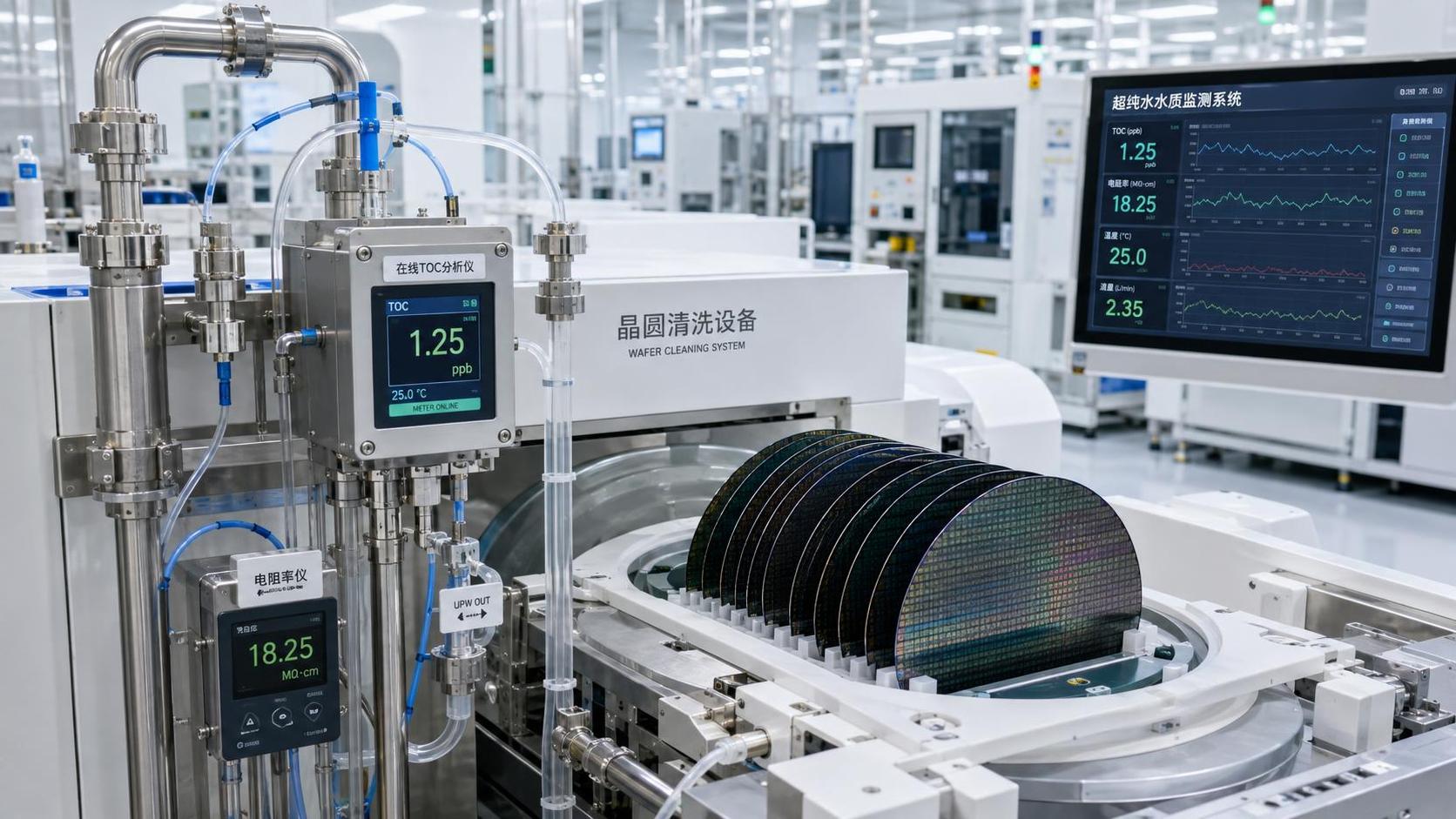
An UPW system may still meet purity limits.
A pressure cascade may still return to setpoint.
But if recovery takes longer than before, resilience is eroding.
This is where Manufacturing Analysis becomes especially valuable.
Response-time drift often appears before full nonconformance.
It may signal fouling, control tuning problems, excess load, valve wear, filter loading, or poor integration between systems.
A useful Manufacturing Analysis model tracks both compliance and recovery speed.
5. Data sources disagree more often than teams realize
When reports, sensors, and operator records tell different stories, hidden risk is already present.
This is a common issue in facilities adding digital monitoring on top of older systems.
Manufacturing Analysis depends on trustworthy, aligned data.
If timestamps mismatch, naming is inconsistent, or sampling intervals differ, false confidence grows fast.
A quality event may look operator-driven when the real issue is environmental lag.
A utility upset may seem random when digital twin assumptions are outdated.
More clearly, inconsistent data blocks fast decisions during deviations and project reviews.
Practical Manufacturing Analysis should verify data confidence before escalation meetings begin.
- Standardize tags, timestamps, and batch-event references.
- Reconcile sensor values with manual logs and historian records.
- Flag repeated data gaps as process risk, not just IT noise.
- Review digital models whenever physical systems or loads change.
Better data alignment makes Manufacturing Analysis more actionable and much more credible.
How to turn these signals into a practical response plan
Seeing risk is useful.
Responding consistently is what protects schedule, quality, and compliance.
A strong response plan does not need to be complicated.
- Define the signal in measurable terms, not opinions.
- Link each signal to quality, delivery, cost, or compliance impact.
- Assign one owner for investigation and one deadline for containment.
- Use Manufacturing Analysis reviews to track recurrence, not only closure.
- Update baselines after real improvements, not after temporary recovery.
In practice, the best teams treat weak signals as decision inputs, not background noise.
That mindset supports steadier operations and fewer surprise escalations.
Conclusion
Effective Manufacturing Analysis is not about collecting more data for its own sake.
It is about noticing the right signals before hidden process risk turns into visible failure.
Rising variation, repeated micro-deviations, routine workarounds, slower recovery, and conflicting data all deserve attention.
Each one can reveal where operational control is weaker than it appears.
If Manufacturing Analysis becomes part of regular project and operations reviews, teams can act earlier and with more confidence.
Start with one signal, validate it against real operating data, and build a response rhythm that keeps risk visible and manageable.
Get weekly intelligence in your inbox.
No noise. No sponsored content. Pure intelligence.
 Sep 19, 2026When does heat recovery make sustainable cooling worth the investment?Sustainable cooling technology heat recovery: learn when reliable heat demand, temperature matching, and lifecycle savings make recovery a smart investment.
 Sep 18, 2026How to set alarm limits for semiconductor cleanroom monitoringSemiconductor cleanroom monitoring: learn how to set risk-based alarm limits for particles, humidity, pressure, and airflow to protect yield and reduce nuisance alerts.
 Sep 17, 2026How plastic injection molding affects ESD protection in cleanroomsPlastic injection molding affects ESD protection in cleanrooms. Learn how resin choice, molding consistency, grounding, and particle control support reliable compliance.
 Sep 16, 2026What to verify before choosing an industrial air quality monitoring supplierIndustrial air quality monitoring supplier checklist: verify measurement accuracy, calibration traceability, data integration, compliance support, and lifecycle service before you buy.
 Sep 15, 2026Smart HVAC investment insights for North American heat recovery projectsSmart HVAC investment insights North America: evaluate heat recovery, lifecycle costs, controls, and performance for resilient project decisions.
 Sep 14, 2026How SEMI standards shape water treatment design for semiconductor fabsSemiconductor water treatment SEMI guidance shapes resilient UPW design, contamination control, monitoring, reclaim strategy, and fab-ready validation.
 Sep 13, 2026What drives Biosafety Containment Systems cost in BSL-3 projects?Biosafety Containment Systems cost in BSL-3 projects depends on HVAC, layout, decontamination, controls, and commissioning. Discover how to build a credible budget.
 Sep 12, 2026How to qualify a fine chemical process solutions supplier for purity controlFine Chemical Process Solutions supplier qualification guide: evaluate purity control, traceability, contamination prevention, and safety for reliable high-purity production.
 Sep 11, 2026What drives cleanroom certification cost for ISO Class 1–9 projects?Cleanroom certification cost depends on ISO Class 1–9 requirements, test scope, HVAC readiness, documentation, and retesting. Explore practical budgeting insights to control project risk.
 Sep 10, 2026When should Procurement Directors prioritize heat recovery payback?Procurement Directors: learn when heat recovery delivers reliable payback, lower lifecycle costs, and safe performance in controlled industrial environments.
 Sep 09, 2026How to select an environmental monitoring system for cleanroomsEnvironmental monitoring system selection for cleanrooms: compare sensors, alarms, data integrity, integration, and installation to ensure reliable control.
 Sep 08, 2026How temperature stability affects semiconductor manufacturing yieldSemiconductor manufacturing temperature stability directly affects yield, overlay, metrology, and process control. Explore practical HVAC, monitoring, and zoning strategies.
 Sep 07, 2026How to prepare for a Regulatory Frameworks audit of cleanroom controlsRegulatory Frameworks audit readiness for cleanroom controls: build traceable evidence, verify alarms and monitoring, and close compliance gaps with confidence.
 Sep 07, 2026How to choose reverse osmosis systems with the right recovery rateReverse osmosis systems: learn how to select the right recovery rate for reliable water quality, lower scaling risk, efficient concentrate control, and stable long-term performance.
 Sep 05, 2026How does a negative pressure room work to contain airborne contaminants?How does a negative pressure room work? Discover how inward airflow, controlled exhaust, monitoring, and room design help contain airborne contaminants safely.
 Sep 04, 2026How Should Semiconductor Facilities Select Vibration Isolation Systems?Vibration isolation semiconductor guide: learn how to match tool limits, site vibration, utilities, and cleanroom needs for stable, high-yield fab performance.
 Sep 04, 2026What TOC Limits Should Be Set and Monitored for a UPW Loop?What are our TOC limits for the UPW loop? Learn how to set defensible TOC thresholds, monitor trends, protect critical processes, and improve water-quality control.
 Sep 04, 2026What Are the Best Retrofit Options for Upgrading Existing Pharmaceutical Cleanrooms?What are the best retrofit options to upgrade existing pharma cleanrooms? Explore FFUs, HVAC modernization, pressure cascades, monitoring, and sealed finishes for compliant performance.
 Sep 04, 2026How Does a Negative Air Pressure Room Protect Adjacent Areas?What is a negative air pressure room? Learn how controlled airflow contains airborne hazards, protects adjacent spaces, and supports safer facility operations.
 Sep 04, 2026What Is ISO Class 1 Cleanroom Classification, and Where Is It Used?What is ISO Class 1? Explore its ultra-low particle limits, critical cleanroom design factors, verification methods, and uses in semiconductor, optics, and quantum manufacturing.
 Sep 04, 2026How Long After a UPW Deviation Does Yield Impact Typically Appear?What is the typical time lag from UPW deviation to yield impact? Learn how contamination, process sensitivity, exposure windows, and testing stages shape detection timing.
 Sep 04, 2026What Testing Data Should Engineers Review Before Approving a UPW Material?What testing data should be reviewed before approving a UPW material? Explore extractables, TOC, particle release, ionic leaching, corrosion, and reliability data for confident approval.
 Sep 04, 2026How Should Pharmaceutical Cleanrooms Choose Climate Control Systems?Which climate control systems are recommended for pharmaceutical cleanroom environments? Explore HVAC, humidity, pressure, HEPA filtration, and GMP-ready monitoring strategies.
 Sep 04, 2026Airtight Door Problems in Medical Spaces and How Buyers Prevent ThemA problem-solving guide for airtight door procurement, covering sealing performance, sensors, wall coordination, cleaning, maintenance, and acceptance risk.
 Sep 04, 2026What drives cleanroom design cost for ISO Class 7 projects?Cleanroom design cost for ISO Class 7 projects depends on HVAC, filtration, utilities, validation, and lifecycle strategy. Learn how to control budgets without compromising compliance or performance.
 Sep 03, 2026When do heat pipe heat exchangers suit pharmaceutical cleanrooms?Heat Pipe Heat Exchangers for pharmaceutical plants: discover when they support cleanroom energy recovery, airflow separation, humidity control, and GMP-ready HVAC design.
 Sep 02, 2026What determines biosafety cabinets price across different modelsBiosafety cabinets price varies by class, airflow design, filtration, size, certification, and installation. Compare models confidently to choose safe, cost-effective containment.