Market Intelligence Trends Reshaping Industrial Planning
Market Intelligence now shapes industrial planning far beyond sales forecasting or competitor tracking. It connects regulation, capital allocation, technical performance, and operational risk into one decision framework, especially in industries where contamination control, thermal stability, water purity, and biosafety directly affect business continuity.
That shift matters because industrial assets are becoming harder to separate from compliance obligations and strategic resilience. In advanced manufacturing and controlled environments, planning errors no longer stay on paper. They appear later as delayed commissioning, unstable output, failed audits, higher energy intensity, or stranded infrastructure.
For organizations working across semiconductor, pharmaceutical, laboratory, and high-spec production settings, Market Intelligence offers a practical way to read where demand, standards, and technology are moving together. It helps translate weak signals into clearer planning choices before those signals become expensive constraints.
Why Market Intelligence now sits at the center of planning

Industrial planning used to rely heavily on internal demand assumptions. Today, that approach is too narrow. Facilities must respond to supply chain volatility, carbon reporting, tighter process tolerances, regional policy changes, and faster technology replacement cycles.
Market Intelligence provides the outside-in view. It combines benchmark data, regulatory interpretation, adoption trends, cost movement, and competitive signals. The result is not just information, but a more realistic basis for timing investments and setting technical specifications.
This is especially relevant in environments where invisible variables determine value. A temperature swing of ±0.01°C, a minor airborne particle deviation, or a trace impurity in process water can change yield, safety, and certification outcomes.
That is why institutions such as G-ICE have become useful reference points. By linking performance hardware with standards such as ISO 14644, ASHRAE, and SEMI, they help turn technical complexity into comparable planning evidence.
What the term really means in an industrial context
In industrial settings, Market Intelligence is not a static market report. It is an ongoing process of interpreting signals that affect facility design, operating models, compliance exposure, and long-term asset competitiveness.
It usually brings together several layers of insight:
- Demand-side changes, such as new capacity buildouts or shifts in end-use sectors.
- Technology trends, including digital twins, smart monitoring, and higher-efficiency thermal systems.
- Compliance developments tied to emissions, biosafety, cleanroom validation, and traceability.
- Benchmark performance data covering uptime, energy use, purity levels, and lifecycle cost.
Simple demand numbers are not enough when industrial systems must operate within narrow tolerances. Market Intelligence becomes valuable when it explains why a specification is changing, which regions are moving first, and what the change means for risk-adjusted planning.
The trends reshaping industrial planning decisions
Several forces are pushing Market Intelligence from a supporting function into a core planning discipline.
Regulation is becoming design input
Environmental and operational rules now influence system selection much earlier. Energy efficiency targets, water reuse expectations, containment standards, and reporting frameworks increasingly affect plant architecture, not just final compliance documentation.
This means planners need intelligence that tracks both current requirements and likely enforcement direction. Waiting for formal deadlines often leaves too little room for engineering changes.
Performance expectations are tightening
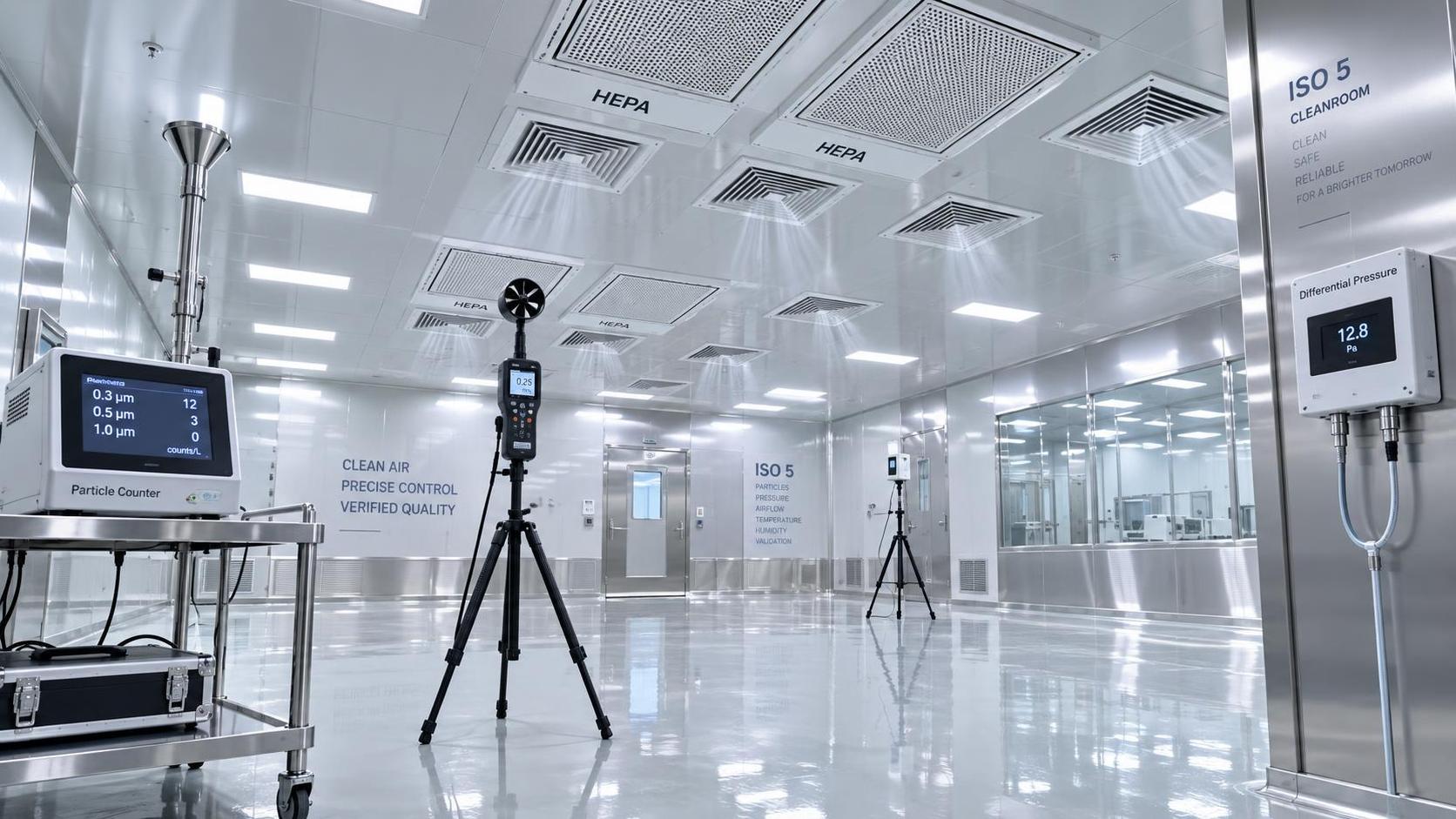
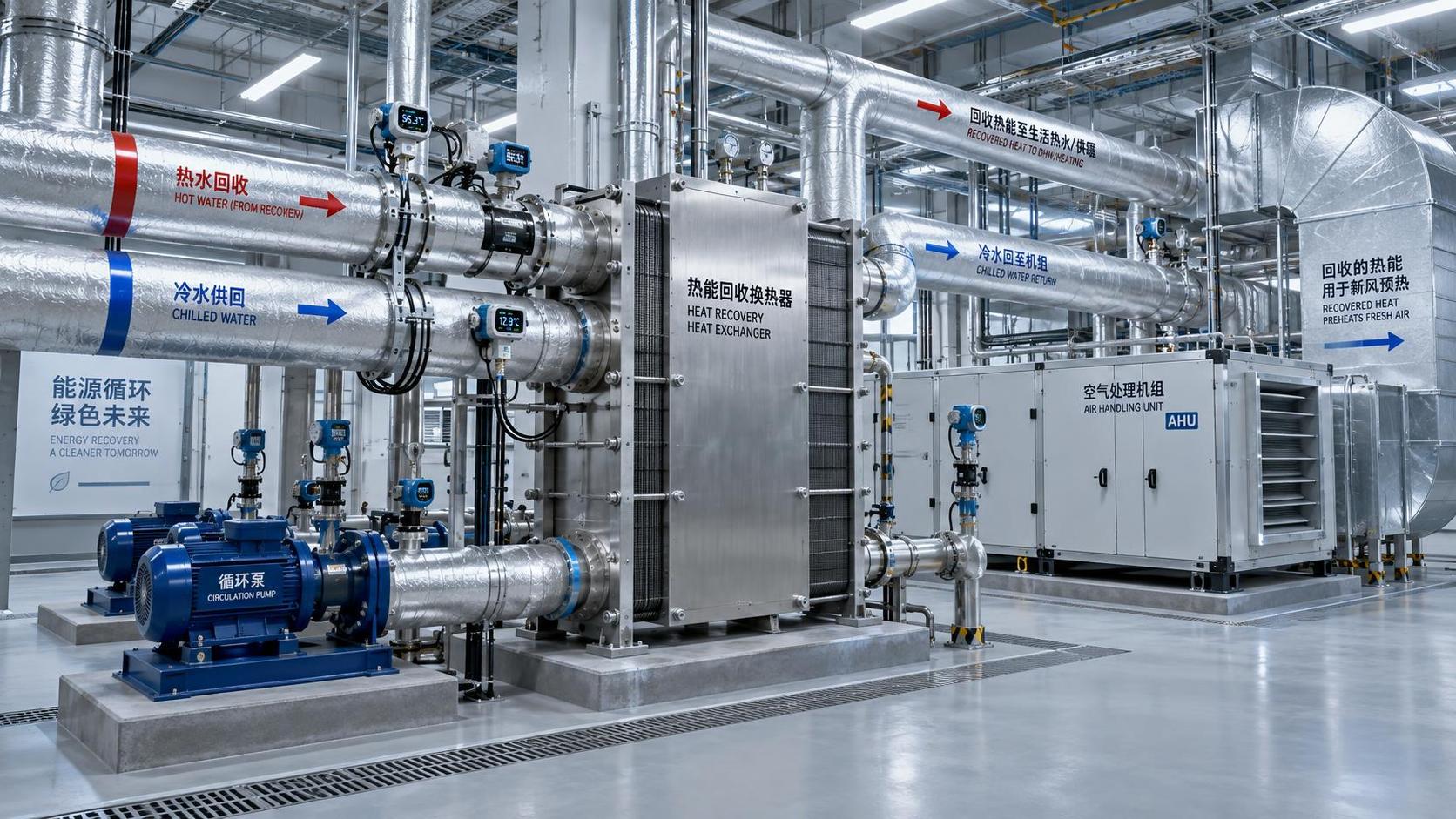
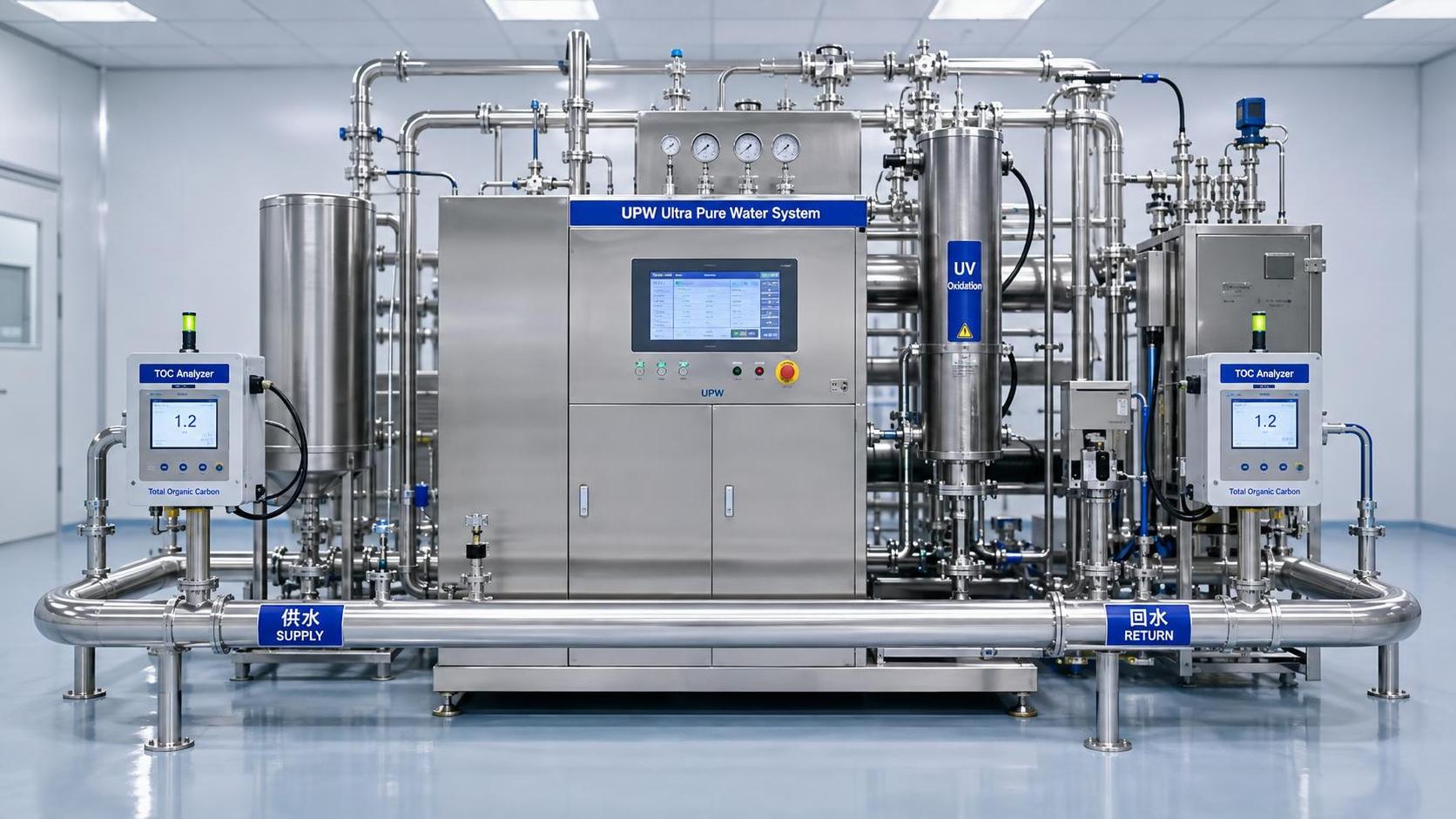
High-tech industries are asking facilities to do more with less variation. Cleanrooms need better contamination control. HVAC systems must support stable microclimates with lower energy intensity. UPW systems must deliver consistency under growing process sensitivity.
Market Intelligence helps identify which performance thresholds are becoming standard and which still belong only to niche applications. That distinction matters when balancing future-readiness against overdesign.
Digital visibility is changing operating assumptions
Smart environmental monitoring and digital twin control are changing how industrial planners evaluate facilities. Instead of designing for periodic checks alone, many projects now assume continuous monitoring, predictive intervention, and model-based optimization.
This creates a new intelligence need: not only which equipment performs well, but which systems generate usable data and integrate into broader operational control layers.
Where these signals matter most
Not every industrial environment uses Market Intelligence in the same way. The practical value depends on the level of process sensitivity and the cost of deviation.
Across these settings, the common pattern is clear. The more sensitive the process, the more valuable Market Intelligence becomes as an early warning and planning alignment tool.
How G-ICE-style benchmarking improves decision quality
One of the biggest planning problems is fragmented information. Technical teams may focus on equipment capability. Finance may focus on payback. Compliance teams may focus on standards exposure. Operations may focus on uptime.
Market Intelligence becomes more useful when those views are connected through a benchmarking structure. That is where a framework like G-ICE adds practical value. It organizes insight around five industrial pillars rather than around isolated product categories.
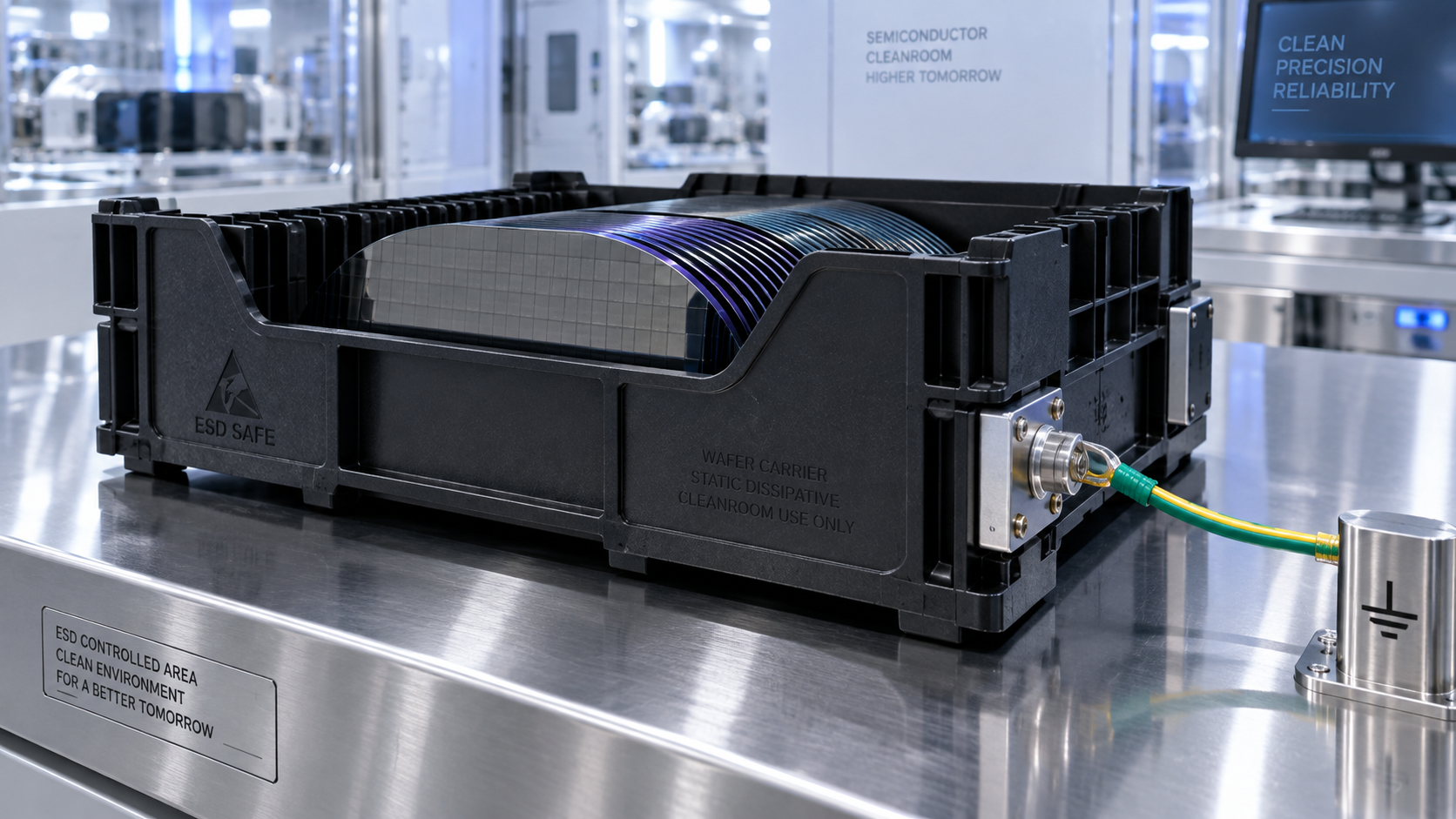
- Advanced cleanroom systems and contamination control.
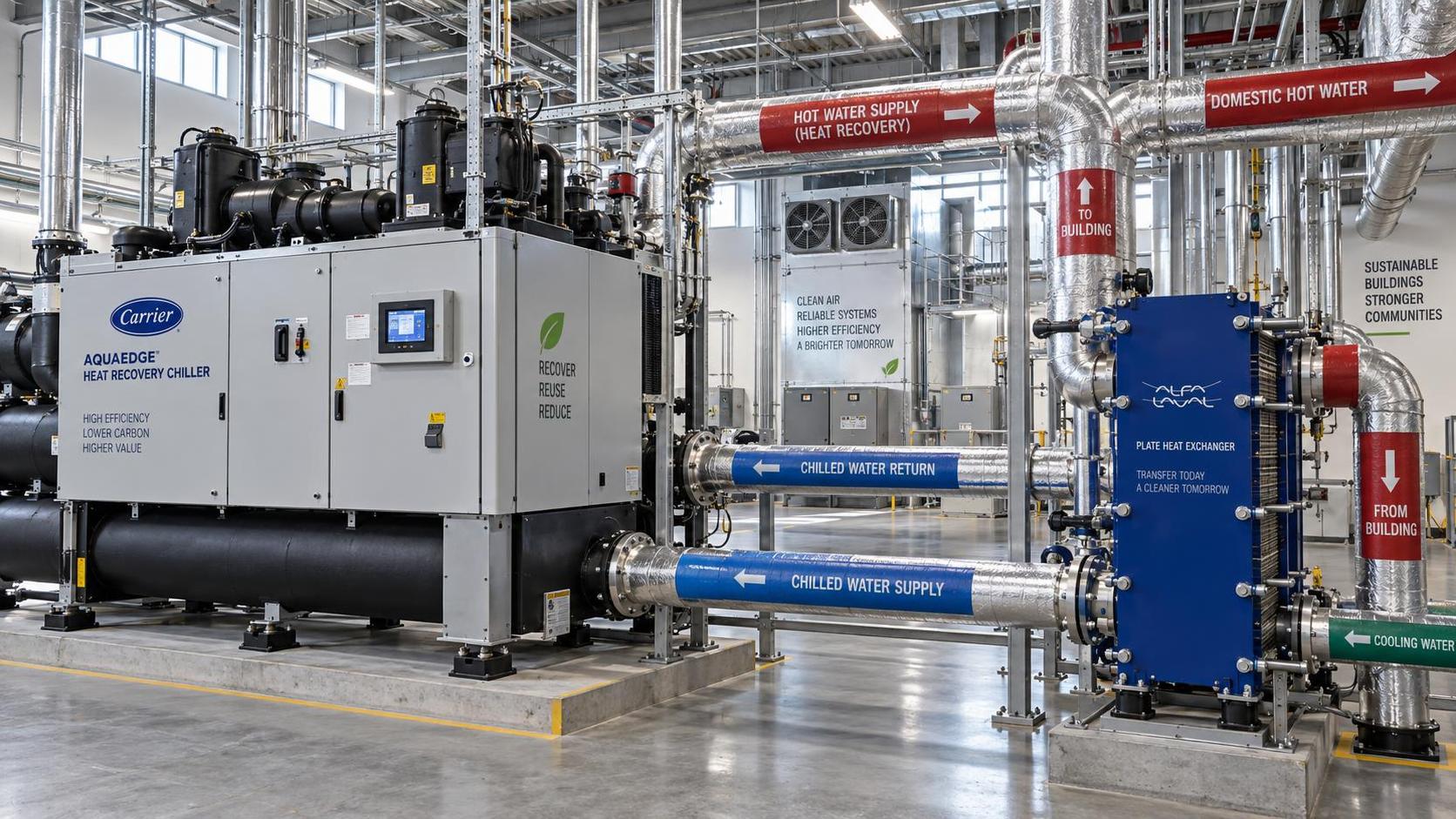
- Precision industrial HVAC and thermal management.
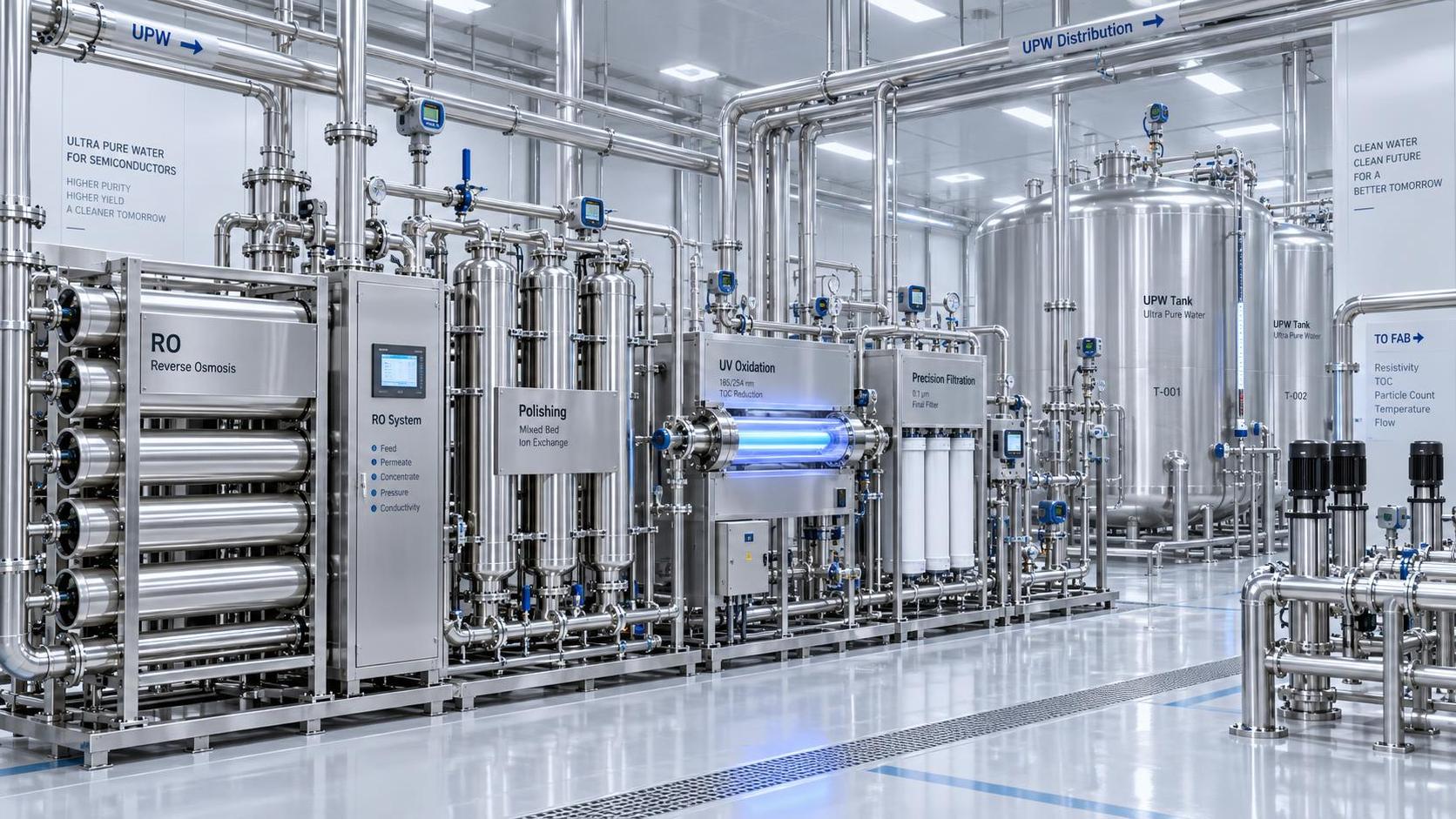
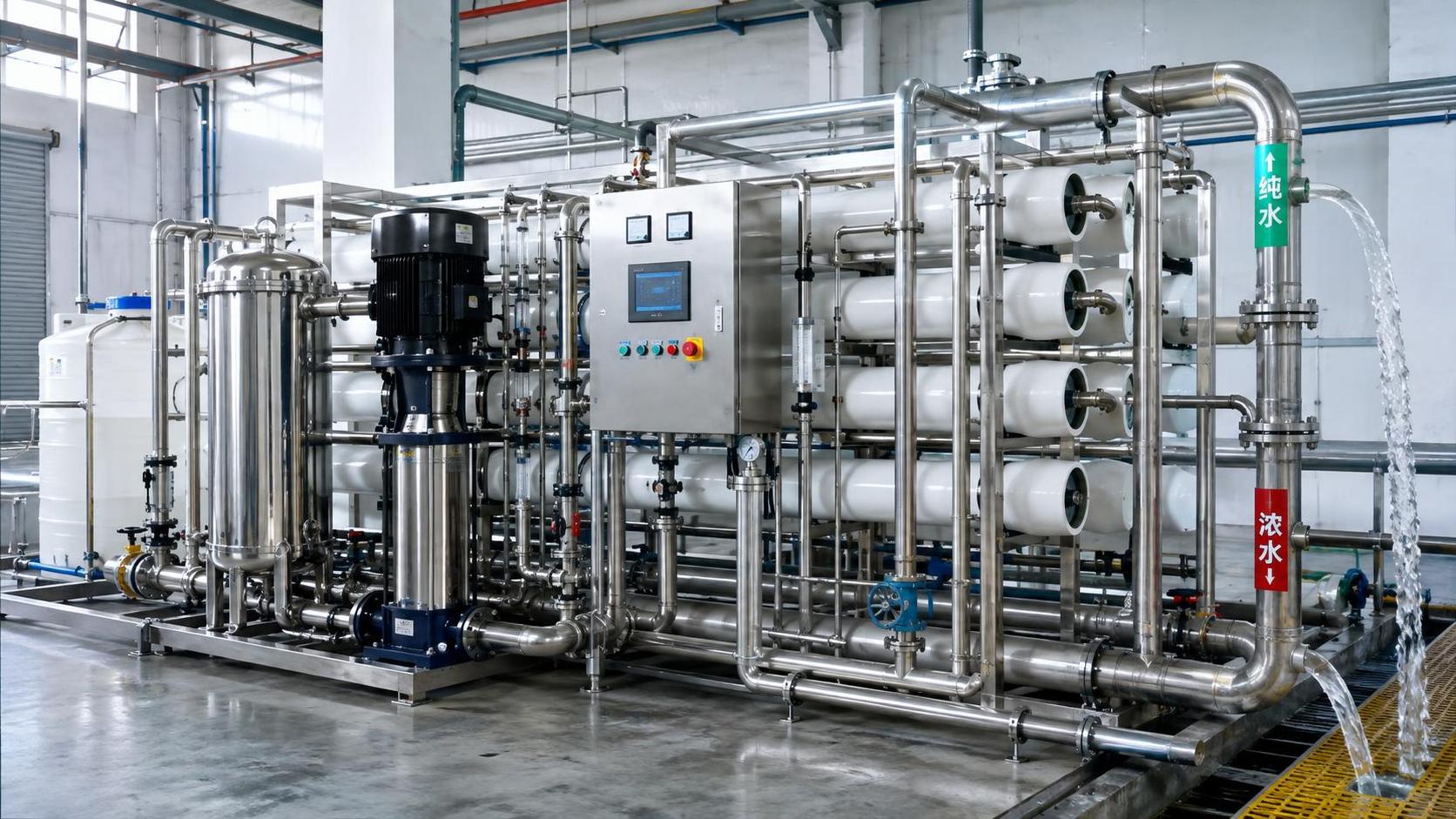
- Ultra-pure water and process fluid treatment.
- Biosafety containment and high-risk lab engineering.
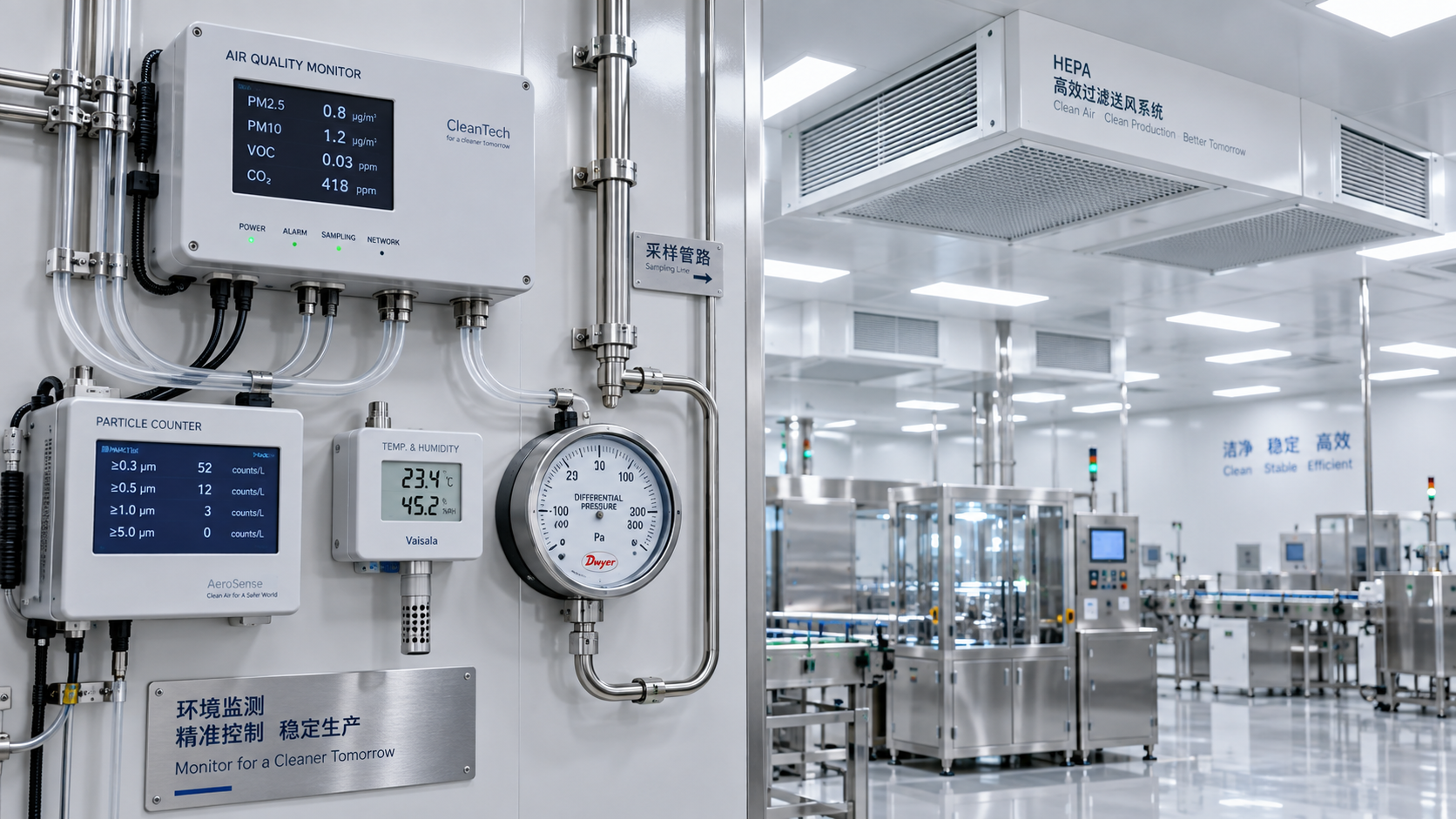
- Smart environmental monitoring and digital twin control.
This structure matters because industrial planning rarely fails at the component level alone. It fails when interdependent systems are specified without enough awareness of future operating demands, regulatory pathways, or benchmark performance under real conditions.
Practical ways to apply Market Intelligence
In practice, the best use of Market Intelligence is selective, not excessive. The goal is to support high-impact decisions with better context.
Use it before locking specifications
Specification freeze is often the point where poor assumptions become expensive. Intelligence should test whether target cleanliness, thermal stability, water quality, and monitoring architecture still match likely business and compliance needs.
Compare lifecycle exposure, not just capex
A lower upfront cost can hide higher validation burden, retrofit risk, or operating intensity. Market Intelligence helps compare options using broader metrics, including downtime risk, audit resilience, and utility consumption over time.
Separate durable signals from temporary noise
Not every trend deserves immediate investment. Some shifts reflect temporary supplier pressure or regional policy cycles. Others indicate deeper structural change. Good intelligence helps distinguish short-term market tension from long-horizon planning direction.
What to watch next
The next phase of Market Intelligence will likely focus less on broad visibility and more on decision precision. That includes scenario-based planning, benchmark-backed retrofit models, and tighter integration between operational data and market signals.
Three developments deserve close attention:
- Stronger links between ESG reporting and core facility engineering choices.
- Greater demand for interoperable monitoring systems and digital twins.
- Rising use of cross-standard benchmarking to support global expansion.
Industrial planning is becoming less about building for today’s requirement and more about preparing for tomorrow’s verification environment. That is exactly where Market Intelligence earns strategic value.
A sensible next step is to review current planning assumptions against external benchmarks, regulatory trajectories, and system-level dependencies. Once those gaps are visible, investment decisions become clearer, more defensible, and better aligned with long-term operating reality.
Get weekly intelligence in your inbox.
No noise. No sponsored content. Pure intelligence.
 Sep 19, 2026When does heat recovery make sustainable cooling worth the investment?Sustainable cooling technology heat recovery: learn when reliable heat demand, temperature matching, and lifecycle savings make recovery a smart investment.
 Sep 18, 2026How to set alarm limits for semiconductor cleanroom monitoringSemiconductor cleanroom monitoring: learn how to set risk-based alarm limits for particles, humidity, pressure, and airflow to protect yield and reduce nuisance alerts.
 Sep 17, 2026How plastic injection molding affects ESD protection in cleanroomsPlastic injection molding affects ESD protection in cleanrooms. Learn how resin choice, molding consistency, grounding, and particle control support reliable compliance.
 Sep 16, 2026What to verify before choosing an industrial air quality monitoring supplierIndustrial air quality monitoring supplier checklist: verify measurement accuracy, calibration traceability, data integration, compliance support, and lifecycle service before you buy.
 Sep 15, 2026Smart HVAC investment insights for North American heat recovery projectsSmart HVAC investment insights North America: evaluate heat recovery, lifecycle costs, controls, and performance for resilient project decisions.
 Sep 14, 2026How SEMI standards shape water treatment design for semiconductor fabsSemiconductor water treatment SEMI guidance shapes resilient UPW design, contamination control, monitoring, reclaim strategy, and fab-ready validation.
 Sep 13, 2026What drives Biosafety Containment Systems cost in BSL-3 projects?Biosafety Containment Systems cost in BSL-3 projects depends on HVAC, layout, decontamination, controls, and commissioning. Discover how to build a credible budget.
 Sep 12, 2026How to qualify a fine chemical process solutions supplier for purity controlFine Chemical Process Solutions supplier qualification guide: evaluate purity control, traceability, contamination prevention, and safety for reliable high-purity production.
 Sep 11, 2026What drives cleanroom certification cost for ISO Class 1–9 projects?Cleanroom certification cost depends on ISO Class 1–9 requirements, test scope, HVAC readiness, documentation, and retesting. Explore practical budgeting insights to control project risk.
 Sep 10, 2026When should Procurement Directors prioritize heat recovery payback?Procurement Directors: learn when heat recovery delivers reliable payback, lower lifecycle costs, and safe performance in controlled industrial environments.
 Sep 09, 2026How to select an environmental monitoring system for cleanroomsEnvironmental monitoring system selection for cleanrooms: compare sensors, alarms, data integrity, integration, and installation to ensure reliable control.
 Sep 08, 2026How temperature stability affects semiconductor manufacturing yieldSemiconductor manufacturing temperature stability directly affects yield, overlay, metrology, and process control. Explore practical HVAC, monitoring, and zoning strategies.
 Sep 07, 2026How to prepare for a Regulatory Frameworks audit of cleanroom controlsRegulatory Frameworks audit readiness for cleanroom controls: build traceable evidence, verify alarms and monitoring, and close compliance gaps with confidence.
 Sep 07, 2026How to choose reverse osmosis systems with the right recovery rateReverse osmosis systems: learn how to select the right recovery rate for reliable water quality, lower scaling risk, efficient concentrate control, and stable long-term performance.
 Sep 05, 2026How does a negative pressure room work to contain airborne contaminants?How does a negative pressure room work? Discover how inward airflow, controlled exhaust, monitoring, and room design help contain airborne contaminants safely.
 Sep 04, 2026How Should Semiconductor Facilities Select Vibration Isolation Systems?Vibration isolation semiconductor guide: learn how to match tool limits, site vibration, utilities, and cleanroom needs for stable, high-yield fab performance.
 Sep 04, 2026What TOC Limits Should Be Set and Monitored for a UPW Loop?What are our TOC limits for the UPW loop? Learn how to set defensible TOC thresholds, monitor trends, protect critical processes, and improve water-quality control.
 Sep 04, 2026What Are the Best Retrofit Options for Upgrading Existing Pharmaceutical Cleanrooms?What are the best retrofit options to upgrade existing pharma cleanrooms? Explore FFUs, HVAC modernization, pressure cascades, monitoring, and sealed finishes for compliant performance.
 Sep 04, 2026How Does a Negative Air Pressure Room Protect Adjacent Areas?What is a negative air pressure room? Learn how controlled airflow contains airborne hazards, protects adjacent spaces, and supports safer facility operations.
 Sep 04, 2026What Is ISO Class 1 Cleanroom Classification, and Where Is It Used?What is ISO Class 1? Explore its ultra-low particle limits, critical cleanroom design factors, verification methods, and uses in semiconductor, optics, and quantum manufacturing.
 Sep 04, 2026How Long After a UPW Deviation Does Yield Impact Typically Appear?What is the typical time lag from UPW deviation to yield impact? Learn how contamination, process sensitivity, exposure windows, and testing stages shape detection timing.
 Sep 04, 2026What Testing Data Should Engineers Review Before Approving a UPW Material?What testing data should be reviewed before approving a UPW material? Explore extractables, TOC, particle release, ionic leaching, corrosion, and reliability data for confident approval.
 Sep 04, 2026How Should Pharmaceutical Cleanrooms Choose Climate Control Systems?Which climate control systems are recommended for pharmaceutical cleanroom environments? Explore HVAC, humidity, pressure, HEPA filtration, and GMP-ready monitoring strategies.
 Sep 04, 2026Airtight Door Problems in Medical Spaces and How Buyers Prevent ThemA problem-solving guide for airtight door procurement, covering sealing performance, sensors, wall coordination, cleaning, maintenance, and acceptance risk.
 Sep 04, 2026What drives cleanroom design cost for ISO Class 7 projects?Cleanroom design cost for ISO Class 7 projects depends on HVAC, filtration, utilities, validation, and lifecycle strategy. Learn how to control budgets without compromising compliance or performance.
 Sep 03, 2026When do heat pipe heat exchangers suit pharmaceutical cleanrooms?Heat Pipe Heat Exchangers for pharmaceutical plants: discover when they support cleanroom energy recovery, airflow separation, humidity control, and GMP-ready HVAC design.
 Sep 02, 2026What determines biosafety cabinets price across different modelsBiosafety cabinets price varies by class, airflow design, filtration, size, certification, and installation. Compare models confidently to choose safe, cost-effective containment.