UK-China Export Control Working Group Holds 2nd Meeting in London
On May 18, 2026, the UK-China Export Control Working Group convened its second meeting in London — a milestone in bilateral regulatory coordination with tangible implications for high-tech manufacturing, life sciences infrastructure, and global supply chain resilience. The meeting signals a shift from ad hoc compliance responses toward institutionalized alignment on dual-use controls — particularly critical for industries where precision engineering, contamination control, and biocontainment intersect.
Event Overview
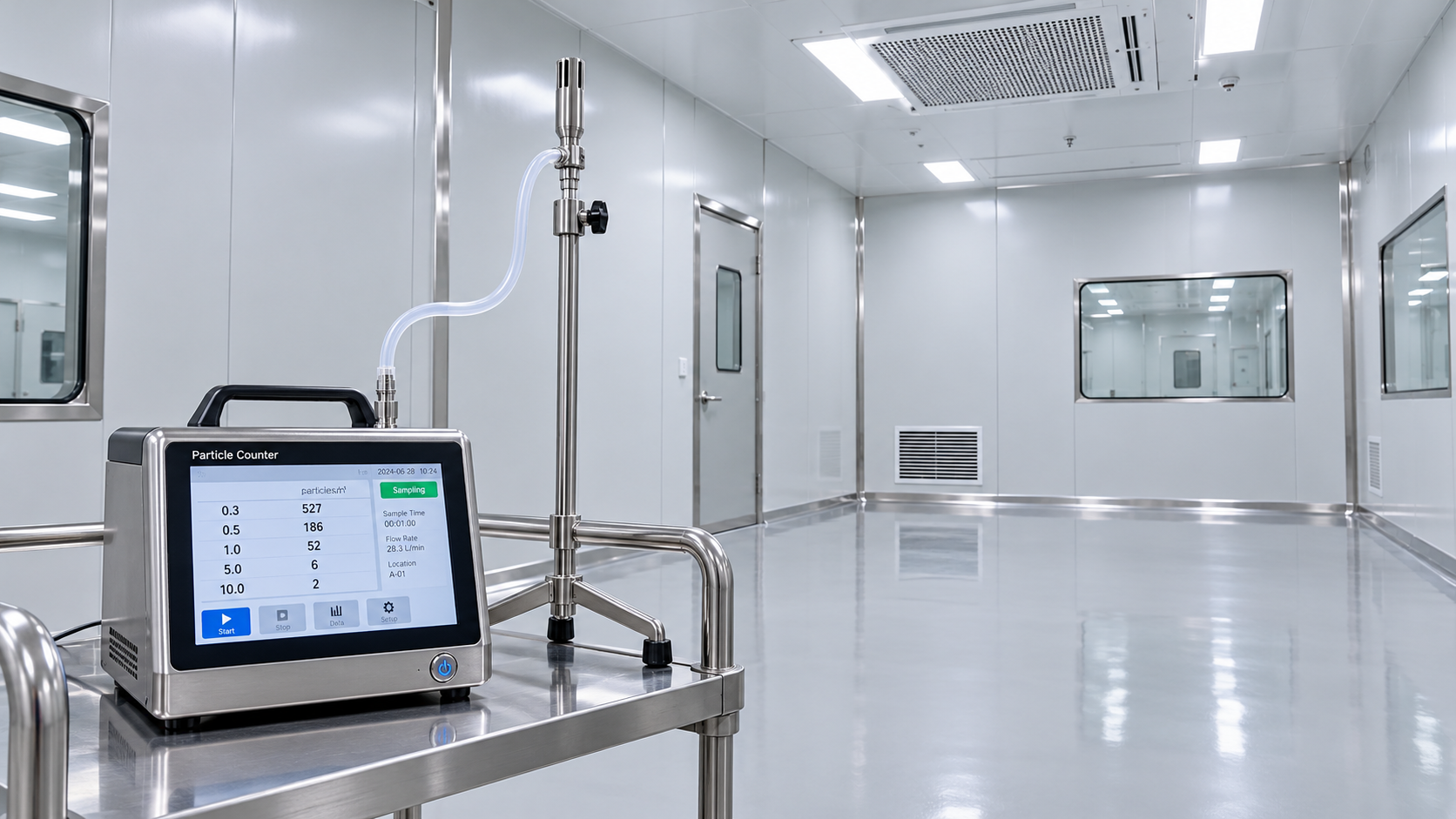
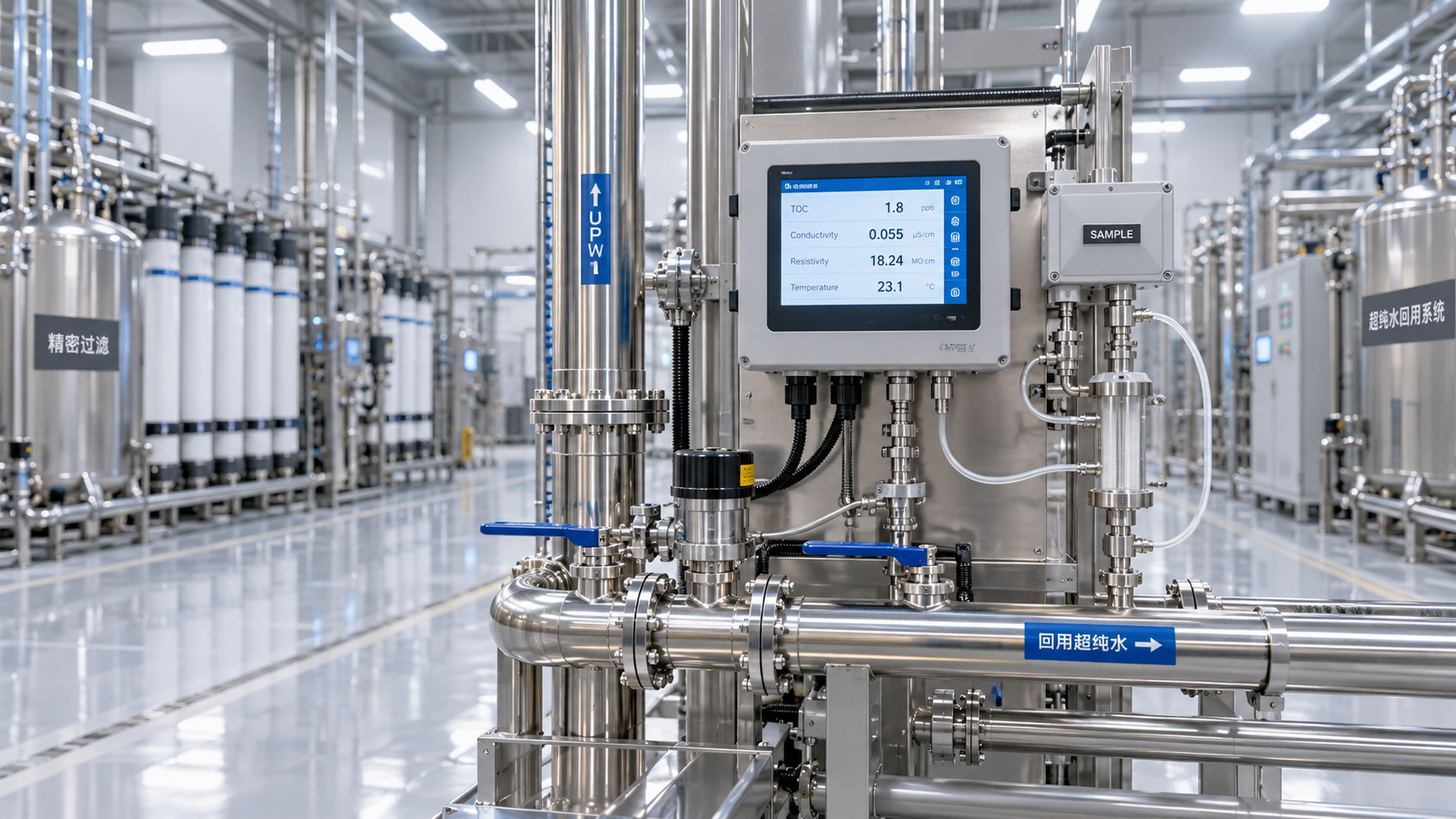
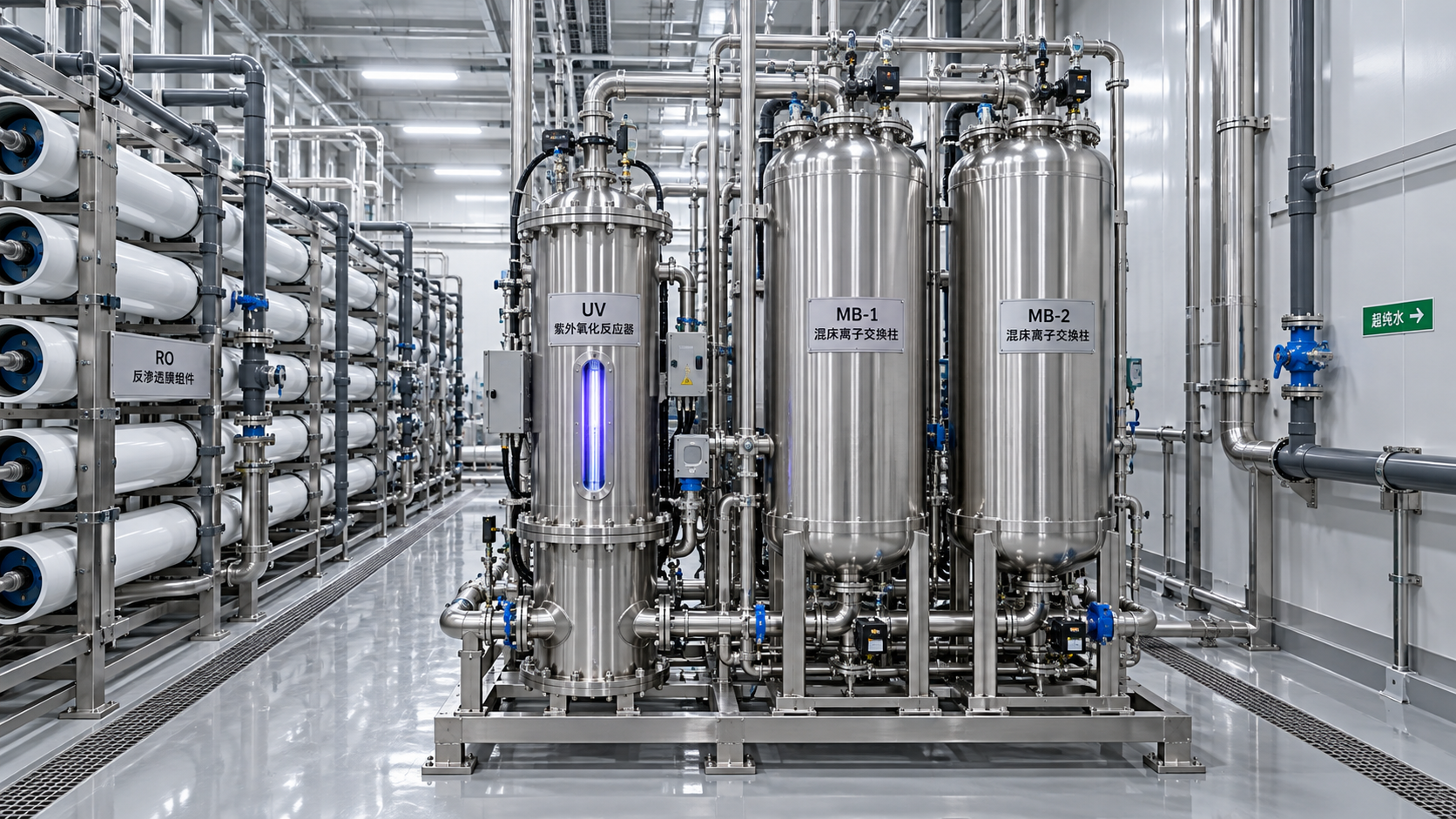
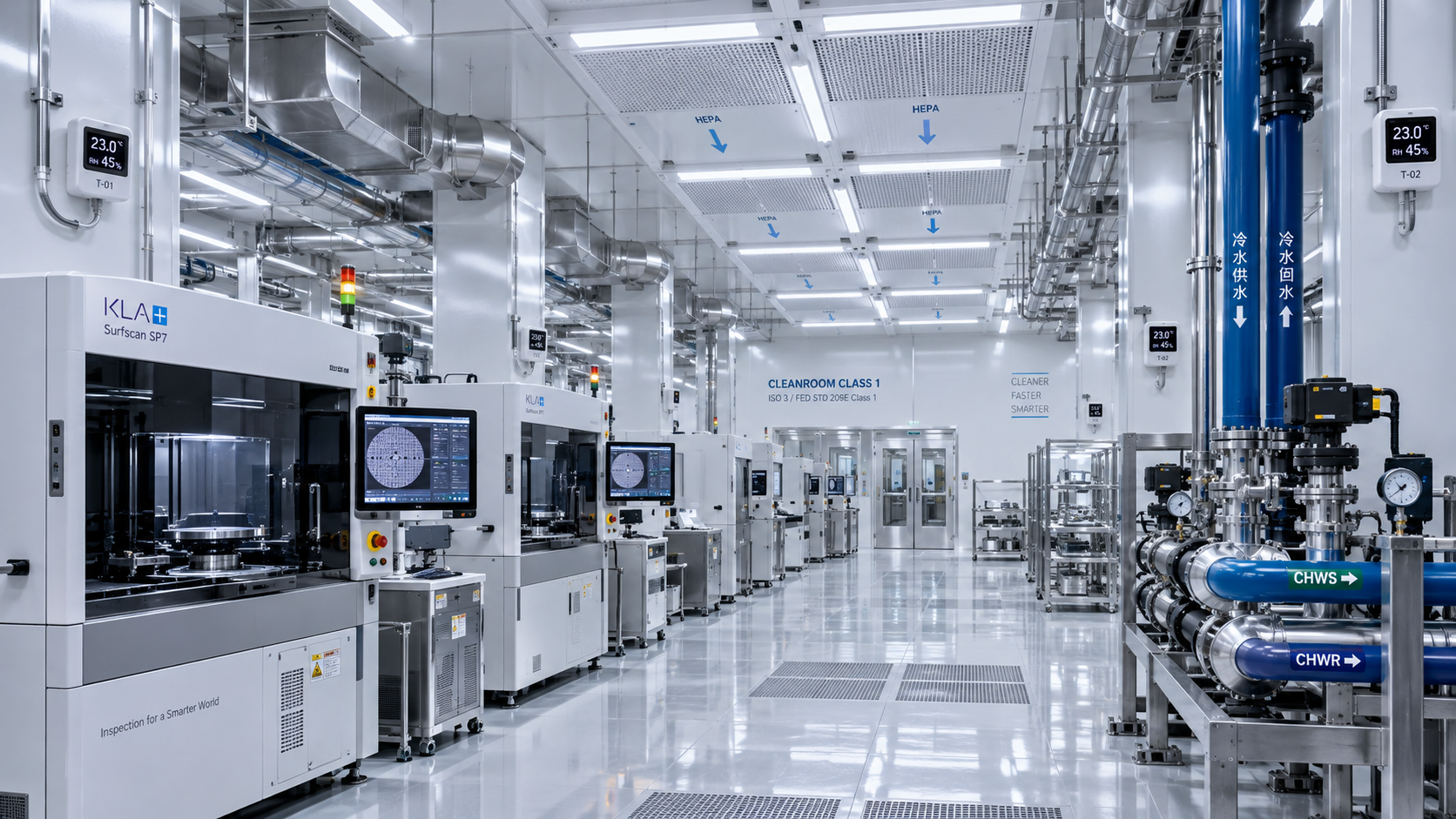
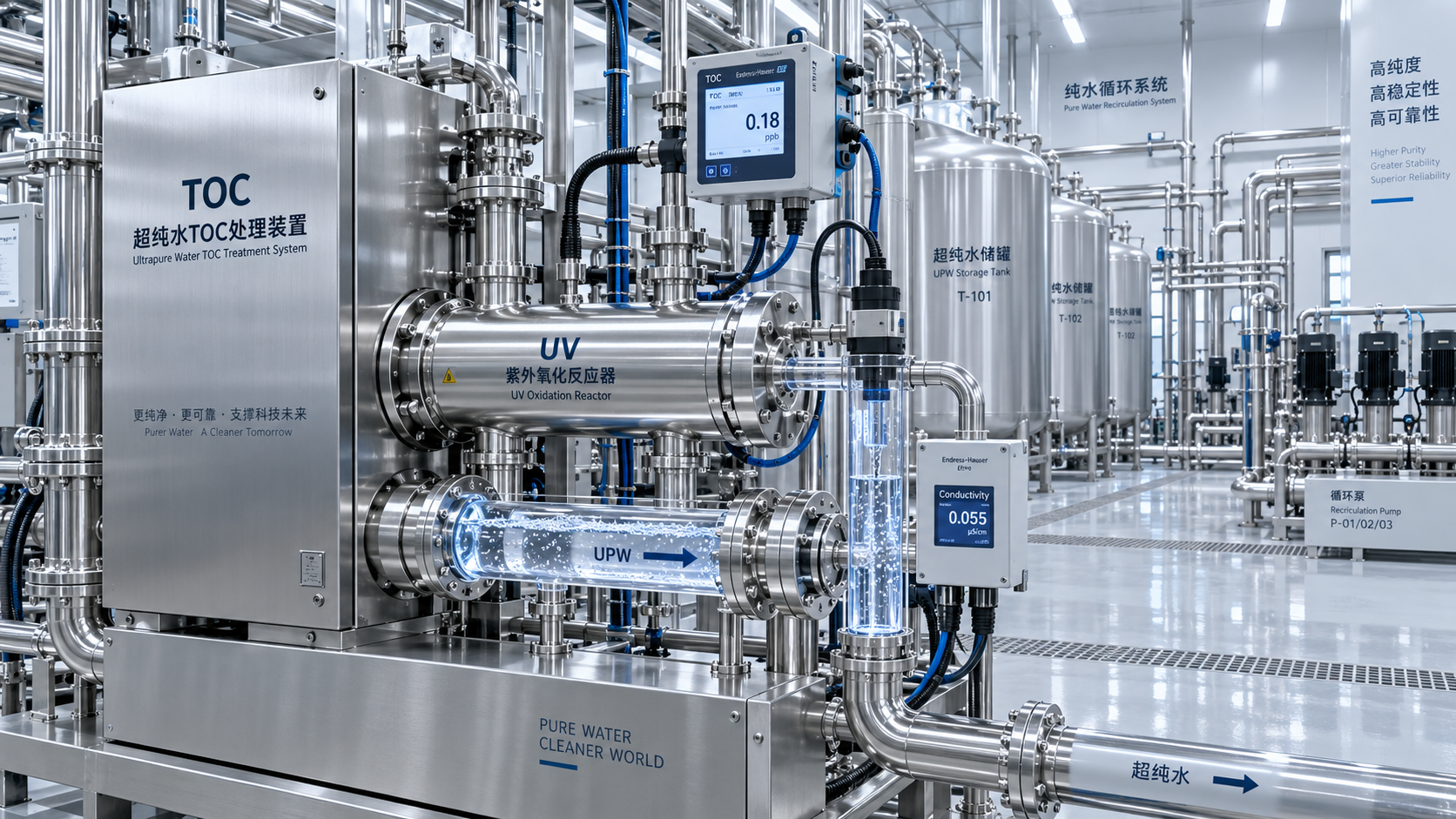
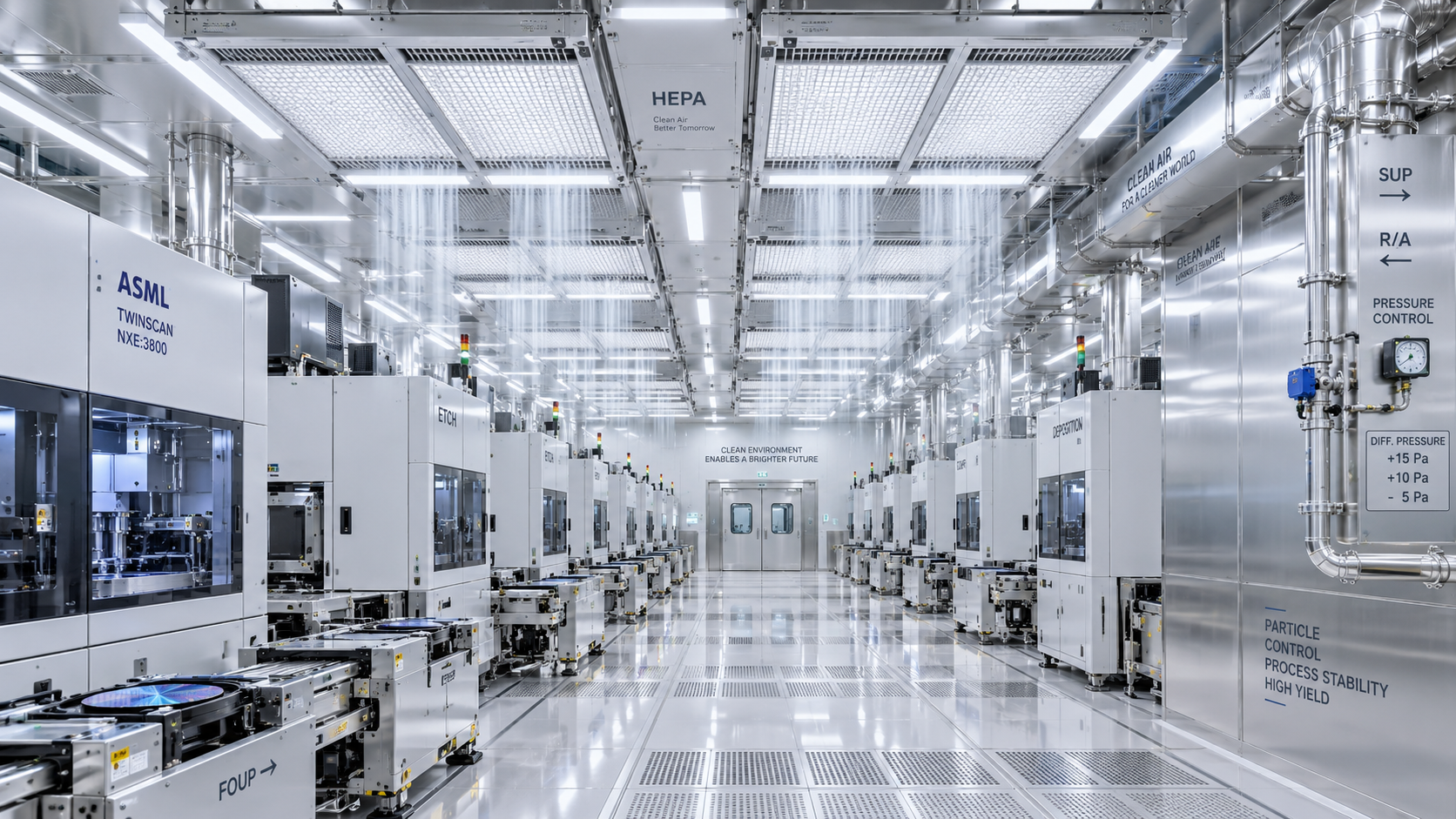
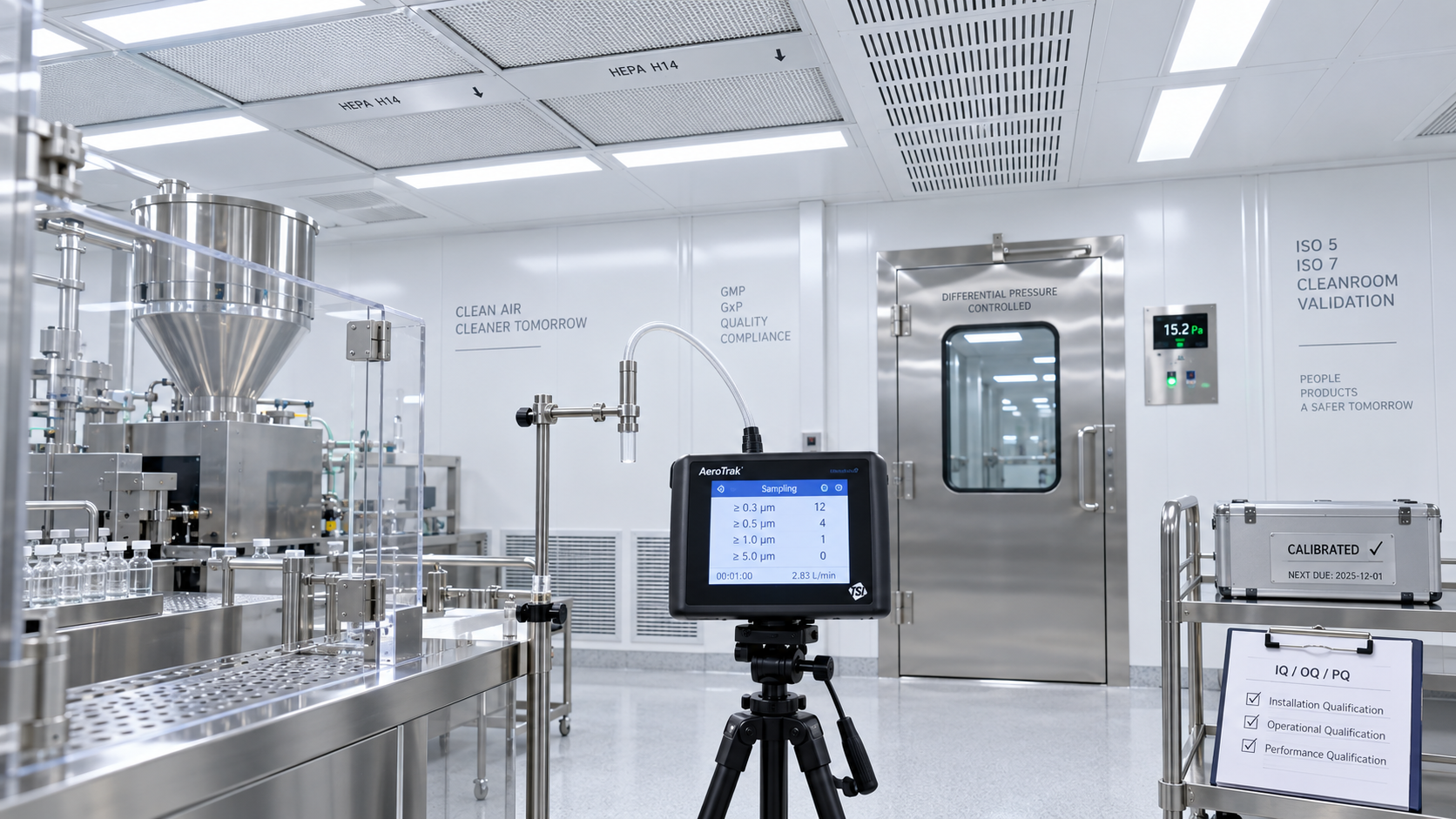
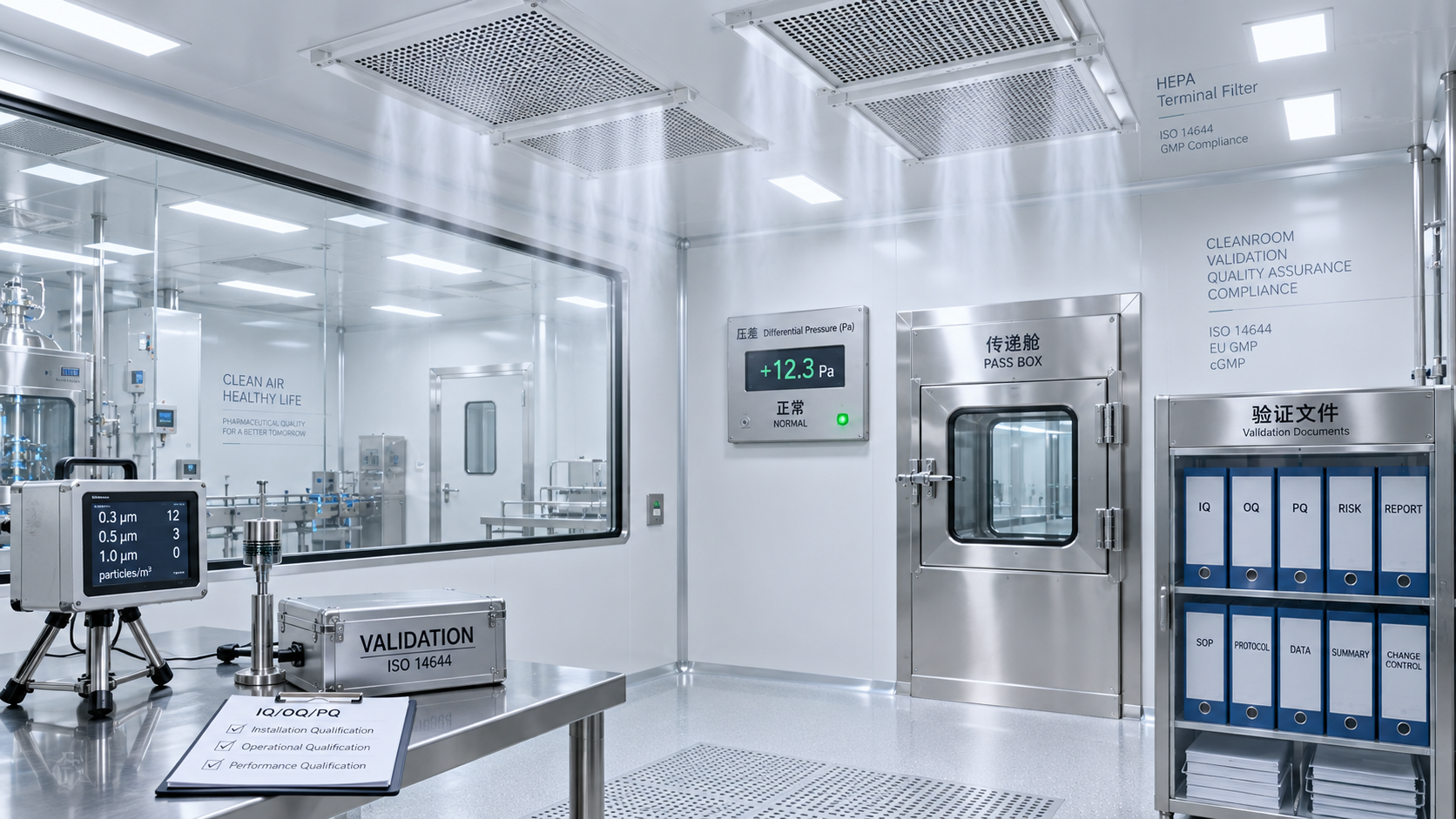
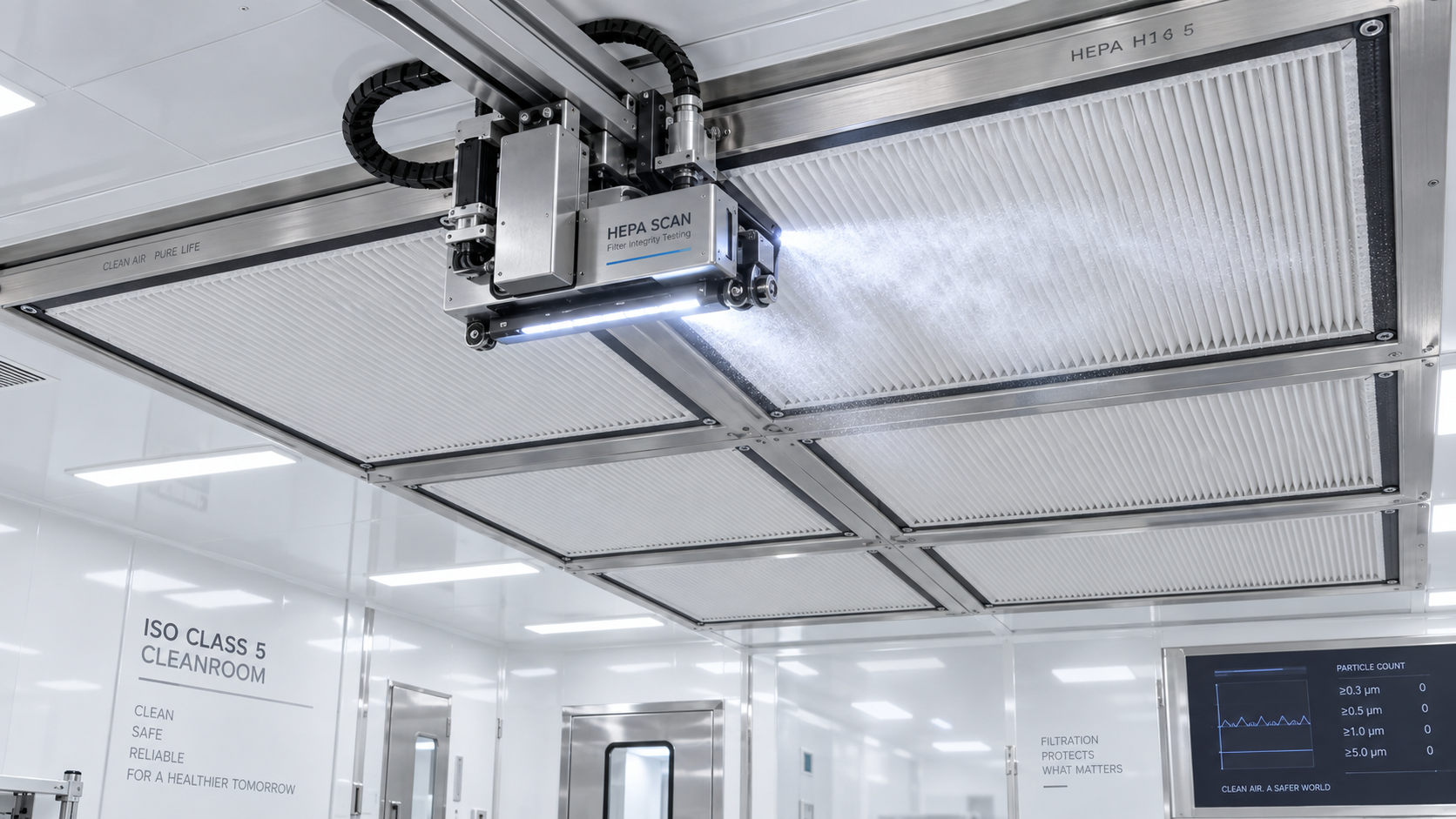
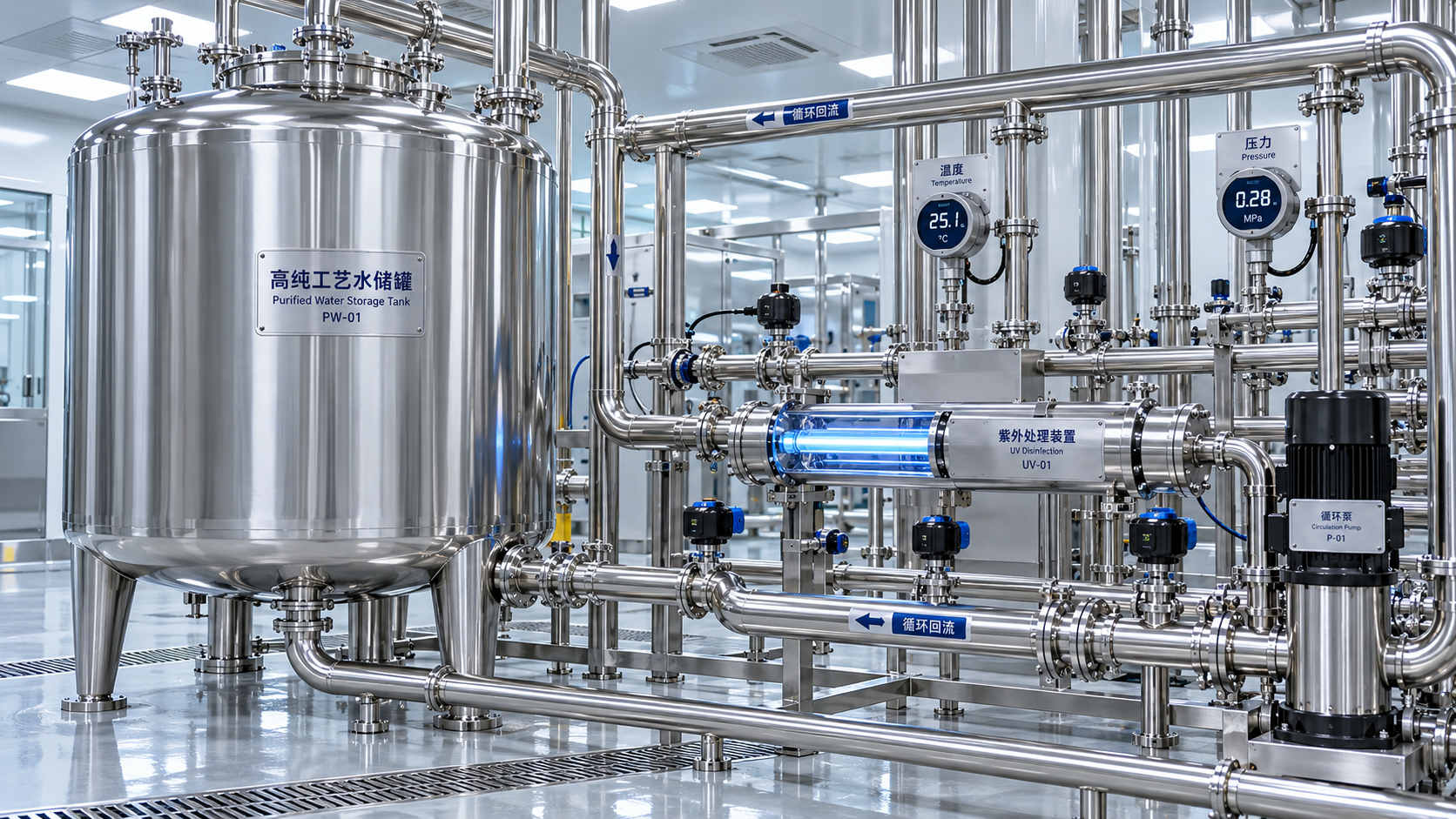
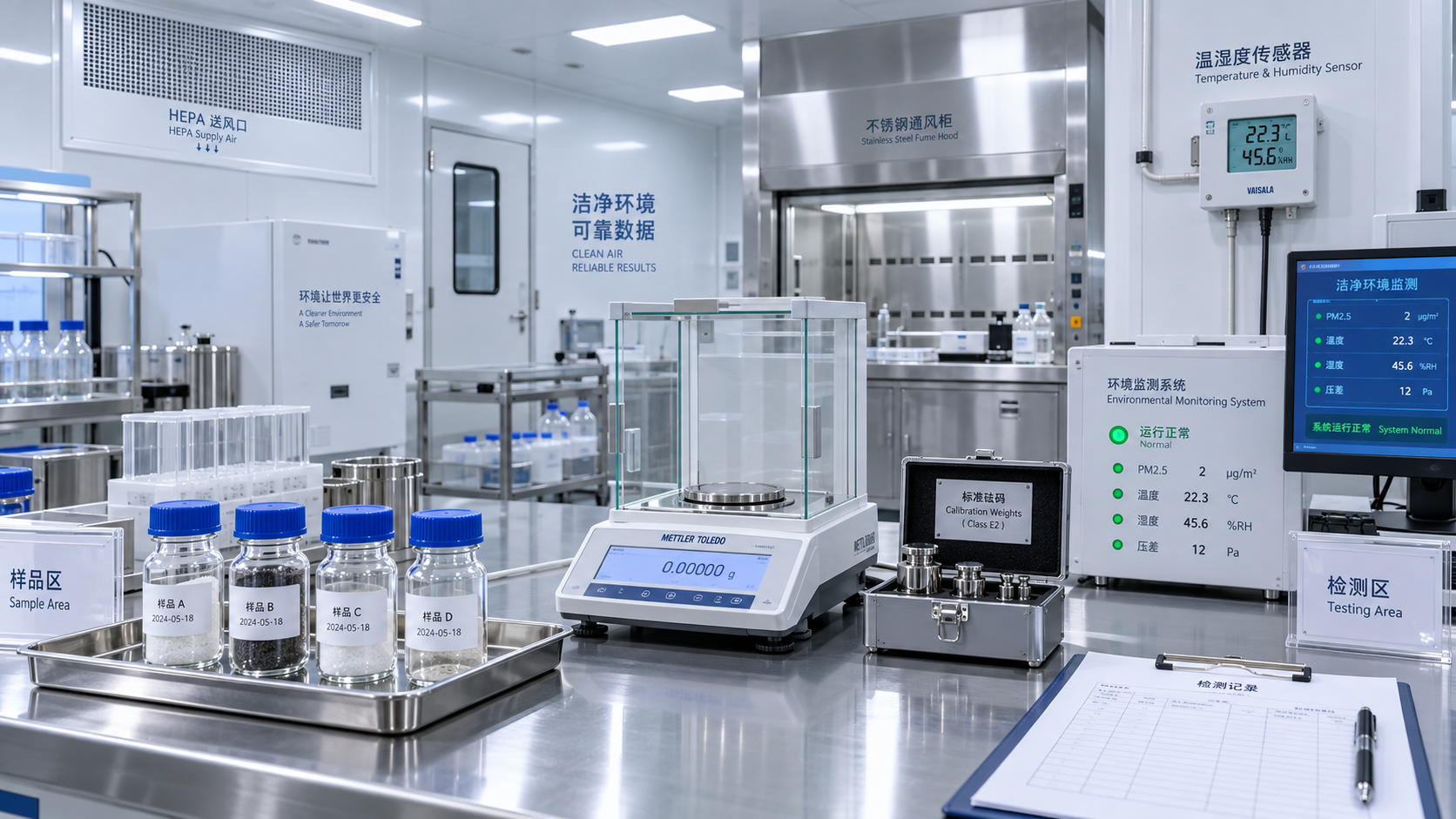
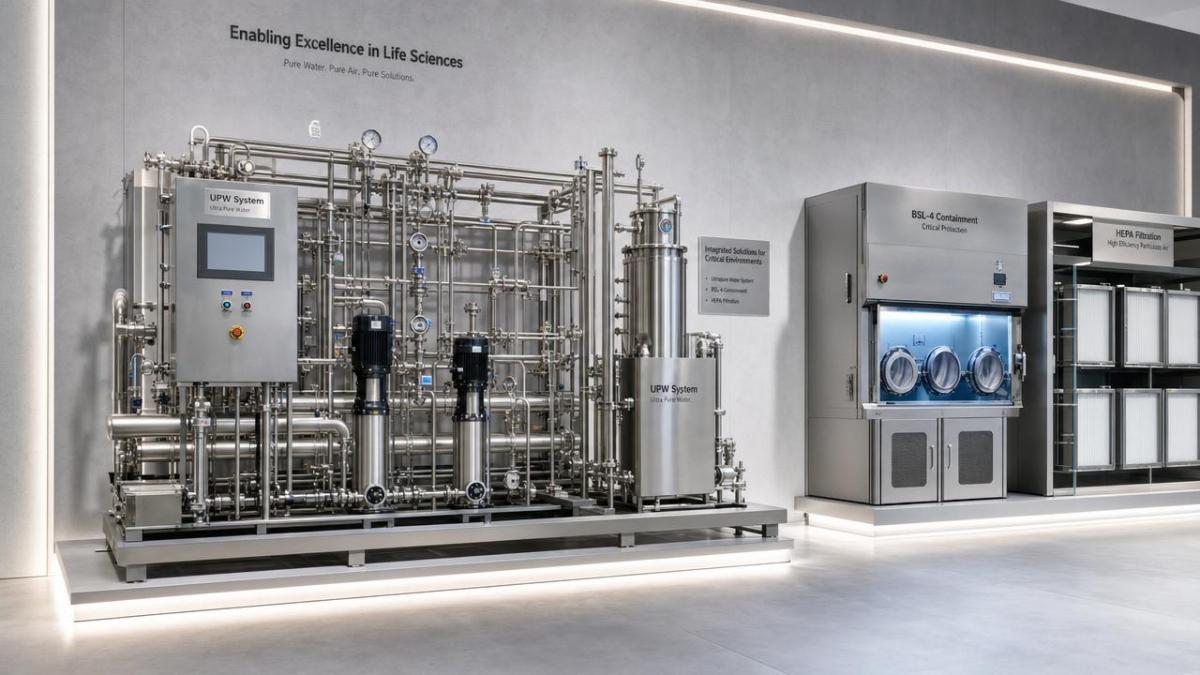
On May 18, 2026, the UK-China Export Control Working Group held its second meeting in London. Participants reached consensus on three priority areas: regulation of dual-use items, harmonization of technical standards, and coordinated risk response across supply chains. The meeting specifically identified cleanroom critical equipment, ultrapure water (UPW) treatment systems, and BSL-4 core components as focal points for developing joint export compliance mechanisms.
Industries Affected
Direct trading enterprises — especially those exporting cleanroom HVAC, UPW purification units, or biosafety containment hardware to the UK or EU — face reduced pre-shipment uncertainty. With formalized mutual recognition pathways under development, licensing timelines may shorten, but only for firms already maintaining auditable, tiered compliance documentation aligned with both UK Strategic Export Control List (SECL) and China’s Dual-Use Items Export Control Catalogue.
Raw material procurement enterprises — including suppliers of high-purity quartz, fluoropolymer tubing, or HEPA-grade filter media — will experience indirect pressure. As downstream exporters adopt stricter traceability requirements (e.g., origin-of-material declarations, non-conflict sourcing attestations), procurement teams must upgrade supplier vetting protocols — not merely for cost or delivery, but for regulatory defensibility.
Contract manufacturing organizations (CMOs) and OEMs — particularly those assembling UPW skids or BSL-4 chamber subsystems — now confront tighter integration between product design and export classification. Features previously treated as commercial differentiators (e.g., flow rate tolerances, particle retention efficiency) may trigger reclassification under updated dual-use criteria. Engineering change orders will increasingly require concurrent export control impact assessments.
Supply chain service providers — such as freight forwarders specializing in controlled goods, customs brokers with dual-use licensing expertise, and third-party compliance auditors — stand to gain demand traction. However, their value proposition must evolve beyond documentation handling toward proactive classification advisory, especially for hybrid systems that straddle civil and sensitive-use definitions (e.g., UPW systems integrated with real-time pathogen detection modules).
Key Focus Areas and Recommended Actions
Map product classifications against updated UK/China dual-use annexes
Firms should cross-reference current product specifications — not just HS codes — against Annex IV of the UK’s Export Control Order 2008 and China’s 2024 Revised Dual-Use Catalogue. Pay particular attention to threshold parameters (e.g., filtration efficiency ≥99.999% at 0.12 μm; flow stability ≤±0.5% over 72 hours), which may now trigger licensing requirements even for non-military applications.
Initiate internal ‘compliance-by-design’ training for R&D and procurement teams
Engineers and buyers must understand how material substitutions (e.g., switching from stainless steel 316L to Hastelloy C-276) or performance enhancements can alter export control status. Training should include scenario-based exercises using actual product bills-of-material and draft technical datasheets.
Engage UK Department for Business and Trade (DBT) and China’s Ministry of Commerce (MOFCOM) via official working group feedback channels
Both governments have opened limited consultation windows for industry input on implementation guidelines. Submissions focused on specific technical ambiguities — e.g., whether modular UPW subassemblies qualify as ‘components’ under Category 3.B.12 — carry higher weight than general policy commentary.
Editorial Perspective / Industry Observation
Observably, this meeting does not represent a relaxation of controls — rather, it reflects a strategic recalibration toward predictability. The focus on cleanroom, UPW, and BSL-4 equipment suggests regulators are prioritizing sectors where misclassification carries outsized systemic risk: contamination breaches in semiconductor fabs, water purity failures in biopharma manufacturing, or containment lapses in high-containment labs. Analysis shows that the UK’s emphasis on ‘technical standard alignment’ is less about equivalence and more about establishing interoperable audit trails — enabling inspectors from either side to verify compliance without full retesting. From an industry standpoint, this is better understood as infrastructure-building for regulatory scalability, not de-risking per se.
Conclusion
This round of dialogue marks a structural step — not a tactical concession. For global technology supply chains, the outcome is neither immediate market access nor simplified paperwork, but rather the emergence of a shared reference framework. Its long-term value lies not in lowering barriers, but in making them consistently navigable. Rational expectation: early adopters who embed dual-use awareness into engineering workflows and procurement governance will gain measurable advantage by Q4 2026 — not through faster exports, but through fewer operational interruptions.
Source Attribution
Official statements released by the UK Department for Business and Trade (DBT) and China’s Ministry of Commerce (MOFCOM), May 18–19, 2026. Joint communiqué published on gov.uk and english.mofcom.gov.cn. Note: Implementation guidelines, sector-specific annexes, and verification procedures remain pending — subject to further consultation and expected publication no earlier than Q3 2026.
Get weekly intelligence in your inbox.
No noise. No sponsored content. Pure intelligence.
 Oct 21, 2026How often is cleanroom certification required under ISO 14644-2?Cleanroom Certification is generally recommended annually under ISO 14644-2. Learn when risk-based extensions apply and which changes trigger earlier testing to plan with confidence.
 Oct 21, 2026FASEB Comments on NIH Draft Policy for Research Involving BiohazardsFASEB comments on NIH’s draft biohazard research policy call for risk-based biosafety oversight. Explore potential implications for laboratories, suppliers, and compliance teams.
 Oct 20, 2026How to disinfect ultrasound machines without damaging surfacesLearn how to disinfect ultrasoundmachines without surface damage. Explore compatible products, wet contact times, and probe care to protect patients and equipment.
 Oct 20, 2026Ultrapure Water in Semiconductor Manufacturing: Reuse and Quality Control InsightsExplore ultrapure water reuse in semiconductor manufacturing, key UPW quality benchmarks and analytical insights to help evaluate suppliers and protect process purity.
 Oct 19, 2026How cooling affects warpage in injection-molded consumer electronics housingsOptimize plastic injection molding for consumer electronics with cooling strategies to reduce housing warpage and improve assembly fit. Discover practical checks for stable, efficient production.
 Oct 18, 2026Can air leaks prevent a dehumidifier from holding its target dew point?Why can't our dehumidifier maintain the target dew point? Discover how air leaks increase moisture loads, spot hidden faults, and find practical fixes to restore reliable dew-point control.
 Oct 17, 2026How semiconductor process water treatment removes trace organicsSee how semiconductor process water treatment removes trace organics with RO, UV oxidation, and polishing. Learn how TOC monitoring helps verify purity and pinpoint contamination.
 Oct 16, 2026How to choose ultra pure water piping materials to limit leachingChoose ultra pure water piping with confidence. Compare PVDF, PFA, and stainless steel, assess leaching risks, and learn how to qualify your system for reliable purity.
 Oct 15, 2026How to size a skid-mounted deionized water system for peak demandCompare deionized water systems skid configurations for peak demand. Learn how to balance production, storage, and pump capacity to prevent shortages and avoid costly oversizing.
 Oct 14, 2026When is collaborative laboratory robotics suitable for sample sorting?Explore when collaborative laboratory robotics suits sample sorting. Discover key checks for safety, traceability, container compatibility, and throughput before choosing your solution.
 Oct 13, 2026How sandwich panel joints affect airtightness in cleanroom systemsCleanroom Systems sandwich panels need reliable joints for airtightness. Discover how gaskets, sealants, and testing help reduce leakage and protect cleanroom pressure control.
 Oct 12, 2026How to verify USP compliance for ultra pure water systemsUltra Pure Water Systems USP compliance: learn how to verify water quality, sampling, sanitization, trends, and validation controls at every point of use.
 Oct 11, 2026How tight temperature control prevents cleanroom process driftCleanroom process temperature control systems prevent costly drift by stabilizing critical conditions, improving repeatability, and protecting sensitive production workflows.
 Oct 10, 2026When does organic contaminant removal require TOC treatment?Organic contaminant removal requires TOC treatment when dissolved organics threaten product quality, equipment reliability, or process control. Learn how to assess risks and choose the right solution.
 Oct 08, 2026What affects lead times for sheet metal bending services in Canada?Sheet metal bending services Canada: discover how material supply, tooling, tolerances, finishing, documentation, and freight affect lead times for reliable project delivery.
 Oct 07, 2026How HVAC design for semiconductor fabs prevents airborne contaminationHVAC design for semiconductor fabs prevents airborne contamination through advanced filtration, pressure cascades, airflow control, and real-time monitoring. Explore key strategies for cleaner, more reliable wafer production.
 Oct 06, 2026How photovoltaic modules waterproof technology prevents moisture damagephotovoltaic modules waterproof technology prevents moisture damage with durable seals, drainage, and junction-box protection. Explore practical selection and testing insights.
 Oct 05, 2026How ISO 14644 Europe requirements affect cleanroom qualificationISO 14644 Europe requirements shape cleanroom qualification, from particle classification and recovery testing to monitoring, GMP alignment, and change control.
 Oct 04, 2026How to assess a pharmaceutical cleanroom solutions supplier’s ISO capabilityPharmaceutical Cleanroom Solutions supplier assessment guide: evaluate ISO 14644 capability, validation evidence, airflow design, documentation, and long-term GMP readiness.
 Oct 03, 2026What EU standards govern the design of BSL-3 laboratories in Europe?BSL-3 laboratories Europe: explore EU directives, EN standards, HVAC containment, commissioning, and practical design strategies for compliant, resilient high-containment facilities.
 Oct 02, 2026How EN 1822 defines HEPA filtration efficiency for cleanroomsHEPA filtration EN 1822 explained: learn how MPPS testing, local leakage limits, and filter classes support reliable cleanroom decisions.
 Oct 01, 2026How pharmaceutical process water systems control microbial riskProcess water systems pharmaceutical teams rely on can control microbial risk through hygienic design, monitoring, and validated sanitization. Explore practical compliance strategies.
 Sep 30, 2026When does a negative pressure laboratory need BSL-3 containment?Negative pressure laboratory or BSL-3? Discover the risk factors, engineering controls, and containment requirements needed for safe, compliant laboratory planning.
 Sep 29, 2026How to evaluate a TOC-zero water treatment supplier for UPW systemsChoose a TOC-zero water treatment supplier with confidence. Compare UPW performance, monitoring, validation, materials, service capability, and lifecycle cost.
 Sep 28, 2026What drives sustainable cooling cost in high-precision facilities?Sustainable cooling cost in high-precision facilities depends on thermal stability, energy, water, controls, and resilience. Explore smarter lifecycle strategies.
 Sep 27, 2026How to compare freight forwarding services for time-critical shipmentsCompare freight forwarding services for time-critical shipments with practical insights on routing, customs, visibility, specialized handling, and contingency planning.
 Sep 26, 2026How environmental integrity in laboratories supports reliable test resultsEnvironmental Integrity in laboratories safeguards samples, instruments, and staff. Discover practical controls for contamination, monitoring, and reliable test results.