Energy Management Systems: What Delivers ROI in 2026?
In 2026, the conversation around energy management systems has moved well beyond dashboard visibility. The real question is whether those systems improve uptime, protect process stability, support compliance, and reduce operating cost in measurable terms.
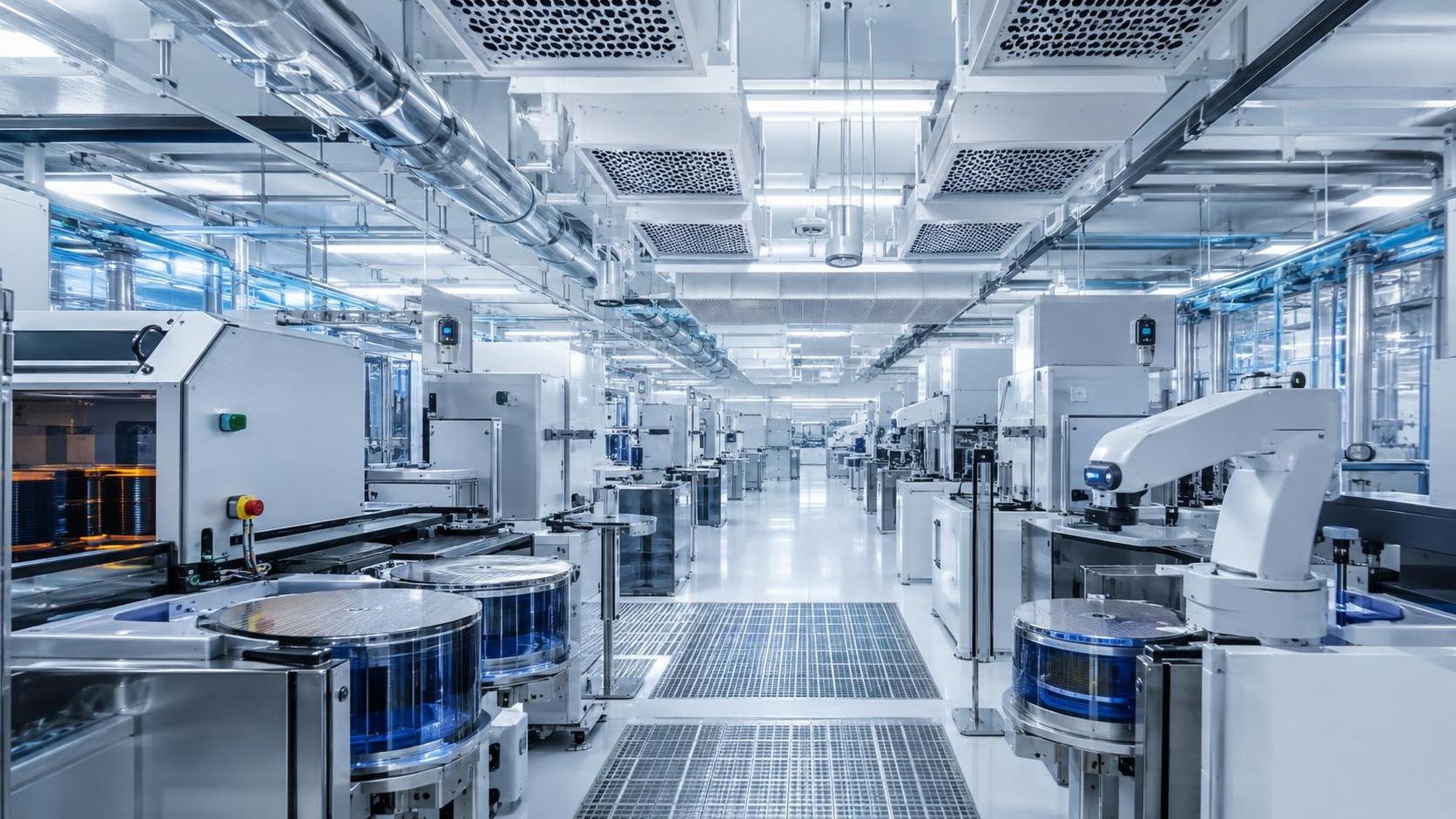
That shift matters most in facilities where environmental precision is tied to output quality. In semiconductor, pharmaceutical, advanced manufacturing, and high-containment settings, energy decisions now affect contamination control, thermal consistency, water treatment, and business resilience at the same time.
Why ROI looks different in 2026
Across industrial portfolios, utility prices remain volatile, carbon disclosures are tighter, and downtime has become more expensive than many energy budgets assume. That changes how energy management systems are evaluated.
A few years ago, a system could be justified by reporting features and monthly savings estimates. Today, investment committees expect harder proof.
They want to know whether an energy platform can identify unstable loads, expose hidden waste in precision HVAC, and support operating conditions required by ISO 14644, ASHRAE, and SEMI-aligned environments.
That is especially relevant in the G-ICE context, where the engineering challenge is not generic efficiency. It is the control of invisible variables that influence yield, biosafety, and process continuity.
What energy management systems actually include
At a practical level, energy management systems combine metering, controls integration, analytics, alarms, and performance benchmarking. Their purpose is not simply to collect data, but to turn energy behavior into an operational decision layer.
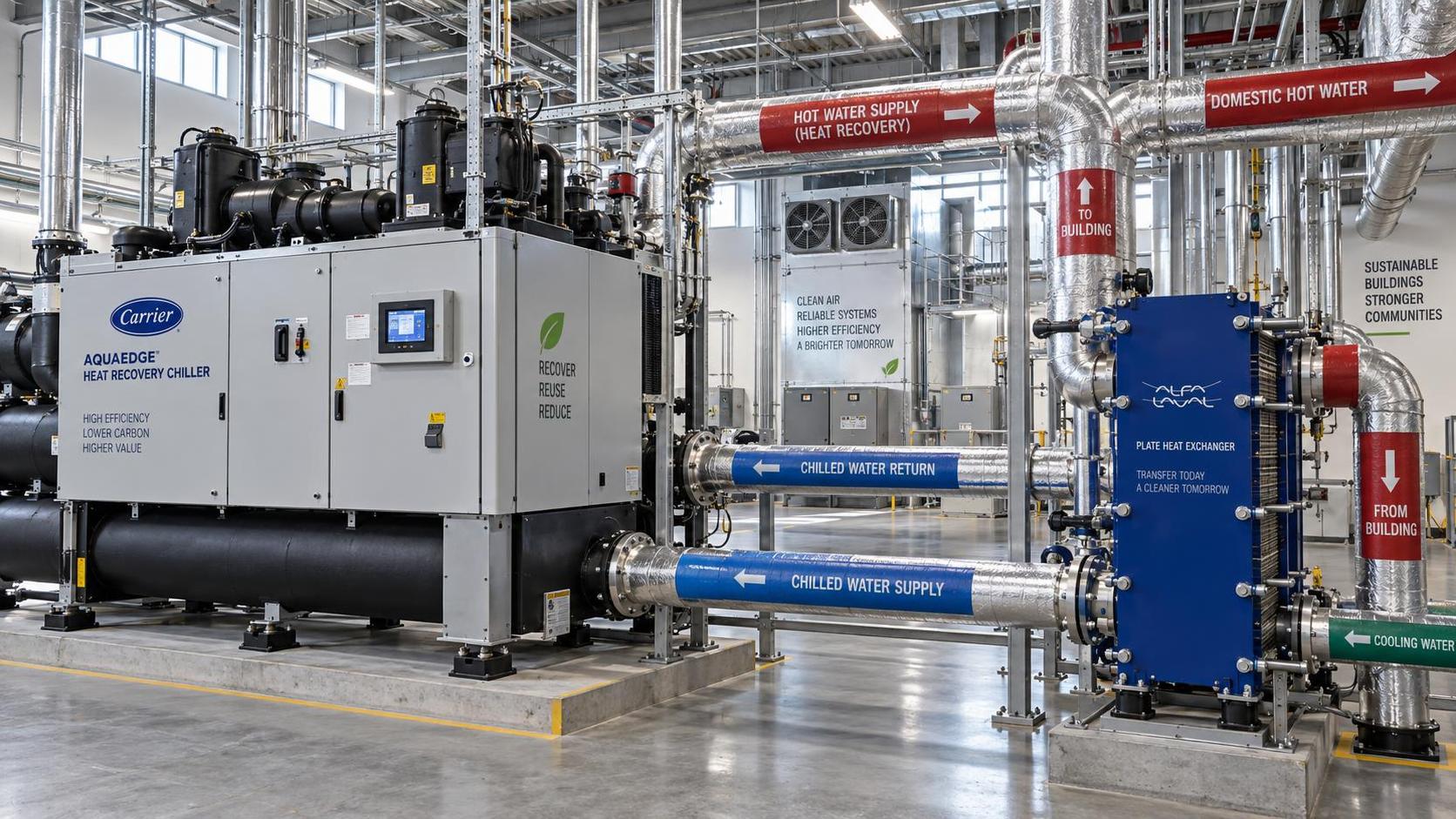
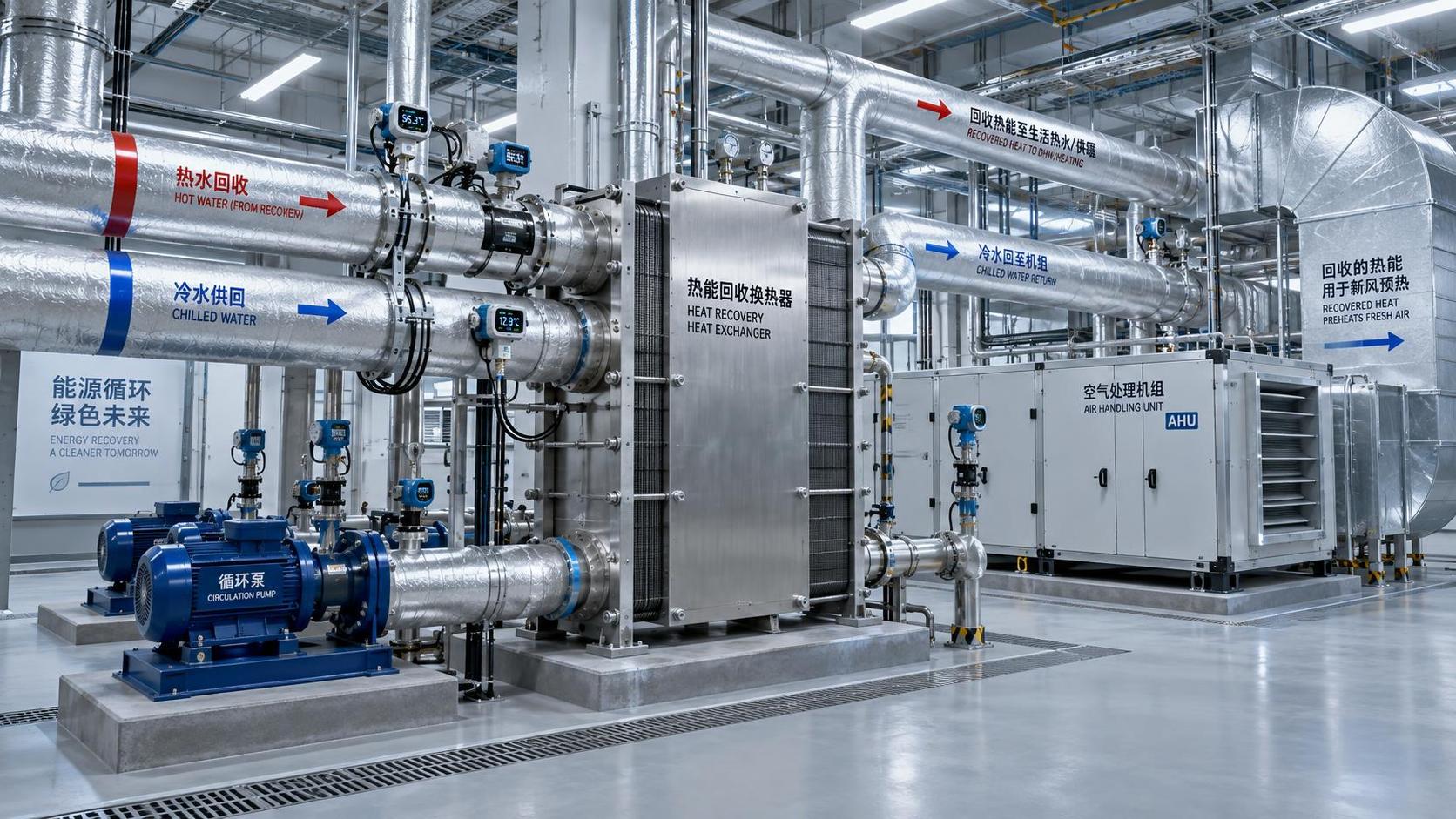
In high-spec facilities, that layer often connects with chillers, air handling units, fan filter units, process pumps, clean utilities, compressed air, and building management controls.
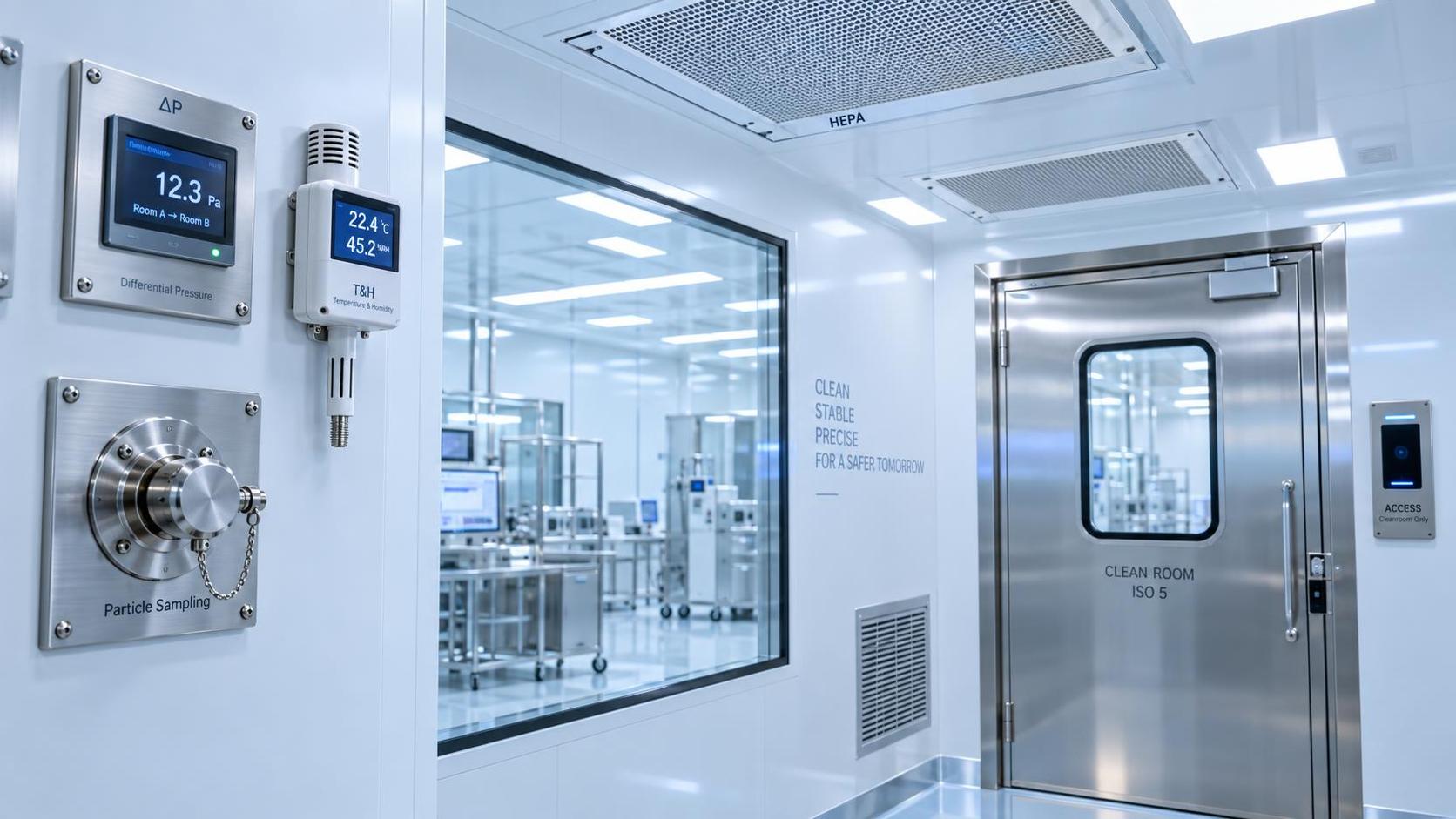
More advanced deployments also link environmental monitoring, digital twins, and predictive maintenance logic. This is where energy management systems begin to influence asset strategy rather than just reporting utility use.
The strongest platforms do three things well. They show where energy is used, explain why it is used, and indicate what can be changed without introducing environmental risk.
Where measurable ROI usually comes from
ROI in 2026 is rarely produced by one dramatic intervention. It usually comes from several linked gains that improve both efficiency and control.
1. Precision HVAC optimization
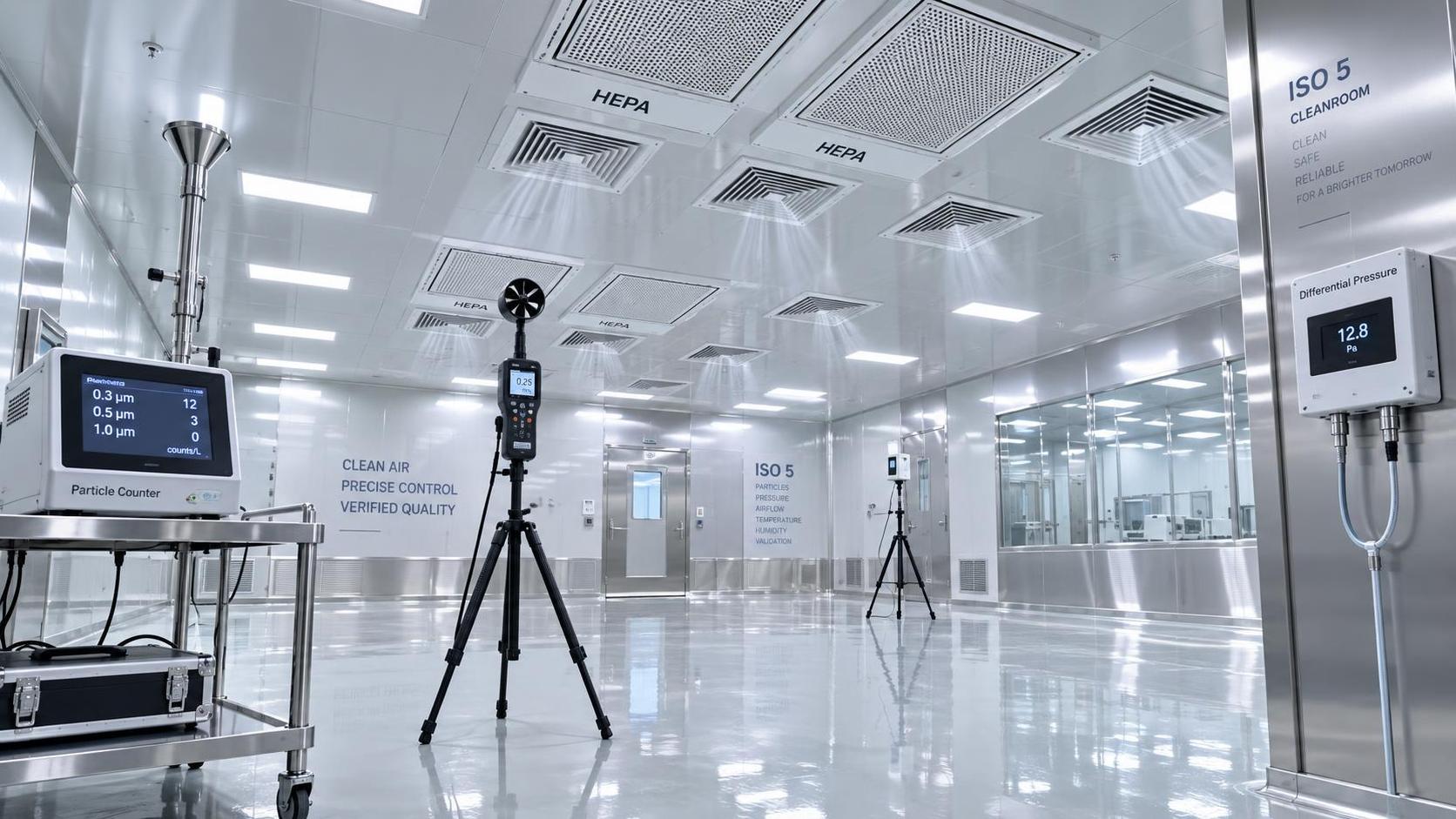
In controlled environments, HVAC remains the largest energy consumer. Energy management systems create value when they reveal simultaneous heating and cooling, poor setpoint coordination, unstable airflow, or unnecessary fan speed margins.
The savings matter, but the bigger return often comes from keeping temperature and pressure relationships within a tighter operating band.
2. Uptime protection
Energy anomalies are often early indicators of equipment failure. A chiller drawing abnormal power, a pump operating off curve, or a filtration train losing efficiency can signal a reliability issue before process alarms appear.
That makes energy management systems useful for avoiding unplanned shutdowns, especially where process restart is expensive or qualification is time-consuming.
3. Compliance support
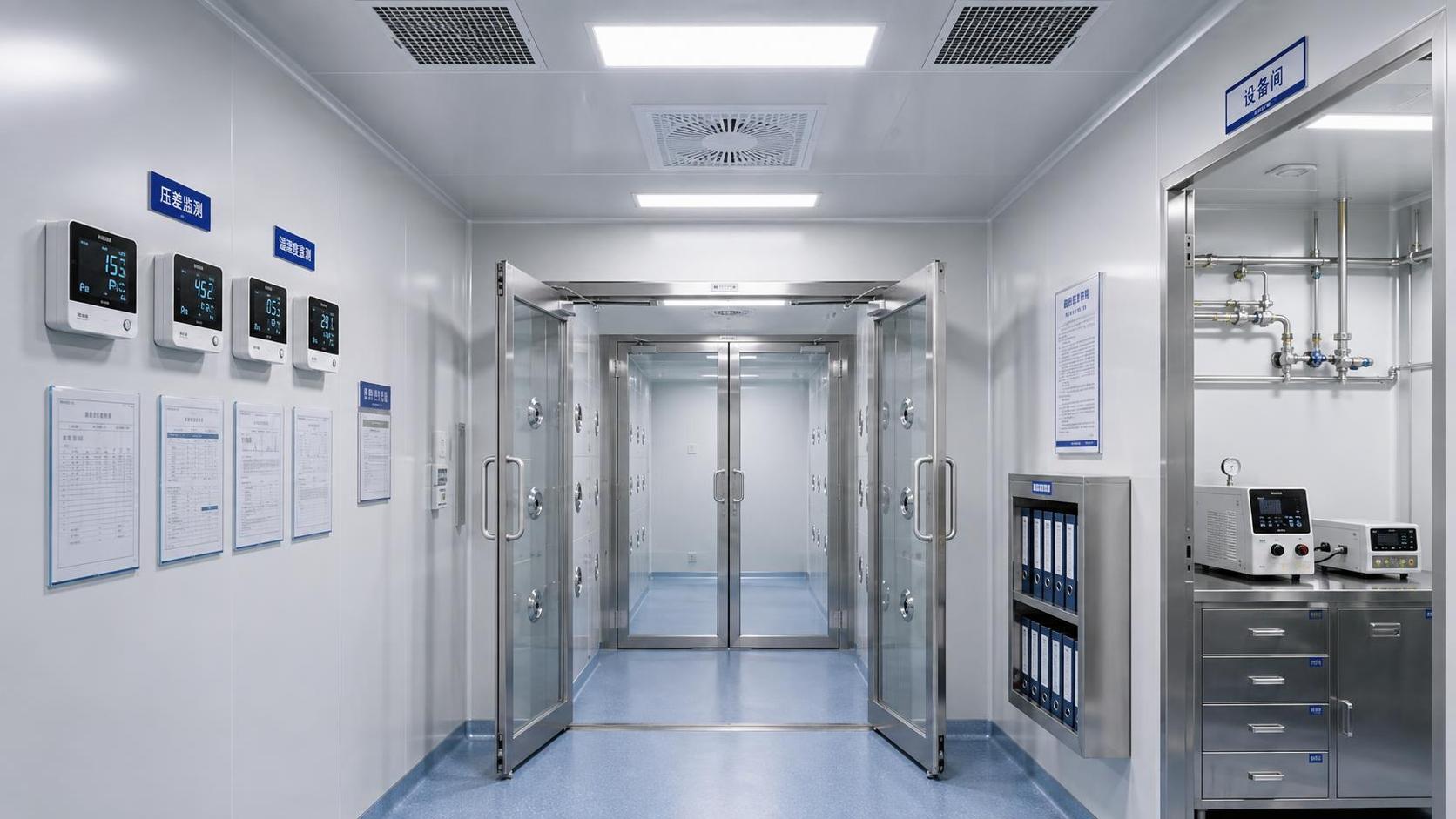
Carbon reporting, internal ESG controls, and site-level performance audits now require more traceable data. Energy management systems reduce manual reporting effort and improve confidence in site-wide disclosures.
In regulated environments, better records also support operational discipline. That is valuable even when the energy savings alone do not justify the full program.
4. Better capital planning
When metering and analytics are structured well, they show which assets are actually inefficient, oversized, unstable, or poorly sequenced. That helps avoid premature replacement and improves the timing of retrofit decisions.
The highest-value industrial use cases
Not every facility gets the same return from the same architecture. The best results usually appear where energy use is tightly coupled to process sensitivity.
These settings reflect why G-ICE places so much emphasis on integrating environmental intelligence with thermodynamic hardware. Energy performance cannot be separated from control quality.
What separates useful systems from expensive dashboards
Many organizations already have data. The gap is usually not data availability, but data structure, contextualization, and response speed.
Energy management systems deliver stronger ROI when they are built around operational questions. For example, which cleanroom zones are over-ventilated, which chillers should lead under part load, or where process utility demand is degrading power quality.
By contrast, systems underperform when they focus on generic site totals, isolated trend charts, or alarms that never lead to action.
- Meter at the asset and process level, not only at the building level.
- Tie energy data to environmental parameters and production conditions.
- Use baselines that reflect operating modes, not annual averages alone.
- Define response ownership when anomalies appear.
- Measure avoided downtime and compliance effort, not just kilowatt-hours.
How to evaluate an investment before rollout
A credible business case starts with one question: which losses are currently hidden? In many facilities, the most expensive losses are not on the utility invoice.
They show up as reduced yield, unstable environmental control, conservative operating buffers, maintenance churn, and extended investigations after minor deviations.
That is why the ROI model for energy management systems should include direct and indirect outcomes.
A practical direction for the next decision cycle
The most effective next step is rarely a full-site deployment. It is usually a focused assessment around one energy-intensive, risk-sensitive system.
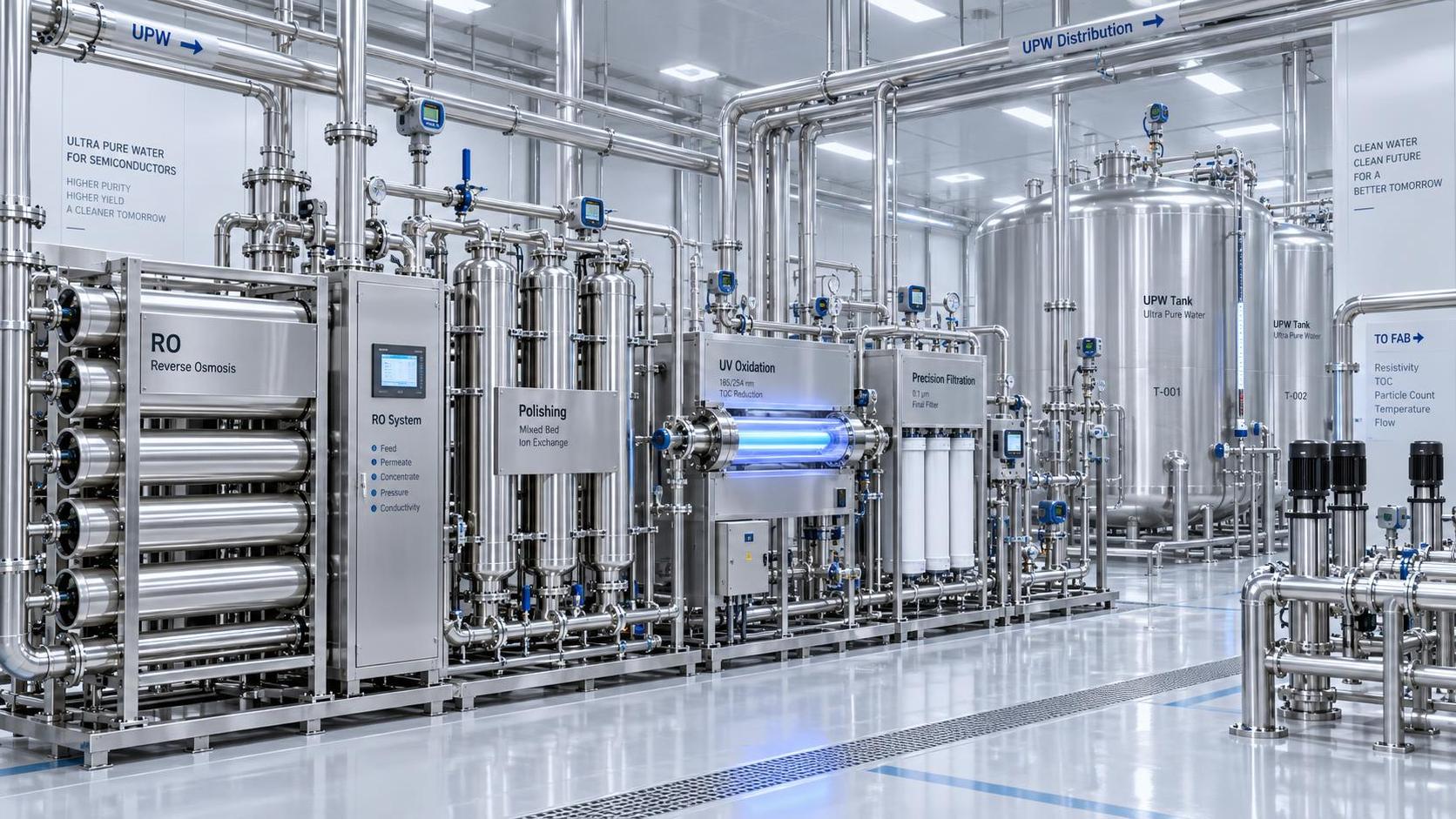
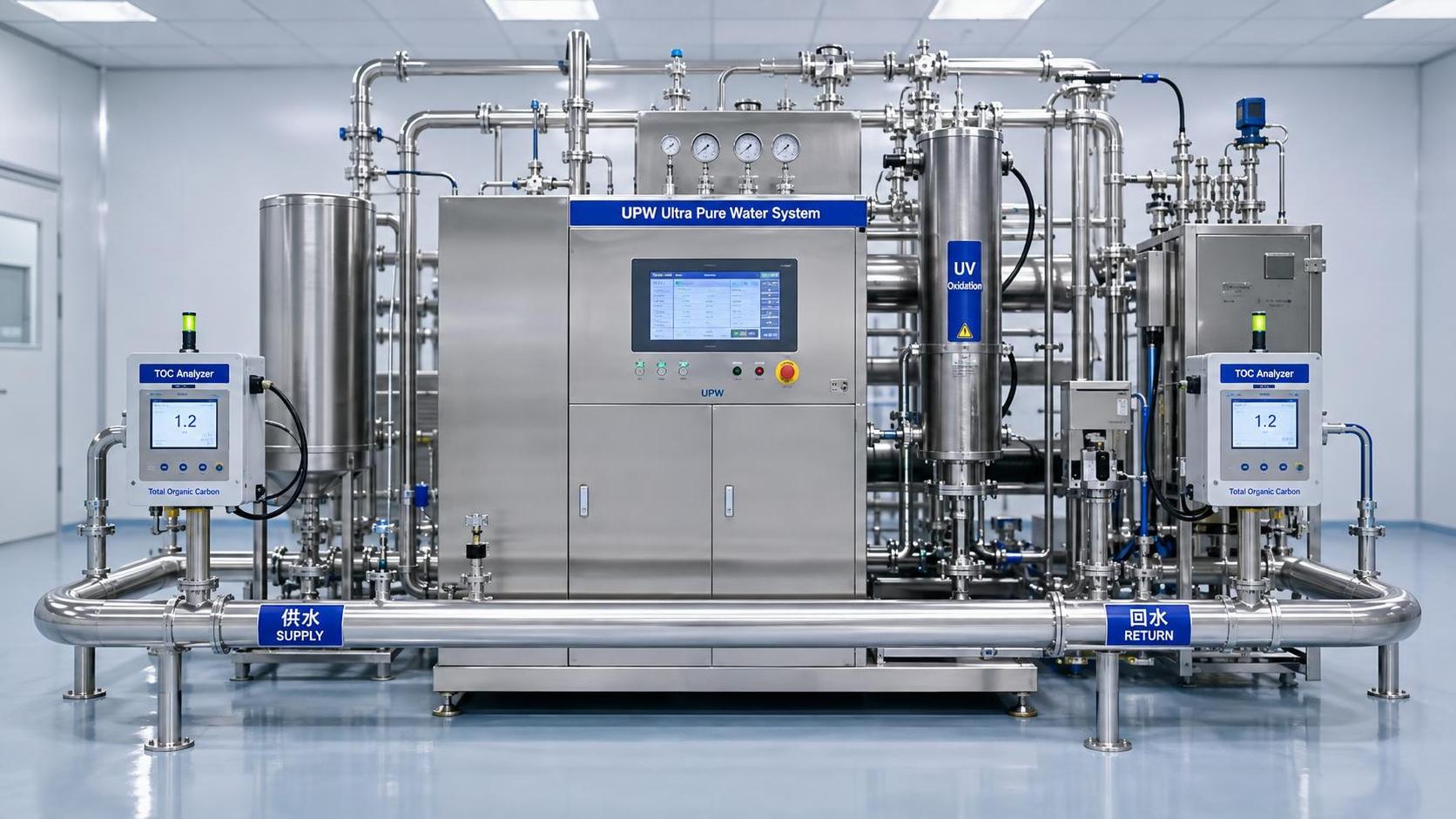
That may be a cleanroom air system, a central chiller plant, a UPW loop, or a containment ventilation network. If the pilot connects energy data with environmental performance, the business case becomes much clearer.
In 2026, energy management systems earn attention when they show how efficiency, compliance, and resilience reinforce each other. The smartest evaluations start by mapping that connection, then testing it in the most critical operating zone first.
From there, the decision is less about buying another software layer and more about building a better operating model for precision infrastructure.
Get weekly intelligence in your inbox.
No noise. No sponsored content. Pure intelligence.
 Sep 15, 2026Smart HVAC investment insights for North American heat recovery projectsSmart HVAC investment insights North America: evaluate heat recovery, lifecycle costs, controls, and performance for resilient project decisions.
 Sep 14, 2026How SEMI standards shape water treatment design for semiconductor fabsSemiconductor water treatment SEMI guidance shapes resilient UPW design, contamination control, monitoring, reclaim strategy, and fab-ready validation.
 Sep 13, 2026What drives Biosafety Containment Systems cost in BSL-3 projects?Biosafety Containment Systems cost in BSL-3 projects depends on HVAC, layout, decontamination, controls, and commissioning. Discover how to build a credible budget.
 Sep 12, 2026How to qualify a fine chemical process solutions supplier for purity controlFine Chemical Process Solutions supplier qualification guide: evaluate purity control, traceability, contamination prevention, and safety for reliable high-purity production.
 Sep 11, 2026What drives cleanroom certification cost for ISO Class 1–9 projects?Cleanroom certification cost depends on ISO Class 1–9 requirements, test scope, HVAC readiness, documentation, and retesting. Explore practical budgeting insights to control project risk.
 Sep 10, 2026When should Procurement Directors prioritize heat recovery payback?Procurement Directors: learn when heat recovery delivers reliable payback, lower lifecycle costs, and safe performance in controlled industrial environments.
 Sep 09, 2026How to select an environmental monitoring system for cleanroomsEnvironmental monitoring system selection for cleanrooms: compare sensors, alarms, data integrity, integration, and installation to ensure reliable control.
 Sep 08, 2026How temperature stability affects semiconductor manufacturing yieldSemiconductor manufacturing temperature stability directly affects yield, overlay, metrology, and process control. Explore practical HVAC, monitoring, and zoning strategies.
 Sep 07, 2026How to prepare for a Regulatory Frameworks audit of cleanroom controlsRegulatory Frameworks audit readiness for cleanroom controls: build traceable evidence, verify alarms and monitoring, and close compliance gaps with confidence.
 Sep 07, 2026How to choose reverse osmosis systems with the right recovery rateReverse osmosis systems: learn how to select the right recovery rate for reliable water quality, lower scaling risk, efficient concentrate control, and stable long-term performance.
 Sep 05, 2026How does a negative pressure room work to contain airborne contaminants?How does a negative pressure room work? Discover how inward airflow, controlled exhaust, monitoring, and room design help contain airborne contaminants safely.
 Sep 04, 2026What TOC Limits Should Be Set and Monitored for a UPW Loop?What are our TOC limits for the UPW loop? Learn how to set defensible TOC thresholds, monitor trends, protect critical processes, and improve water-quality control.
 Sep 04, 2026What Are the Best Retrofit Options for Upgrading Existing Pharmaceutical Cleanrooms?What are the best retrofit options to upgrade existing pharma cleanrooms? Explore FFUs, HVAC modernization, pressure cascades, monitoring, and sealed finishes for compliant performance.
 Sep 04, 2026How Does a Negative Air Pressure Room Protect Adjacent Areas?What is a negative air pressure room? Learn how controlled airflow contains airborne hazards, protects adjacent spaces, and supports safer facility operations.
 Sep 04, 2026What Is ISO Class 1 Cleanroom Classification, and Where Is It Used?What is ISO Class 1? Explore its ultra-low particle limits, critical cleanroom design factors, verification methods, and uses in semiconductor, optics, and quantum manufacturing.
 Sep 04, 2026How Long After a UPW Deviation Does Yield Impact Typically Appear?What is the typical time lag from UPW deviation to yield impact? Learn how contamination, process sensitivity, exposure windows, and testing stages shape detection timing.
 Sep 04, 2026What Testing Data Should Engineers Review Before Approving a UPW Material?What testing data should be reviewed before approving a UPW material? Explore extractables, TOC, particle release, ionic leaching, corrosion, and reliability data for confident approval.
 Sep 04, 2026How Should Pharmaceutical Cleanrooms Choose Climate Control Systems?Which climate control systems are recommended for pharmaceutical cleanroom environments? Explore HVAC, humidity, pressure, HEPA filtration, and GMP-ready monitoring strategies.
 Sep 04, 2026Airtight Door Problems in Medical Spaces and How Buyers Prevent ThemA problem-solving guide for airtight door procurement, covering sealing performance, sensors, wall coordination, cleaning, maintenance, and acceptance risk.
 Sep 04, 2026What drives cleanroom design cost for ISO Class 7 projects?Cleanroom design cost for ISO Class 7 projects depends on HVAC, filtration, utilities, validation, and lifecycle strategy. Learn how to control budgets without compromising compliance or performance.
 Sep 03, 2026When do heat pipe heat exchangers suit pharmaceutical cleanrooms?Heat Pipe Heat Exchangers for pharmaceutical plants: discover when they support cleanroom energy recovery, airflow separation, humidity control, and GMP-ready HVAC design.
 Sep 02, 2026What determines biosafety cabinets price across different modelsBiosafety cabinets price varies by class, airflow design, filtration, size, certification, and installation. Compare models confidently to choose safe, cost-effective containment.
 Sep 01, 2026When does thermal energy storage cut peak-demand costs in plants?Thermal energy storage for industrial plants can cut peak-demand costs when tariffs, load profiles, and controls align. Explore practical savings, resilience, and integration factors.
 Aug 31, 2026How a digital environmental monitoring system supports audit-ready cleanroomsDigital environmental monitoring system strategies for audit-ready cleanrooms: improve traceability, alarm response, data integrity, and compliance confidence.
 Aug 30, 2026When does next-gen thermal management closed loop reduce chiller energy use?Next-gen thermal management closed loop systems can cut chiller energy by reducing lift, optimizing flows, enabling heat recovery, and improving controls. Discover when savings are real.
 Aug 29, 2026How chilled water piping layout affects pump energy useChilled water piping layout directly affects pump energy, control stability, and lifecycle costs. Explore practical design insights for efficient, reliable systems.
 Aug 28, 2026When thermal energy storage systems cut peak cooling costs in pharma plantsThermal Energy Storage Systems for pharmaceutical plants cut peak cooling costs, support compliance, and strengthen resilience. Explore the business case.