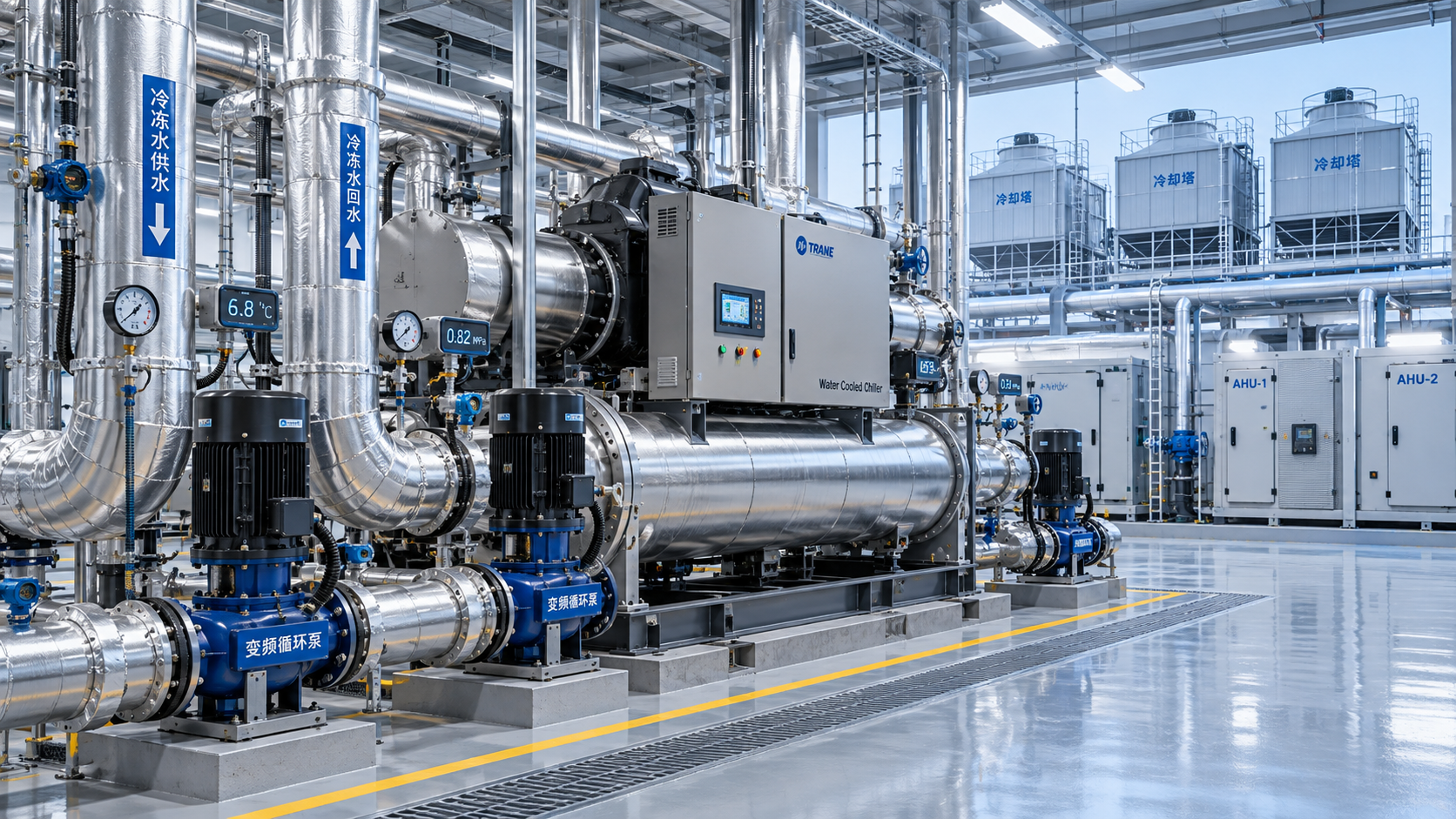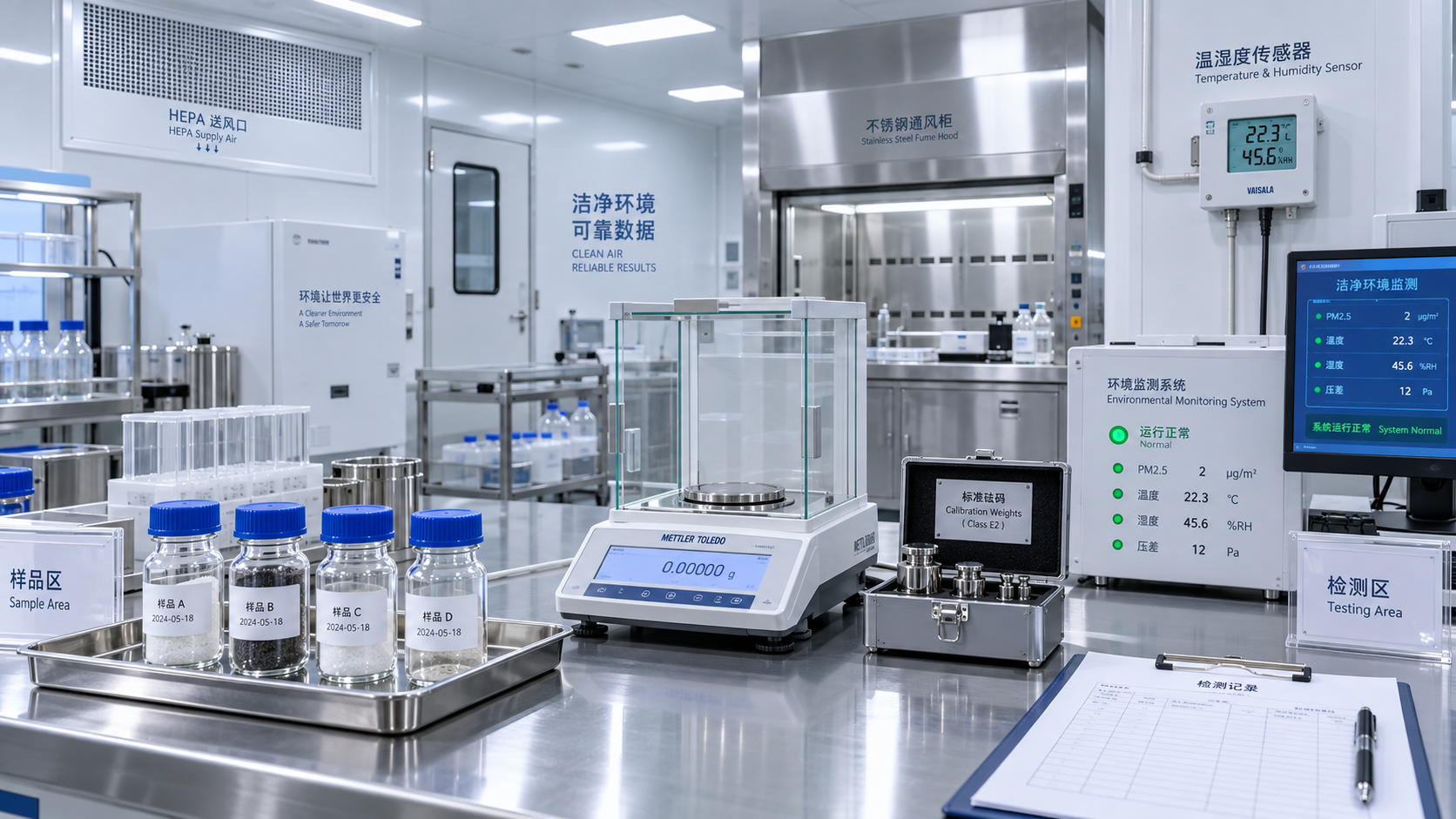
Impact of CBAM on Chillers: Cost Exposure by Region
For distributors, agents, and regional partners, the impact of CBAM on chillers is becoming a critical pricing and sourcing issue. As carbon-border rules reshape equipment trade, cost exposure now varies sharply by region, supply chain, and manufacturing footprint. This article outlines where chiller margins may tighten, which markets face higher compliance pressure, and how channel partners can adapt their procurement and sales strategies early.
Why is the impact of CBAM on chillers now a channel priority?
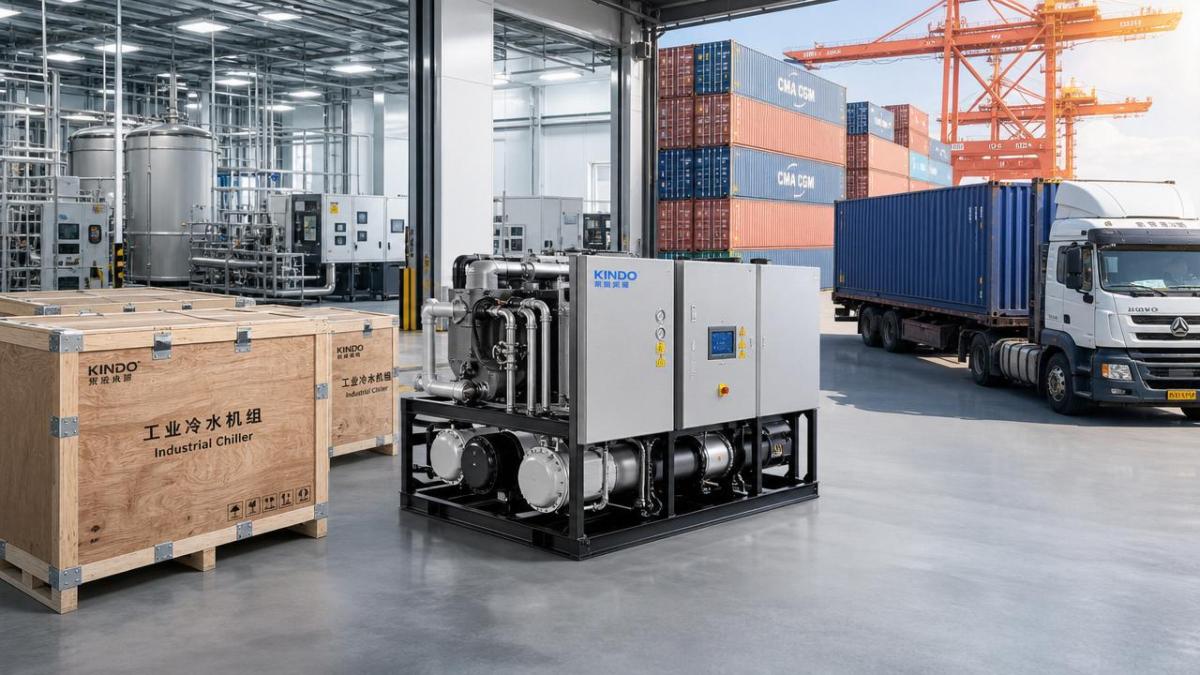
The impact of CBAM on chillers matters because distributors do not only sell equipment; they absorb timing risk, quotation risk, and compliance risk. When carbon cost becomes a border variable, landed cost can shift after a bid is issued, especially for large industrial HVAC and process-cooling projects.
For channel partners serving semiconductor, pharmaceutical, advanced manufacturing, and high-spec laboratory facilities, chillers are not commodity boxes. They are precision thermal assets linked to uptime, contamination control, and energy performance. A carbon-related surcharge can therefore affect both gross margin and bid competitiveness.
G-ICE follows this issue from both engineering and compliance angles. That matters in practice because the same chiller may show very different exposure depending on steel intensity, aluminum content, manufacturing electricity mix, transport path, refrigerant strategy, and documentation readiness.
- A distributor may quote a magnetic-bearing centrifugal chiller for a cleanroom campus and later discover that regional import treatment changes the cost base.
- An agent may compare two suppliers with similar cooling capacity, yet one has stronger emissions traceability and lower carbon-linked exposure.
- A regional reseller may need to explain why a lower ex-works price does not always mean a lower delivered project cost.
How does CBAM affect chiller cost structure in real transactions?
The impact of CBAM on chillers is indirect but commercially powerful. Chillers combine metals, heat exchangers, compressors, controls, motors, insulation, and transport-intensive packaging. Even where a finished unit is not uniformly treated in every market phase, the embodied carbon of key upstream materials can still influence final pricing, declarations, and supplier negotiations.
For channel businesses, the most practical question is not theoretical policy wording. It is where carbon cost can enter the transaction and who carries it. In many deals, exposure appears through upstream material pricing, supplier pass-through, customs documentation workload, and tender conditions tied to sustainability reporting.
Main cost drivers channel partners should track
- Steel and aluminum intensity in frames, casings, vessels, coils, and structural supports.
- Electricity carbon intensity at the manufacturing site, especially for component-heavy assembly plants.
- Origin of compressors, motors, heat exchangers, and control cabinets across multi-country supply chains.
- Quality of product carbon documentation, supplier declarations, and audit trail completeness.
- Contract structure, including whether price revision clauses allow pass-through of regulatory cost changes.
The table below helps quantify where the impact of CBAM on chillers tends to emerge first for distributors and agents evaluating import exposure, pricing stability, and documentation burden.
The key takeaway is simple: even before a direct levy is visible on the final invoice, the impact of CBAM on chillers can already be embedded in supplier behavior. That is why channel partners should treat carbon exposure as part of standard cost analysis, not as a late-stage legal issue.
Which regions face the highest chiller cost exposure?
Cost exposure differs by export destination, manufacturing origin, and supply-chain transparency. Regions with stronger carbon-reporting expectations or more structured importer accountability will generally create more pressure on chiller pricing and documentation discipline.
For distributors, the most useful lens is not geography alone. It is the combination of market destination, equipment complexity, and project specification. High-spec end users in Europe, life sciences, and advanced electronics often ask for better environmental disclosure than standard commercial HVAC buyers.
Regional exposure by channel logic
The following comparison highlights where the impact of CBAM on chillers is more likely to tighten margins, slow approvals, or favor better-documented suppliers.
This does not mean every EU-linked deal becomes expensive overnight. It means regional sensitivity is no longer uniform. A distributor with mixed territories should build separate pricing rules by destination rather than use one global markup model.
What should distributors compare when sourcing chillers under CBAM pressure?
Traditional chiller sourcing focused on cooling capacity, efficiency, footprint, lead time, and after-sales support. Those remain essential. However, the impact of CBAM on chillers adds a new procurement layer: carbon visibility and compliance usability.
Practical sourcing checklist
- Confirm manufacturing country and major component origin, not only brand headquarters location.
- Ask whether the supplier can provide structured emissions-related documentation for materials and production.
- Review quotation validity periods and policy-change clauses before committing to end-customer prices.
- Check whether the unit is intended for sensitive environments such as ISO-classified cleanrooms, GMP facilities, or precision process lines.
- Evaluate energy efficiency and lifecycle cost together, since efficient chillers may better support the customer’s decarbonization narrative.
For G-ICE-aligned projects, sourcing quality cannot be separated from operating context. Semiconductor fabs, biosafety labs, and pharmaceutical production often require precise thermal stability, robust controls, and integration with environmental monitoring. In those settings, choosing a supplier only on unit price can become expensive later.
Supplier comparison matrix for channel decisions
This selection table supports channel teams that need to compare technical fit with the impact of CBAM on chillers before final supplier nomination.
The most resilient suppliers are not always the cheapest at quote stage. They are often the ones that help the distributor defend price, timeline, and compliance position throughout the project cycle.
How do high-spec industries change the impact of CBAM on chillers?
In advanced industrial settings, thermal control is linked to yield, biosafety, and process continuity. That makes the impact of CBAM on chillers more strategic than in standard comfort-cooling markets. A failed procurement decision can affect not only import cost but also facility qualification and production risk.
Sector-specific pressure points
- Semiconductor projects often value ultra-stable cooling and clean utility integration. Buyers may prefer suppliers that can support both performance data and supply-chain transparency.
- Pharmaceutical and biotech facilities frequently work under validation, documentation, and audit expectations. Any uncertainty in equipment provenance can slow approval workflows.
- High-risk labs and biosafety environments prioritize reliability, redundancy, and controlled maintenance access. Carbon-linked procurement pressure must not undermine engineering safeguards.
- Precision manufacturing and quantum-related facilities may demand temperature control within very narrow bands, making technology choice more important than simple equipment substitution.
This is where G-ICE adds value. Its multidisciplinary benchmark approach connects thermodynamic hardware, cleanroom performance, process utility logic, and international frameworks such as ISO 14644, ASHRAE, and SEMI. For a distributor, that means better support when a customer asks not just for a chiller, but for a compliant and defensible cooling solution.
What mistakes do channel partners make when managing CBAM-related chiller risk?
Common misjudgments
- Assuming that only direct importers need to care. In reality, upstream repricing can hit any channel member.
- Using a single markup rule across all regions, even though destination exposure differs sharply.
- Treating documentation as an after-sales task rather than part of supplier qualification.
- Switching suppliers solely on price without checking whether the replacement unit meets process stability, controls integration, or regulatory expectations.
- Ignoring lifecycle energy arguments when selling to ESG-conscious industrial clients.
A better approach is to score suppliers on technical fit, carbon-data readiness, logistics resilience, and quotation discipline. That combination is more useful than pursuing the lowest nominal procurement price.
FAQ: practical questions about the impact of CBAM on chillers
Does CBAM automatically make every imported chiller more expensive?
No. The impact of CBAM on chillers depends on destination market, product classification treatment, upstream materials, and supplier pricing behavior. Some projects will feel the effect mainly through documentation and supplier pass-through rather than a visible standalone charge.
Which distributors face the greatest near-term risk?
Distributors serving EU-linked industrial projects, long tender cycles, and high-spec sectors face the greatest risk. These channels are more likely to encounter stricter cost scrutiny, delayed approvals, and requests for better emissions traceability.
Should channel partners switch to regional manufacturing sources?
Sometimes, but not automatically. Regional sourcing can reduce logistics uncertainty and improve compliance visibility, yet the replacement source must still satisfy cooling performance, controls compatibility, service support, and project specifications. Technical mismatch can erase any carbon-cost advantage.
What documents should be requested before issuing a final quote?
Ask for manufacturing origin details, major material source information where available, quotation validity terms, compliance-support statements, and technical documents relevant to the application. For mission-critical sites, also confirm performance data, controls architecture, and maintenance requirements.
Why choose us for CBAM-aware chiller sourcing and project support?
Distributors and agents need more than a product catalog. They need a partner that understands how the impact of CBAM on chillers intersects with precision cooling, cleanroom logic, compliance documentation, and project delivery risk. G-ICE is built for that intersection.
Our advantage is not based on generic sales language. It comes from a technical benchmarking approach across advanced cleanroom systems, precision industrial HVAC, UPW and process fluids, biosafety containment, and smart environmental monitoring. That perspective helps channel partners make decisions that hold up commercially and operationally.
- We can support parameter confirmation for process cooling, thermal stability, and application fit.
- We can help compare sourcing routes by region, manufacturing footprint, and compliance readiness.
- We can assist with product selection logic for cleanroom, semiconductor, pharmaceutical, and laboratory environments.
- We can discuss delivery timing, customization boundaries, technical documentation expectations, and quotation communication strategy.
- We can align solution discussions with relevant frameworks such as ISO 14644, ASHRAE, and SEMI where project context requires it.
If your team is reviewing supplier exposure, preparing regional pricing, or comparing chillers for regulated industrial projects, contact us with your application conditions, target market, expected delivery window, and documentation needs. We can help you narrow options earlier, reduce hidden cost surprises, and build a more defensible procurement plan.
Get weekly intelligence in your inbox.
No noise. No sponsored content. Pure intelligence.
 Oct 21, 2026How often is cleanroom certification required under ISO 14644-2?Cleanroom Certification is generally recommended annually under ISO 14644-2. Learn when risk-based extensions apply and which changes trigger earlier testing to plan with confidence.
 Oct 21, 2026FASEB Comments on NIH Draft Policy for Research Involving BiohazardsFASEB comments on NIH’s draft biohazard research policy call for risk-based biosafety oversight. Explore potential implications for laboratories, suppliers, and compliance teams.
 Oct 20, 2026How to disinfect ultrasound machines without damaging surfacesLearn how to disinfect ultrasoundmachines without surface damage. Explore compatible products, wet contact times, and probe care to protect patients and equipment.
 Oct 20, 2026Ultrapure Water in Semiconductor Manufacturing: Reuse and Quality Control InsightsExplore ultrapure water reuse in semiconductor manufacturing, key UPW quality benchmarks and analytical insights to help evaluate suppliers and protect process purity.
 Oct 19, 2026How cooling affects warpage in injection-molded consumer electronics housingsOptimize plastic injection molding for consumer electronics with cooling strategies to reduce housing warpage and improve assembly fit. Discover practical checks for stable, efficient production.
 Oct 18, 2026Can air leaks prevent a dehumidifier from holding its target dew point?Why can't our dehumidifier maintain the target dew point? Discover how air leaks increase moisture loads, spot hidden faults, and find practical fixes to restore reliable dew-point control.
 Oct 17, 2026How semiconductor process water treatment removes trace organicsSee how semiconductor process water treatment removes trace organics with RO, UV oxidation, and polishing. Learn how TOC monitoring helps verify purity and pinpoint contamination.
 Oct 16, 2026How to choose ultra pure water piping materials to limit leachingChoose ultra pure water piping with confidence. Compare PVDF, PFA, and stainless steel, assess leaching risks, and learn how to qualify your system for reliable purity.
 Oct 15, 2026How to size a skid-mounted deionized water system for peak demandCompare deionized water systems skid configurations for peak demand. Learn how to balance production, storage, and pump capacity to prevent shortages and avoid costly oversizing.
 Oct 14, 2026When is collaborative laboratory robotics suitable for sample sorting?Explore when collaborative laboratory robotics suits sample sorting. Discover key checks for safety, traceability, container compatibility, and throughput before choosing your solution.
 Oct 13, 2026How sandwich panel joints affect airtightness in cleanroom systemsCleanroom Systems sandwich panels need reliable joints for airtightness. Discover how gaskets, sealants, and testing help reduce leakage and protect cleanroom pressure control.
 Oct 12, 2026How to verify USP compliance for ultra pure water systemsUltra Pure Water Systems USP compliance: learn how to verify water quality, sampling, sanitization, trends, and validation controls at every point of use.
 Oct 11, 2026How tight temperature control prevents cleanroom process driftCleanroom process temperature control systems prevent costly drift by stabilizing critical conditions, improving repeatability, and protecting sensitive production workflows.
 Oct 10, 2026When does organic contaminant removal require TOC treatment?Organic contaminant removal requires TOC treatment when dissolved organics threaten product quality, equipment reliability, or process control. Learn how to assess risks and choose the right solution.
 Oct 08, 2026What affects lead times for sheet metal bending services in Canada?Sheet metal bending services Canada: discover how material supply, tooling, tolerances, finishing, documentation, and freight affect lead times for reliable project delivery.
 Oct 07, 2026How HVAC design for semiconductor fabs prevents airborne contaminationHVAC design for semiconductor fabs prevents airborne contamination through advanced filtration, pressure cascades, airflow control, and real-time monitoring. Explore key strategies for cleaner, more reliable wafer production.
 Oct 06, 2026How photovoltaic modules waterproof technology prevents moisture damagephotovoltaic modules waterproof technology prevents moisture damage with durable seals, drainage, and junction-box protection. Explore practical selection and testing insights.
 Oct 05, 2026How ISO 14644 Europe requirements affect cleanroom qualificationISO 14644 Europe requirements shape cleanroom qualification, from particle classification and recovery testing to monitoring, GMP alignment, and change control.
 Oct 04, 2026How to assess a pharmaceutical cleanroom solutions supplier’s ISO capabilityPharmaceutical Cleanroom Solutions supplier assessment guide: evaluate ISO 14644 capability, validation evidence, airflow design, documentation, and long-term GMP readiness.
 Oct 03, 2026What EU standards govern the design of BSL-3 laboratories in Europe?BSL-3 laboratories Europe: explore EU directives, EN standards, HVAC containment, commissioning, and practical design strategies for compliant, resilient high-containment facilities.
 Oct 02, 2026How EN 1822 defines HEPA filtration efficiency for cleanroomsHEPA filtration EN 1822 explained: learn how MPPS testing, local leakage limits, and filter classes support reliable cleanroom decisions.
 Oct 01, 2026How pharmaceutical process water systems control microbial riskProcess water systems pharmaceutical teams rely on can control microbial risk through hygienic design, monitoring, and validated sanitization. Explore practical compliance strategies.
 Sep 30, 2026When does a negative pressure laboratory need BSL-3 containment?Negative pressure laboratory or BSL-3? Discover the risk factors, engineering controls, and containment requirements needed for safe, compliant laboratory planning.
 Sep 29, 2026How to evaluate a TOC-zero water treatment supplier for UPW systemsChoose a TOC-zero water treatment supplier with confidence. Compare UPW performance, monitoring, validation, materials, service capability, and lifecycle cost.
 Sep 28, 2026What drives sustainable cooling cost in high-precision facilities?Sustainable cooling cost in high-precision facilities depends on thermal stability, energy, water, controls, and resilience. Explore smarter lifecycle strategies.
 Sep 27, 2026How to compare freight forwarding services for time-critical shipmentsCompare freight forwarding services for time-critical shipments with practical insights on routing, customs, visibility, specialized handling, and contingency planning.
 Sep 26, 2026How environmental integrity in laboratories supports reliable test resultsEnvironmental Integrity in laboratories safeguards samples, instruments, and staff. Discover practical controls for contamination, monitoring, and reliable test results.