Sub-Micron Contamination Measurement: Choosing the Right Detection Range
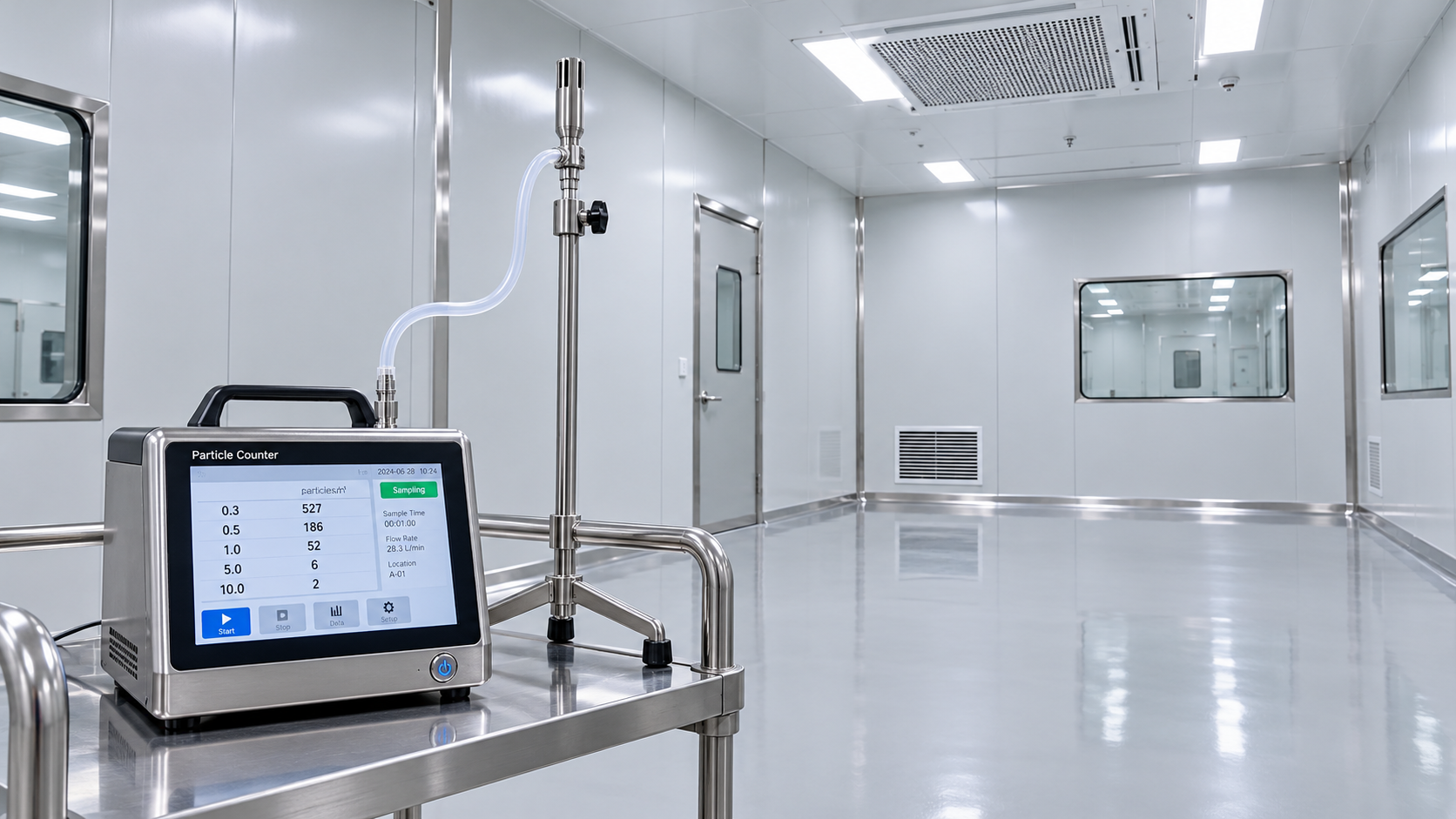
For procurement teams in cleanrooms, pharma, and high-precision manufacturing, Sub-Micron Contamination measurement is not just a technical metric—it is a purchasing decision that directly affects compliance, yield, and long-term operating cost. Choosing the right detection range helps buyers compare instruments more accurately, avoid over-specification, and ensure performance aligns with strict environmental and industry standards.
Why detection range matters more than headline sensitivity
In many industrial environments, buyers focus first on the smallest particle size an instrument can detect. That matters, but Sub-Micron Contamination measurement should be evaluated in context. Detection range affects alarm relevance, trending quality, maintenance planning, and whether the device actually supports the process risk you are trying to control.
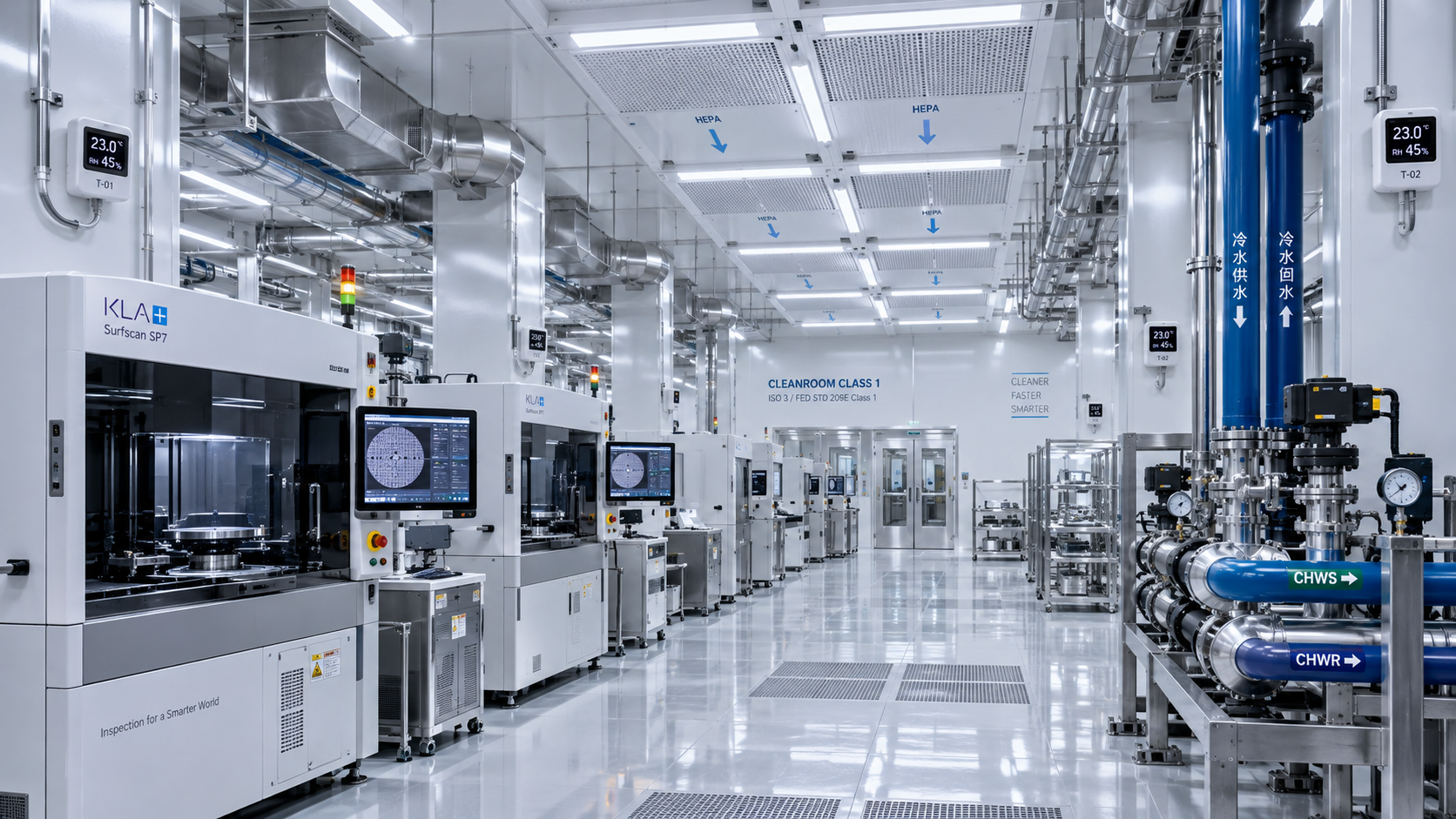
A semiconductor fab, sterile filling area, advanced battery line, and quantum research room may all discuss sub-micron particles, yet their procurement logic differs. One site may require continuous monitoring at 0.1 μm and 0.2 μm thresholds. Another may only need periodic verification around 0.3 μm and 0.5 μm for certification and supplier audits.
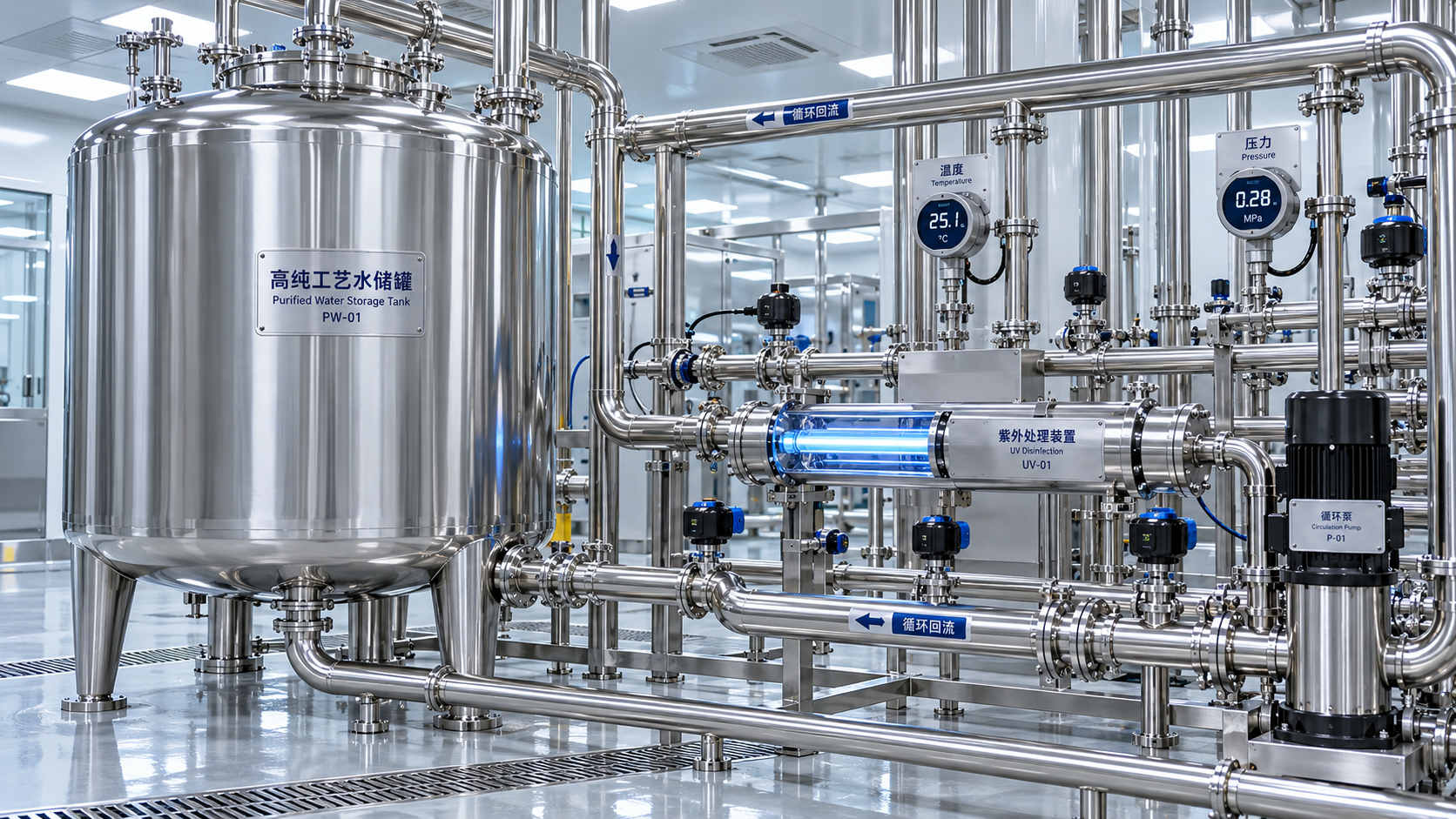
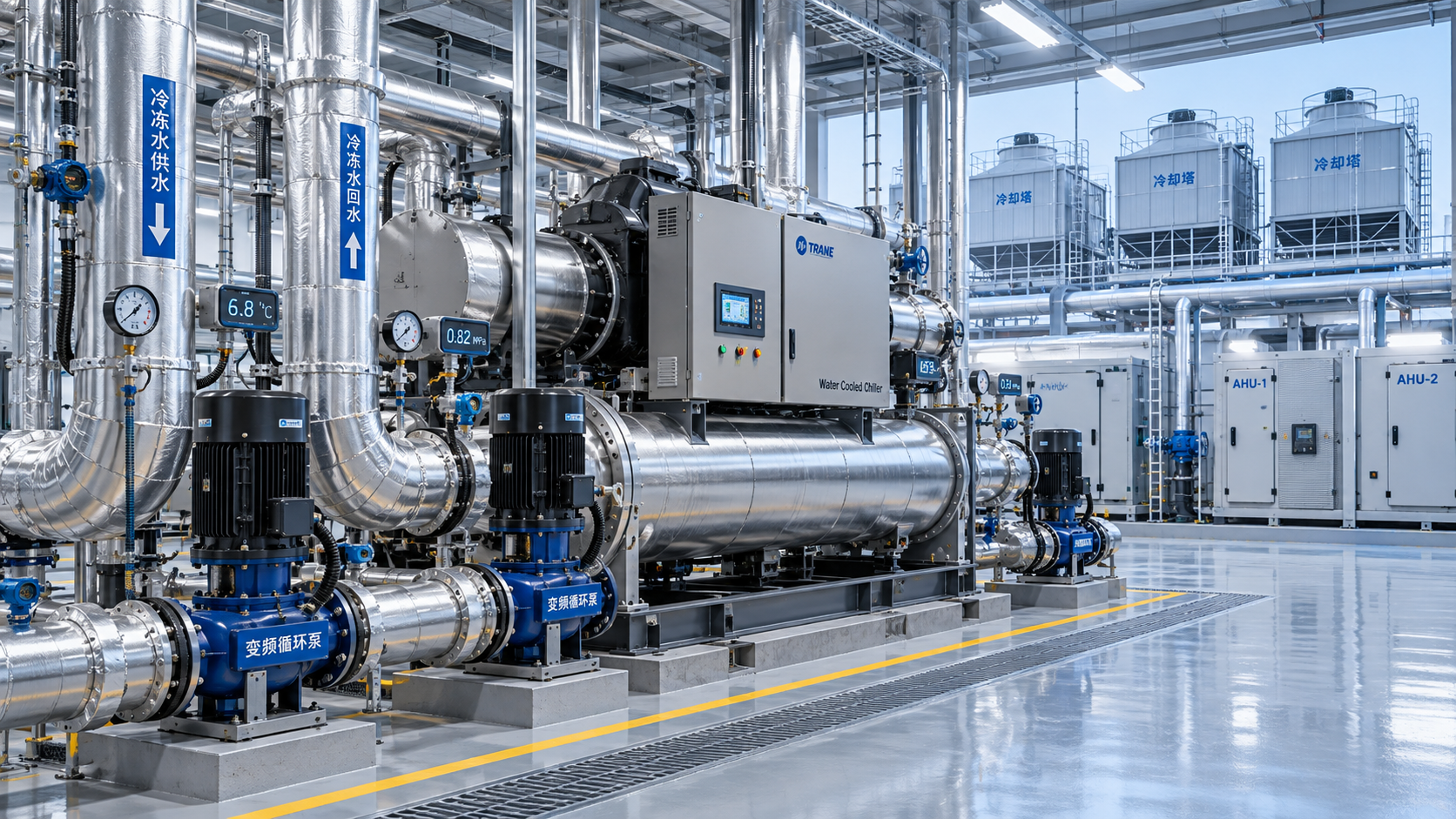
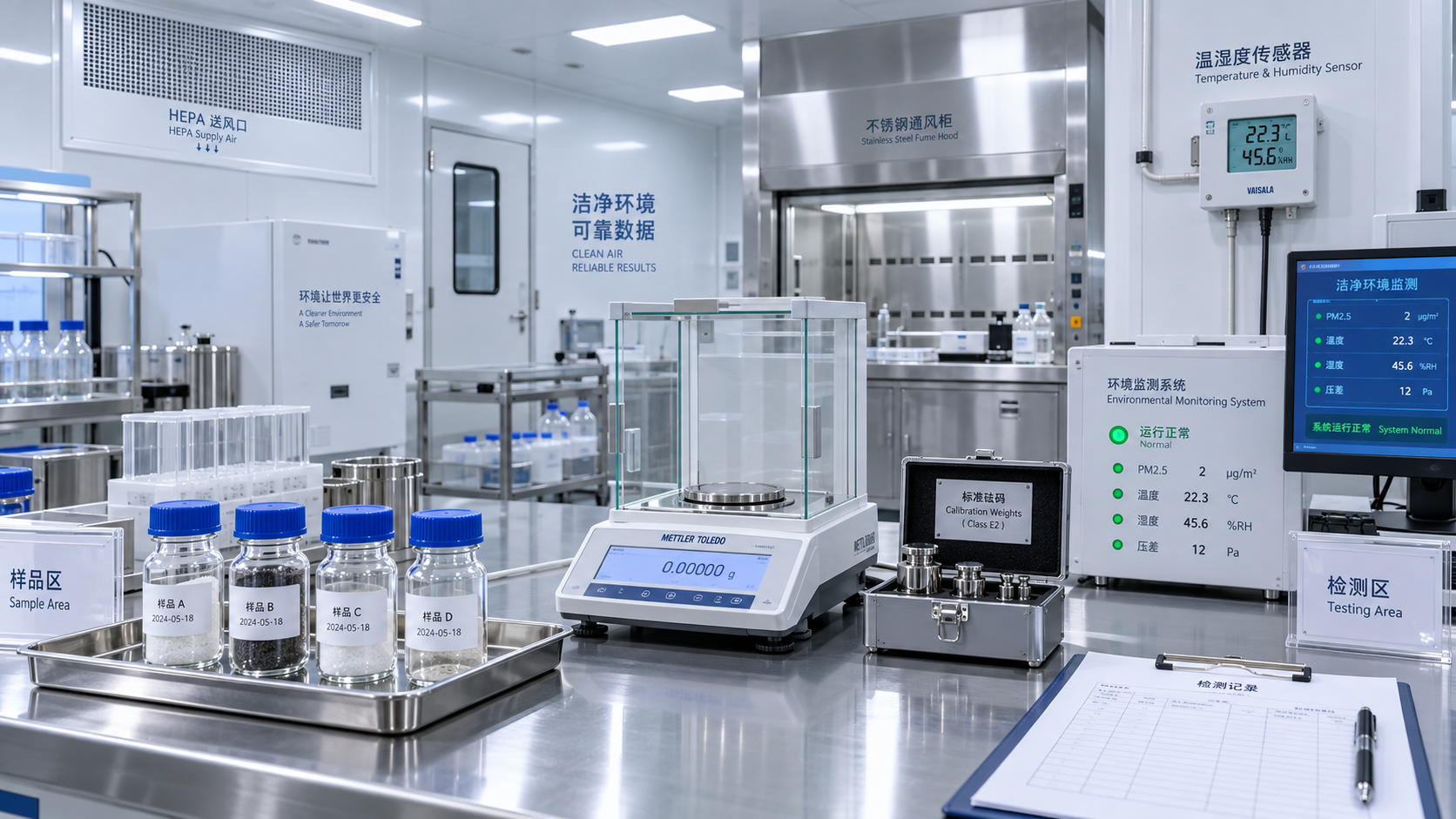
This is where G-ICE brings value. Its benchmarking approach connects contamination control hardware, HVAC stability, UPW cleanliness, biosafety engineering, and digital environmental monitoring. That broader view helps procurement teams avoid buying a detector in isolation when the actual performance depends on airflow design, temperature control, and data integration.
- A narrow focus on minimum detectable size can lead to unnecessary capital expense if the process does not require that lower threshold.
- A range that is too broad without sufficient accuracy may generate noisy data, false alarms, and difficult supplier comparisons.
- A poorly matched instrument often increases qualification time because engineering, QA, and EHS teams disagree on acceptance criteria.
How to define the right Sub-Micron Contamination measurement range for your application
The right range starts with risk classification, not the catalog page. Procurement should ask what contamination event must be detected, how quickly it must be detected, and what action will follow. If the instrument cannot support a practical control response, the specification is not useful.
Start with process criticality
Criticality determines whether continuous monitoring, routine validation, or investigative sampling is required. High-value wafer processes, aseptic compounding, and nano-material production usually justify tighter sub-micron tracking than general assembly or warehouse support zones.
Map particle thresholds to operational decisions
A useful detection range should align with actions such as line hold, HEPA leak investigation, gowning review, filter replacement, or airflow rebalance. If no one can define what happens when 0.2 μm counts spike, the team may be specifying beyond operational need.
Consider the environmental control system
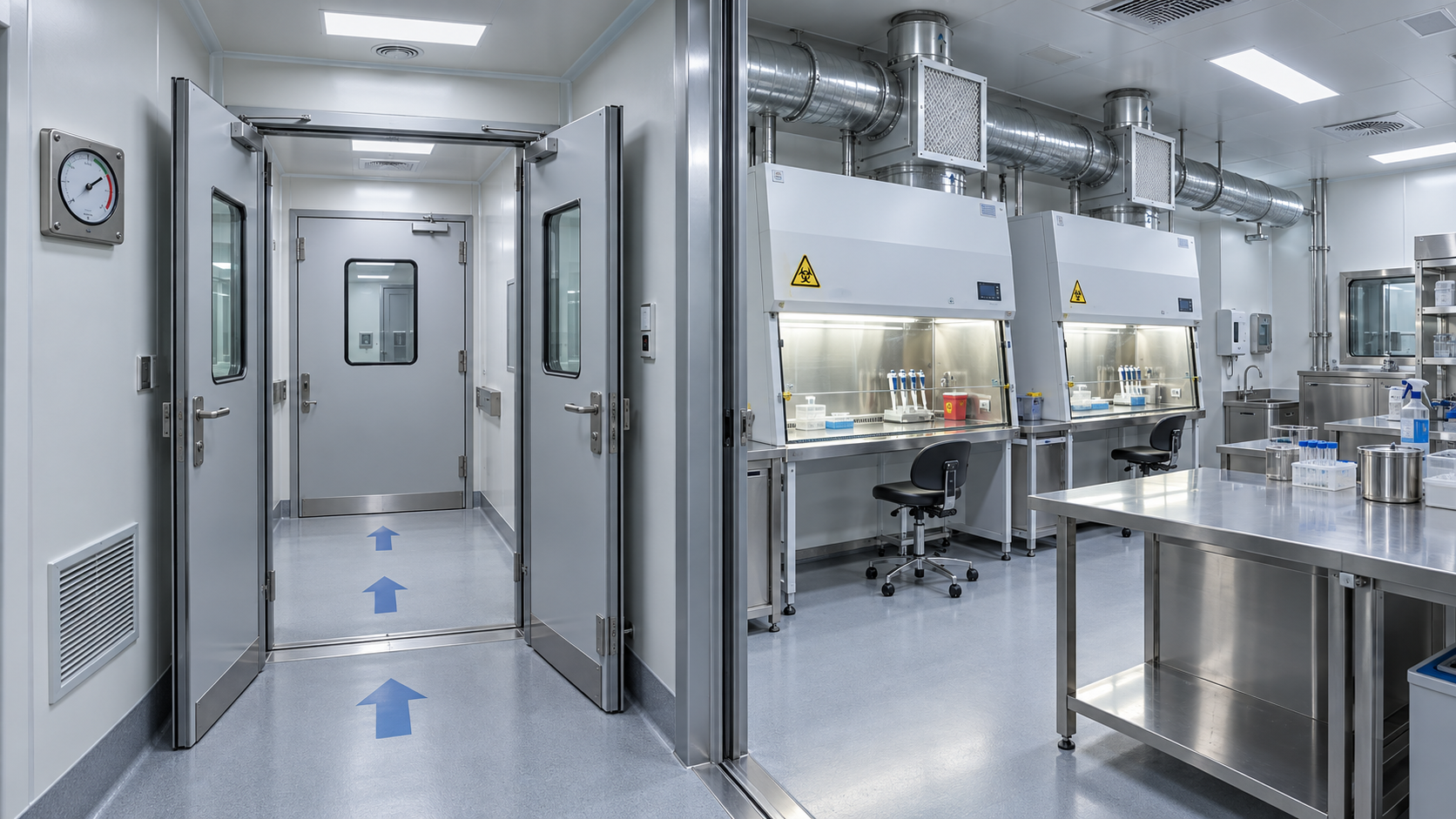
Sub-Micron Contamination measurement does not sit alone. Temperature drift, humidity instability, pressure cascade failure, and vibration can affect particle behavior and interpretation. G-ICE emphasizes this system-level evaluation because contamination control succeeds when monitoring is tied to HVAC, filtration, and facility control logic.
The table below helps procurement teams connect detection range to common industrial use cases instead of selecting on specification extremes alone.
The practical message is simple: the smallest detectable particle is only one part of the purchasing decision. The instrument must also fit the control philosophy, reporting requirements, and contamination economics of the site.
Which technical parameters should procurement compare first?
When several suppliers claim similar Sub-Micron Contamination measurement performance, comparison should move beyond brochure language. Procurement teams need parameters that affect qualification effort, operating reliability, and useful data output across the equipment life cycle.
Core parameters that influence purchasing value
- Detection size channels: Check whether the instrument reports the exact thresholds your QA, engineering, or customer audit team requires.
- Flow rate and sample volume: These affect response speed and statistical confidence, especially in ultra-clean, low-count environments.
- Counting efficiency and false count control: Procurement should ask how the supplier manages background noise and signal discrimination.
- Calibration interval and traceability: Shorter service intervals may reduce confidence or raise maintenance cost if the site operates continuously.
- Data connectivity: Ethernet, building management interfaces, and historian compatibility matter if contamination trends must be tied to digital twin or EMS platforms.
To simplify technical screening, the following comparison matrix highlights what buyers should verify before requesting a final quotation.
Buyers often discover that two instruments with similar laboratory sensitivity differ significantly in service burden and data usability. Those differences usually drive total project value more than the list price alone.
How do standards and compliance affect range selection?
Procurement decisions in clean environments rarely end with technical fit. They must also support documentation, validation, and audit readiness. Sub-Micron Contamination measurement should therefore be checked against the standards most relevant to the facility, including cleanroom classification rules, process-specific guidance, and internal quality protocols.
Standards are not all asking the same question
ISO 14644 frameworks address airborne particle cleanliness classification and testing methodology. Pharmaceutical operations may also require alignment with GMP expectations for environmental monitoring records and deviation handling. Semiconductor projects often add SEMI-driven facility criteria or customer-specific contamination thresholds.
G-ICE supports procurement by framing these requirements together rather than as separate workstreams. That matters because range selection can be technically acceptable but still operationally weak if the device does not produce the data format, traceability, or alarm history needed for validation and ongoing compliance review.
- Confirm whether the chosen particle channels support room classification, process monitoring, or both.
- Check how calibration records and instrument logs will be stored for audit access.
- Review whether installation location, tubing length, and sampling method could alter compliance interpretation.
What are the most common procurement mistakes?
Most buying errors happen before RFQ release. Teams either over-specify because they fear underperformance, or under-specify because they compare only capital cost. In Sub-Micron Contamination measurement, both mistakes can be expensive.
Mistake 1: buying for the most extreme scenario only
If one room requires deeper sub-micron visibility, buyers sometimes apply that threshold across the whole site. This inflates budget and complicates maintenance. A zoning strategy is often better, with advanced monitors in critical areas and balanced instruments elsewhere.
Mistake 2: ignoring infrastructure dependencies
An instrument cannot compensate for unstable airflow, poor filter integrity, or thermal fluctuation. G-ICE’s multidisciplinary model is valuable here because contamination data should be read alongside pressure cascade, air change performance, humidity control, and process fluid cleanliness where relevant.
Mistake 3: comparing quotations without service scope
A lower quote may exclude commissioning, training, spare parts, software setup, or periodic calibration support. That shifts cost to internal teams later and delays qualification when the instrument arrives.
How should buyers evaluate total cost instead of purchase price?
A disciplined procurement process for Sub-Micron Contamination measurement should include life-cycle cost. In critical facilities, hidden cost often appears in downtime, failed investigations, slow root-cause analysis, or repeated validation work rather than in the device invoice.
Look at cost across five layers
- Acquisition cost, including required accessories, software, probes, and documentation packages.
- Installation and qualification cost, especially if the instrument must integrate with BMS, EMS, or a digital twin platform.
- Calibration and preventive maintenance cost over the expected operating cycle.
- Operational risk cost if low-quality data creates false alarms or misses actual contamination drift.
- Expansion cost if future cleanroom phases require added channels, networking, or centralized reporting.
For procurement managers under budget pressure, a balanced strategy often outperforms the cheapest option and the most advanced option. The right instrument is the one that reliably answers the contamination question your operation actually has.
FAQ: practical questions buyers ask about Sub-Micron Contamination measurement
How do I know if I really need detection below 0.3 μm?
Start with process sensitivity, customer requirements, and room classification strategy. If product quality, wafer yield, optical performance, or micro-feature reliability depends on very low particle counts, sub-0.3 μm capability may be justified. If the site mainly needs routine cleanroom verification, broader thresholds may be sufficient.
Is portable or fixed monitoring better?
Portable units fit periodic verification, troubleshooting, and multi-room auditing. Fixed systems fit continuous process protection and real-time alarm response. Many facilities use both. Procurement should decide whether the priority is certification support, event detection, or hybrid coverage.
What documents should be requested before purchase approval?
Ask for technical datasheets, calibration approach, installation requirements, communication options, recommended maintenance intervals, and sample compliance records where appropriate. Also request a clear scope for commissioning, training, and post-installation support.
How long is a typical delivery and implementation cycle?
Timing depends on customization, integration, and validation scope. Standalone units can move faster than networked systems tied into cleanroom controls. Buyers should confirm lead time for hardware, configuration, site acceptance, and any required calibration or protocol documentation before setting internal milestones.
Why work with G-ICE when selecting a detection range?
Choosing a Sub-Micron Contamination measurement range is easier when contamination control is treated as part of the full environmental system. G-ICE supports this decision through cross-functional benchmarking across cleanroom systems, precision HVAC, UPW and process fluid treatment, biosafety engineering, and smart monitoring architecture.
That means procurement teams can discuss more than instrument sensitivity. They can validate room conditions, compare monitoring logic across zones, review integration with digital controls, and align equipment choice with ISO 14644, ASHRAE, SEMI, and internal compliance expectations where relevant.
- Parameter confirmation for critical particle thresholds and environmental interfaces.
- Selection guidance for portable, fixed, or mixed monitoring strategies.
- Discussion of delivery timing, installation dependencies, and commissioning scope.
- Support for customized solutions, compliance review, and quotation alignment across stakeholders.
If your team is comparing options now, contact us to review detection range targets, application conditions, reporting requirements, calibration expectations, and budget boundaries. A well-defined purchasing brief reduces rework, shortens approval cycles, and helps ensure the selected solution matches both process risk and long-term operating goals.
Get weekly intelligence in your inbox.
No noise. No sponsored content. Pure intelligence.
 Oct 21, 2026How often is cleanroom certification required under ISO 14644-2?Cleanroom Certification is generally recommended annually under ISO 14644-2. Learn when risk-based extensions apply and which changes trigger earlier testing to plan with confidence.
 Oct 21, 2026FASEB Comments on NIH Draft Policy for Research Involving BiohazardsFASEB comments on NIH’s draft biohazard research policy call for risk-based biosafety oversight. Explore potential implications for laboratories, suppliers, and compliance teams.
 Oct 20, 2026How to disinfect ultrasound machines without damaging surfacesLearn how to disinfect ultrasoundmachines without surface damage. Explore compatible products, wet contact times, and probe care to protect patients and equipment.
 Oct 20, 2026Ultrapure Water in Semiconductor Manufacturing: Reuse and Quality Control InsightsExplore ultrapure water reuse in semiconductor manufacturing, key UPW quality benchmarks and analytical insights to help evaluate suppliers and protect process purity.
 Oct 19, 2026How cooling affects warpage in injection-molded consumer electronics housingsOptimize plastic injection molding for consumer electronics with cooling strategies to reduce housing warpage and improve assembly fit. Discover practical checks for stable, efficient production.
 Oct 18, 2026Can air leaks prevent a dehumidifier from holding its target dew point?Why can't our dehumidifier maintain the target dew point? Discover how air leaks increase moisture loads, spot hidden faults, and find practical fixes to restore reliable dew-point control.
 Oct 17, 2026How semiconductor process water treatment removes trace organicsSee how semiconductor process water treatment removes trace organics with RO, UV oxidation, and polishing. Learn how TOC monitoring helps verify purity and pinpoint contamination.
 Oct 16, 2026How to choose ultra pure water piping materials to limit leachingChoose ultra pure water piping with confidence. Compare PVDF, PFA, and stainless steel, assess leaching risks, and learn how to qualify your system for reliable purity.
 Oct 15, 2026How to size a skid-mounted deionized water system for peak demandCompare deionized water systems skid configurations for peak demand. Learn how to balance production, storage, and pump capacity to prevent shortages and avoid costly oversizing.
 Oct 14, 2026When is collaborative laboratory robotics suitable for sample sorting?Explore when collaborative laboratory robotics suits sample sorting. Discover key checks for safety, traceability, container compatibility, and throughput before choosing your solution.
 Oct 13, 2026How sandwich panel joints affect airtightness in cleanroom systemsCleanroom Systems sandwich panels need reliable joints for airtightness. Discover how gaskets, sealants, and testing help reduce leakage and protect cleanroom pressure control.
 Oct 12, 2026How to verify USP compliance for ultra pure water systemsUltra Pure Water Systems USP compliance: learn how to verify water quality, sampling, sanitization, trends, and validation controls at every point of use.
 Oct 11, 2026How tight temperature control prevents cleanroom process driftCleanroom process temperature control systems prevent costly drift by stabilizing critical conditions, improving repeatability, and protecting sensitive production workflows.
 Oct 10, 2026When does organic contaminant removal require TOC treatment?Organic contaminant removal requires TOC treatment when dissolved organics threaten product quality, equipment reliability, or process control. Learn how to assess risks and choose the right solution.
 Oct 08, 2026What affects lead times for sheet metal bending services in Canada?Sheet metal bending services Canada: discover how material supply, tooling, tolerances, finishing, documentation, and freight affect lead times for reliable project delivery.
 Oct 07, 2026How HVAC design for semiconductor fabs prevents airborne contaminationHVAC design for semiconductor fabs prevents airborne contamination through advanced filtration, pressure cascades, airflow control, and real-time monitoring. Explore key strategies for cleaner, more reliable wafer production.
 Oct 06, 2026How photovoltaic modules waterproof technology prevents moisture damagephotovoltaic modules waterproof technology prevents moisture damage with durable seals, drainage, and junction-box protection. Explore practical selection and testing insights.
 Oct 05, 2026How ISO 14644 Europe requirements affect cleanroom qualificationISO 14644 Europe requirements shape cleanroom qualification, from particle classification and recovery testing to monitoring, GMP alignment, and change control.
 Oct 04, 2026How to assess a pharmaceutical cleanroom solutions supplier’s ISO capabilityPharmaceutical Cleanroom Solutions supplier assessment guide: evaluate ISO 14644 capability, validation evidence, airflow design, documentation, and long-term GMP readiness.
 Oct 03, 2026What EU standards govern the design of BSL-3 laboratories in Europe?BSL-3 laboratories Europe: explore EU directives, EN standards, HVAC containment, commissioning, and practical design strategies for compliant, resilient high-containment facilities.
 Oct 02, 2026How EN 1822 defines HEPA filtration efficiency for cleanroomsHEPA filtration EN 1822 explained: learn how MPPS testing, local leakage limits, and filter classes support reliable cleanroom decisions.
 Oct 01, 2026How pharmaceutical process water systems control microbial riskProcess water systems pharmaceutical teams rely on can control microbial risk through hygienic design, monitoring, and validated sanitization. Explore practical compliance strategies.
 Sep 30, 2026When does a negative pressure laboratory need BSL-3 containment?Negative pressure laboratory or BSL-3? Discover the risk factors, engineering controls, and containment requirements needed for safe, compliant laboratory planning.
 Sep 29, 2026How to evaluate a TOC-zero water treatment supplier for UPW systemsChoose a TOC-zero water treatment supplier with confidence. Compare UPW performance, monitoring, validation, materials, service capability, and lifecycle cost.
 Sep 28, 2026What drives sustainable cooling cost in high-precision facilities?Sustainable cooling cost in high-precision facilities depends on thermal stability, energy, water, controls, and resilience. Explore smarter lifecycle strategies.
 Sep 27, 2026How to compare freight forwarding services for time-critical shipmentsCompare freight forwarding services for time-critical shipments with practical insights on routing, customs, visibility, specialized handling, and contingency planning.
 Sep 26, 2026How environmental integrity in laboratories supports reliable test resultsEnvironmental Integrity in laboratories safeguards samples, instruments, and staff. Discover practical controls for contamination, monitoring, and reliable test results.