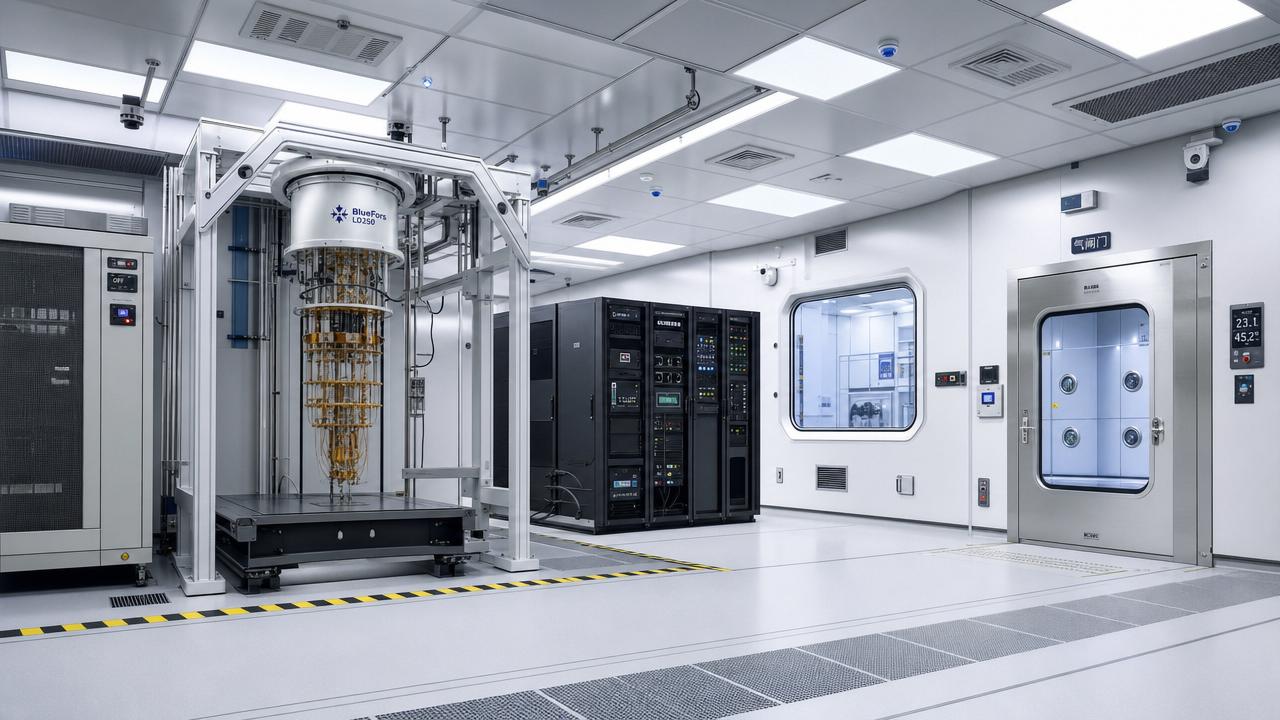
What Makes a Quantum Computing Cleanroom Different From a Standard Fab Space
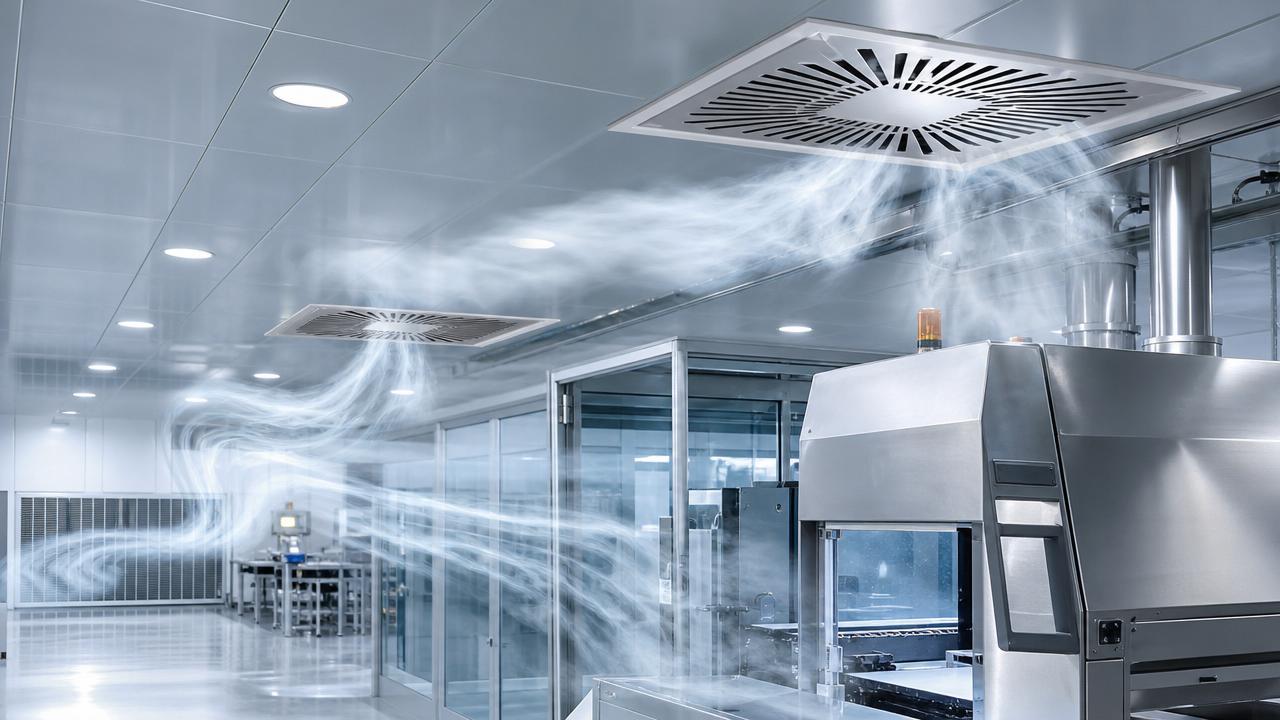
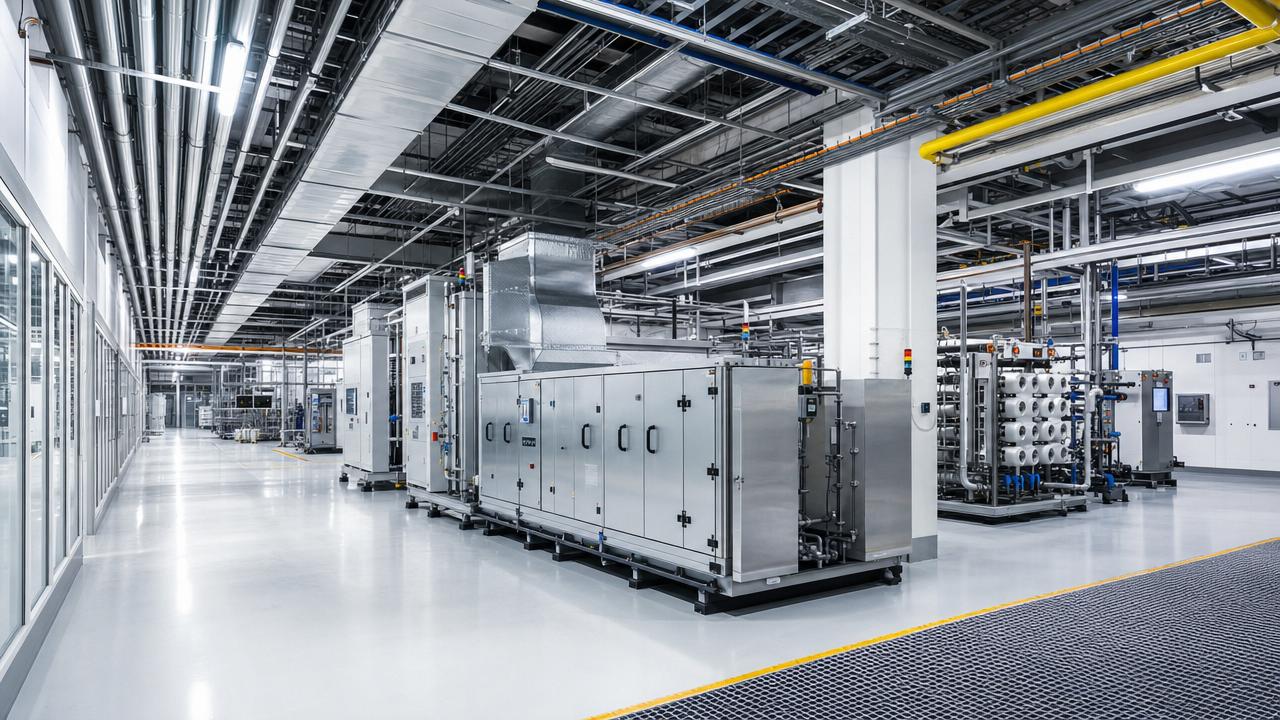
A Quantum Computing Cleanroom demands far more than the contamination controls found in a standard fab space. From ultra-stable temperature and vibration management to electromagnetic shielding and particle discipline, every environmental variable can affect qubit performance. Understanding these differences helps researchers, facility planners, and technology investors evaluate what truly defines infrastructure for next-generation quantum systems.
Why a Quantum Computing Cleanroom Is Not Just Another Fab Environment
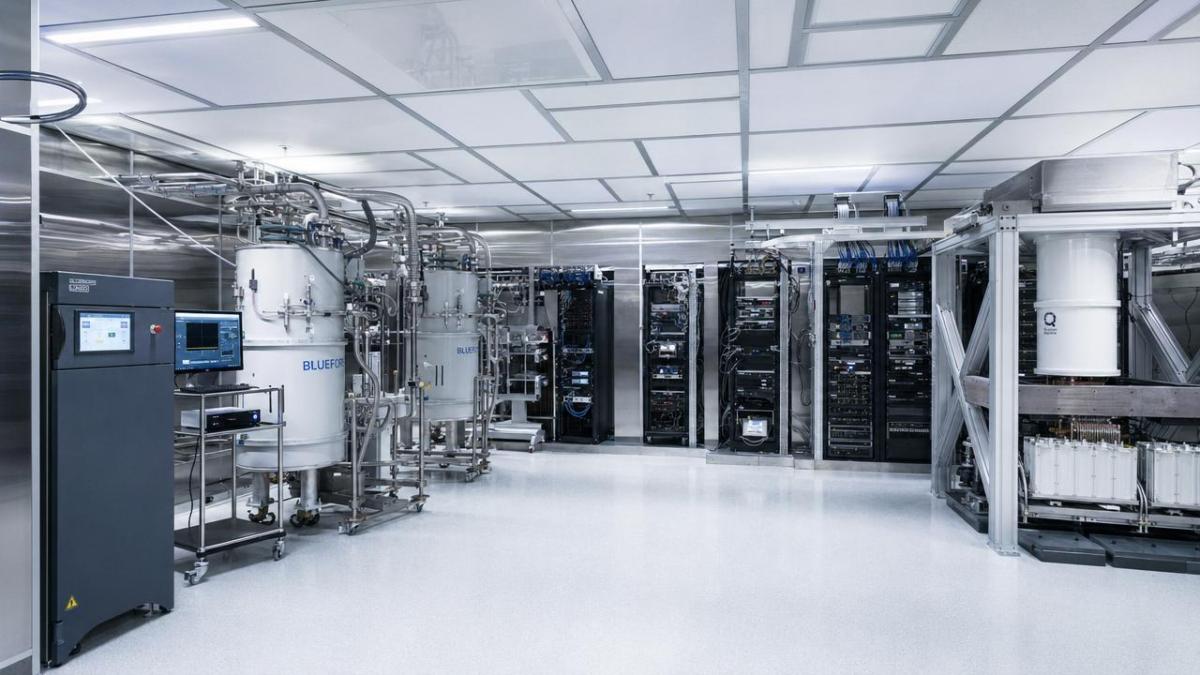
Many information researchers begin with a simple assumption: if semiconductor fabrication already uses advanced clean environments, then a Quantum Computing Cleanroom should be a variation of the same model. In practice, that assumption often leads to flawed planning. A standard fab space is designed primarily around particle control, process throughput, utility stability, and equipment zoning. A quantum facility must do all of that while also suppressing disturbances that may be invisible to conventional factory design.
The operating window of quantum hardware can be much narrower than in mainstream precision manufacturing. For superconducting, trapped-ion, spin-based, and photonic platforms, the surrounding environment can alter signal fidelity, introduce decoherence, or destabilize calibration routines. That means the room itself becomes part of the performance system, not just a shell around the equipment.
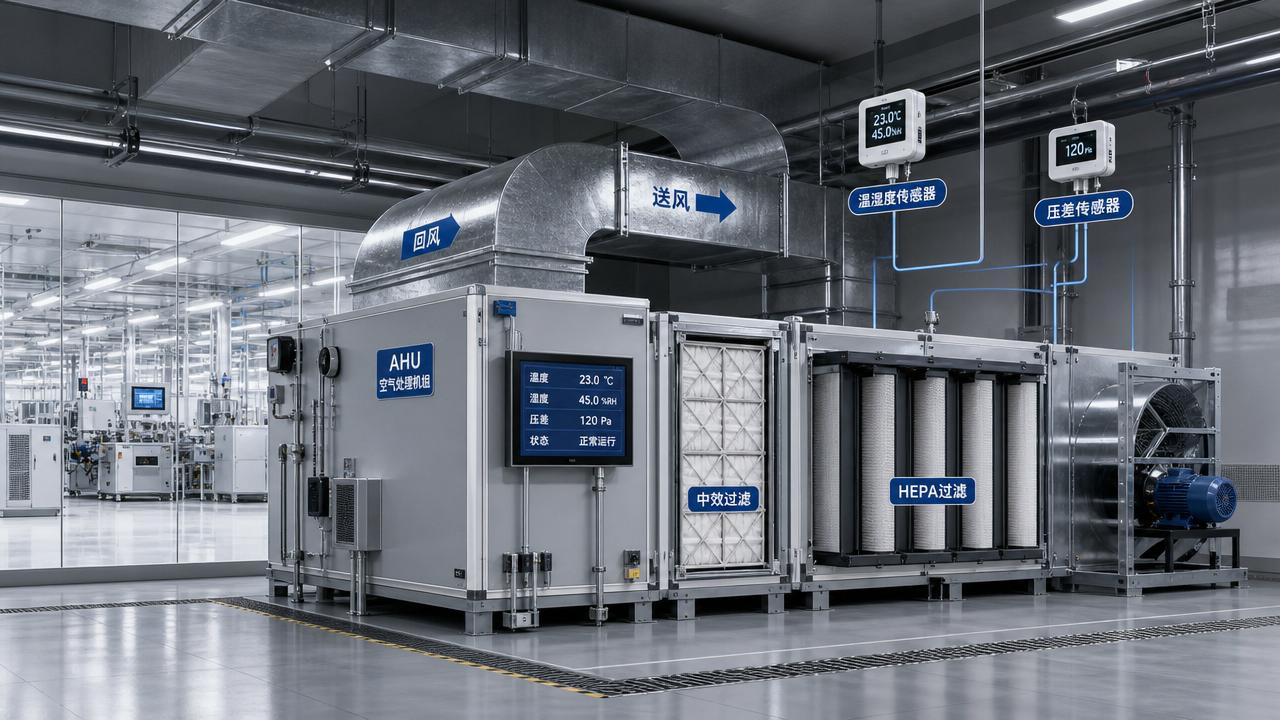
This is where multidisciplinary engineering matters. G-ICE approaches Quantum Computing Cleanroom planning through coordinated contamination control, precision HVAC, process utility design, digital monitoring, and benchmarking against international standards such as ISO 14644, ASHRAE guidance, and relevant SEMI practices. For stakeholders comparing facility strategies, the key question is not simply “How clean is the room?” but “How stable is the entire environmental envelope over time?”
- Particle cleanliness remains necessary, especially where optics, wafer-level packaging, cryogenic interfaces, or sensitive assembly processes are involved.
- Thermal drift must be tightly controlled because small fluctuations can impact alignment, electronics behavior, and repeatability.
- Floor vibration and acoustic energy can be as important as airborne contaminants in labs housing dilution refrigerators or quantum measurement racks.
- Electromagnetic interference, grounding quality, and utility noise often become primary design constraints rather than secondary engineering details.
What Are the Core Differences Between a Quantum Computing Cleanroom and a Standard Fab Space?
For procurement teams and planners, comparison is the fastest way to understand the infrastructure gap. The table below highlights the most decision-relevant differences between a Quantum Computing Cleanroom and a standard fab space.
The practical takeaway is clear: a Quantum Computing Cleanroom is not defined only by a cleaner air class. It is defined by a broader control philosophy. Investors and infrastructure teams that compare rooms only by ISO classification may underestimate the systems needed to protect qubit performance and experimental reproducibility.
Why air cleanliness alone is not enough
In many quantum programs, contamination is only one layer of risk. Signal chain instability, cable routing noise, vibration from nearby plant equipment, and microclimate drift around racks or cryogenic interfaces can produce more operational damage than visible particles. That is why facility engineers increasingly evaluate the cleanroom as a precision environmental platform rather than a conventional classified room.
Which Environmental Parameters Matter Most for Quantum Infrastructure?
The most useful way to assess a Quantum Computing Cleanroom is by parameter category. Not every quantum modality uses the same hardware stack, but almost all demand predictable environmental behavior across several dimensions.
1. Thermal stability
Temperature variation affects calibration integrity, electronics drift, optical alignment, and utility performance. In advanced institutional settings, concern is not limited to setpoint achievement. The more difficult challenge is limiting short-cycle oscillation, local hot spots, and long-term drift over a full operating period.
2. Vibration and structure-borne disturbance
Mechanical disturbance can travel through slabs, support frames, chilled water infrastructure, fans, and adjacent laboratories. A standard fab may tolerate certain vibration patterns if tools include internal damping. A Quantum Computing Cleanroom often requires building-level separation strategies, isolated equipment pads, and careful routing of utilities to avoid transmitting energy into sensitive zones.
3. Electromagnetic compatibility
Quantum systems can be highly sensitive to EMI from drives, transformers, switching power supplies, wireless infrastructure, and even nearby industrial loads. Shielding strategy, cable management, grounding topology, and low-noise electrical distribution should be discussed early, not after the room is already built.
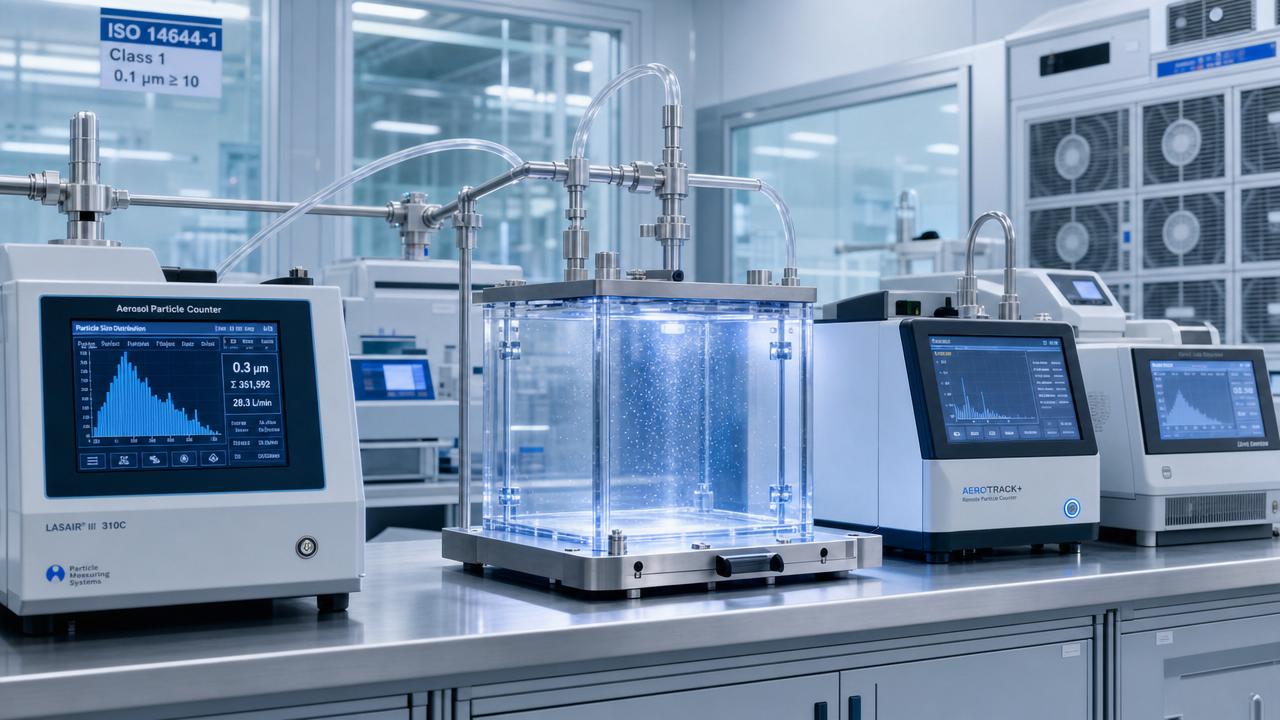
4. Particle and molecular contamination
This remains relevant for chip packaging, optical surfaces, cryogenic assemblies, and advanced device fabrication steps. Depending on the workflow, molecular contamination and outgassing from materials can also matter, especially in enclosed instrument environments or where high-purity assemblies are exposed.
5. Monitoring granularity
A modern Quantum Computing Cleanroom benefits from dense sensing and trend analysis. G-ICE emphasizes smart environmental monitoring and digital twin control because a single room average can hide local instabilities. What matters is whether facility teams can detect subtle deviations before they affect research schedules or system qualification.
How Should Buyers Compare Technical Requirements During Early Planning?
Information researchers often struggle at the pre-RFP stage. They know the facility must be “high precision,” but they do not yet know what parameters to request from consultants, HVAC suppliers, cleanroom specialists, or EPC teams. The table below provides a practical framework for early-stage evaluation of a Quantum Computing Cleanroom.
This type of comparison helps non-specialist stakeholders ask better questions before budget, layout, and performance commitments are locked in. It also reduces the common risk of buying a standard cleanroom package and then retrofitting it at much higher cost.
A practical shortlisting checklist
- Map the quantum modality first. Superconducting, photonic, ion-trap, and hybrid research spaces will not share the same environmental priorities.
- Separate room classification from system stability. Cleanliness metrics should not replace vibration, EMI, and thermal data.
- Review plant adjacency. Mechanical rooms, corridors, lifts, pumps, and neighboring labs can all compromise performance.
- Ask about expandability. Quantum programs often evolve quickly, so rigid layouts can become costly constraints.
Where Do Projects Commonly Go Wrong?
A Quantum Computing Cleanroom project usually fails in planning, not in installation. The most common errors appear when teams transfer assumptions from semiconductor, pharmaceutical, or general laboratory projects without adjusting for quantum-specific sensitivities.
- Treating ISO air class as the main performance indicator. It is necessary, but not sufficient.
- Ignoring utility noise. Chilled water pulsation, fan vibration, and unstable power quality can become hidden sources of operational instability.
- Underestimating commissioning. Precision spaces need verification across multiple environmental dimensions, not just airflow balance and particle count.
- Designing only for current equipment. Future racks, shielding modifications, cryogenic lines, or metrology upgrades should be anticipated.
The G-ICE methodology is particularly relevant here because it connects thermodynamic hardware, contamination control, process utilities, and smart monitoring into one decision framework. That is useful for information researchers who need more than product descriptions. They need a way to compare risk, compliance, and long-term facility behavior before capital approval.
What Standards, Compliance Points, and Validation Steps Should Be Reviewed?
No single standard fully defines a Quantum Computing Cleanroom, but several frameworks guide design logic, verification, and procurement language. For multinational organizations, using recognized standards helps align engineering teams, ESG reviewers, and external contractors around shared expectations.
- ISO 14644 provides the baseline language for cleanroom classification, testing, and contamination control.
- ASHRAE guidance supports HVAC design decisions involving airflow, filtration, humidity, and thermal stability.
- SEMI-related practices can assist when the quantum environment overlaps with device fabrication, advanced packaging, or high-purity process support.
- Internal validation plans should also include vibration mapping, EMI assessment, power quality review, and trend-based monitoring tests.
Validation should be staged. First, verify the base room. Second, verify the room under operating HVAC and utility loads. Third, verify the environment after major instruments, cryogenic systems, and cabling are installed. This sequence is important because a room that passes empty-room tests may behave differently once real equipment is energized.
How to Approach Cost, Flexibility, and Long-Term Value
Cost discussions around a Quantum Computing Cleanroom are often distorted by comparing only construction rates per square meter. That method misses the real cost drivers: vibration mitigation, precision thermal control, low-noise utilities, advanced monitoring, and design coordination across multiple disciplines.
For some organizations, a fully classified cleanroom may not be required across the entire project. A hybrid model can be more practical, with tightly controlled instrument zones, isolated support spaces, and selective cleanliness levels based on workflow. This approach can reduce overbuilding while preserving technical integrity where it matters most.
However, lower upfront cost is not always lower total cost. Retrofits for EMI shielding, floor isolation, airflow correction, or thermal rebalancing are typically disruptive and expensive. The most resilient strategy is to define the performance envelope early and then scale the room architecture to the actual quantum roadmap.
FAQ: What Information Researchers Usually Ask About a Quantum Computing Cleanroom
Is a Quantum Computing Cleanroom always cleaner than a standard fab space?
Not necessarily in every area. Some projects need very high cleanliness, while others depend more on vibration, EMI, and thermal stability than on the most aggressive particle class. The right specification depends on the device workflow, packaging steps, optics sensitivity, and cryogenic architecture.
Which parameter is most often underestimated during procurement?
Vibration and utility-borne disturbance are frequently underestimated. Buyers often focus on filters, room pressure, and air changes first, then discover later that pumps, fans, or building structure are interfering with sensitive measurement conditions.
Can an existing cleanroom be upgraded for quantum applications?
Sometimes, yes. The answer depends on slab performance, adjacency risks, electrical noise environment, available space for isolation, and HVAC controllability. Upgrades are more feasible when the existing room has strong utilities and monitoring infrastructure, but detailed assessment is required before assuming reuse is cost-effective.
What should be included in an early technical brief?
At minimum, include the quantum modality, major equipment categories, expected heat loads, target cleanliness levels, thermal stability expectations, vibration sensitivity, shielding concerns, power quality requirements, future expansion plans, and commissioning scope. This reduces redesign risk and improves supplier alignment.
Why Work With a Multidisciplinary Benchmarking Partner
A Quantum Computing Cleanroom sits at the intersection of clean engineering, thermal management, process utility design, and precision monitoring. That is why fragmented procurement can become risky. One contractor may optimize cleanliness, another may focus on HVAC efficiency, and a third may manage instrumentation, but without a unified framework the final environment may still miss critical performance targets.
G-ICE supports stakeholders by benchmarking environmental systems against global industrial standards and by translating highly technical requirements into practical planning criteria. This is especially valuable for CIOs, cleanroom architects, ESG compliance leaders, and investors who need decision clarity before committing to layout, budget, and project sequencing.
What you can discuss with us
- Parameter confirmation for a Quantum Computing Cleanroom, including cleanliness, thermal stability, monitoring depth, and utility expectations.
- Comparison of standard fab space versus quantum-ready environmental infrastructure for new builds or retrofit projects.
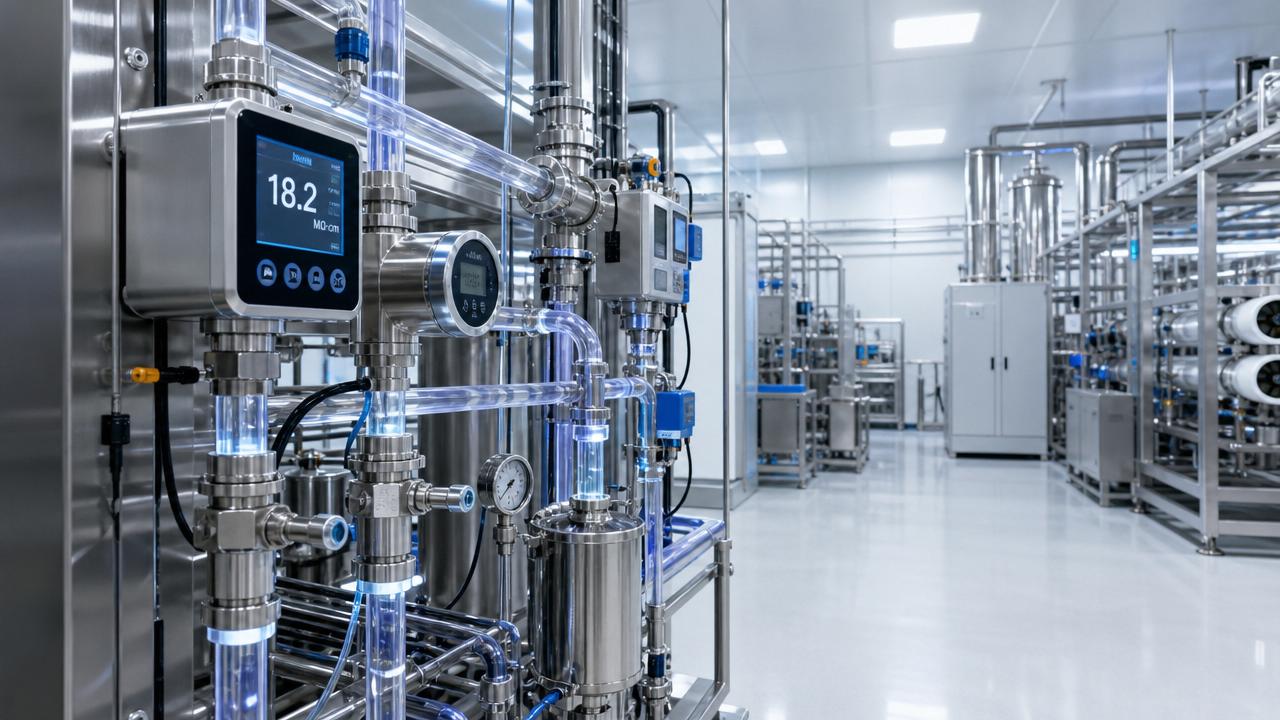
- Selection guidance for precision HVAC, FFU strategies, chilled water concepts, low-noise utilities, and digital monitoring architecture.
- Project questions covering delivery sequence, commissioning scope, compliance considerations, customization logic, and budget-stage benchmarking.
- Quotation-stage discussions for facility concepts, performance assumptions, and phased implementation options aligned with your research roadmap.
If you are evaluating what truly separates a Quantum Computing Cleanroom from a standard fab space, the most productive next step is a structured technical review. Bring your target application, expected equipment list, site constraints, and performance concerns. From there, the discussion can move from generic cleanroom language to a realistic environmental strategy built for quantum reliability.
Get weekly intelligence in your inbox.
No noise. No sponsored content. Pure intelligence.
 May 26, 2026Smart Building Management BMS Upgrade GuideSmart building management (BMS) upgrade guide covering checklists, risk control, compliance, HVAC optimization, and scalable execution to improve efficiency and long-term facility performance.
 May 26, 2026HVAC Digital Twin Use Cases in 2026HVAC digital twin use cases in 2026: discover how cleanrooms, labs, pharma, and industrial sites cut risk, improve uptime, and optimize energy with smarter data-driven control.
 May 26, 2026ASHRAE Standards Compliance Risk ChecklistASHRAE standards compliance risk checklist for manufacturing, labs, and commercial facilities—spot hidden HVAC gaps early, reduce audit risk, and protect safety, quality, and uptime.
 May 26, 2026When HVAC System Redundancy Pays OffHVAC system redundancy pays off when downtime, compliance risk, and asset loss cost more than backup capacity. Learn where N+1 or 2N delivers real ROI.
 May 26, 2026Air Flow Visualization for Cleaner HVAC TuningAir flow visualization helps reveal hidden turbulence, leakage, and pressure drift for cleaner HVAC tuning. Learn how to improve control, compliance, and efficiency.
 May 26, 2026IEA:2025年甲烷排放未降,Carbon Tracking成出口必备模块Carbon Tracking is now essential for exporters amid IEA’s 2025 methane emissions warning—ensure compliance, reduce risk, and gain competitive edge today.
 May 26, 2026中国启动氢能源应用试点:TOC Removal技术成绿氢电解槽标配TOC Removal technology is now standard in green hydrogen electrolyzers as China launches nationwide hydrogen energy application pilots—discover how this breakthrough boosts efficiency and sustainability.
 May 26, 2026海南昌江核电3、4号机组环评获批:Bio-Barrier集成标准升级Bio-Barrier集成标准升级!海南昌江核电3、4号机组环评正式获批,标志着中国核电绿色安全新标杆落地,速看技术突破与项目进展。
 May 26, 2026中国完成全球最大可再生能源系统:18.2MΩ·cm UPW制备技术出海加速China's 18.2 MΩ·cm UPW preparation technology—key to the world’s largest renewable energy system—is accelerating global deployment. Discover how this breakthrough enables ultra-pure water for cutting-edge green infrastructure.
 May 26, 2026世界核协报告:2050年全球核电装机或达1446GWe,Digital Twin Lab需求激增Digital Twin Lab demand surges as World Nuclear Association forecasts global nuclear capacity to reach 1446 GWe by 2050—explore growth opportunities now.
 May 26, 2026中国发布新版《危险废物排除管理清单》:ESD Control材料跨境运输豁免扩容China's new Hazardous Waste Exclusion List expands ESD Control materials' cross-border transport exemptions—boost compliance & cut logistics costs. Learn how your business benefits now!
 May 26, 2026EU Launches SMR Strategy: Mobile Decon Systems and Modular BSL-3/4 Infrastructure Prioritized for Joint ProcurementEU prioritizes mobile decon systems & modular BSL-3/4 infrastructure for SMR joint procurement—key opportunity for certified global suppliers.
 May 26, 2026中国核安全局批准太平岭2号机组运行许可:Maglev Chillers获核电级验证背书Maglev Chillers achieve nuclear-grade validation as China’s NNSA approves Taipingling Unit 2 operation—cutting-edge, energy-efficient cooling for critical infrastructure.
 May 26, 2026IEA Warns on Persistent Methane Emissions: Stricter Carbon Footprint Verification for BSL-3/4 Infrastructure ExportsIEA's methane warning triggers stricter carbon footprint verification for BSL-3/4 infrastructure exports—get CBAM Phase II compliance insights now.
 May 26, 2026中国发布《废光伏设备回收处理污染控制规范》:ZLD Protocols出口合规新增强制要求China's new 'Pollution Control Specifications for Waste PV Equipment Recycling' mandates ZLD protocols—key for exporters ensuring compliance and market access.
 May 25, 2026When Thermodynamic Hardware Maintenance Cuts DowntimeHigh-Performance Thermodynamic Hardware maintenance helps cut downtime, improve thermal stability, and support compliance—discover how disciplined service protects uptime and long-term asset value.
 May 25, 2026High-Tech Industrial Complex Design Cost PrioritiesHigh-Tech Industrial Complex design cost priorities explained: learn how to balance compliance, uptime, energy efficiency, and lifecycle value for smarter approvals.
 May 25, 2026Industrial Climate Control Standards: What Fails First?Industrial Climate Control standards fail first in airflow, thermal precision, filtration, and controls. Discover early warning signs, reduce compliance risk, and plan smarter upgrades.
 May 25, 2026How to Measure Sub-Micron Contamination AccuratelySub-Micron Contamination measurement made practical: learn accurate methods, key parameters, and smart workflow tips to improve cleanroom control, compliance, and product quality.
 May 25, 20262026 Guide to 18.2MΩ·cm UPW Certification RisksUltra-Pure Water Treatment certification risks in 2026: learn how 18.2MΩ·cm compliance can fail after approval, and how to protect audits, uptime, yield, and validation confidence.
![]() May 25, 2026UKCA Transition Ends for FFU and Lab Automation DevicesUKCA transition ends 23 May 2026 for FFU and lab automation devices — ensure full UKCA, RoHS & EMC compliance now to avoid UK market access delays.
May 25, 2026UKCA Transition Ends for FFU and Lab Automation DevicesUKCA transition ends 23 May 2026 for FFU and lab automation devices — ensure full UKCA, RoHS & EMC compliance now to avoid UK market access delays.![]() May 25, 2026Hormuz Strait Traffic Drops Below 10%: Cleanroom Equipment Shipments Delayed, Freight Up 35%Cleanroom equipment shipments delayed as Hormuz Strait traffic drops below 10%—freight up 35%. Critical FFUs, UPW skids & BSL-3 units impacted. Act now.
May 25, 2026Hormuz Strait Traffic Drops Below 10%: Cleanroom Equipment Shipments Delayed, Freight Up 35%Cleanroom equipment shipments delayed as Hormuz Strait traffic drops below 10%—freight up 35%. Critical FFUs, UPW skids & BSL-3 units impacted. Act now.![]() May 25, 2026China Customs Launches Clean Tech Export Compliance PlatformClean tech export compliance made simple: China Customs’ new platform helps global buyers verify certifications for UPW systems, BSL-3/4 labs, ESD solutions & FFUs—fast, free, and official.
May 25, 2026China Customs Launches Clean Tech Export Compliance PlatformClean tech export compliance made simple: China Customs’ new platform helps global buyers verify certifications for UPW systems, BSL-3/4 labs, ESD solutions & FFUs—fast, free, and official.![]() May 25, 2026EU CBAM Fully Enforced: FFUs and Maglev Chillers Require Carbon Footprint ReportsEU CBAM now fully enforces carbon footprint reports for FFUs and Maglev Chillers—key for exporters, suppliers & HVAC manufacturers. Act now to avoid delays & penalties.
May 25, 2026EU CBAM Fully Enforced: FFUs and Maglev Chillers Require Carbon Footprint ReportsEU CBAM now fully enforces carbon footprint reports for FFUs and Maglev Chillers—key for exporters, suppliers & HVAC manufacturers. Act now to avoid delays & penalties.![]() May 25, 2026DIN EN ISO 14644-3:2026 Introduces Digital Twin Lab ValidationDIN EN ISO 14644-3:2026 mandates Digital Twin Lab validation for cleanrooms—transforming compliance in pharma, biotech & semiconductors. Act now!
May 25, 2026DIN EN ISO 14644-3:2026 Introduces Digital Twin Lab ValidationDIN EN ISO 14644-3:2026 mandates Digital Twin Lab validation for cleanrooms—transforming compliance in pharma, biotech & semiconductors. Act now!![]() May 25, 2026FDA Updates Purified Water Guidance: TOC ≤100 ppb in 18.2 MΩ·cm UPWFDA updates UPW guidance: TOC ≤100 ppb now required for 18.2 MΩ·cm ultrapure water — critical for pharma suppliers, TOC analyzers & validation services.
May 25, 2026FDA Updates Purified Water Guidance: TOC ≤100 ppb in 18.2 MΩ·cm UPWFDA updates UPW guidance: TOC ≤100 ppb now required for 18.2 MΩ·cm ultrapure water — critical for pharma suppliers, TOC analyzers & validation services. May 24, 2026Cleanroom Architecture for Quantum Computing: What Fails First?Cleanroom Architecture for quantum computing: discover what fails first—from vibration and thermal drift to airflow and contamination—and how to prevent costly downtime.