How to Measure Sub-Micron Contamination Accurately
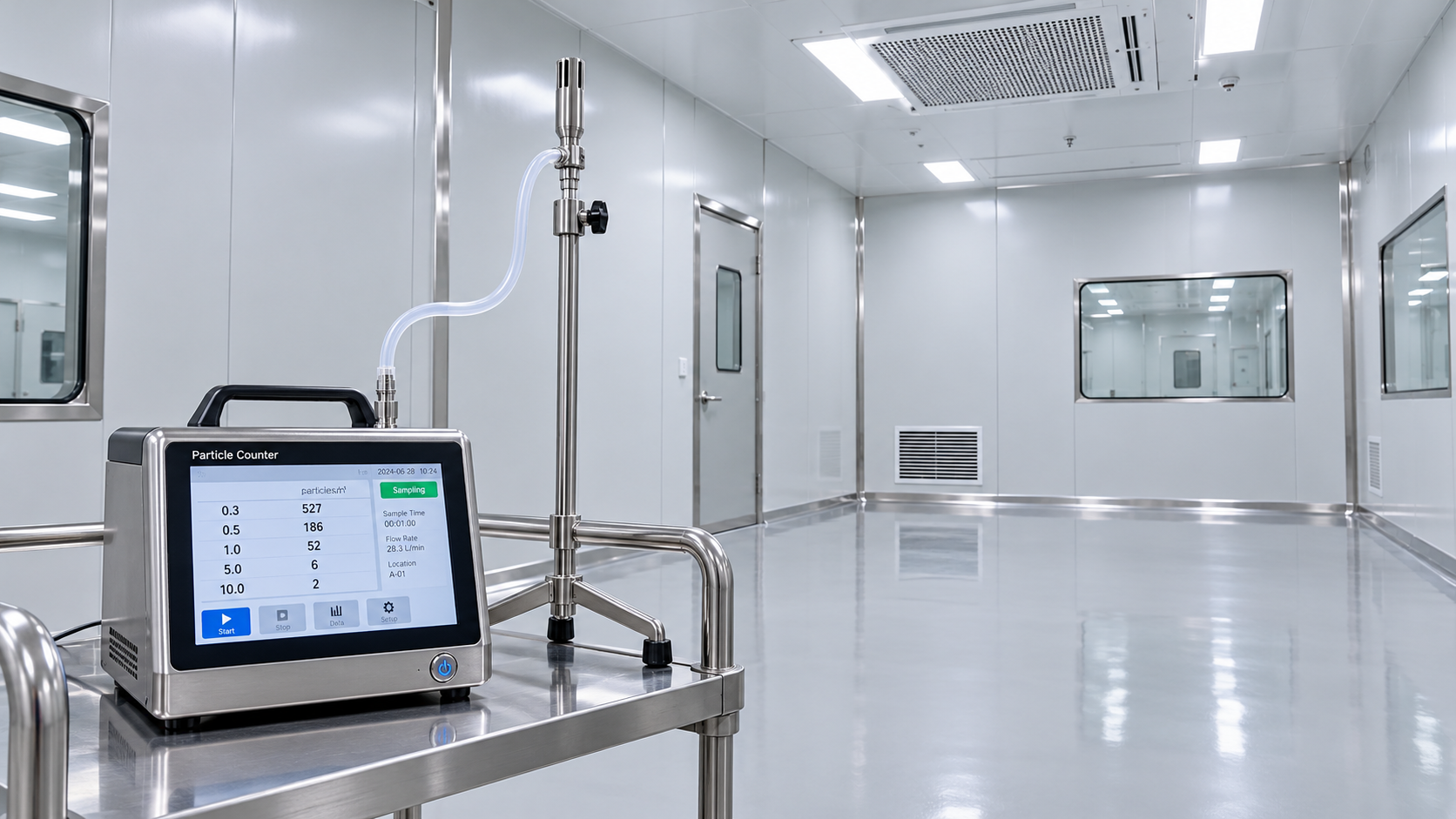
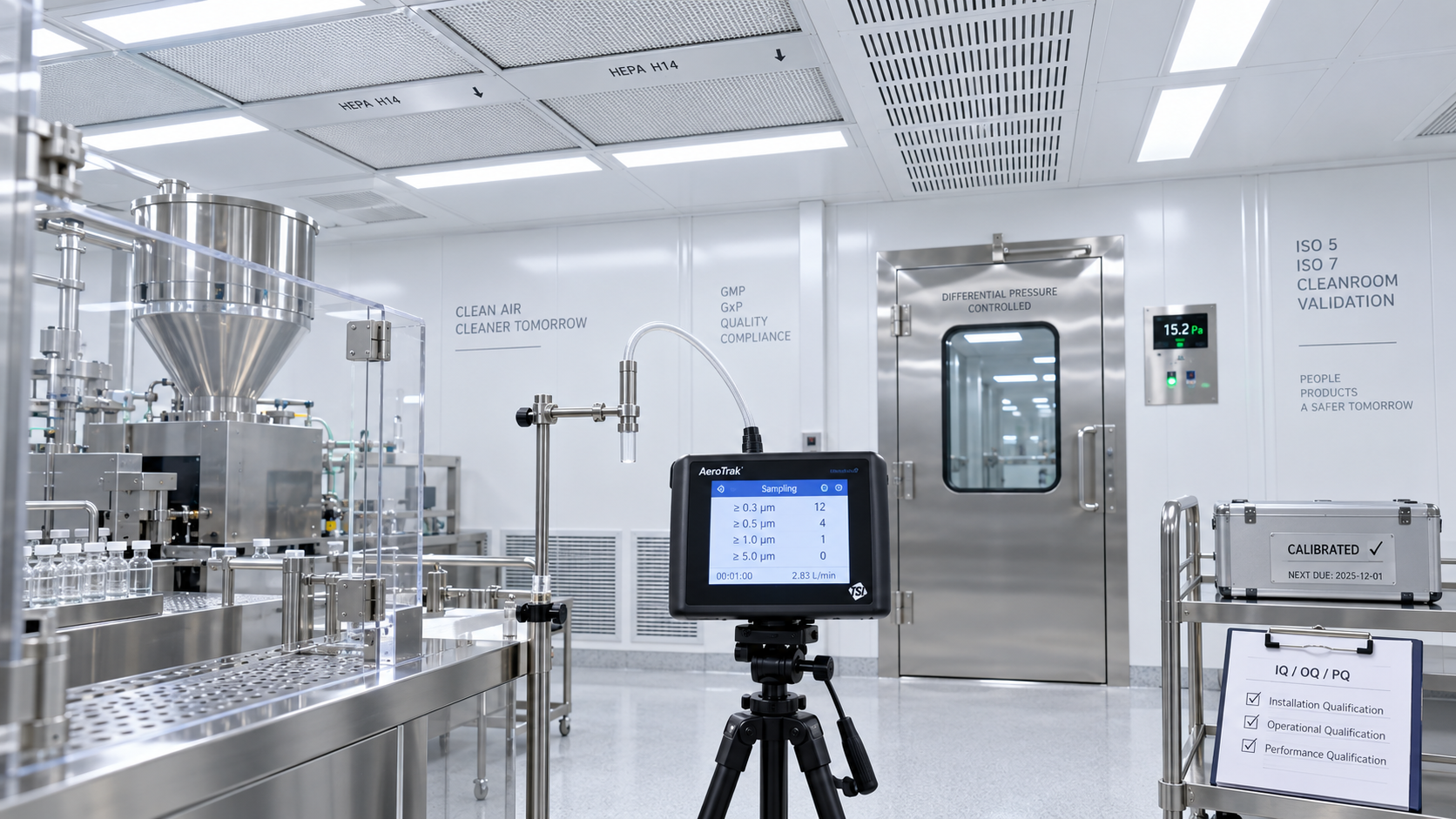
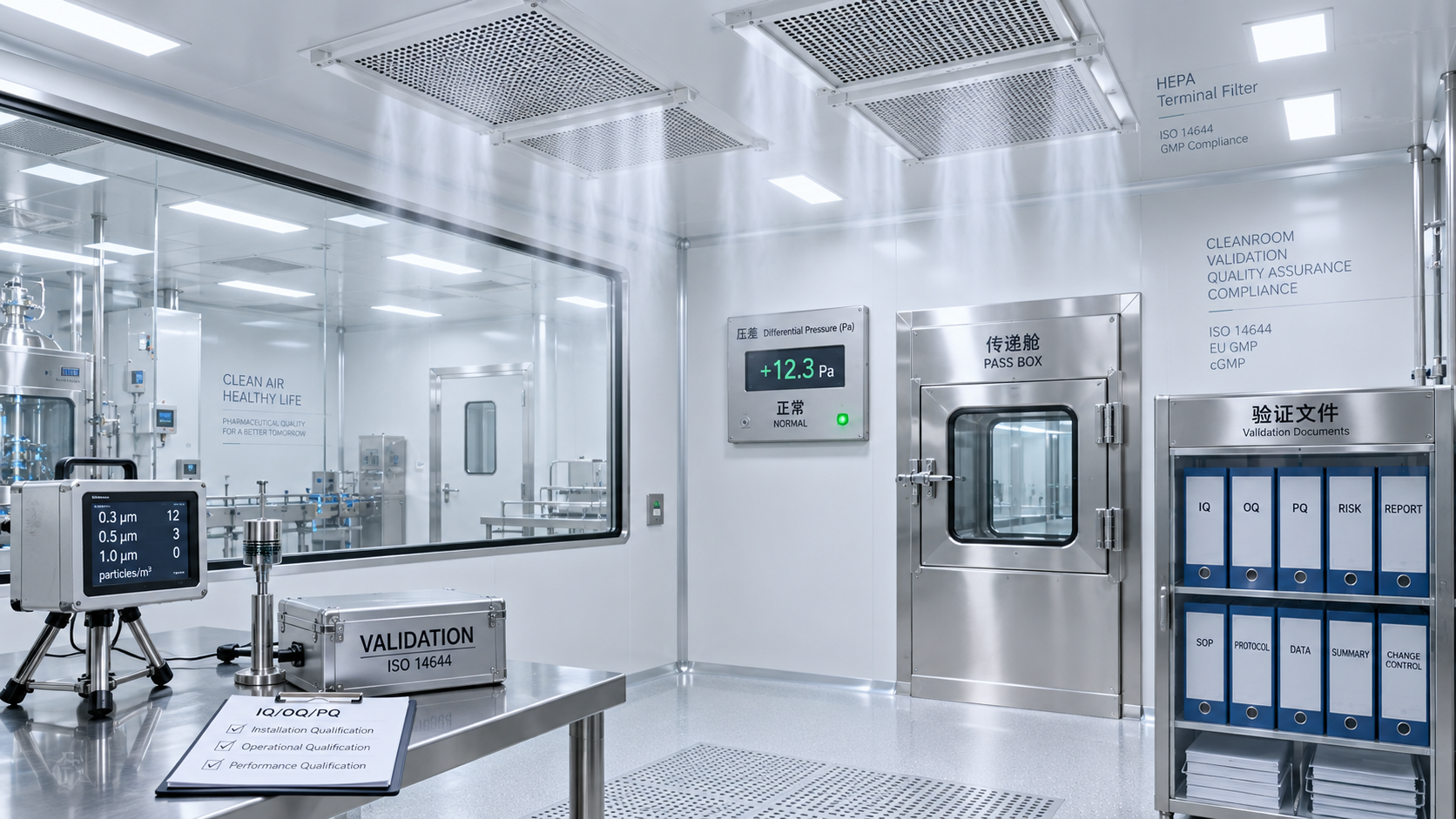
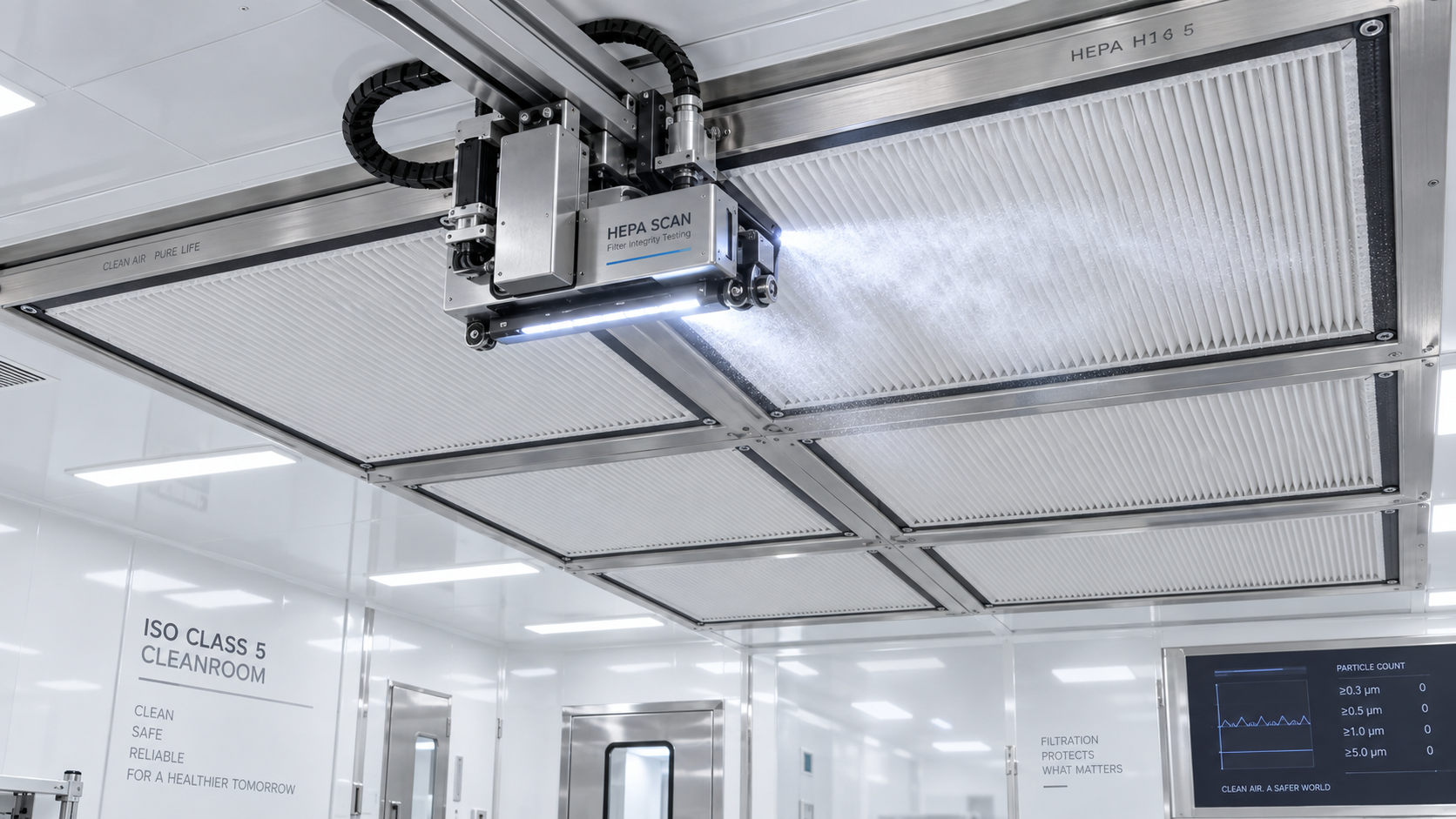
Accurate Sub-Micron Contamination measurement is essential for quality control and safety management in cleanrooms, labs, and precision manufacturing environments. Even the smallest airborne or process-borne particles can compromise compliance, product yield, and operational stability. This guide explains how to measure sub-micron contamination reliably, helping quality and safety professionals make informed decisions with greater confidence.
Why is Sub-Micron Contamination measurement so difficult in real facilities?
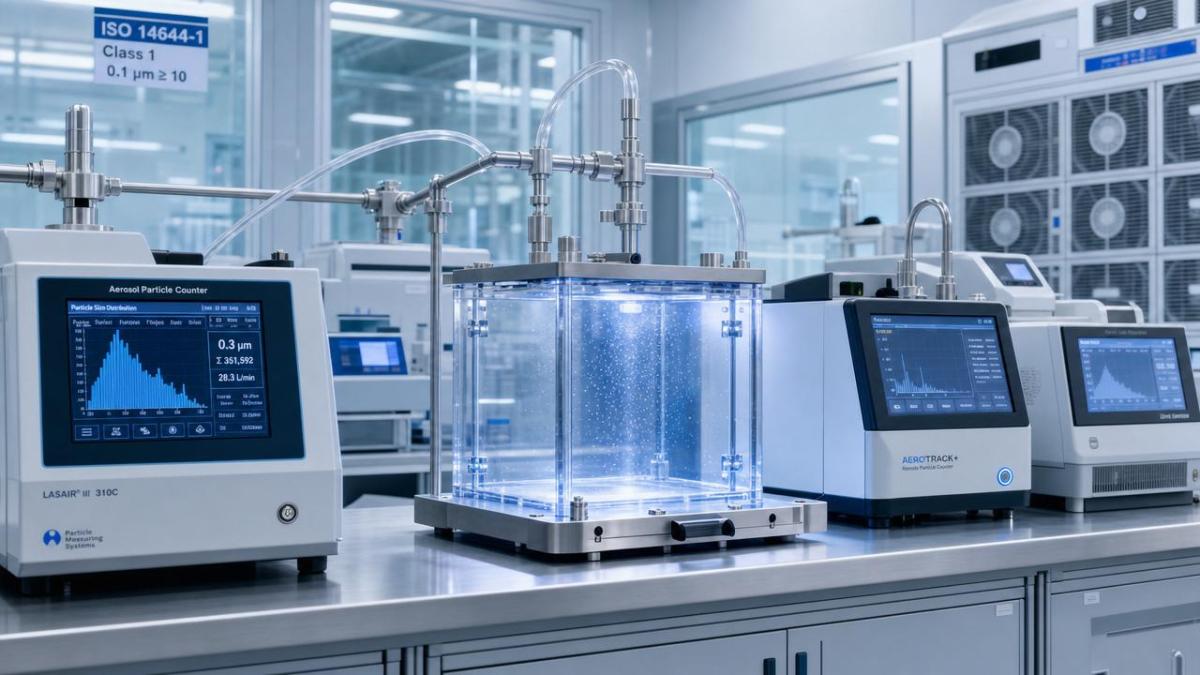
Sub-micron contamination behaves differently from visible dust. Particles below one micron can stay suspended longer, move with subtle airflow changes, and interact with temperature, humidity, vibration, and static charge in ways that distort readings.
For quality control teams, this creates a practical problem: one poor sampling plan can trigger false alarms, missed contamination events, or a misleading pass result. For safety managers, inaccurate data can weaken risk assessment and compliance documentation.
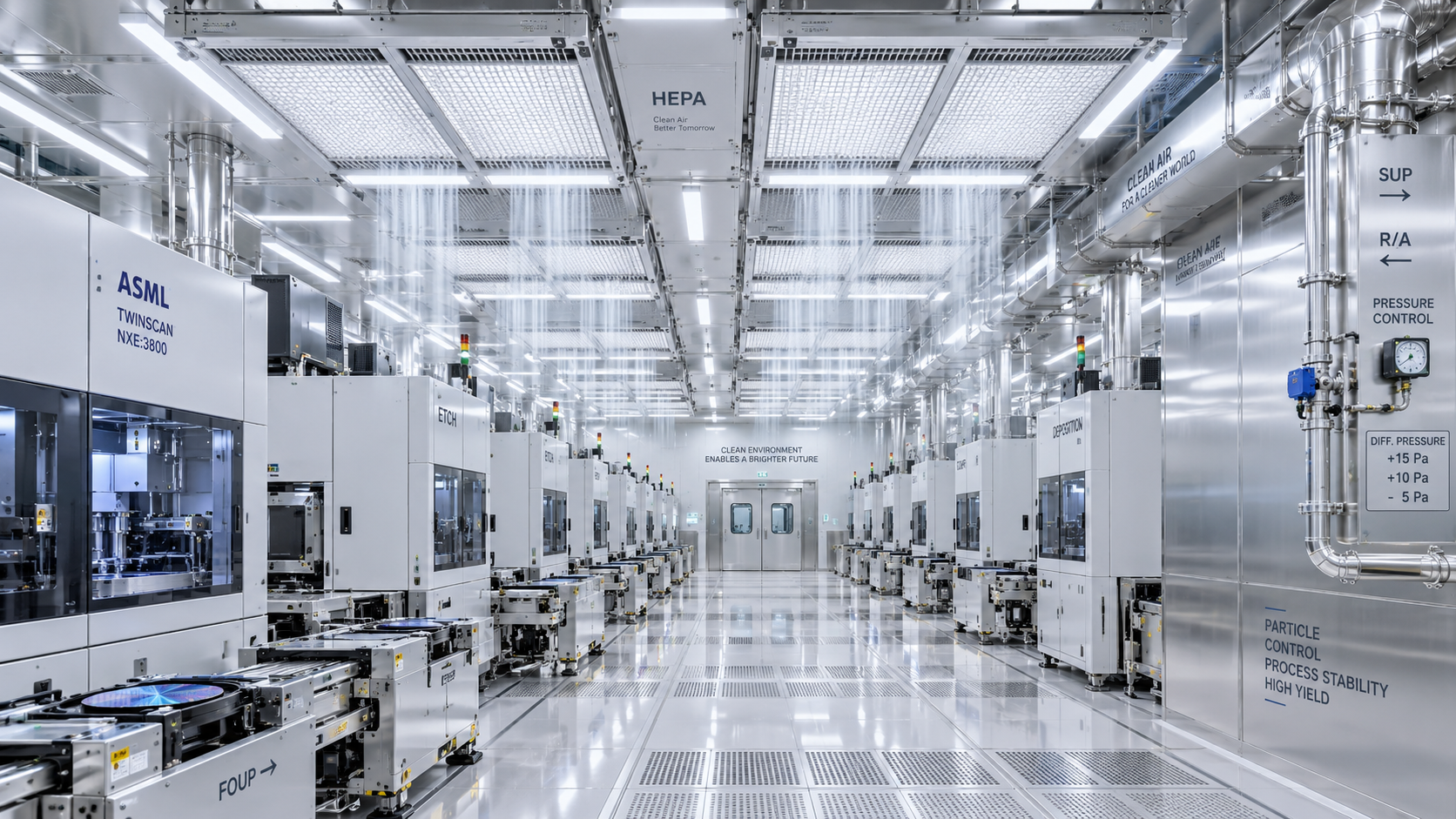
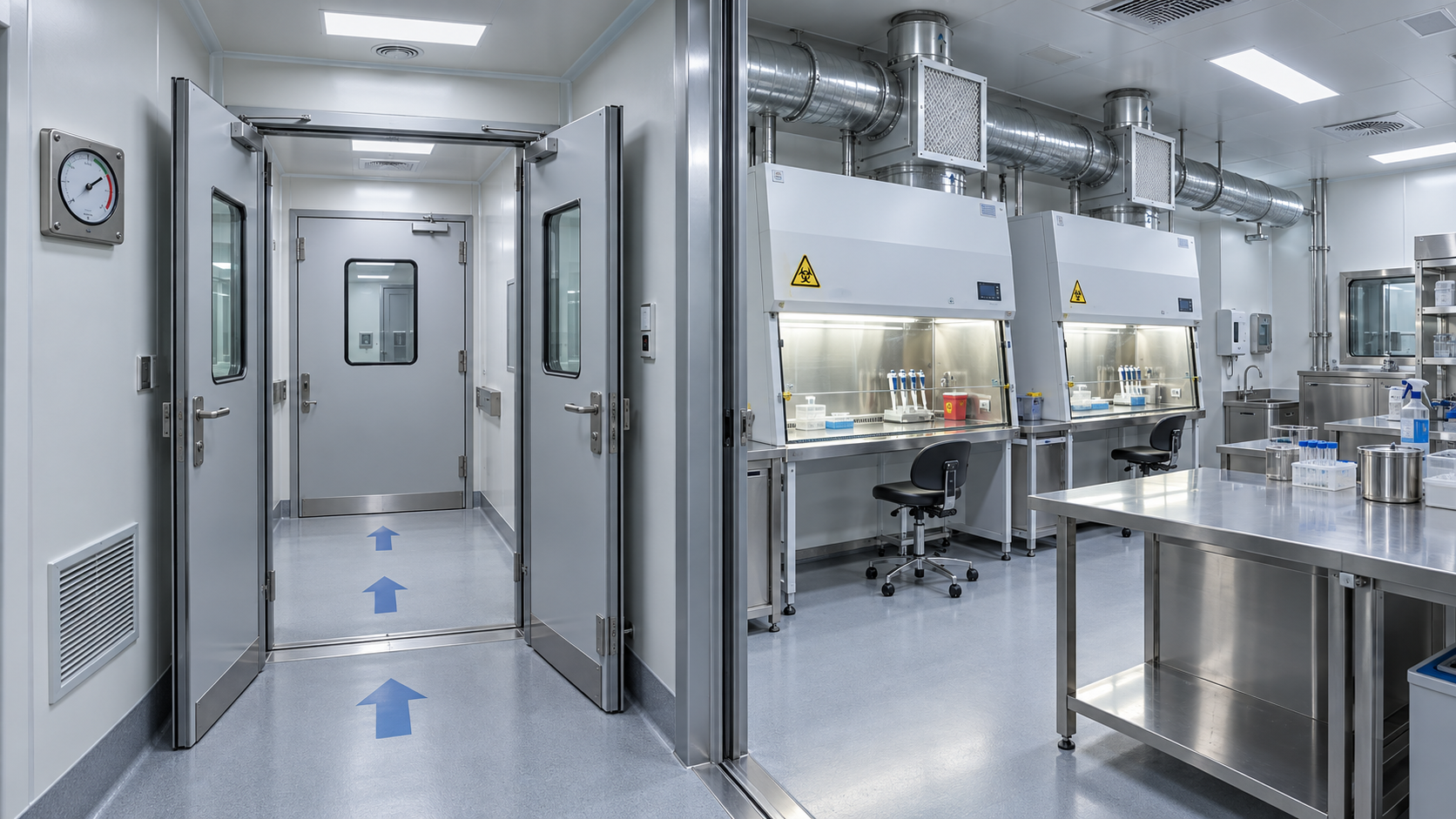
In semiconductor, pharmaceutical, advanced materials, and precision assembly settings, Sub-Micron Contamination measurement must therefore be treated as a system activity rather than a single instrument task. G-ICE approaches this through contamination control, HVAC stability, process-fluid integrity, biosafety engineering, and digital monitoring integration.
- Airflow patterns can carry particles away from the actual generation point, causing underestimation if sampling points are poorly located.
- Temperature drift, especially in precision environments, can affect process stability and change particle behavior near tools, enclosures, and return air paths.
- Human movement, maintenance activity, and material transfer often create short contamination spikes that routine spot checks may miss.
- Instrument mismatch is common. A device suited for general cleanroom screening may not provide enough sensitivity for critical process qualification.
What should you actually measure: airborne, surface, or process-borne contamination?
Many teams use the phrase Sub-Micron Contamination measurement as if it refers only to airborne particles. In practice, the measurement strategy should reflect where contamination threatens product quality or personnel safety.
Three contamination paths that matter most
- Airborne contamination: critical in cleanrooms, filling suites, optics production, microelectronics, and high-spec testing rooms.
- Surface contamination: important when particles settle on wafers, packaging components, sterile barriers, sensors, or tooling surfaces.
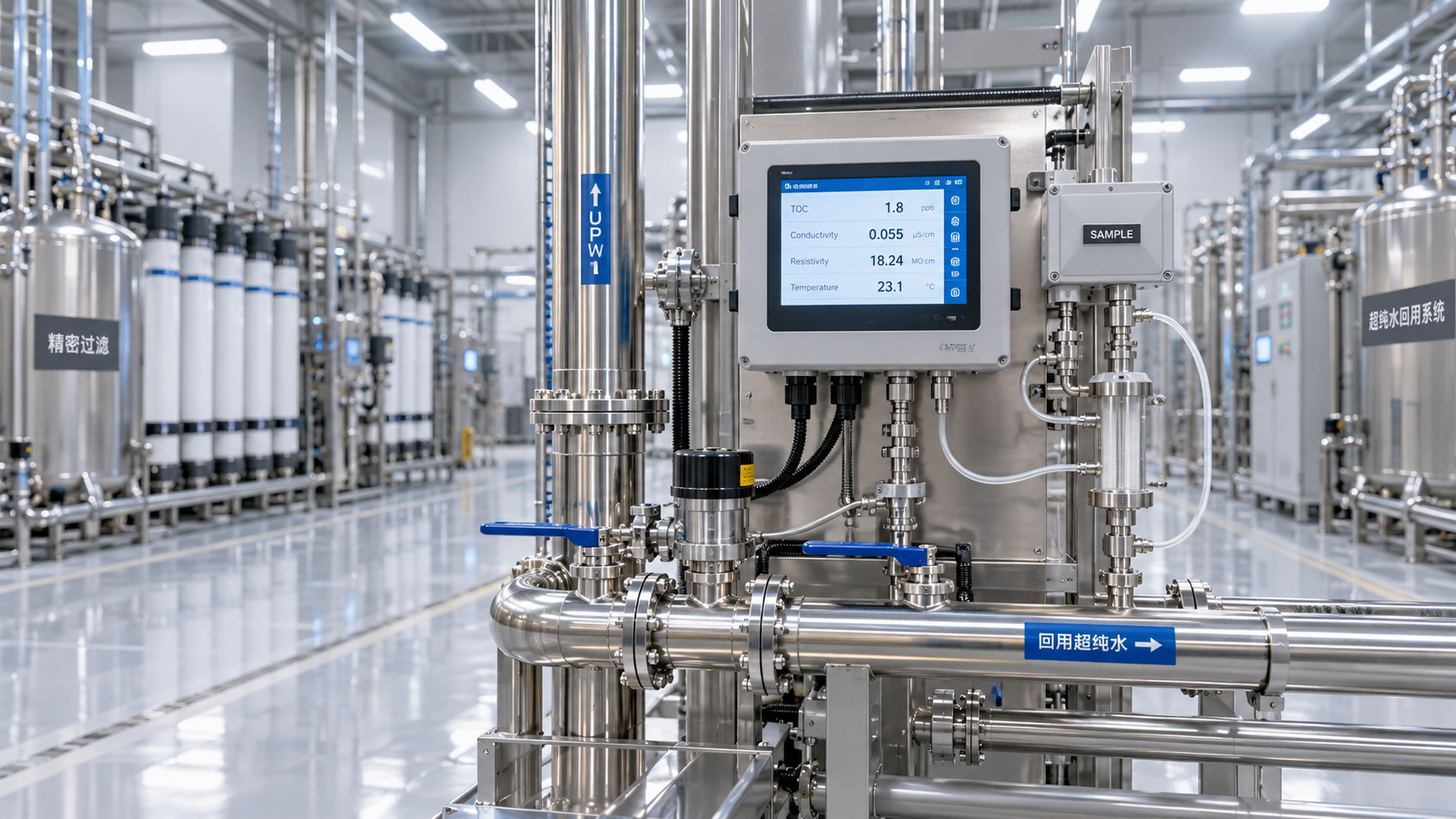
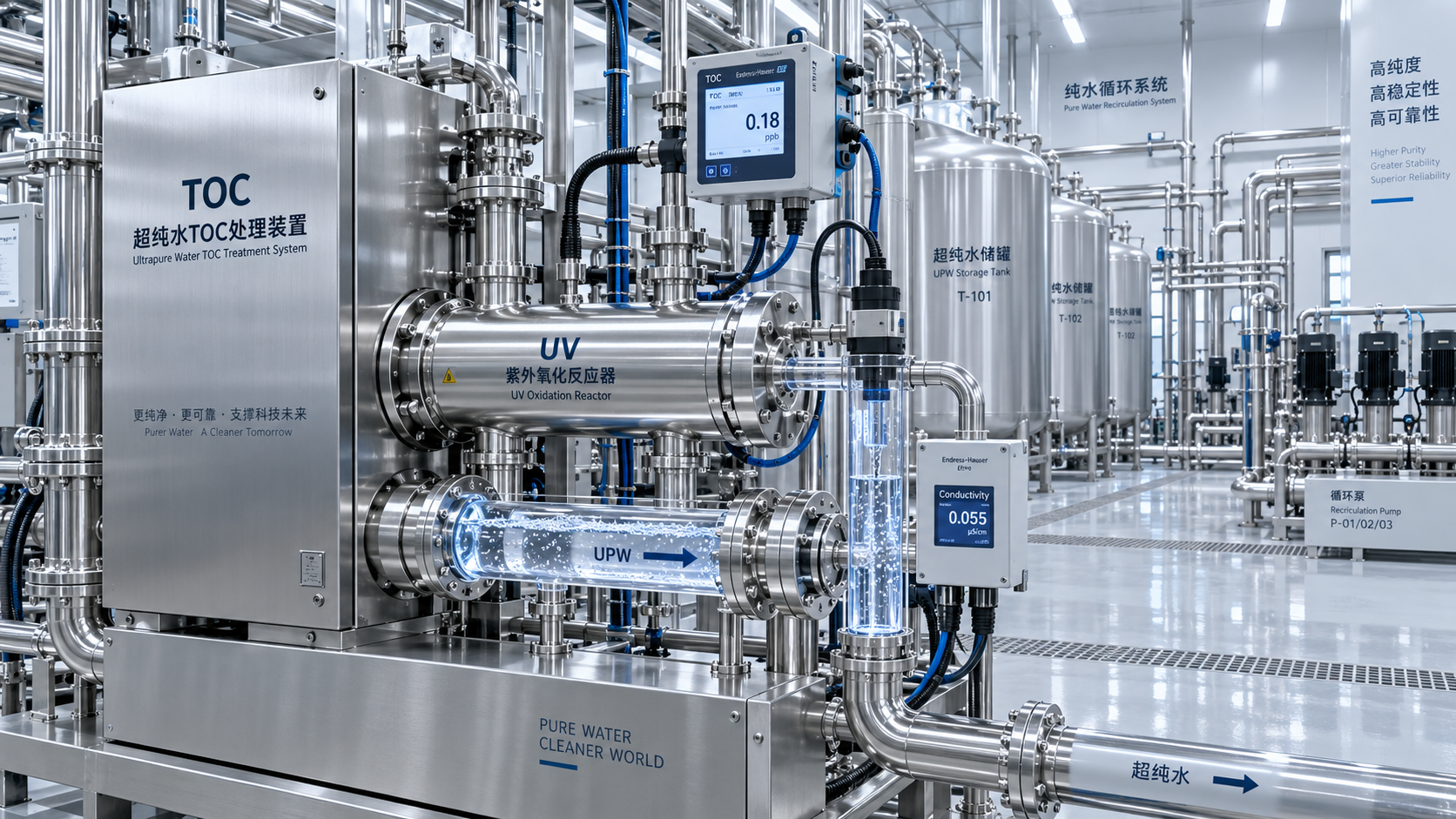
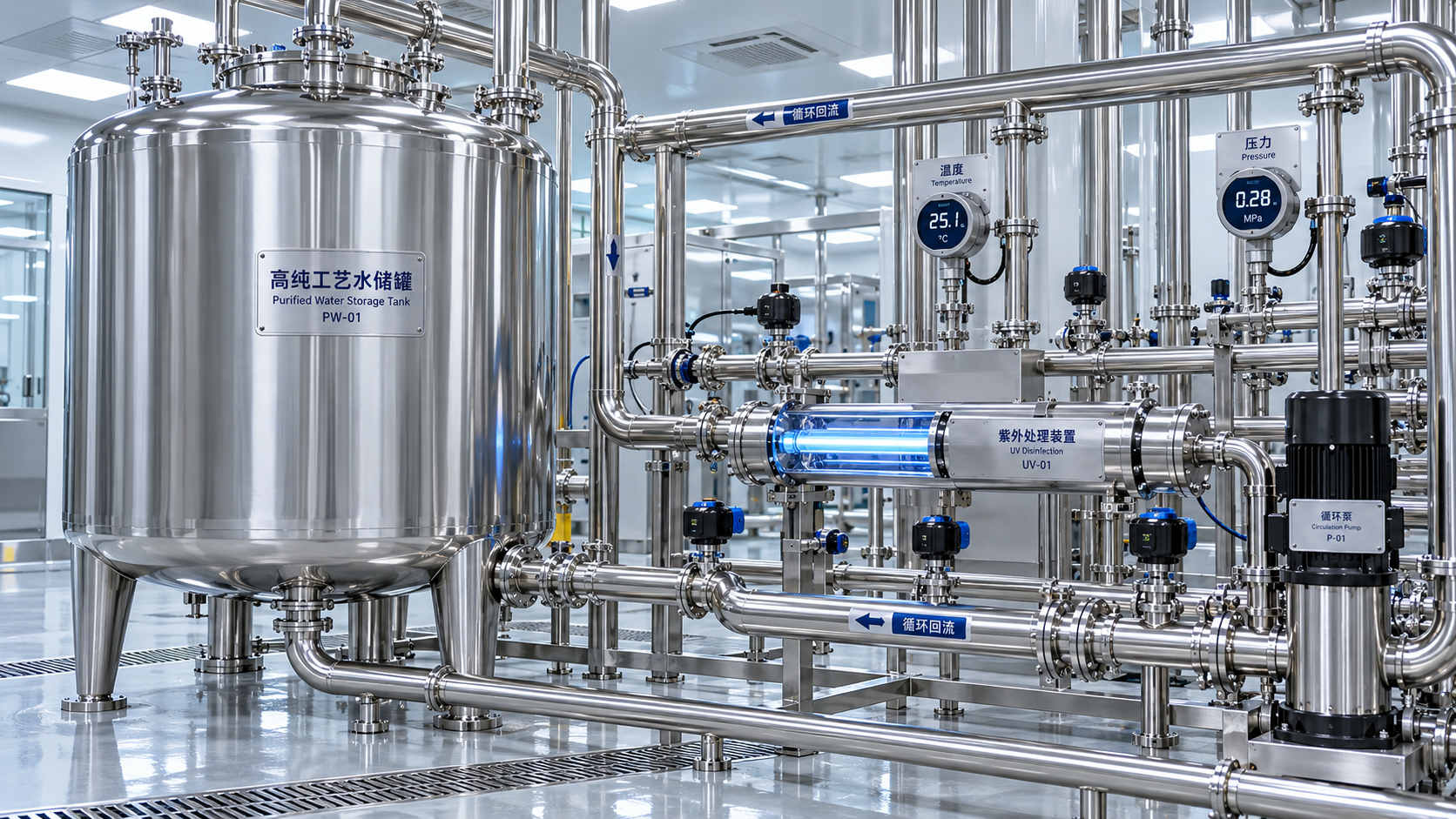
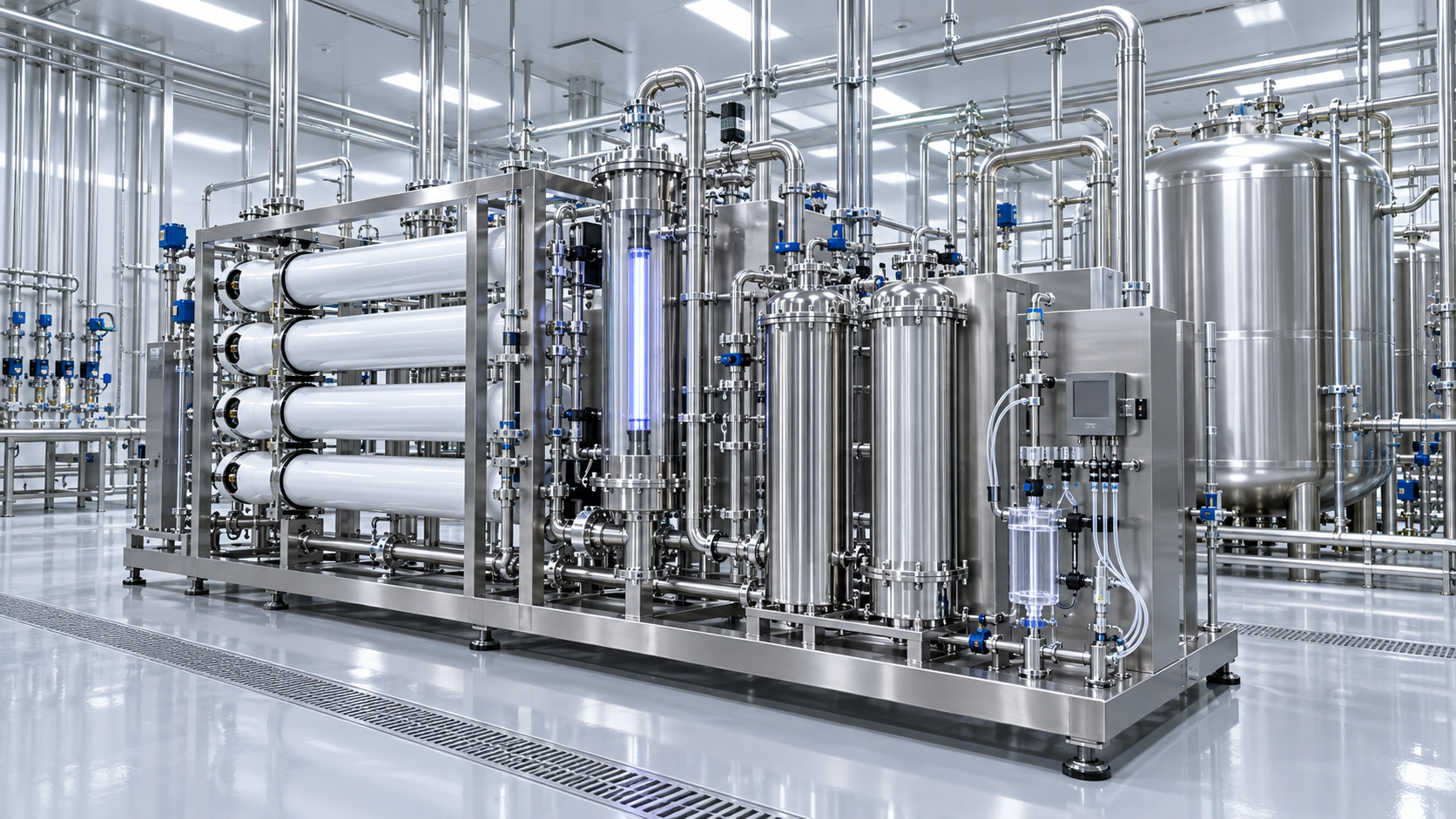
- Process-borne contamination: essential in UPW systems, chemical delivery, compressed gases, and recirculating process fluids where particles may never be visible in room air data.
This distinction matters during incident investigation. If a facility only monitors room air while contamination originates in fluid loops or equipment mini-environments, corrective action will be delayed and root cause analysis may fail.
G-ICE emphasizes cross-domain benchmarking because contamination control is rarely isolated. A stable HVAC envelope, well-designed filtration, controlled utility quality, and validated sampling architecture produce more trustworthy results than instrument upgrades alone.
How to choose the right method for Sub-Micron Contamination measurement
The right method depends on the contamination size of concern, the critical control point, the required response speed, and the applicable standard or internal release limit. Quality and safety teams should match the method to the decision being made.
The table below compares common Sub-Micron Contamination measurement approaches used in industrial clean environments, laboratories, and process-critical infrastructure.
For most facilities, a layered approach works better than a single method. Optical counting supports daily operations, while targeted high-sensitivity or liquid-side analysis closes the gaps that routine airborne checks often miss.
A practical selection checklist
- Define the critical particle size that affects yield, sterility, equipment reliability, or worker protection.
- Identify whether release decisions rely on room classification, in-process control, failure investigation, or supplier qualification.
- Check whether the environment has stable airflow and temperature control, because unstable conditions reduce data comparability.
- Confirm how quickly you need actionable data. Real-time alarms require a different setup than periodic validation studies.
Which parameters matter most when accuracy is the priority?
When teams evaluate instruments or monitoring plans, they often focus only on the minimum particle size channel. That is not enough. Accurate Sub-Micron Contamination measurement depends on several linked parameters, including flow stability, sampling duration, location logic, background conditions, and calibration traceability.
The following table highlights the parameters that most directly affect data quality and operational usefulness.
Facilities aiming for stricter contamination control should also compare contamination counts with thermal and airflow data. This is where G-ICE offers a strong advantage: contamination events become more explainable when environmental monitoring is linked with HVAC and digital twin logic instead of being reviewed in isolation.
How should quality and safety teams build a reliable measurement workflow?
A reliable Sub-Micron Contamination measurement program is repeatable, auditable, and responsive to process change. It should not depend on one technician’s habits or one emergency investigation after a deviation appears.
Recommended workflow
- Establish contamination-critical zones by process risk, not by room name alone. Include mini-environments, transfer points, and utility interfaces.
- Set baseline conditions during normal operation. Record airflow mode, occupancy, shift timing, tool state, and utility stability.
- Define fixed and event-driven sampling. Fixed points support trend analysis, while event-triggered checks capture maintenance, line changeover, and abnormal alarms.
- Link contamination records with HVAC, differential pressure, temperature, humidity, and process-fluid indicators to reduce false root cause conclusions.
- Review alarm limits periodically. Limits that were suitable during initial qualification may not reflect current process sensitivity or throughput intensity.
This structured approach helps quality personnel defend release decisions and helps safety managers document exposure control, incident response, and audit evidence more effectively.
What standards and compliance points should not be ignored?
Sub-Micron Contamination measurement is often reviewed during customer audits, internal quality reviews, and compliance inspections. The specific requirement depends on industry and process, but several standards and frameworks commonly shape how measurement plans are evaluated.
- ISO 14644 is central for cleanroom classification and controlled environment performance assessment.
- ASHRAE guidance is relevant where HVAC design, airflow management, and thermal stability affect contamination transport.
- SEMI references may influence expectations in semiconductor and high-purity process infrastructure.
- In pharmaceutical or biosafety contexts, contamination measurement may need to align with environmental monitoring, aseptic practices, or containment risk controls.
Compliance is not only about having a calibrated instrument. Auditors and customers increasingly ask whether sampling points are justified, whether data trends are reviewed, and whether environmental conditions are controlled tightly enough to make the contamination data meaningful.
Procurement decisions: what should you compare before buying or upgrading?
Budget pressure often pushes teams toward a quick instrument purchase. Yet the real cost of weak Sub-Micron Contamination measurement usually appears later through requalification work, production holds, repeat investigations, and supplier disputes.
Before procurement, compare not only price but also fit-for-purpose performance, maintenance burden, and integration capability.
- Does the instrument support the particle range and sampling mode required by your process risk profile?
- Can it integrate with building monitoring systems, alarm platforms, or digital reporting workflows?
- What is the expected calibration cycle, spare part availability, and downtime impact?
- Will the vendor help define sampling architecture, or only deliver the device?
- Can the solution scale from one critical room to multi-site benchmarking and continuous monitoring?
G-ICE is especially relevant when buyers need more than hardware comparison. By connecting cleanroom systems, thermal management, UPW integrity, biosafety expectations, and smart environmental monitoring, procurement decisions become operational decisions rather than isolated equipment purchases.
Common mistakes that reduce Sub-Micron Contamination measurement accuracy
Mistake 1: Sampling where access is easy, not where risk is highest
Convenient sampling points often produce clean-looking numbers while missing actual generation zones. Critical tool interfaces, operator intervention areas, and transfer paths deserve priority.
Mistake 2: Ignoring HVAC and thermal context
Particle counts without airflow and temperature context can mislead investigations. A contamination spike may be caused by pressure instability, turbulence, or temporary thermal imbalance rather than a cleaning failure.
Mistake 3: Relying only on periodic certification data
Certification snapshots are valuable, but they do not replace operational monitoring. Short-duration events during shifts, maintenance, or material handling may never appear in scheduled tests.
Mistake 4: Treating fluid contamination and airborne contamination separately
In advanced manufacturing and laboratory environments, a process excursion may start in utility quality and later appear as an airborne or surface issue. Integrated analysis is more effective than siloed troubleshooting.
FAQ: practical questions from quality control and safety managers
How often should Sub-Micron Contamination measurement be performed?
Frequency depends on room classification, process criticality, product sensitivity, and change activity. High-risk areas typically require continuous or routine shift-based monitoring, while lower-risk zones may use scheduled verification plus event-based checks after maintenance or process change.
Which is better for purchasing decisions: portable or fixed monitoring?
Portable systems are useful for investigations, mapping, and flexible validation. Fixed monitoring is stronger for continuous trend visibility and alarm response. Many facilities need both, especially when release decisions and root cause analysis must coexist.
Can Sub-Micron Contamination measurement help reduce audit risk?
Yes, if the program is well documented. Auditors look for justified sampling locations, repeatable methods, calibration control, and a clear connection between monitoring data and corrective action. Data without decision logic has limited value.
What is the biggest warning sign that a current program is inadequate?
A common warning sign is repeated quality deviation or contamination concern without a clear root cause, despite “acceptable” room results. That usually indicates sampling blind spots, poor integration with environmental data, or an incorrect focus on only one contamination path.
Why choose us for contamination measurement planning and benchmarking?
When Sub-Micron Contamination measurement affects product yield, biosafety confidence, or infrastructure compliance, the challenge is rarely limited to one sensor or one room. It involves contamination pathways, HVAC discipline, utility purity, operational behavior, and documentation quality.
G-ICE supports decision-makers who need technically grounded, cross-functional guidance. Our strength lies in benchmarking contamination control together with precision thermal management, UPW and process-fluid treatment, biosafety containment logic, and smart environmental monitoring frameworks.
- Confirm critical parameters for Sub-Micron Contamination measurement based on your room class, process sensitivity, and monitoring objective.
- Evaluate solution options for portable testing, fixed monitoring, or integrated contamination and environmental data systems.
- Discuss delivery timing, sampling architecture, reporting expectations, and site-specific customization constraints.
- Review applicable standards, audit preparation needs, and documentation requirements before procurement or facility upgrade.
- Request support for solution comparison, parameter confirmation, budget alignment, and quotation discussions for multi-zone or multi-site implementation.
If your team is balancing compliance pressure, tight delivery schedules, and complex contamination risks, a structured consultation can help narrow the right measurement path faster and with fewer downstream corrections.
Get weekly intelligence in your inbox.
No noise. No sponsored content. Pure intelligence.
 Oct 21, 2026How often is cleanroom certification required under ISO 14644-2?Cleanroom Certification is generally recommended annually under ISO 14644-2. Learn when risk-based extensions apply and which changes trigger earlier testing to plan with confidence.
 Oct 21, 2026FASEB Comments on NIH Draft Policy for Research Involving BiohazardsFASEB comments on NIH’s draft biohazard research policy call for risk-based biosafety oversight. Explore potential implications for laboratories, suppliers, and compliance teams.
 Oct 20, 2026How to disinfect ultrasound machines without damaging surfacesLearn how to disinfect ultrasoundmachines without surface damage. Explore compatible products, wet contact times, and probe care to protect patients and equipment.
 Oct 20, 2026Ultrapure Water in Semiconductor Manufacturing: Reuse and Quality Control InsightsExplore ultrapure water reuse in semiconductor manufacturing, key UPW quality benchmarks and analytical insights to help evaluate suppliers and protect process purity.
 Oct 19, 2026How cooling affects warpage in injection-molded consumer electronics housingsOptimize plastic injection molding for consumer electronics with cooling strategies to reduce housing warpage and improve assembly fit. Discover practical checks for stable, efficient production.
 Oct 18, 2026Can air leaks prevent a dehumidifier from holding its target dew point?Why can't our dehumidifier maintain the target dew point? Discover how air leaks increase moisture loads, spot hidden faults, and find practical fixes to restore reliable dew-point control.
 Oct 17, 2026How semiconductor process water treatment removes trace organicsSee how semiconductor process water treatment removes trace organics with RO, UV oxidation, and polishing. Learn how TOC monitoring helps verify purity and pinpoint contamination.
 Oct 16, 2026How to choose ultra pure water piping materials to limit leachingChoose ultra pure water piping with confidence. Compare PVDF, PFA, and stainless steel, assess leaching risks, and learn how to qualify your system for reliable purity.
 Oct 15, 2026How to size a skid-mounted deionized water system for peak demandCompare deionized water systems skid configurations for peak demand. Learn how to balance production, storage, and pump capacity to prevent shortages and avoid costly oversizing.
 Oct 14, 2026When is collaborative laboratory robotics suitable for sample sorting?Explore when collaborative laboratory robotics suits sample sorting. Discover key checks for safety, traceability, container compatibility, and throughput before choosing your solution.
 Oct 13, 2026How sandwich panel joints affect airtightness in cleanroom systemsCleanroom Systems sandwich panels need reliable joints for airtightness. Discover how gaskets, sealants, and testing help reduce leakage and protect cleanroom pressure control.
 Oct 12, 2026How to verify USP compliance for ultra pure water systemsUltra Pure Water Systems USP compliance: learn how to verify water quality, sampling, sanitization, trends, and validation controls at every point of use.
 Oct 11, 2026How tight temperature control prevents cleanroom process driftCleanroom process temperature control systems prevent costly drift by stabilizing critical conditions, improving repeatability, and protecting sensitive production workflows.
 Oct 10, 2026When does organic contaminant removal require TOC treatment?Organic contaminant removal requires TOC treatment when dissolved organics threaten product quality, equipment reliability, or process control. Learn how to assess risks and choose the right solution.
 Oct 08, 2026What affects lead times for sheet metal bending services in Canada?Sheet metal bending services Canada: discover how material supply, tooling, tolerances, finishing, documentation, and freight affect lead times for reliable project delivery.
 Oct 07, 2026How HVAC design for semiconductor fabs prevents airborne contaminationHVAC design for semiconductor fabs prevents airborne contamination through advanced filtration, pressure cascades, airflow control, and real-time monitoring. Explore key strategies for cleaner, more reliable wafer production.
 Oct 06, 2026How photovoltaic modules waterproof technology prevents moisture damagephotovoltaic modules waterproof technology prevents moisture damage with durable seals, drainage, and junction-box protection. Explore practical selection and testing insights.
 Oct 05, 2026How ISO 14644 Europe requirements affect cleanroom qualificationISO 14644 Europe requirements shape cleanroom qualification, from particle classification and recovery testing to monitoring, GMP alignment, and change control.
 Oct 04, 2026How to assess a pharmaceutical cleanroom solutions supplier’s ISO capabilityPharmaceutical Cleanroom Solutions supplier assessment guide: evaluate ISO 14644 capability, validation evidence, airflow design, documentation, and long-term GMP readiness.
 Oct 03, 2026What EU standards govern the design of BSL-3 laboratories in Europe?BSL-3 laboratories Europe: explore EU directives, EN standards, HVAC containment, commissioning, and practical design strategies for compliant, resilient high-containment facilities.
 Oct 02, 2026How EN 1822 defines HEPA filtration efficiency for cleanroomsHEPA filtration EN 1822 explained: learn how MPPS testing, local leakage limits, and filter classes support reliable cleanroom decisions.
 Oct 01, 2026How pharmaceutical process water systems control microbial riskProcess water systems pharmaceutical teams rely on can control microbial risk through hygienic design, monitoring, and validated sanitization. Explore practical compliance strategies.
 Sep 30, 2026When does a negative pressure laboratory need BSL-3 containment?Negative pressure laboratory or BSL-3? Discover the risk factors, engineering controls, and containment requirements needed for safe, compliant laboratory planning.
 Sep 29, 2026How to evaluate a TOC-zero water treatment supplier for UPW systemsChoose a TOC-zero water treatment supplier with confidence. Compare UPW performance, monitoring, validation, materials, service capability, and lifecycle cost.
 Sep 28, 2026What drives sustainable cooling cost in high-precision facilities?Sustainable cooling cost in high-precision facilities depends on thermal stability, energy, water, controls, and resilience. Explore smarter lifecycle strategies.
 Sep 27, 2026How to compare freight forwarding services for time-critical shipmentsCompare freight forwarding services for time-critical shipments with practical insights on routing, customs, visibility, specialized handling, and contingency planning.
 Sep 26, 2026How environmental integrity in laboratories supports reliable test resultsEnvironmental Integrity in laboratories safeguards samples, instruments, and staff. Discover practical controls for contamination, monitoring, and reliable test results.