Industrial Climate Control Standards: What Fails First?
When industrial environments drift out of spec, the first failures are rarely dramatic—they begin in airflow stability, thermal precision, filtration integrity, and control responsiveness. Understanding where Industrial Climate Control standards break down first helps technical evaluators reduce compliance risk, protect process continuity, and prioritize system upgrades before minor deviations escalate into costly operational or regulatory failures.
For technical evaluation teams working across clean manufacturing, high-containment labs, precision cooling, and digitally monitored facilities, the challenge is not simply meeting a standard on paper. It is maintaining performance under variable loads, seasonal changes, maintenance delays, filter aging, and control-system drift. In most facilities, the first signs of failure emerge well before a shutdown or audit finding.
That is why Industrial Climate Control standards should be assessed as a living operational framework rather than a one-time commissioning target. In semiconductor, pharmaceutical, advanced electronics, and high-spec industrial spaces, even a 0.5°C thermal deviation, a pressure cascade shift of 5–10 Pa, or a delayed sensor response of 30–60 seconds can affect yield, contamination control, or biosafety margins.
Where Industrial Climate Control Standards Fail First
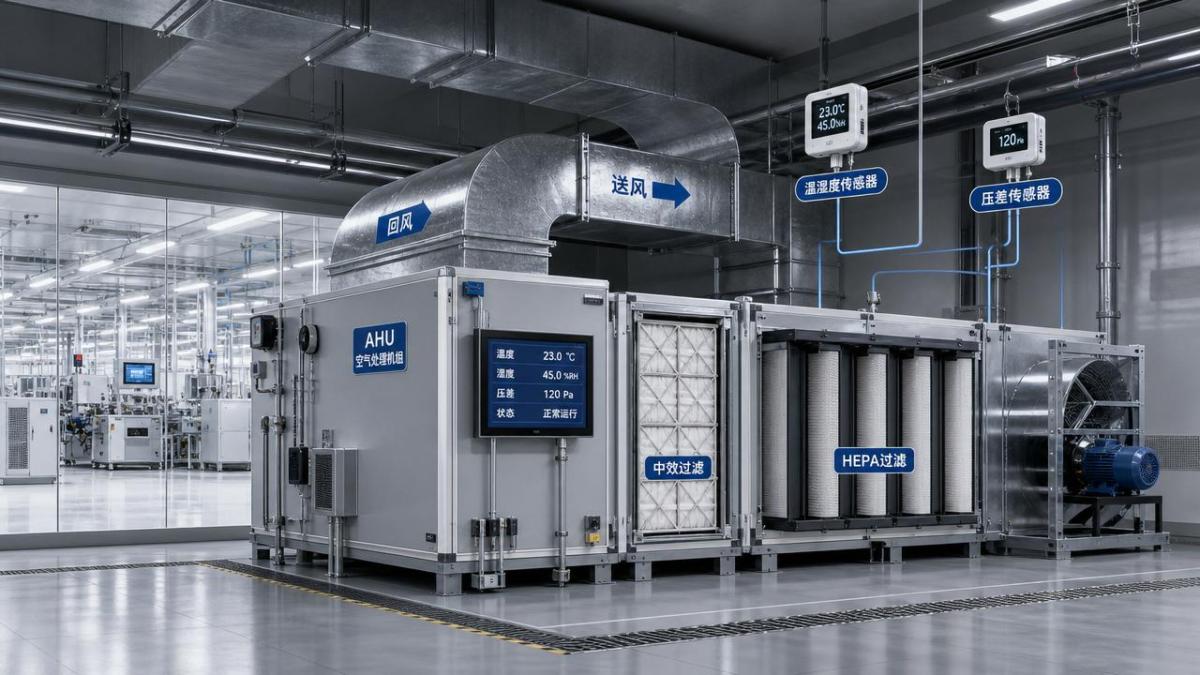
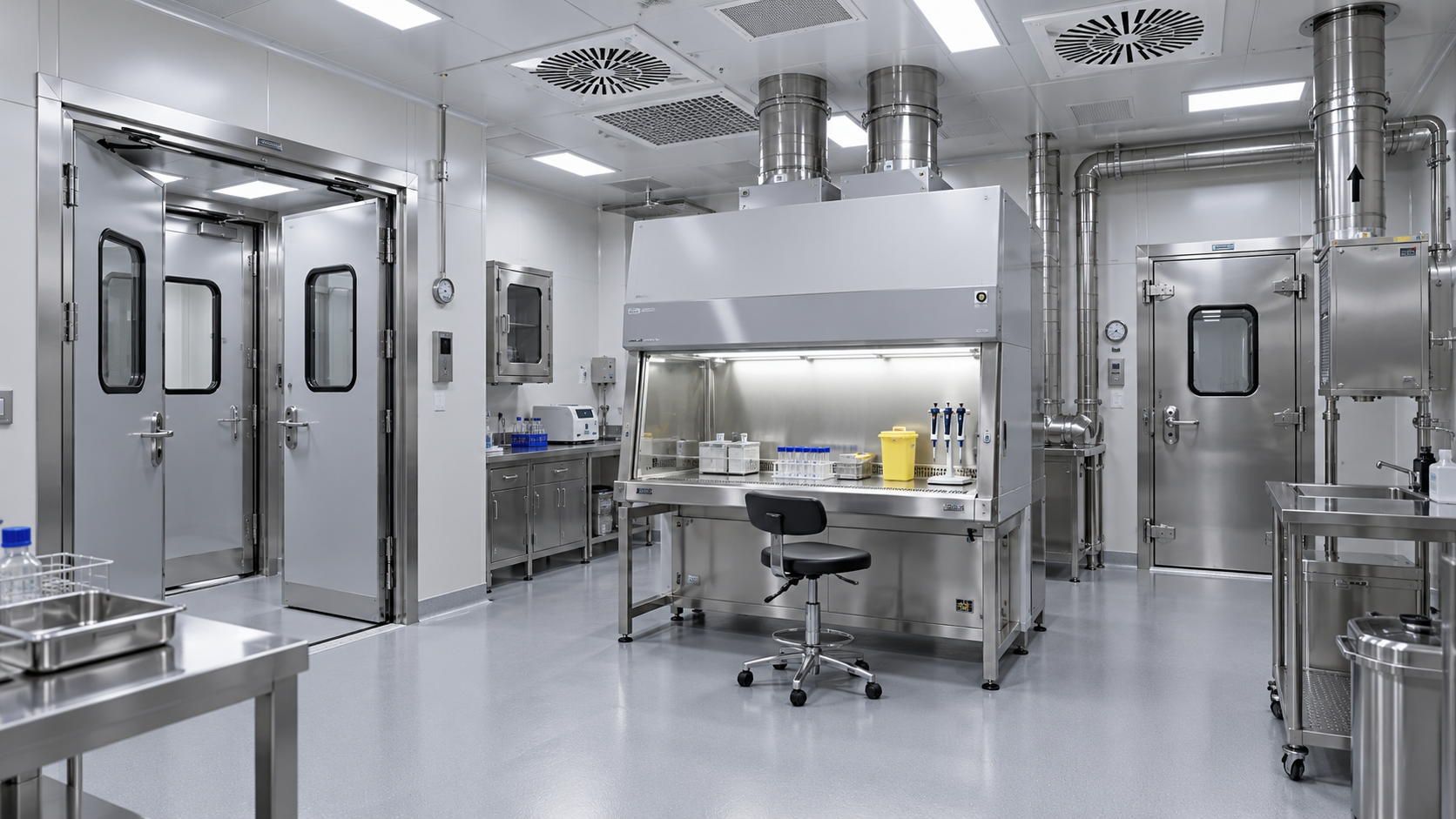
The earliest failures in Industrial Climate Control standards are usually not mechanical collapse events. They are control-quality failures. Air delivery becomes uneven, temperature control widens beyond tolerance, HEPA or ULPA performance degrades at the system level, and monitoring platforms begin reporting too late to support corrective action.
In G-ICE-aligned environments, technical evaluators should focus first on four leading indicators: airflow stability, thermal precision, filtration integrity, and control responsiveness. These areas fail early because they sit at the intersection of equipment wear, calibration discipline, operating load, and facility design assumptions.
1. Airflow Stability Usually Fails Before Capacity Does
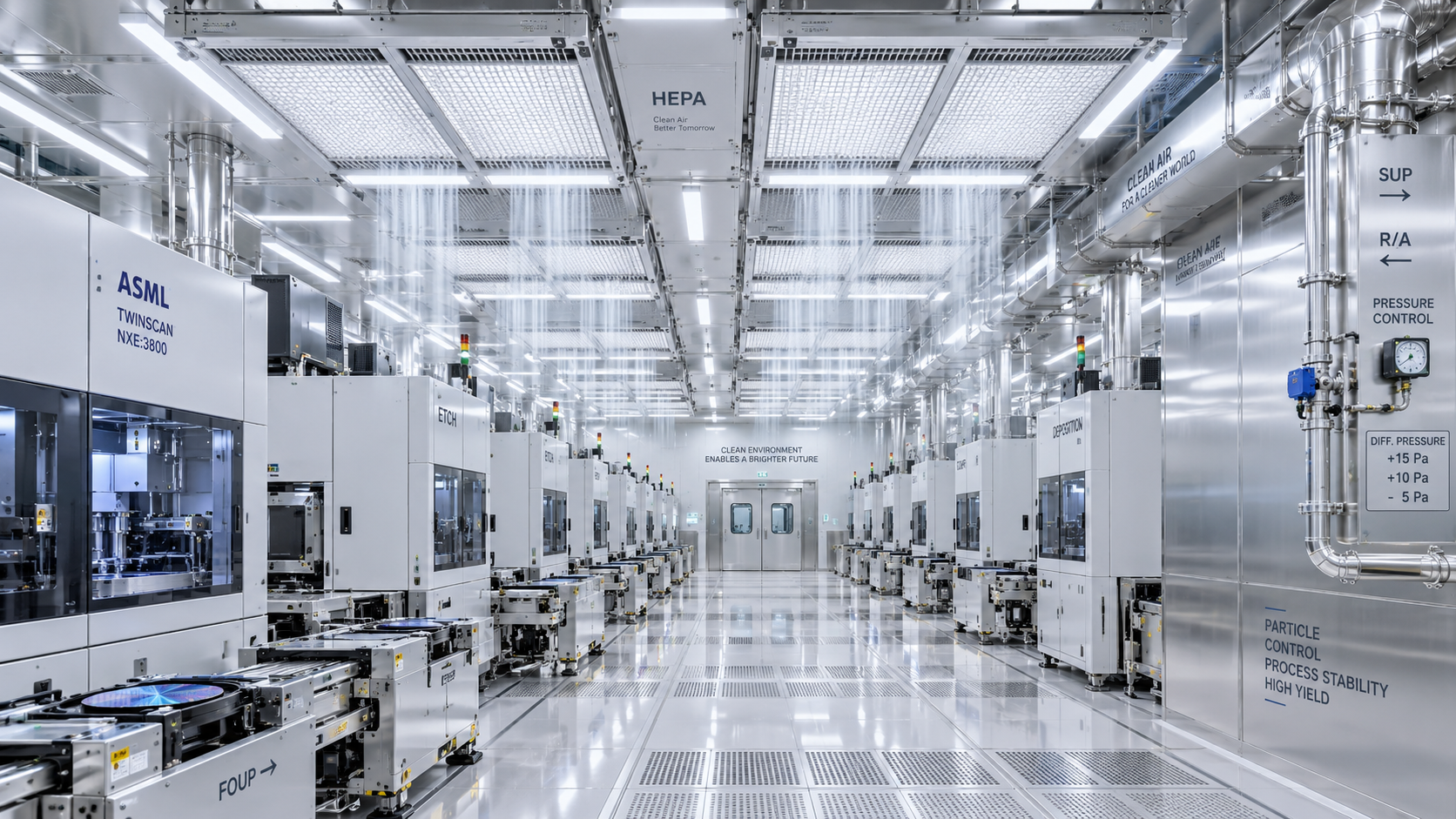
A fan array, FFU grid, or air handling unit may still be “running,” yet the system can already be out of compliance. In cleanrooms and controlled process zones, airflow velocity can drift by 10%–20% due to filter loading, belt wear, damper misalignment, or control loop lag. Capacity remains available, but stability is lost.
This matters because many standards depend on repeatable air behavior rather than nameplate airflow alone. ISO 14644 environments, pressure-controlled suites, and thermal process rooms require consistent patterns, not just sufficient volume. Once airflow loses uniformity, particle transport and heat removal become less predictable within hours, not months.
Typical early warning signs
- Room-to-room pressure differences dropping below design targets such as 10–15 Pa
- Localized velocity dead spots near process tools, doors, or return paths
- Fan speed increases of 8%–15% to hold the same airflow setpoint
- Filter differential pressure trending upward over 2–6 weeks without matching maintenance action
2. Thermal Precision Degrades Faster Than Most Operators Expect
In conventional industrial HVAC, a temperature swing of ±1°C may be acceptable. In advanced fabrication, biologics processing, metrology rooms, or quantum-support environments, tolerance can narrow to ±0.1°C, ±0.05°C, or in highly specialized spaces, even ±0.01°C. Under these conditions, control drift appears early and compounds quickly.
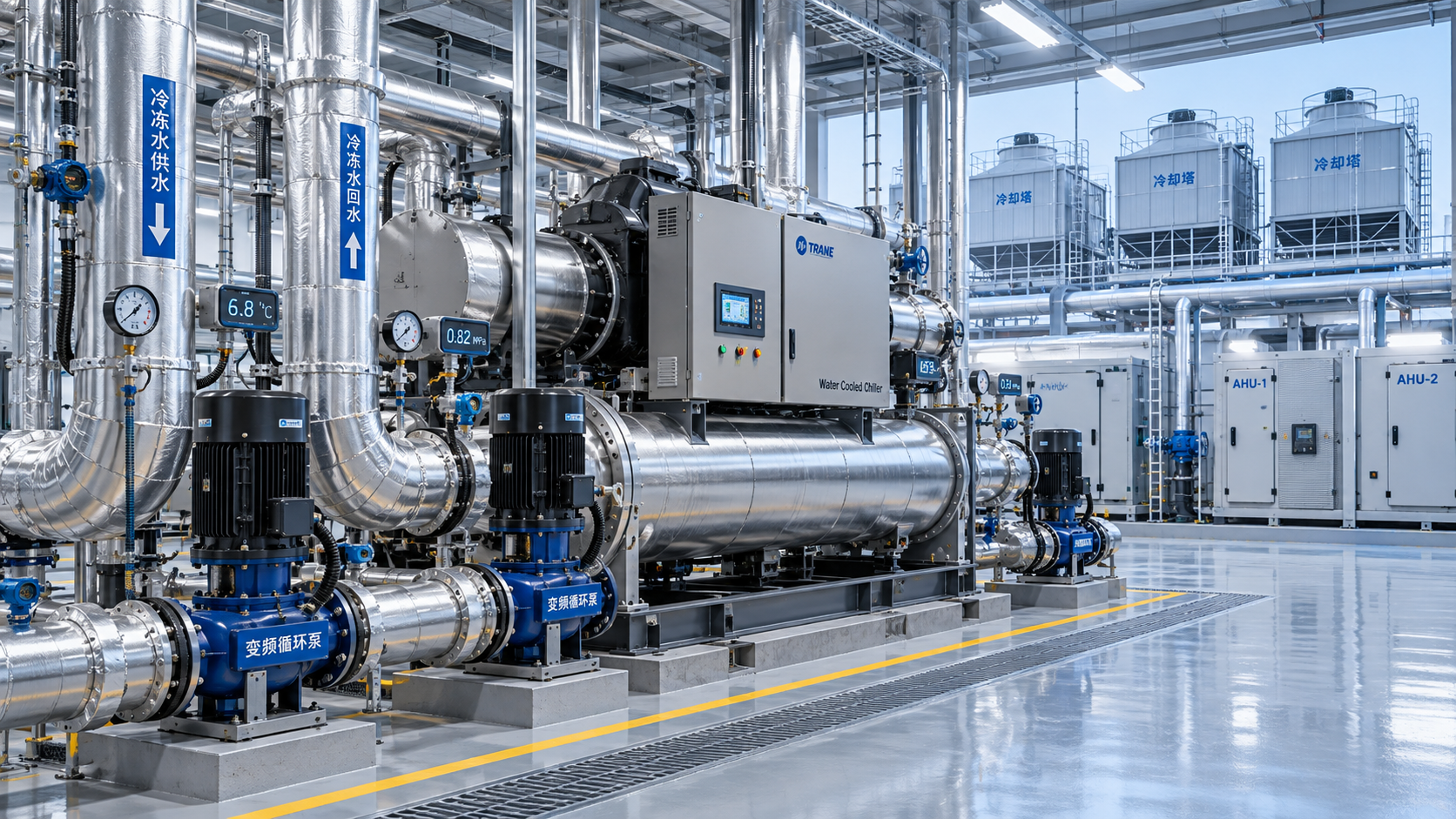
The root cause is often not chiller failure. It may be sensor placement, valve hunting, poor PID tuning, inadequate low-load performance, or thermal lag in hydronic distribution. Evaluators should examine transient behavior over 15-minute, 1-hour, and 24-hour windows rather than relying only on average values.
The table below shows where first-stage failures typically appear during technical reviews of Industrial Climate Control standards.
The key takeaway is that first failure points are usually dynamic, not static. A site may pass a periodic test, yet still operate in a marginal state between inspections. Technical evaluation should therefore prioritize trend quality, recovery speed, and resilience under load changes.
3. Filtration Fails as a System, Not Only as a Filter
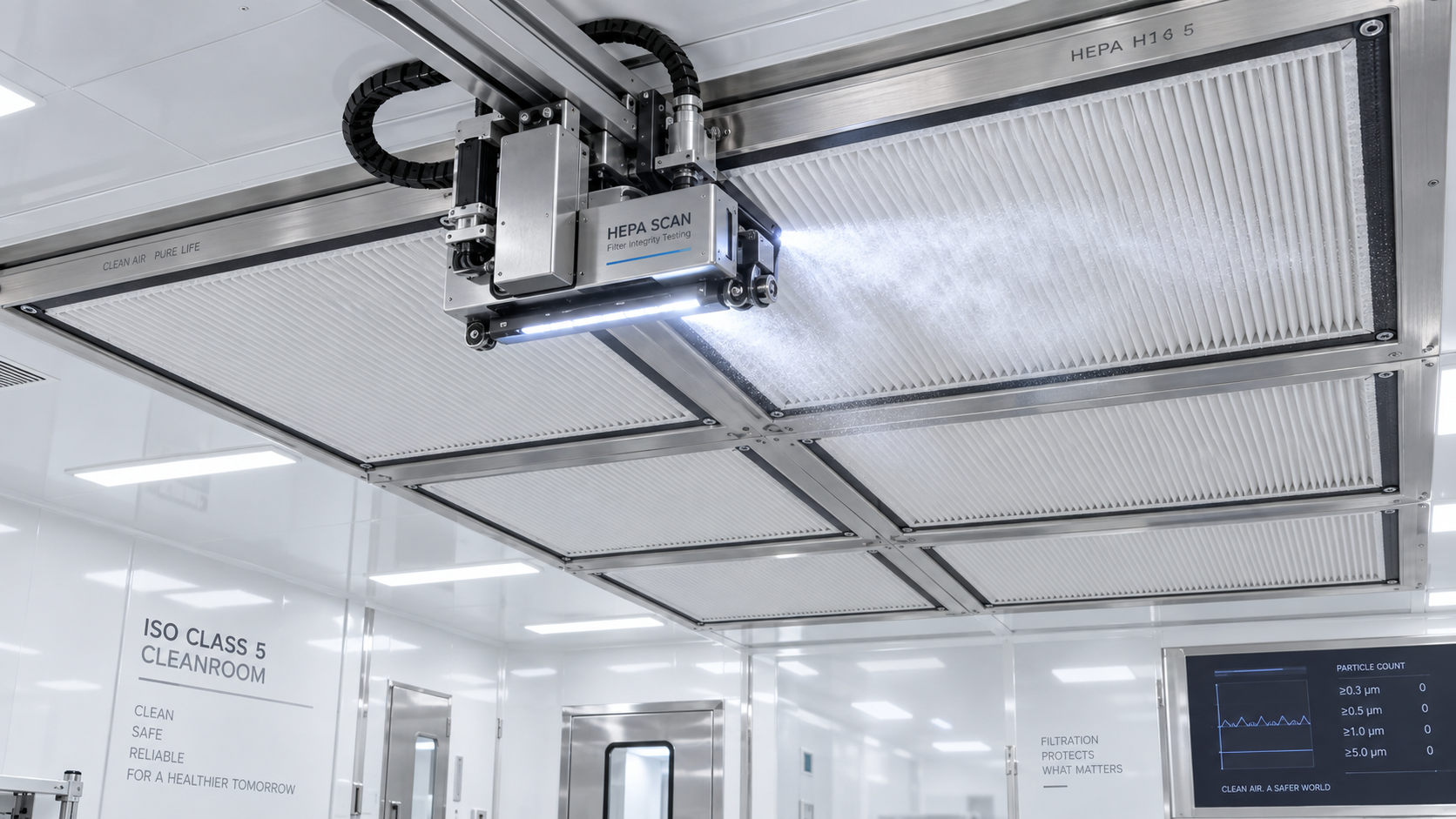
One of the most common evaluation mistakes is treating filtration integrity as a single component issue. In reality, Industrial Climate Control standards often fail at interfaces: gasket compression, housing leakage, terminal seal quality, vibration-induced loosening, and bypass paths created during rushed maintenance windows.
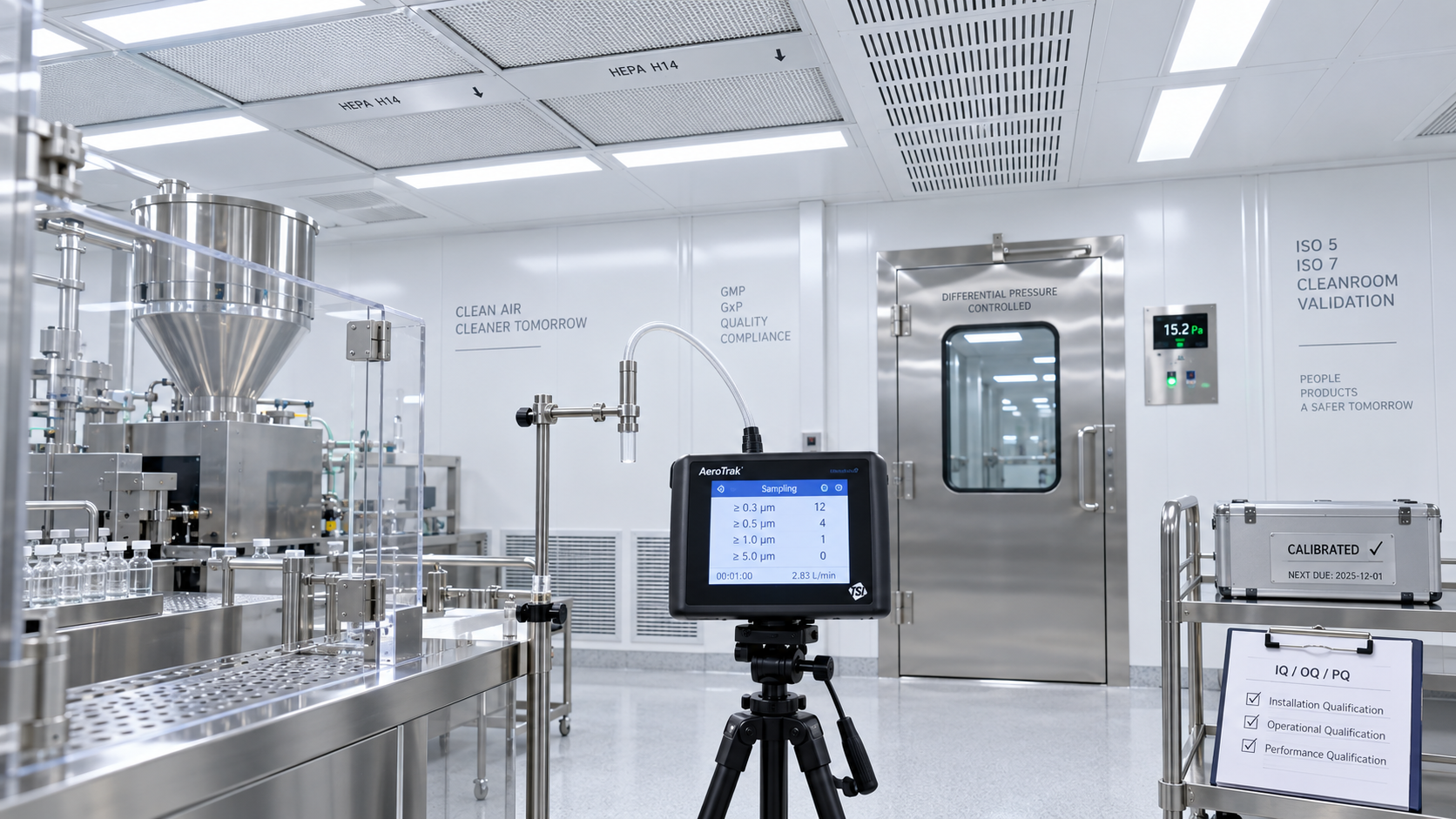
A filter with acceptable media performance can still underperform in service. For ISO-classified spaces, containment suites, and sensitive production areas, the evaluator should review installation quality, pressure drop trend lines, and post-maintenance rebalancing frequency. A 3–5 minute smoke visualization check can reveal issues that monthly logs miss.
4. Controls Often Fail Through Delay, Noise, or Poor Integration
Modern climate control depends on BMS, PLC, edge monitoring, and increasingly digital twin platforms. Yet control-system failure rarely means a full outage. More often, standards begin to fail because data is noisy, alarms are poorly prioritized, or subsystems do not coordinate fast enough during a disturbance.
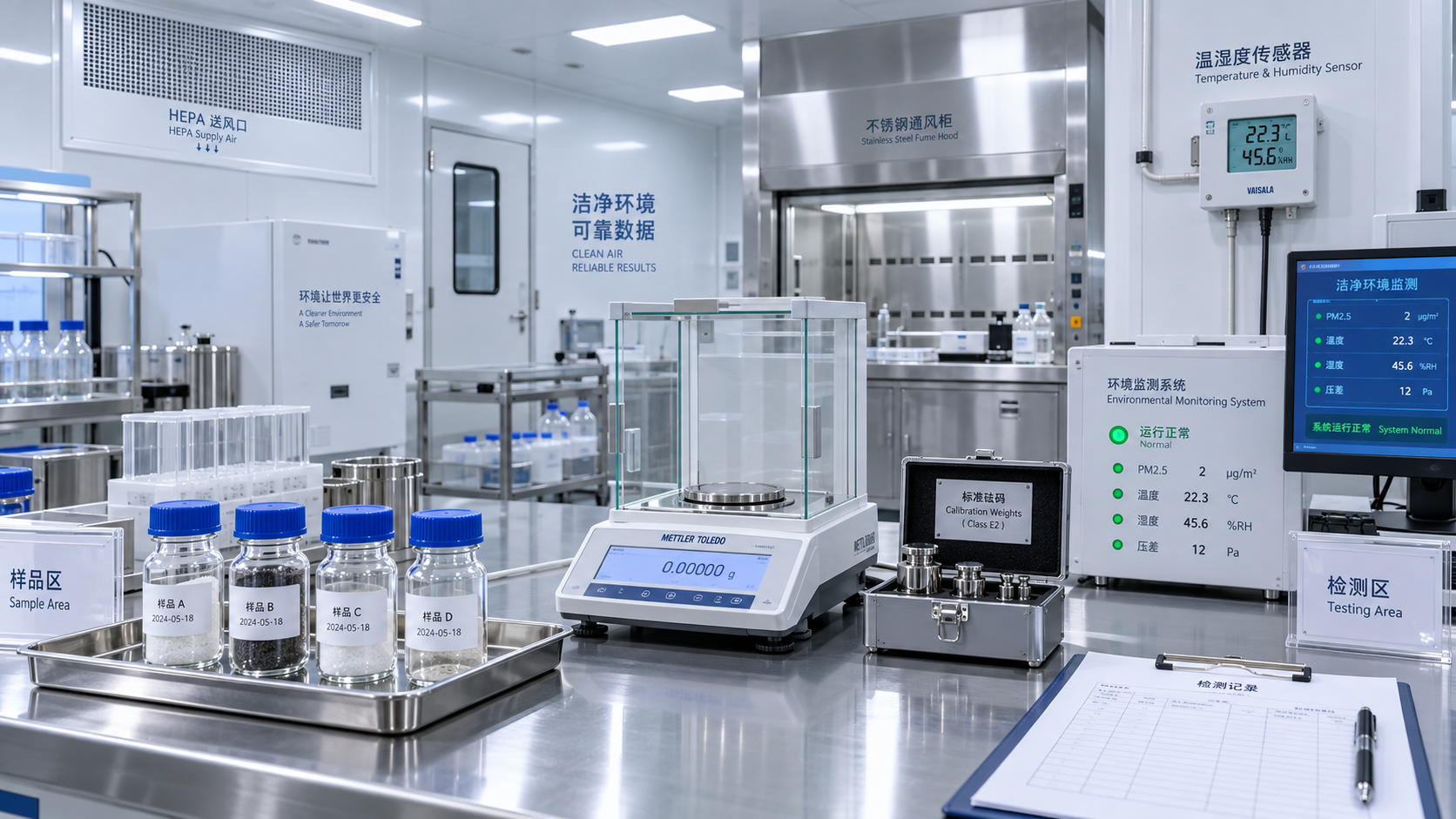
Examples include chilled water valves overshooting after a process load spike, pressure controls lagging during door traffic, or multiple sensors disagreeing by 0.3°C to 0.8°C because of calibration age or poor placement. In each case, the equipment is technically operational, but compliance quality is already weakening.
How Technical Evaluators Should Assess Risk and Prioritize Upgrades
A strong assessment framework for Industrial Climate Control standards does not start with replacement decisions. It starts with failure hierarchy. Evaluators need to identify which deviations create immediate compliance risk, which reduce process capability over time, and which mainly affect energy or maintenance cost. That distinction supports better capital planning.
In most industrial environments, a 4-layer review model works well: design intent, real operating data, maintenance discipline, and recovery performance. This method is especially relevant in cross-disciplinary facilities where HVAC, cleanroom, UPW, biosafety, and monitoring systems interact rather than operate independently.
A Practical 4-Step Evaluation Sequence
- Verify design tolerances and applicable standards such as ISO 14644, ASHRAE guidance, or SEMI-related facility criteria.
- Review 30–90 days of trend data for temperature, humidity, pressure, airflow, alarms, and energy behavior.
- Inspect maintenance execution, including sensor calibration cycles, filter replacement intervals, and balancing records.
- Test disturbance recovery, such as door events, process load swings, or partial equipment shutdown scenarios.
This sequence reveals whether the site merely meets static acceptance criteria or can sustain performance in real-world operation. Recovery time is especially important. A room that returns to pressure within 20–40 seconds after a door cycle performs very differently from one that needs 2–3 minutes.
Which Systems Deserve First Budget Priority?
Not every deviation requires immediate replacement. Budget priority should follow consequence severity. In high-value manufacturing and regulated facilities, the first budget line typically belongs to sensing and control correction, then airflow balancing and filter integrity, then thermal plant optimization, and finally broader energy modernization.
That order may seem counterintuitive, but it reflects failure economics. A poorly tuned control loop or drifting sensor can compromise a critical room long before a chiller reaches end of life. In many cases, a 2–6 week optimization project delivers faster risk reduction than a 6–12 month equipment replacement cycle.
The following table helps technical evaluators compare upgrade priorities against risk, disruption, and likely return.
For many sites, the highest-value first move is not replacing major equipment but restoring observability and control discipline. Once real performance is visible, larger investments can be staged more accurately and with lower operational disruption.
Common Evaluation Mistakes That Distort Decisions
Mistake 1: Reviewing averages instead of excursions
Average room temperature may appear compliant while short spikes exceed process limits several times per shift. Review maximum, minimum, deviation duration, and recovery rate, not only daily means.
Mistake 2: Assuming capacity equals controllability
An oversized plant can still perform poorly at partial load. Precision environments often fail at 30%–50% load conditions when valves hunt, compressors cycle inefficiently, or humidity control becomes unstable.
Mistake 3: Treating compliance and efficiency as separate topics
In advanced facilities, they are linked. A stressed system using 12%–25% more fan or cooling energy to maintain spec is often signaling a deeper airside or control problem. Energy anomalies can be useful early-warning markers.
What Durable Compliance Looks Like in Advanced Industrial Environments
Durable compliance means the facility can hold Industrial Climate Control standards during routine disturbance, maintenance turnover, and seasonal transition. It is not enough to perform well during qualification alone. The environment should remain stable through filter aging, occupancy changes, and phased process expansion.
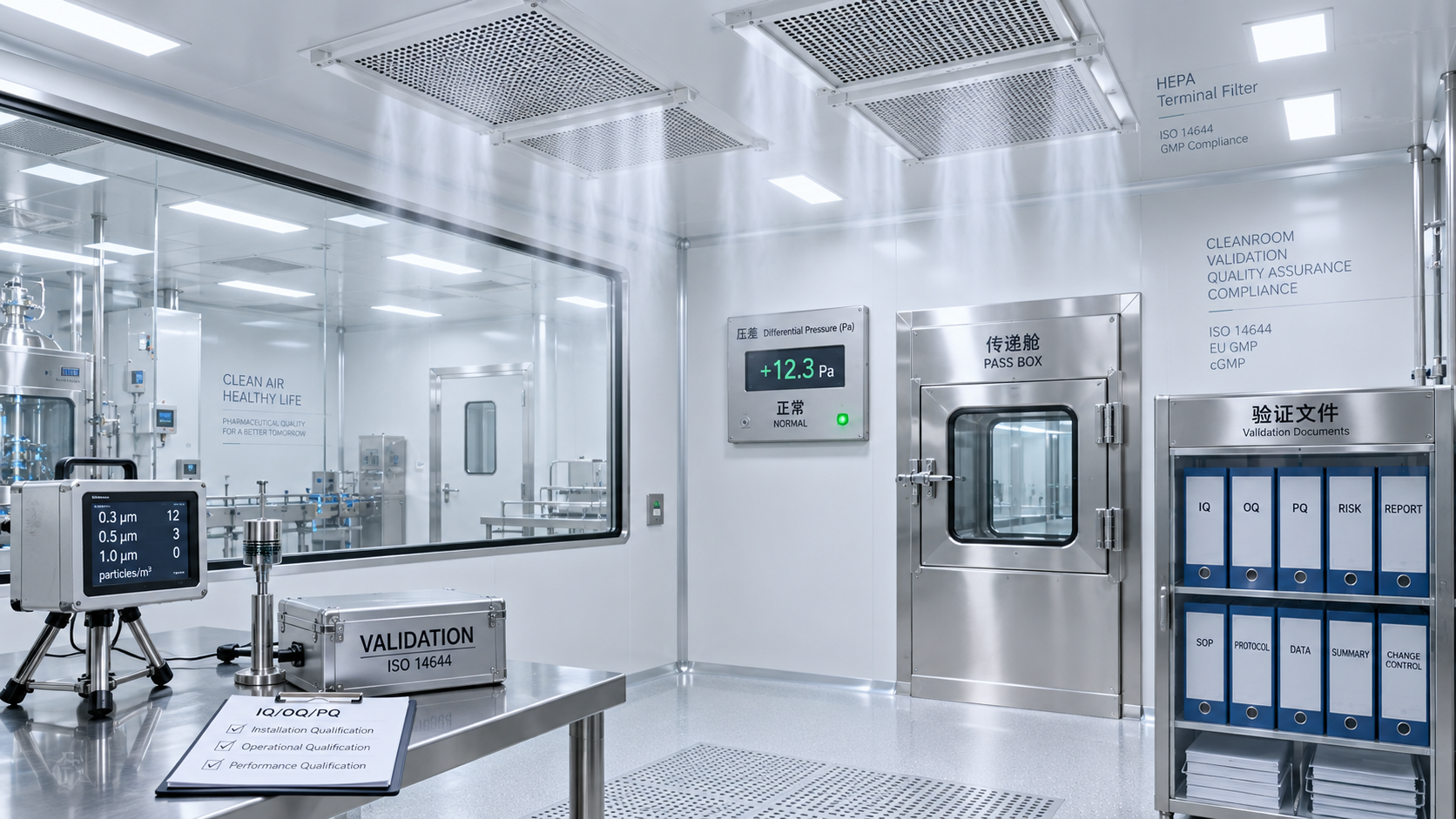
For technical evaluators, this shifts the focus from isolated component inspection to system resilience. A resilient site typically shows five traits: calibrated sensing, traceable maintenance, documented pressure strategy, load-aware controls, and a clear escalation path when trends deteriorate over 7, 30, and 90 days.
Baseline Indicators Worth Tracking
- Temperature deviation by zone, shift, and load condition
- Humidity stability against process and storage tolerances
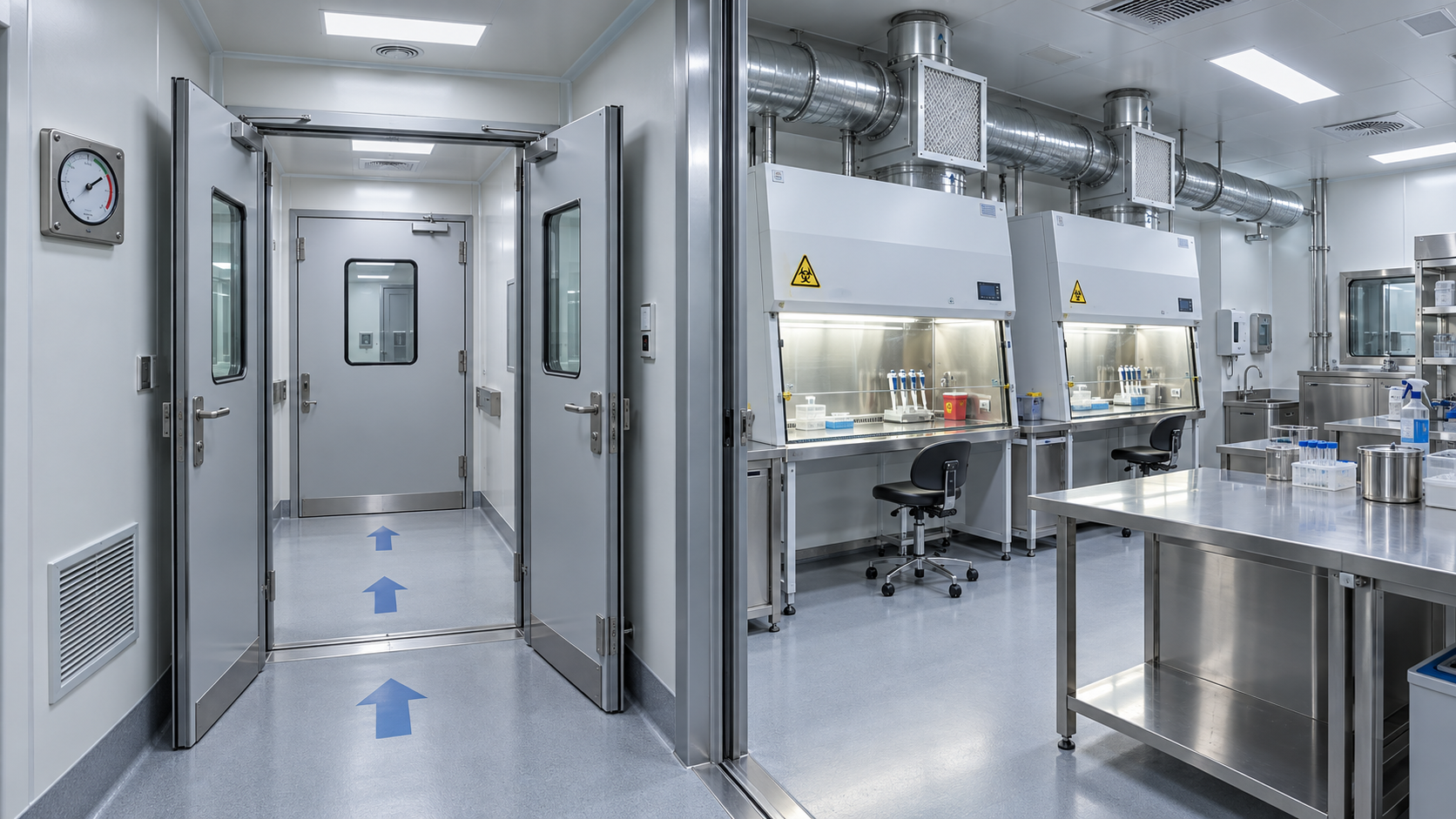
- Pressure cascade performance across doors, gowning, and process boundaries
- Filter differential pressure trend and replacement accuracy
- Alarm response time and operator acknowledgment timing
- Post-maintenance recovery results after balancing or component swaps
Sites that maintain these indicators consistently are better positioned to support audits, capacity growth, and ESG-linked performance reporting. They also reduce the chance that hidden environmental drift will erode product quality or research reliability before anyone notices.
Why G-ICE-Type Benchmarking Matters
In multidisciplinary facilities, environmental control cannot be evaluated in silos. Cleanroom airflow, precision HVAC, process fluids, biosafety containment, and smart monitoring influence one another. A benchmarking approach like G-ICE helps evaluators compare systems against relevant operating intent rather than generic building metrics alone.
That is especially valuable when environmental tolerances are extremely narrow, such as sub-micron contamination control or temperature performance approaching ±0.01°C. In such settings, early failure detection depends on cross-system visibility and technically disciplined prioritization, not reactive maintenance alone.
Industrial Climate Control standards rarely fail first in the most visible way. They fail quietly through unstable airflow, widening thermal drift, weakened filtration interfaces, and delayed control response. For technical evaluators, the most effective strategy is to measure dynamic behavior, rank deviations by consequence, and correct the highest-risk control and airside issues before planning larger capital work.
If your facility must support clean manufacturing, critical labs, precision thermal environments, or high-compliance industrial operations, a structured assessment can reveal where performance is weakening first and which upgrade path delivers the best operational return. Contact us to discuss your evaluation scope, request a tailored benchmark review, or learn more about practical solutions for resilient industrial climate control.
Get weekly intelligence in your inbox.
No noise. No sponsored content. Pure intelligence.
 Oct 21, 2026How often is cleanroom certification required under ISO 14644-2?Cleanroom Certification is generally recommended annually under ISO 14644-2. Learn when risk-based extensions apply and which changes trigger earlier testing to plan with confidence.
 Oct 21, 2026FASEB Comments on NIH Draft Policy for Research Involving BiohazardsFASEB comments on NIH’s draft biohazard research policy call for risk-based biosafety oversight. Explore potential implications for laboratories, suppliers, and compliance teams.
 Oct 20, 2026How to disinfect ultrasound machines without damaging surfacesLearn how to disinfect ultrasoundmachines without surface damage. Explore compatible products, wet contact times, and probe care to protect patients and equipment.
 Oct 20, 2026Ultrapure Water in Semiconductor Manufacturing: Reuse and Quality Control InsightsExplore ultrapure water reuse in semiconductor manufacturing, key UPW quality benchmarks and analytical insights to help evaluate suppliers and protect process purity.
 Oct 19, 2026How cooling affects warpage in injection-molded consumer electronics housingsOptimize plastic injection molding for consumer electronics with cooling strategies to reduce housing warpage and improve assembly fit. Discover practical checks for stable, efficient production.
 Oct 18, 2026Can air leaks prevent a dehumidifier from holding its target dew point?Why can't our dehumidifier maintain the target dew point? Discover how air leaks increase moisture loads, spot hidden faults, and find practical fixes to restore reliable dew-point control.
 Oct 17, 2026How semiconductor process water treatment removes trace organicsSee how semiconductor process water treatment removes trace organics with RO, UV oxidation, and polishing. Learn how TOC monitoring helps verify purity and pinpoint contamination.
 Oct 16, 2026How to choose ultra pure water piping materials to limit leachingChoose ultra pure water piping with confidence. Compare PVDF, PFA, and stainless steel, assess leaching risks, and learn how to qualify your system for reliable purity.
 Oct 15, 2026How to size a skid-mounted deionized water system for peak demandCompare deionized water systems skid configurations for peak demand. Learn how to balance production, storage, and pump capacity to prevent shortages and avoid costly oversizing.
 Oct 14, 2026When is collaborative laboratory robotics suitable for sample sorting?Explore when collaborative laboratory robotics suits sample sorting. Discover key checks for safety, traceability, container compatibility, and throughput before choosing your solution.
 Oct 13, 2026How sandwich panel joints affect airtightness in cleanroom systemsCleanroom Systems sandwich panels need reliable joints for airtightness. Discover how gaskets, sealants, and testing help reduce leakage and protect cleanroom pressure control.
 Oct 12, 2026How to verify USP compliance for ultra pure water systemsUltra Pure Water Systems USP compliance: learn how to verify water quality, sampling, sanitization, trends, and validation controls at every point of use.
 Oct 11, 2026How tight temperature control prevents cleanroom process driftCleanroom process temperature control systems prevent costly drift by stabilizing critical conditions, improving repeatability, and protecting sensitive production workflows.
 Oct 10, 2026When does organic contaminant removal require TOC treatment?Organic contaminant removal requires TOC treatment when dissolved organics threaten product quality, equipment reliability, or process control. Learn how to assess risks and choose the right solution.
 Oct 08, 2026What affects lead times for sheet metal bending services in Canada?Sheet metal bending services Canada: discover how material supply, tooling, tolerances, finishing, documentation, and freight affect lead times for reliable project delivery.
 Oct 07, 2026How HVAC design for semiconductor fabs prevents airborne contaminationHVAC design for semiconductor fabs prevents airborne contamination through advanced filtration, pressure cascades, airflow control, and real-time monitoring. Explore key strategies for cleaner, more reliable wafer production.
 Oct 06, 2026How photovoltaic modules waterproof technology prevents moisture damagephotovoltaic modules waterproof technology prevents moisture damage with durable seals, drainage, and junction-box protection. Explore practical selection and testing insights.
 Oct 05, 2026How ISO 14644 Europe requirements affect cleanroom qualificationISO 14644 Europe requirements shape cleanroom qualification, from particle classification and recovery testing to monitoring, GMP alignment, and change control.
 Oct 04, 2026How to assess a pharmaceutical cleanroom solutions supplier’s ISO capabilityPharmaceutical Cleanroom Solutions supplier assessment guide: evaluate ISO 14644 capability, validation evidence, airflow design, documentation, and long-term GMP readiness.
 Oct 03, 2026What EU standards govern the design of BSL-3 laboratories in Europe?BSL-3 laboratories Europe: explore EU directives, EN standards, HVAC containment, commissioning, and practical design strategies for compliant, resilient high-containment facilities.
 Oct 02, 2026How EN 1822 defines HEPA filtration efficiency for cleanroomsHEPA filtration EN 1822 explained: learn how MPPS testing, local leakage limits, and filter classes support reliable cleanroom decisions.
 Oct 01, 2026How pharmaceutical process water systems control microbial riskProcess water systems pharmaceutical teams rely on can control microbial risk through hygienic design, monitoring, and validated sanitization. Explore practical compliance strategies.
 Sep 30, 2026When does a negative pressure laboratory need BSL-3 containment?Negative pressure laboratory or BSL-3? Discover the risk factors, engineering controls, and containment requirements needed for safe, compliant laboratory planning.
 Sep 29, 2026How to evaluate a TOC-zero water treatment supplier for UPW systemsChoose a TOC-zero water treatment supplier with confidence. Compare UPW performance, monitoring, validation, materials, service capability, and lifecycle cost.
 Sep 28, 2026What drives sustainable cooling cost in high-precision facilities?Sustainable cooling cost in high-precision facilities depends on thermal stability, energy, water, controls, and resilience. Explore smarter lifecycle strategies.
 Sep 27, 2026How to compare freight forwarding services for time-critical shipmentsCompare freight forwarding services for time-critical shipments with practical insights on routing, customs, visibility, specialized handling, and contingency planning.
 Sep 26, 2026How environmental integrity in laboratories supports reliable test resultsEnvironmental Integrity in laboratories safeguards samples, instruments, and staff. Discover practical controls for contamination, monitoring, and reliable test results.